Vitamin
Foods high in vitamin B2 (riboflavin) and what it does
Riboflavin is the vitamin that makes other vitamins usable. B6 and folate need it to reach their active forms. It stands up to heat but not to light.
Highest sources
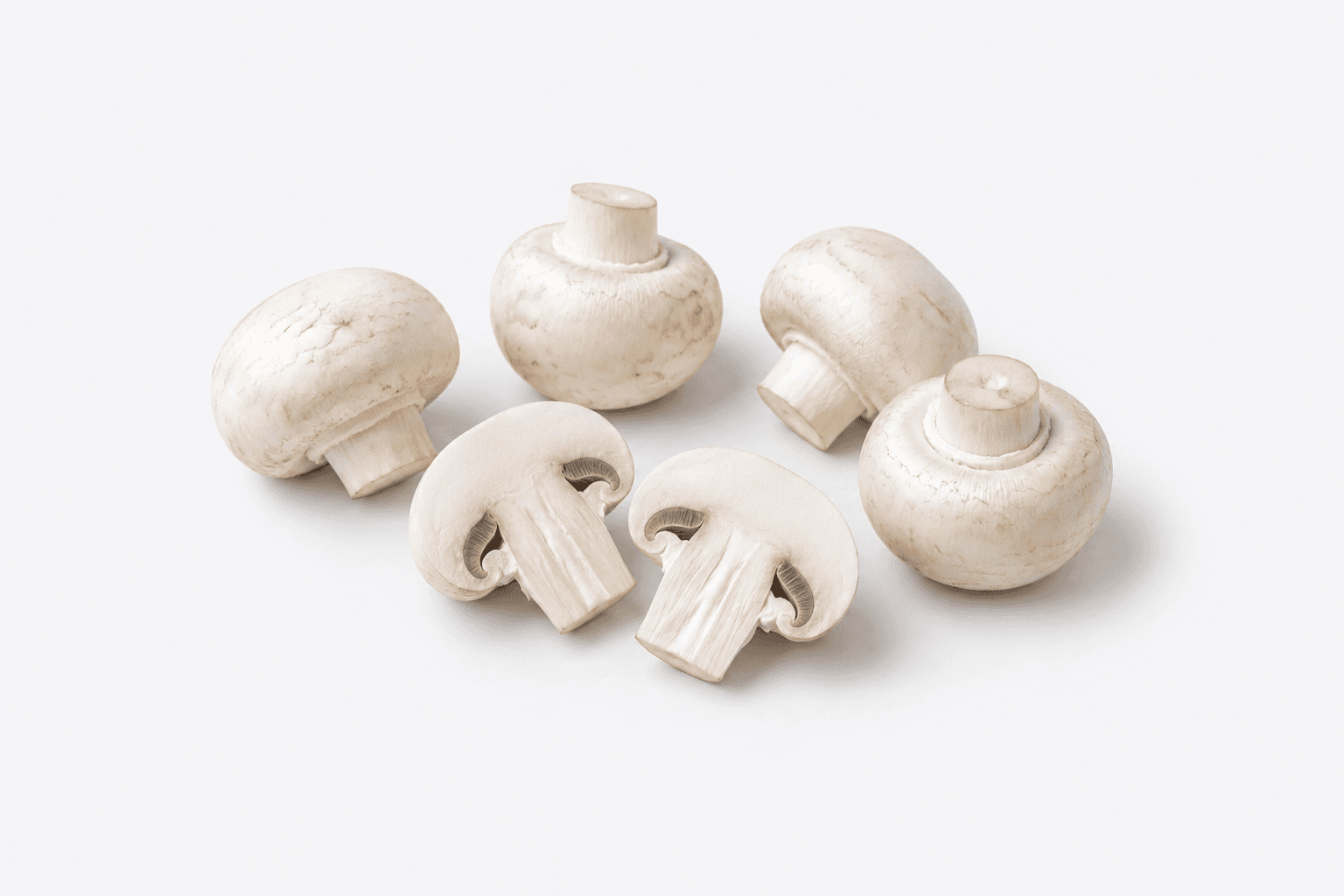
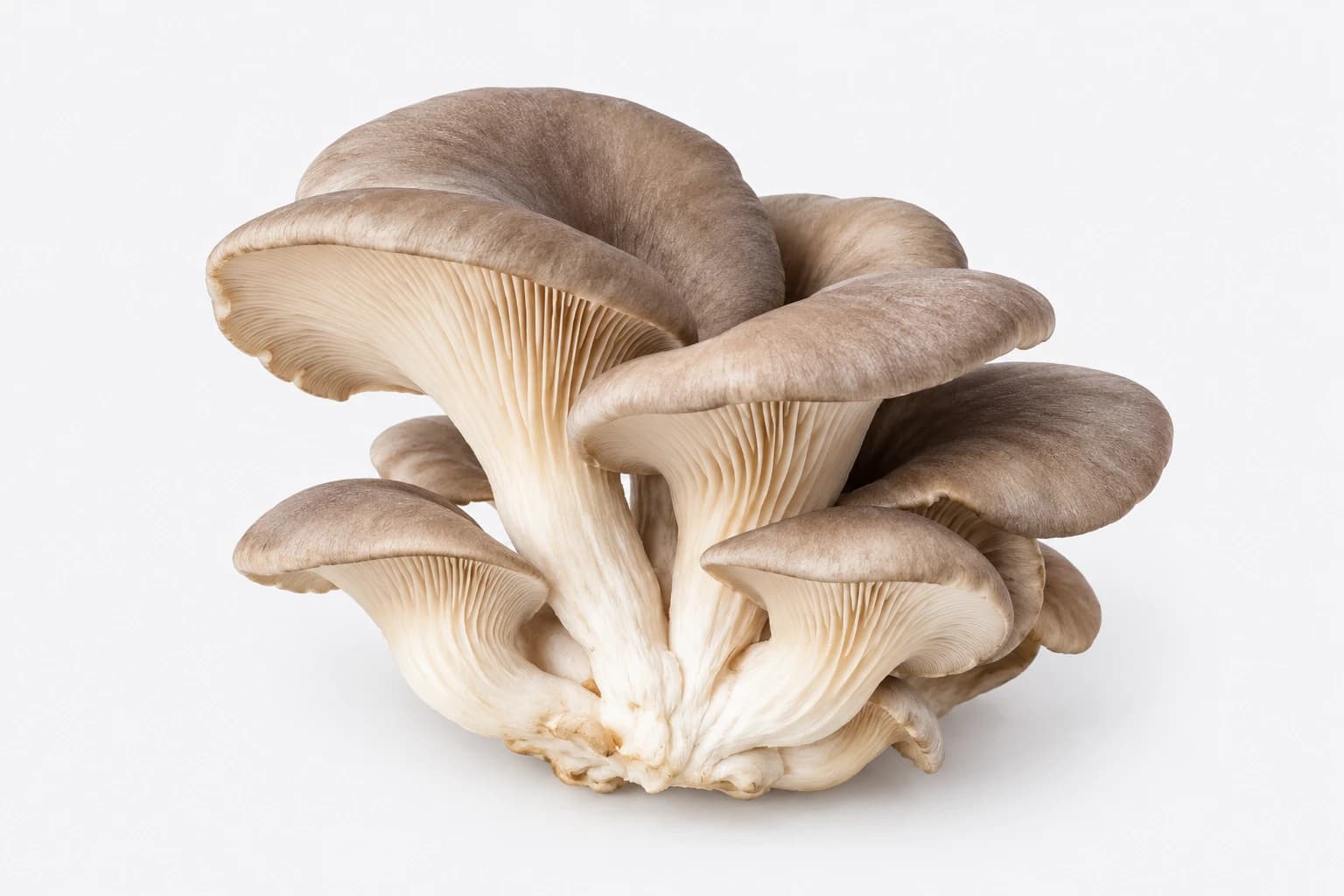
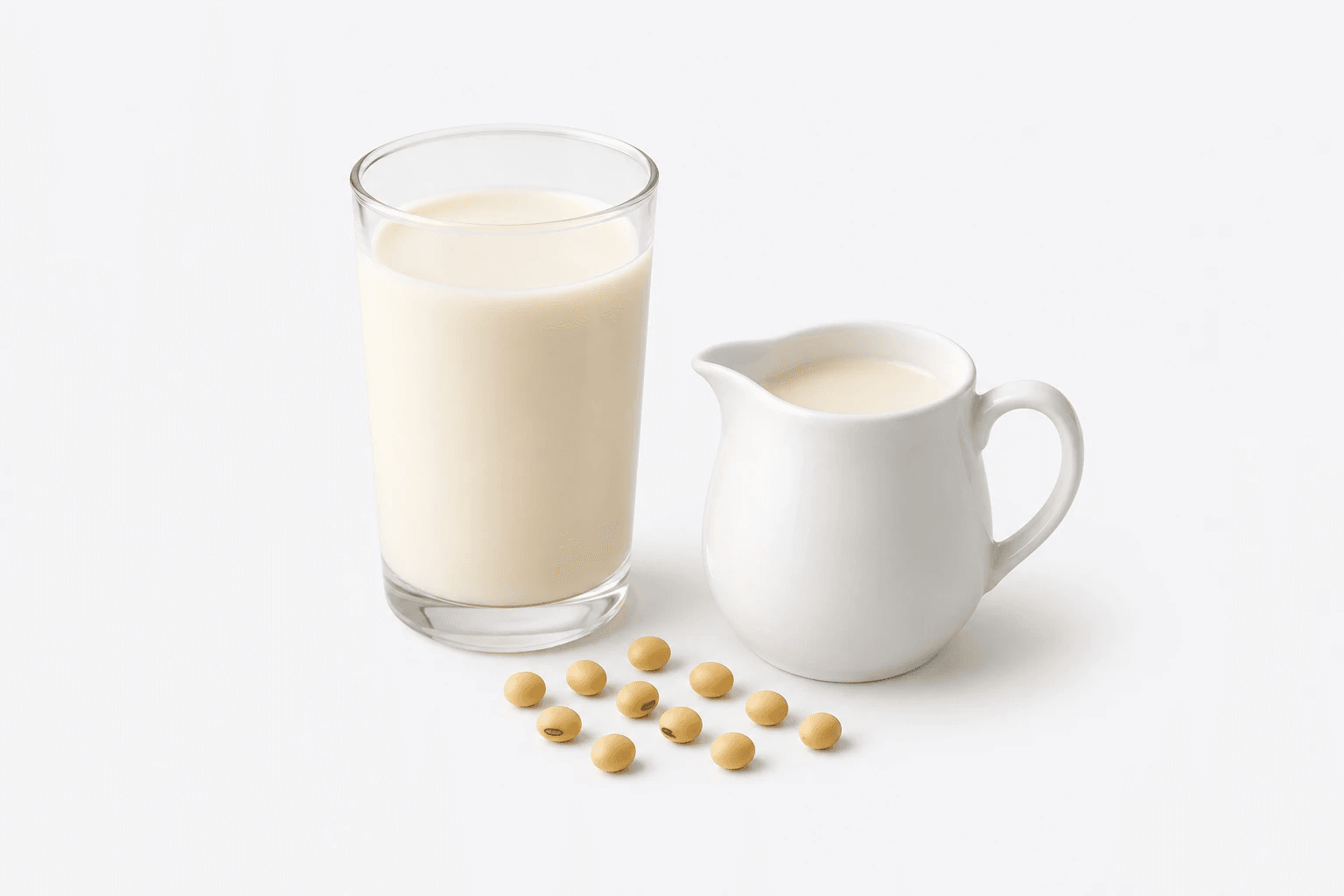
Ranked among the ingredients covered here. Reference amounts vary slightly between entries, so read this as a rough comparison rather than an exact order.
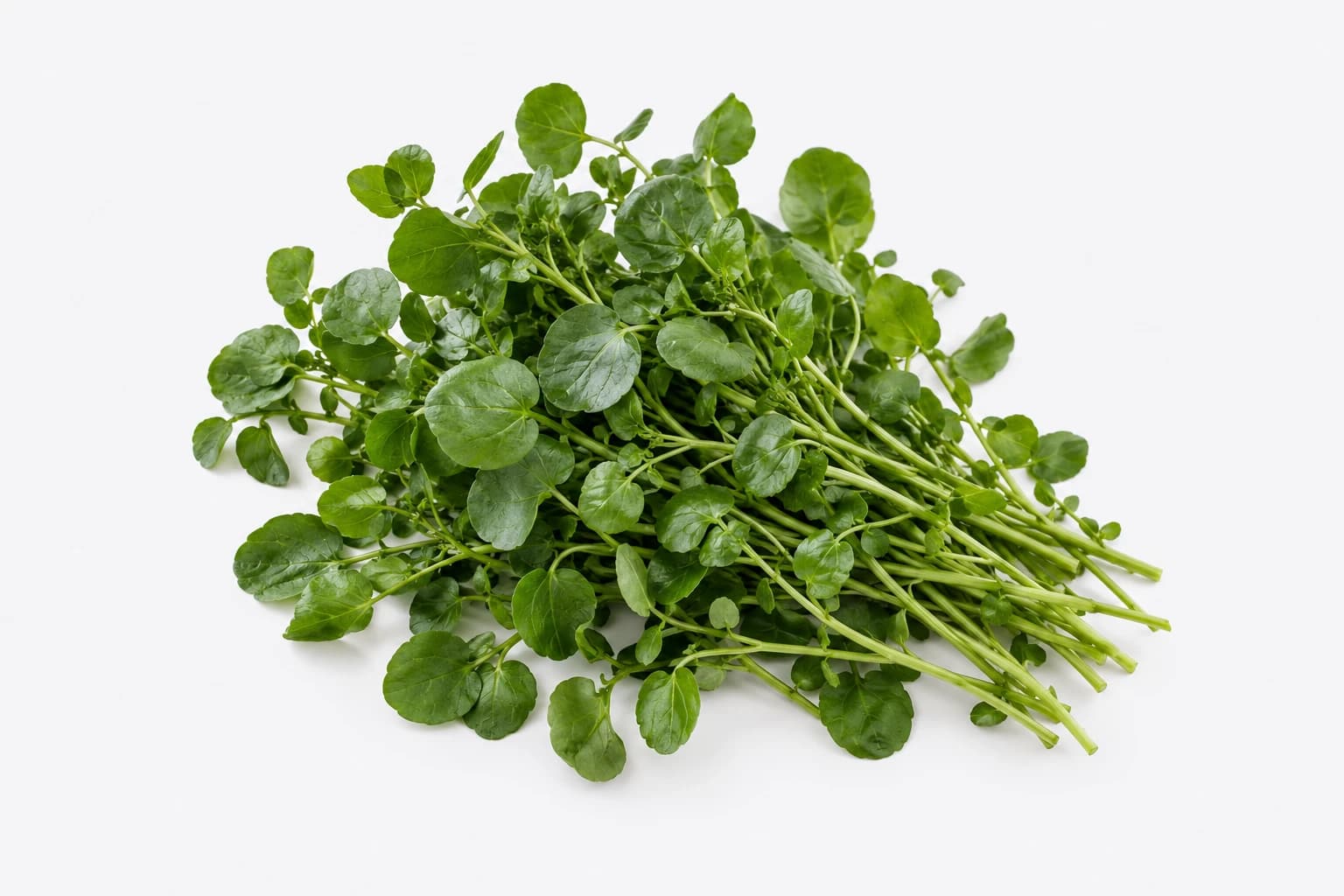
What it does
It becomes the two coenzymes FAD and FMN, which take part in almost every oxidation-reduction reaction of energy metabolism. Beyond that, the enzyme that converts vitamin B6 into its active pyridoxal phosphate form, methylenetetrahydrofolate reductase in folate metabolism, and the pathway that turns tryptophan into niacin all use riboflavin. Glutathione reductase needs it too, linking riboflavin to antioxidant defence. It is also involved in moving and using iron, so anaemia corrects poorly when riboflavin is short.
Recommended intake
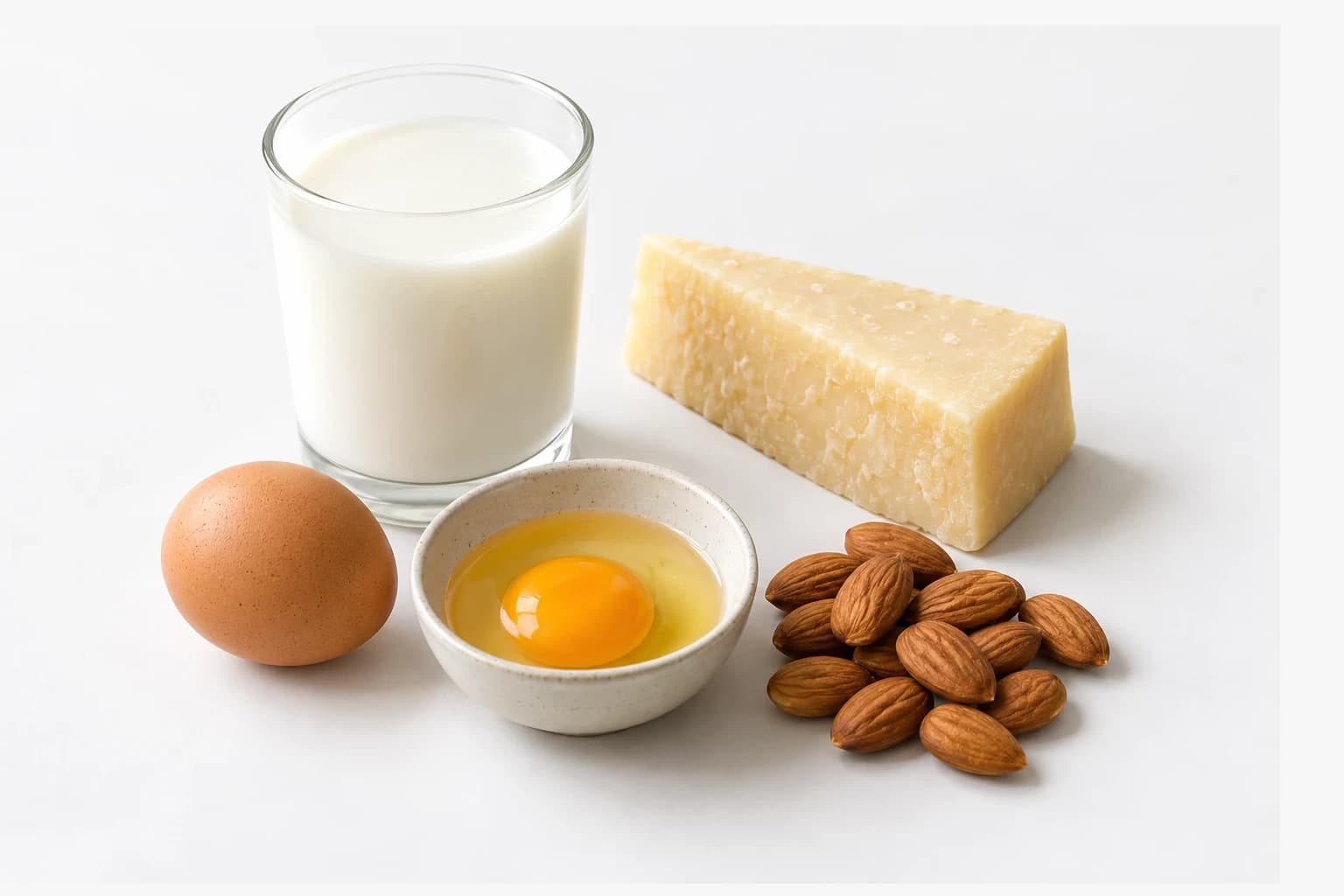
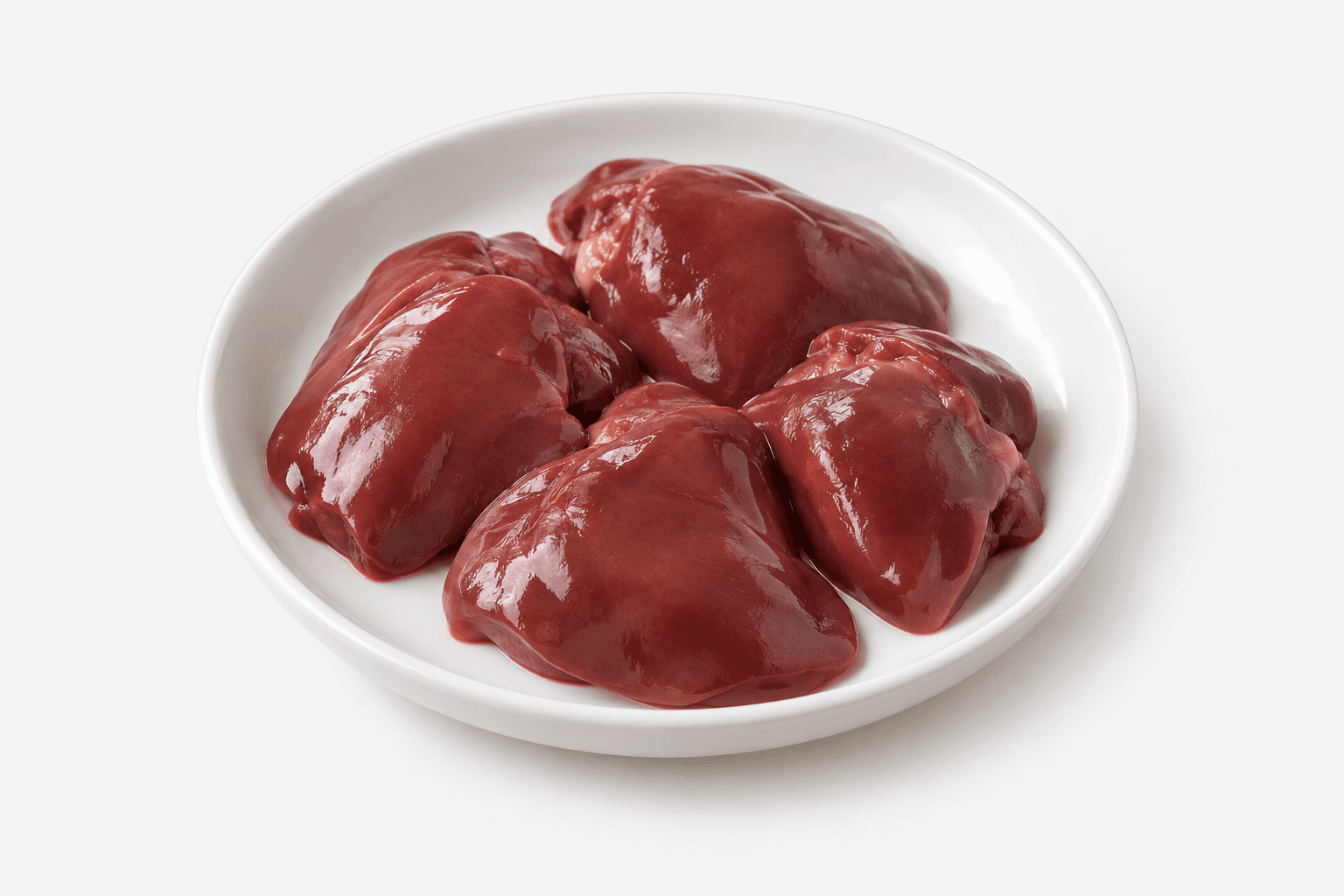
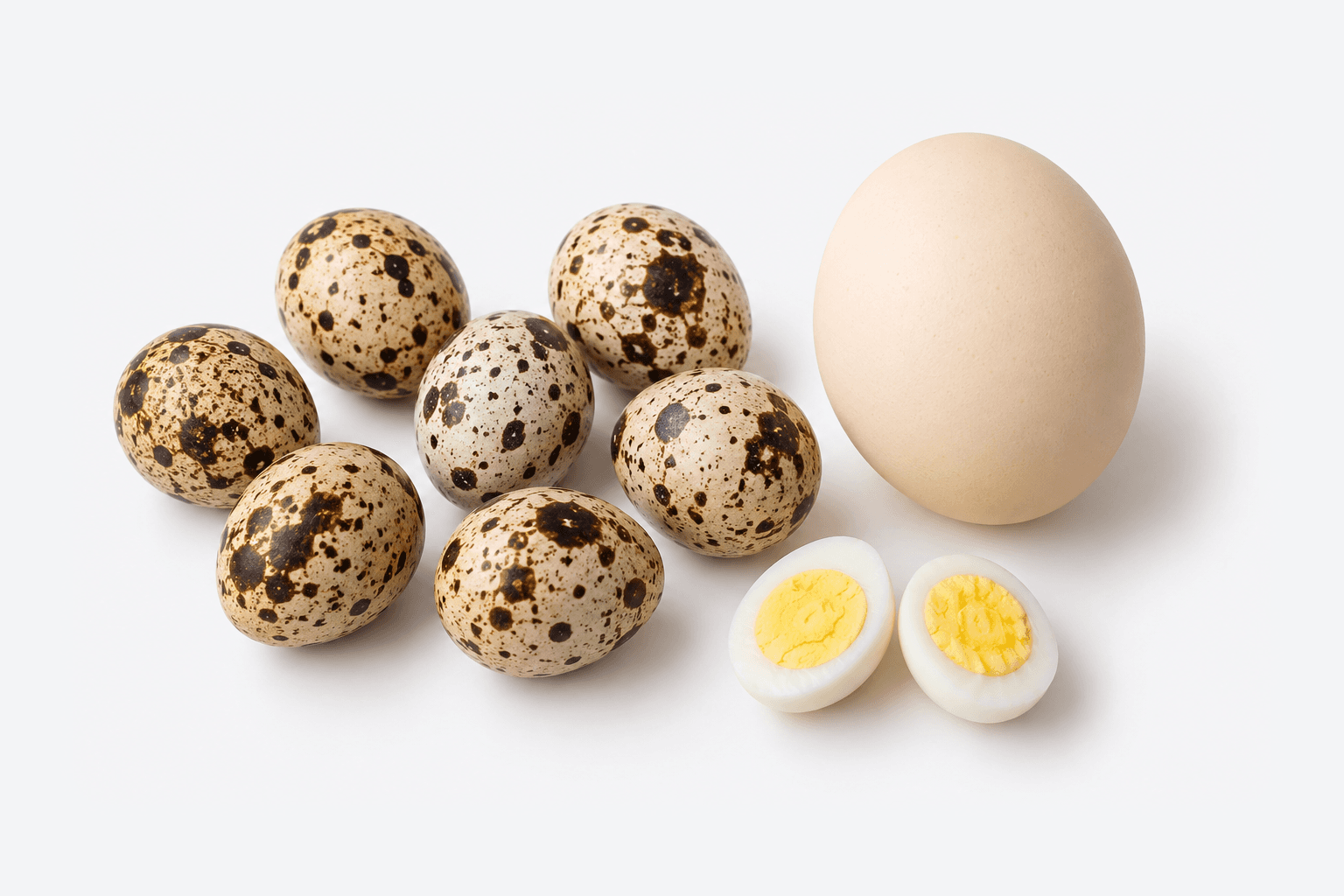
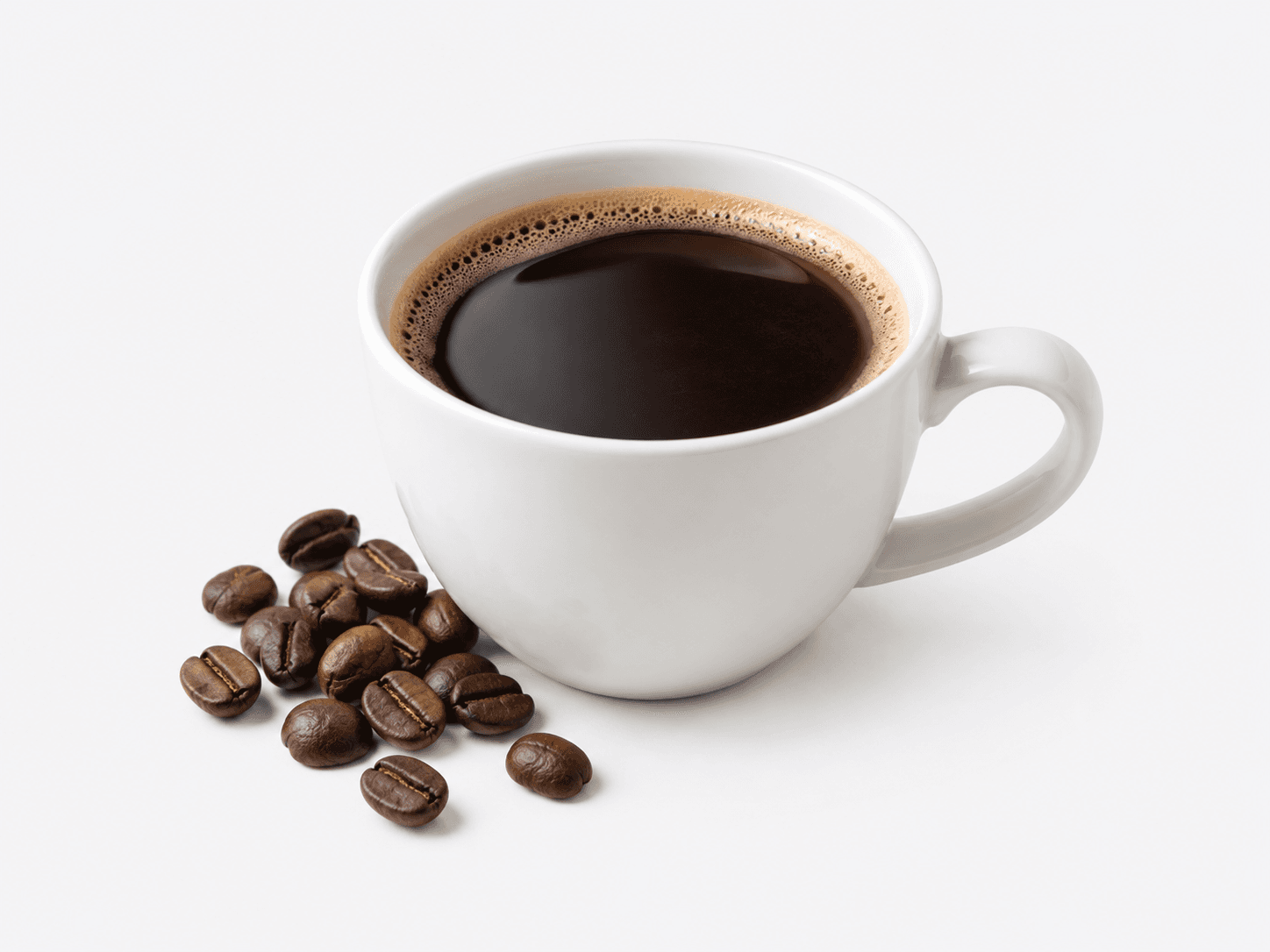
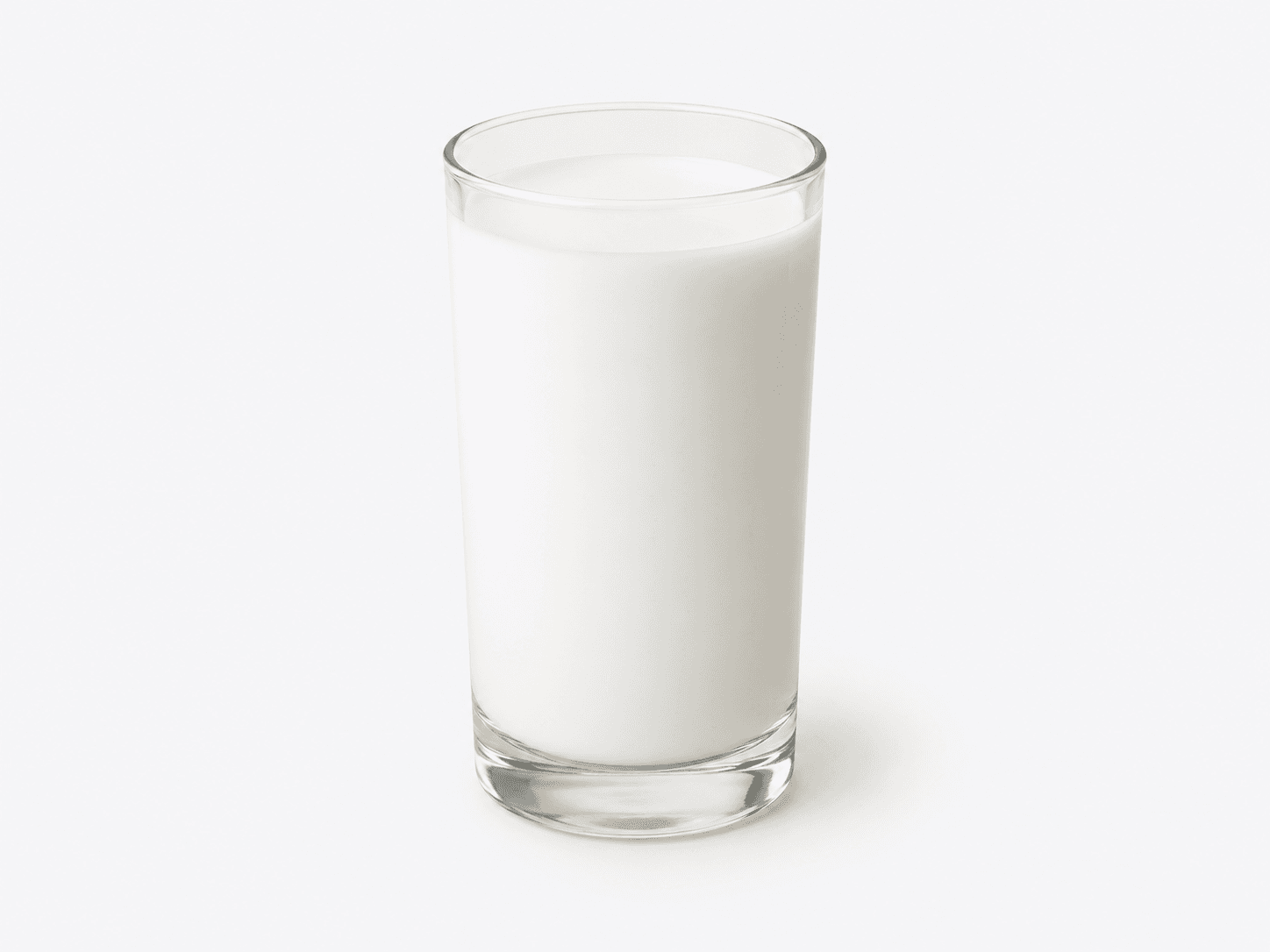
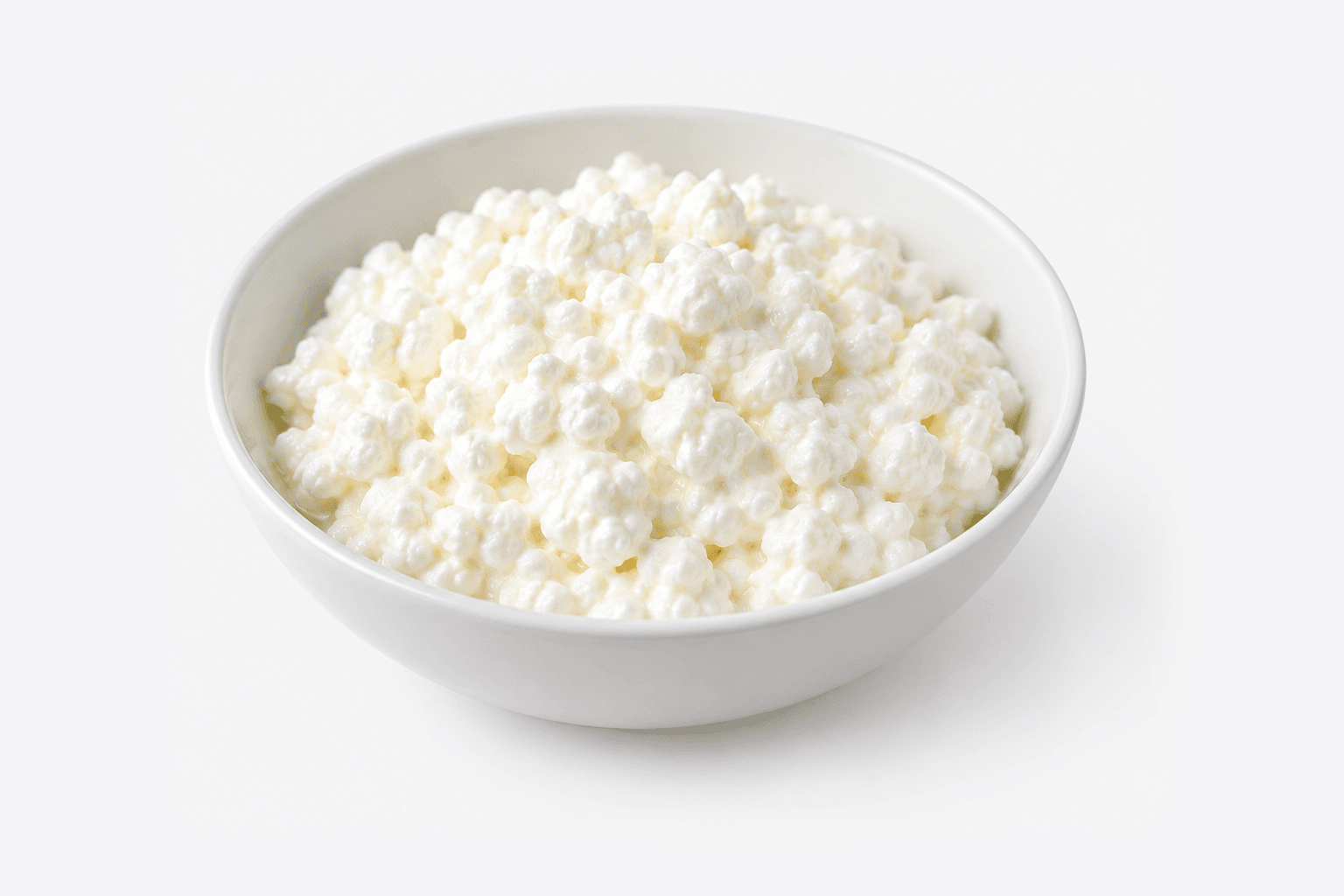
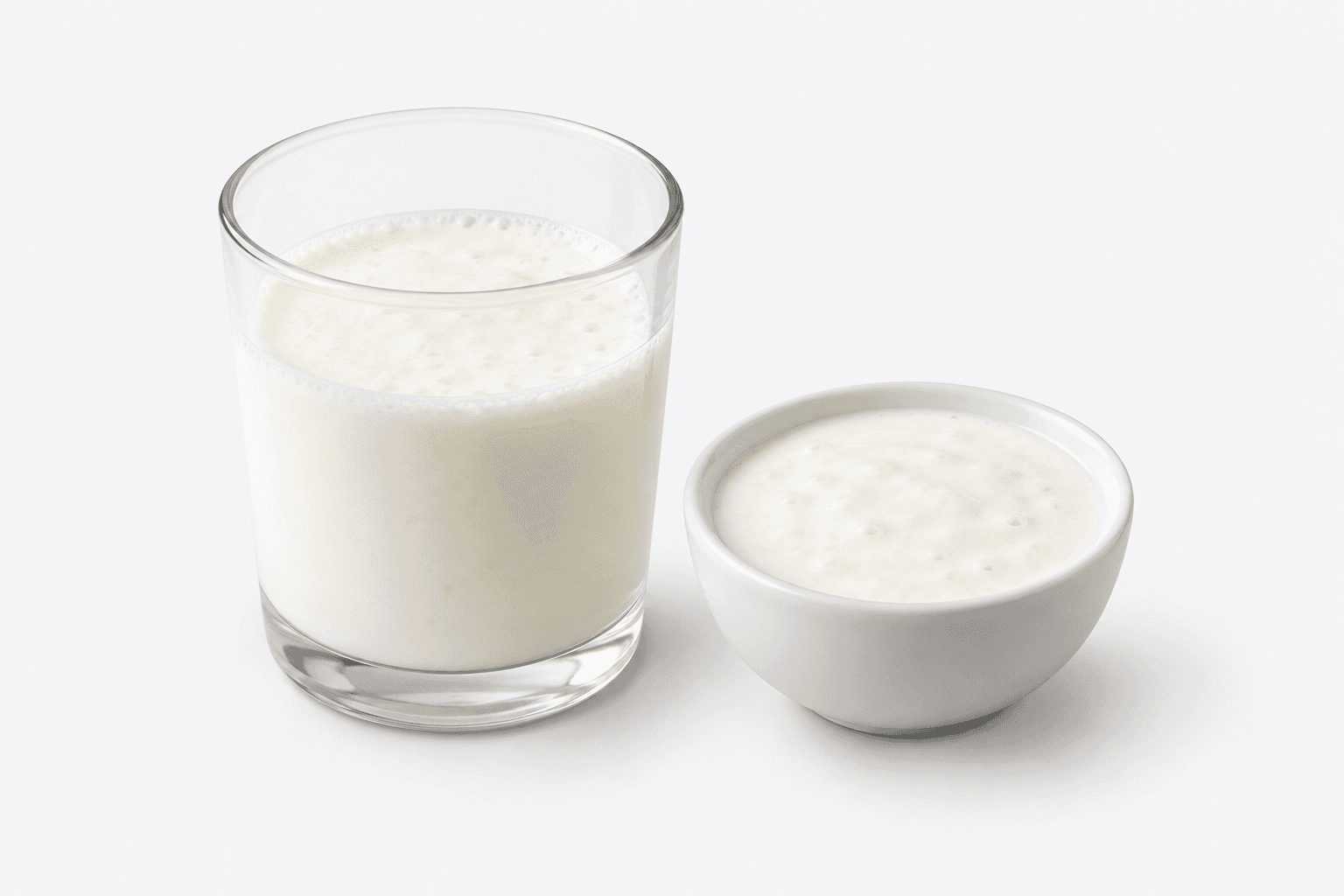
The US recommended intake for adults is 1.3 mg a day for men and 1.1 mg for women. No upper limit is set. Milk and dairy, eggs, liver, lean meat, almonds and enriched grains are the main sources. Intake tends to run low on diets with little dairy, so eggs, nuts, fortified grains and mushrooms are worth watching there.
What affects absorption
It is relatively heat-stable, so cooking does not cost much. Light is the problem — riboflavin breaks down in milk left in a clear bottle in bright light, one of the reasons milk is packaged in opaque containers. It dissolves in water, so draining cooking water takes some with it. Absorption happens in the small intestine, and there is a ceiling on how much is taken up from a single large dose.
What to watch out for
No toxicity from excess intake has been reported. High-dose supplements turn urine bright or fluorescent yellow; that is surplus riboflavin passing straight through and it is harmless. It is also a sign that much of the dose was not absorbed. Riboflavin deficiency on its own is rare, and usually comes alongside shortages of other B vitamins.
Sources
The databases and health authorities this article's nutrition figures and health statements draw on.