Vitamin
Foods high in folate and why it matters before pregnancy
Folate is used to build DNA when cells divide. The fetal neural tube closes before most people know they are pregnant, which is why intake matters from the planning stage.
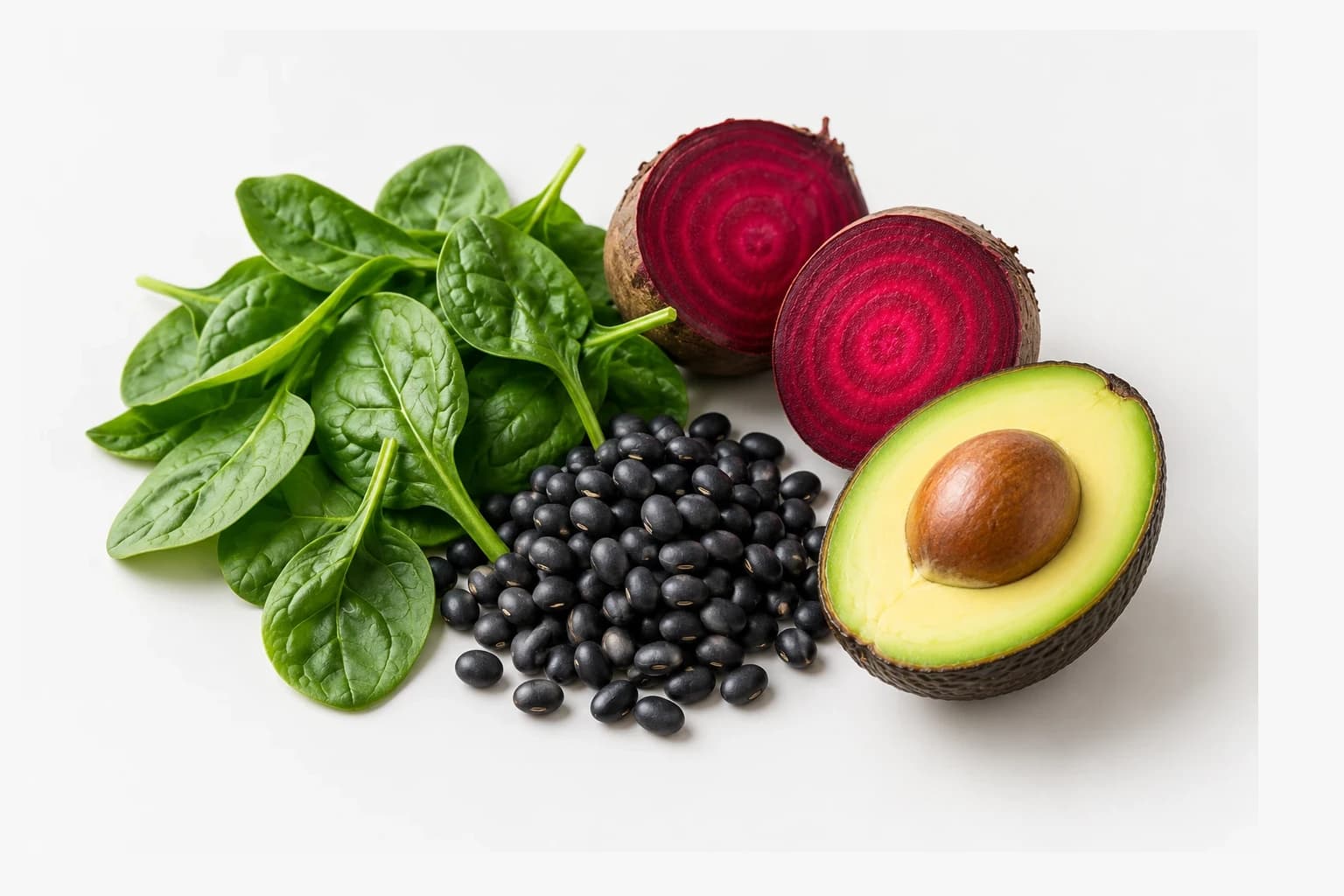
Highest sources
Ranked among the ingredients covered here. Reference amounts vary slightly between entries, so read this as a rough comparison rather than an exact order.
- 01
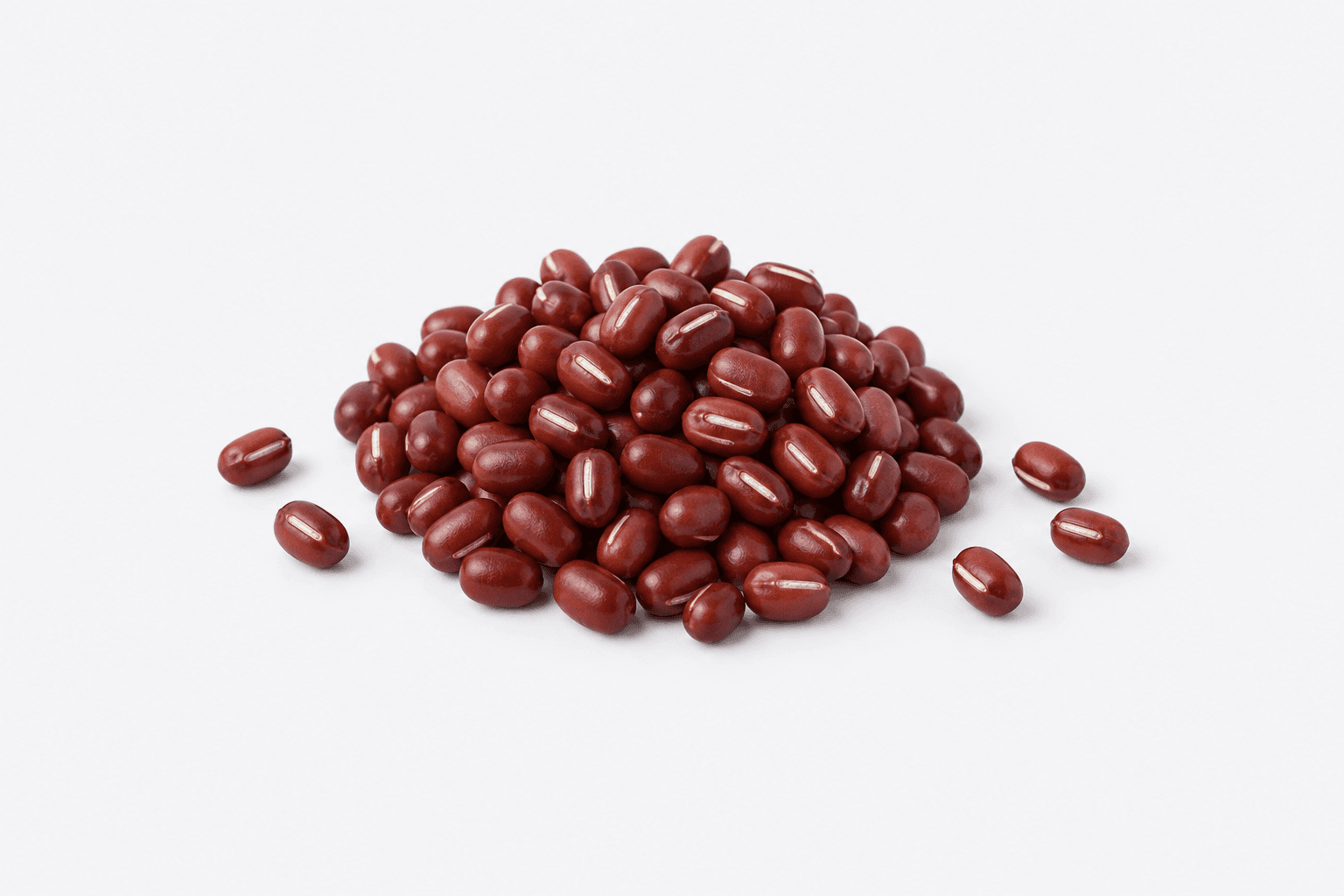 Adzuki bean622 µg156%
- 02
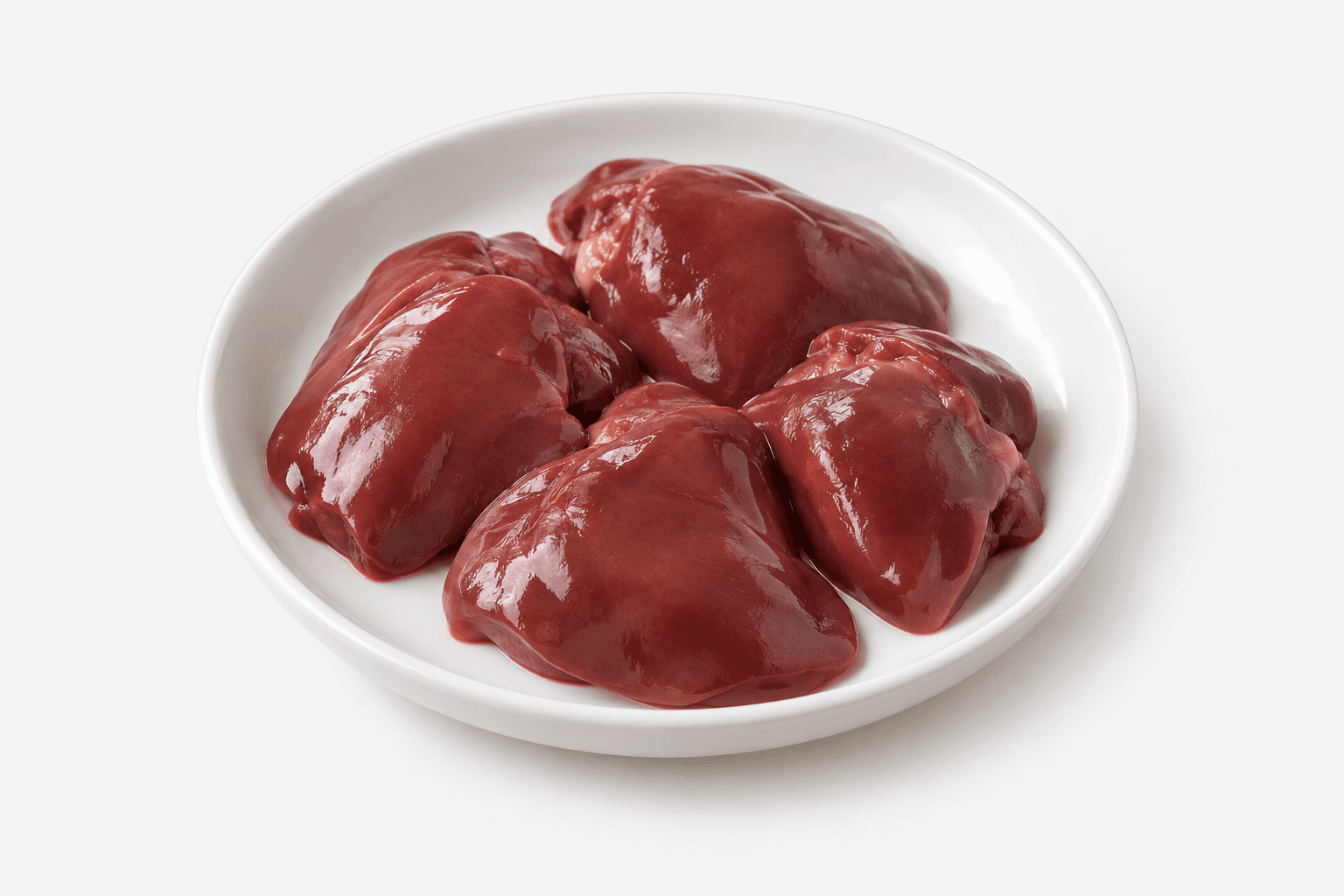 Chicken liver588 µg147%
- 03
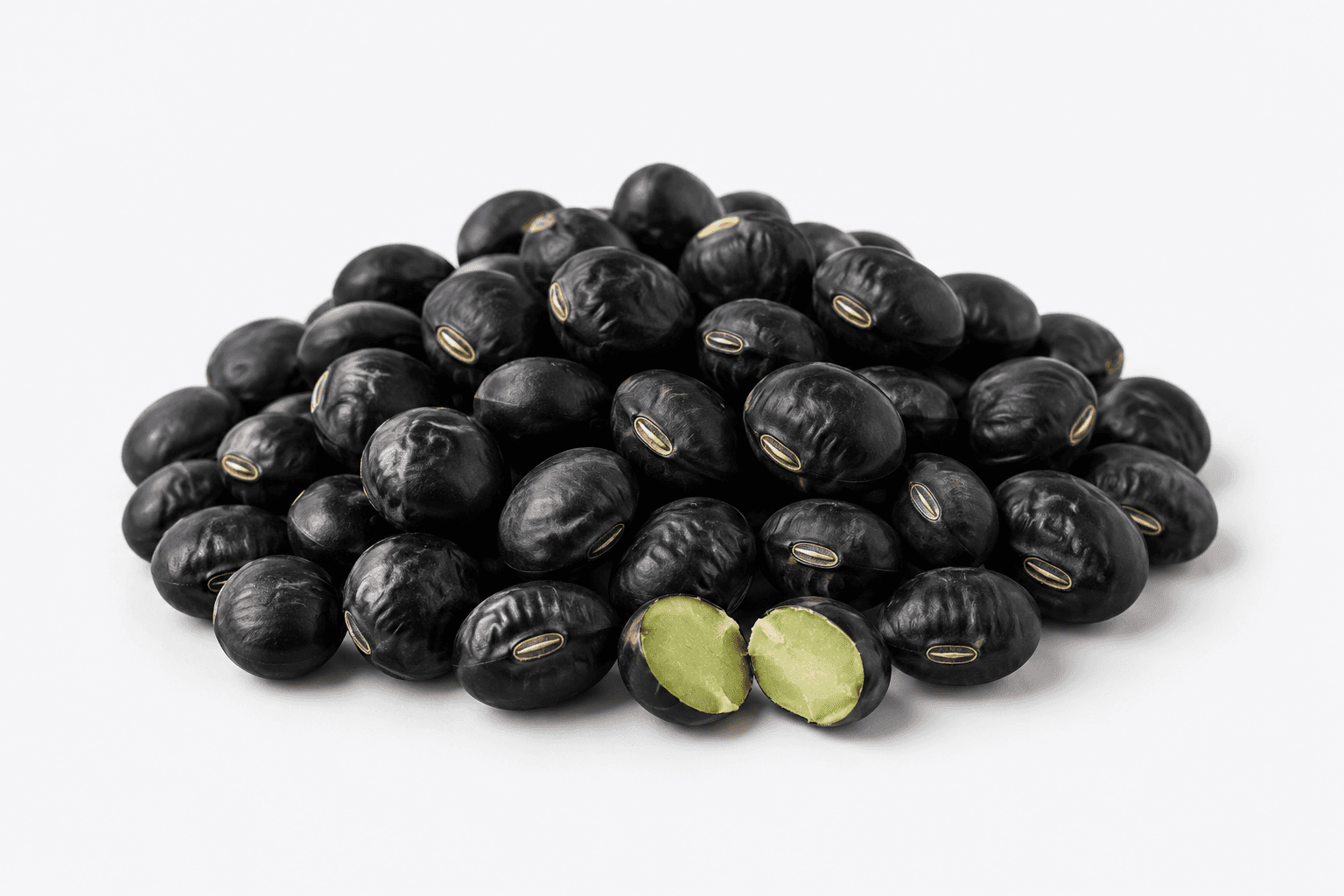 Black soybean281 µg70%
- 04
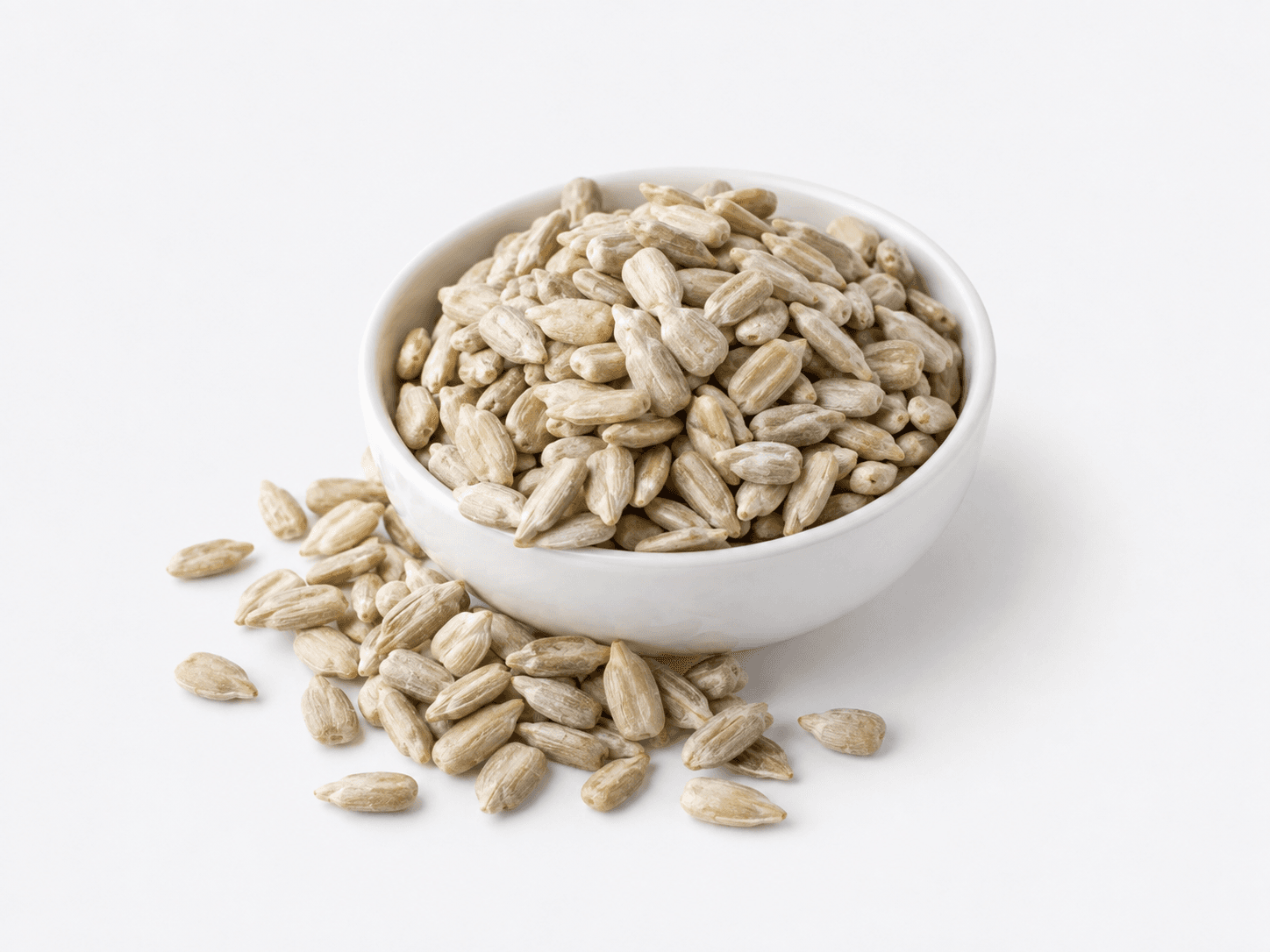 Sunflower seeds227 µgper 100 g · 57%
- 05
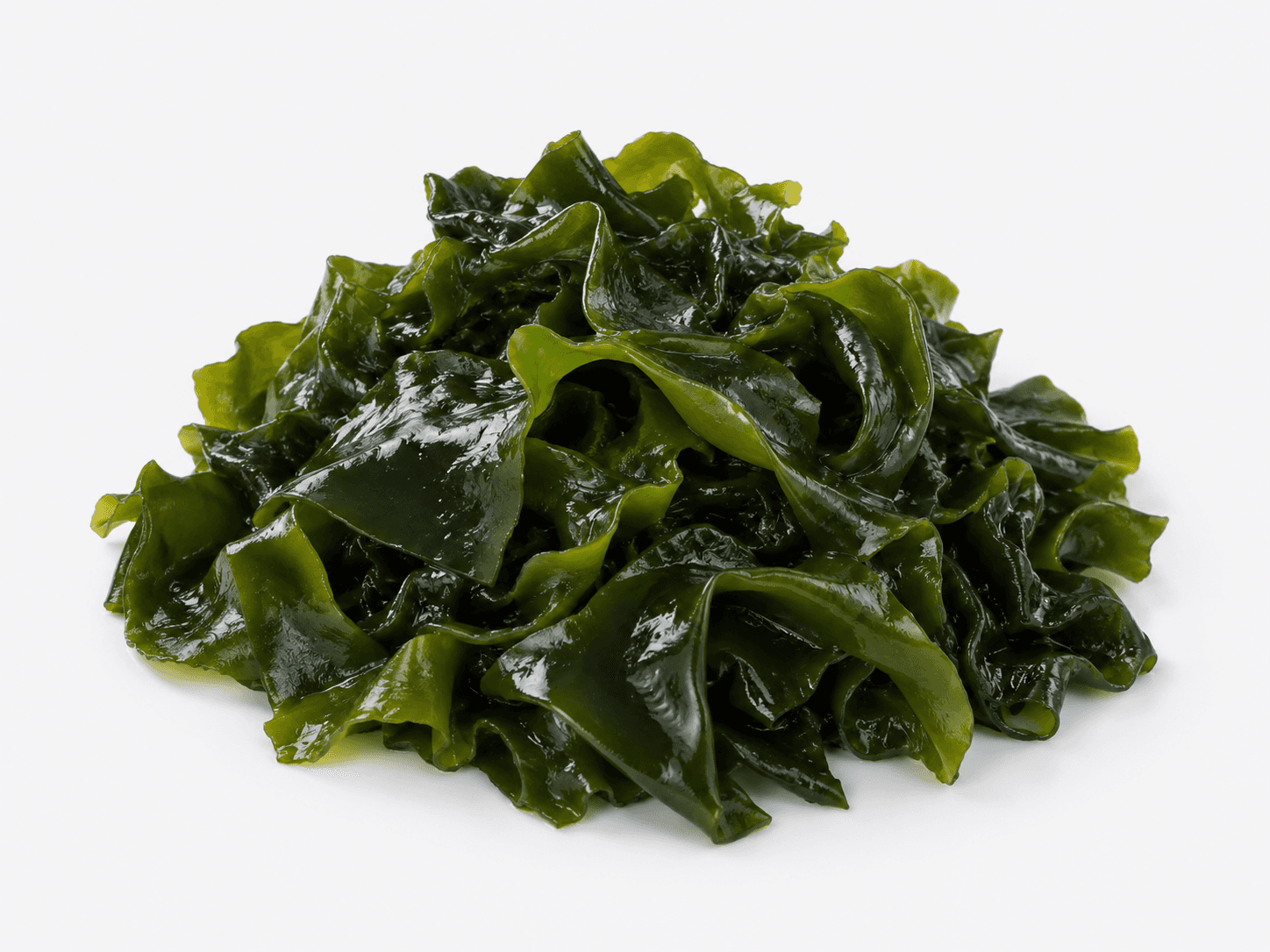 Sea mustard (wakame)196 µg49%
- 06
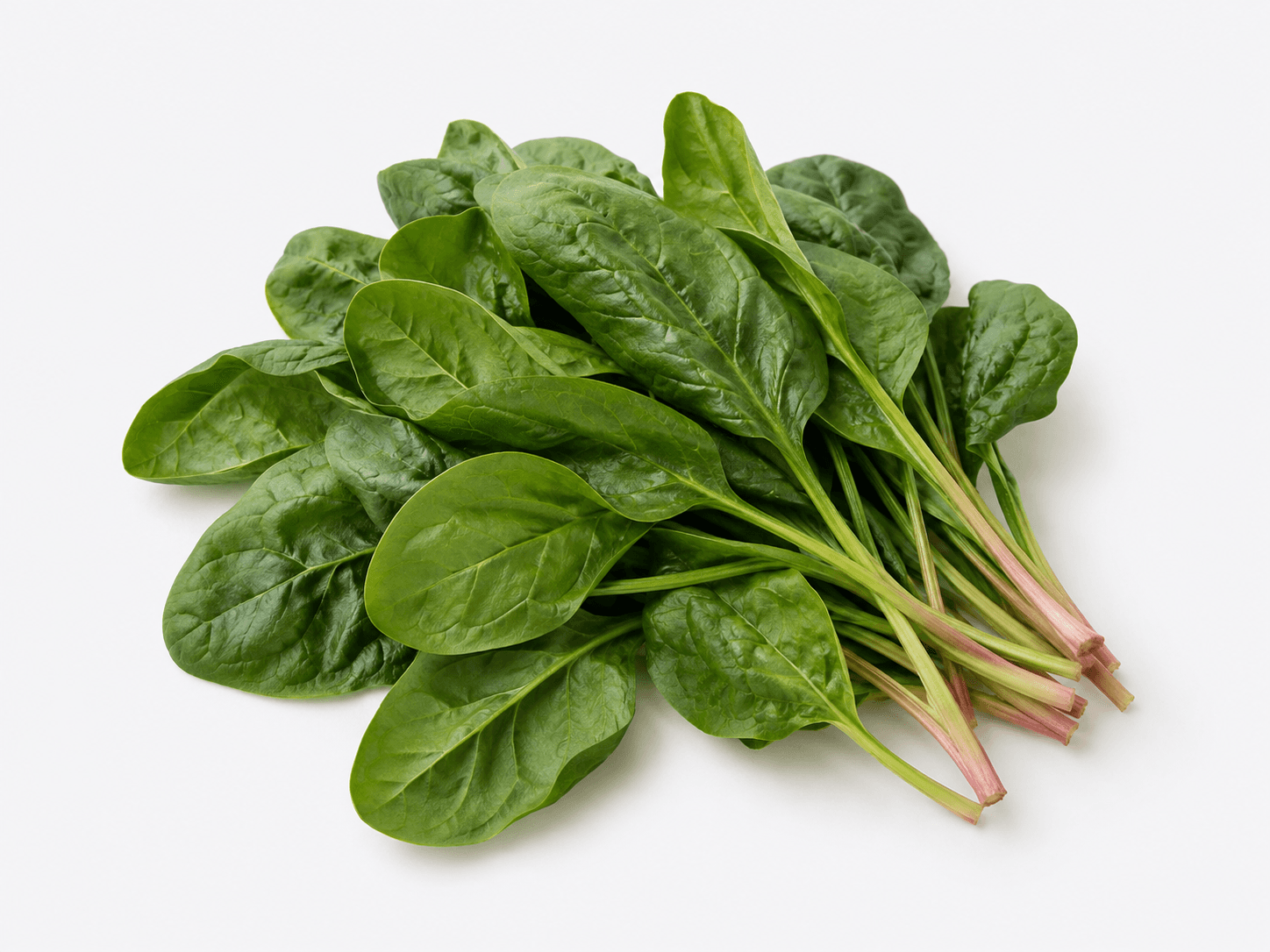 Spinach194 µgper 100 g · 49%
- 07
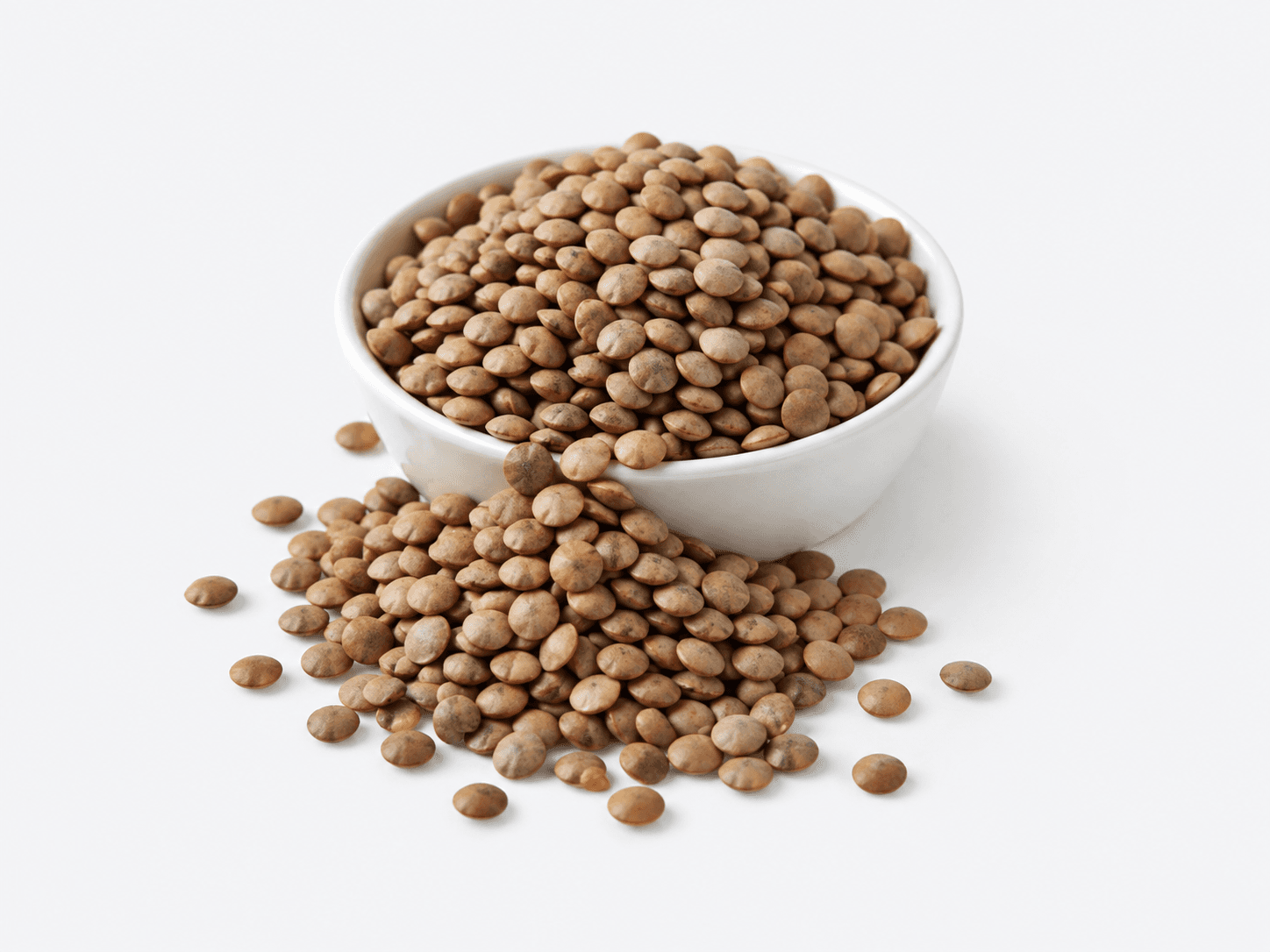 Lentils181 µg45%
- 08
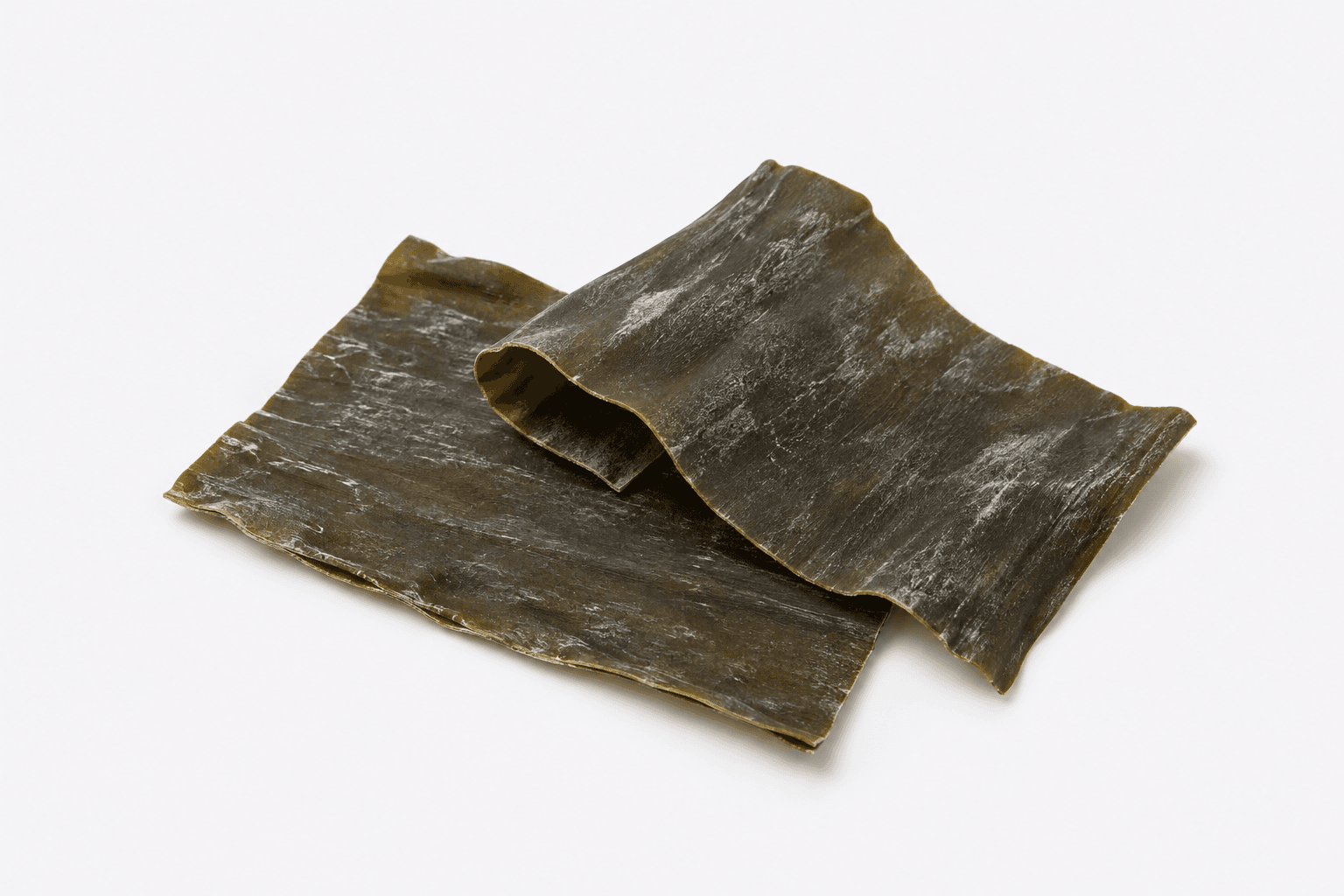 Kelp180 µg45%
- 09
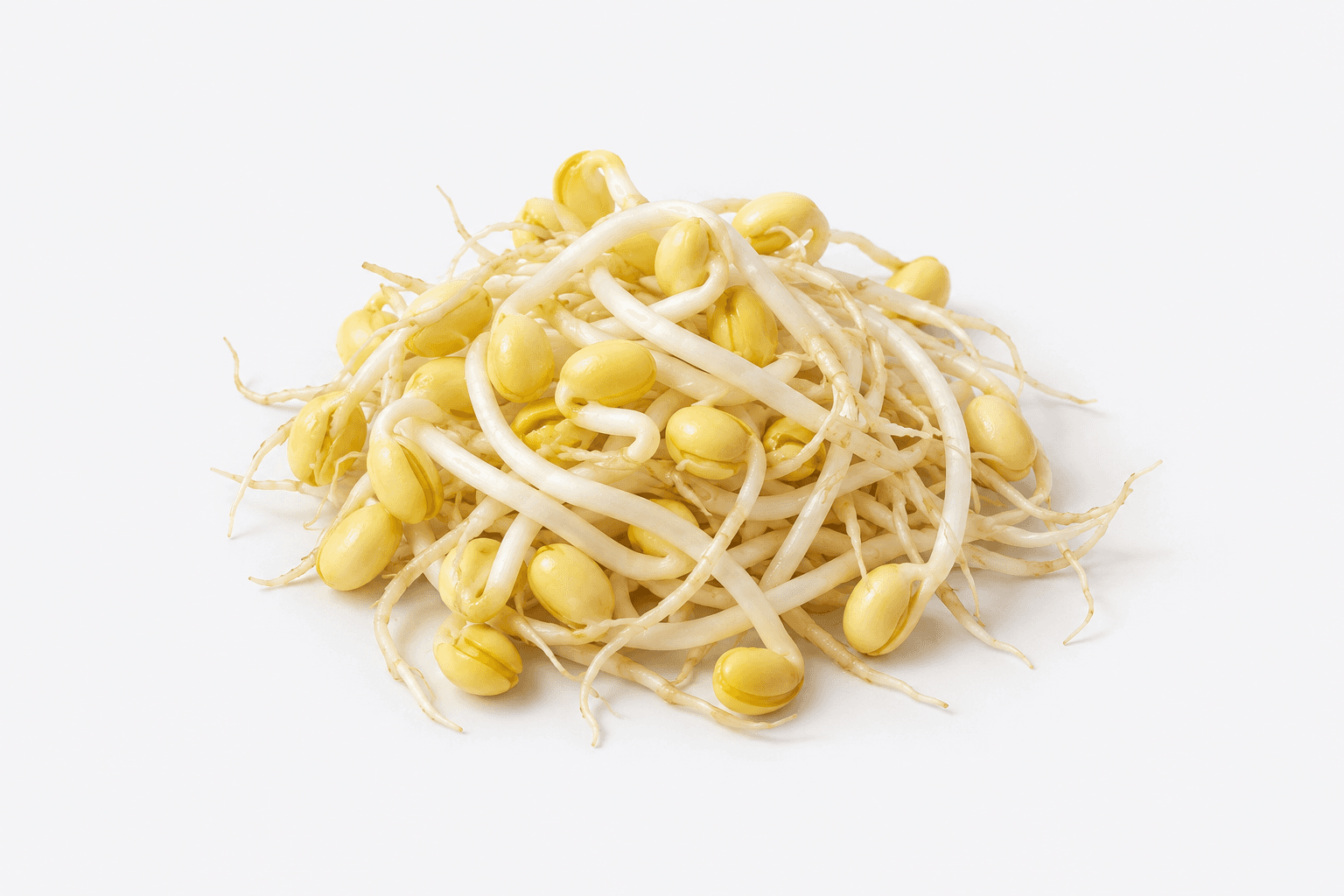 Soybean sprout172 µg43%
- 10
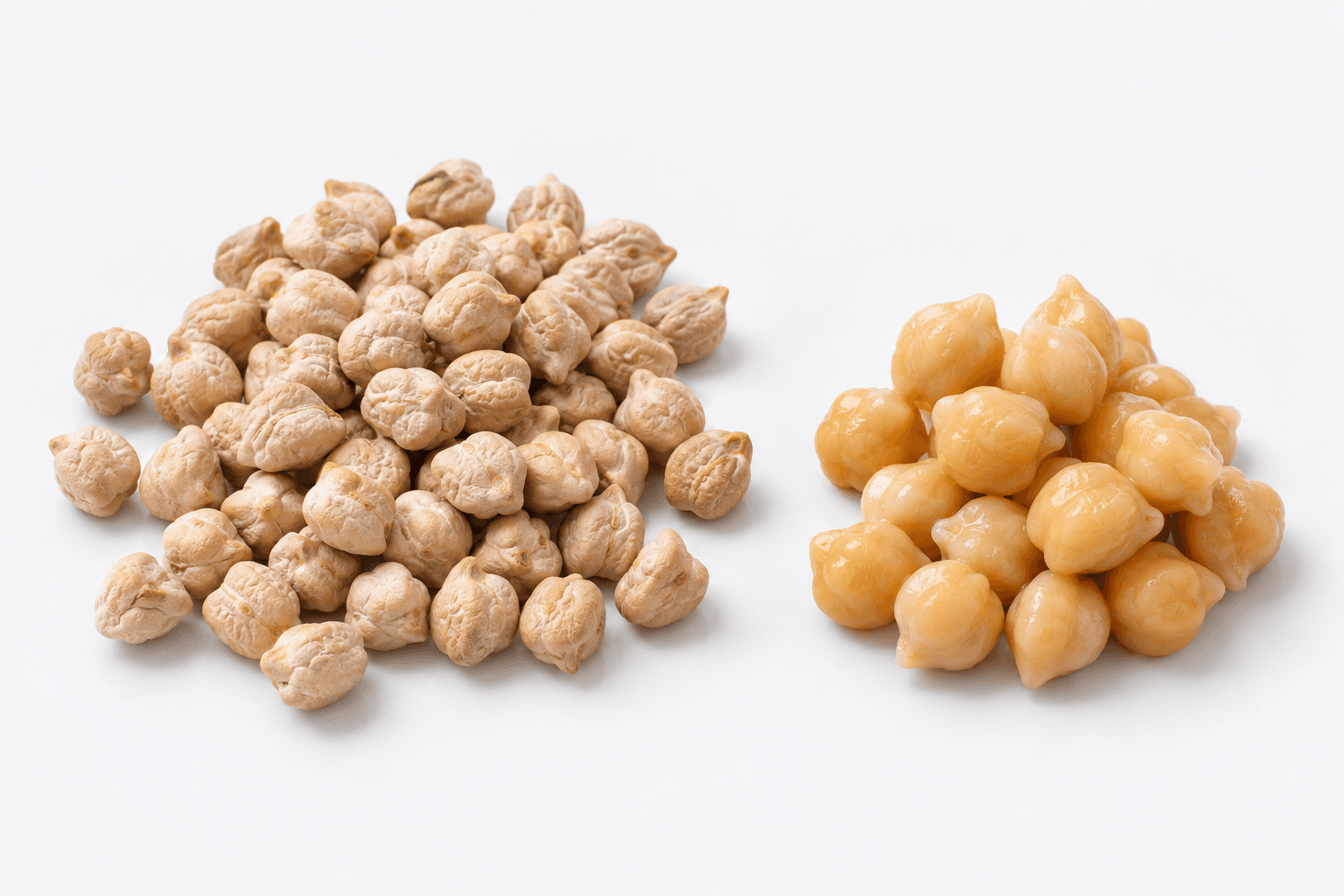 Chickpeas172 µg43%
- 11
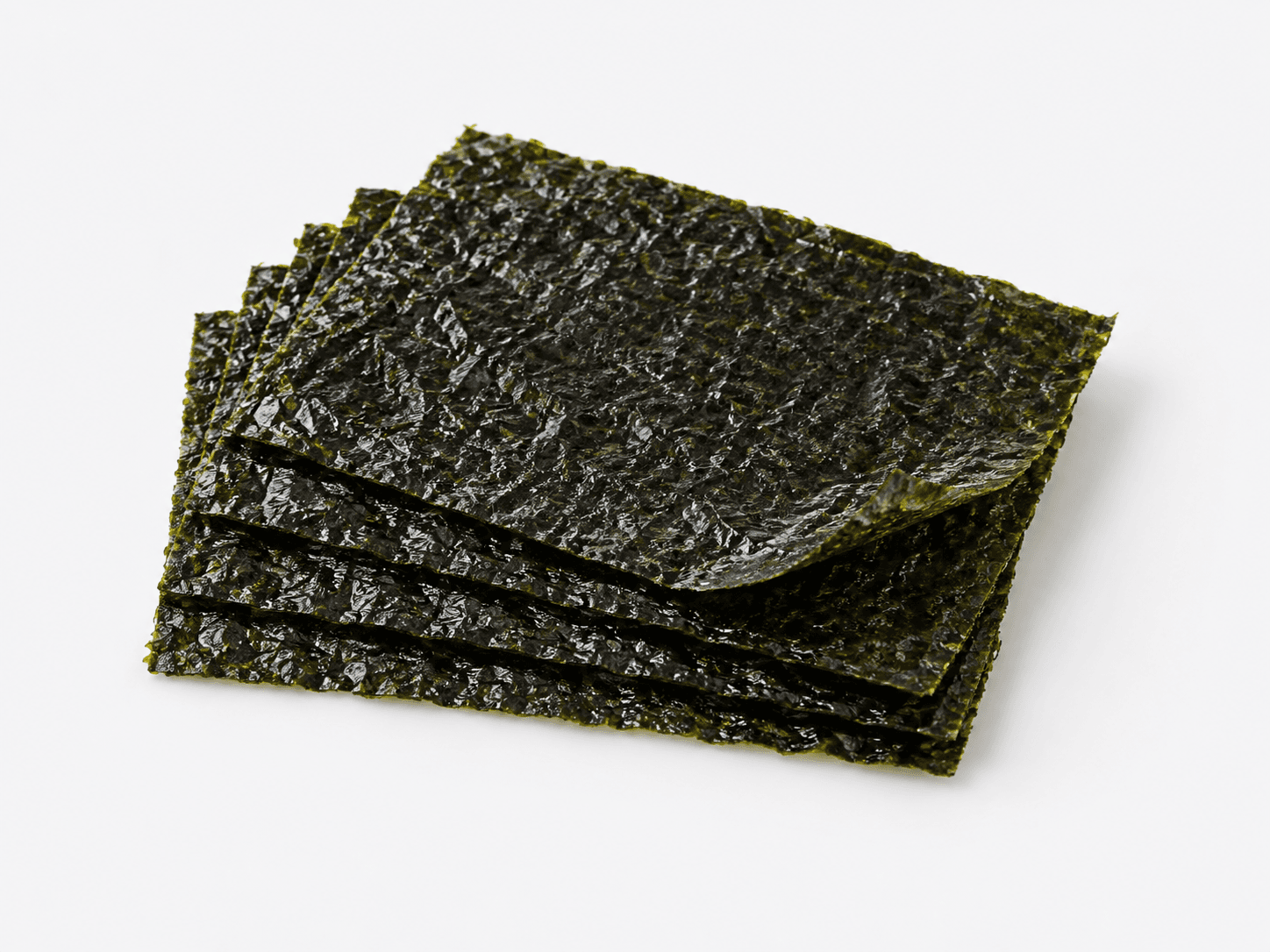 Gim (laver)146 µg36%
- 12
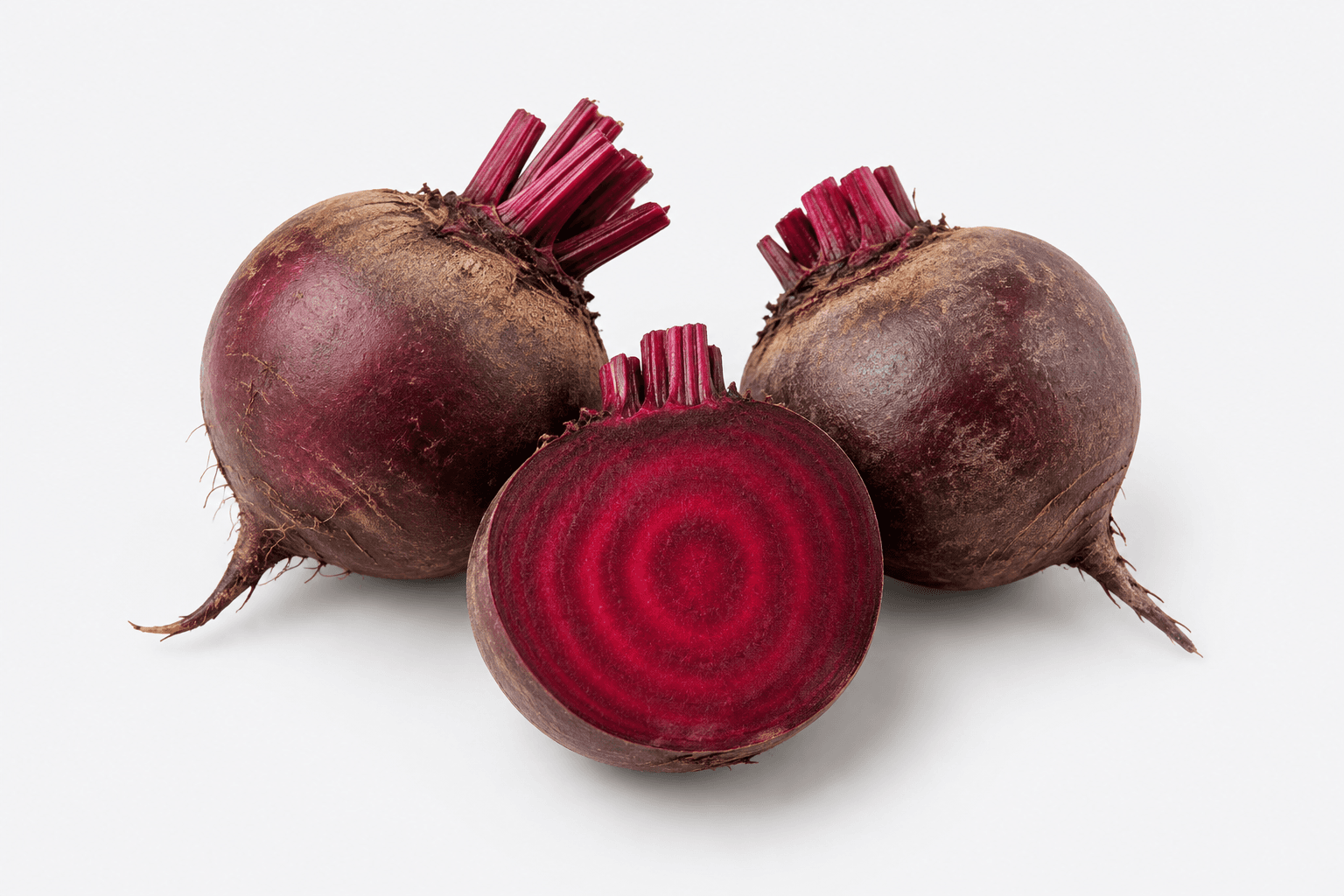 Beetroot109 µgper 100 g · 27%
What it does
It participates directly in DNA synthesis and cell division, so tissues that divide quickly need the most. It is also required to form red blood cells — shortage produces megaloblastic anaemia — and it helps convert homocysteine back to methionine.
Recommended intake
The common adult reference is 400 µg dietary folate equivalents a day, rising to 600 µg in pregnancy. Because the neural tube closes within about four weeks of conception, supplementation of 400 µg a day is advised from before conception when planning a pregnancy.
What affects absorption
Natural folate in food is absorbed less efficiently than folic acid in supplements. It is sensitive to heat and water, so prolonged boiling destroys a large share; blanch leafy greens briefly or eat them raw.
What to watch out for
High-dose folate supplementation can mask the anaemia of vitamin B12 deficiency, allowing nerve damage to progress unnoticed. This matters especially for older adults and people on plant-based diets.
Sources
The databases and health authorities this article's nutrition figures and health statements draw on.