Vitamin
Foods high in vitamin A — beta-carotene and retinol are not the same thing
The vitamin A from vegetables and the vitamin A from animal foods are handled differently by the body. Only one of them has an upper limit.
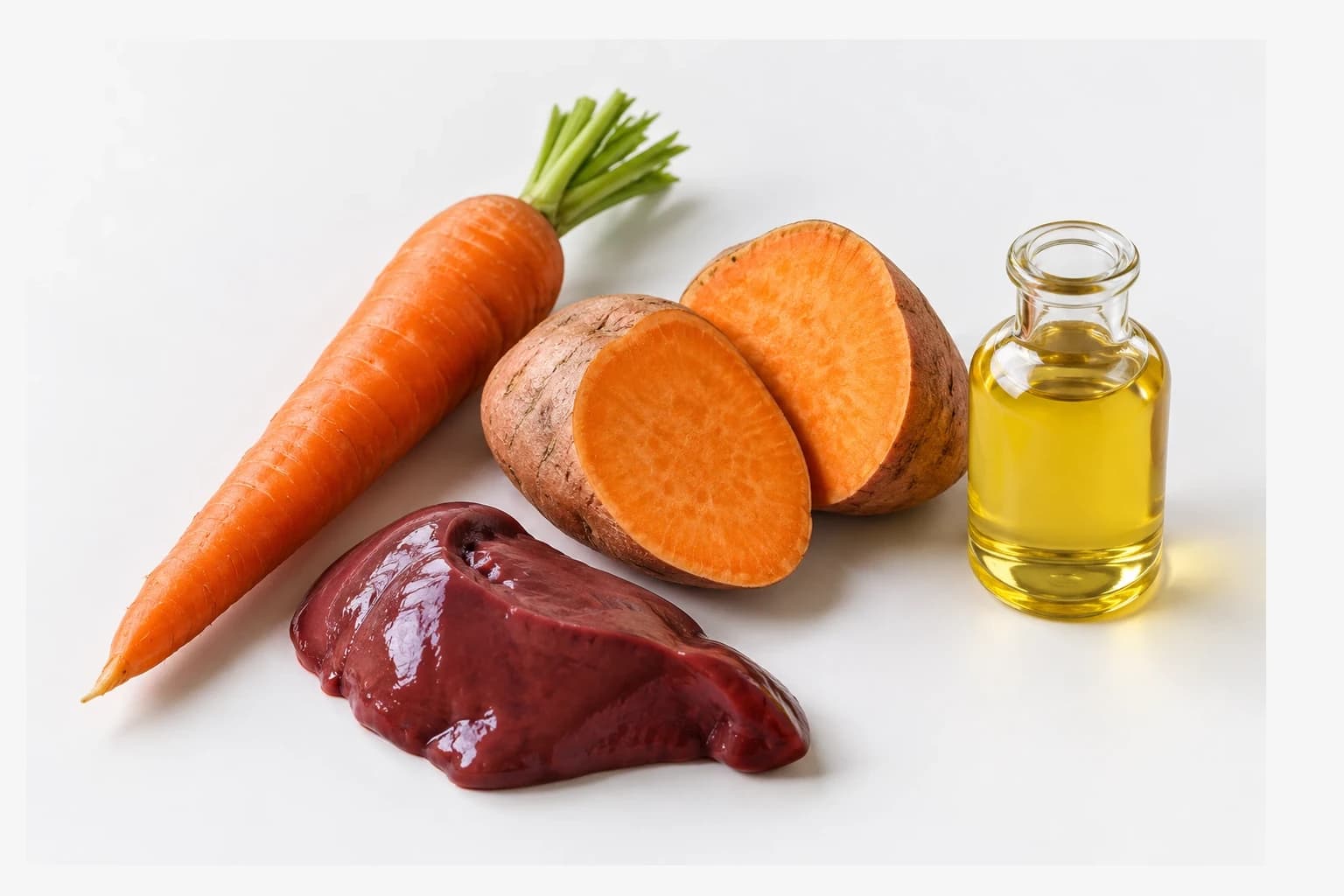
Highest sources
Ranked among the ingredients covered here. Reference amounts vary slightly between entries, so read this as a rough comparison rather than an exact order.
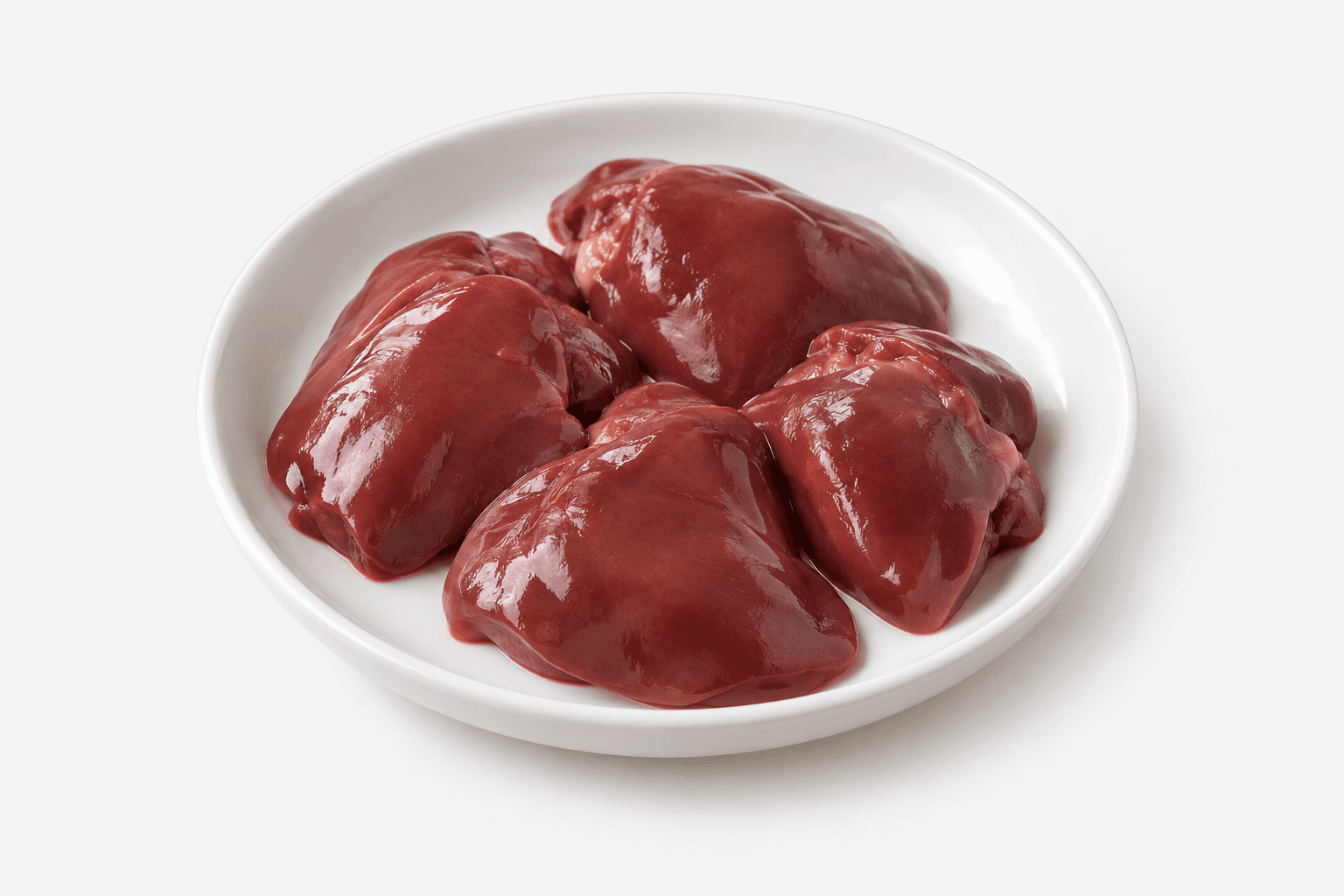
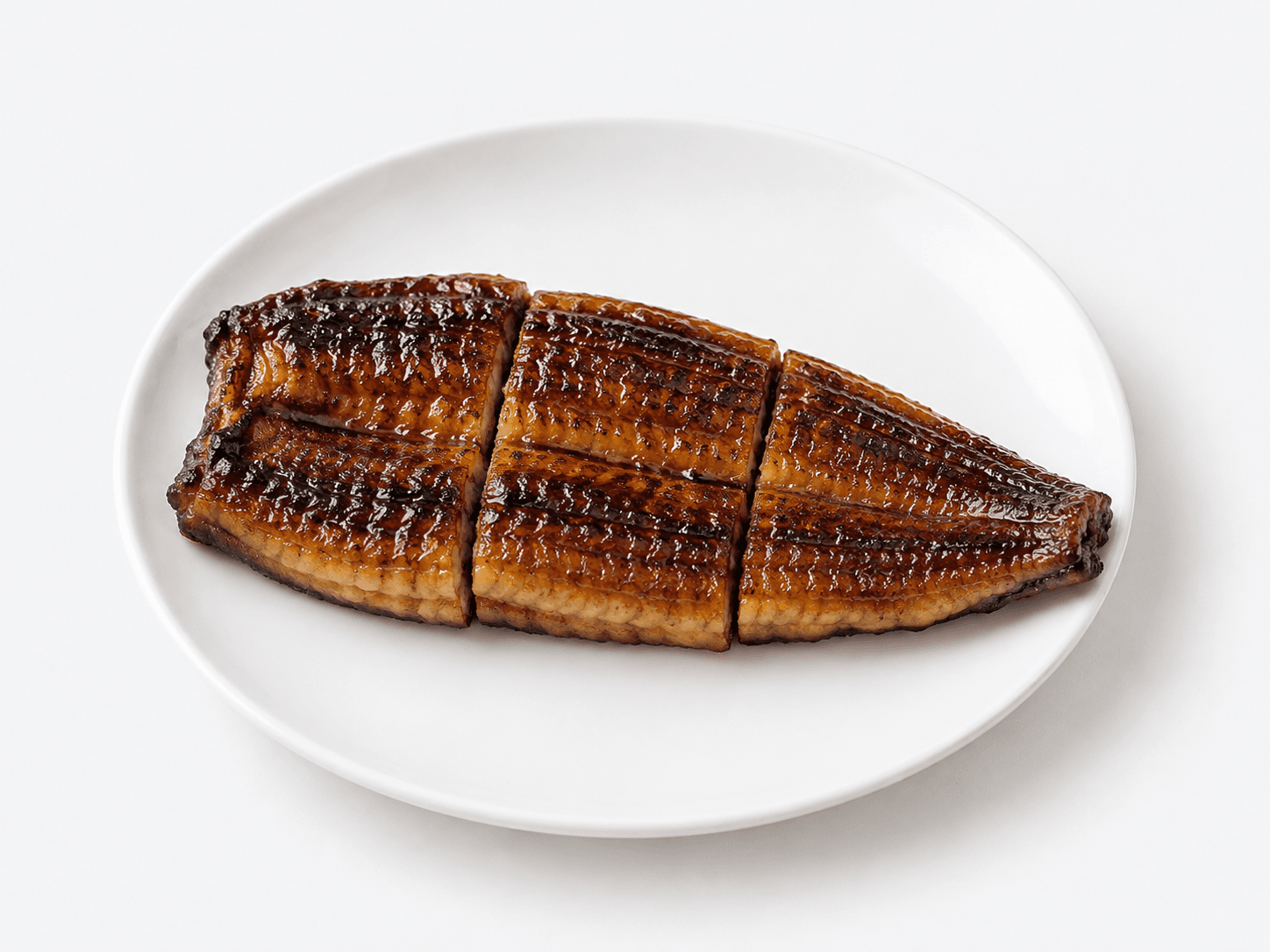
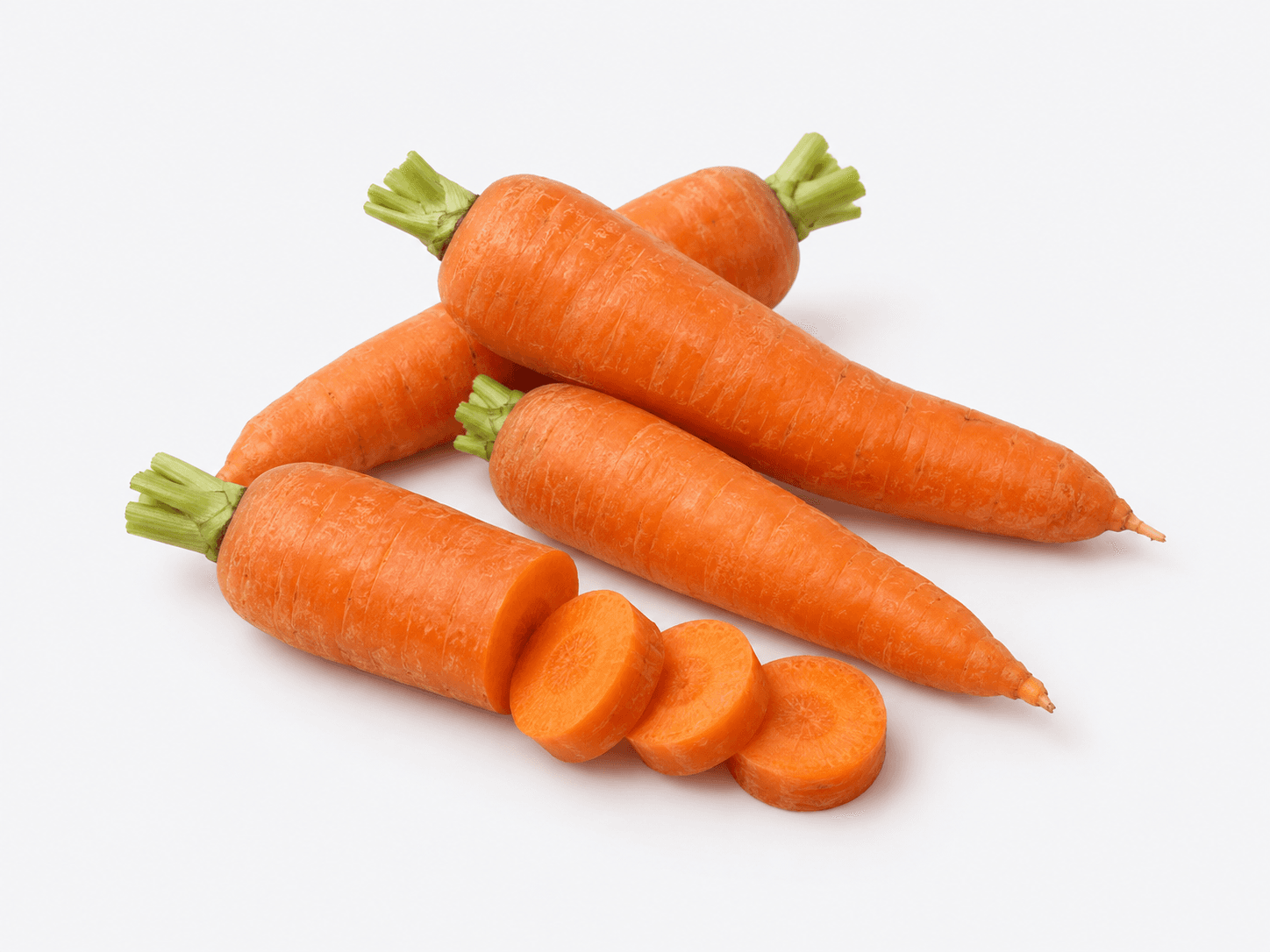
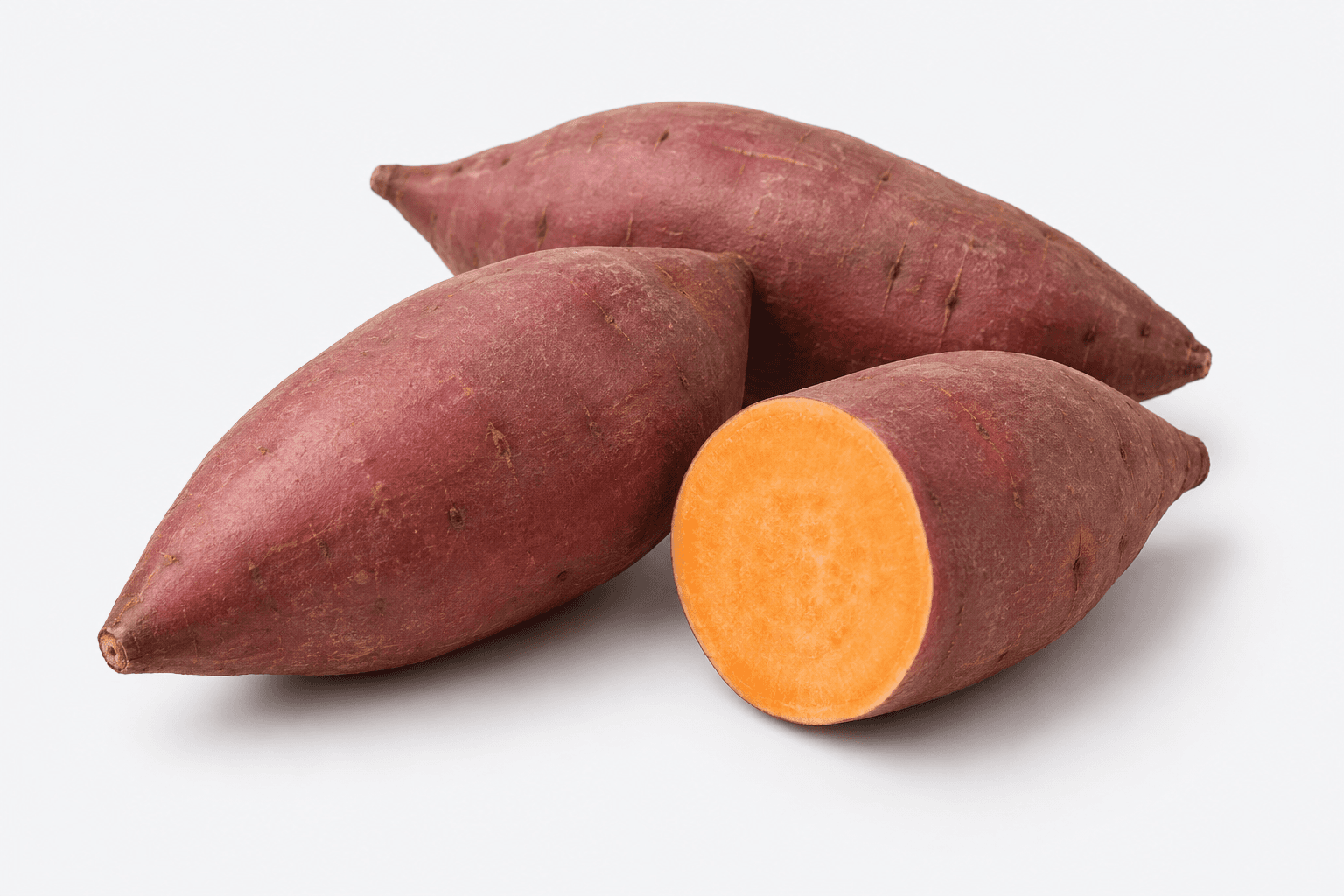
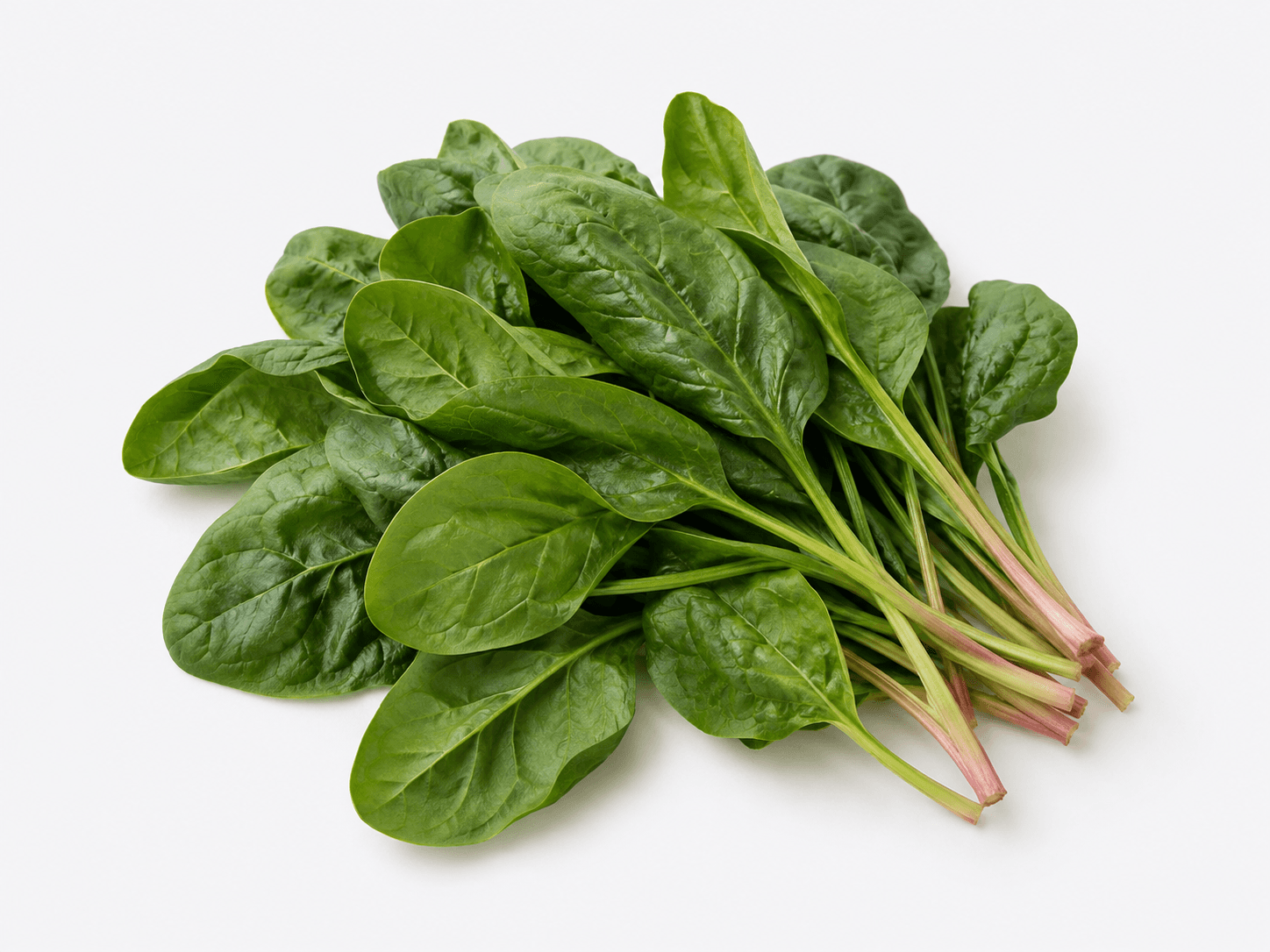
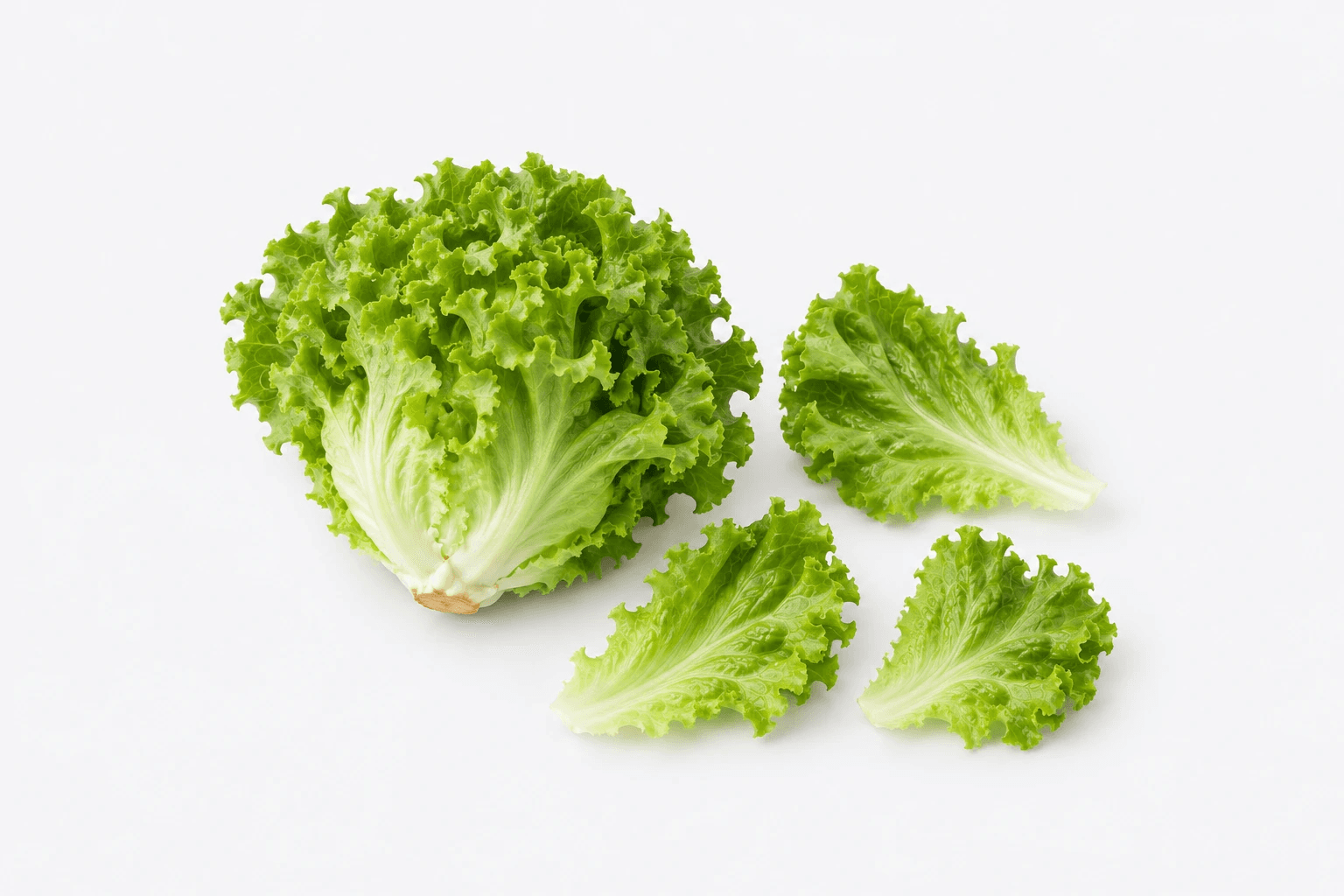
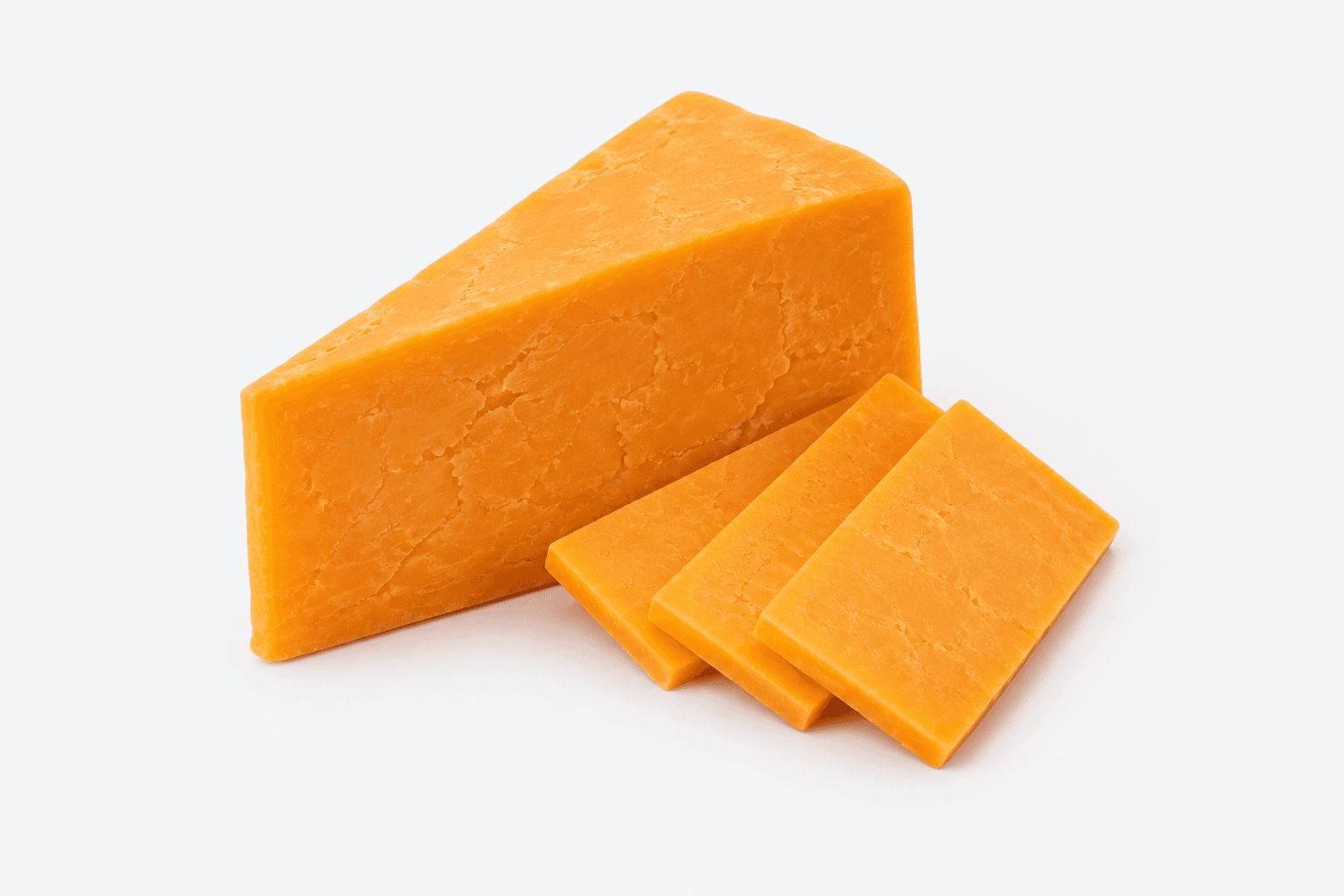
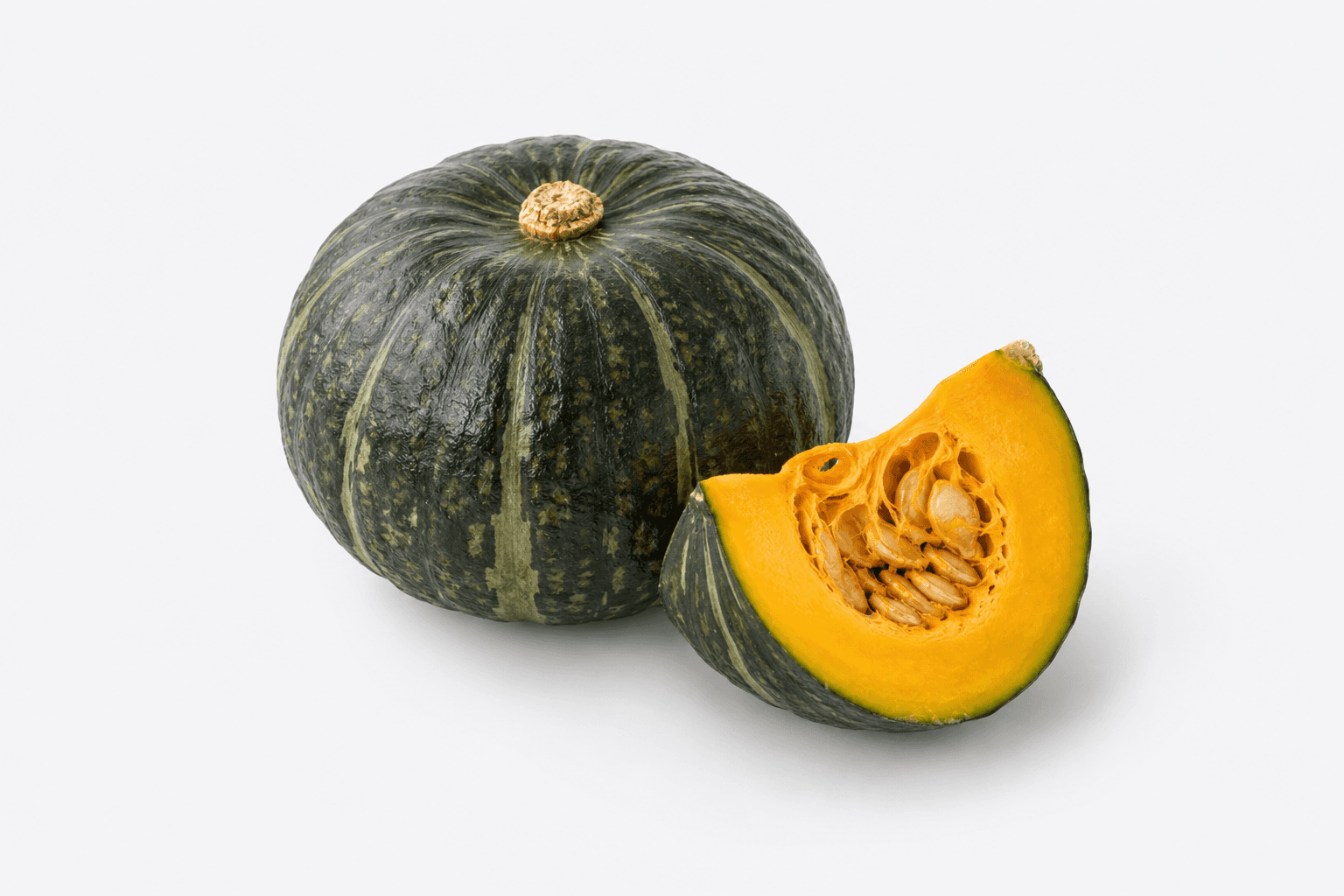
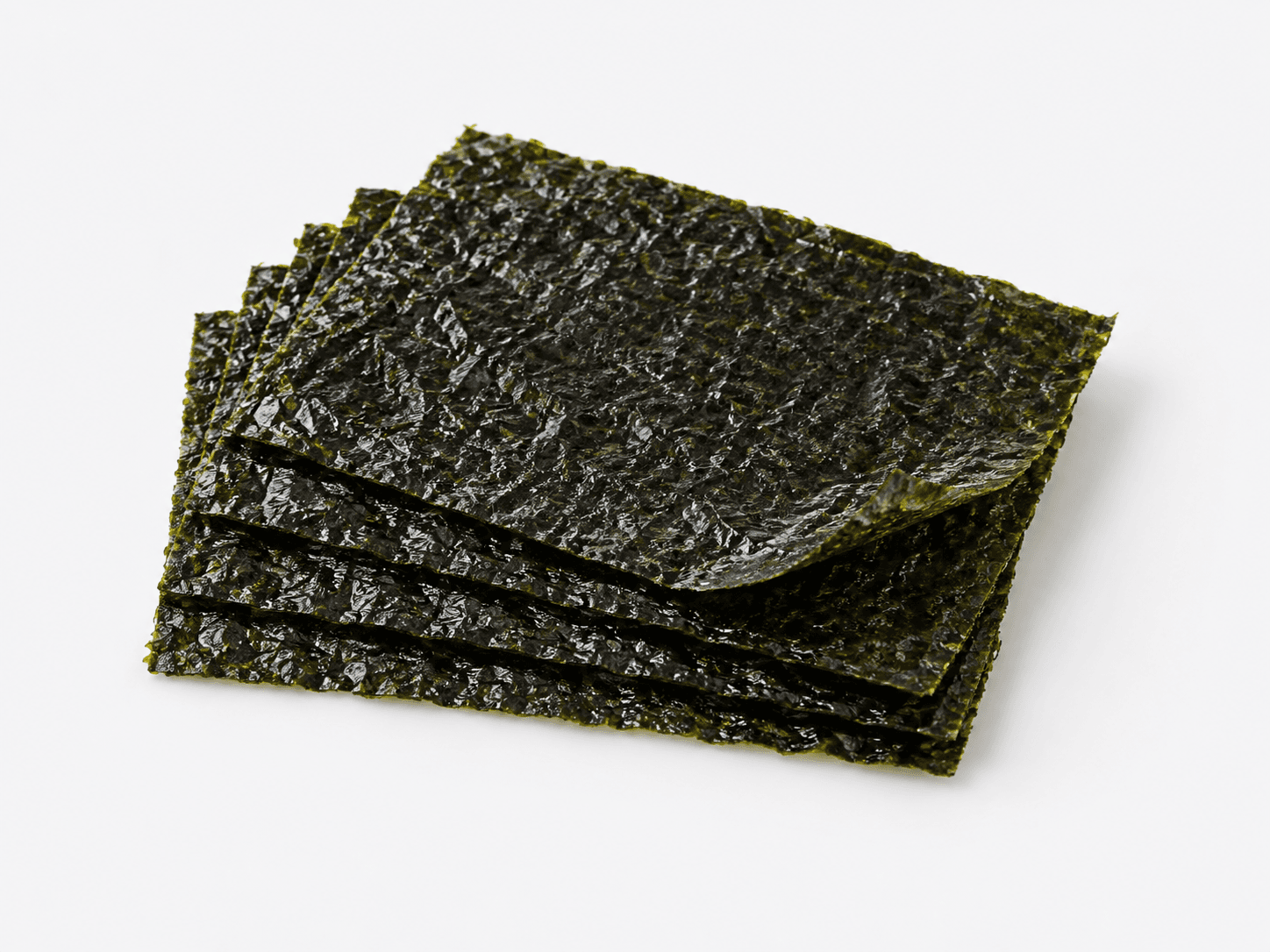
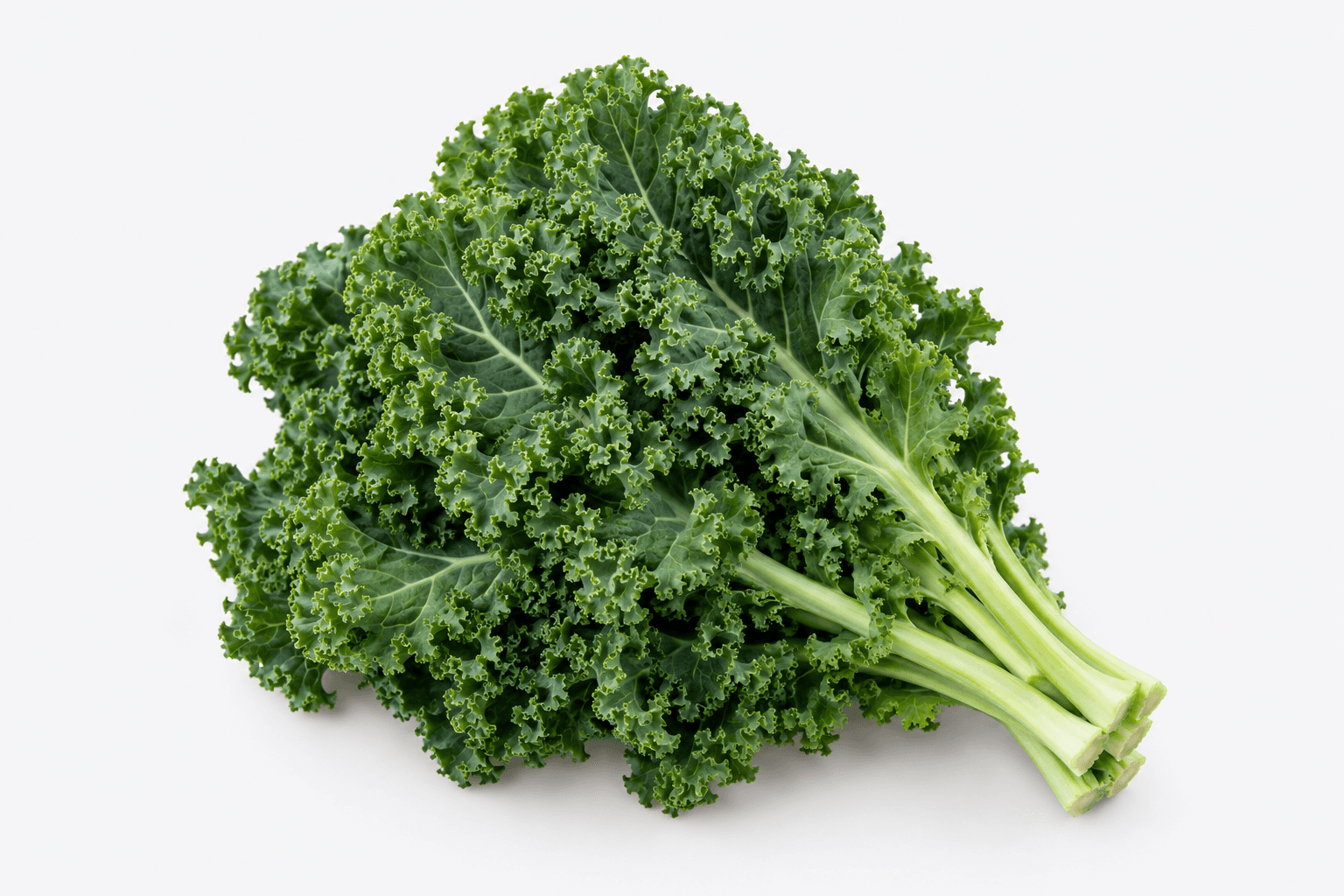
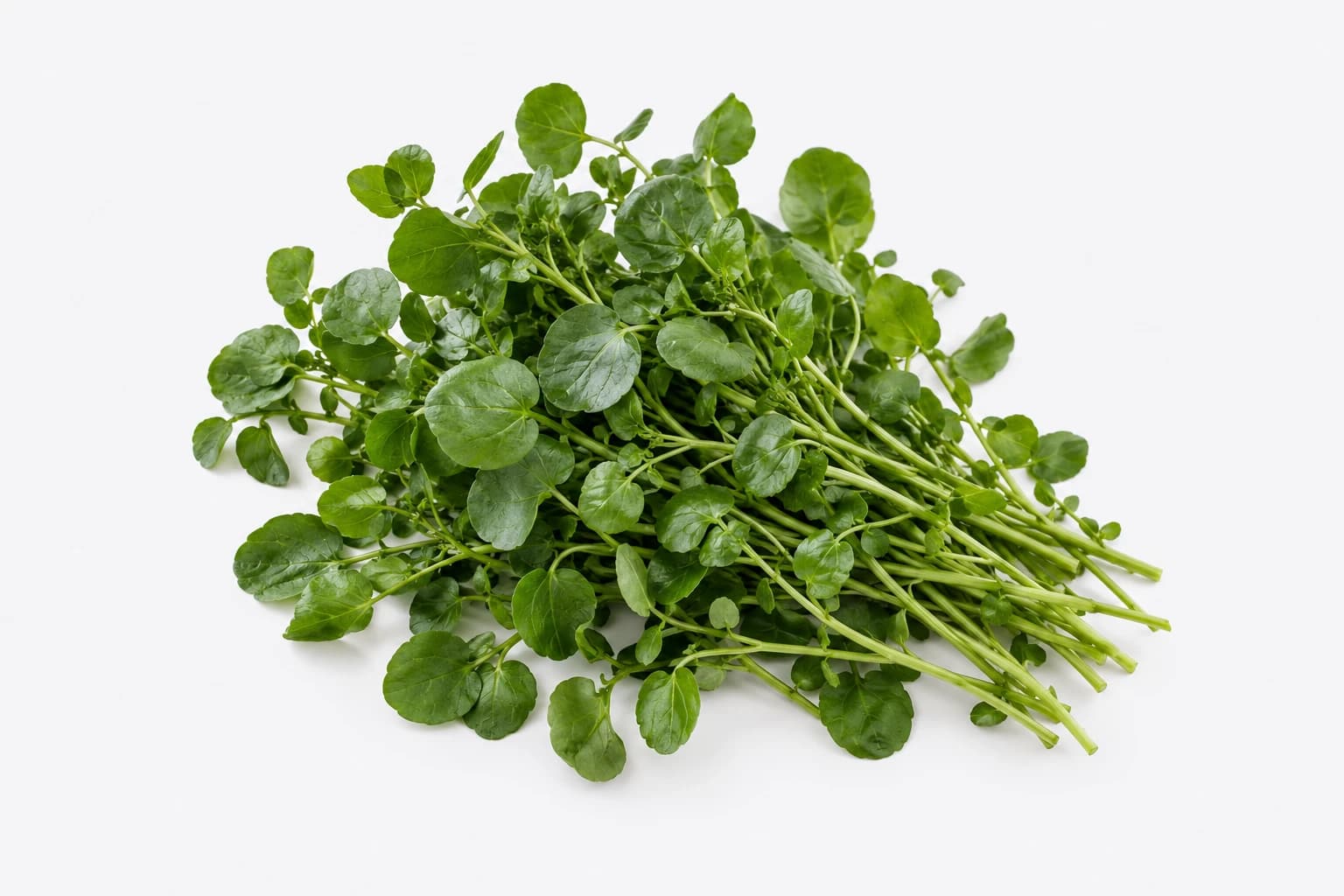

What it does
It builds rhodopsin, the pigment that turns light into signal in the retina — which is why night adaptation is the first thing to suffer. It also maintains epithelial tissue such as skin and mucous membranes, and regulates immune cell differentiation and gene expression. Worldwide, vitamin A deficiency is the leading preventable cause of childhood blindness.
Recommended intake
The usual adult reference is 900 µg RAE a day for men and 700 µg RAE for women. The unit — RAE, retinol activity equivalents — exists because the forms differ in efficiency. It takes 12 µg of dietary beta-carotene to equal 1 µg of retinol, and 24 µg of alpha-carotene or beta-cryptoxanthin.
The upper limit is 3,000 µg RAE, and that limit applies only to retinol, the animal form. Carotenes from vegetables have no upper limit, because the body converts only what it needs.
What affects absorption
Being fat-soluble, it needs fat. Carrots cooked in oil, or chopped fine before cooking, release far more carotene than raw ones chewed whole — the cell walls have to break down first.
Retinol is already in active form, so there is no conversion step and absorption is much higher. Gram for gram, liver or egg yolk is a far more potent source than any vegetable — which is also why excess only comes from that side.
What to watch out for
In pregnancy, avoid retinol supplements and liver. Excess retinol is teratogenic. Carotenes from vegetables do not carry this risk.
Smokers should not take beta-carotene supplements. In a randomised trial of 18,314 smokers and asbestos-exposed workers, beta-carotene plus vitamin A raised lung cancer by 28 % (relative risk 1.28, 95 % CI 1.04–1.57) and all-cause death by 17 % (1.03–1.33). The trial was stopped 21 months early. This is about supplements, not about eating vegetables.
Chronic retinol excess damages the liver and thins bone. Carotenaemia — palms turning orange from eating a lot of carotene — is harmless and reverses.
Sources
The databases and health authorities this article's nutrition figures and health statements draw on.
- 1USDA FoodData CentralFood composition database
- 2NIH Office of Dietary SupplementsHealth authority
- 3European Food Safety Authority (EFSA)Health authority
- 4World Health Organization · Healthy dietHealth authority
- 5Effects of a combination of beta carotene and vitamin A on lung cancer and cardiovascular diseaseClinical trialOmenn GS, et al. N Engl J Med 1996PMID 8602180