Mineral
Foods high in magnesium and how much you need
Magnesium is a cofactor in more than 300 enzyme reactions. It is the mineral most easily lost in a diet built on refined grains.
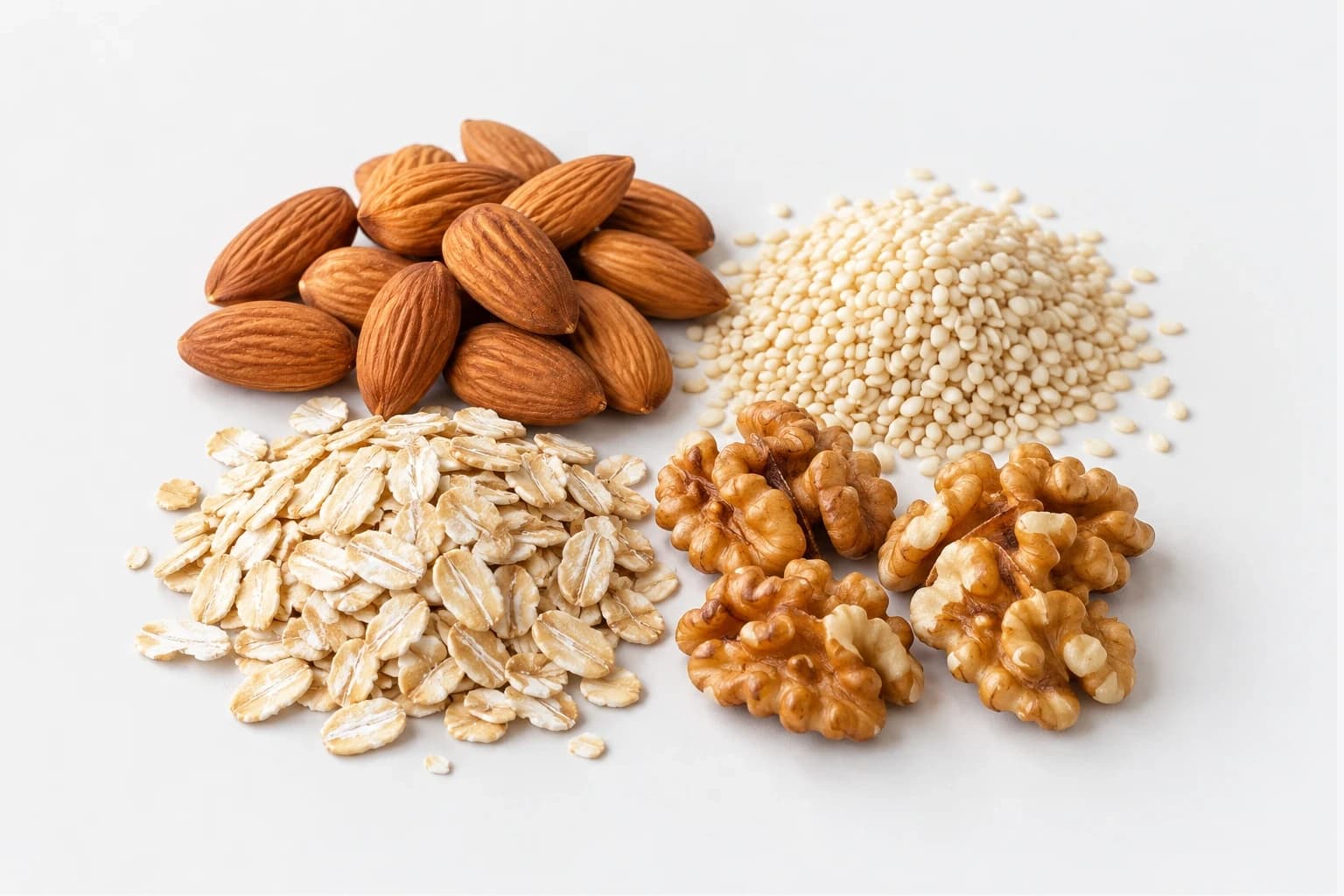
Highest sources
Ranked among the ingredients covered here. Reference amounts vary slightly between entries, so read this as a rough comparison rather than an exact order.
- 01
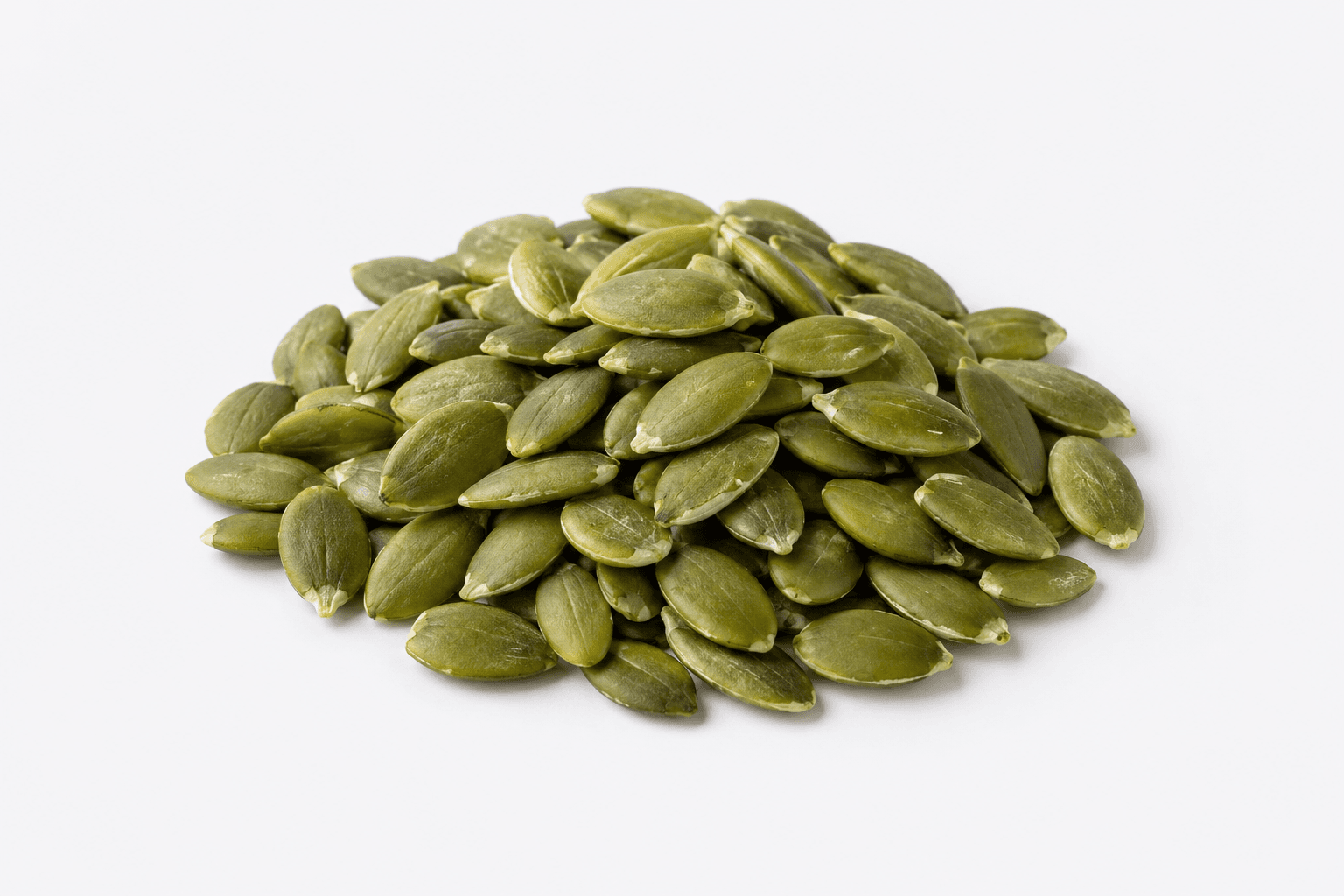 Pumpkin seeds550 mgper 100 g · 131%
- 02
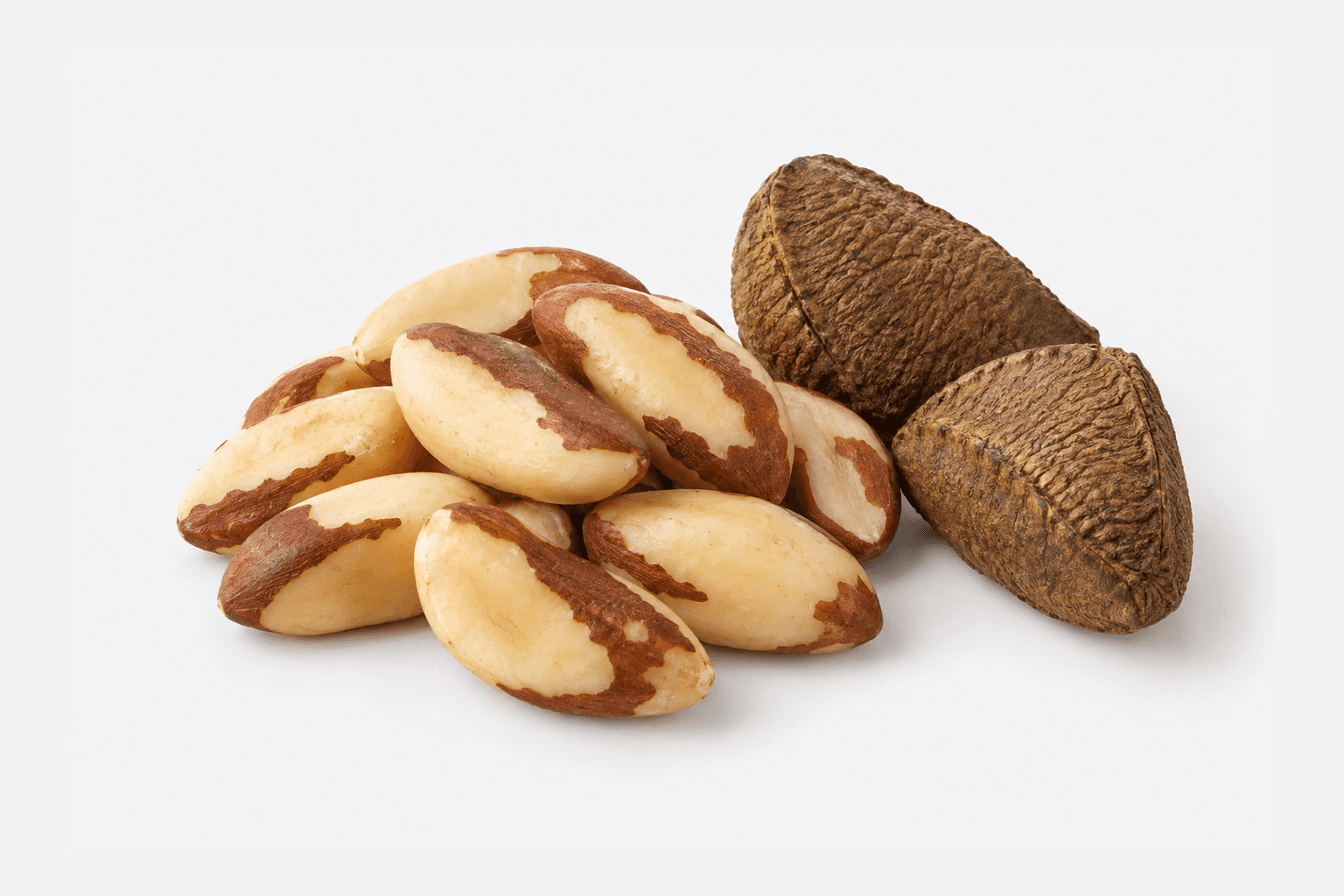 Brazil nut376 mg90%
- 03
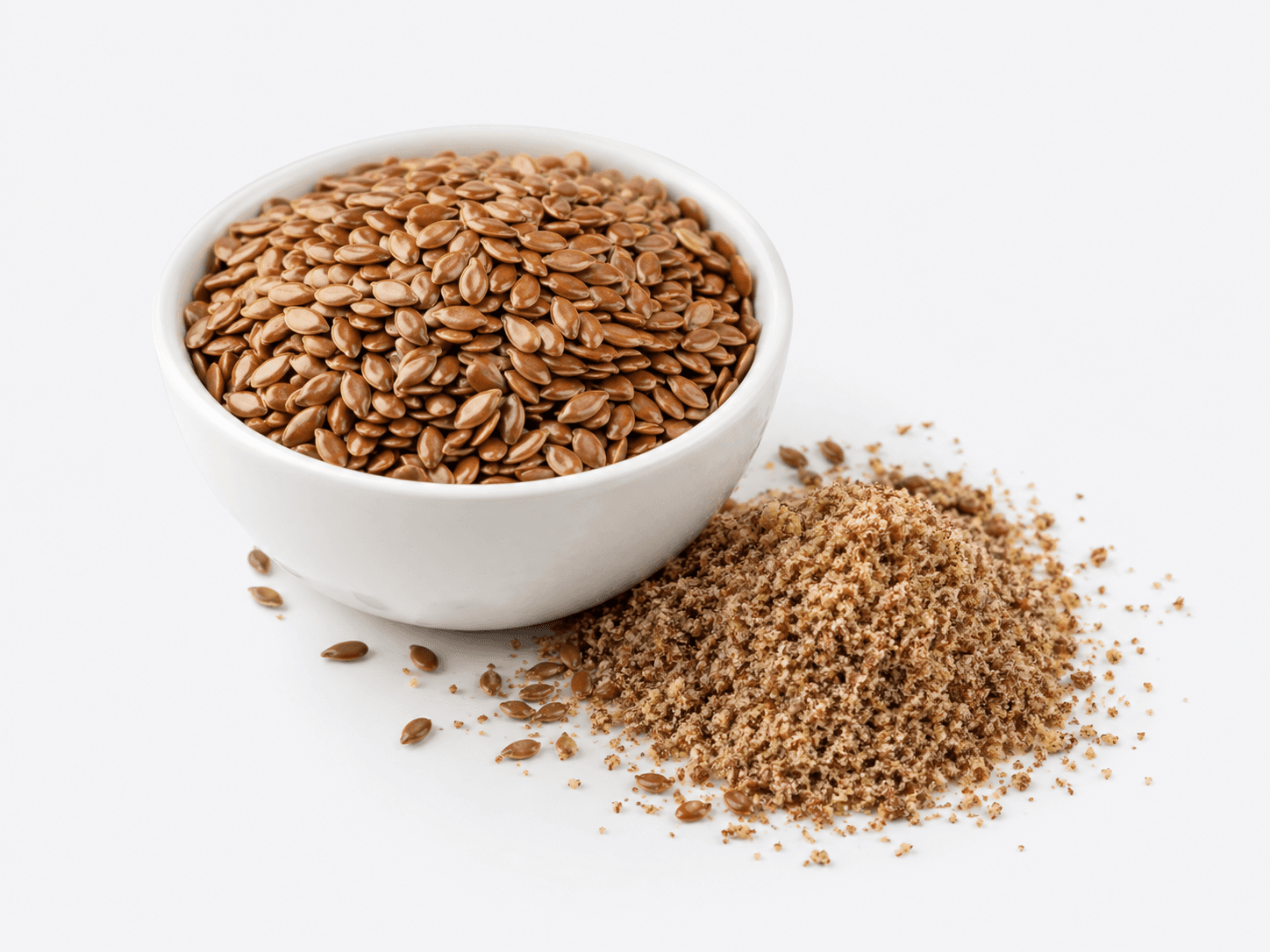 Flaxseed372 mg89%
- 04
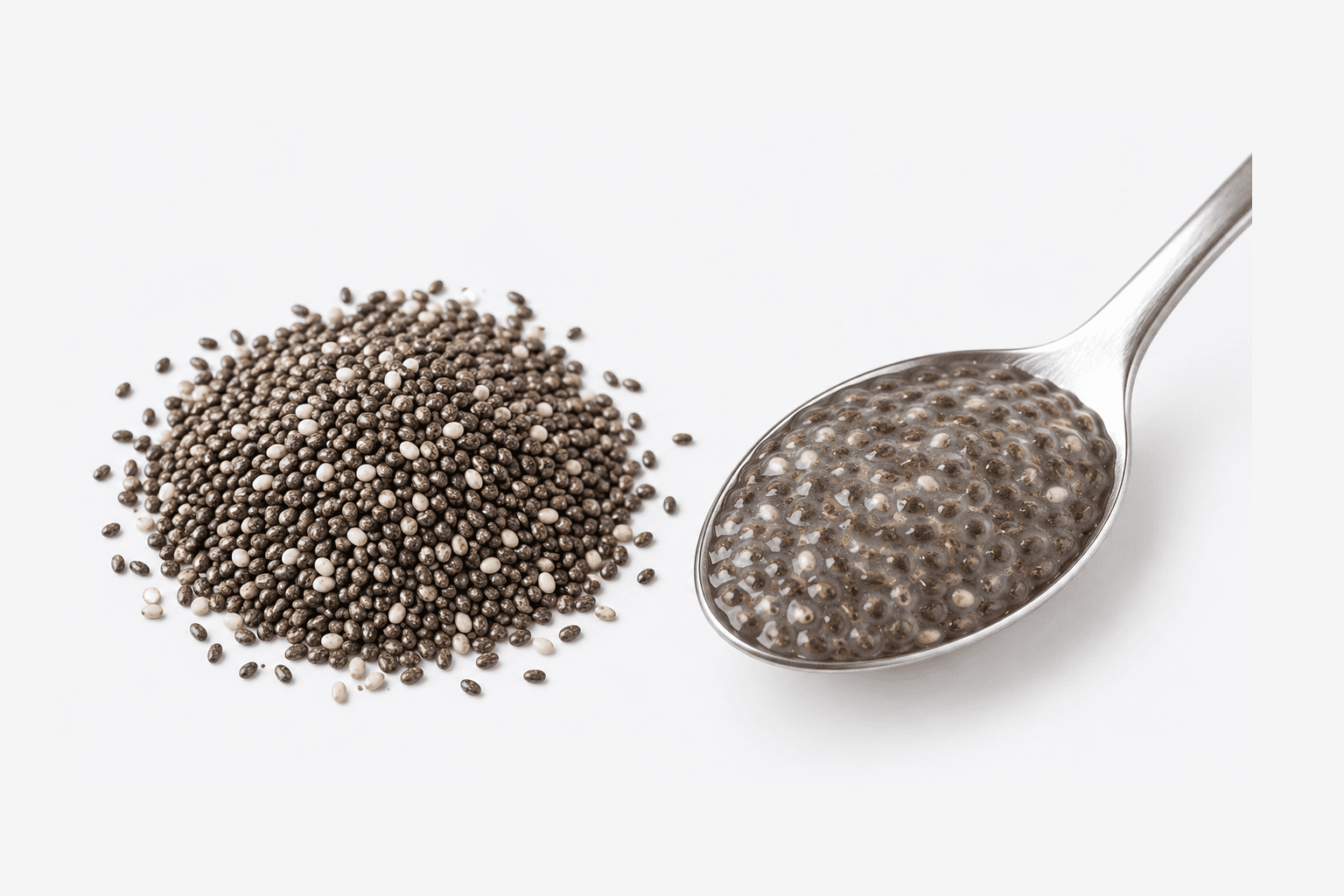 Chia seeds335 mg80%
- 05
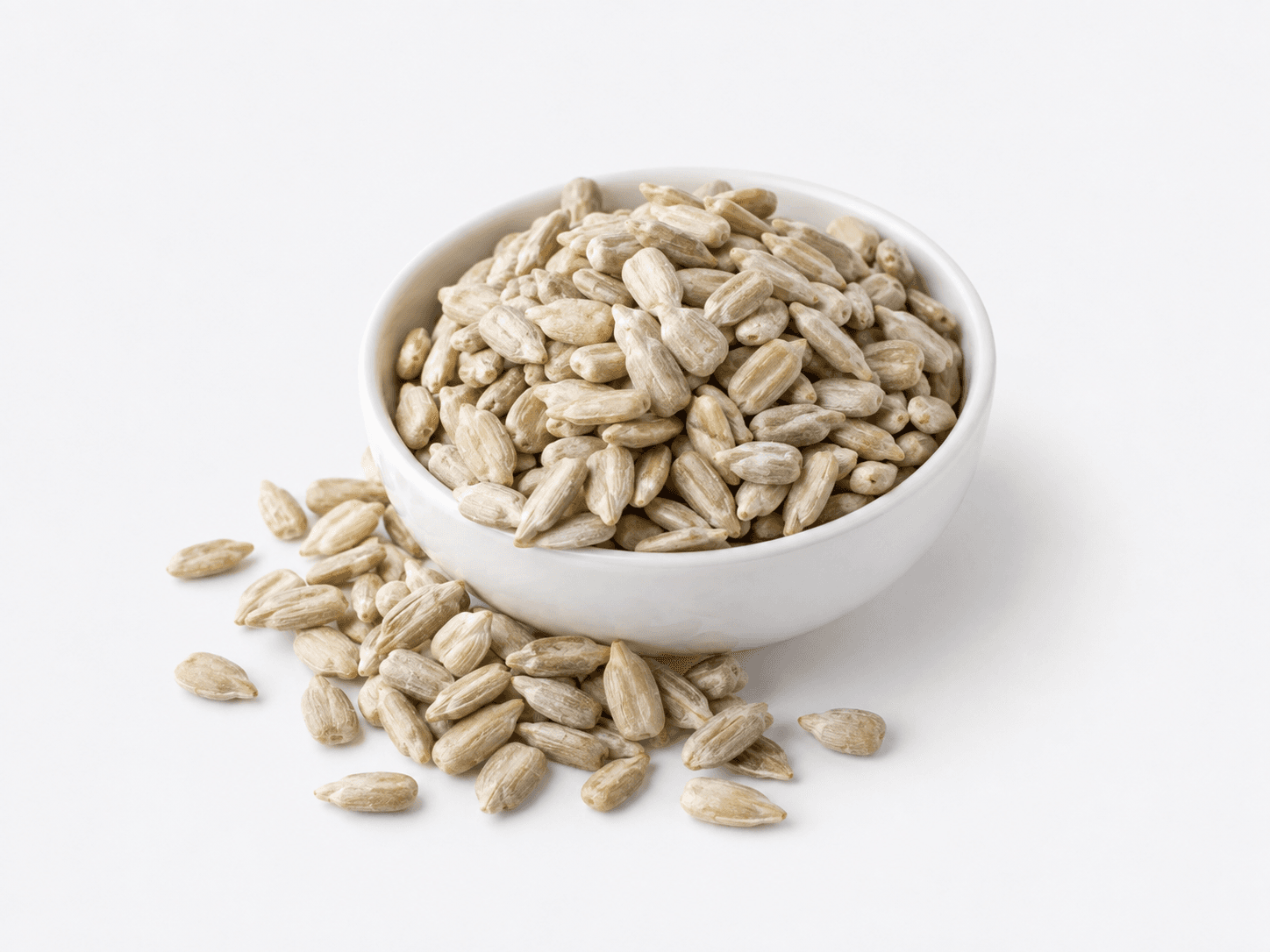 Sunflower seeds325 mgper 100 g · 77%
- 06
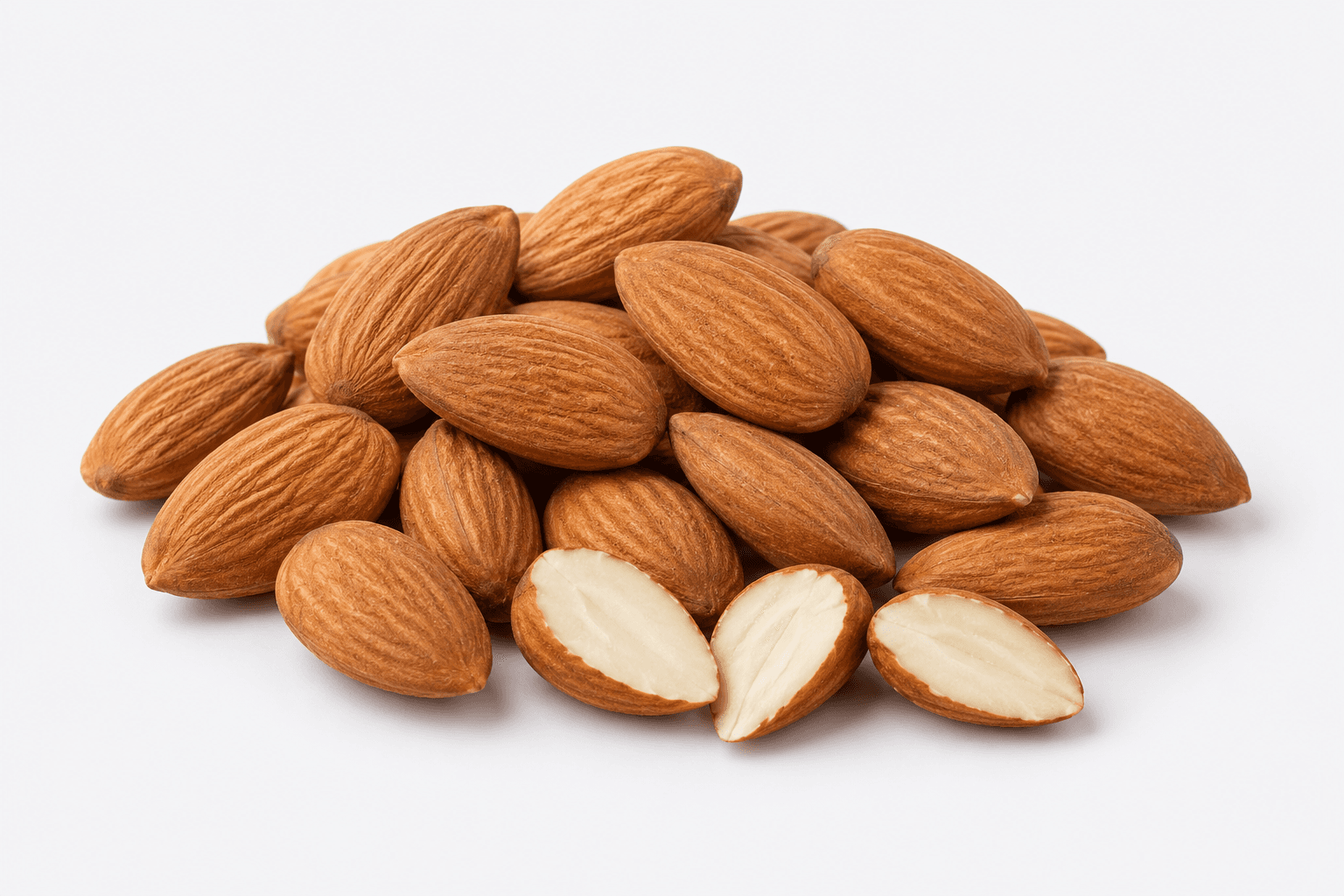 Almond270 mgper 100 g · 64%
- 07
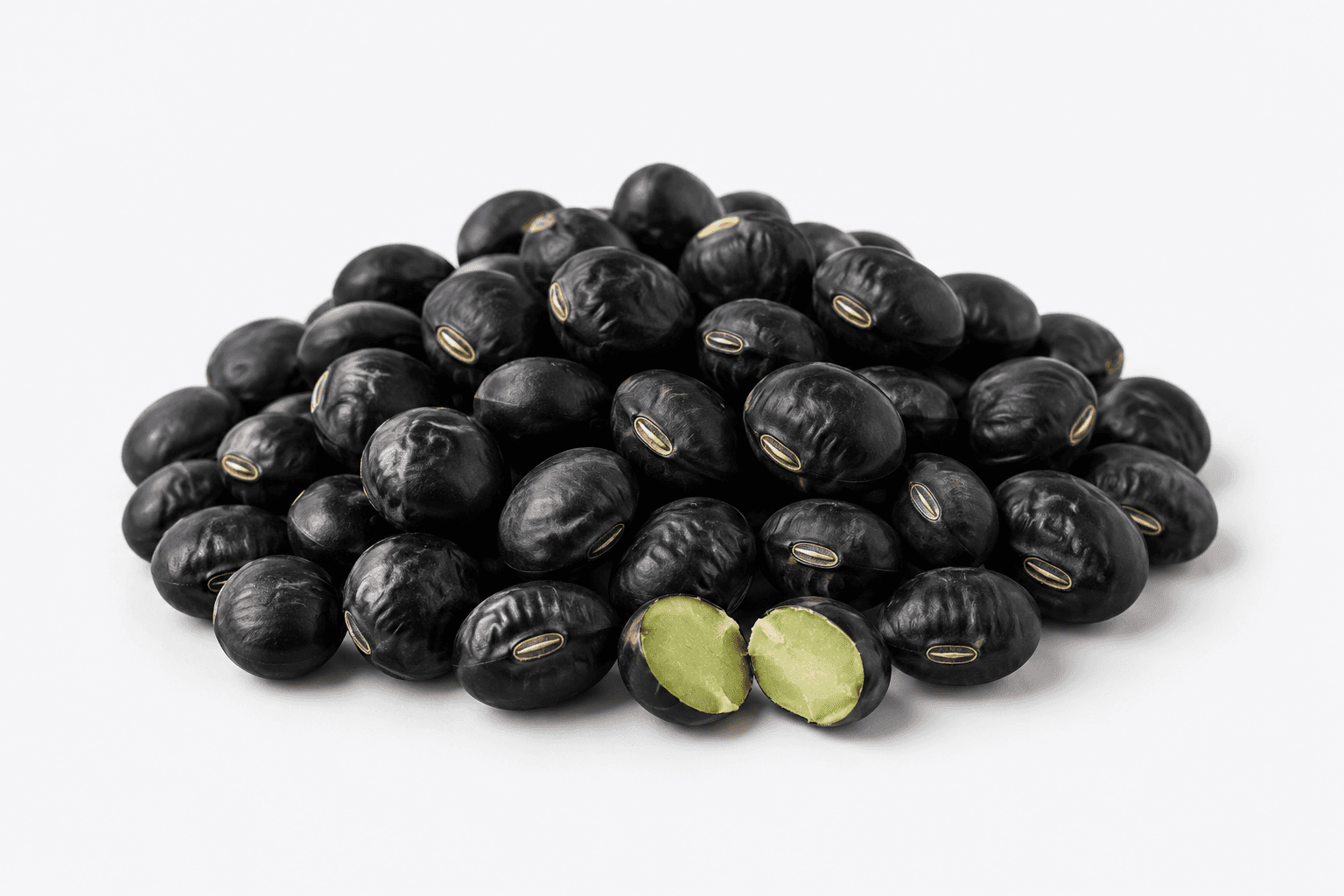 Black soybean252 mg60%
- 08
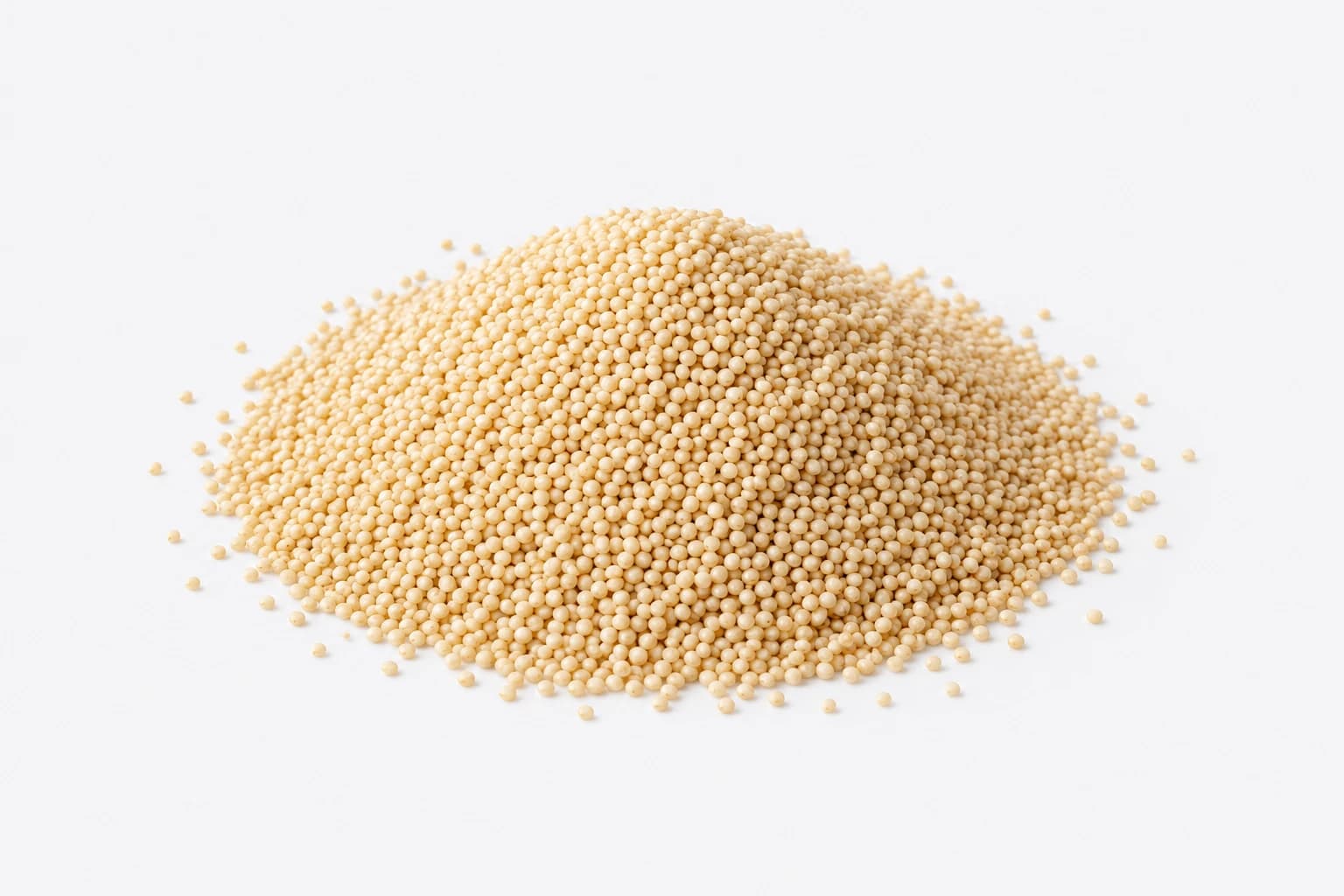 Amaranth248 mg59%
- 09
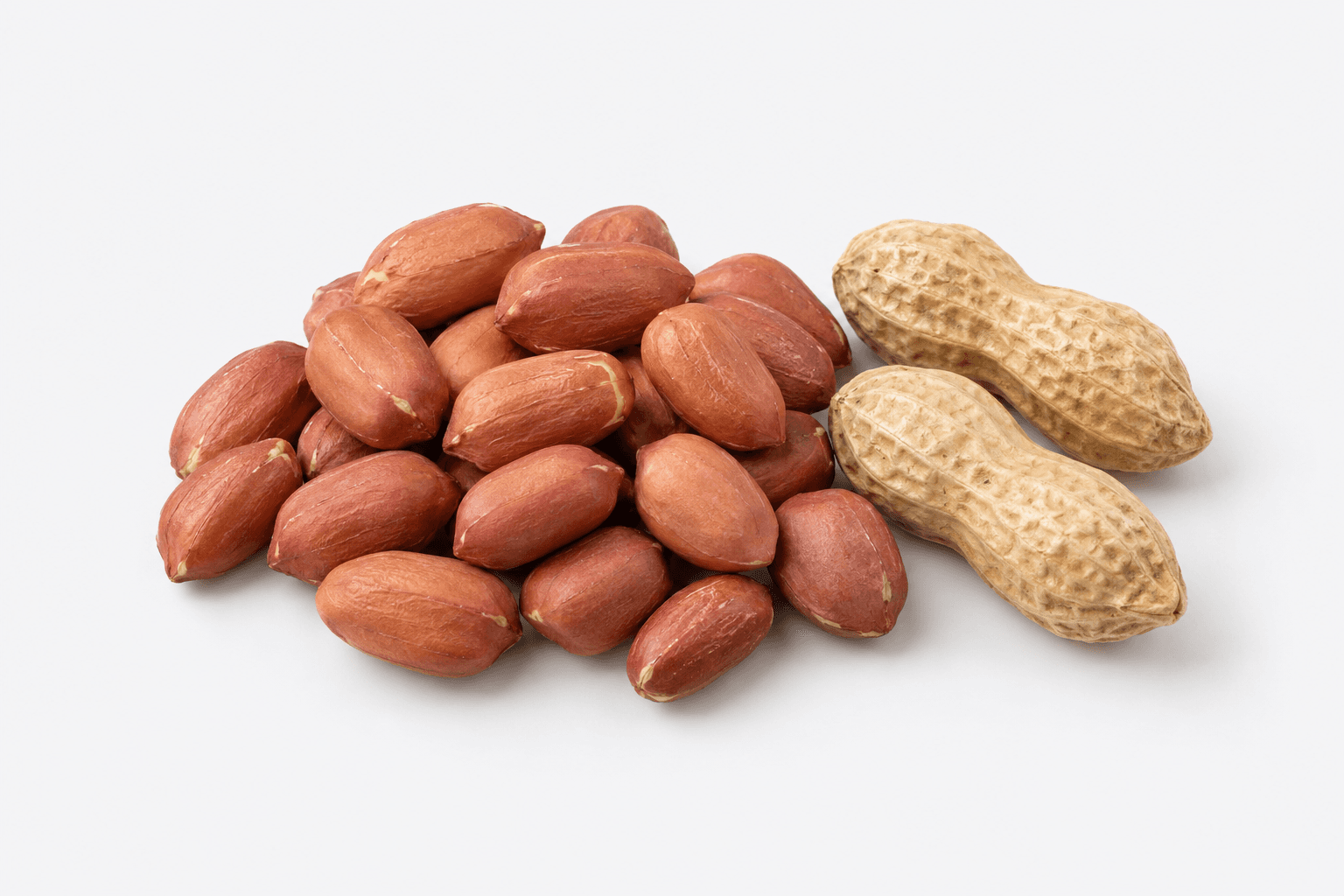 Peanuts178 mgper 100 g · 42%
- 10
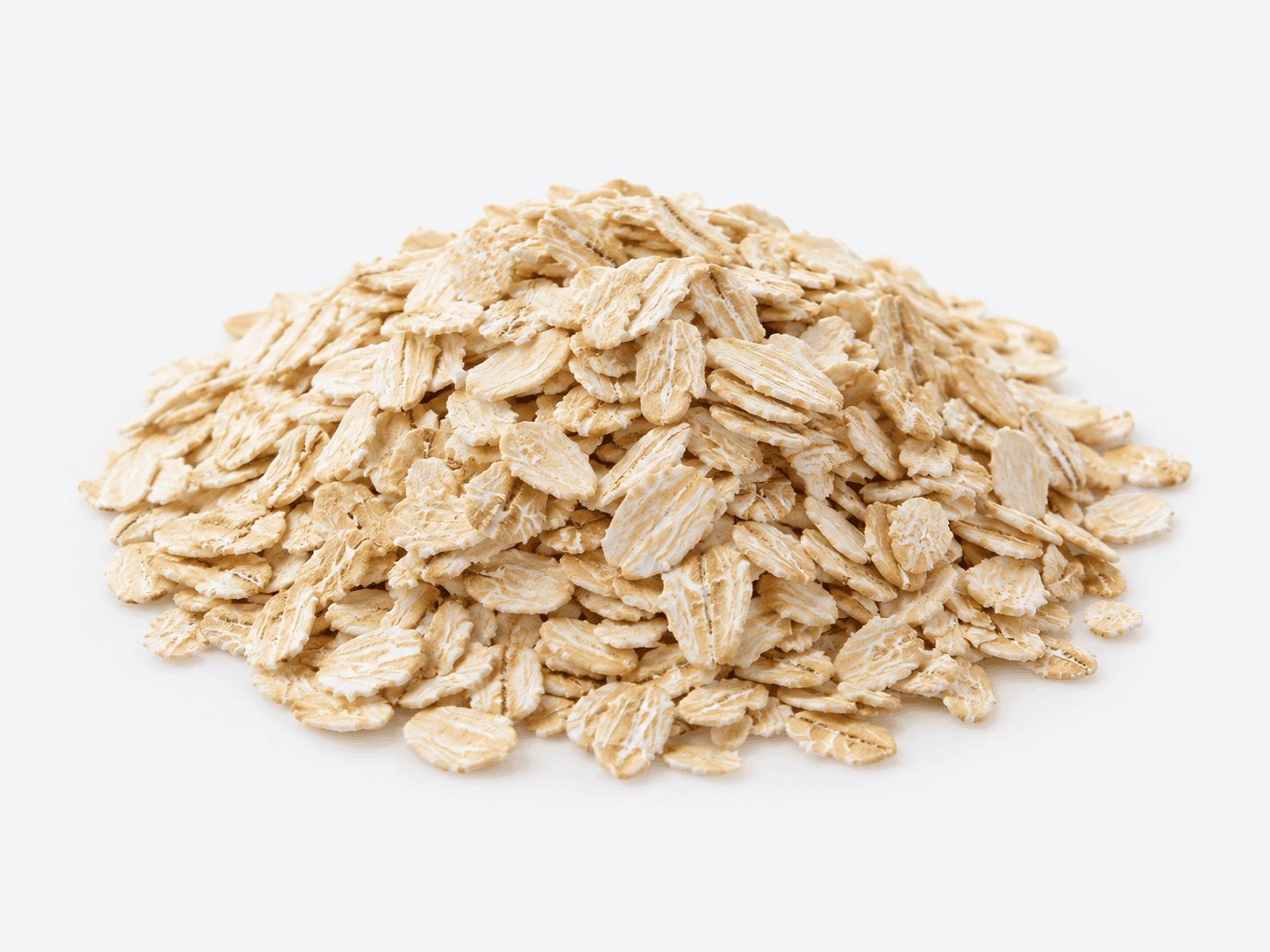 Oats177 mg42%
- 11
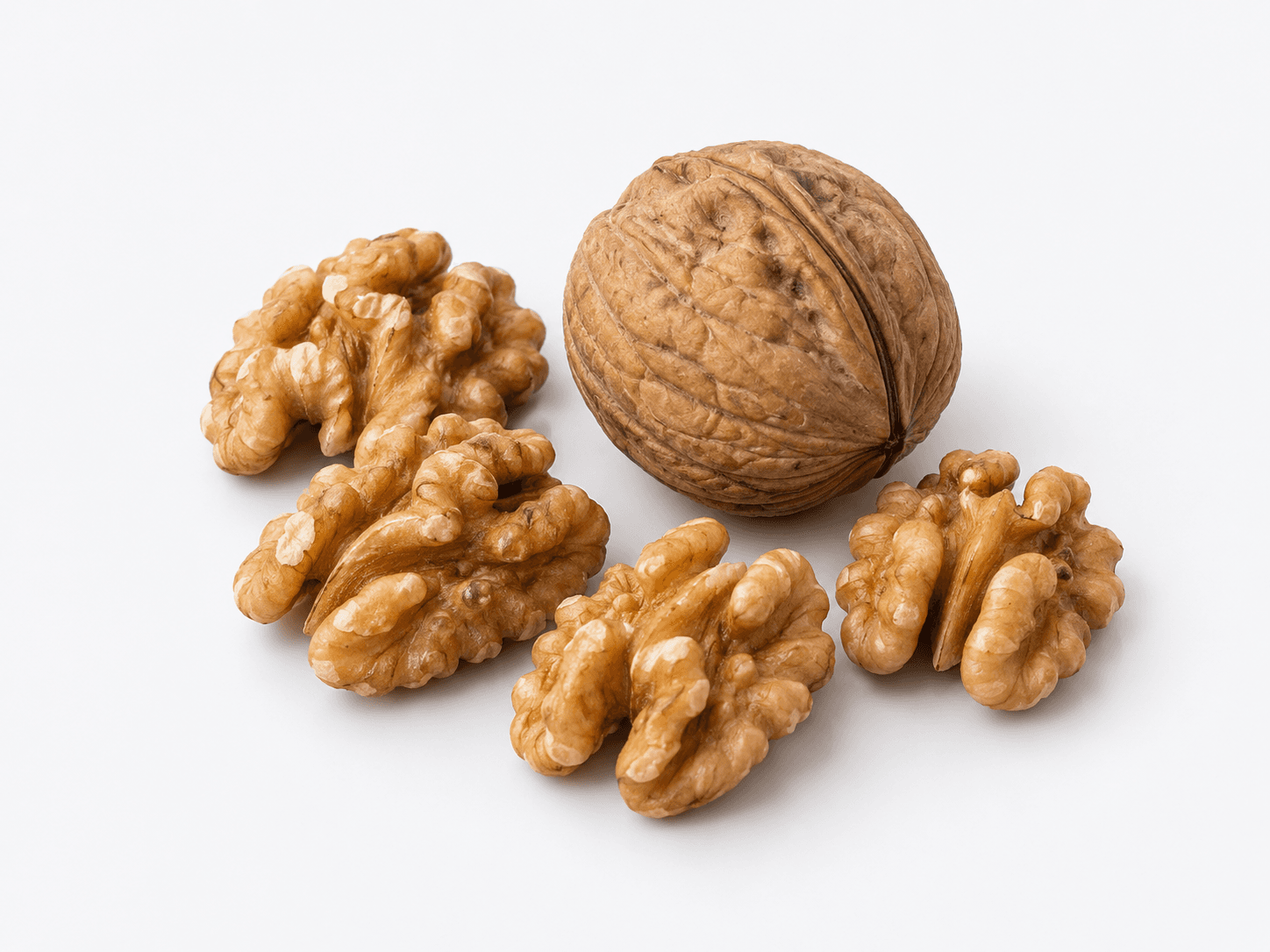 Walnut158 mgper 100 g · 38%
- 12
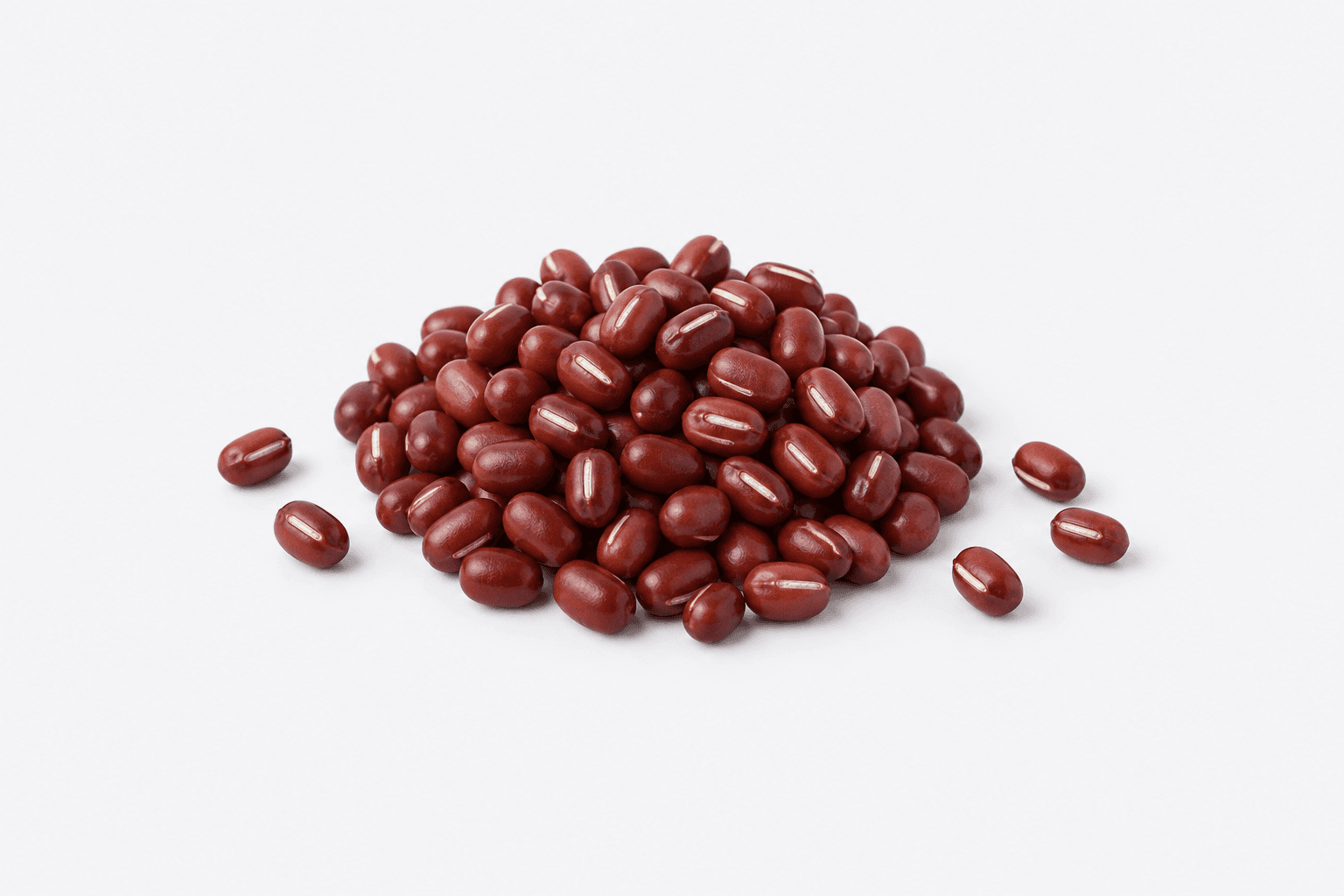 Adzuki bean127 mg30%
What it does
ATP, the molecule that carries energy, works bound to magnesium. It is also involved in muscle relaxation, nerve signalling, blood pressure regulation and bone structure. Shortage can show up as muscle cramps, fatigue and poor sleep.
Recommended intake
US recommendations are 400–420 mg a day for adult men and 310–320 mg for women. Magnesium concentrates in the bran and germ of whole grains, plus nuts, legumes and leafy greens — refining strips much of it, which is why diets built on white rice and white flour run short.
What affects absorption
The proportion absorbed falls as intake rises, so spreading it across meals beats one large dose. Phytate hinders absorption, but soaking or fermenting grains and legumes reduces it.
What to watch out for
Magnesium oxide, common in supplements, absorbs poorly and readily causes diarrhoea. With reduced kidney function magnesium is not cleared and can accumulate, so check before supplementing. Amounts from food carry no risk of excess.
Sources
The databases and health authorities this article's nutrition figures and health statements draw on.