Vitamin
Foods high in vitamin B6 and what it does
B6 is a cofactor in more than a hundred enzyme reactions. It is also one of the few water-soluble vitamins with an upper limit — high-dose supplements are linked to nerve damage.
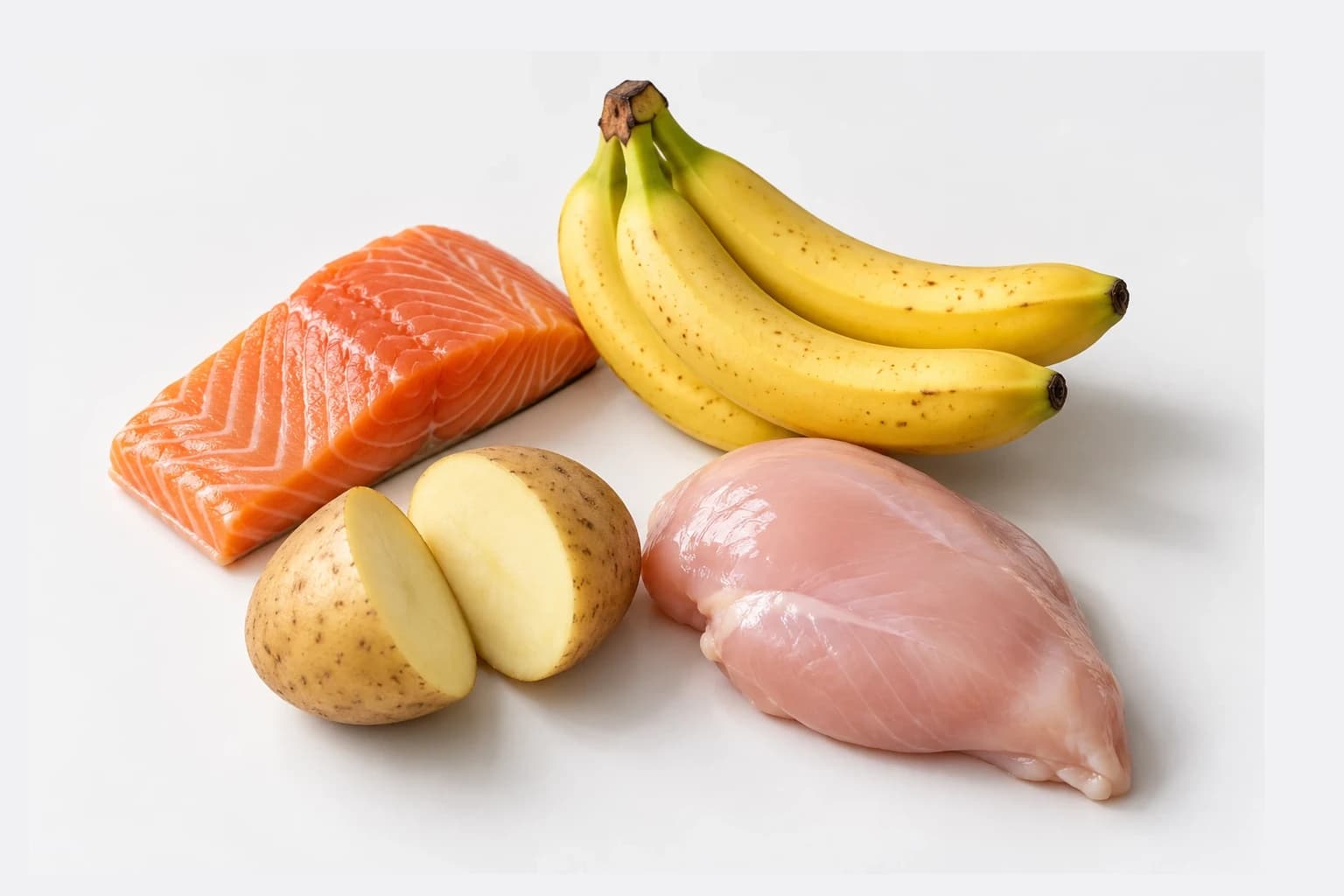
Highest sources
Ranked among the ingredients covered here. Reference amounts vary slightly between entries, so read this as a rough comparison rather than an exact order.
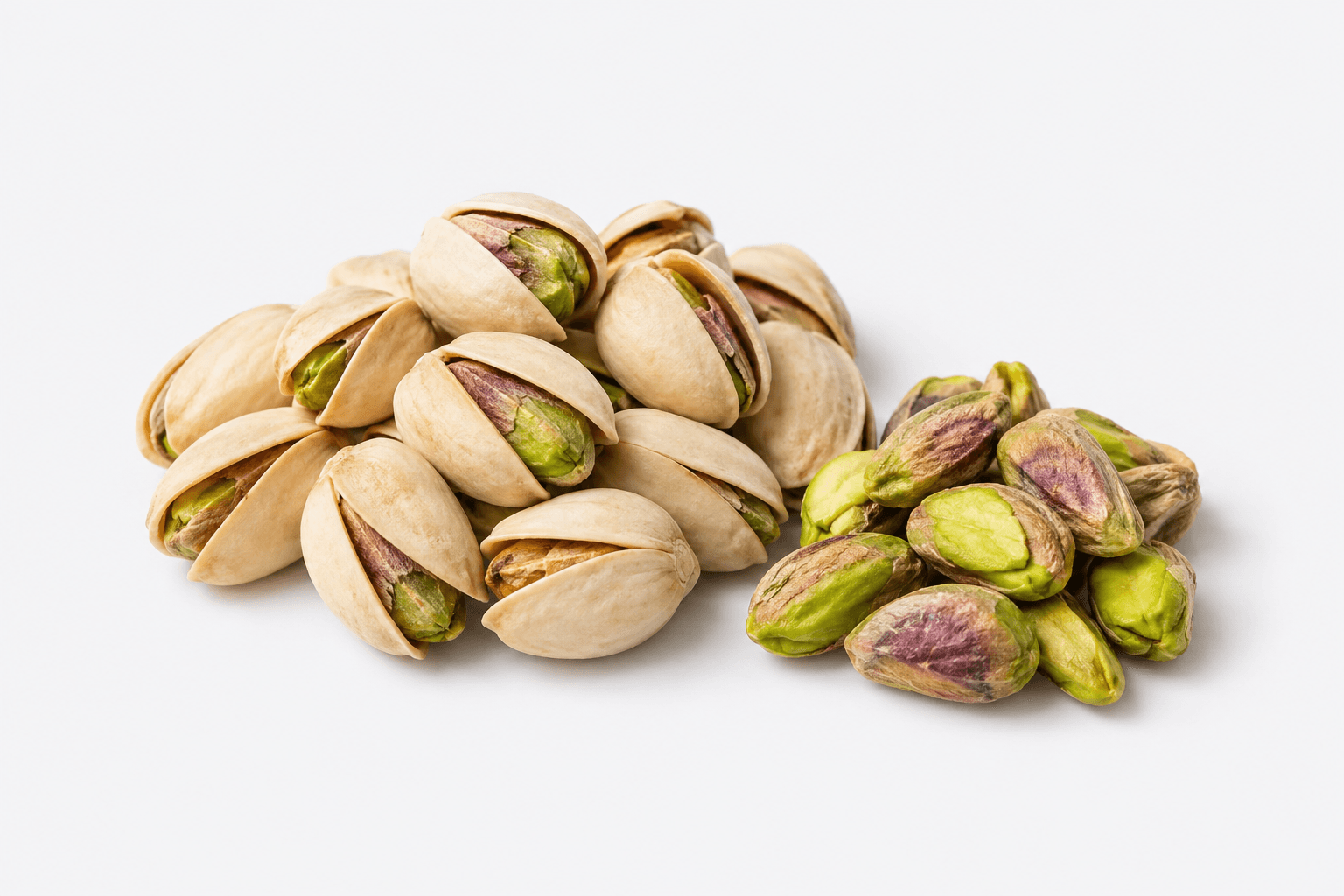
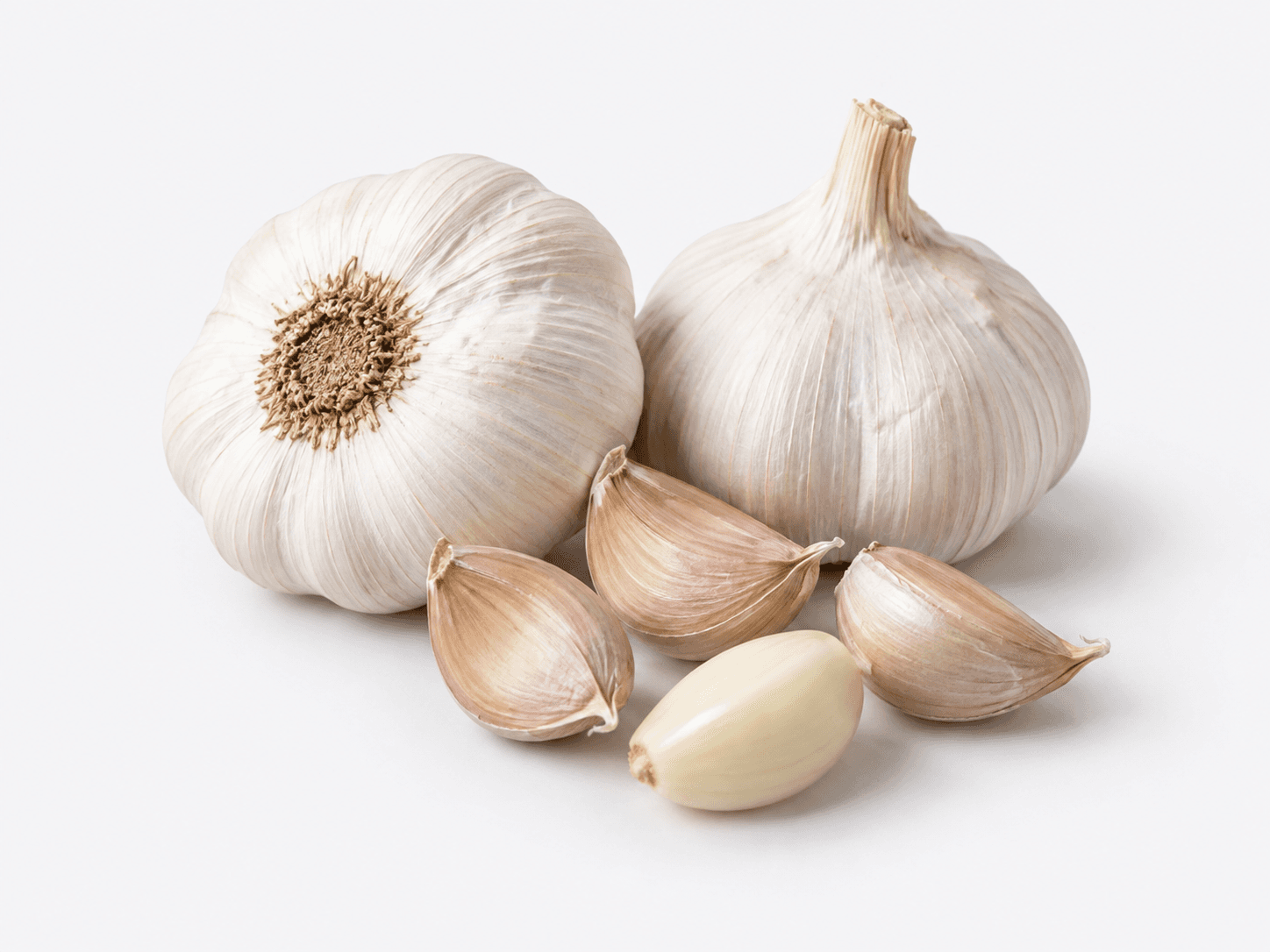
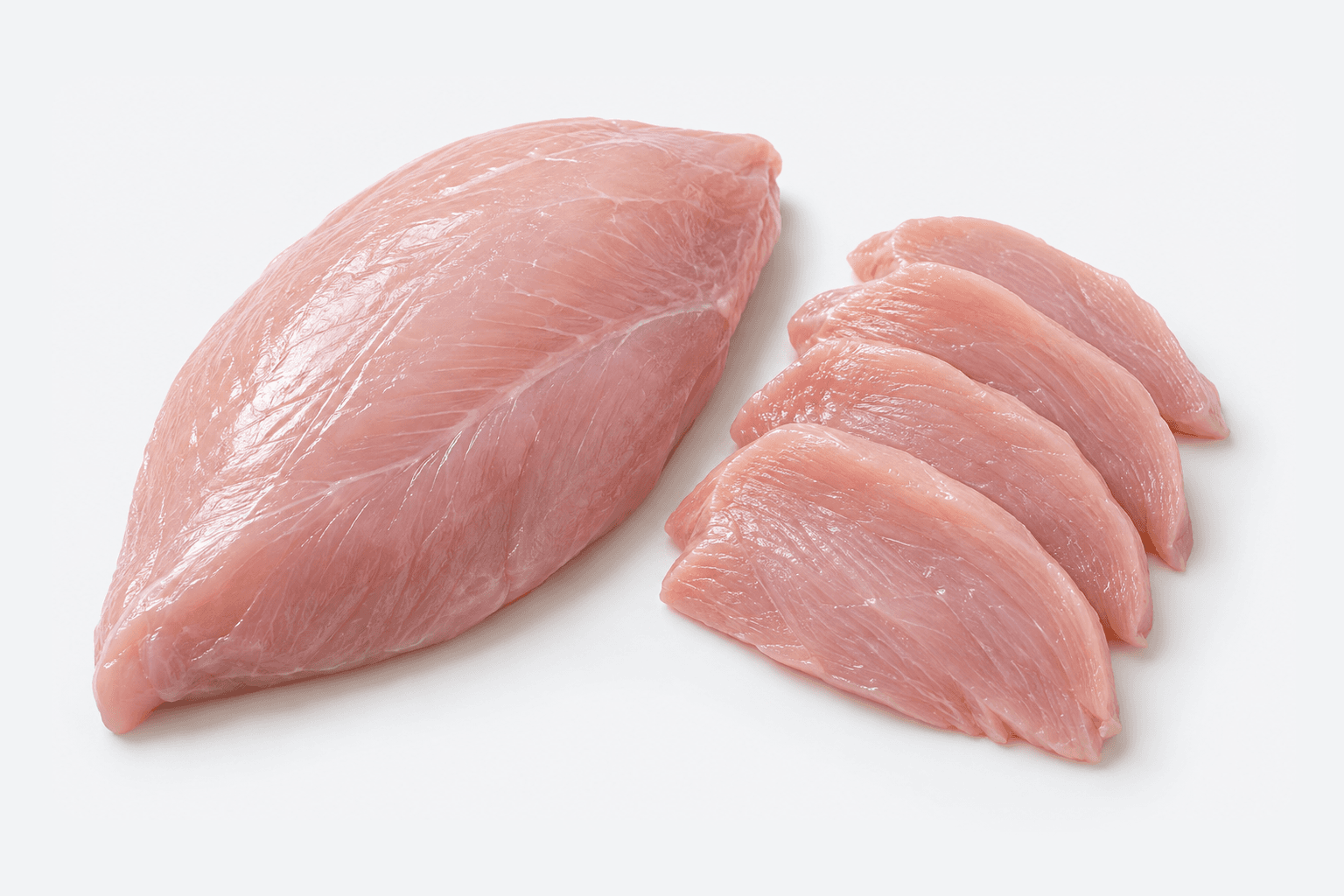






What it does
It becomes the active form pyridoxal phosphate and acts as a cofactor in over a hundred enzyme reactions, which includes almost every reaction that interconverts or breaks down amino acids. It is required by the first enzyme in building the haem of haemoglobin, and by the decarboxylations that make neurotransmitters such as serotonin, dopamine and GABA. It joins folate and B12 in the pathway that clears homocysteine, and it is used by the enzyme that releases glycogen stored in the liver.
Recommended intake
The US recommended intake for adults is 1.3 mg a day, rising at 51 and over to 1.7 mg for men and 1.5 mg for women. The upper limit is 100 mg. Fish, poultry, organ meats, potatoes and starchy vegetables, and non-citrus fruit are the main sources. Because it works in amino acid metabolism, requirements rise with higher protein intake.
What affects absorption
Much of the B6 in plant foods is present as pyridoxine glucoside, which is less bioavailable than the B6 in animal foods. It is easily lost in cooking and processing, with substantial losses in canning and refining. It is absorbed in the small intestine, and once absorbed a riboflavin-dependent enzyme converts it to the active form — so when riboflavin is short, less active B6 is made from what you eat.
What to watch out for
Excess from food is not a concern. Supplements are. Prolonged high doses are linked to sensory peripheral neuropathy, with numbness and tingling in the hands and feet, and that is the reason the 100 mg upper limit exists. The nerve symptoms usually improve on stopping, but incomplete recovery has been reported. High-dose B6 products are sometimes sold as good for the nerves, which has it backwards. Isoniazid, penicillamine and some anticonvulsants lower B6 status, while B6 in turn can reduce the effect of levodopa.
Sources
The databases and health authorities this article's nutrition figures and health statements draw on.