Ingredients people weigh against each other, set side by side on nutrition.
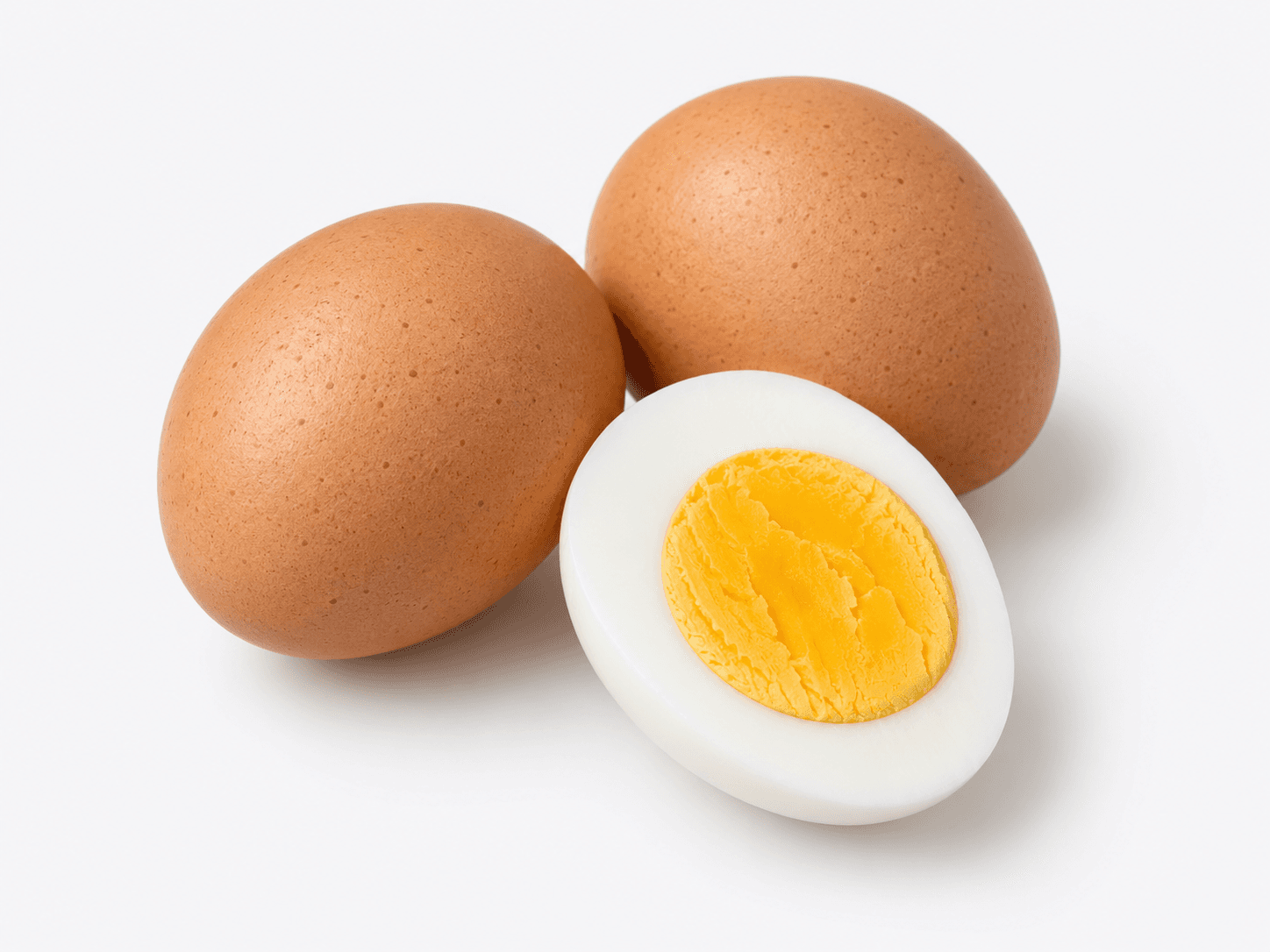

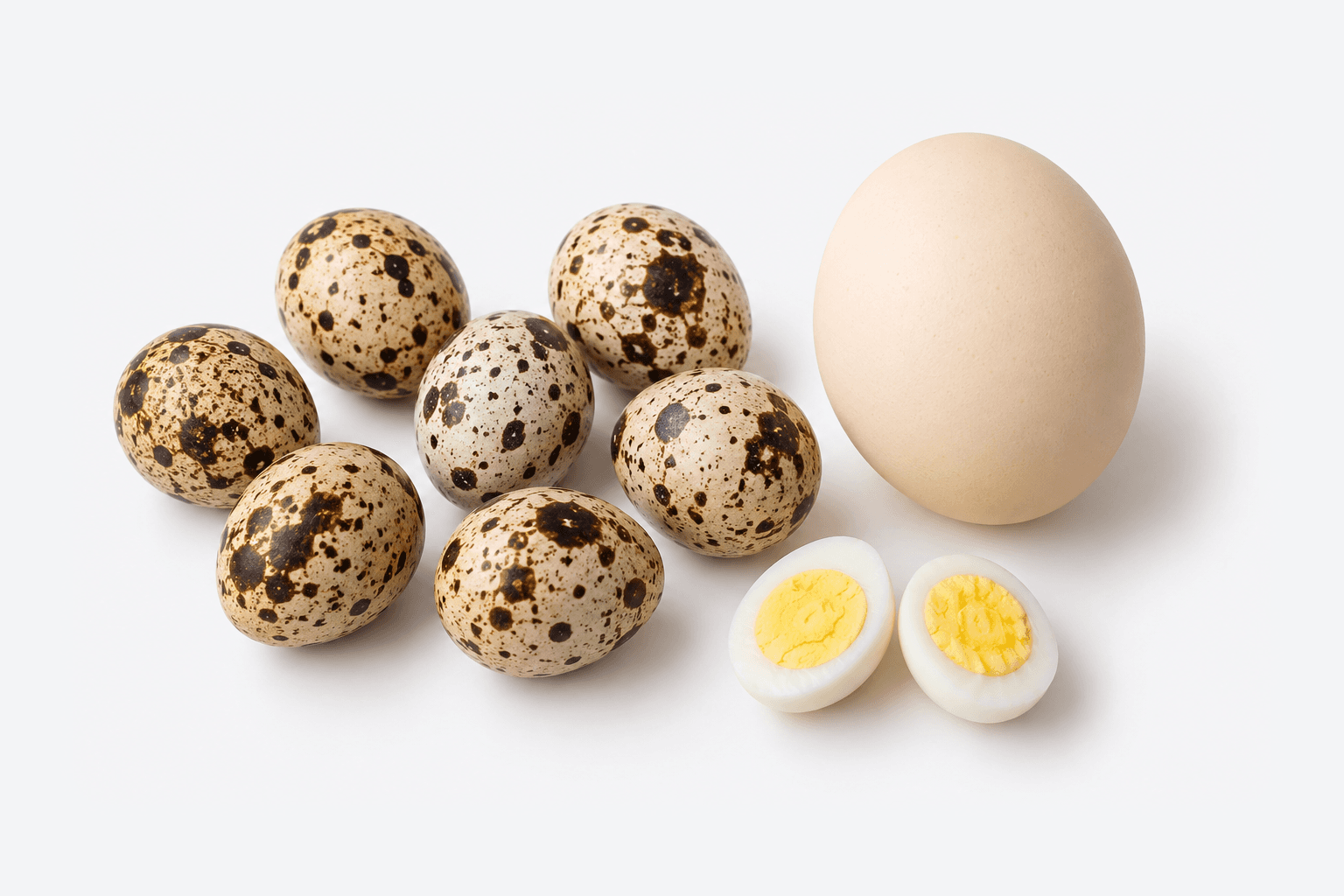
The quail egg runs slightly higher in energy and fat, and its 3.65 mg of iron is a row the chicken egg lacks. But 100 g is eleven quail eggs against two chicken eggs.
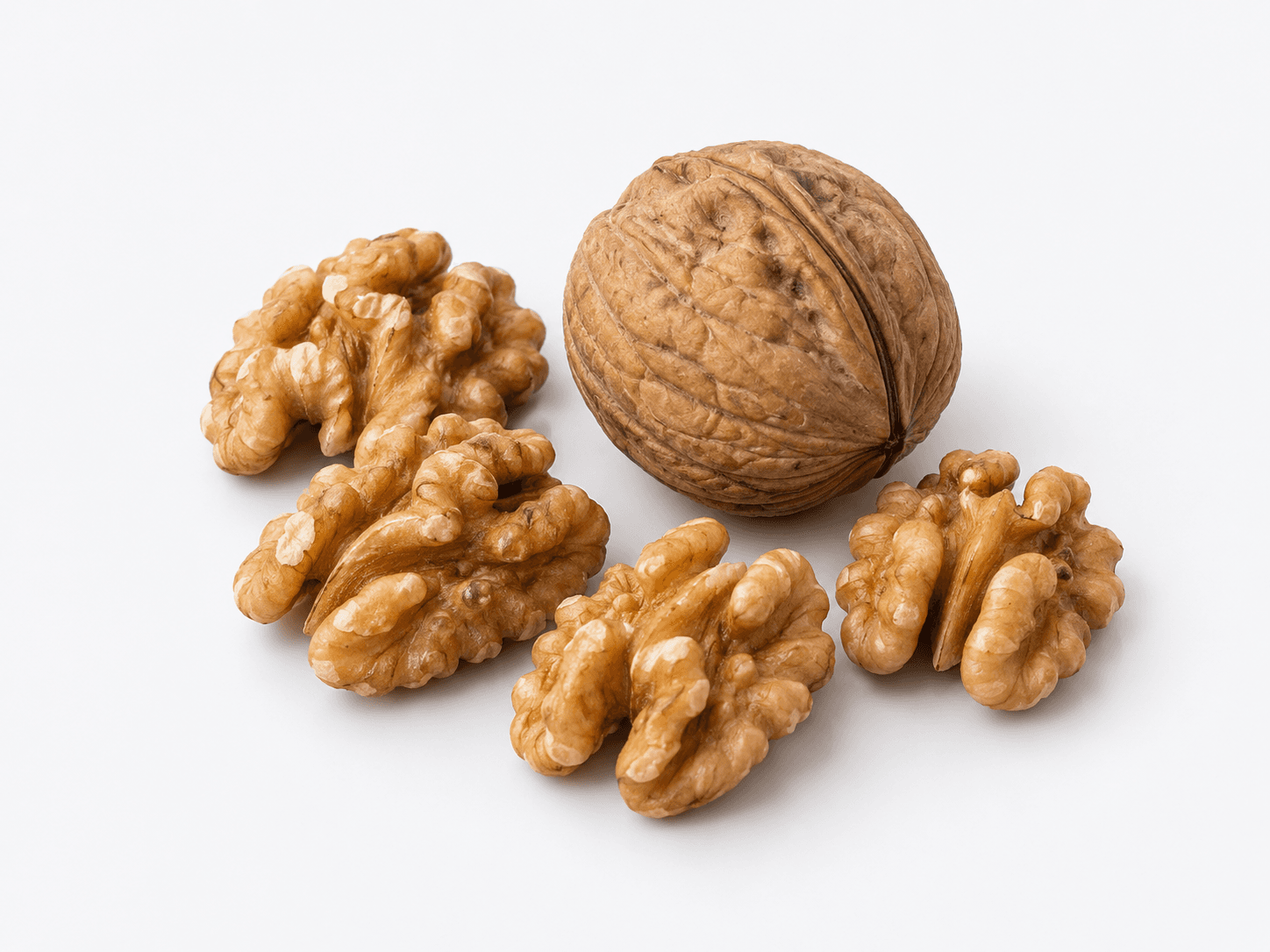
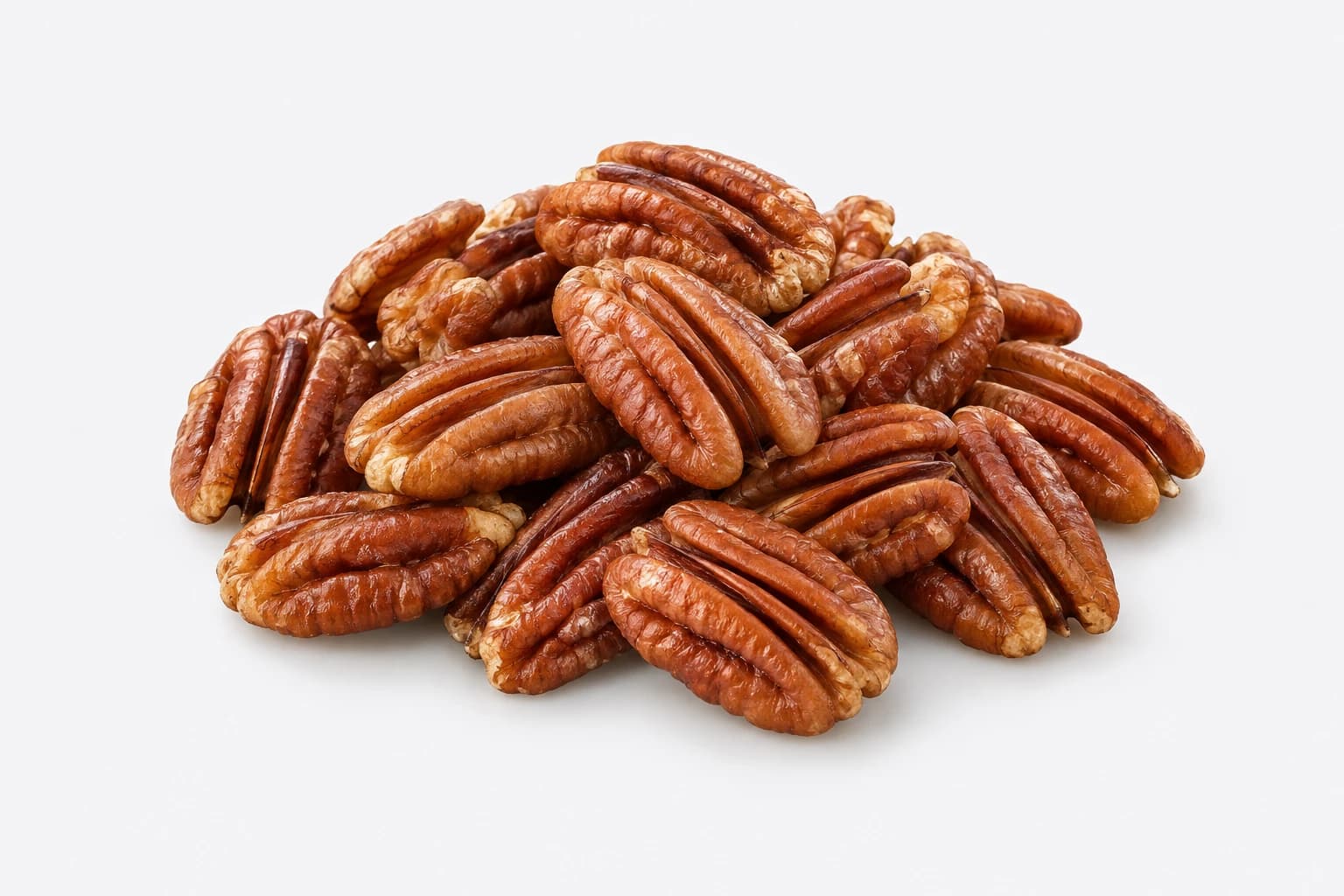
The walnut's 9.1 g of omega-3 is a row the pecan table does not have at all. The pecan is the fattier of the two at 72 g, and leads on manganese and zinc.
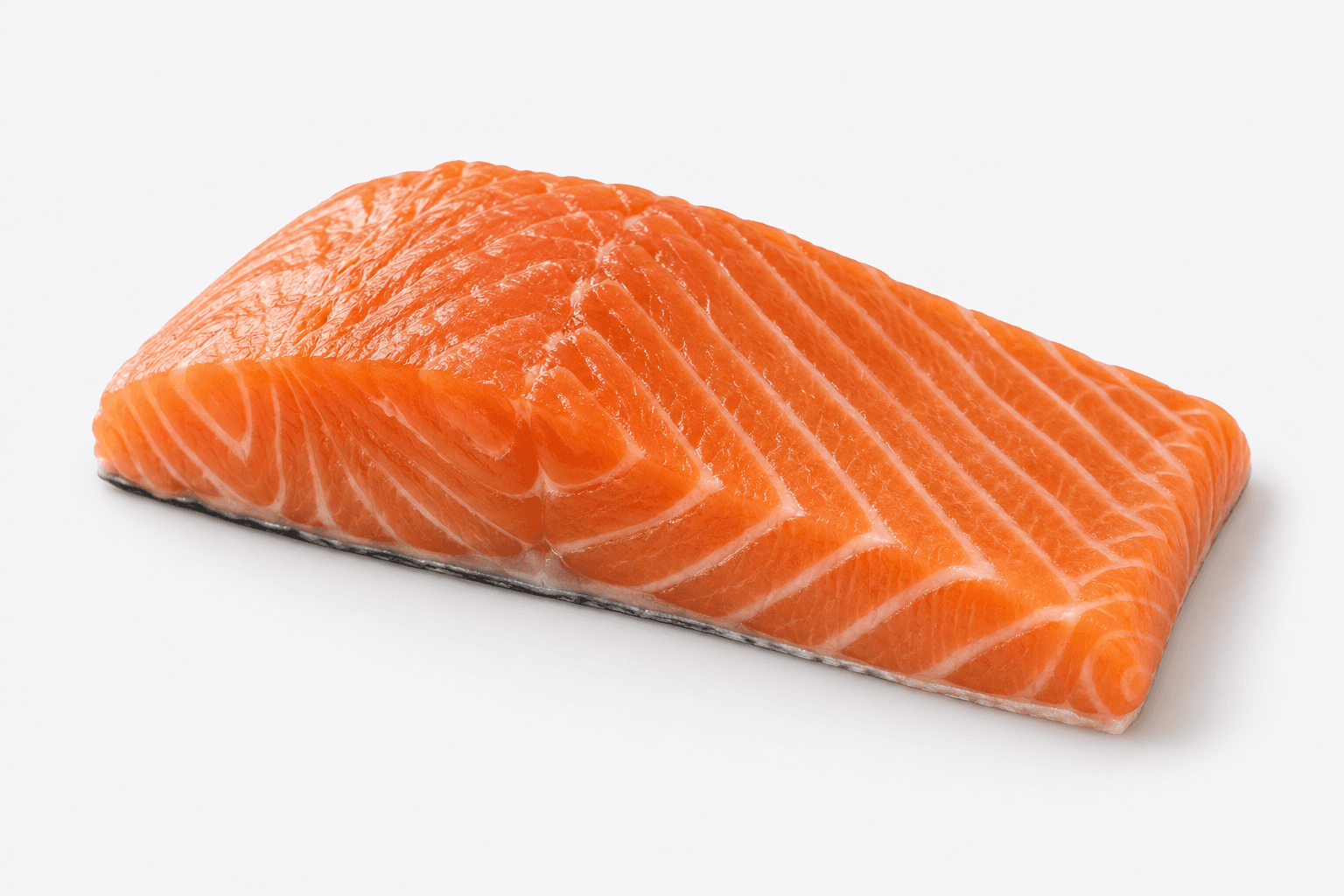
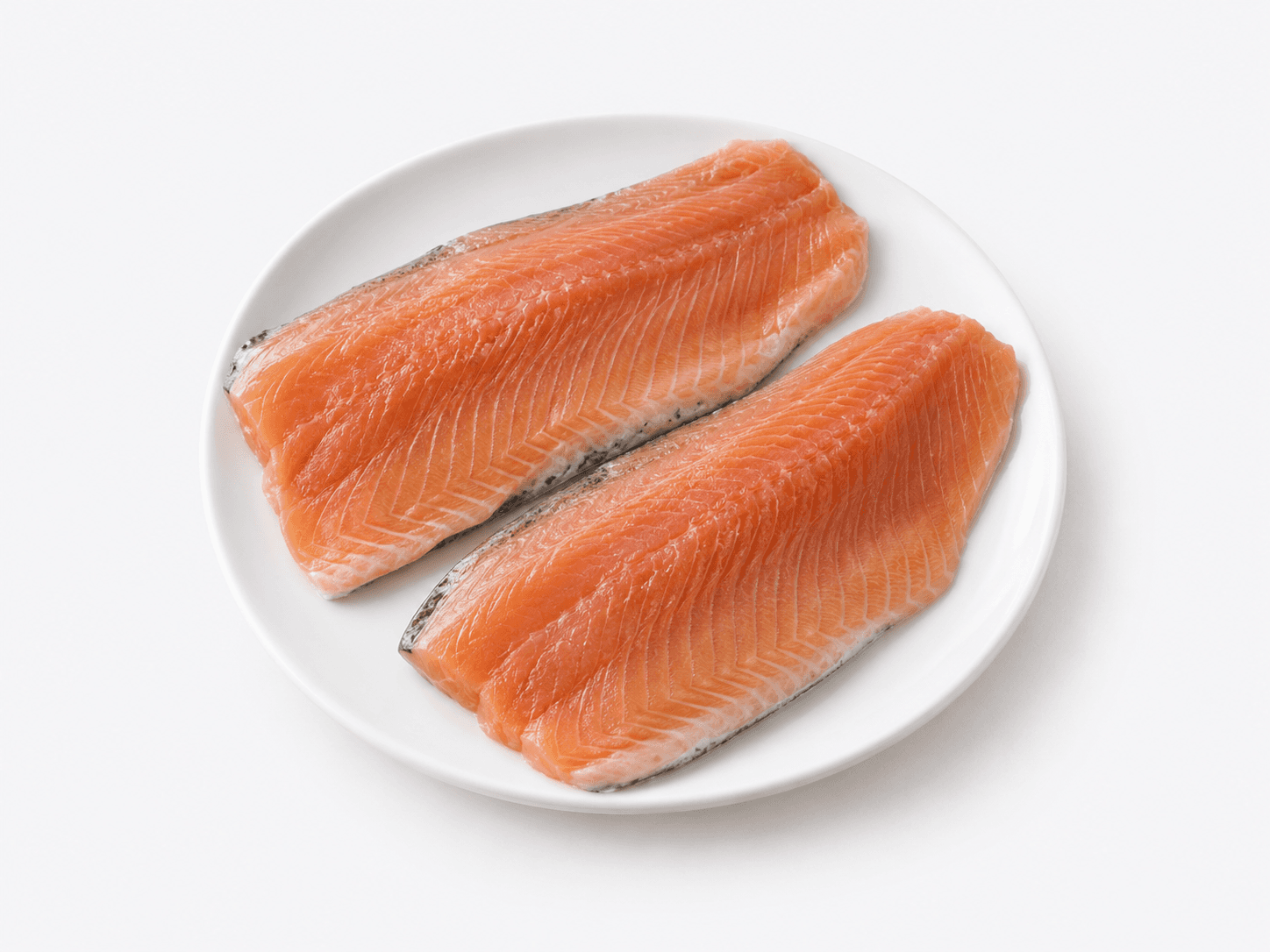
Trout brings 19.9 g of protein at 141 kcal, essentially matching salmon. But its omega-3 is 0.73 g against 2.2 g — while its vitamin D is actually higher.


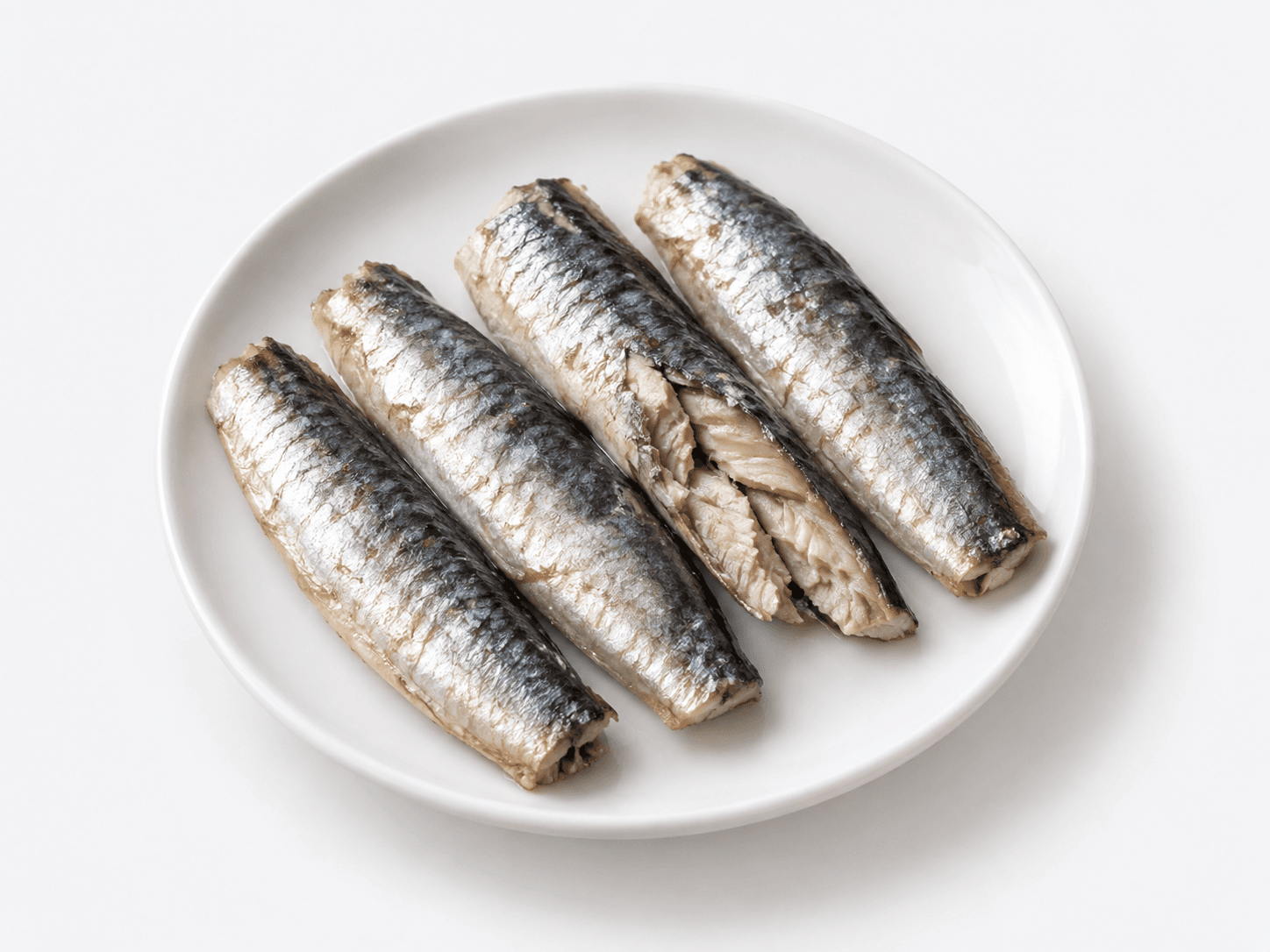
The sardine's 382 mg of calcium comes from eating the bones, and the mackerel table has no calcium row at all. But one is a fish and the other is a can.


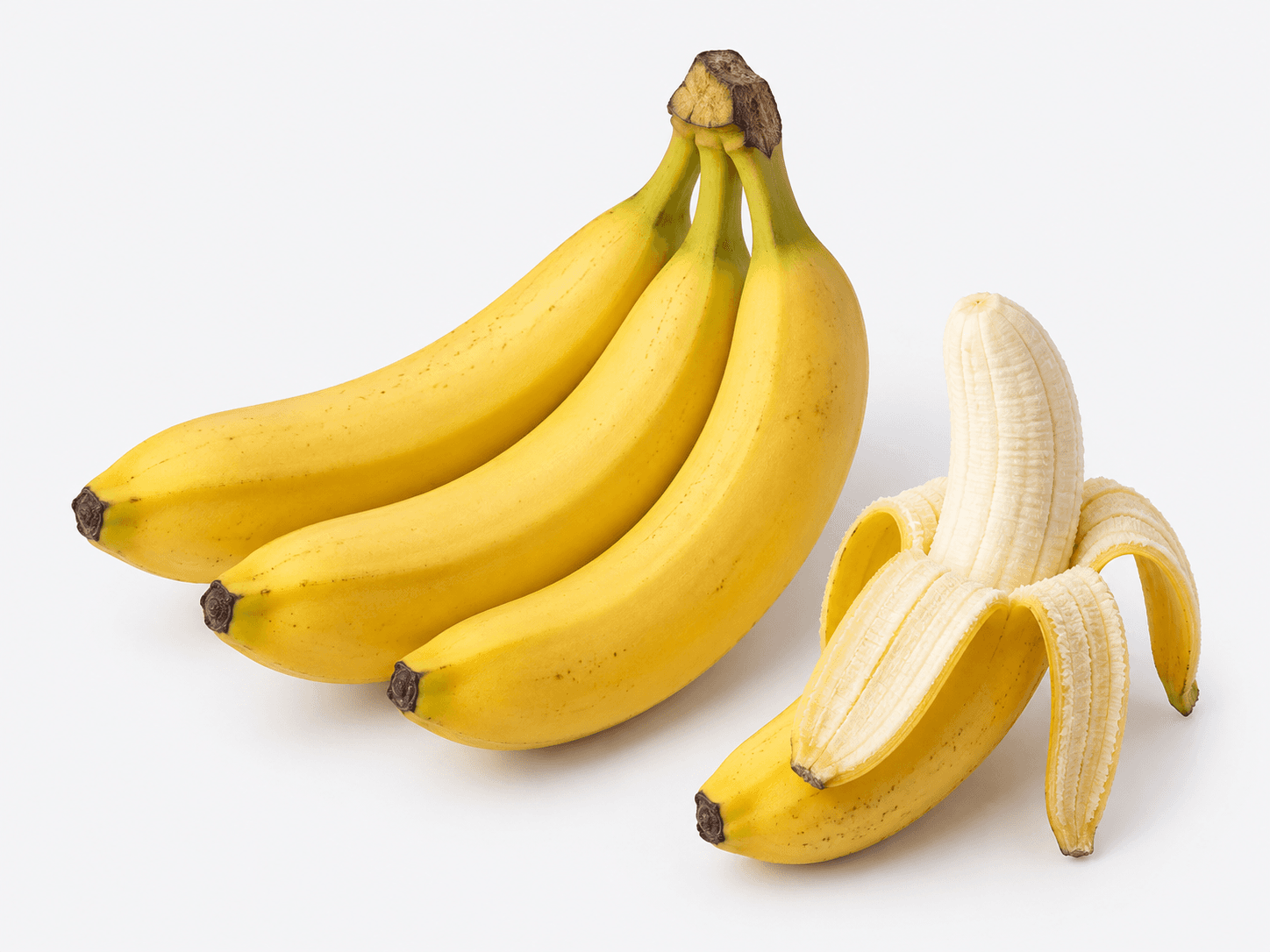
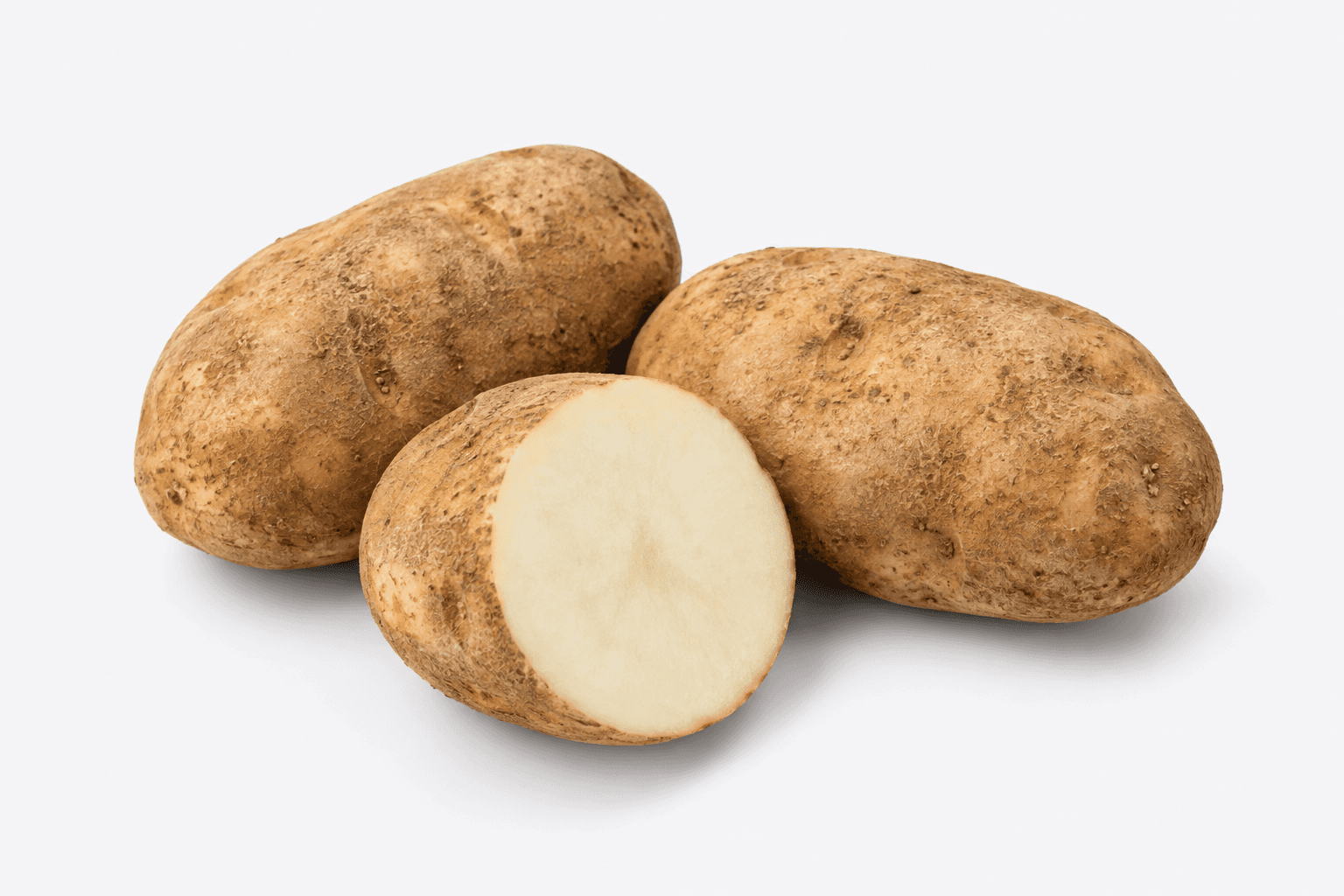
Potassium brings bananas to mind, but per 100 g the potato carries 425 mg against the banana's 358 mg — and fewer calories with it.


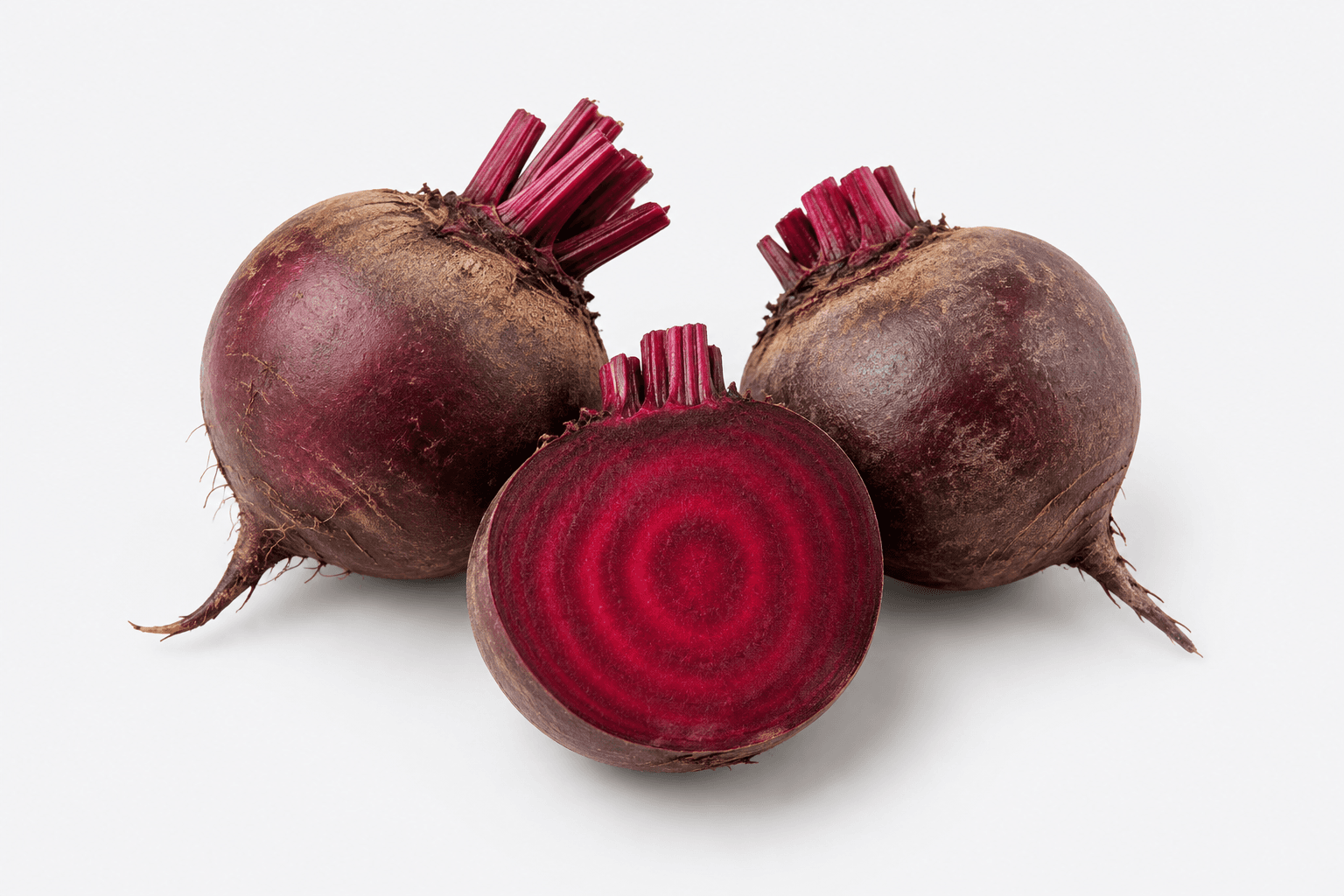
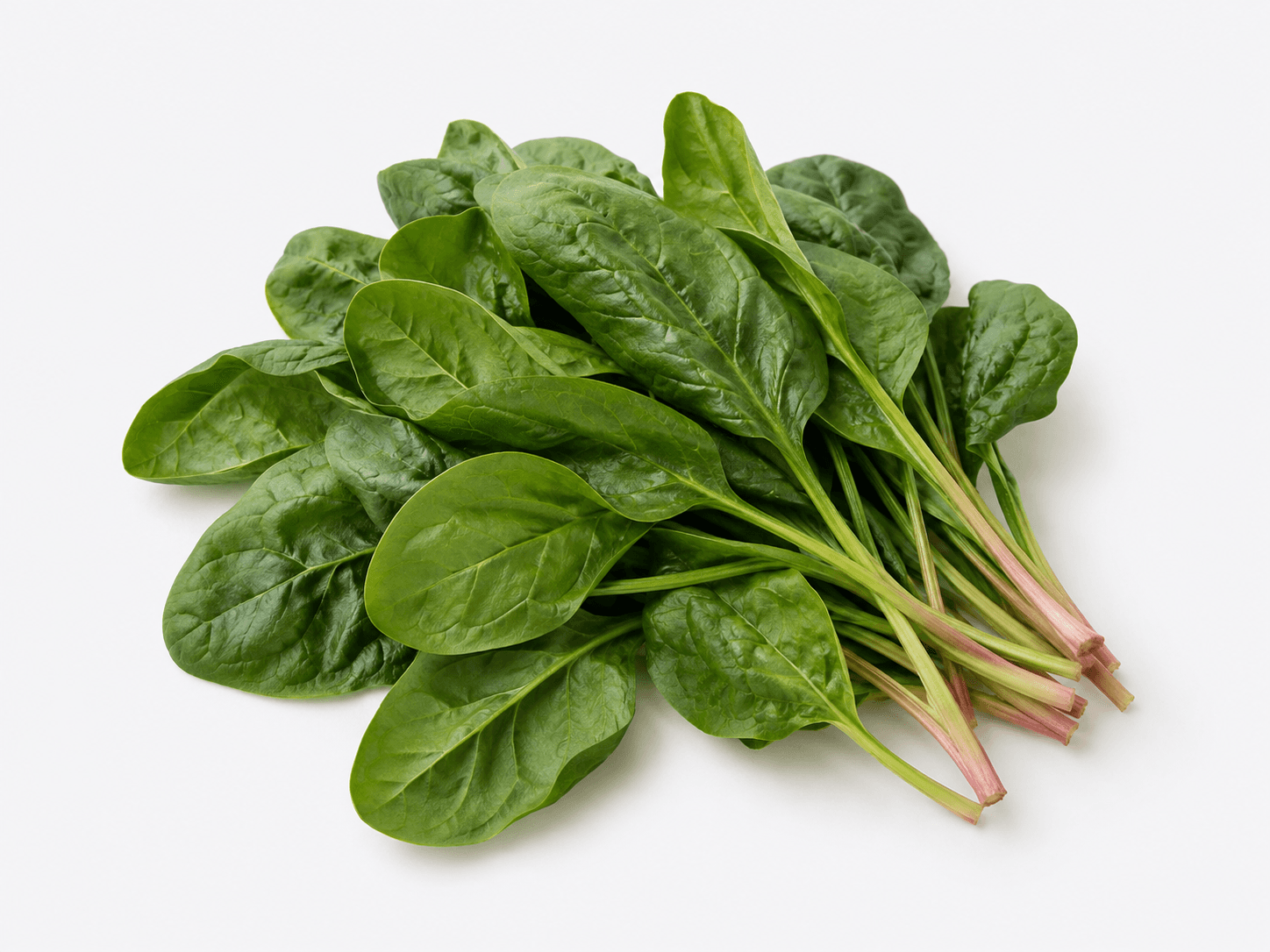
On blood pressure, beetroot is the only ingredient on this site graded strong; spinach is moderate. Yet the composition table goes to spinach on nearly every row.


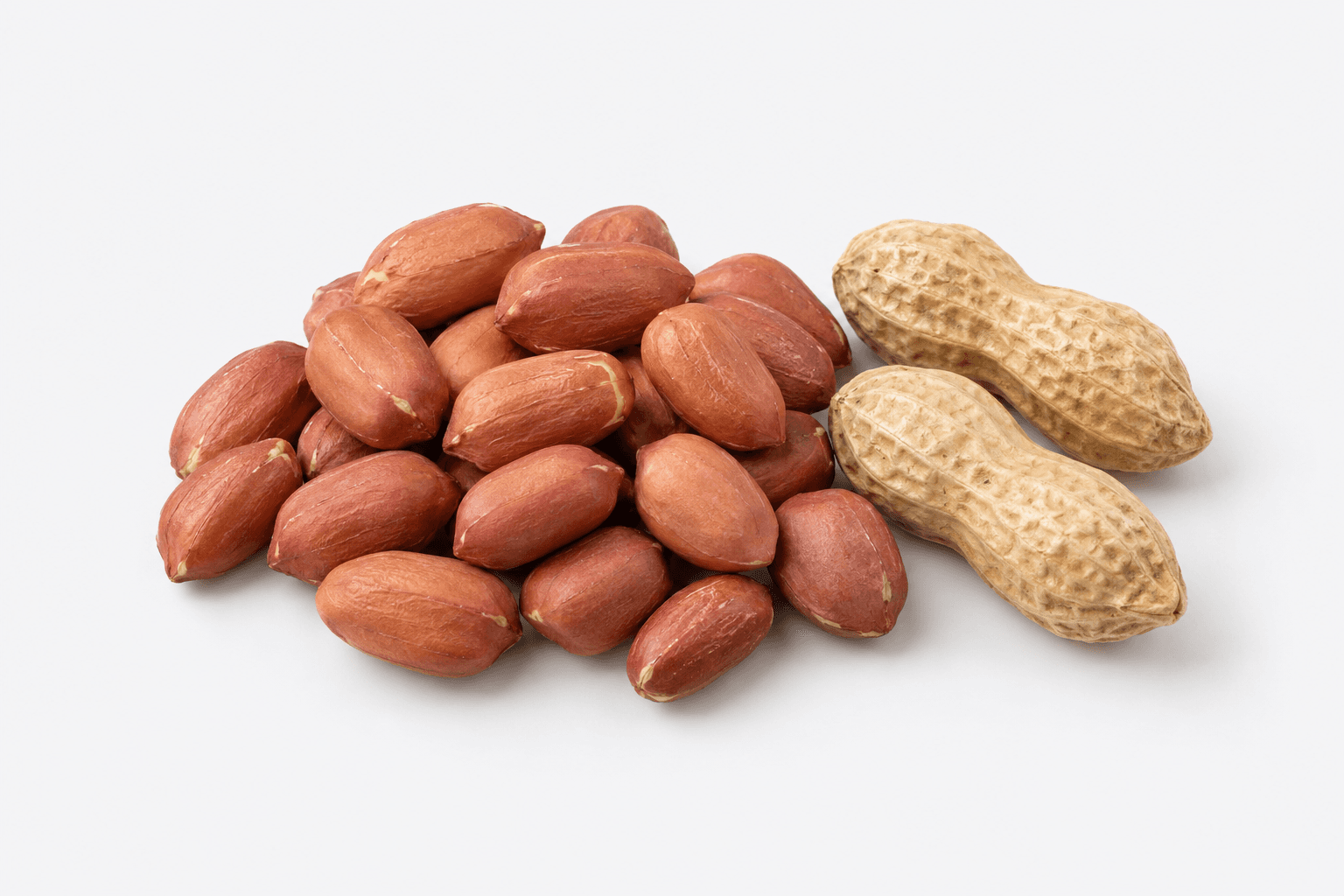
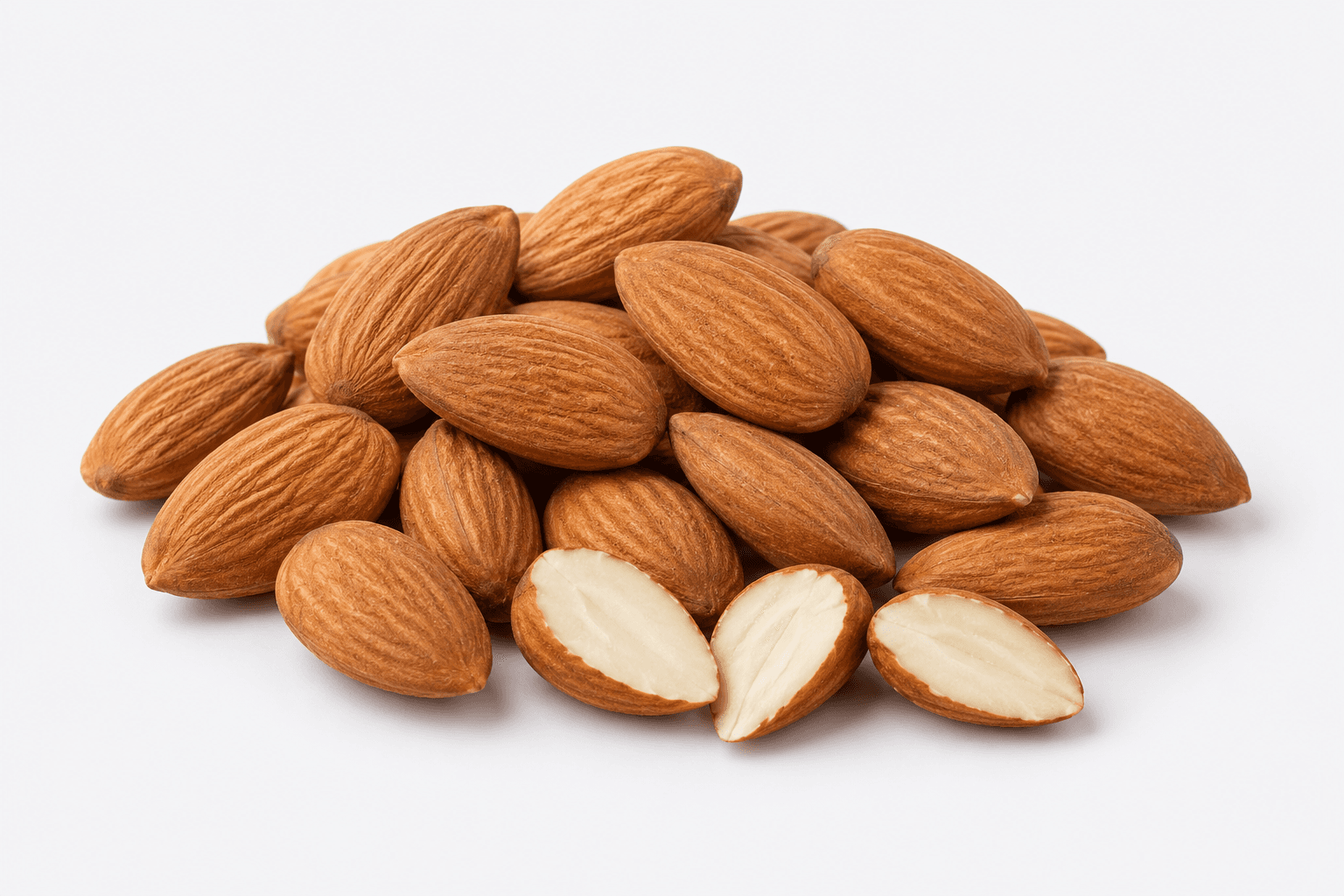
Calories and fat are nearly identical. Almonds carry 25.6 mg of vitamin E against 4.9 — five times — while the cohort that held up across 200,000 people was built on the cheapest nut of all.


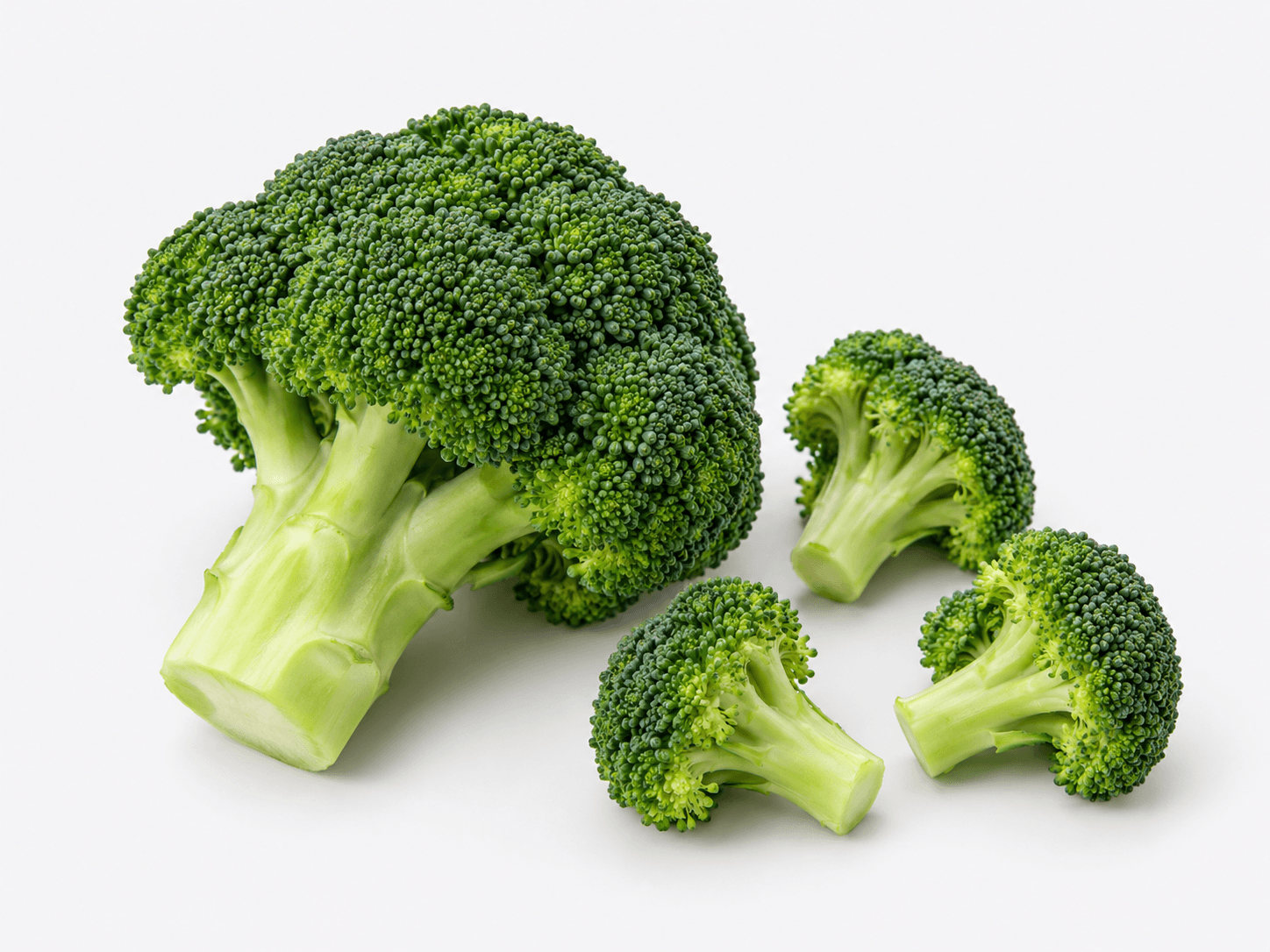
Spinach leads on micronutrient density; broccoli leads on vitamin C and sulforaphane. Spinach's oxalate makes the numbers alone misleading.


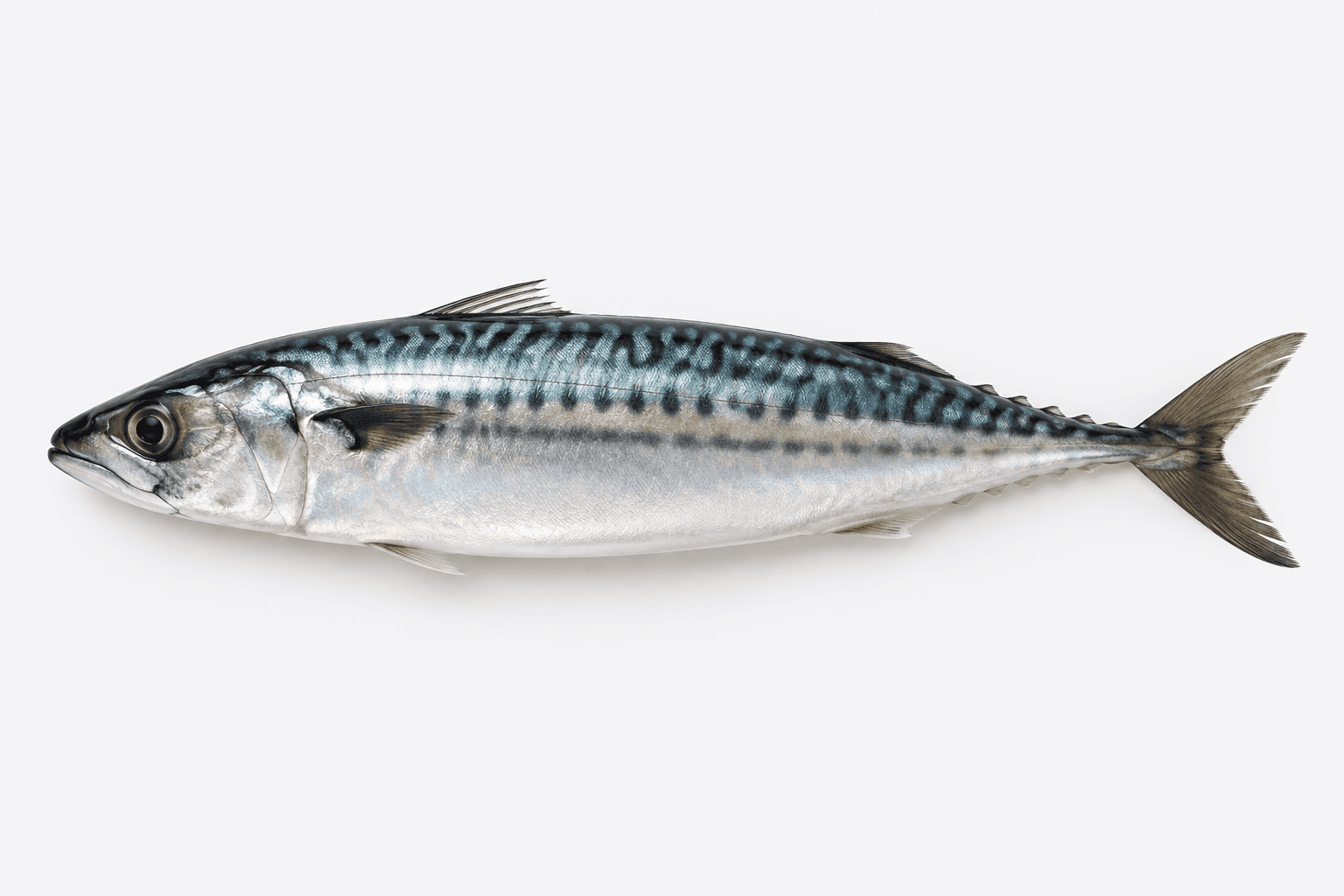
Mackerel beats salmon on both omega-3 and vitamin D. Factor in price and the gap widens further.


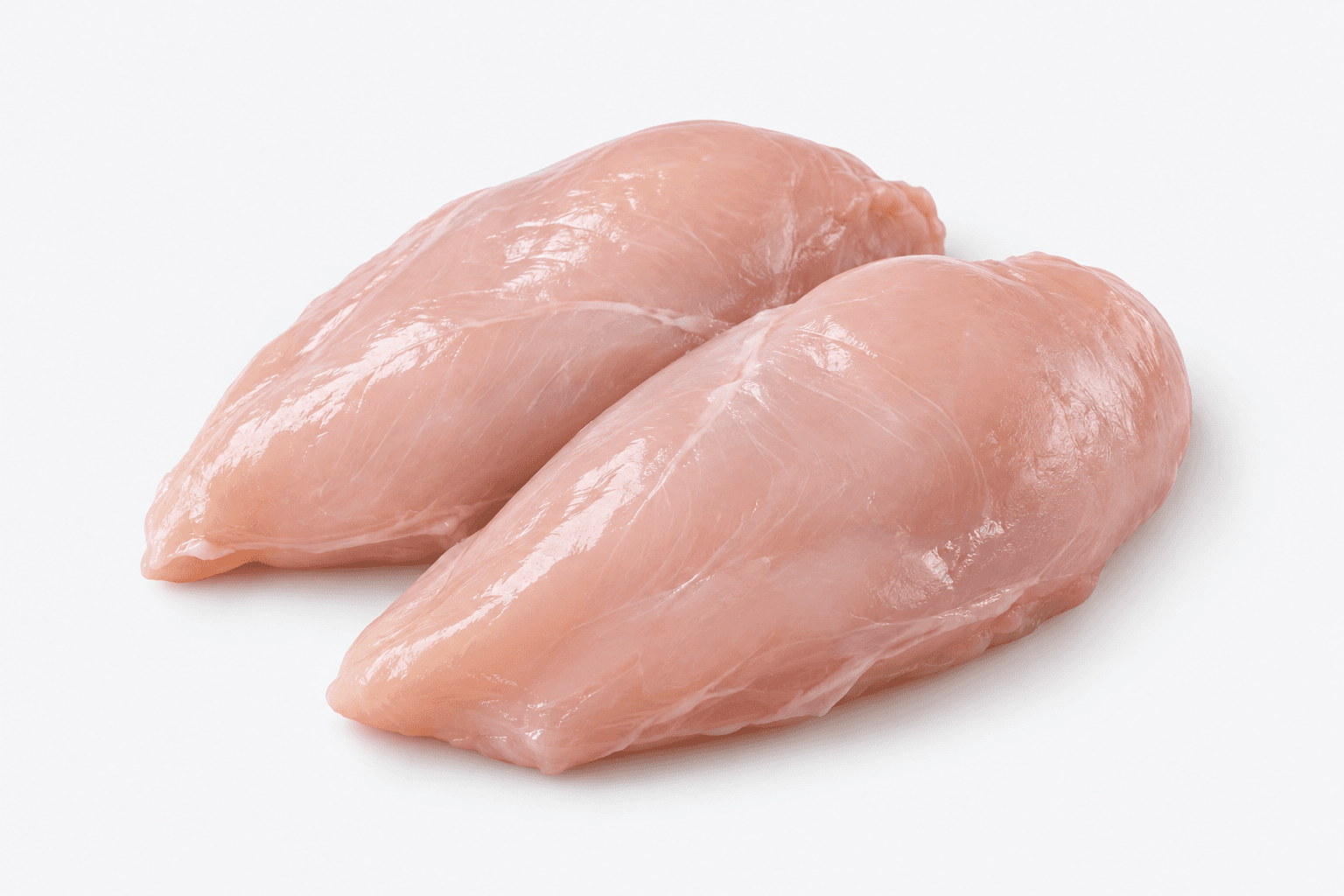
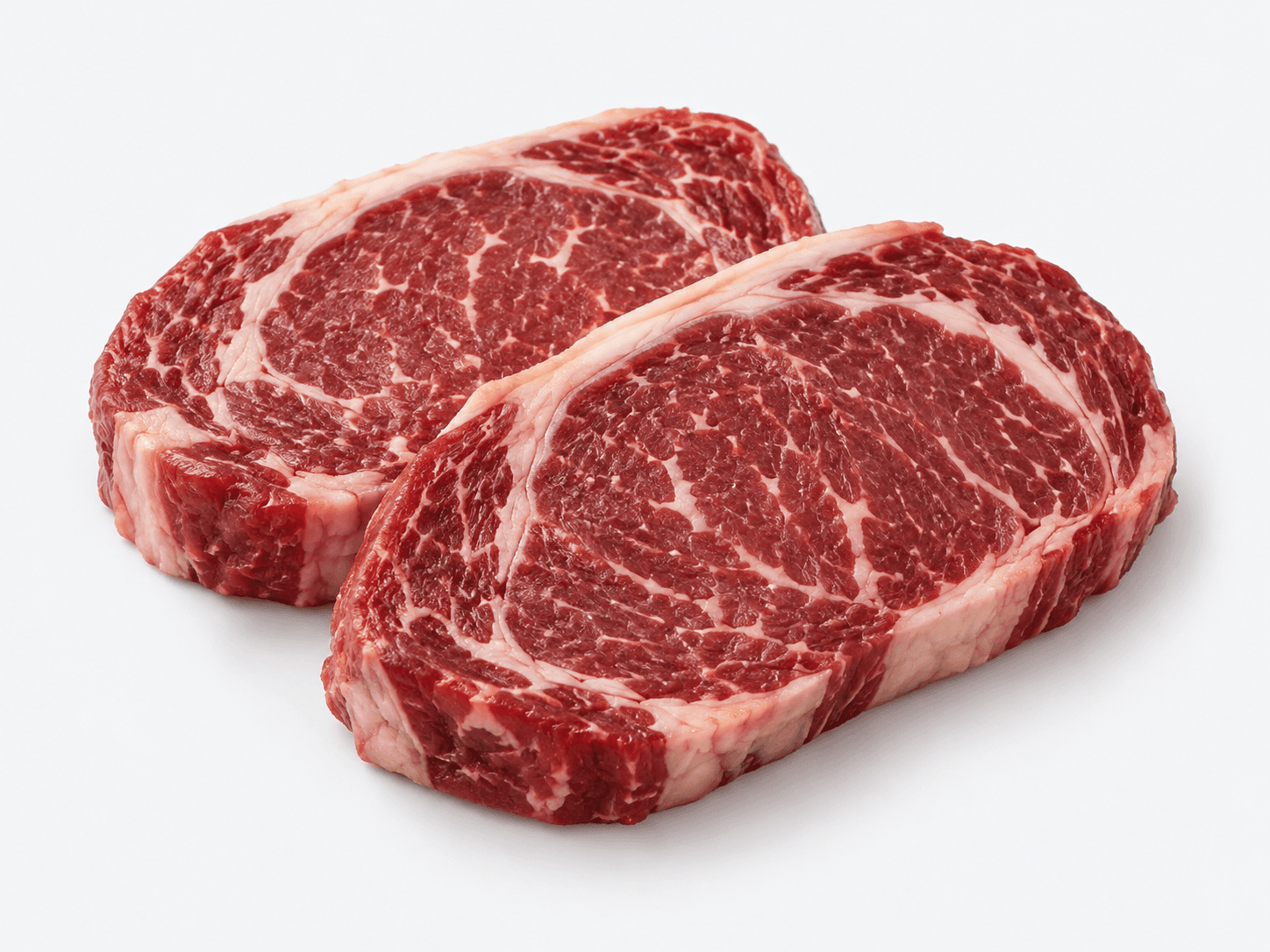
Chicken breast wins on protein per calorie; beef wins on iron and zinc. Which you need decides which is better.


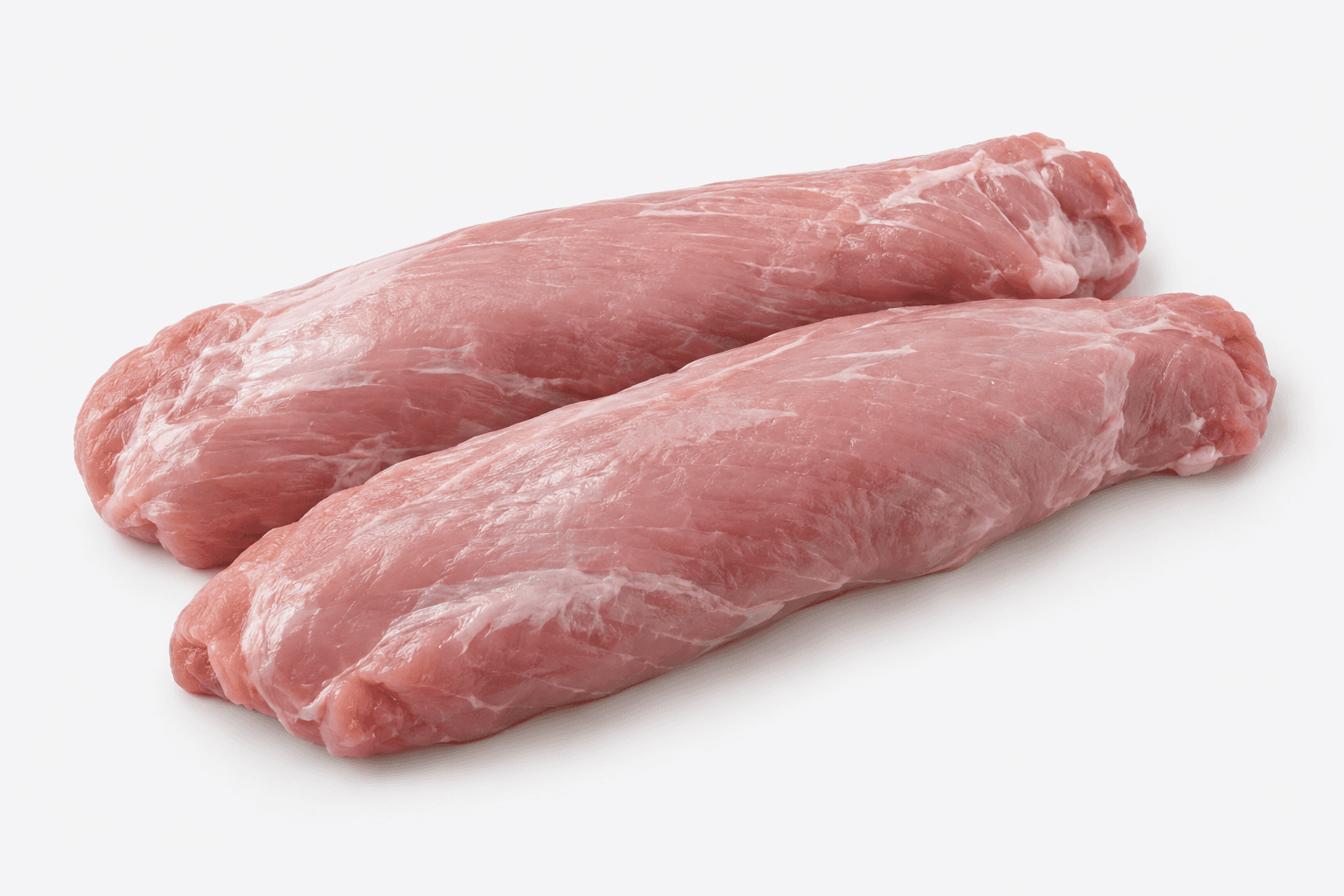
Beef leads clearly on iron and zinc; pork leads on vitamin B1. Either way, the cut decides the fat.


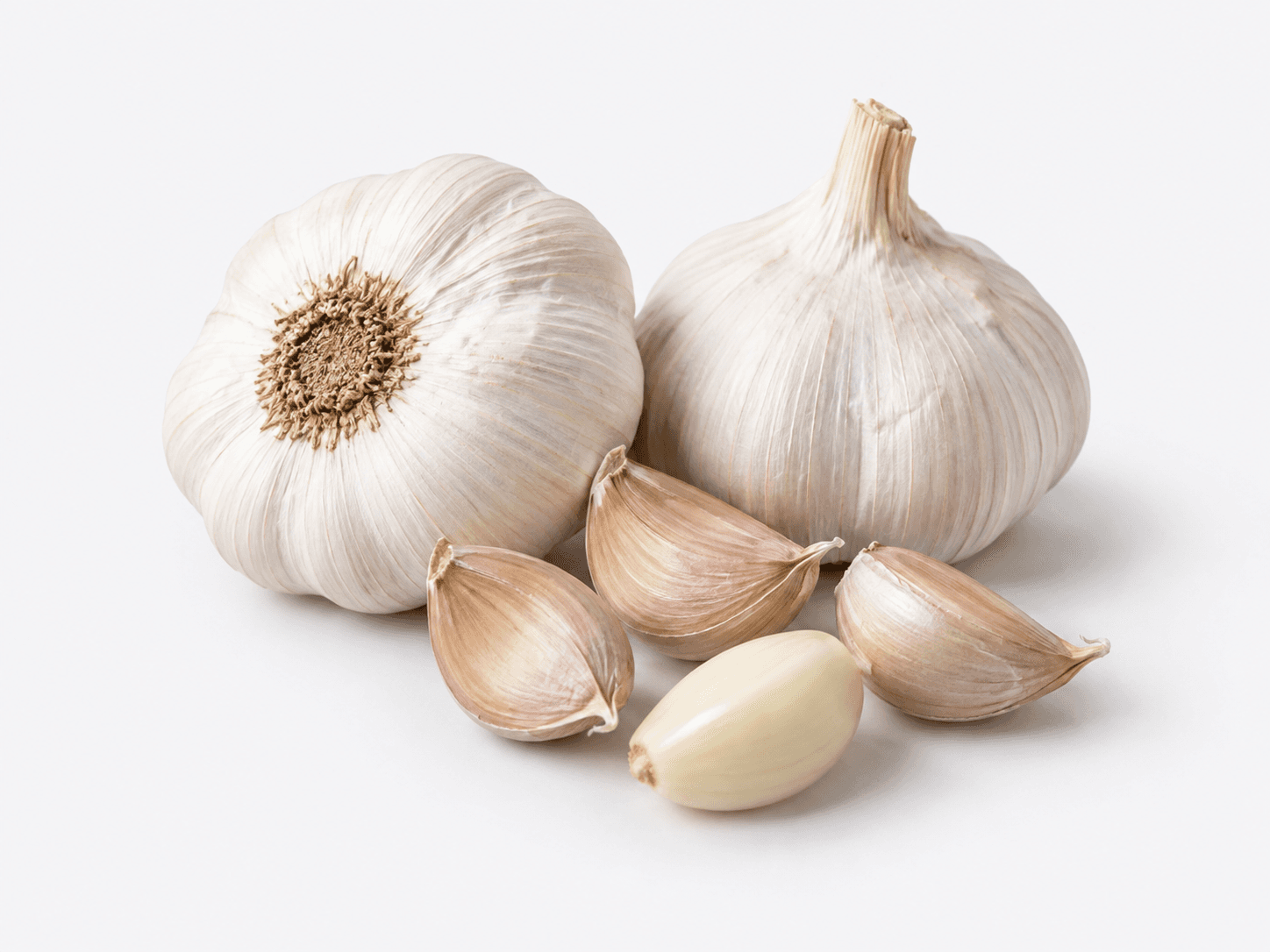
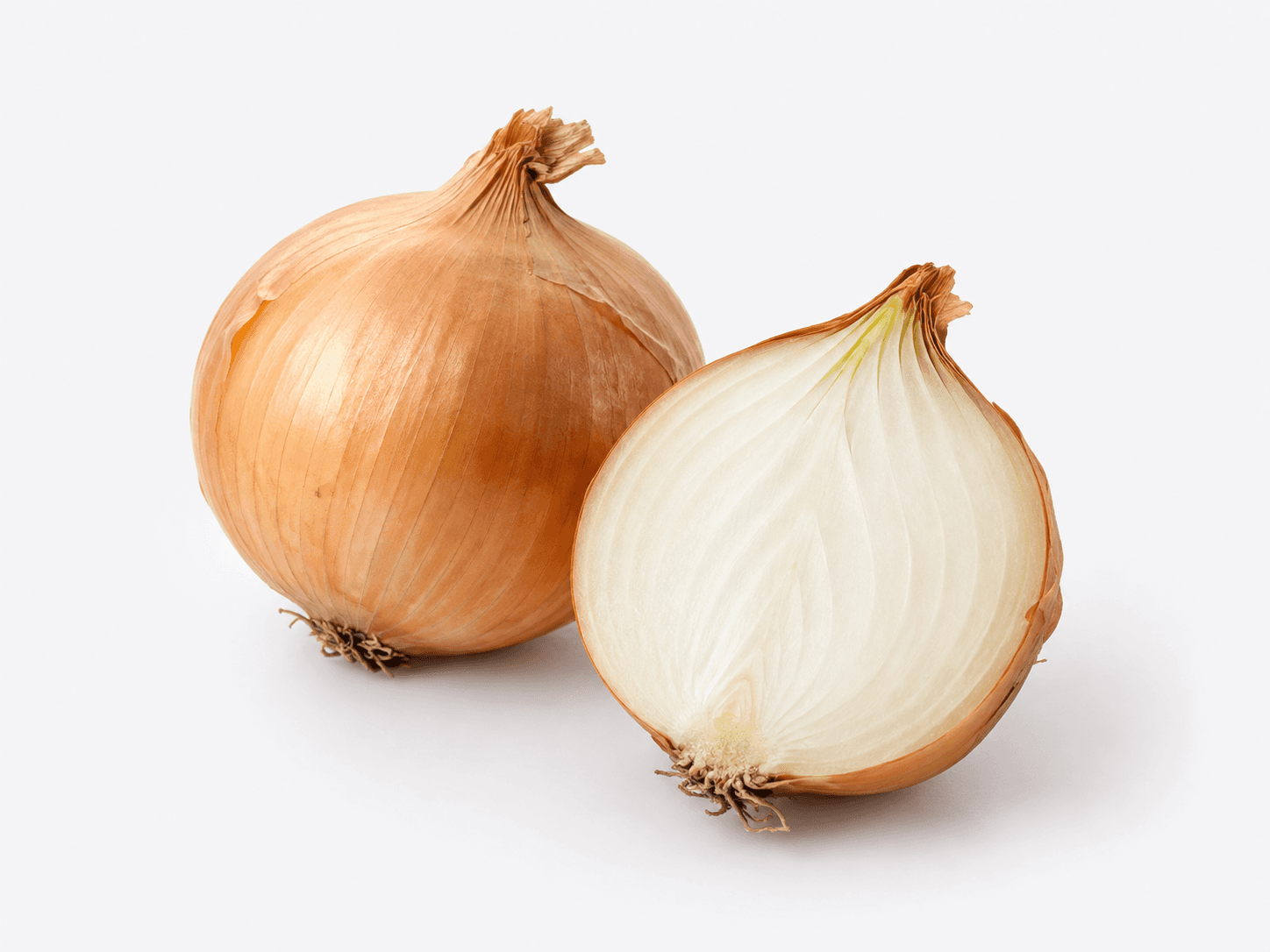
Both are allium vegetables whose active compounds only form once cut. Garlic gives allicin, onion gives quercetin, and they act along different lines.