Ingredients people weigh against each other, set side by side on nutrition.
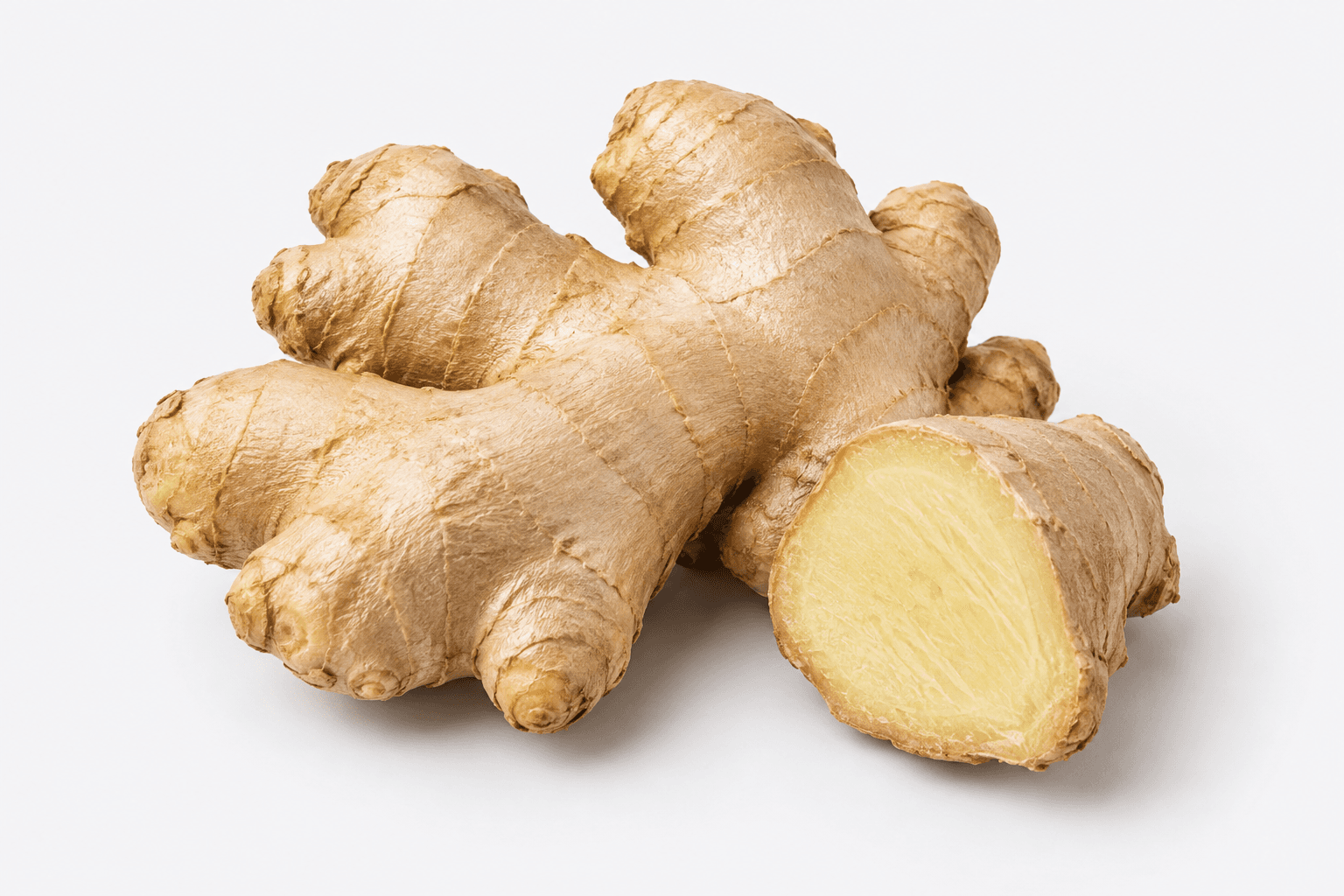

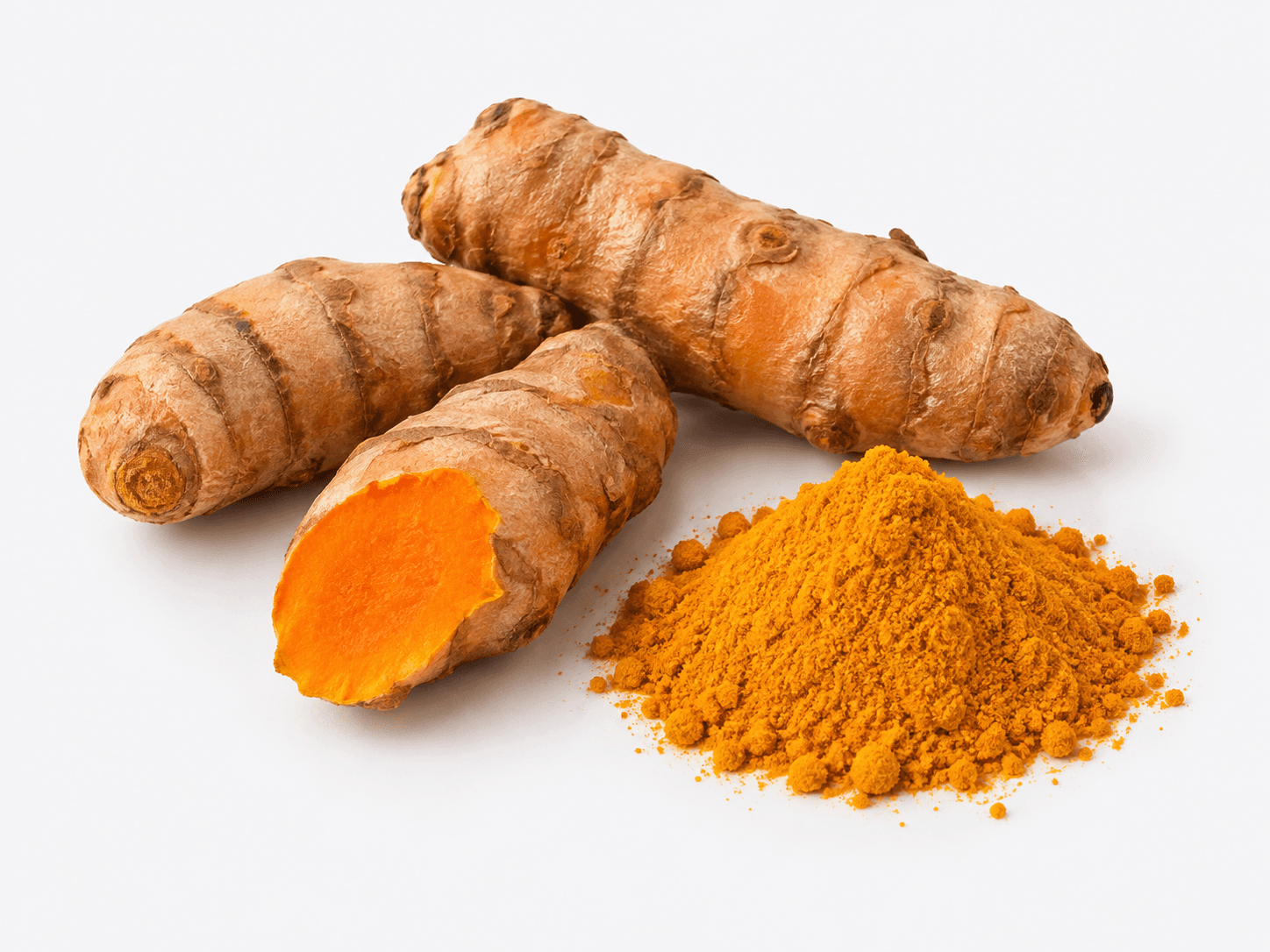
Both get filed under anti-inflammatory, but the evidence sits in different places. Ginger's is nausea; turmeric's is joint pain.
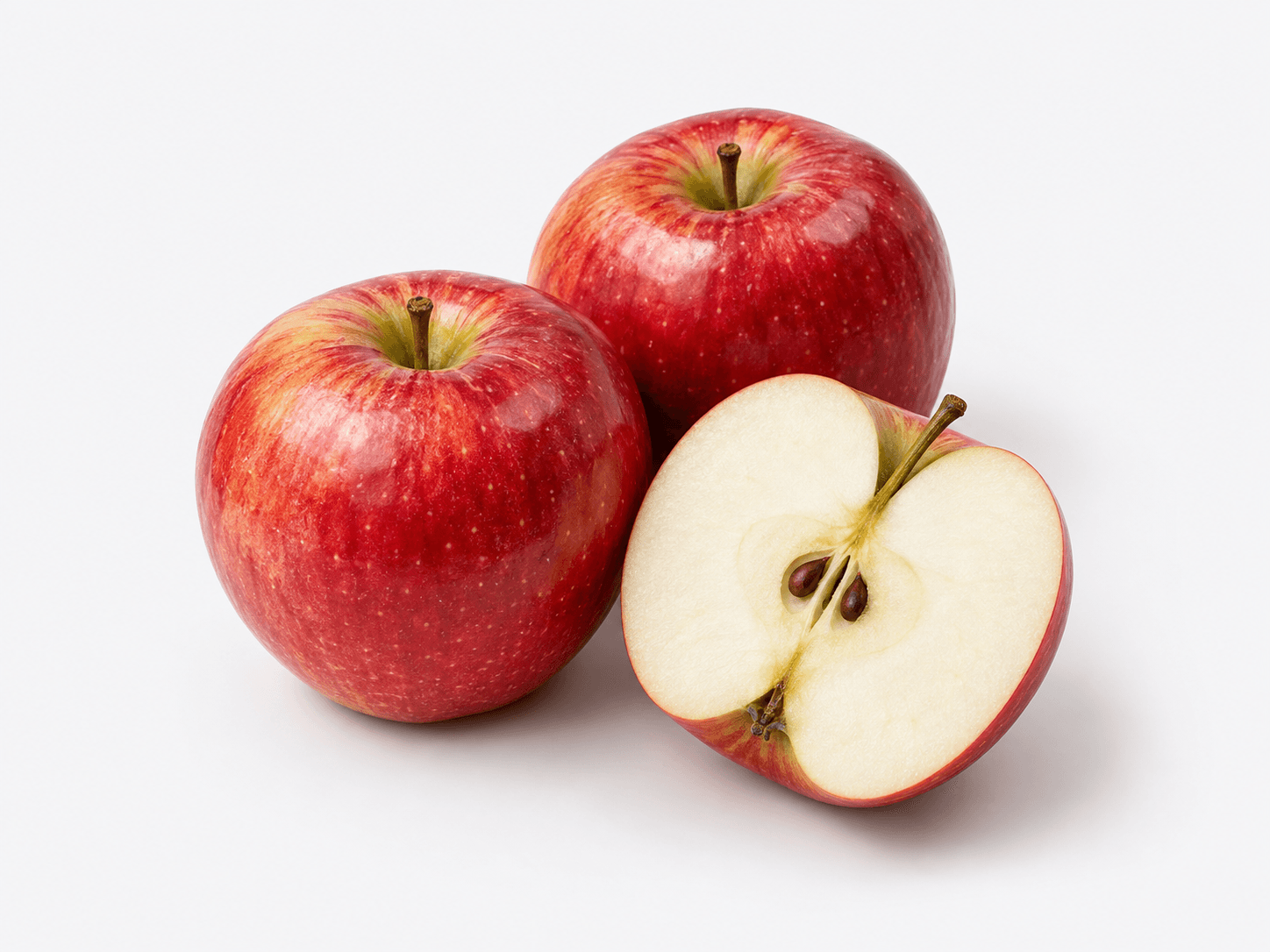
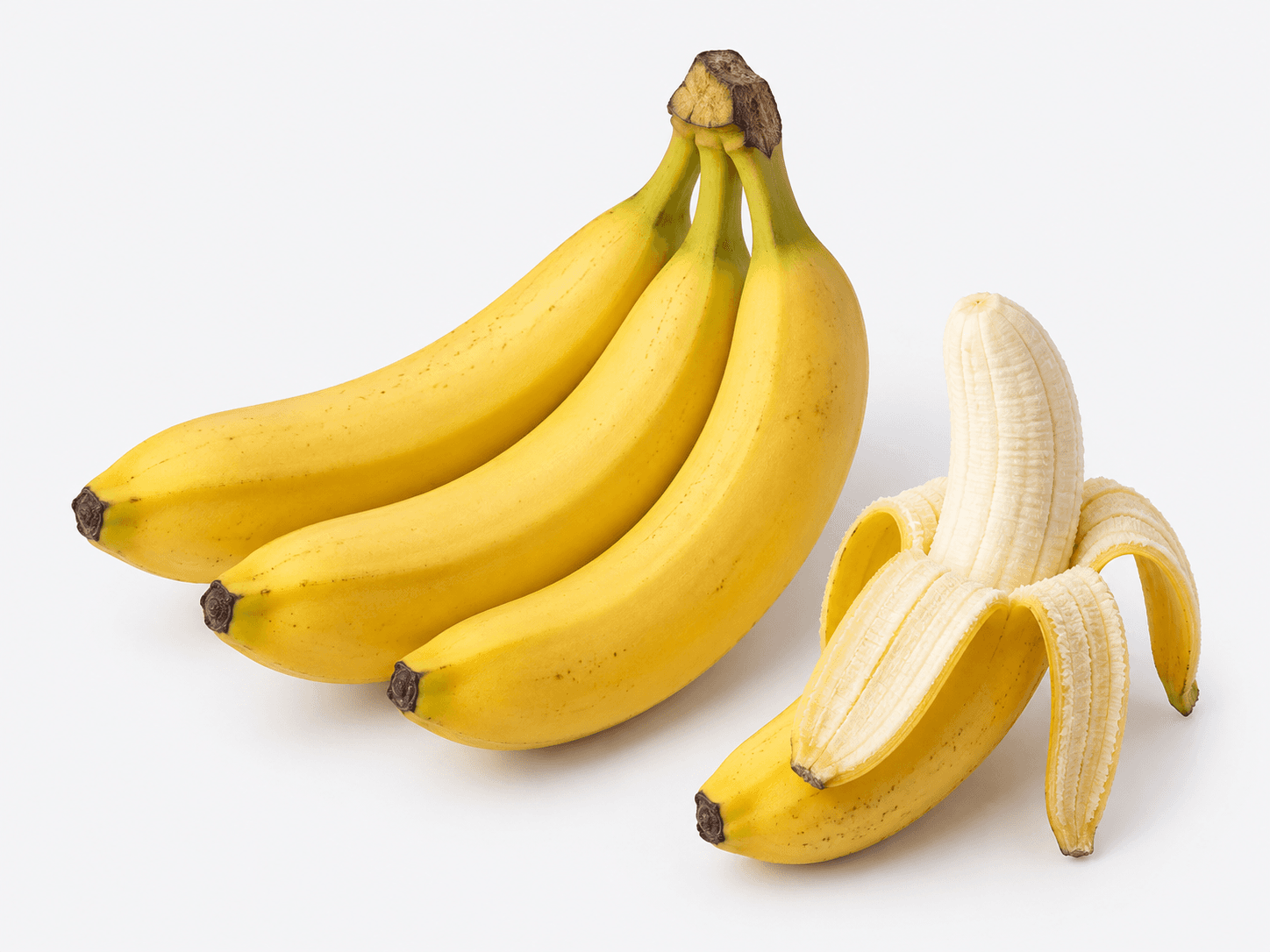
Banana leads on potassium and energy; apple on water content and satiety. Whether it is around exercise or between meals decides the answer.
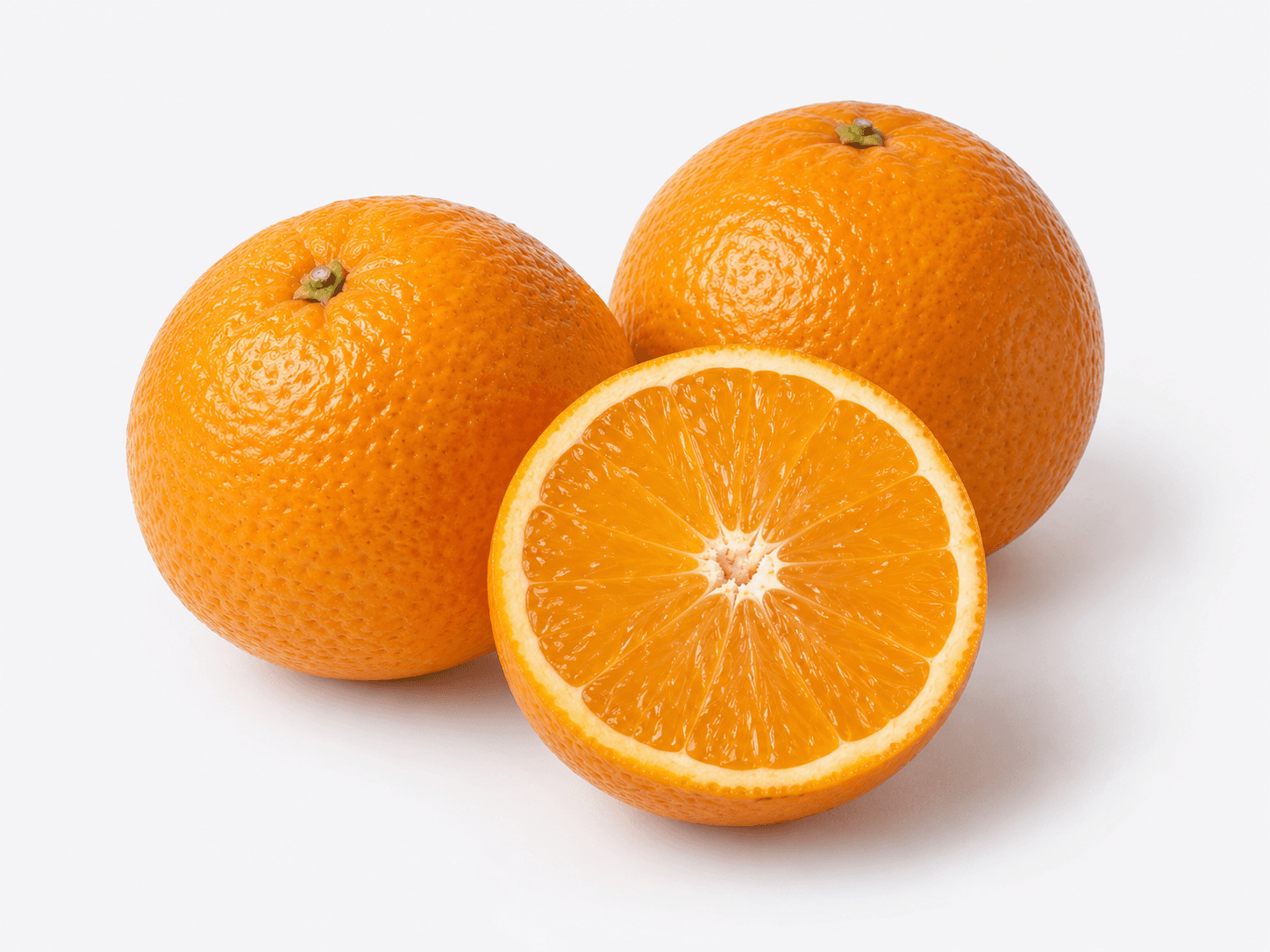
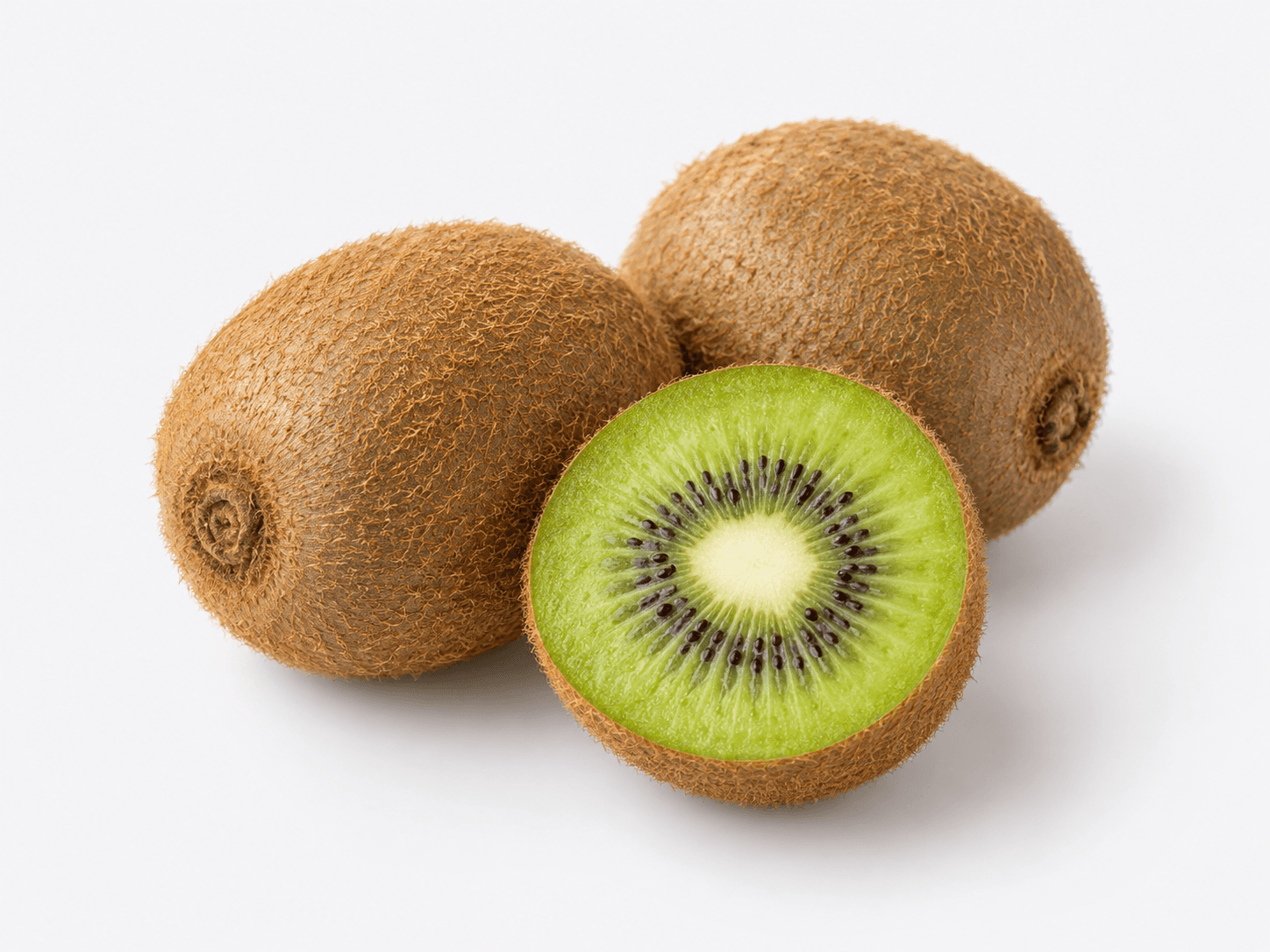
Kiwi carries nearly twice the vitamin C of an orange, and more fibre too.


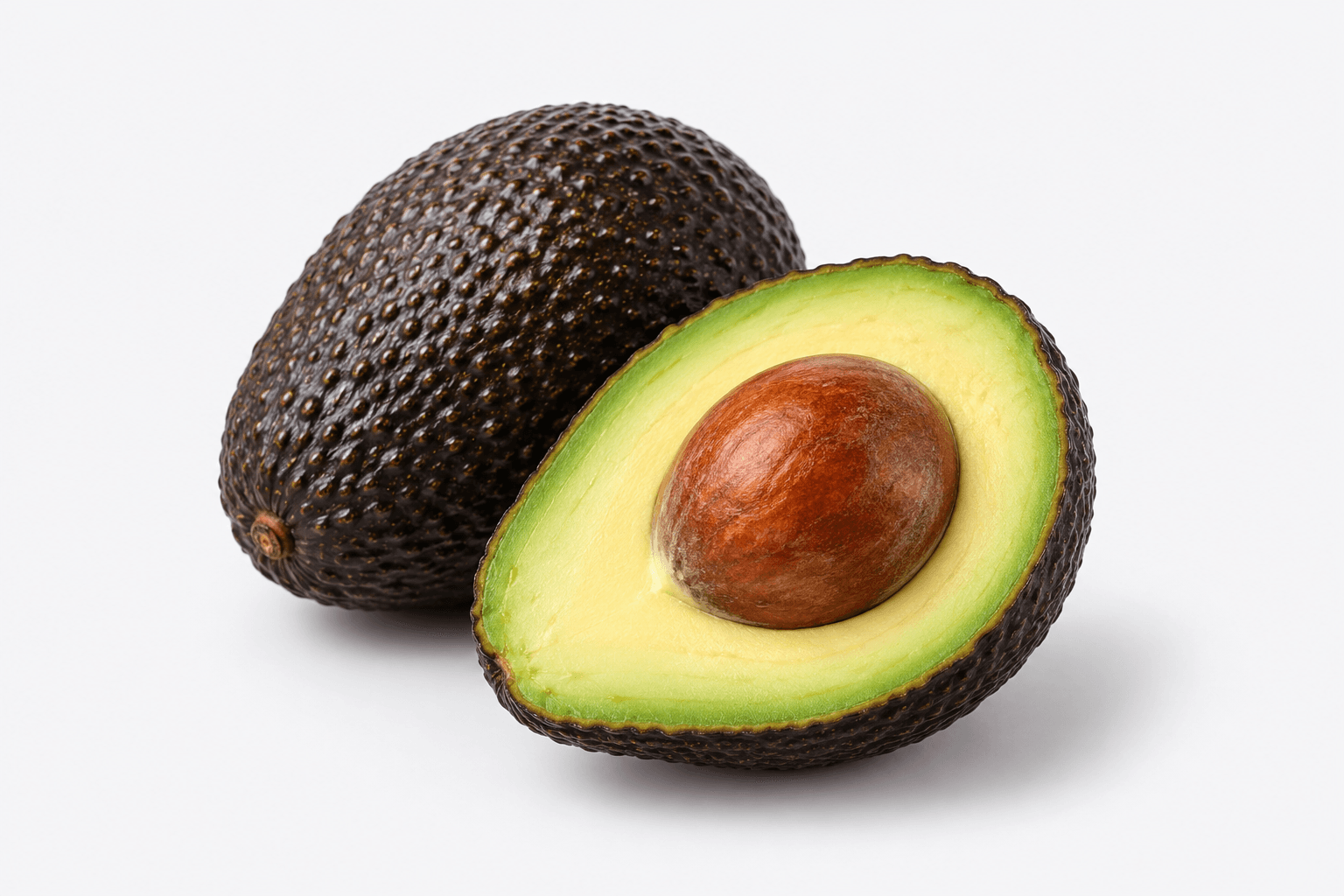
Potassium makes people think of bananas, but avocado leads. It also carries nearly twice the calories.


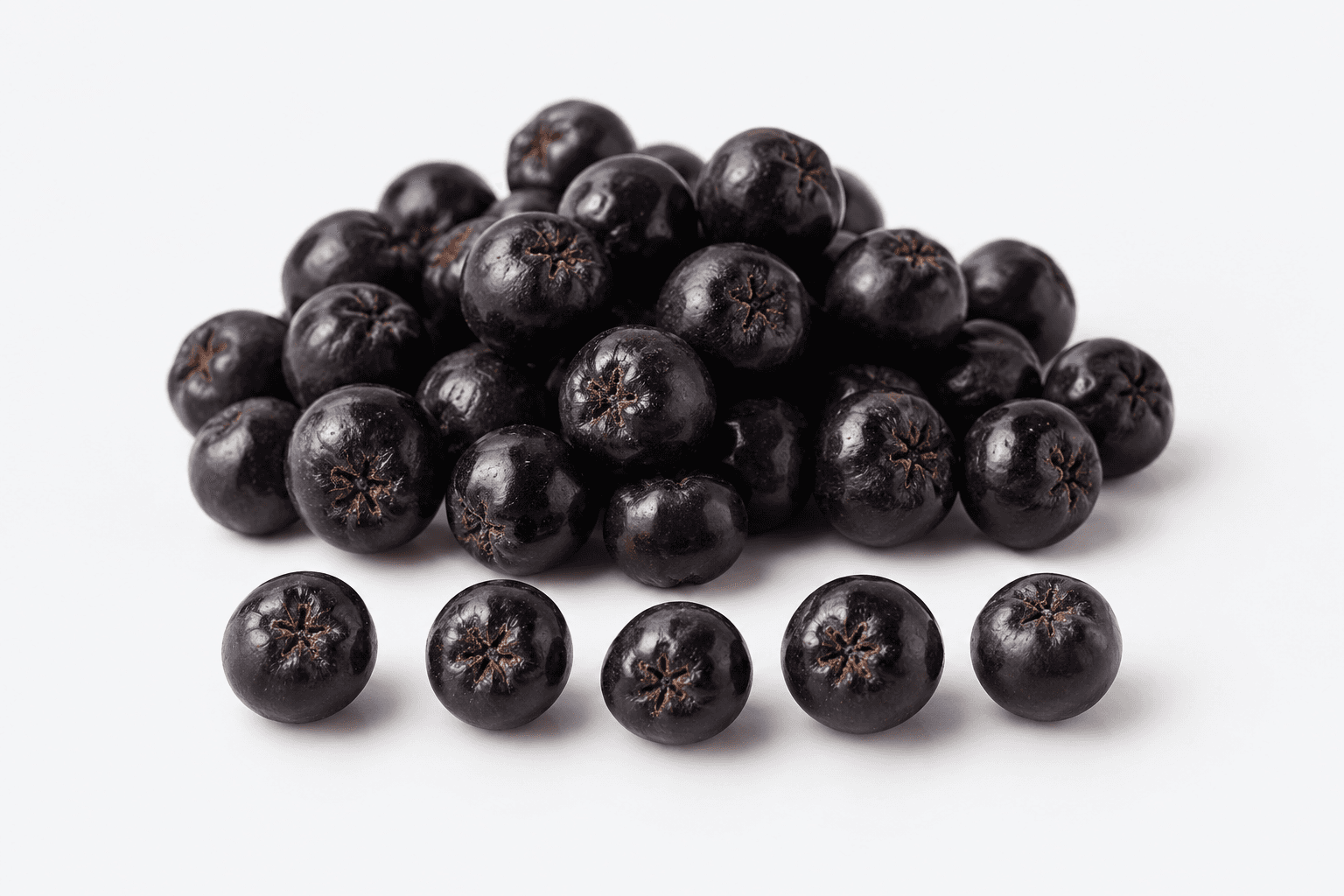
Aronia wins on paper by a wide margin, but its astringency decides how much you actually eat.


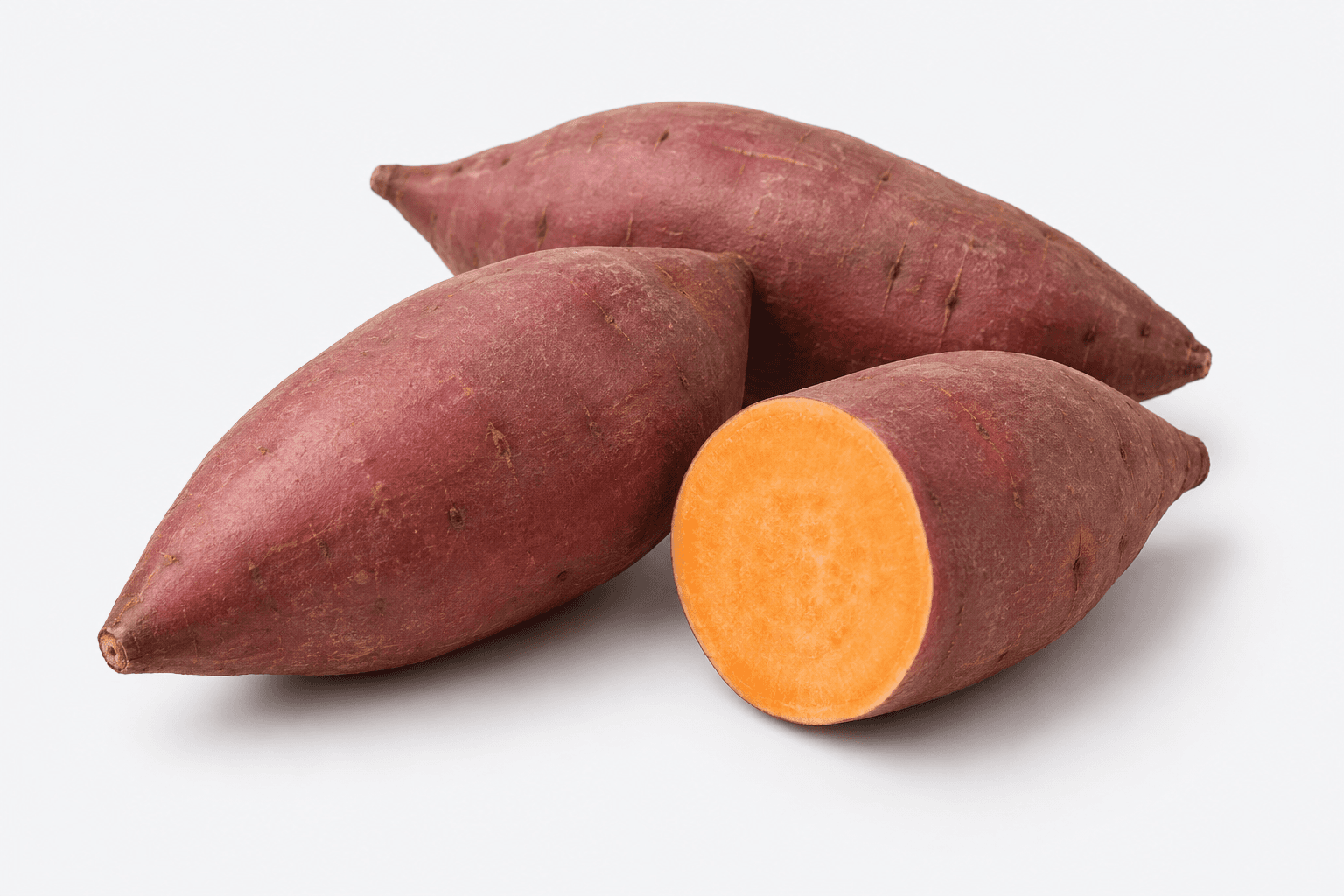
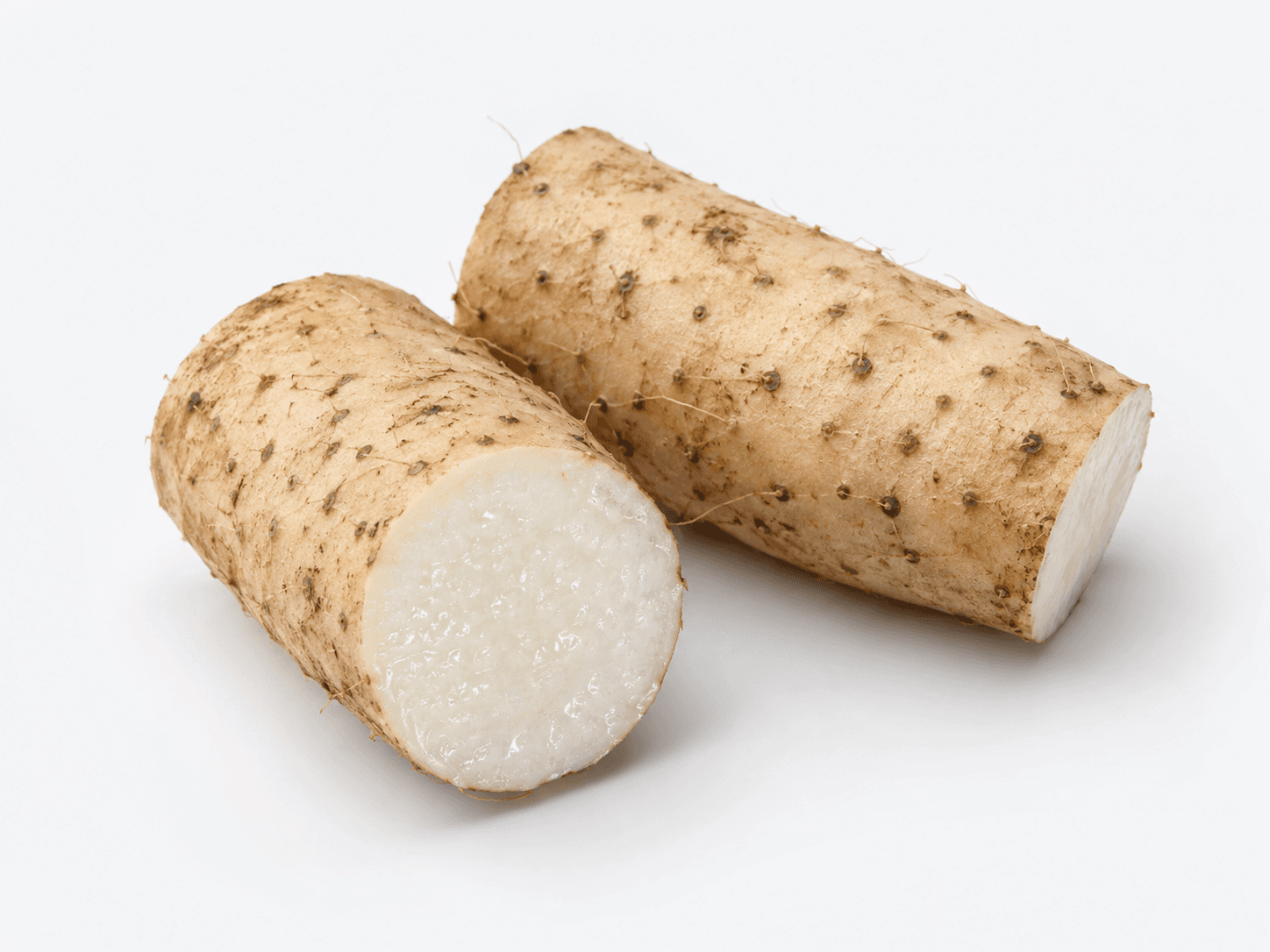
Sweet potato brings beta-carotene; yam brings mucilage and digestive enzymes. Their cooking requirements are opposites.


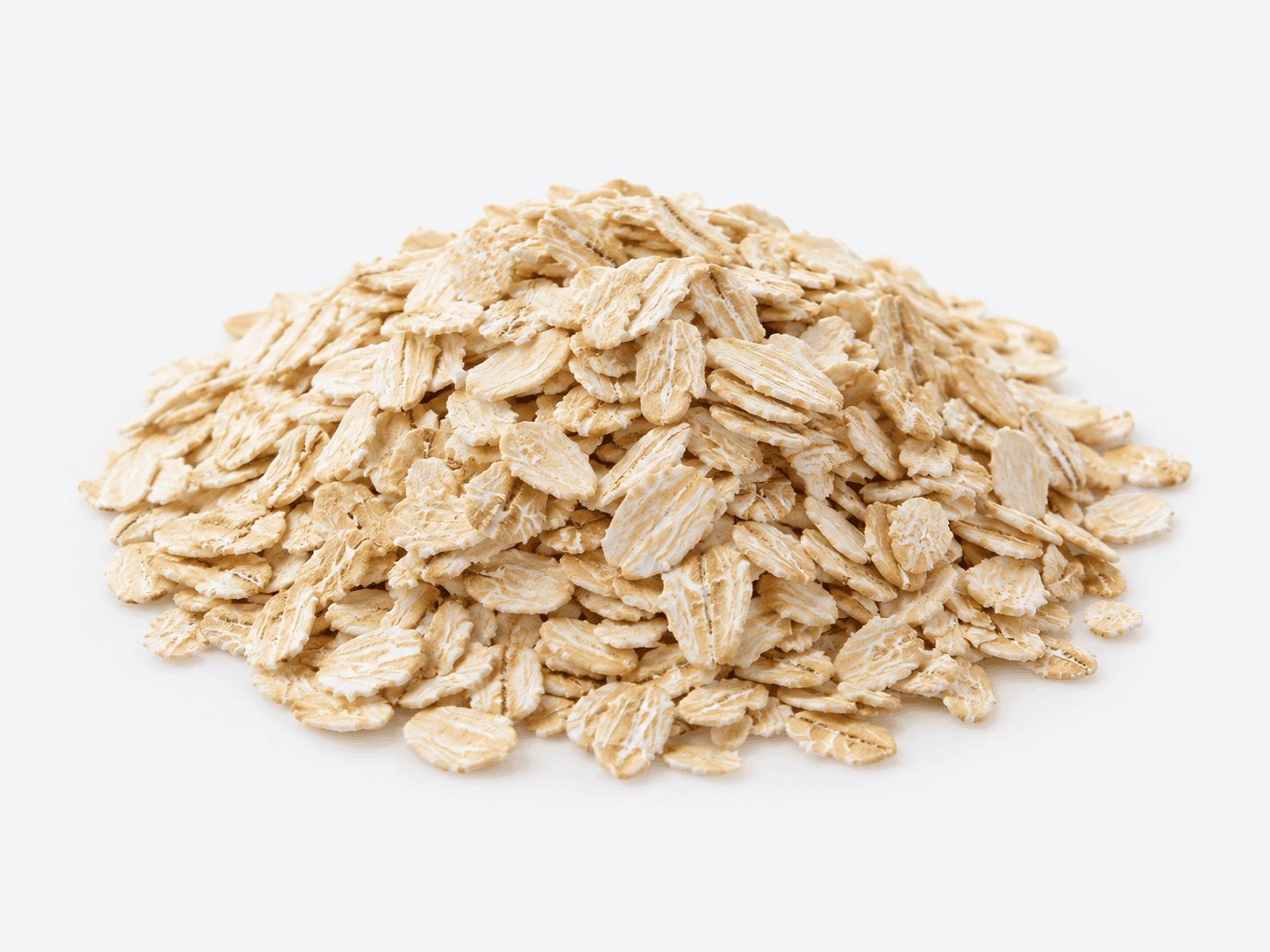
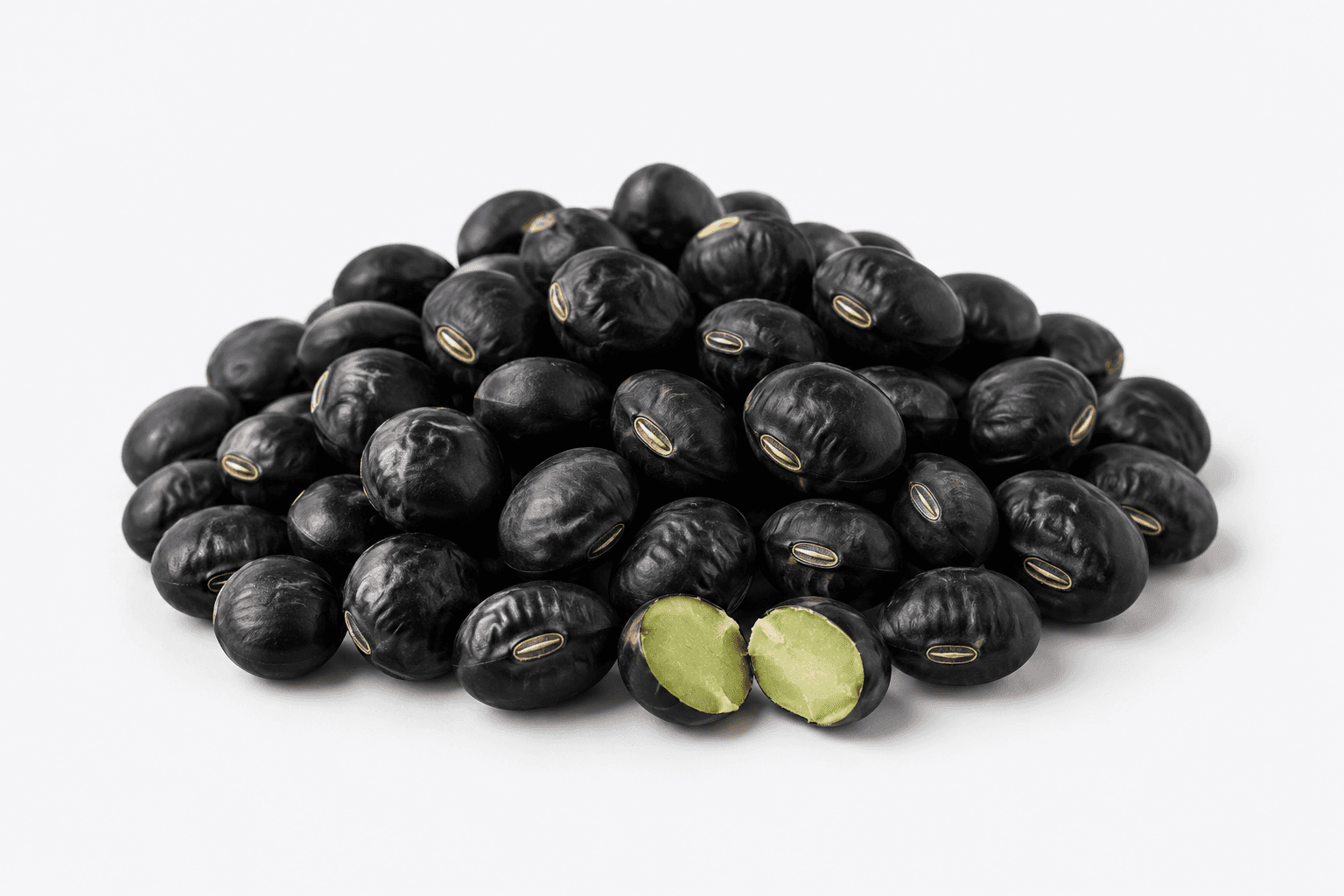
Oats aim at cholesterol through beta-glucan; black soybeans aim at protein and anthocyanins.


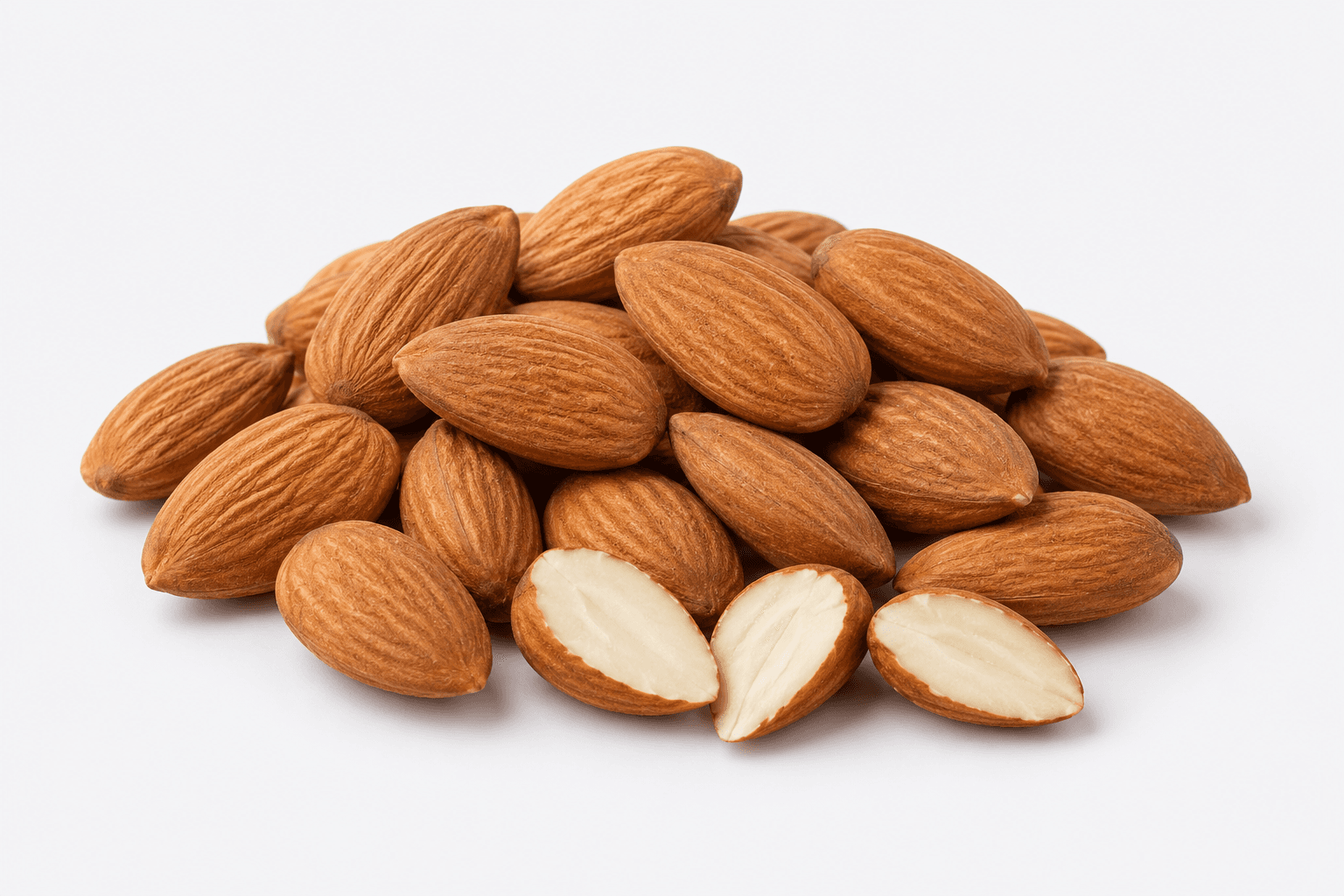
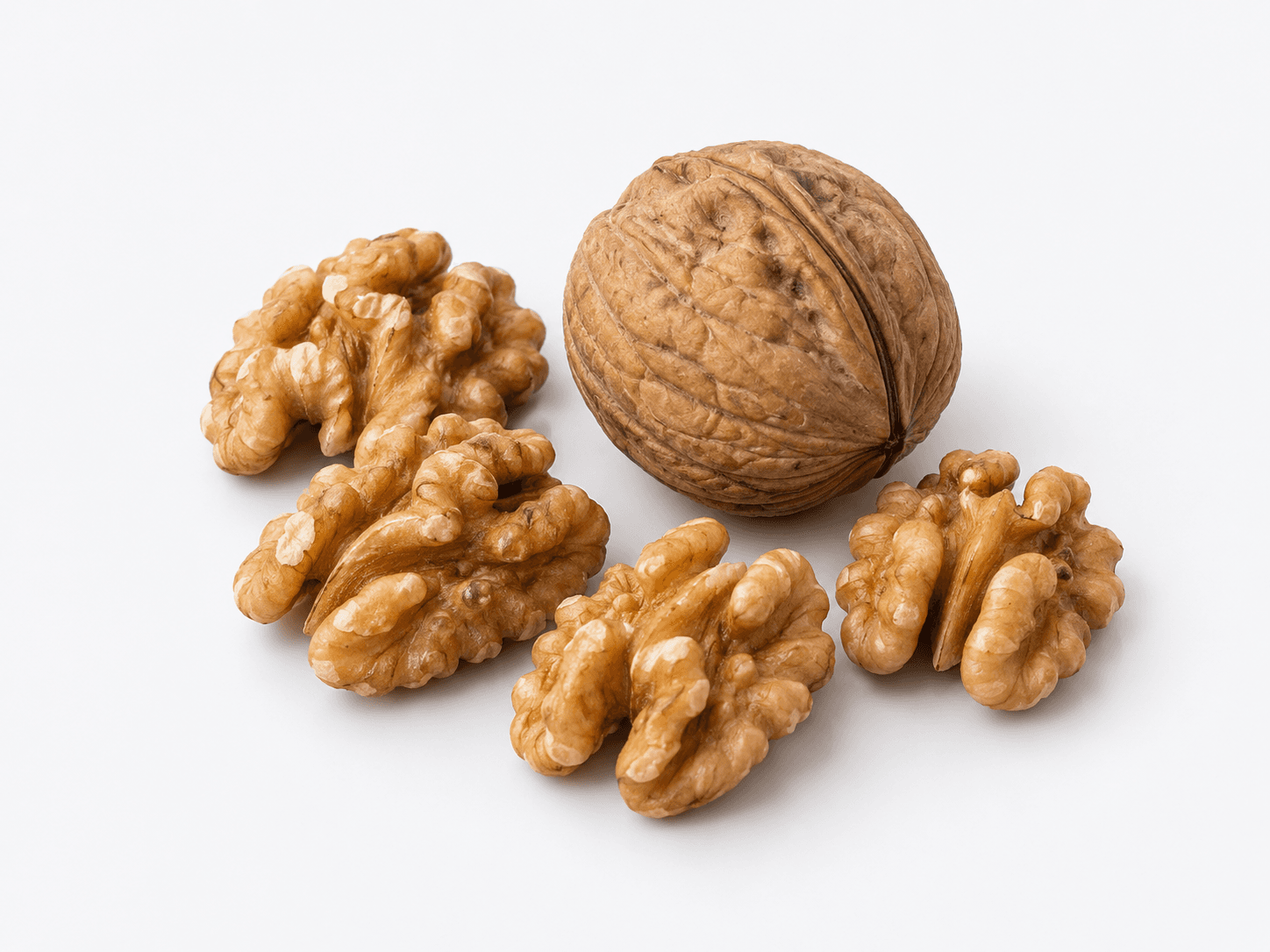
Almonds lead on vitamin E, walnuts on omega-3. But walnut omega-3 is plant ALA, which is not the same thing as the EPA and DHA in fish.


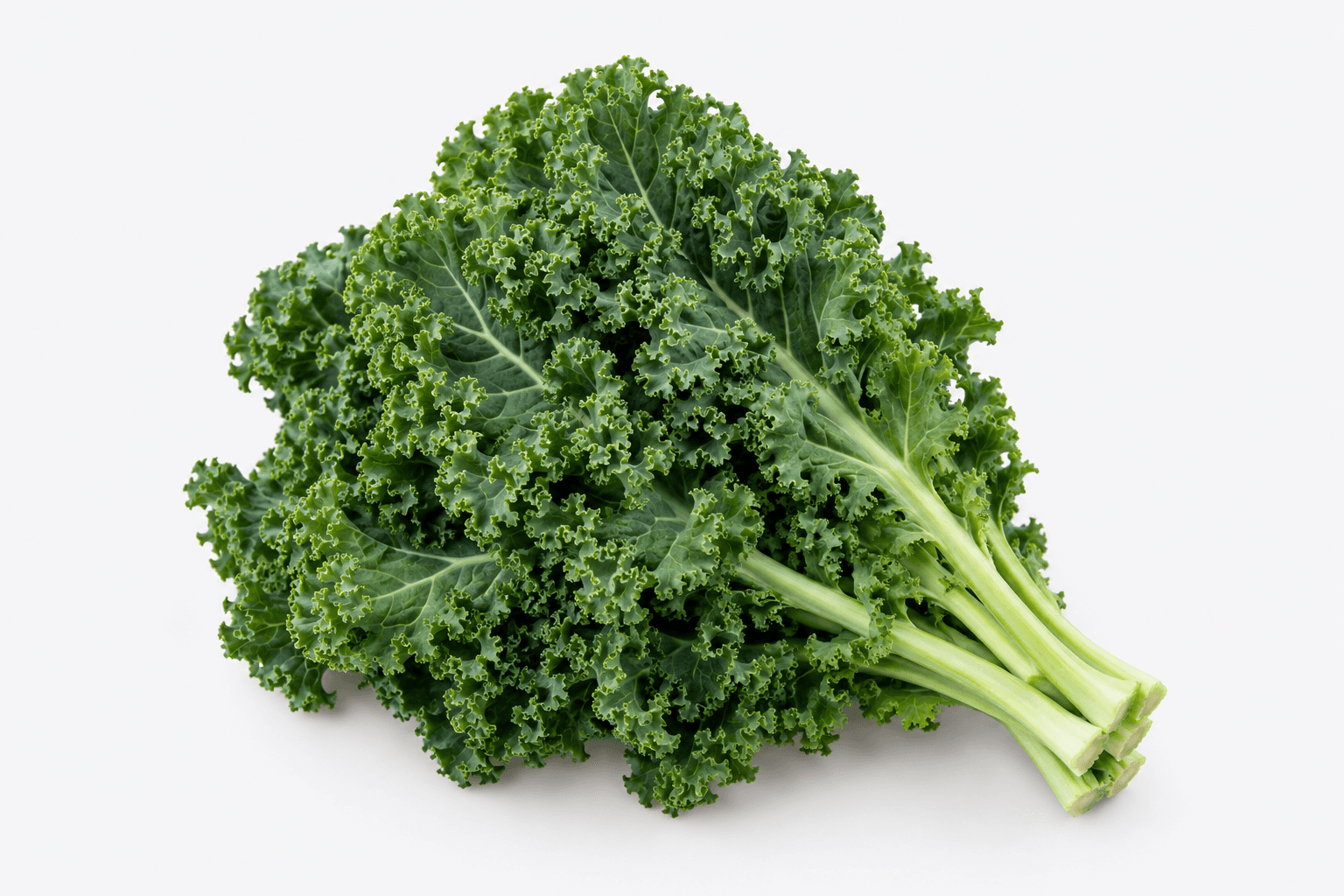
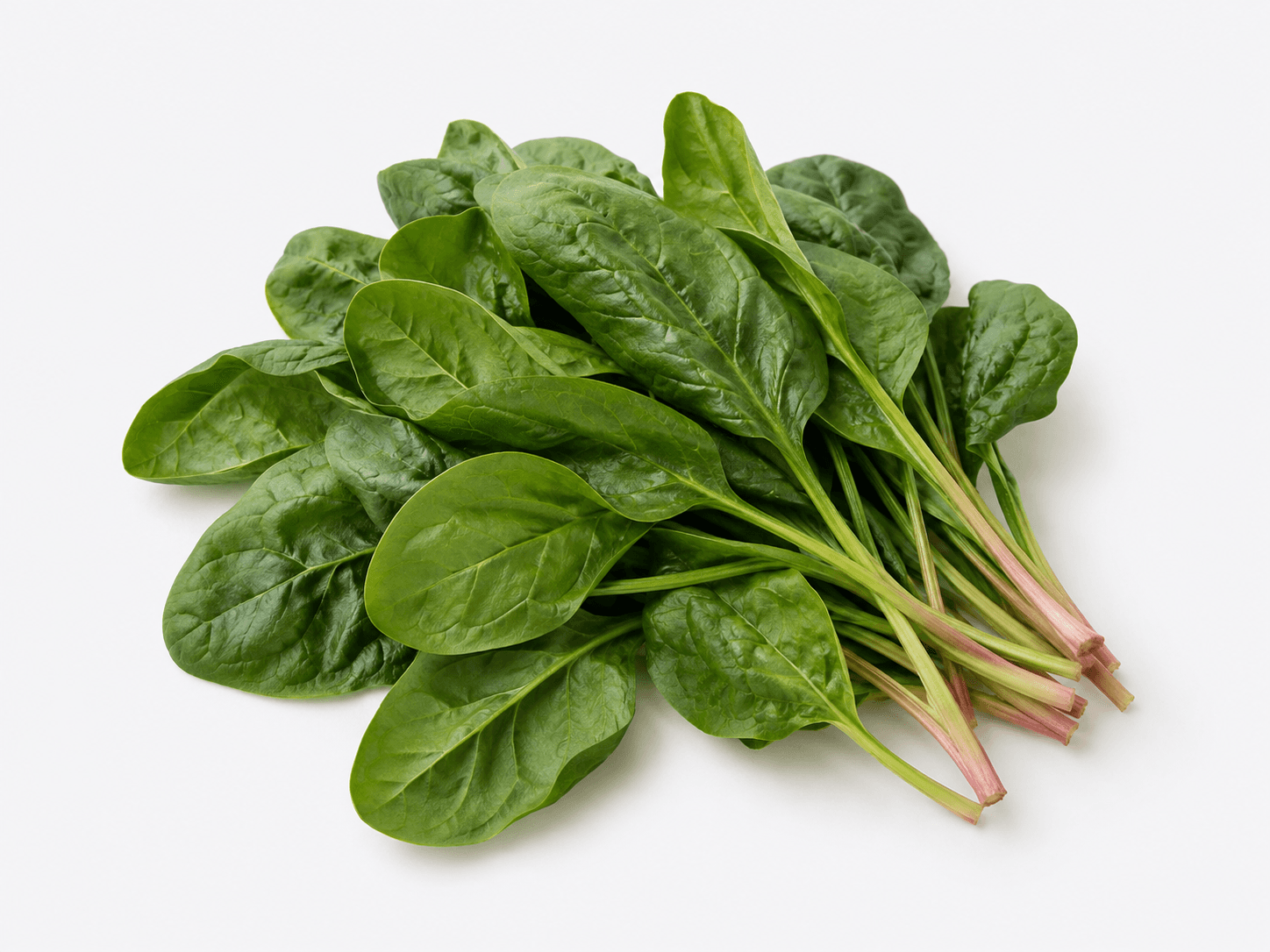
Spinach leads several rows, but its own oxalate binds the minerals it carries. Kale is low in oxalate, so the figures in the table are closer to what you get.


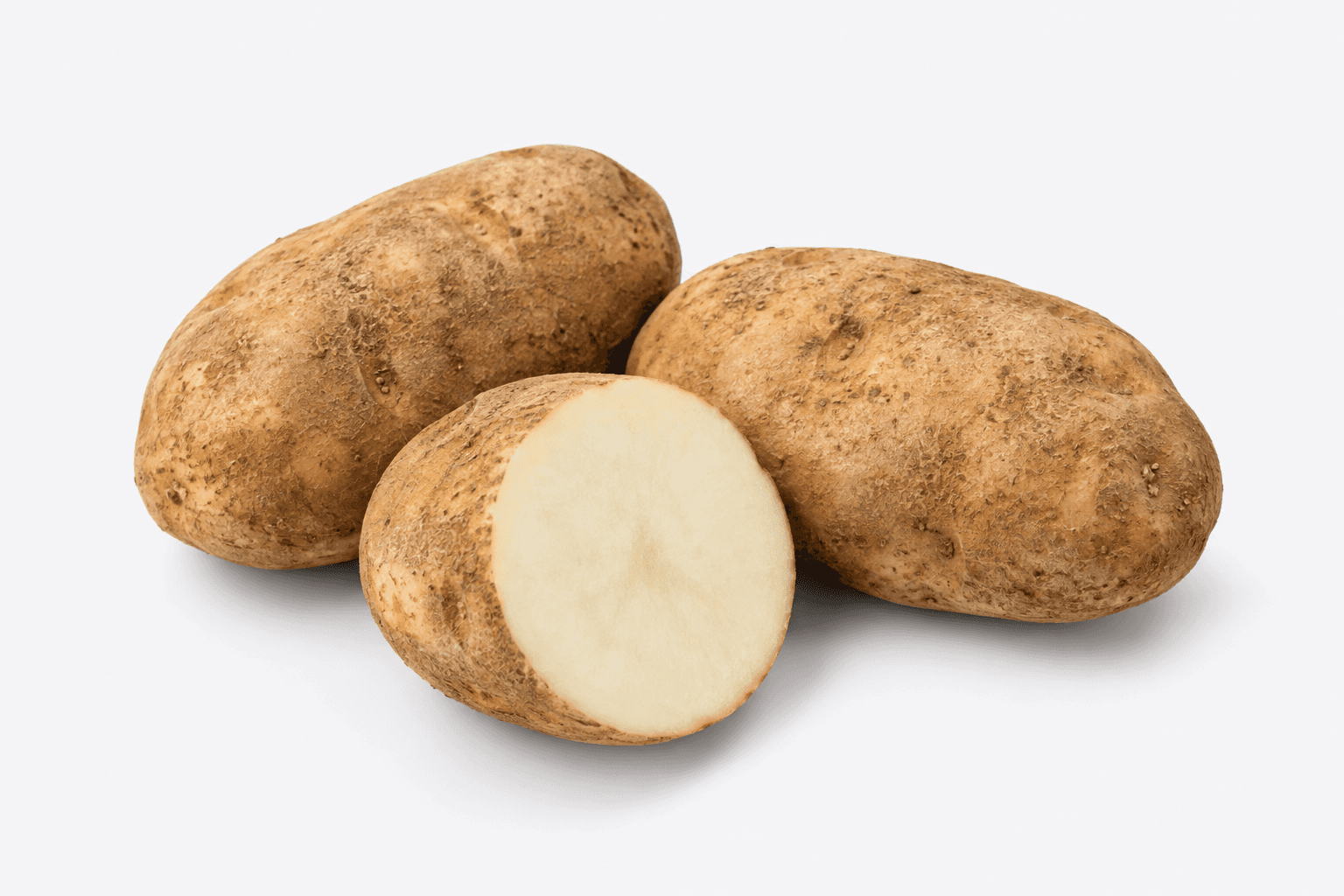
Sweet potato wins beta-carotene by a mile, but potato leads on vitamin C, potassium and vitamin B6. The calories are nearly identical.


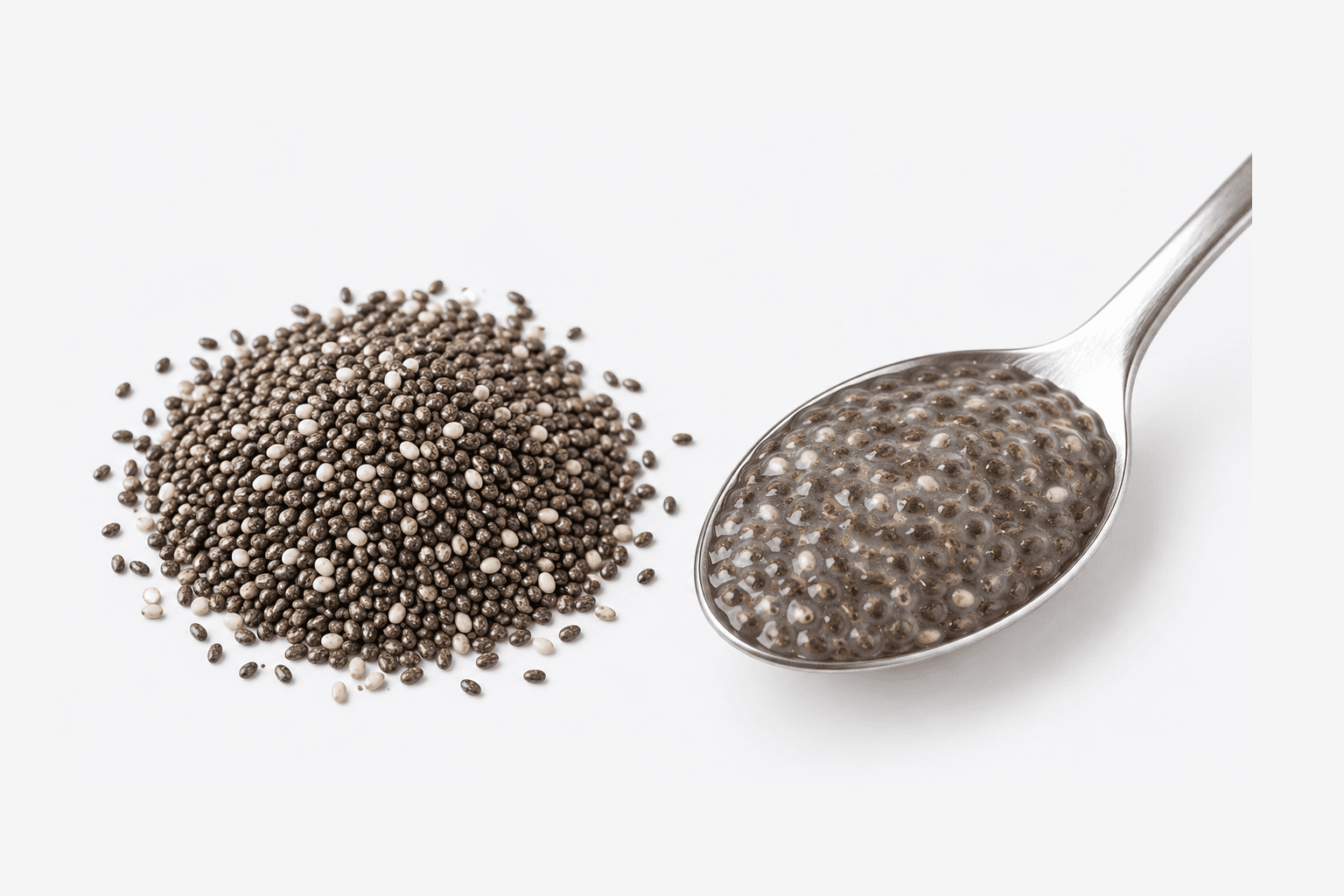
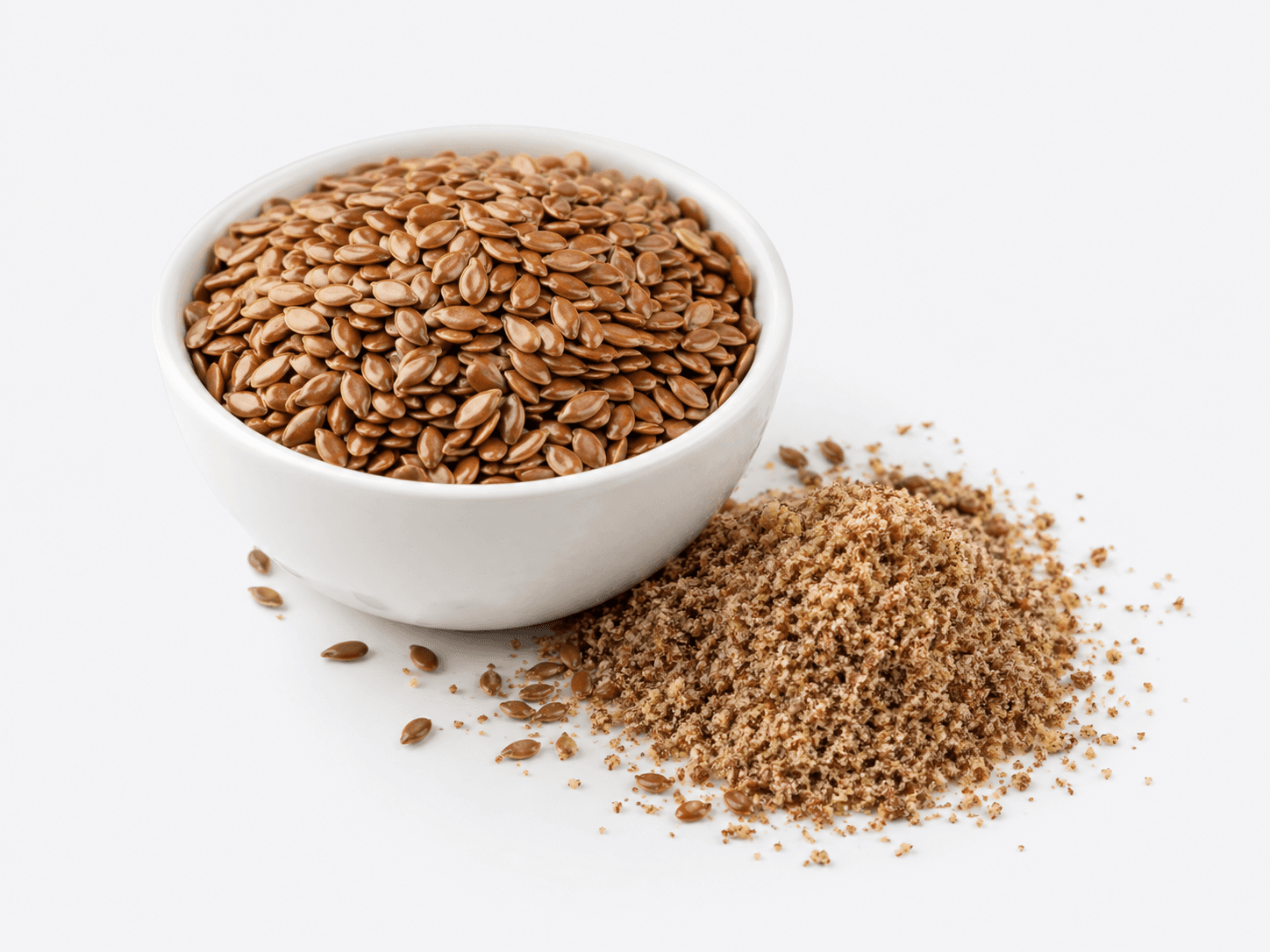
Both are rich in plant omega-3 (ALA). The decisive difference is that whole flaxseed passes through undigested while chia does not need grinding.


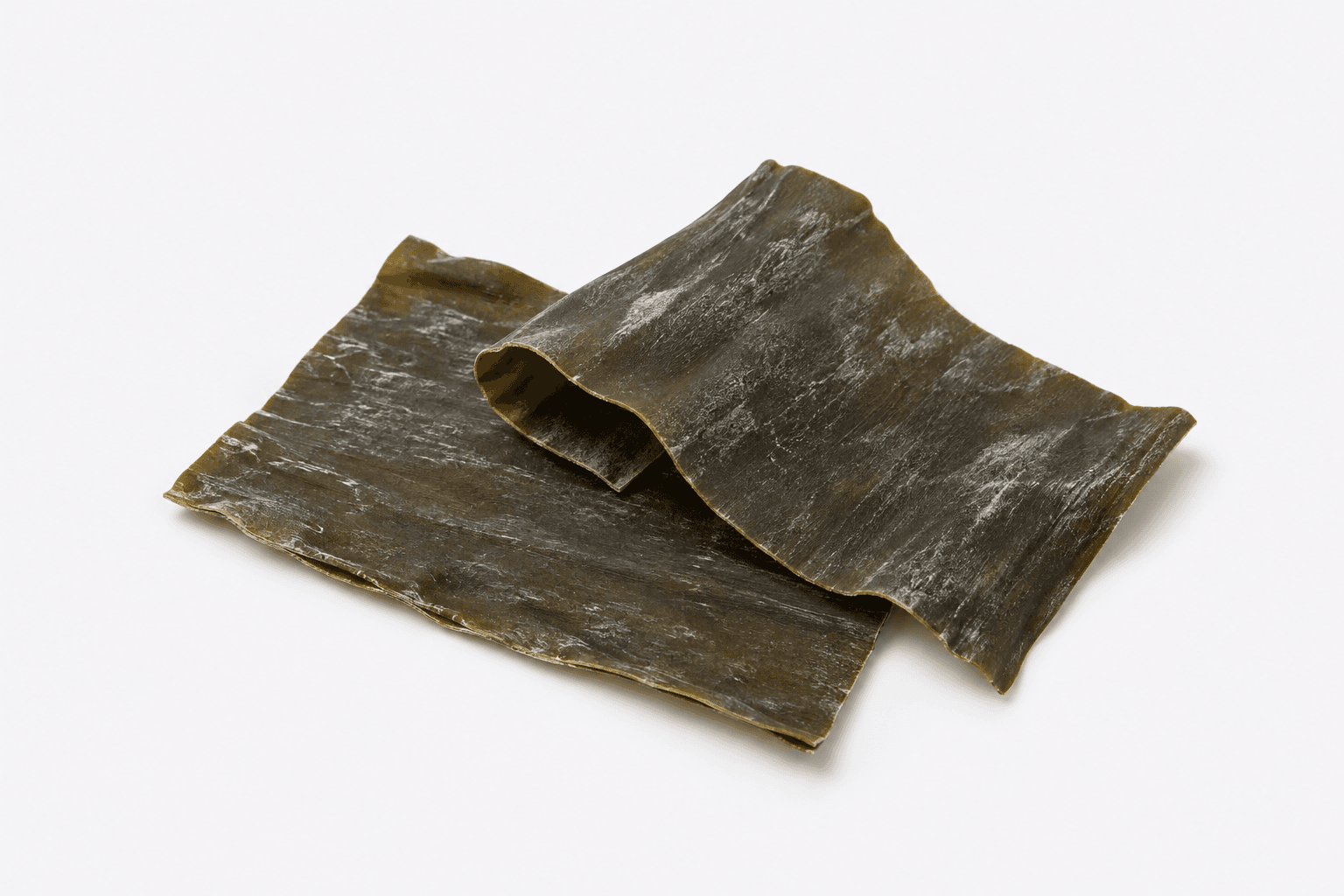
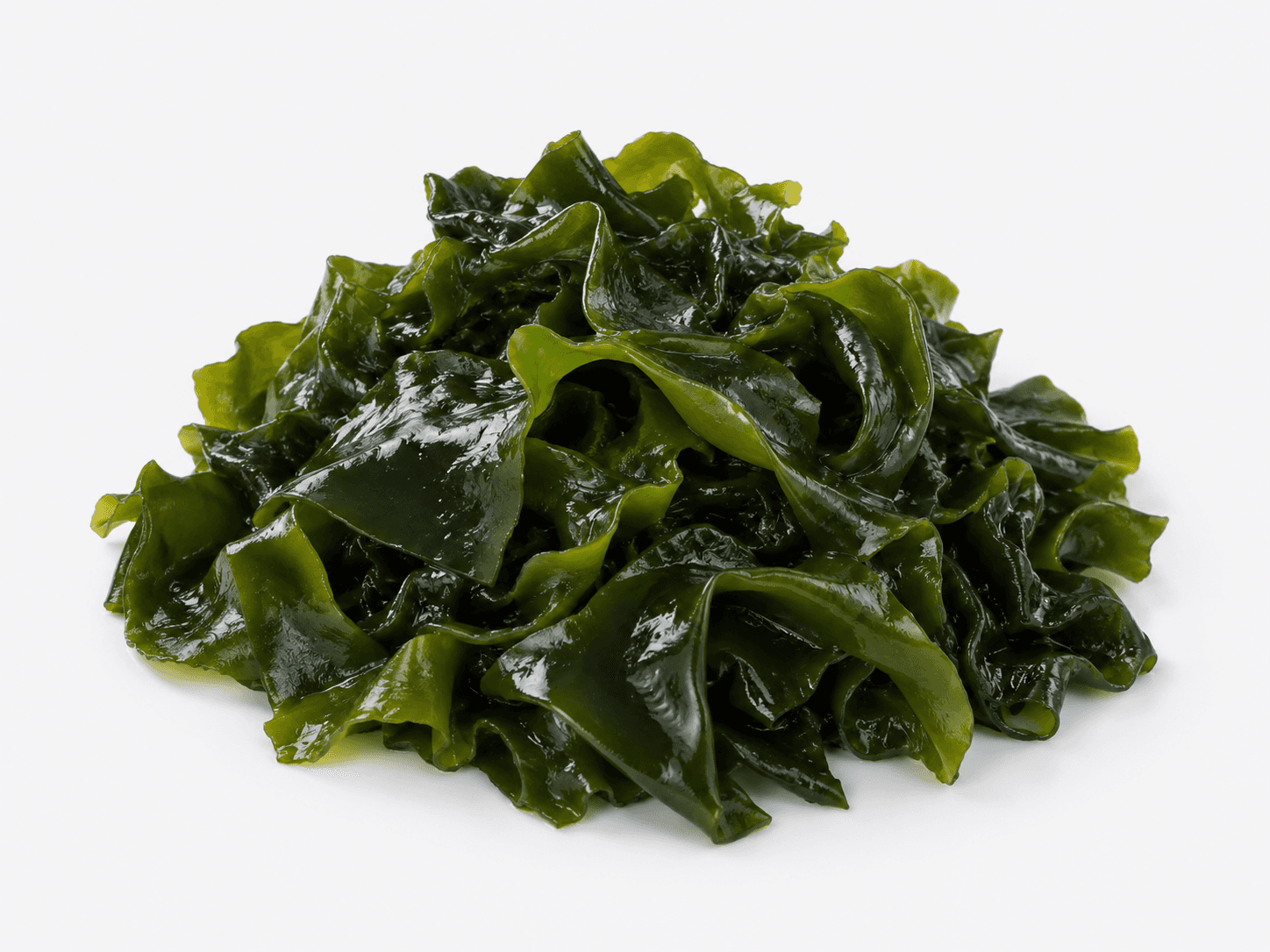
The composition is similar, but kelp carries roughly seven times the iodine. Twenty grams of kelp passes the upper limit — this is not a table for picking which to eat more of.