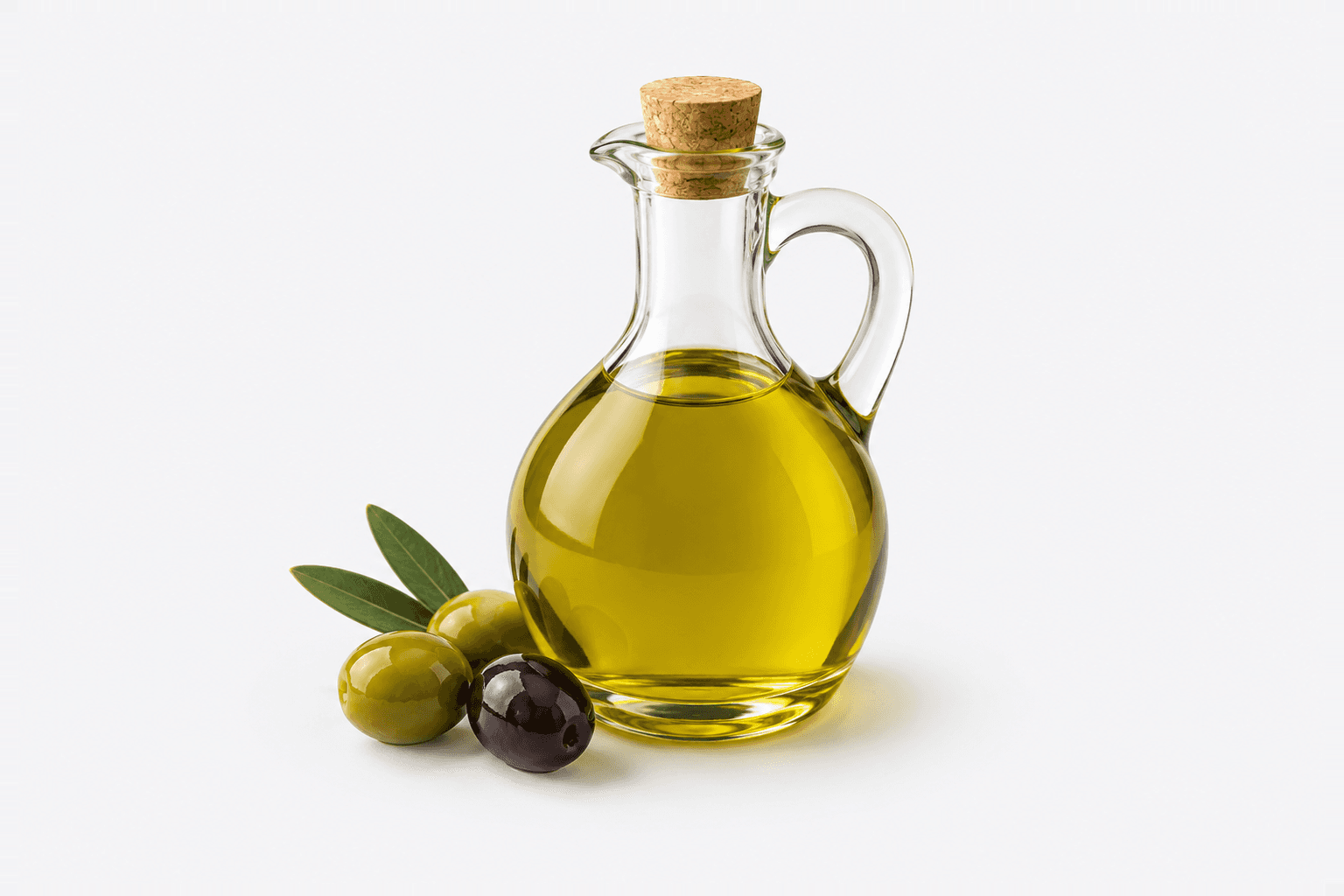
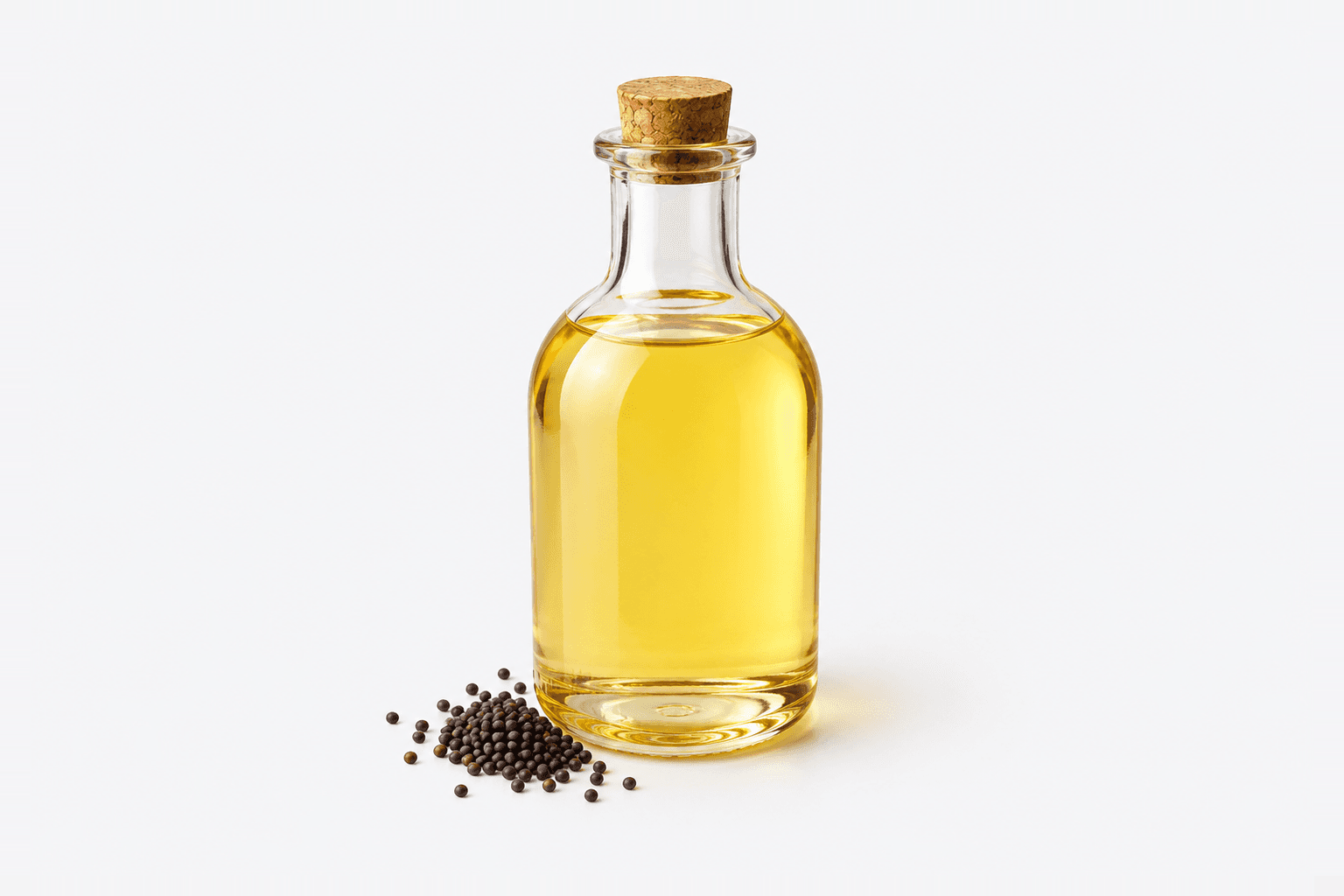
Ingredients people weigh against each other, set side by side on nutrition.
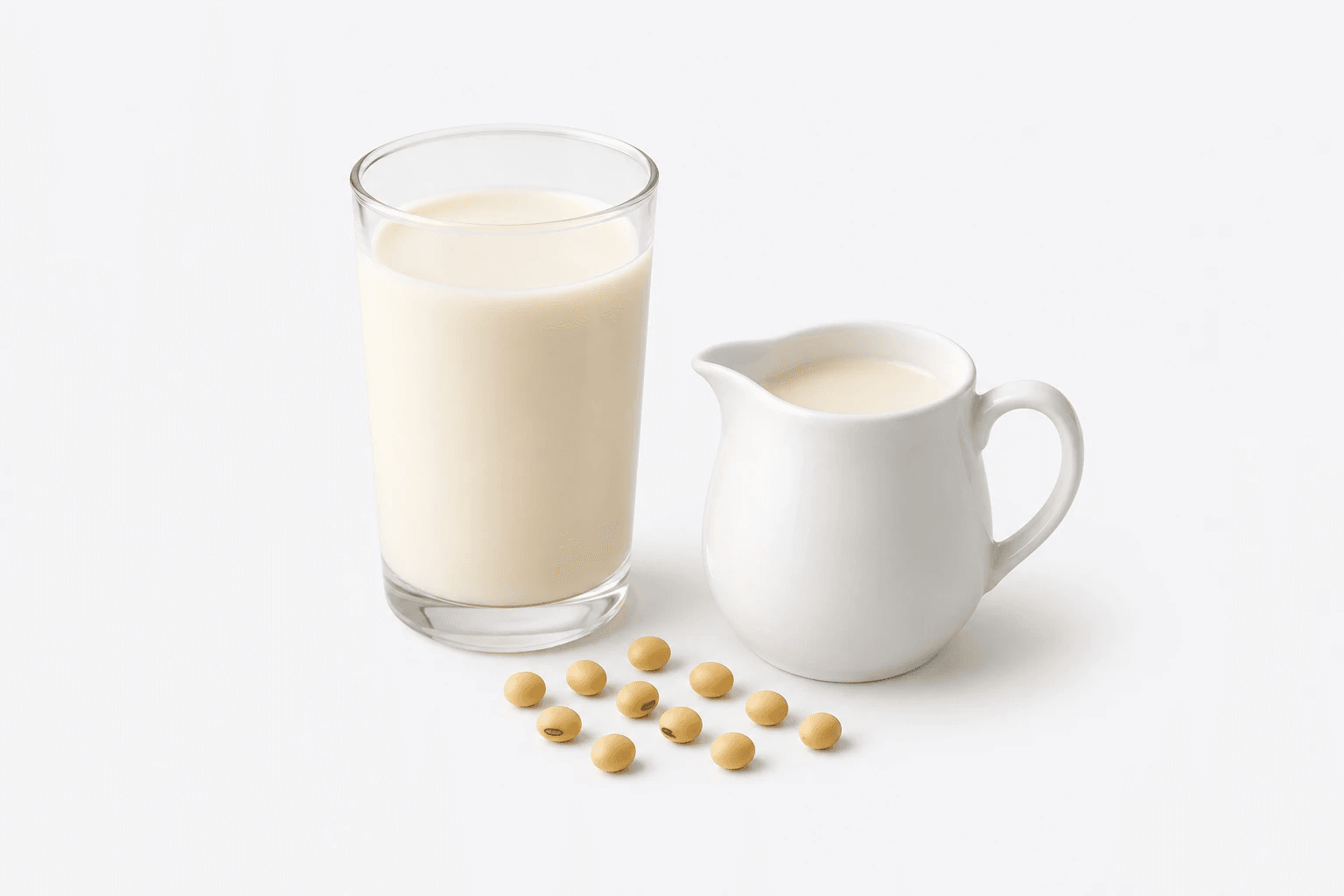

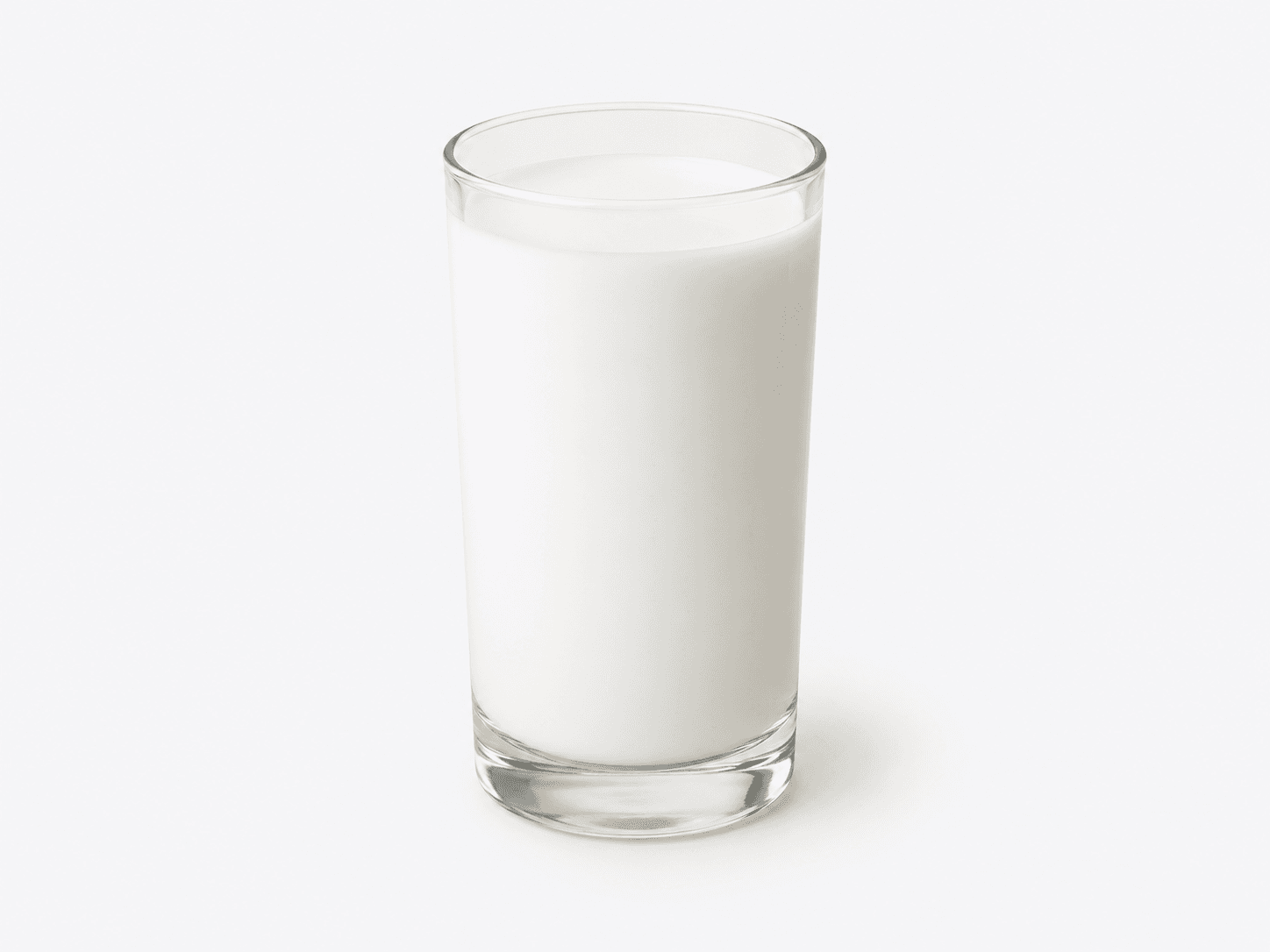
Protein is close and soy milk leads on calcium, B12 and vitamin D — but all three were added. Unfortified soy milk has almost none of them.
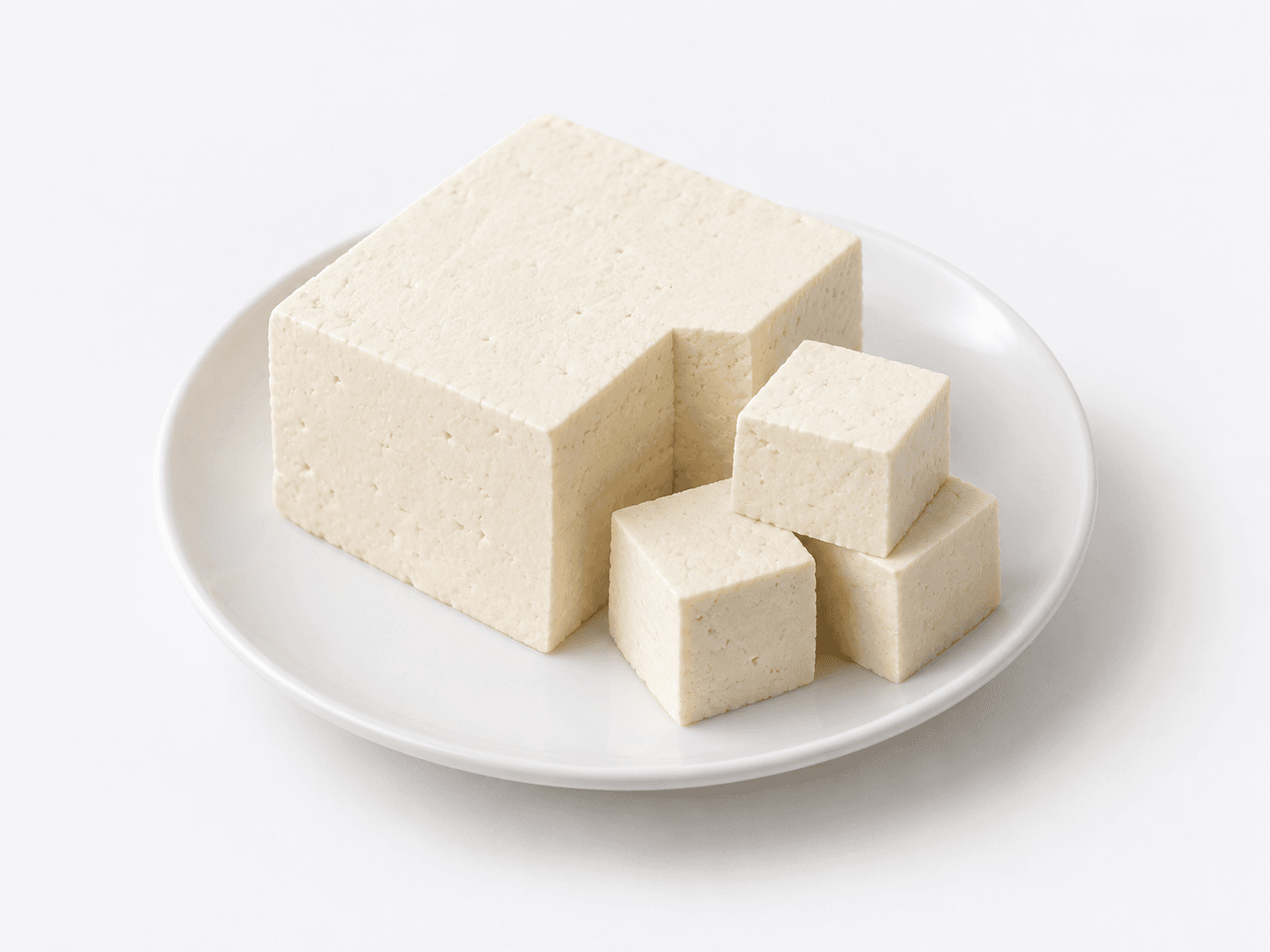
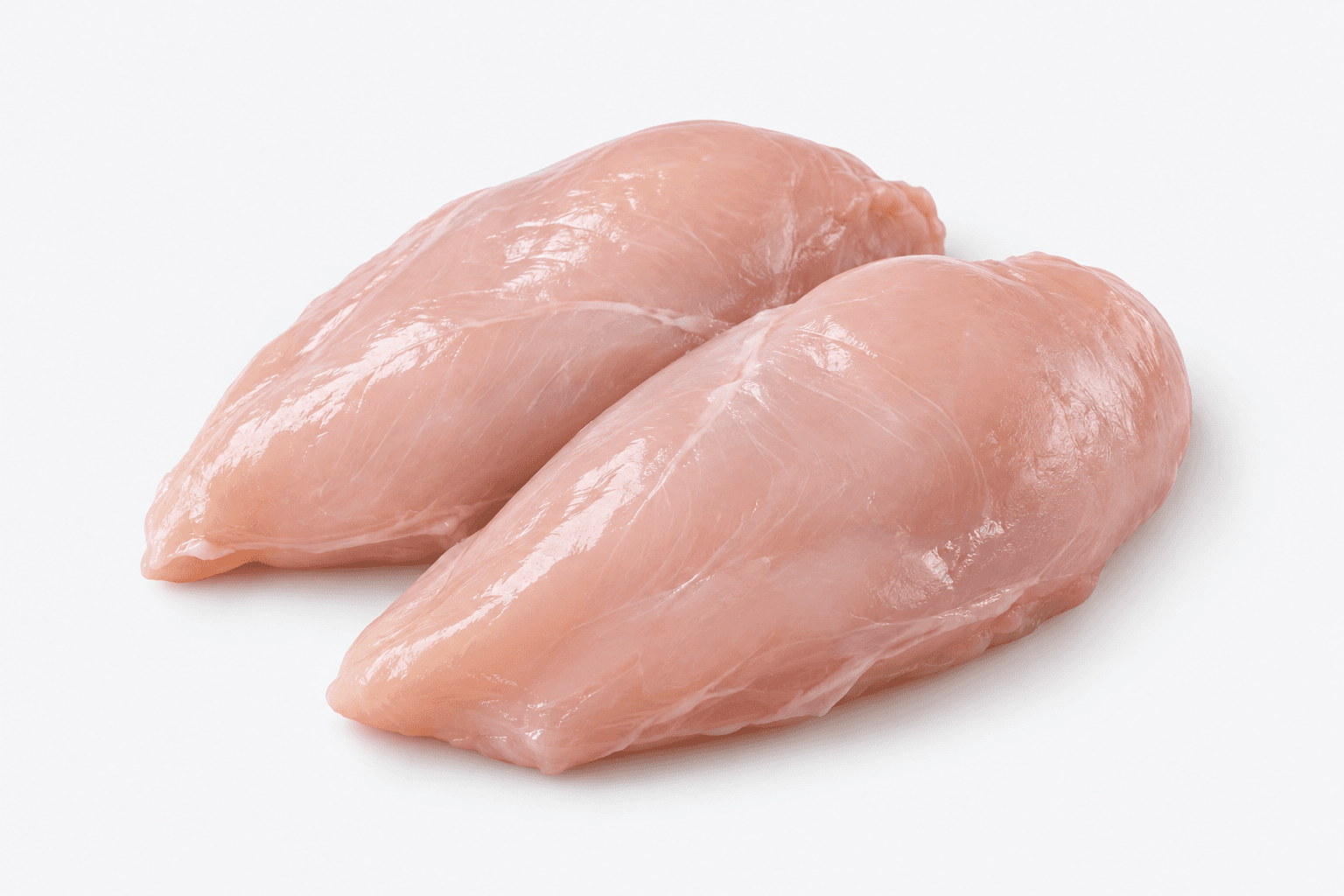
Chicken breast carries 31 g of protein per 100 g; tofu carries 10 g. Matching one with the other means eating 300 g of tofu — and three times the calories.
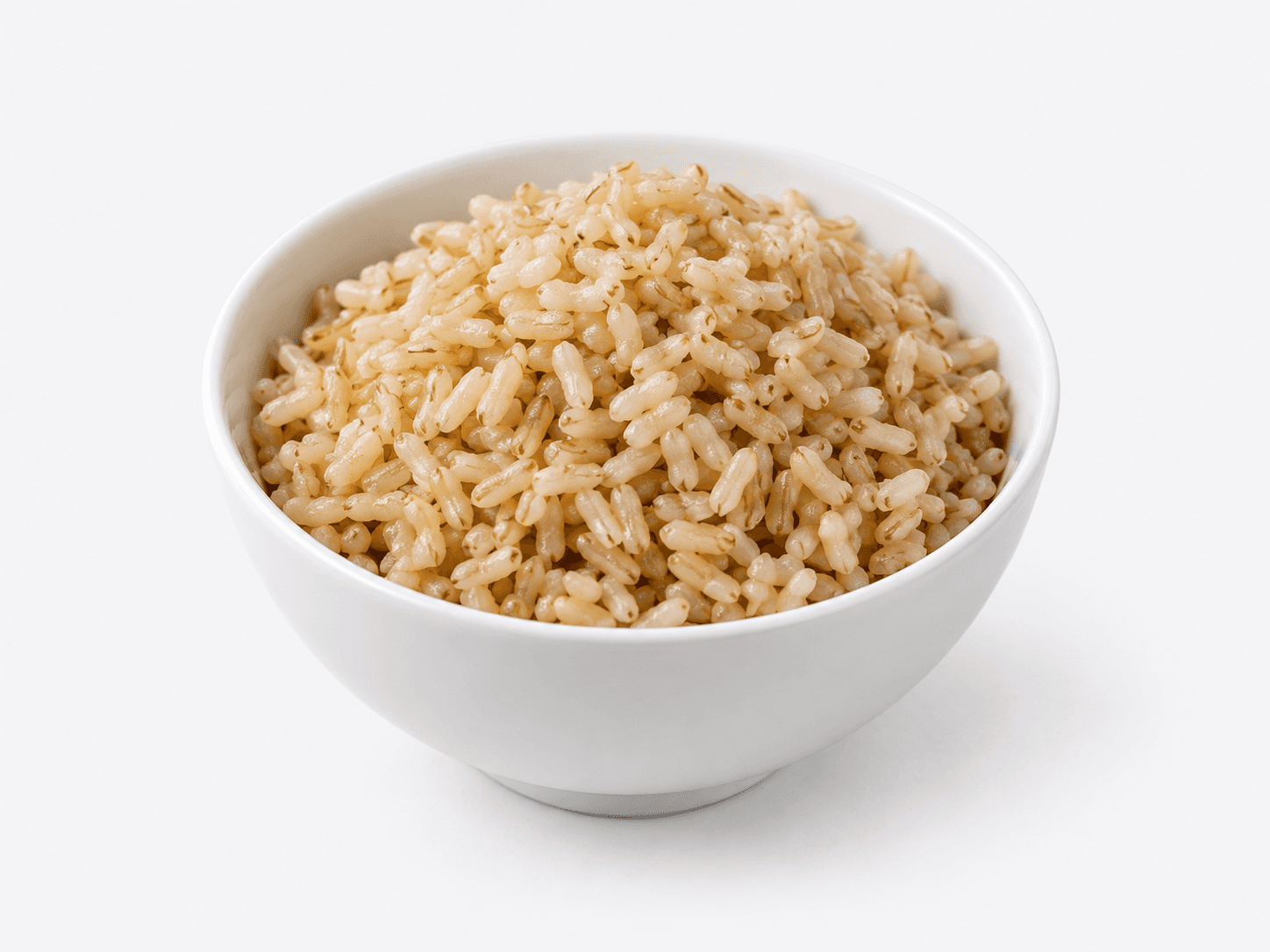
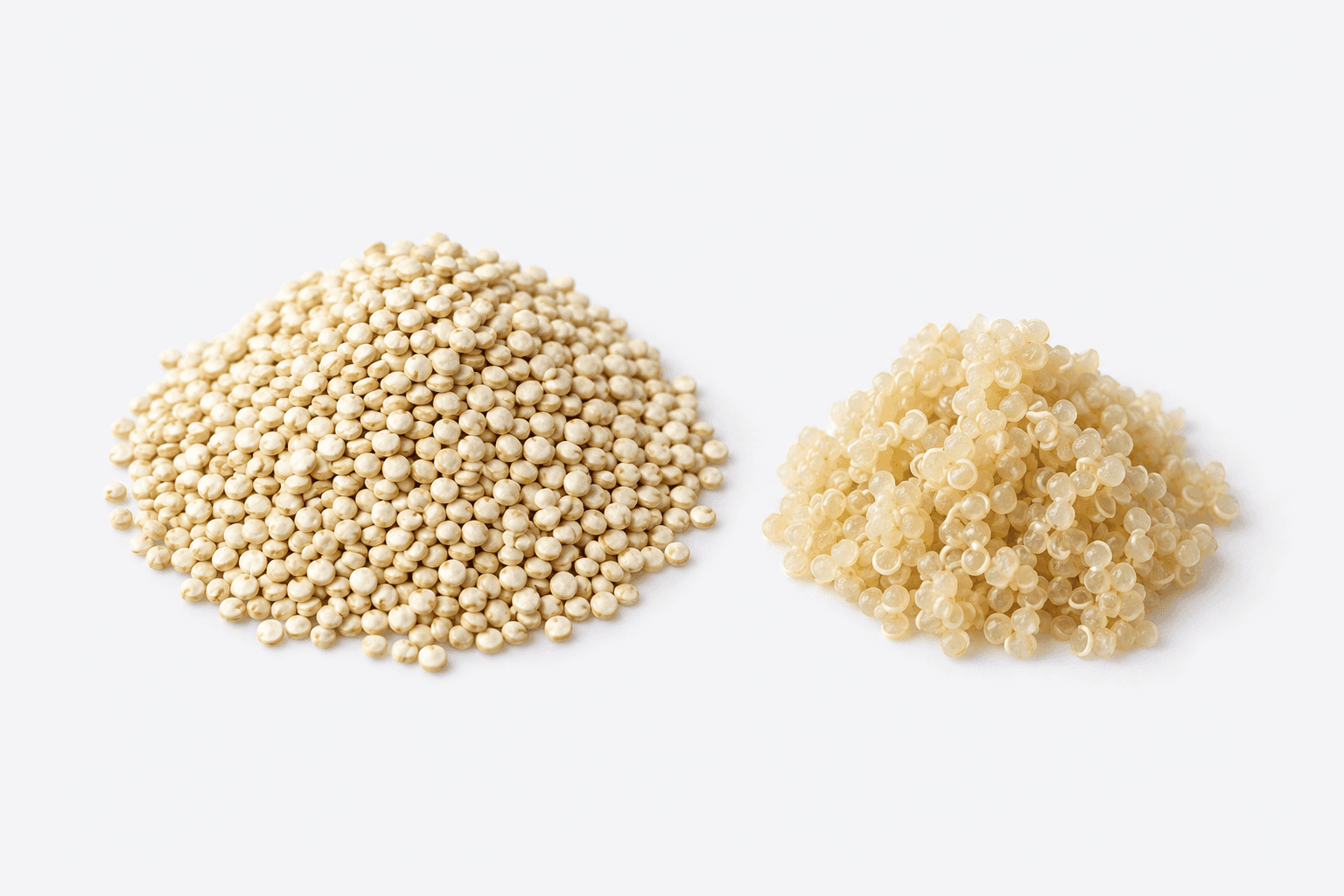
Cooked, per 100 g, the calories are nearly identical while quinoa carries 1.6 times the protein, 1.75 times the fibre and 1.6 times the magnesium. Brown rice has rows quinoa does not.


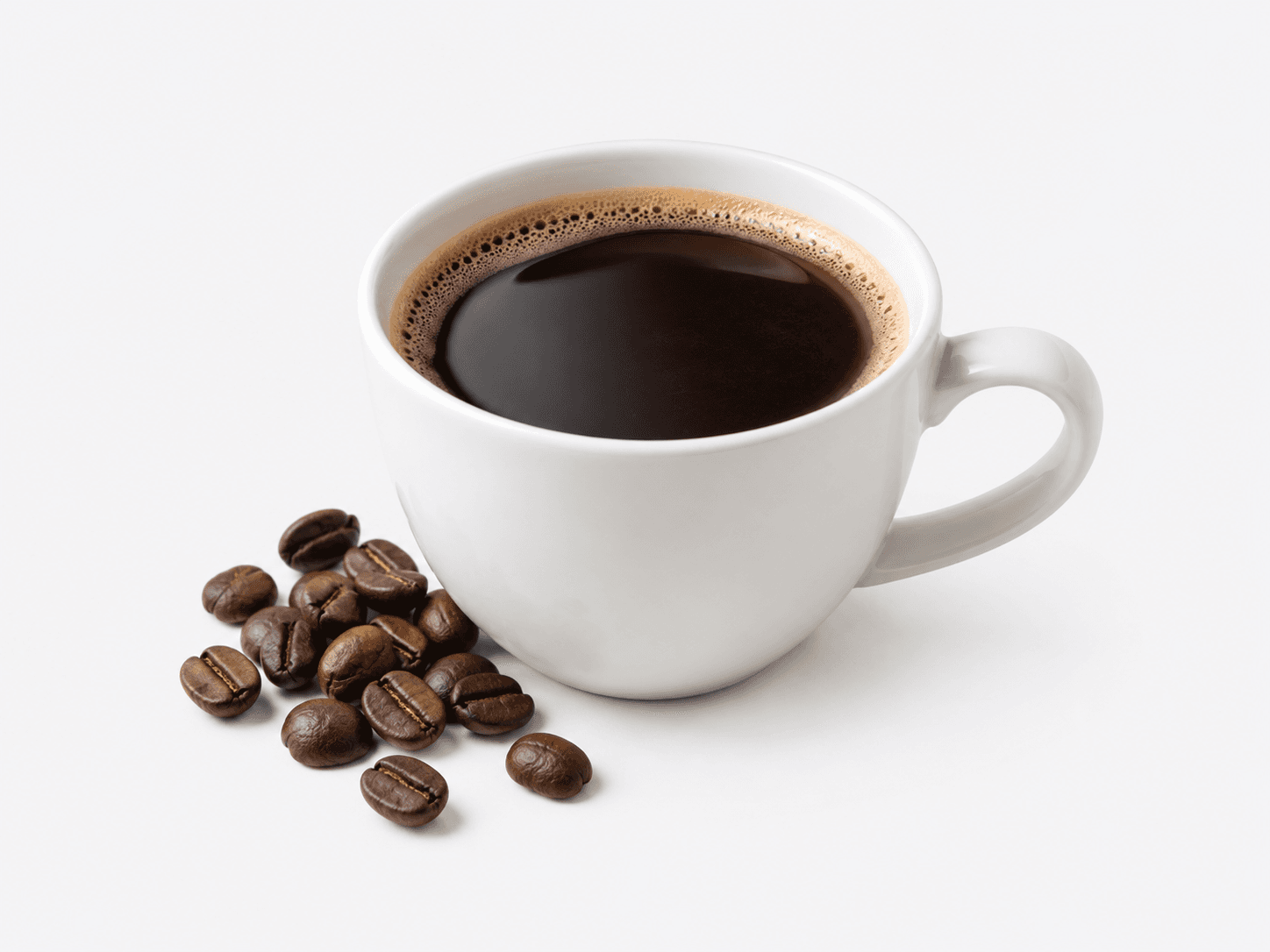
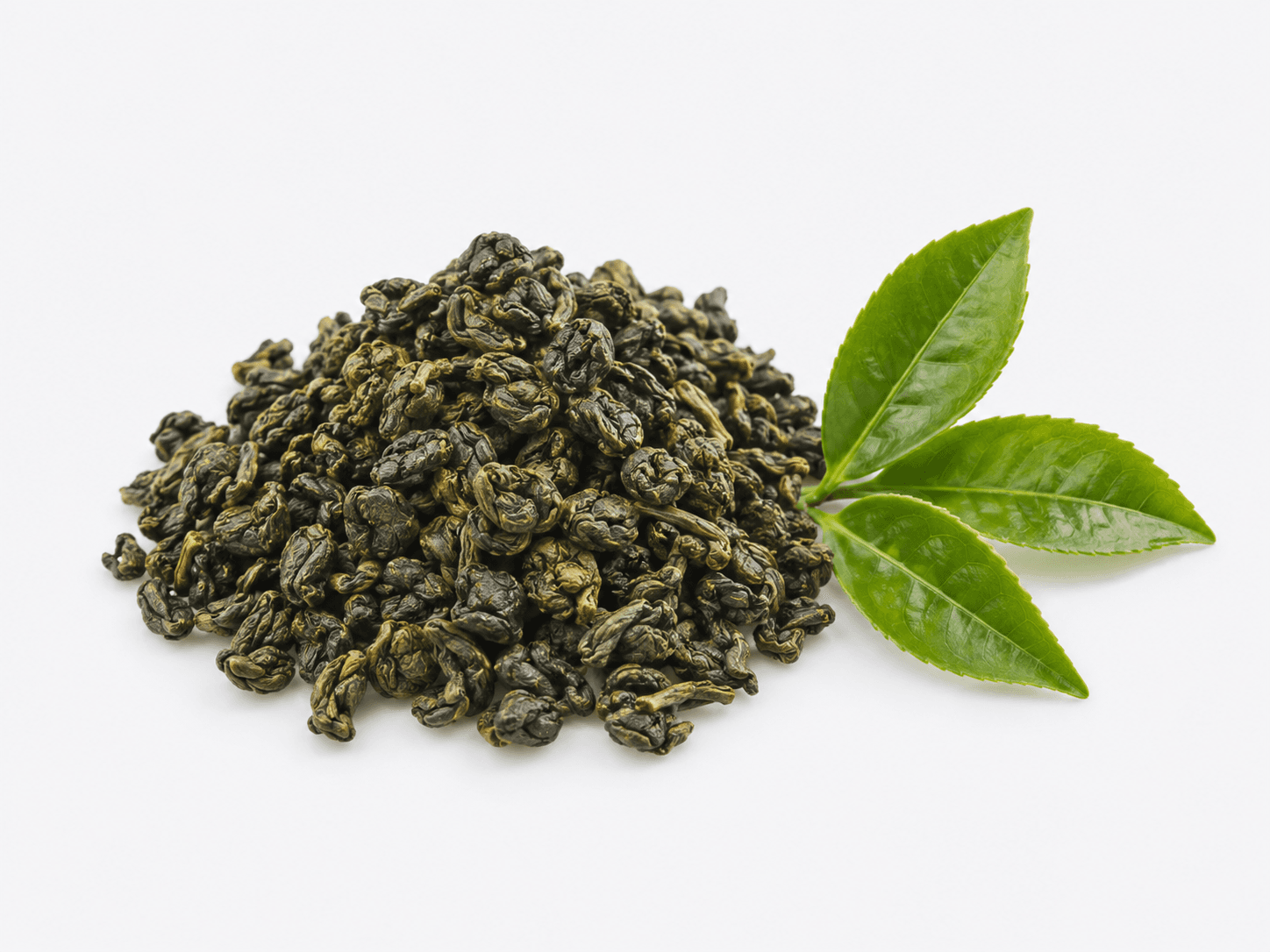
Coffee is clearly higher in caffeine and green tea brings catechins. The less familiar thing they share is that both lower the absorption of plant iron when drunk with a meal.


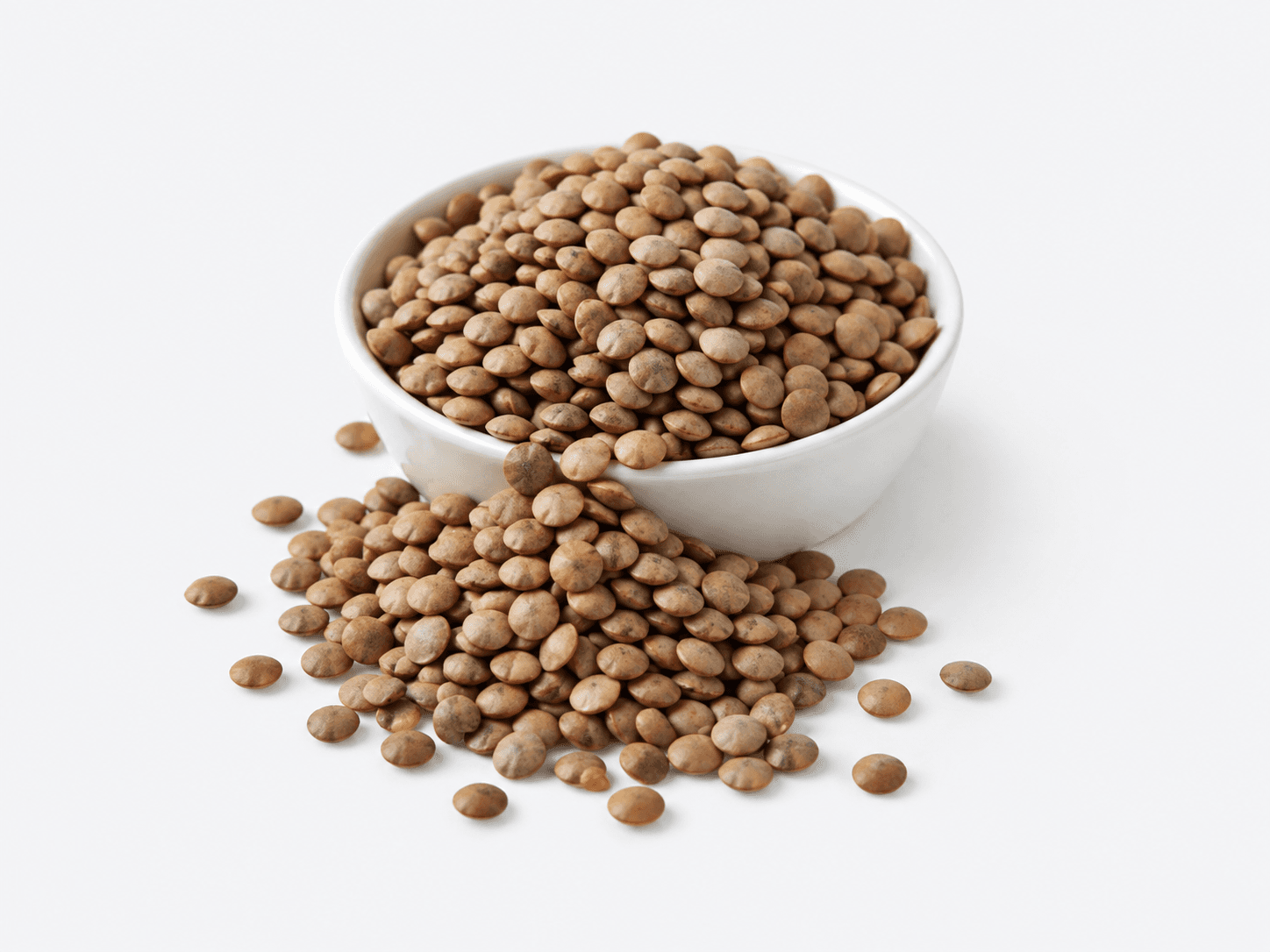
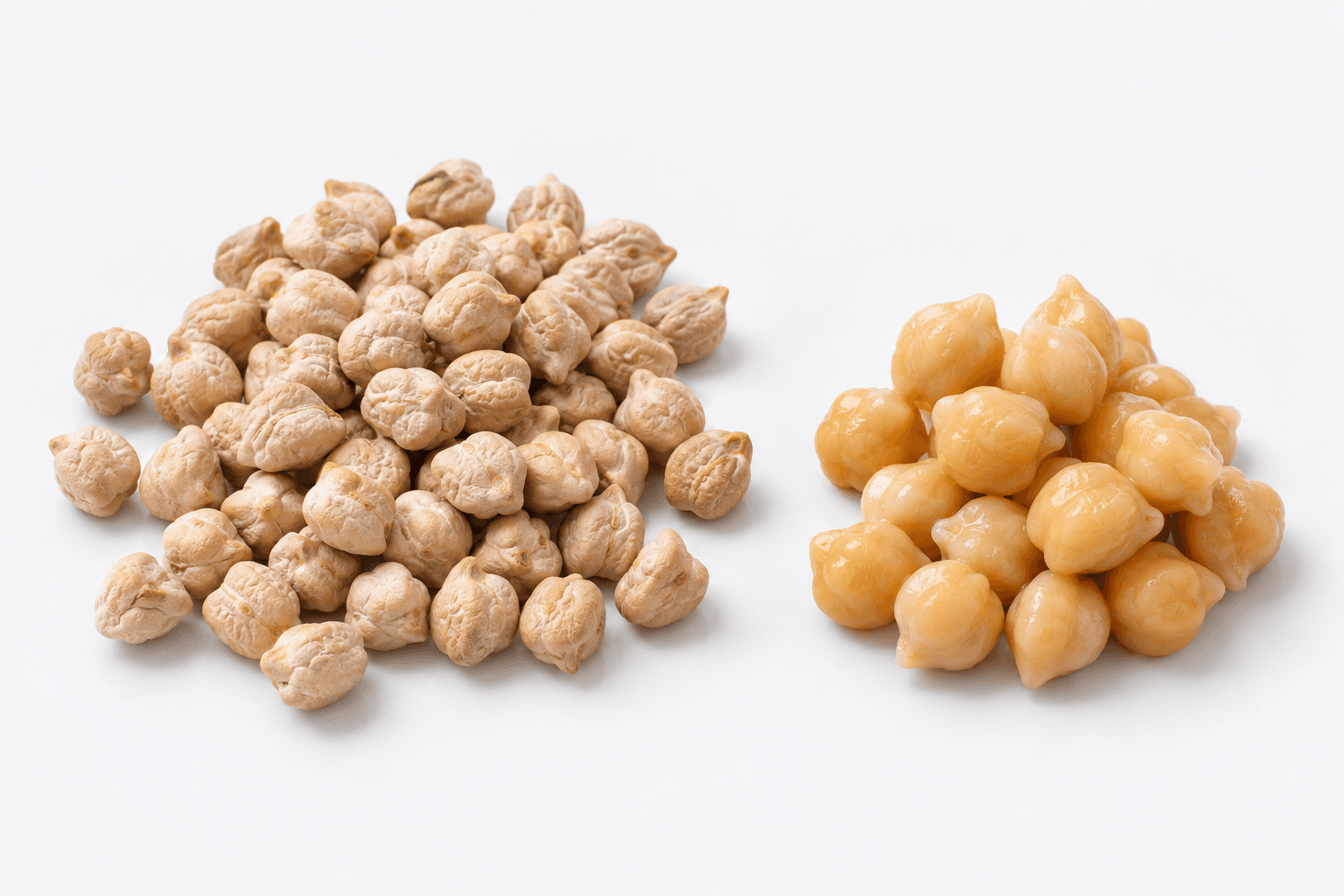
Cooked, per 100 g, protein runs 9.0 g against 8.9 g — effectively identical — while energy runs 116 kcal against 164. And lentils need no soaking.


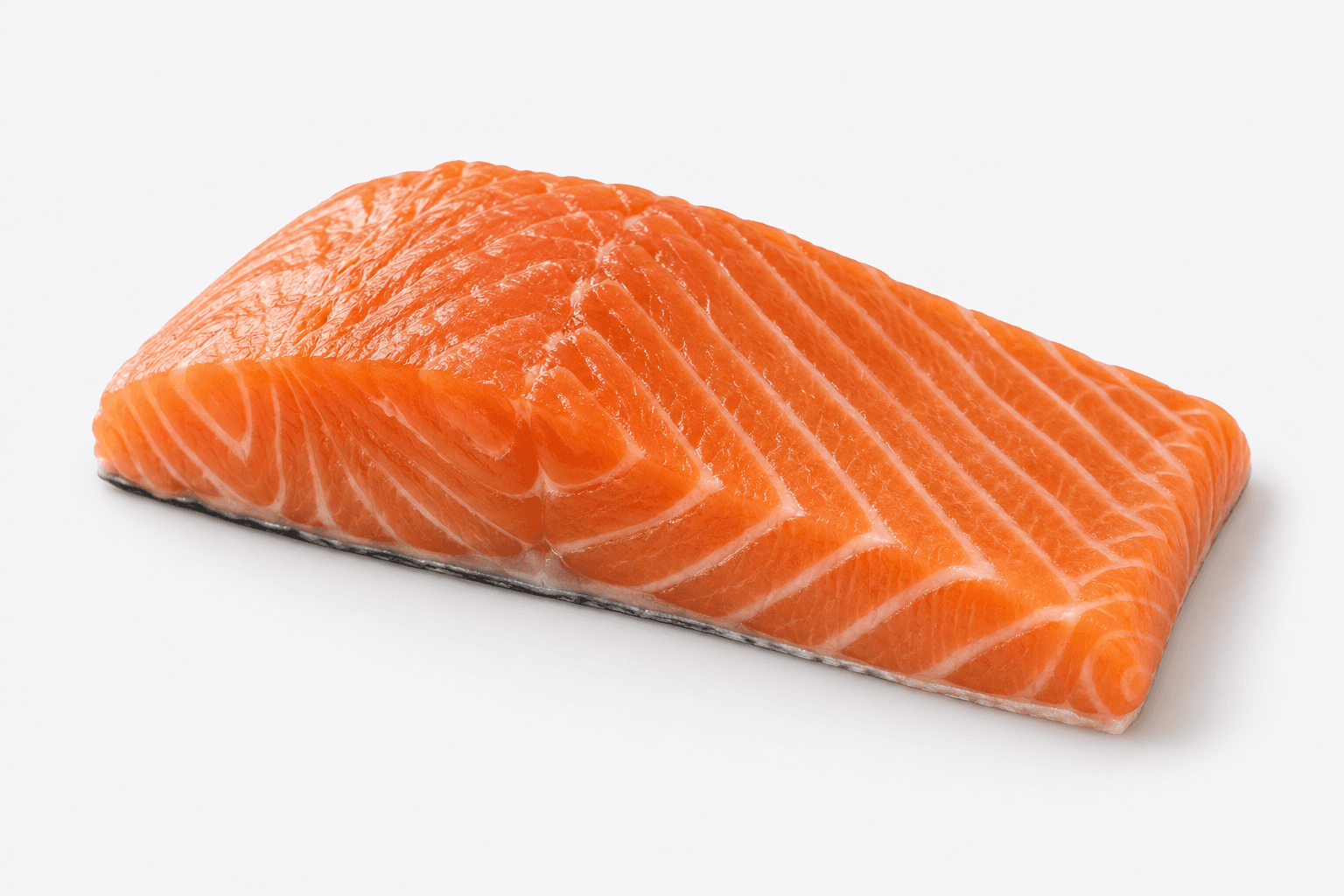
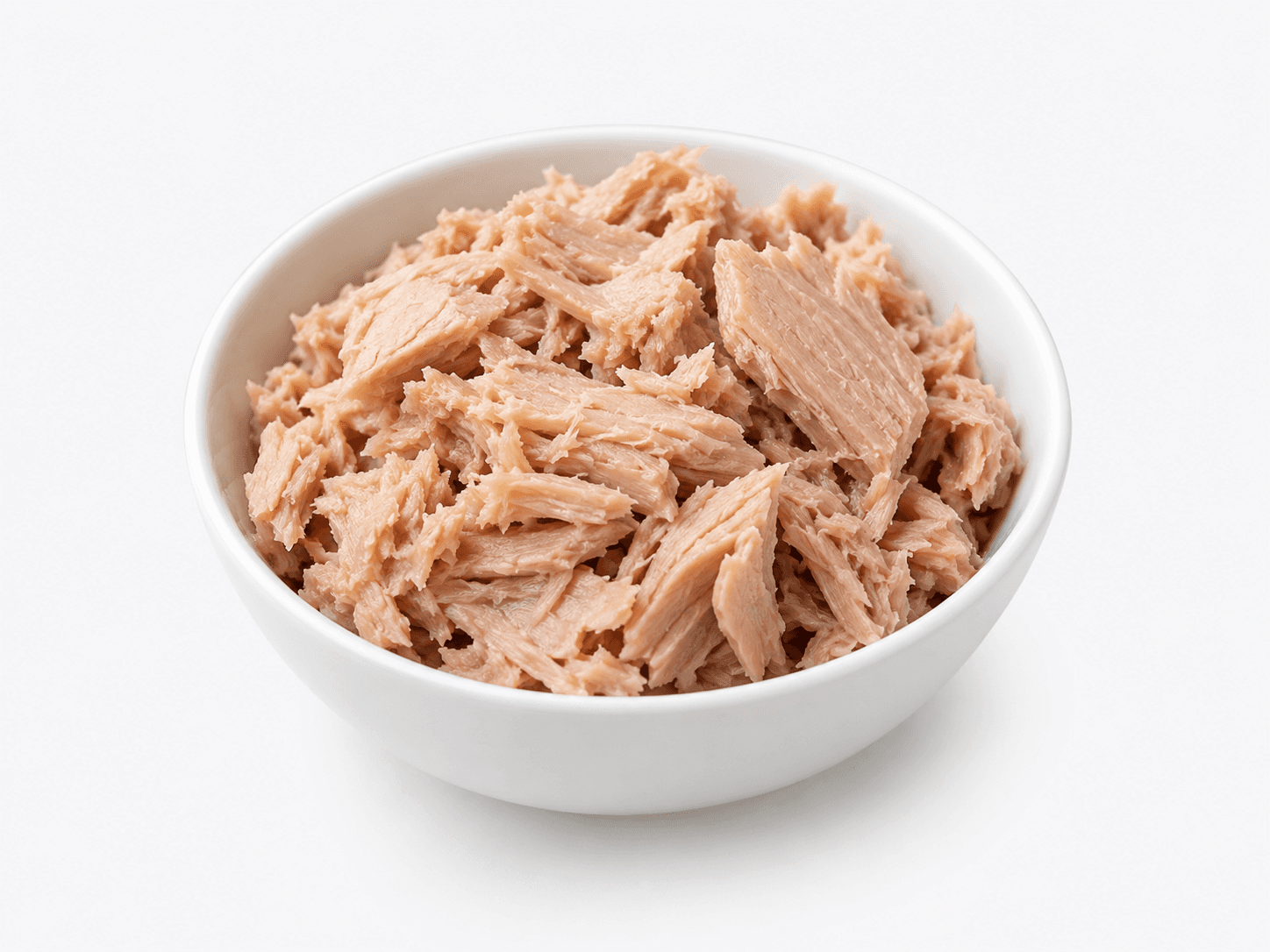
Salmon carries 2.2 g of omega-3 against canned tuna's 0.22 g — ten times. But the tuna here is canned in water with the liquid drained, and tuna brings a separate consideration: mercury.


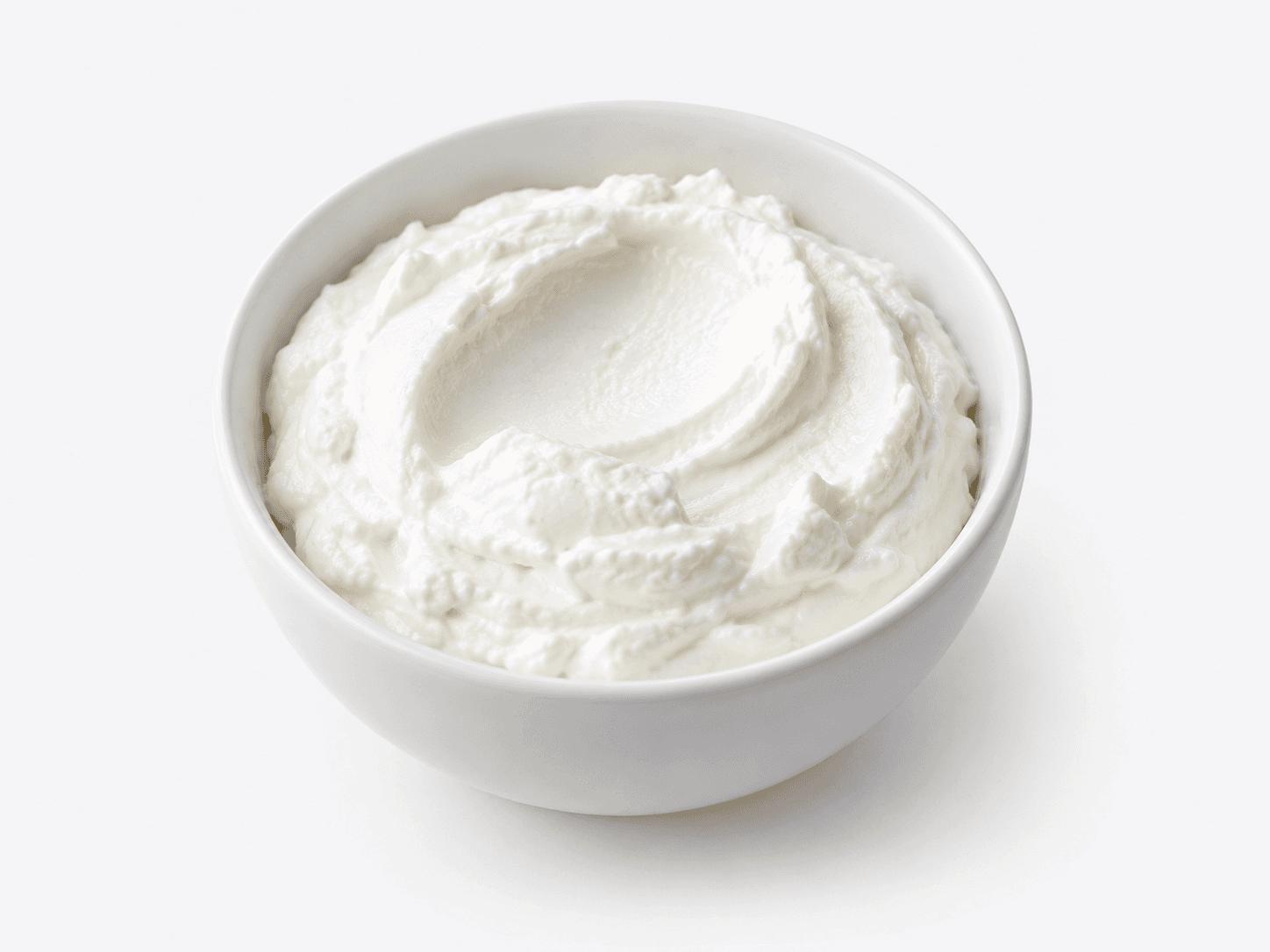
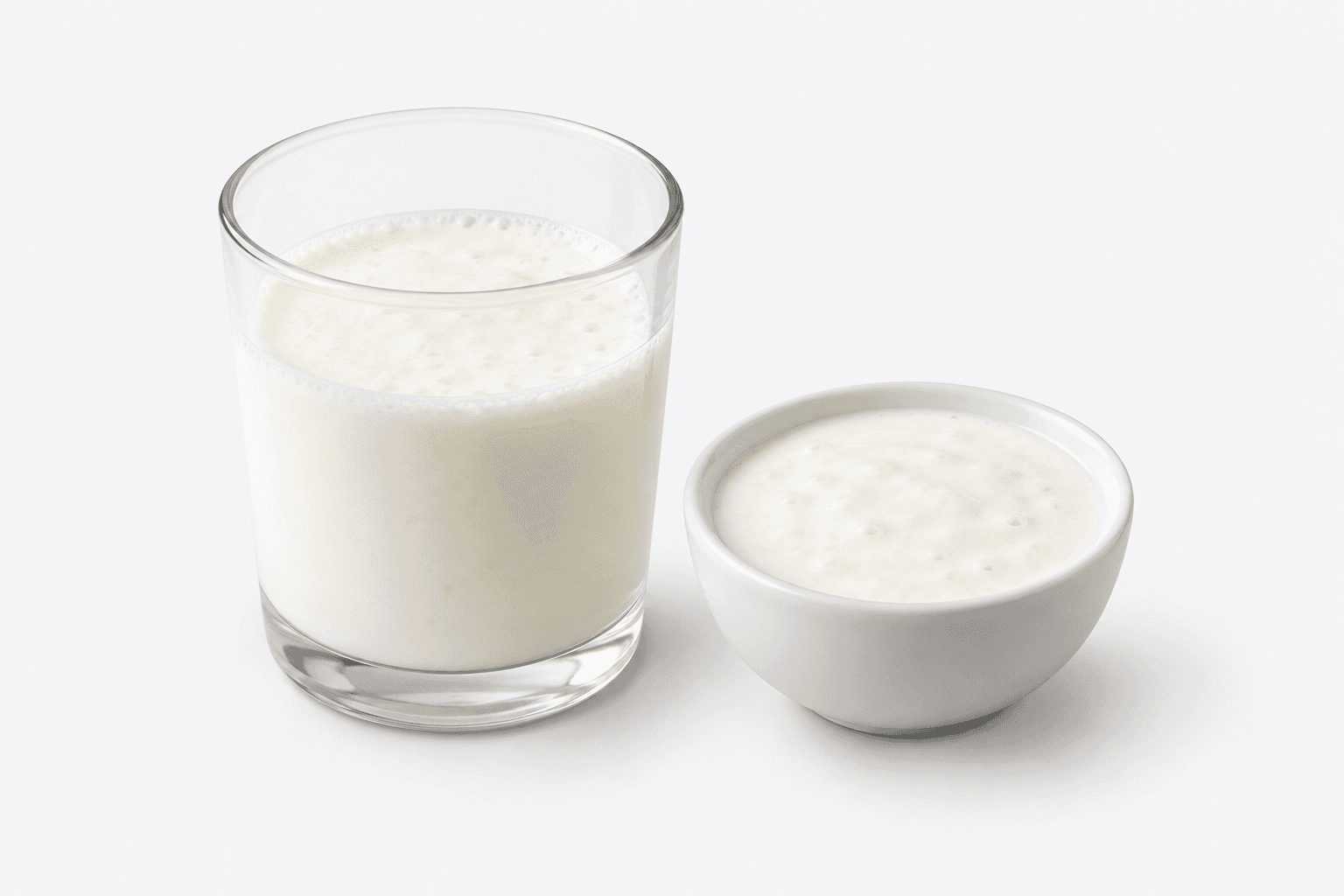
Greek yoghurt carries 2.7 times the protein; kefir carries a far wider range of microbes. But "more strains" and "better for you" are different claims.


Canola leads on omega-3, vitamin E and vitamin K. What olive oil has is not on the table — polyphenols — and only extra virgin carries them.