Tea & drinks
Green tea
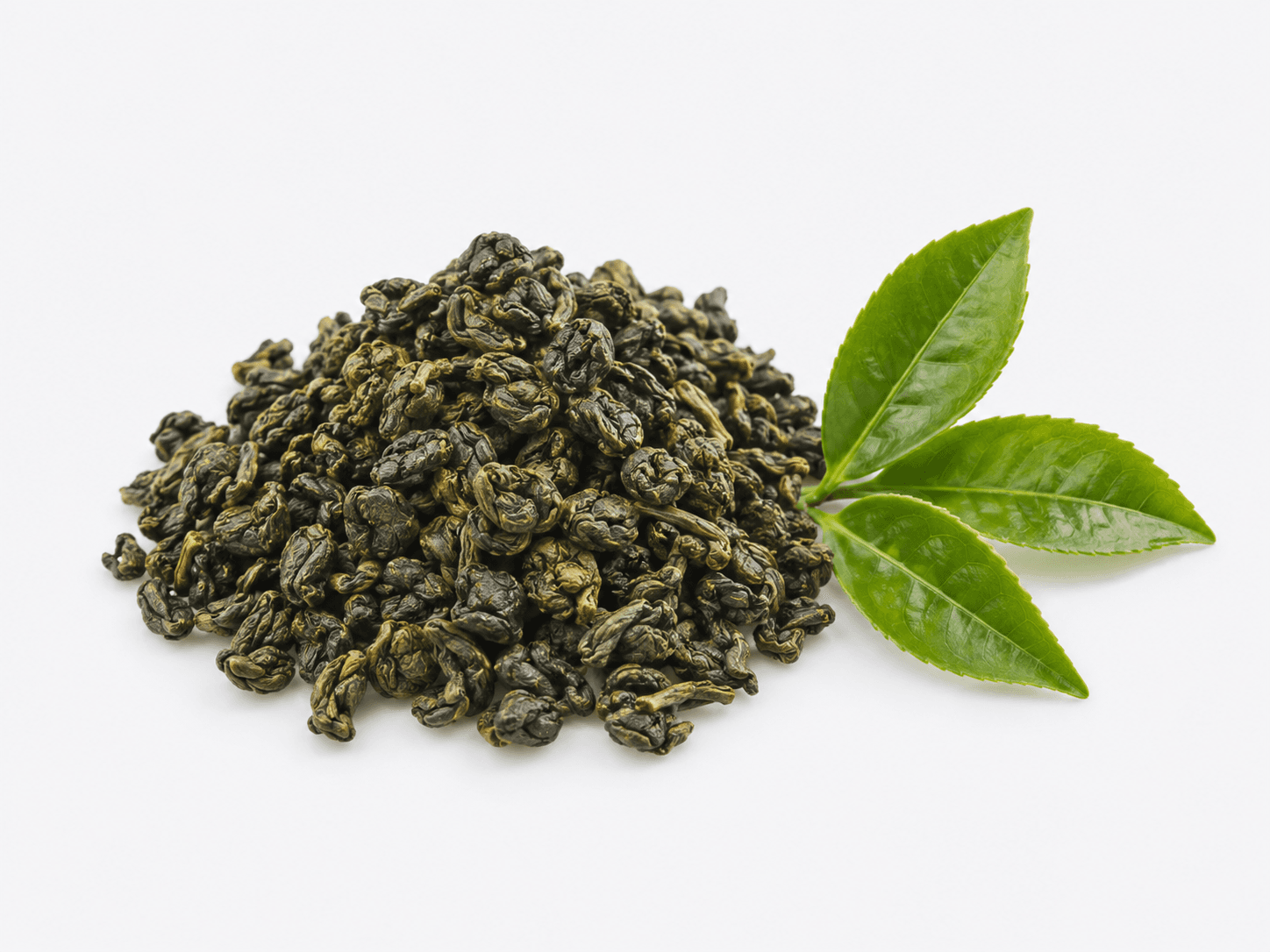
Catechins and L-theanine keep showing up in cardiovascular and attention research. What decides the result is your water temperature and when you drink it.
Coffee is clearly higher in caffeine and green tea brings catechins. The less familiar thing they share is that both lower the absorption of plant iron when drunk with a meal.
Tea & drinks
Catechins and L-theanine keep showing up in cardiovascular and attention research. What decides the result is your water temperature and when you drink it.
Tea & drinks
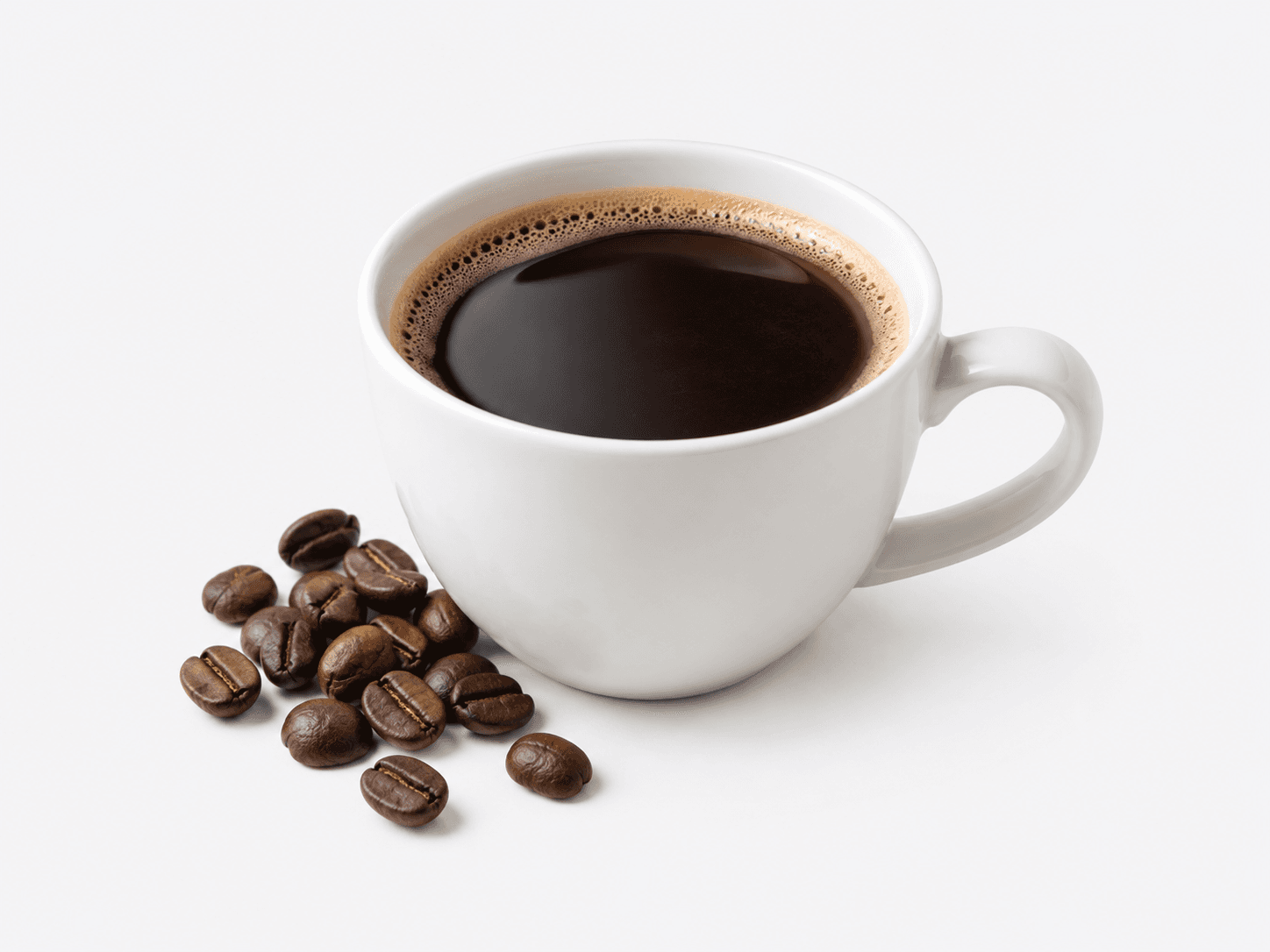
The association with lower type 2 diabetes and liver disease risk is consistent. The interesting part is that decaf shows almost the same thing.
Green tea — Leads on
About equal
Coffee — Leads on
Per 100 g edible portion. Only rows where both have a figure are shown, and no winner is marked for items like calories or sugars where more is not better.
Basis for these figures
| Nutrition | Green tea | Coffee |
|---|---|---|
| Calories | 2 kcal | 2 kcal |
| Potassium | 20 mg | 118 mg |
The visible difference is simple. A cup of coffee carries 96 mg of caffeine; green tea carries 50 to 150 mg of catechins. Energy is 2 kcal for each — effectively nothing.
Green tea's caffeine is not in this table. Not because it has none, but because it varies several-fold with the leaf and with brewing temperature and time, and no single number would be honest. It is clearly lower than coffee's, but green tea is not a caffeine-free drink. Plenty of people lose sleep over an evening cup.
What only green tea has is theanine. It is an amino acid that acts alongside caffeine, and many people describe the alertness as having a different texture because of it. That is a fact of composition; clinical results on focus or anxiety are handled separately on this site.
What they share is the more practical point — iron absorption.
The tannins in green tea and the polyphenols in coffee both bind plant iron (non-haem iron) and reduce its uptake. The effect is substantial: drunk with a meal, they cut the iron absorbed from that meal considerably. If you have iron-deficiency anaemia or eat a plant-based diet, leaving an hour either side of meals is the better habit. Haem iron from meat is less affected.
The caffeine ceiling belongs here too. Four hundred milligrams a day is the figure commonly used for healthy adults, and at 96 mg a cup that is about four cups. Many authorities advise 200 mg or less in pregnancy. If you drink both, count them together.
This is not a choice to make but a schedule to set. Coffee in the morning, green tea in the afternoon, and neither with the meal itself — that is what the table supports.