Filter by category or search for the ingredient you have in the kitchen.
161 ingredients
Vegetables
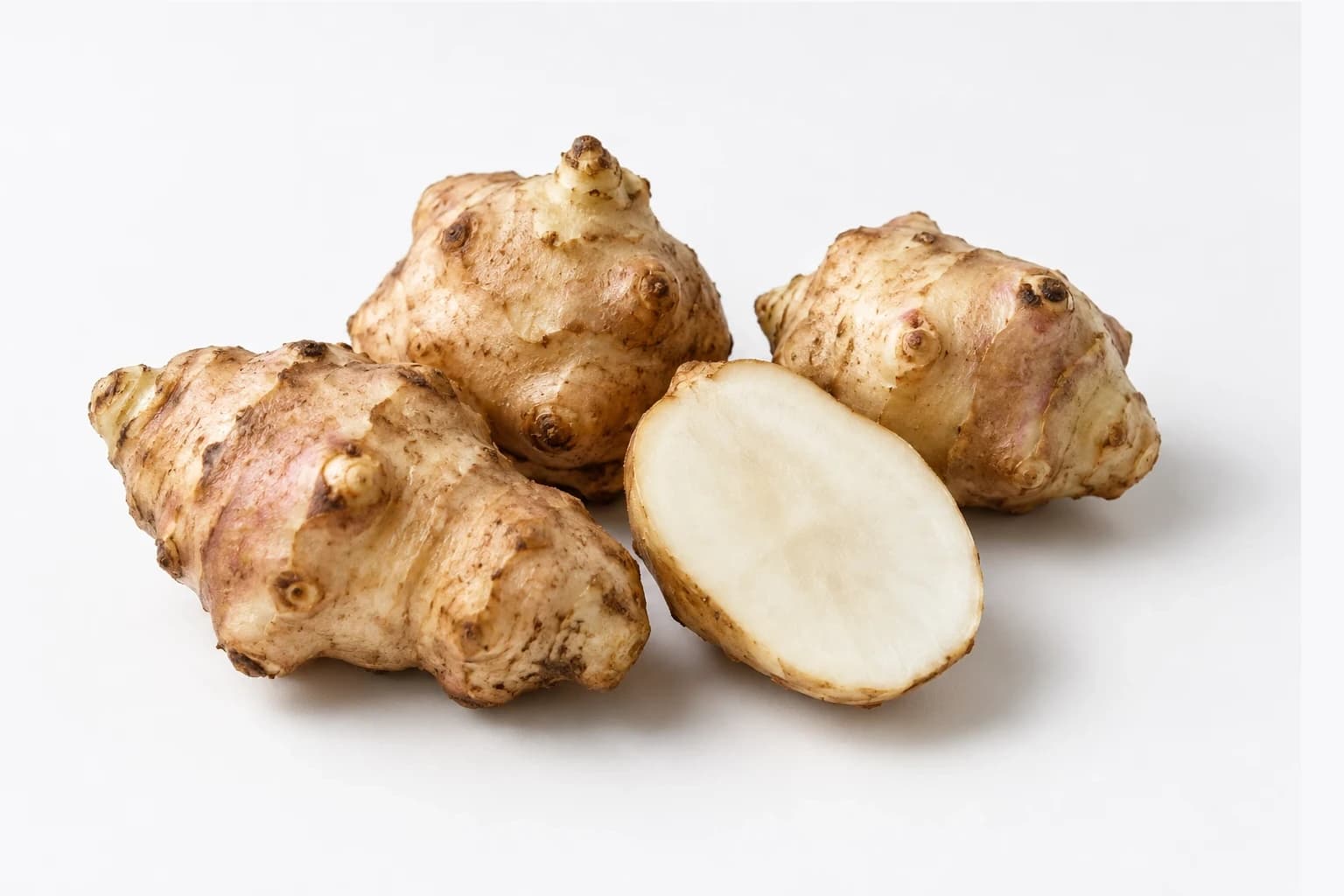
Early researchIn a double-blind trial of 45 people in three groups, bifidobacteria rose 1.2 log10 over 21 days. But the short-chain fatty acids that would carry that effect did not change, and flatulence rose significantly.
Vegetables
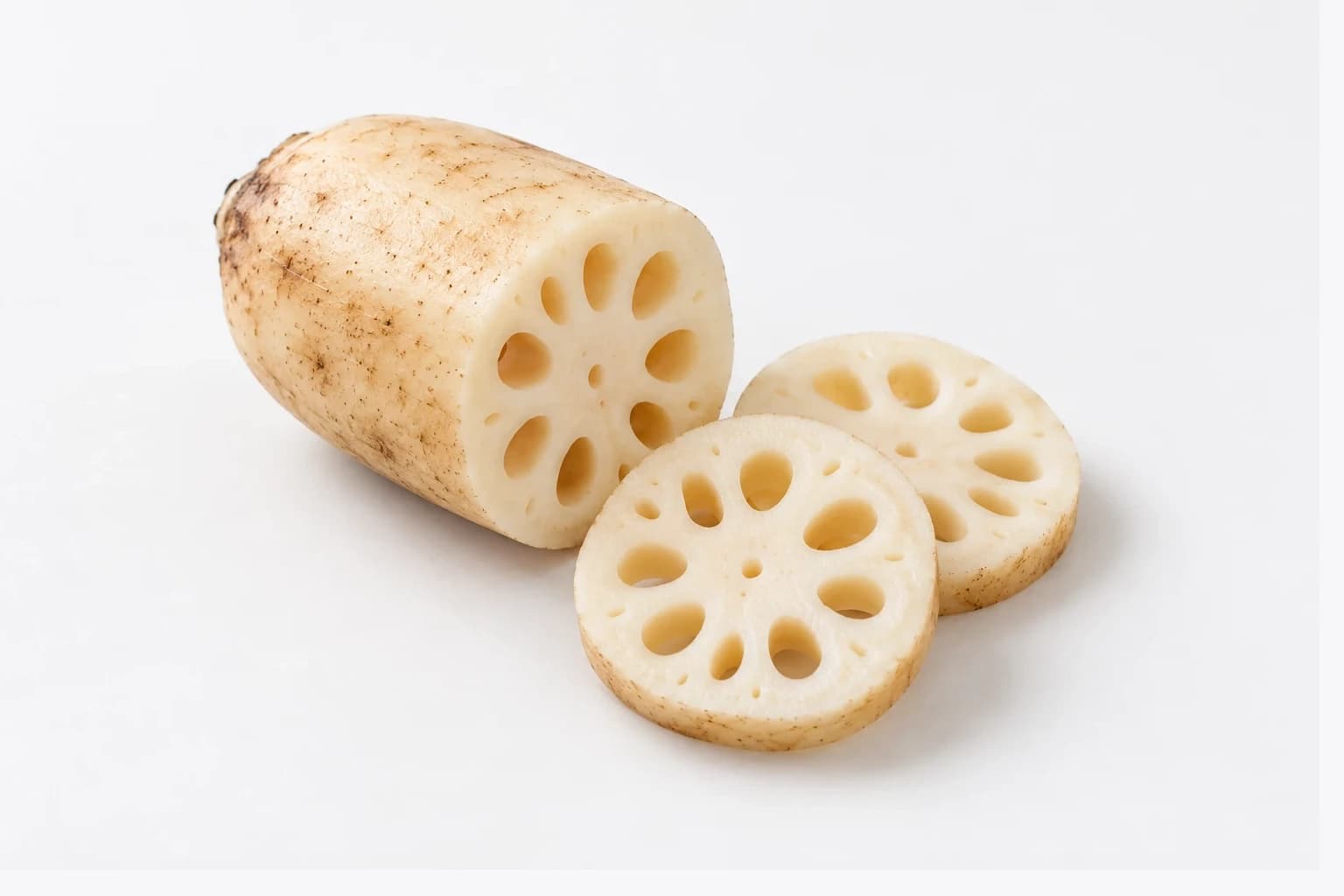
Nutrition dataRaw lotus root carries 44 mg of vitamin C, 556 mg of potassium and 4.9 g of fibre per 100 g. But it is almost always eaten cooked, so you do not take that 44 mg across intact.
Vegetables
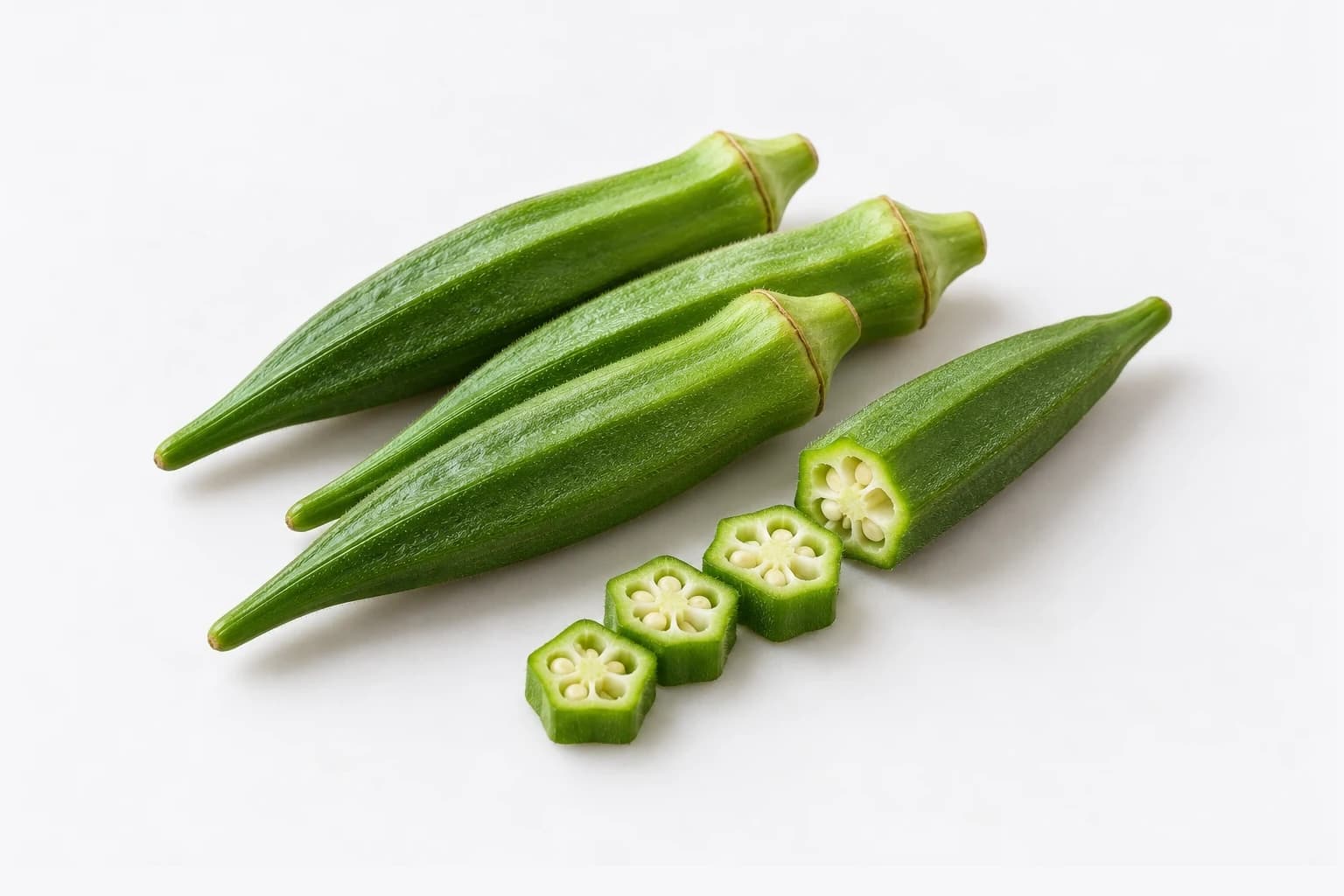
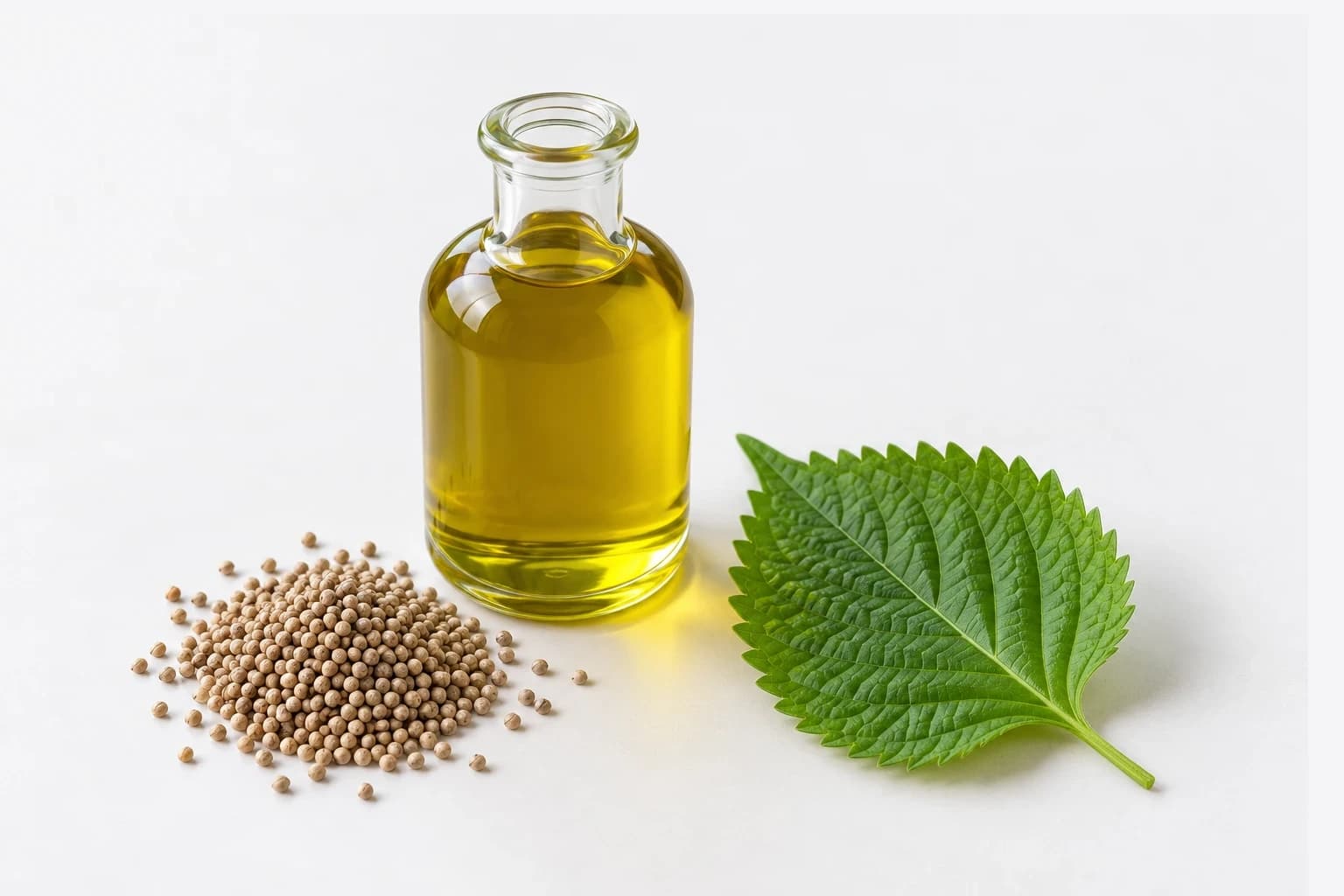
Moderate evidenceA 2025 meta-analysis found significant falls in weight, fasting glucose, HbA1c and LDL. But the 12 trials it pooled used doses from 125 mg to 40,000 mg a day — a 320-fold range.

Oils & fats
Early researchIn a double-blind trial following 52 people for 12 months, a bone resorption marker fell. But what was measured was not bone mineral density — it was a heel ultrasound — and there were 52 participants.

Herbs & spices
Moderate evidenceA 2021 meta-analysis of 400 people found improved sleep, a small but significant effect at a standardised mean difference of −0.59. The same paper's conclusion adds: data on serious adverse effects are limited.

Vegetables
Moderate evidenceIn a double-blind crossover trial of 44 people, 12 g a day of chicory inulin raised stool frequency from 3 to 4 a week. But some of the researchers worked for the institute of the company that makes that inulin, and the change is one stool a week.

Vegetables
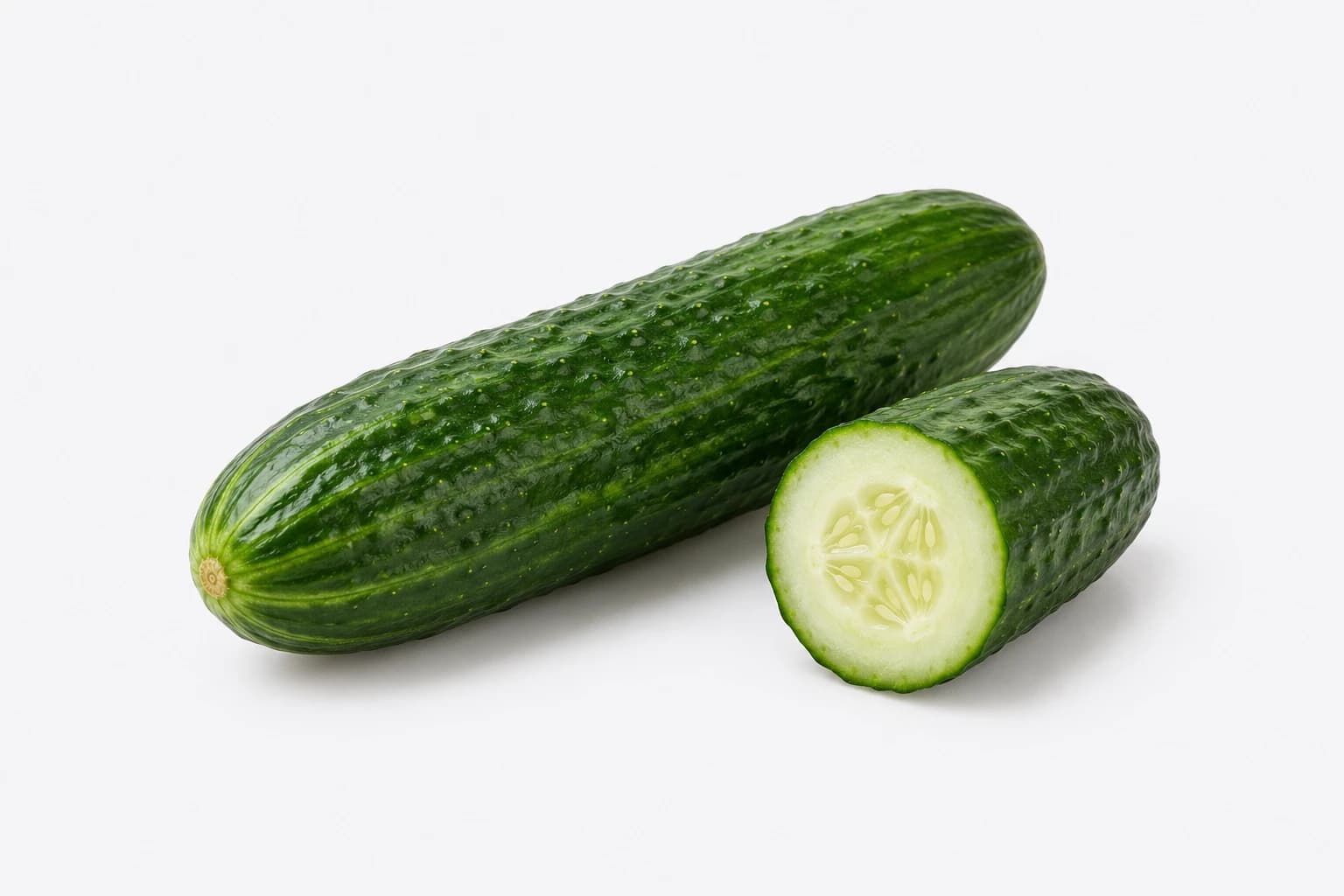
Nutrition dataAll three clinical trials on cucumber used extracts. The lipid trial used seed extract; the osteoarthritis trials used standardised extract. This site could not find a trial that fed cucumber, measured anything and compared against a control.

Vegetables
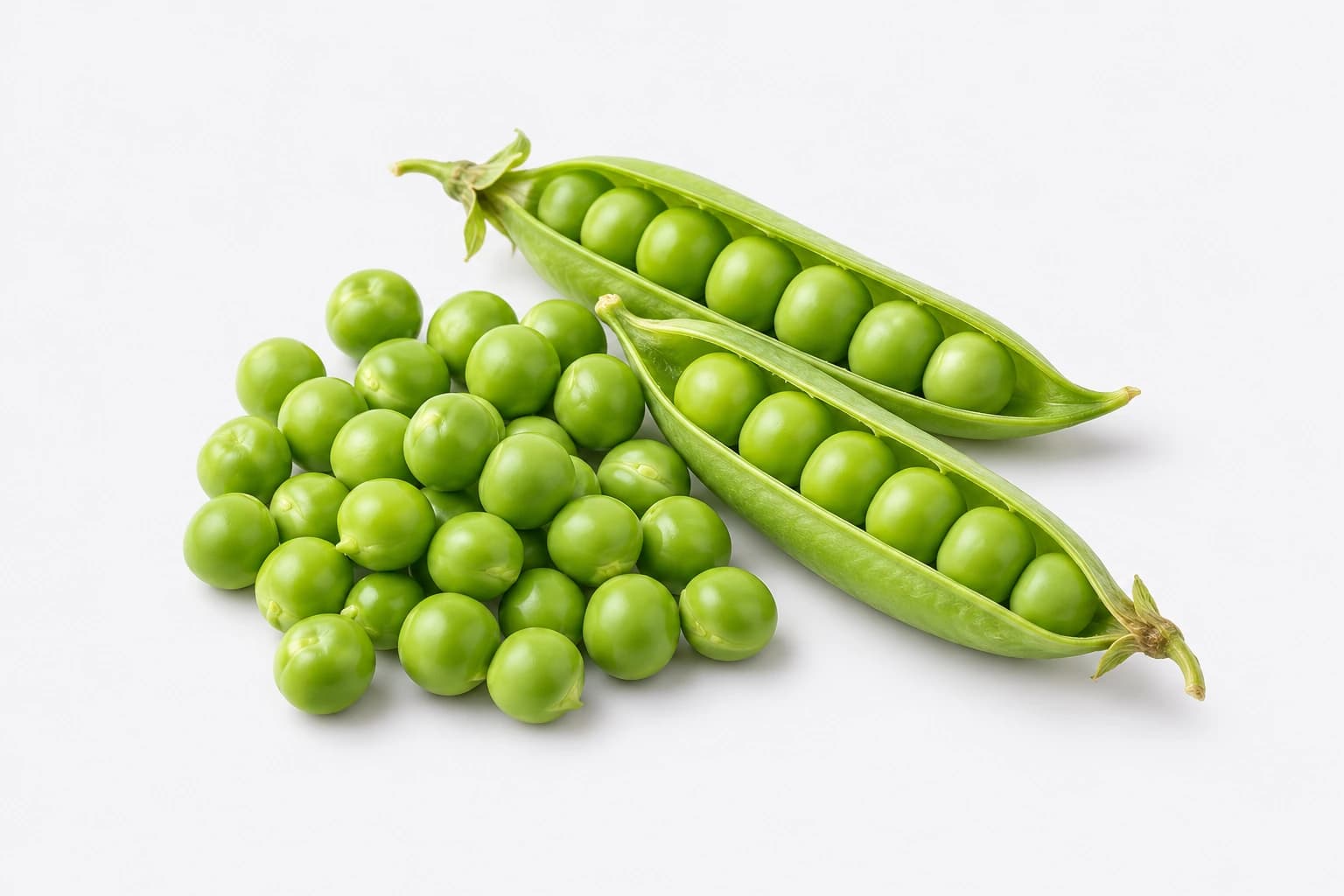
Nutrition dataIn a three-arm trial of 180 people, beans lowered LDL by 0.21 mmol/L while peas managed 0.11 with a confidence interval crossing zero. The composition is good — 5.42 g of protein, 40 mg of vitamin C and 5.7 g of fibre per 100 g.

Fruits
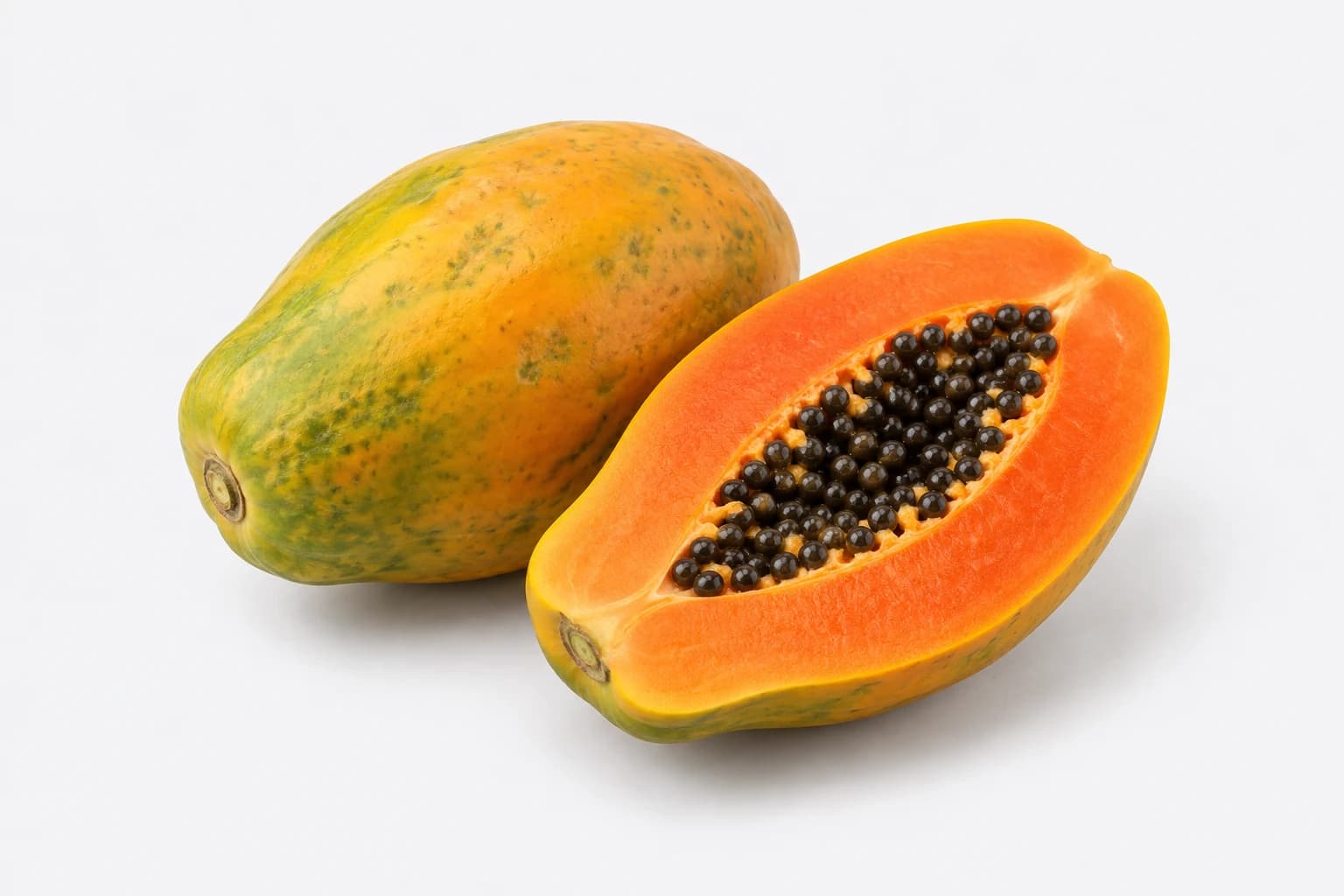
Early researchA phase III, triple-blinded, placebo-controlled trial in 219 patients was published in 2026. Platelet recovery was faster in patients whose counts had fallen from chemotherapy. But what it used was papaya leaf extract, and this entry is about the fruit.

Grains & legumes
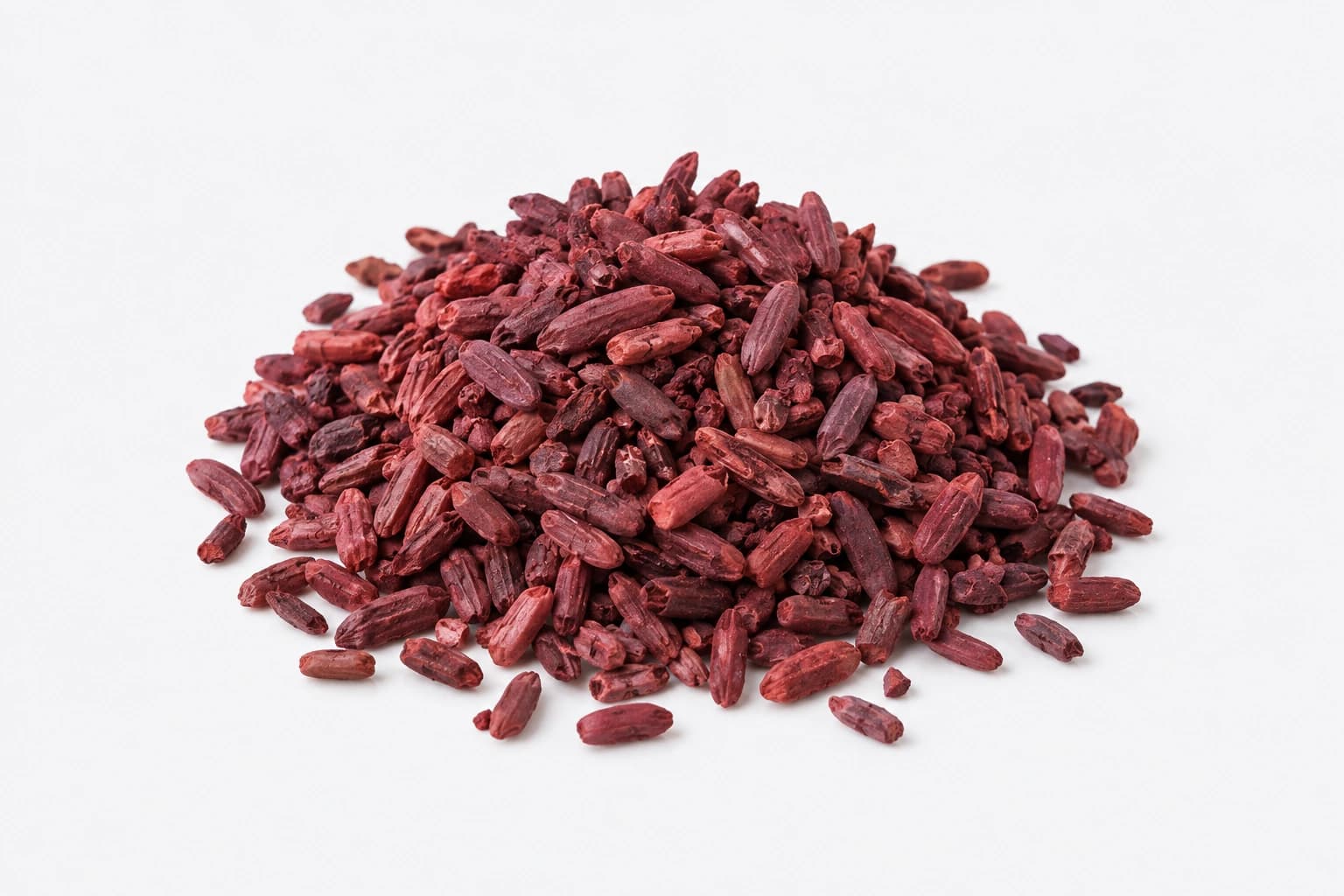
Strong evidenceA 2018 meta-analysis pooling 28 randomised controlled trials and 1,924 people found LDL cholesterol fell by 0.33 mmol/L on average. Non-HDL cholesterol and apolipoprotein B fell with it. This is one of the few entries this site marks as established.

Grains & legumes
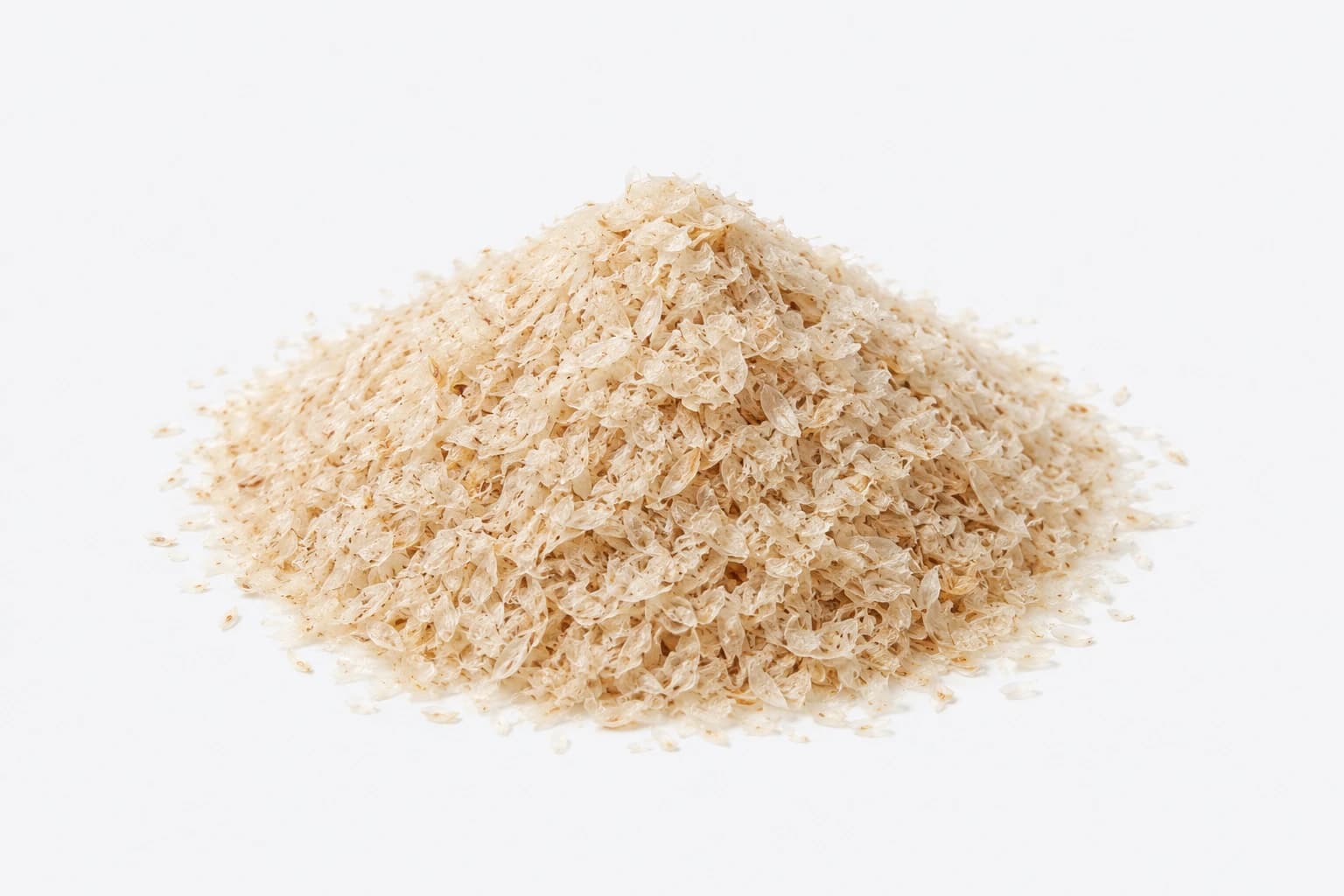
Strong evidenceA 2015 meta-analysis of 20 trials found LDL fell by 1.02 mmol/L, and the effect was statistically indistinguishable from statin therapy. The same paper's title continues: but safety is uncertain.

Vegetables
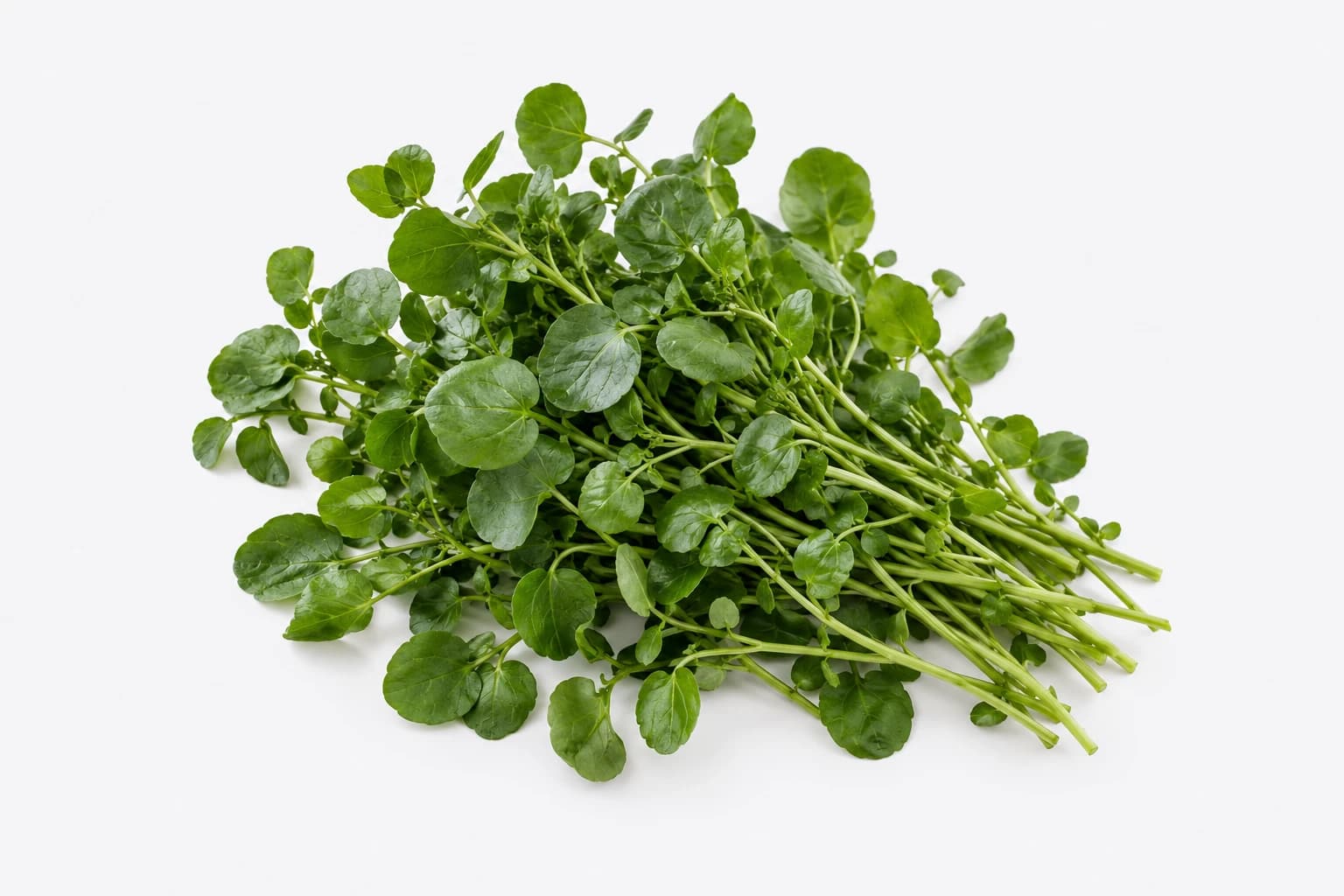
Early researchIn a single-blind pilot trial, 26 people took dried watercress capsules for 28 days and LDL fell significantly. But there was no consistent effect on other lipids, and the paper states it is exploratory and needs confirmation in larger trials.

Grains & legumes
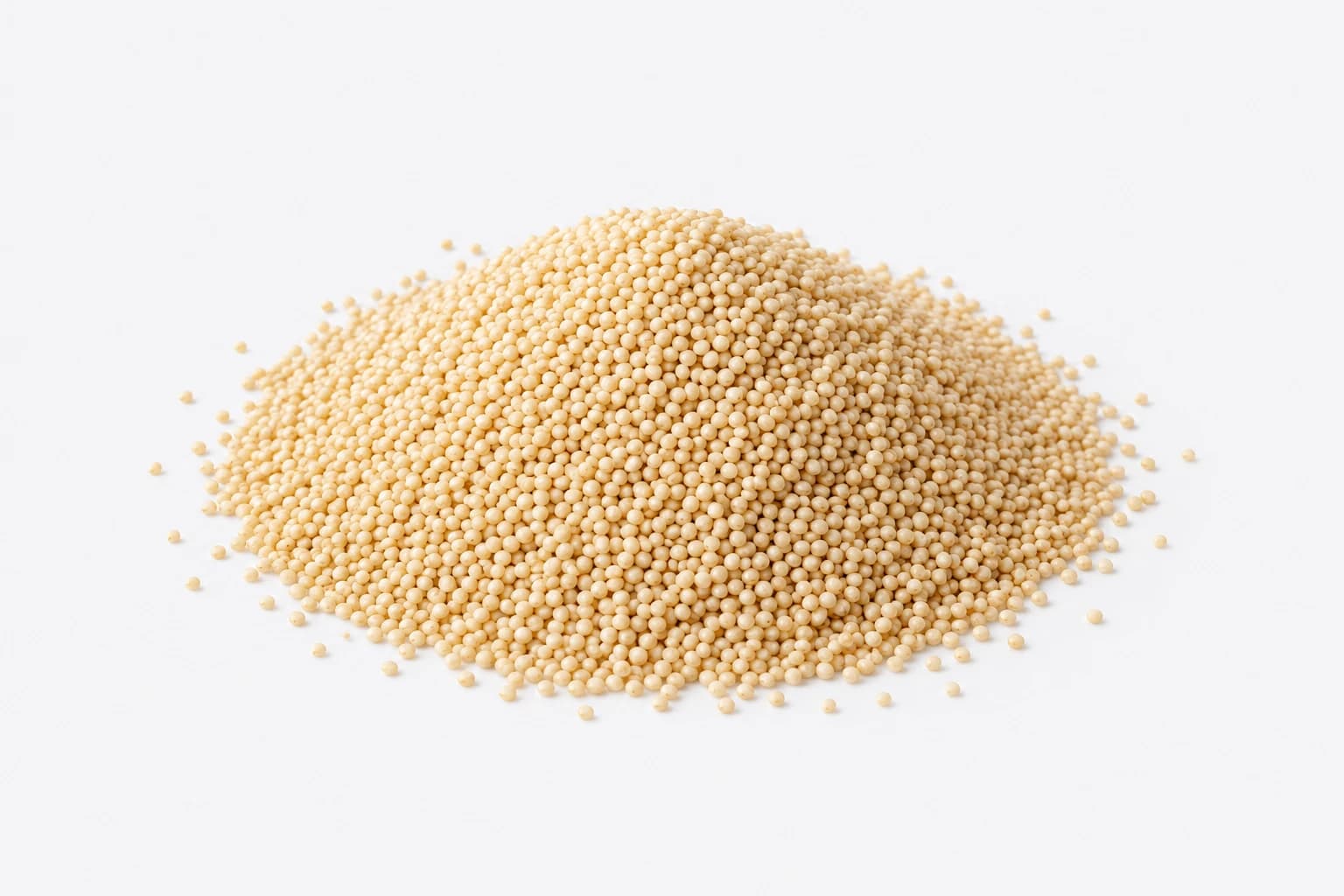
Early researchA 16-week trial in Kenya. The porridge with amaranth carried 5.6 times the iron of the control. Neither hemoglobin nor iron status moved. In the same trial, a micronutrient powder giving far less iron did reduce anemia.

Fruits
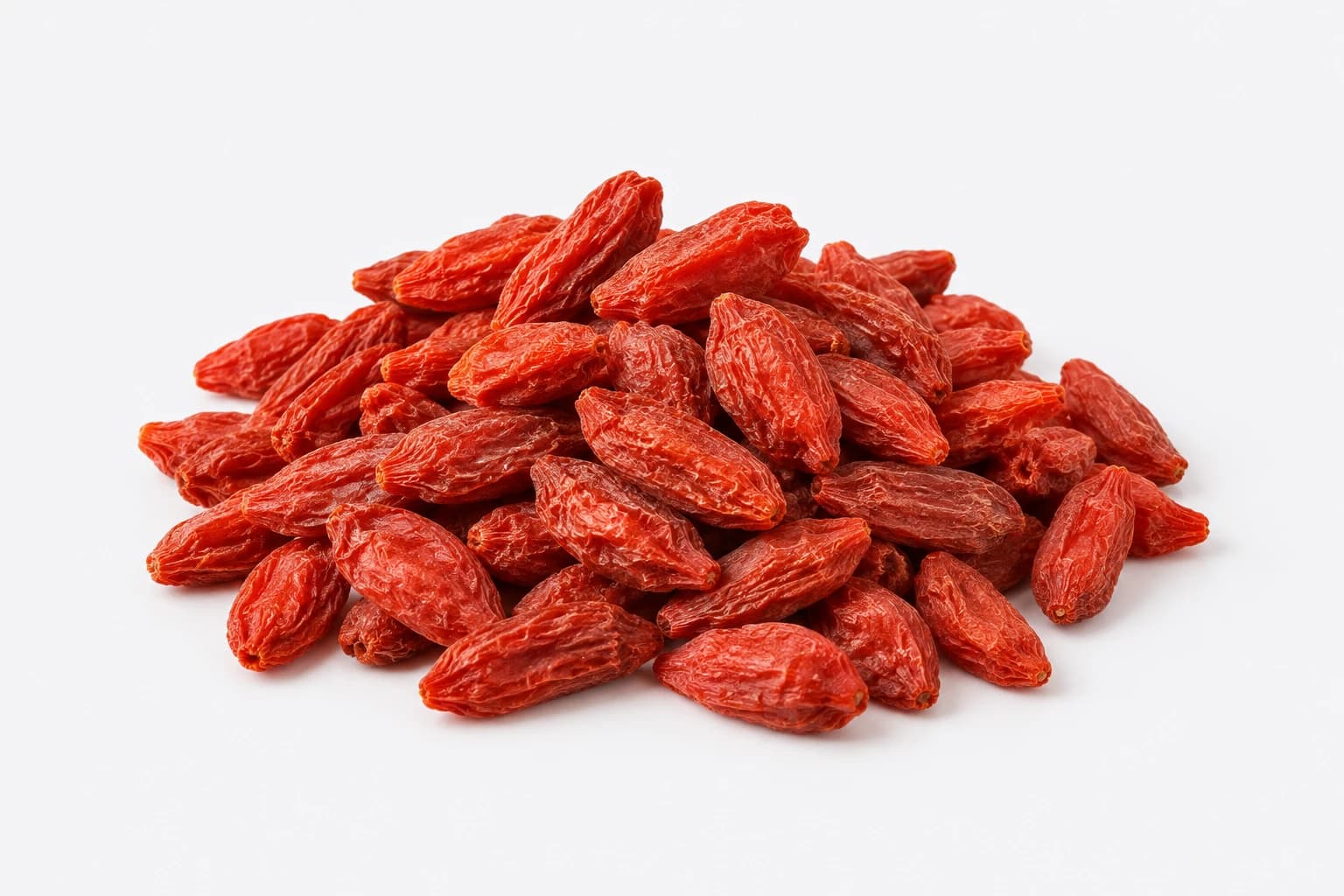
Early researchThere is a trial in which eating goji berries raised macular pigment optical density. It had 27 participants, no masking, and calls itself a pilot. And the zeaxanthin said to explain the result is not listed in this food's composition table at all.

Fruits
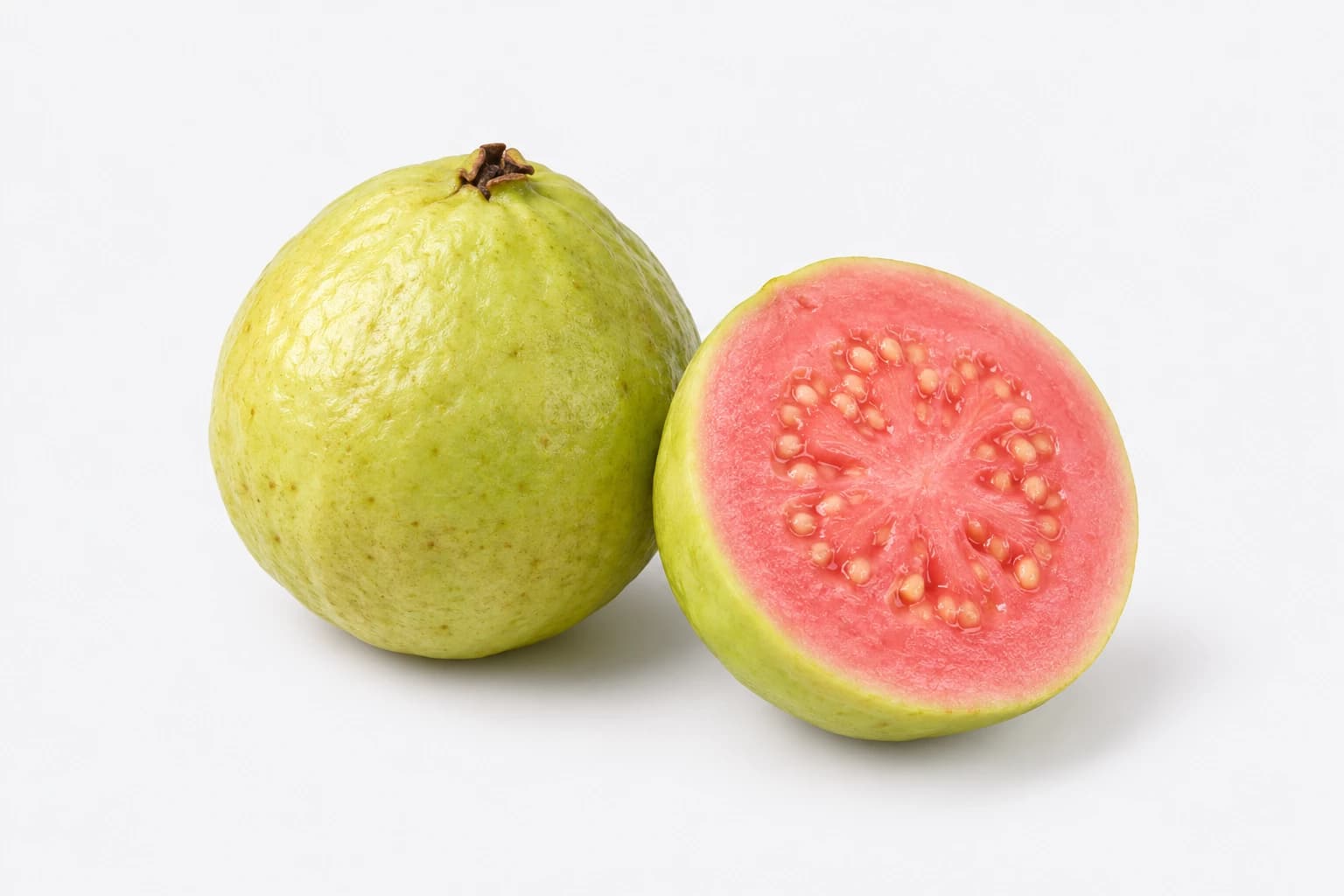
Moderate evidenceA seven-month school-feeding trial in India. Hemoglobin rose and anemia fell. But body iron stores, which the trial had named in advance as its primary outcome, did not rise significantly. What happened and what did not have to be read apart.

Vegetables
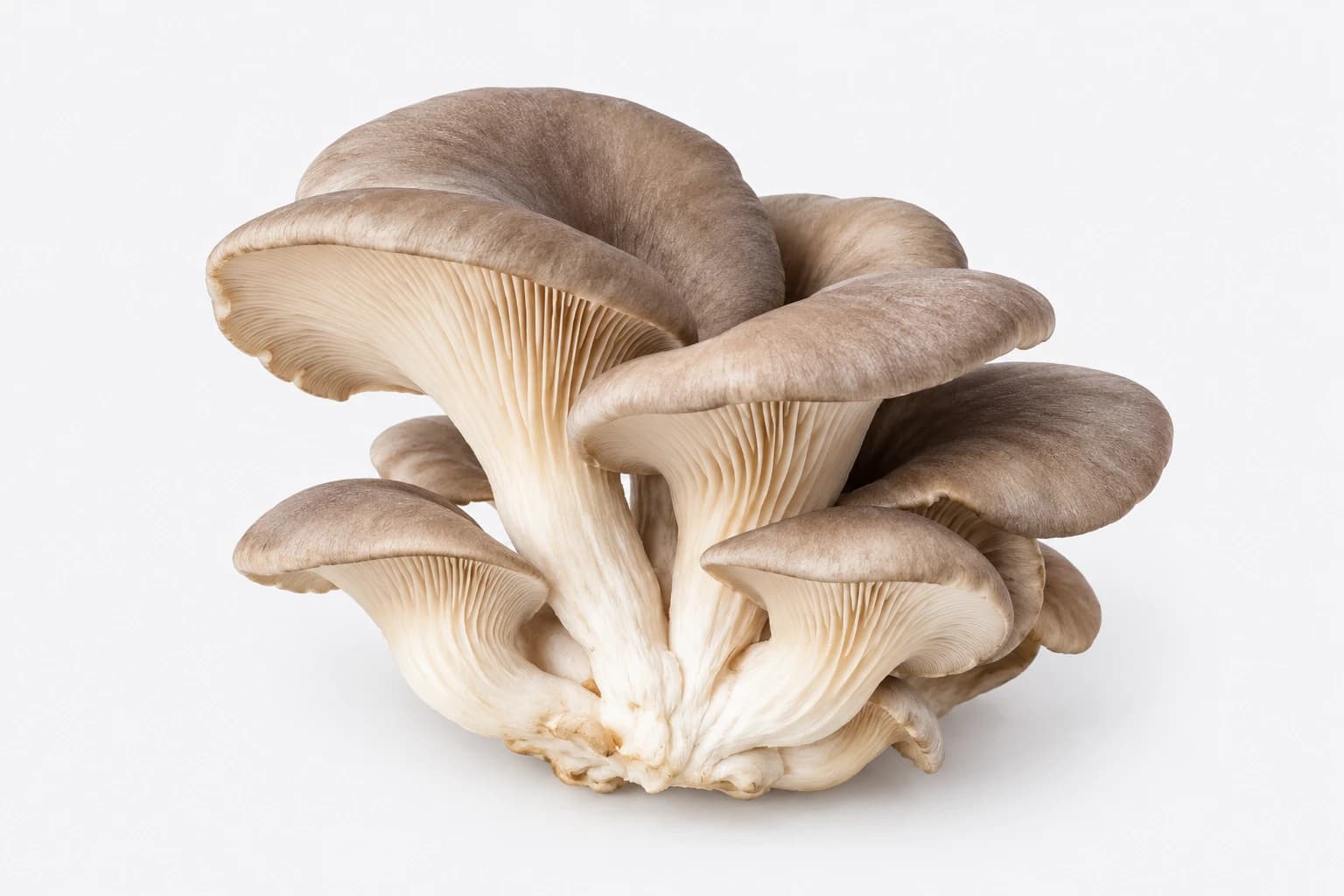
Early researchTwo double-blind trials have tested this mushroom. The 2022 one set postprandial glucose as its primary endpoint and it did not move. The 2026 one set LDL cholesterol and it did not move either. What moved in both cases were secondary outcomes.

Vegetables
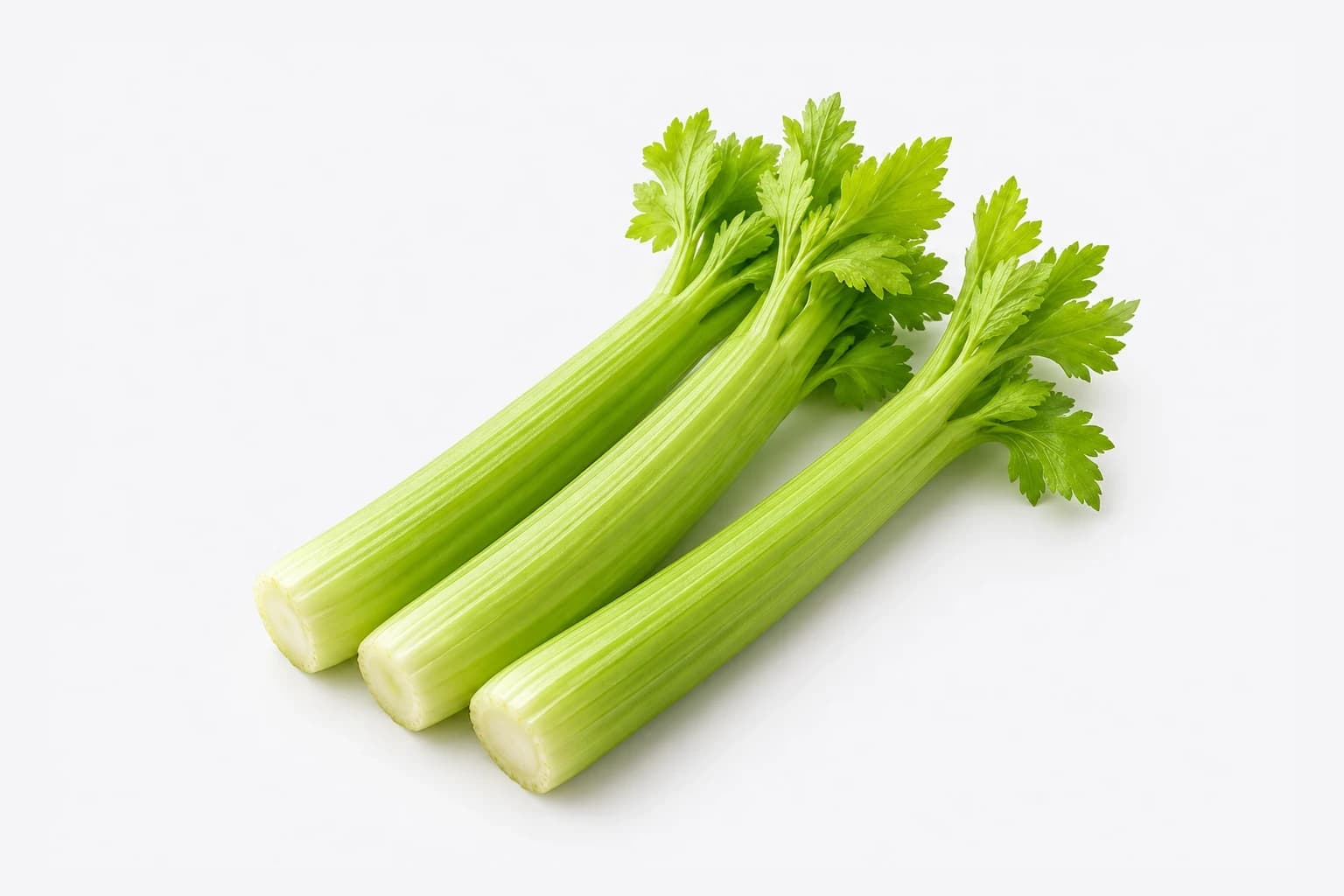
Early researchIn a 2022 trial, systolic pressure fell from 141 to 130 mmHg, measured by 24-hour ambulatory monitoring — a good method. But what participants took was not celery stalks. It was 1.34 g a day of extract from the seed.

Grains & legumes
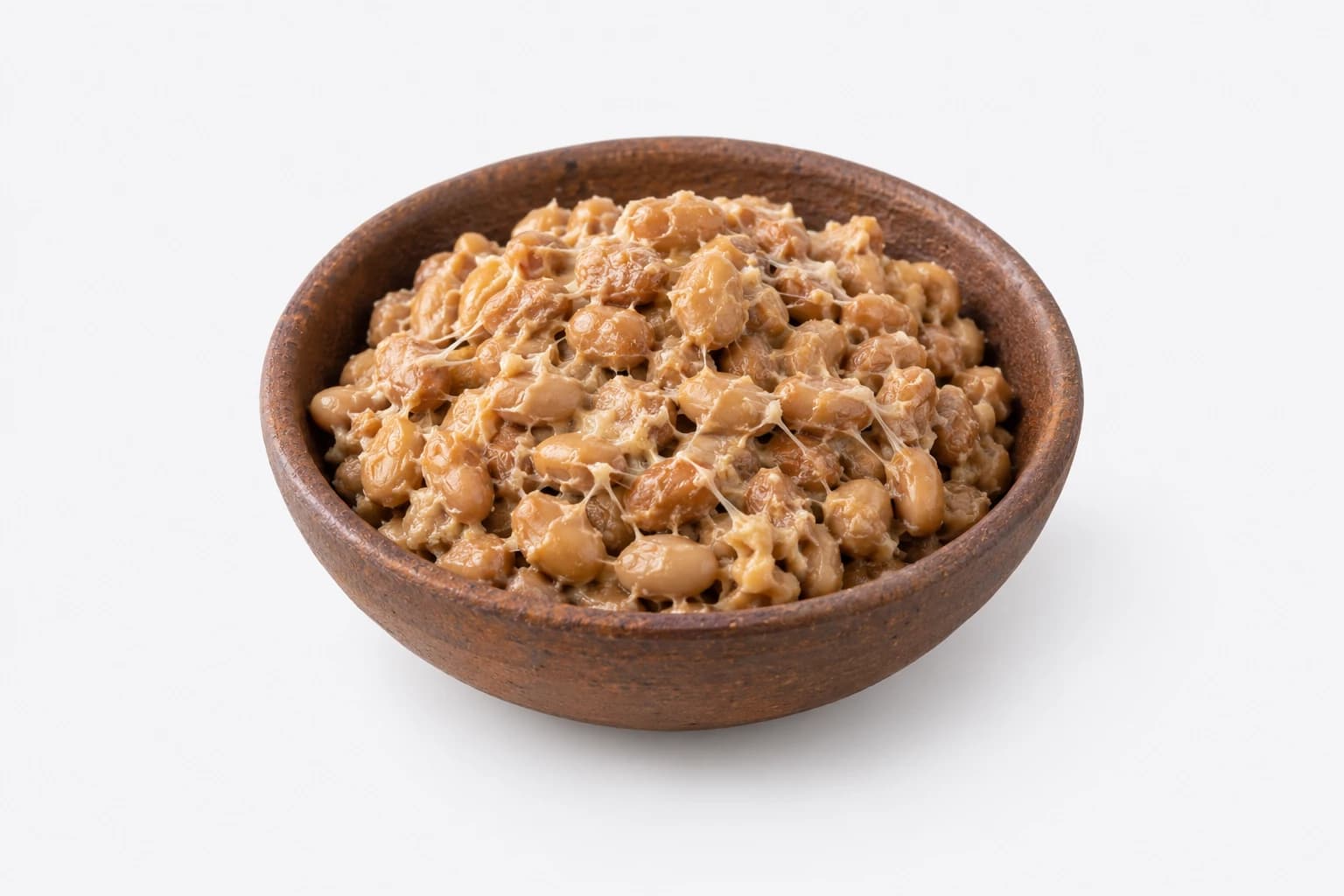
Early researchIn the 2025 menopause trial, symptom scores fell in all three groups. That sounds like good news until you see that all three groups ate cheonggukjang. Without a placebo arm, there is no way to separate the improvement from time and expectation.

Fruits
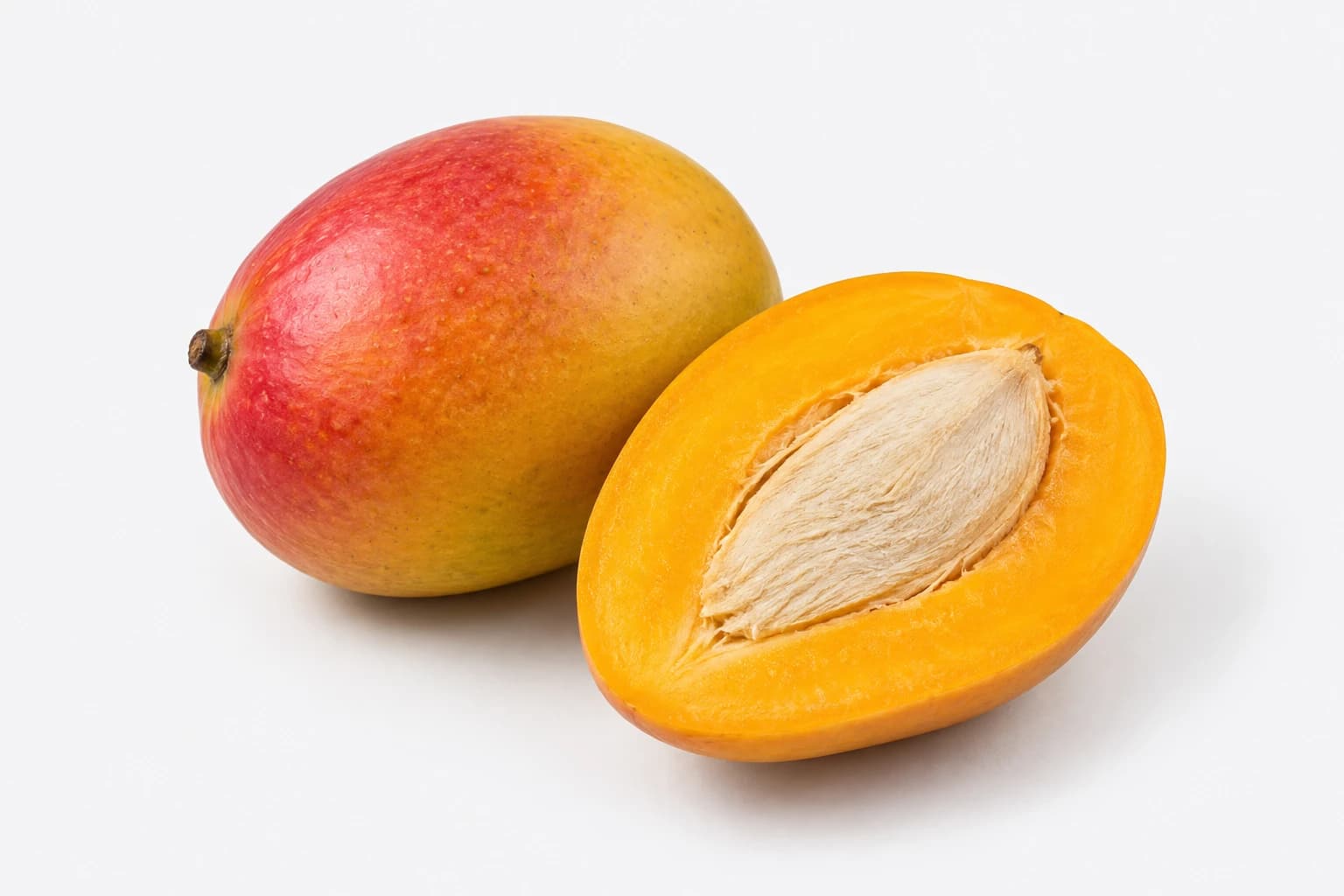
Early researchA 2026 trial in JAHA improved endothelial function. But the intervention was one avocado and one cup of mango together, and the comparator was low-fat, low-fibre food. How much of it belongs to mango cannot be read from this design.

Nuts & seeds
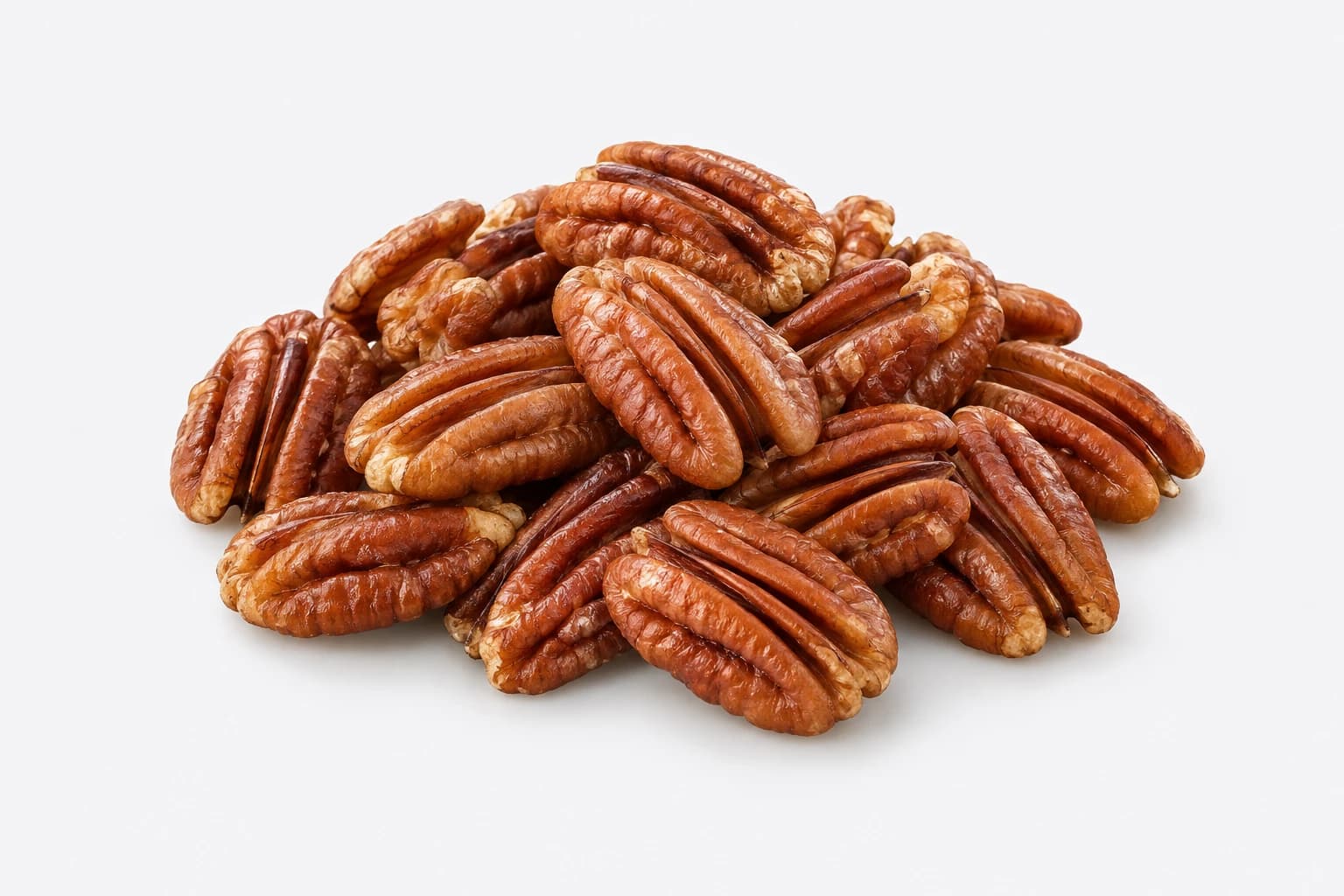
Moderate evidenceThe 2021 trial did something unusual: it ran an add arm and a substitute arm at once. Both lowered total cholesterol, LDL, triglycerides and apolipoprotein B, while the control did not move. But the dose was 68 g a day and each arm held 16–18 people.

Seafood
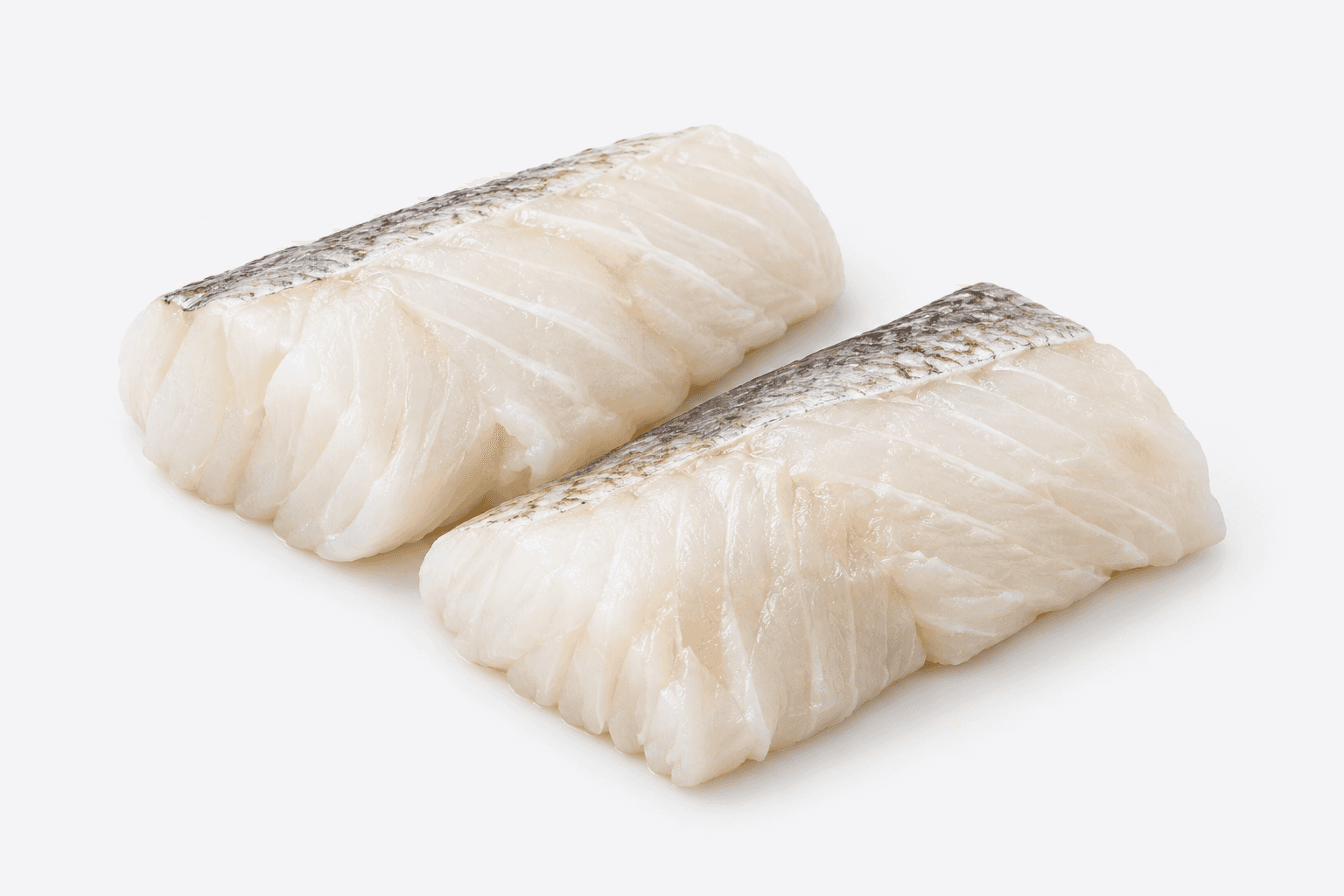
Early researchIn a 2007 trial, cod protein improved insulin sensitivity compared with other animal proteins, measured by the gold-standard method. But it held 19 people, and a 2020 follow-up using a cod protein supplement moved nothing at all — not glucose, insulin, lipids or body composition.

Fruits
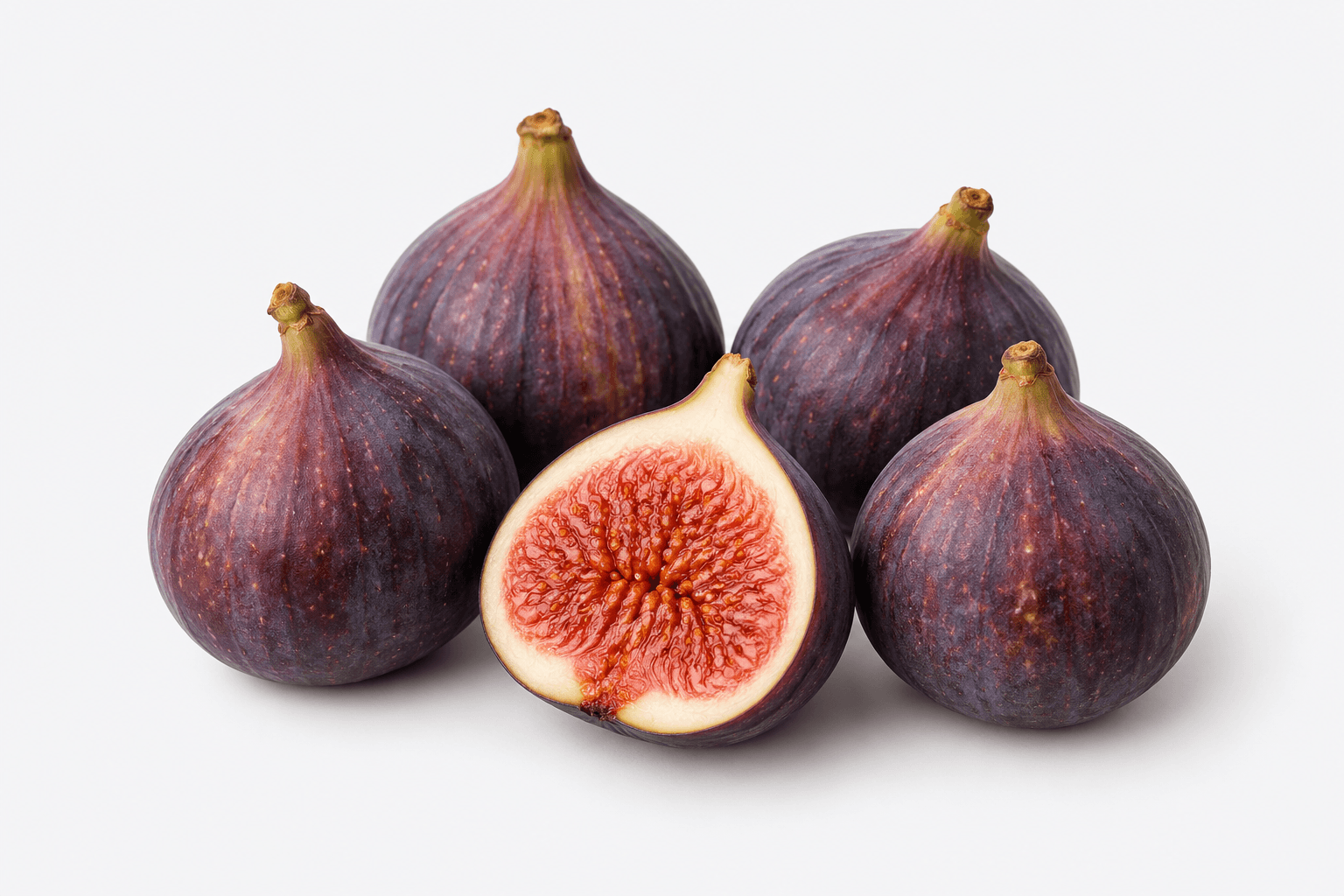
Early researchTwo randomised trials have actually fed people figs, and both improved bowel measures. But in the four-month trial the severity of abdominal pain and CRP did not move, and in the pregnancy trial adding walnut was no better than fig alone.

Nuts & seeds
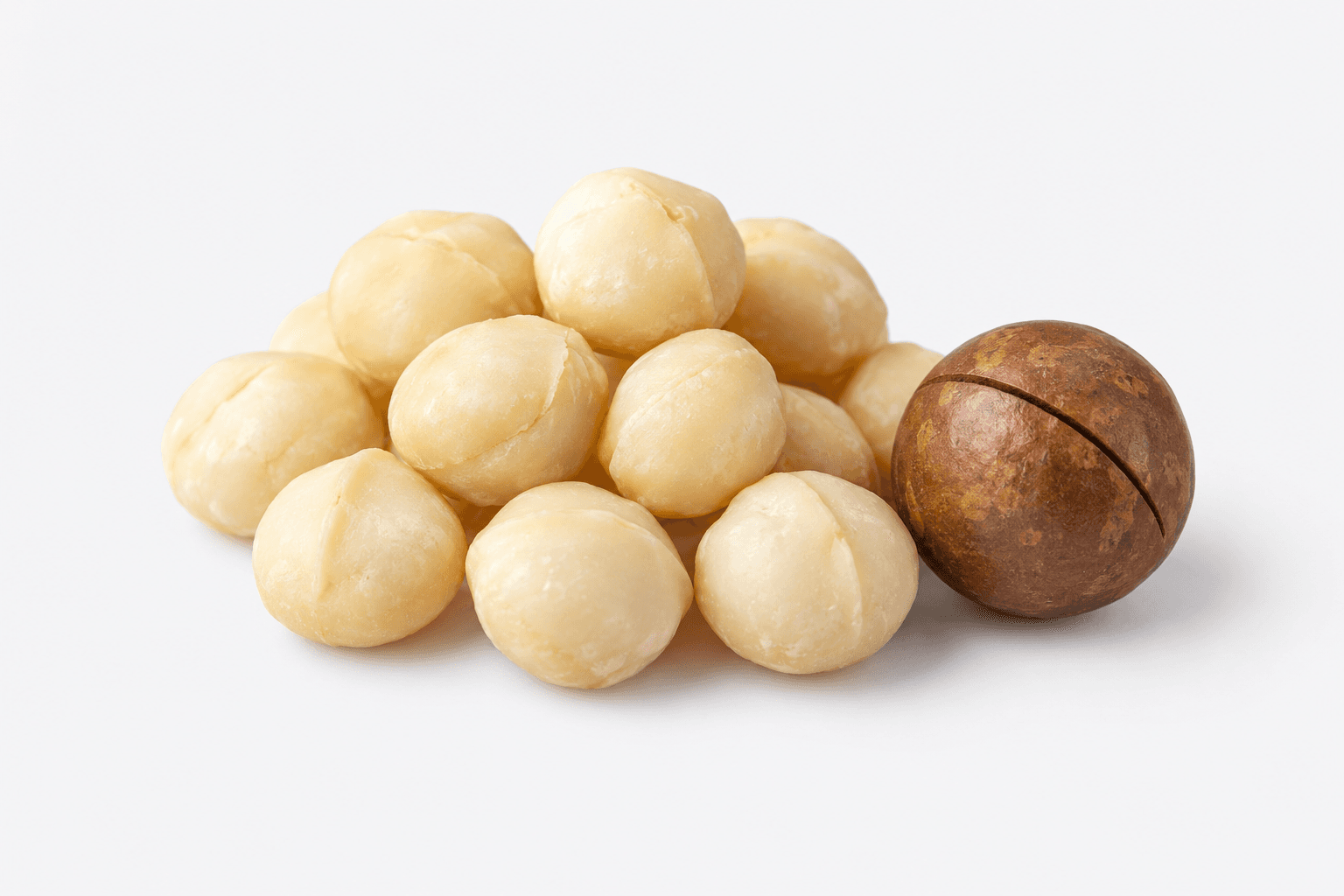
Early researchA 2008 controlled-feeding trial lowered total and LDL cholesterol significantly. A 2023 free-living trial moved nothing significantly. The decisive difference between them was not the macadamias but what they displaced.

Nuts & seeds
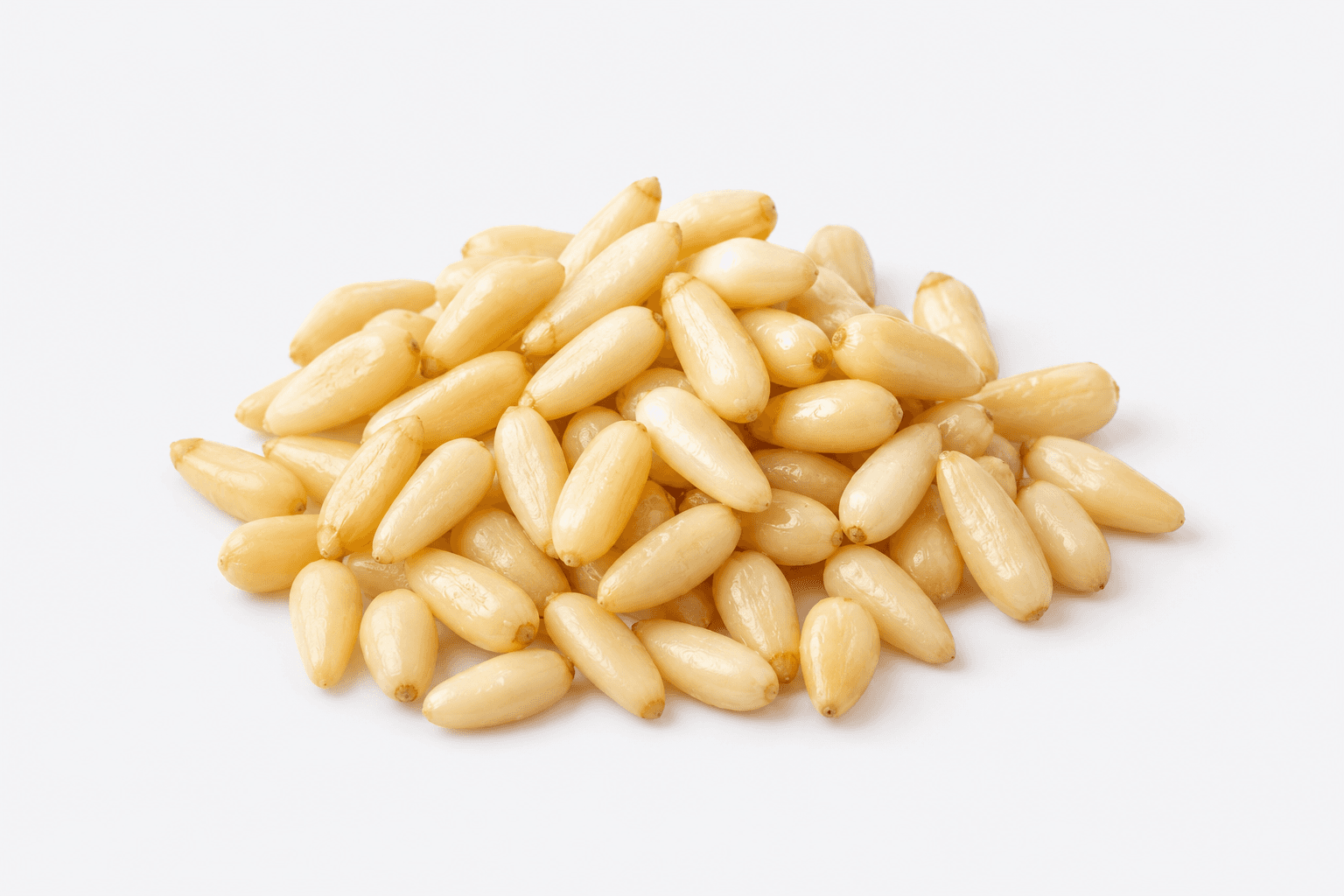
Early researchThe claim that pine nuts suppress appetite rests on one 2008 trial. But what that trial gave people was not pine nuts — it was 3 g of fatty acids extracted from them, in a capsule — and it never measured how much anyone actually ate.