Filter by category or search for the ingredient you have in the kitchen.
21 ingredients
Vegetables
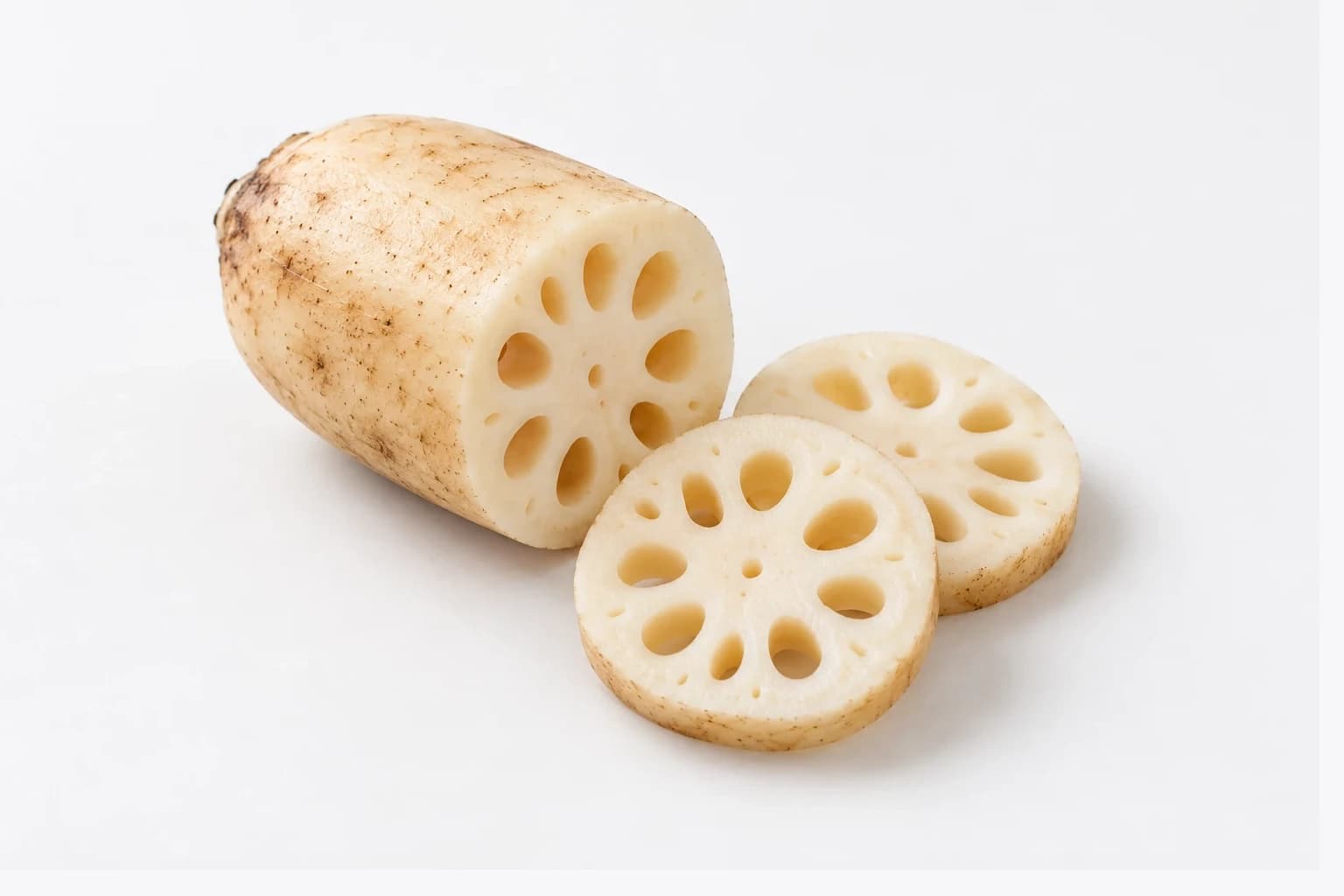
Nutrition dataRaw lotus root carries 44 mg of vitamin C, 556 mg of potassium and 4.9 g of fibre per 100 g. But it is almost always eaten cooked, so you do not take that 44 mg across intact.
Vegetables
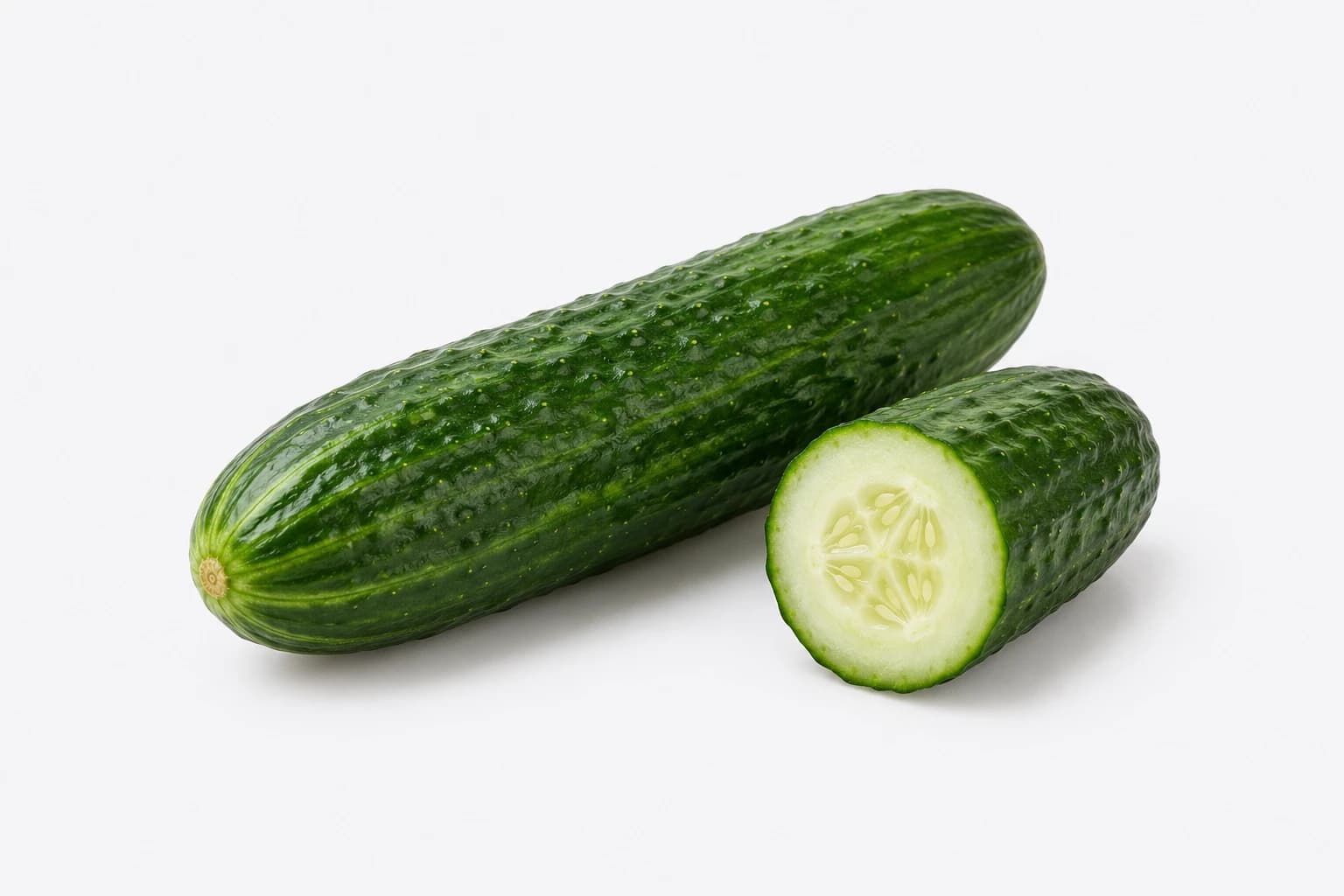
Nutrition dataAll three clinical trials on cucumber used extracts. The lipid trial used seed extract; the osteoarthritis trials used standardised extract. This site could not find a trial that fed cucumber, measured anything and compared against a control.
Vegetables
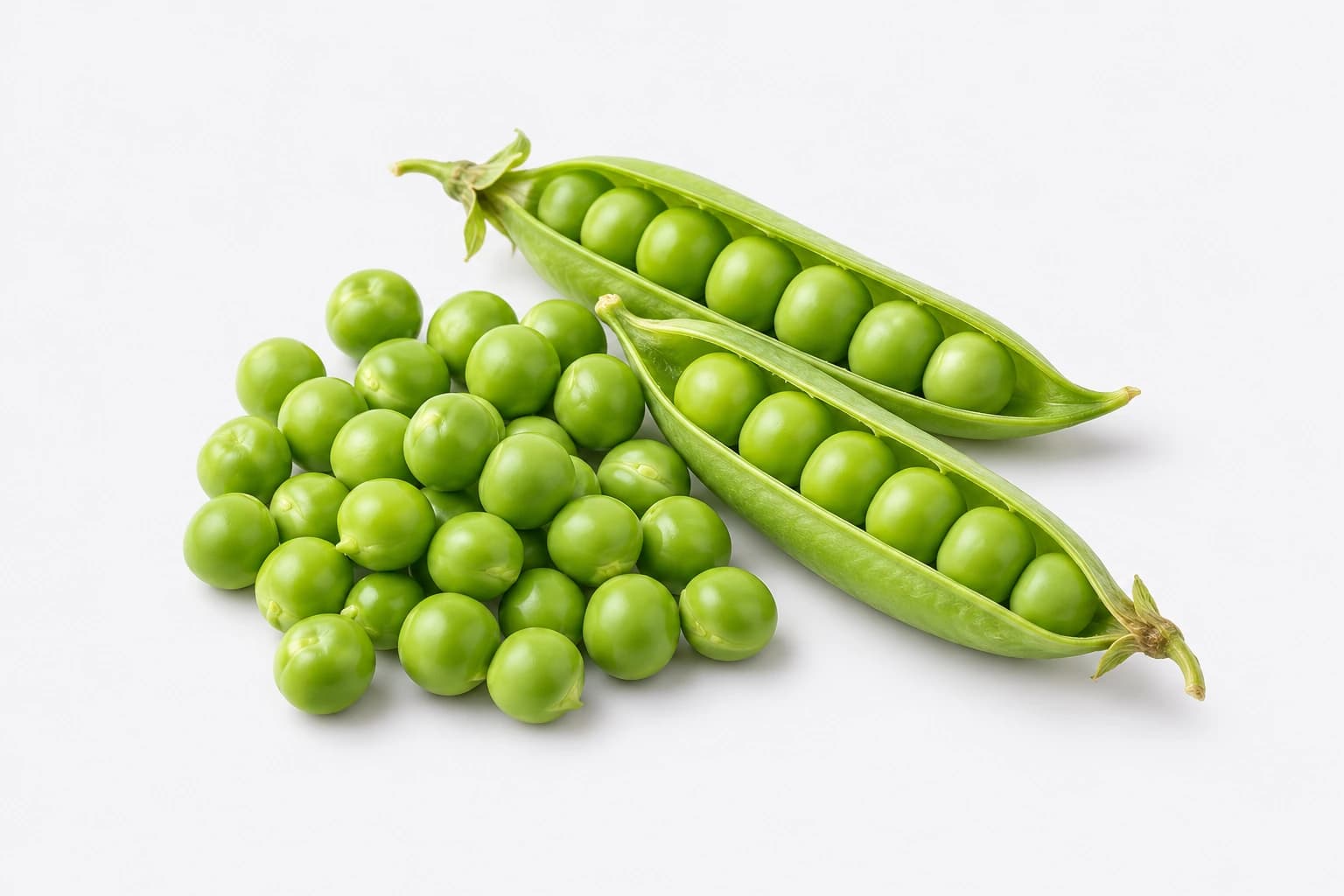
Nutrition dataIn a three-arm trial of 180 people, beans lowered LDL by 0.21 mmol/L while peas managed 0.11 with a confidence interval crossing zero. The composition is good — 5.42 g of protein, 40 mg of vitamin C and 5.7 g of fibre per 100 g.

Fruits
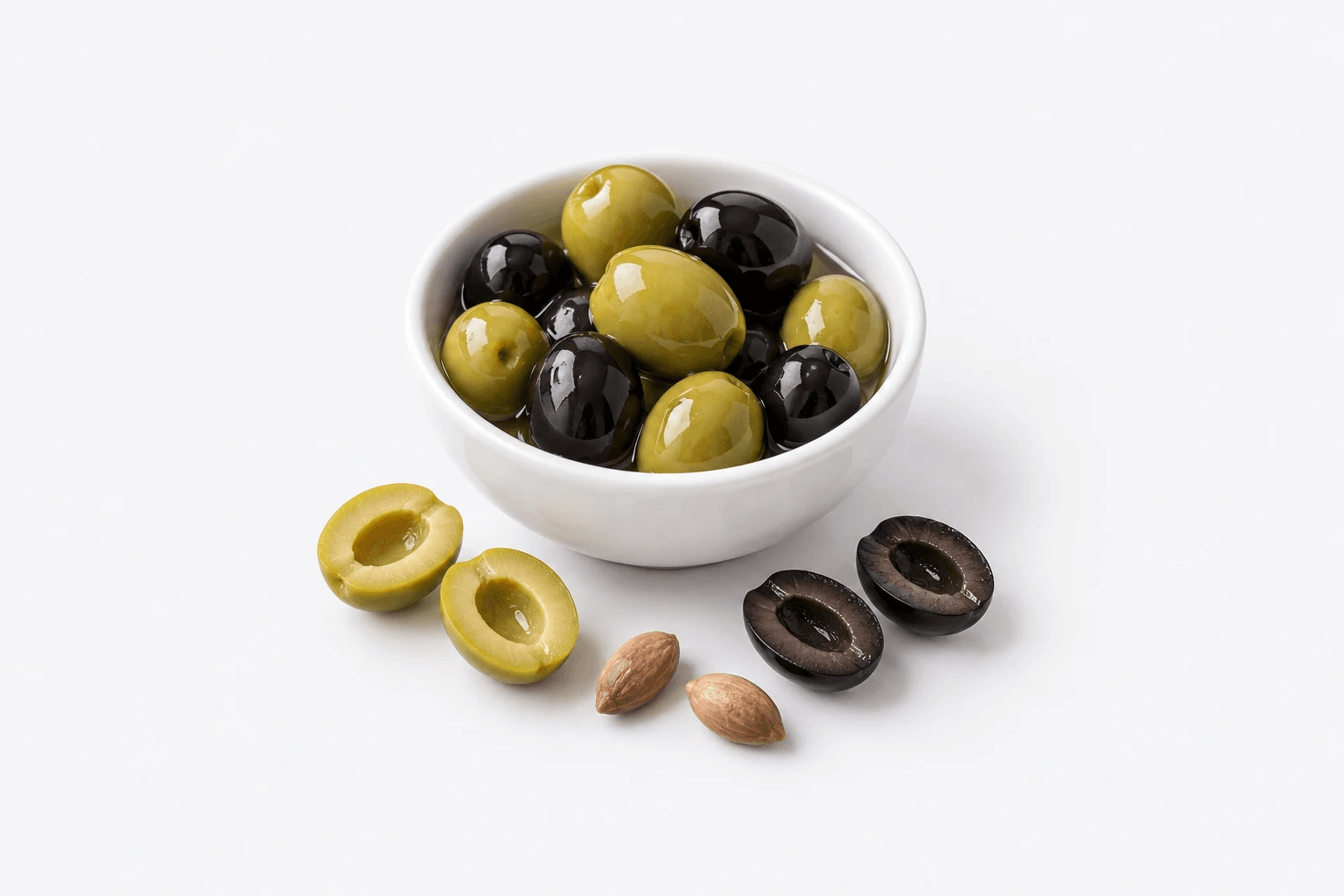
Nutrition dataThis site has not yet found a clinical trial that fed people olives themselves. The health evidence we have for olives is largely evidence about olive oil and the Mediterranean diet. What the fruit's own numbers say with confidence: 735 mg of sodium, 10.9 g of fat, and 8 mg of potassium.

Vegetables
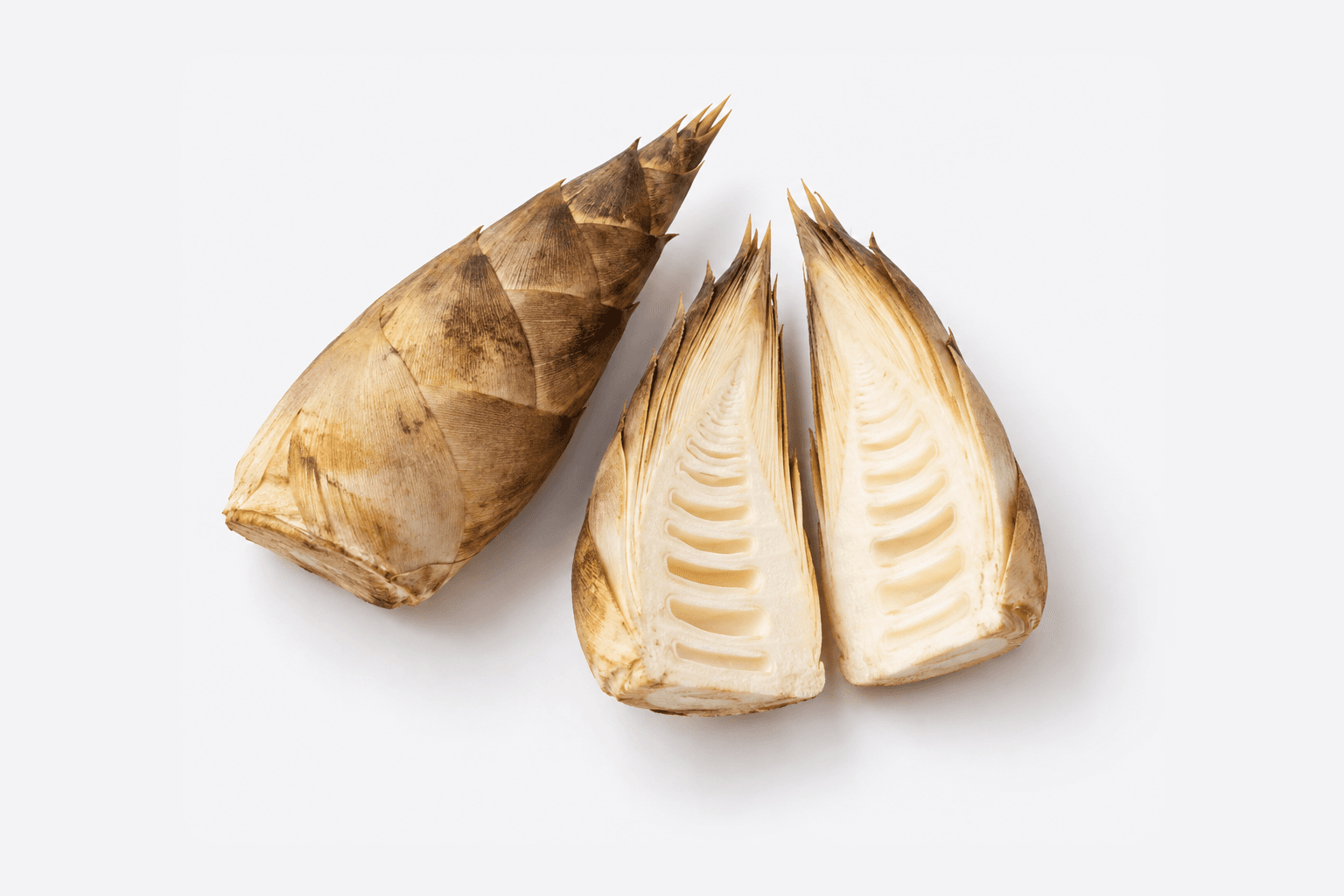
Nutrition dataBamboo shoots contain taxiphyllin, a cyanogenic glycoside that poses a toxicity risk if they are not prepared properly. Boiling, fermentation and steaming reduce it. The composition itself is 27 kcal and 533 mg of potassium per 100 g.

Vegetables
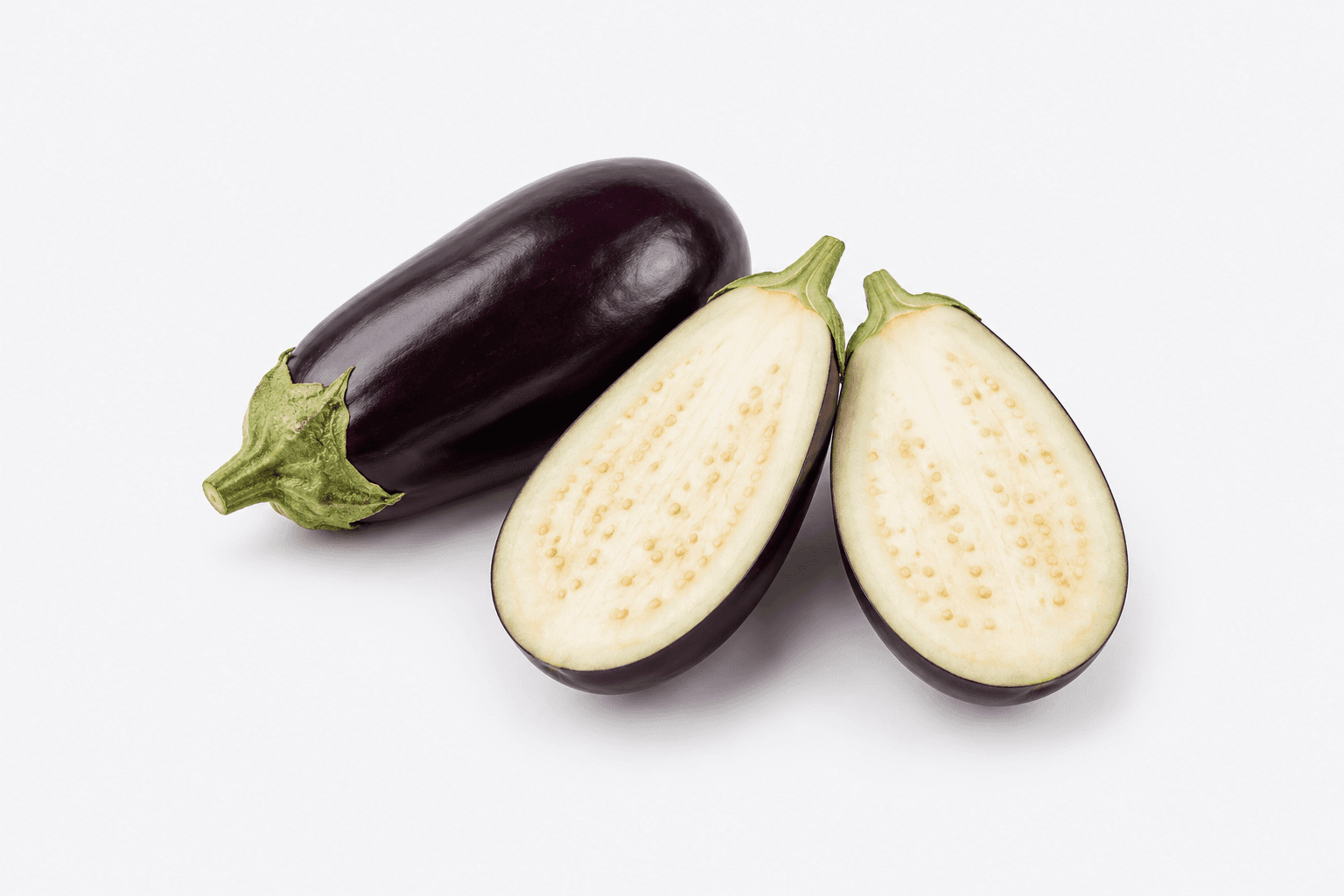
Nutrition dataEggplant has long been sold in Brazil as a folk remedy for high cholesterol, so it was put through two randomised trials. Both matched placebo. The 2004 trial stated outright that the placebo group changed the same way. The 25 kcal and 3.0 g of fibre per 100 g are real.

Vegetables
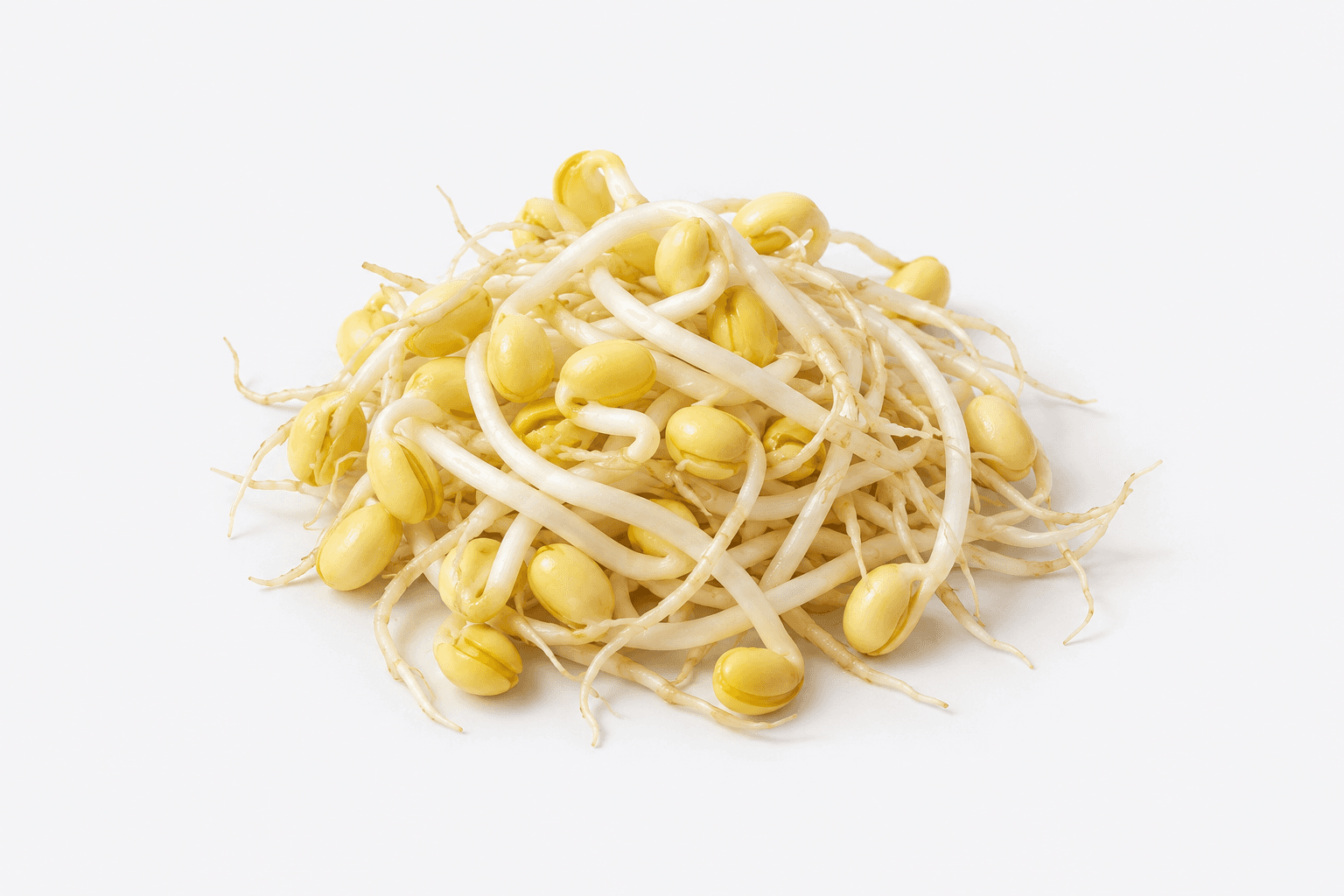
Nutrition data"Aspartic acid cures a hangover" is a widespread belief, but this site found no randomised trial in people where feeding soybean sprouts changed a hangover measure. The 172 µg of folate, 15.3 mg of vitamin C and 13.1 g of protein are real.

Seafood
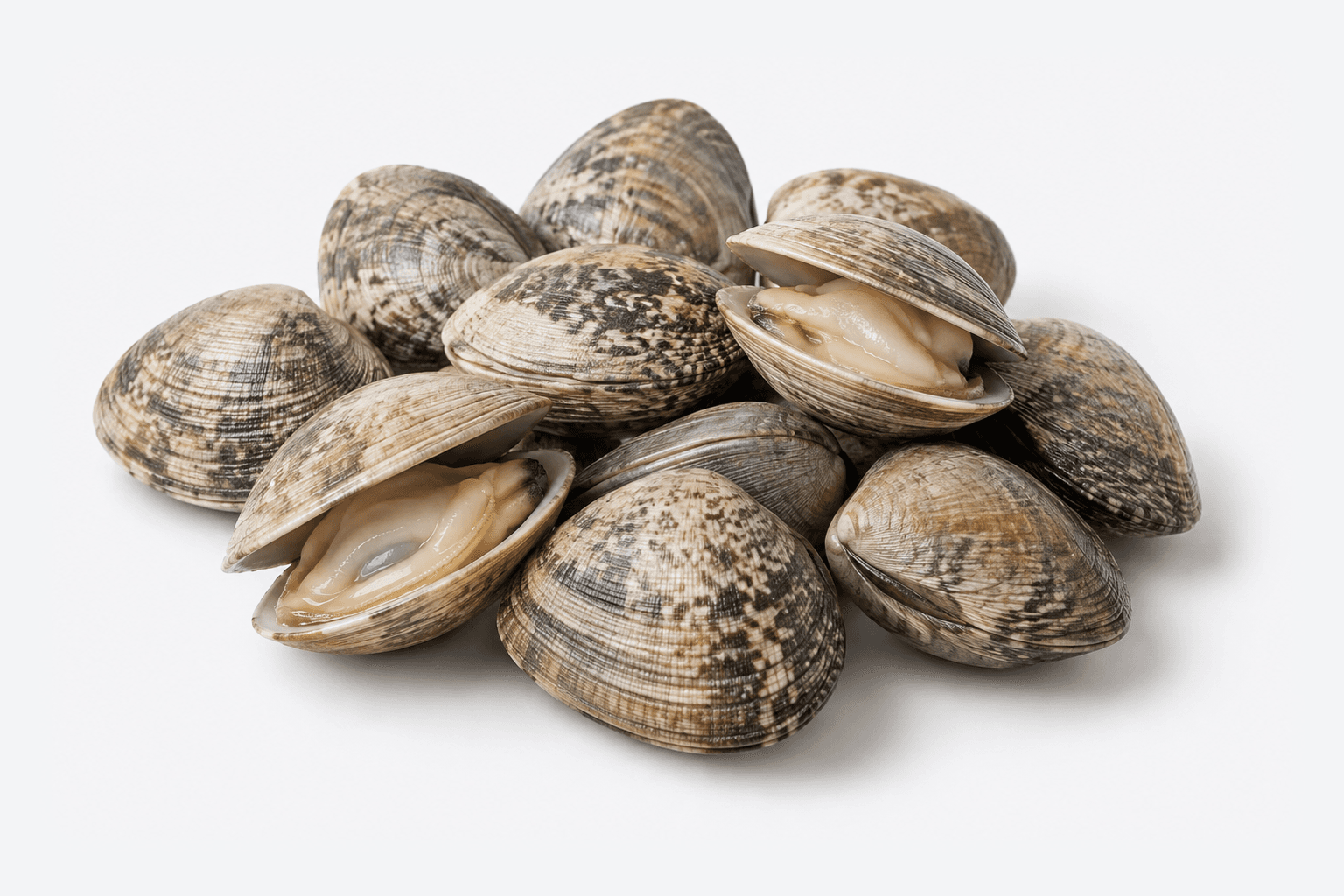
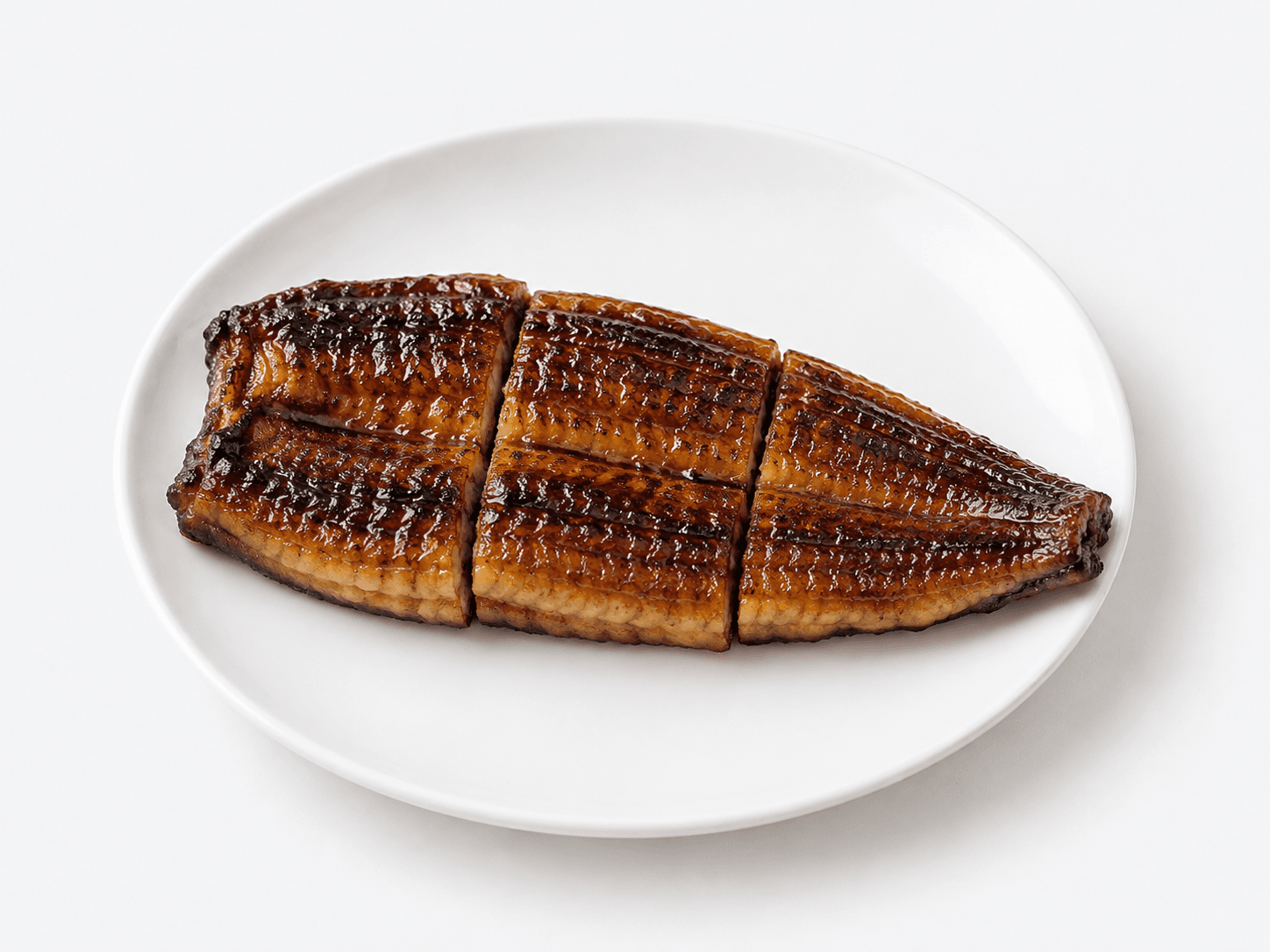
Nutrition data11.3 µg of vitamin B12 per 100 g — 471% of the requirement. Sodium is 601 mg, and most of that salt ends up in the broth.

Grains & legumes
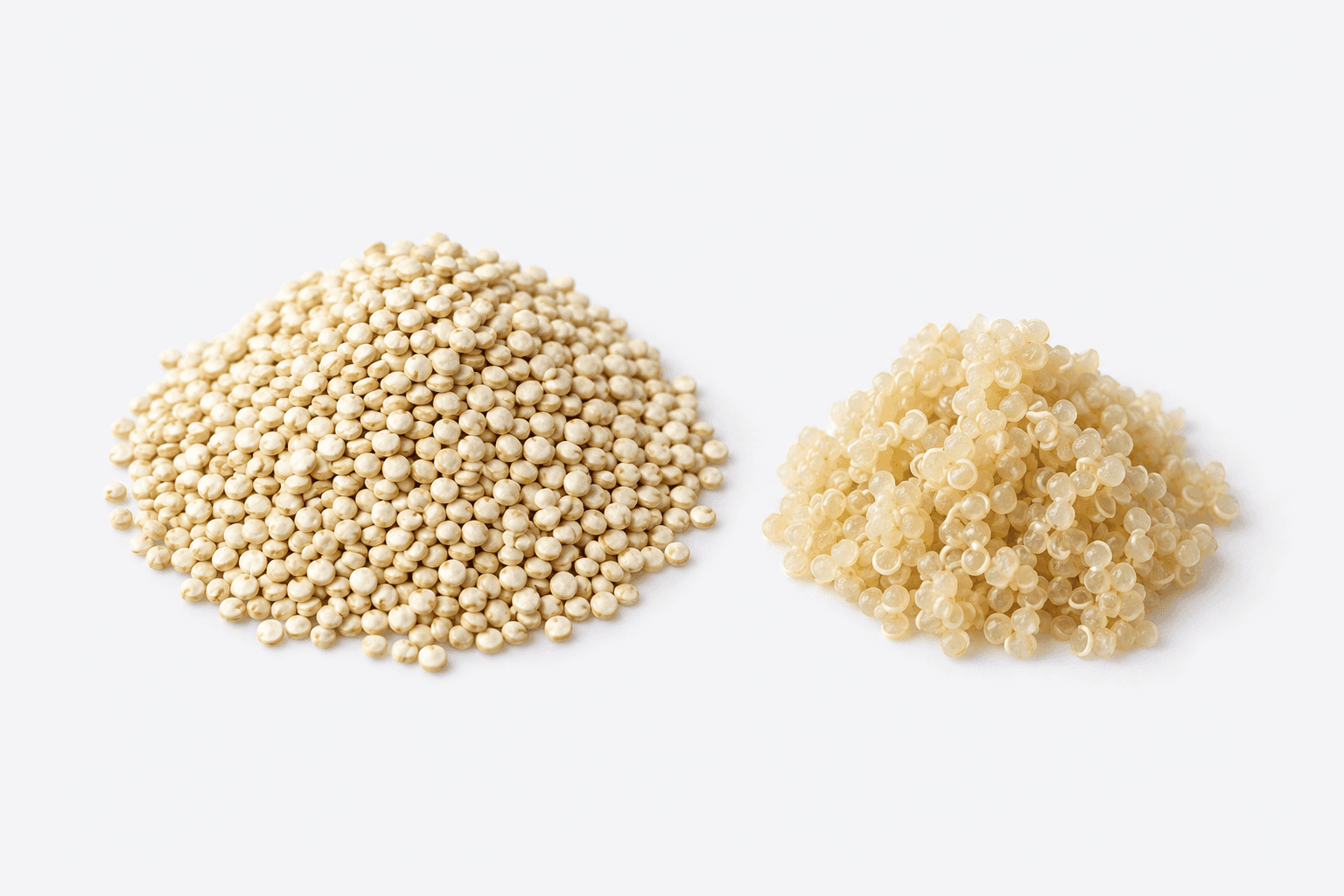
Nutrition dataCooked quinoa holds 4.4 g of protein per 100 g. It does contain all the essential amino acids, but not in an amount that meets your protein needs.

Oils & fats
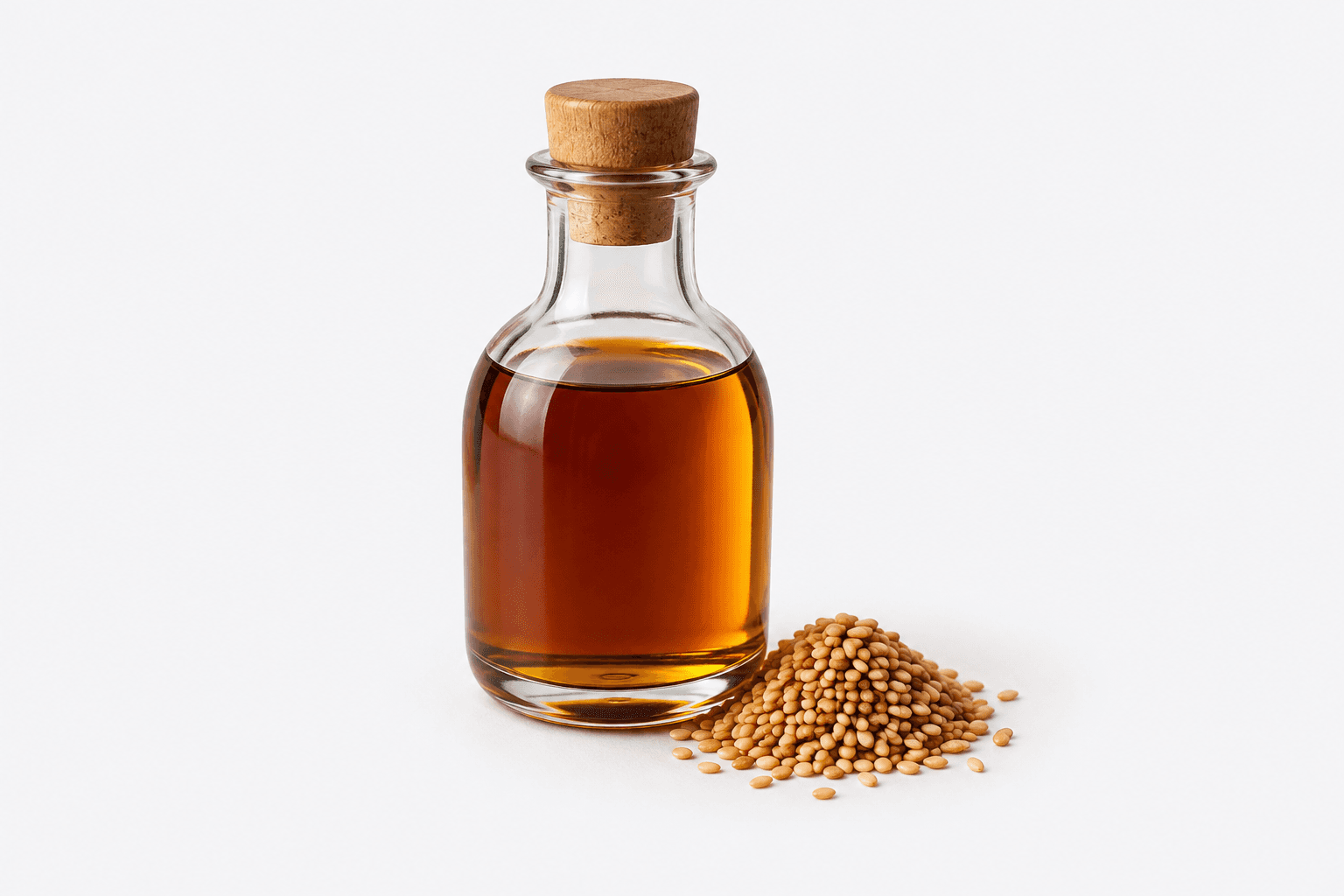
Nutrition dataSaturated fat sits at 14.2 g, mid-range for a vegetable oil, and vitamin E at 1.4 mg is a tenth of olive oil's. Sesame oil earns its place on flavour.

Seafood
Nutrition data23.3 µg of vitamin D per 100 g, the highest on this site. But it also carries 1,043 µg of vitamin A, in the form that has an upper limit.

Nuts & seeds
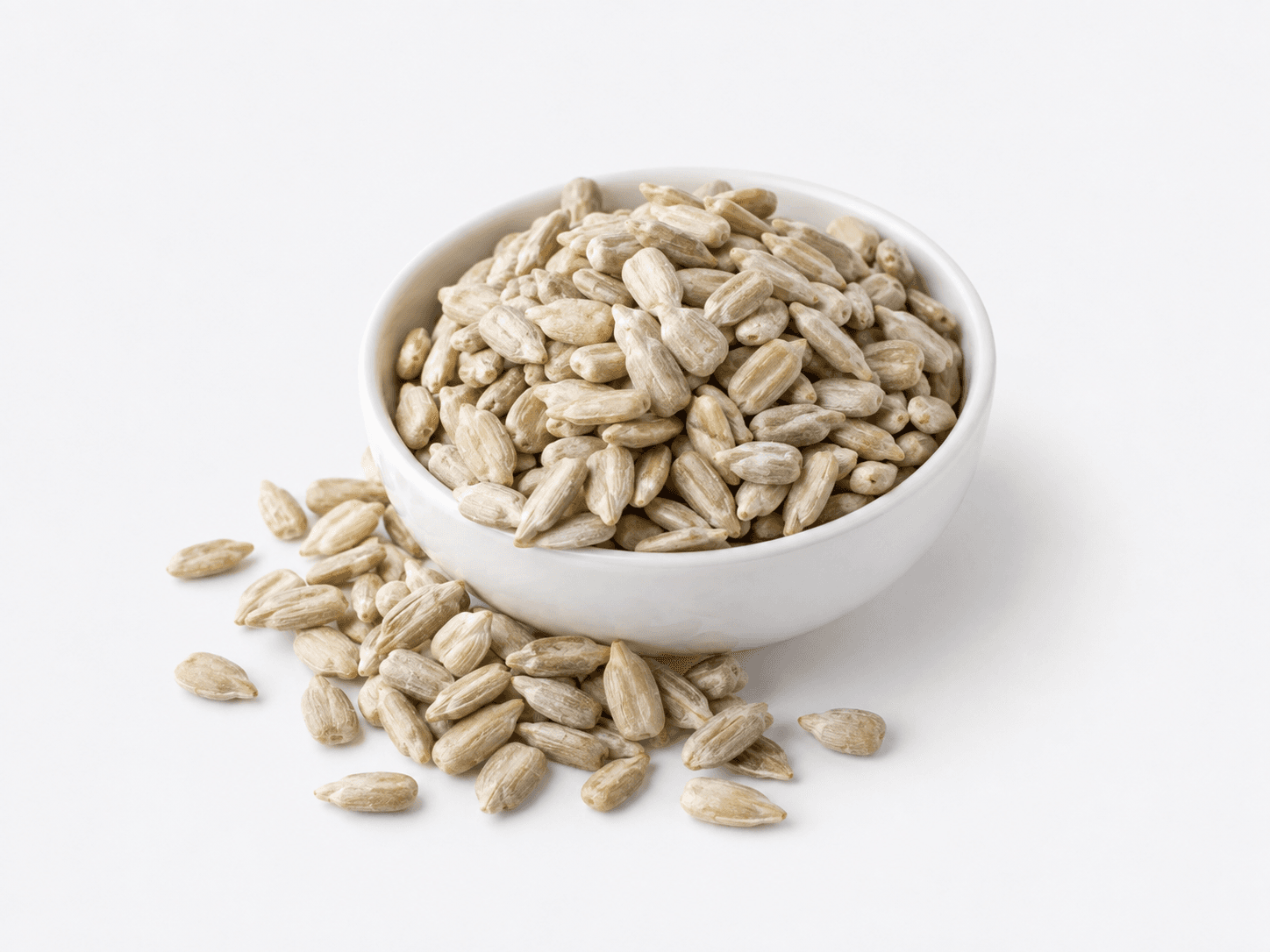
Nutrition data35.2 mg of vitamin E per 100 g — a handful covers 70 % of the daily requirement. That handful is also 175 kcal.

Seafood
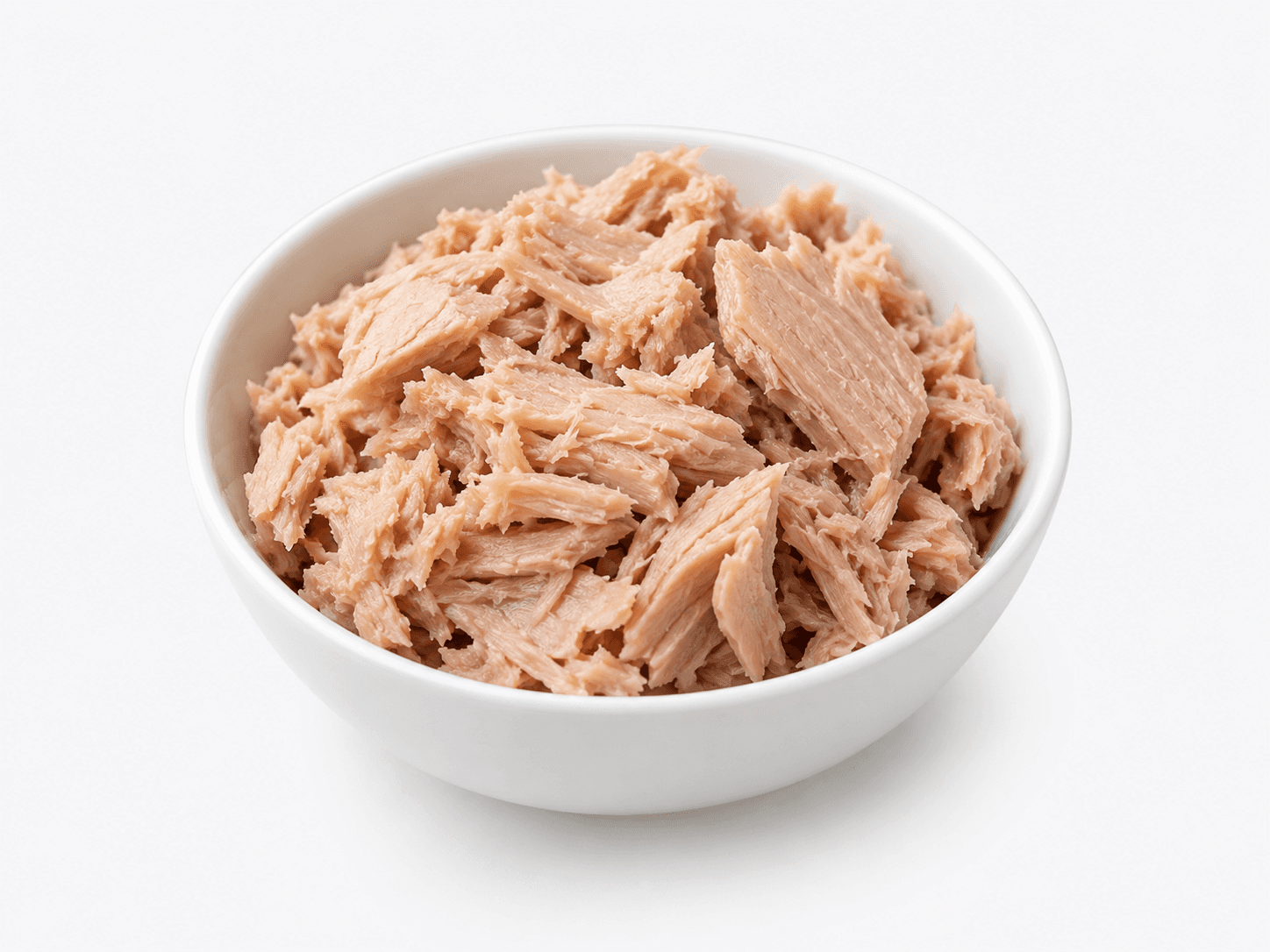
Nutrition dataCanned tuna in water packs 19 g of protein into 85 kcal per 100 g. But its omega-3 is one-twelfth of salmon's.

Dairy & eggs
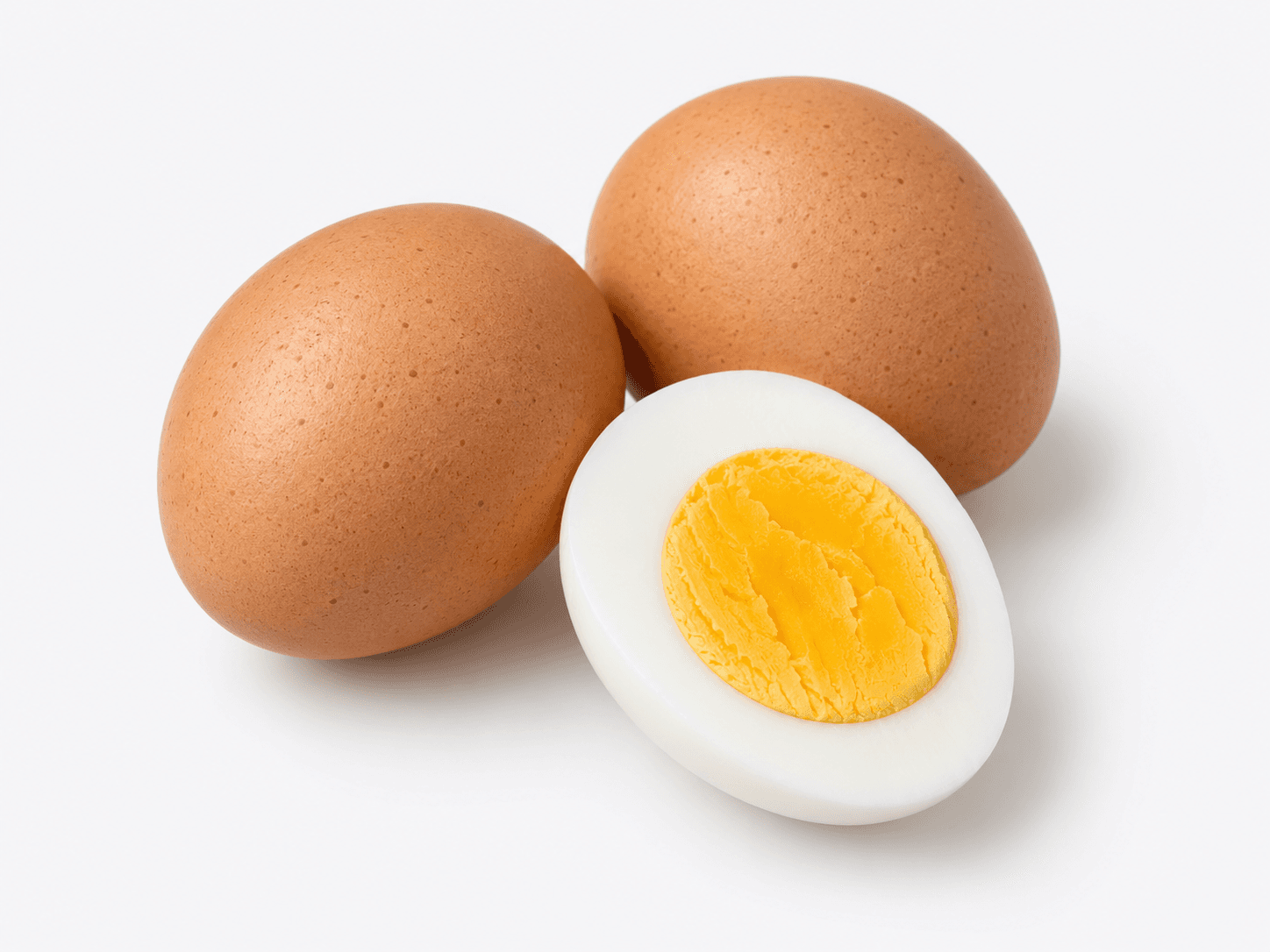
Nutrition dataThe advice to limit yolks because of their cholesterol has been overturned. What remains is choline, a nutrient far fewer people talk about.

Nuts & seeds
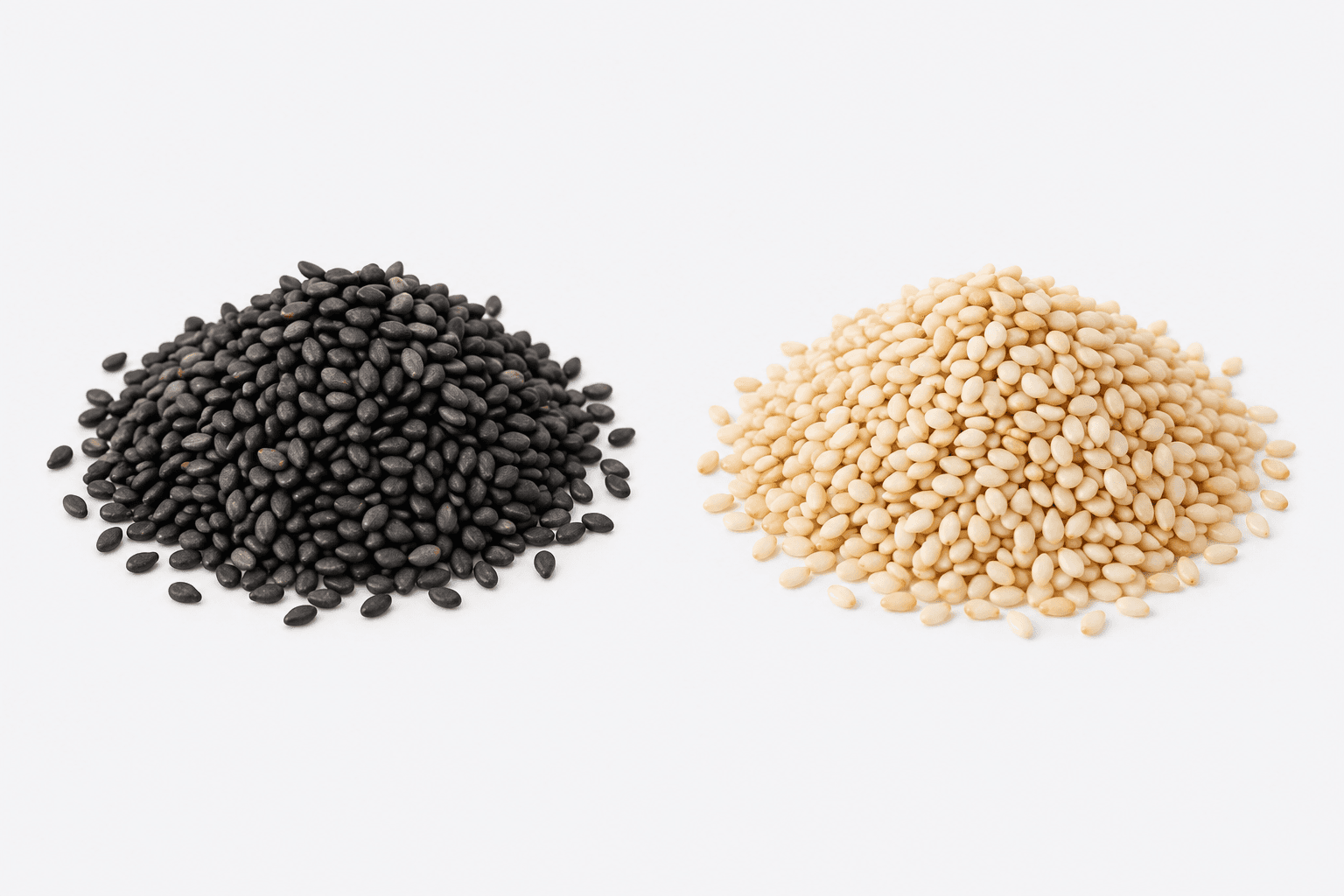
Nutrition dataWhole sesame carries 975 mg of calcium per 100 g, far ahead of milk. Hull it and the figure drops to around 60 mg.

Meat
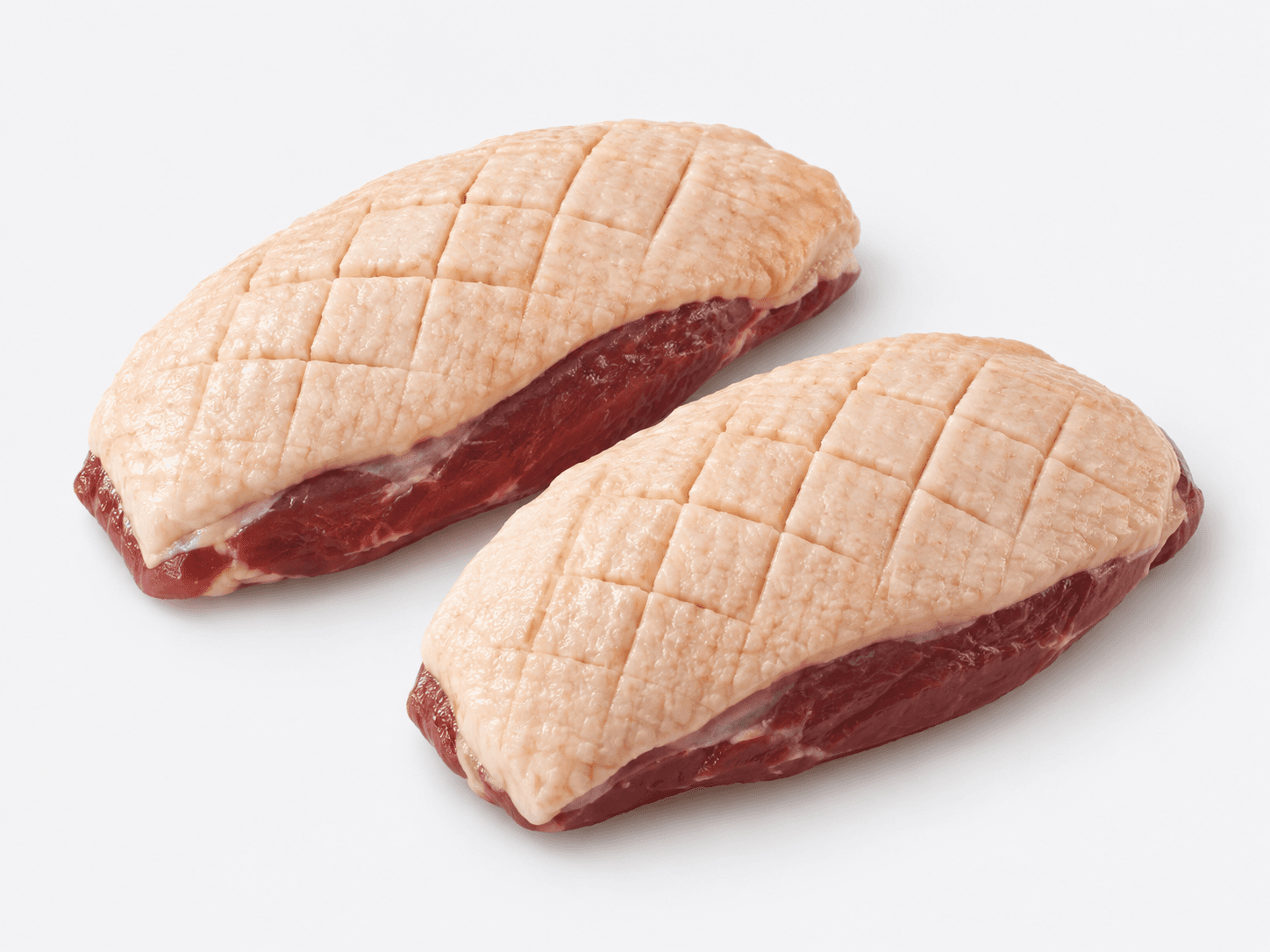
Nutrition dataMore than half of duck fat is unsaturated. That argument, however, assumes you have removed the skin.

Grains & legumes
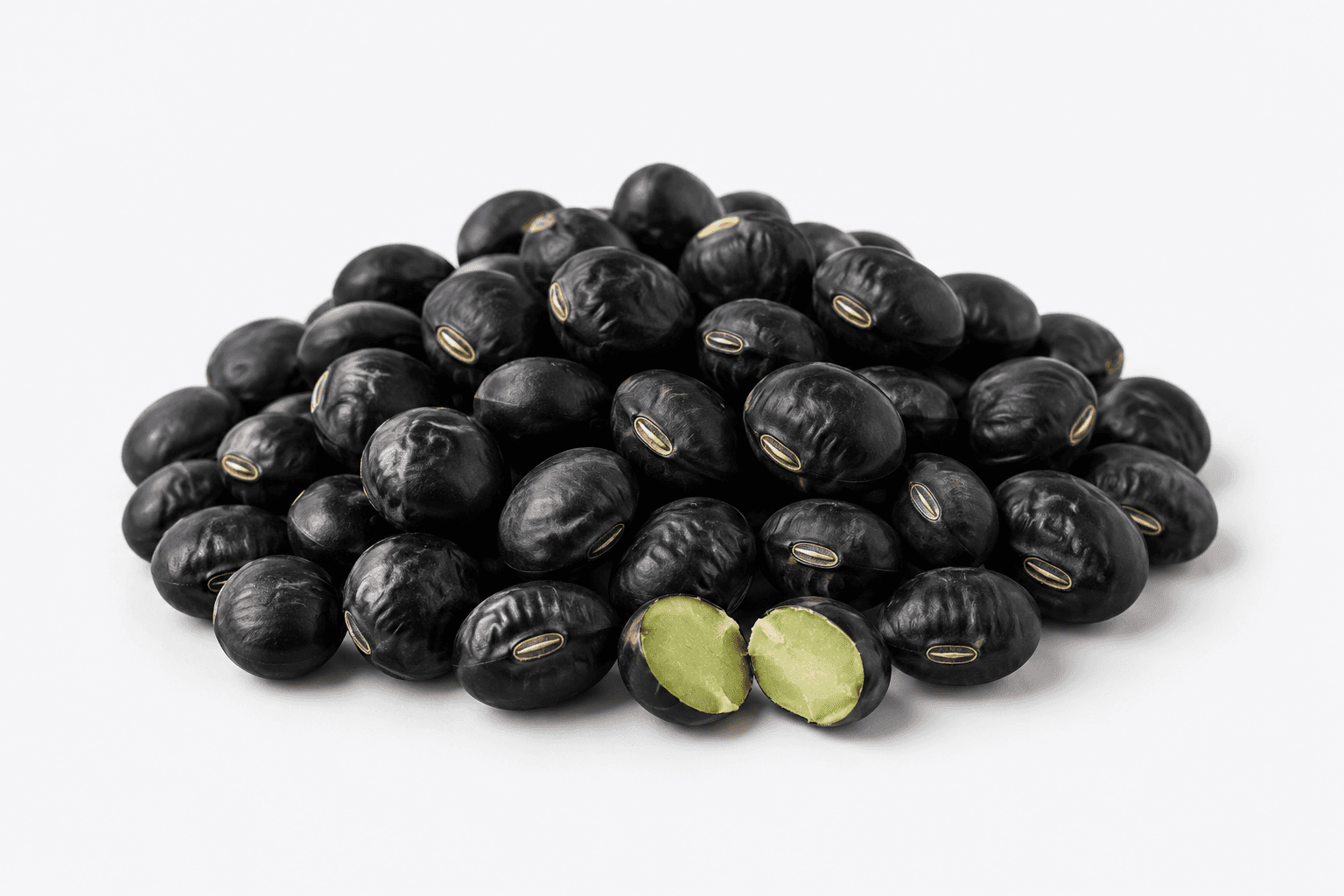
Nutrition dataIt is genuinely excellent for protein and anthocyanins. The popular claim about hair, however, has almost no clinical support.

Vegetables
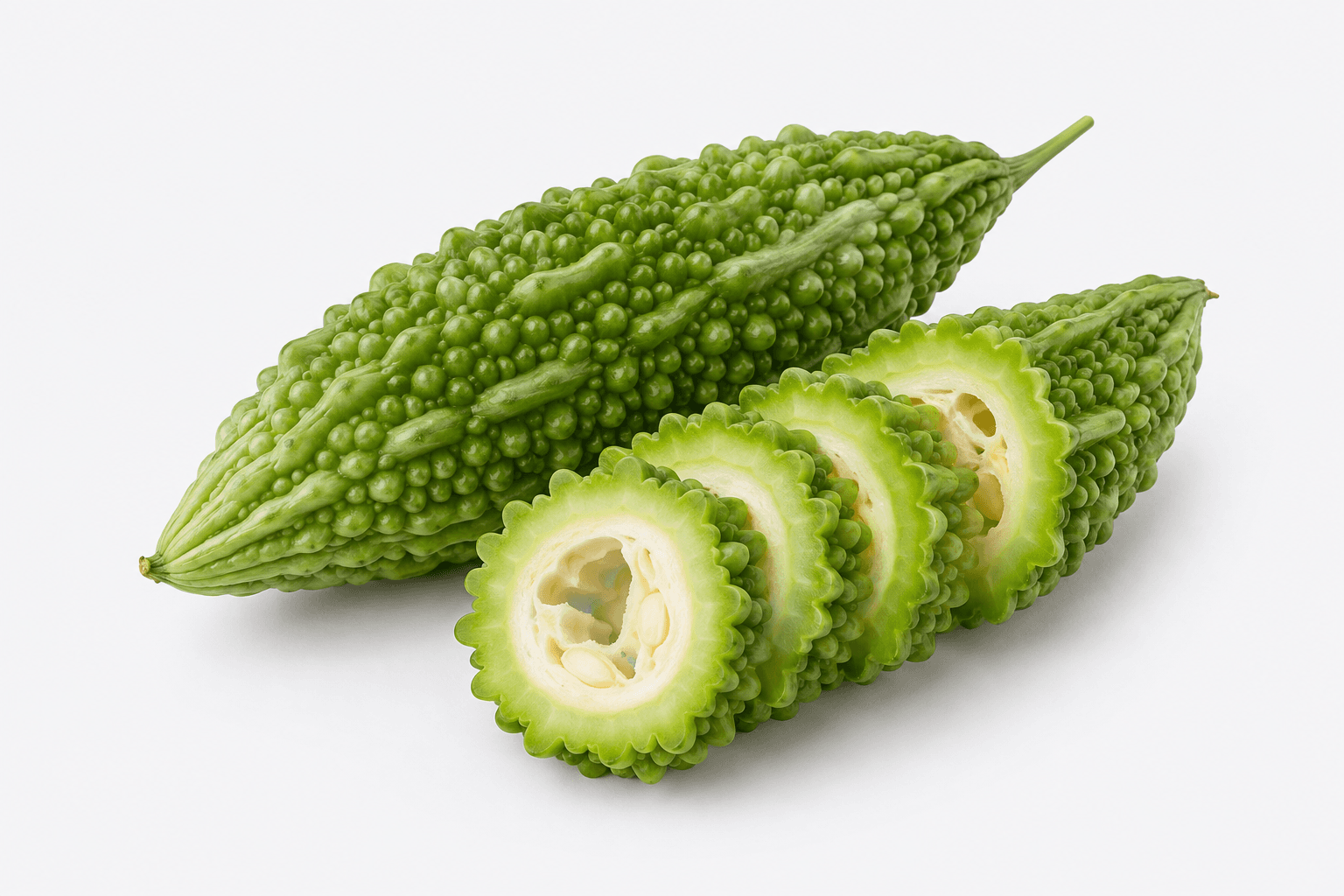
Nutrition dataBitter melon contains compounds that act somewhat like insulin. Results in human trials, however, are not consistent.

Seafood
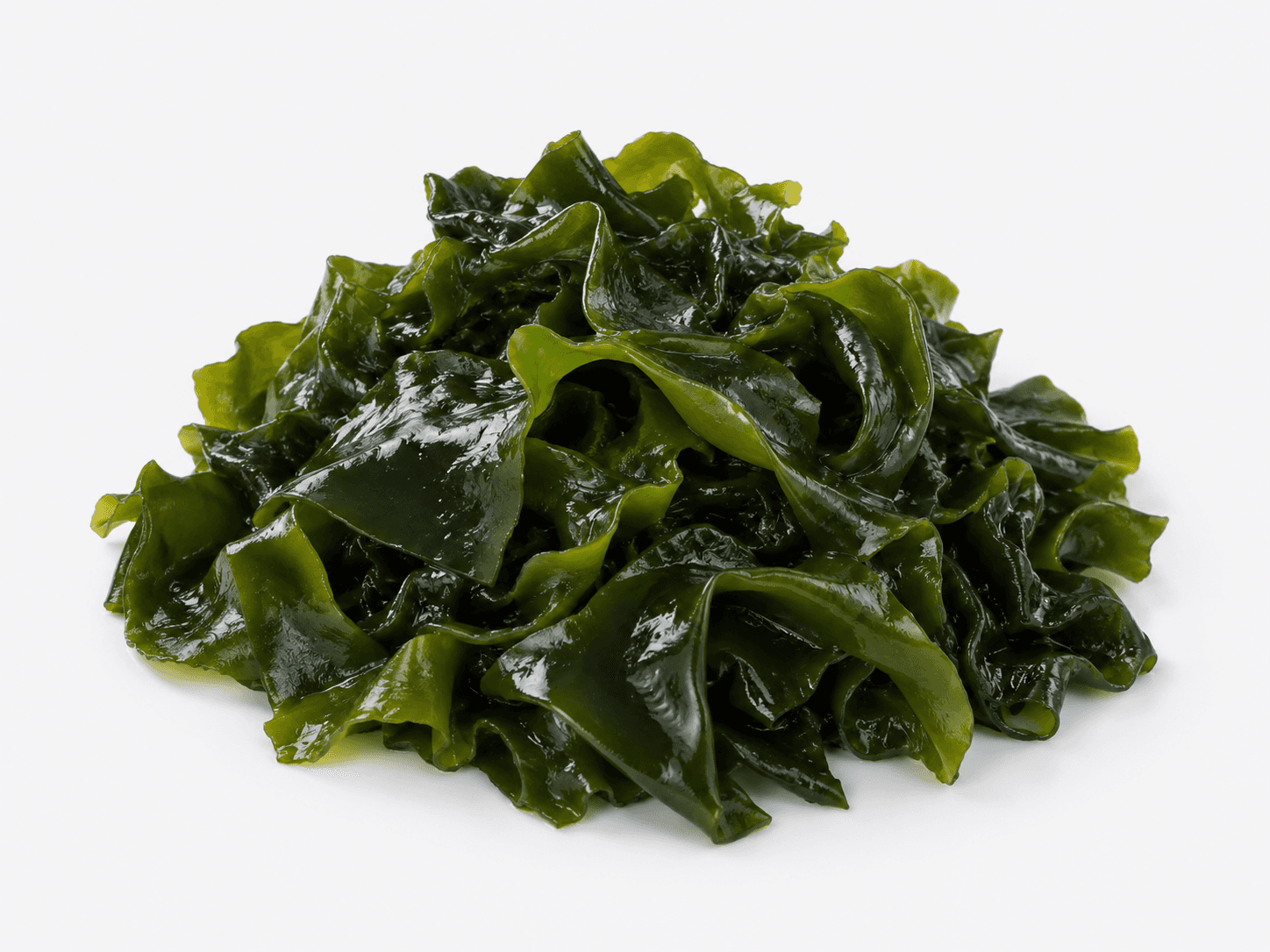
Nutrition dataIts iodine and calcium made it a postpartum food. That same iodine is why thyroid conditions call for caution.

Meat
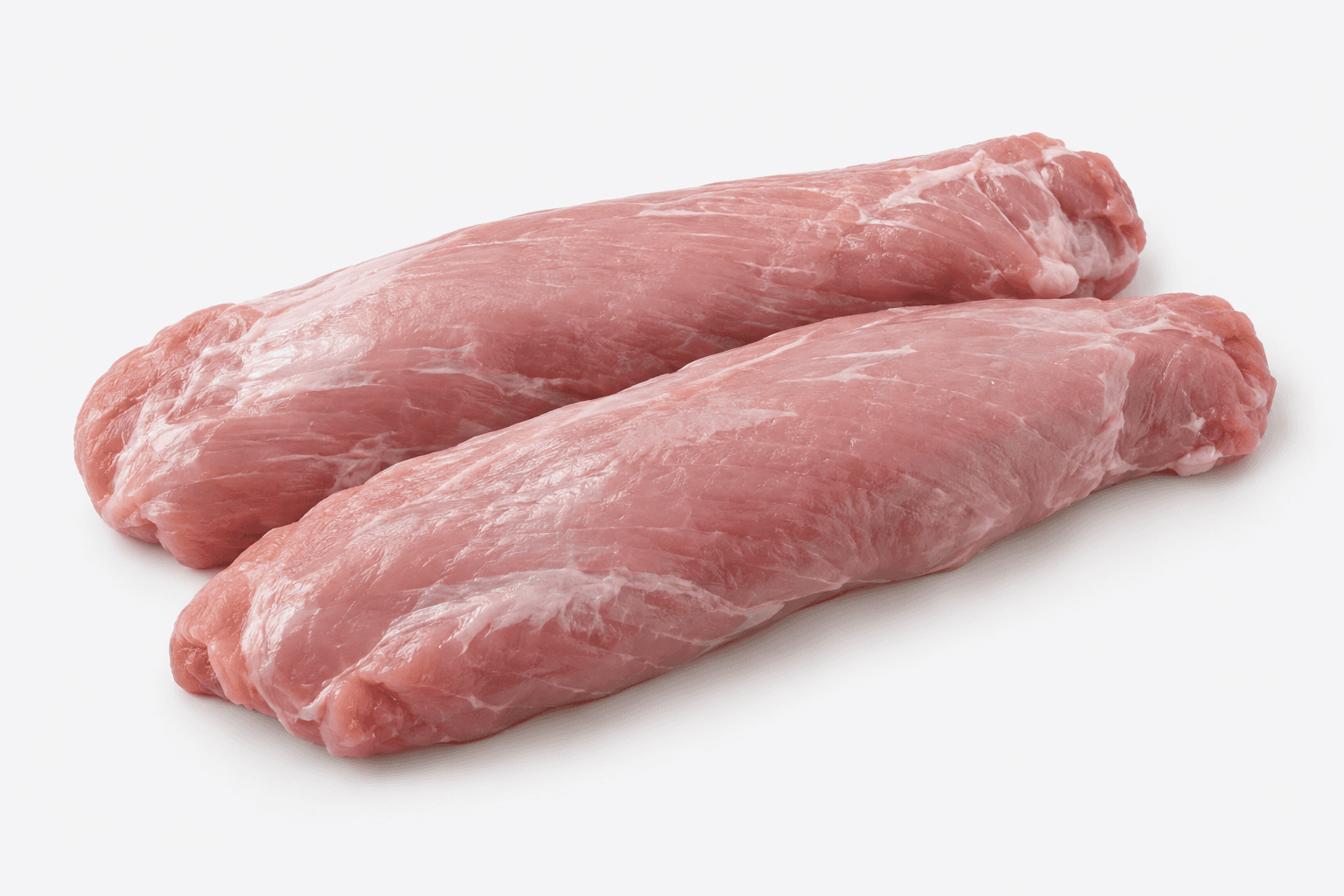
Nutrition dataPork carries more than eight times the thiamine of beef. Which cut you choose decides the fat you get with it.

Meat
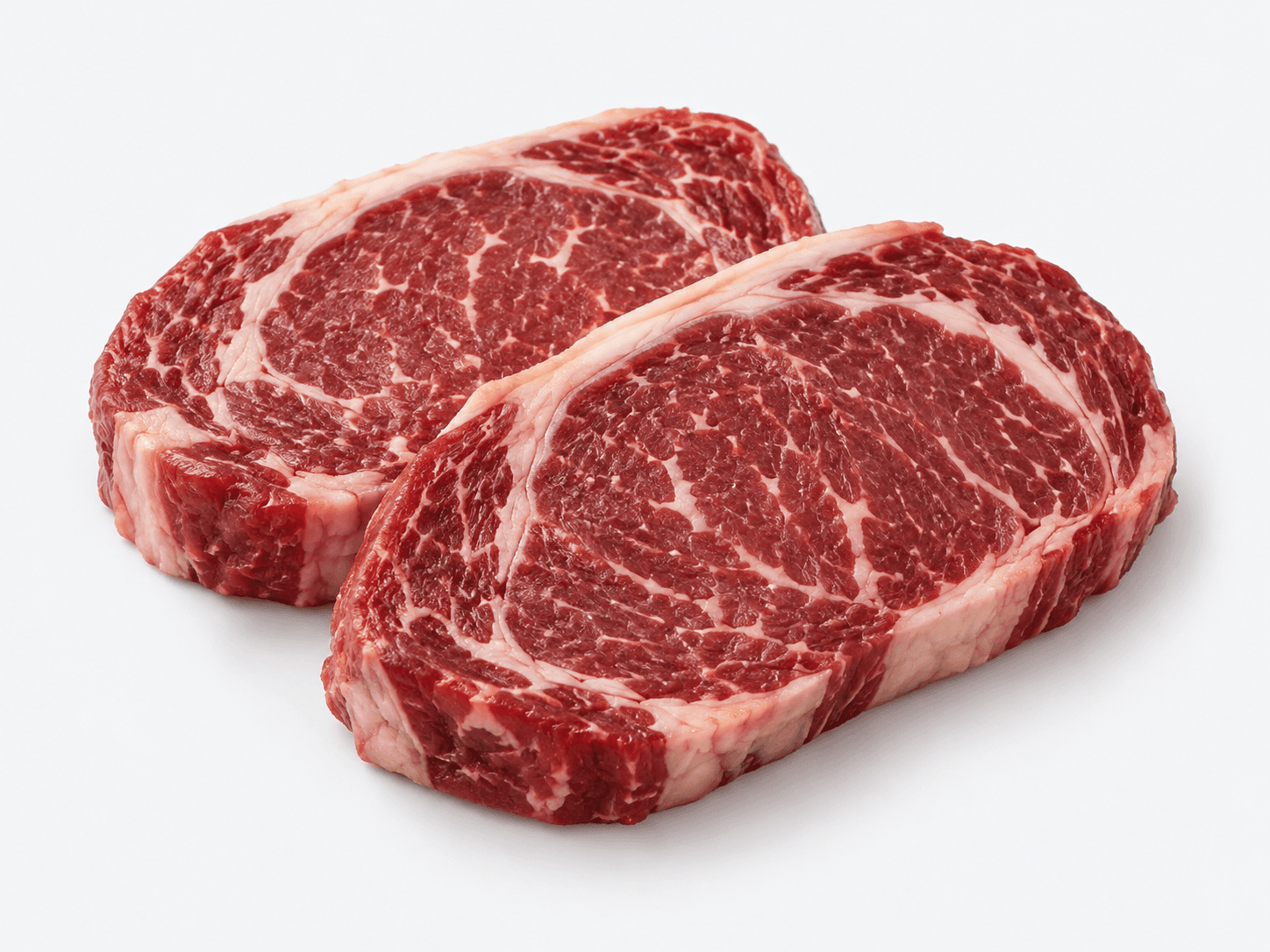
Nutrition dataBeef's heme iron absorbs at 15–35%, against 2–20% for non-heme iron from foods like spinach. The real questions are the cut and whether it is processed.