Filter by category or search for the ingredient you have in the kitchen.
77 ingredients
Vegetables
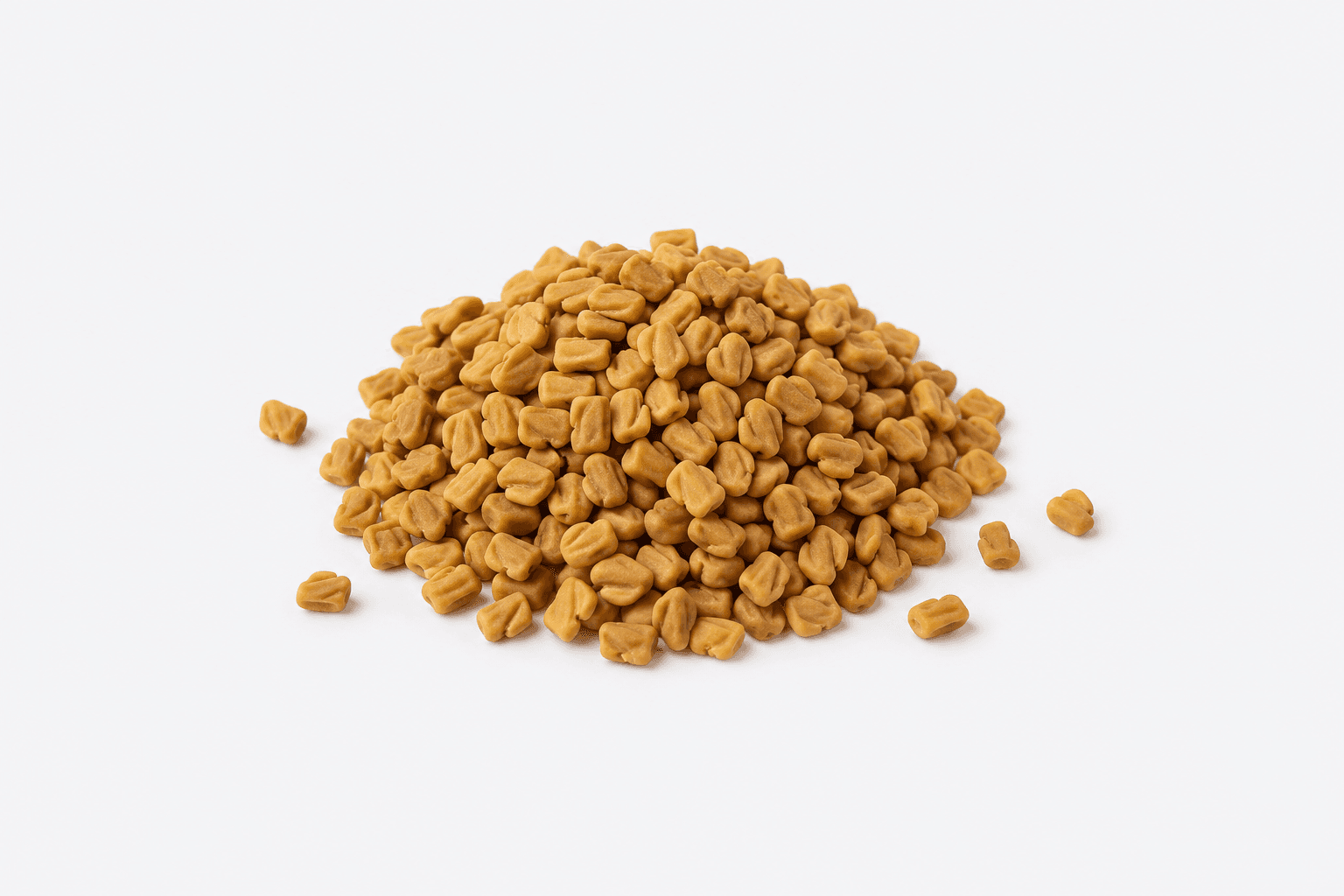
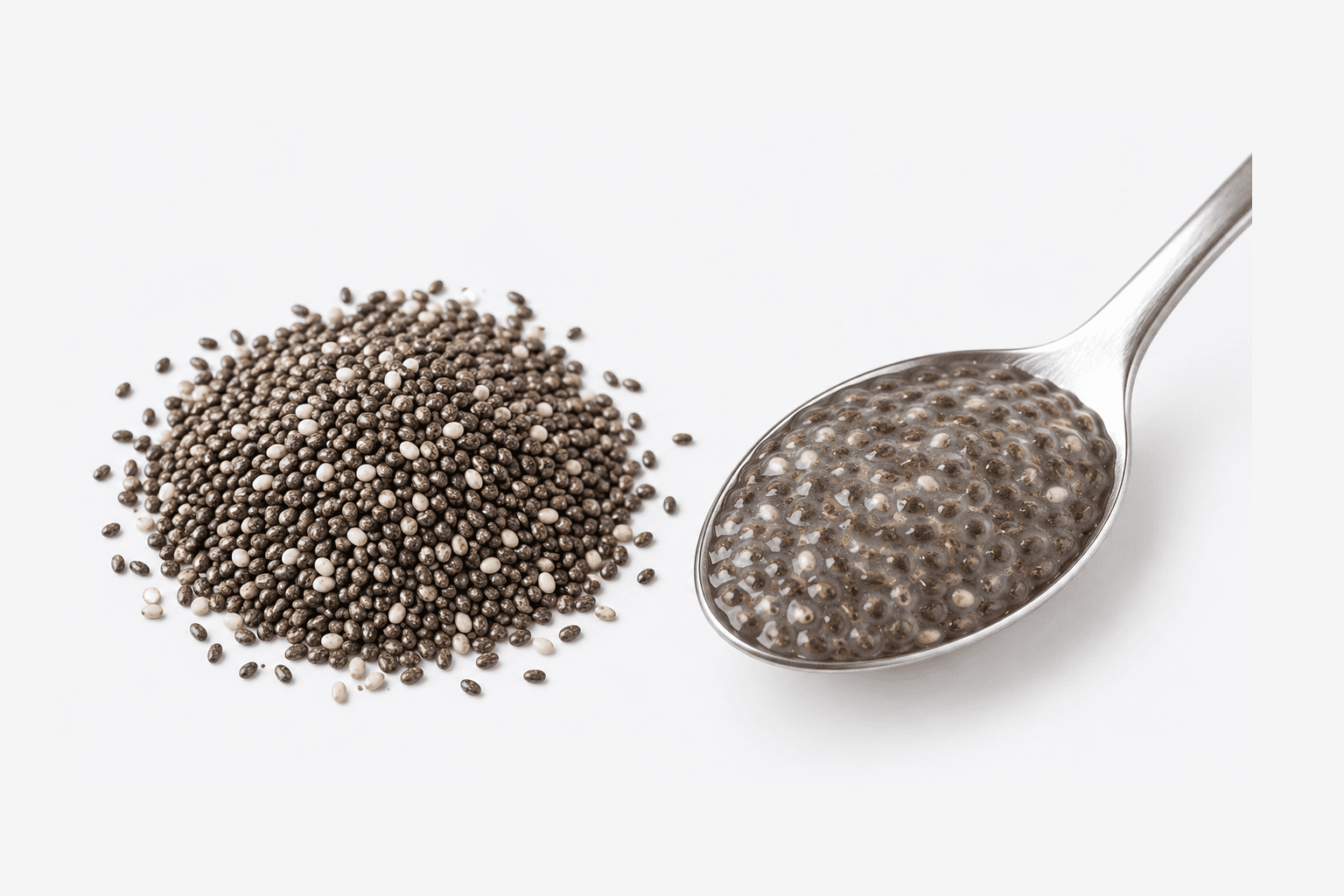
Moderate evidenceA 2025 meta-analysis found significant falls in weight, fasting glucose, HbA1c and LDL. But the 12 trials it pooled used doses from 125 mg to 40,000 mg a day — a 320-fold range.
Herbs & spices
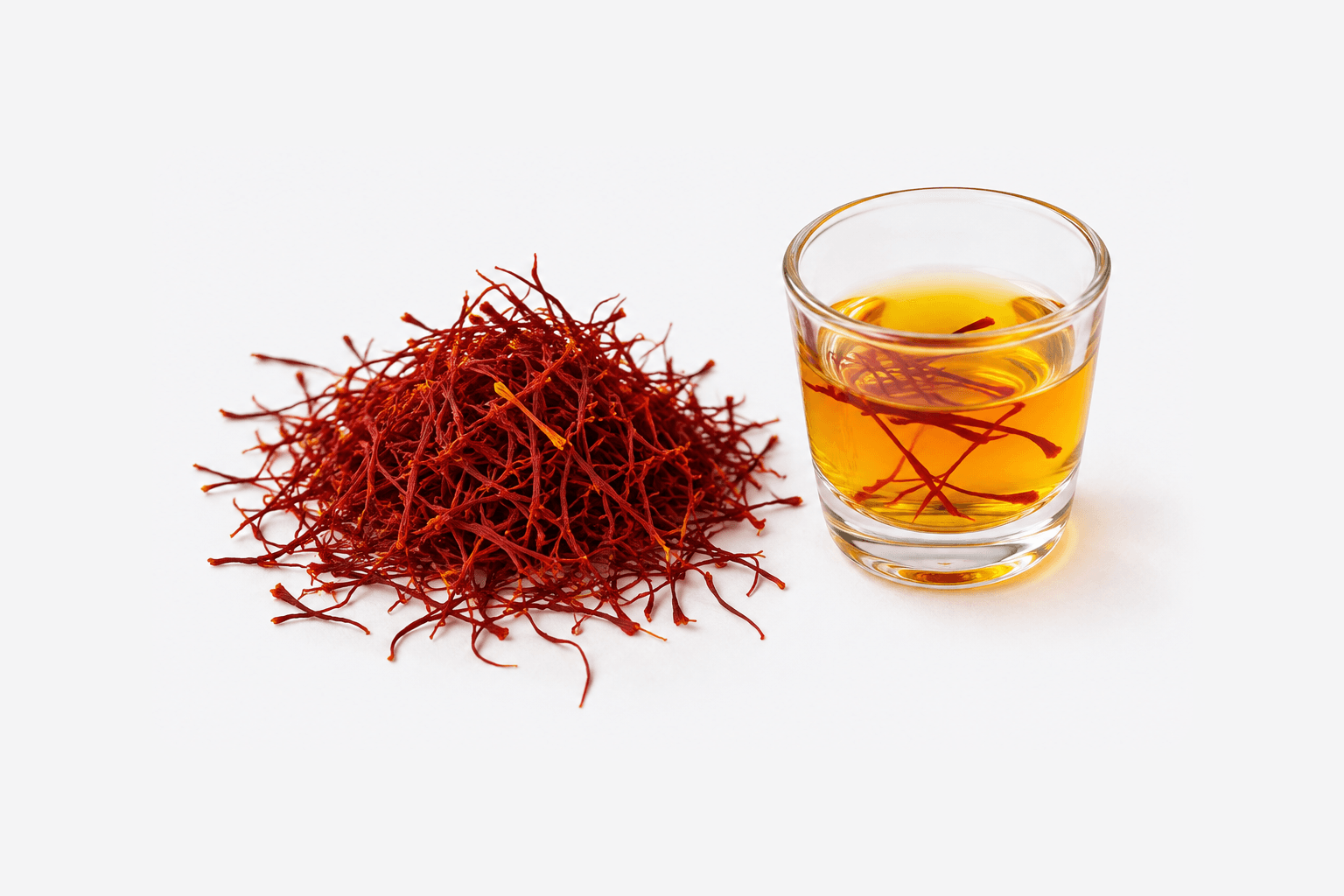
Moderate evidenceA 2021 meta-analysis of 400 people found improved sleep, a small but significant effect at a standardised mean difference of −0.59. The same paper's conclusion adds: data on serious adverse effects are limited.
Vegetables
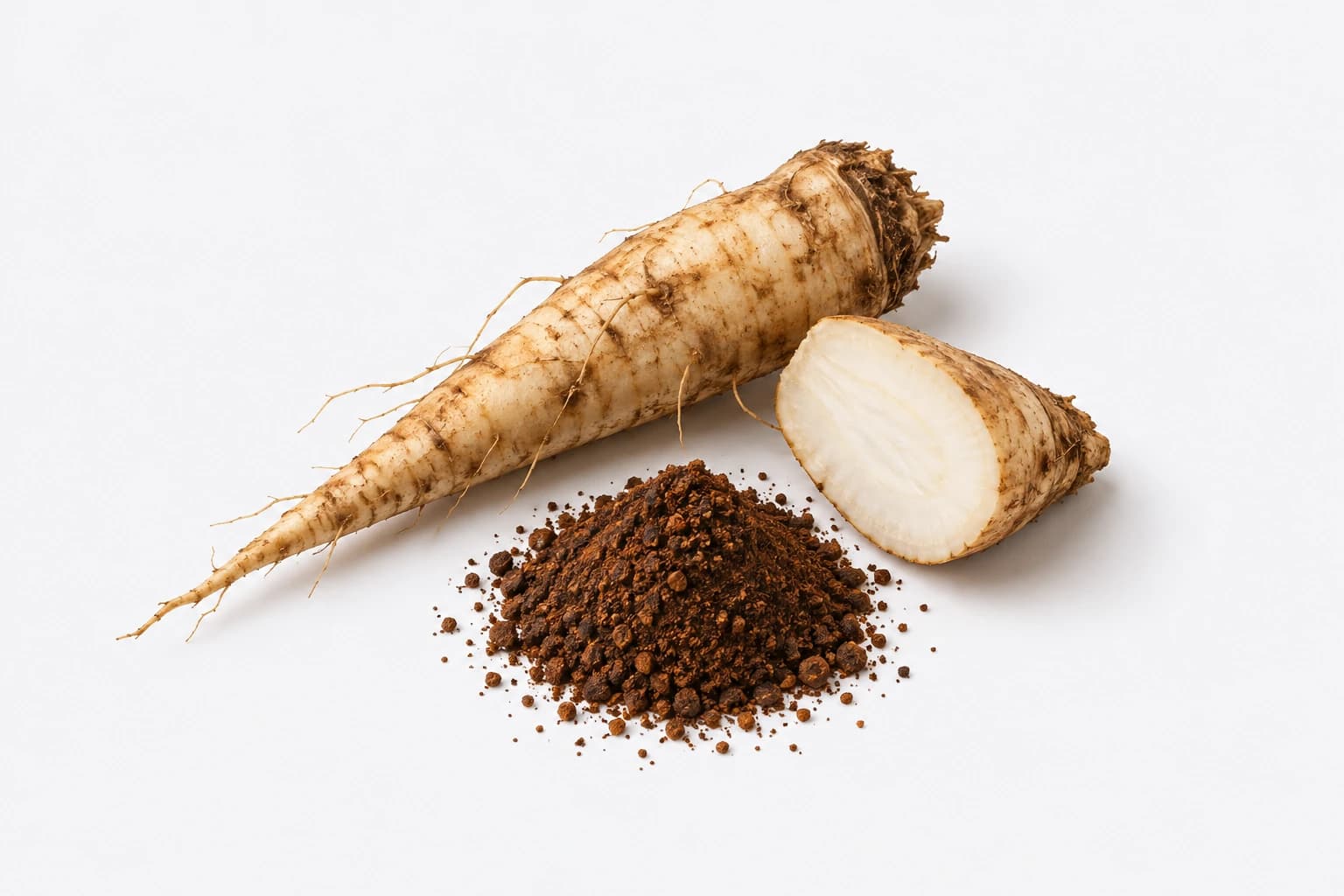
In a double-blind crossover trial of 44 people, 12 g a day of chicory inulin raised stool frequency from 3 to 4 a week. But some of the researchers worked for the institute of the company that makes that inulin, and the change is one stool a week.

Fruits
Moderate evidenceA seven-month school-feeding trial in India. Hemoglobin rose and anemia fell. But body iron stores, which the trial had named in advance as its primary outcome, did not rise significantly. What happened and what did not have to be read apart.

Nuts & seeds
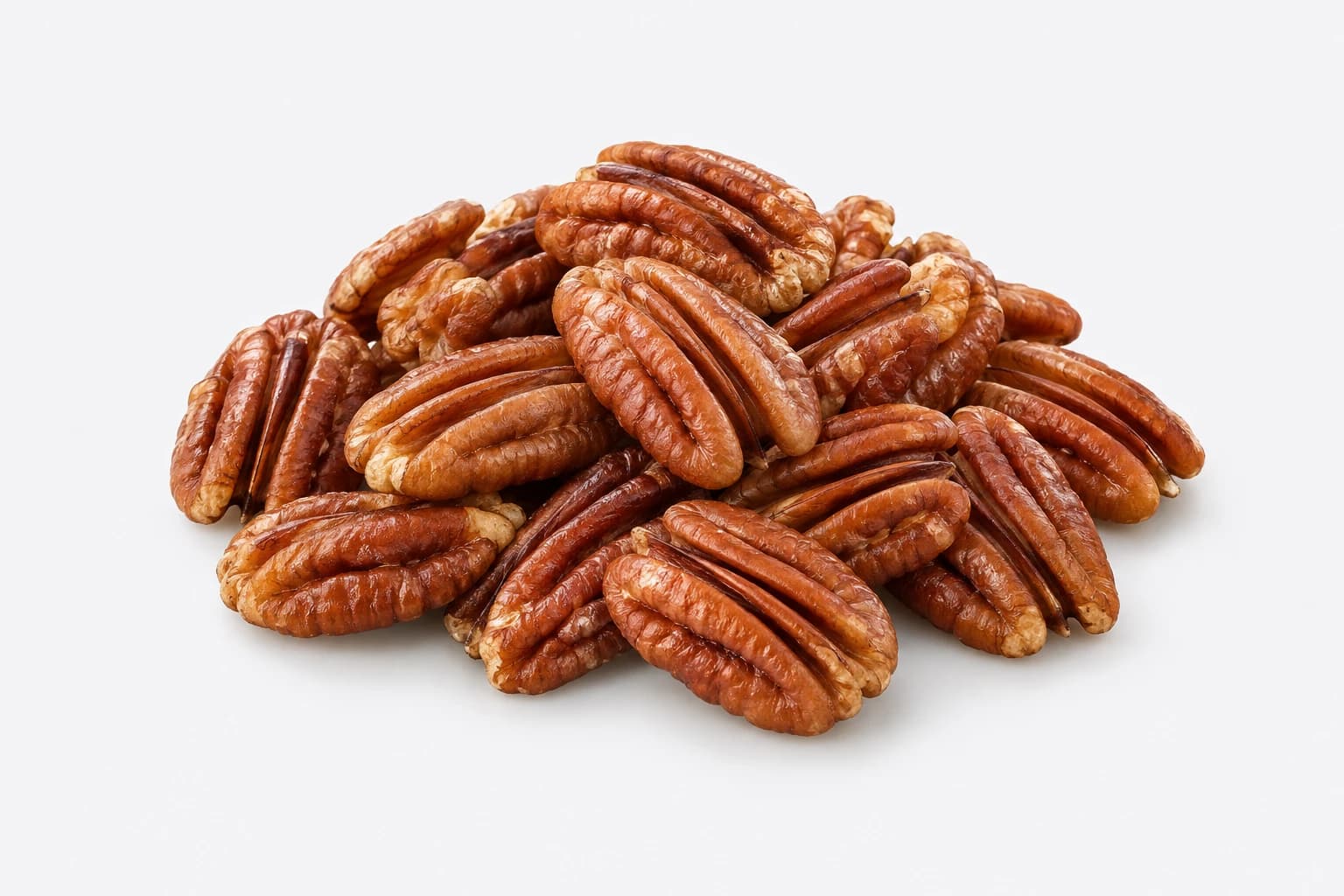
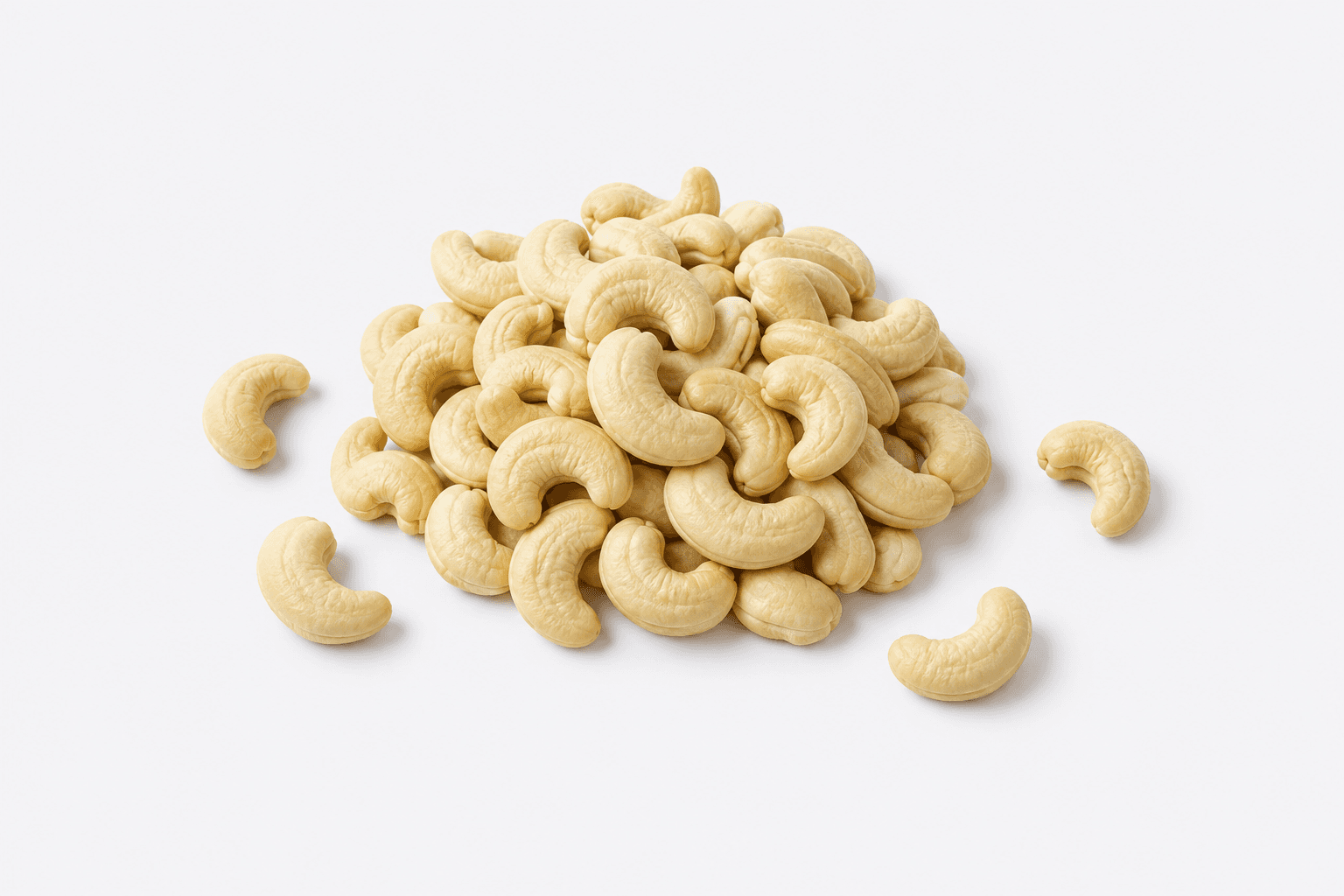
Moderate evidenceThe 2021 trial did something unusual: it ran an add arm and a substitute arm at once. Both lowered total cholesterol, LDL, triglycerides and apolipoprotein B, while the control did not move. But the dose was 68 g a day and each arm held 16–18 people.

Herbs & spices
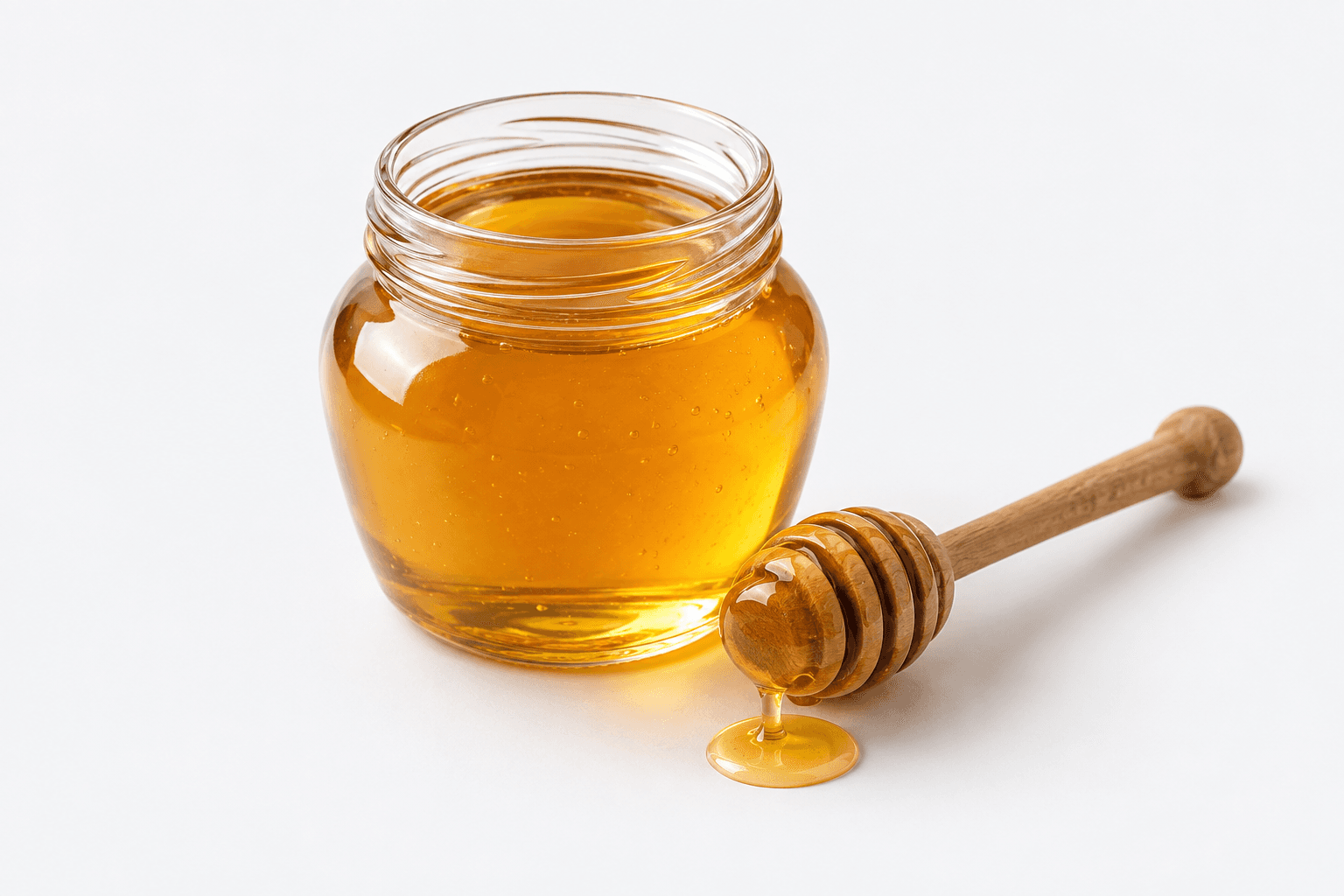
Moderate evidenceA Cochrane review (6 randomised trials, 899 children) found honey reduced cough frequency versus no treatment and placebo, at moderate certainty. But the advantage disappeared beyond three days, and the review covers children aged 12 months and over. Below that age, honey risks infant botulism.

Grains & legumes
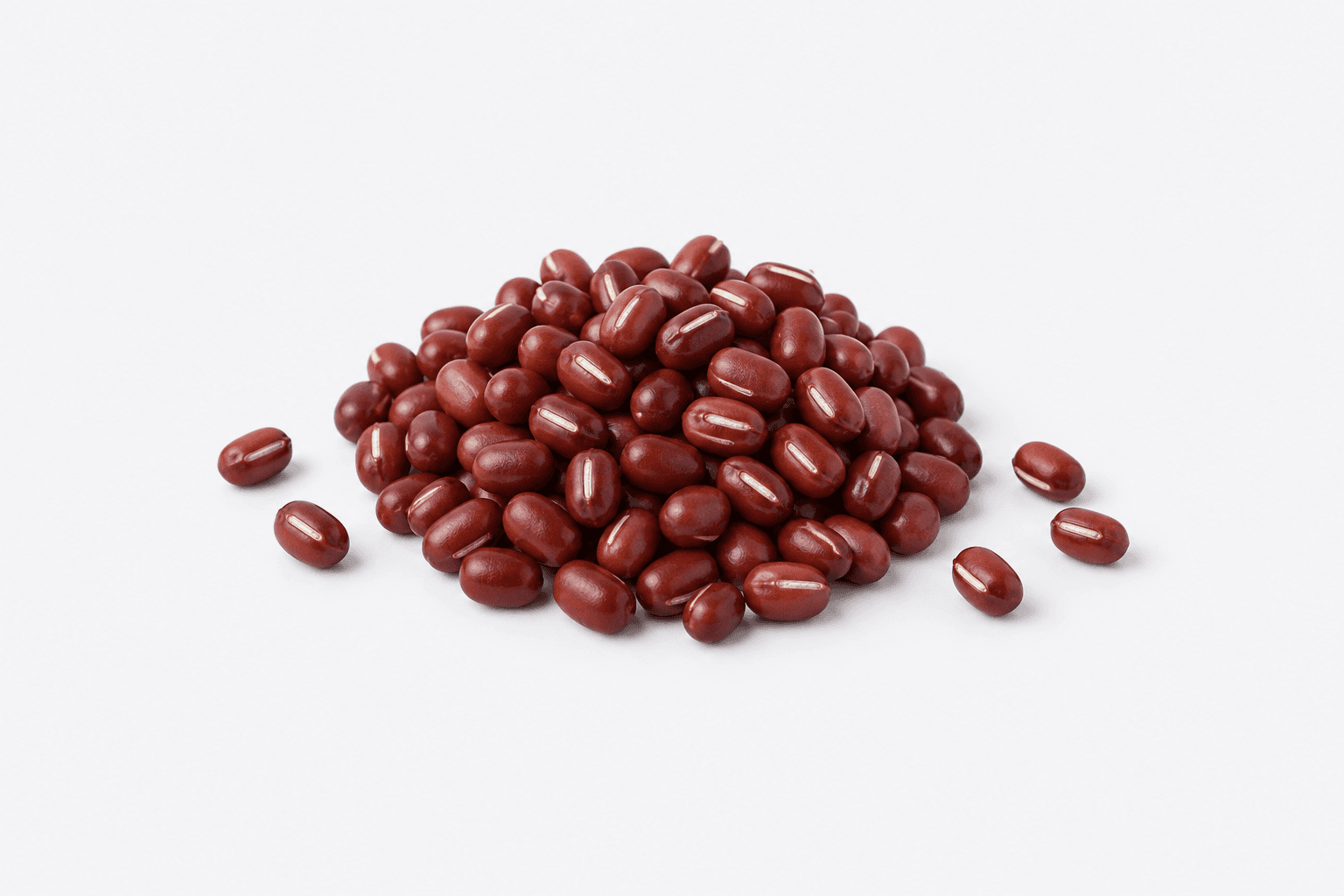
Moderate evidenceMeta-analyses of trials feeding people around 130 g of pulses a day found LDL falling. But in Korea adzuki mostly arrives with sugar — shaved ice, sweet buns, porridge. The 622 µg of folate and 12.7 g of fibre per 100 g dry are real; sweetened paste is a different food.

Vegetables
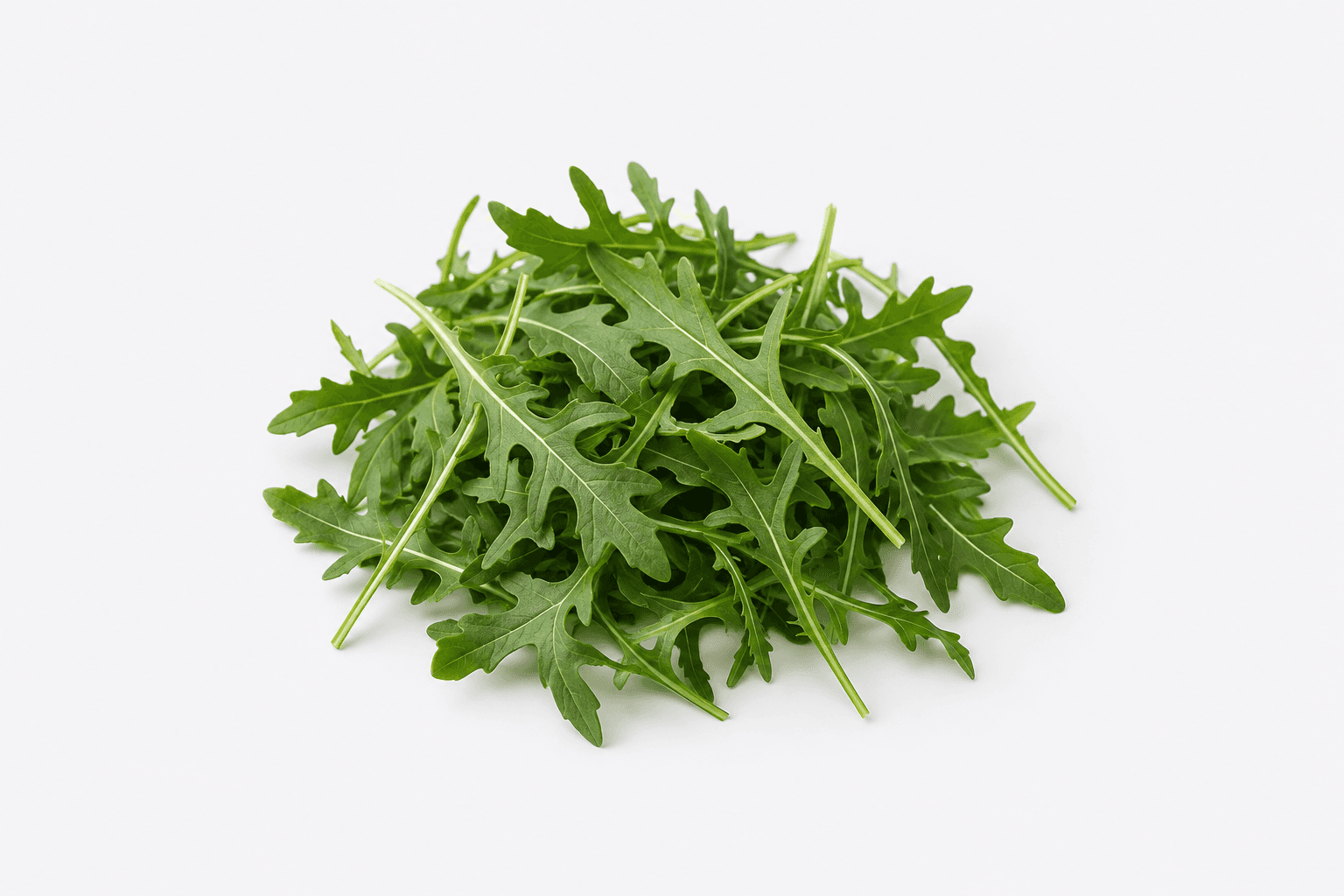
Moderate evidenceA dose-response meta-analysis of 75 randomised trials in 1,823 people. Medium-term systolic pressure fell 0.48 mmHg per millimole of nitrate. That is a small figure, and since the USDA carries no nitrate value for arugula, there is no way to say how many millimoles a plateful holds.

Nuts & seeds
Moderate evidenceA meta-analysis pooling 392 randomised trial participants found no significant change in total cholesterol, LDL, HDL or triglycerides. Only systolic pressure fell, by 3.39 mmHg (95% CI −6.13 to −0.65). Not all nuts are the same food.

Vegetables
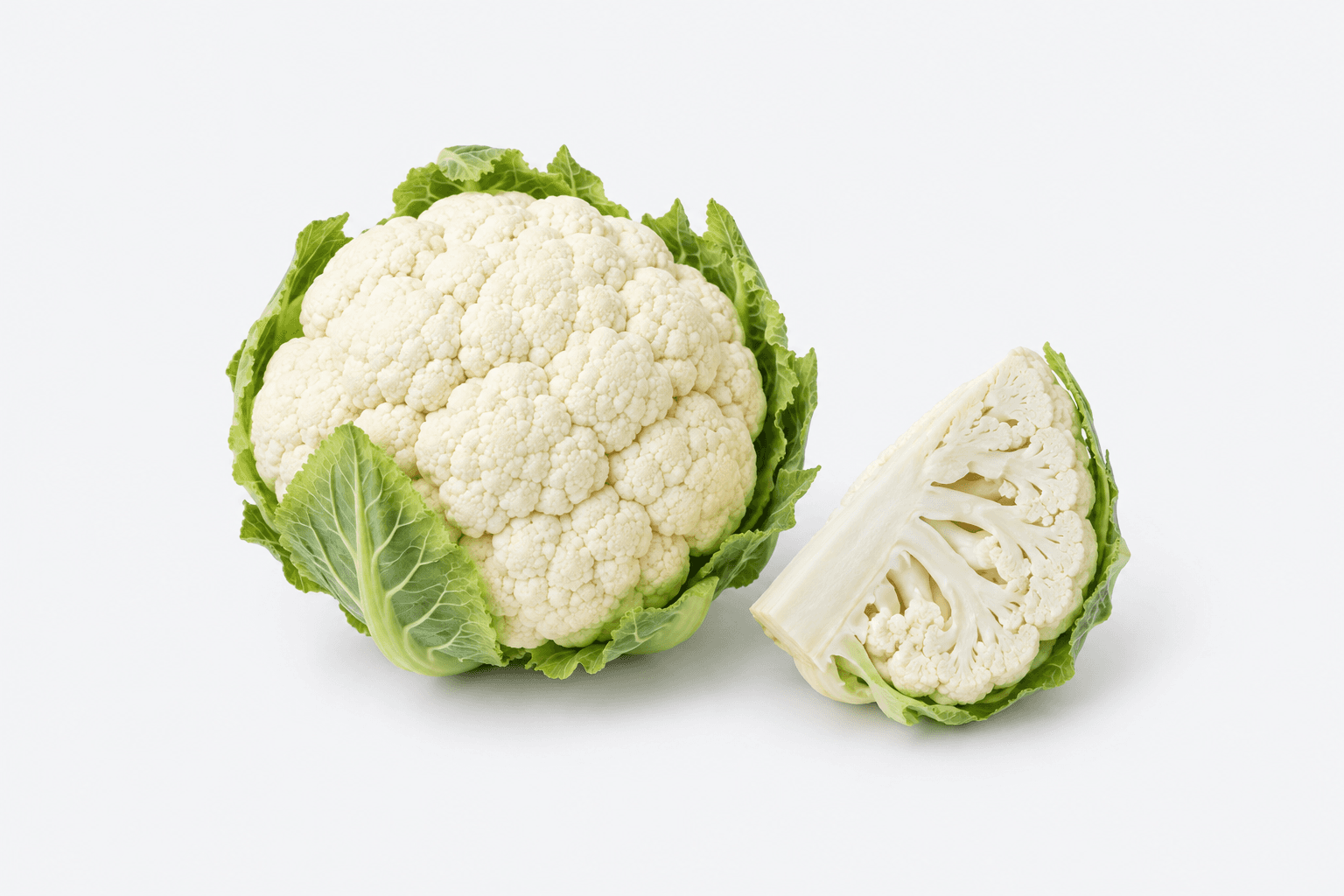
Moderate evidence25 kcal and 4.97 g of carbohydrate per 100 g. Against cooked rice (about 130 kcal and 28 g per 100 g) that is a fifth of the energy and the carbohydrate. As a brassica, it falls within observational data linking cruciferous vegetables to lower cardiovascular disease and mortality.

Herbs & spices
Moderate evidenceA meta-analysis of 10 randomised trials in 706 people found significant reductions in fasting glucose, 2-hour post-load glucose and HbA1c. But HOMA-IR did not fall significantly, and among the lipids, LDL and BMI did not move.

Seafood
Moderate evidence100 g holds 82 kcal, 14.9 g of protein and only 1.04 g of fat, with 20.0 µg of vitamin B12 (833% of the requirement), 44.8 µg of selenium and 5.3 mg of iron. The old warning about cholesterol does not survive contact with the randomised evidence on dietary cholesterol.

Vegetables
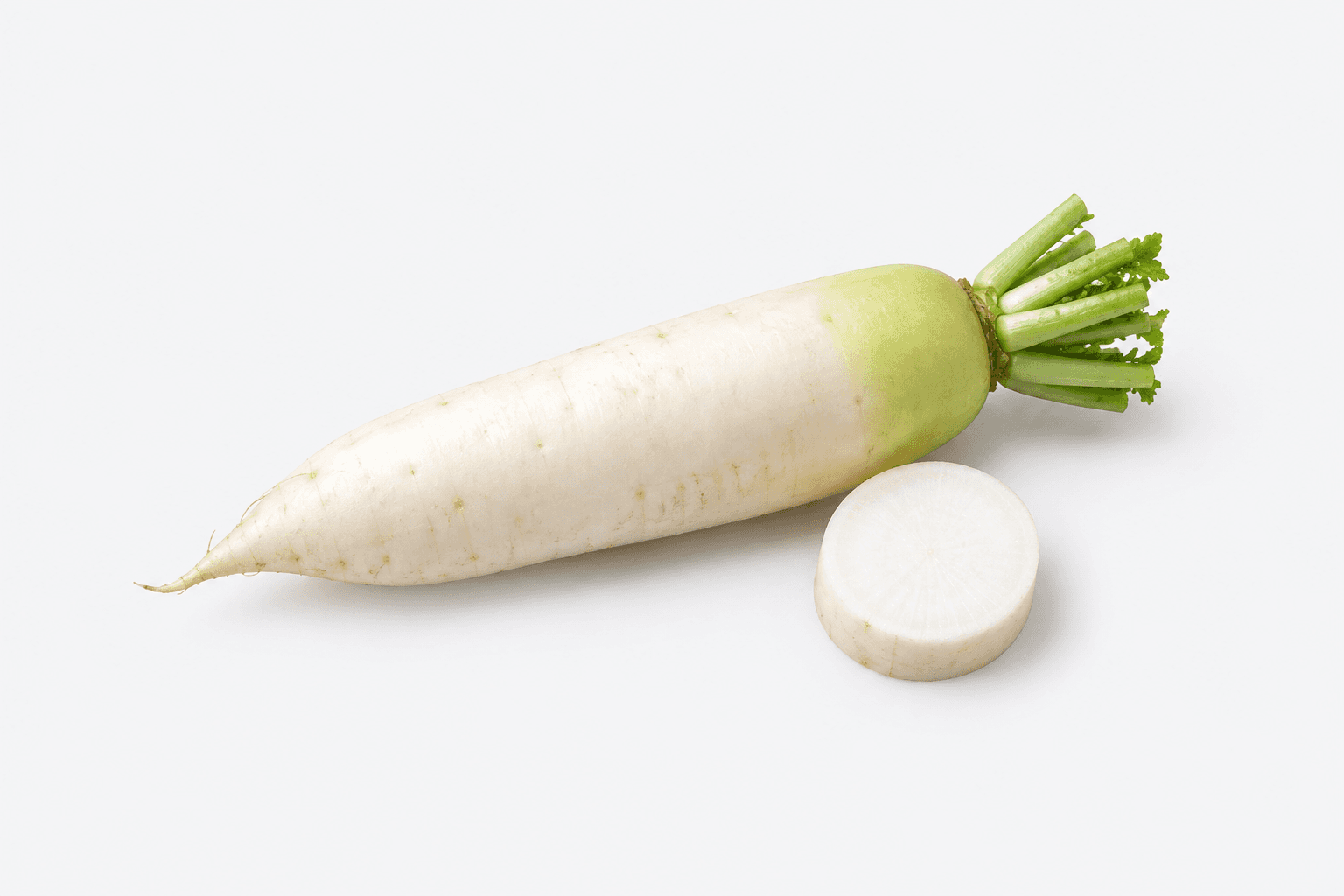
Moderate evidenceAt 18 kcal per 100 g it sits close to cucumber, with 22 mg of vitamin C. Observational data link cruciferous vegetables to lower cardiovascular disease and mortality. The old claim that it aids digestion has no established evidence behind it.

Vegetables
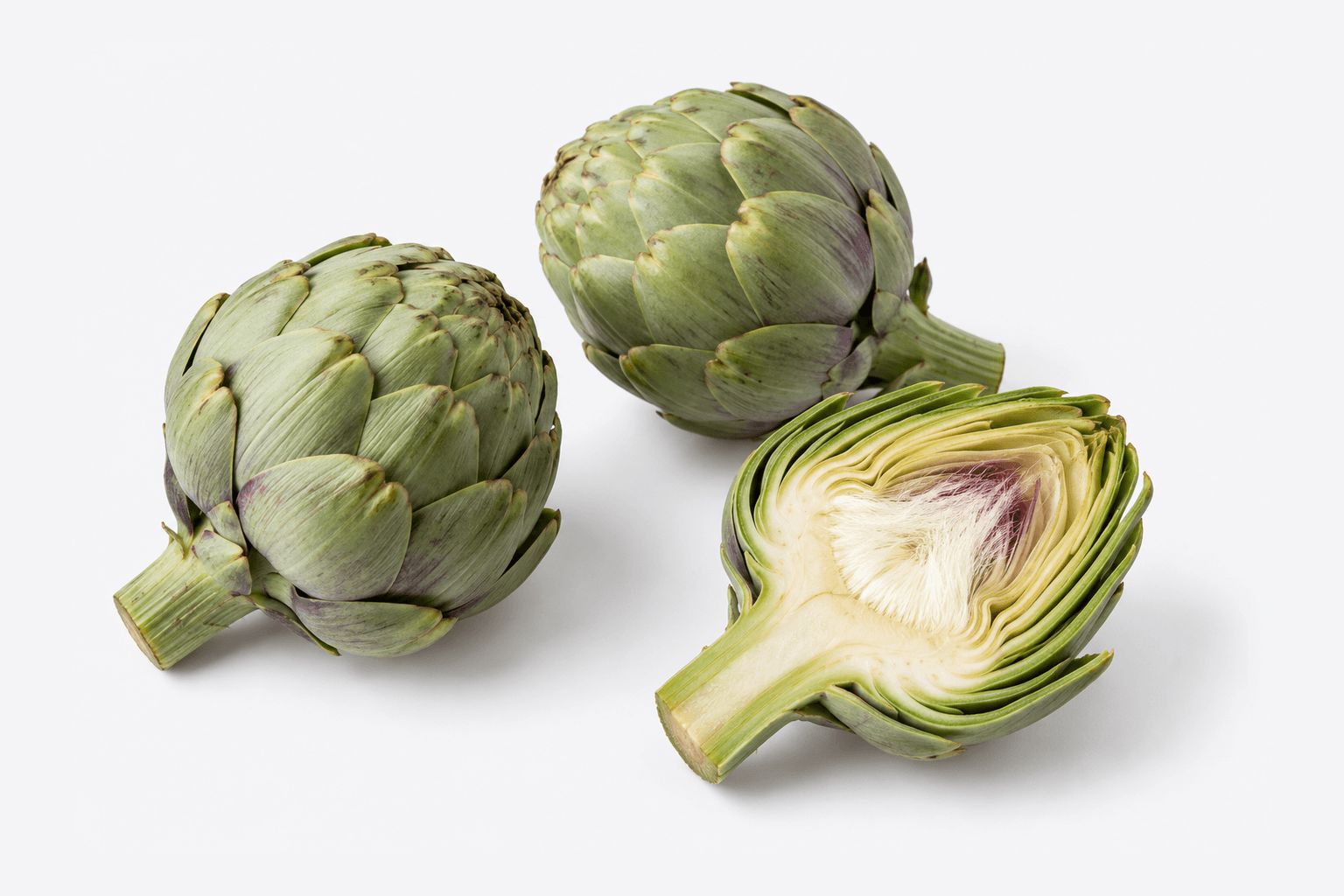
Moderate evidenceA meta-analysis of nine randomised trials in 702 people found artichoke extract lowered total cholesterol by 17.6 mg/dL. HDL did not move, and what was tested was a leaf extract, not a boiled artichoke.

Vegetables
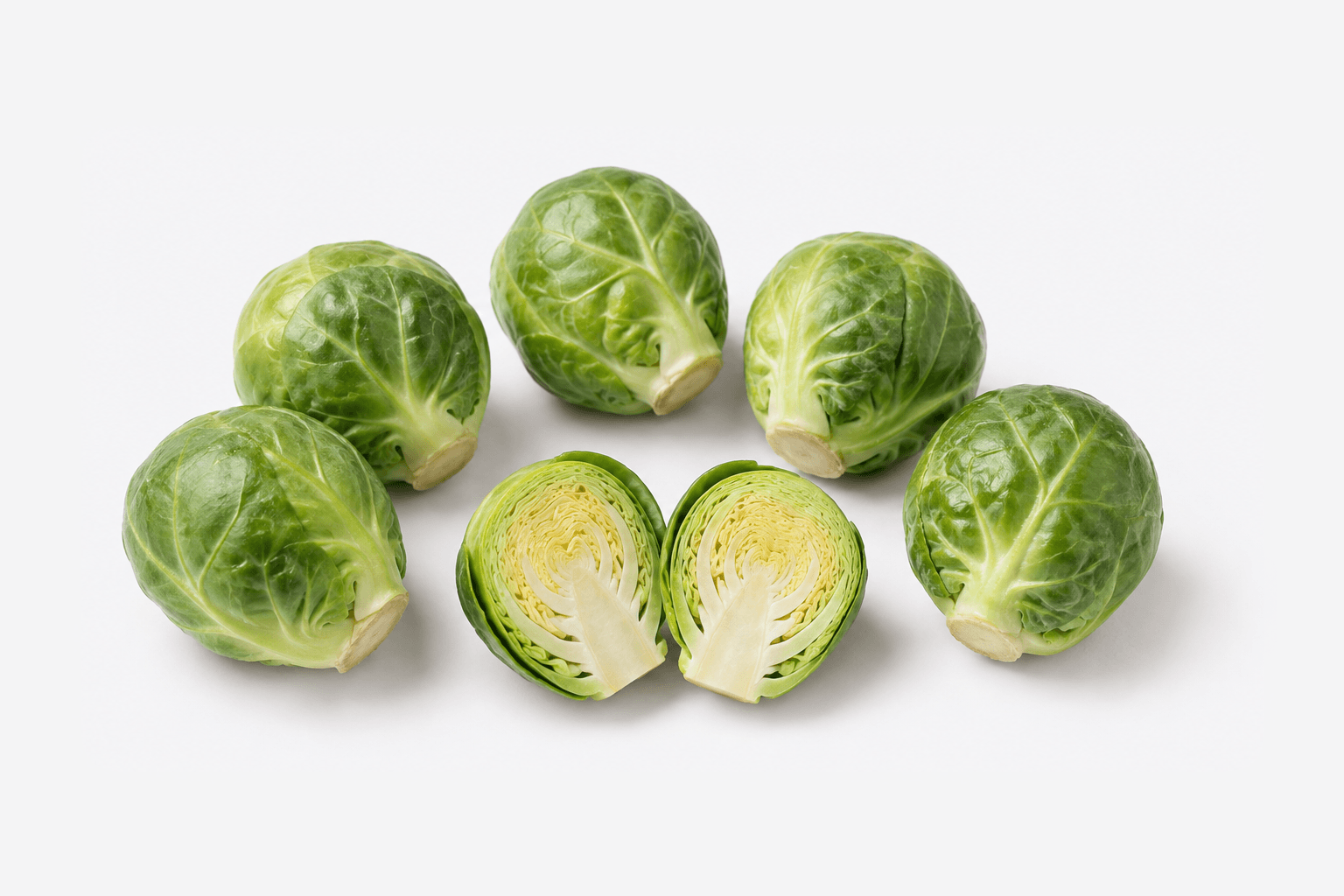
Moderate evidenceMore vitamin C than an orange, at 85 mg, and 177 µg of vitamin K. Cruciferous vegetables tracked with lower cardiovascular disease and mortality, but that is observational and not about Brussels sprouts specifically.

Nuts & seeds
Moderate evidence17.8 g of ALA and 34.4 g of fibre per 100 g. But ALA converts to EPA at 5–8% and to DHA at under 1%.

Dairy & eggs
Moderate evidenceAt 844 mg per 100 g, the cholesterol is double a hen's egg. But one quail egg is 9 g, so it carries about 76 mg — less than a hen's egg (about 206 mg). Change the unit and the conclusion flips.

Herbs & spices
Moderate evidence34 randomised trials, 1,769 participants. Self-report depression and anxiety scales fell significantly; all three clinician-rated scales showed no change.

Fruits
Moderate evidenceTwenty people on juice concentrate for seven days slept longer and more efficiently. Thirty-four people on a 500 mg capsule for fourteen days showed no change on any measure.

Meat
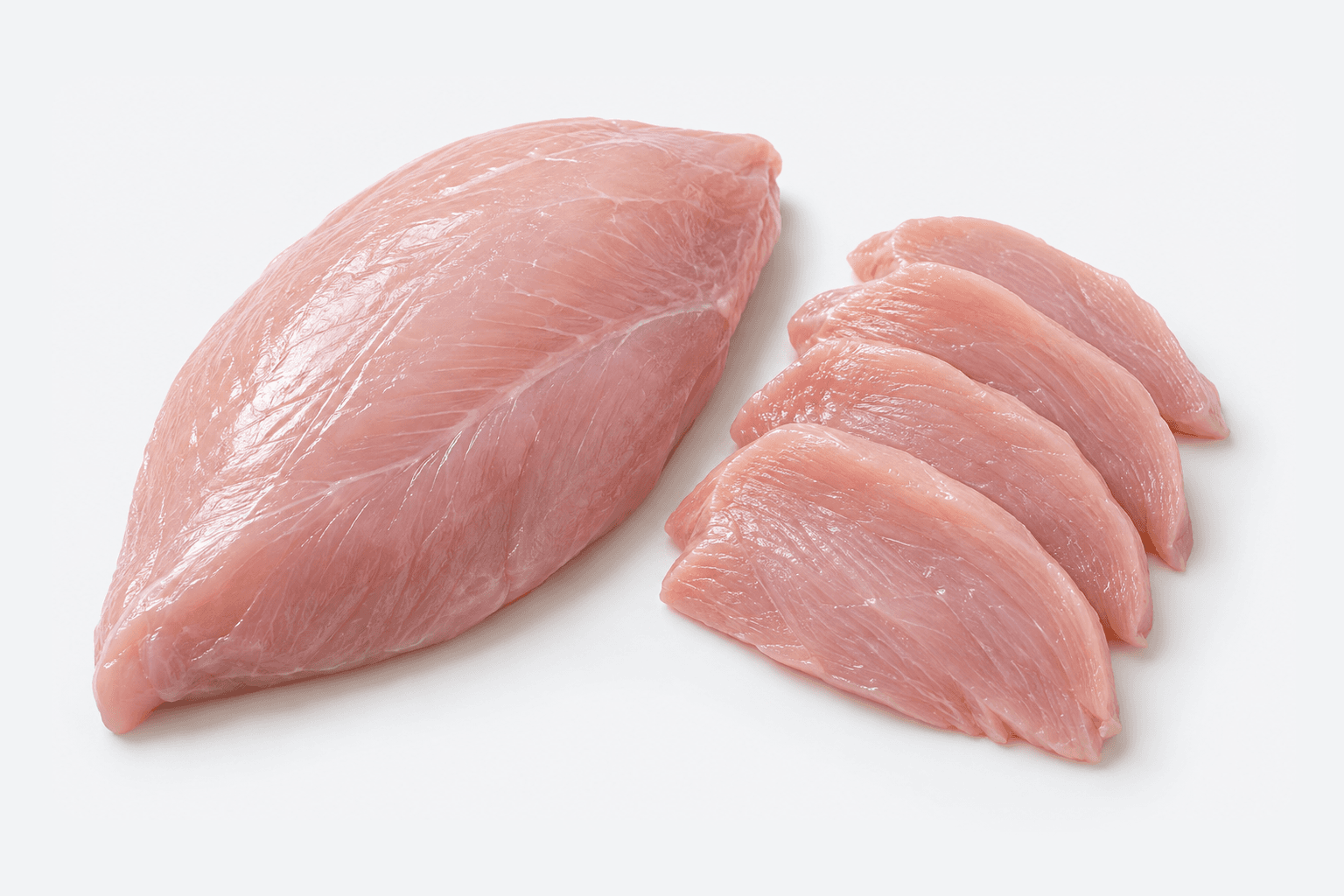
Moderate evidenceFifty grams more poultry a day tracked with 11% lower colorectal cancer incidence in observational studies — but not lower mortality. And the tryptophan story does not survive the arithmetic.

Vegetables
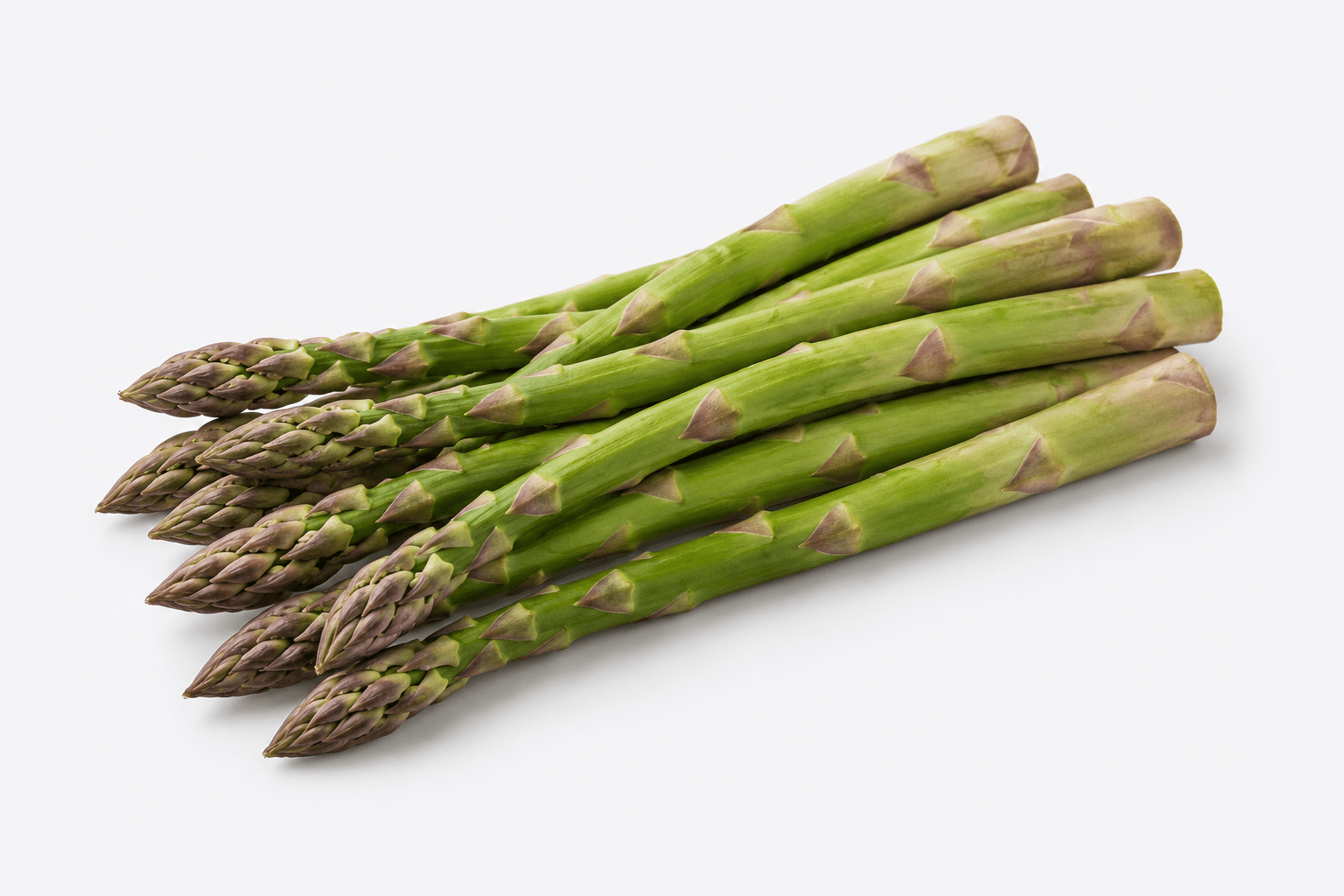
Moderate evidence52 µg of folate and 41.6 µg of vitamin K for 20 kcal. And in a study of 6,909 people, close to 60% could not smell asparagus in their urine — it is genetic.

Grains & legumes
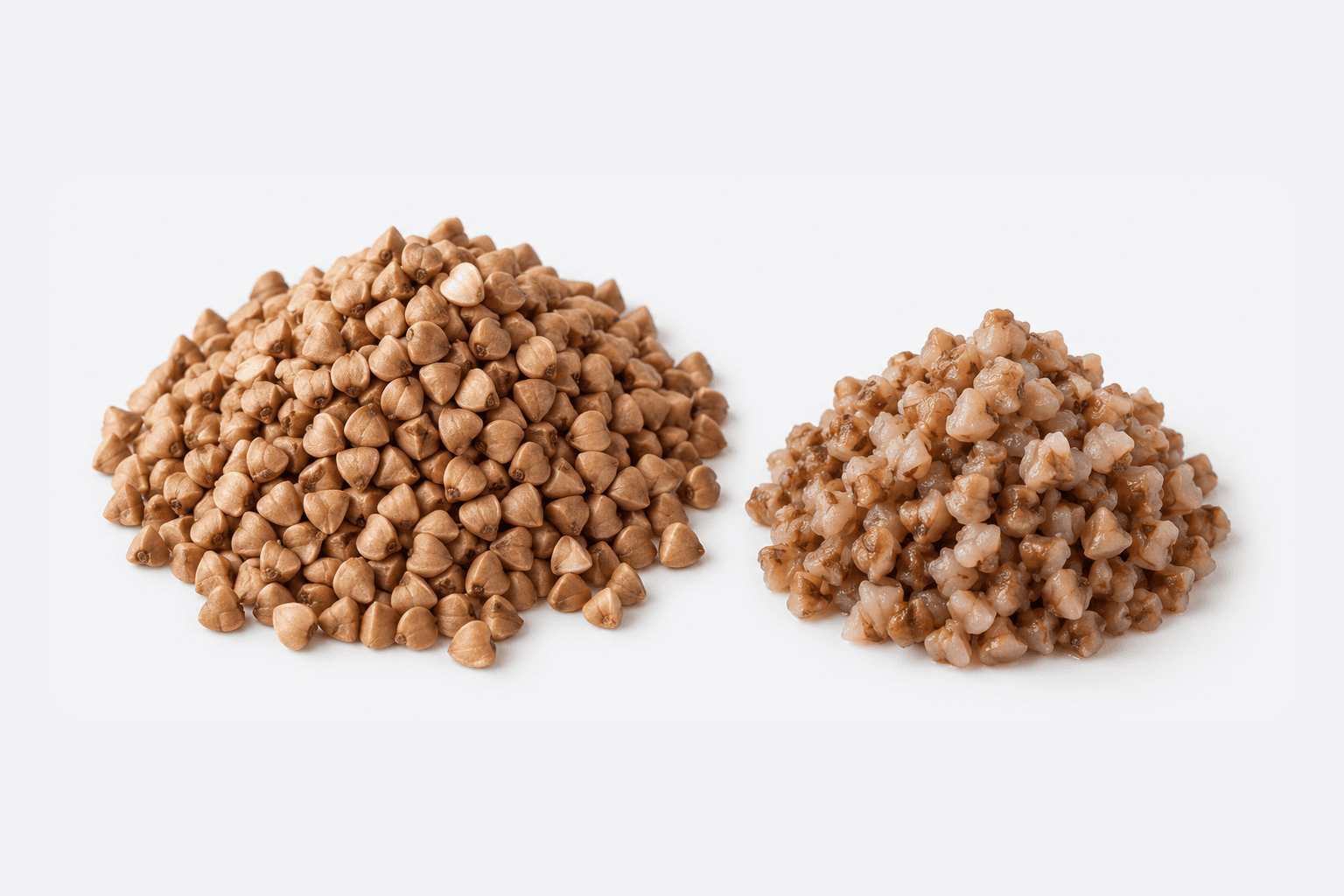
Moderate evidenceAcross 13 randomised human studies, total cholesterol fell 0.50 mmol/L — about 19 mg/dL. The authors also wrote that every outcome showed high unexplained heterogeneity.

Tea & drinks
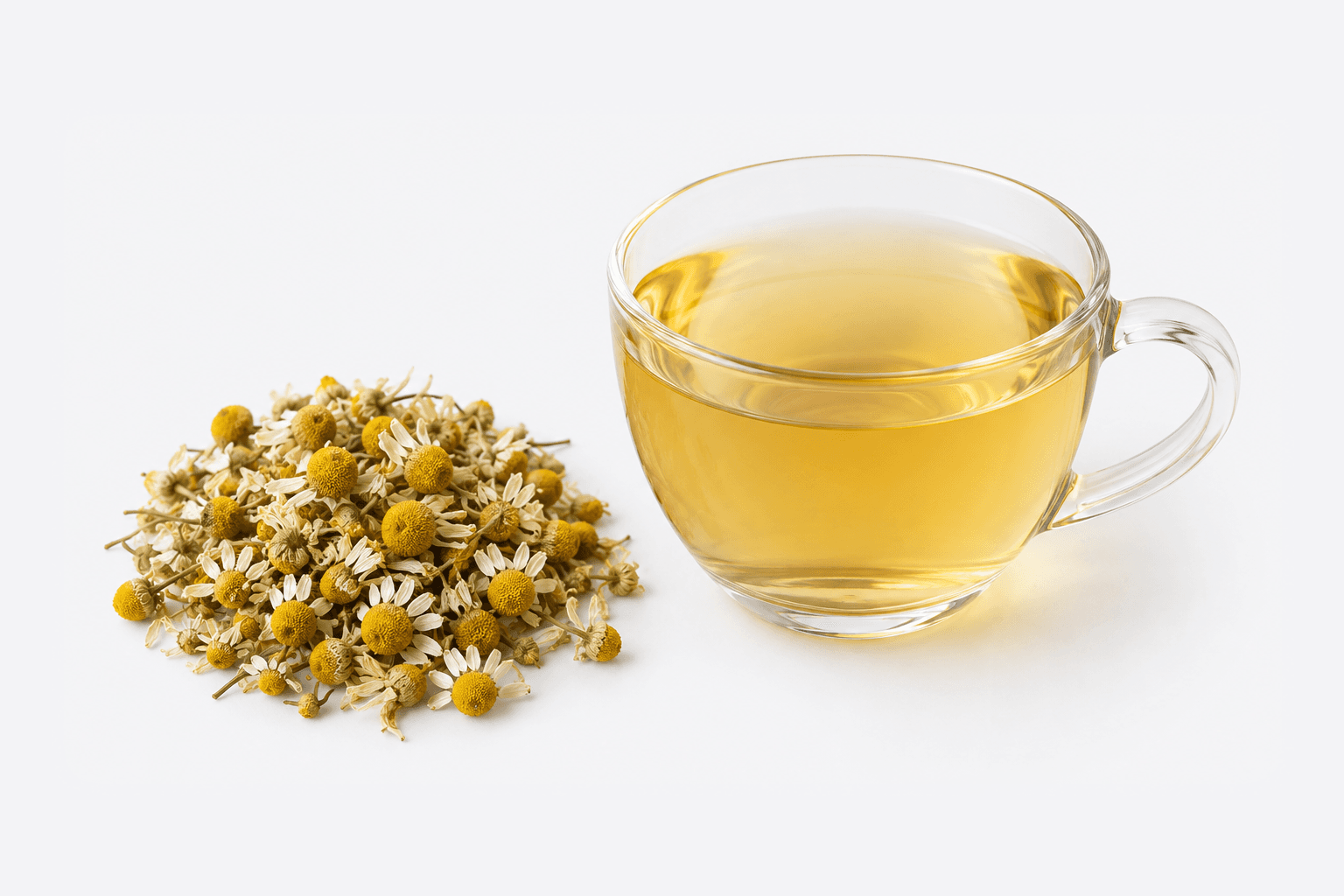
Moderate evidenceA meta-analysis of 12 randomised trials. Sleep quality improved significantly. Only one trial looked at insomnia, and in that one nothing changed.

Meat
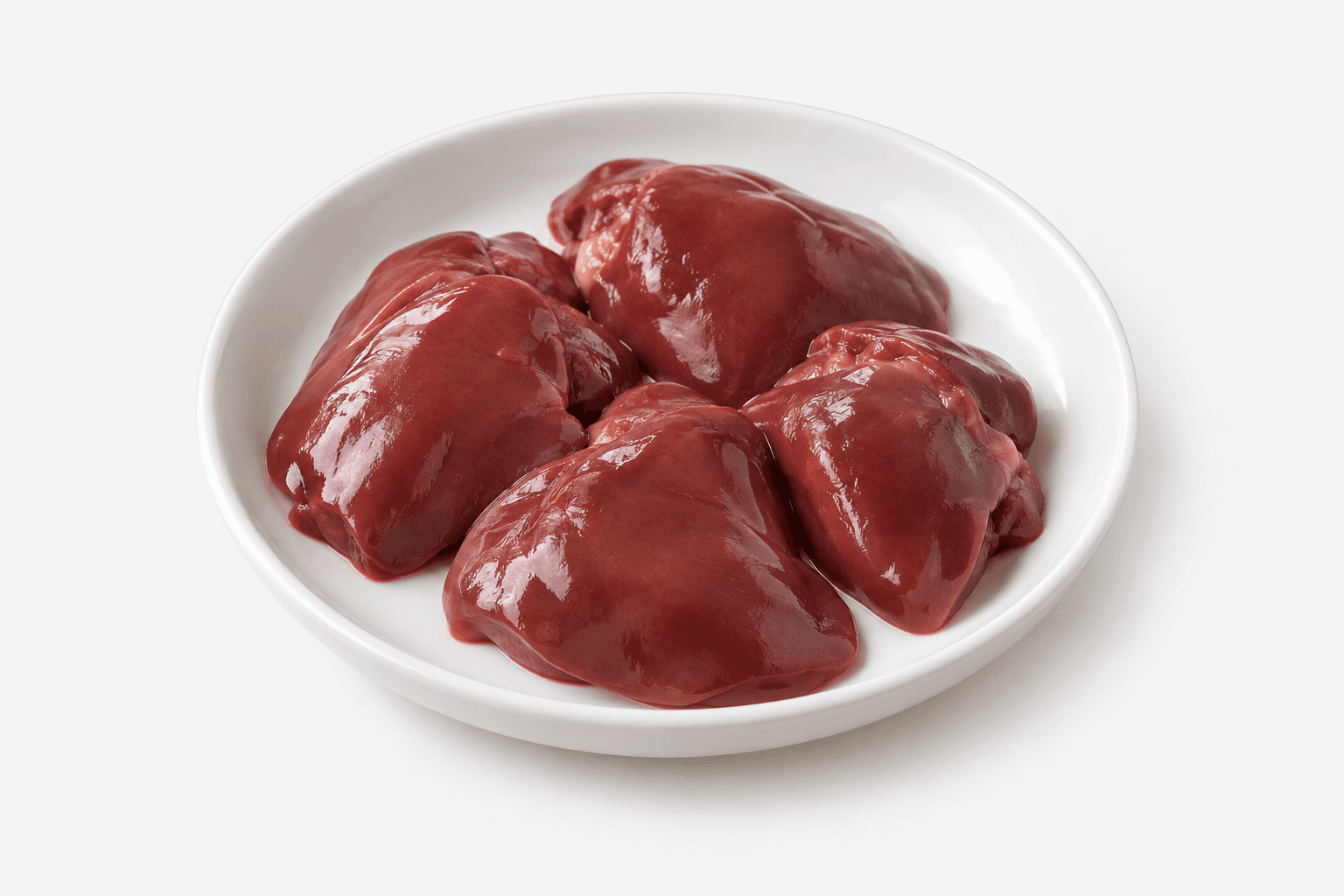
Moderate evidencePer 100 g: 16.6 µg of B12, 588 µg of folate, 8.99 mg of iron. And 3,300 µg of retinol — one plate is over the adult daily ceiling of 3,000 µg.