Filter by category or search for the ingredient you have in the kitchen.
22 ingredients
Grains & legumes
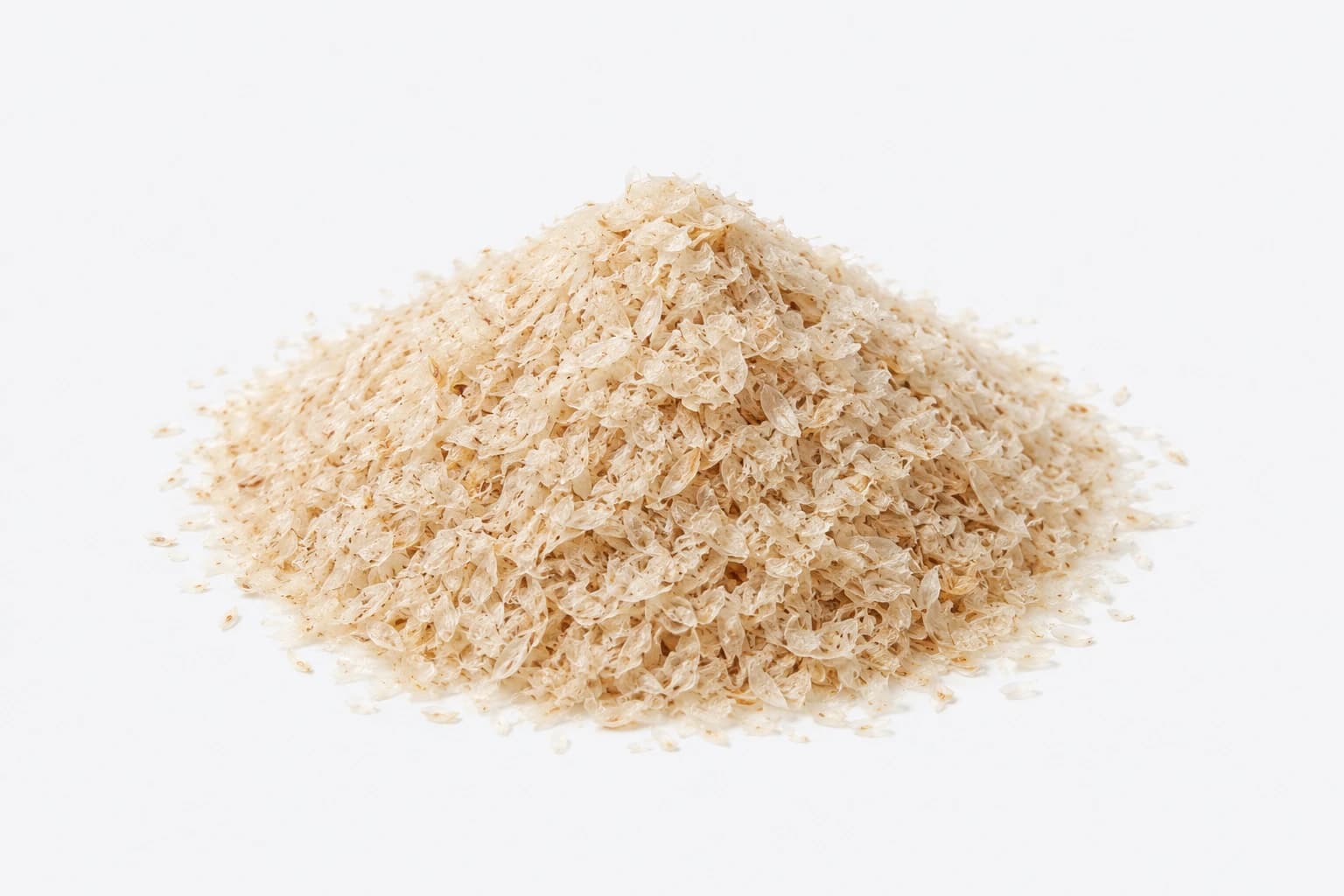
Strong evidenceA 2018 meta-analysis pooling 28 randomised controlled trials and 1,924 people found LDL cholesterol fell by 0.33 mmol/L on average. Non-HDL cholesterol and apolipoprotein B fell with it. This is one of the few entries this site marks as established.
Grains & legumes
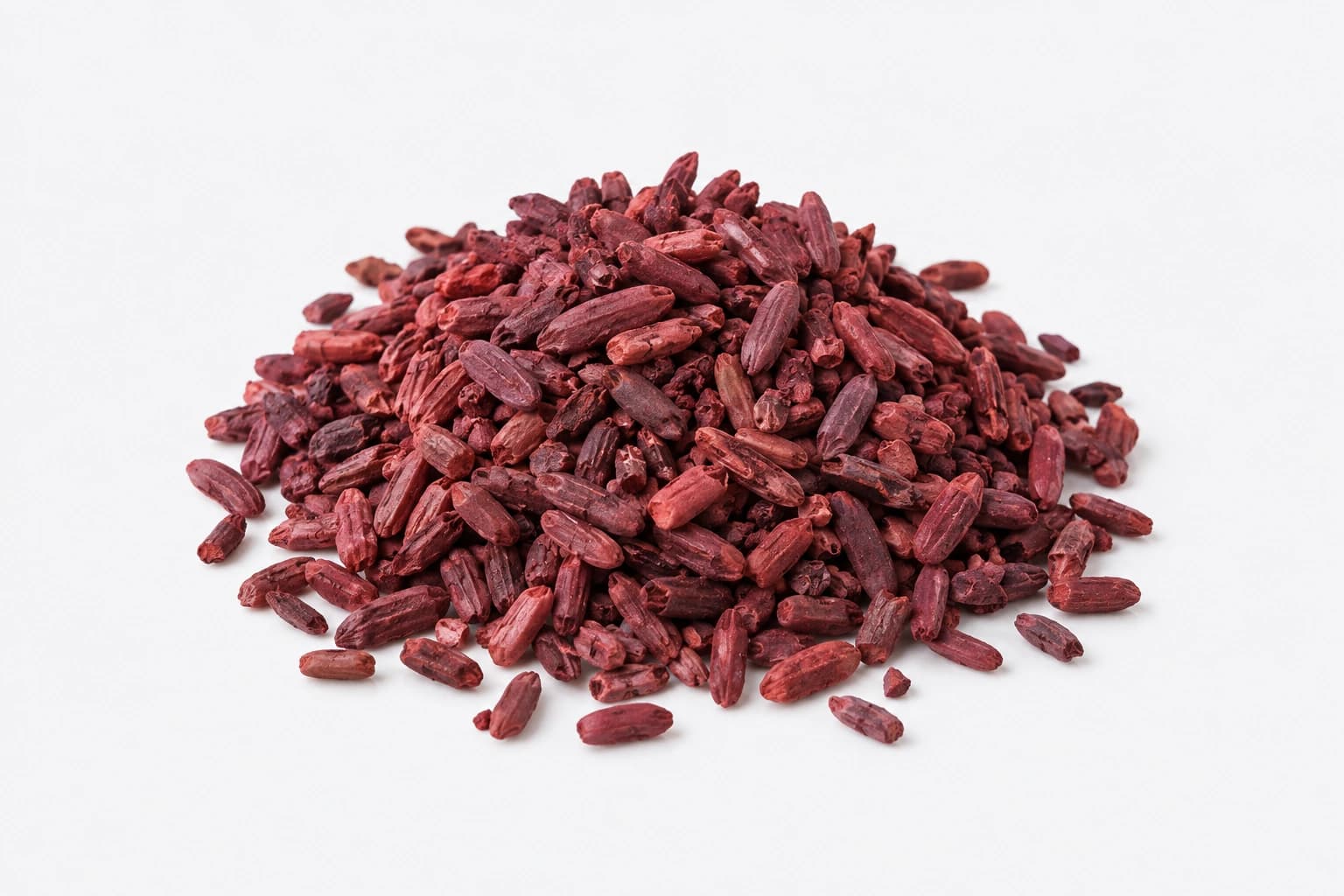
Strong evidenceA 2015 meta-analysis of 20 trials found LDL fell by 1.02 mmol/L, and the effect was statistically indistinguishable from statin therapy. The same paper's title continues: but safety is uncertain.
Dairy & eggs
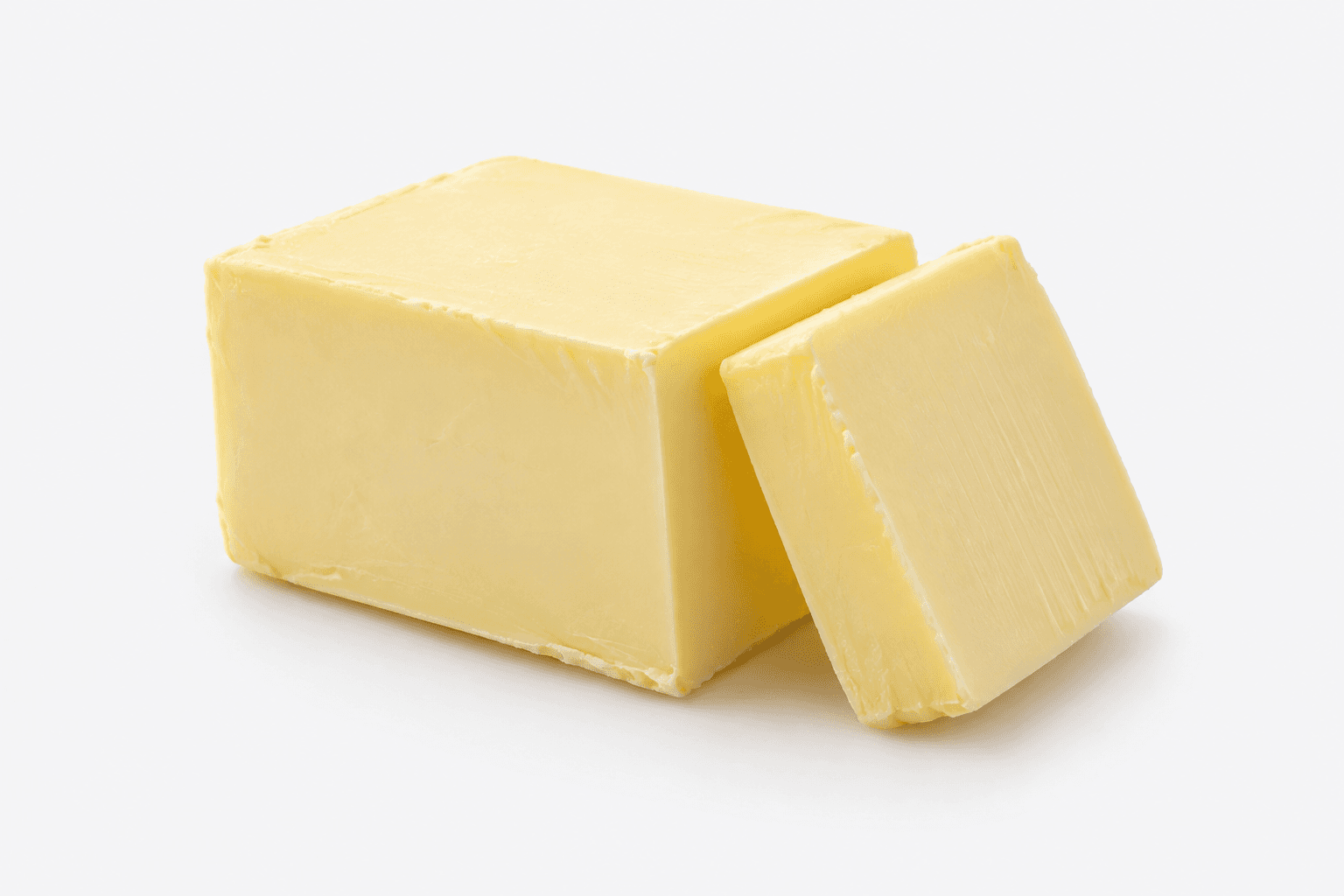
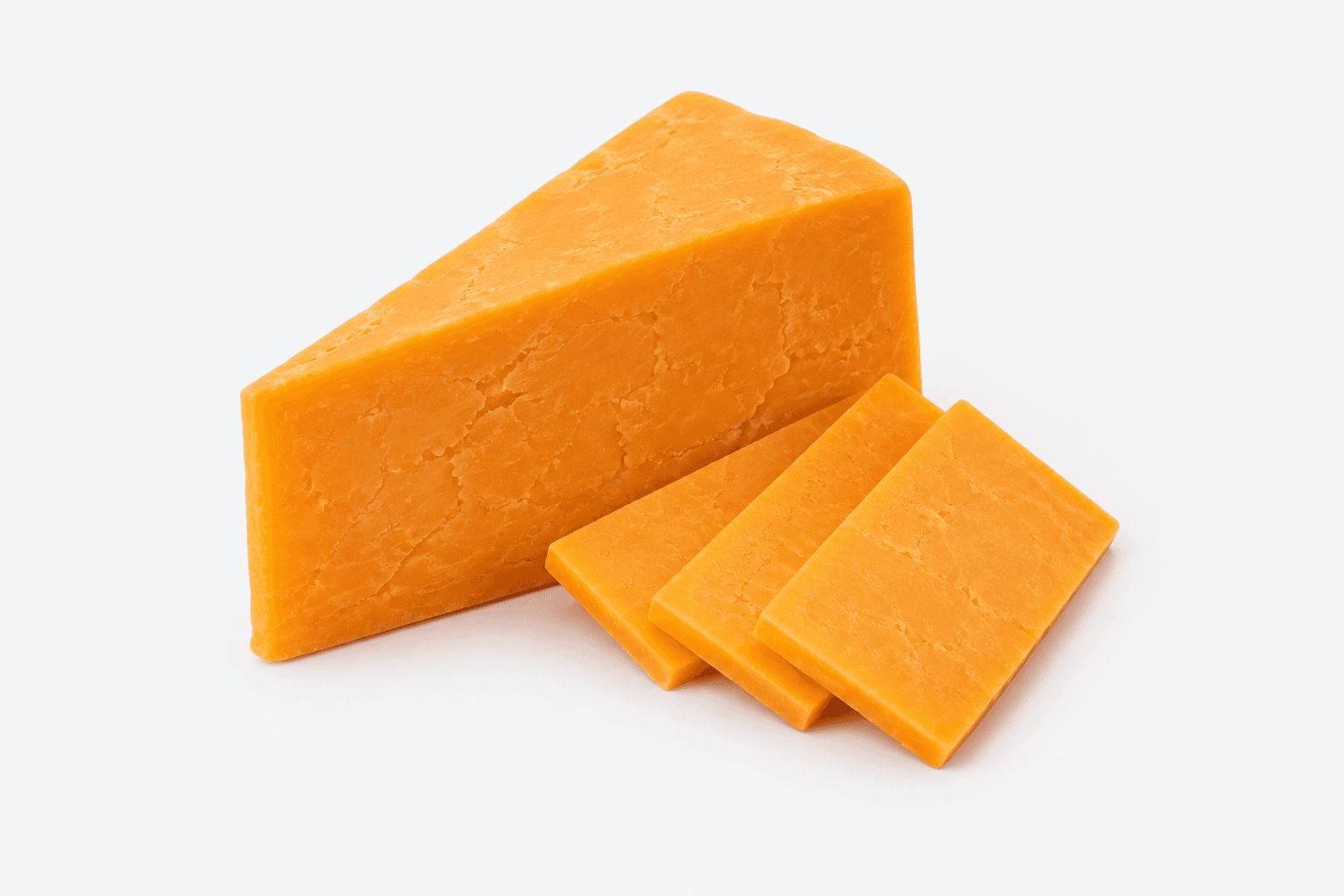
Strong evidenceIn trials matched gram for gram on fat, the cheese group's LDL sat about 7 mg/dL below the butter group's. The 19.2 g of saturated fat does not explain that.

Grains & legumes
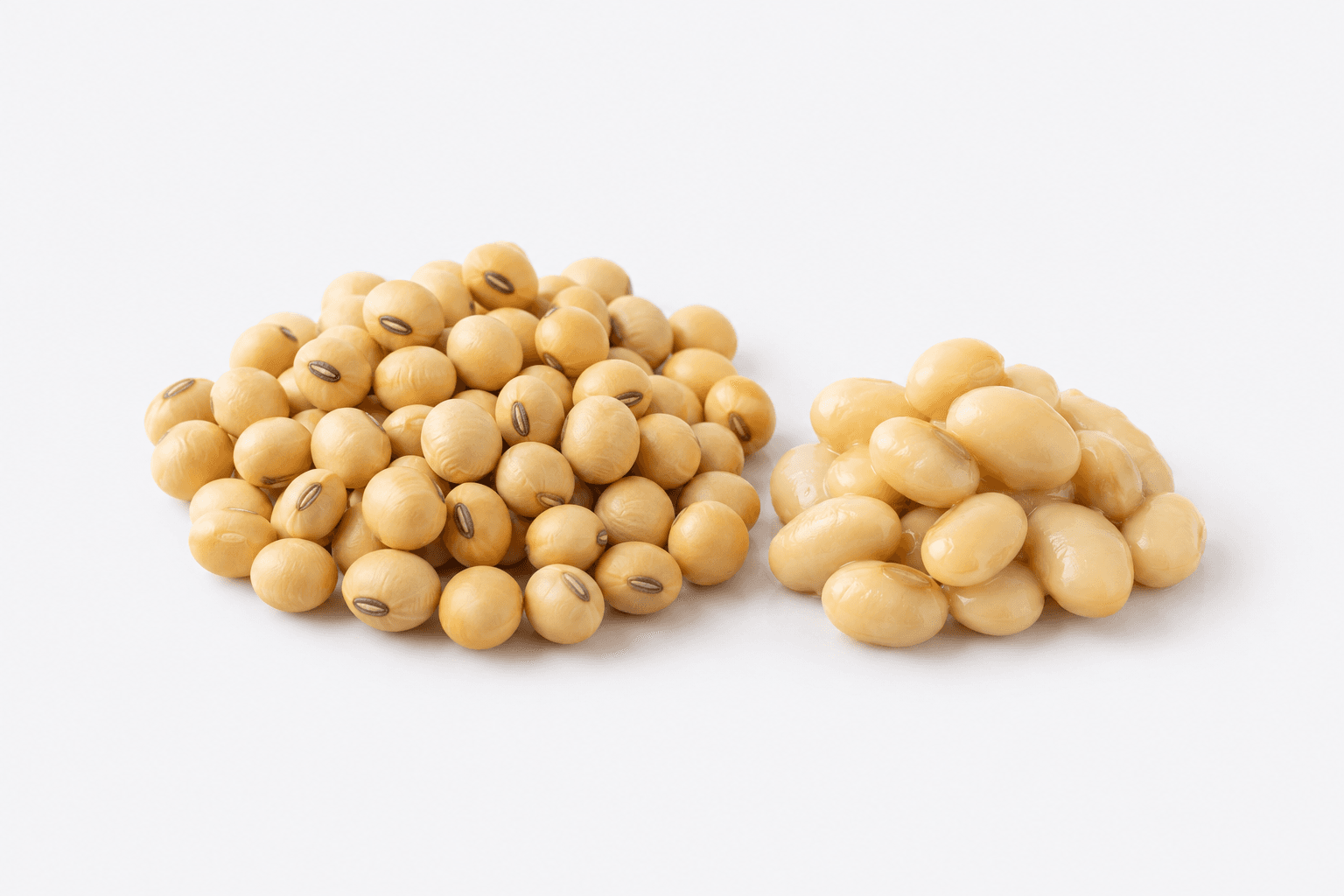
Strong evidenceAcross 40 randomised trials and 3,285 participants, endometrial thickness, vaginal maturation, FSH and oestradiol all stayed put. LDL did fall — by 4.76 mg/dL.

Fruits
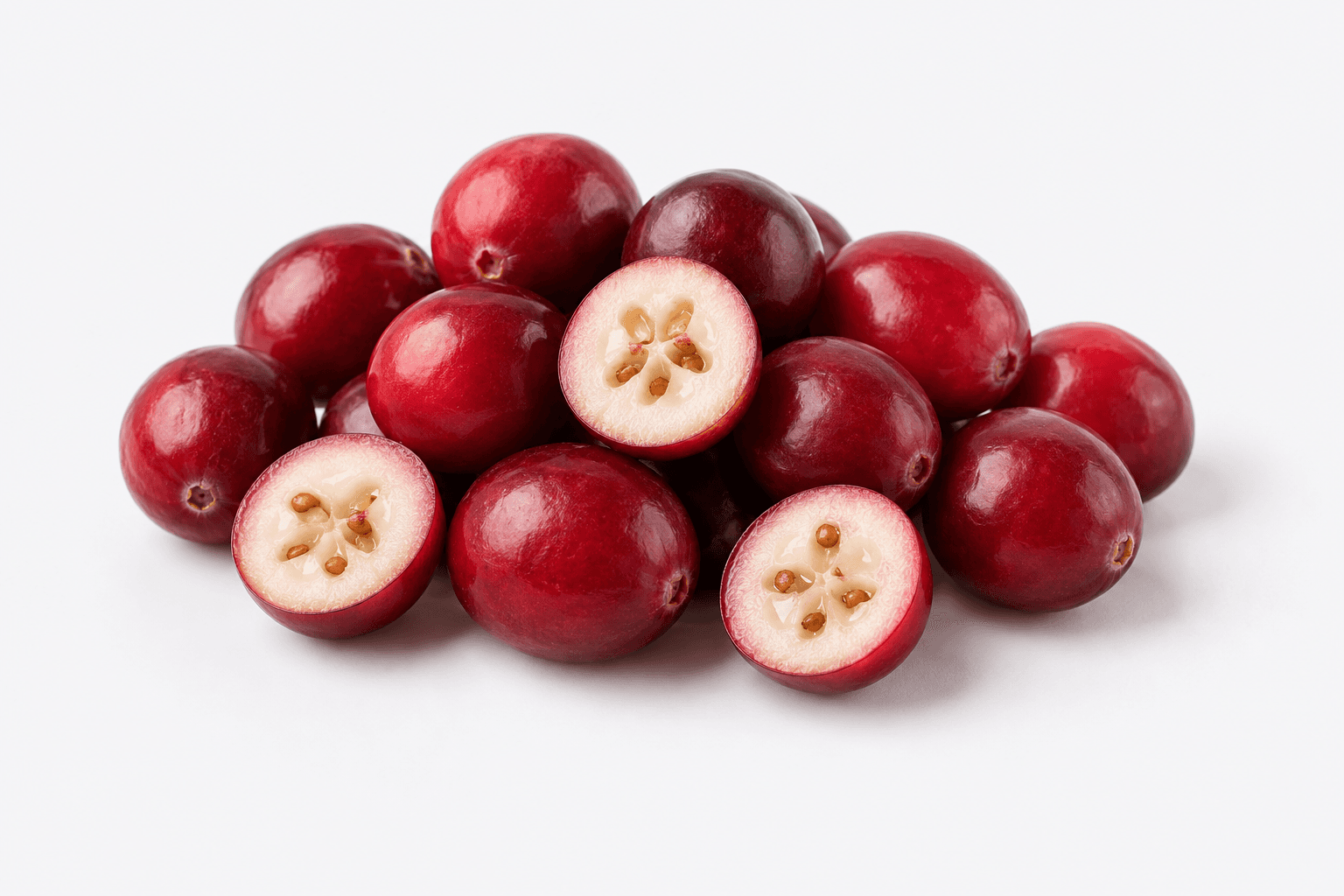
Strong evidenceA Cochrane review of 50 randomised trials found a 30 % lower risk of UTI. But the effect appeared in some groups and not others.

Fruits
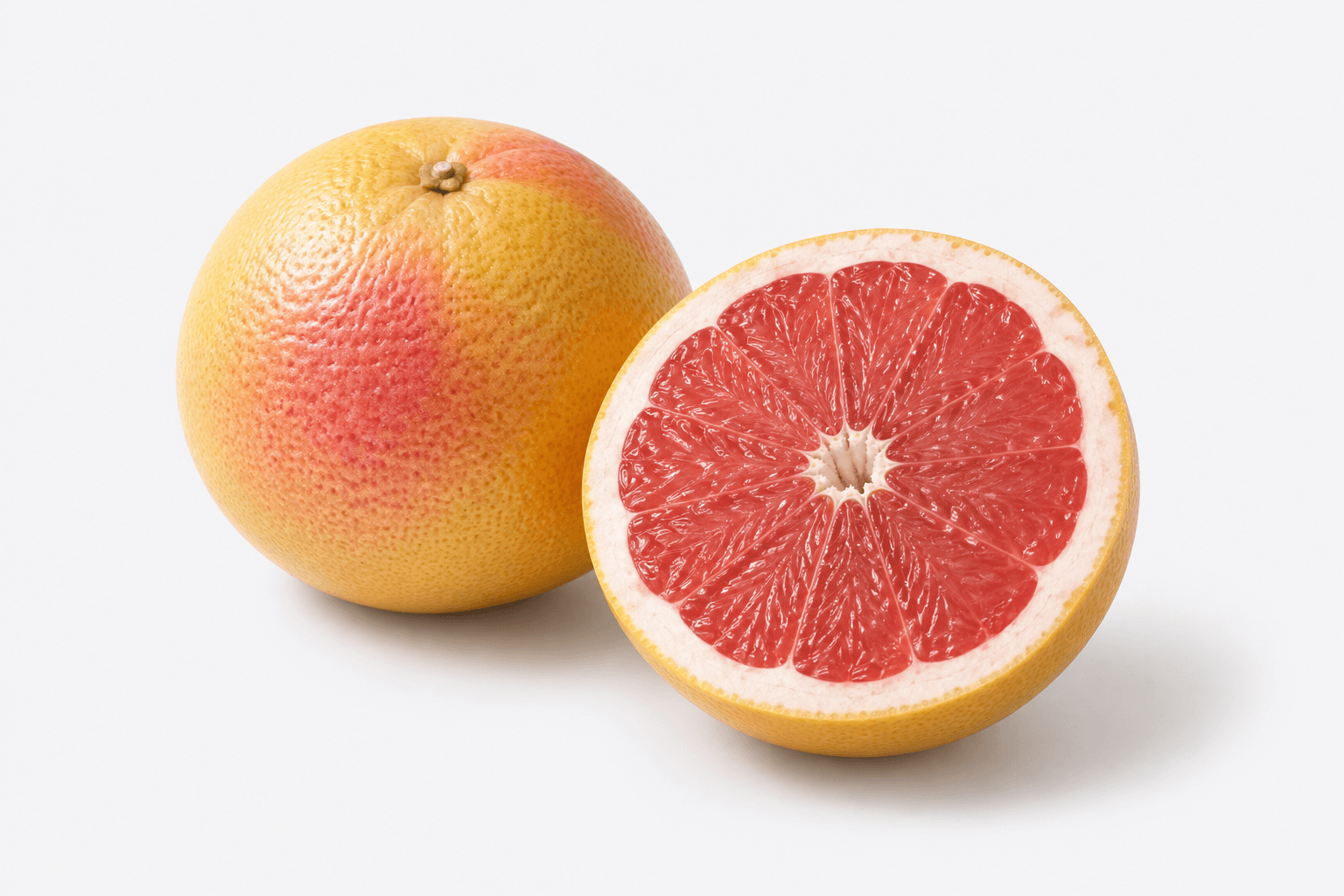
Strong evidenceGrapefruit blocks the gut enzyme (CYP3A4) that breaks down many drugs. Blood levels of some medicines rise, and one glass lasts more than a day.

Seafood
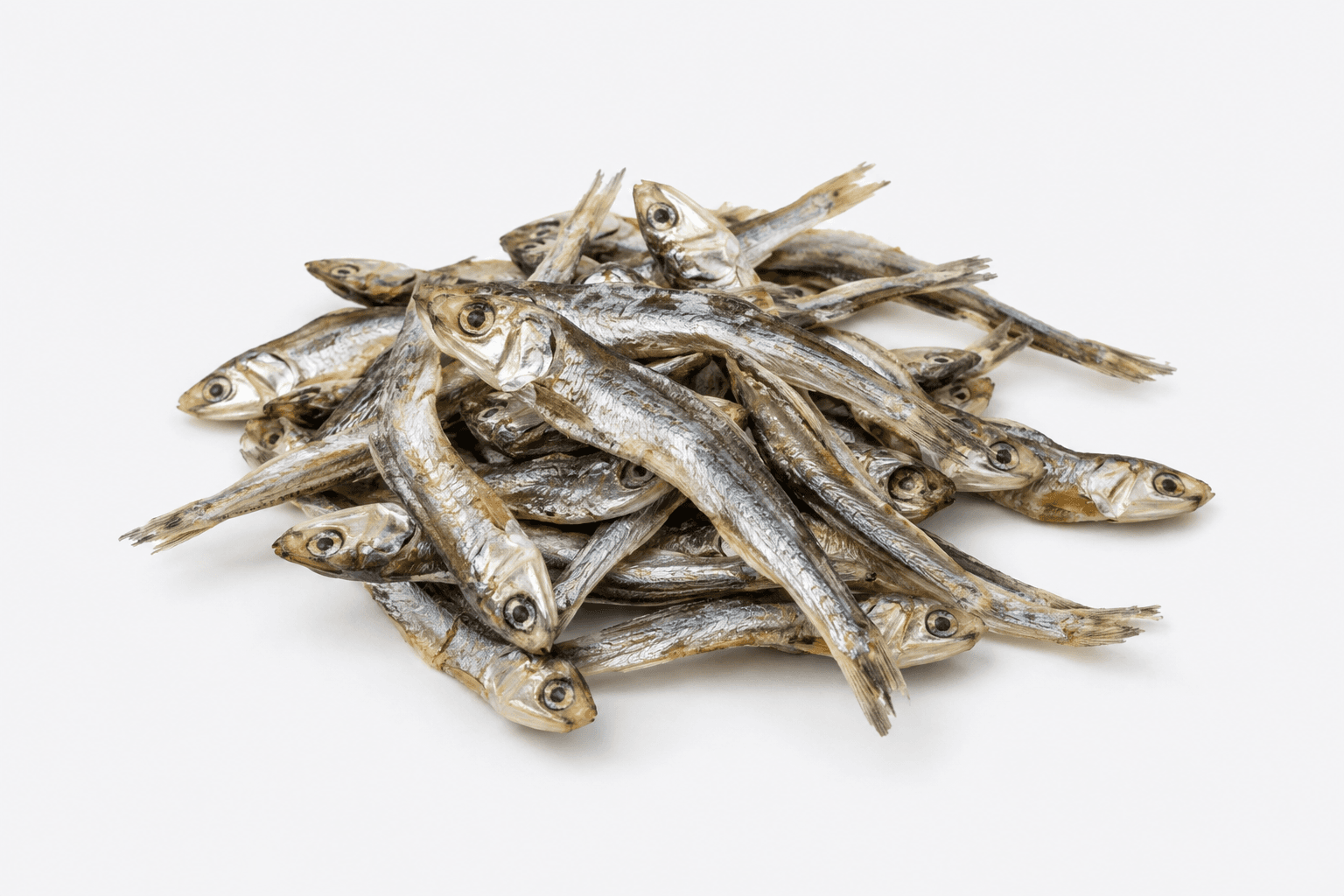
Strong evidence1.45 g of EPA and DHA per 100 g. A cohort links small-fish intake to lower mortality — but only in women.

Grains & legumes
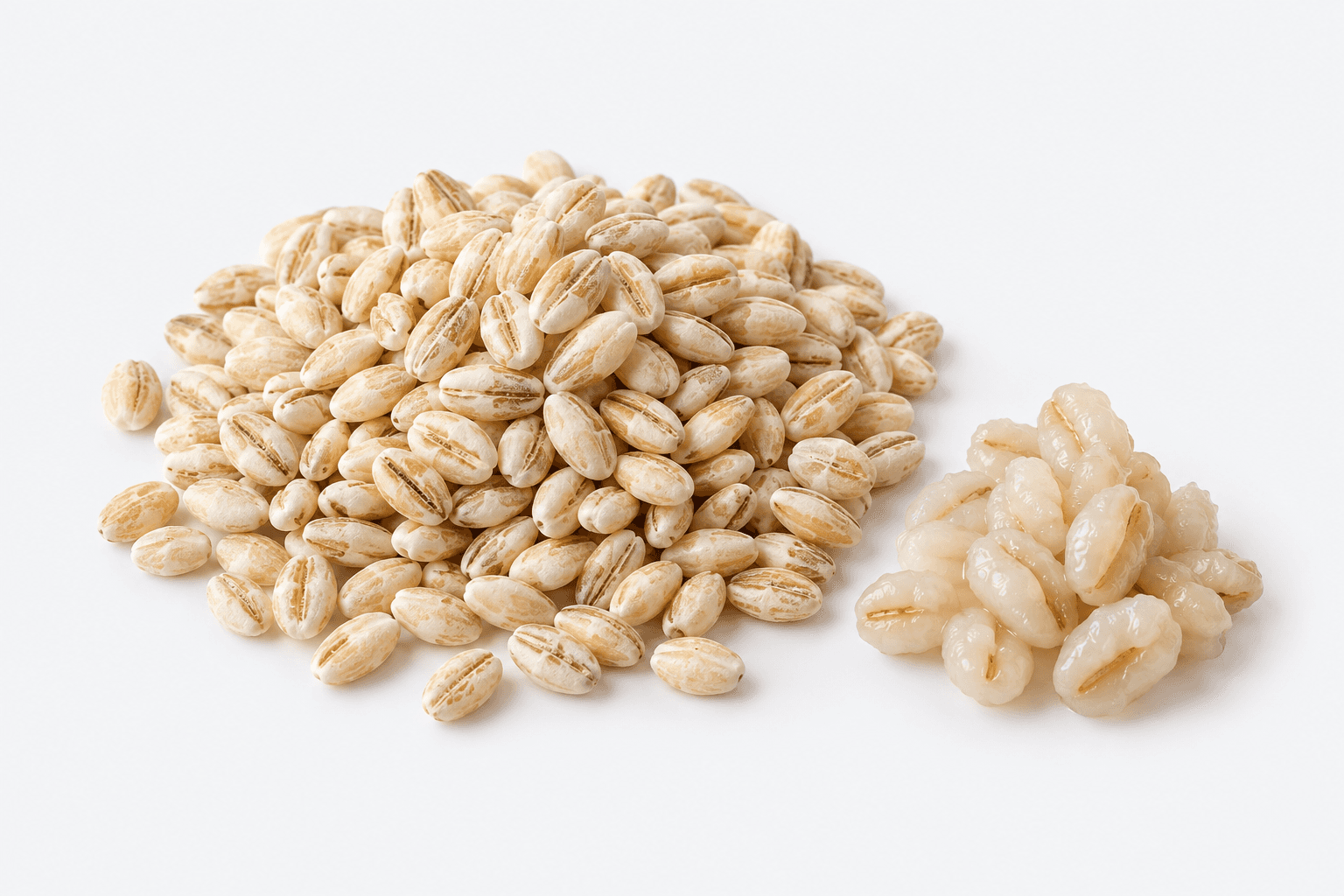
Strong evidenceBeta-glucan lowers LDL by 0.25 mmol/L. The glucose effect, though, fades by two hours and HbA1c did not move at all.

Oils & fats
Strong evidenceSaturated fat runs 50.5 g per 100 g. Yet the evidence on dairy fat and cardiovascular disease is less tidy than the theory predicts.

Oils & fats
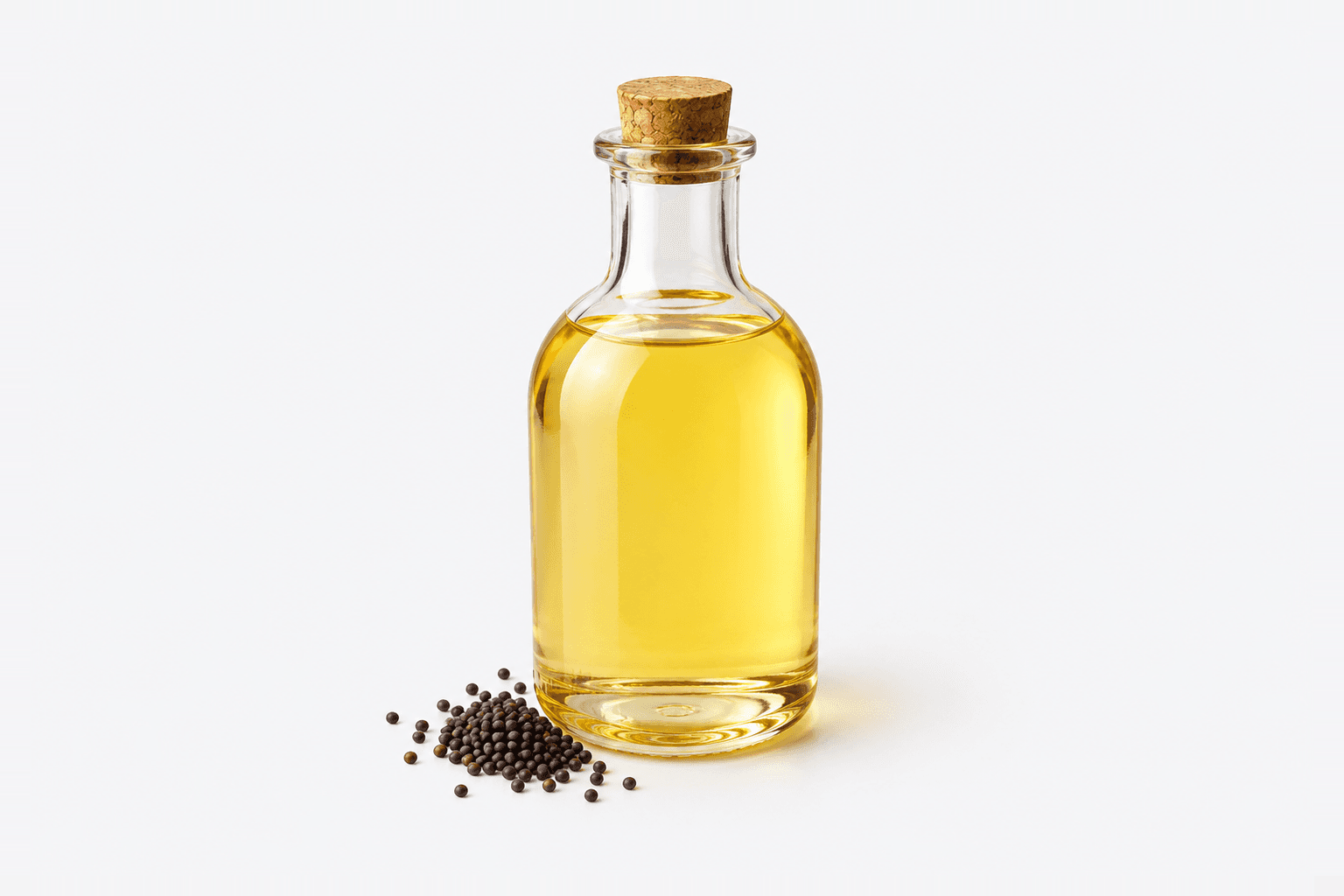
Strong evidenceAcross 42 trials it lowered LDL by 0.23 mmol/L against other cooking oils — and dropped total cholesterol further than olive oil did.

Grains & legumes
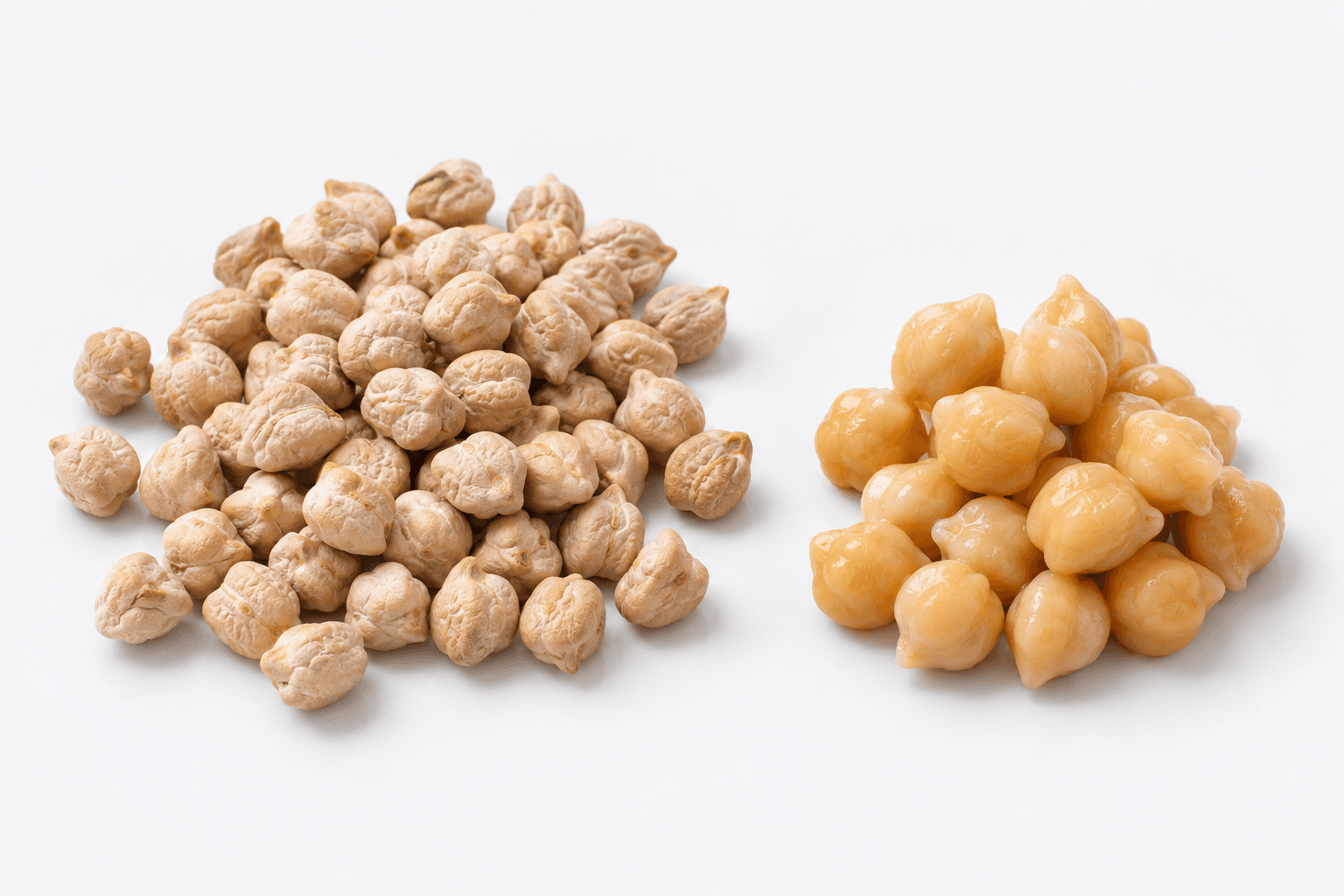
Strong evidence7.6 g of fibre and 172 µg of folate per 100 g cooked. Twenty-eight trials found a glucose effect — graded very low certainty.

Oils & fats
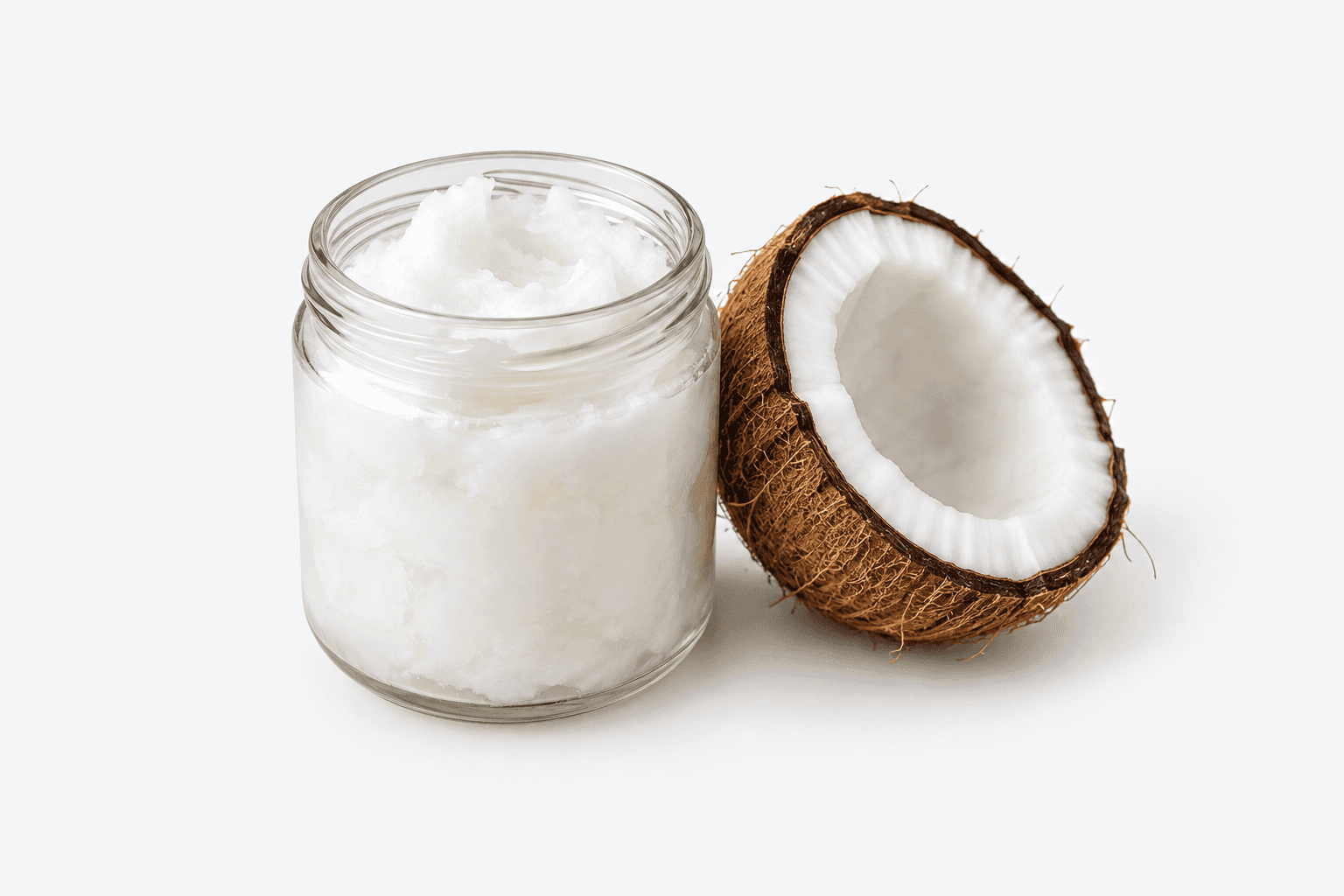
Strong evidencePooling 16 clinical trials, LDL rose 10.5 mg/dL against other vegetable oils. The 'healthy saturated fat' story did not survive testing.

Oils & fats
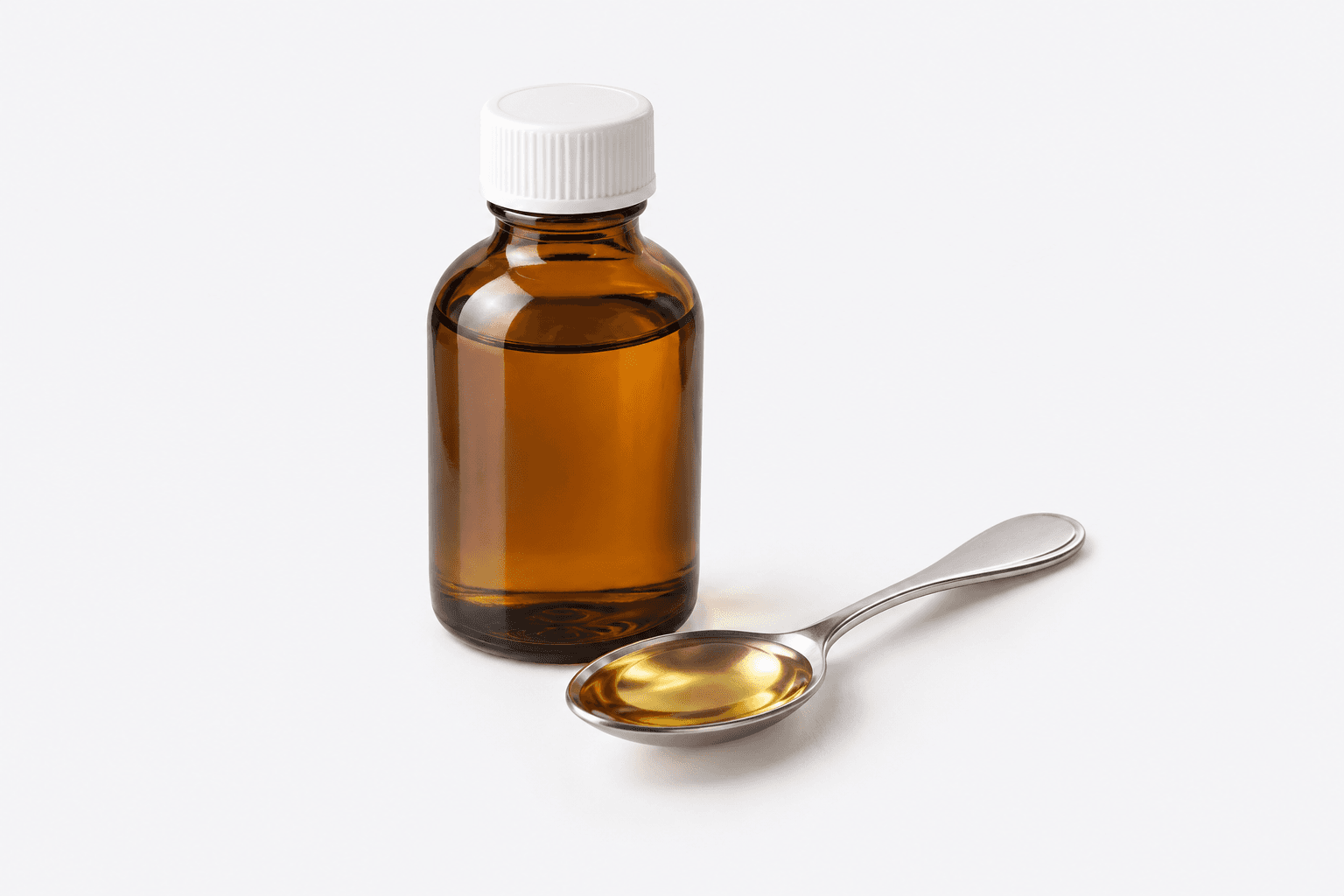
Strong evidenceA teaspoon carries 11 µg of vitamin D and 0.8 g of omega-3. It also carries 1,350 µg RAE of vitamin A — 45 % of the adult upper limit.

Oils & fats
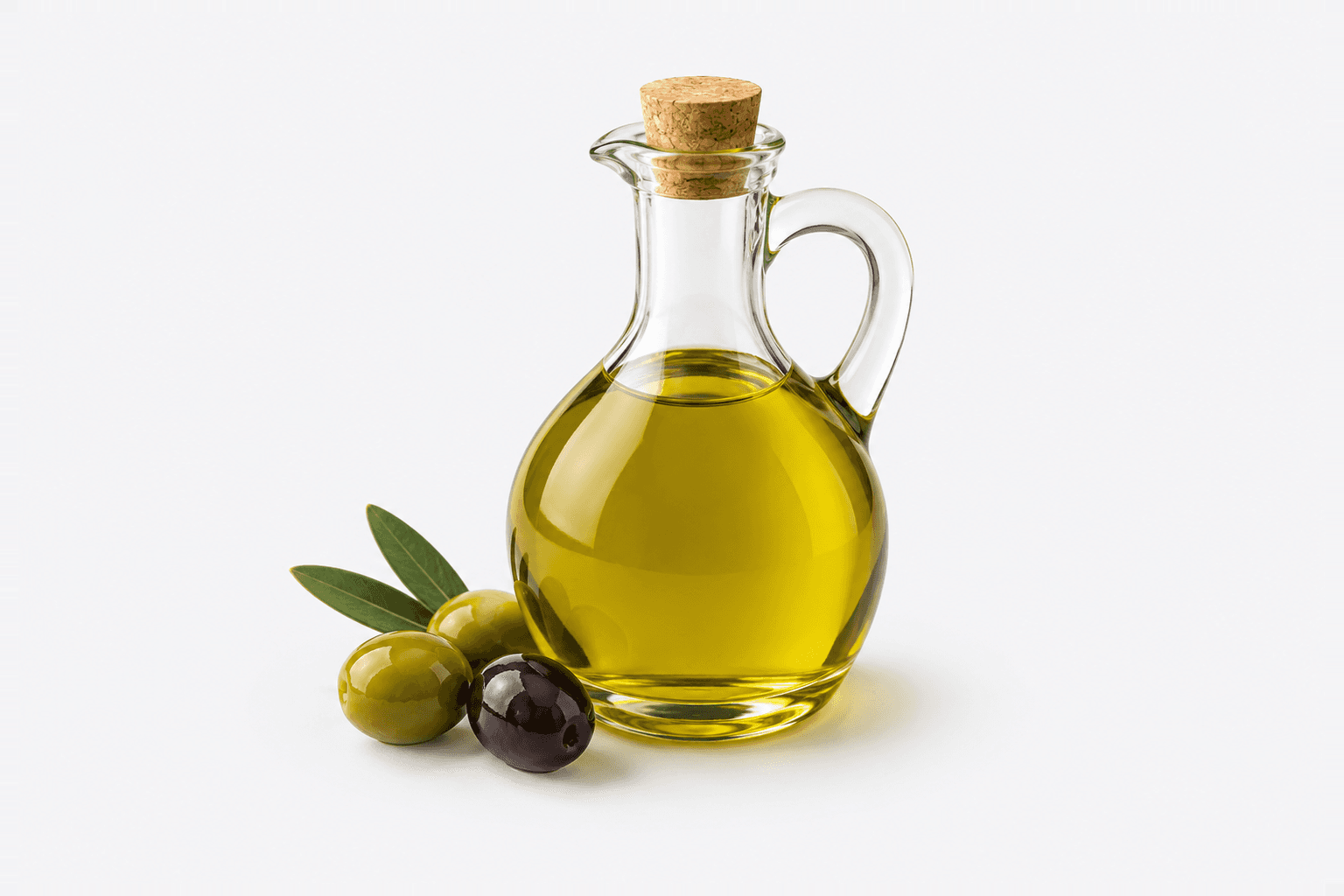
Strong evidenceCardiovascular events were 31 % lower in a randomised trial of 7,447 people. Against other vegetable oils, though, there was no difference.

Nuts & seeds
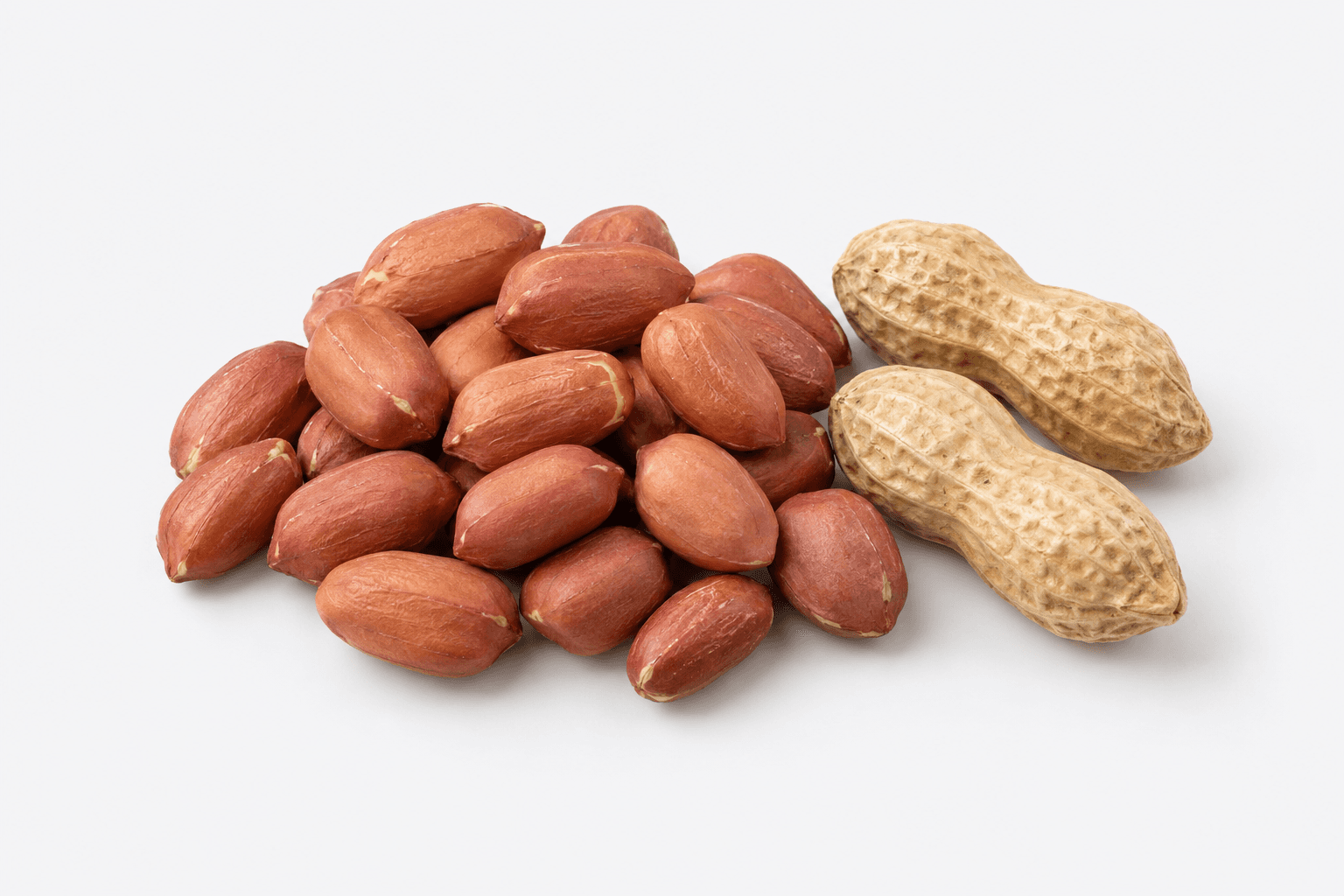
Strong evidenceAcross three cohorts of 206,000 people, mortality risk ran 17–21 % lower. Peanut butter showed no such association.

Grains & legumes
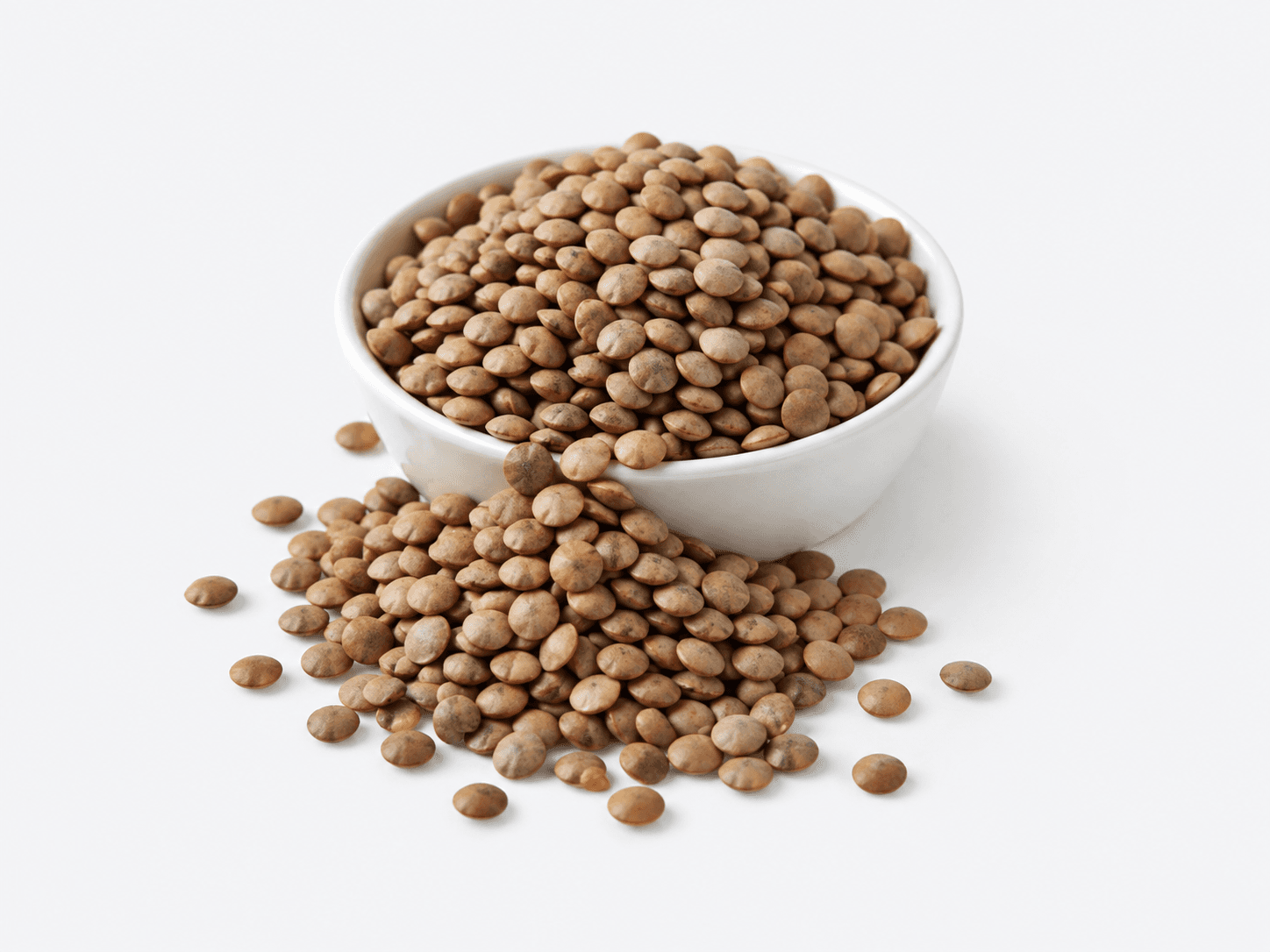
Strong evidence7.9 g of fibre and 181 µg of folate per 100 g cooked. The LDL effect is settled across 38 randomised trials.

Grains & legumes
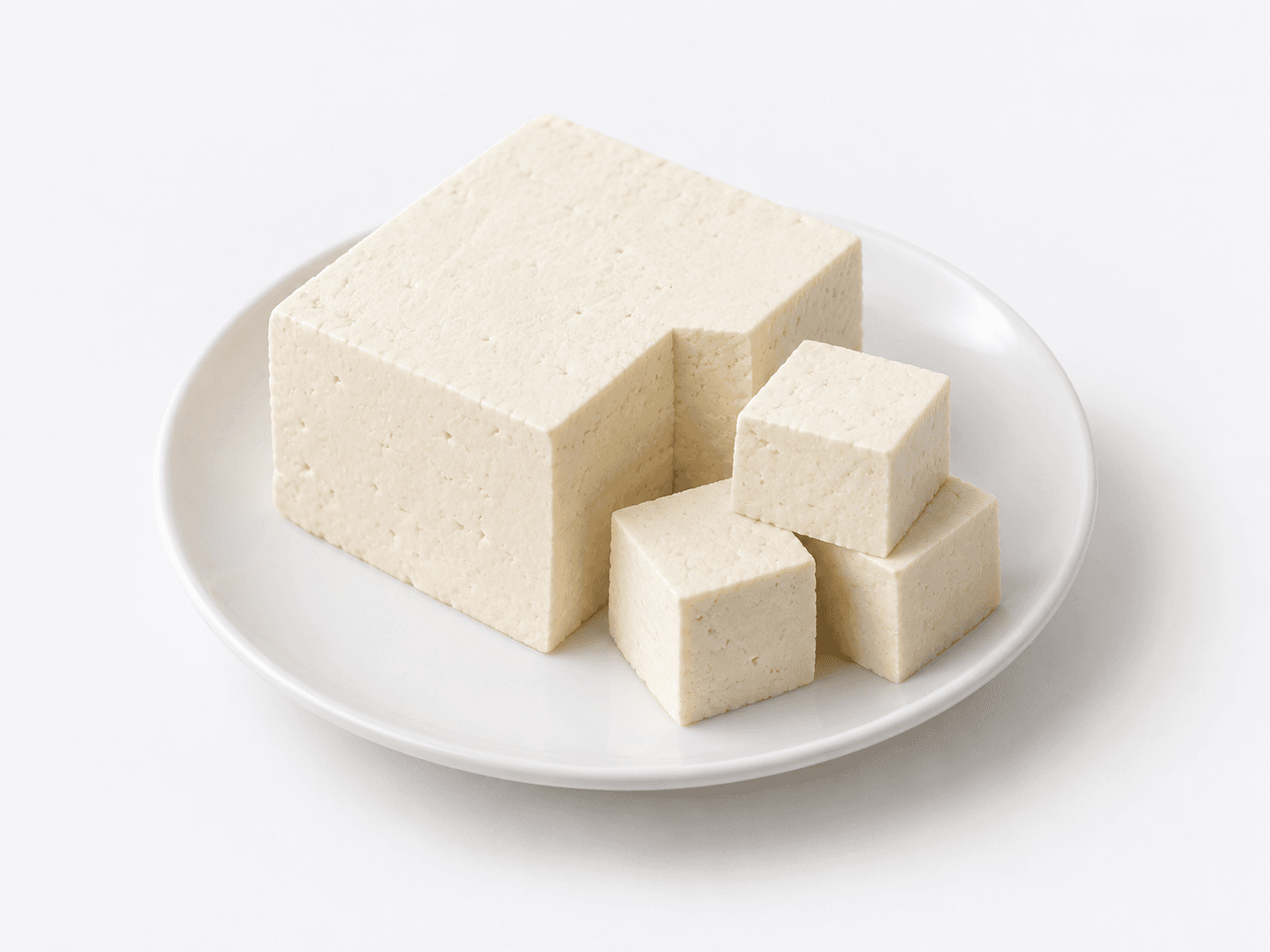
Strong evidenceSoy protein's LDL-lowering effect is confirmed across 43 randomised trials. The size of it is 3–4 %.

Grains & legumes
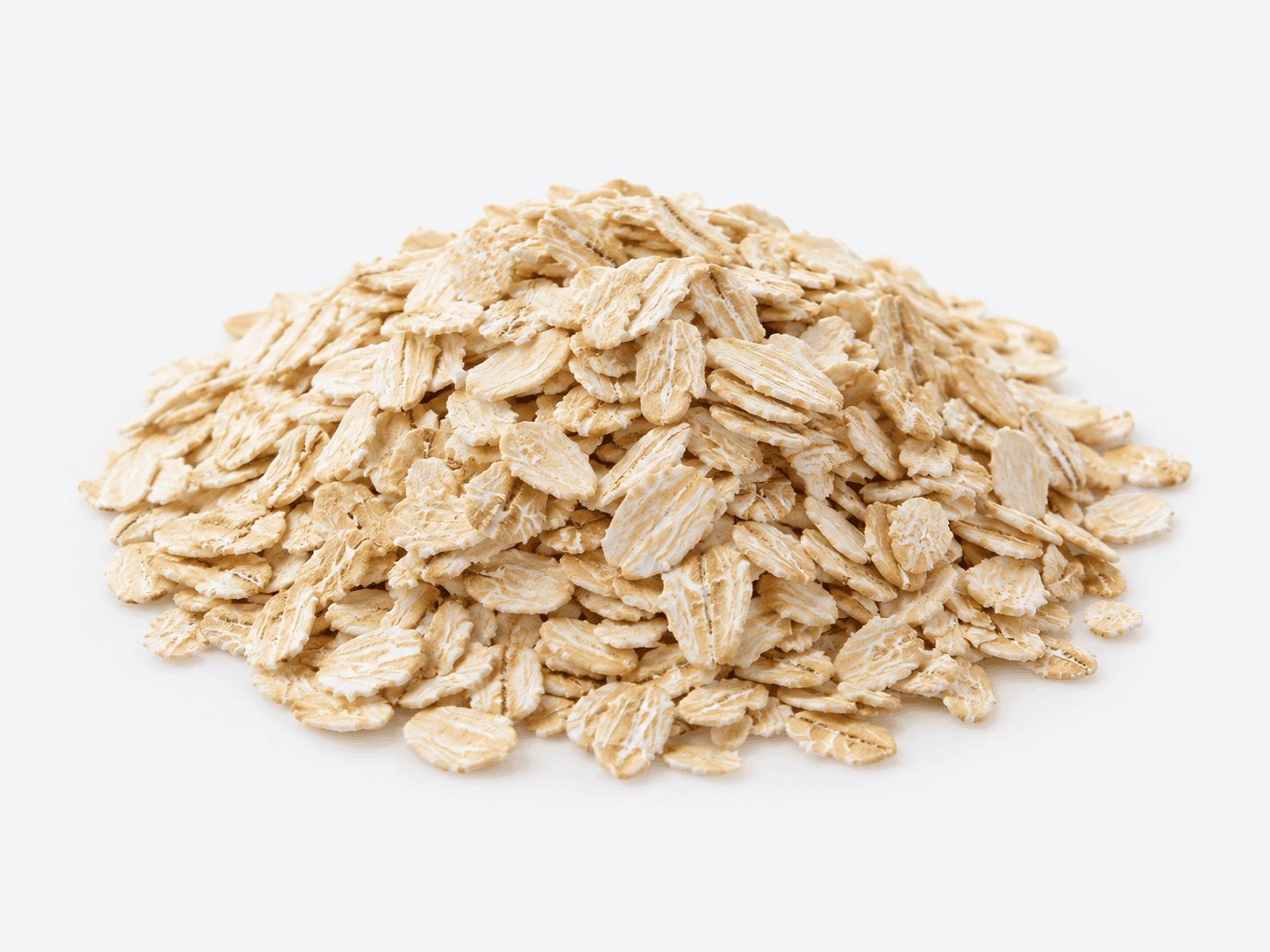
Strong evidenceThree grams a day of oat beta-glucan lowers LDL cholesterol — a claim regulators have actually approved.

Vegetables
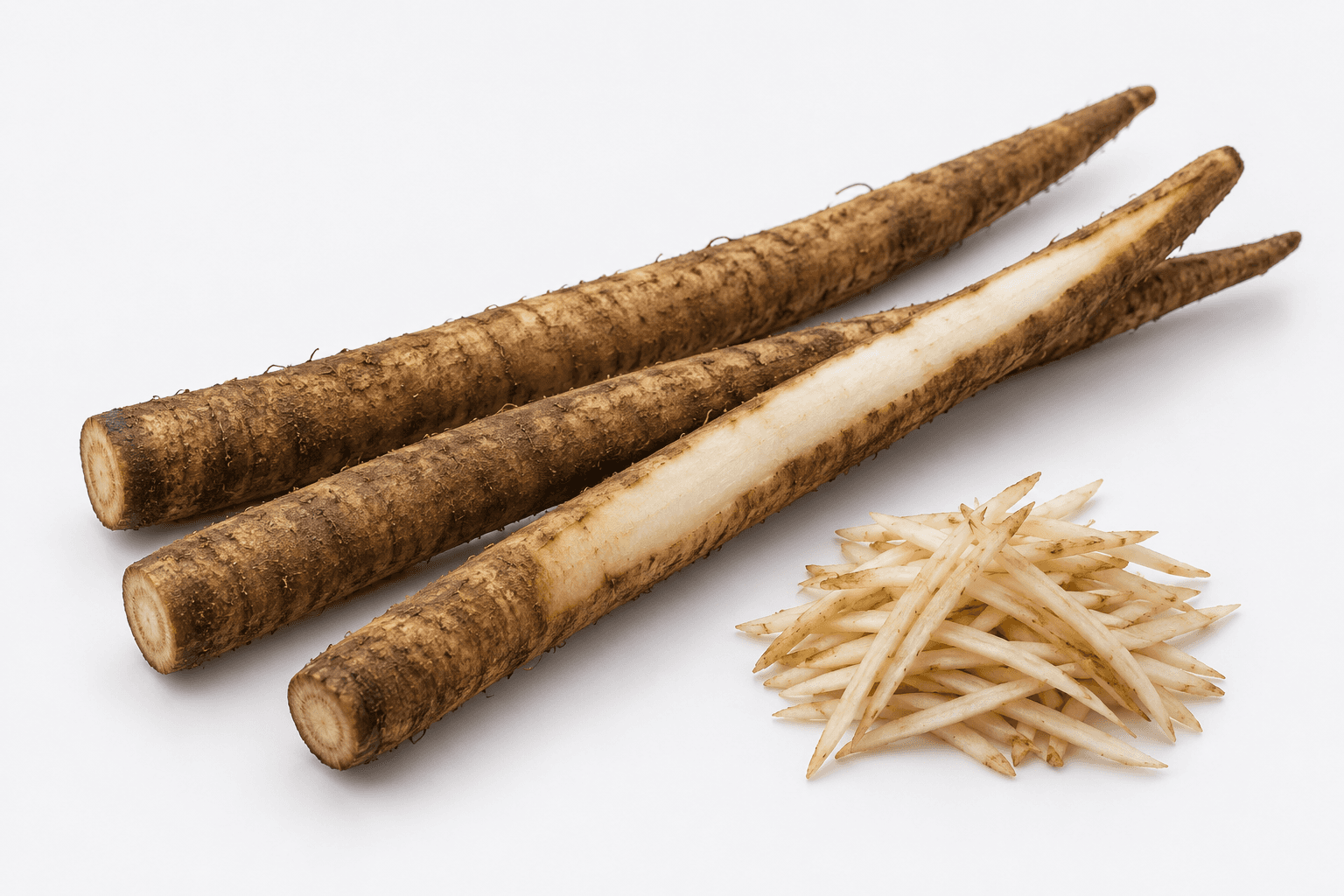
Strong evidenceMuch of burdock's carbohydrate is inulin, which you cannot digest. It feeds your gut bacteria instead of you.

Seafood
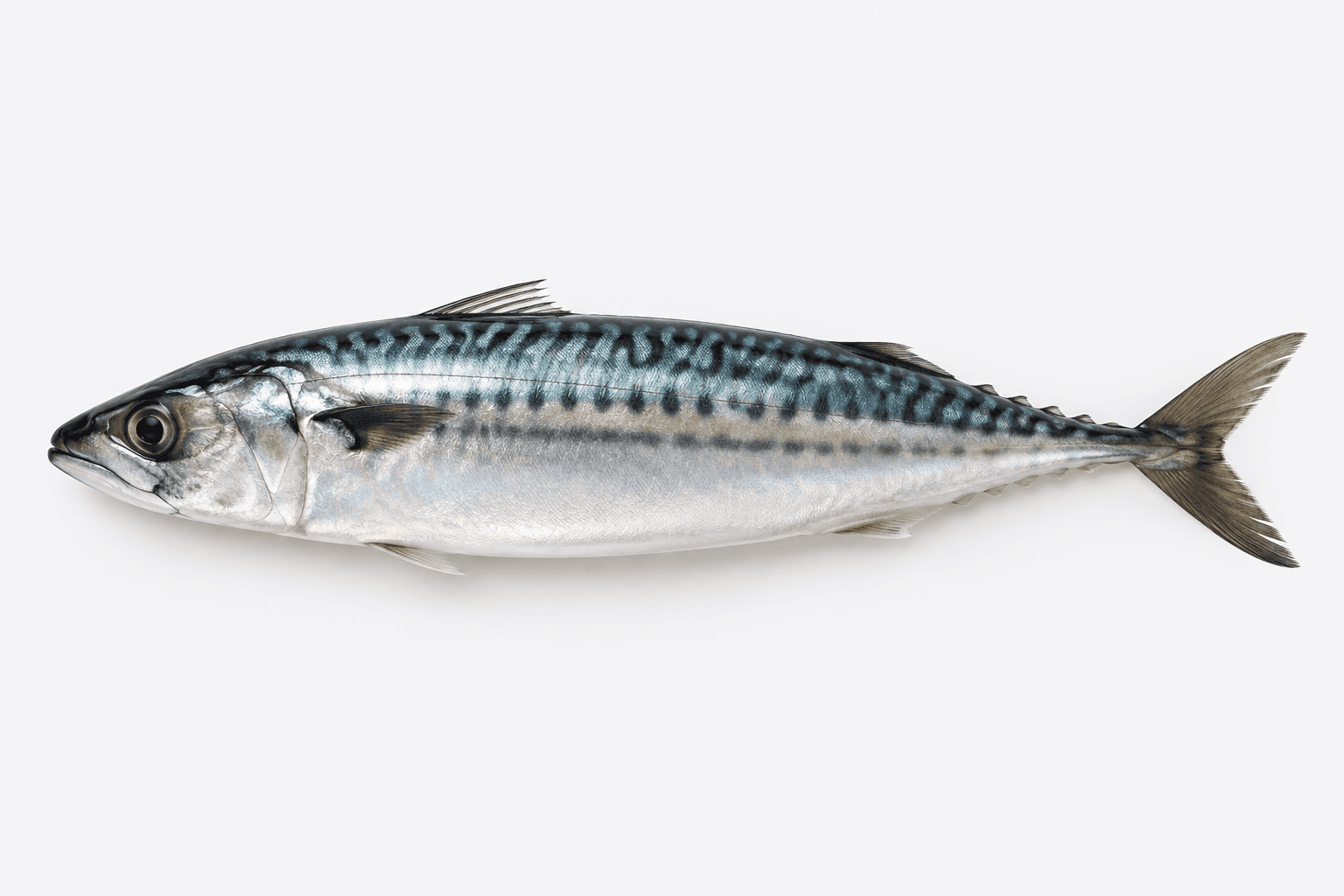
Strong evidence100 g of mackerel carries more EPA and DHA than salmon. Factor in the price and it is the best-value omega-3 fish there is.

Vegetables
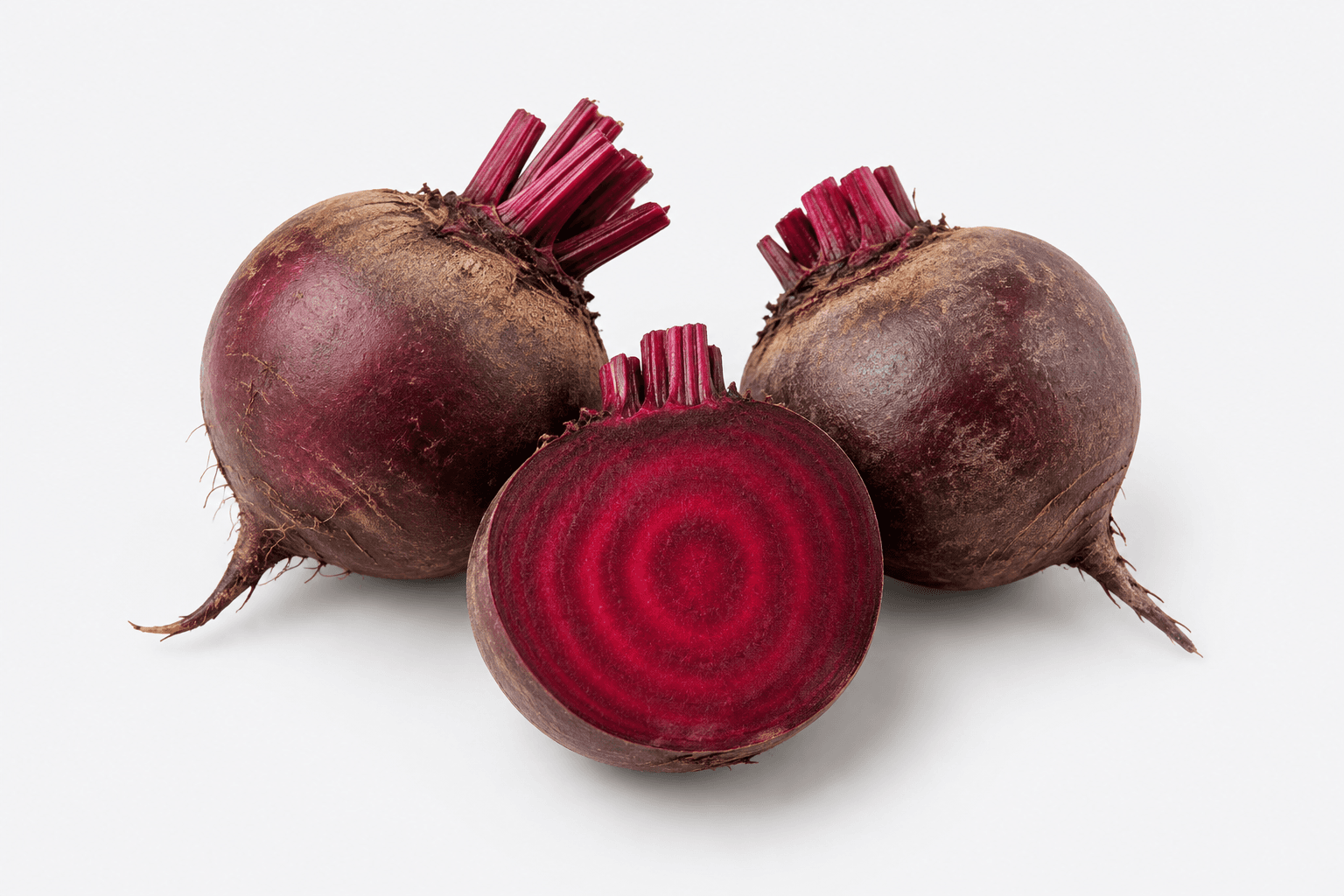
Strong evidenceBeet nitrate converts to nitric oxide, which widens blood vessels. That is why it keeps appearing in exercise physiology studies.

Herbs & spices
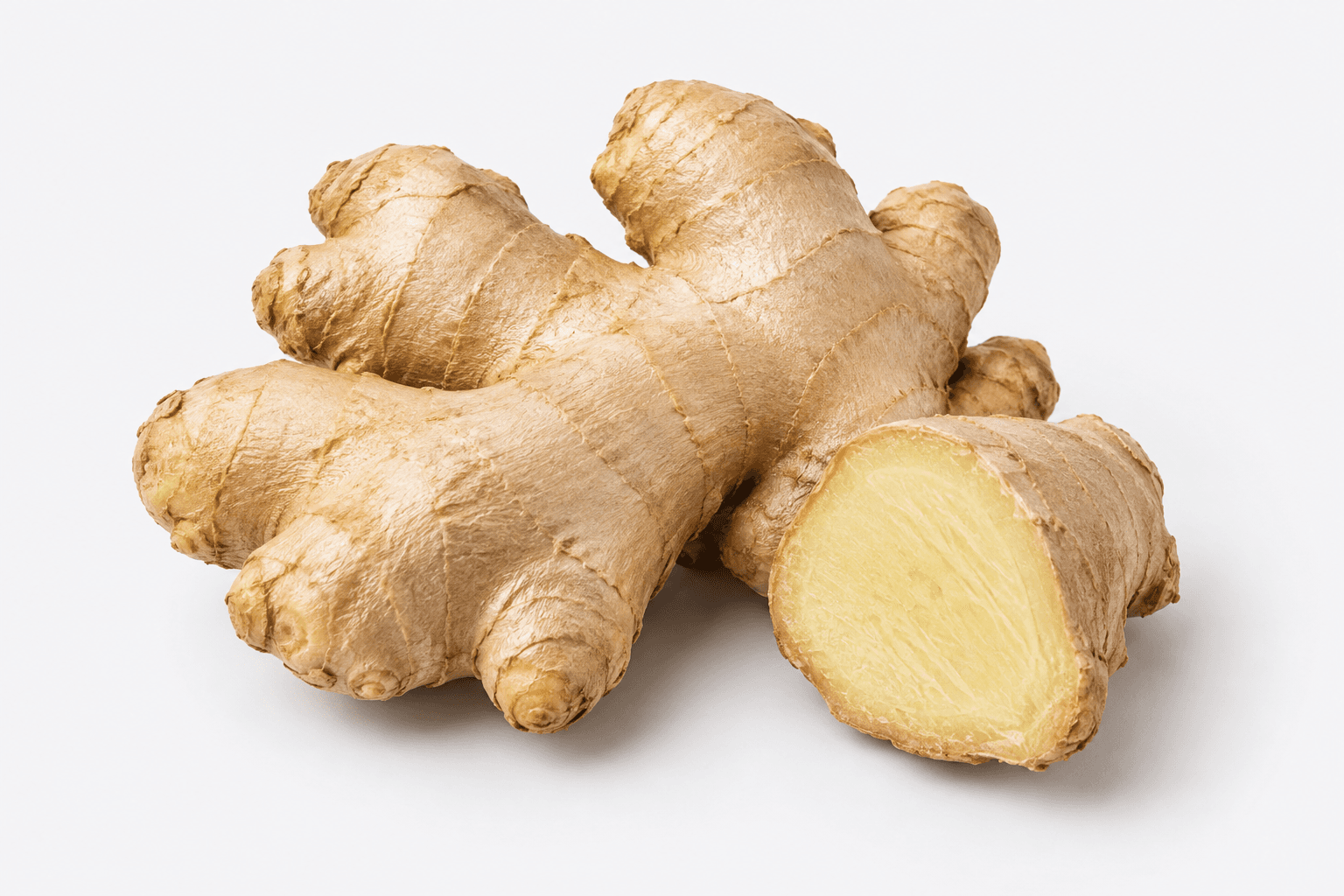
Strong evidenceGingerol, the pungent compound in ginger, has its strongest evidence for easing nausea and aiding digestion. One to three grams a day is enough.