Contents
What it is
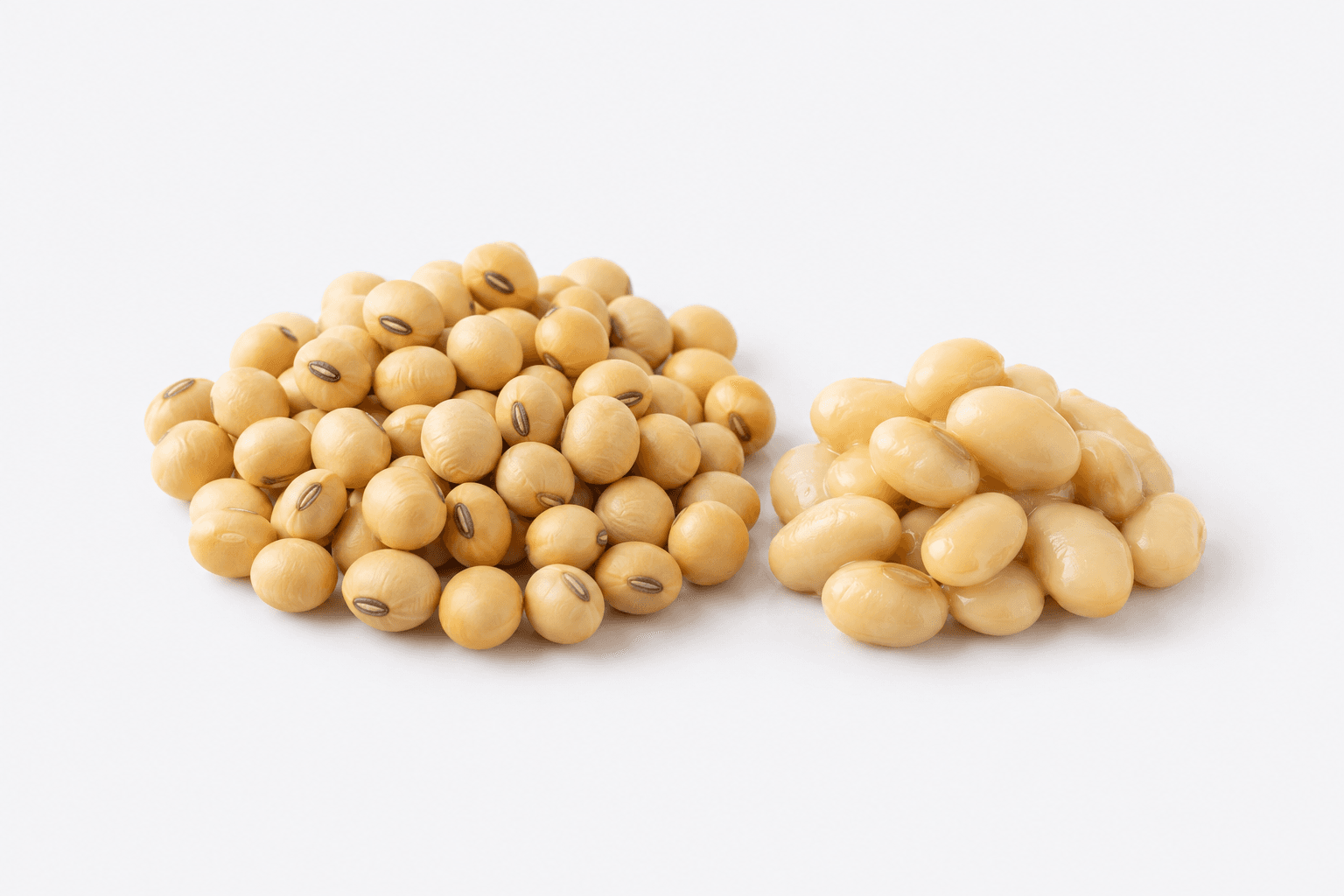
The soybean is the seed of an annual legume native to East Asia. What most sets it apart from other beans is its fat content, around 20 percent, which makes it an oilseed crop as well. Its protein share is also among the highest of any bean. Raw soybeans contain compounds that hinder digestion and lectins that clump red blood cells, so they must be cooked thoroughly. Tofu, soy milk, doenjang, soy sauce and soybean oil all come out of this one bean.
Scientific name Glycine max
The oldest worry about soy is whether eating a lot of it acts like oestrogen in the body.
In 2025, Advances in Nutrition answered that question head on. Forty randomised controlled trials in postmenopausal women (52 comparisons), 3,285 participants, a median of 75 mg of isoflavones a day for a median of 24 weeks.
All four measures of oestrogenicity showed no statistically significant change.
- Endometrial thickness −0.22 mm (P = 0.059)
- Vaginal maturation index 2.31 (P = 0.310)
- FSH −0.02 IU/L (P = 0.987)
- Oestradiol 1.61 pmol/L (P = 0.256)
Certainty of evidence (GRADE) was high to moderate — meaning forty trials agreed.
This page also records where the evidence comes from. One author appears on that paper and on both below, and he was employed by a soy industry body. It is stated plainly further down.
Key benefits
- Strong evidence
Soy isoflavones did not act like oestrogen
[1][2]A 2025 systematic review and meta-analysis in Advances in Nutrition. MEDLINE, Embase and the Cochrane Library were searched to August 2024 for randomised trials of at least three months comparing isoflavones with non-isoflavone controls.
Forty trials, 52 comparisons, 3,285 participants. Median dose 75 mg/day of isoflavones, median duration 24 weeks, in postmenopausal women.
All four measures of oestrogenicity were unchanged.
- Endometrial thickness −0.22 mm (95% CI −0.45 to 0.01), P = 0.059
- Vaginal maturation index 2.31 (−2.14 to 6.75), P = 0.310
- FSH −0.02 IU/L (−2.39 to 2.35), P = 0.987
- Oestradiol 1.61 pmol/L (−1.17 to 4.38), P = 0.256
Certainty was high to moderate for all four. This is not an absence of evidence; it is many trials consistently pointing at no change.
The authors read this as isoflavones acting like selective oestrogen receptor modulators (SERMs), behaving clinically differently from the hormone itself.
The breast cancer survival data point the same way. A 2019 meta-analysis in the European Journal of Nutrition pooled 12 articles covering 37,275 women with breast cancer. Highest versus lowest pre-diagnosis soy and isoflavone intake gave overall survival HR 0.84 (0.71–0.98). But breast-cancer-specific survival was not significant at HR 0.89 (0.74–1.07), and post-diagnosis intake gave an overall survival HR of 0.80 that was also not significant (0.62–1.04). These are observational studies pooled; they cannot be read causally.
Now the interest disclosure. One co-author of the 2025 meta-analysis (M. Messina) was employed by the Soy Nutrition Institute Global, which is funded by the United Soybean Board. The paper disclosed this itself.
That does not overturn the result. Forty randomised trials assessed with GRADE exist independently of who wrote them up. But the same author appears on both entries below, and a reader should know that.
- Moderate evidence
LDL falls by roughly 3–4%
[3]A 2019 meta-analysis in the Journal of Nutrition, with an unusual backstory: the US FDA was considering revoking soy protein's heart health claim, and this paper re-analysed the exact 46 trials the FDA had identified as its basis.
Of the 46, 43 supplied data; 41 supplied LDL. Baseline LDL across participants ran from 110 to 201 mg/dL.
Comparing soy protein at a median of 25 g/day over a median of 6 weeks against non-soy protein:
- LDL −4.76 mg/dL (95% CI −6.71 to −2.80, P < 0.0001, I² = 55%)
- Total cholesterol −6.41 mg/dL (95% CI −9.30 to −3.52, P < 0.0001, I² = 74%)
There was no dose-response effect and no evidence of publication bias.
The look at individual trials is the interesting part. About 75% of them showed LDL falling, across a range from −0.77 to −58.60 mg/dL — but only a minority were individually significant. Each was too small to detect on its own; pooled, they pointed one way.
The authors' summary is a reduction of about 3–4%.
Take the size honestly. Someone at 130 mg/dL would move to about 125. That is the scale of one component of a diet, not a medicine.
The same M. Messina is among the authors here as above.
- Moderate evidence
Thyroid: fine if yours is normal, but space it from your medication
[4]"Soy is bad for the thyroid" is another old claim. A 2006 review in Thyroid went through it.
It identified 14 trials that measured at least one thyroid function marker — eight in women only, four in men, two in both.
With one exception, there were either no effects or very modest changes.
The authors' summary splits three ways.
- In euthyroid, iodine-replete people, there is little evidence that soy foods or isoflavones harm thyroid function.
- In hypothyroid patients on thyroid hormone, there is evidence that soy inhibits absorption and may raise the dose required. That is not a reason to avoid soy foods.
- In people with already compromised thyroid function or marginal iodine intake, a theoretical concern remains, based on in vitro and animal data.
So their practical advice is one line: if you eat soy foods, make sure your iodine intake is adequate. In a Korean diet, sea mustard, kelp and gim do that work.
An important limit — thyroid function was not the primary outcome in any of the 14 trials. This is a review of values measured on the side.
The first author here is also M. Messina. The same person appears on all three.
- Nutrition data
The highest protein and fat of any bean
Per 100 g of boiled soybeans:
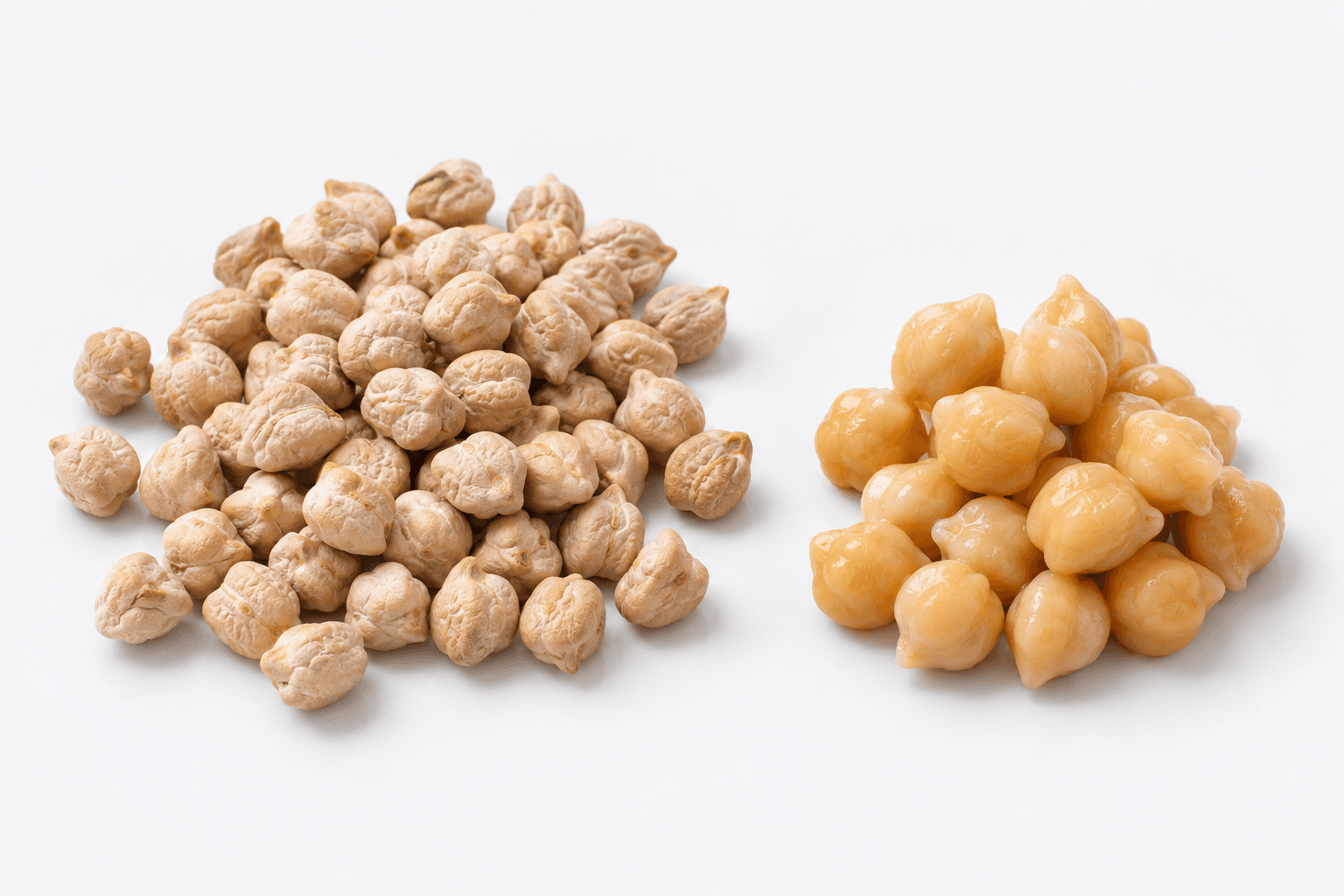
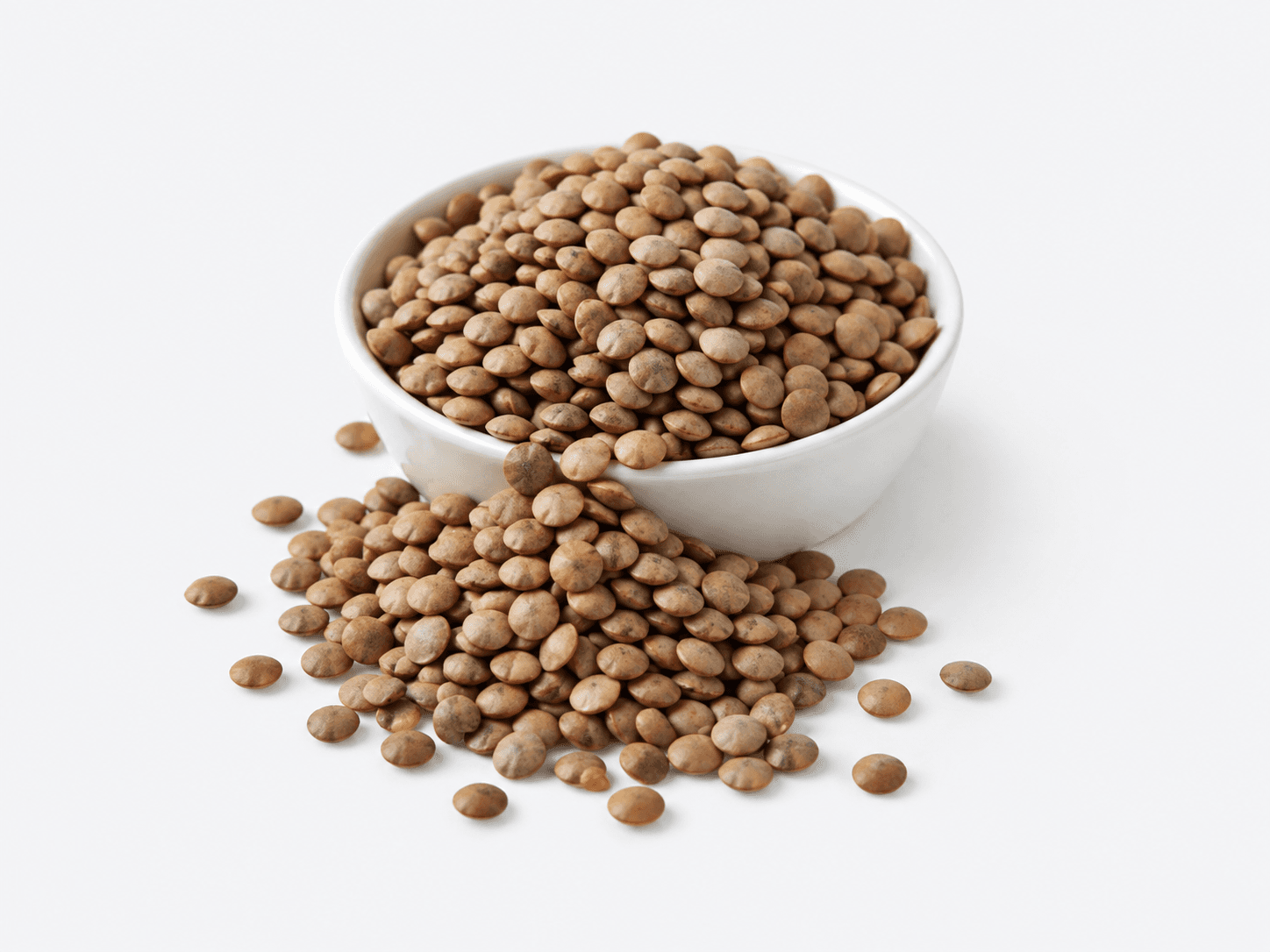
- Protein 18.2 g — the highest among cooked pulses (lentils about 9 g, chickpeas 8.9 g, black beans 8.9 g)
- Iron 5.14 mg — 64% of the adult requirement
- Fibre 6.0 g — 24%
- Potassium 515 mg, phosphorus 245 mg, magnesium 86 mg, calcium 102 mg
- Manganese 0.824 mg, copper 0.407 mg, folate 54 µg, vitamin K 19.2 µg
- 172 kcal
What sets soy apart from other beans is the fat: 8.97 g per 100 g, against 0.4 g in lentils and 2.6 g in chickpeas. That is why soybeans are pressed for oil and other pulses are not.
The fat breaks down as 1.3 g saturated, 1.98 g monounsaturated, 5.06 g polyunsaturated — over half polyunsaturated.
The protein quality is high too. Soy is one of the few plant proteins carrying all nine essential amino acids in sufficient amounts, with an amino acid score close to animal protein.
But the iron is non-haem, absorbed at only 2–10%. Eating it with vitamin C raises that.
Treat it as a different food from tofu or soy milk. Tofu is the protein and fat strained out of the bean, so it has almost no fibre; soy milk is mostly water. Only eating the bean itself brings the 6.0 g of fibre with it.
How to eat it well
- Cook them thoroughly. Undercooked beans keep lectins and trypsin inhibitors that block digestion and upset the gut. Boil hard for at least 30 minutes.
- Soak for eight hours or more, discard the soaking water and boil in fresh. Some of the gas-forming oligosaccharides leave with it.
- Eat them with vitamin C — peppers, broccoli, lemon juice all lift non-haem iron absorption.
- About 25 g of soy protein a day is the level in the lipid trials above; that is roughly 140 g of cooked beans.
- Pre-cook them before adding to rice. Started raw alongside the rice, they finish underdone.
- If you take thyroid hormone, leave at least four hours between the medication and soy foods.
- Check your iodine. If soy is frequent, make sure sea mustard, kelp, gim or seafood are in the diet.
How to read the grades
Each benefit carries a label showing how far research on people supports it. Grades differ between items even within the same ingredient.
- Nutrition data
- A fact verifiable from food composition databases or health authorities. This is a different kind of statement from a clinical effect.
- Strong evidence
- Consistently confirmed across randomised controlled trials or meta-analyses.
- Moderate evidence
- Human studies exist, but effect sizes are small or results are mixed.
- Early research
- Cell or animal work, or small preliminary studies.
- Not established
- Commonly claimed, but not confirmed in studies on people.
What to watch out for
- Soy allergy is one of the eight major food allergens, and relatively common in children.
- On levothyroxine, impaired absorption is documented. Space it from the medication and do not change your intake abruptly.
- Undercooked beans cause gut upset. Legume lectins are destroyed by sufficient heat.
- Gas and bloating are common. Discarding the soaking water and boiling in fresh reduces it.
- With gout, pulses are moderate in purines — though plant purines raise urate less than animal ones do.
- If you restrict potassium or phosphorus for kidney disease, 100 g holds 515 mg and 245 mg.
- All three papers above include an author affiliated with a soy industry body. That does not void the results; it is something to read them with.
- The breast cancer survival data are observational. Treatment decisions belong with your clinician.
Nutrition
Per 100 g of boiled soybeans. 100 g of dry beans yields about 220 g cooked. A bowl's worth is 150 g.
- Calories
- 172 kcal9%
- Protein
- 18.2 g36%
- Fat
- 8.97 g12%
- Carbohydrates
- 8.36 g3%
- Fiber
- 6.0 g21%
- Iron
- 5.14 mg29%
- Potassium
- 515 mg11%
- Phosphorus
- 245 mg20%
- Magnesium
- 86 mg20%
- Calcium
- 102 mg8%
- Manganese
- 0.824 mg36%
- Folate
- 54 µg13%
Percentages are of the US FDA Daily Value for adults and children 4 and over. National reference intakes differ by sex and age.
Calculate this alongside other ingredients →
Key nutrients
By health concern
Dishes with this ingredient
Sources
The databases and health authorities this article's nutrition figures and health statements draw on.
- 1Effect of Soy Isoflavones on Measures of Estrogenicity: A Systematic Review and Meta-Analysis of Randomized Controlled TrialsMeta-analysisViscardi G, et al. Adv Nutr 2025PMID 39433088
- 2Soy and isoflavones consumption and breast cancer survival and recurrence: a systematic review and meta-analysisMeta-analysisQiu S, et al. Eur J Nutr 2019PMID 30382332
- 3A Meta-Analysis of 46 Studies Identified by the FDA Demonstrates that Soy Protein Decreases Circulating LDL and Total Cholesterol Concentrations in AdultsMeta-analysisBlanco Mejia S, et al. J Nutr 2019PMID 31006811
- 4Effects of soy protein and soybean isoflavones on thyroid function in healthy adults and hypothyroid patients: a review of the relevant literatureSystematic reviewsMessina M, et al. Thyroid 2006PMID 16571087
- 5USDA FoodData CentralFood composition database
- 6MFDS Food Composition Database · 식품안전나라Food composition database
- 7NIH Office of Dietary SupplementsHealth authority
- 8European Food Safety Authority (EFSA)Health authority
- 9PubMedResearch literature