Mineral
Foods high in manganese and what it does
Manganese is a trace mineral needed in small amounts, but bone formation and antioxidant enzymes cannot do without it. Whole grains and nuts usually cover it.
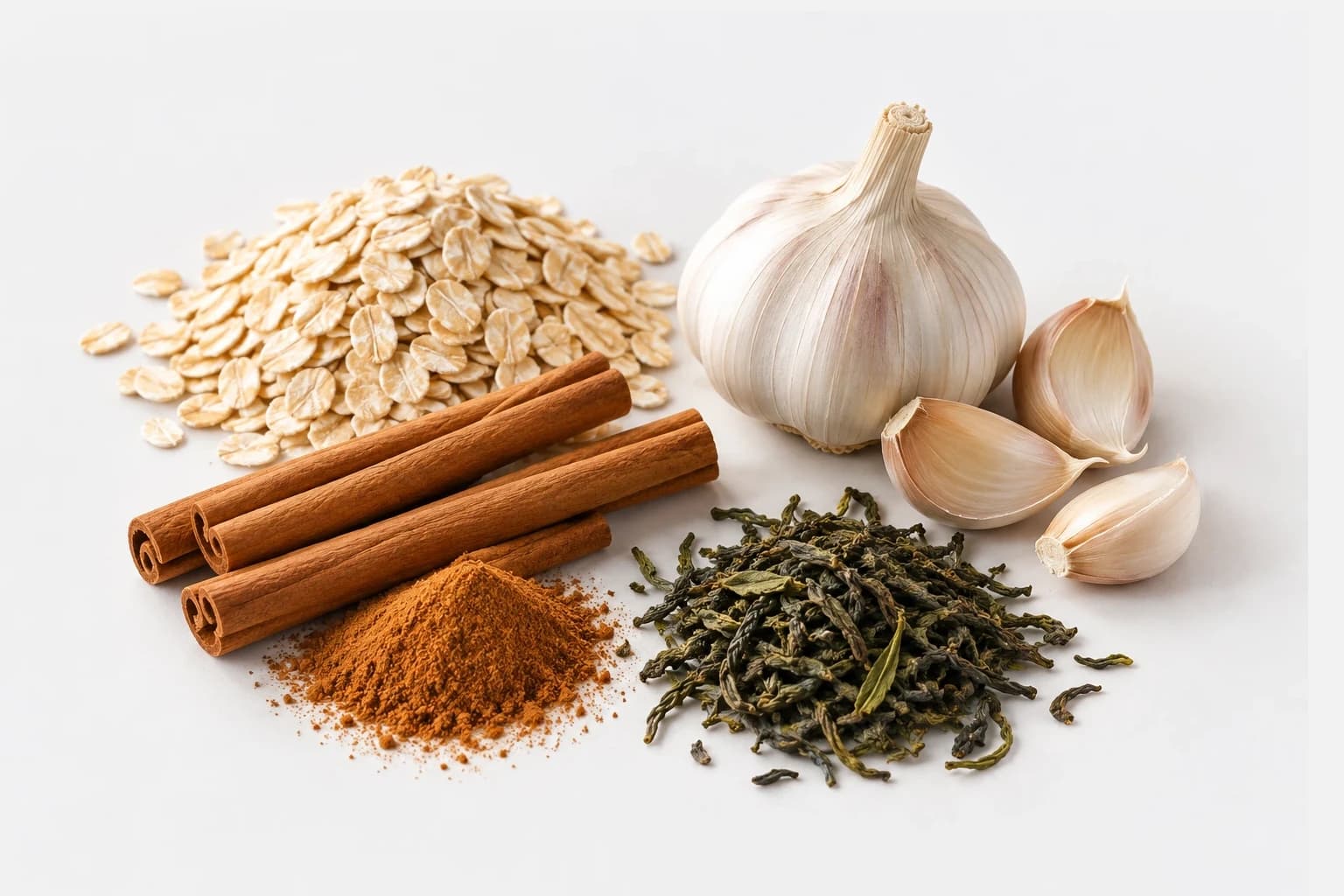
Highest sources
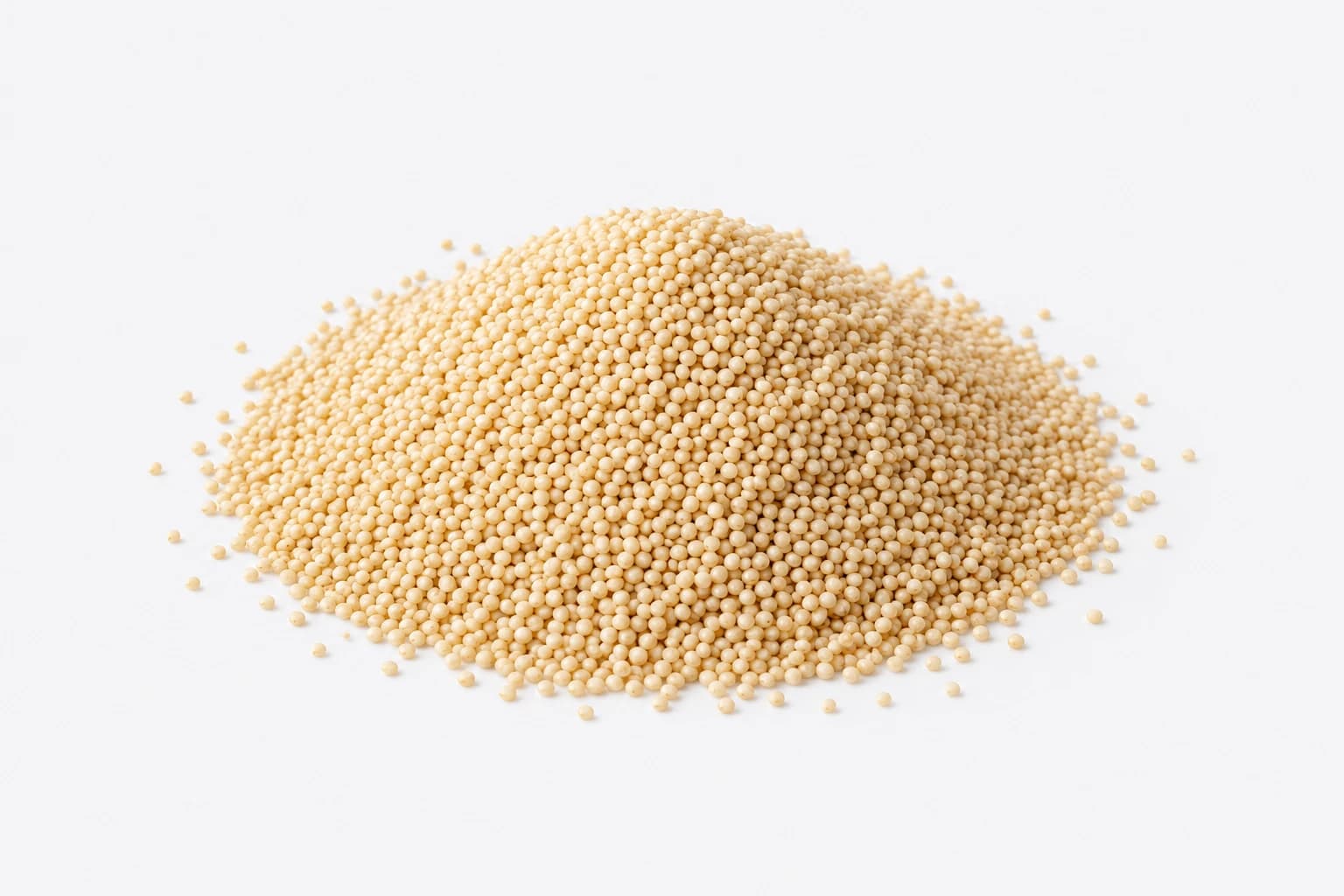
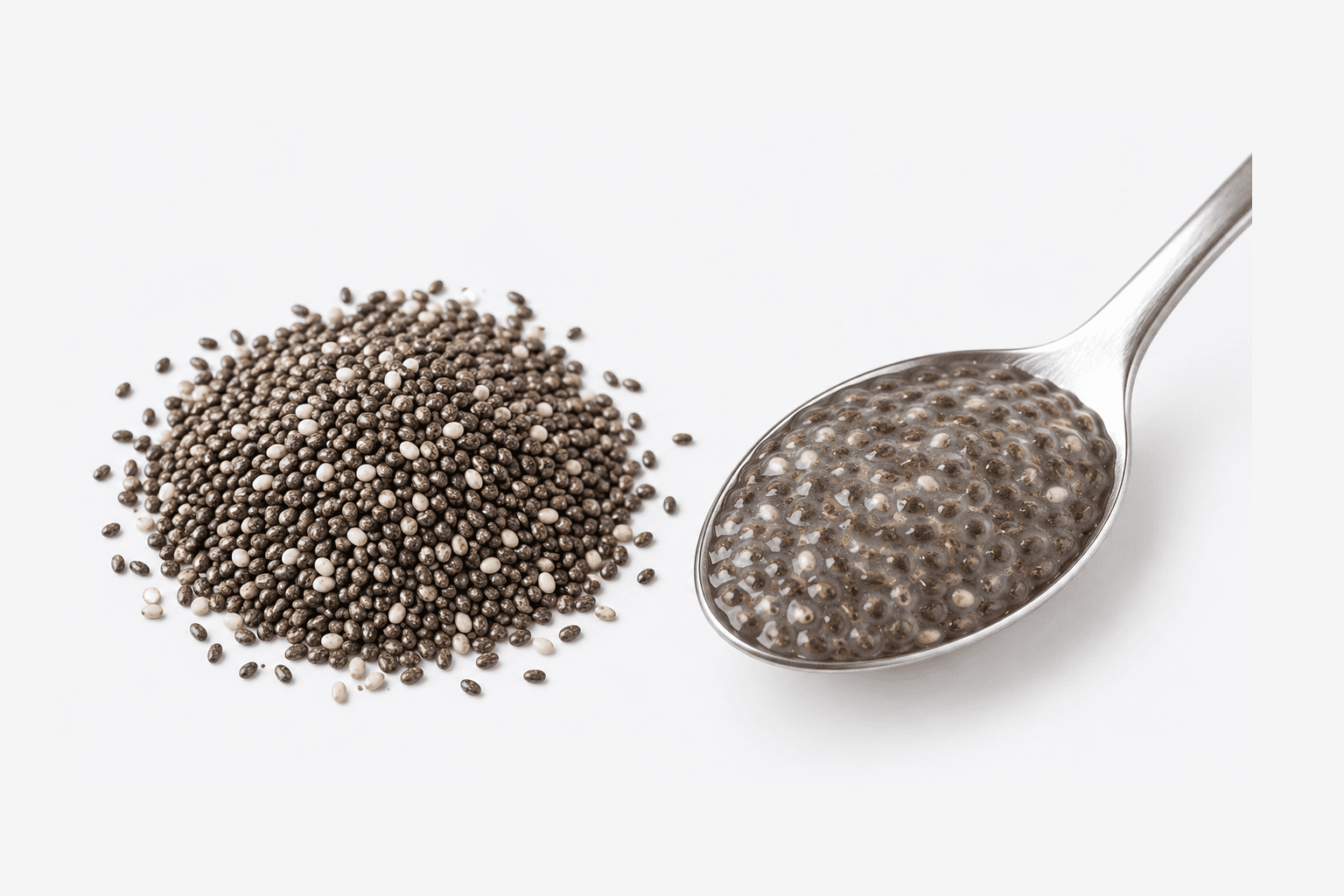
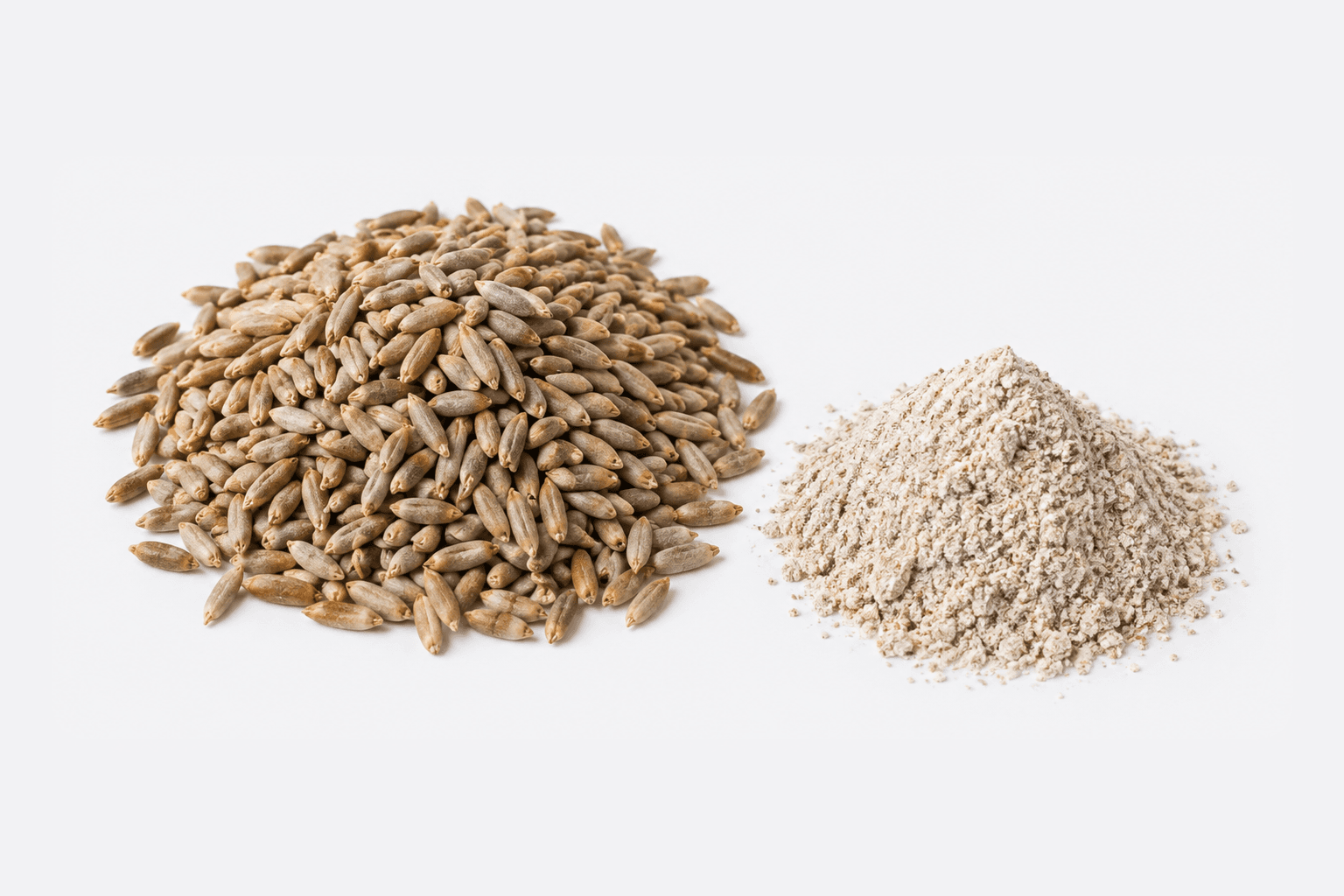
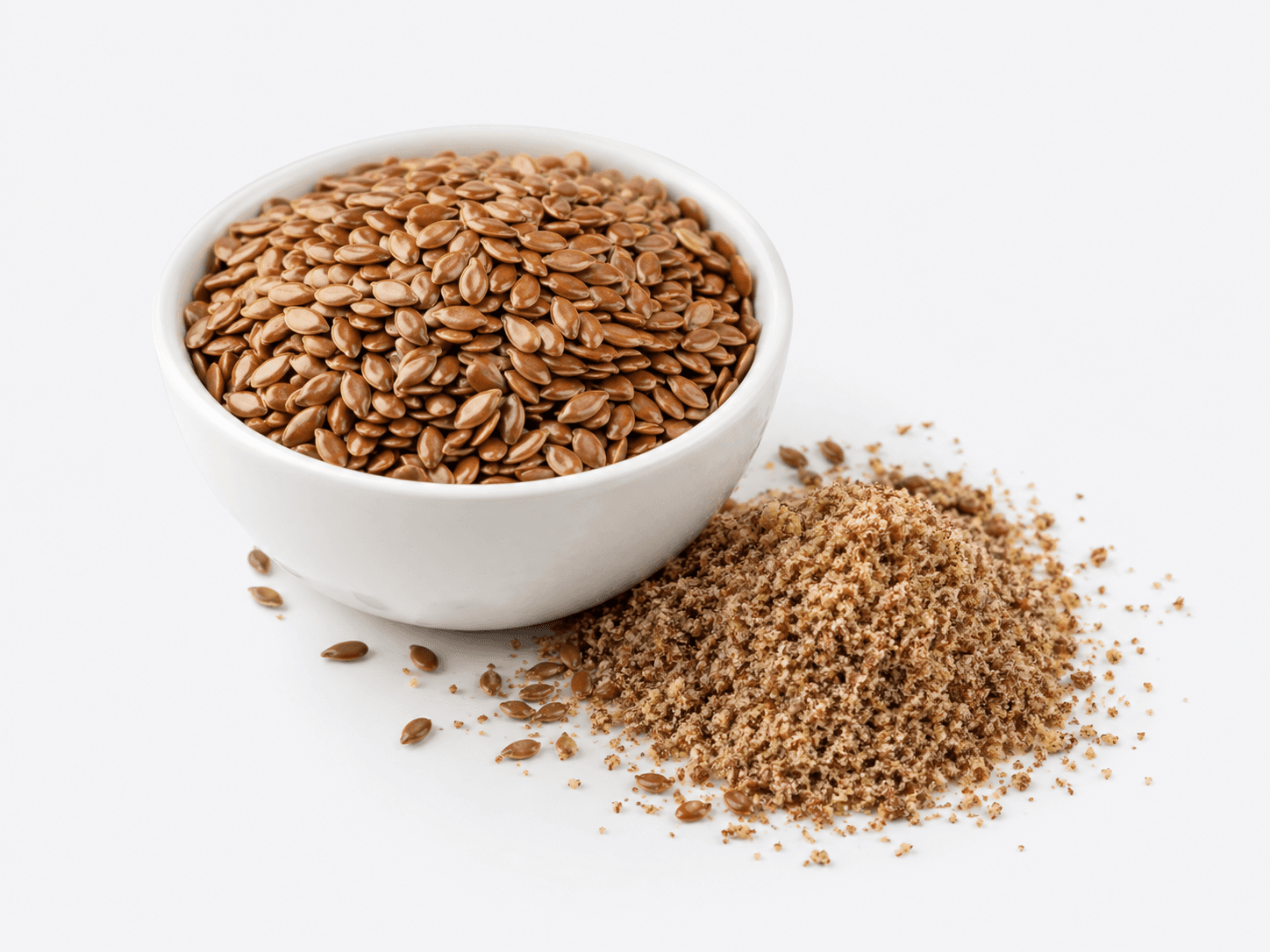
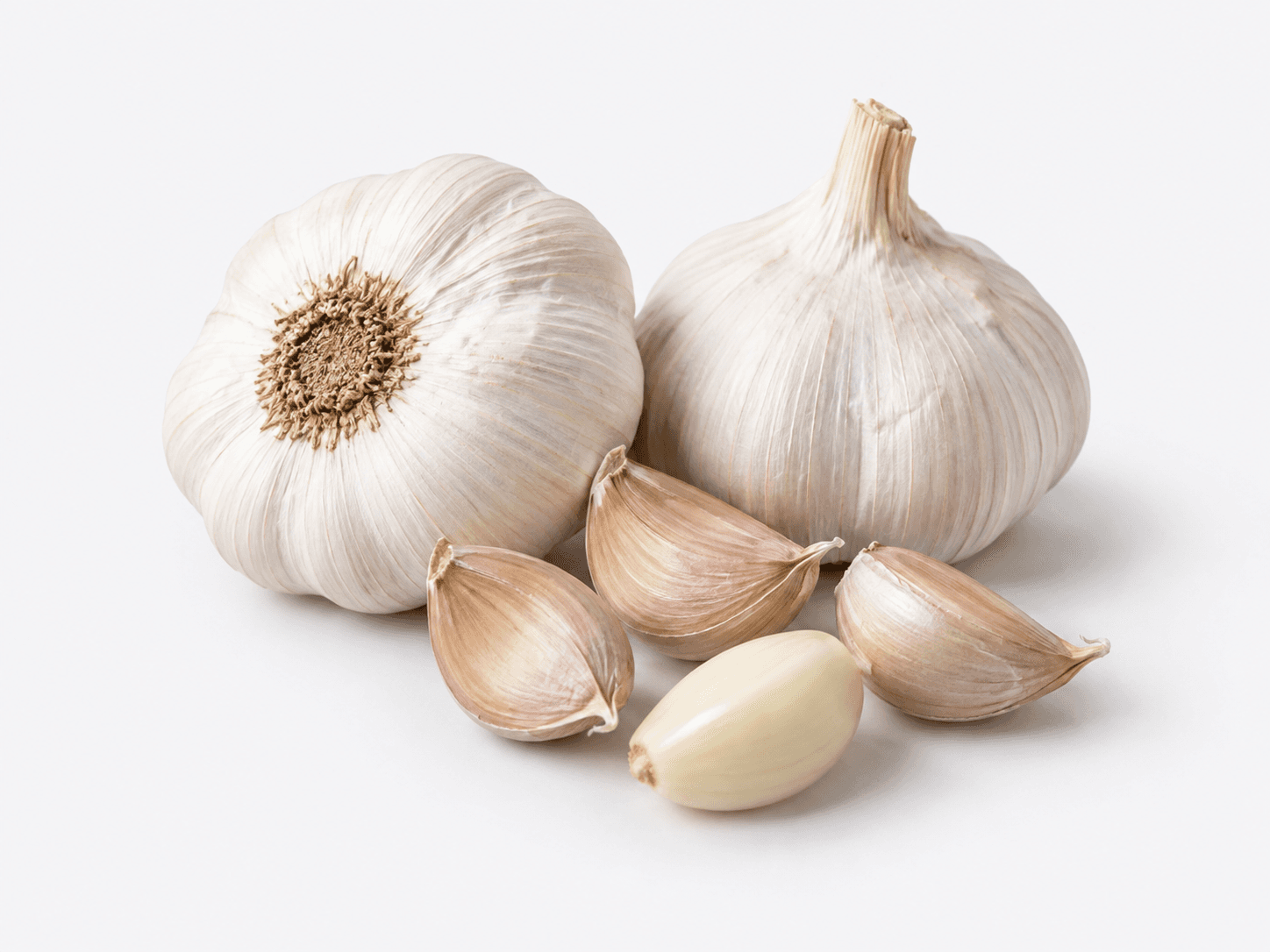
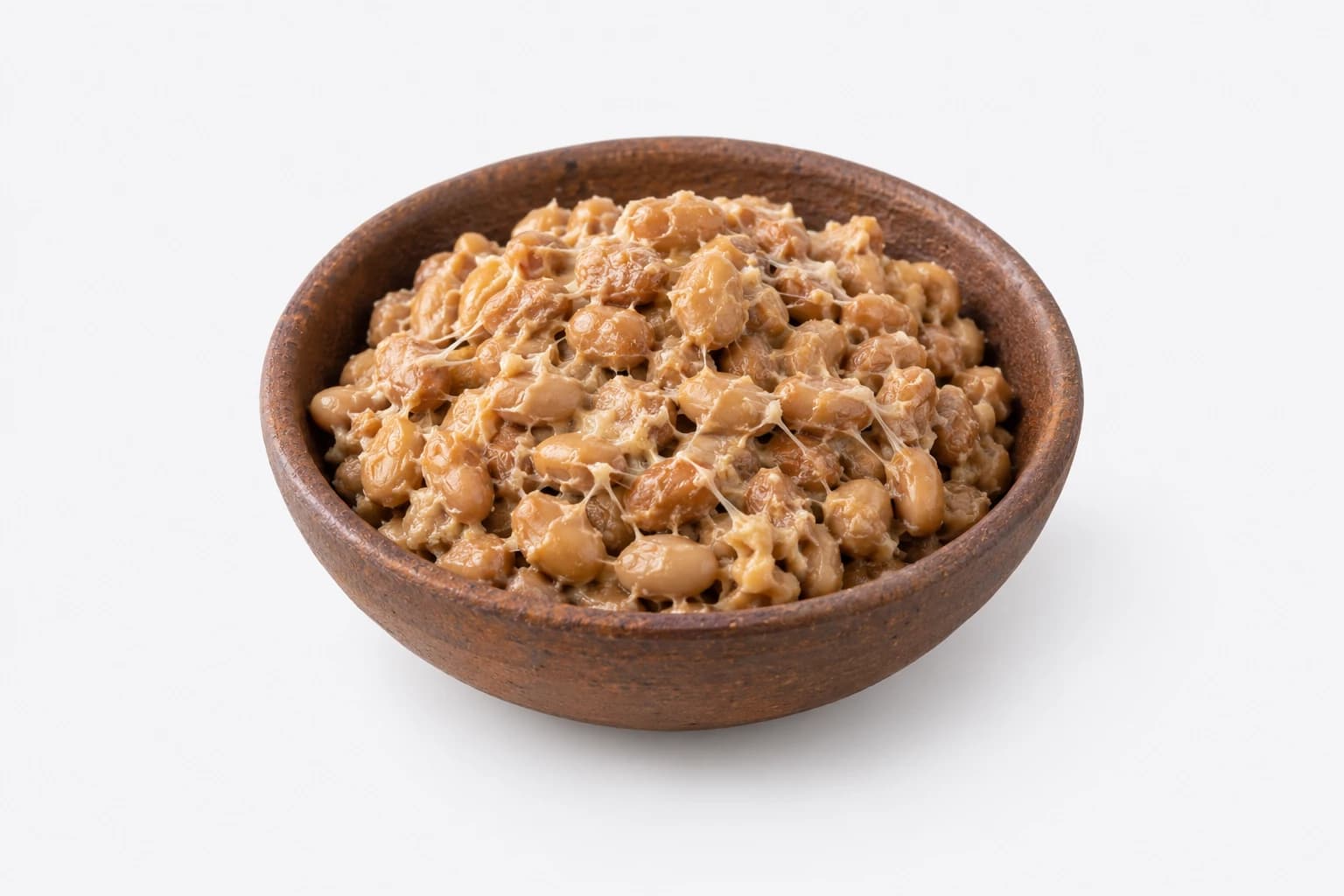
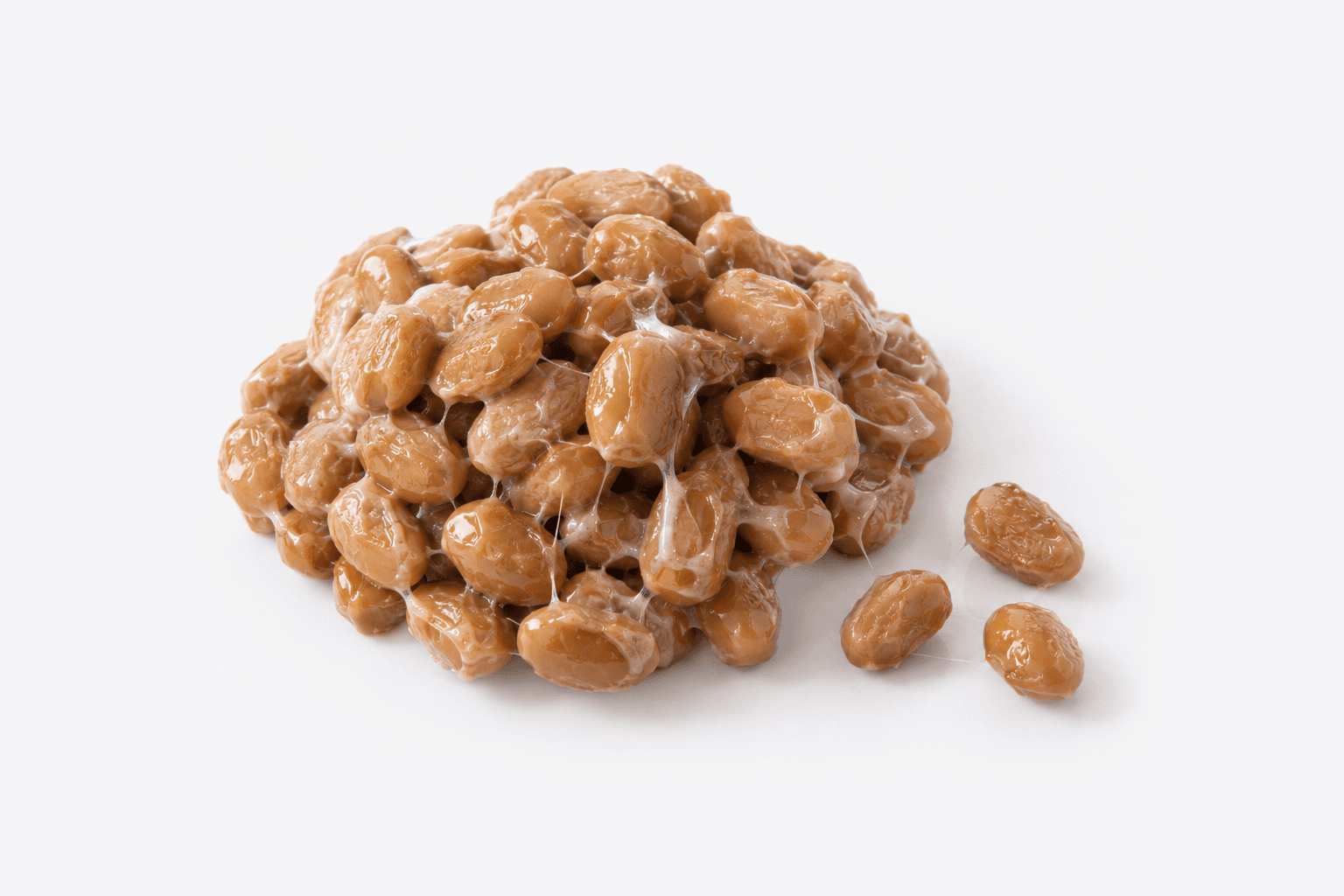
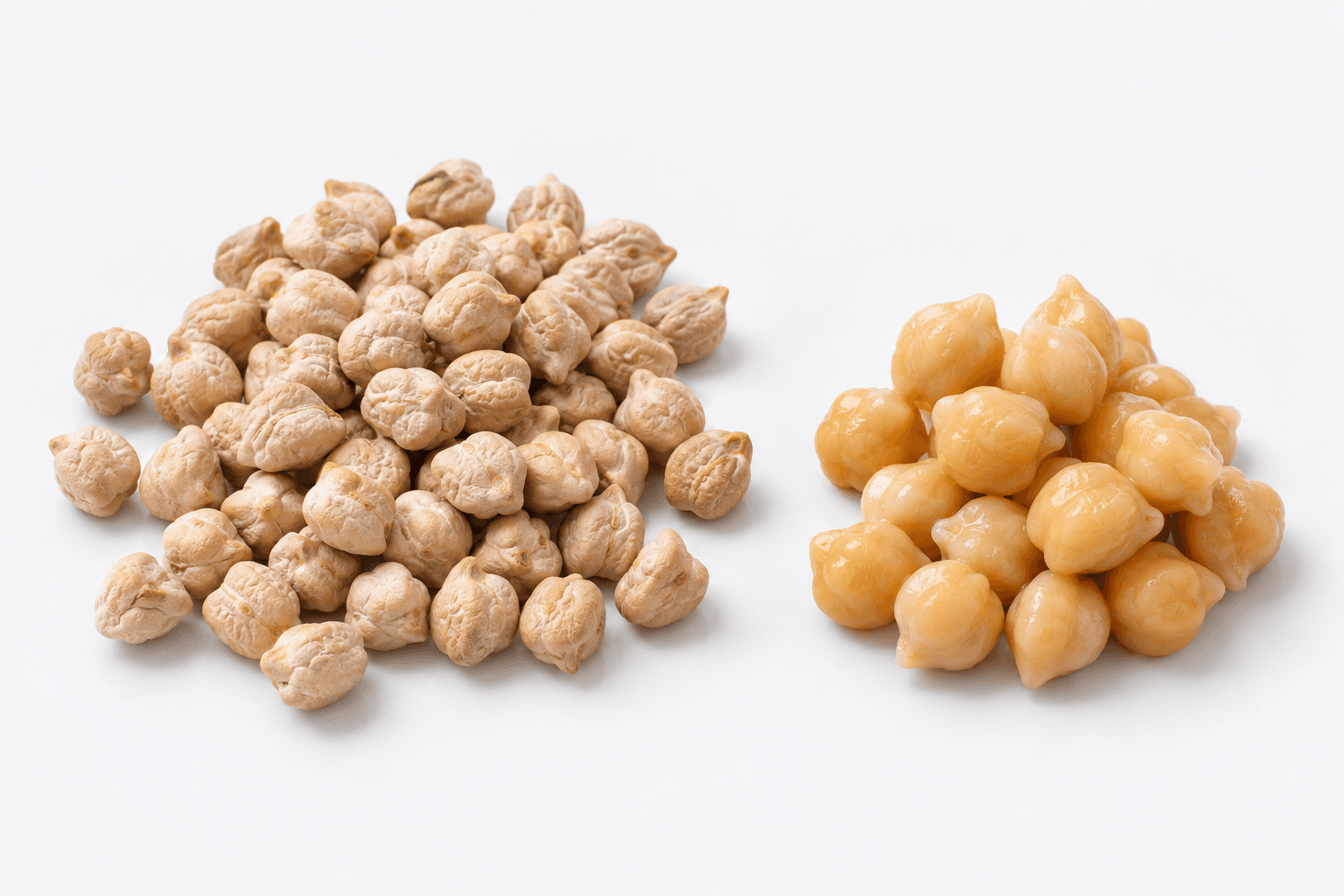
Ranked among the ingredients covered here. Reference amounts vary slightly between entries, so read this as a rough comparison rather than an exact order.
What it does
It forms part of manganese superoxide dismutase, the antioxidant enzyme inside mitochondria. It is also required by enzymes that build the matrix of bone and cartilage, and by enzymes in carbohydrate and amino acid metabolism.
Recommended intake
US adequate intake is 2.3 mg a day for adult men and 1.8 mg for women. It is spread across whole grains, nuts, legumes and tea, so deficiency is very rare on ordinary diets.
What affects absorption
Absorption is relatively low, and high iron competes with it, reducing manganese uptake. Conversely, iron deficiency raises manganese absorption. Phytate and oxalate also interfere.
What to watch out for
Excess from food is not a concern, but prolonged inhalation of manganese dust — in welding, for example — has been linked to neurotoxicity. With severely reduced liver function, clearance is impaired and manganese can accumulate.
Sources
The databases and health authorities this article's nutrition figures and health statements draw on.