Phytonutrient
Foods high in beta-carotene — food and pills are not the same thing
Eaten as vegetables it becomes vitamin A, and the body stops converting once it has enough. Taken as a high-dose pill, it raised lung cancer in smokers.
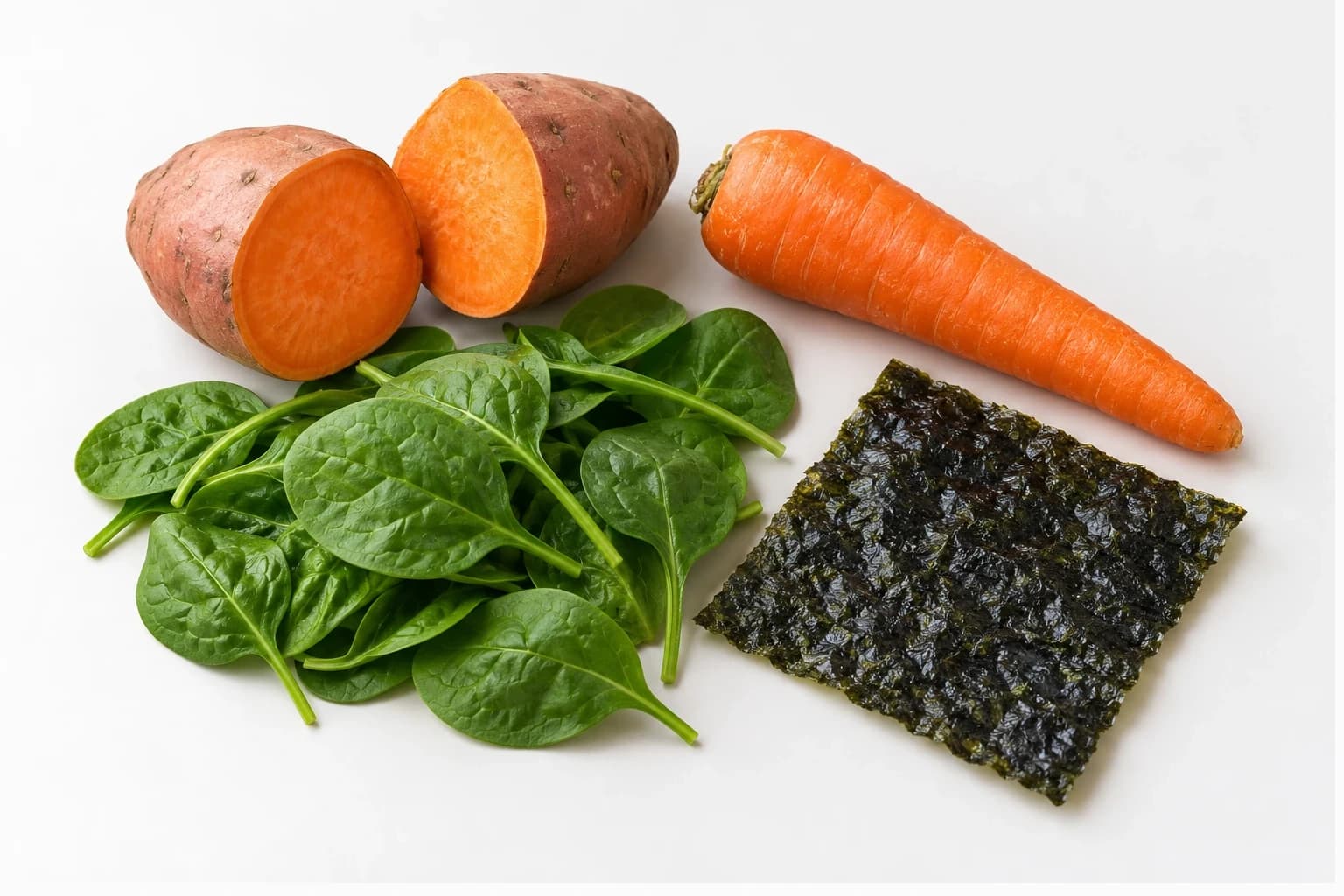
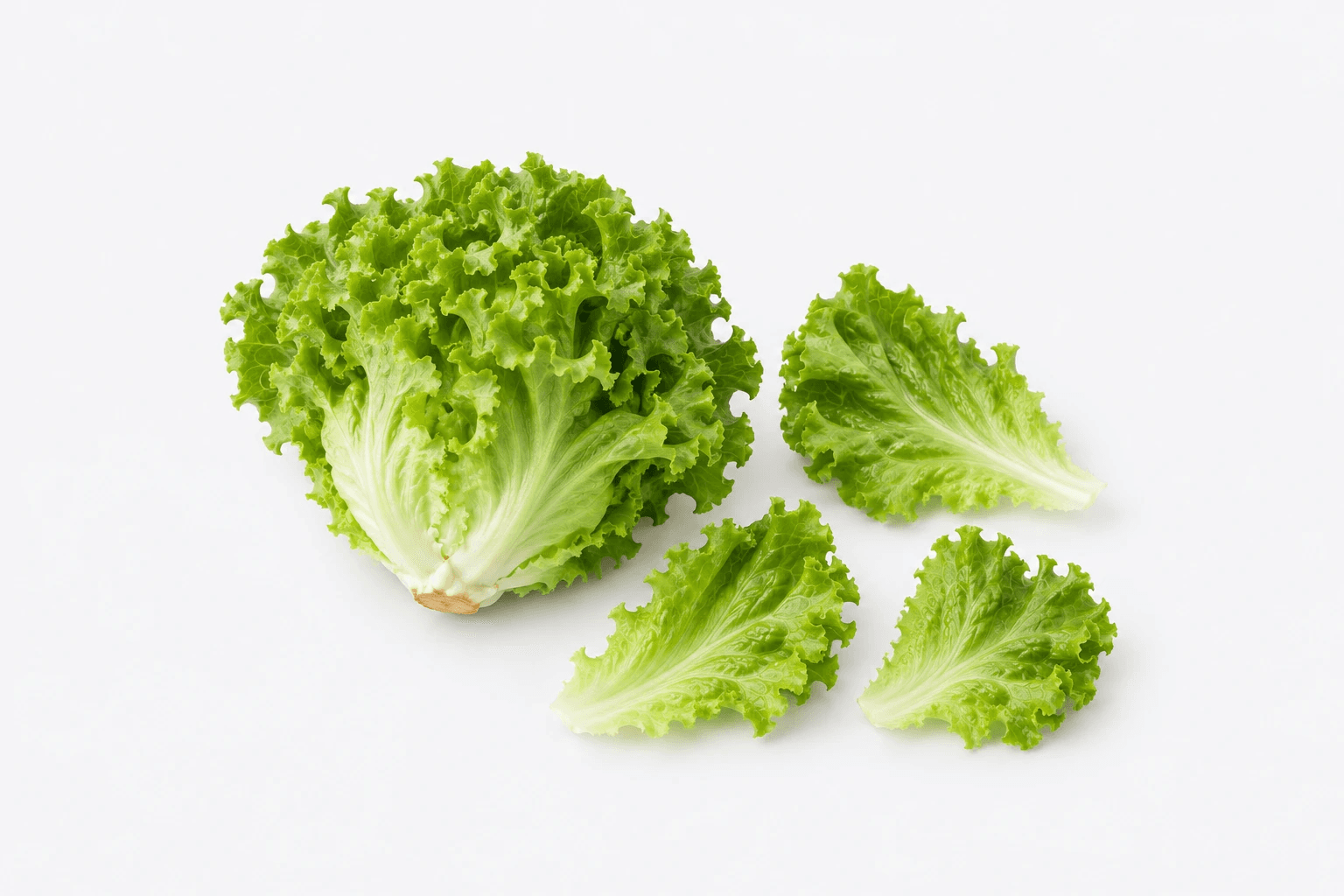
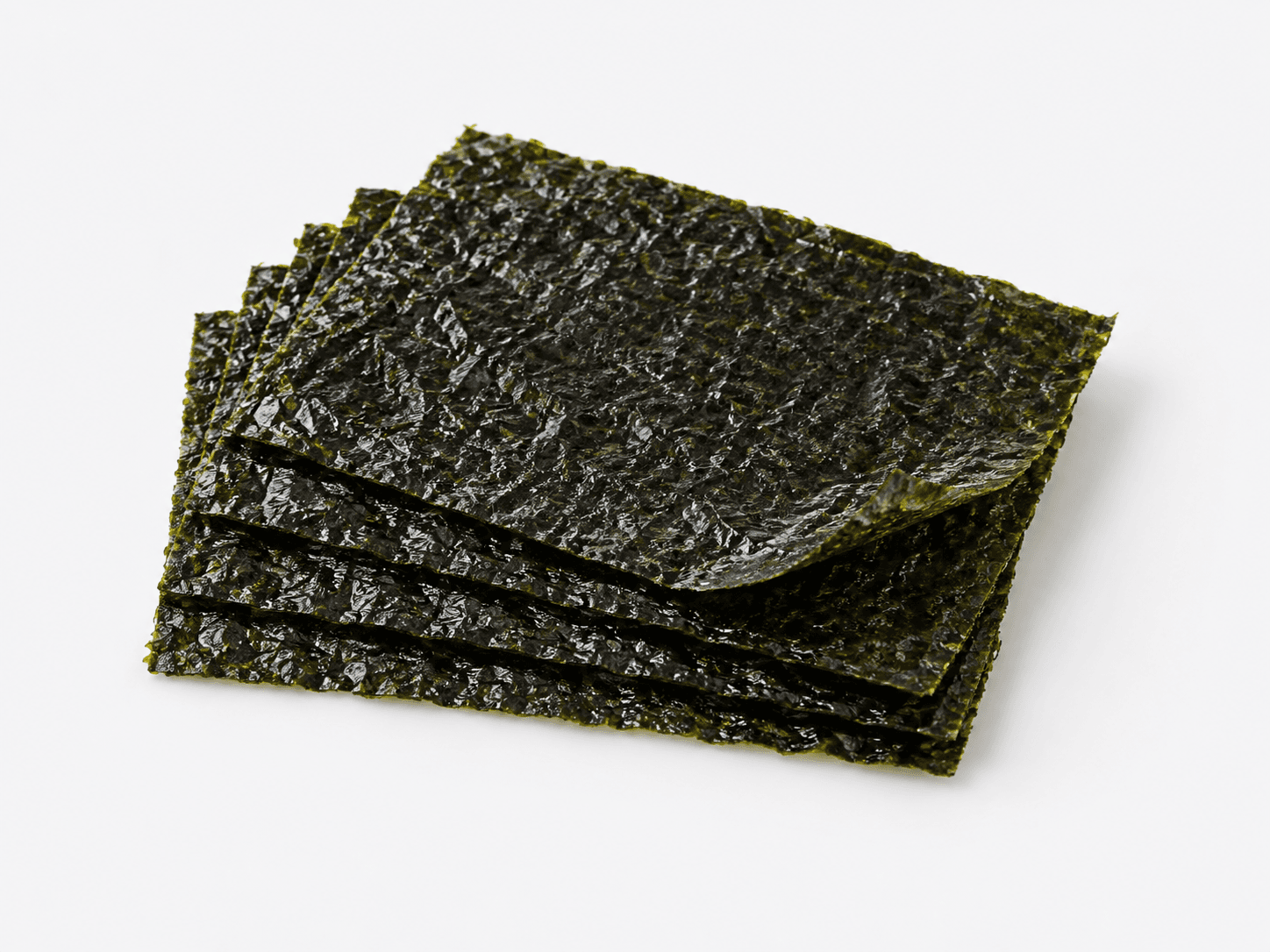
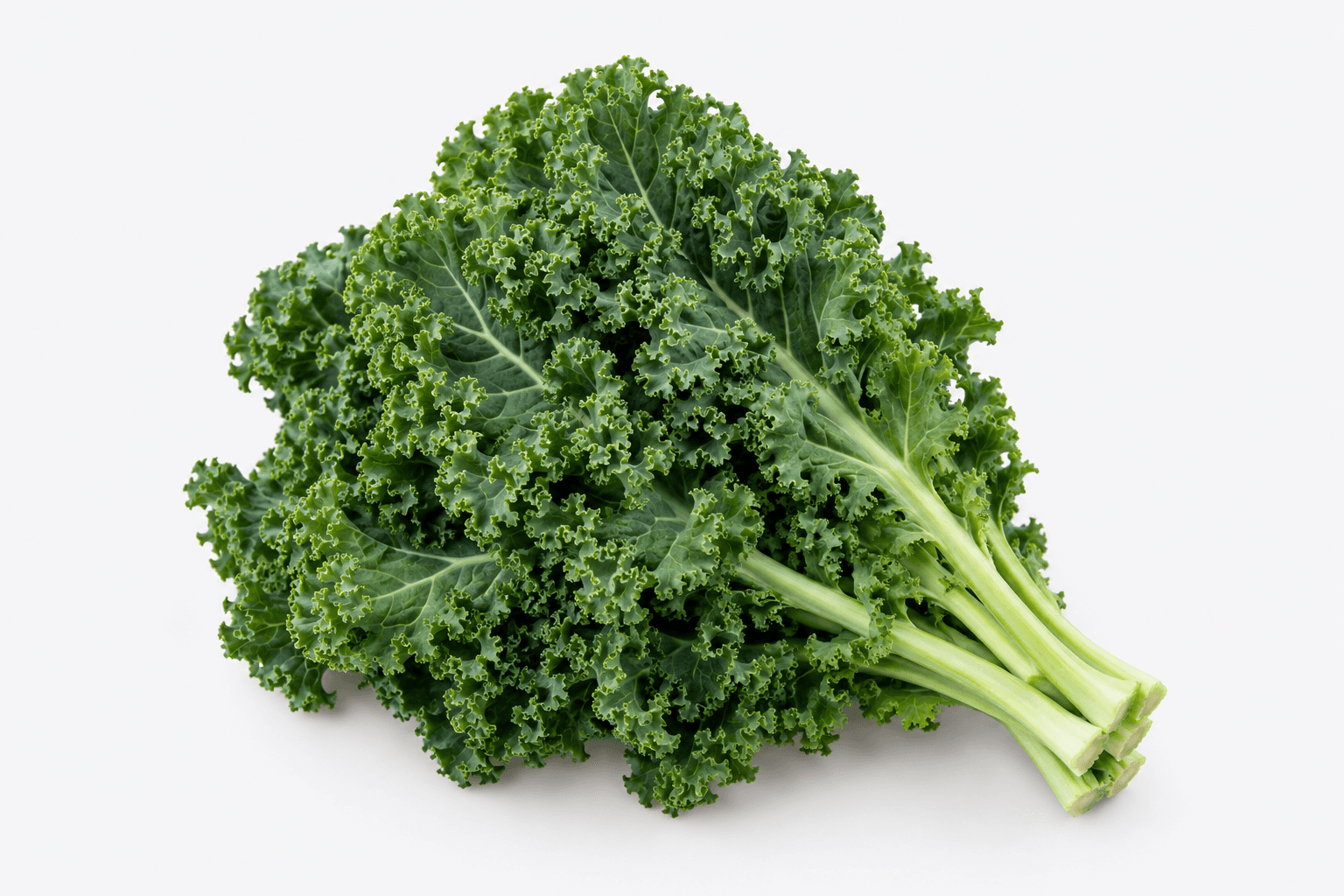
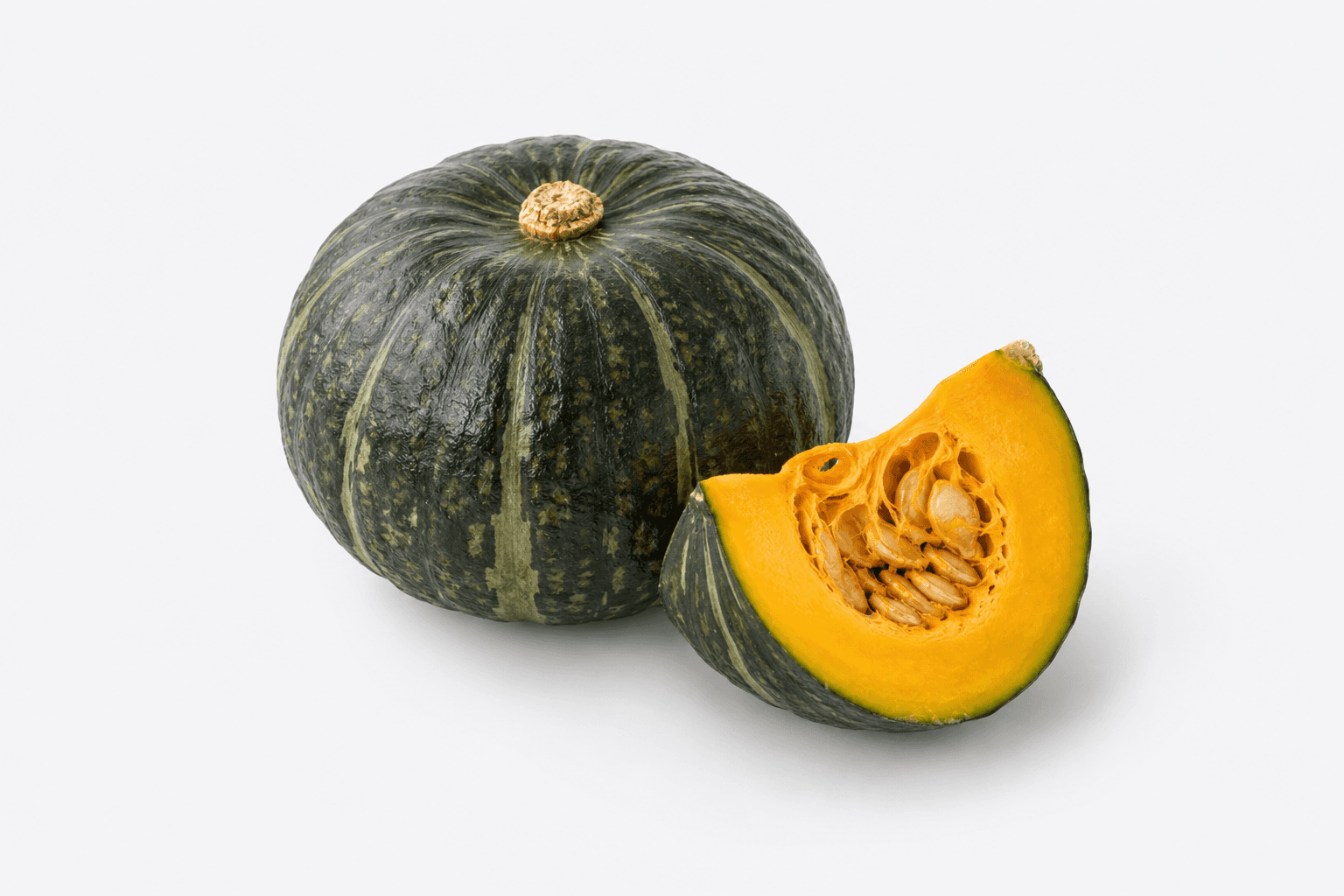
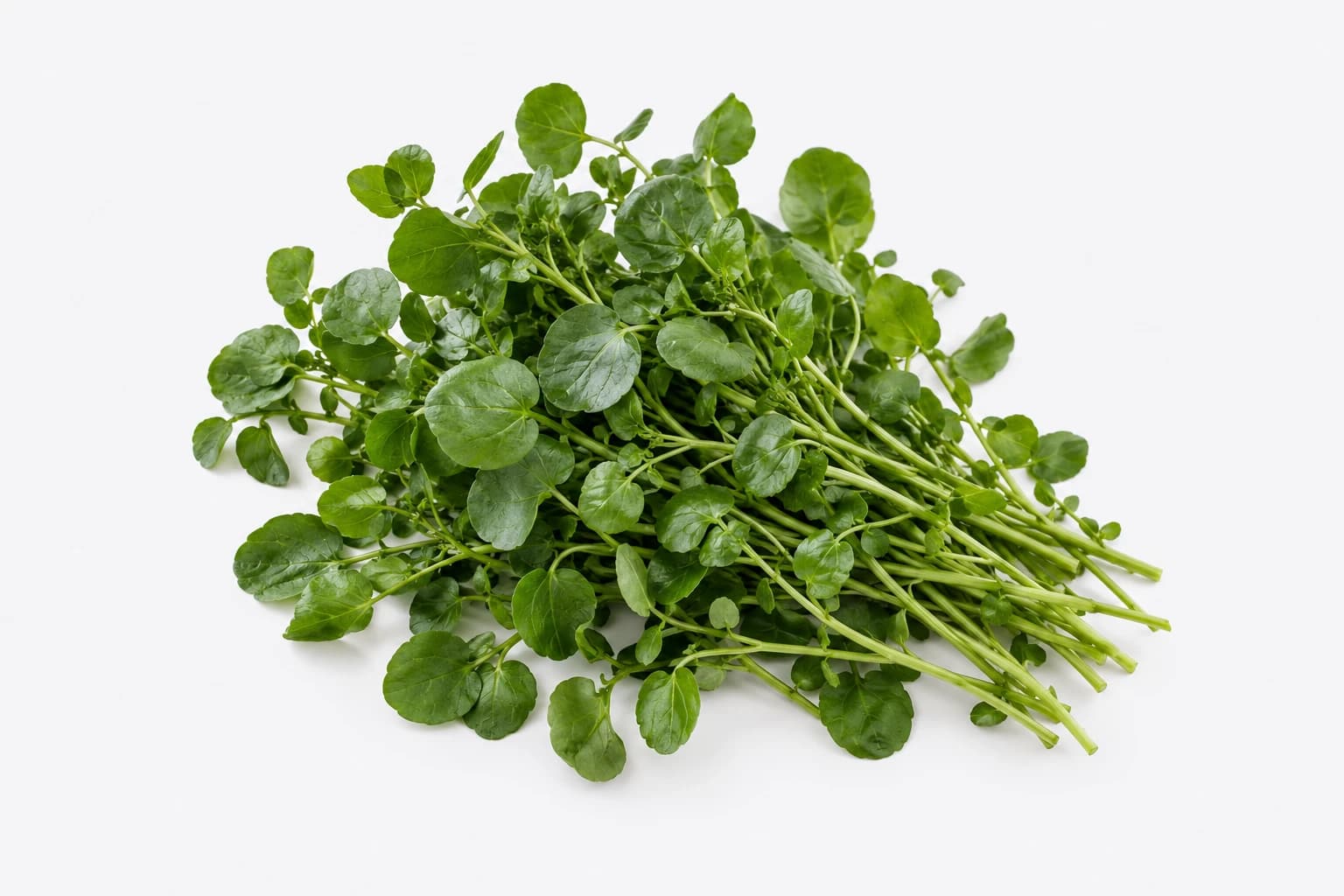
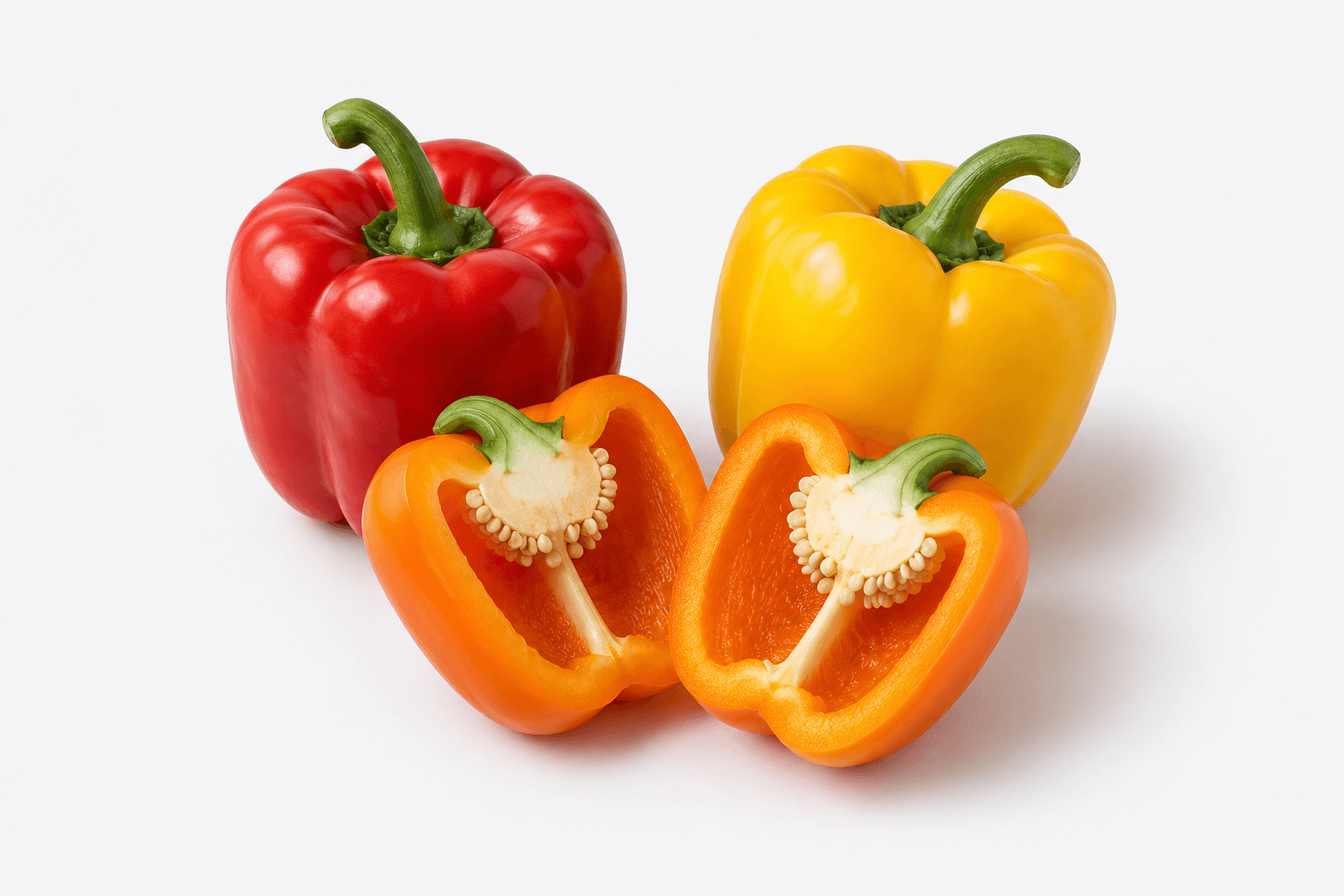
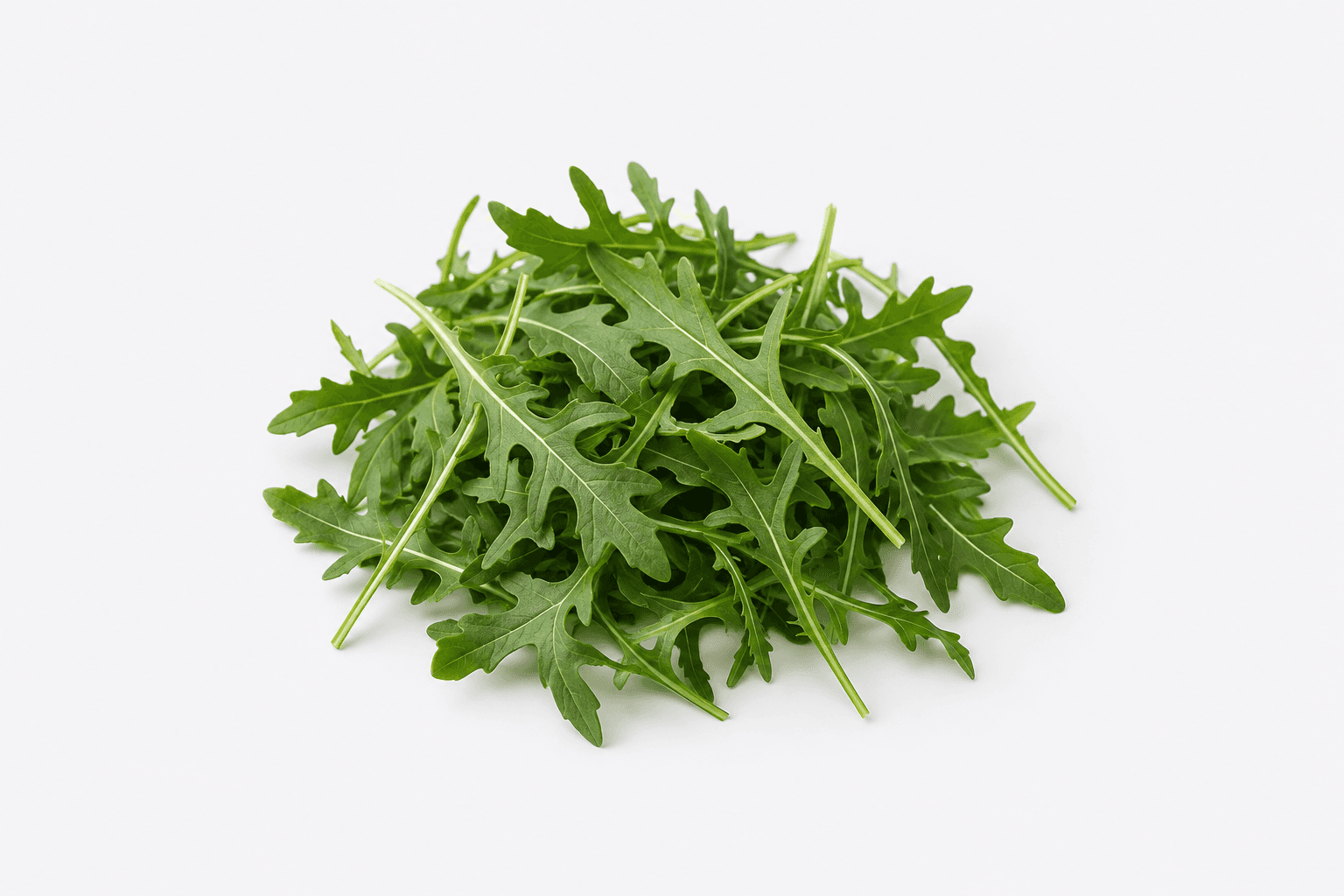
Highest sources
Ranked among the ingredients covered here. Reference amounts vary slightly between entries, so read this as a rough comparison rather than an exact order.
What it does
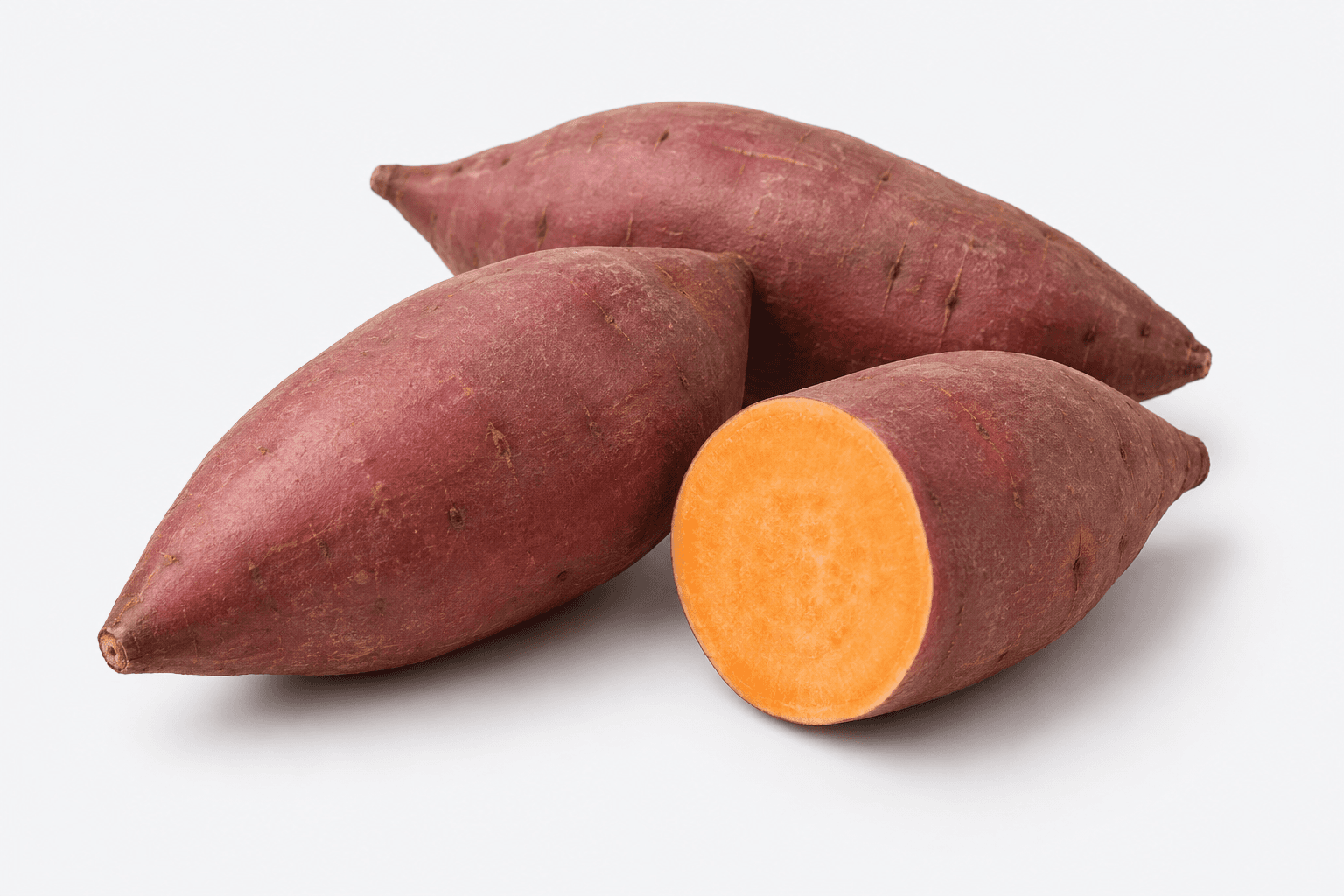
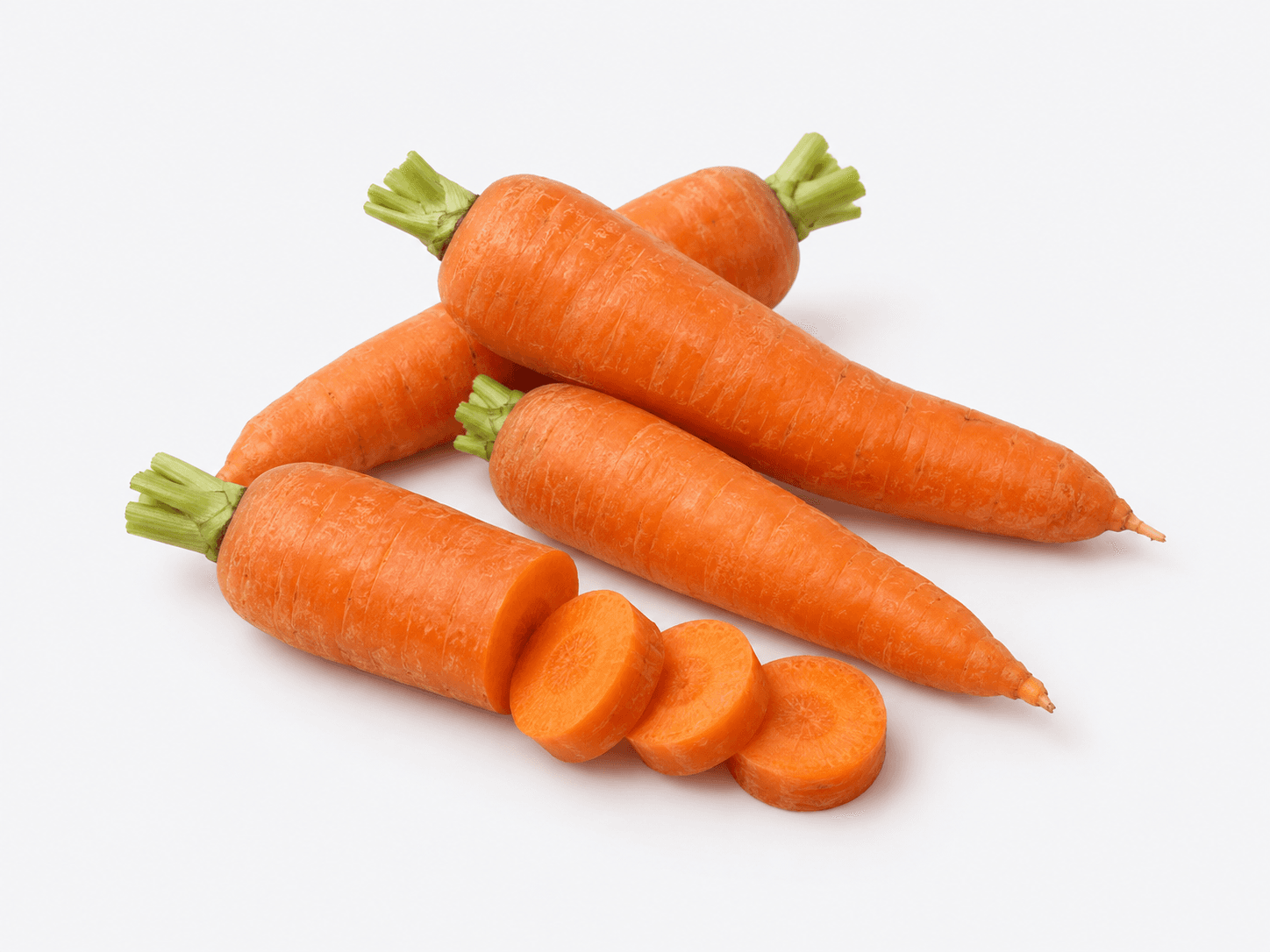
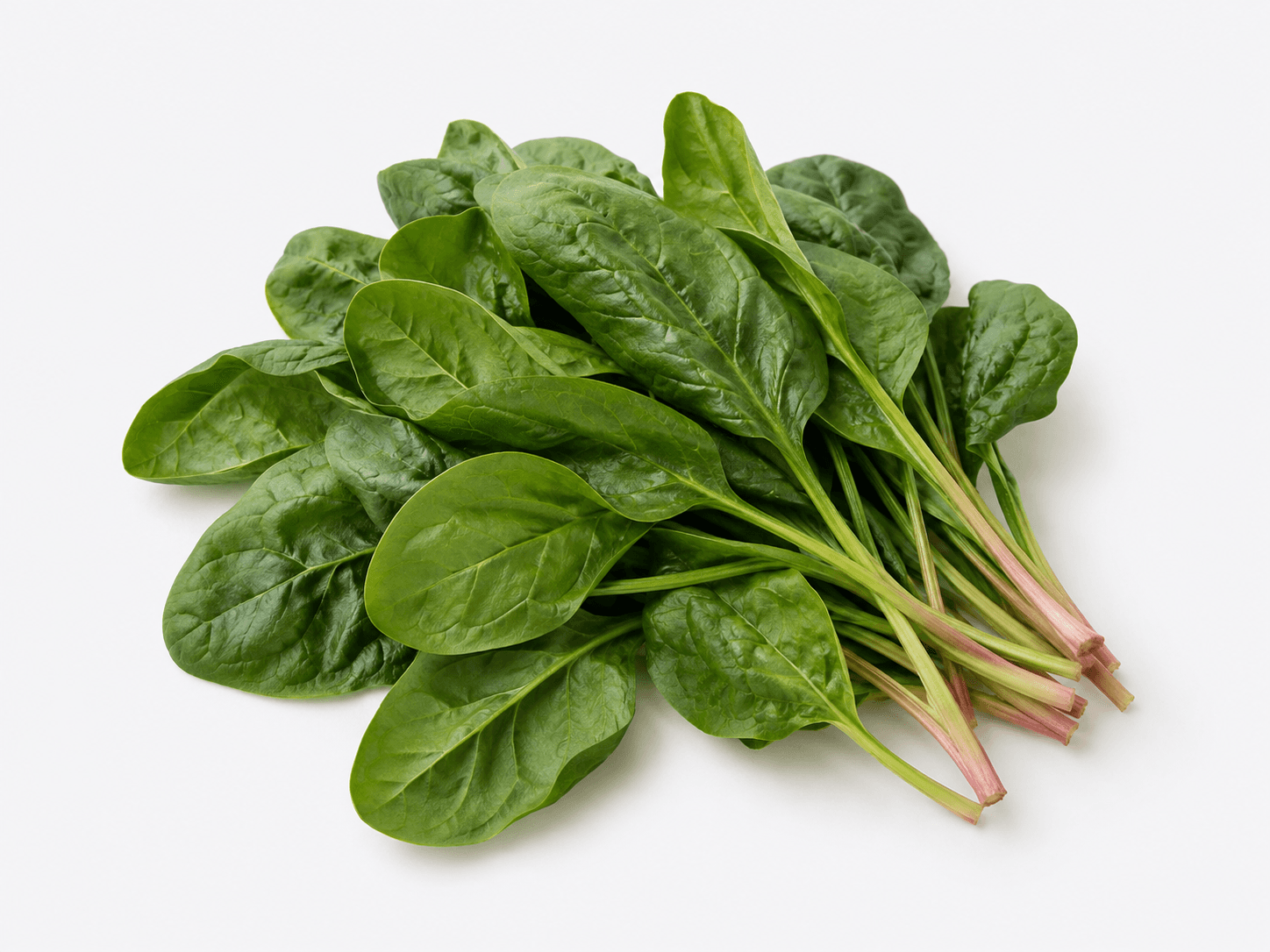
It is the pigment behind the orange of carrots, sweet potato and pumpkin, and it hides behind the green of spinach and kale. In plants it assists photosynthesis and guards against light damage.
In the body it works as provitamin A. An enzyme cleaves it to vitamin A (retinol) only as needed. One beta-carotene molecule could in theory yield two retinols, but real conversion is inefficient: 12 µg of beta-carotene counts as 1 µg of retinol.
Whatever is not converted acts as an antioxidant and is stored in fat tissue and skin.
Recommended intake
Beta-carotene has no recommended intake of its own, because it is not an essential nutrient — given enough vitamin A, the body runs perfectly well without it. That is why the table on this page carries no percentage of a daily value.
If you did cover the vitamin A requirement (900 µg RAE for adult men, 700 for women) with beta-carotene alone, you would need twelve times as much. Sweet potato's 8,509 µg per 100 g comes to 709 µg RAE — one root covers most of a day.
There is no toxicity, which matters. Conversion stops when the body has enough, so food cannot cause vitamin A poisoning. That is exactly where it parts company with preformed retinol from liver or supplements.
What affects absorption
It is fat-soluble. Without fat, absorption drops sharply. Carrots sautéed in oil, or eaten alongside avocado or egg, deliver far more than carrots chewed raw.
Cell walls are the other barrier. Carotenoids are locked inside plant cells, so a raw carrot eaten whole passes much of its content straight through. Chopping, blending and heating break those walls open and raise absorption — which is why cooked carrot delivers more carotene than raw.
Absorption varies a great deal between people. Low activity of the converting enzyme (BCO1) is not rare, and those who carry it make less retinol from the same meal.
What to watch out for
Smokers should not take beta-carotene supplements. The 1996 CARET trial gave 18,314 smokers and asbestos-exposed workers 30 mg of beta-carotene with 25,000 IU of retinol, and was stopped early: 28 % more lung cancer and 17 % more total deaths in the active arm.
Finland's ATBC trial of the same era pointed the same way. Why is still not fully explained, but one thing is clear — a high-dose isolated compound is not the same intervention as a vegetable. Thirty milligrams a day is more than a kilogram of pumpkin.
Studies of vegetable intake run the other way. A meta-analysis of 95 prospective studies found a relative risk of 0.90 for all-cause mortality per extra 200 g of fruit and vegetables a day, with green-yellow vegetables inversely associated with total cancer risk.
Eat a great deal and your palms and soles turn yellow (carotenaemia). It is harmless and reverses on cutting back. Unlike jaundice, the whites of the eyes stay white — that is how you tell them apart.
Sources
The databases and health authorities this article's nutrition figures and health statements draw on.
- 1USDA FoodData CentralFood composition database
- 2NIH Office of Dietary SupplementsHealth authority
- 3European Food Safety Authority (EFSA)Health authority
- 4Effects of a combination of beta carotene and vitamin A on lung cancer and cardiovascular diseaseClinical trialOmenn GS, et al. N Engl J Med 1996PMID 8602180
- 5Fruit and vegetable intake and the risk of cardiovascular disease, total cancer and all-cause mortality-a systematic review and dose-response meta-analysis of prospective studiesMeta-analysisAune D, et al. Int J Epidemiol 2017PMID 28338764