Vitamin
Foods high in vitamin B1 (thiamin) and what it does
Thiamin stands at the junction where carbohydrate becomes energy. The body stores only two to three weeks' worth, and it is the nutrient most heavily lost when rice is polished.
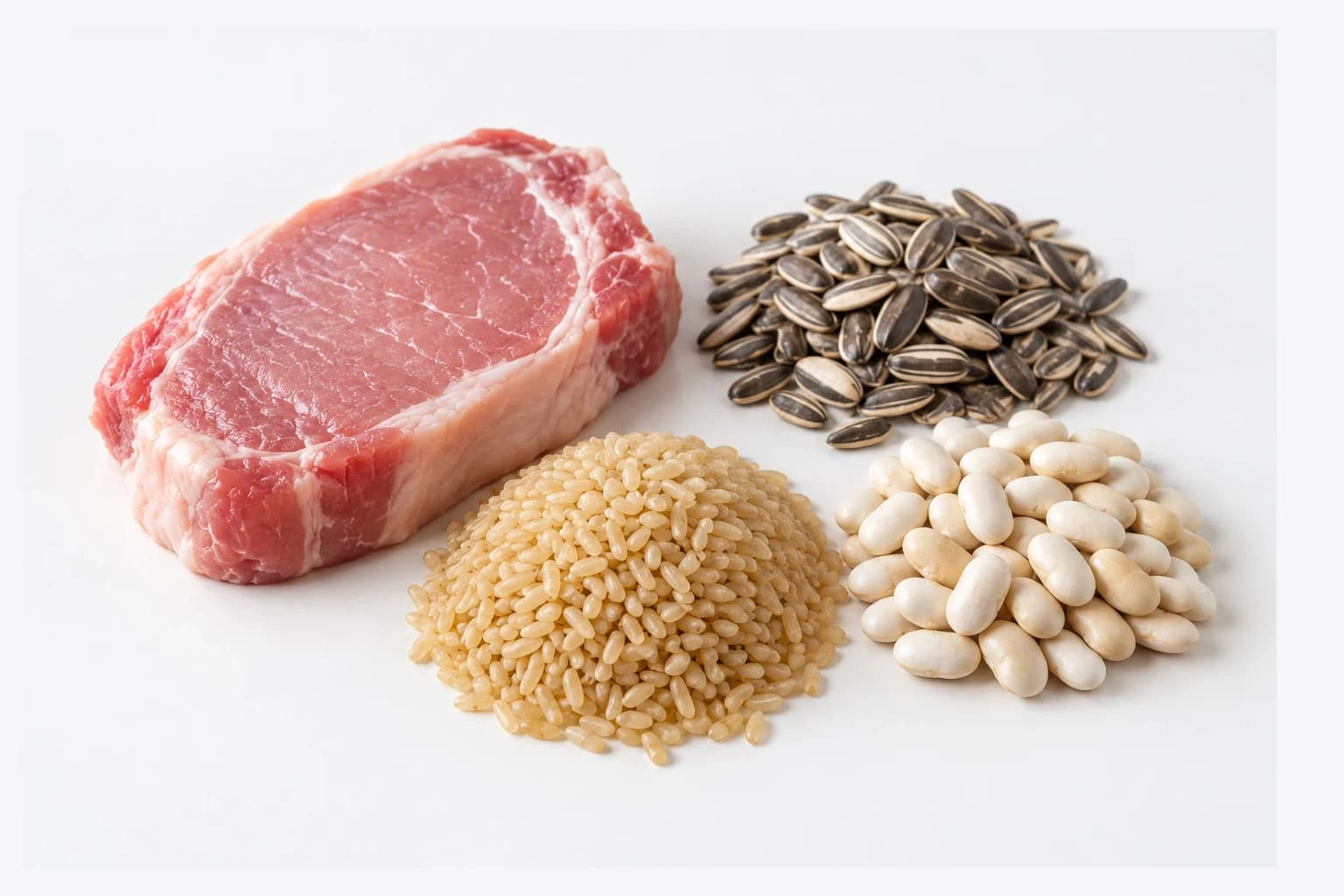
Highest sources
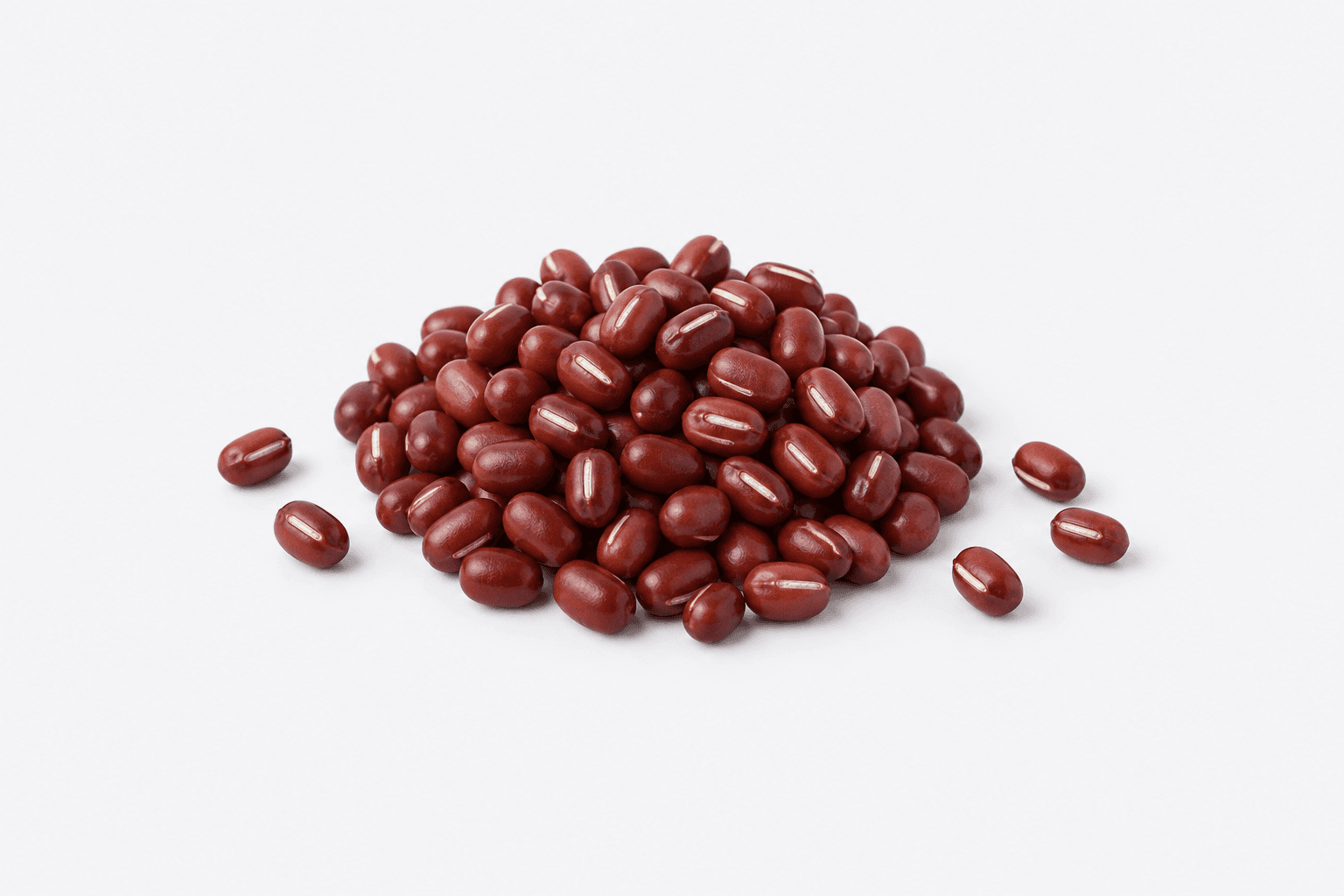
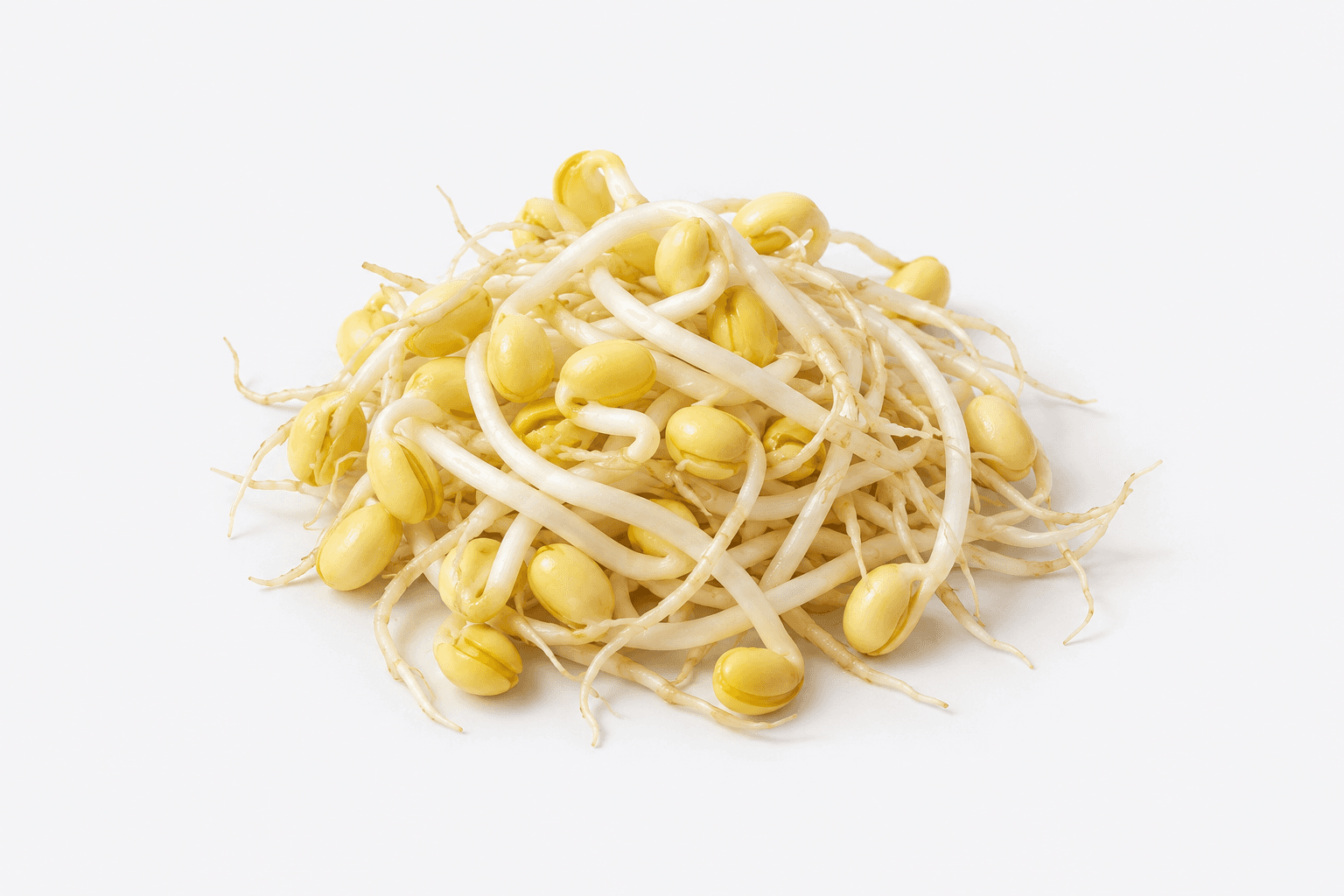
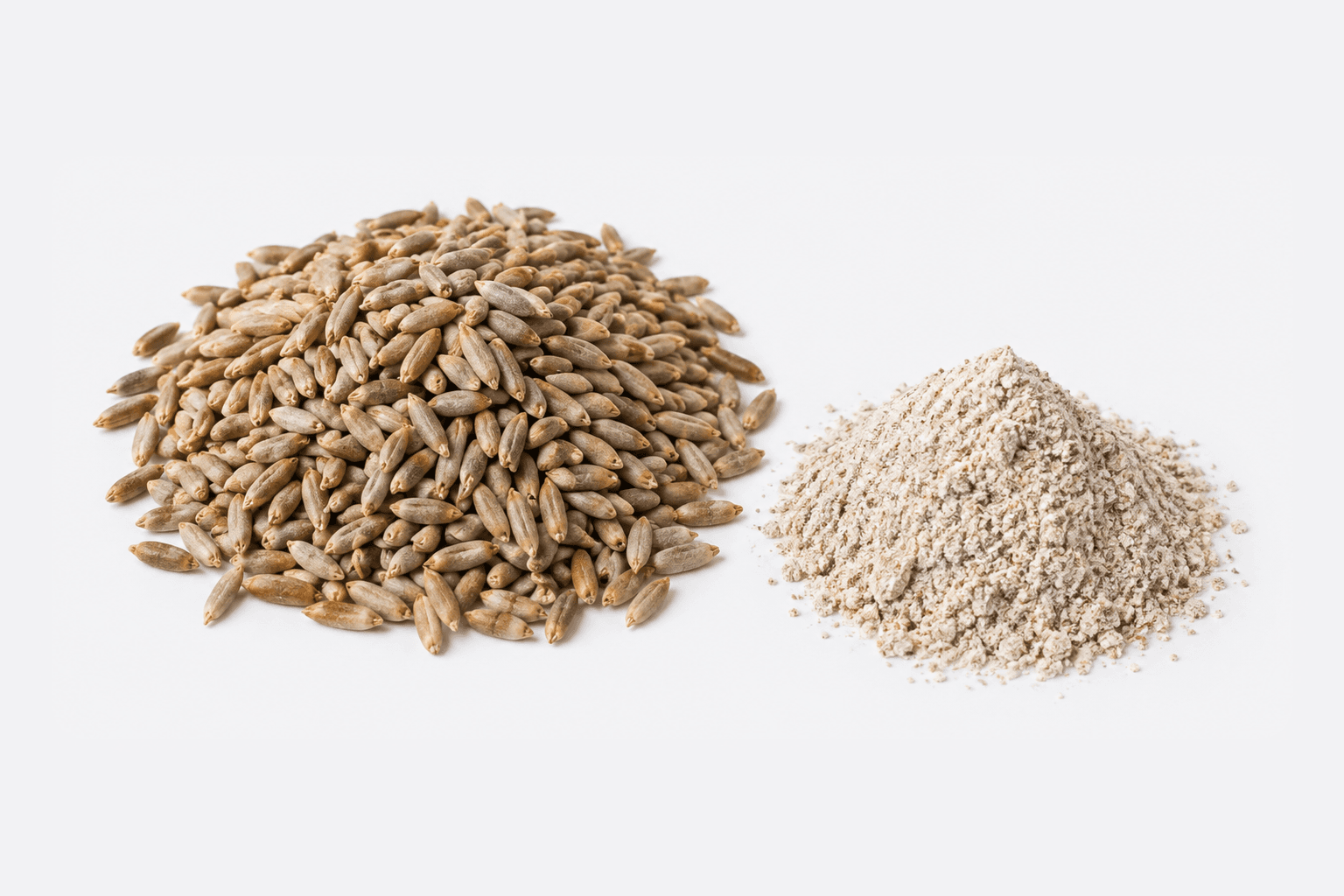
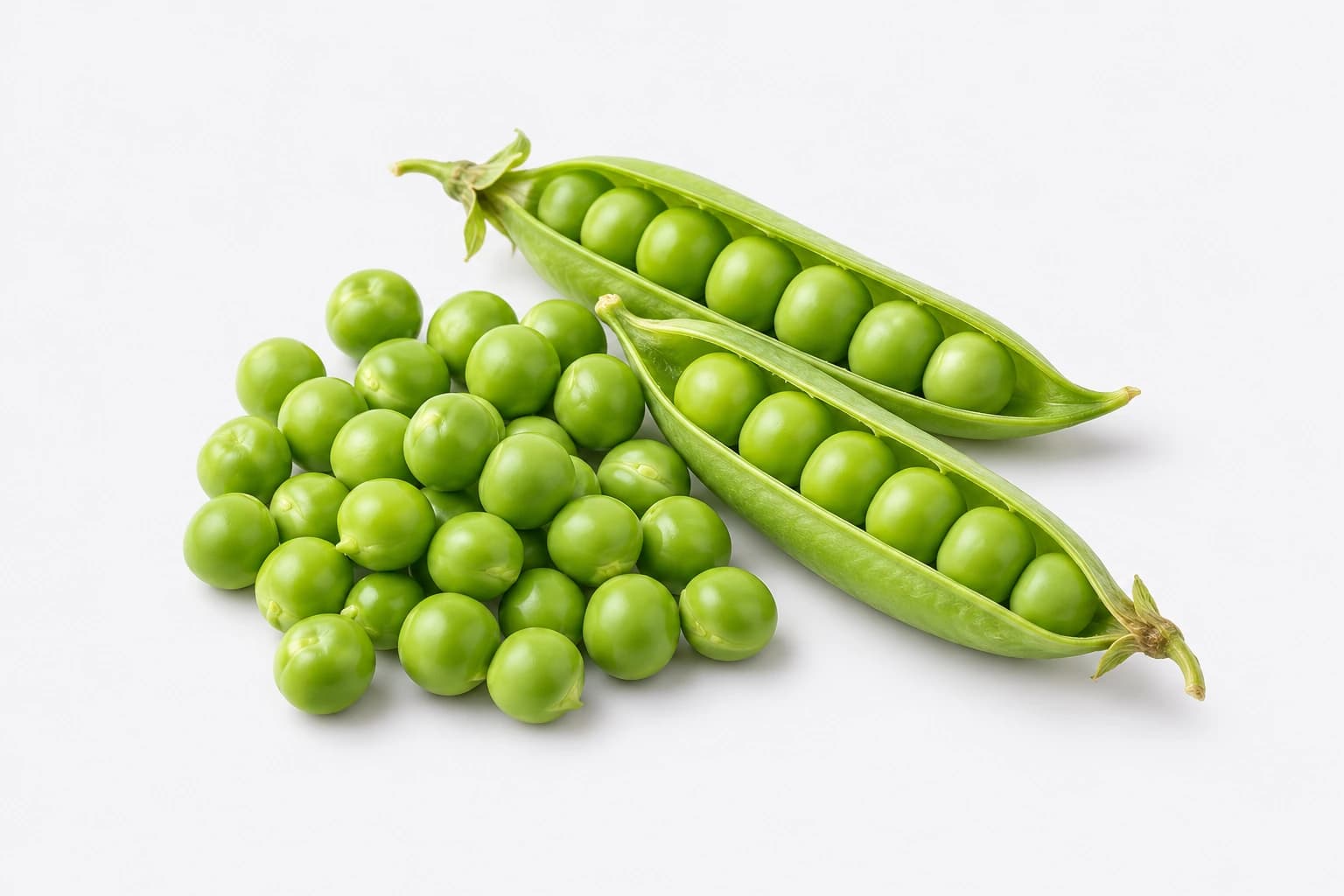
Ranked among the ingredients covered here. Reference amounts vary slightly between entries, so read this as a rough comparison rather than an exact order.
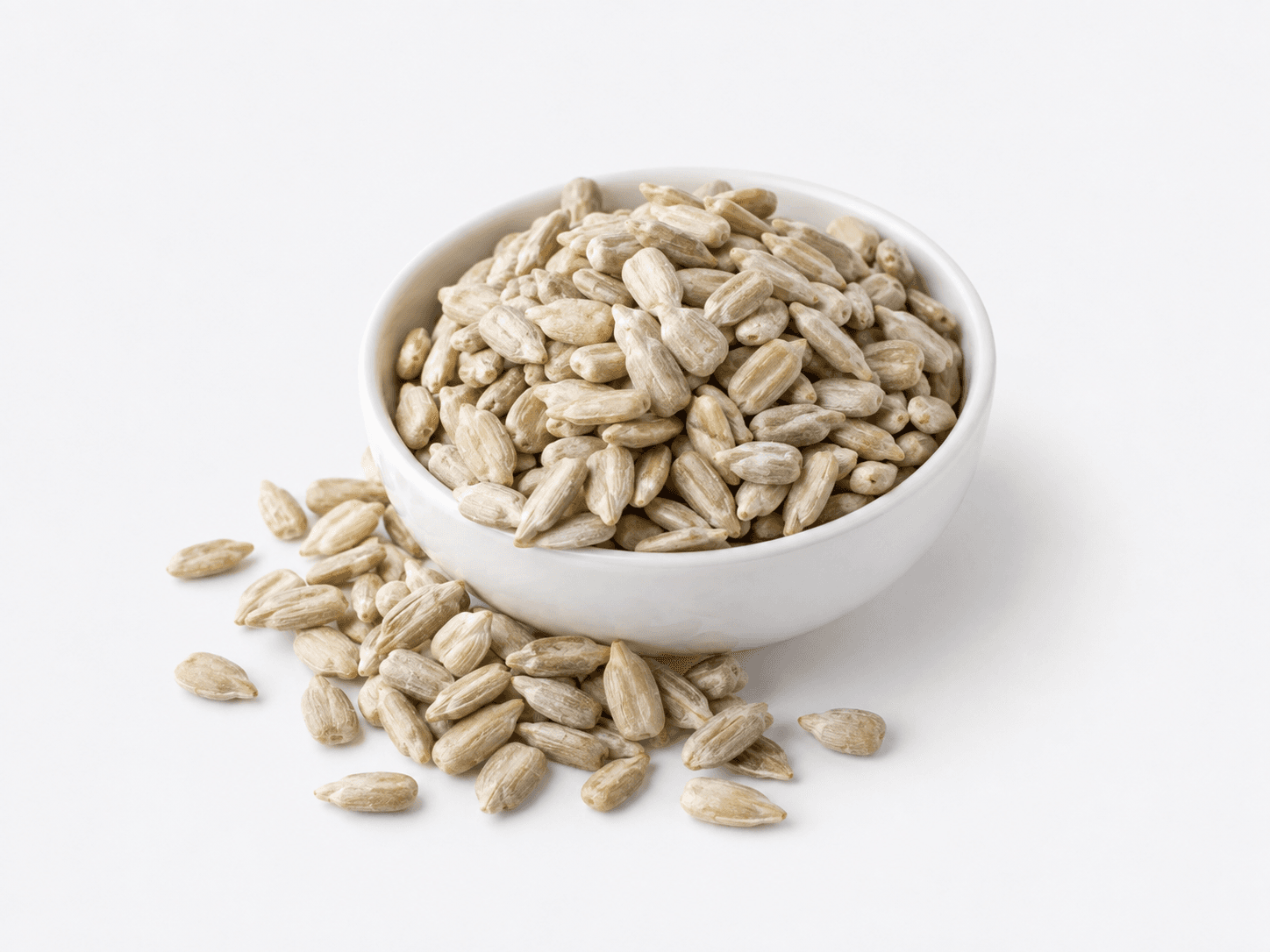
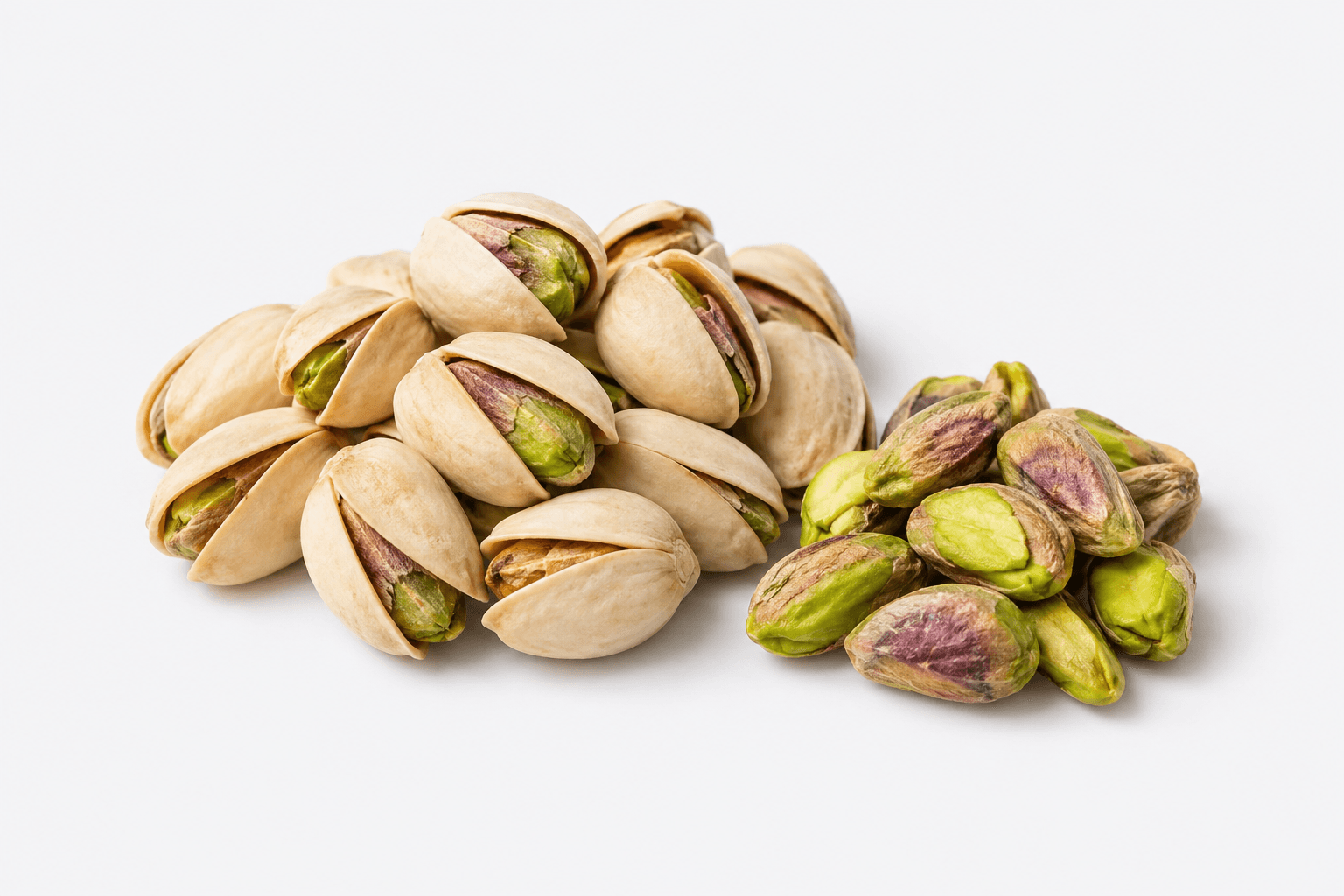
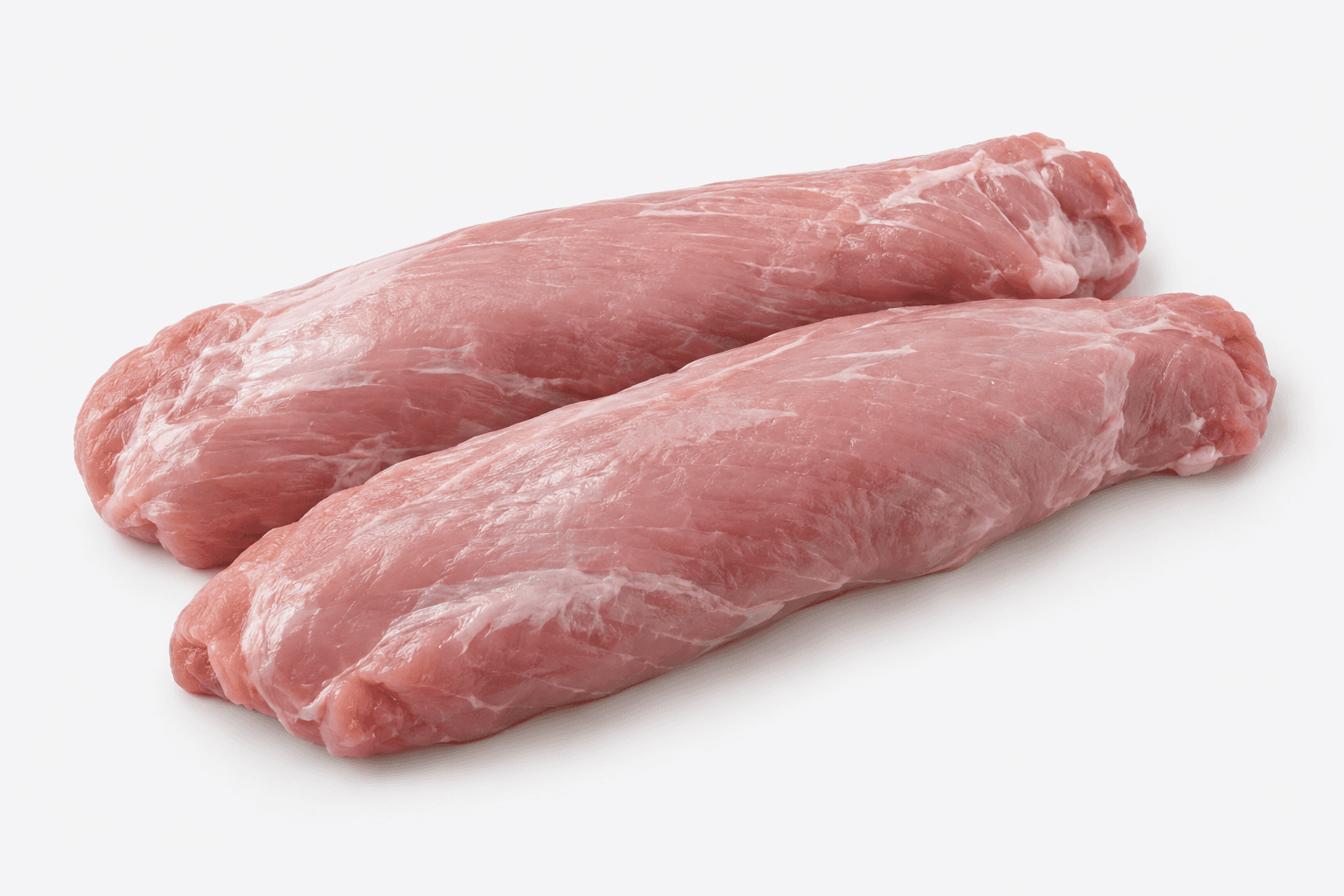
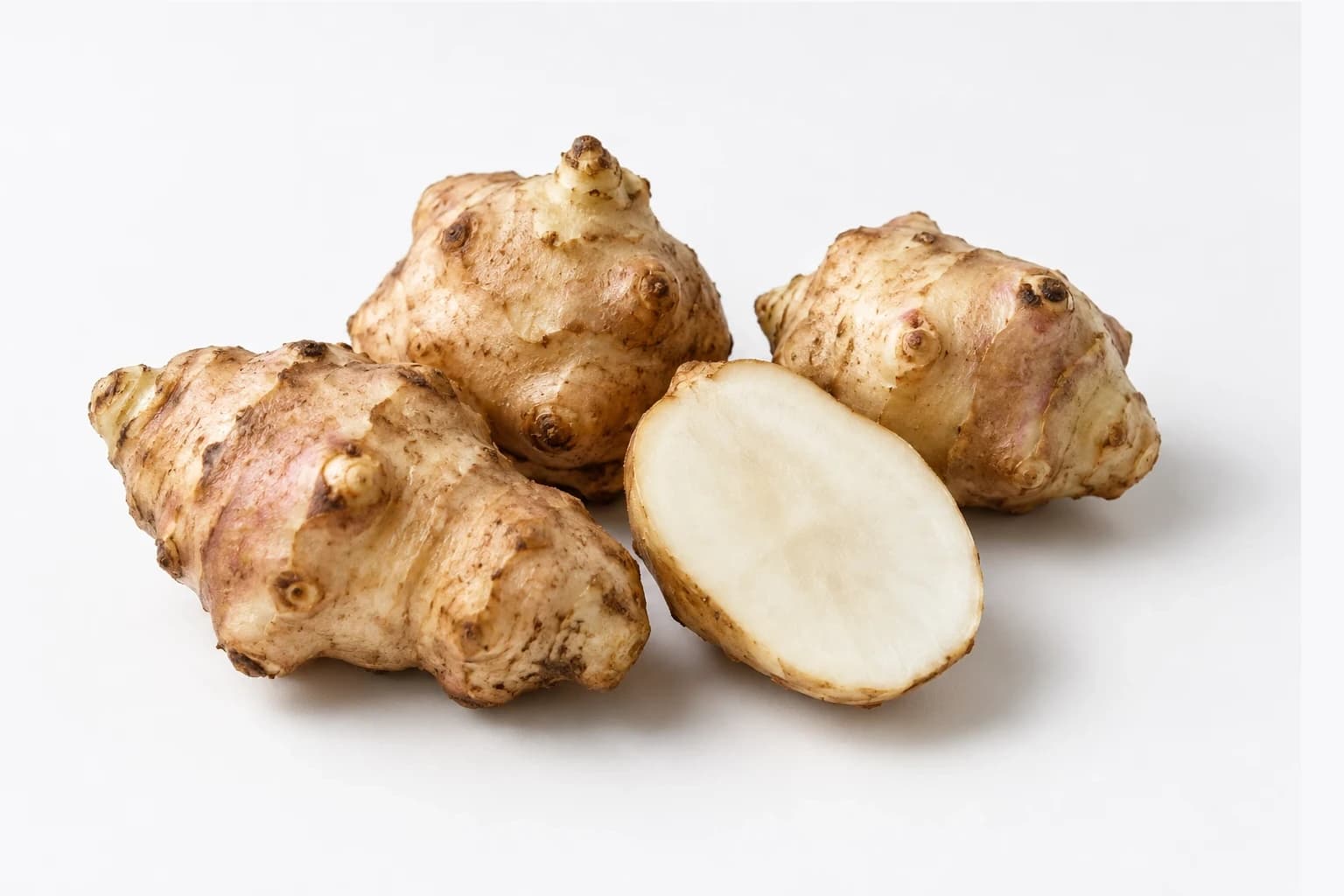

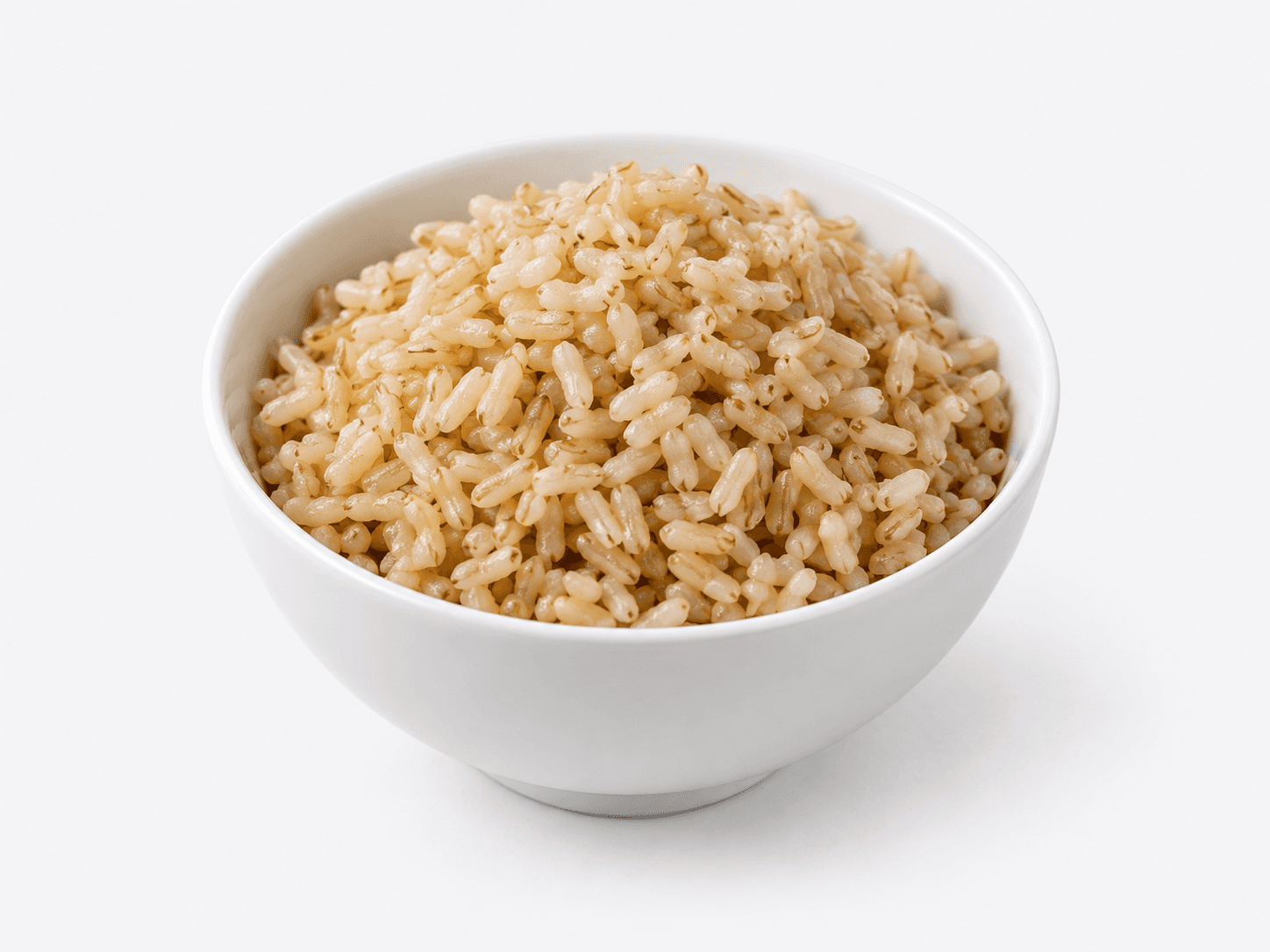
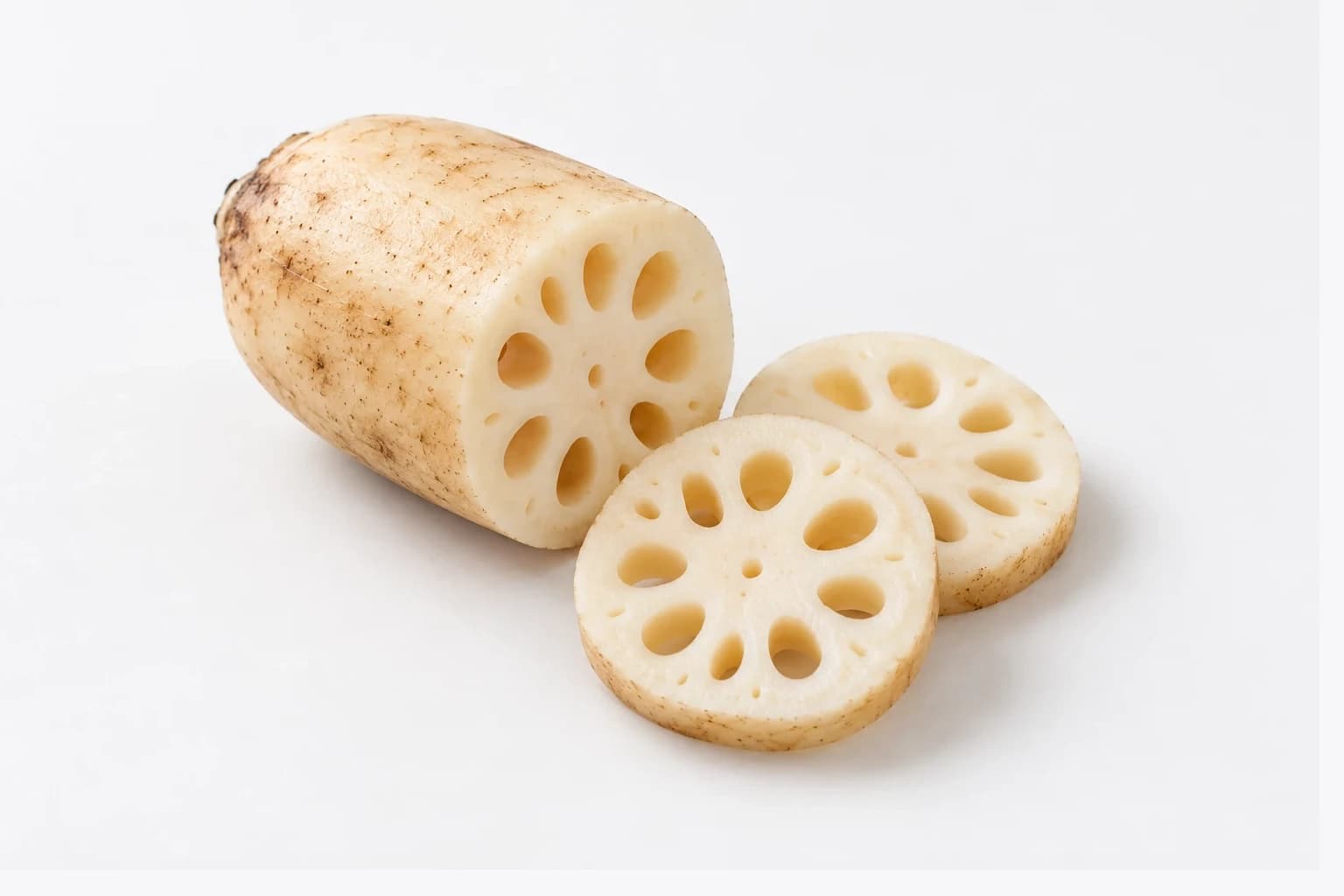
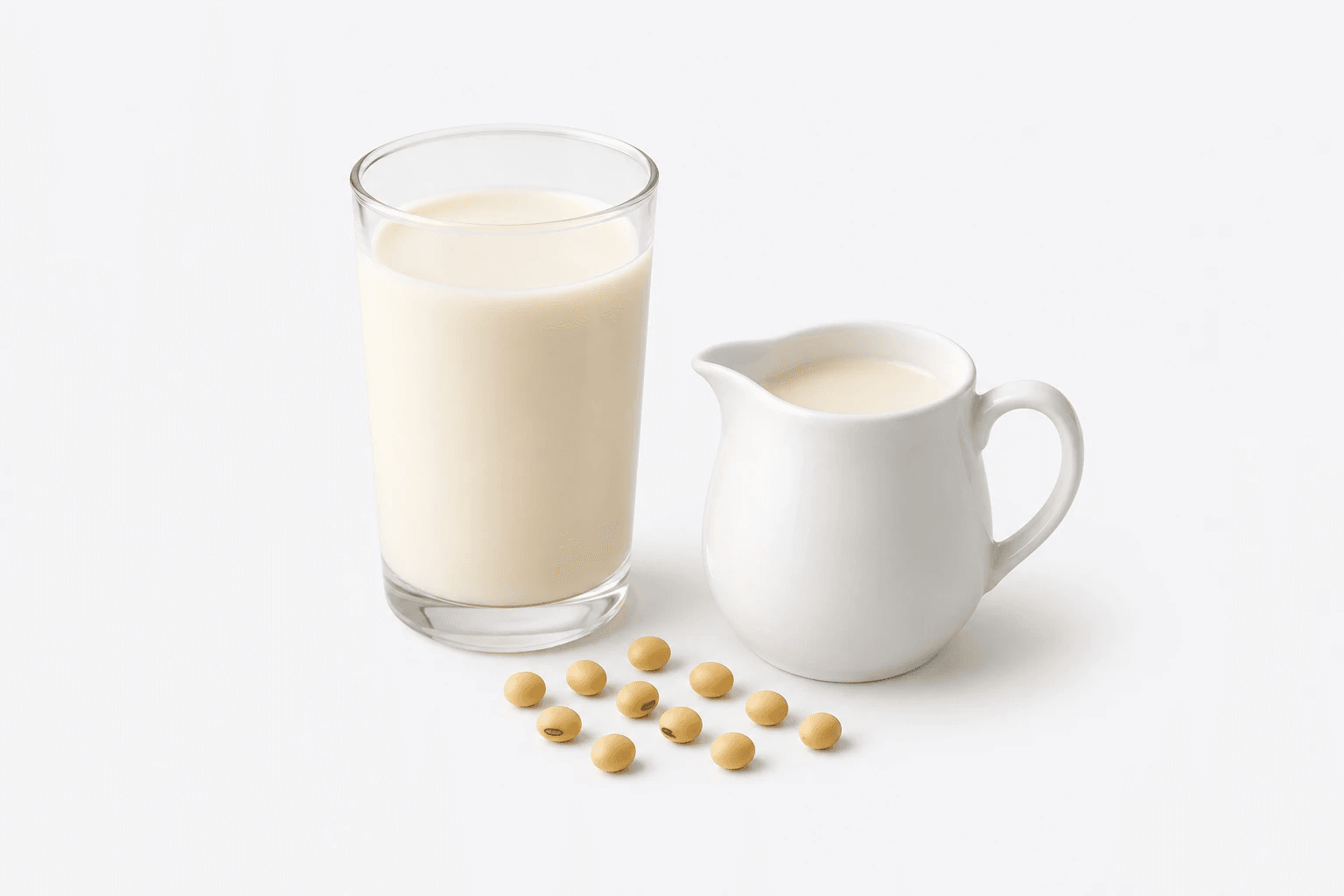
What it does
It is converted to thiamin pyrophosphate and works as an enzyme cofactor. Pyruvate dehydrogenase, the gateway through which glucose enters the energy cycle, alpha-ketoglutarate dehydrogenase within that cycle, and transketolase in the pentose phosphate pathway all use thiamin. So the more carbohydrate you eat, the more thiamin you need. It is also involved in membrane function and nerve conduction.
Recommended intake
The US recommended intake for adults is 1.2 mg a day for men and 1.1 mg for women. No upper limit is set — it is water-soluble, and the surplus leaves in urine. Pork, whole grains, legumes, sunflower seeds and enriched grains are the main sources. With only two to three weeks of stores, intake gaps show up relatively fast. Deficiency presents as beriberi, and in heavy alcohol use as Wernicke-Korsakoff syndrome.
What affects absorption
This is a vitamin easily lost in cooking and processing. It is sensitive to heat and alkali and dissolves in water, so draining the cooking water drains the thiamin with it. Polishing rice to white strips away the bran and germ where the thiamin sits — the historical reason beriberi spread on white-rice diets. Some fish and shellfish carry thiaminase, an enzyme that breaks thiamin down, which matters if they are eaten raw in quantity; cooking destroys the enzyme. Tannins in tea and coffee also degrade thiamin.
What to watch out for
No harm from excess in food has been reported. Alcohol, however, interferes with thiamin absorption, storage and activation all at once. Thiamin deficiency is common in alcohol use disorder, and giving glucose first to someone deficient can trigger Wernicke encephalopathy, which is why thiamin is given first in clinical practice. Chronic diarrhoea, dialysis and bariatric surgery also raise the risk.
Sources
The databases and health authorities this article's nutrition figures and health statements draw on.