Vitamin
Foods high in vitamin E — deficiency is rare; the problem has been supplements
An antioxidant that protects fat from oxidation. An ordinary diet almost never falls short — but high-dose supplements have caused trouble.
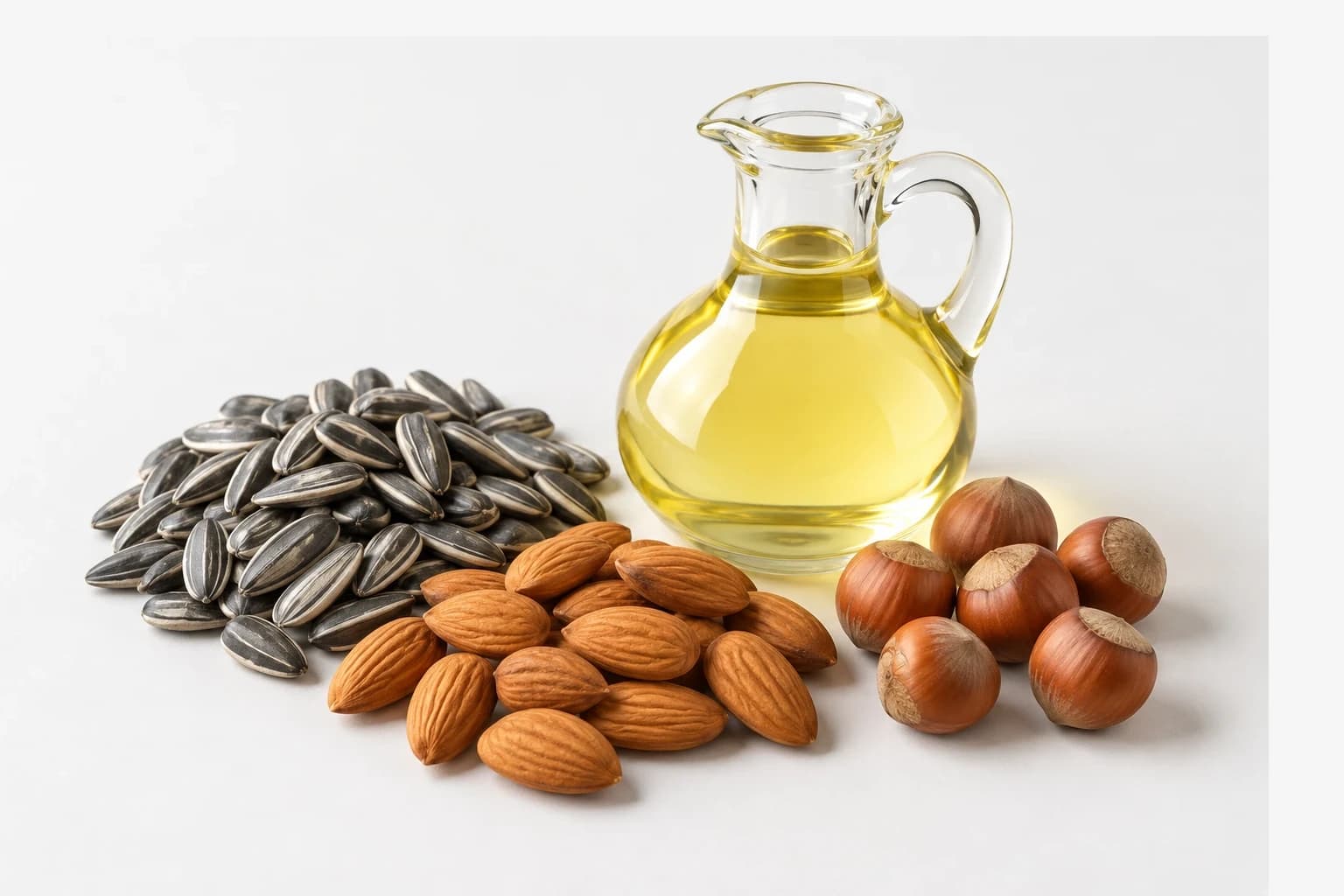
Highest sources
Ranked among the ingredients covered here. Reference amounts vary slightly between entries, so read this as a rough comparison rather than an exact order.
- 01
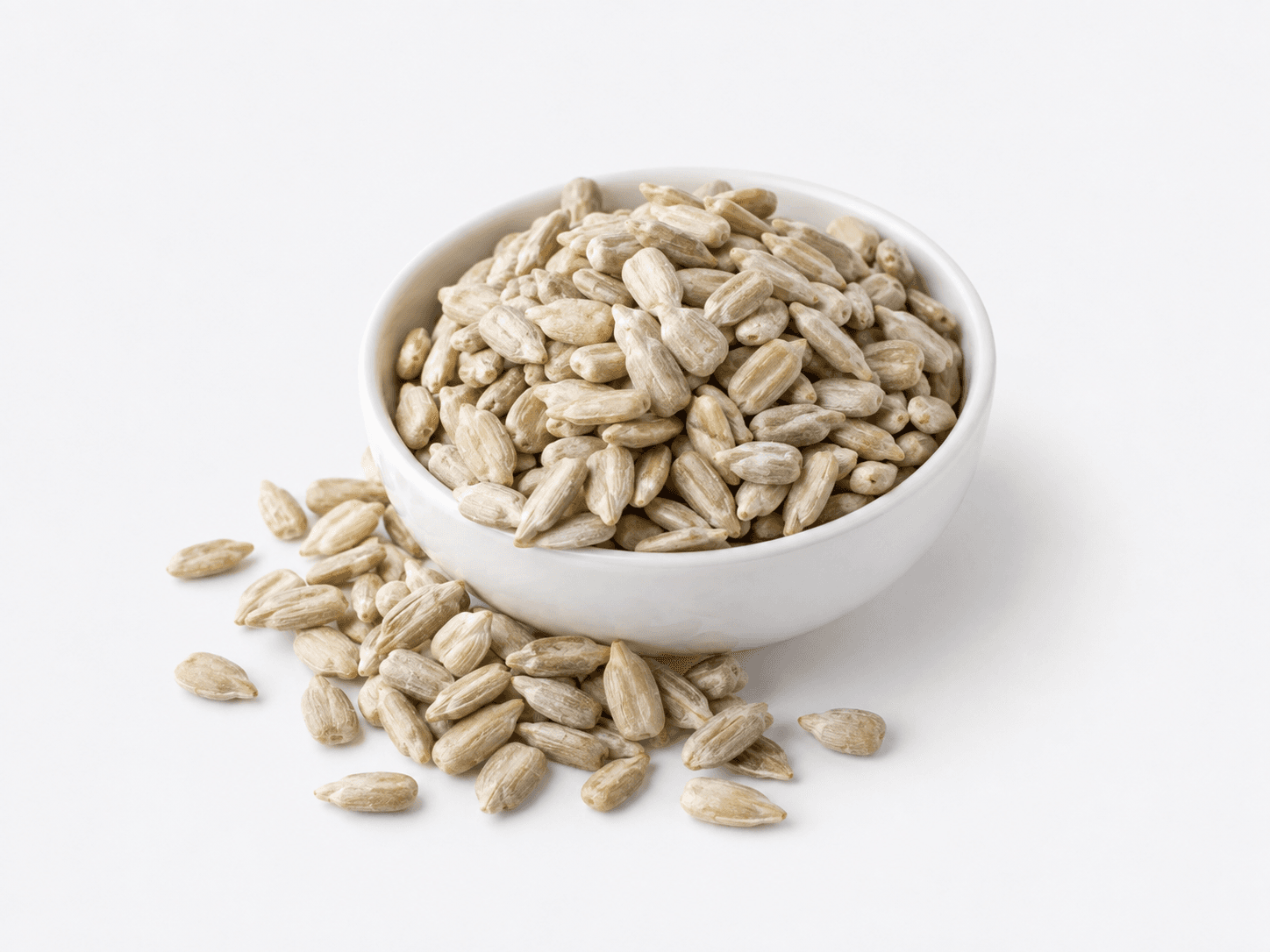 Sunflower seeds35.2 mgper 100 g · 235%
- 02
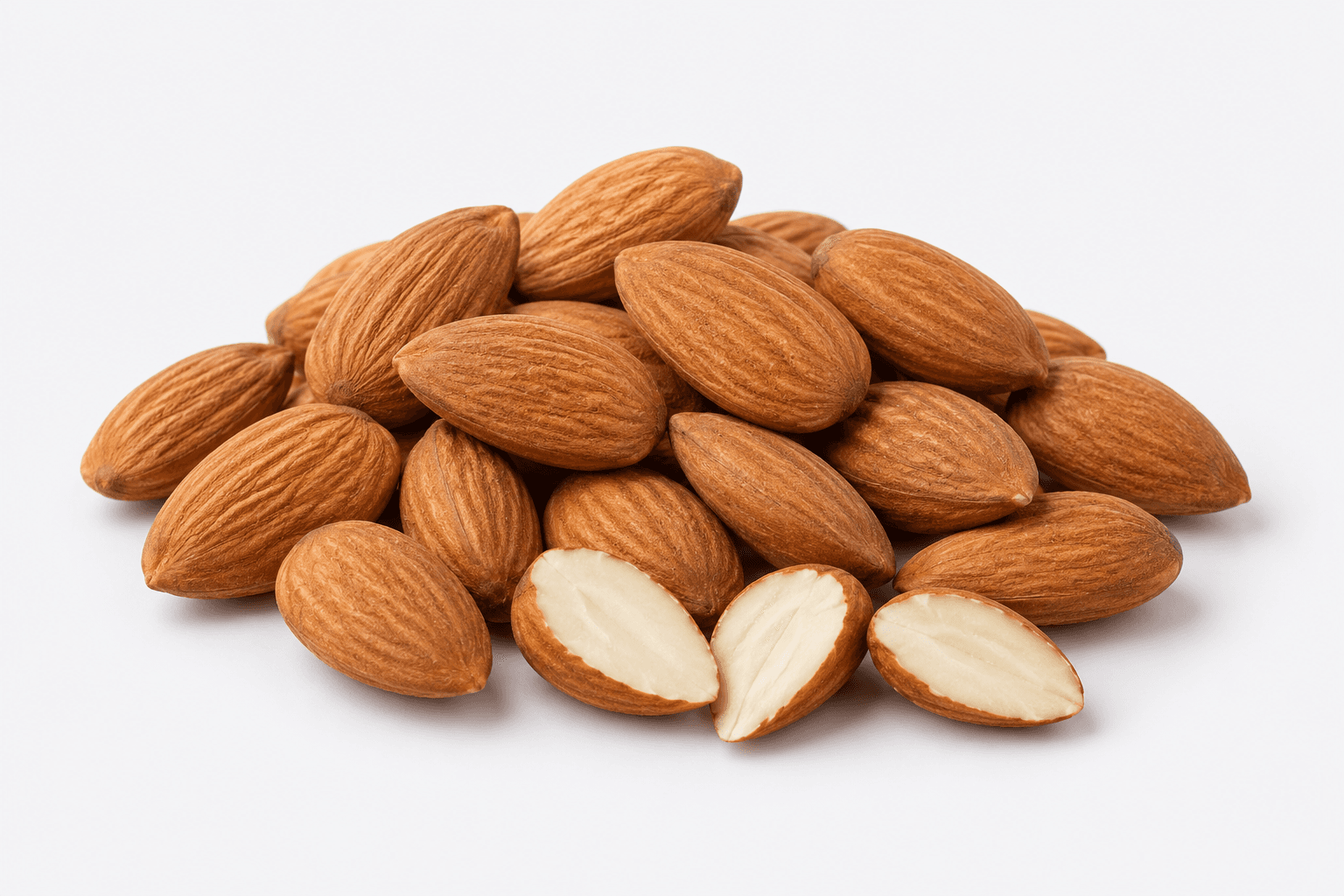 Almond25.6 mgper 100 g · 171%
- 03
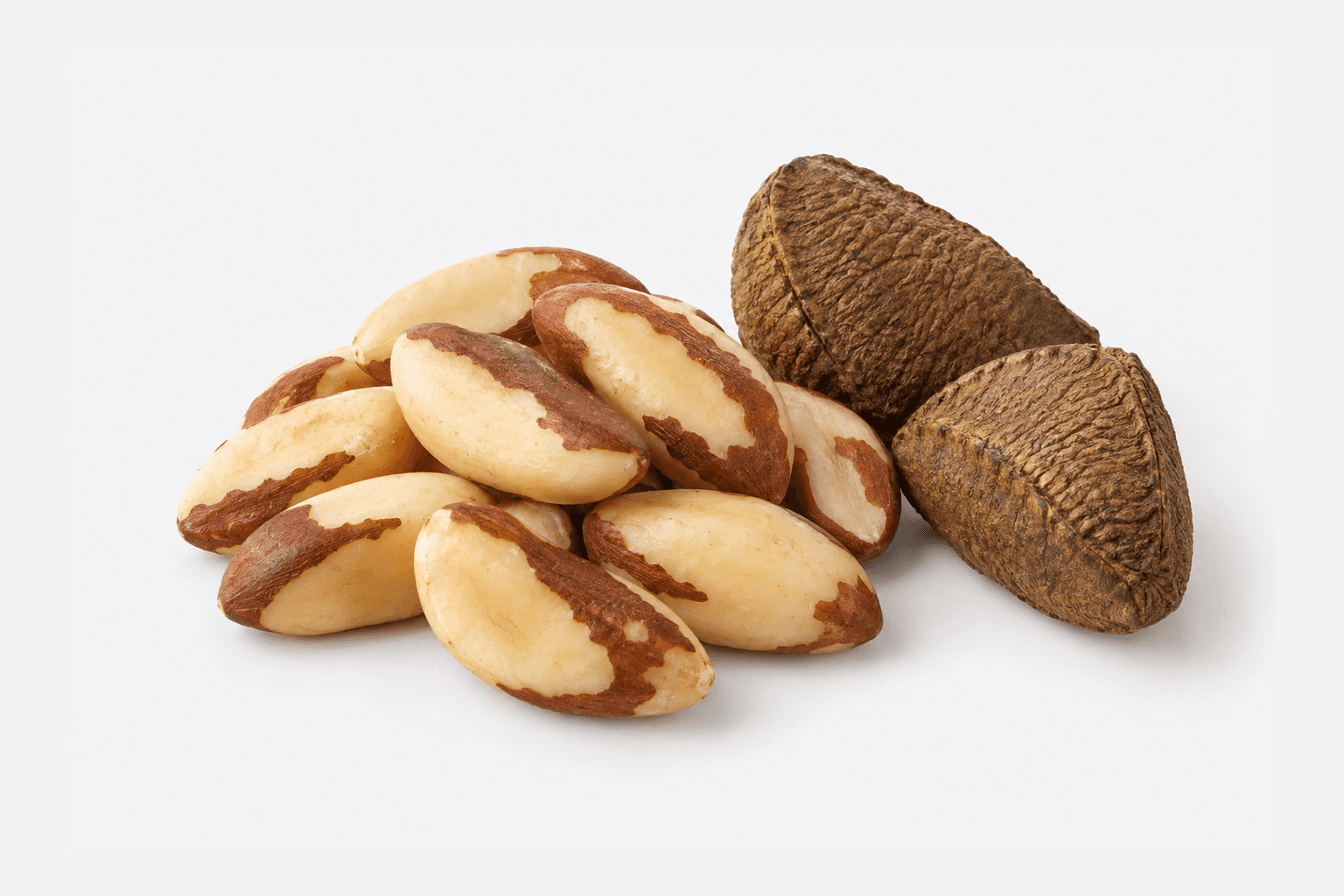 Brazil nut5.65 mg38%
- 04
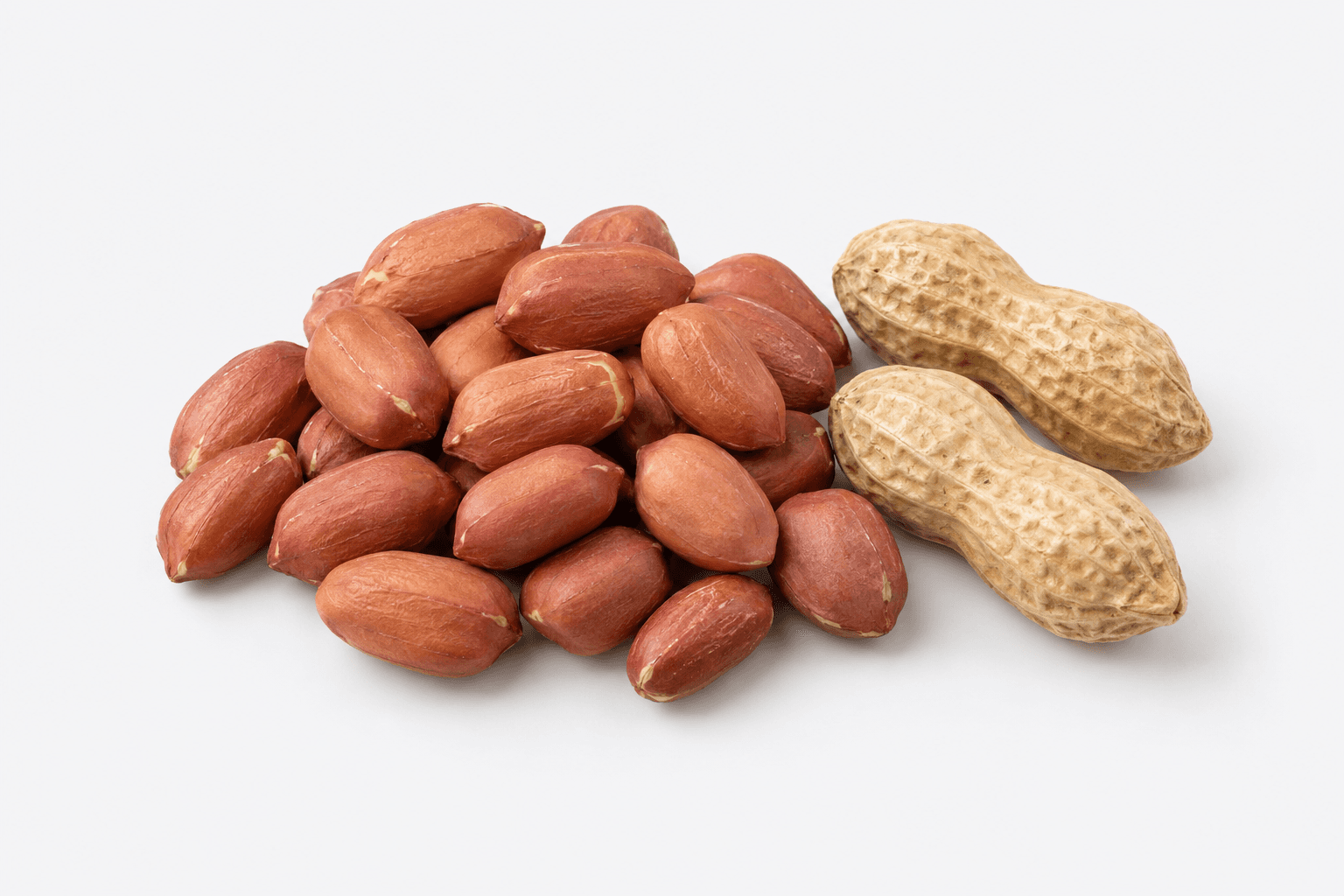 Peanuts4.9 mgper 100 g · 33%
- 05
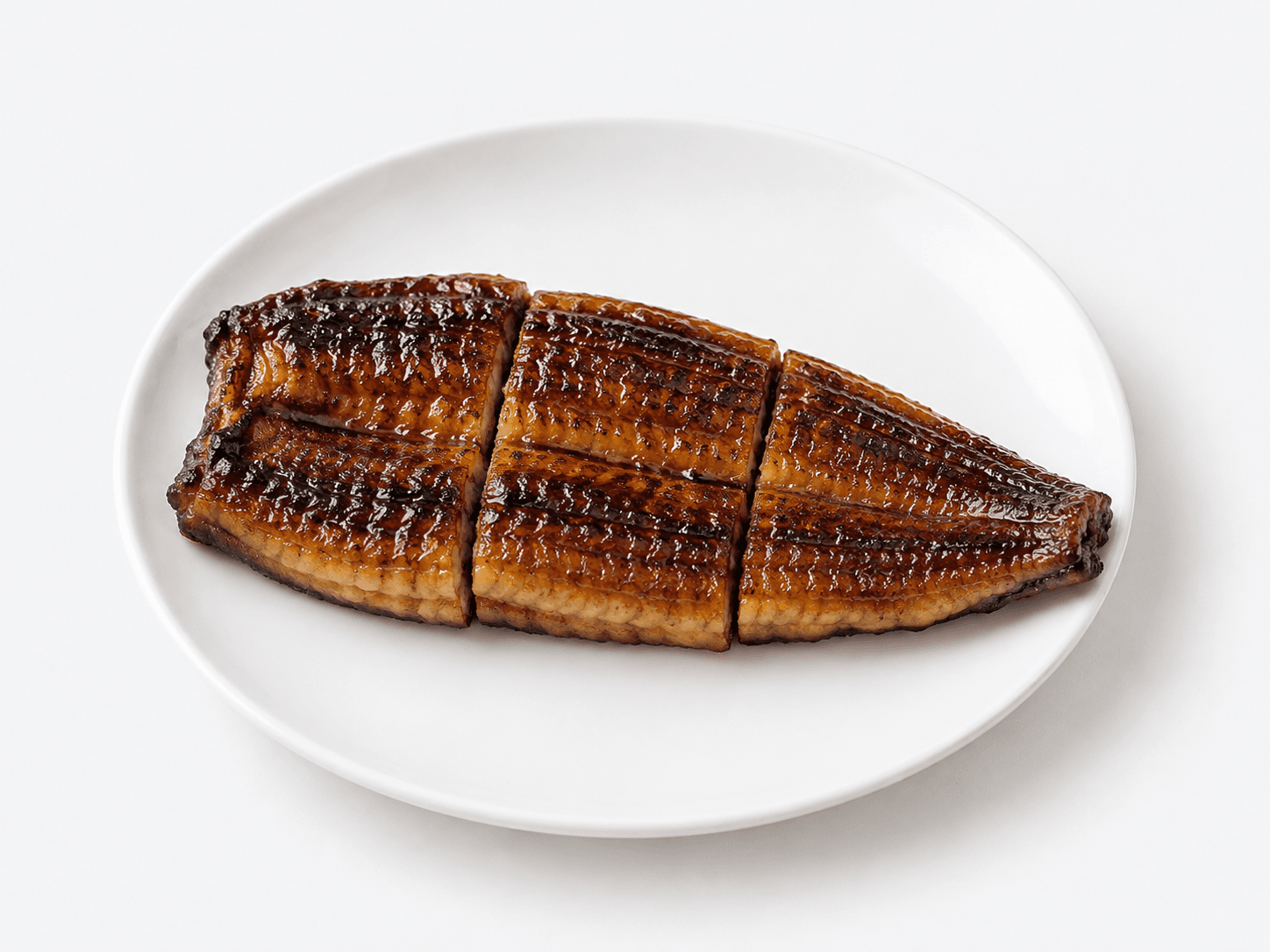 Eel4.0 mg27%
- 06
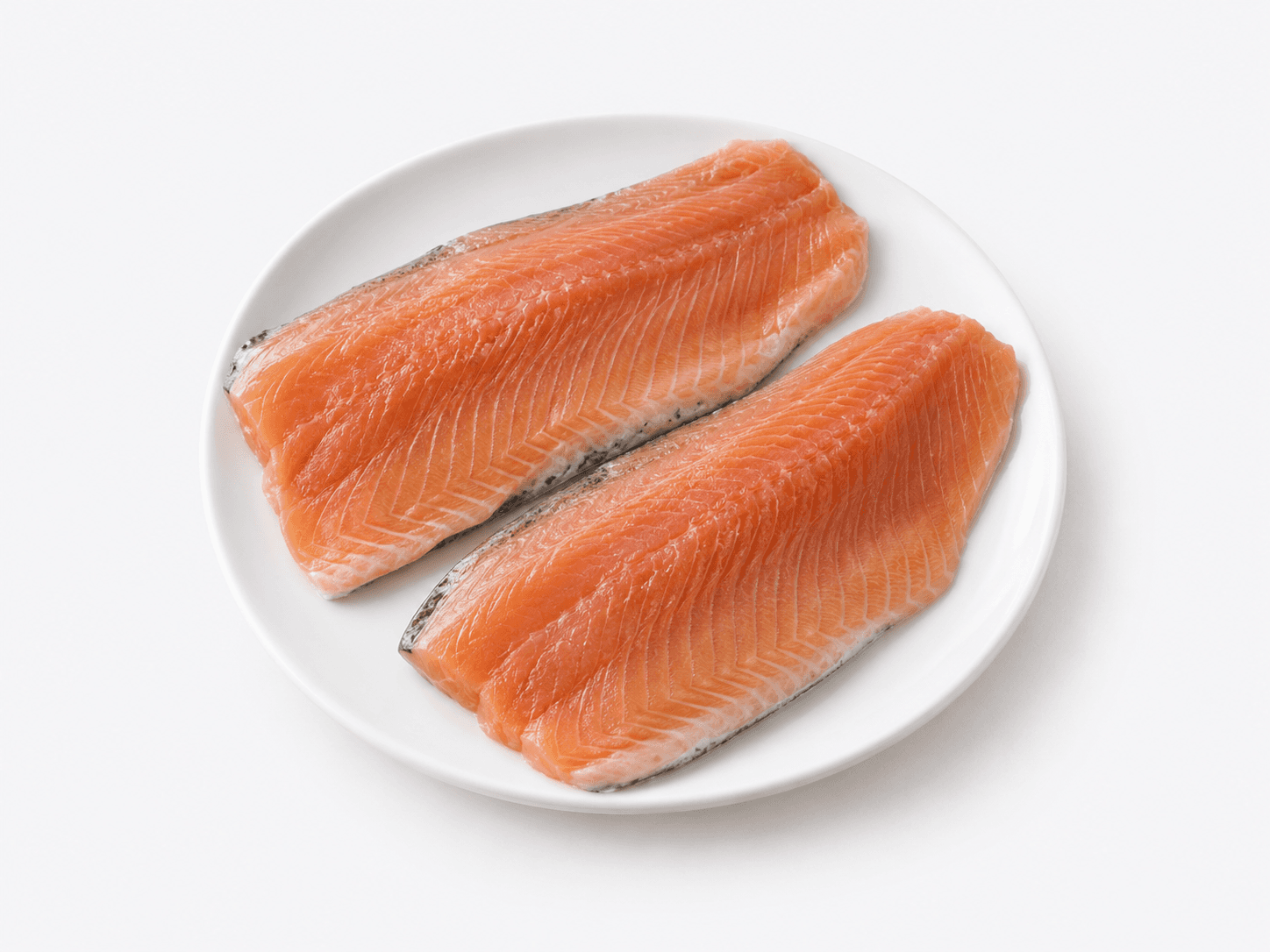 Trout2.34 mg16%
- 07
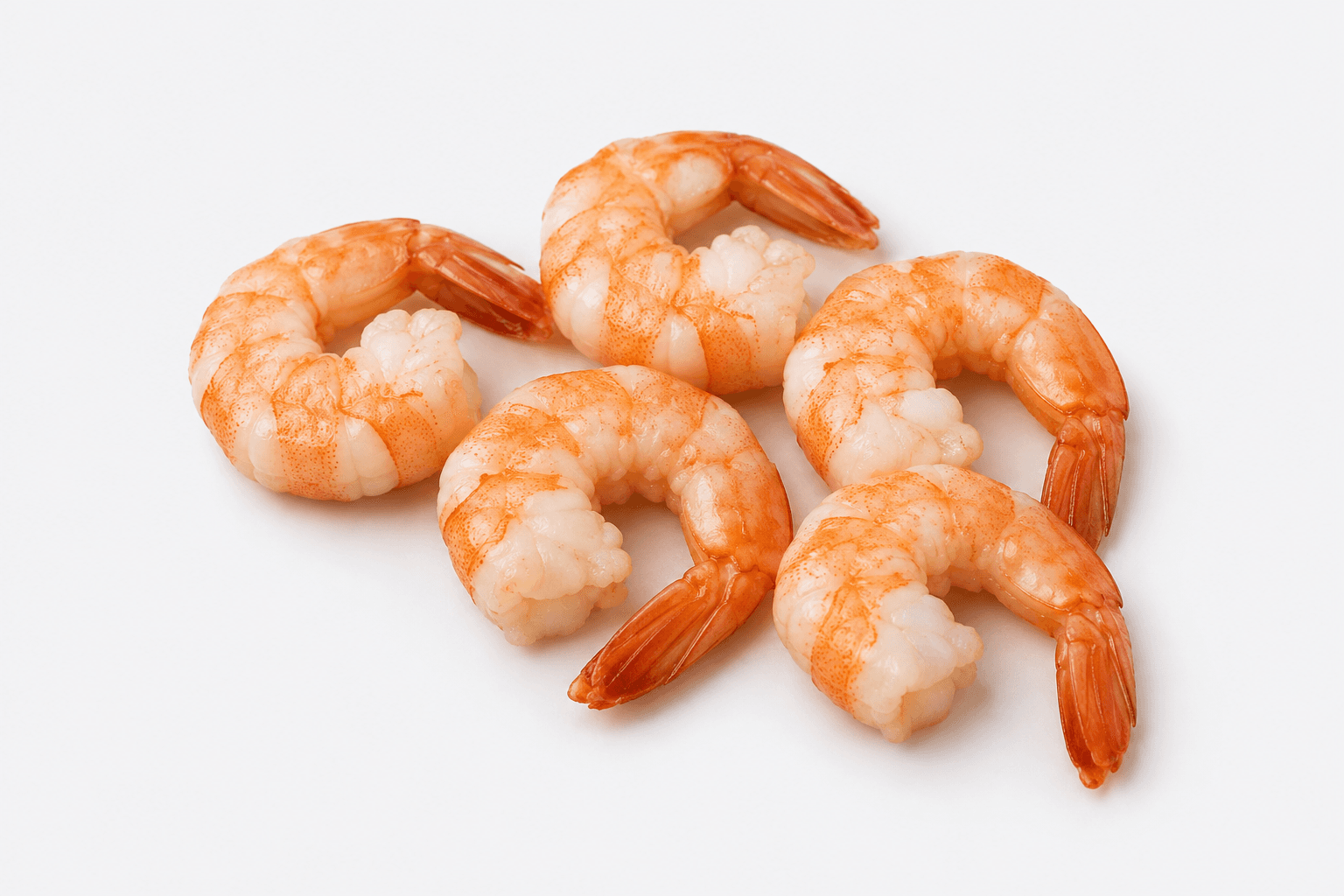 Shrimp2.2 mgper 100 g · 15%
- 08
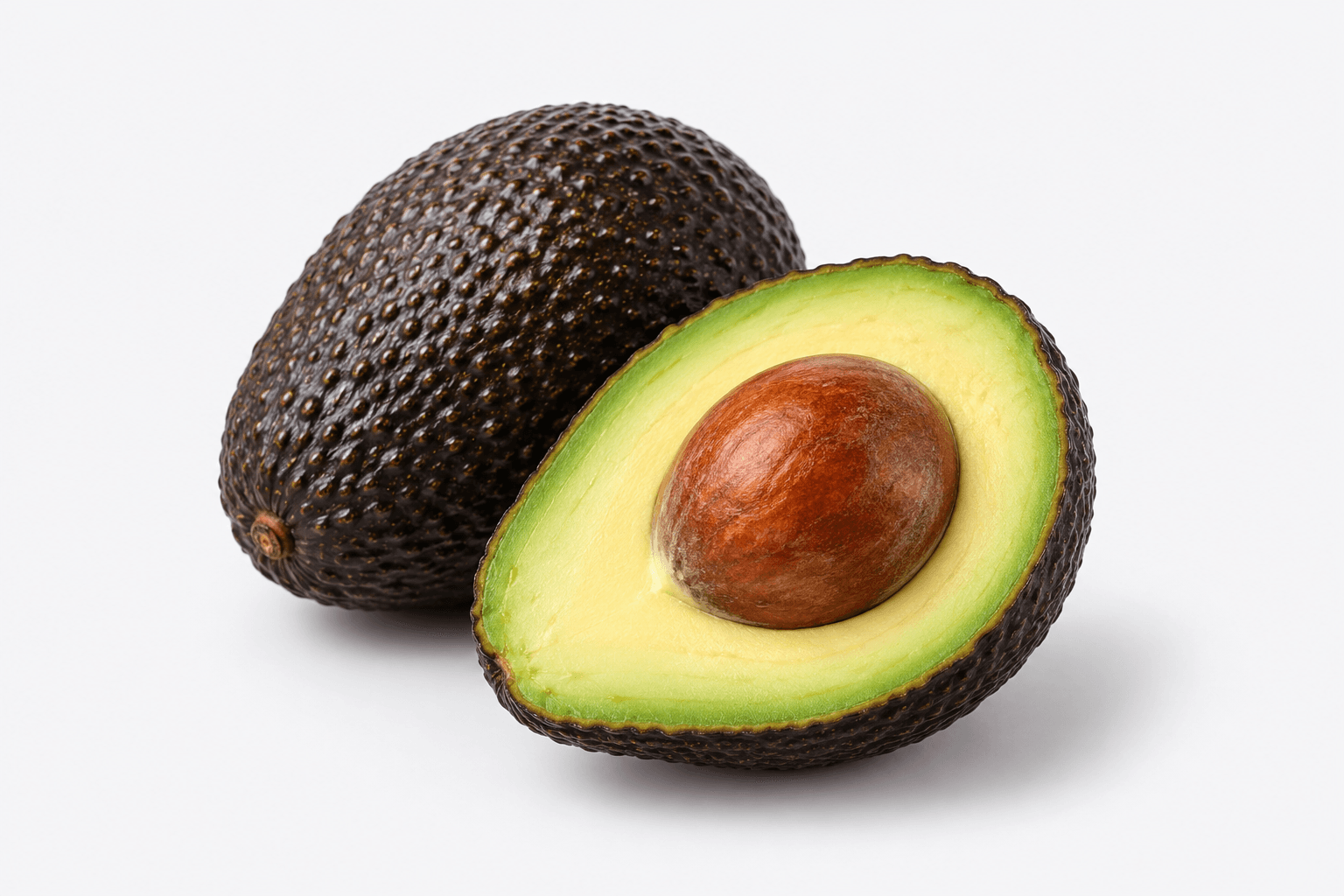 Avocado2.1 mgper 100 g · 14%
- 09
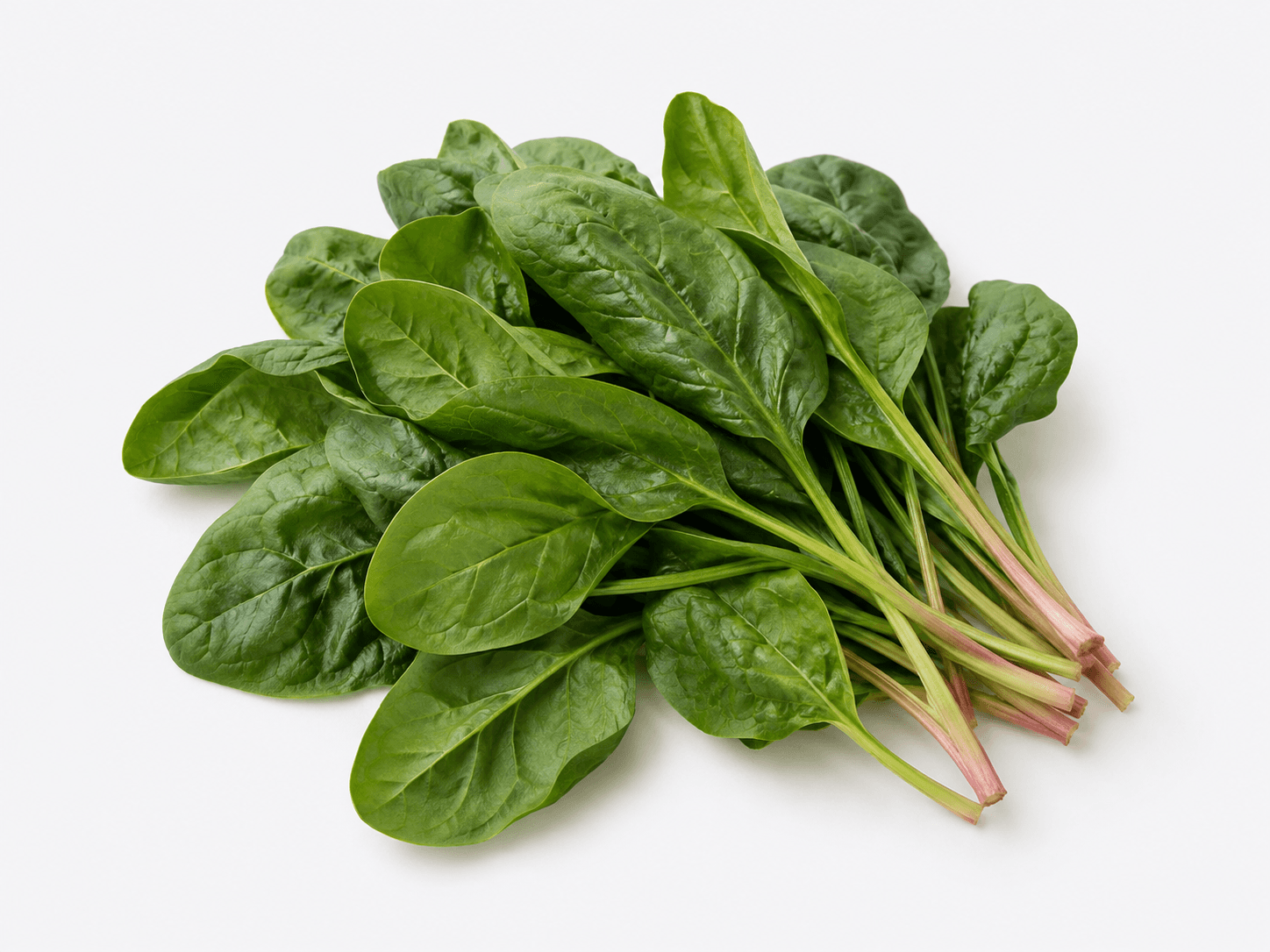 Spinach2.03 mgper 100 g · 14%
- 10
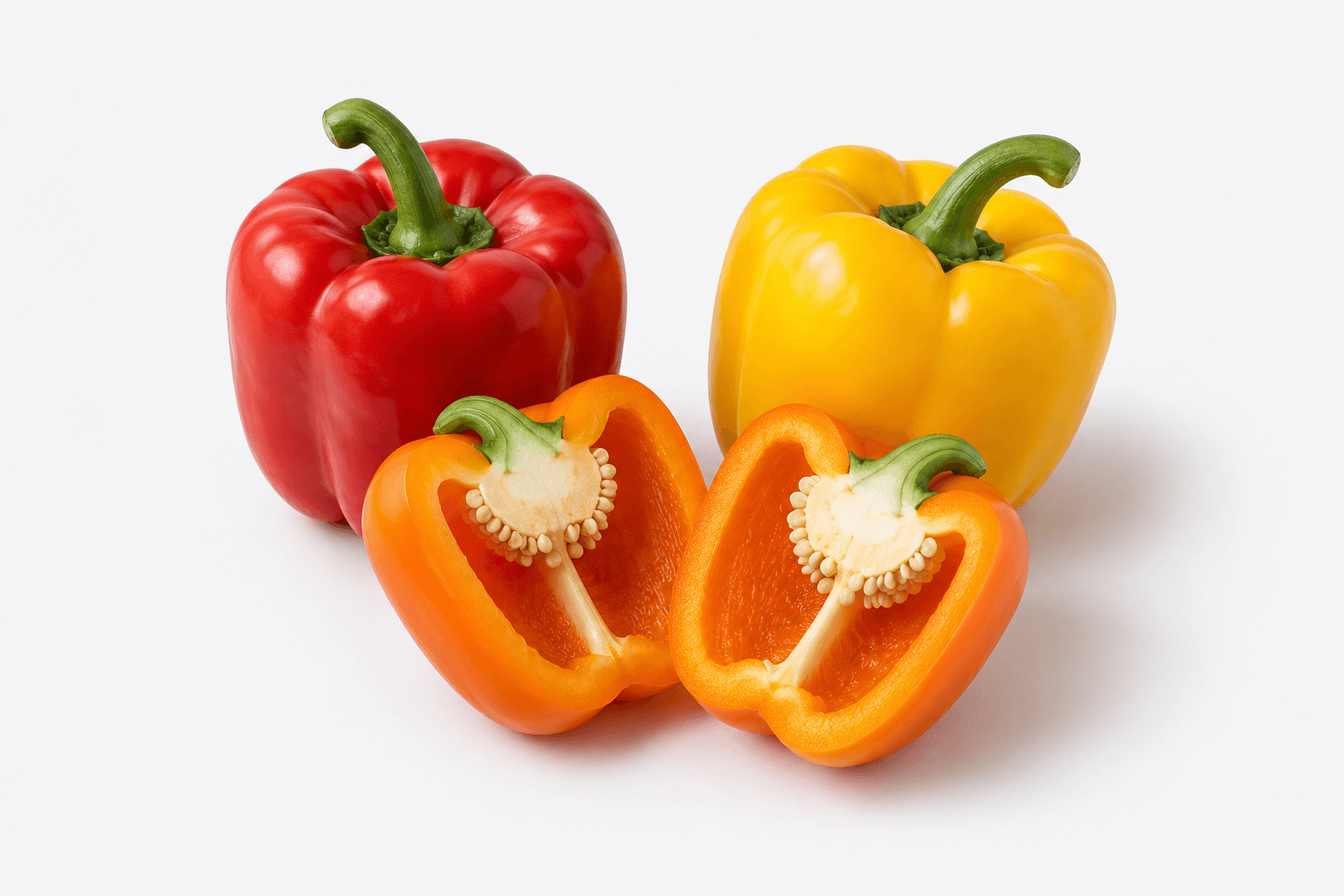 Bell pepper1.58 mgper 100 g · 11%
- 11
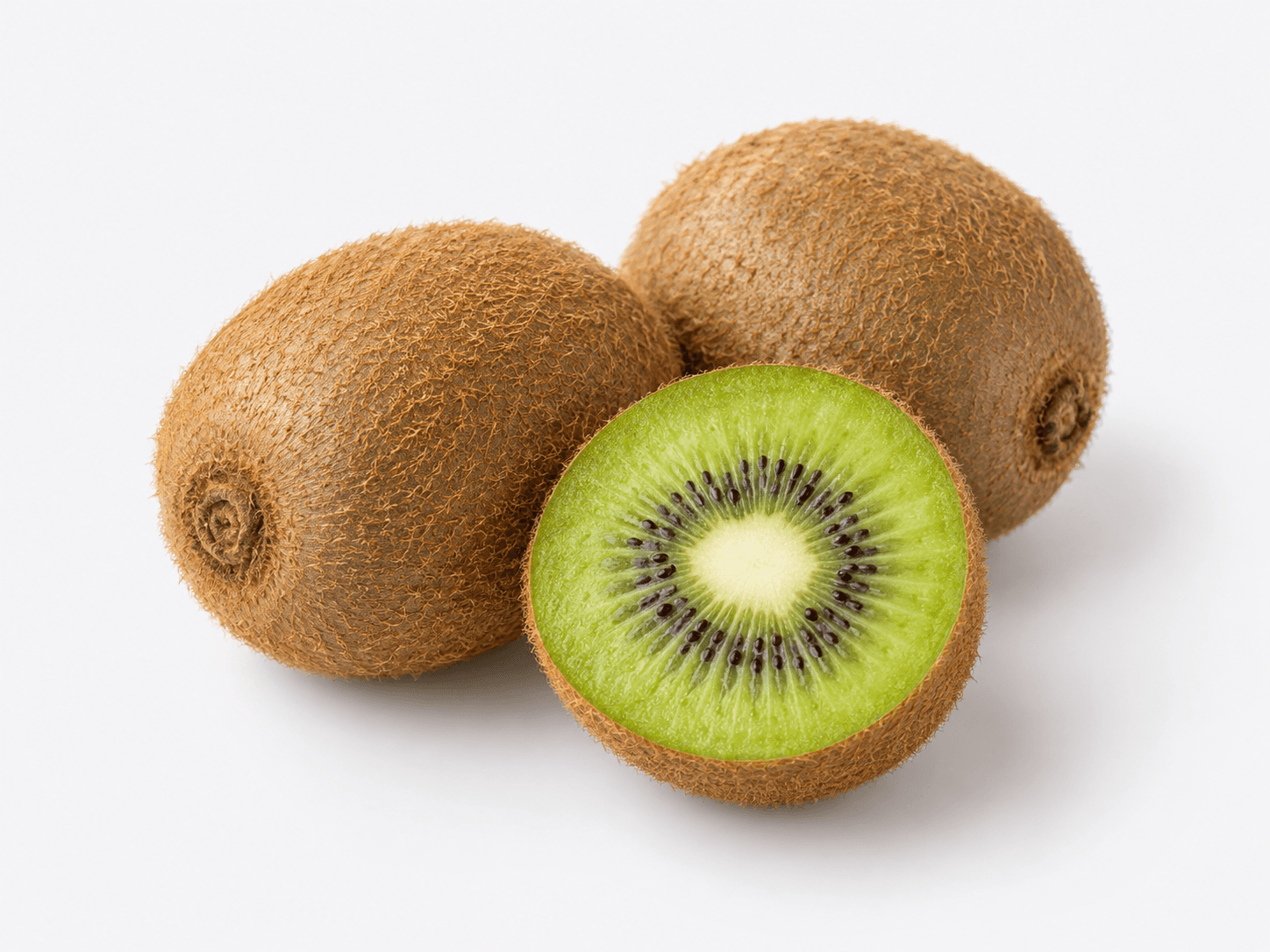 Kiwi1.46 mgper 100 g · 10%
- 12
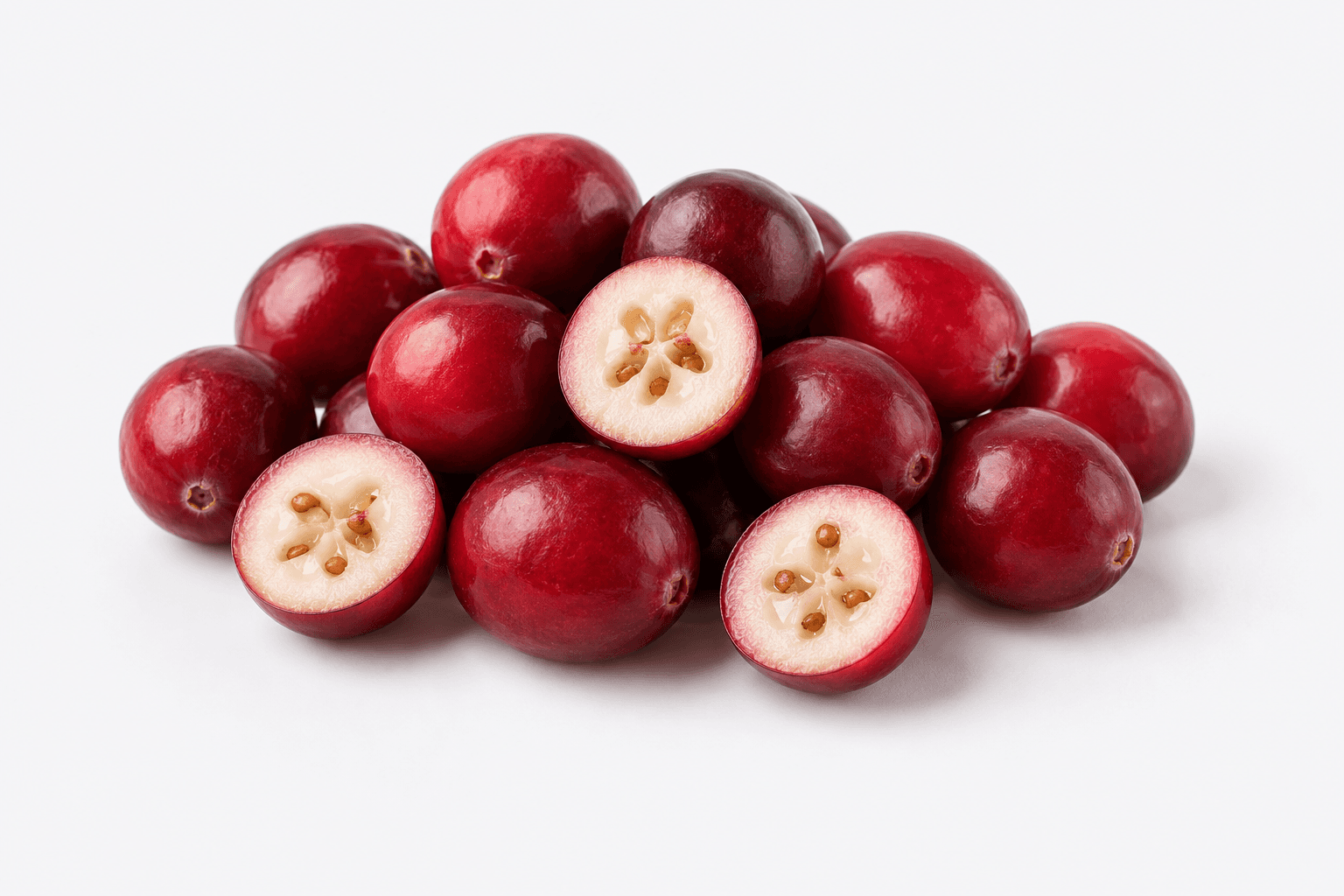 Cranberry1.32 mg9%
What it does
It sits inside cell membranes and breaks the chain reaction that oxidises polyunsaturated fatty acids. The more fat a tissue holds, the more it needs. It also supports immune cell function and, at high doses, inhibits platelet aggregation.
Vitamin E exists in eight forms, but only alpha-tocopherol meets the human requirement. Gamma-tocopherol, common in the diet, does not count toward the recommendation.
Recommended intake
The usual adult reference is 15 mg a day of alpha-tocopherol. The upper limit for supplements is 1,000 mg.
The units trip people up. To convert IU on a supplement label to mg, multiply by 0.67 for the natural form (d-alpha-tocopherol) and 0.45 for the synthetic (dl-alpha-tocopherol). 400 IU of the natural form is about 268 mg.
What affects absorption
Fat-soluble, so it needs fat to be absorbed. Conveniently, most vitamin E-rich foods are oily in themselves — nuts, seeds, vegetable oils, avocado.
Deficiency does occur where fat absorption is impaired (cholestasis, pancreatic insufficiency, cystic fibrosis), producing peripheral neuropathy and ataxia. Outside those conditions, dietary deficiency is very rare.
What to watch out for
High-dose supplements are not advisable. A meta-analysis of 19 randomised trials (135,967 people) found that trials using 400 IU a day or more raised all-cause mortality by 39 per 10,000 people (95 % CI 3–74, P = 0.035). Low-dose trials trended the other way, but not significantly.
The authors flagged the limits themselves: the high-dose trials were mostly small and enrolled people with chronic disease, so it is unclear how well they transfer to healthy adults, and the exact threshold where risk begins is hard to pin down. Still, there is little reason to take a supplement with an uncertain benefit and a safety signal.
If you take anticoagulants or aspirin, high-dose vitamin E can raise bleeding risk. Food-level amounts do not.
Sources
The databases and health authorities this article's nutrition figures and health statements draw on.
- 1USDA FoodData CentralFood composition database
- 2NIH Office of Dietary SupplementsHealth authority
- 3European Food Safety Authority (EFSA)Health authority
- 4Meta-analysis: high-dosage vitamin E supplementation may increase all-cause mortalityMeta-analysisMiller ER 3rd, et al. Ann Intern Med 2005PMID 15537682