Mineral
Foods high in copper and what it does
Copper is the mineral that makes iron usable. Without enough of it, anaemia develops even on plenty of iron. Heavy zinc supplementation lowering copper is a well-documented interaction.
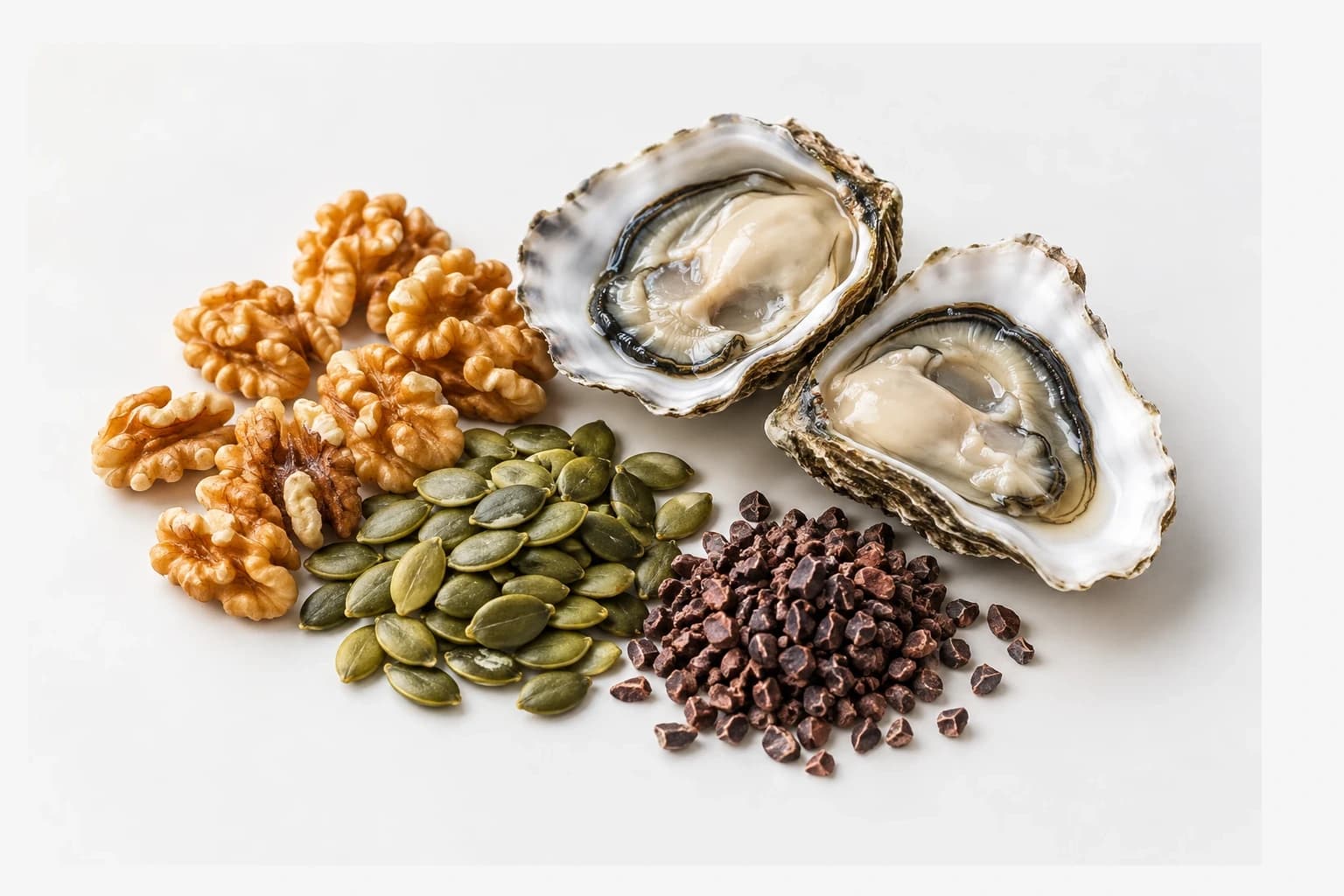
Highest sources
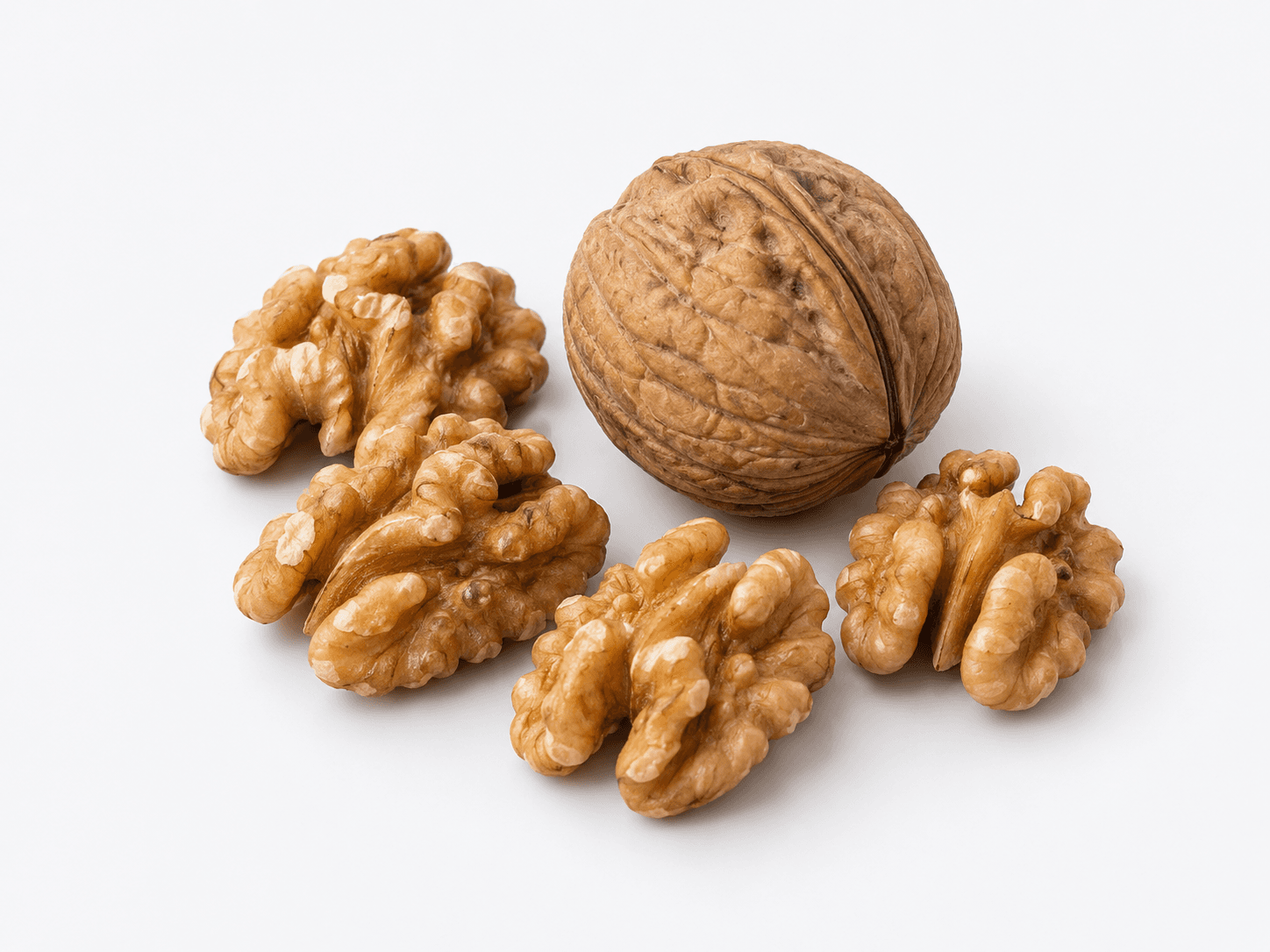
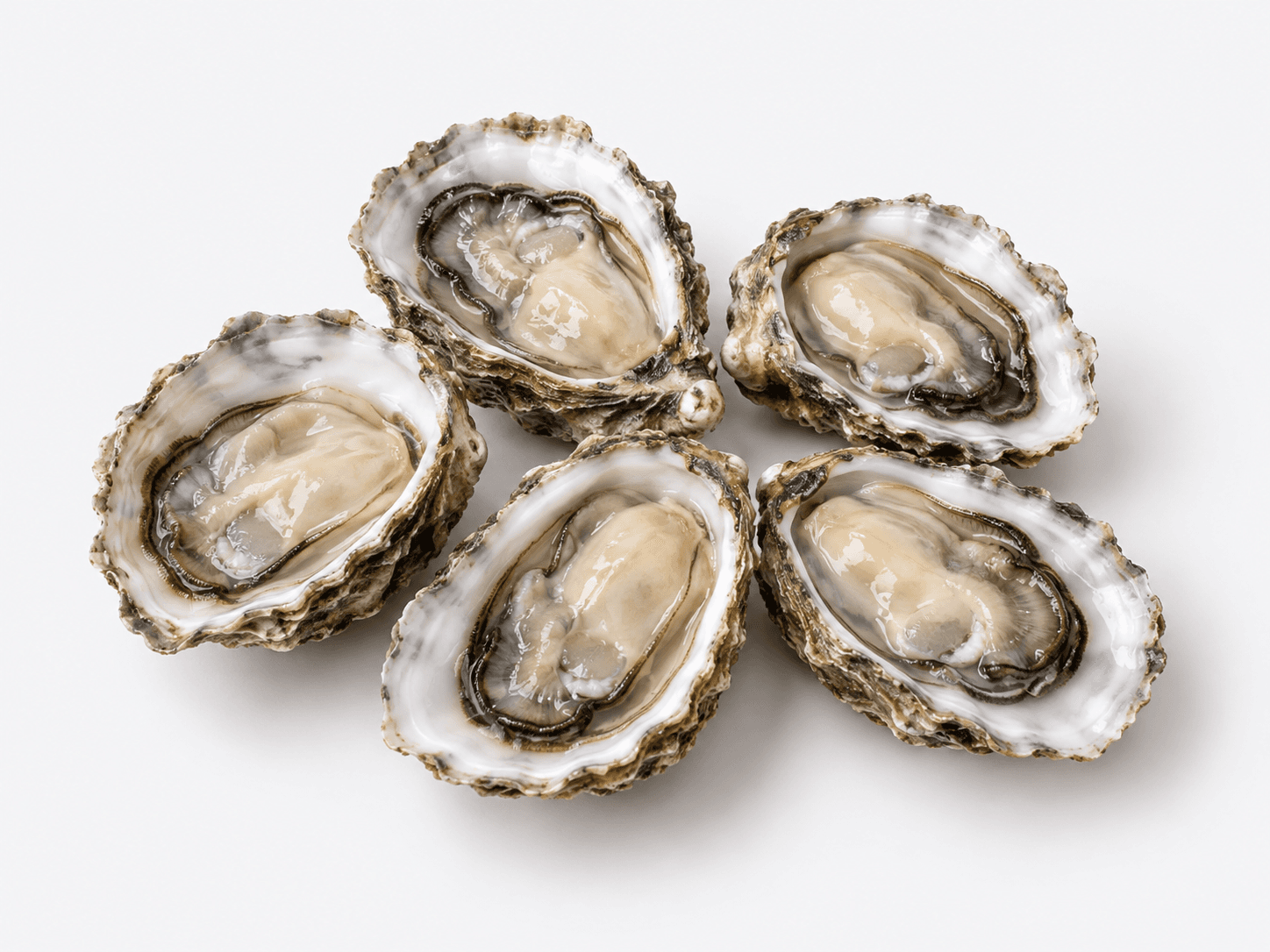
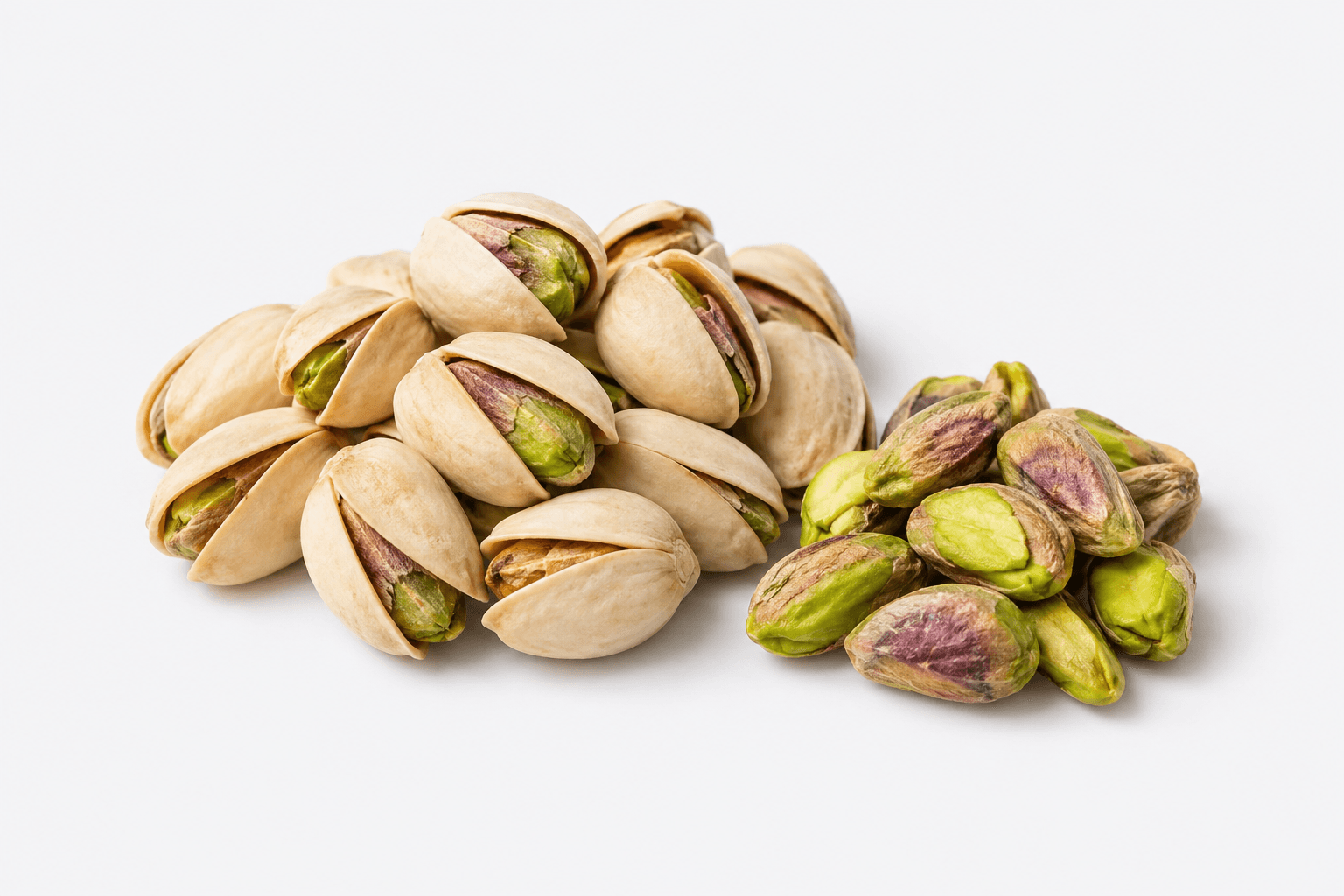
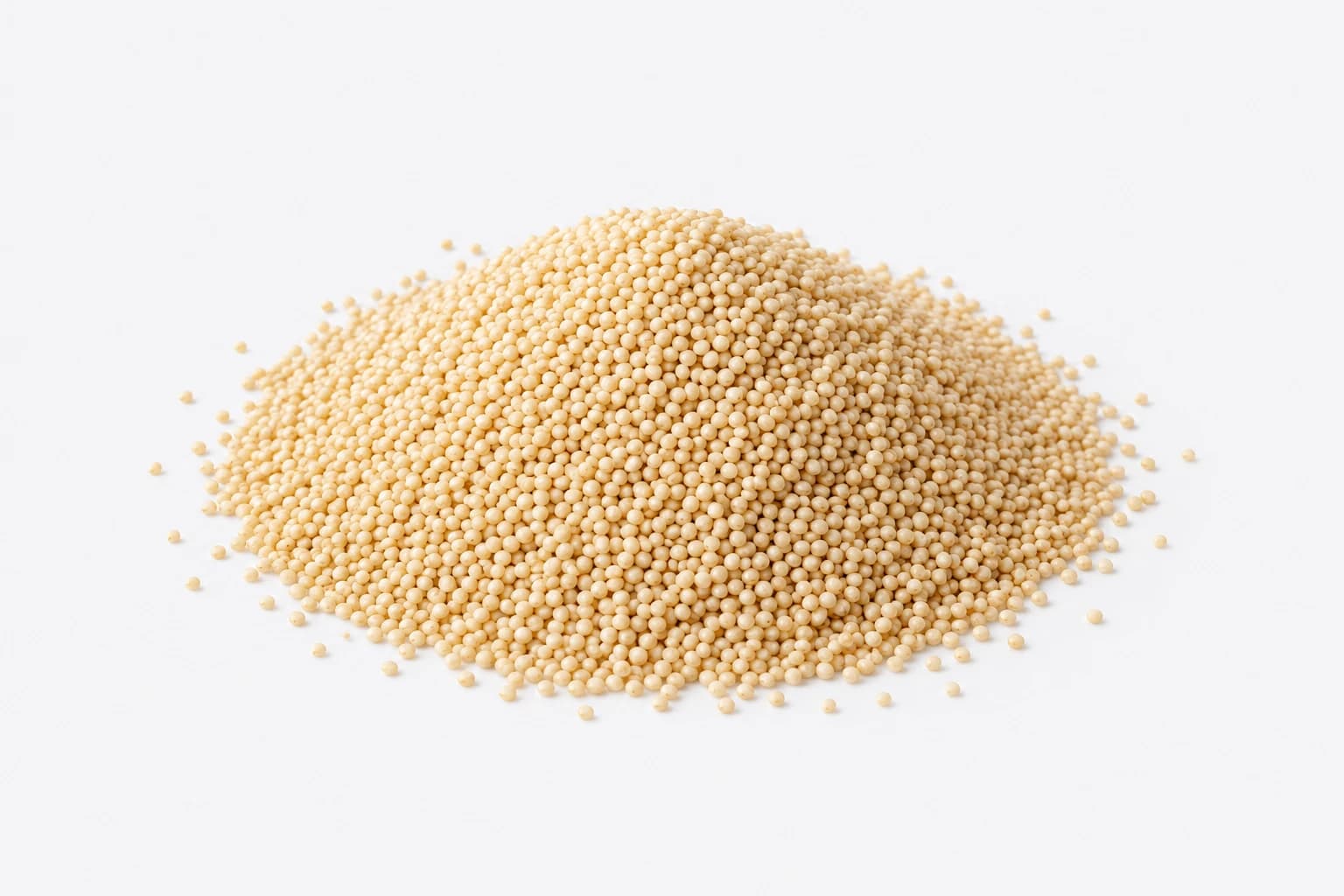
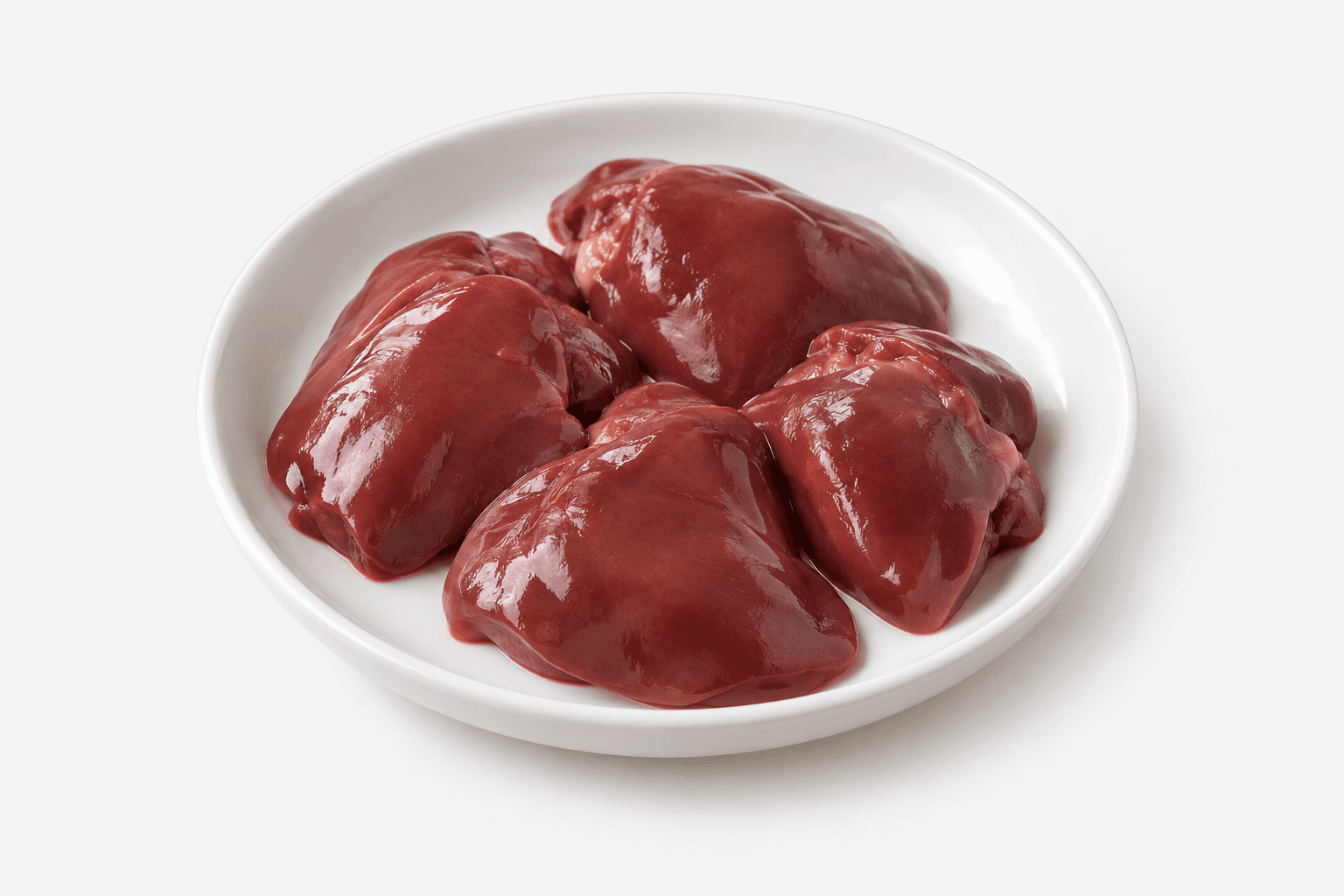
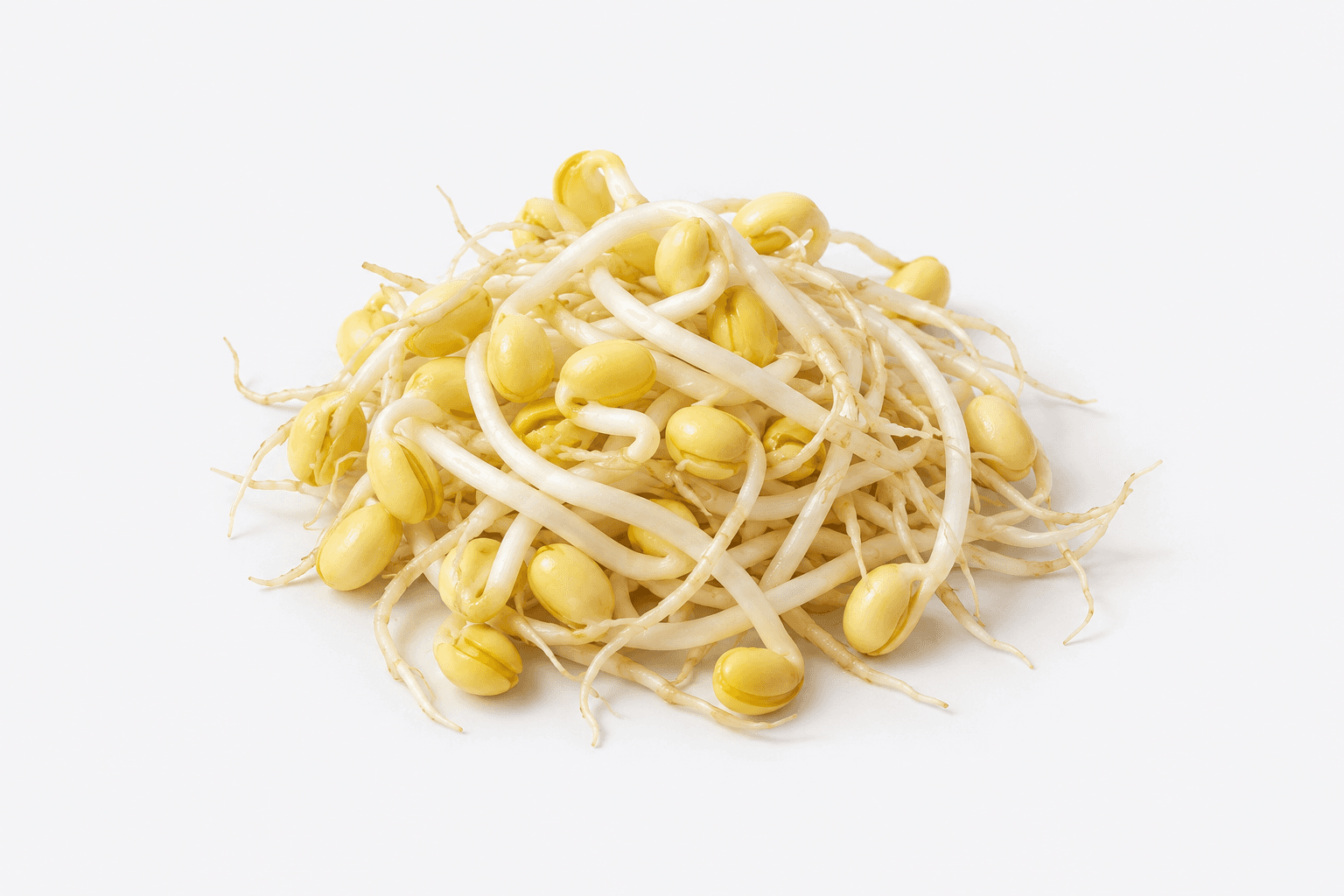
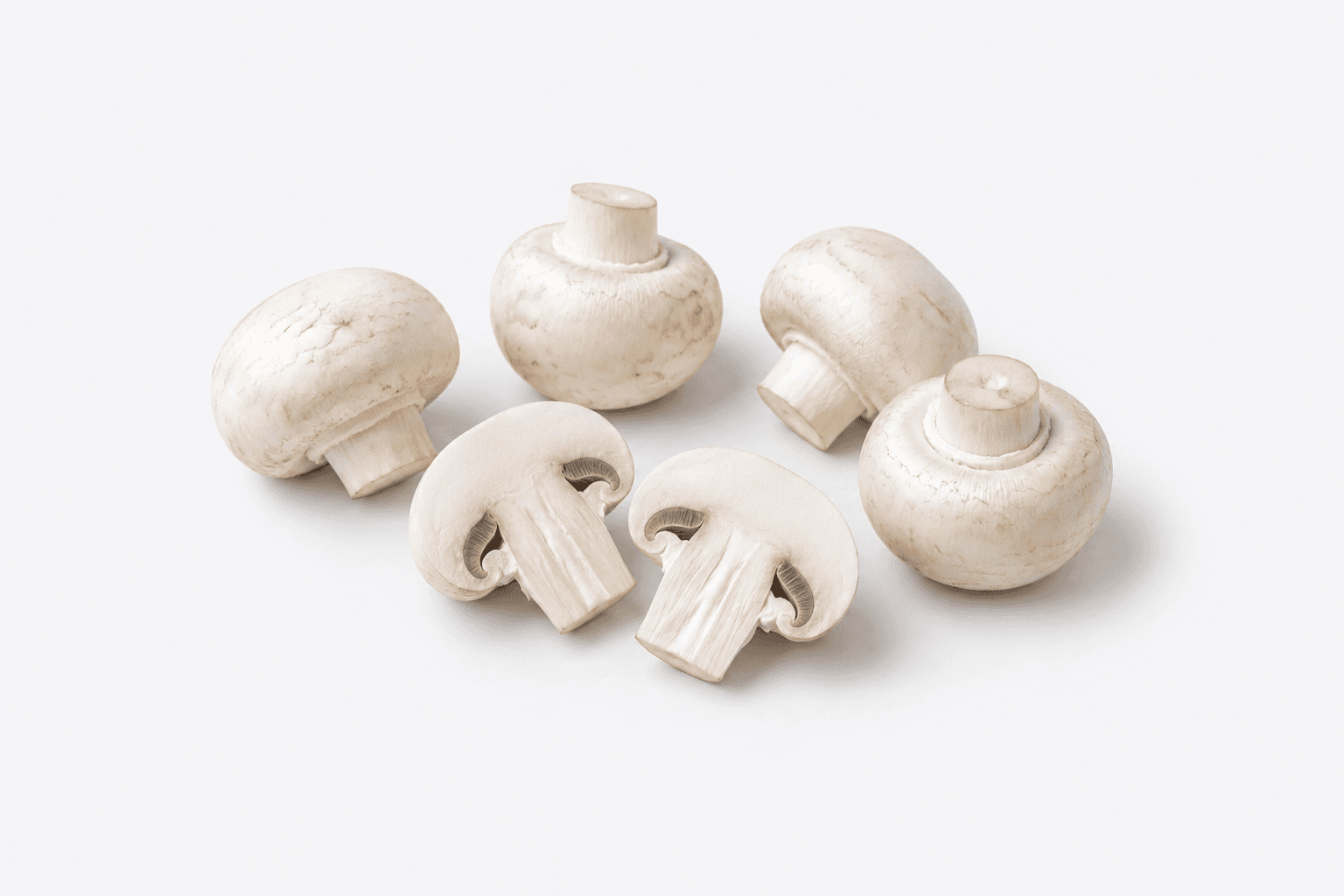
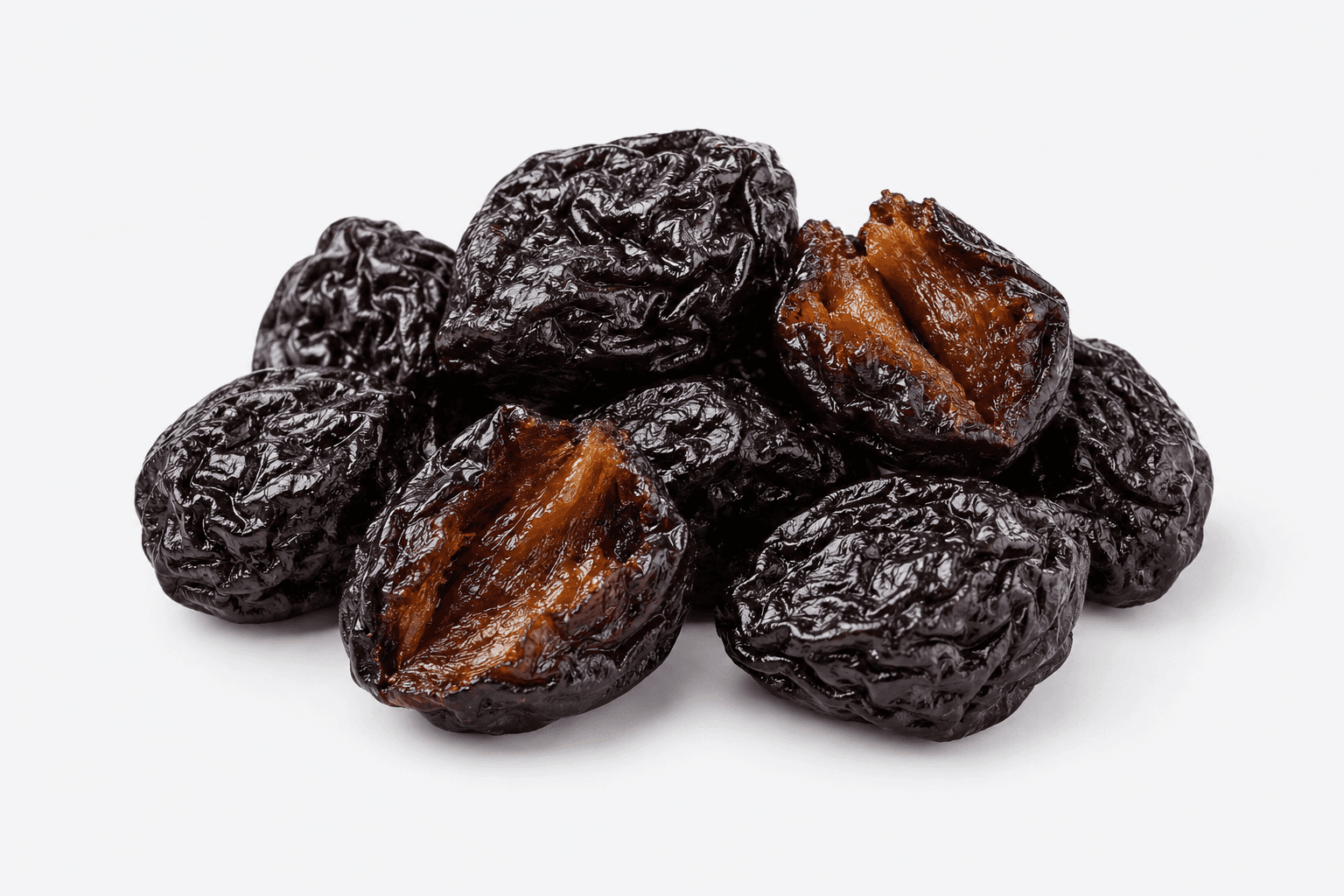
Ranked among the ingredients covered here. Reference amounts vary slightly between entries, so read this as a rough comparison rather than an exact order.
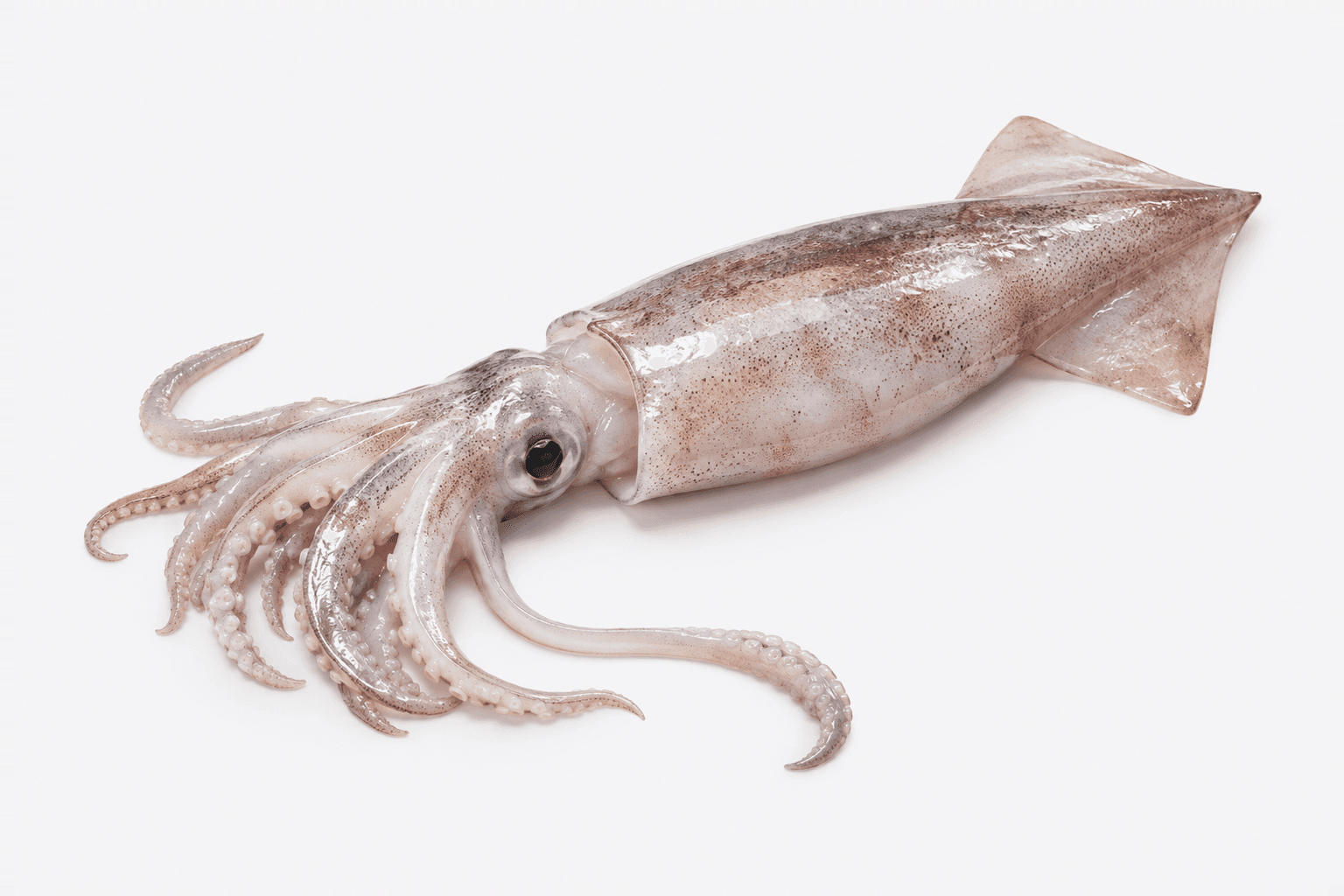
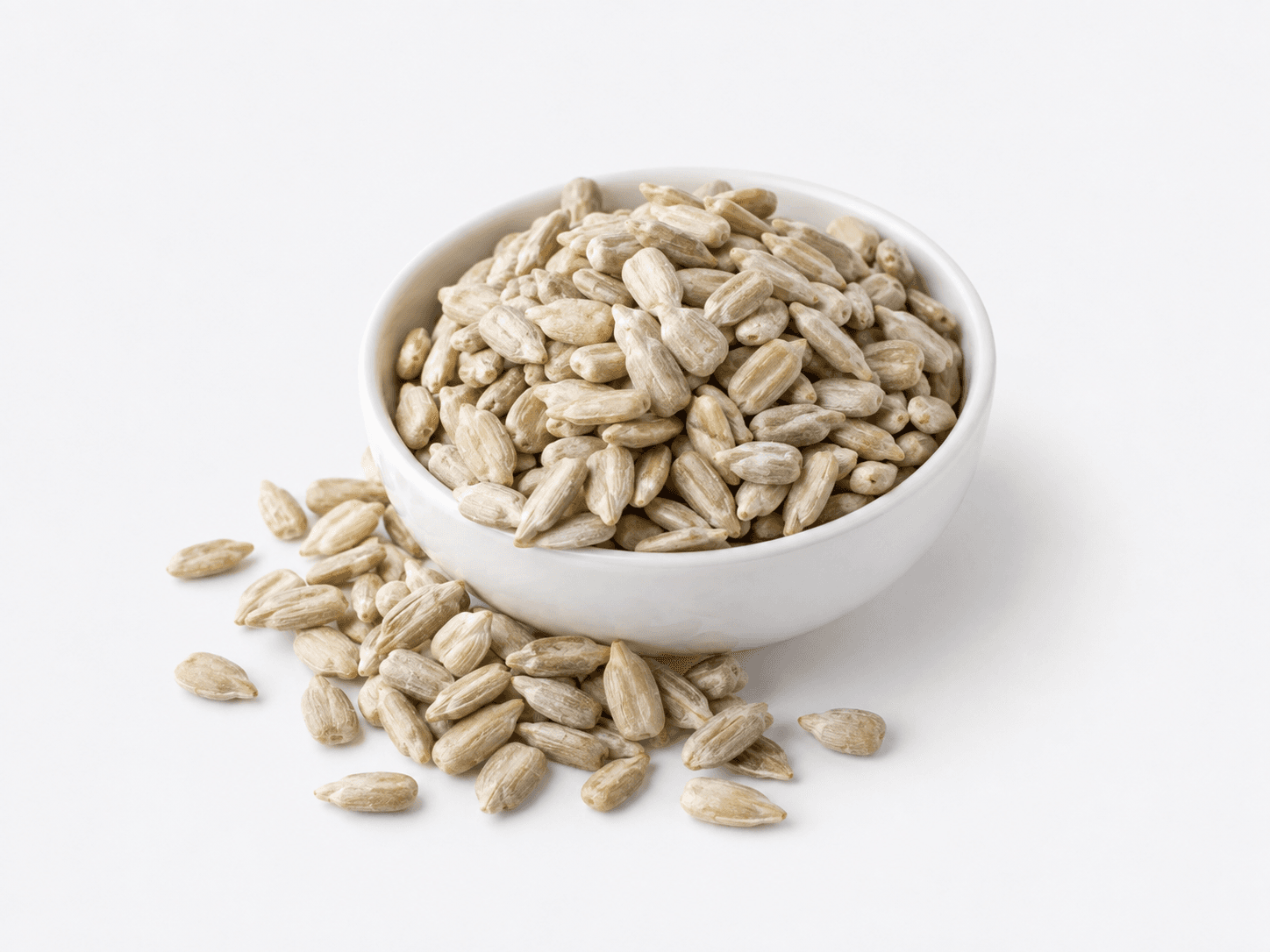
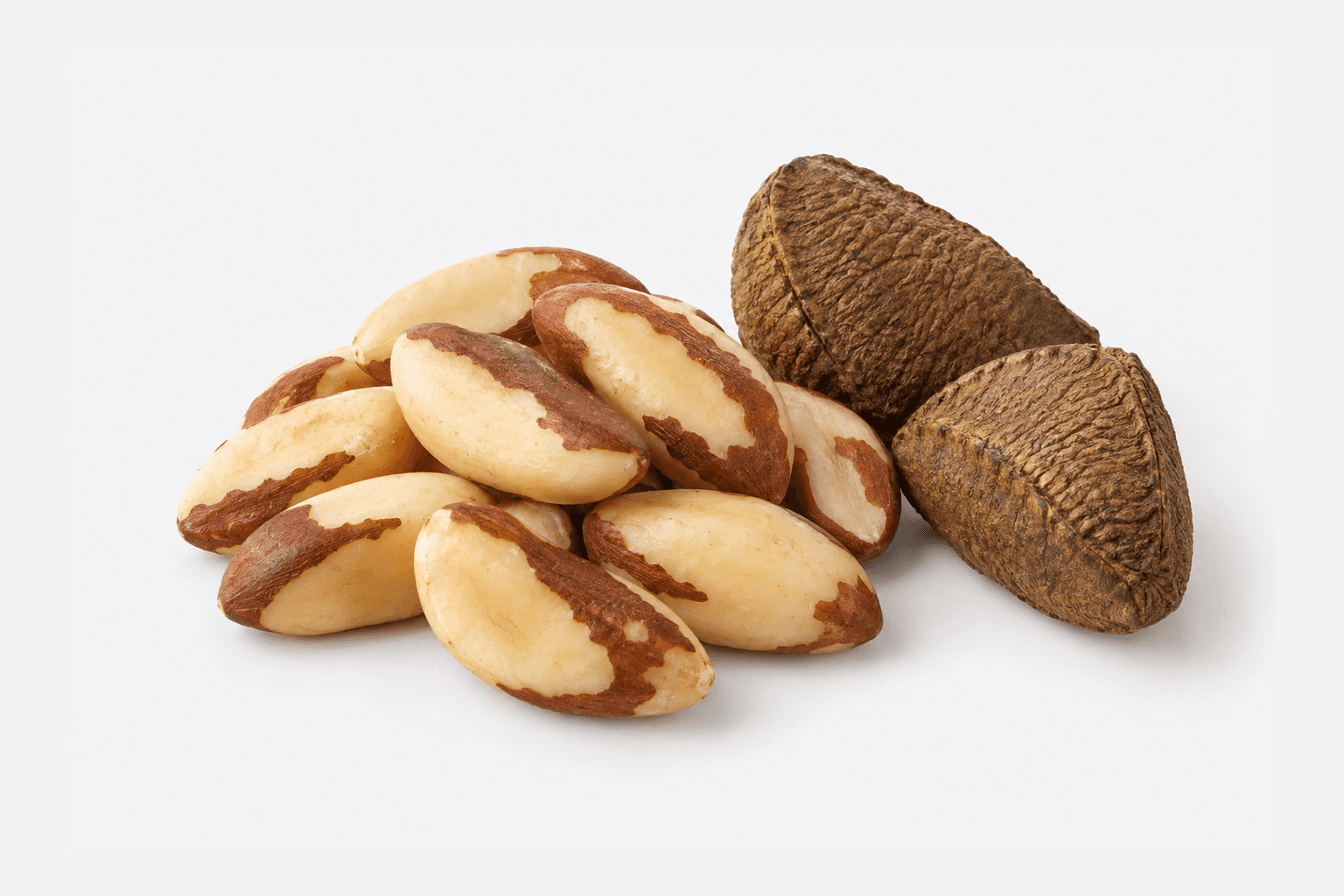

What it does
It sits inside cytochrome c oxidase, the enzyme at the final step of cellular energy production. As part of ceruloplasmin it is needed to move iron into the blood, and as lysyl oxidase it cross-links collagen and elastin, giving connective tissue and blood vessels their strength. It also forms part of copper-zinc superoxide dismutase for antioxidant defence, and is involved in neurotransmitter synthesis and immune cell function.
Recommended intake
The US recommended intake for adults is 900 µg a day, with an upper limit of 10 mg. Liver, oysters and shellfish, nuts and seeds, cocoa and whole grains are the richest sources. Deficiency is uncommon on ordinary diets but occurs with prolonged high-dose zinc supplementation, after gastric surgery, and in malabsorption. It shows up as anaemia, low neutrophils and bone abnormalities.
What affects absorption
Absorption rises when intake is low and falls when it is high. The interaction that matters most is zinc. High zinc intake makes intestinal cells produce metallothionein, a protein that binds copper more tightly and carries it straight back out. Copper deficiency is reported with long-term zinc supplements at around 50 mg a day. Very large doses of vitamin C can also reduce absorption.
What to watch out for
Excess copper from food is not a concern. From supplements, exceeding the 10 mg upper limit is linked to abdominal pain, nausea and liver damage. Wilson disease is an inherited condition in which copper cannot be excreted and accumulates in the liver and brain; Menkes disease is the opposite, a failure to absorb it. In both cases intake should be managed by a clinician, not self-adjusted.
Sources
The databases and health authorities this article's nutrition figures and health statements draw on.