Mineral
Foods high in potassium and what it does for blood pressure
Potassium works against sodium to regulate blood pressure. The saltier the diet, the more it matters.
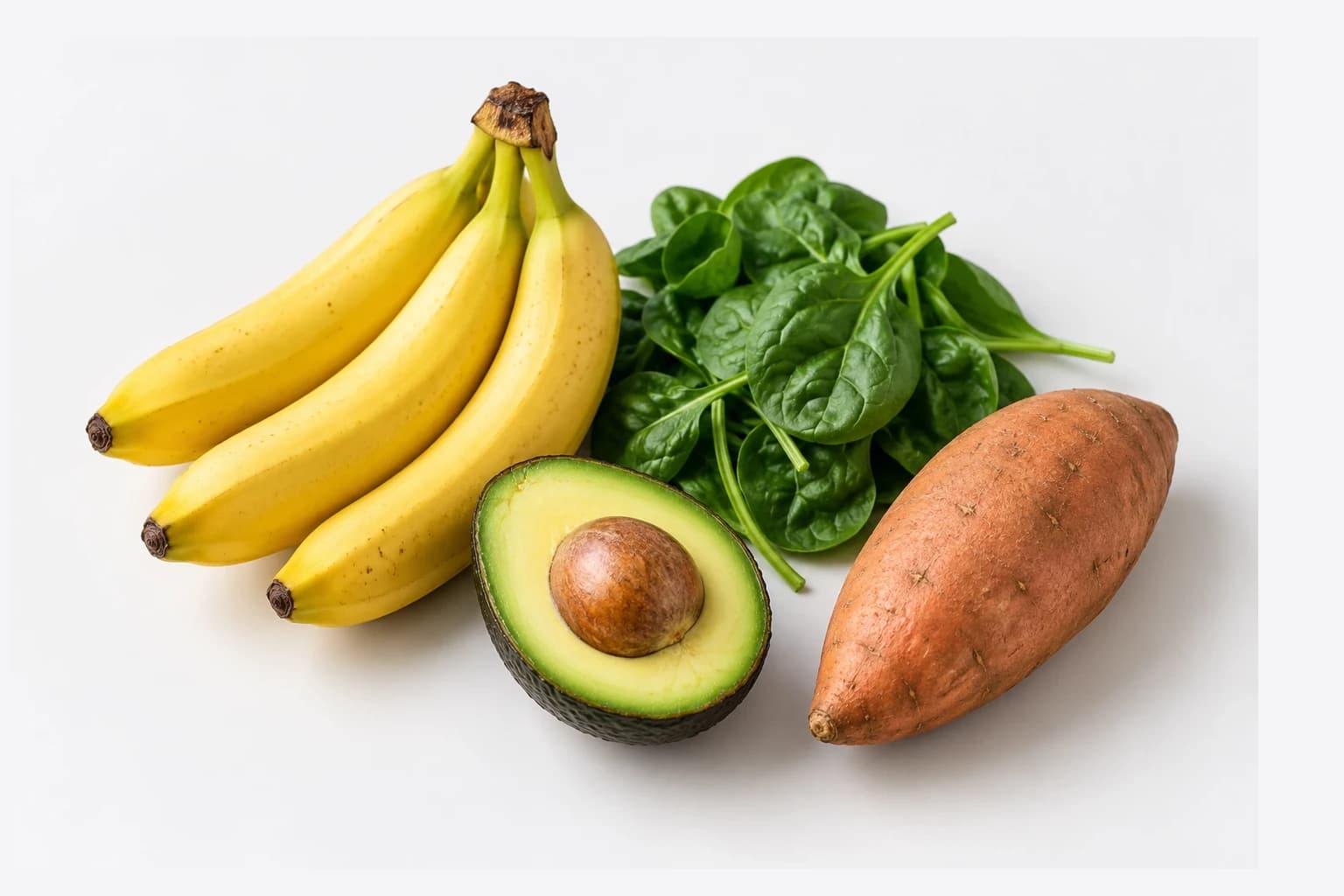
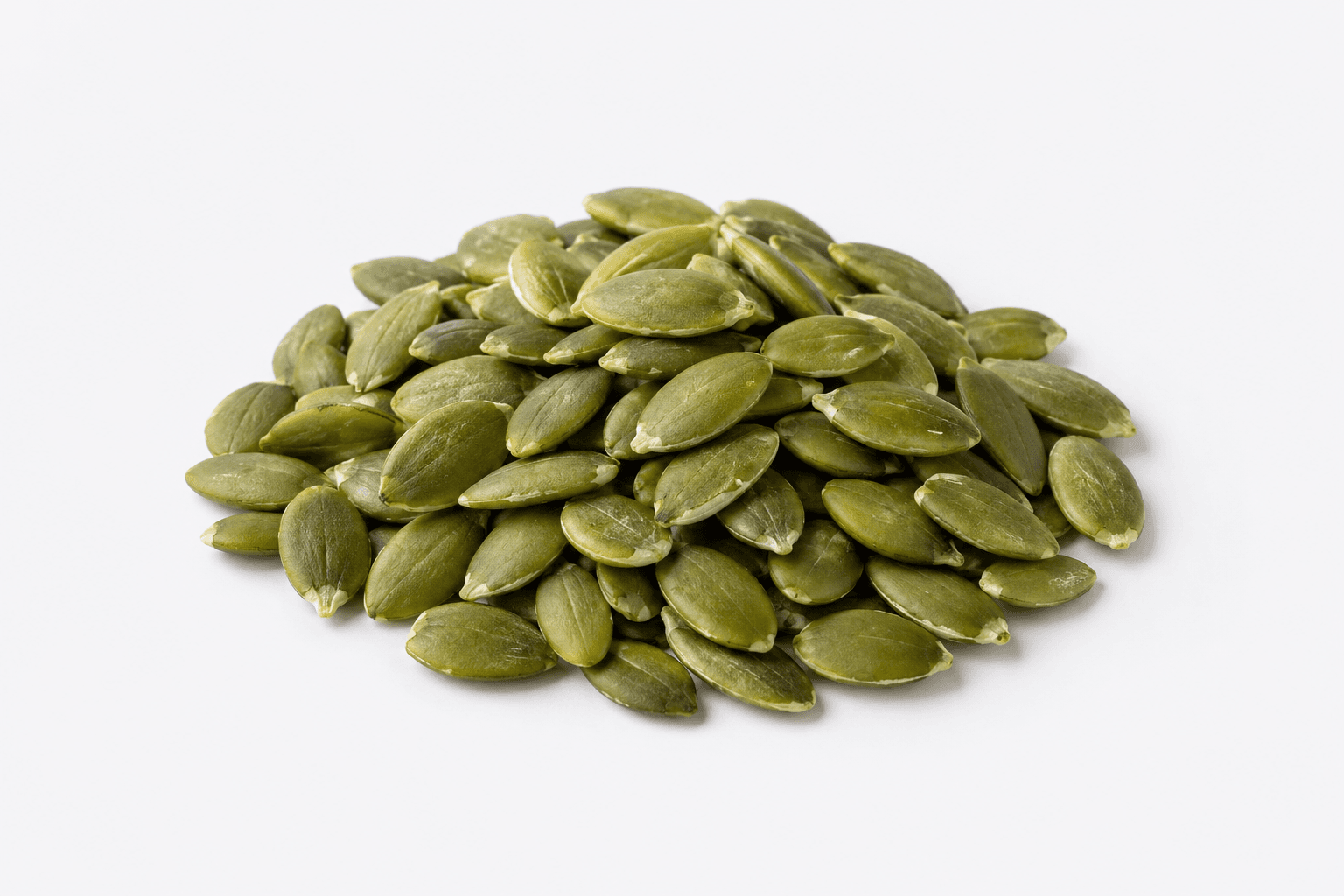
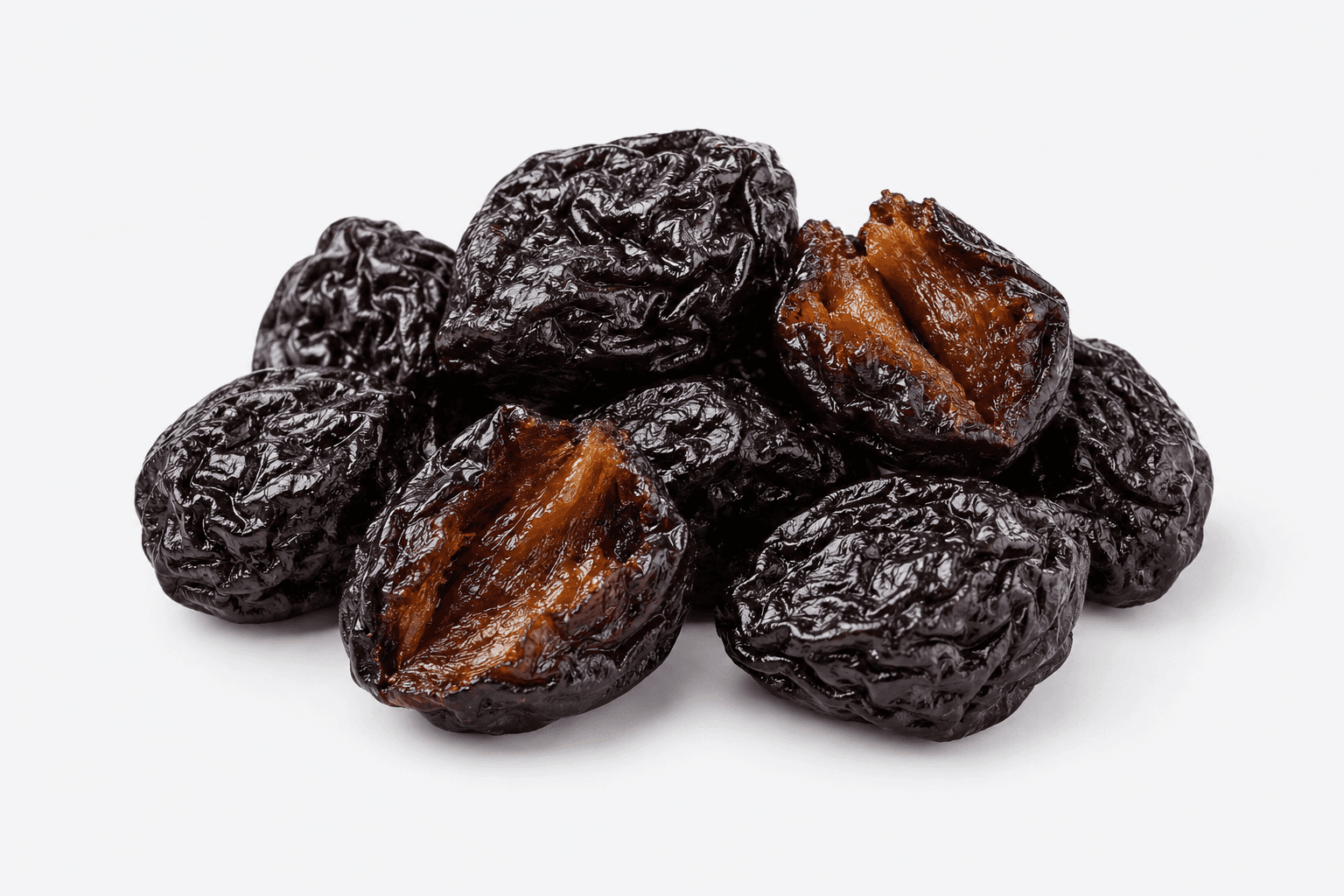
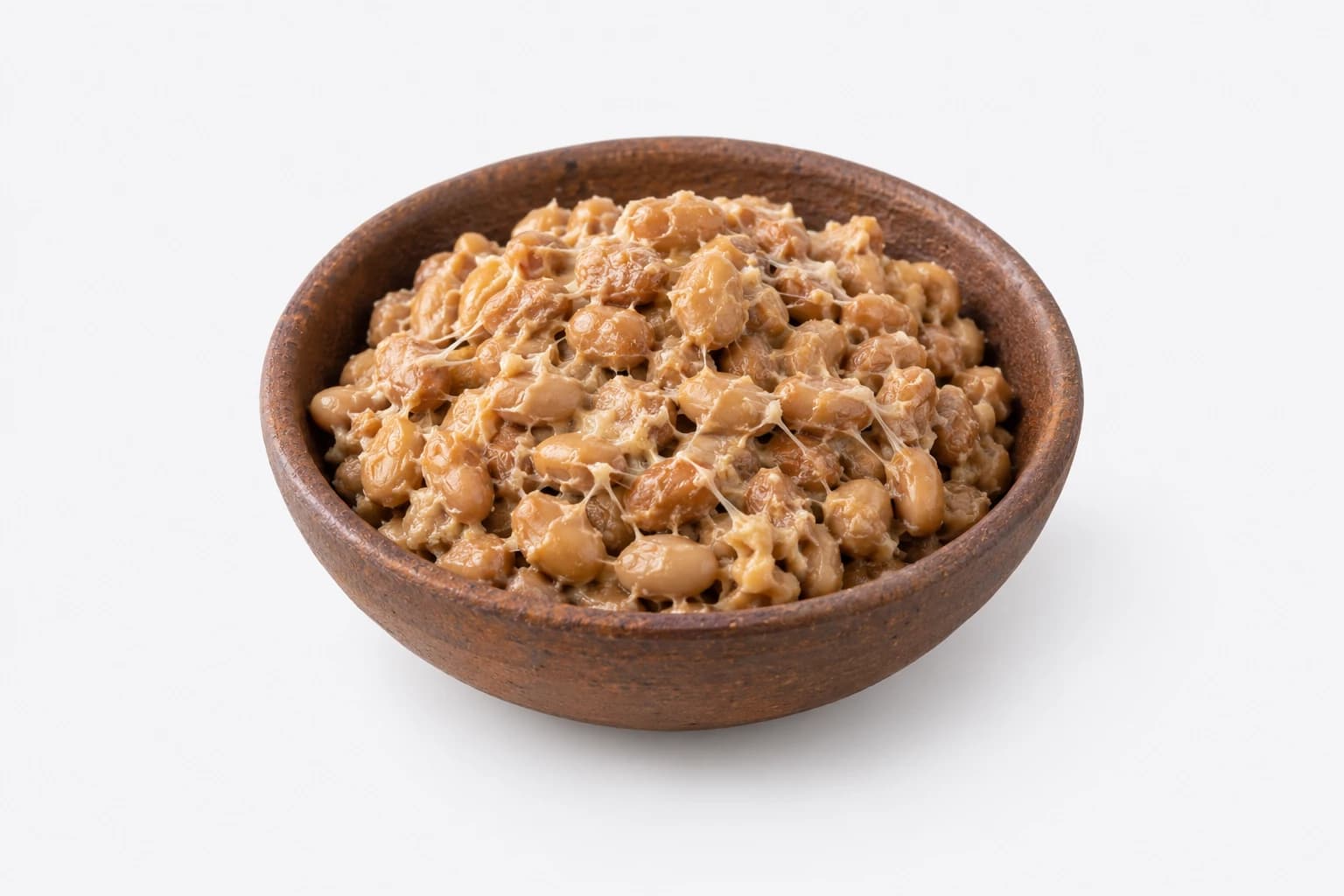
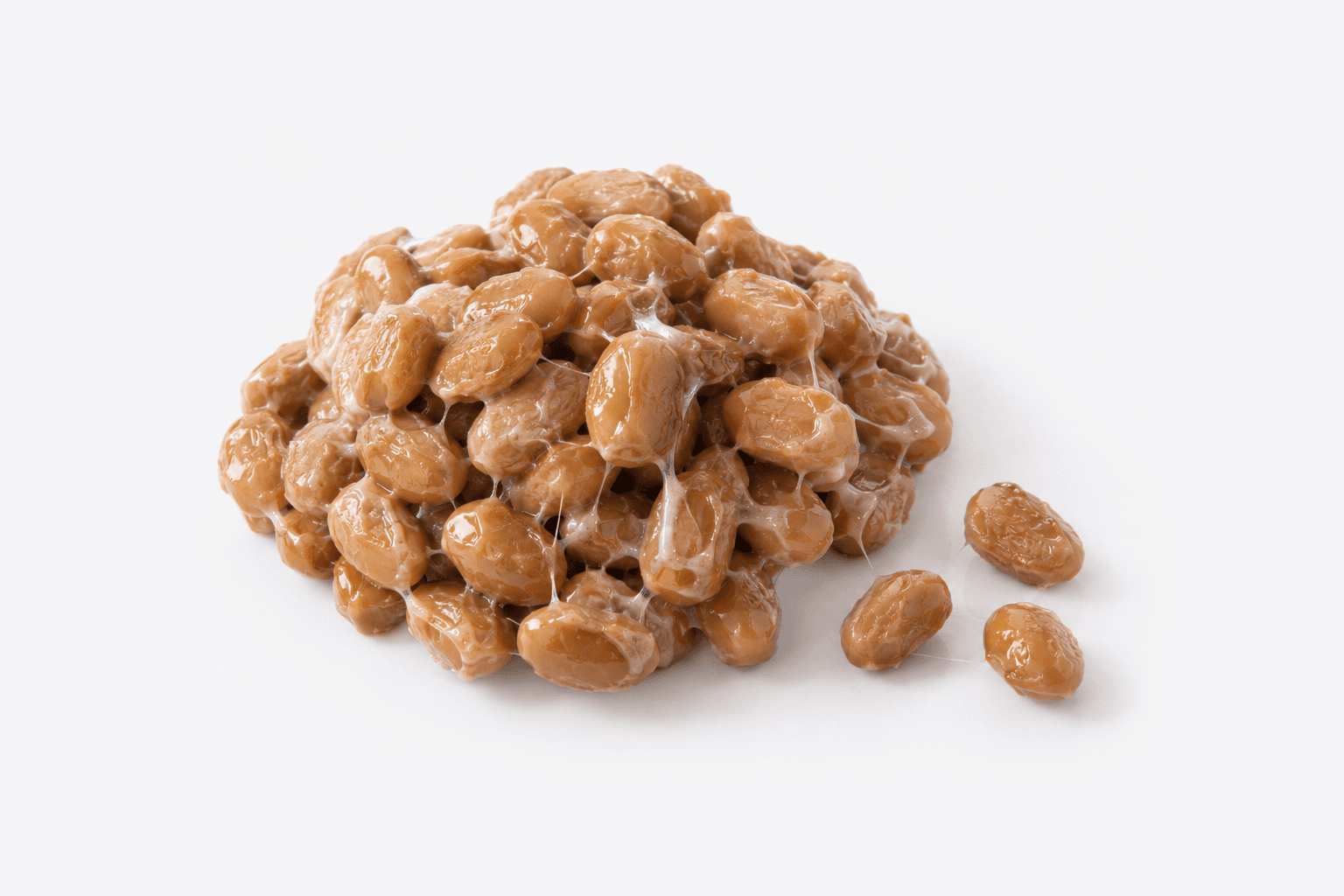
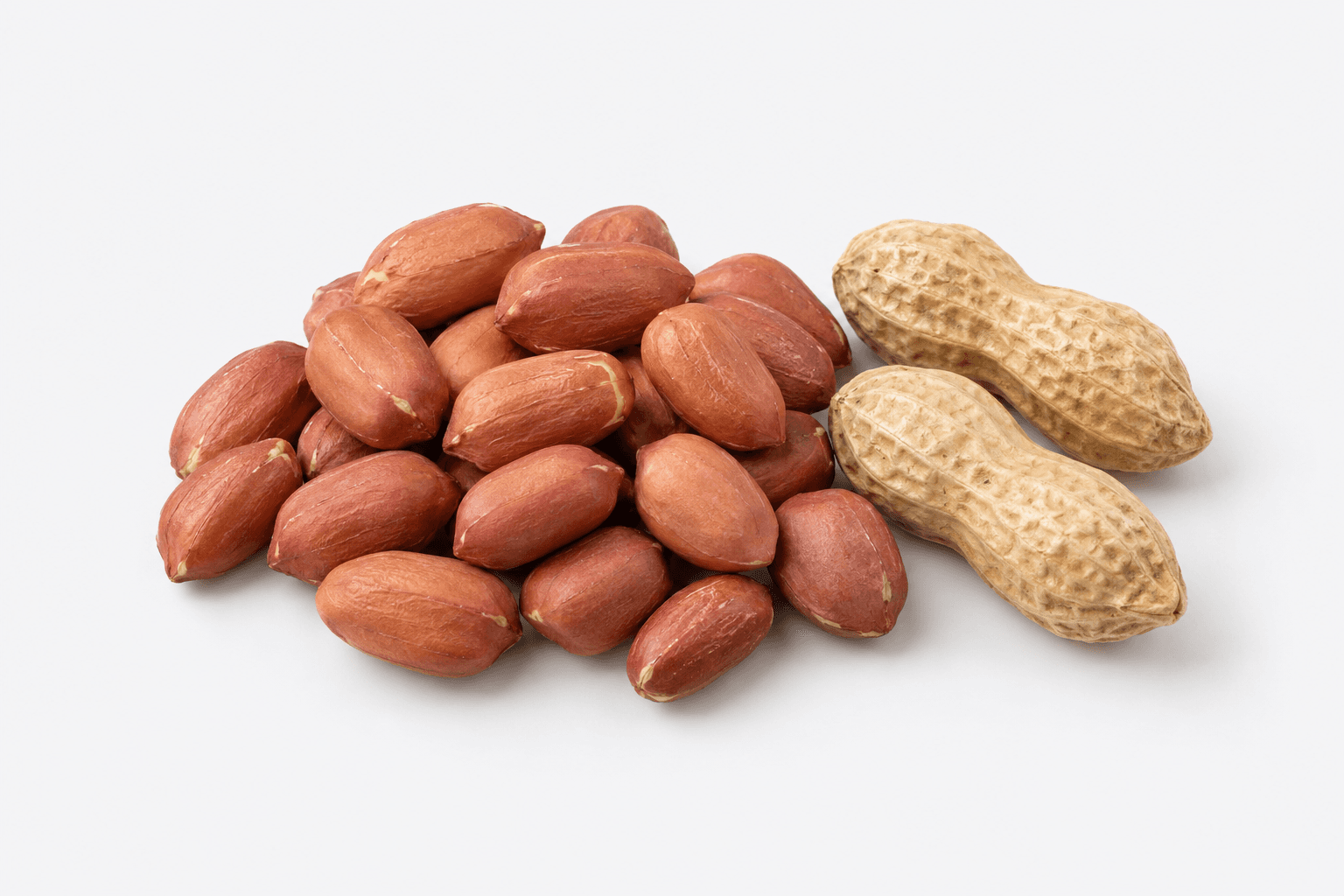
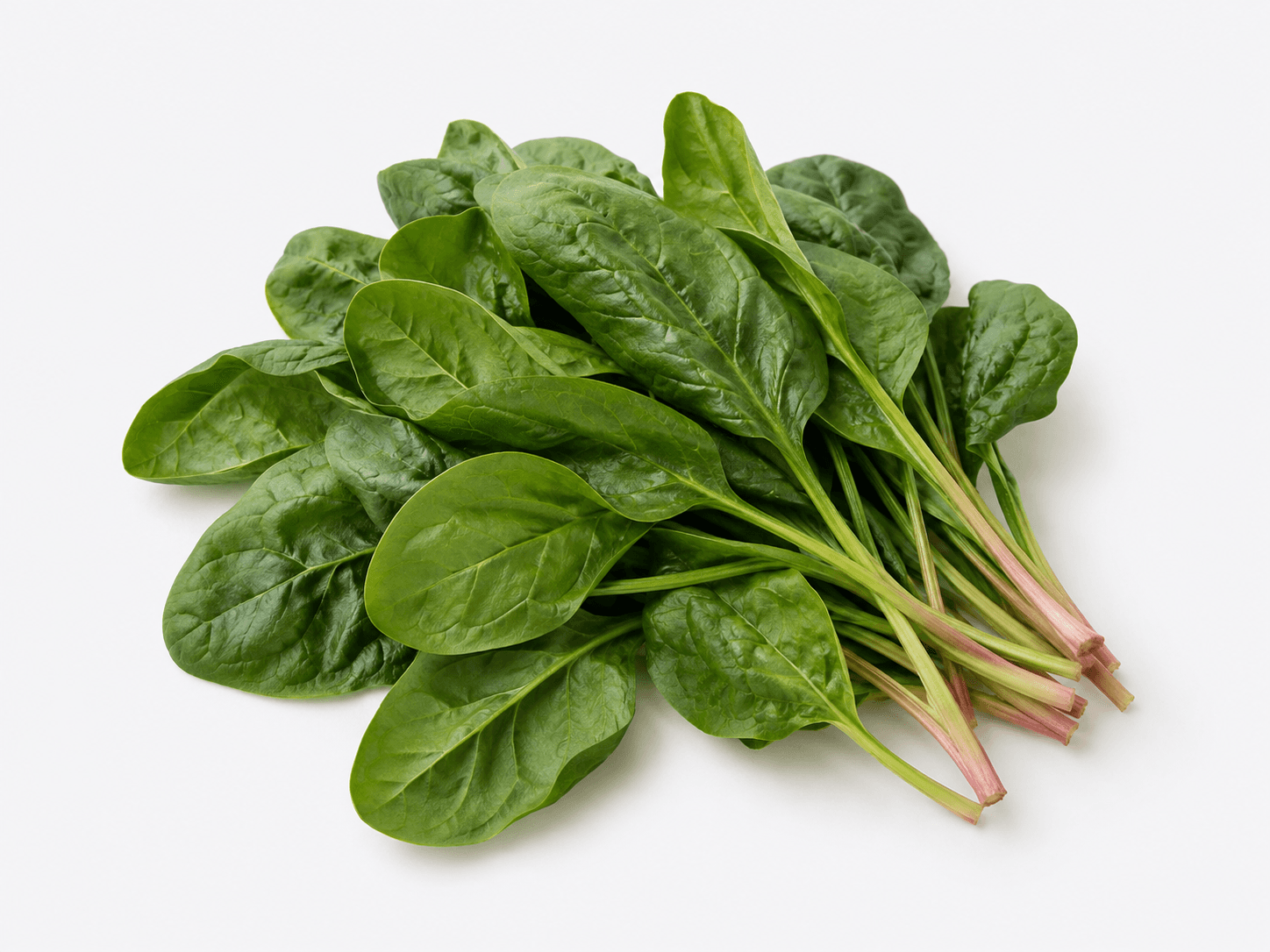
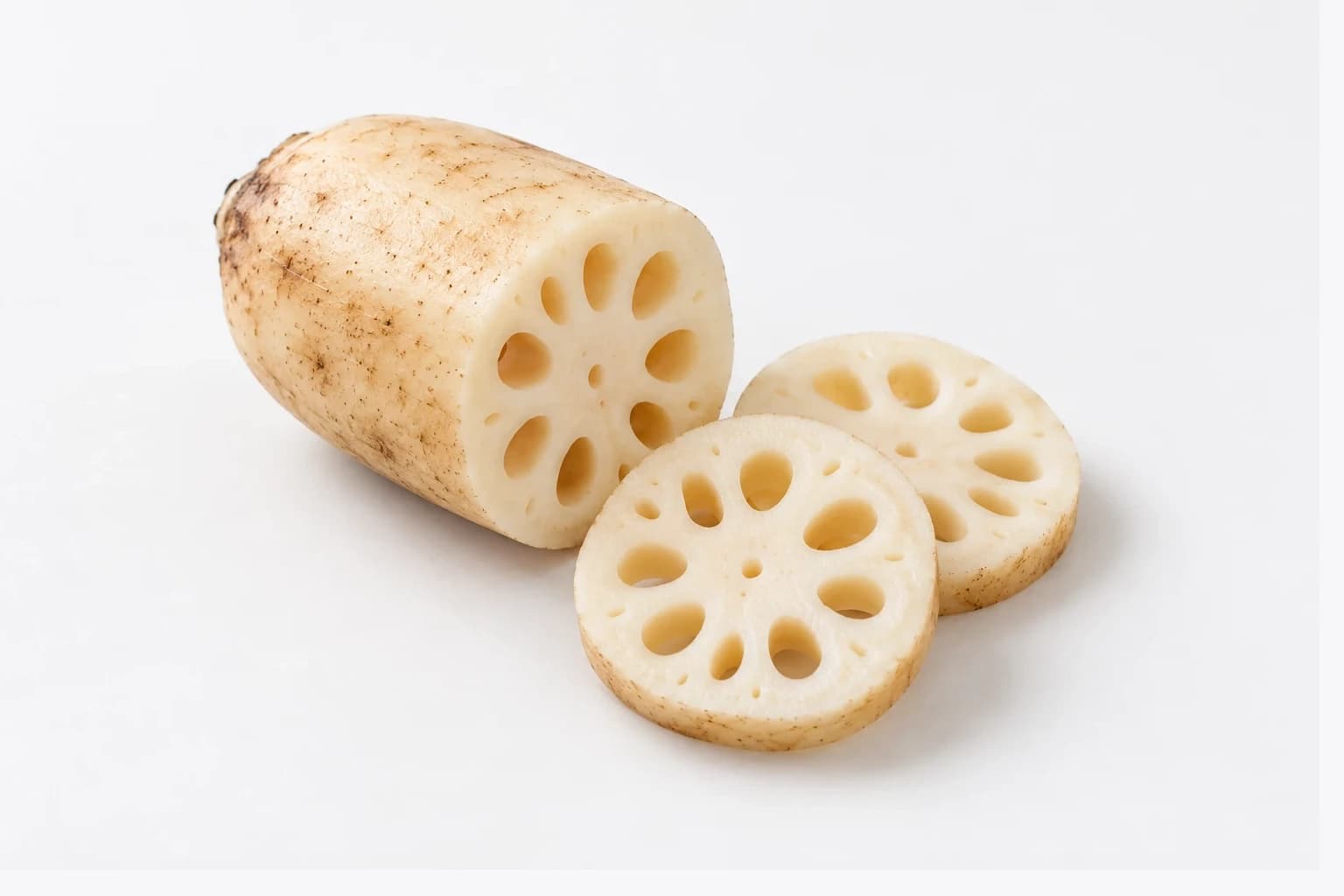
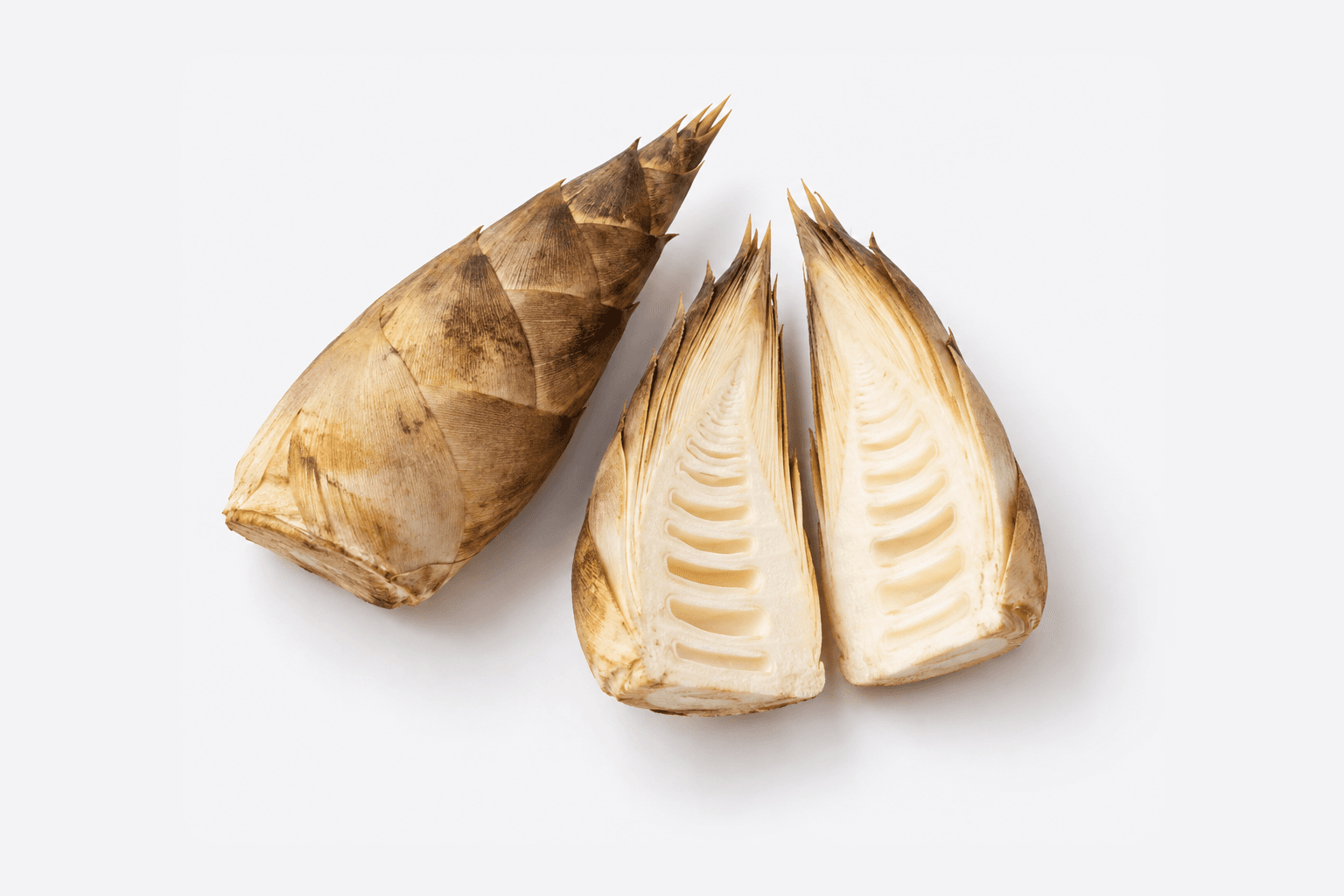
Highest sources
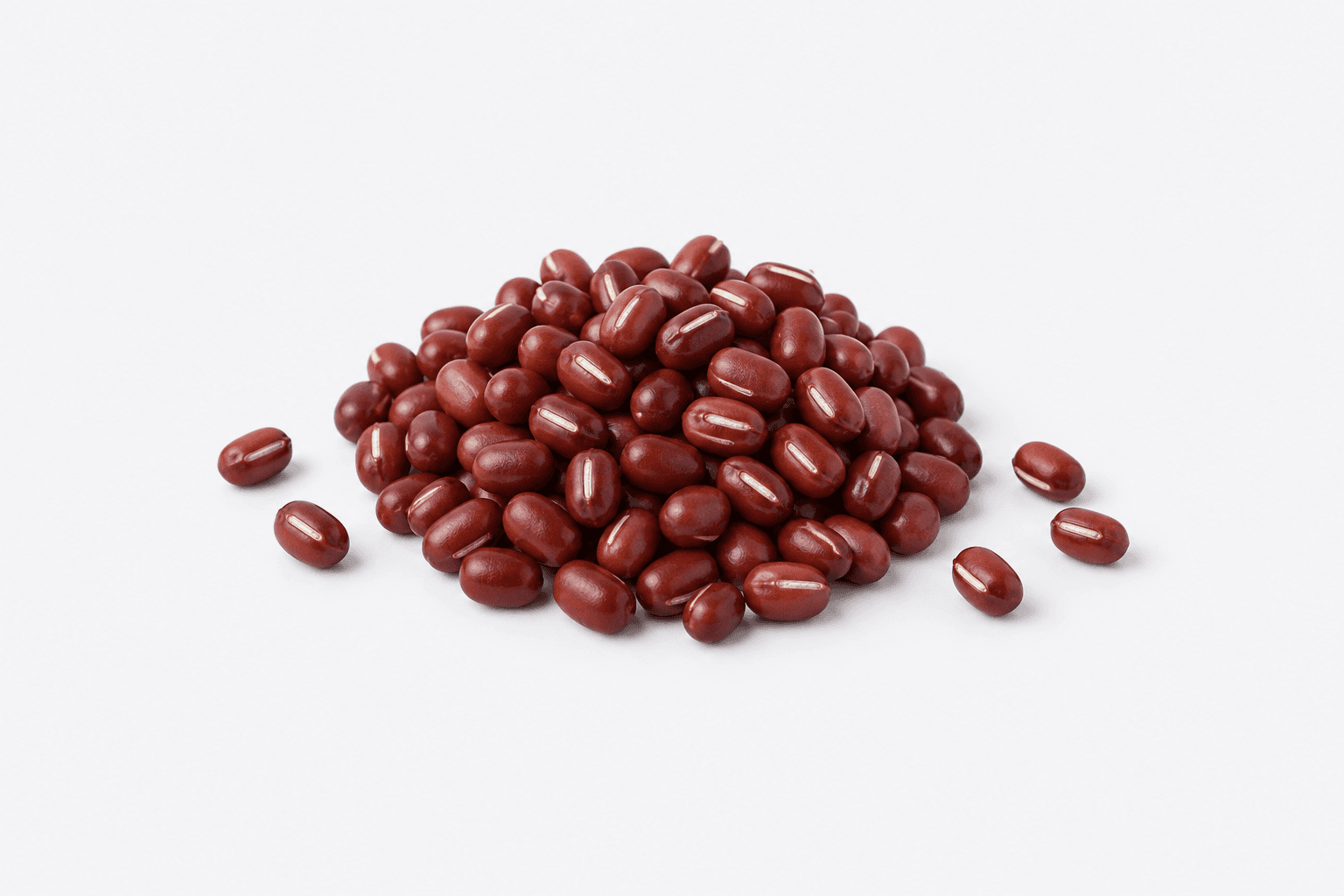
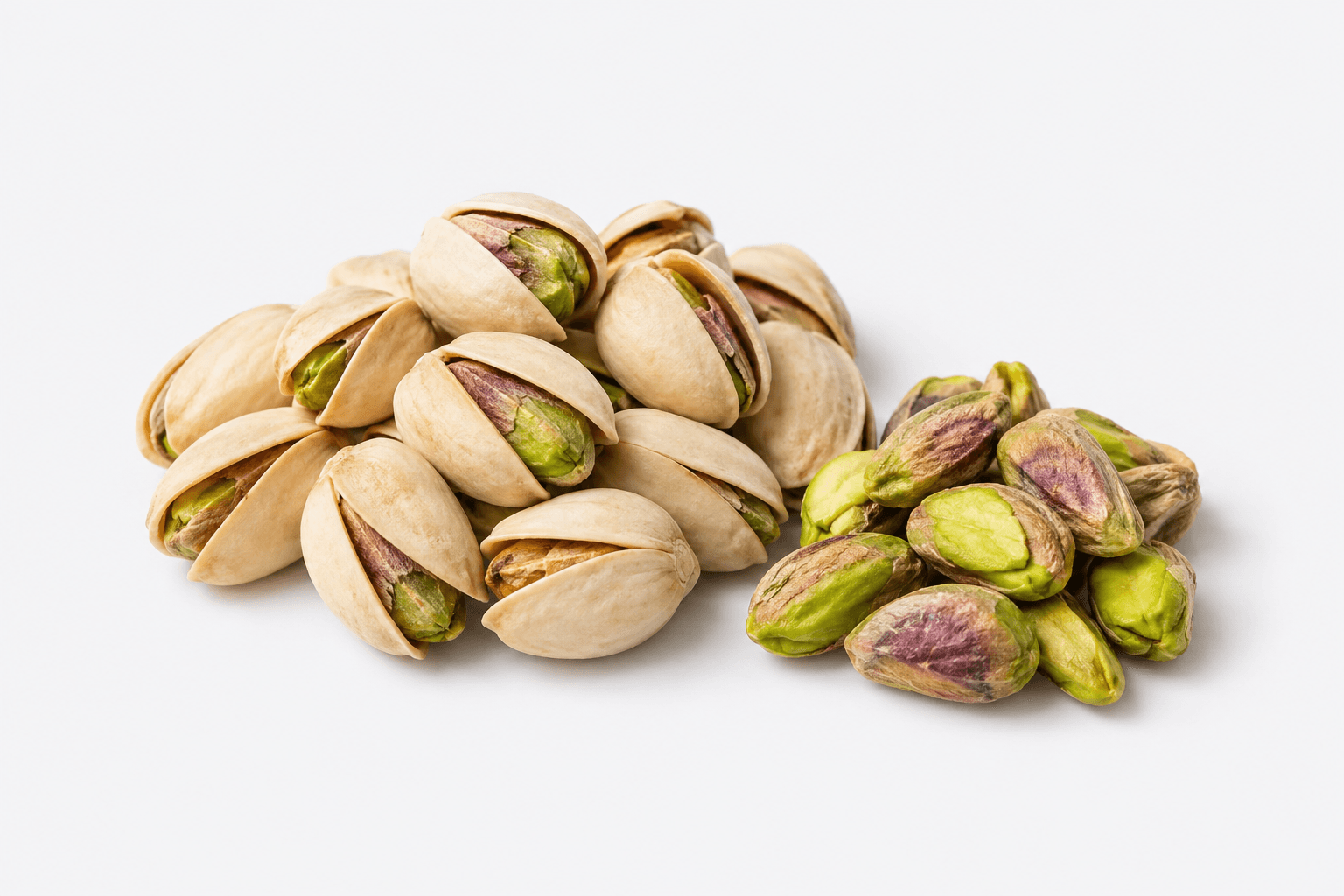
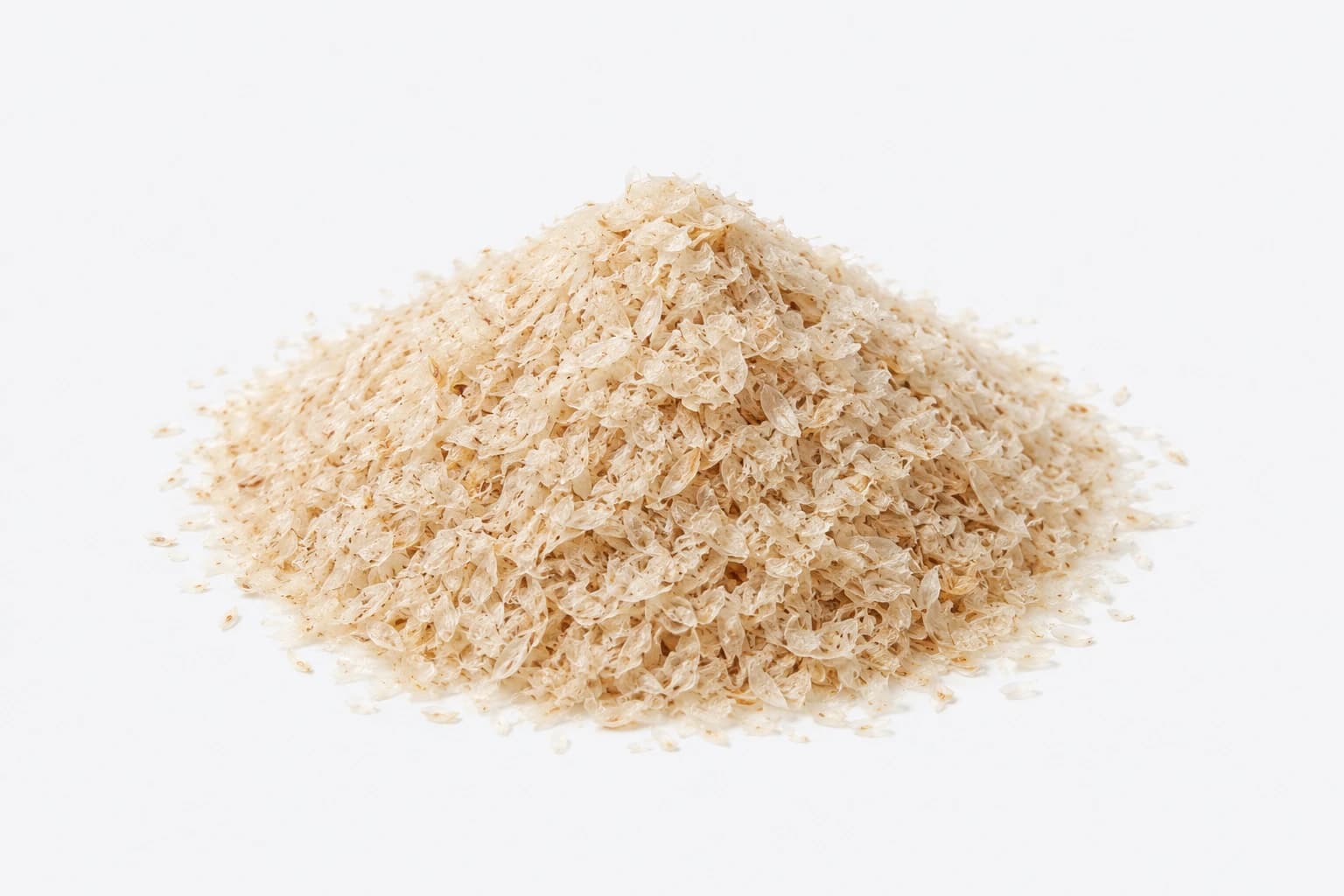
Ranked among the ingredients covered here. Reference amounts vary slightly between entries, so read this as a rough comparison rather than an exact order.
What it does
It maintains the electrolyte balance across cell membranes and participates in nerve signalling and muscle contraction. In the kidney it promotes sodium excretion, which lowers blood pressure. That is why the WHO pairs its advice to cut sodium with advice to raise potassium.
Recommended intake
The WHO recommends at least 3,510 mg a day for adults. US guidance sets adequate intake at 3,400 mg for men and 2,600 mg for women. In regions with high sodium intake, raising potassium alongside is the more effective combination.
What affects absorption
Potassium is water-soluble, so boiling sends it into the cooking water. Boiling potatoes or vegetables and discarding the water removes a substantial share — a technique sometimes used deliberately when potassium must be restricted.
What to watch out for
In chronic kidney disease the body cannot clear potassium, and hyperkalaemia can follow. Because it affects heart rhythm this is dangerous, so anyone with reduced kidney function must set intake with a clinician. Some blood pressure medications also raise potassium.
Sources
The databases and health authorities this article's nutrition figures and health statements draw on.