Mineral
High-calcium foods and how much actually gets absorbed
The number on the table is not what enters your body. Spinach calcium absorbs at about 5%; milk calcium at about 30%.
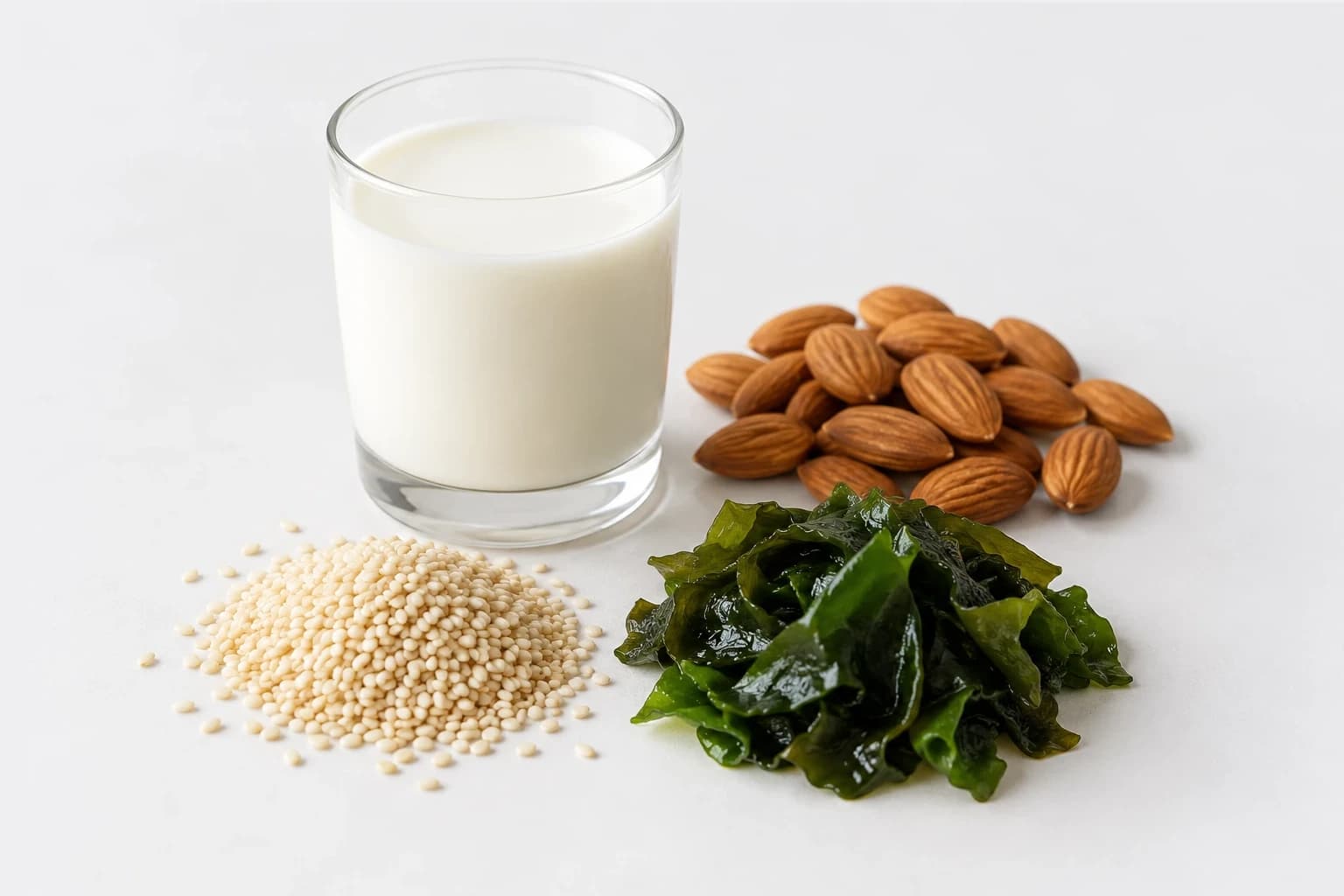
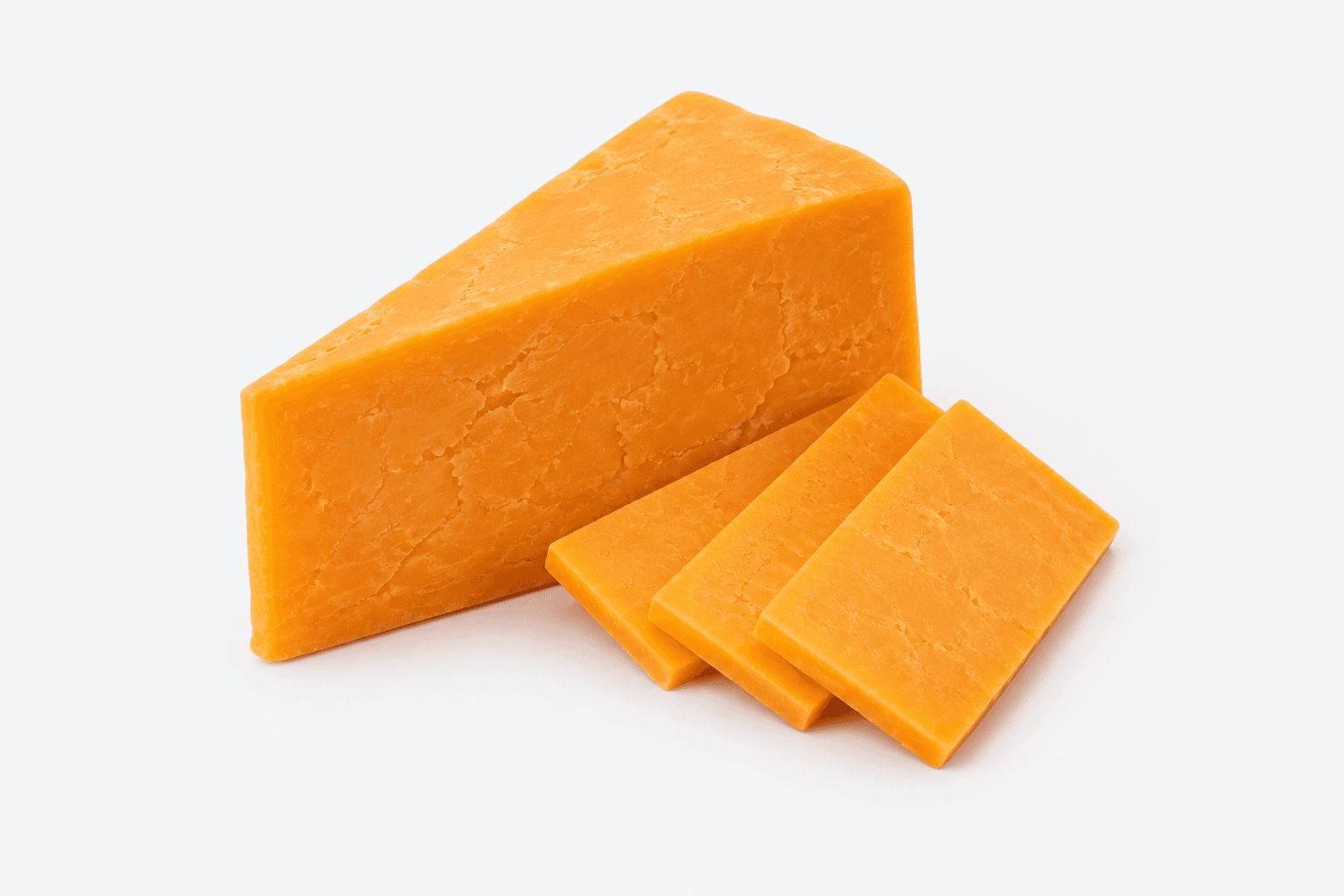
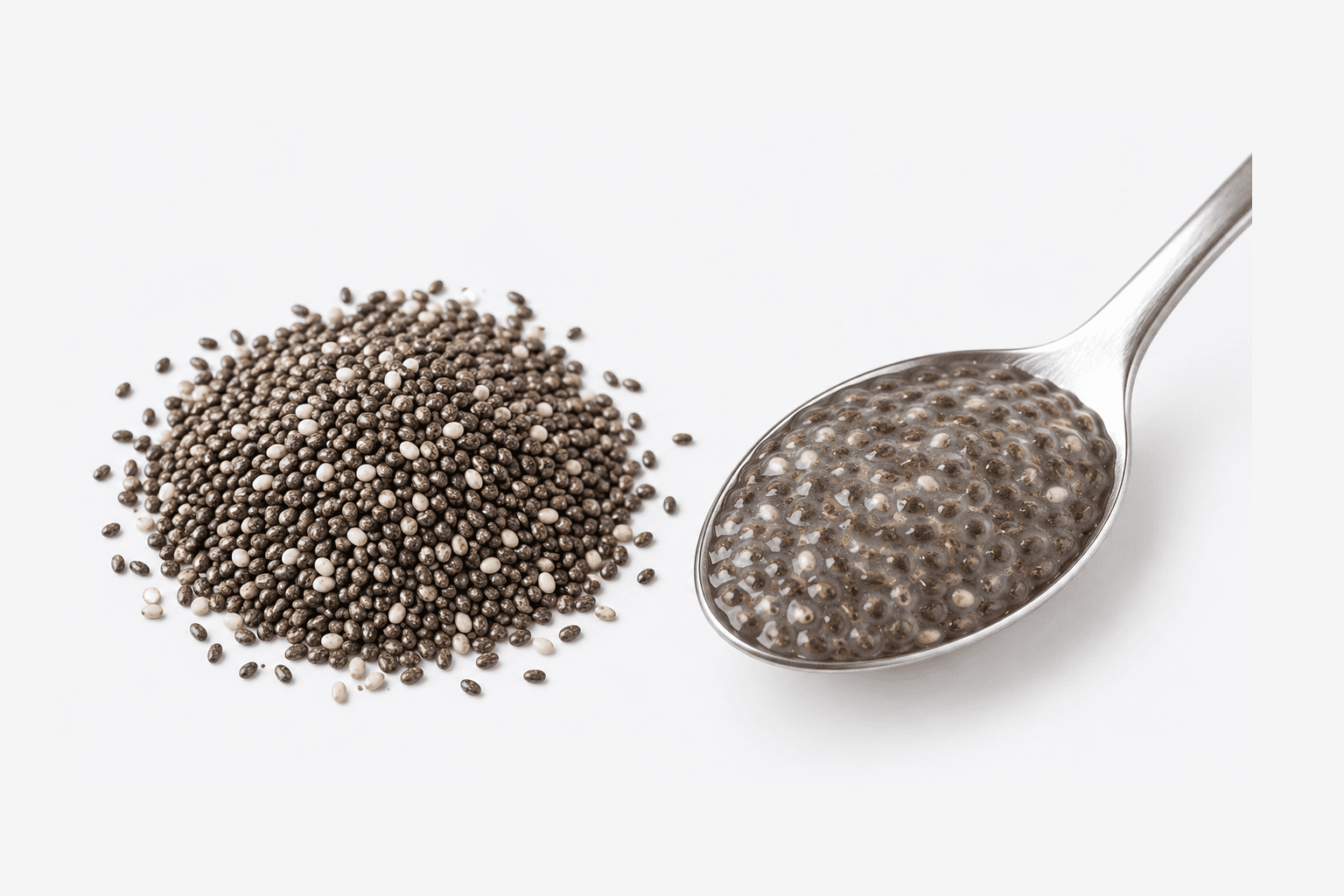
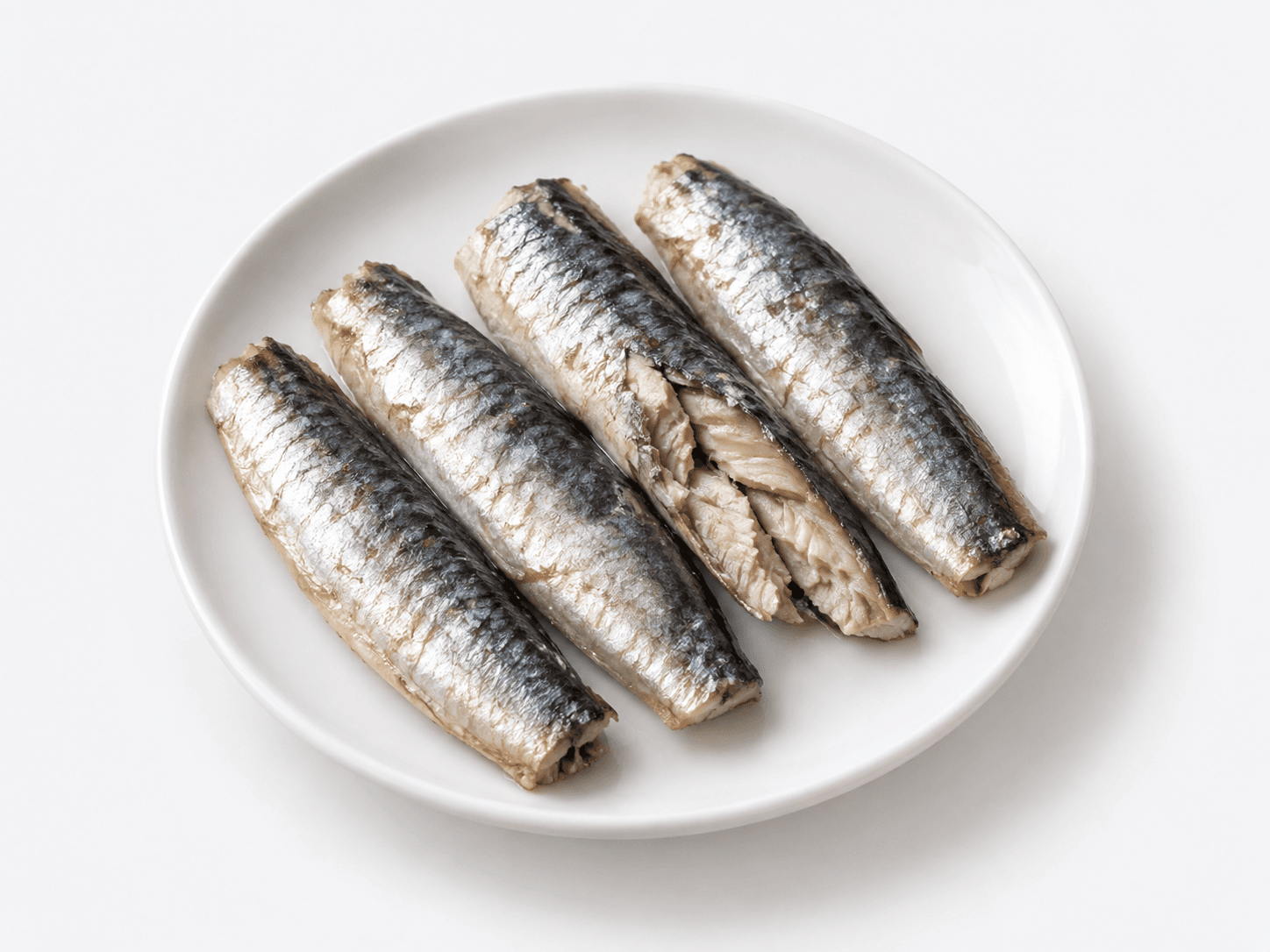
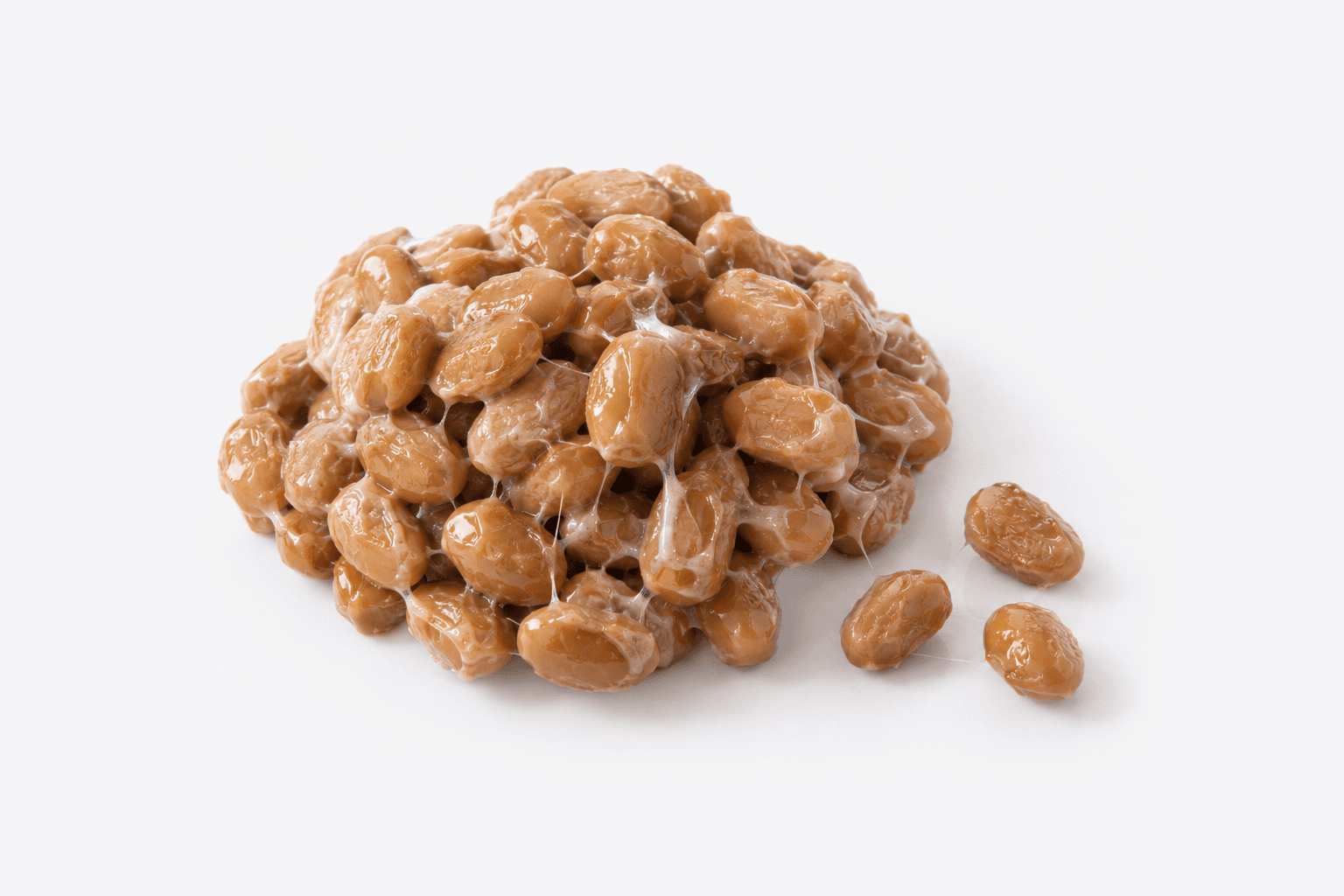
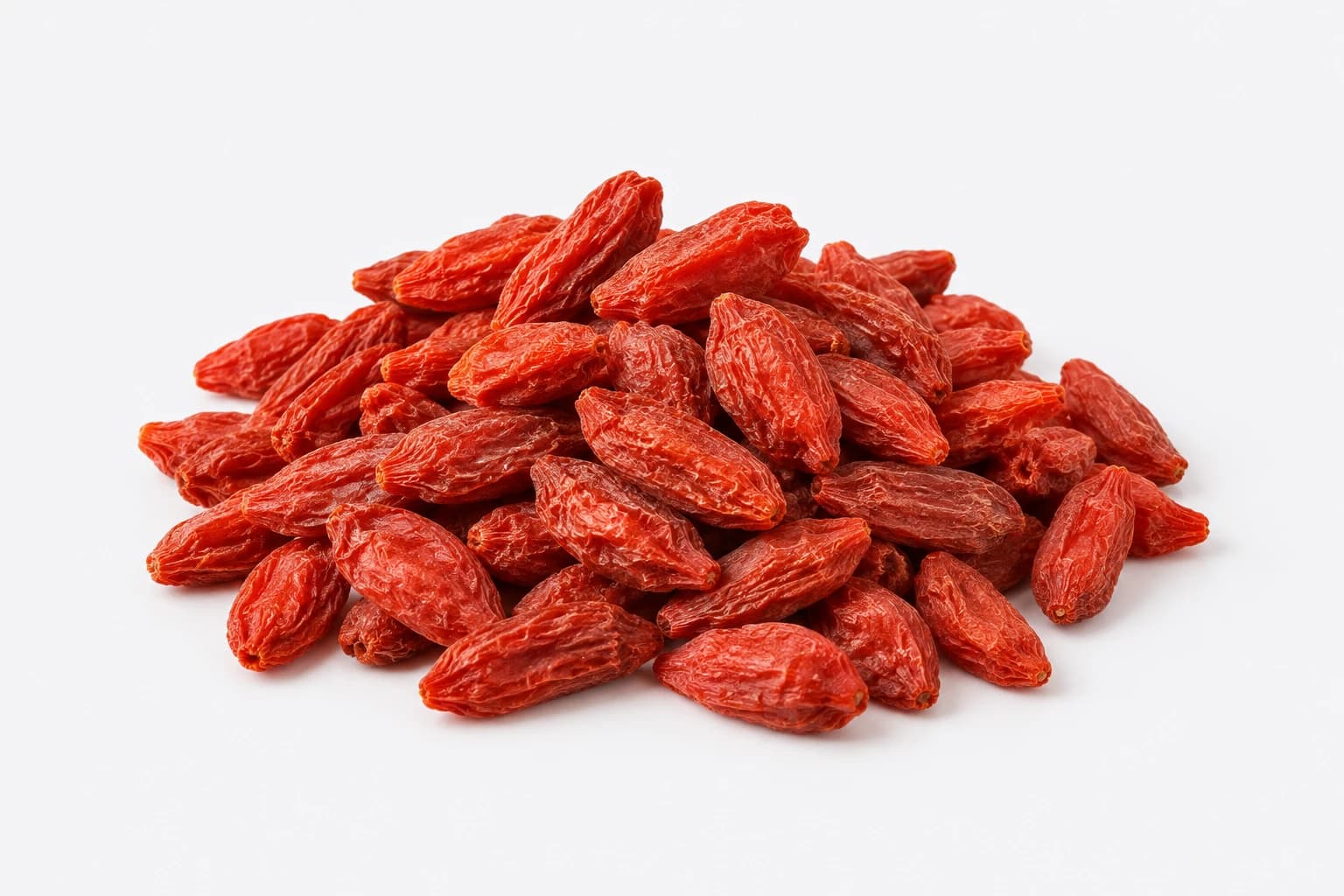
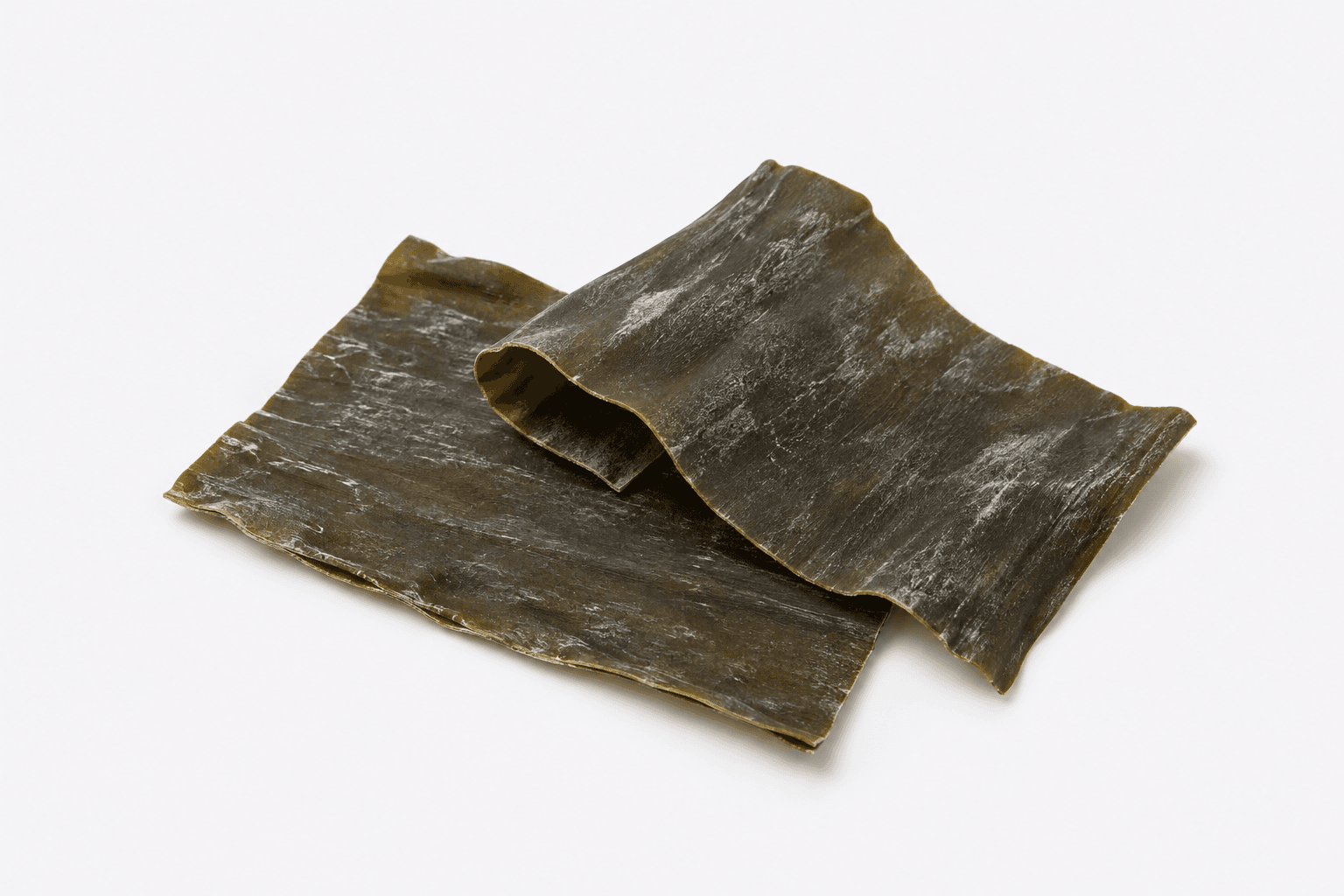
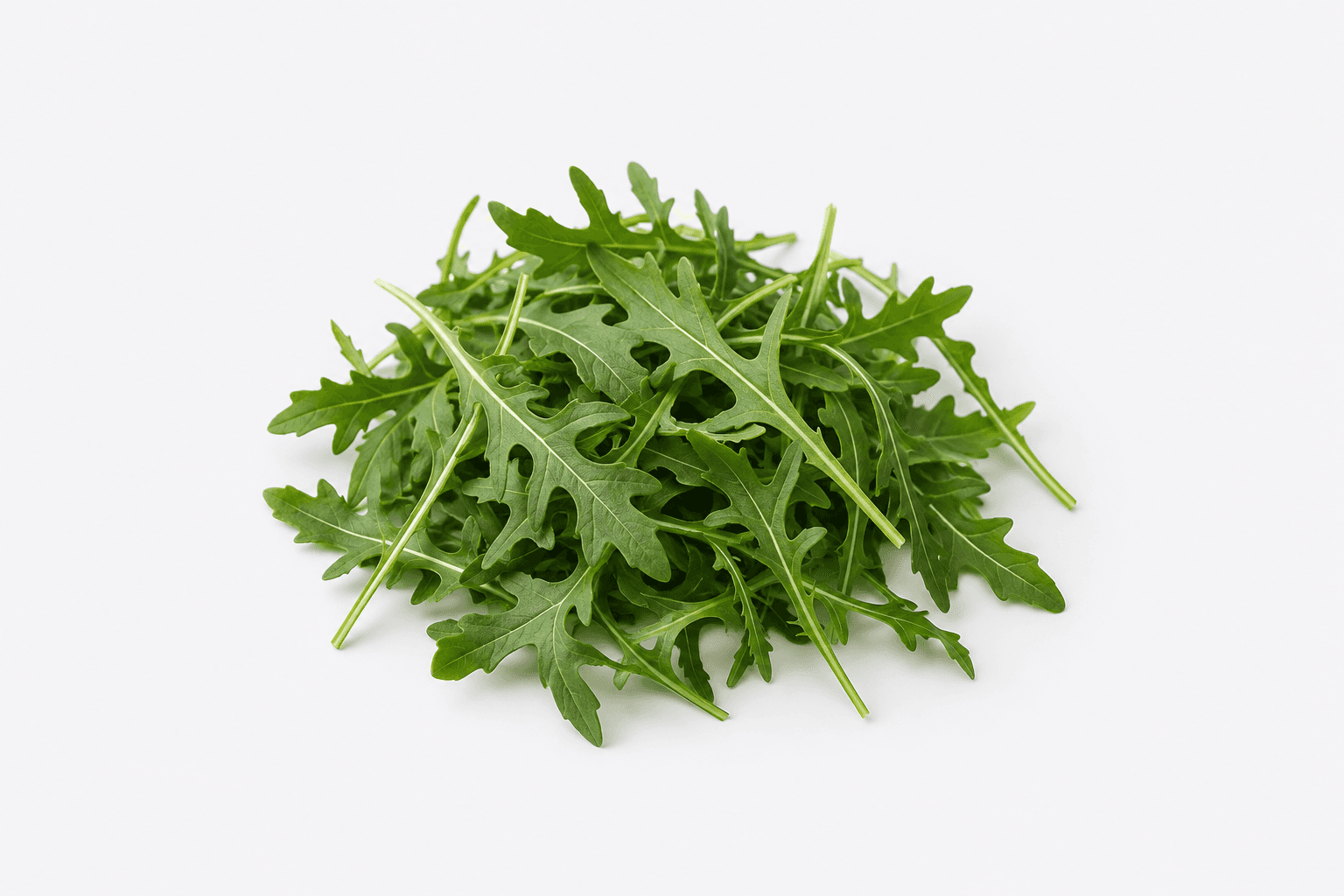
Highest sources
Ranked among the ingredients covered here. Reference amounts vary slightly between entries, so read this as a rough comparison rather than an exact order.
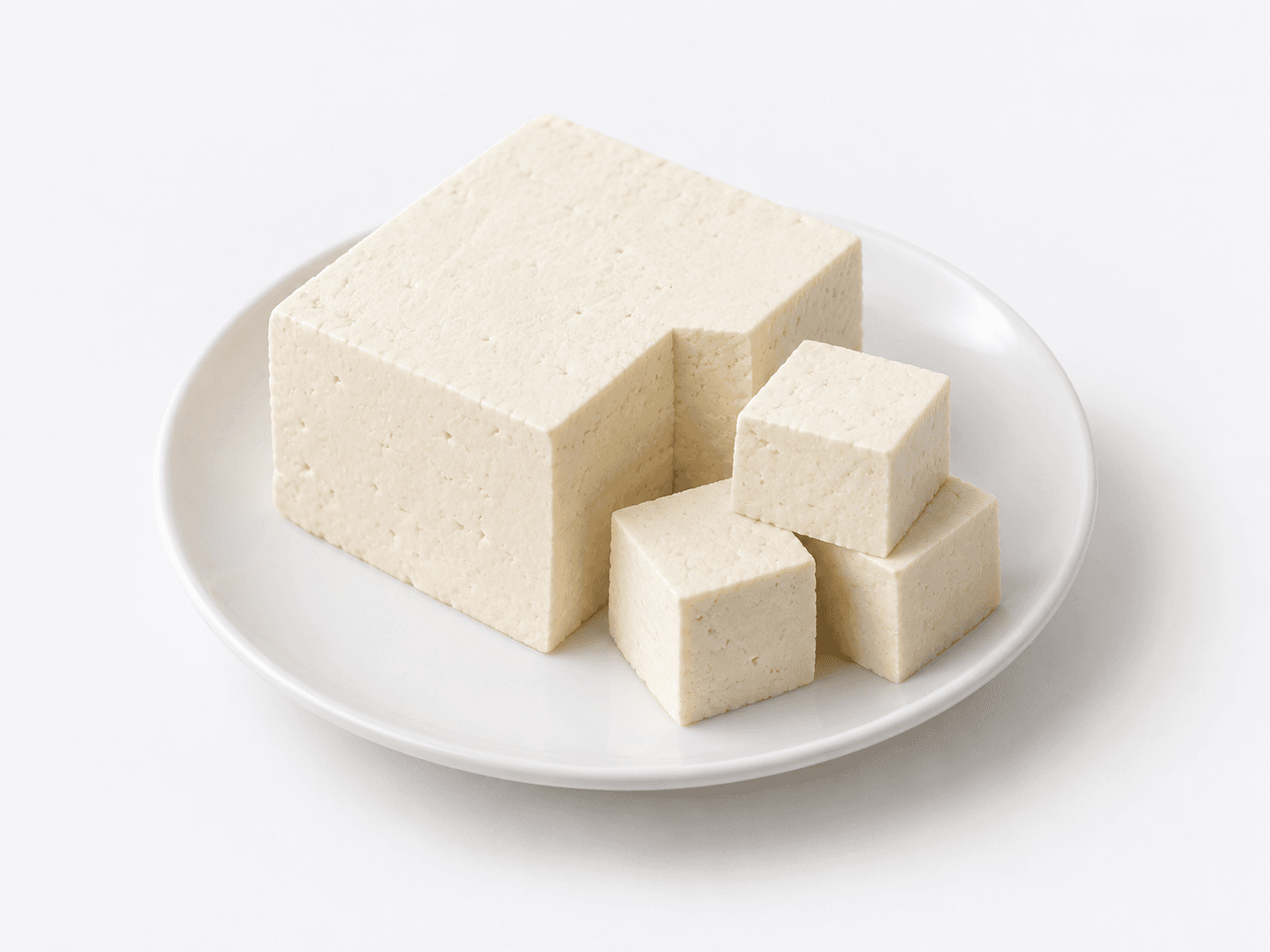
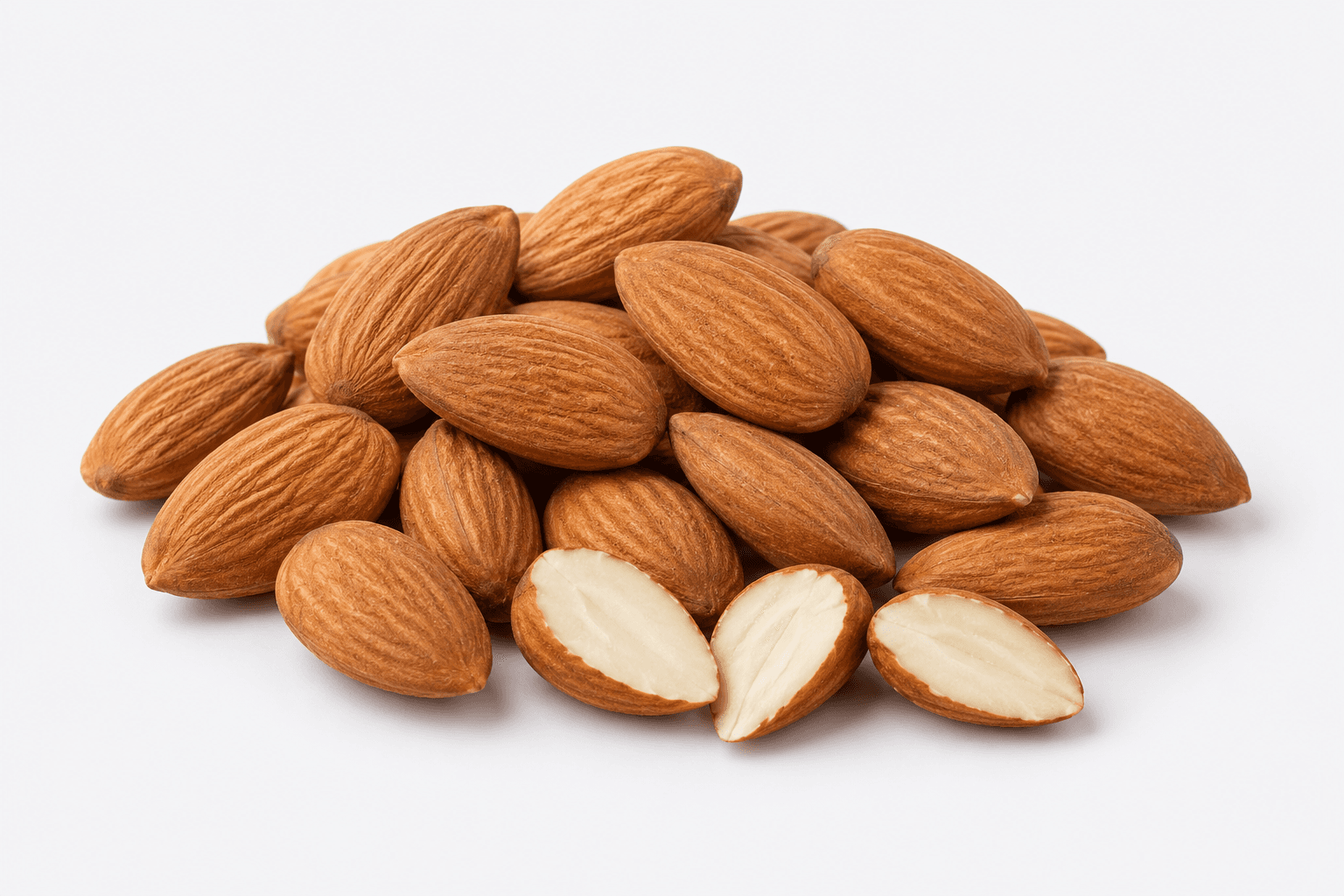
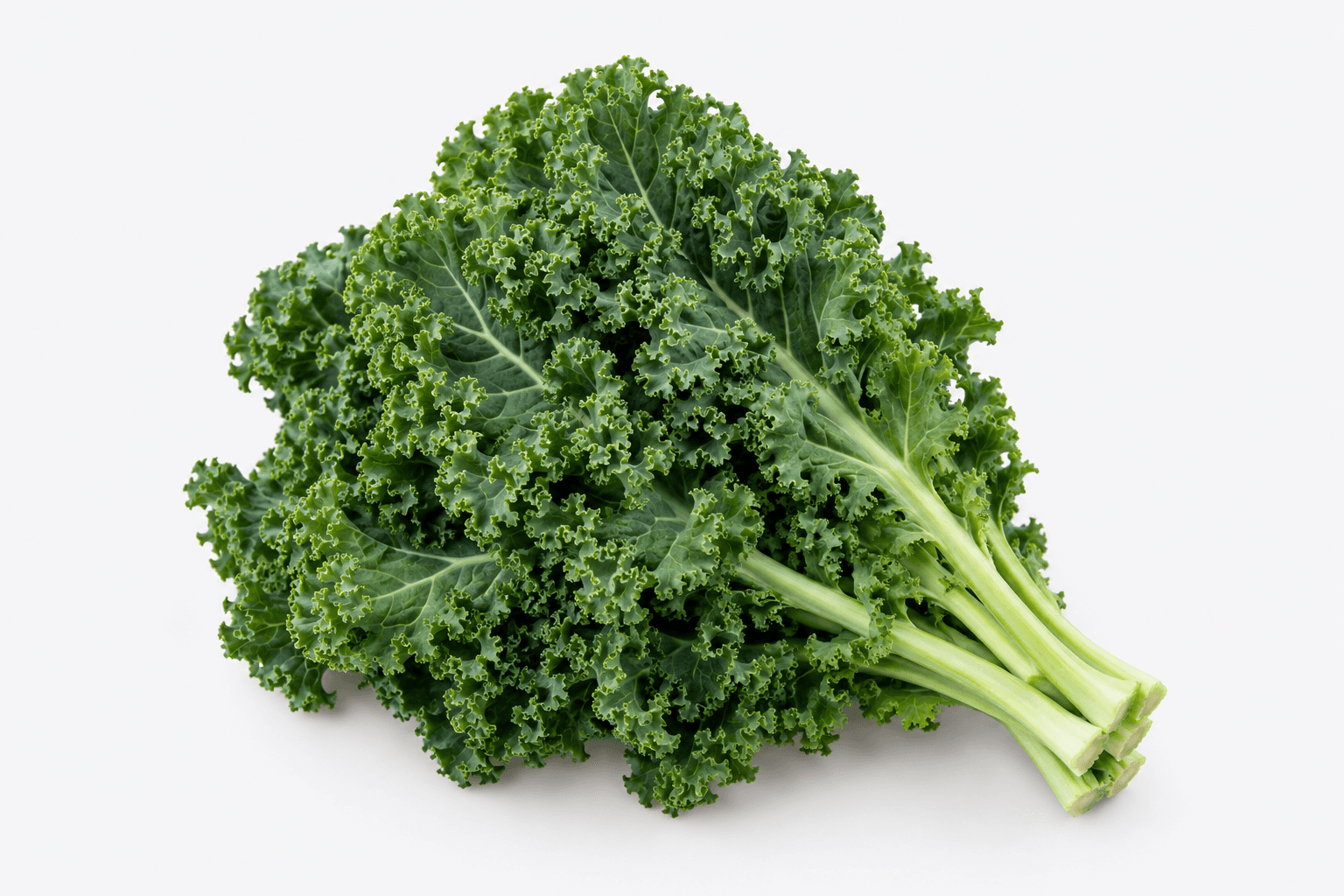
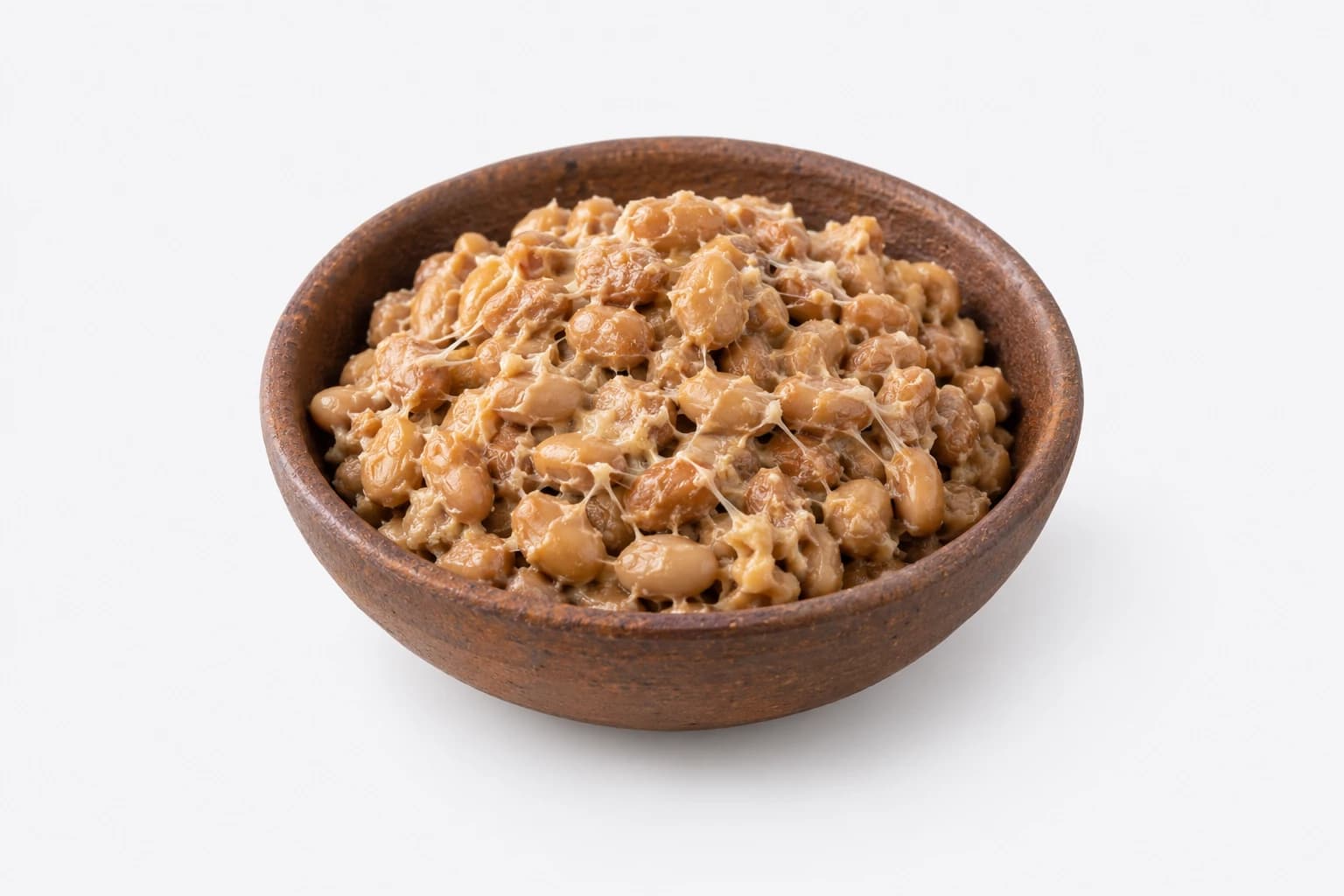
What it does
Ninety-nine per cent of the body's calcium sits in bone and teeth. The remaining one per cent runs muscle contraction, nerve signalling and blood clotting — and its concentration in blood has to stay constant. When intake falls short, the body withdraws from bone instead. That is why osteoporosis advances quietly for years.
Recommended intake
US guidance is 1,000 mg for adults, rising to 1,200 mg for women over 50 and men over 70. Korea sets a lower 700 mg for adults. Actual intake often falls below the recommendation, with the widest gaps in adolescence and after menopause.
What affects absorption
Absorption varies enormously by food. Dairy runs around 30%, and low-oxalate greens such as broccoli and kale can exceed 50%. Spinach, by contrast, shows a high calcium figure but delivers only about 5% because of its oxalate. Vitamin D is required for absorption to happen at all, while sodium and caffeine increase excretion. Supplements absorb poorly above 500 mg at once, so split the dose.
What to watch out for
High intake from supplements has been linked to kidney stone risk; the same relationship does not appear for calcium from food. Calcium interferes with iron and zinc absorption, so separate it from iron supplements, and leave at least four hours between calcium and thyroid medication (levothyroxine).
Sources
The databases and health authorities this article's nutrition figures and health statements draw on.