Contents
What it is
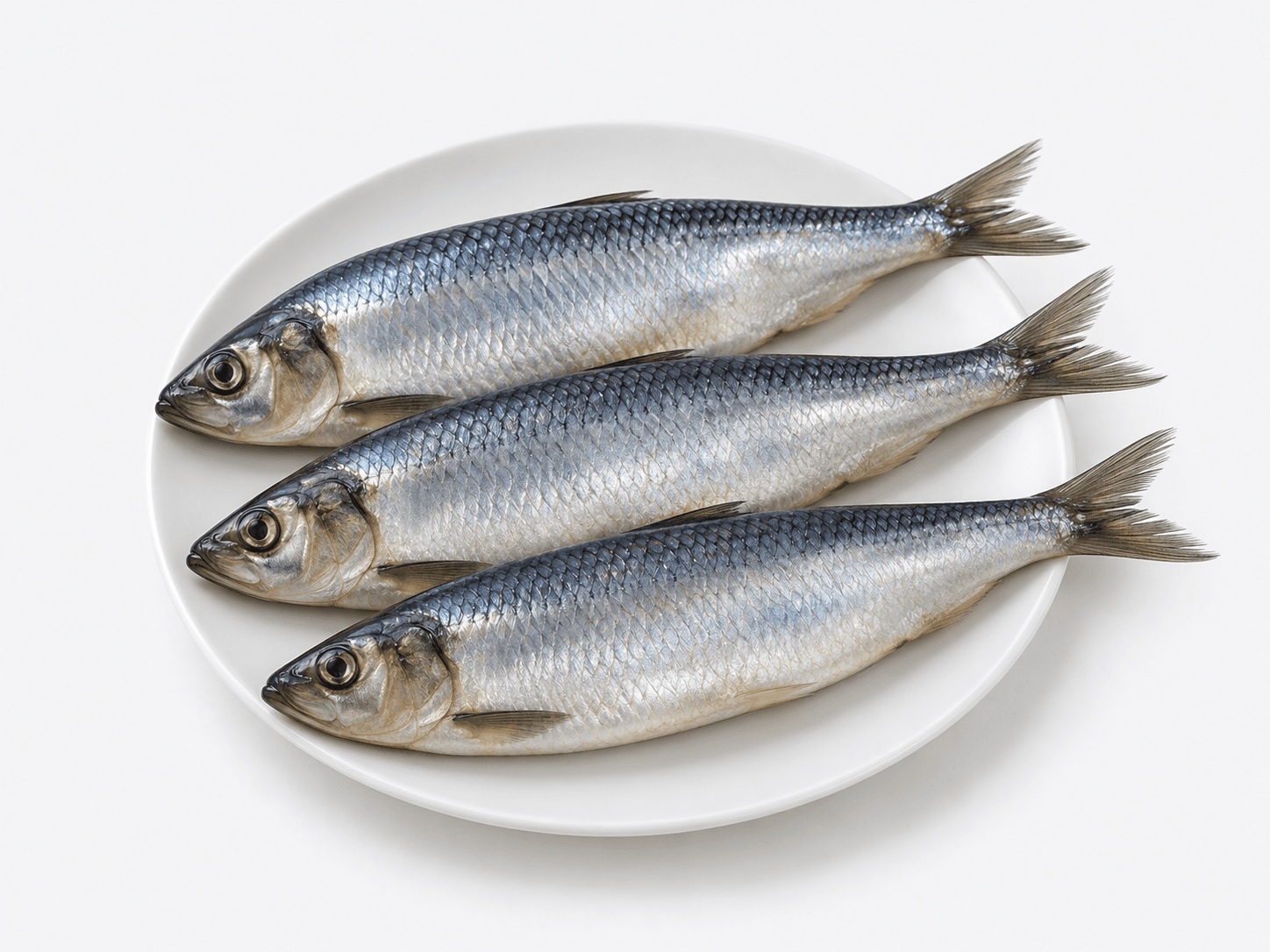
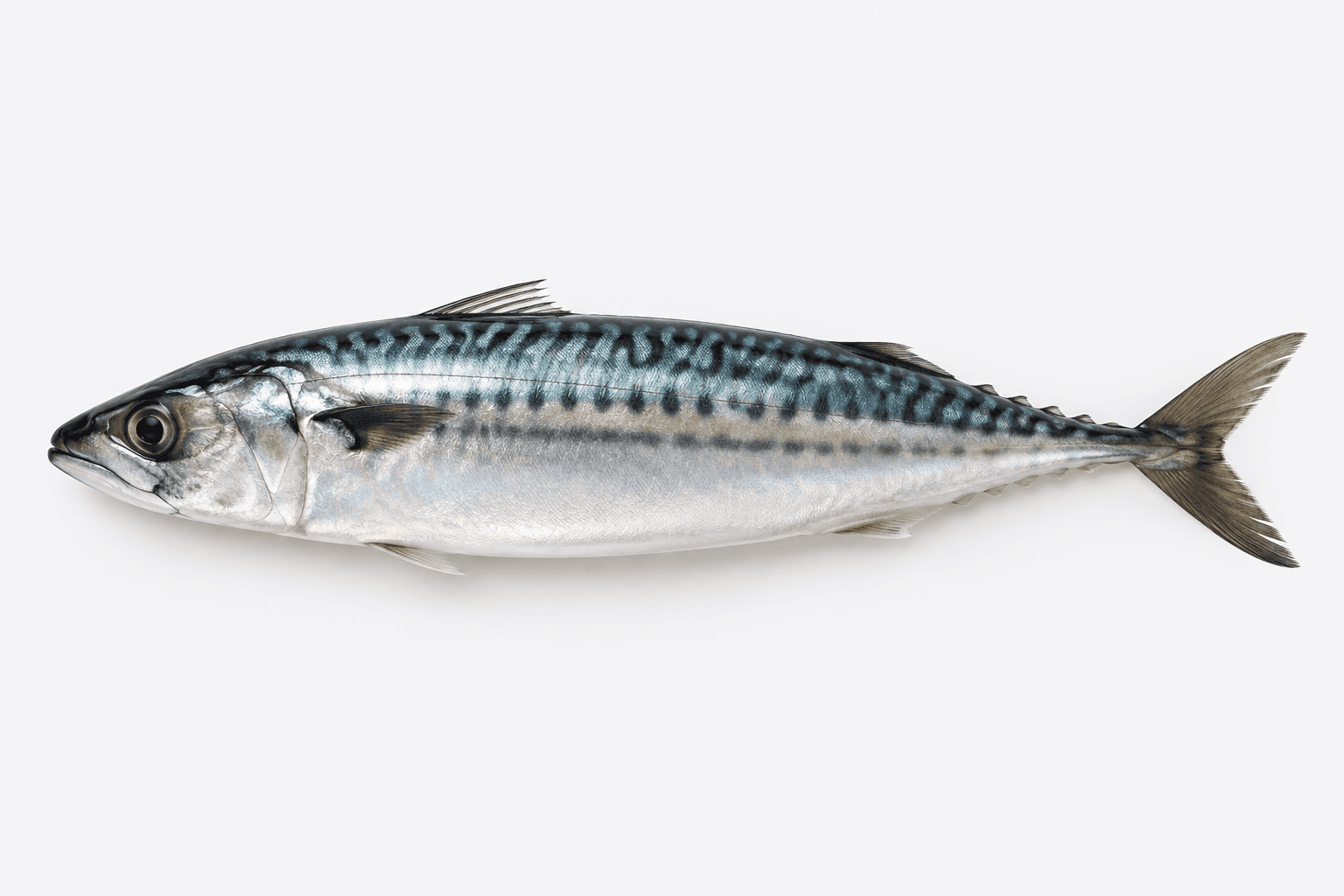
The sardine is a small oily fish in the herring family that travels in schools. It is spread across the Mediterranean, the Atlantic and the Pacific. Its bones are fine and soft, and in pressure-cooked canned form they can be eaten along with the flesh — which is precisely why the calcium figure in this site's composition table runs so high; fillet the fish and you will not reach that number. Being fatty it goes rancid fast, and it shares mackerel's histamine problem, so freshness management matters.
Scientific name Sardina pilchardus
What makes sardines unusual is that you eat them bones and all.
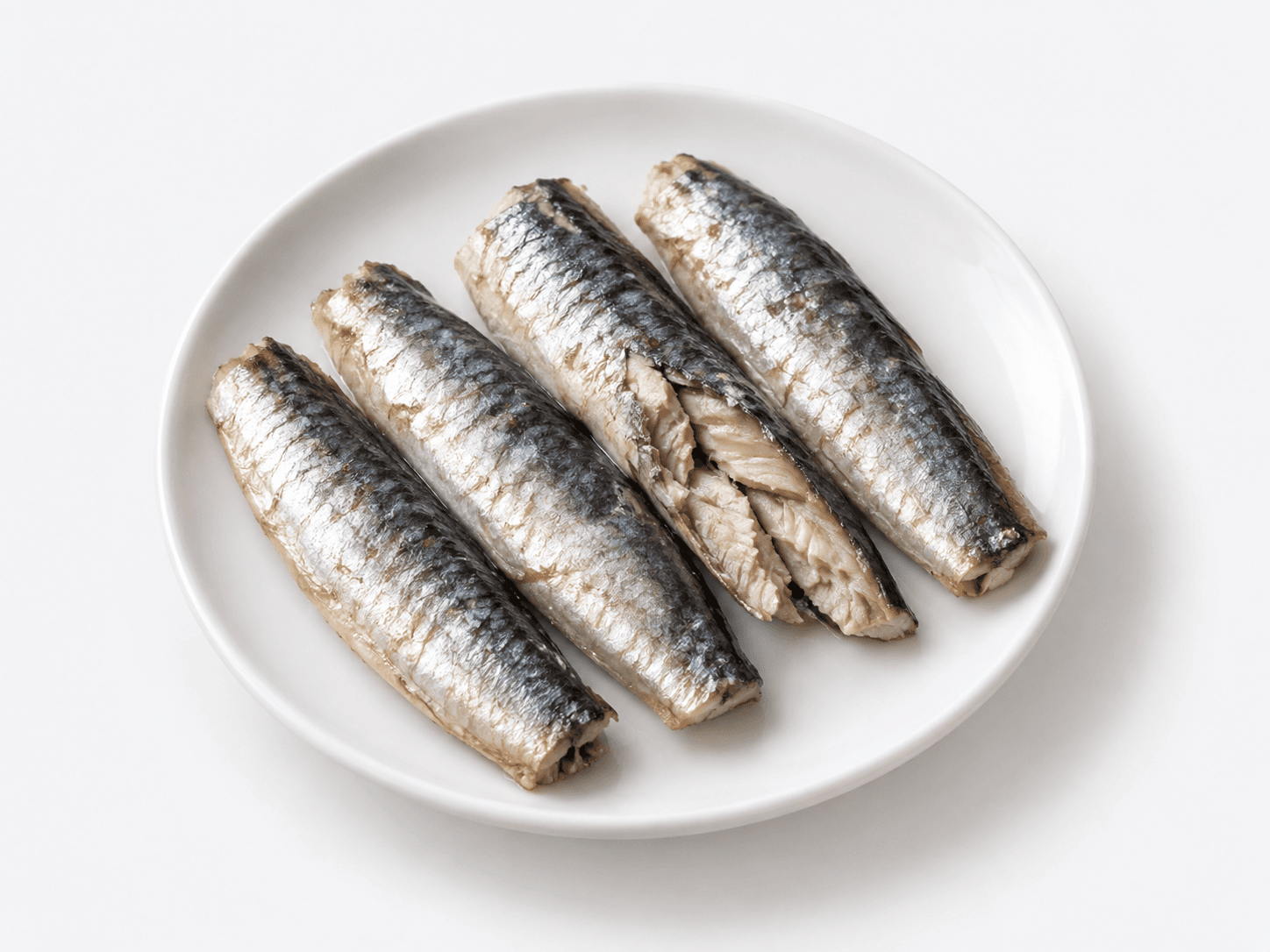
Canning softens the bones until they simply chew. That is why calcium reaches 382 mg per 100 g — more than three times milk's 113 mg. A number like that from a fish comes from the skeleton, not the flesh.
Sardines also sit low in the food chain. Unlike tuna, they do not spend years eating smaller fish and concentrating mercury. Omega-3 and vitamin D without much of the mercury question is an uncommon combination.
Key benefits
- Nutrition data
382 mg of calcium — because you are eating bone
382 mg of calcium per 100 g. That beats the 233 mg in a 206 g cup of milk outright, and by weight it is more than three times as much.
The number comes from the bones, not the flesh. Pick the bones out and it disappears — so do not. Pressure-cooking in the tin leaves them soft enough to chew without noticing.
That said, eating more calcium and having stronger bones are different claims. A BMJ analysis pooling randomised and observational studies found that raising dietary calcium increased bone density by only 1–2 %, and that did not translate into fewer fractures. Too little calcium is a problem; more calcium for someone who already has enough buys little.
- Moderate evidence
0.98 g of omega-3 alongside 4.8 µg of vitamin D
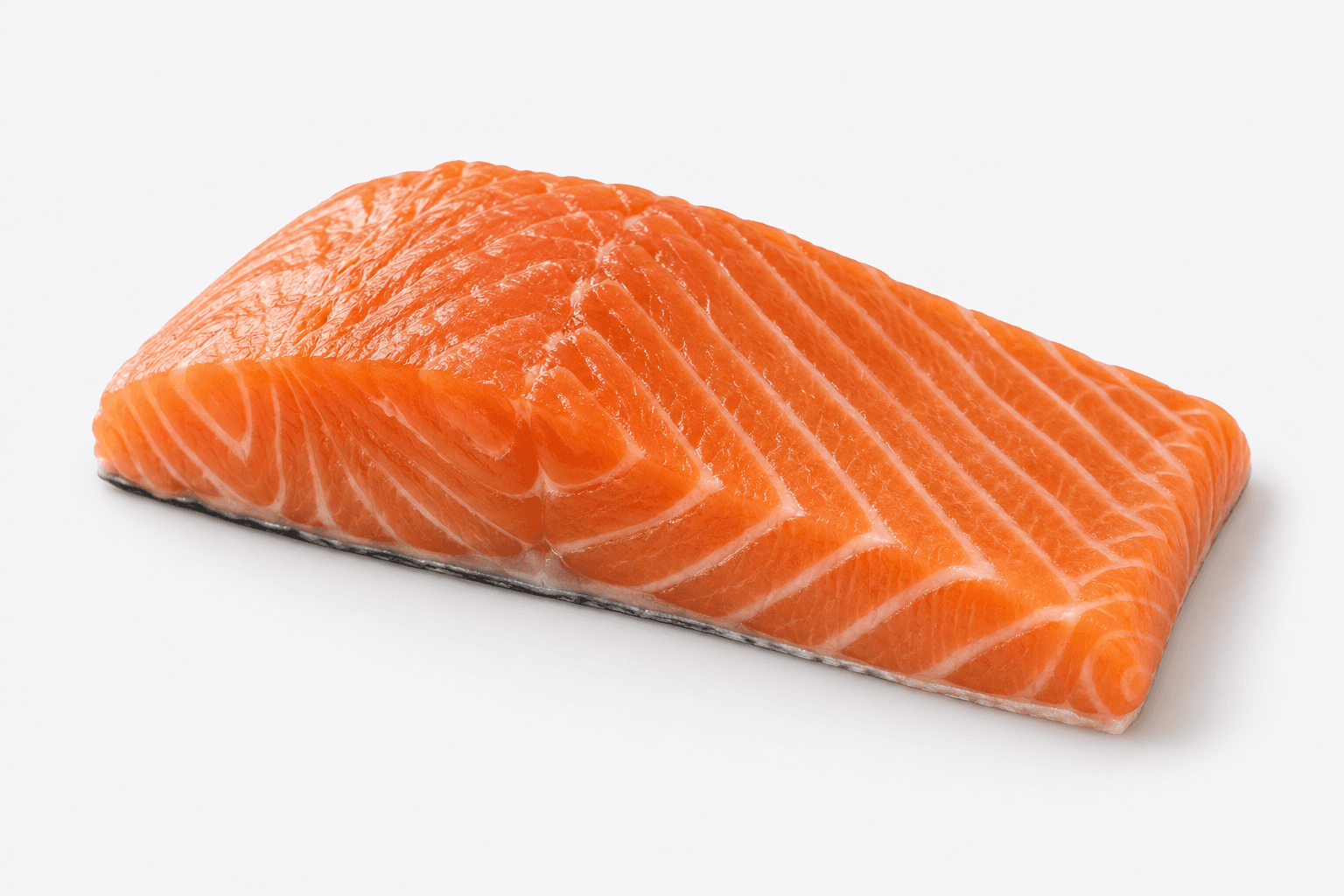
[1]EPA and DHA together come to 0.98 g per 100 g — less than salmon's 2.6 g, but more than four times canned tuna's 0.22 g.
Vitamin D is 4.8 µg, high among foods. So few foods contain vitamin D at all that the list runs out quickly after salmon, mackerel and eggs.
But expectations of omega-3 run ahead of the evidence. A Cochrane review of 86 randomised trials (162,796 people) found supplementation lowered triglycerides by about 15 % while making essentially no difference to all-cause mortality or cardiovascular events. The authors noted the evidence comes mostly from supplement trials, with little on eating fish.
- Nutrition data
A small fish accumulates less mercury
Methylmercury concentrates as it moves up the food chain: big fish eat small fish, bigger fish eat those, and it builds.
Sardines filter plankton — they are near the bottom — and they do not live long. There is no time to accumulate. That is why European and US advice places sardines, anchovies and mackerel among the small fish recommended relatively freely even in pregnancy.
Protein is high too at 24.6 g per 100 g, with 8.9 µg of vitamin B12. The 52.7 µg of selenium is close to the 55 µg daily reference.
How to eat it well
- Do not pick out the bones. Most of the 382 mg of calcium is in them, and canning leaves them soft enough to chew.
- Drain the oil. It is usually sunflower or soybean oil, not the sardine's own fat. It adds energy and nothing else.
- Lemon or vinegar cuts the fishy note, and the vitamin C helps iron absorption from whatever else is on the plate.
- Mash them onto bread or potato — it distributes the bones better. They also go well with tomato.
- Water-packed and tomato-sauce versions are both fine. With sauce, check the sodium and sugar once.
How to read the grades
Each benefit carries a label showing how far research on people supports it. Grades differ between items even within the same ingredient.
- Nutrition data
- A fact verifiable from food composition databases or health authorities. This is a different kind of statement from a clinical effect.
- Strong evidence
- Consistently confirmed across randomised controlled trials or meta-analyses.
- Moderate evidence
- Human studies exist, but effect sizes are small or results are mixed.
- Early research
- Cell or animal work, or small preliminary studies.
- Not established
- Commonly claimed, but not confirmed in studies on people.
What to watch out for
- 307 mg of sodium per 100 g. Tinned fish generally comes salted. On a low-salt diet, look for no-salt-added versions.
- With gout, take care. Small fish eaten whole — sardines, anchovies — are classed as particularly high in purines. If your urate is high, cut back or avoid them.
- On a phosphorus-restricted renal diet, 490 mg per 100 g is high.
- Avoid with a fish allergy.
- If you are sensitive to histamine, poorly stored tinned oily fish can provoke a reaction.
Nutrition
Per 100 g of canned sardines in oil, drained, including the bones.
- Calories
- 208 kcal10%
- Protein
- 24.6 g49%
- Fat
- 11.4 g15%
- Calcium
- 382 mg29%
- Omega-3
- 0.98 g
- Vitamin D
- 4.8 µg24%
- Vitamin B12
- 8.9 µg371%
- Selenium
- 52.7 µg96%
- Phosphorus
- 490 mg39%
- Sodium
- 307 mg13%
Percentages are of the US FDA Daily Value for adults and children 4 and over. National reference intakes differ by sex and age.
Calculate this alongside other ingredients →
Key nutrients
Dishes with this ingredient
Compare with
Sources
The databases and health authorities this article's nutrition figures and health statements draw on.
- 1Omega-3 fatty acids for the primary and secondary prevention of cardiovascular diseaseMeta-analysisAbdelhamid AS, et al. Cochrane Database Syst Rev 2020PMID 32114706
- 2USDA FoodData CentralFood composition database
- 3NIH Office of Dietary SupplementsHealth authority
- 4European Food Safety Authority (EFSA)Health authority
- 5Calcium intake and bone mineral density: systematic review and meta-analysisMeta-analysisTai V, et al. BMJ 2015PMID 26420598
- 6PubMedResearch literature