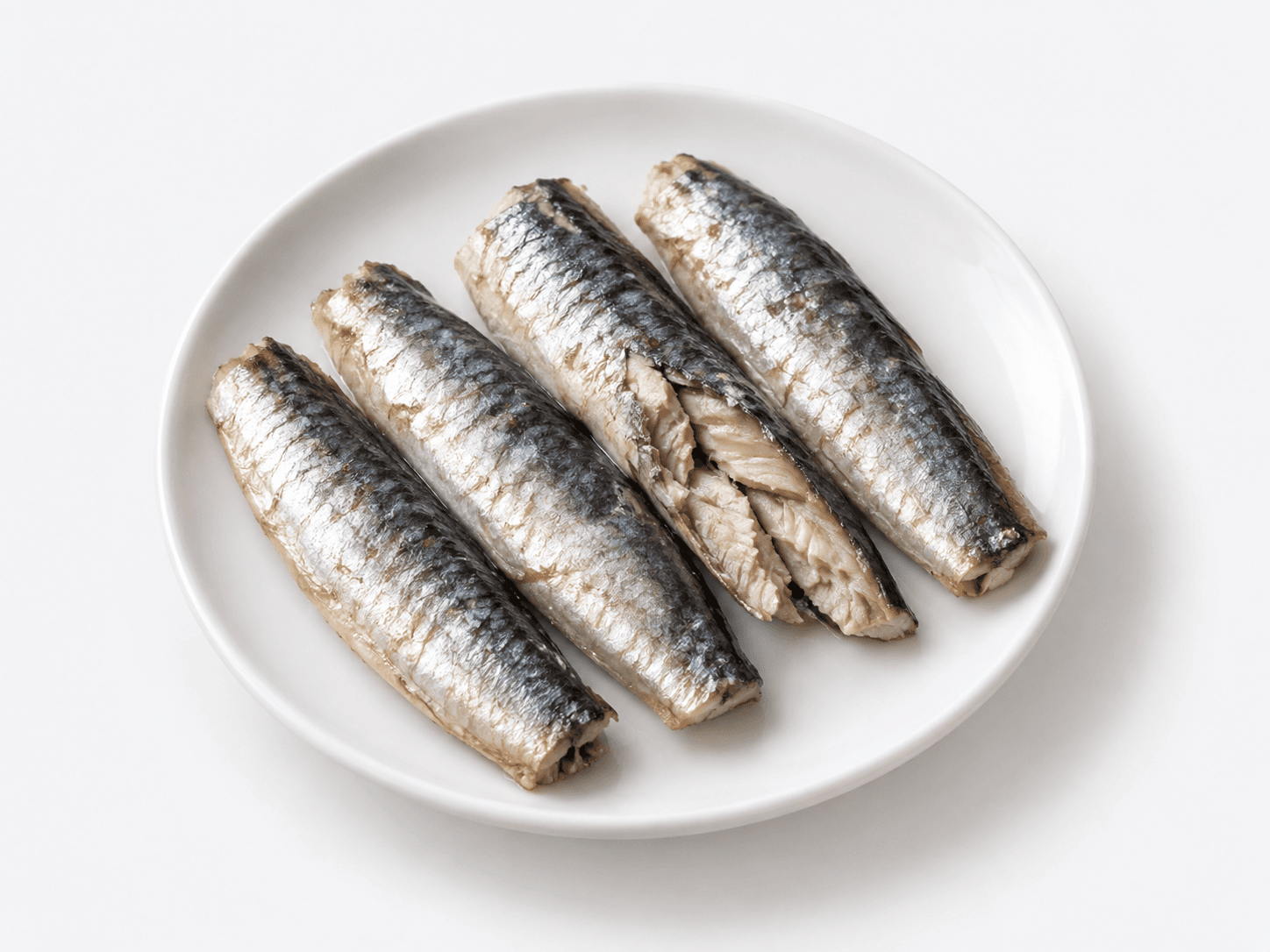
Seafood
Moderate evidenceSardines
382 mg of calcium, 4.8 µg of vitamin D and 0.98 g of omega-3 per 100 g of tinned sardines. Being a small fish, it also carries little mercury.
Mashing is the point. The bones have to be distributed for the 382 mg of calcium to actually reach your mouth.
2 servings10 min
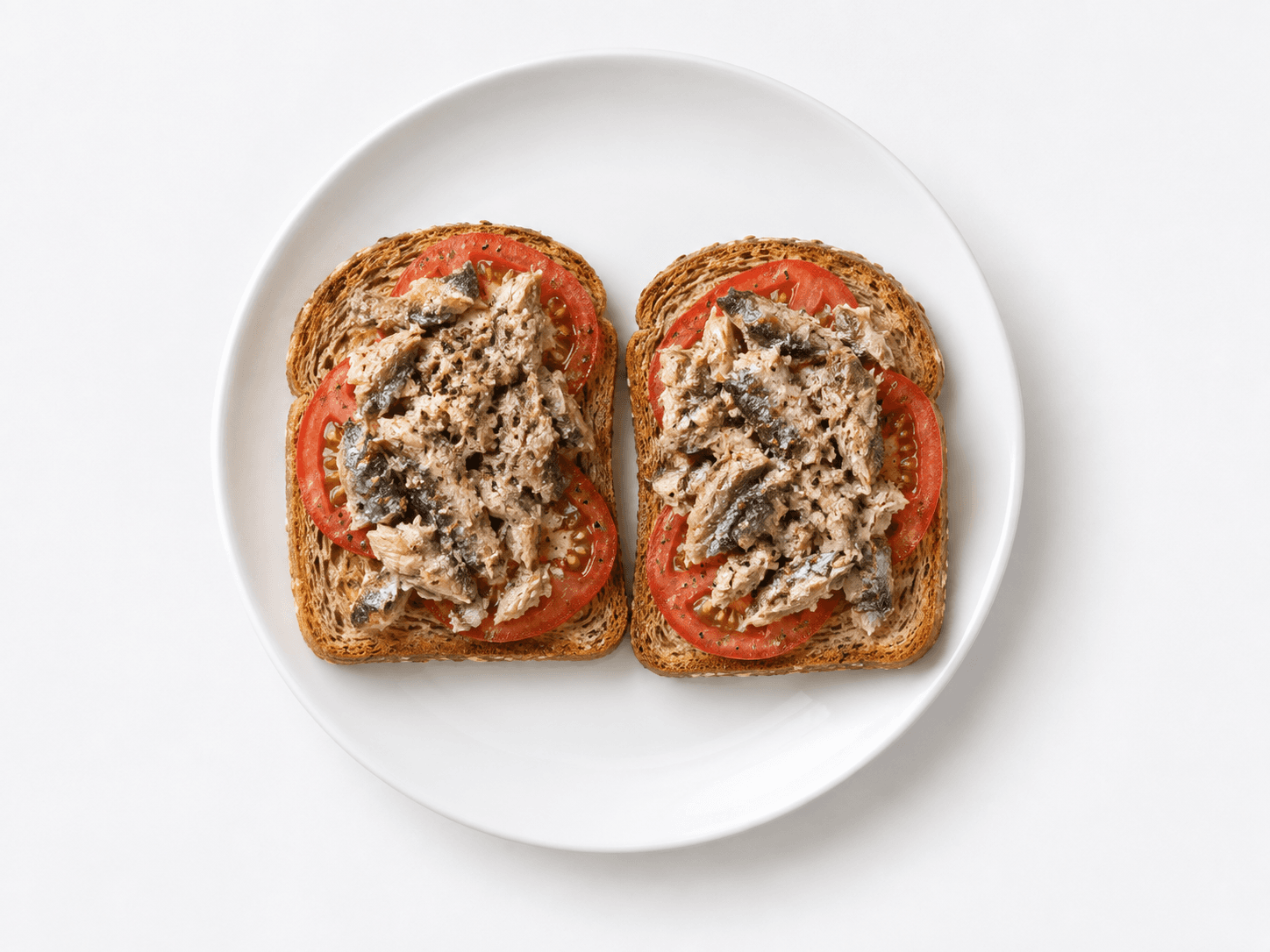
Lift the sardines out and pour off the oil. It is sunflower or soybean oil, not the sardine's own fat.
Halve the garlic clove and rub the cut face over the toasted bread. No need to mince it — enough aroma transfers.
Put the sardines in a bowl and mash with a fork. Do not pick out the bones — they are soft enough to mash straight through.
Mix in the lemon juice and pepper.
Lay thin tomato slices on the bread and spoon the sardines over.
Add the barest drizzle of olive oil and eat immediately.
There is a reason for mashing rather than laying the fillets on whole. Most of the 382 mg of calcium is in the bones, not the flesh — and left whole, it is easy to chew around them and leave them behind. Mashed through, that cannot happen.
The lemon is not only about the fishy note. Vitamin C alongside raises absorption of the non-haem iron in the bread and tomato. Draining the oil is worth repeating too: a good share of the 208 kcal per 100 g is that oil.
Seafood
Moderate evidence382 mg of calcium, 4.8 µg of vitamin D and 0.98 g of omega-3 per 100 g of tinned sardines. Being a small fish, it also carries little mercury.
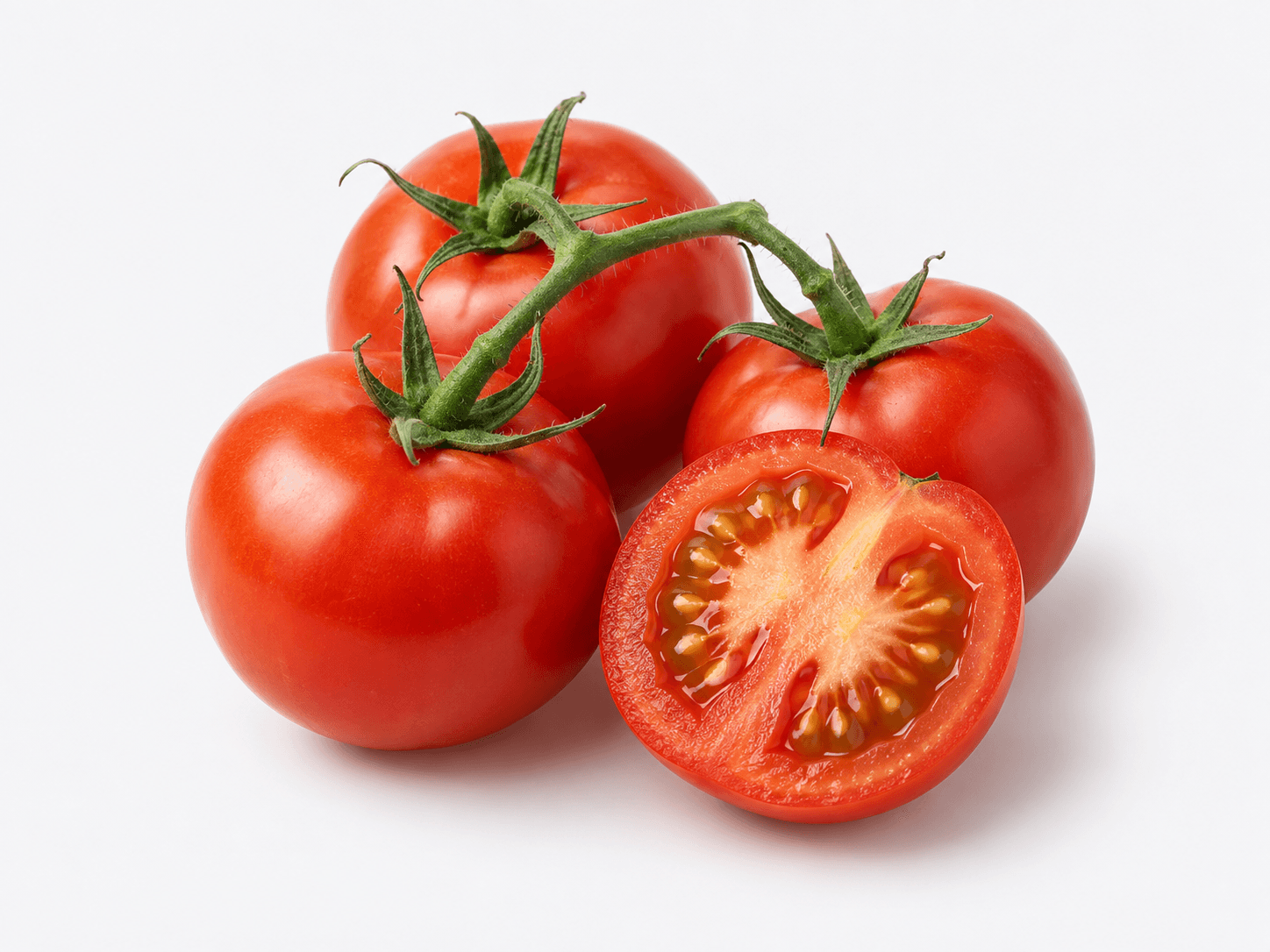
Vegetables
Early researchCooked beats raw here. Heat multiplies how much lycopene your body can actually absorb.
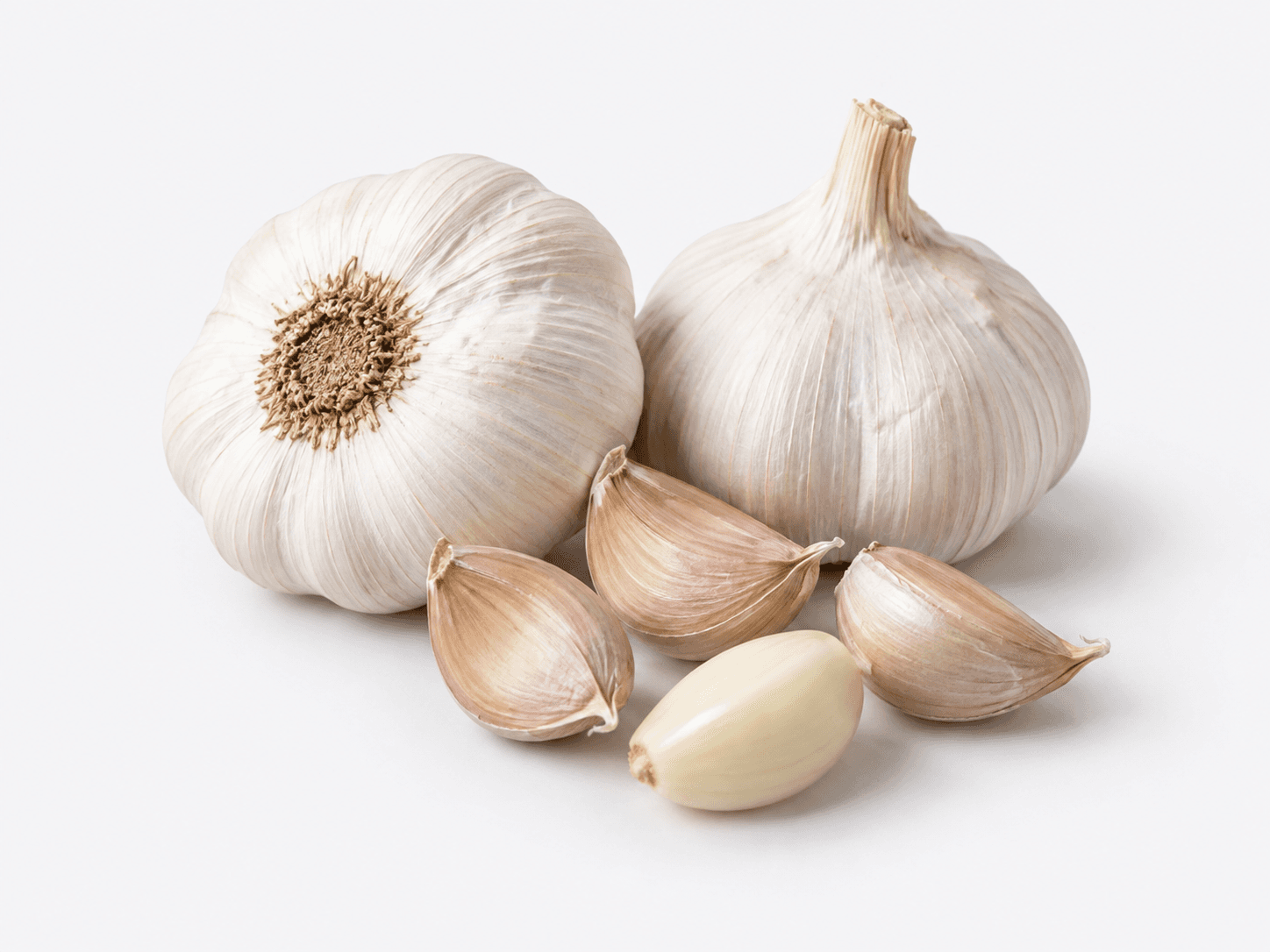
Vegetables
Moderate evidenceThe evidence for garlic points to a modest drop in blood pressure and cholesterol. The trick is to crush it and wait ten minutes before it hits the heat.
Grains & legumes
Moderate evidencePeople who eat more whole grains consistently show less type 2 diabetes. In randomised trials, though, the glycaemic markers barely moved.