Vitamin
Foods high in vitamin C and how much you need
Vitamin C is required to build collagen and sharply increases absorption of plant-source iron. It is water-soluble and heat-sensitive, so cooking method decides how much you actually get.
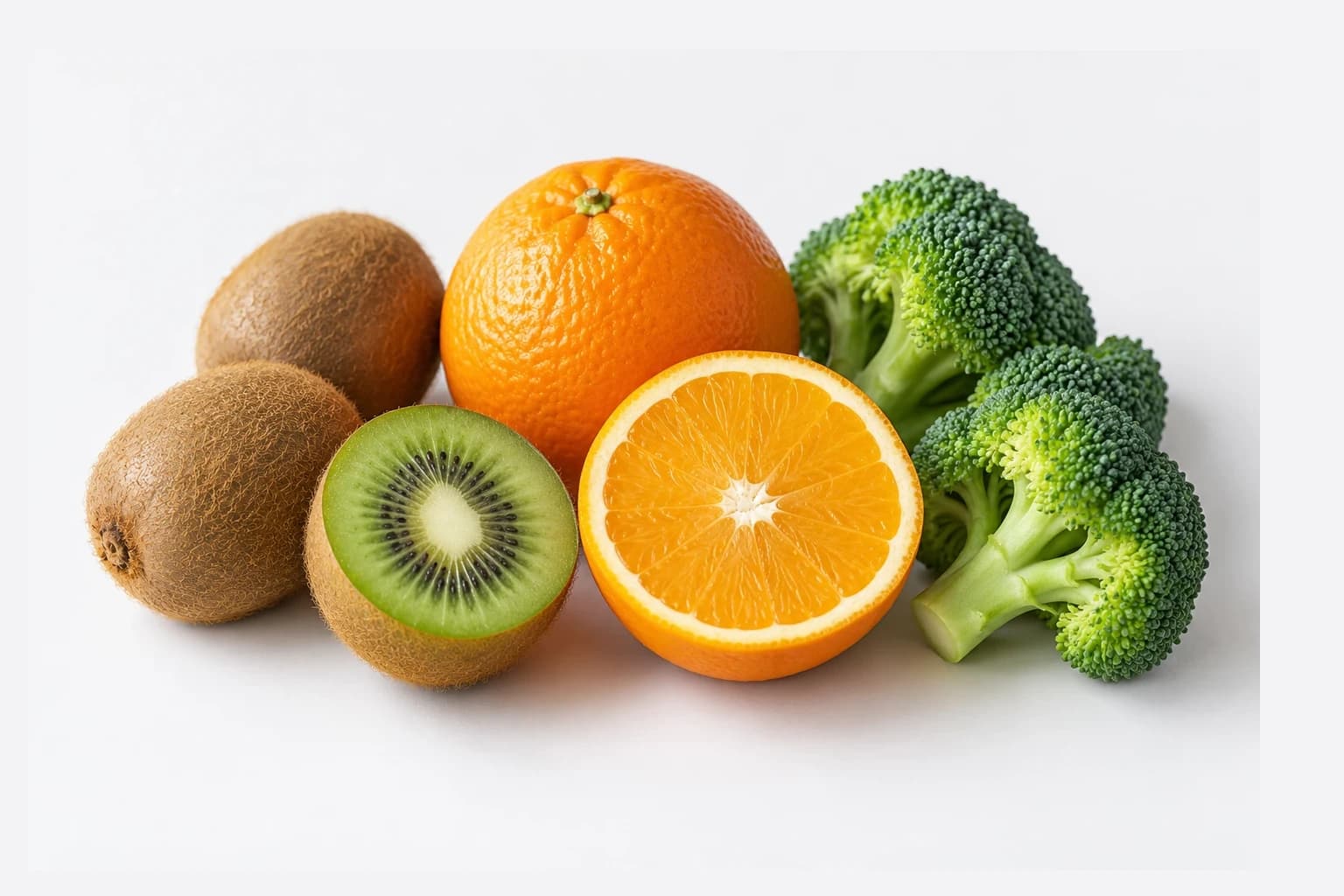
Highest sources
Ranked among the ingredients covered here. Reference amounts vary slightly between entries, so read this as a rough comparison rather than an exact order.
- 01
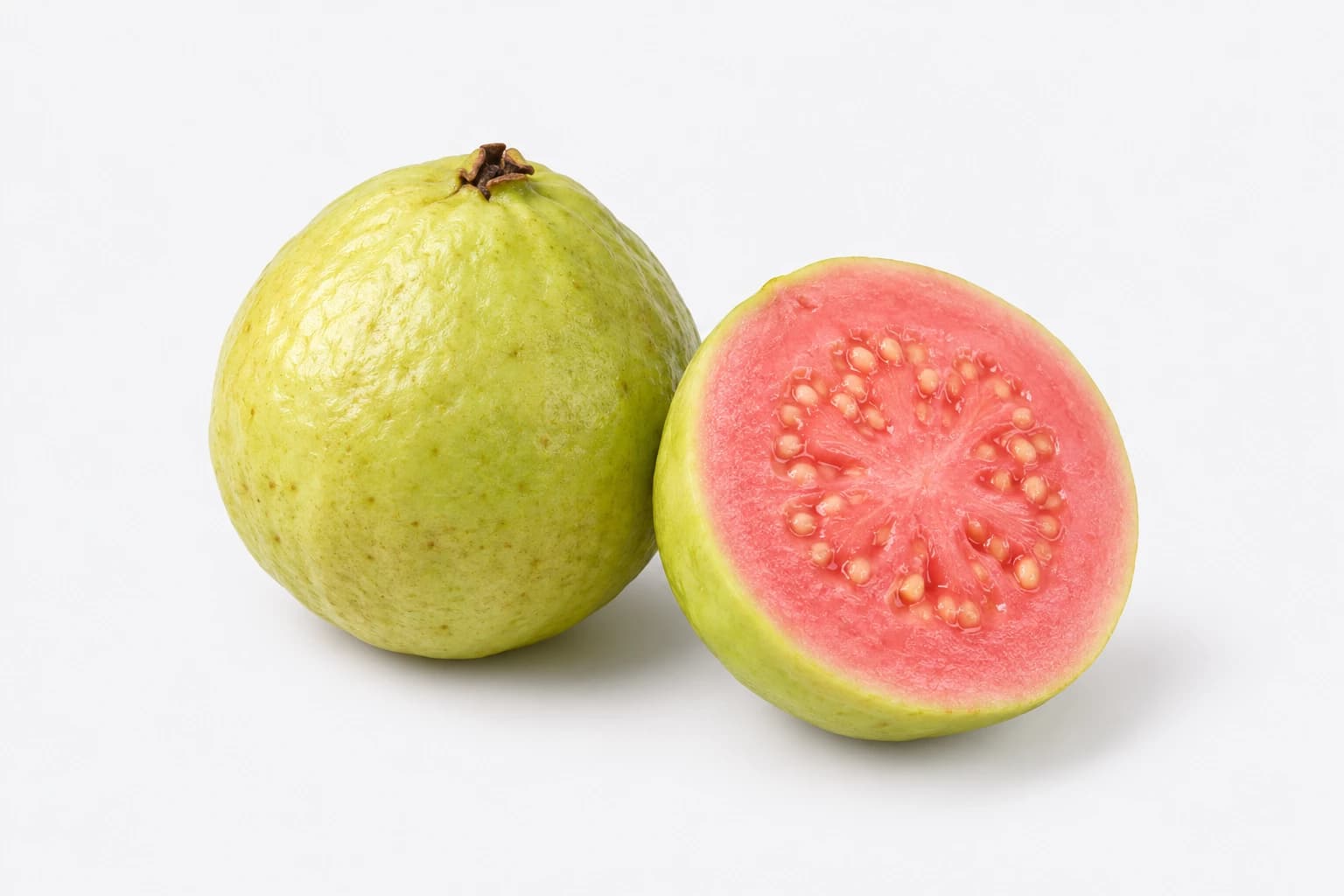 Guava228 mg253%
- 02
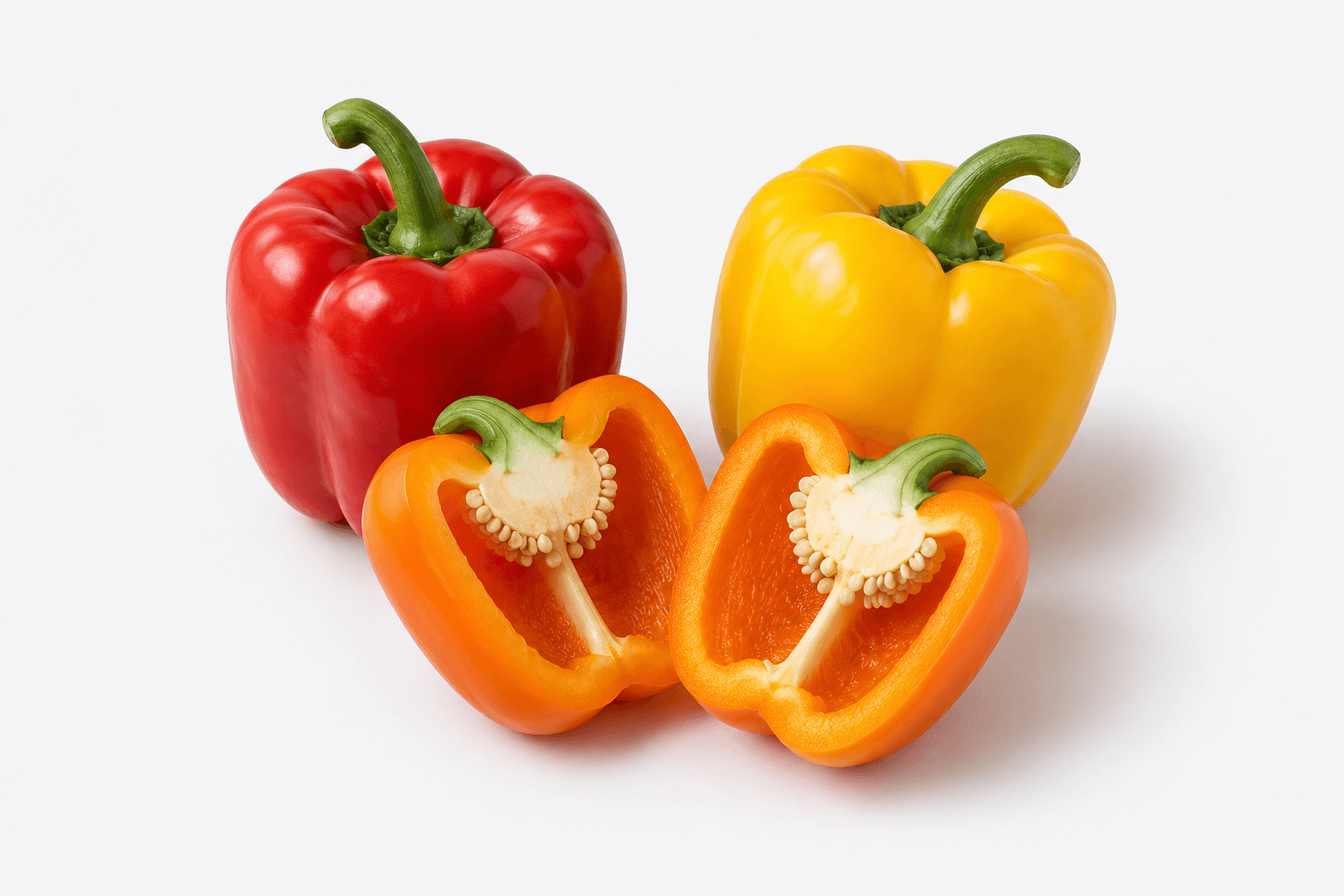 Bell pepper128 mgper 100 g · 142%
- 03
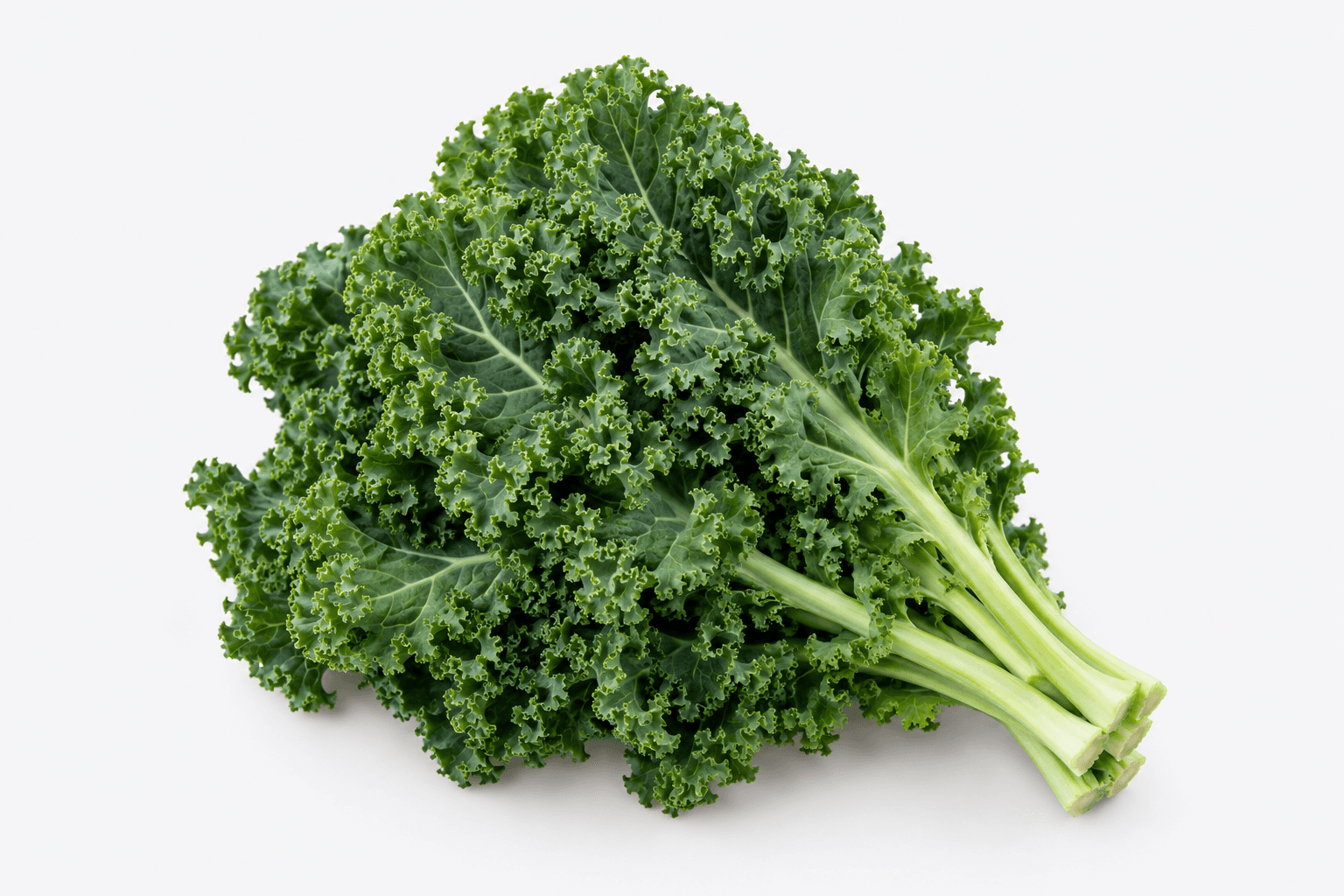 Kale93.4 mgper 100 g · 104%
- 04
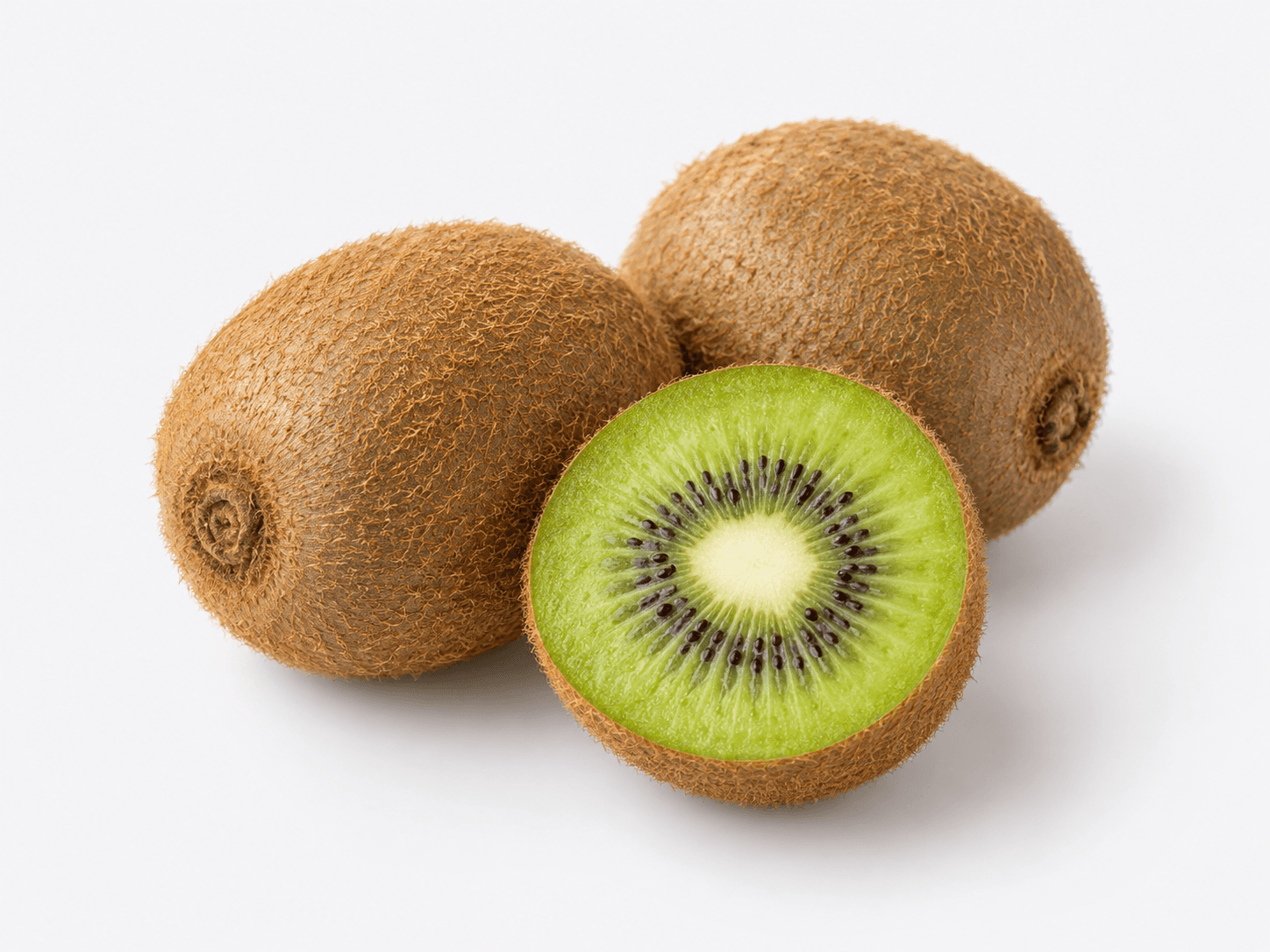 Kiwi93 mgper 100 g · 103%
- 05
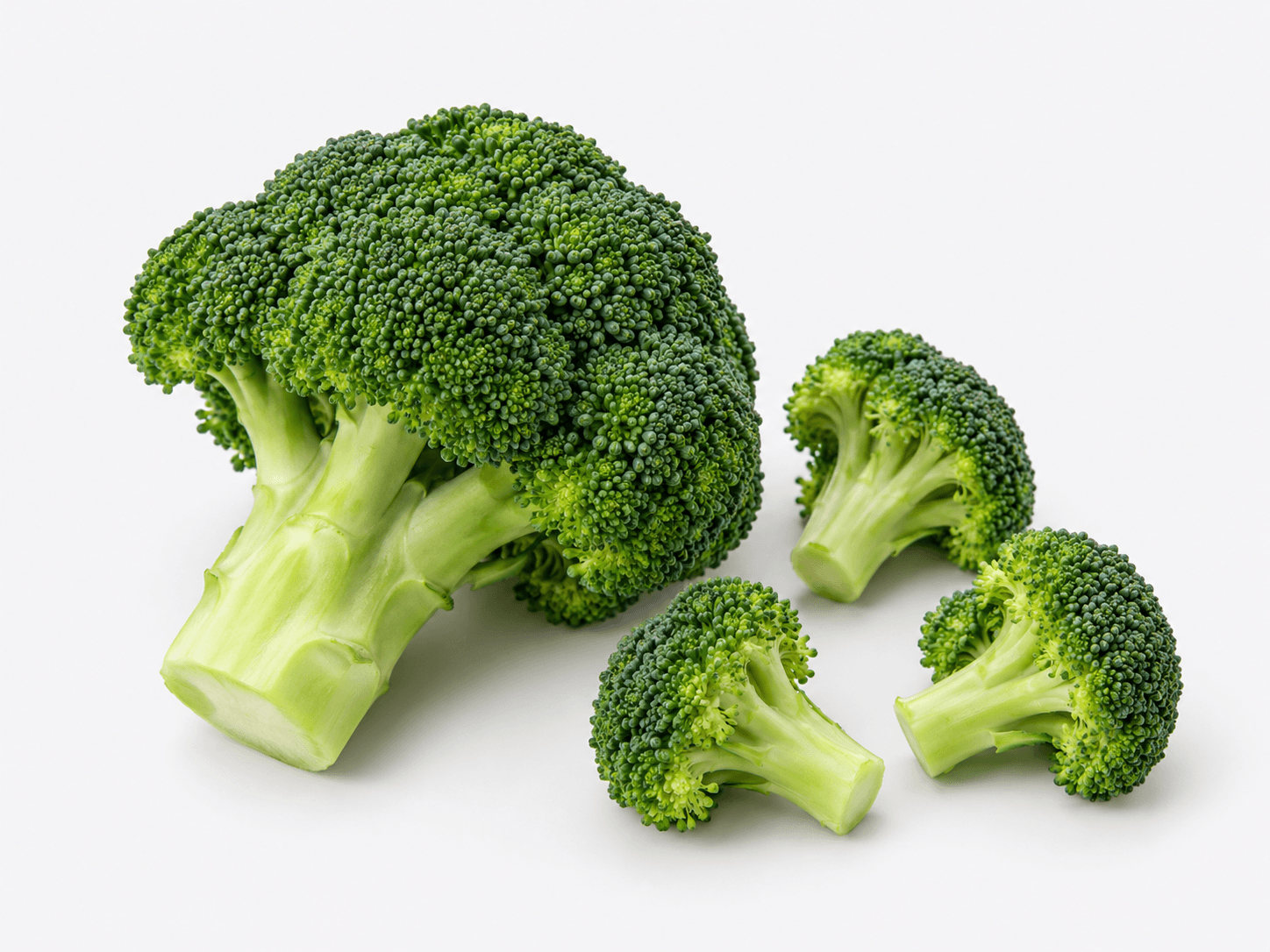 Broccoli89 mgper 100 g · 99%
- 06
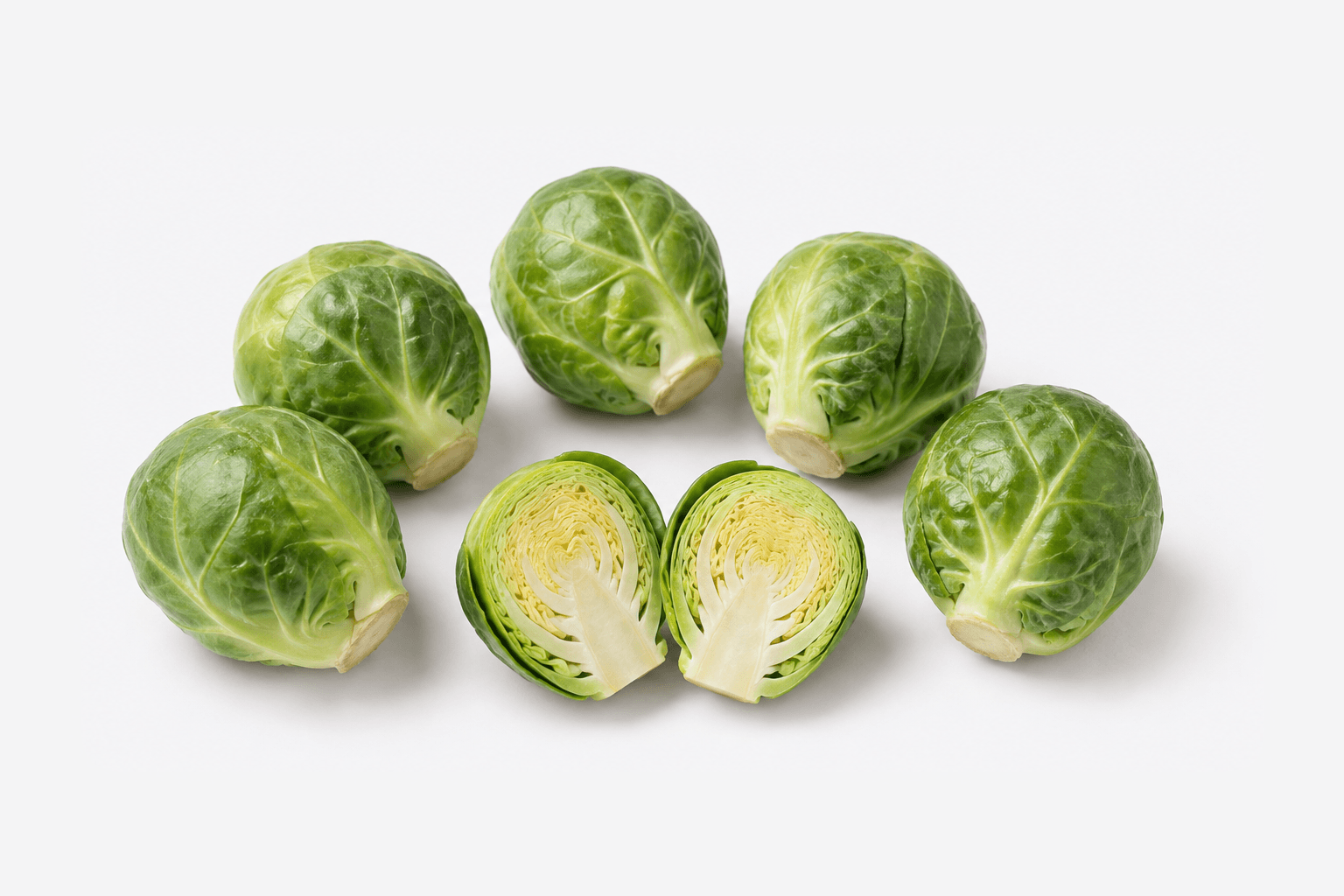 Brussels sprouts85 mg94%
- 07
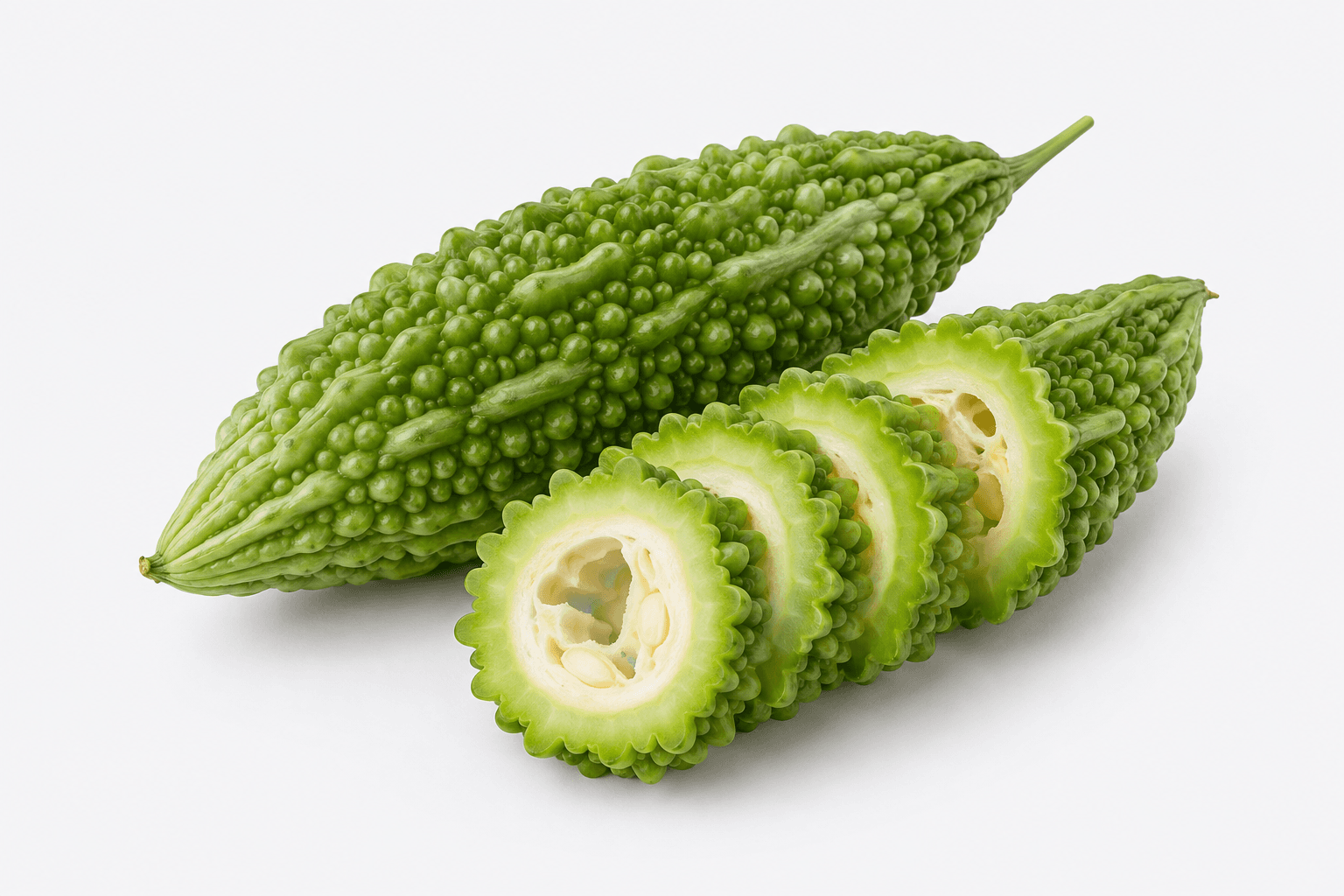 Bitter melon84 mgper 100 g · 93%
- 08
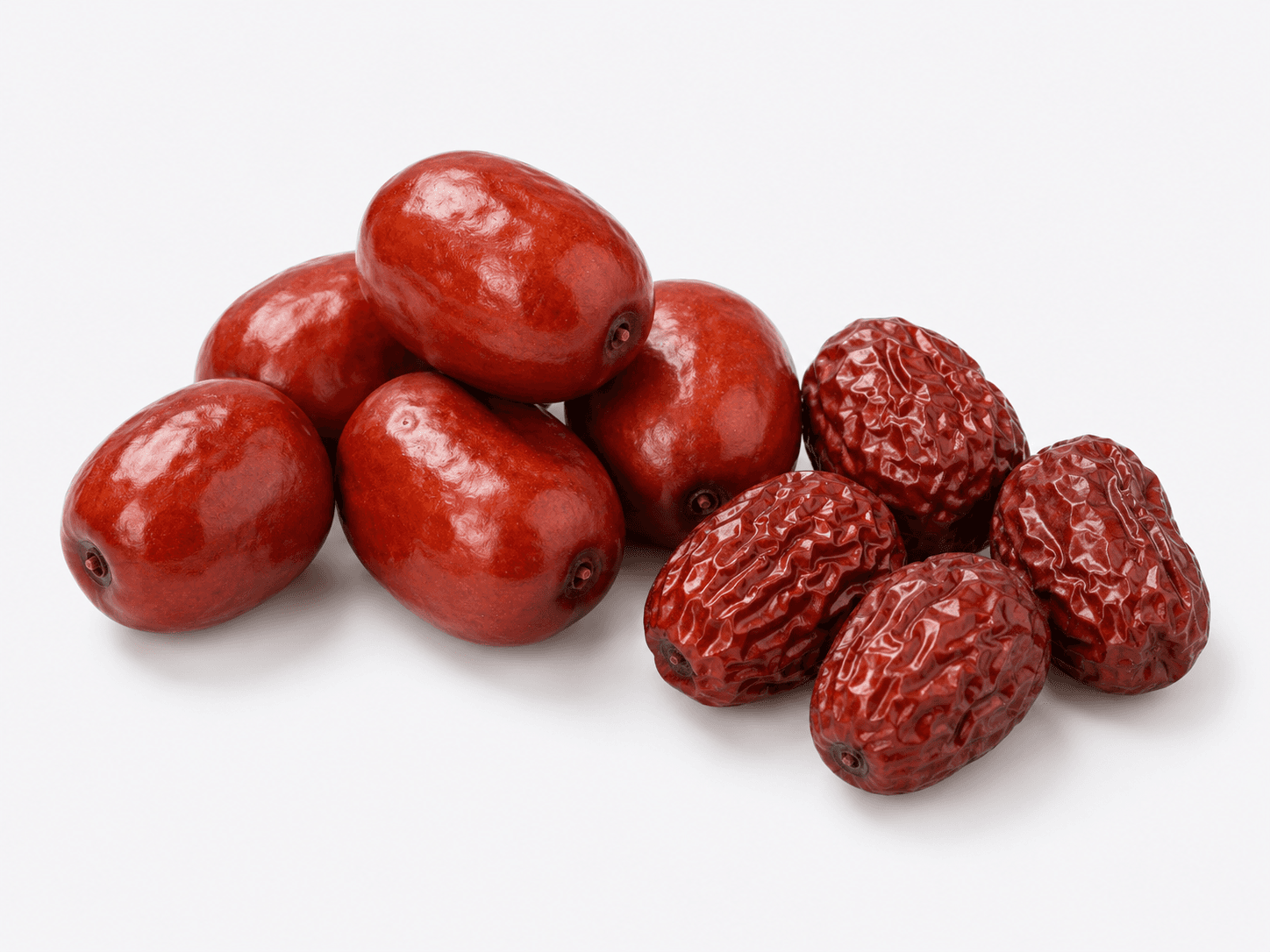 Jujube69 mgper 100 g · 77%
- 09
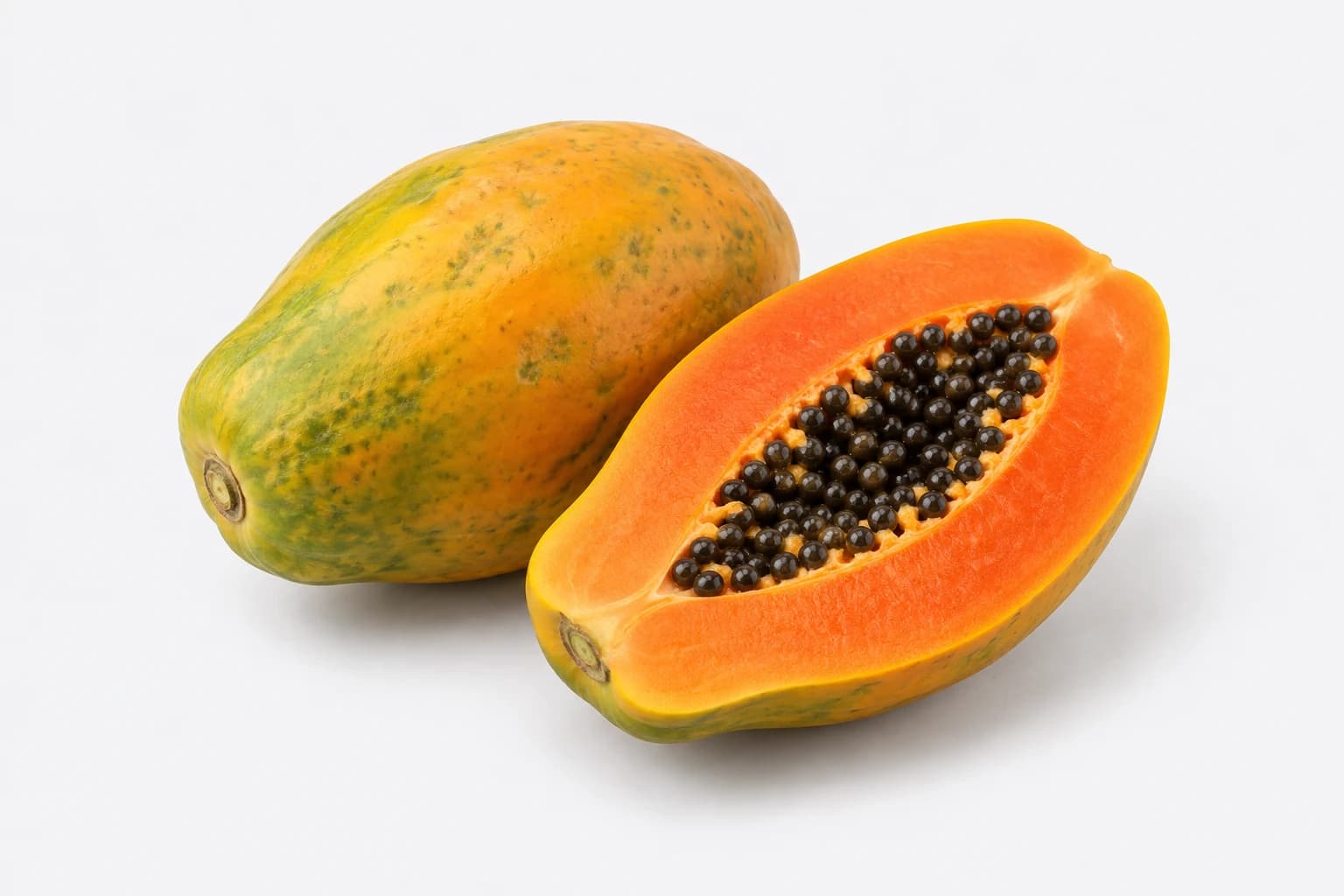 Papaya60.9 mg68%
- 10
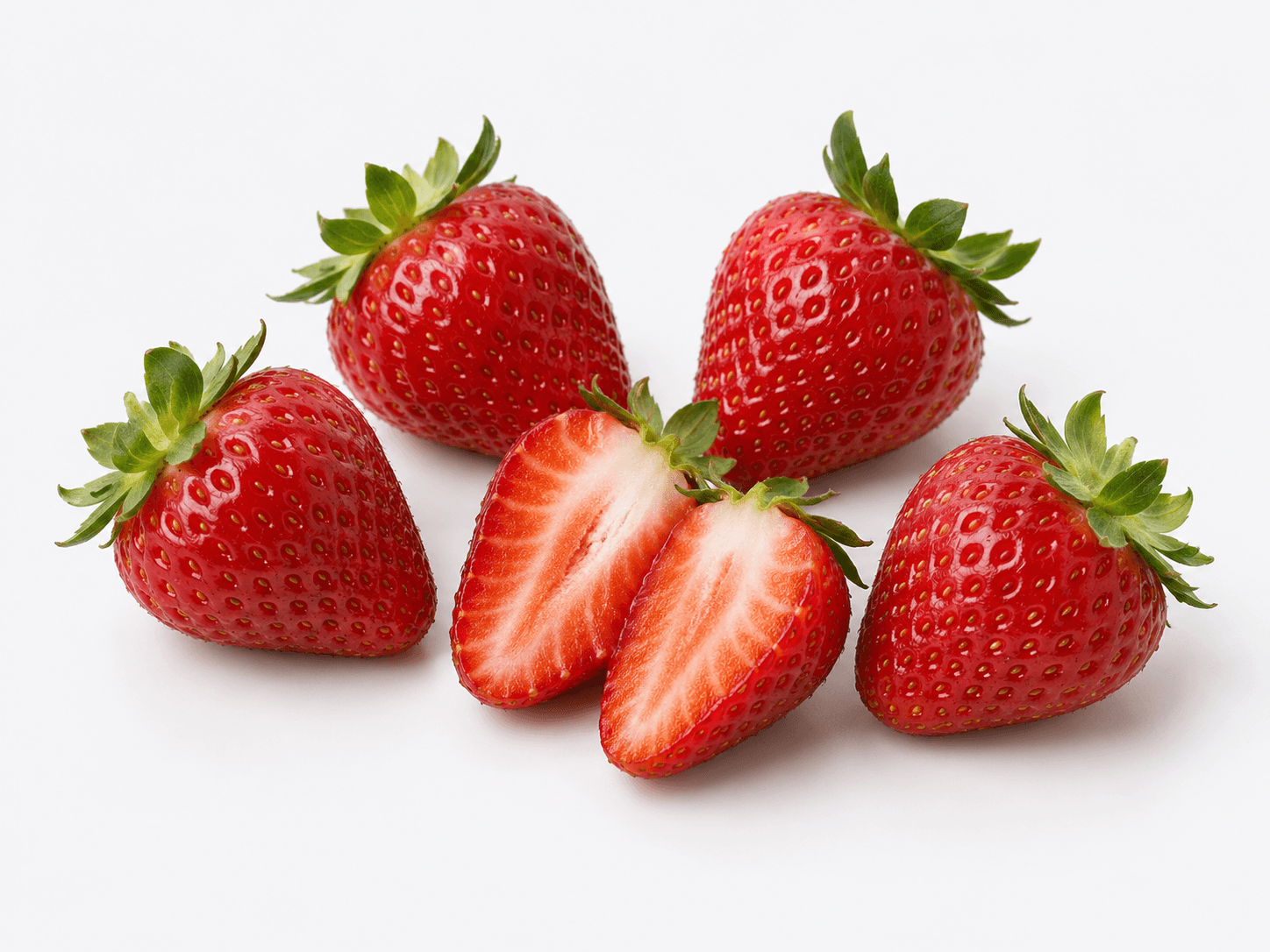 Strawberry58.8 mgper 100 g · 65%
- 11
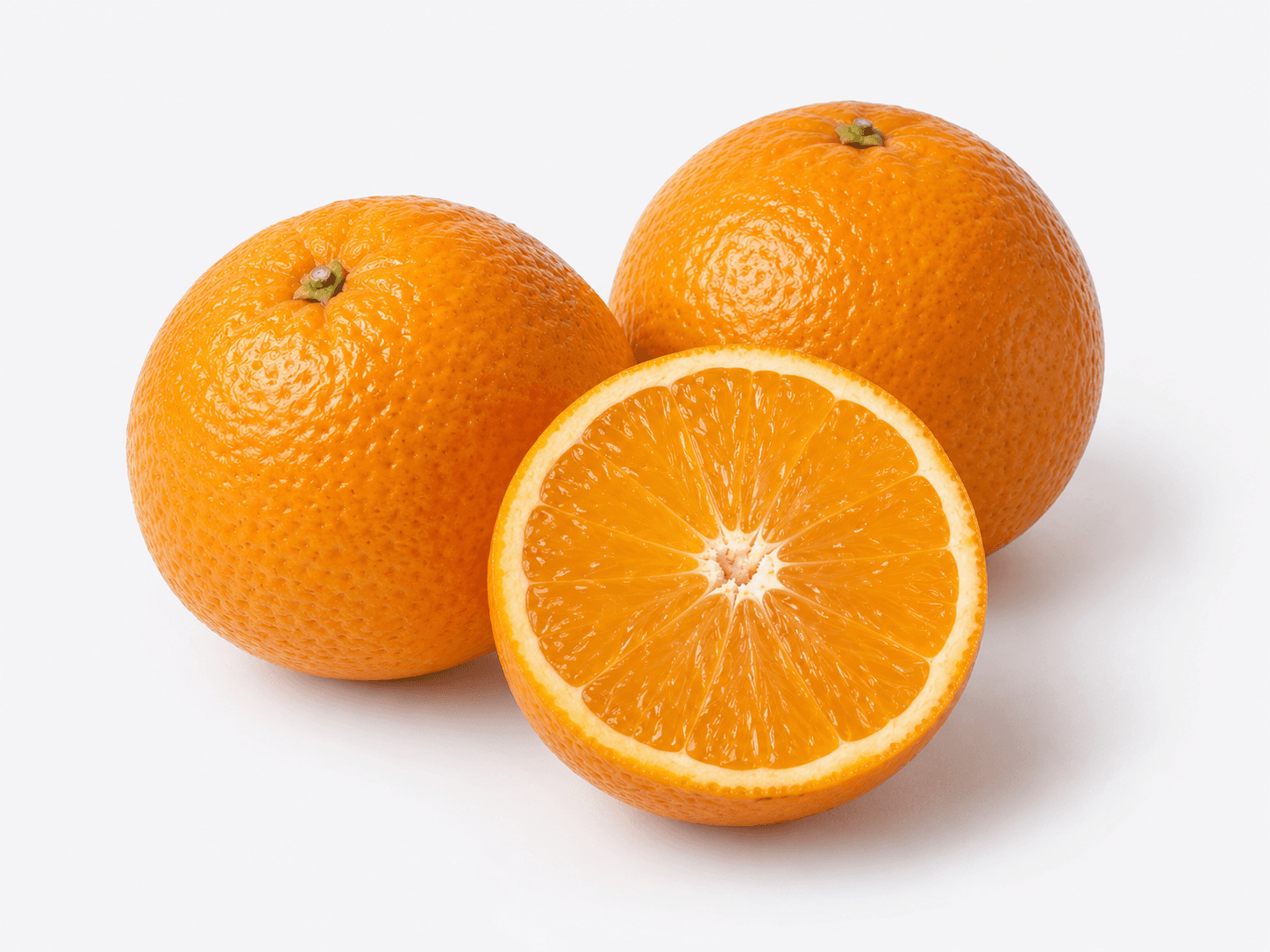 Orange53 mgper 100 g · 59%
- 12
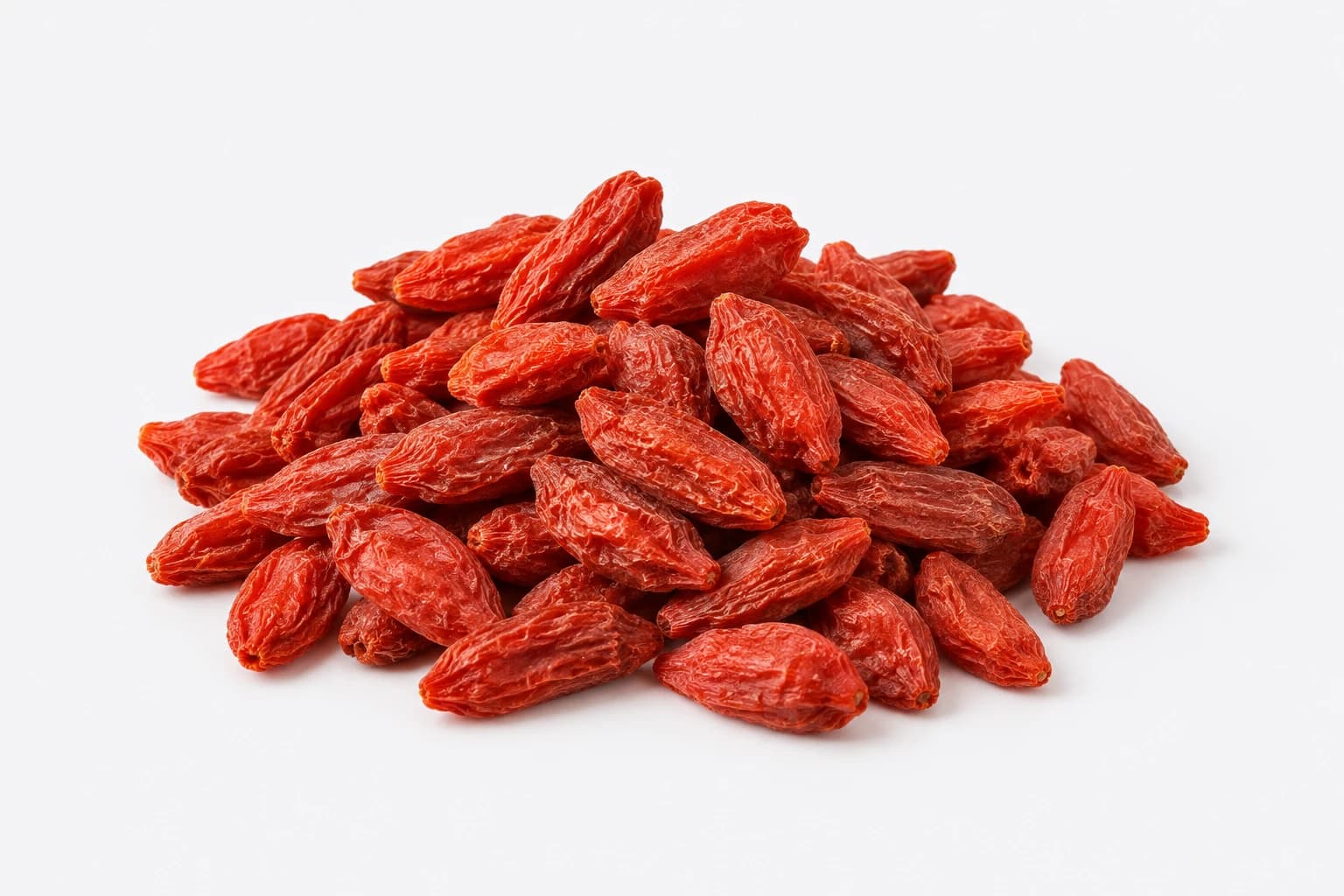 Goji berry48.4 mg54%
What it does
It acts as a cofactor for the enzymes that synthesise collagen. Skin, blood vessels, gums and cartilage are all built from collagen, which is why prolonged deficiency shows up as bleeding gums and slow wound healing. It is also a potent water-soluble antioxidant and converts non-heme iron into a more absorbable form.
Recommended intake
The US recommendation for adults is 90 mg a day for men and 75 mg for women, with an extra 35 mg for smokers because of higher oxidative stress. Figures differ by country: the EU sets 95 mg for adults. Around 100 mg a day satisfies most guidelines.
What affects absorption
Being water-soluble, it is not stored and the excess leaves in urine. Spreading intake through the day maintains blood levels better than one large dose. Boiling leaches a substantial share into the water, so raw, steamed or quickly sautéed preparations retain more.
What to watch out for
Supplements above 2,000 mg a day can cause diarrhoea and abdominal pain, and raise oxalate stone risk in people with a history of kidney stones. Amounts from food are not a concern.
Sources
The databases and health authorities this article's nutrition figures and health statements draw on.