Mineral
High-zinc foods and what happens when you take too much
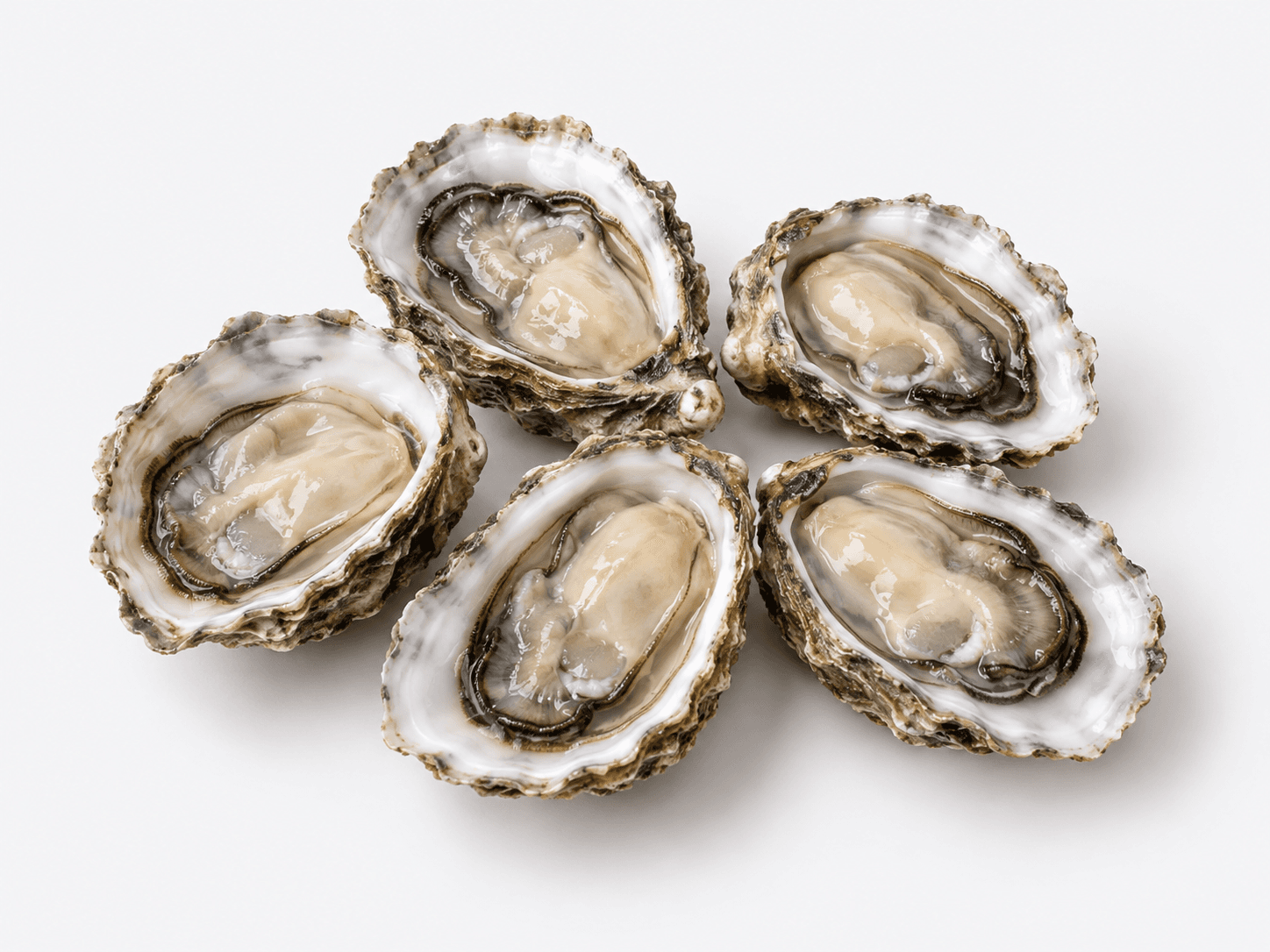
A single oyster passes the daily requirement. The real problem is usually not deficiency but long-term over-supplementation.
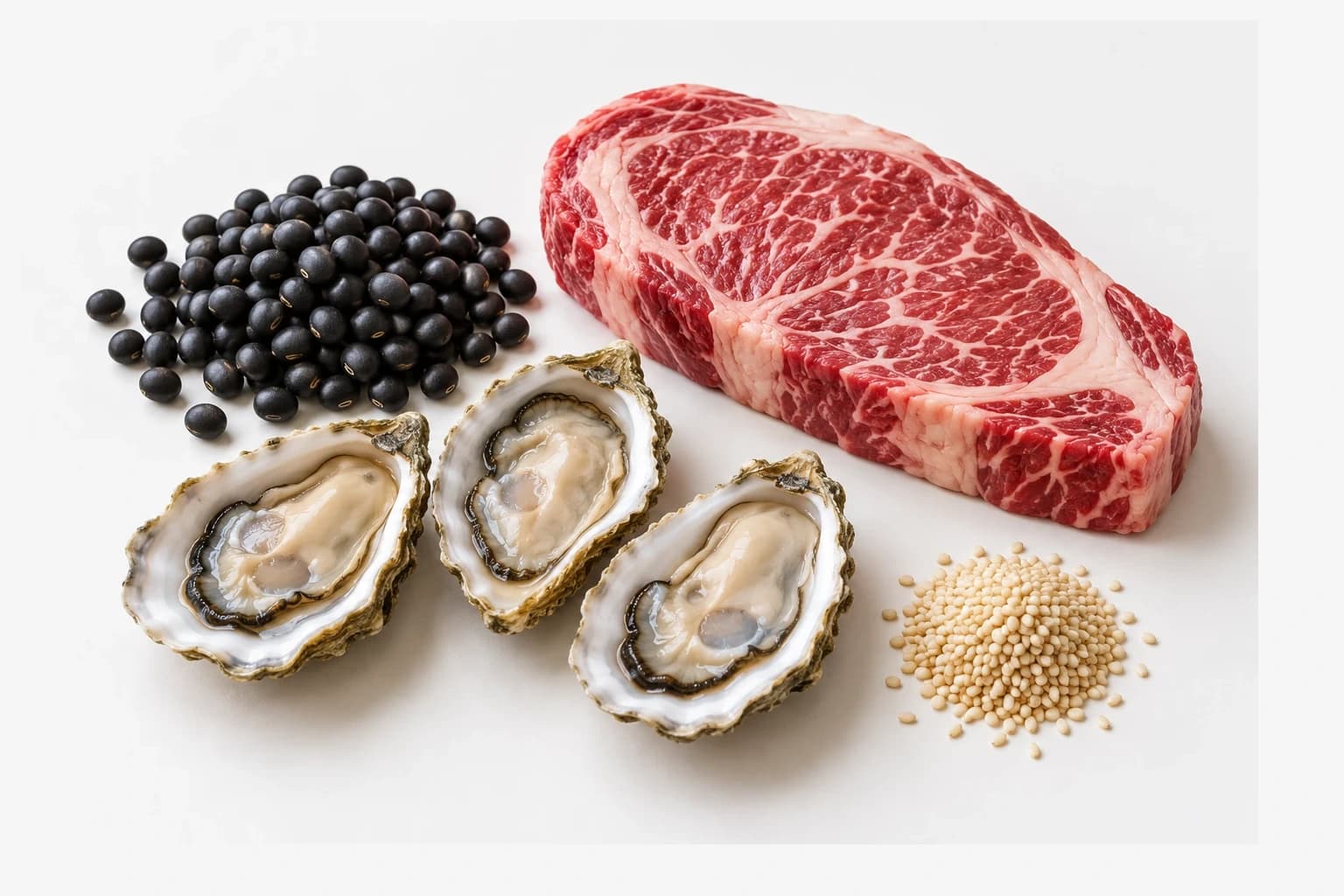
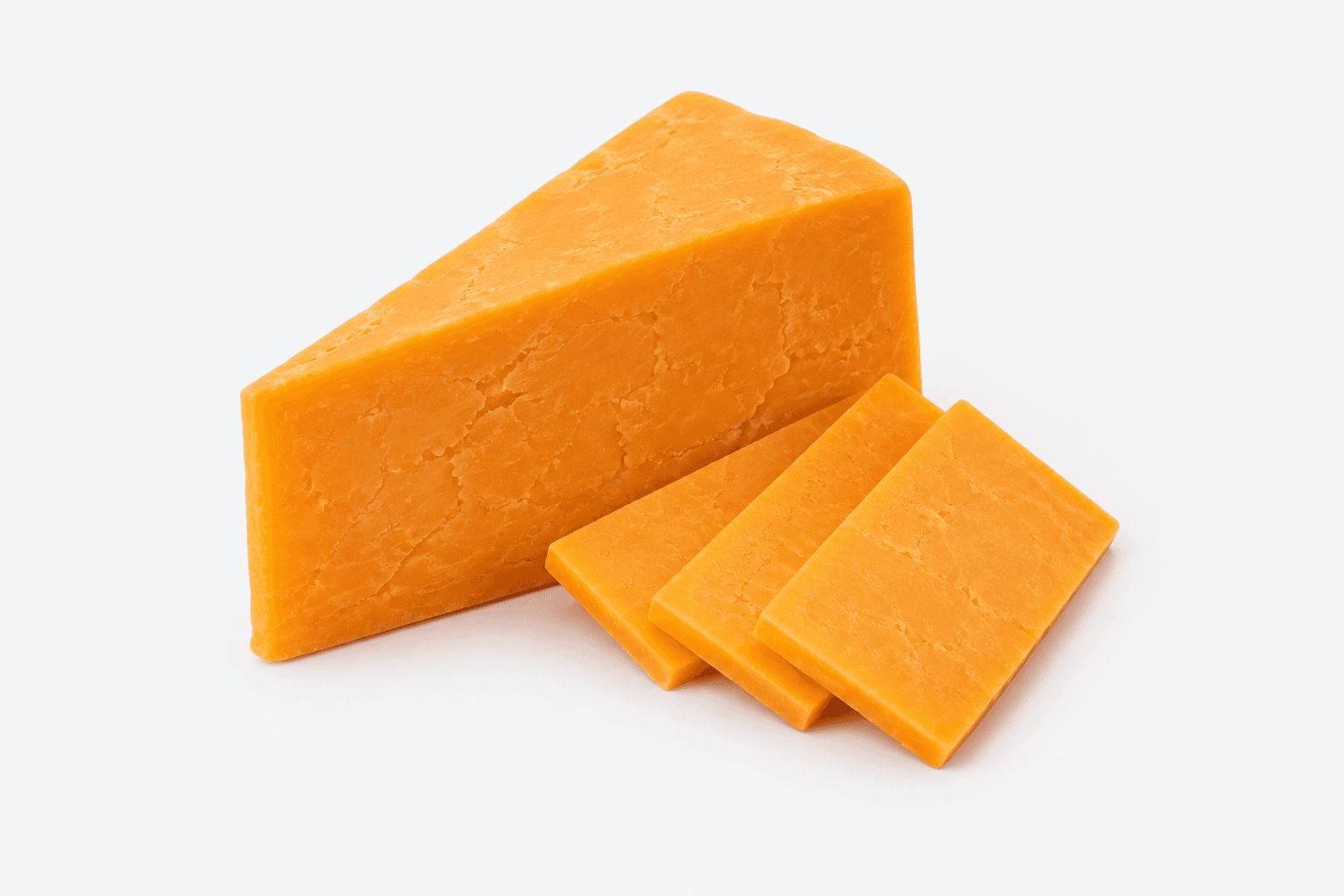
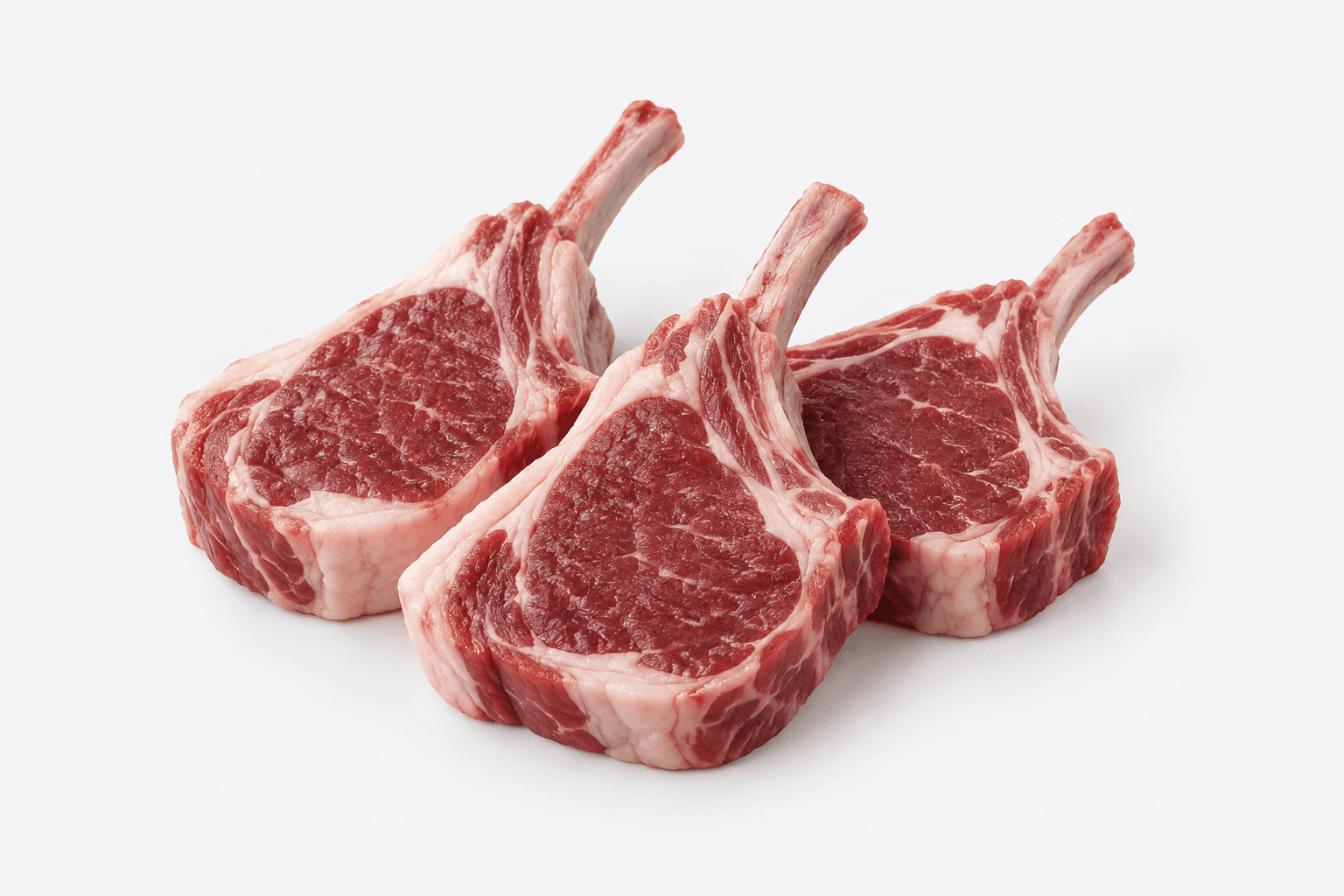
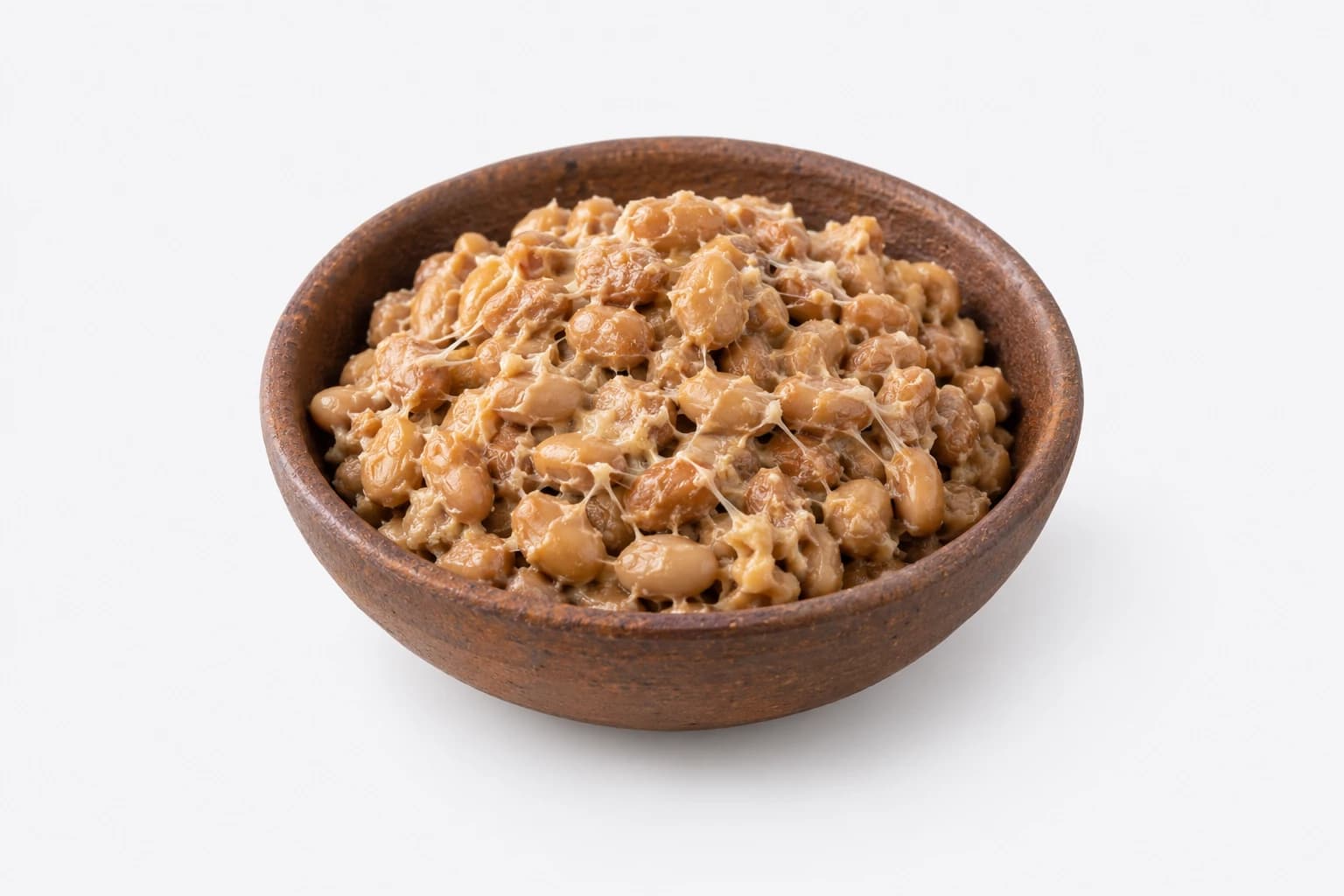
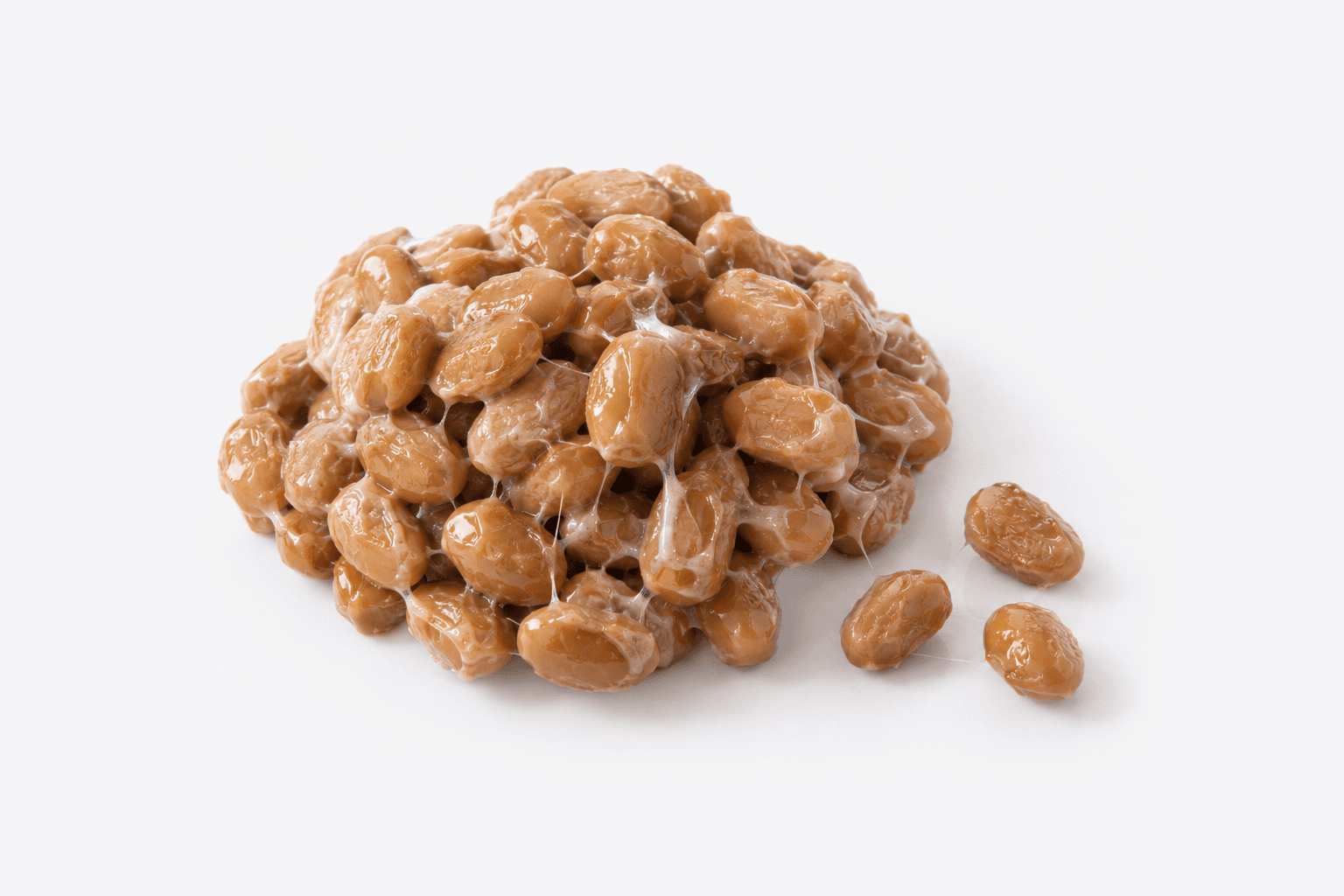
Highest sources
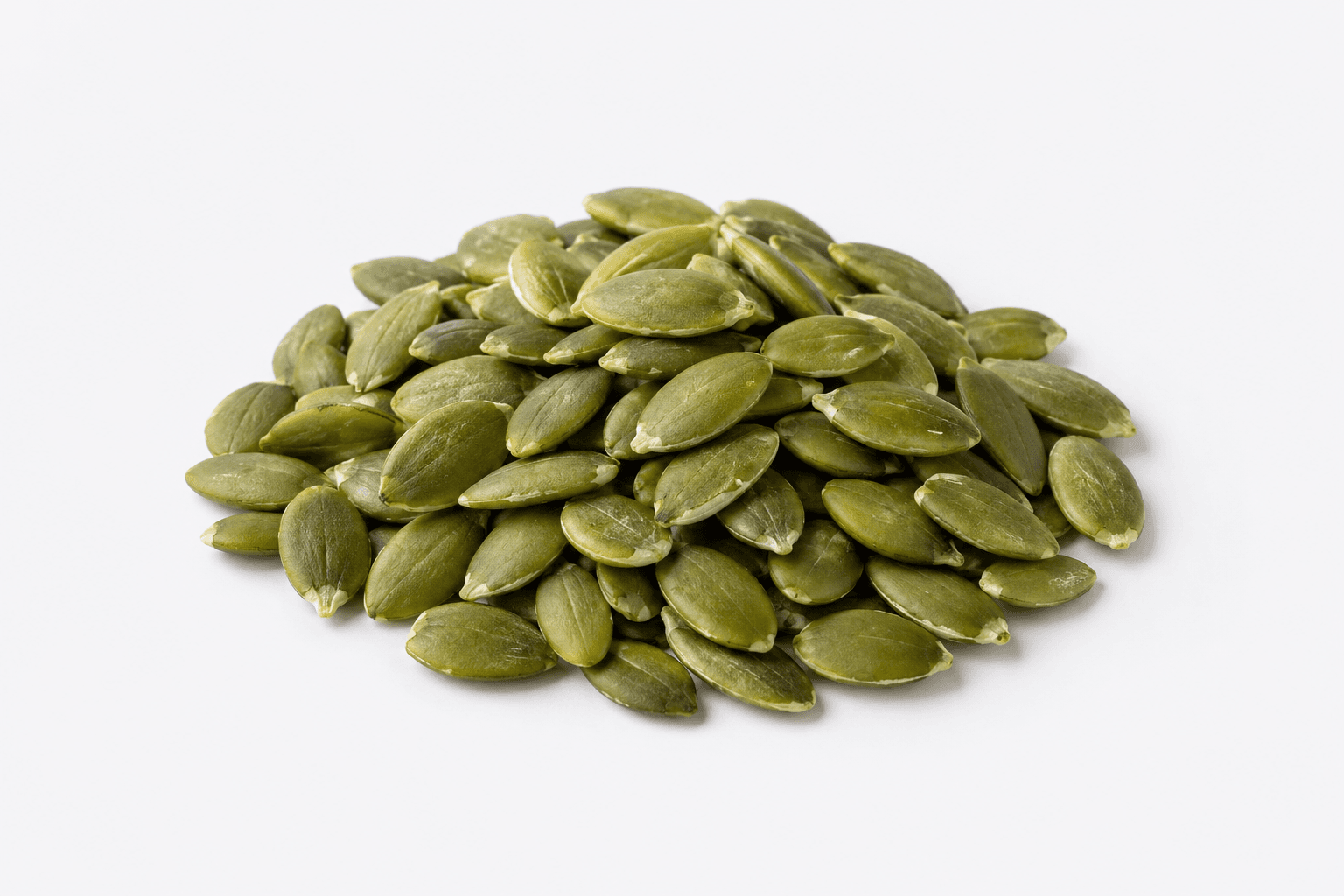
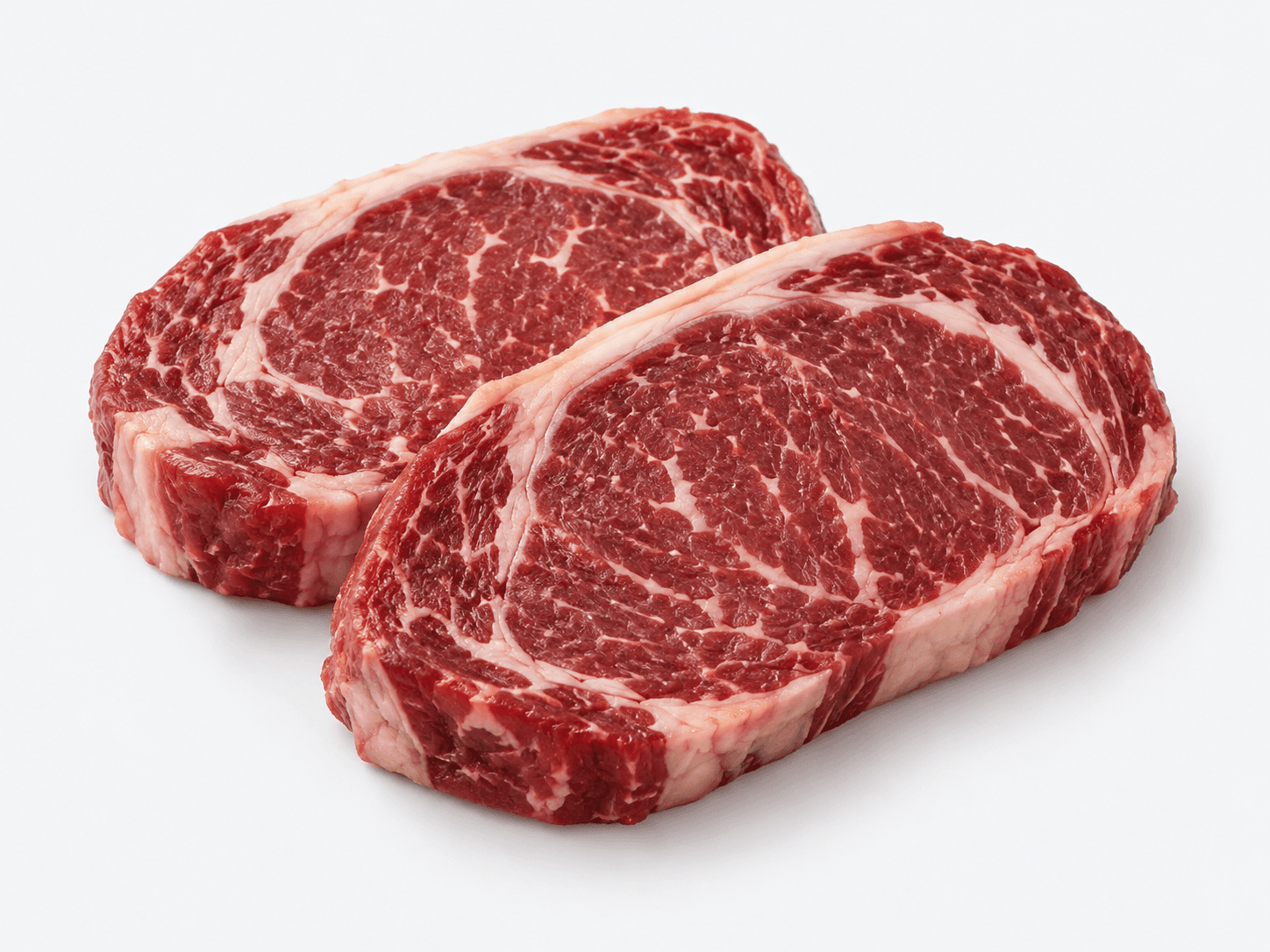
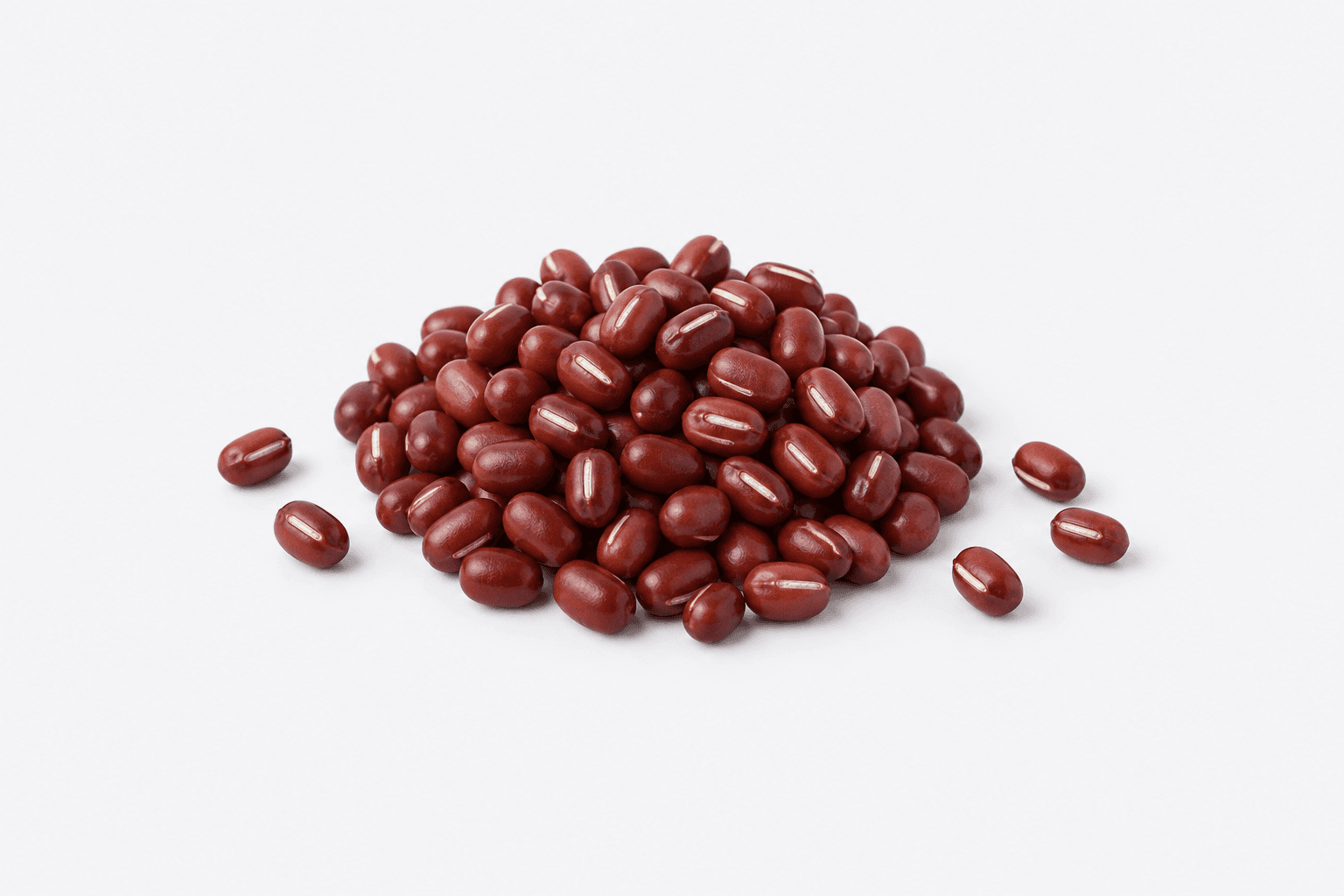
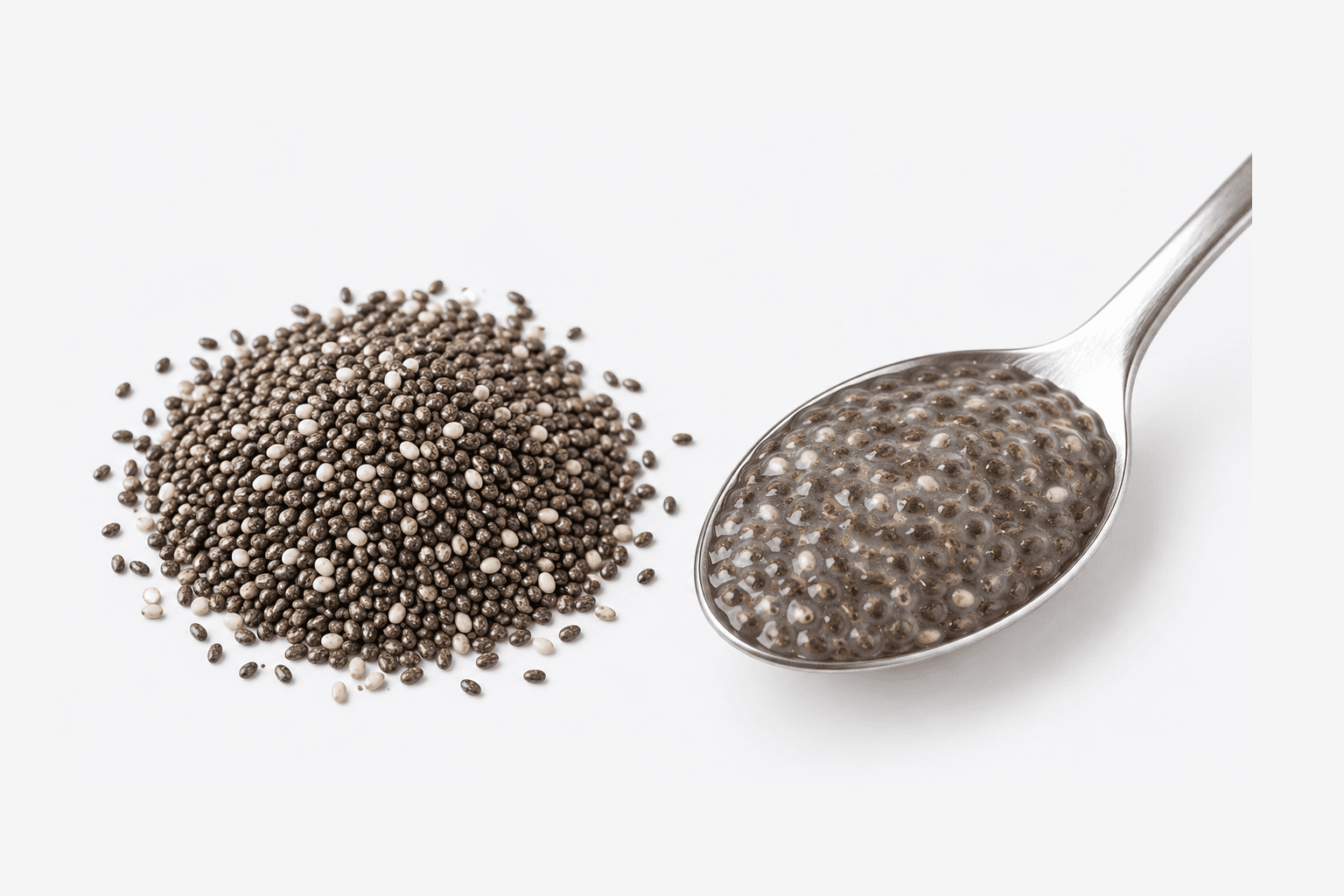
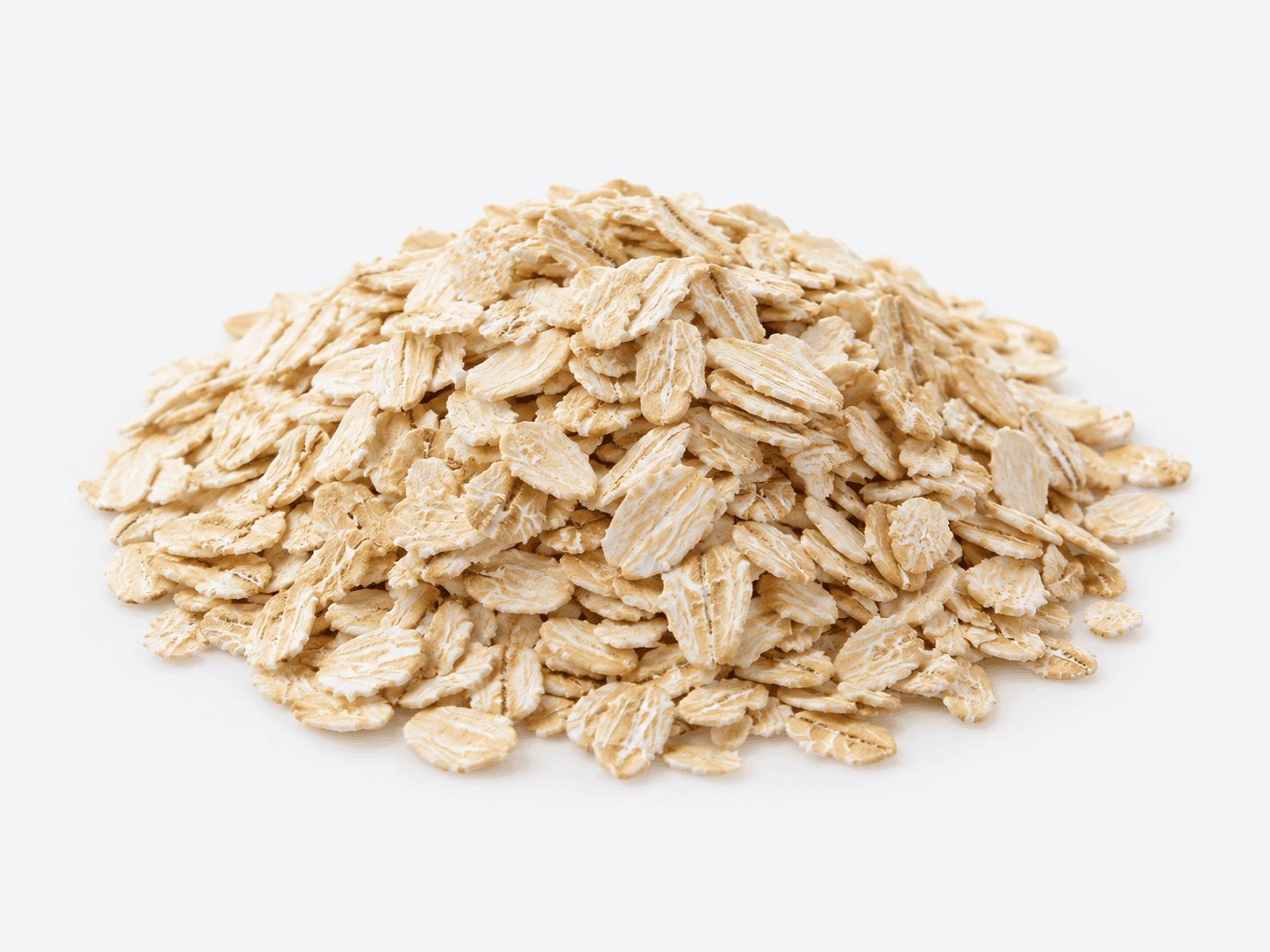
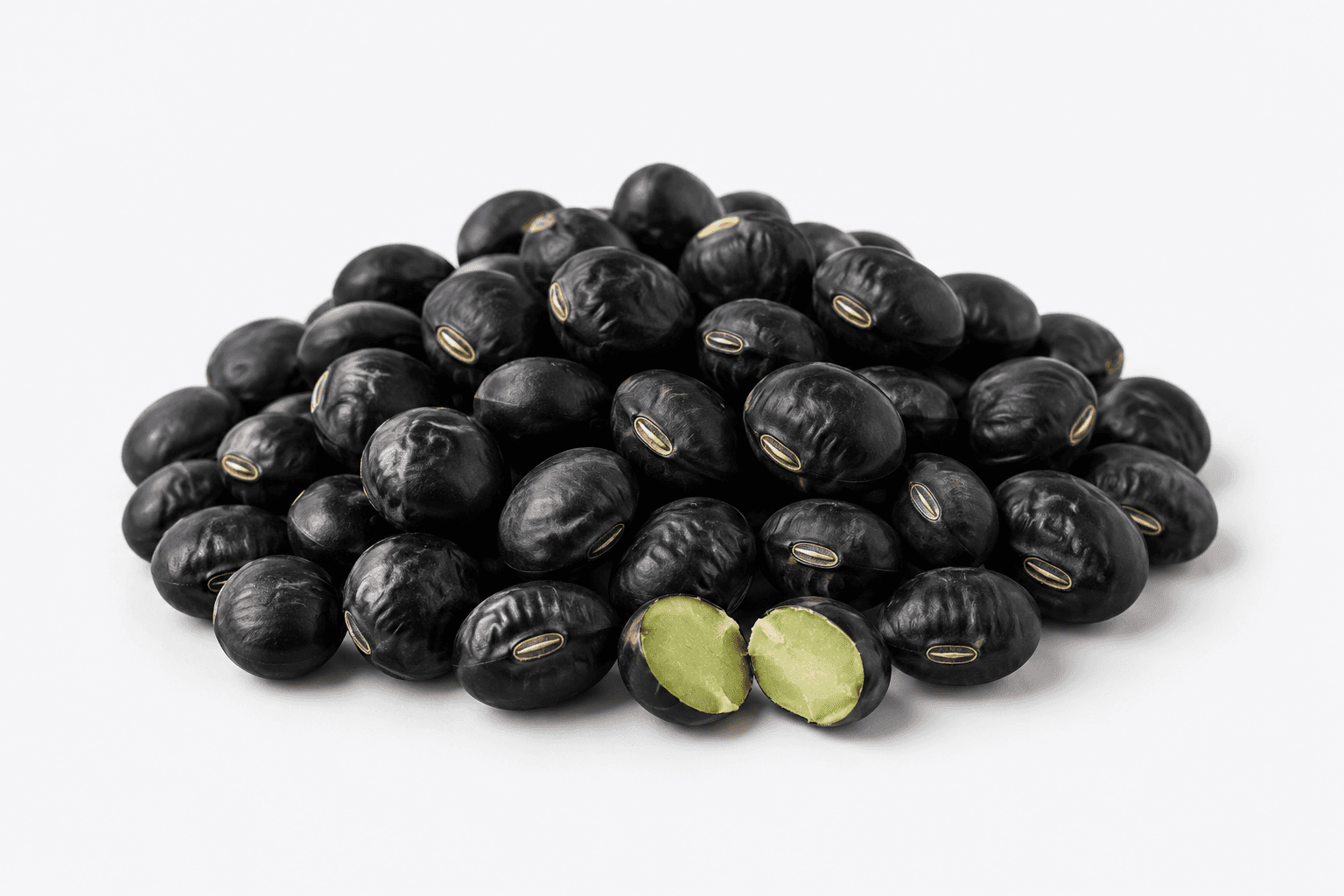
Ranked among the ingredients covered here. Reference amounts vary slightly between entries, so read this as a rough comparison rather than an exact order.
What it does
Zinc is a component of more than 300 enzymes and is required for DNA synthesis and cell division. Fast-dividing tissue therefore feels it first — immune cells, skin, healing wounds. Shortage shows up as slow wound healing, blunted taste and greater susceptibility to infection. In children, growth itself slows.
Recommended intake
US guidance is 11 mg for adult men and 8 mg for women, rising to 11 mg in pregnancy and 12 mg while breastfeeding. Because phytate lowers absorption, some standards suggest plant-based diets need up to 1.5 times as much.
What affects absorption
Zinc from animal foods absorbs better. Phytate in grains and legumes binds zinc and blocks it, but soaking, fermenting and sprouting remove much of that — which is why leavened bread delivers zinc better than unleavened. High-dose iron supplements taken alongside reduce zinc absorption.
What to watch out for
The upper limit is 40 mg a day. Zinc and copper share an absorption pathway, so sustained high-dose zinc causes copper deficiency, which surfaces as anaemia and neurological symptoms. Trials on zinc lozenges for the common cold have found shorter symptom duration, but results differ by formulation and dose, and a metallic taste and nausea are common. Intranasal zinc products are not recommended — loss of smell has been reported.
Sources
The databases and health authorities this article's nutrition figures and health statements draw on.