Phytonutrient
Foods high in lutein, and the story of its trial
Lutein really does accumulate in the macula of the eye. But the primary analysis of the largest trial — 4,203 people over five years — did not significantly reduce progression of macular degeneration.
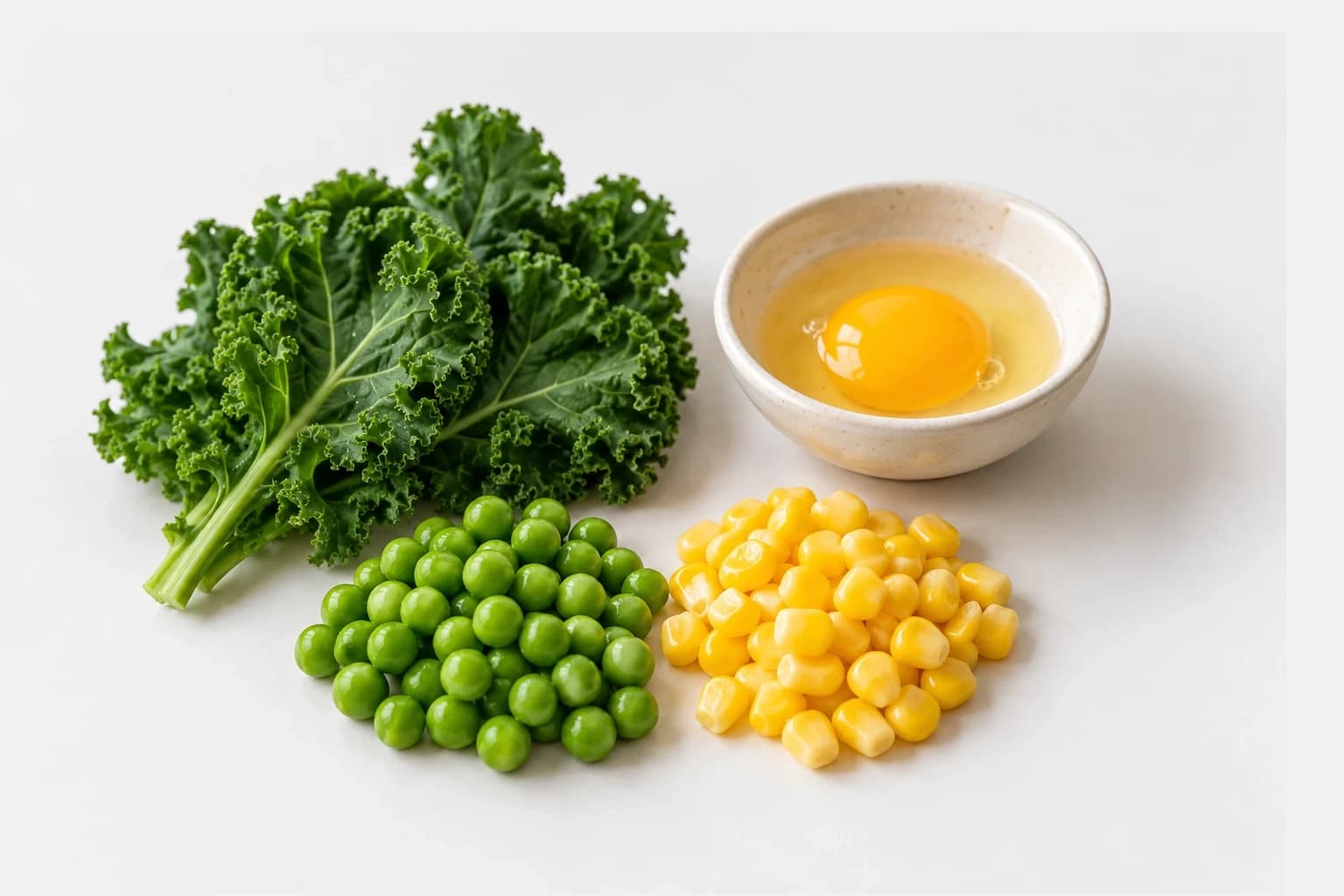
Highest sources
Ranked among the ingredients covered here. Reference amounts vary slightly between entries, so read this as a rough comparison rather than an exact order.
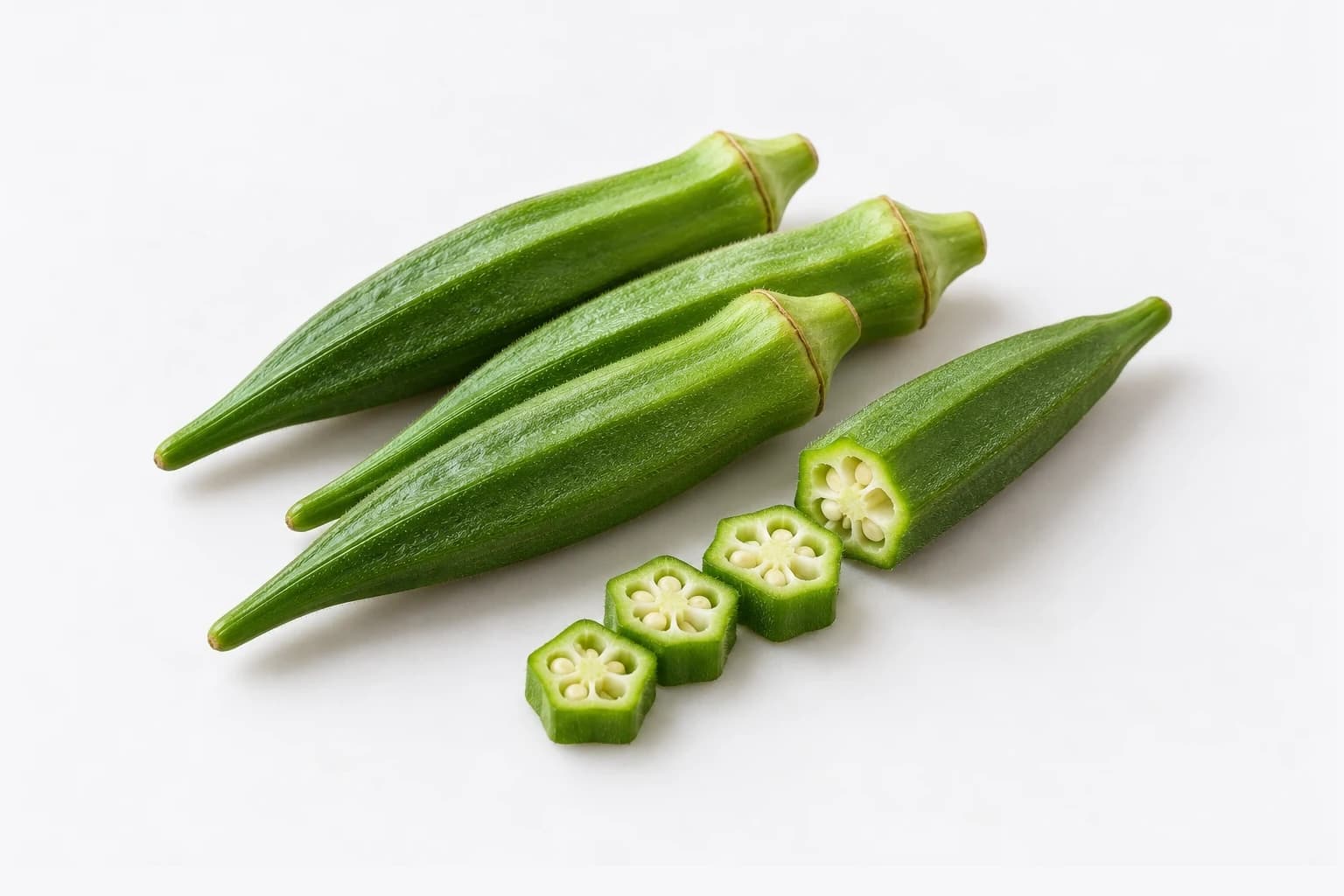
What it does
Lutein and zeaxanthin are the two carotenoids that accumulate selectively in the macula of the eye. Together they form the macular pigment, which filters blue light and quenches the reactive oxygen species that light generates. The body cannot make them, so all of it arrives in food. That much is established as a matter of composition and mechanism. The next step — whether eating more of these pigments reduces eye disease — belongs to trials, and the result is set out below.
Recommended intake
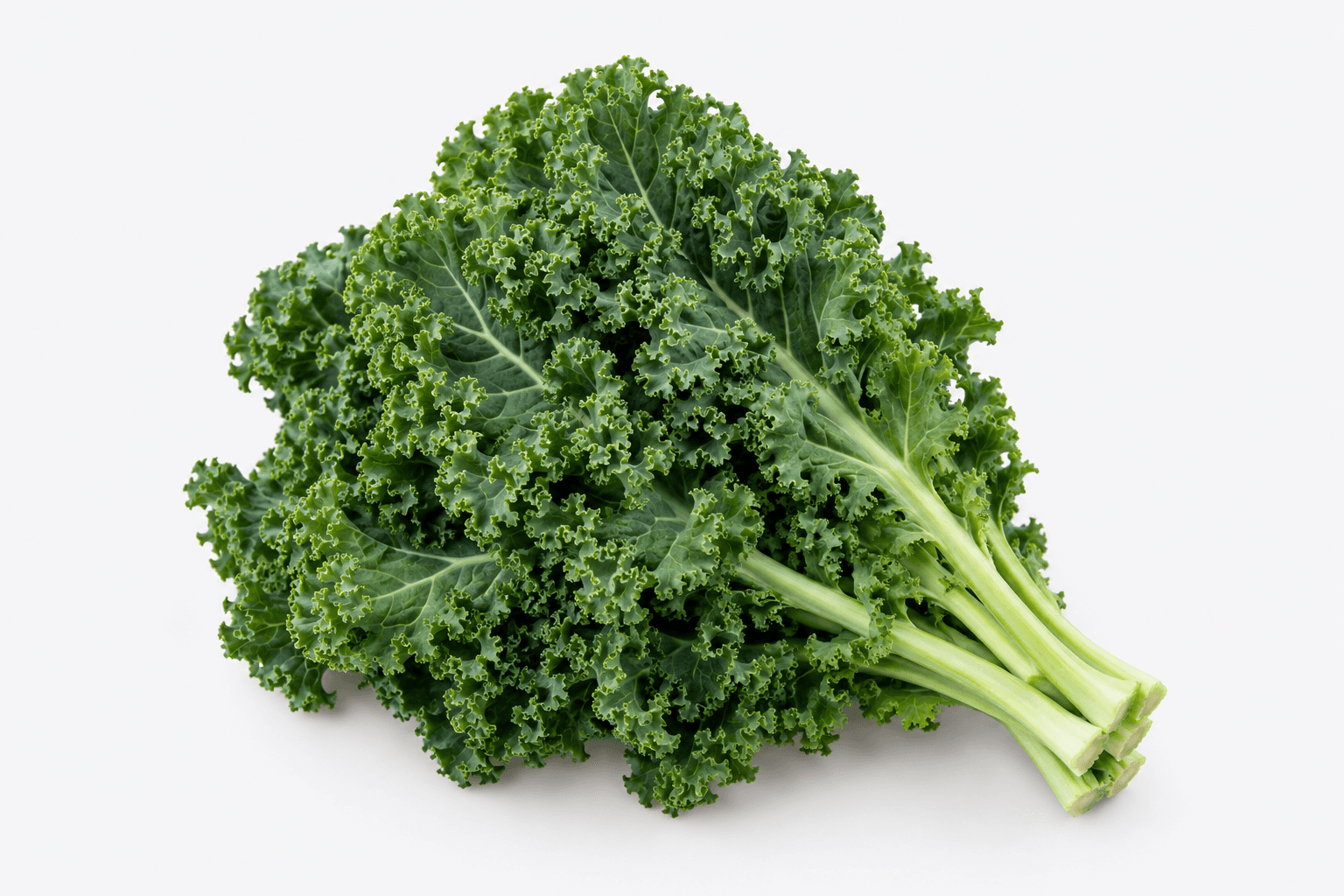
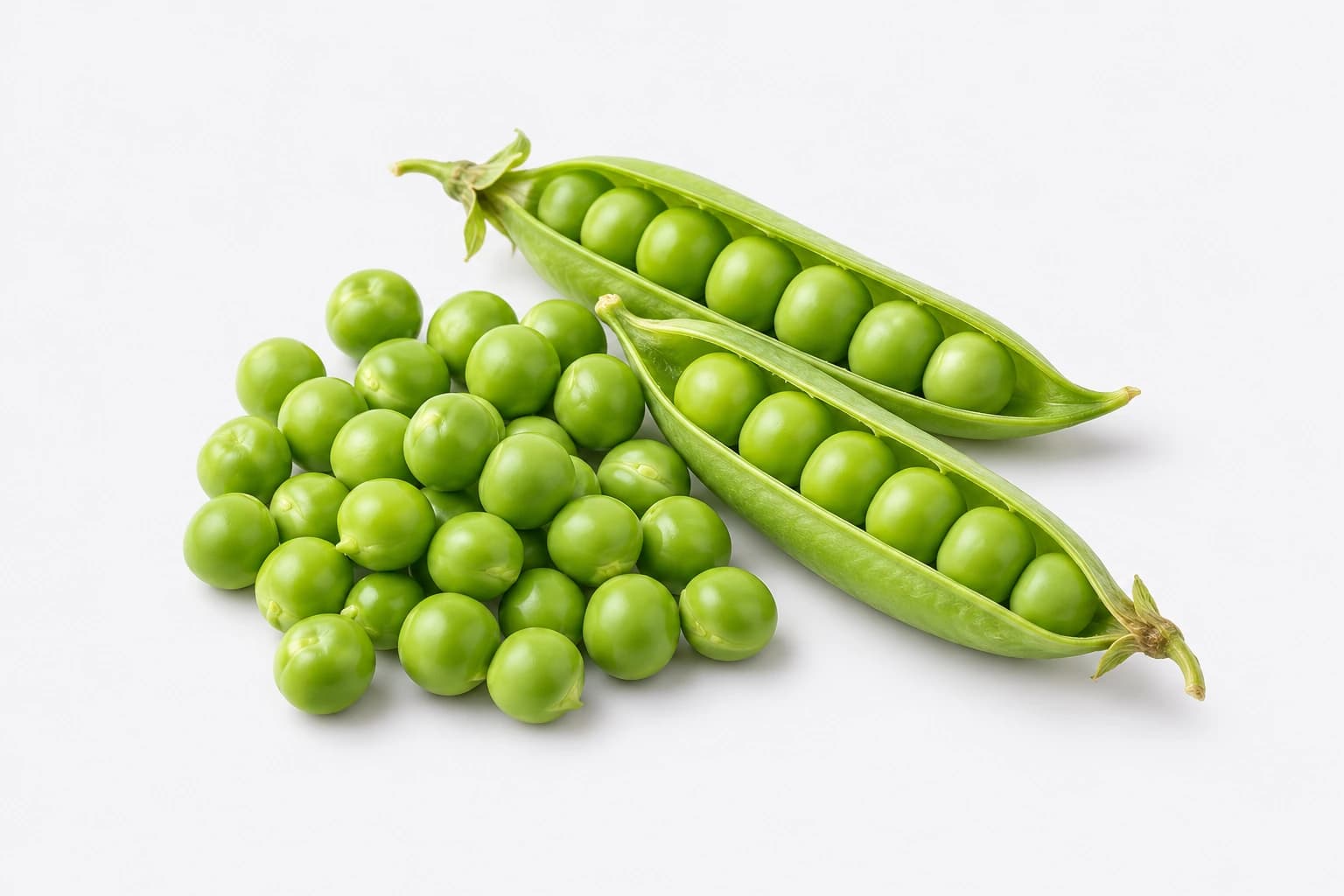
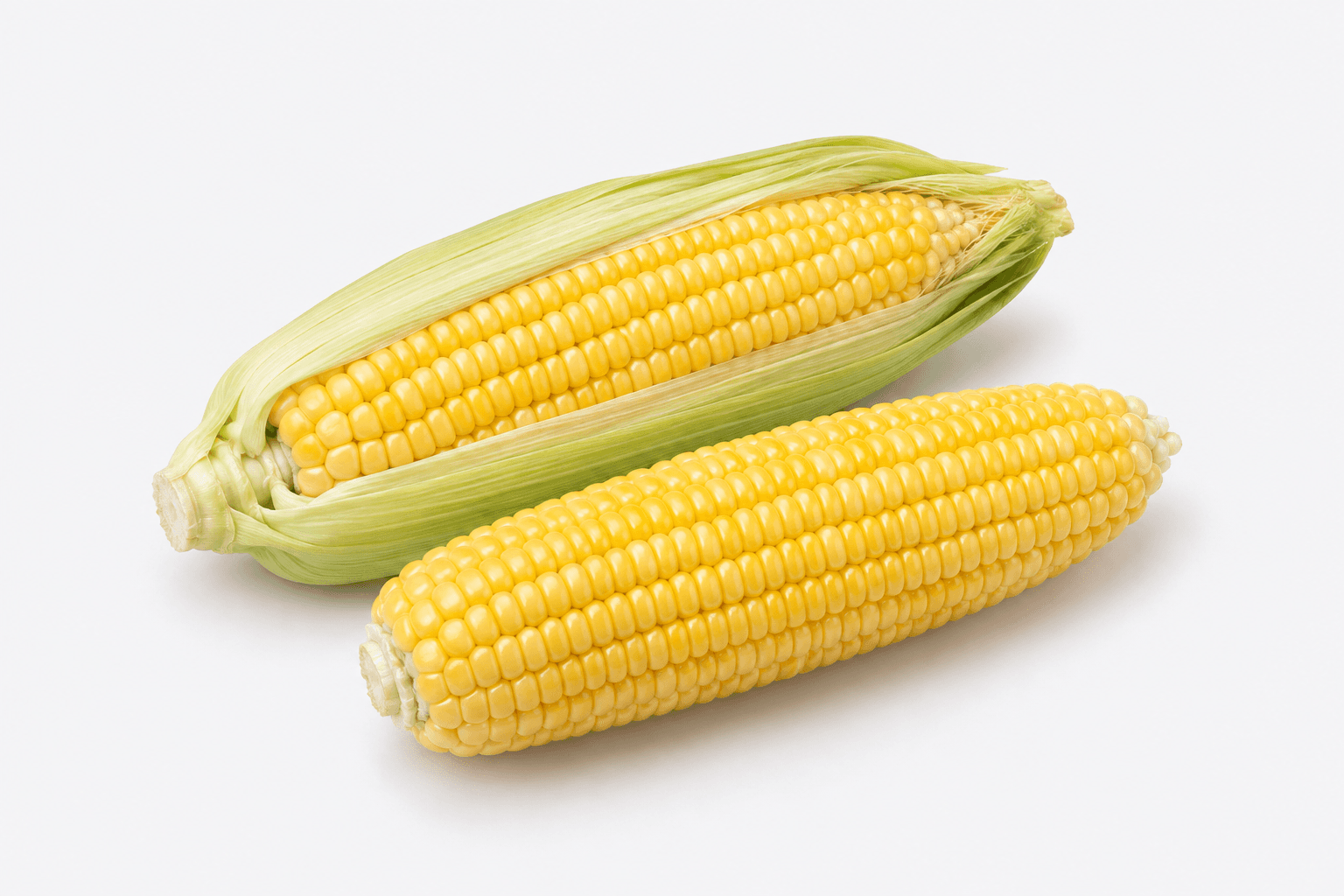
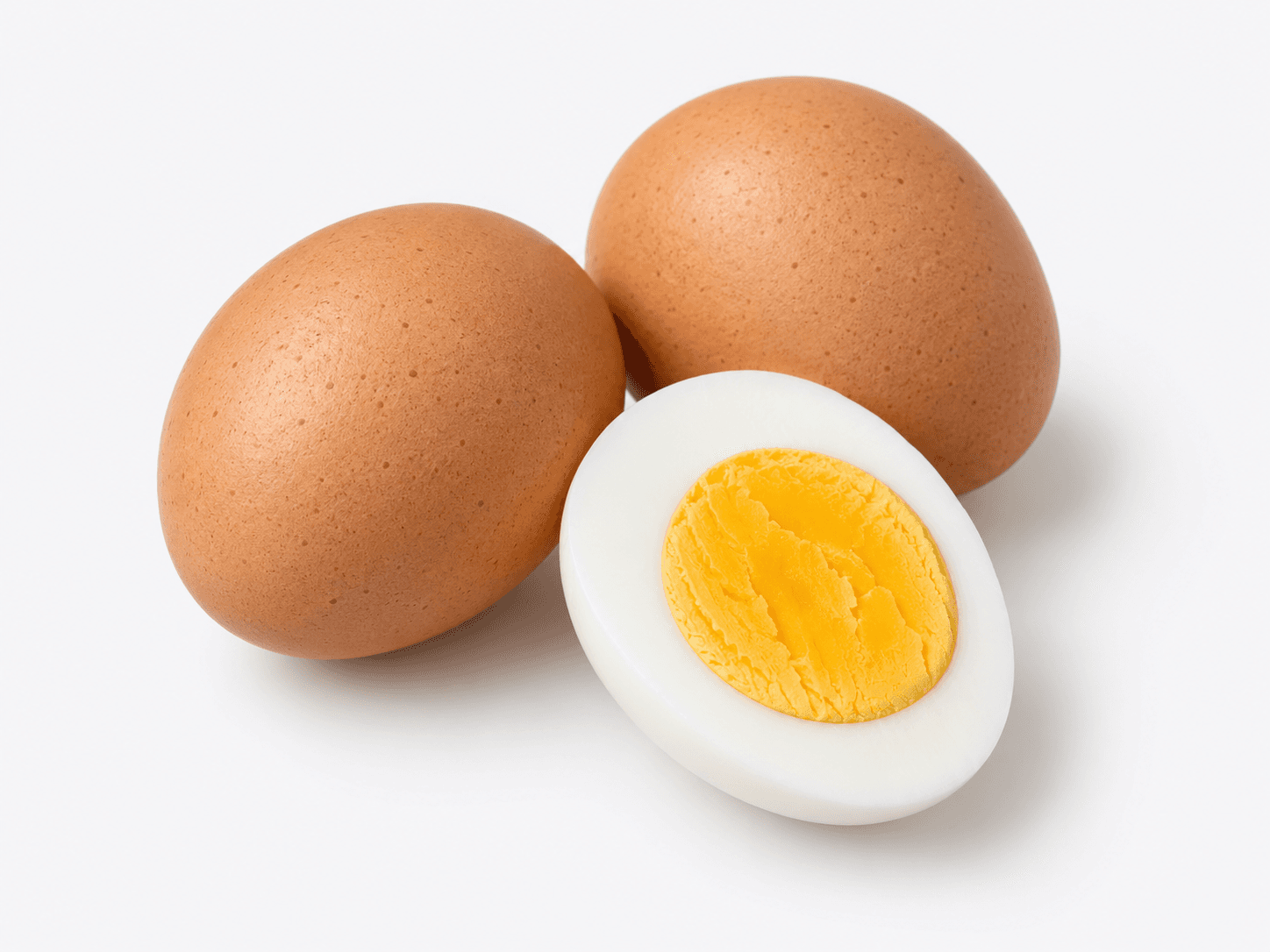
No recommended or adequate intake is set, and there is no upper limit, because lutein is not classed as an essential nutrient: no disease of deficiency has been defined for it. In food, kale carries about 6,260 µg per 100 g, green peas 2,480 µg and sweetcorn 644 µg. Spinach and other deep green leaves, and egg yolk, are the main sources. The AREDS2 trial in JAMA in 2013 used 10 mg of lutein with 2 mg of zeaxanthin, which is the equivalent of about 160 g of kale or 400 g of green peas.
What affects absorption
It is fat-soluble, so absorption rises when it is eaten with oil or fat. Dressing on a salad, green vegetables sautéed in olive oil, or pairing them with egg or avocado all work in its favour. The lutein in egg yolk is lower in quantity than in vegetables but comes packaged with lipid, and several studies report it is highly bioavailable. Cooking can help by breaking down cell walls, though long boiling in water costs other water-soluble nutrients at the same time.
What to watch out for
Here is the result of the largest trial, as it stands. AREDS2, published in JAMA in 2013, followed 4,203 adults at high risk of progression for five years on lutein 10 mg plus zeaxanthin 2 mg, and its primary analysis found no significant reduction in progression to advanced macular degeneration — hazard ratio 0.90, 95% CI 0.76 to 1.07, p=.12. The interval crosses 1. A later subgroup analysis showed benefit in participants with the lowest dietary lutein intake, and a formulation substituting lutein for beta-carotene entered recommendations. But subgroup analyses are for generating hypotheses, not for drawing conclusions. No toxicity from food has been reported; very high intakes can turn the skin yellow, which is harmless and reverses. If you have eye symptoms, an eye examination comes before food.
Sources
The databases and health authorities this article's nutrition figures and health statements draw on.
- 1USDA FoodData CentralFood composition database
- 2NIH Office of Dietary SupplementsHealth authority
- 3Lutein + zeaxanthin and omega-3 fatty acids for age-related macular degeneration: the Age-Related Eye Disease Study 2 (AREDS2) randomized clinical trialClinical trialAge-Related Eye Disease Study 2 Research Group JAMA 2013PMID 23644932
- 4PubMedResearch literature