Contents
What it is
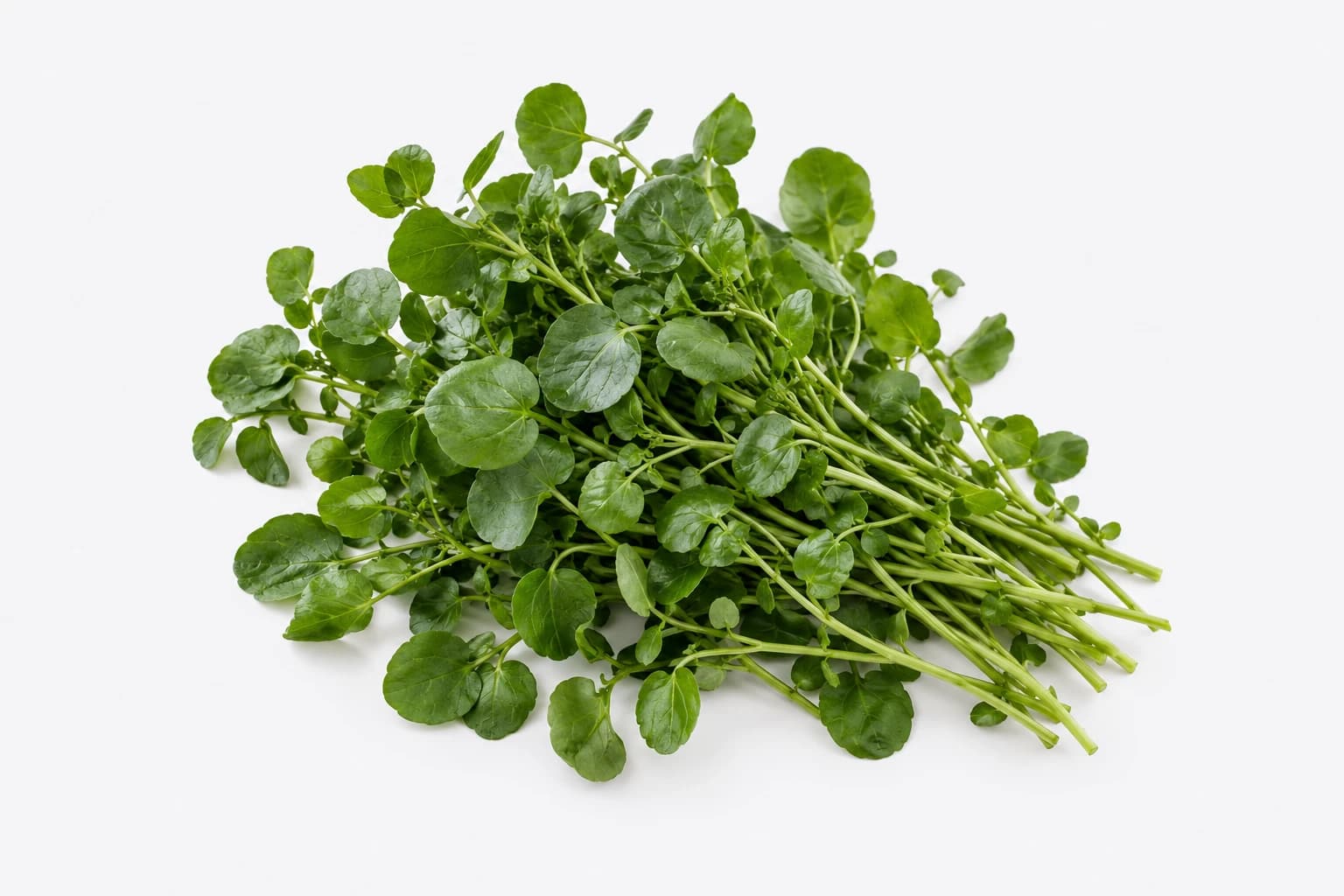
Watercress is a perennial in the mustard family that grows in clean running water. It is native to Europe and Asia and is one of the few leaf vegetables raised in water rather than soil. Being a relative of radish and mustard it carries a sharp, peppery bite and a bitter edge, in the same family of flavours as arugula. The leaves are delicate and wilt almost at once with heat, so it goes into salads raw or into soup at the very end. Wild-gathered watercress carries a risk of parasites, so cultivated is the safer choice.
Scientific name Nasturtium officinale
Watercress is a cruciferous vegetable like broccoli and kale, rich in the glucosinolates characteristic of that family. Its botanical name is Nasturtium officinale.
A few human trials exist. All of them used capsules or extracts, not the vegetable.
2026, Nutrients.
- 26 people aged 40 to 59 at low-to-moderate cardiovascular risk
- Randomised, single-blind, placebo-controlled, pilot
- 8 g a day of dried watercress capsules (about 195 mg of glucosinolates) or placebo
- 28 days
- Plasma metabolites profiled by untargeted nuclear magnetic resonance
The results:
- 209 metabolites identified; discrimination between the groups was modest (Q2 = 0.268)
- 18 metabolic pathways were significantly perturbed
- Metabolites linked to oxidative DNA damage, inflammatory kynurenine metabolism and microbial co-metabolism fell
- Among conventional biomarkers, LDL cholesterol fell significantly. But there was no consistent effect on other lipids
The paper's conclusion places itself precisely — these findings are exploratory and warrant confirmation in larger, adequately powered trials.
Key benefits
- Early research
LDL fell — in 26 people, single-blind, from capsules, in an exploratory study
[1][2]2026, Nutrients.
Participants 26 people aged 40 to 59 at low-to-moderate cardiovascular risk Design Randomised, single-blind, placebo-controlled, pilot Intervention 8 g a day of dried watercress capsules (about 195 mg glucosinolates) Duration 28 days Analysis untargeted NMR metabolomics The results:
Item Result Metabolites identified 209 Group discrimination (PLS-DA) modest (Q2 = 0.268) Discriminant metabolites 27 (VIP > 1.5) Pathways significantly perturbed 18 — galactose and fructose/mannose metabolism (p<0.001) among them Metabolites that fell linked to oxidative DNA damage, kynurenine metabolism, microbial co-metabolism Metabolites that rose glycine, dimethylglycine LDL cholesterol significantly reduced Other lipids no consistent effect Start with what is good. It was placebo-controlled, and profiling metabolites without a target means the result is not fitted to a pre-chosen hypothesis. And LDL genuinely fell.
But the weight this can bear is small, for four reasons.
First, 26 people. Split in two, that is thirteen or fourteen an arm. The paper calls itself a pilot.
Second, single-blind. Only the participants were masked; the researchers knew. That is not double-blind.
Third, the separation between groups is weak. A Q2 of 0.268 is hard to call strong discrimination in metabolomics. The paper itself writes "modest discrimination".
Fourth, capsules, not a vegetable. Eight grams of dried watercress powder. In fresh watercress that is well over 100 g, because watercress is mostly water. The 30 g that goes on a salad plate does not come close.
The other trials used extracts too.
2021, Phytotherapy Research gave a standardised watercress extract to overweight people with a physical disability and measured lipids and oxidative stress markers. A similar trial from the same group appeared in 2020. Both used extracts, in specific populations.
This is the same structure as this site's celery entry. A result from an extract or a capsule does not carry across to eating the vegetable.
The honest conclusion:
- Eight grams a day of dried watercress capsules for 28 days lowered LDL and shifted metabolic pathways — that is the supported range
- There was no consistent effect on other lipids
- Twenty-six people, single-blind, a pilot, and the paper calls it exploratory
- It is not evidence that a plate of salad does the same
- The grade is "early research"
- Nutrition data
11 kcal per 100 g — but 250 µg of vitamin K
Per 100 g of raw watercress:
- Vitamin K 250 µg — 208% of the daily value
- Vitamin A 160 µg RAE, beta-carotene 1,910 µg
- Lutein and zeaxanthin 5,770 µg
- Vitamin C 43 mg
- Calcium 120 mg, potassium 330 mg, phosphorus 60 mg, magnesium 21 mg
- 11 kcal, protein 2.3 g, carbohydrate 1.29 g, fibre 0.5 g
- Sodium 41 mg, manganese 0.244 mg, vitamin E 1.0 mg
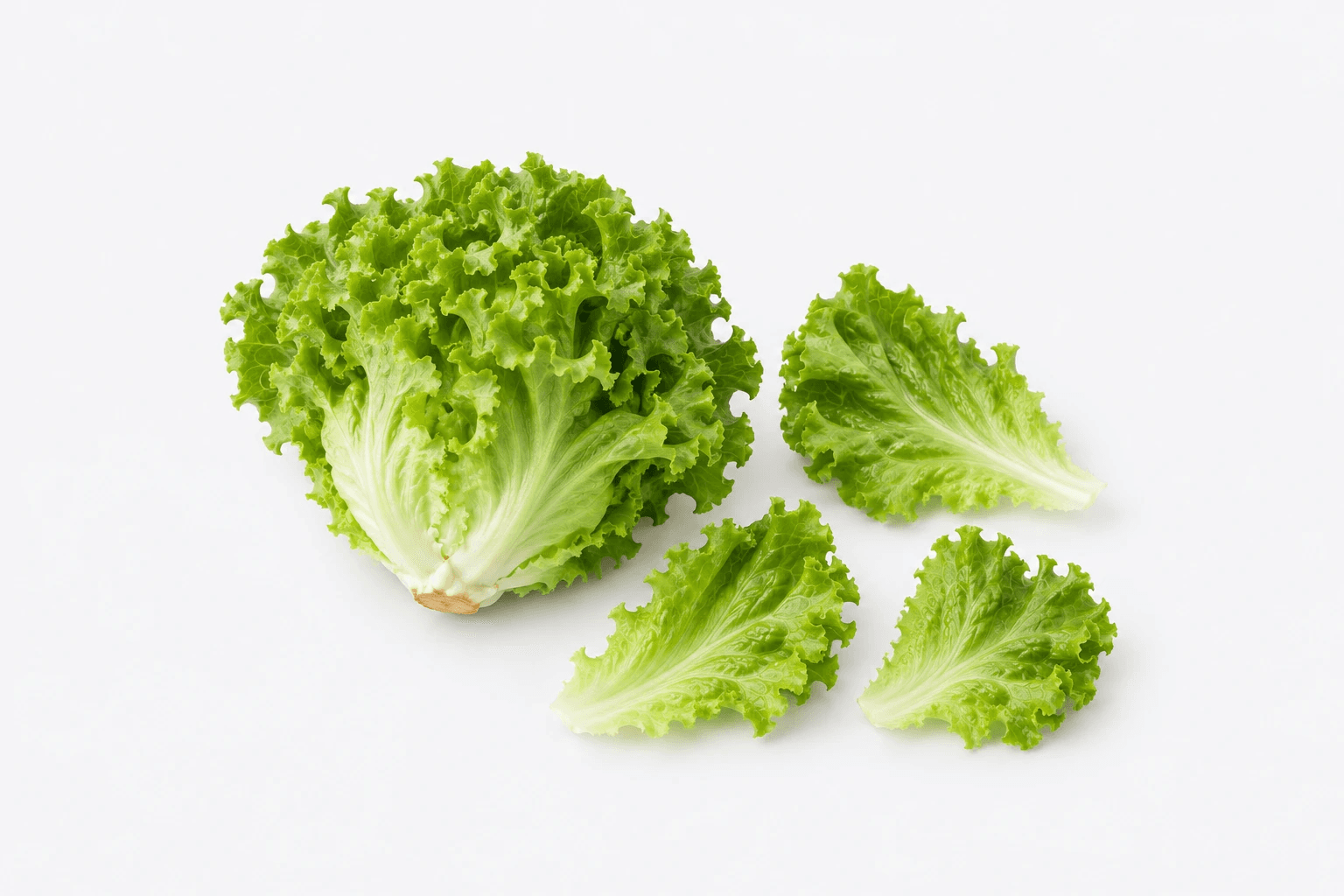
The 11 kcal catches the eye first. Lettuce is 15 and spinach 23. It is low even among leafy greens.
But the most important number in this table is 250 µg of vitamin K.
That is 208% of the daily value. Even the 30 g on a salad plate is 75 µg, 62% of the daily value.
If you take warfarin, this number matters to you. Vitamin K is part of blood clotting, and warfarin works by interfering with it. A sudden rise in vitamin K intake reduces the drug's effect.
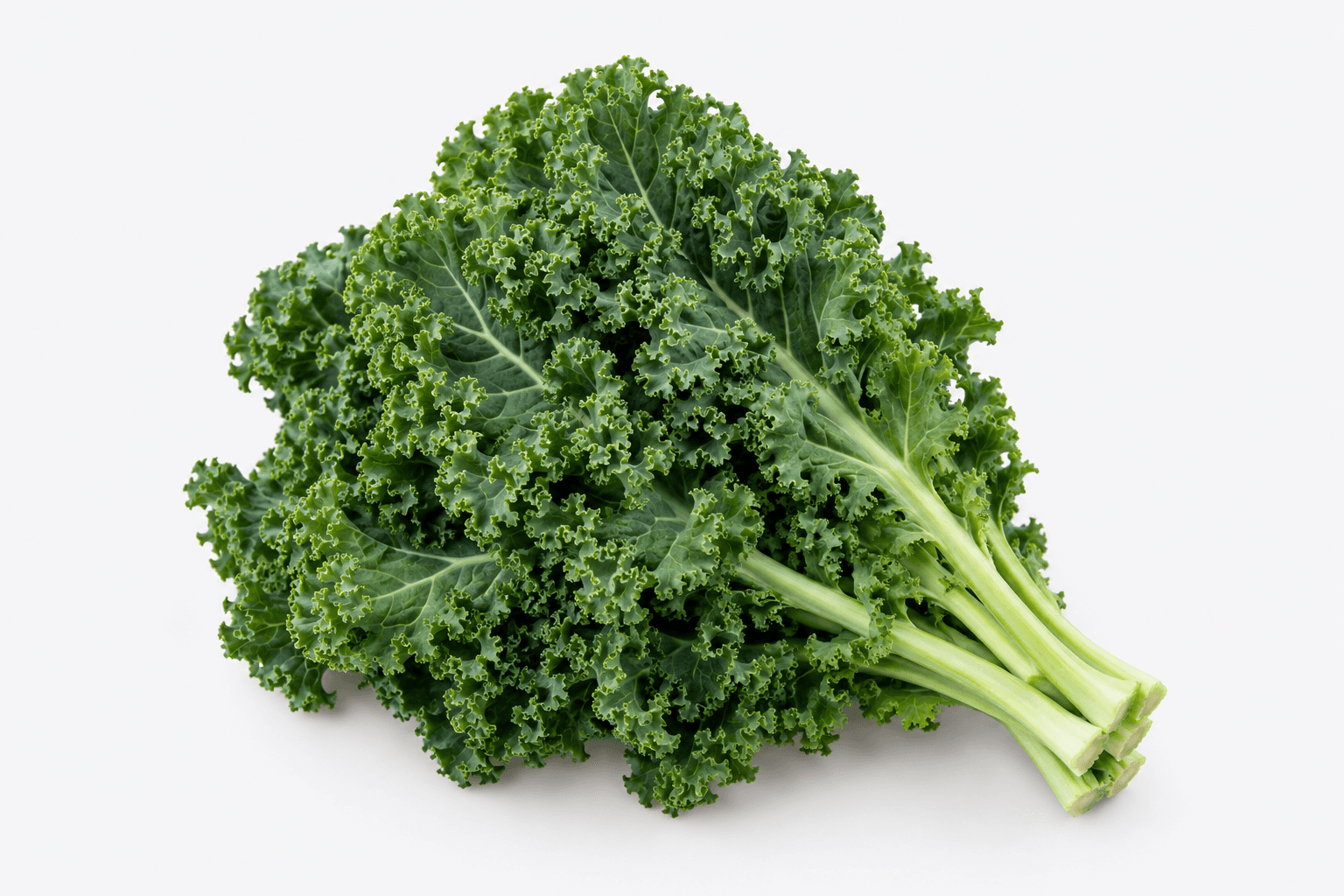
This is the same issue set out in this site's kale and spinach entries, and watercress is high even among those.
- If you take warfarin, talk to your clinician before starting watercress
- This is not a reason to stop. What matters is keeping the amount steady
- Suddenly eating a lot, or suddenly stopping, is the problem
Lutein and zeaxanthin at 5,770 µg is a high figure too. As set out in this site's goji berry entry, these pigments accumulate in the macula. But this site found no trial that fed watercress and measured the eye. Kale and spinach carry more material.
Calcium at 120 mg is high for a leafy green. It is 9% of the daily value, and calcium from plants does not absorb like the calcium in milk.
Vitamin C at 43 mg is decent but heat-sensitive. As set out below, eating watercress raw is the natural approach.
Handling.
- Wash it well under running water. Watercress grows in water, and foraged watercress carries a risk of parasites such as liver fluke. Do not eat wild watercress raw
- Buy cultivated. Commercial watercress is grown in controlled conditions
- Trim the tough lower stems
- Wrap it in damp kitchen paper in the fridge and it keeps for days. Standing it in water turns it soft quickly
Taste. It has a distinctive peppery heat from compounds of the same family as in radish and mustard, a shared trait of cruciferous vegetables. That heat is what it contributes to a salad.
- Not established
Claims about cancer, detox and weight loss are unverified
Several claims attach to watercress. The only one confirmed in people is the LDL finding above, and that was a pilot using capsules.
"It fights cancer."
Watercress is cruciferous, and there is a great deal of research on isothiocyanates — formed from glucosinolates — acting on cancer cells in the laboratory. They are the same family as broccoli's sulforaphane.
An action observed in cells and animals is a different claim from an outcome in a person who ate the food. This site found no trial that fed watercress, measured cancer incidence or recurrence and compared against a control.
There are small older studies in which eating watercress shifted markers of DNA damage. A DNA damage marker is an intermediate, and it does not show the outcome that follows. The 2026 trial above also reported a fall in metabolites linked to oxidative DNA damage — but those are metabolites, not cancer.
"It detoxifies."
There is research on cruciferous vegetables affecting liver detoxification enzymes. But "detox" is not a medically defined term. A claim about removing something from the body only means anything if it says what, how much, and measured how. This site found no such data.
"It helps with weight loss."
It is true that 100 g is 11 kcal. Filling a plate with low-energy vegetables gives the same fullness for fewer calories. That arithmetic follows straight from the composition.
But this site found no trial that fed watercress, measured weight and compared against a control. And 100 g of a leafy green is more volume than it sounds — a plate actually carries about 30 g, which is 3.3 kcal.
To summarise:
- Confirmed by composition: vitamin K 250 µg, lutein and zeaxanthin 5,770 µg, vitamin A 160 µg, vitamin C 43 mg, calcium 120 mg, 11 kcal
- Early: 8 g a day of dried capsules for 28 days lowered LDL (26 people, single-blind, pilot)
- Not confirmed: cancer, detox, weight loss
- What you must know: vitamin K is 208% of the daily value and interacts with warfarin
How to eat it well
- A salad plate carries about 30 g, and that alone is 62% of the daily value for vitamin K.
- Raw is the natural way. Vitamin C is heat-sensitive, and the peppery heat survives.
- Wash it well under running water.
- Do not eat foraged watercress raw. It grows in water and carries a parasite risk. Buy cultivated.
- Trim the tough lower stems.
- Wrap it in damp kitchen paper in the fridge. Standing it in water turns it soft.
- A dressing with fat favours absorption of the beta-carotene and lutein.
- In soup it wilts almost instantly. Add it at the end and turn off the heat.
How to read the grades
Each benefit carries a label showing how far research on people supports it. Grades differ between items even within the same ingredient.
- Nutrition data
- A fact verifiable from food composition databases or health authorities. This is a different kind of statement from a clinical effect.
- Strong evidence
- Consistently confirmed across randomised controlled trials or meta-analyses.
- Moderate evidence
- Human studies exist, but effect sizes are small or results are mixed.
- Early research
- Cell or animal work, or small preliminary studies.
- Not established
- Commonly claimed, but not confirmed in studies on people.
What to watch out for
- Vitamin K is 250 µg per 100 g, 208% of the daily value. If you take warfarin, talk to your clinician and keep your intake steady.
- The 2026 trial used 8 g of dried capsules, not the vegetable, in 26 people, single-blind, as a pilot the paper itself calls exploratory.
- LDL fell in that trial, but there was no consistent effect on other lipids.
- The 2020 and 2021 trials used standardised extracts in specific populations.
- Do not eat foraged watercress raw. Growing in water, it carries a documented risk of parasitic infection.
- Claims about cancer, detox and weight loss are unconfirmed in people.
- If you have thyroid disease, talk to your clinician about eating very large amounts of cruciferous vegetables.
Nutrition
Per 100 g of raw watercress. As a leafy green it takes up volume, so 100 g is a large bunch. A salad plate carries around 30 g.
- Vitamin K
- 250 µg208%
- Vitamin A
- 160 µg18%
- Beta-carotene
- 1,910 µg
- Lutein
- 5,770 µg
- Vitamin C
- 43 mg48%
- Calcium
- 120 mg9%
- Potassium
- 330 mg7%
- Calories
- 11 kcal<1%
- Protein
- 2.3 g5%
- Carbohydrates
- 1.29 g<1%
- Fiber
- 0.5 g2%
- Phosphorus
- 60 mg5%
- Magnesium
- 21 mg5%
- Sodium
- 41 mg2%
- Manganese
- 0.244 mg11%
- Vitamin E
- 1.0 mg7%
- Vitamin B6
- 0.129 mg8%
- Vitamin B2
- 0.12 mg9%
Percentages are of the US FDA Daily Value for adults and children 4 and over. National reference intakes differ by sex and age.
Calculate this alongside other ingredients →
Key nutrients
Dishes with this ingredient
Sources
The databases and health authorities this article's nutrition figures and health statements draw on.
- 1Untargeted 1H-NMR Metabolomics Identifies Candidate Metabolic Changes Associated with Watercress (Nasturtium officinale R.Br.) Supplementation in Adults with Low-to-Moderate Cardiovascular Risk: A Randomized Placebo-Controlled TrialClinical trialMaluwa C, et al. Nutrients 2026PMID 42588182
- 2Effect of watercress extract supplementation on lipid profile and oxidative stress markers in overweight people with physical disability: A randomized, double-blind, and placebo-controlled trialClinical trialClemente M, et al. Phytotherapy Research 2021PMID 33507592
- 3USDA FoodData CentralFood composition database
- 4PubMedResearch literature