Macronutrient
High-calorie foods, and why to read this ranking backwards
A calorie is a unit, not a nutrient. The top of the list below is oils and nuts — which is a list of energy-dense foods, not a list of bad ones.
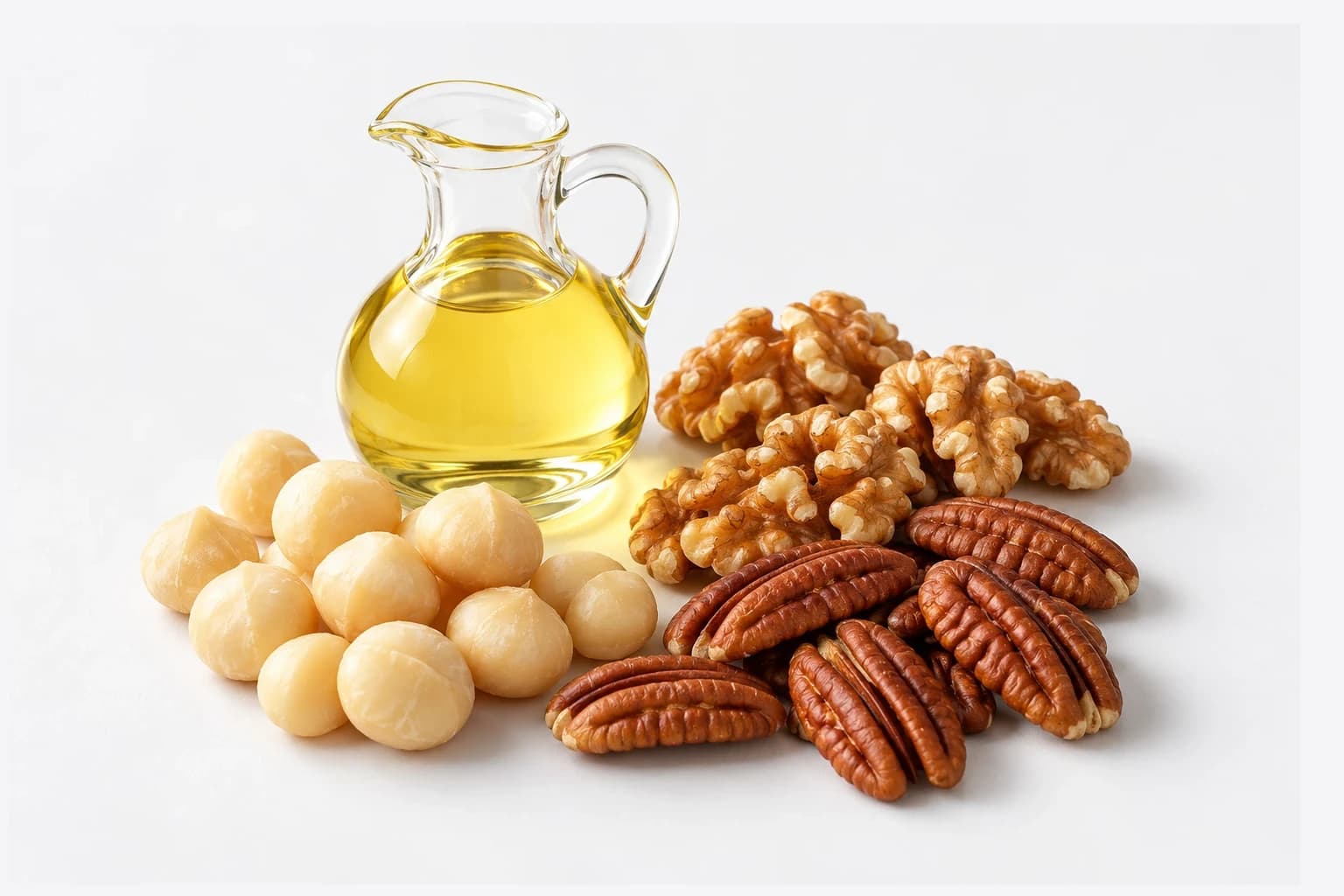
Highest sources
Ranked among the ingredients covered here. Reference amounts vary slightly between entries, so read this as a rough comparison rather than an exact order.
- 01
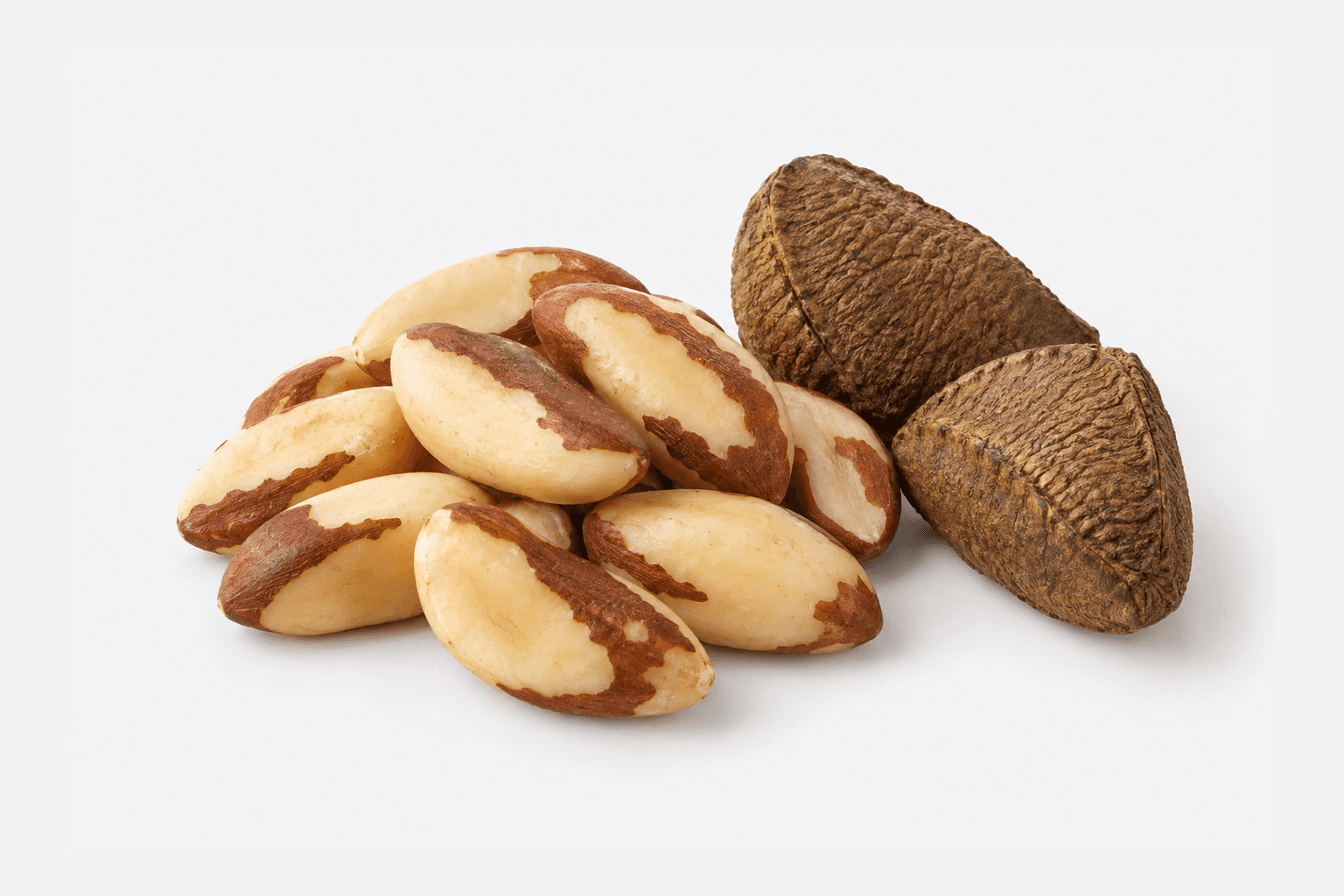 Brazil nut659 kcal33%
- 02
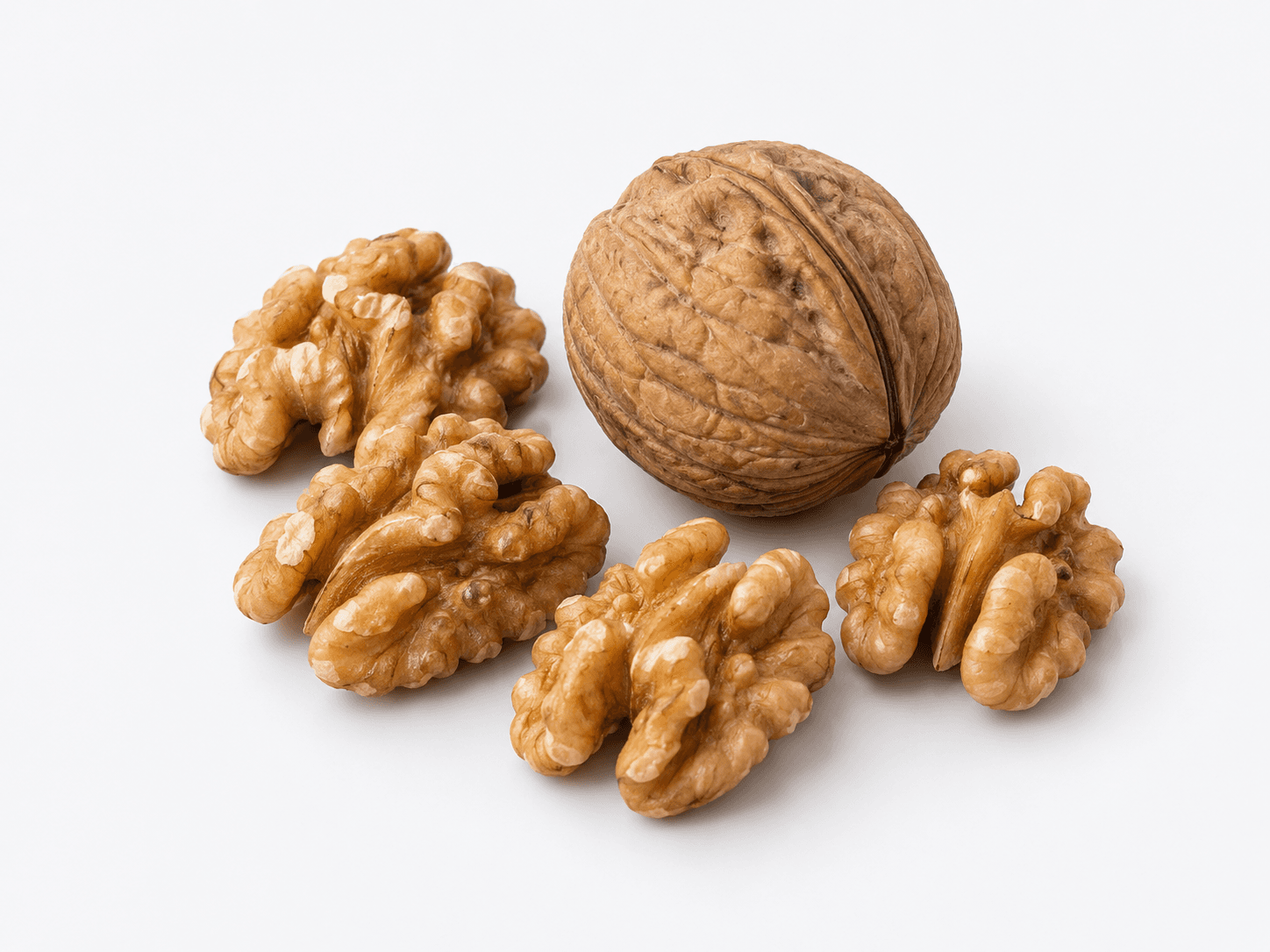 Walnut654 kcalper 100 g · 33%
- 03
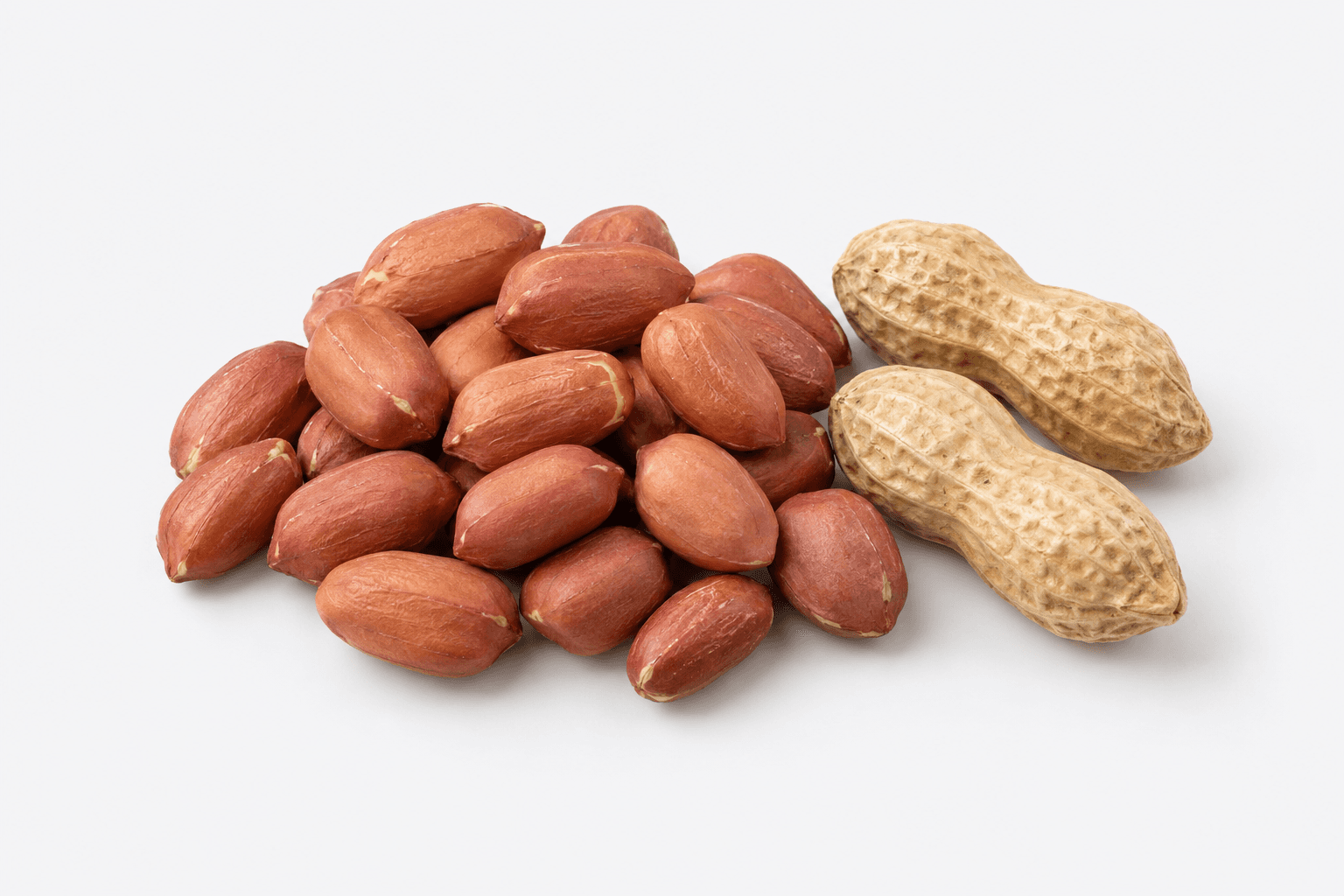 Peanuts587 kcalper 100 g · 29%
- 04
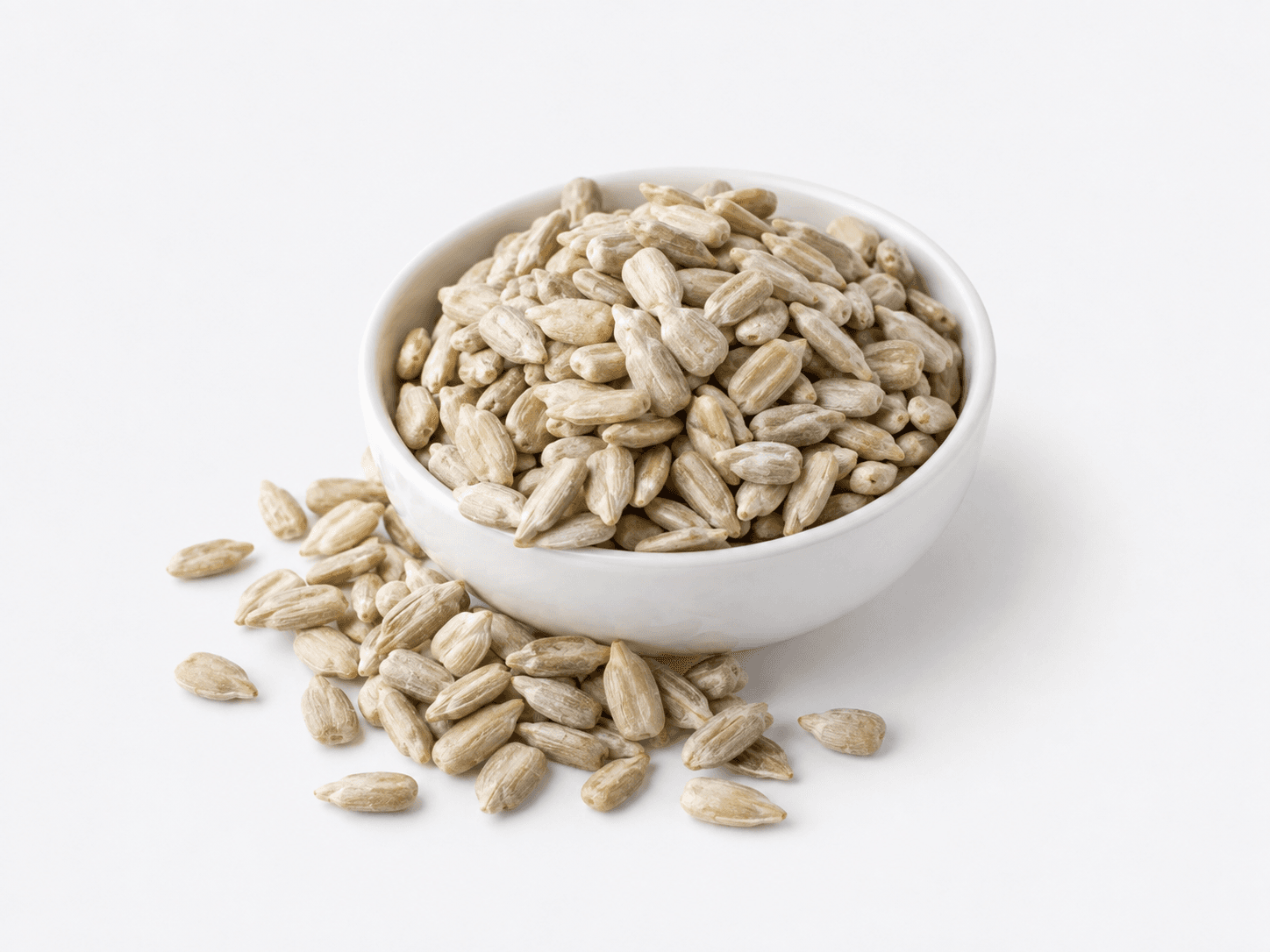 Sunflower seeds584 kcalper 100 g · 29%
- 05
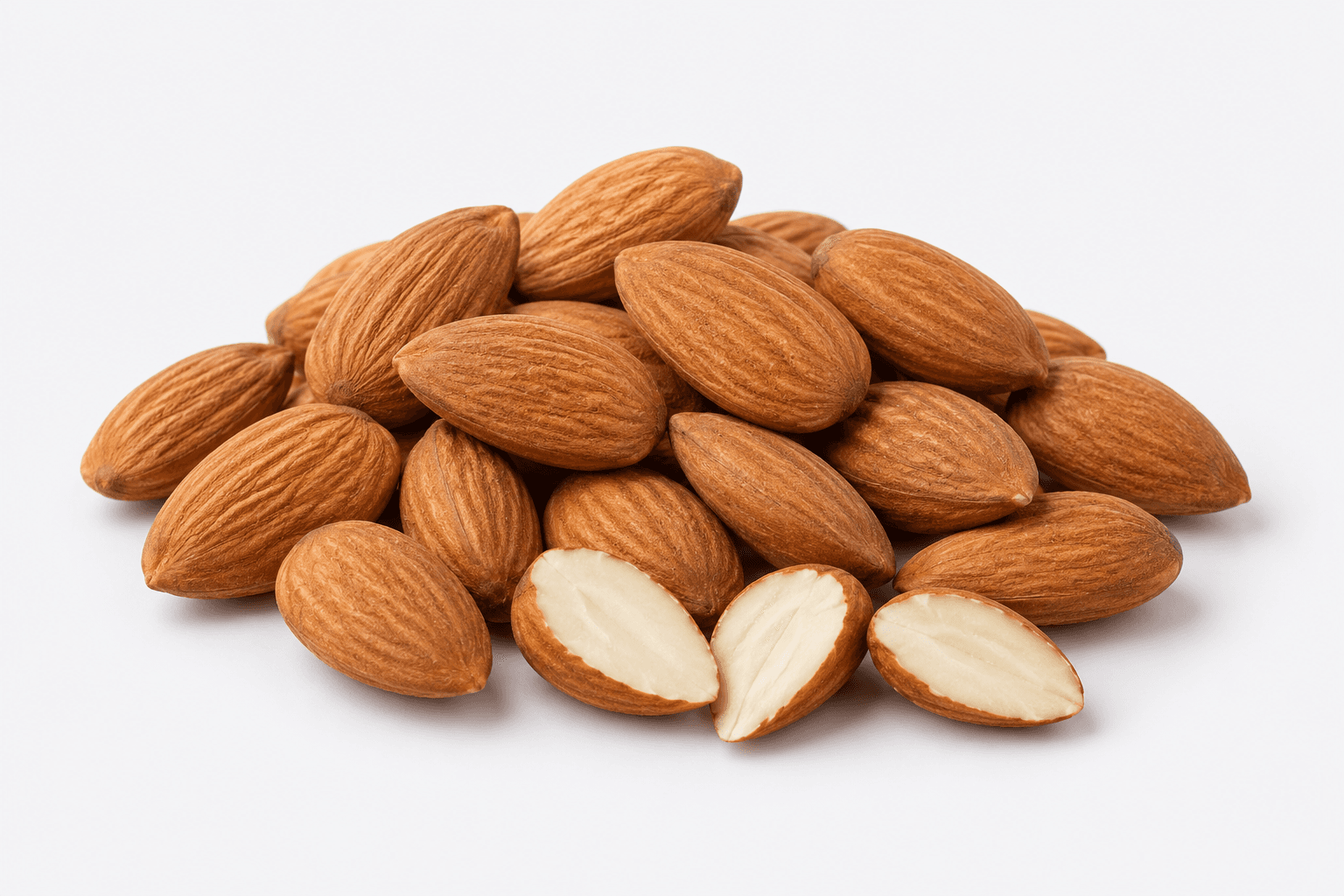 Almond579 kcalper 100 g · 29%
- 06
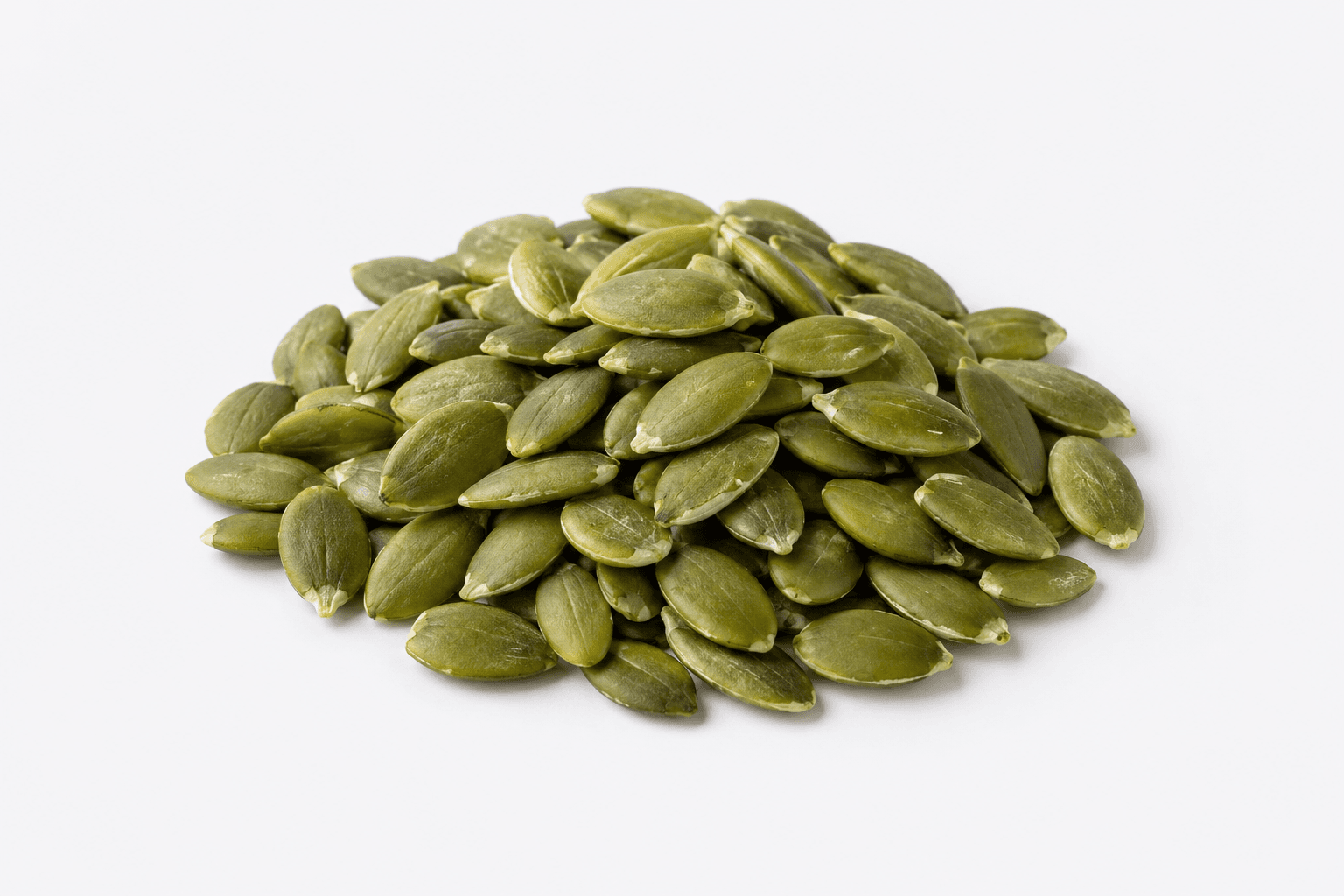 Pumpkin seeds574 kcalper 100 g · 29%
- 07
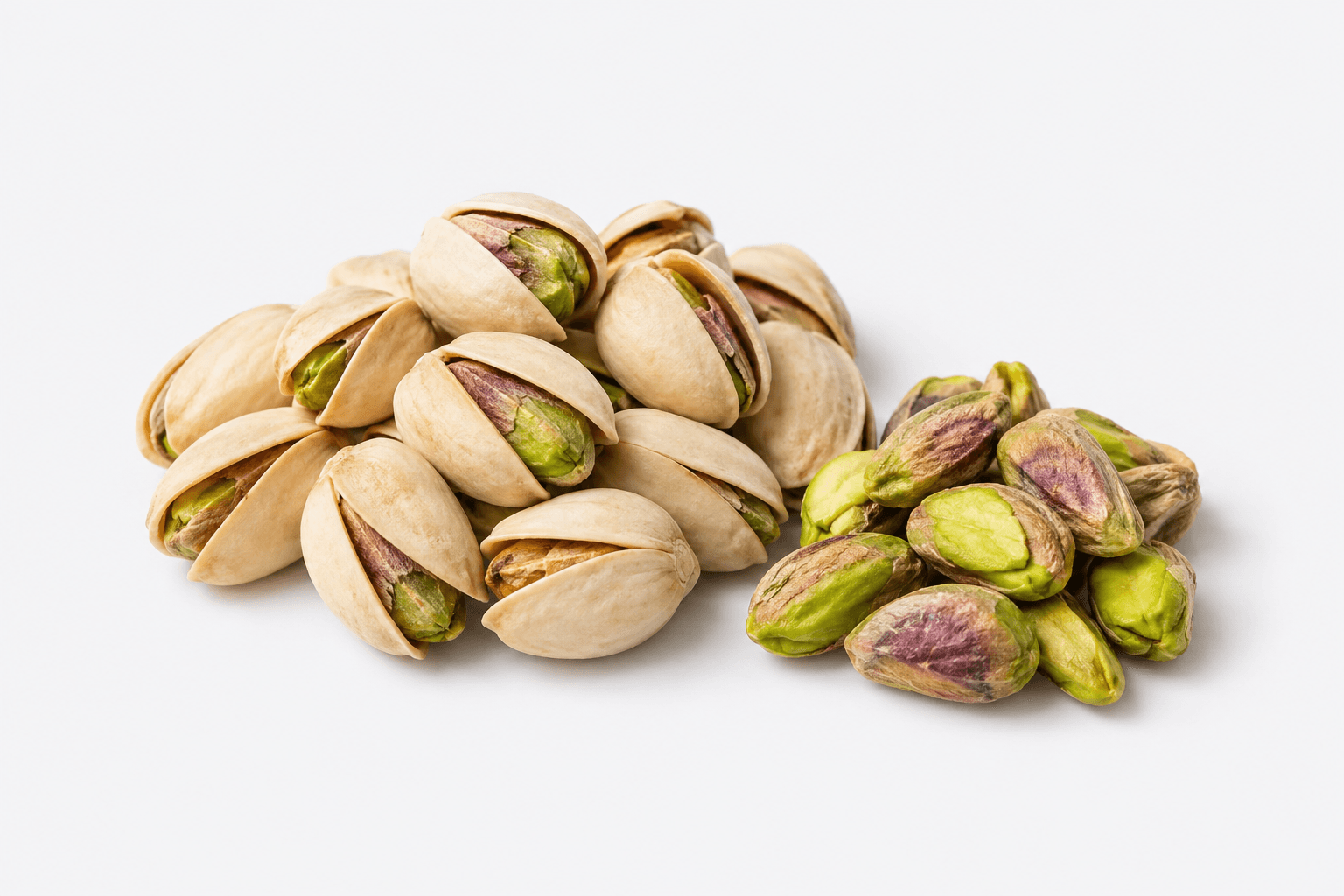 Pistachios560 kcal28%
- 08
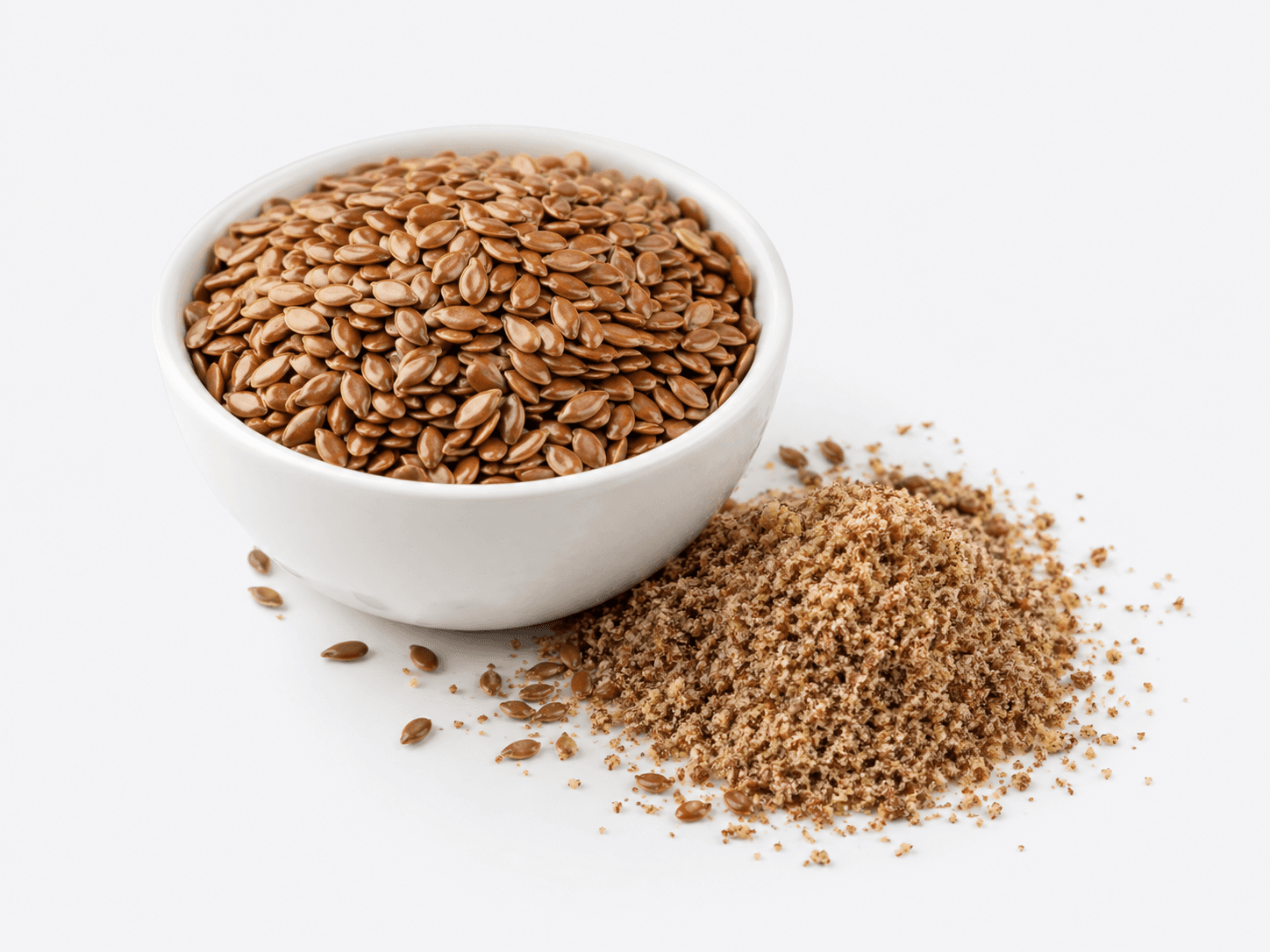 Flaxseed545 kcal27%
- 09
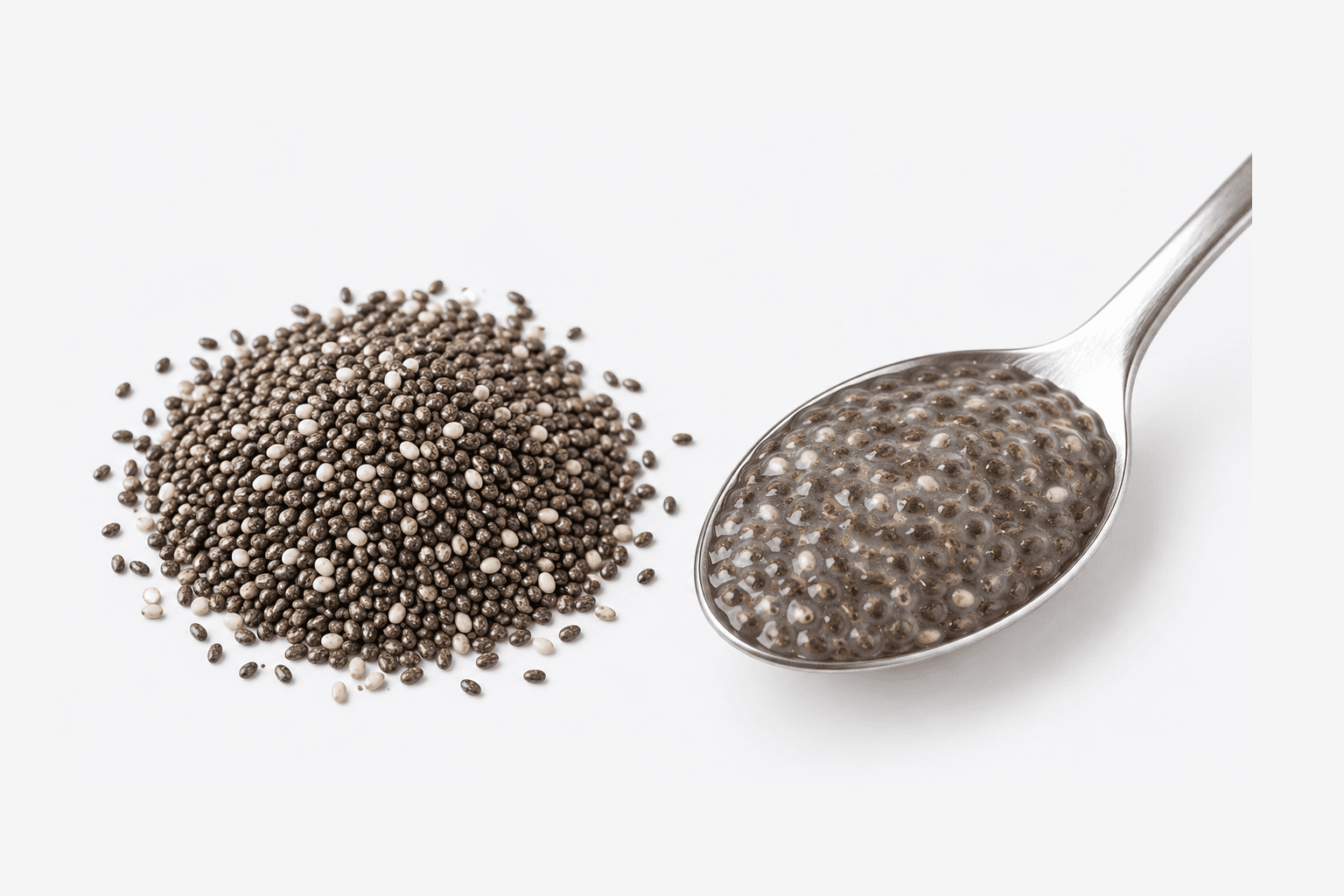 Chia seeds486 kcal24%
- 10
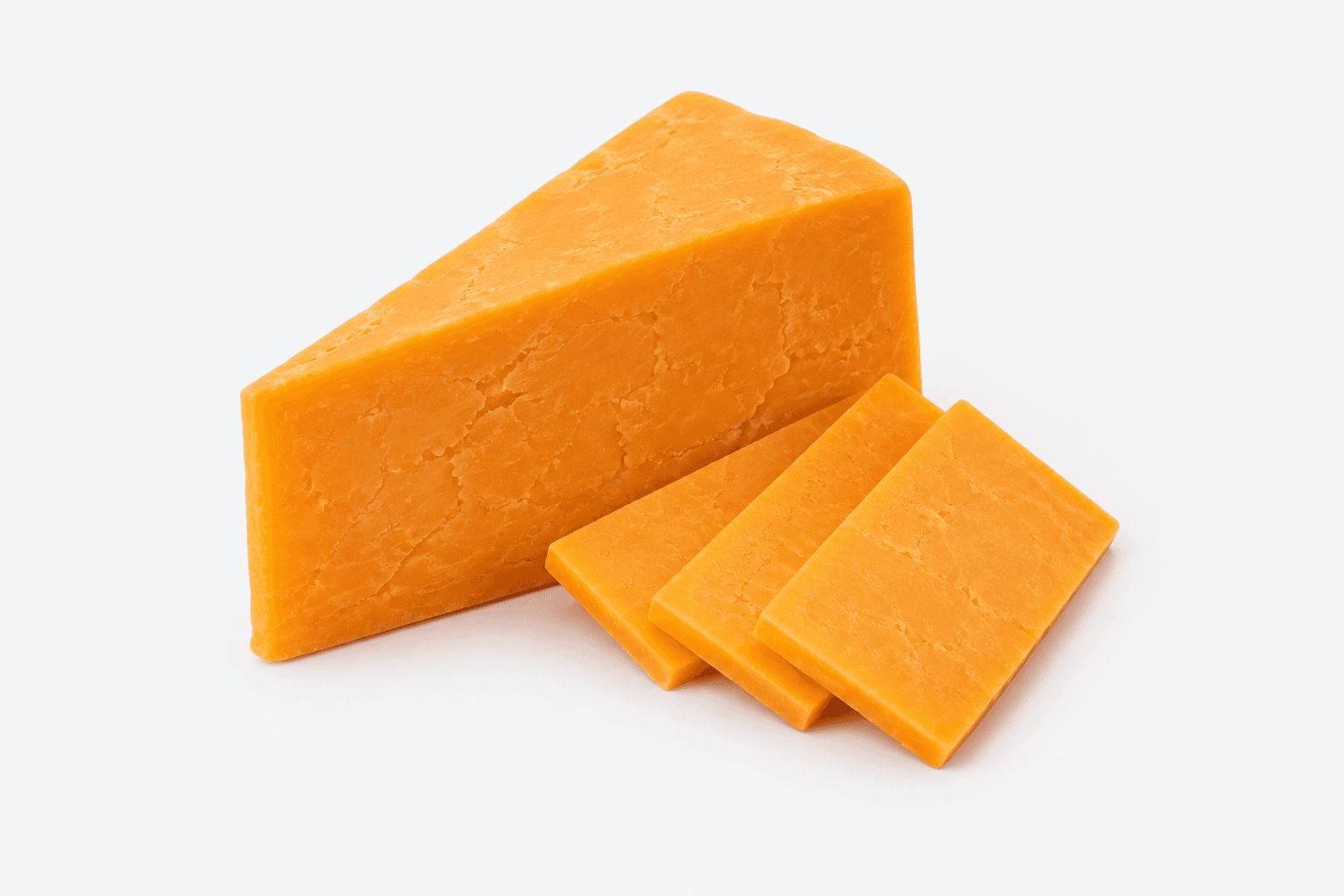 Cheese409 kcal20%
- 11
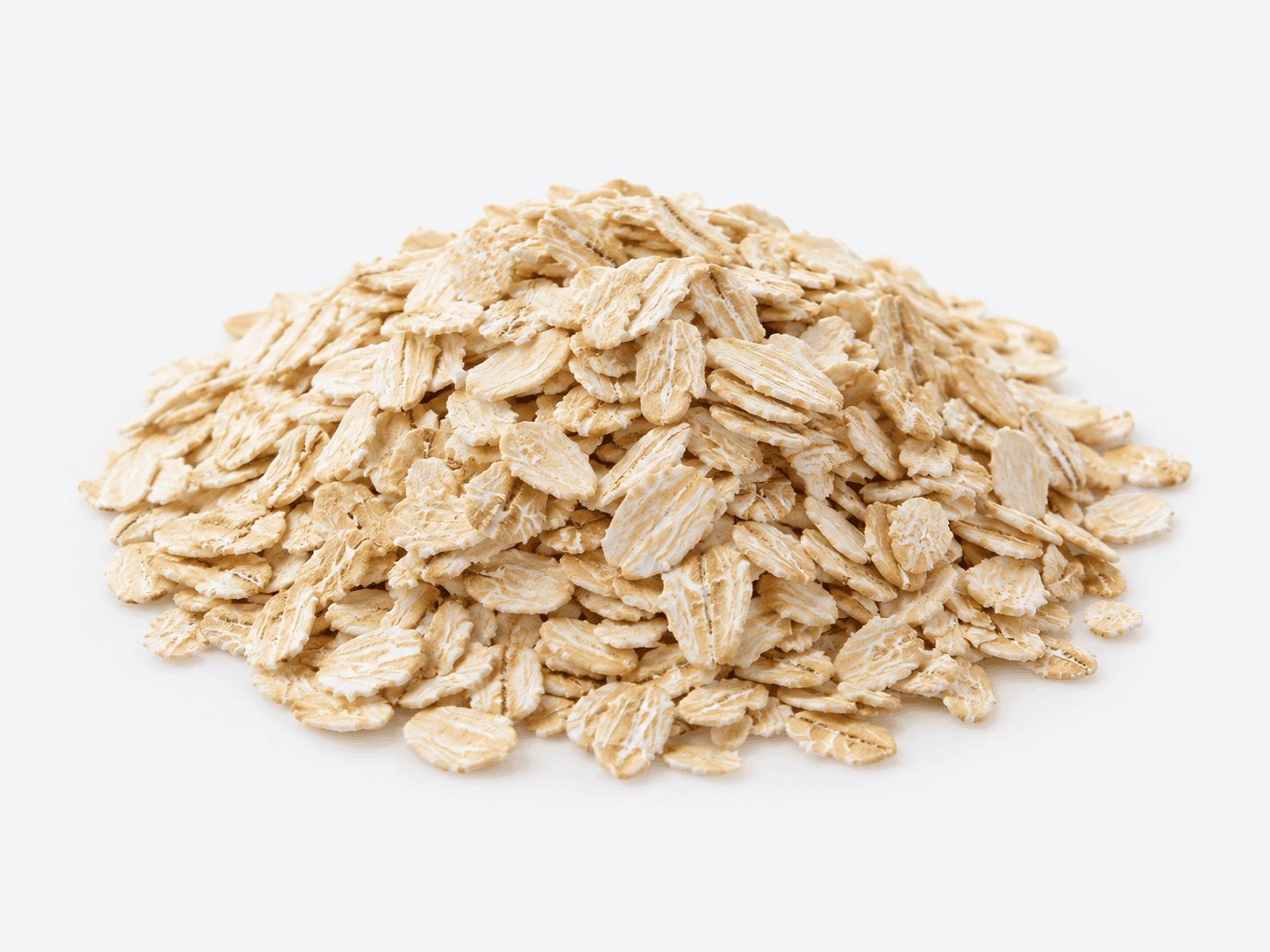 Oats389 kcal19%
- 12
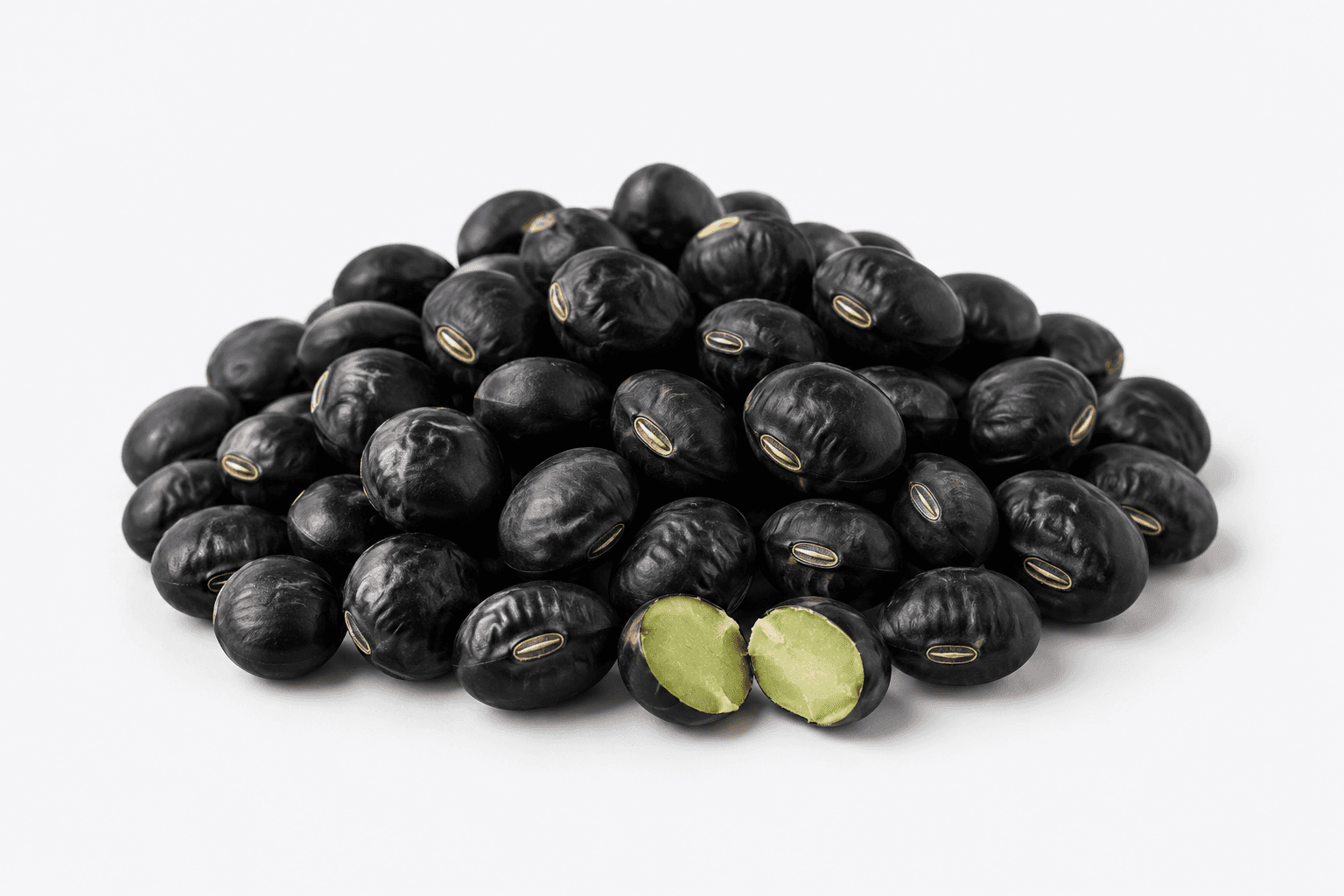 Black soybean382 kcal19%
What it does
Energy is how much the body can extract from a food. The conversion is 4 kcal per gram of carbohydrate, 4 per gram of protein, 9 per gram of fat and 7 per gram of alcohol. These are the Atwater factors, averages that have been in use for over a century. The body spends that energy holding its temperature, beating its heart and moving its muscles. Most of the total goes on simply existing; what exercise adds is smaller than people expect.
Recommended intake
The figure used on food labels is 2,000 kcal a day. That is a labelling convention, not a personal target. Real requirements run from around 1,600 kcal to well over 3,000 depending on body size, age, sex and activity. Either way, the ranking below is not a list of foods to eat less of. A tablespoon of oil is 14 g and 124 kcal, which is about what a day's cooking uses; a handful of nuts is 170 to 200 kcal and brings satiety and nutrient density with it.
What affects absorption
Atwater factors are averages, and for some foods they are wrong. Nuts are the best-documented case: studies measuring almonds and pistachios report that the energy actually absorbed runs around 20% below the label, because fat stays trapped inside plant cell walls and passes through. The reverse also happens — finely ground or long-cooked foods are absorbed at or above the labelled figure. Fibre is another mismatch: indigestible fibre yields almost no energy but still sits inside the carbohydrate column.
What to watch out for
Do not read this ranking as a list of foods to avoid. The top of it is oils and nuts, both of which this site recommends. High energy density means a lot of energy in a small volume; it does not mean harmful. And weight is not a question of calories alone — at the same energy, foods high in protein and fibre keep you full longer, while highly processed foods make the same calories easier to eat quickly. Cutting energy too far is its own problem: held below requirement for long, it affects muscle, bone density and hormones. If you have a weight goal, do not look only at a daily total — talk to a clinician or a dietitian.
Sources
The databases and health authorities this article's nutrition figures and health statements draw on.