Mineral
Foods high in phosphorus — the problem is excess, not shortage
Deficiency is effectively unheard of. What differs is absorption: the phosphate added to processed food behaves nothing like the phosphorus in whole food.
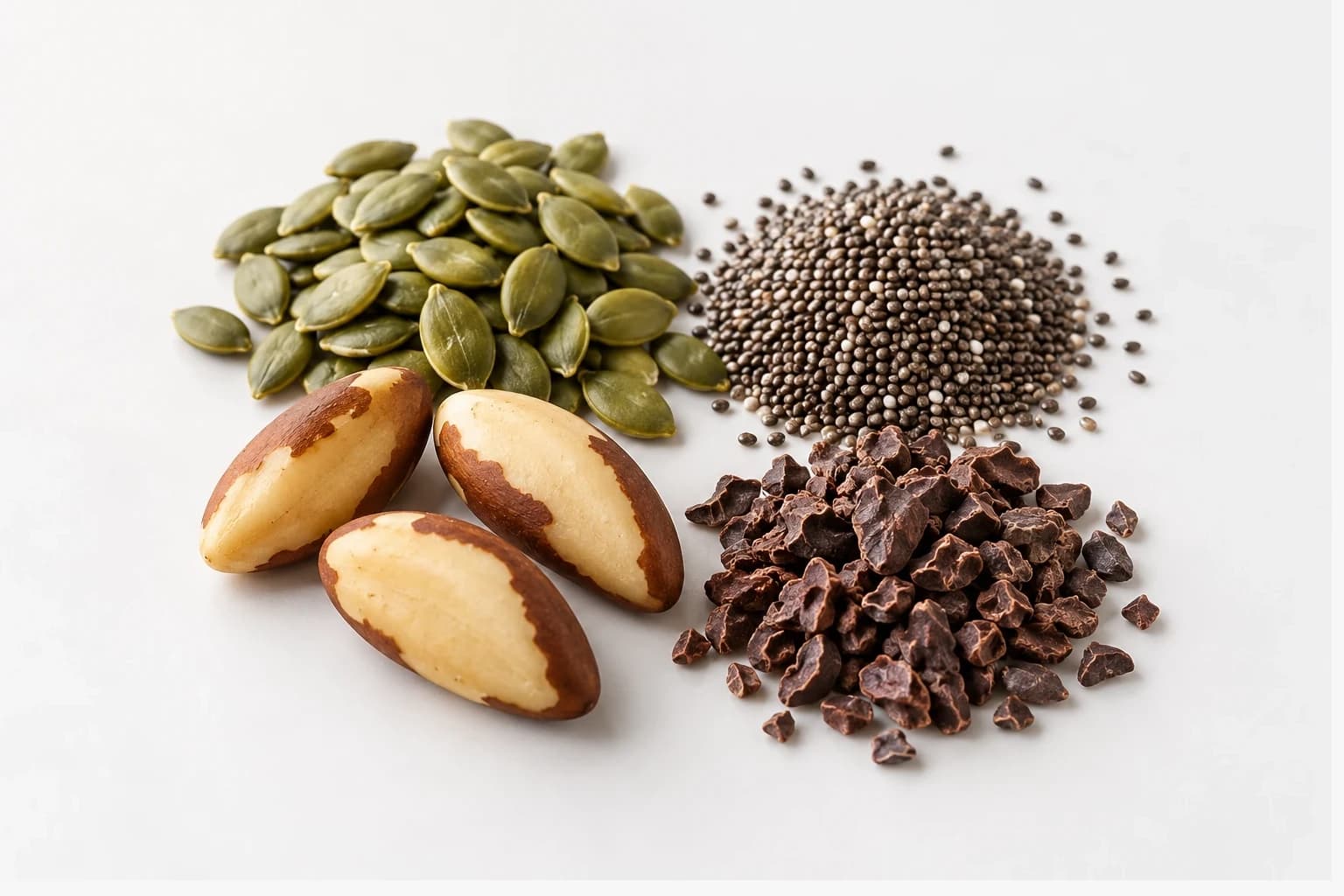
Highest sources
Ranked among the ingredients covered here. Reference amounts vary slightly between entries, so read this as a rough comparison rather than an exact order.
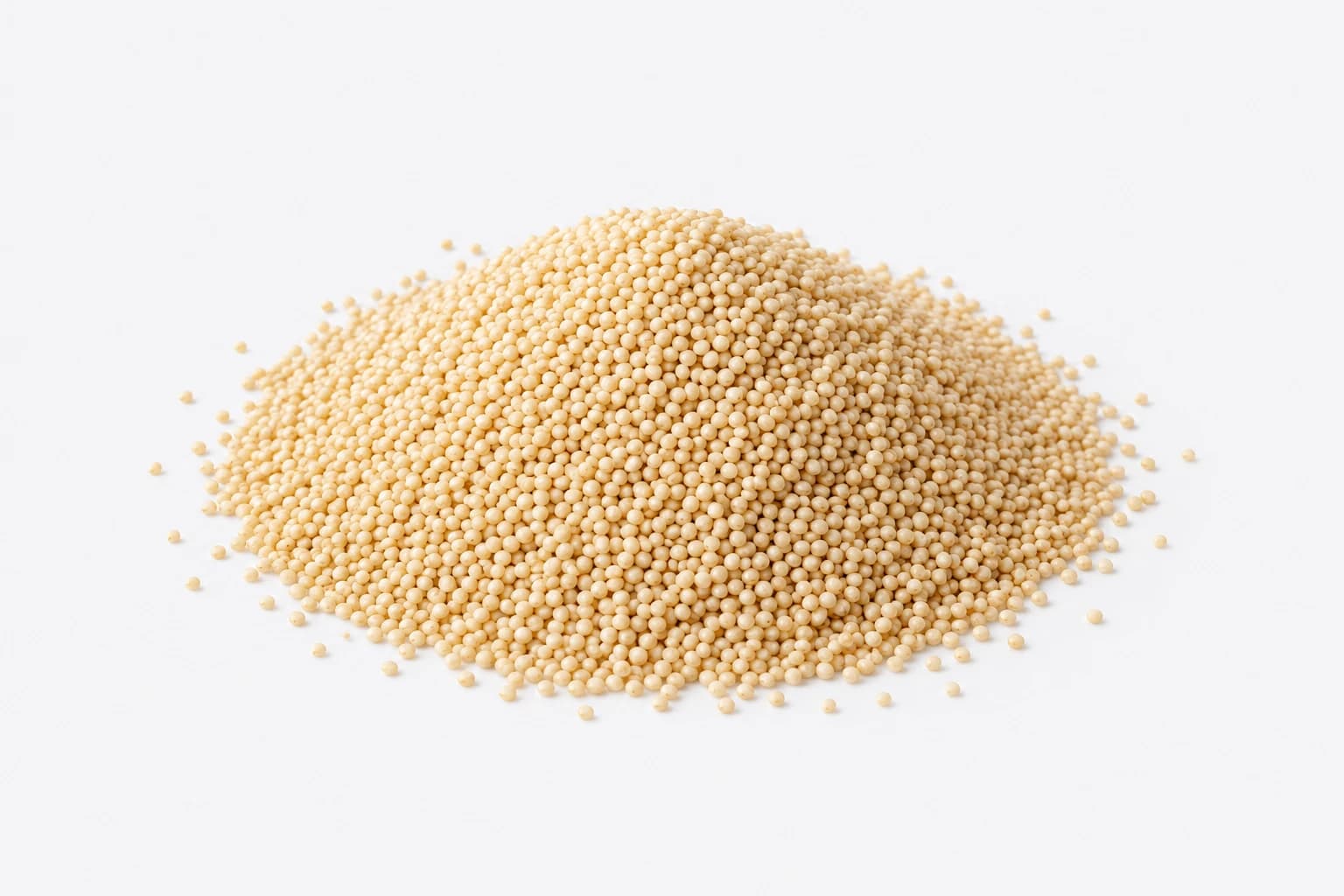
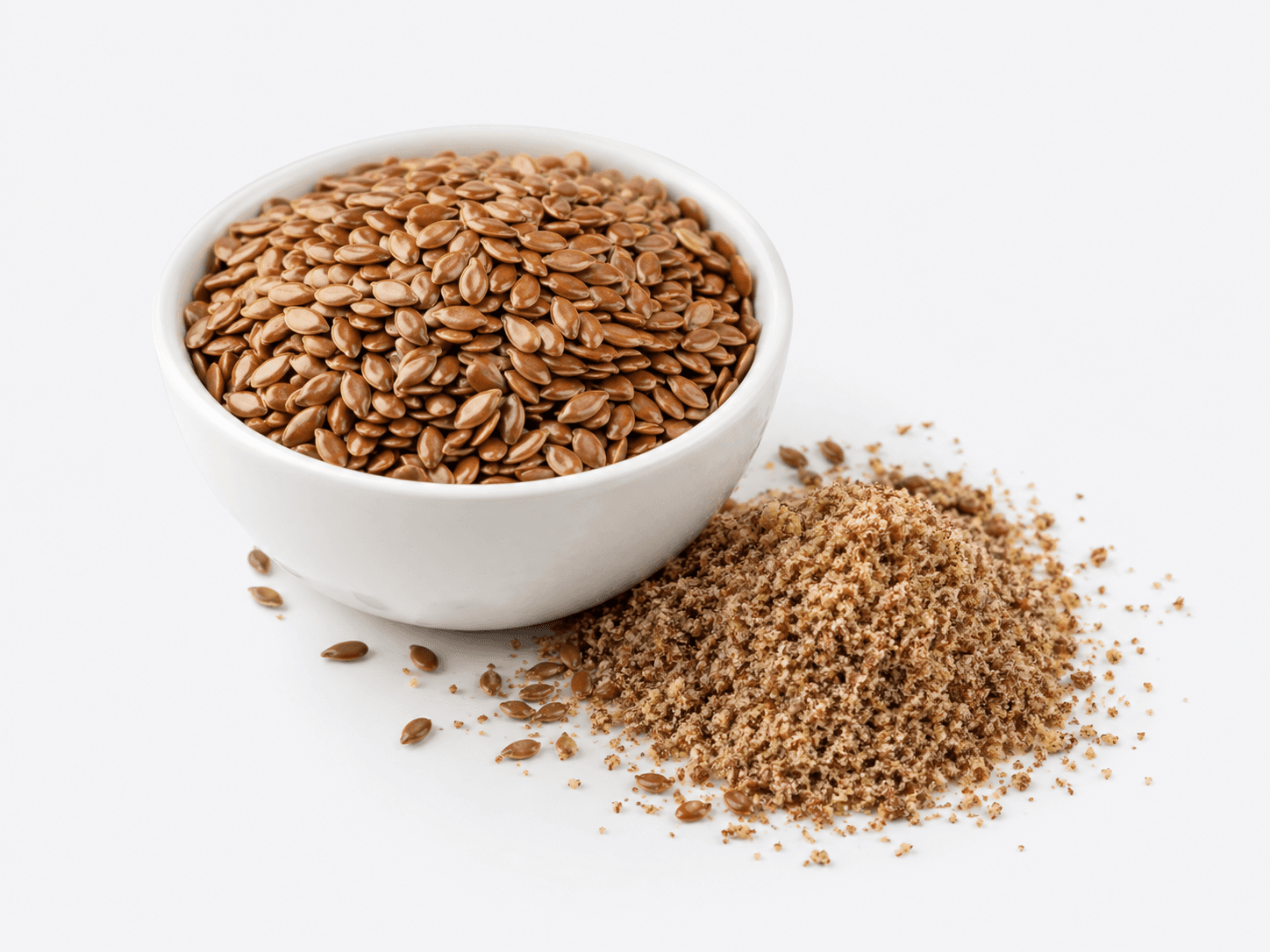
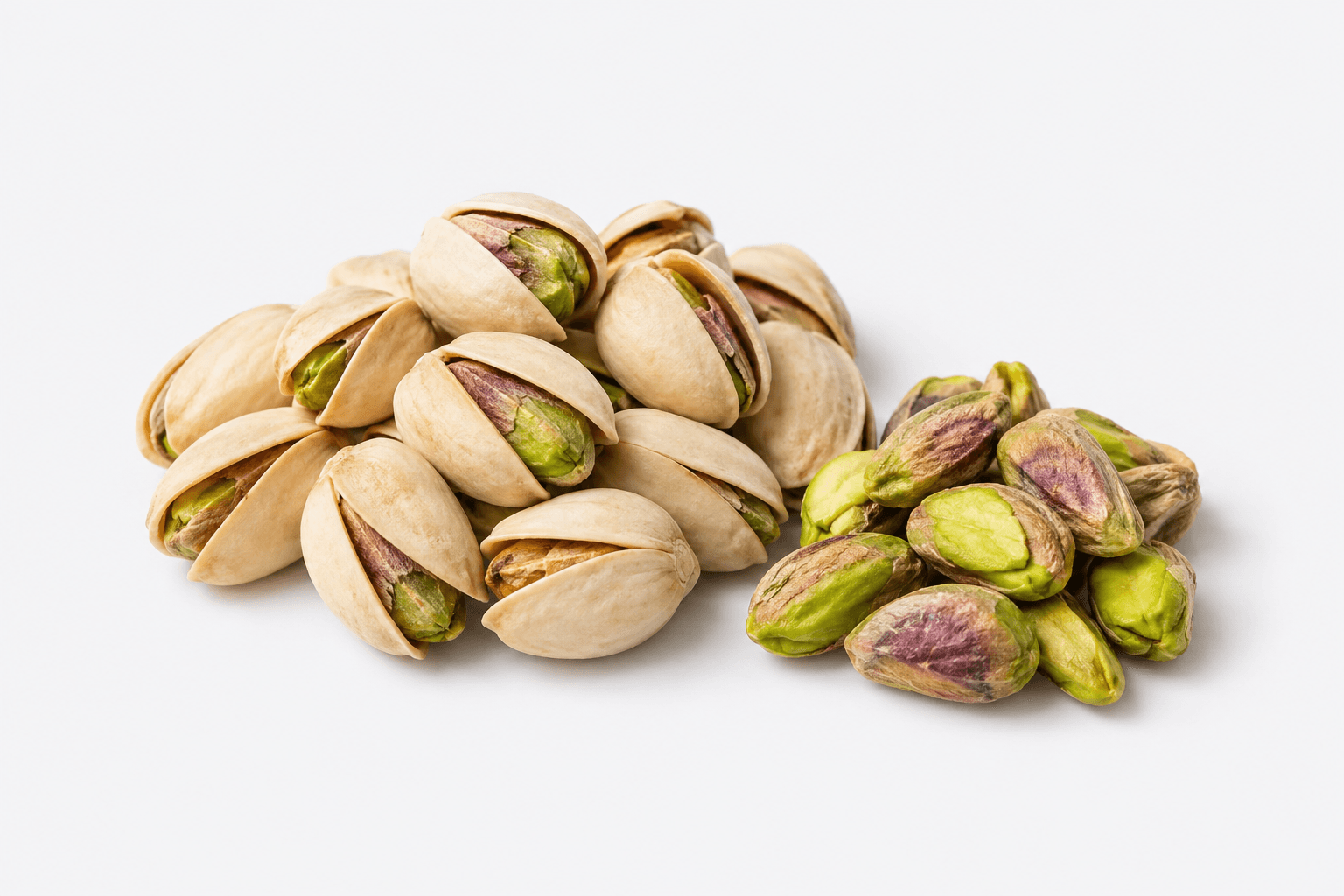
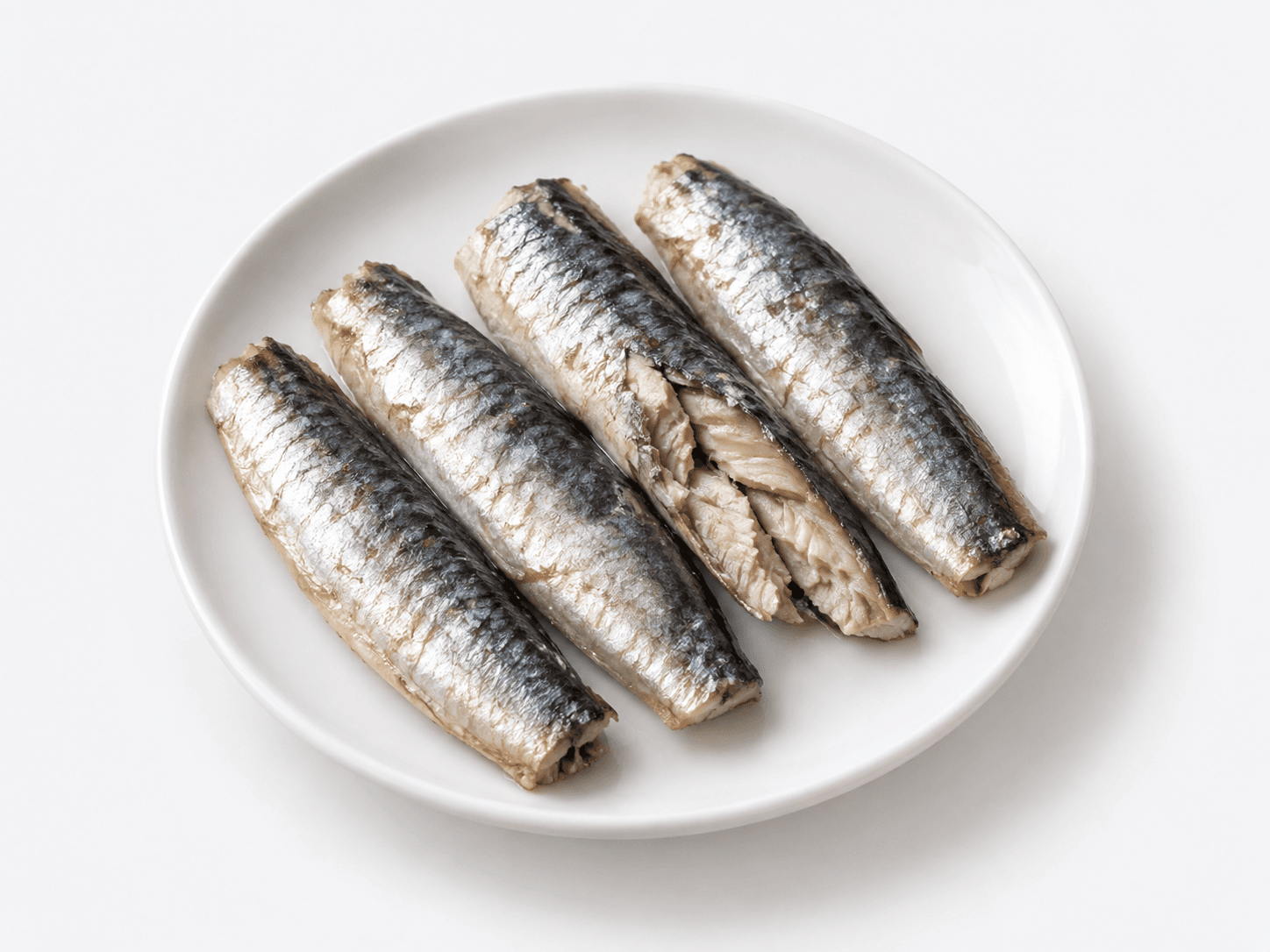
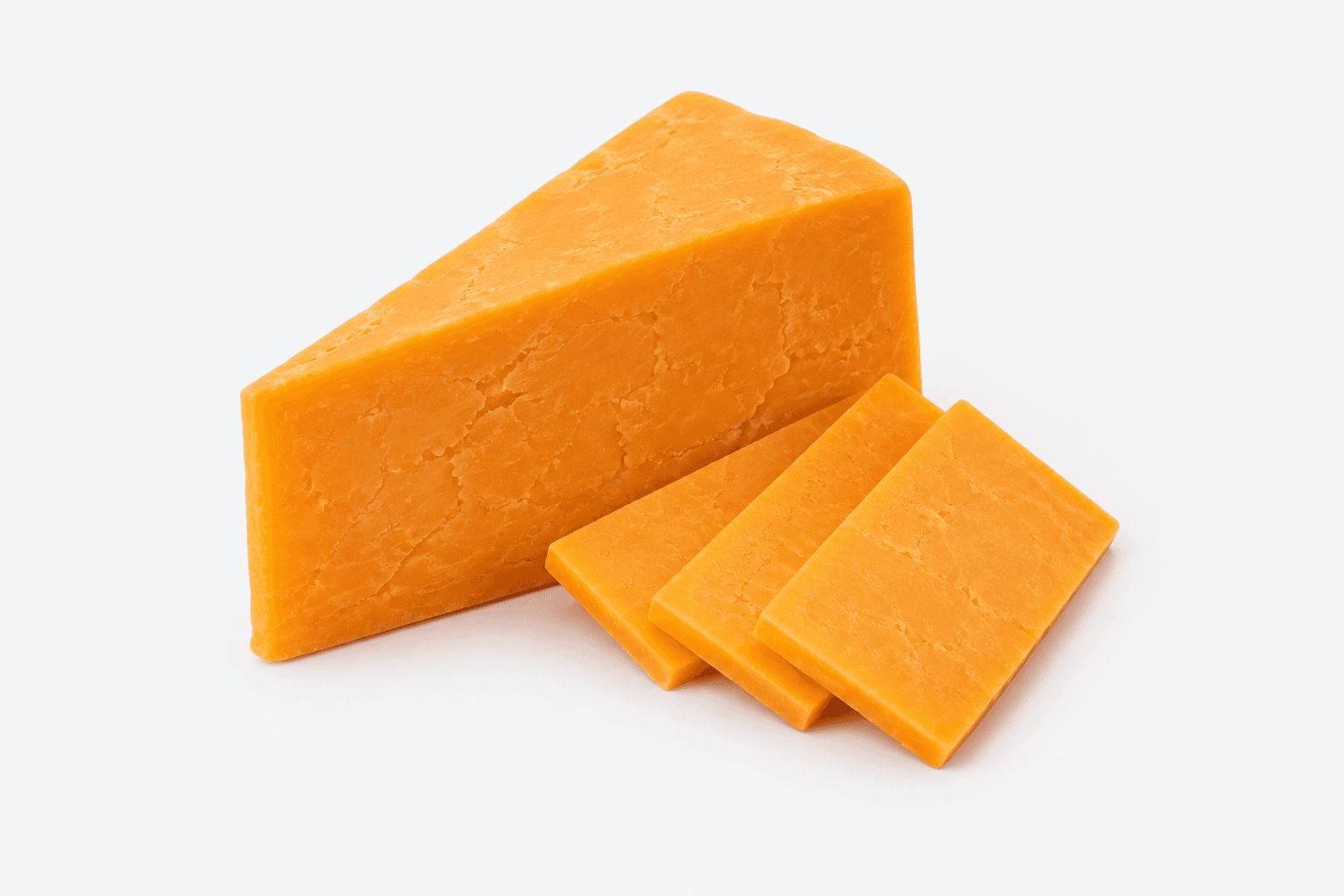
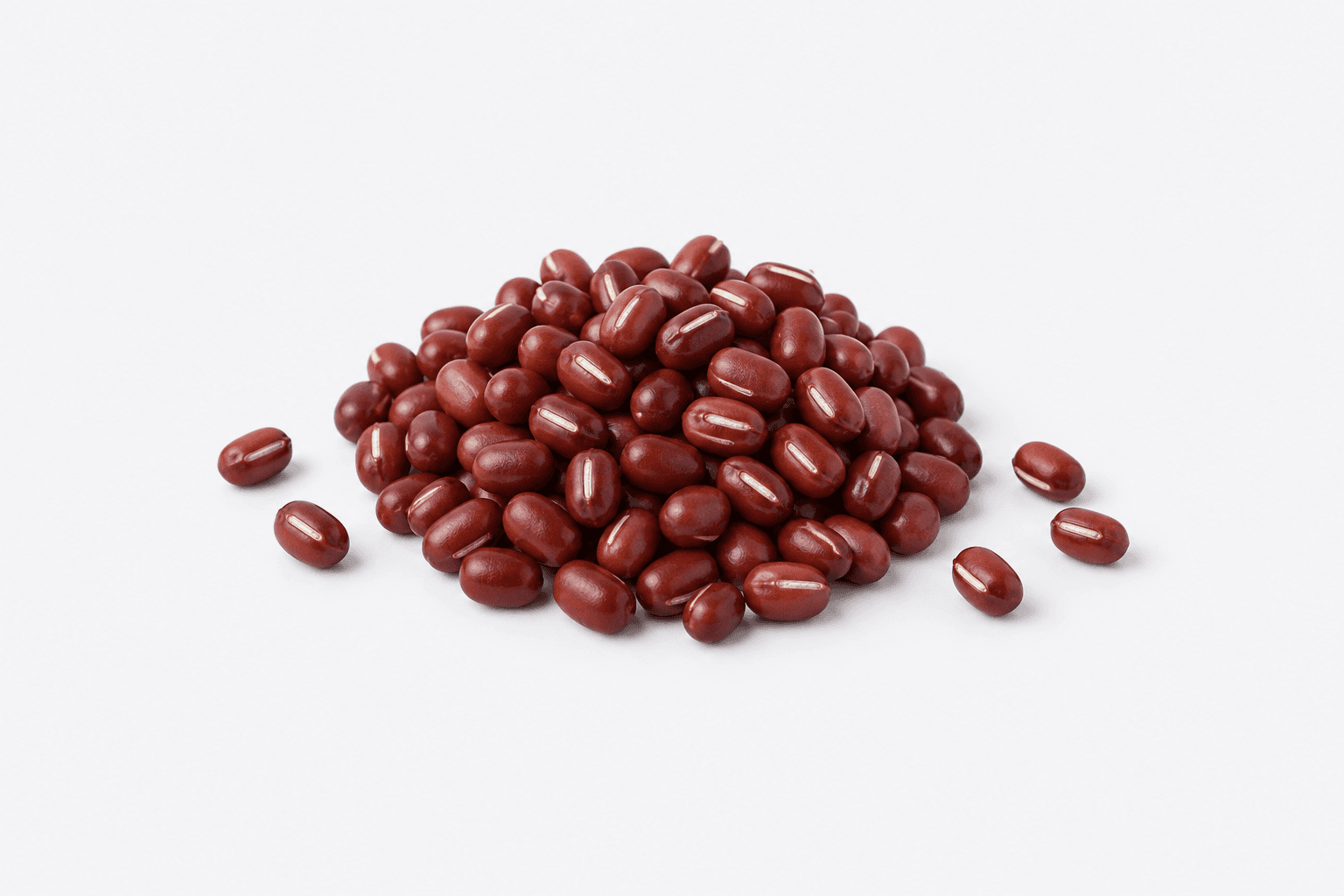


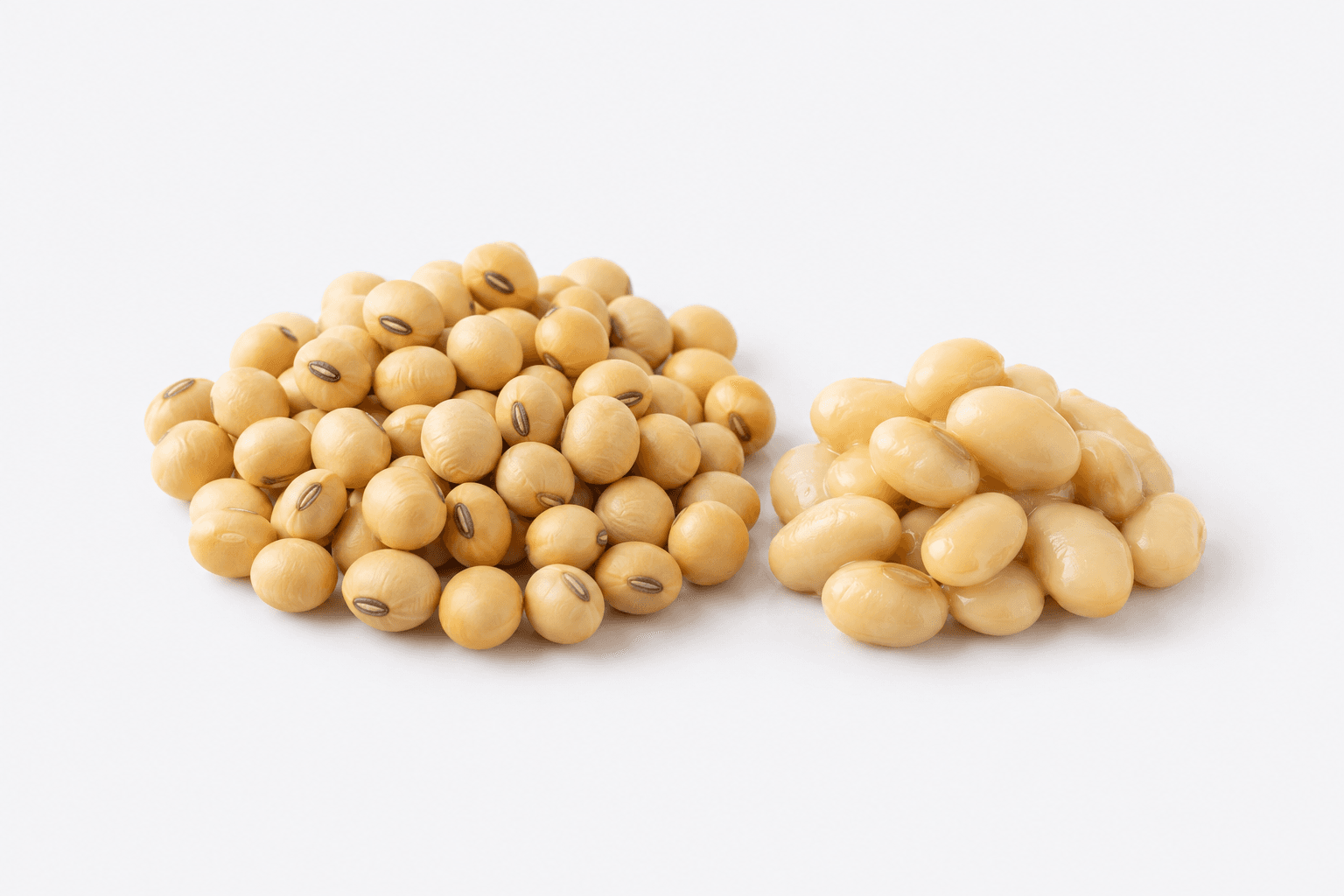
What it does
After calcium, it is the most abundant mineral in bone and teeth: 85 % of the body's phosphorus sits in the skeleton.
The remaining 15 % does the wider work. The P in ATP is phosphorus, and the backbone of DNA and RNA is held together by phosphate groups. Membrane phospholipids and the phosphorylation reactions that switch enzymes on and off all depend on it.
Blood phosphate is governed jointly by parathyroid hormone, vitamin D and FGF23, a hormone released by bone.
Recommended intake
The usual adult reference is 700 mg a day, with an upper limit set around 3,000–4,000 mg.
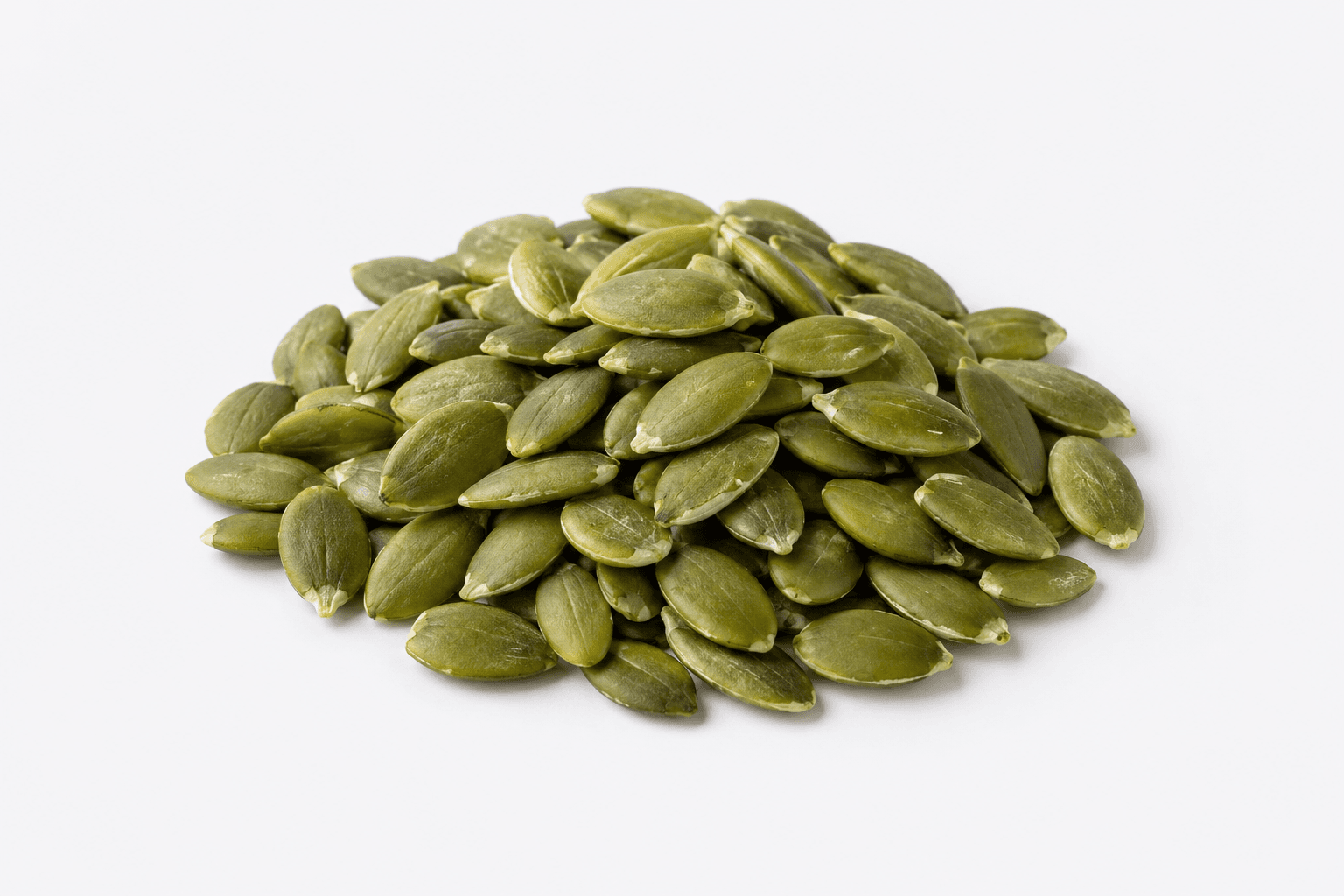
In practice, falling short is the rare case. Protein-rich foods carry phosphorus with them, so an ordinary intake of meat, fish, dairy, legumes and nuts clears the mark easily. Pumpkin seeds top the table above at 1,170 mg — but nobody eats 100 g of seeds.
Deficiency turns up only in specific situations: starvation, malabsorption, refeeding syndrome, and long-term use of certain antacids.
What affects absorption
Where the phosphorus came from changes how much of it you absorb.
In plant foods much of it is bound as phytate. Humans have almost no enzyme to release it, so absorption is poor. A high figure on a seed or wholegrain does not all arrive. Soaking, sprouting and fermenting undo part of that binding.
Phosphorus in animal foods is organic phosphate and absorbs better.
And inorganic phosphate added to processed food absorbs best of all — the additives used in processed meat, cola drinks and cheese products for preservation and water retention. Where natural food phosphorus is absorbed at 40–60 %, added phosphate approaches 90 %. It is the kind of thing that shows up less in the composition table and more in the body.
Calcium and phosphorus interfere with each other's absorption, so supplements of the two are better taken apart.
What to watch out for
In kidney disease phosphorus becomes a central concern. When the kidney cannot excrete it, blood levels rise, parathyroid hormone pulls calcium out of bone, and calcium deposits in blood vessels. That is why dialysis patients are prescribed phosphate binders.
What matters practically is less the total than the source. Added phosphate absorbs well and hides in ingredient lists. If you see 'phosphate', 'phosphoric acid' or 'polyphosphate', count it.
Cola-type soft drinks contain phosphoric acid — 30–40 mg a can, not a large absolute amount, but well absorbed, and displacing milk also removes calcium.
For people with normal kidney function, the evidence that dietary phosphorus is harmful is weak. What is well established is that intake of added phosphate has risen steadily with processed food.
Sources
The databases and health authorities this article's nutrition figures and health statements draw on.