Macronutrient
Foods high in choline and what it does
Choline goes into cell membranes, a neurotransmitter, and the business of exporting fat out of the liver. An adequate intake was set relatively recently, and most people fall short of it.
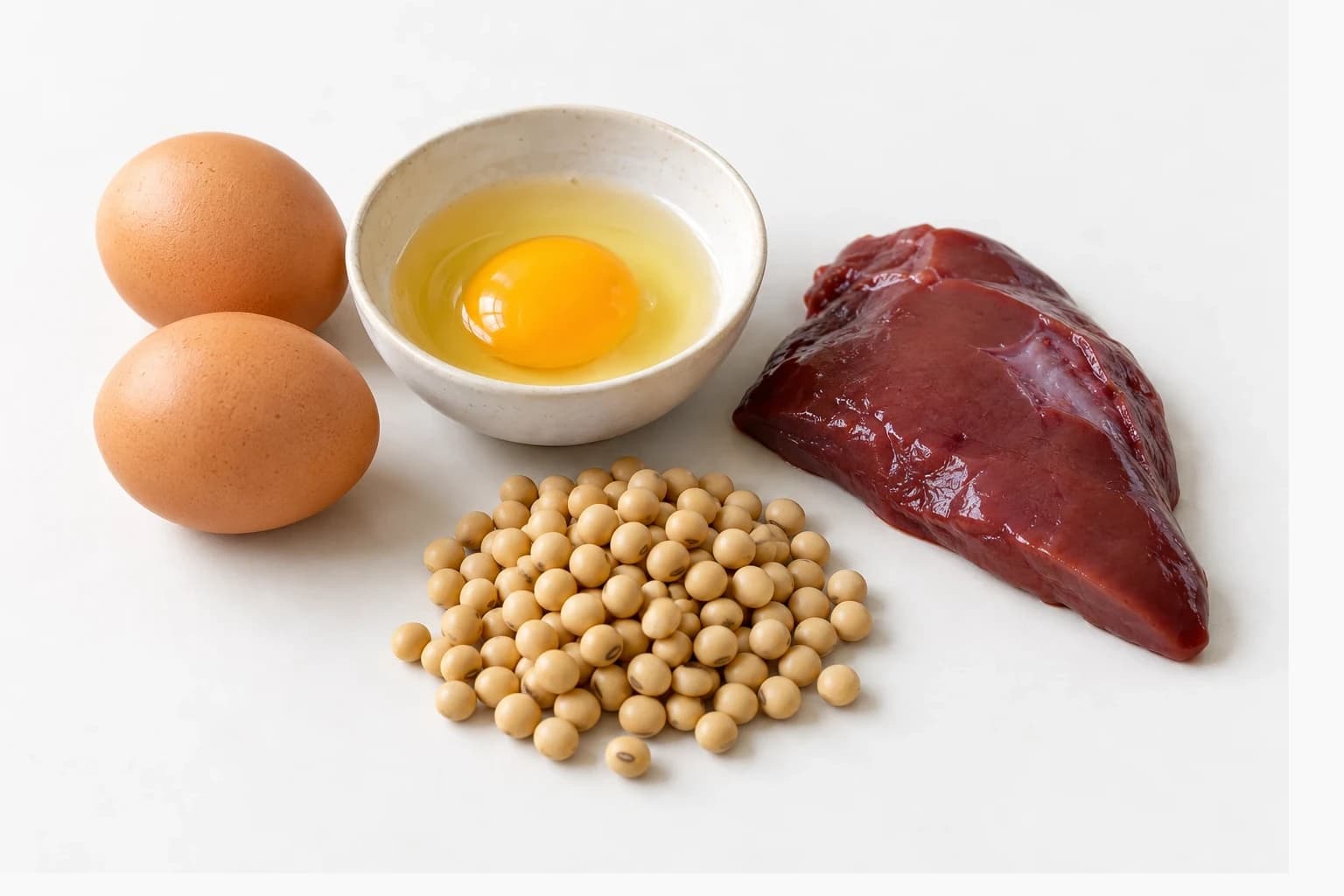
Highest sources
Ranked among the ingredients covered here. Reference amounts vary slightly between entries, so read this as a rough comparison rather than an exact order.
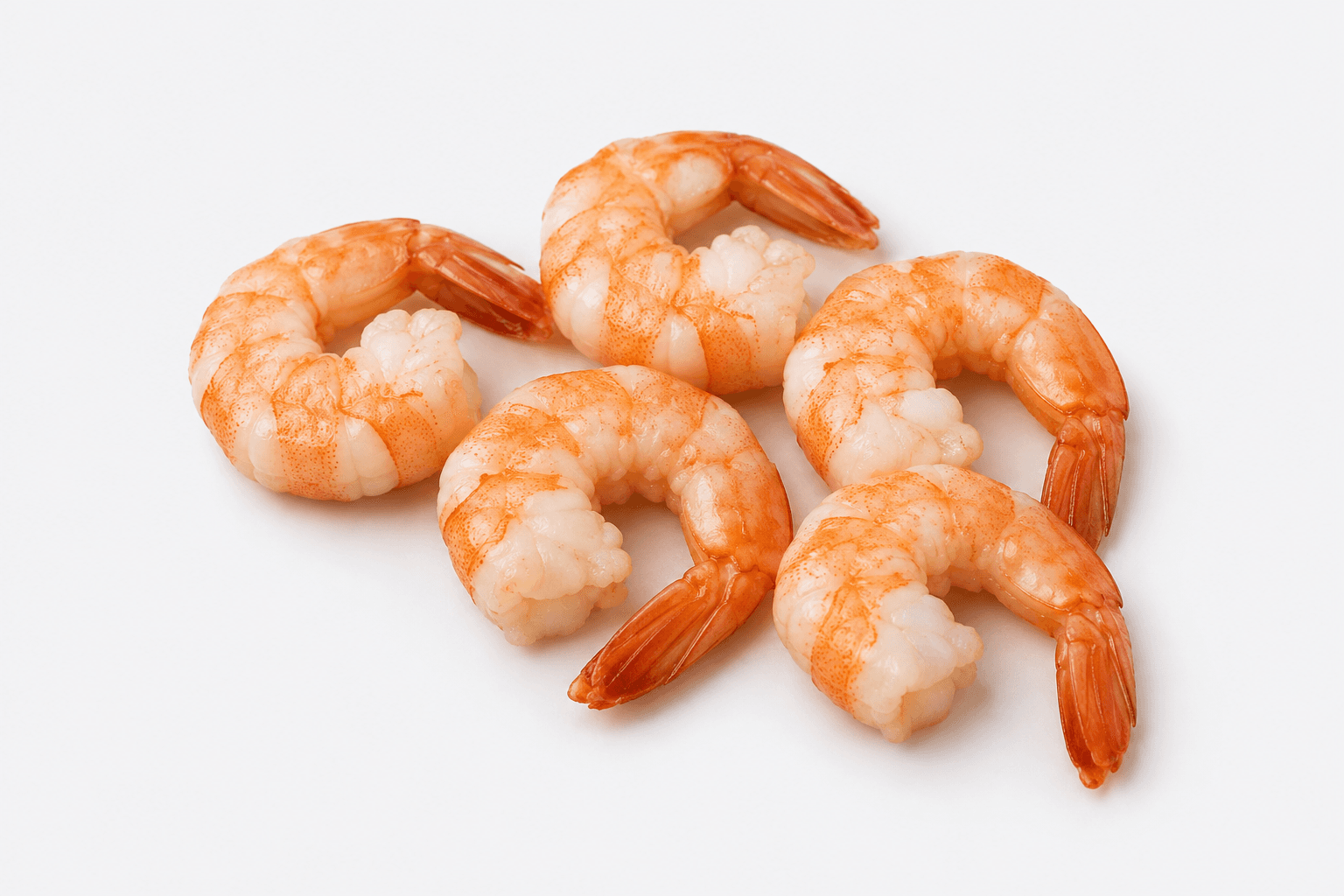
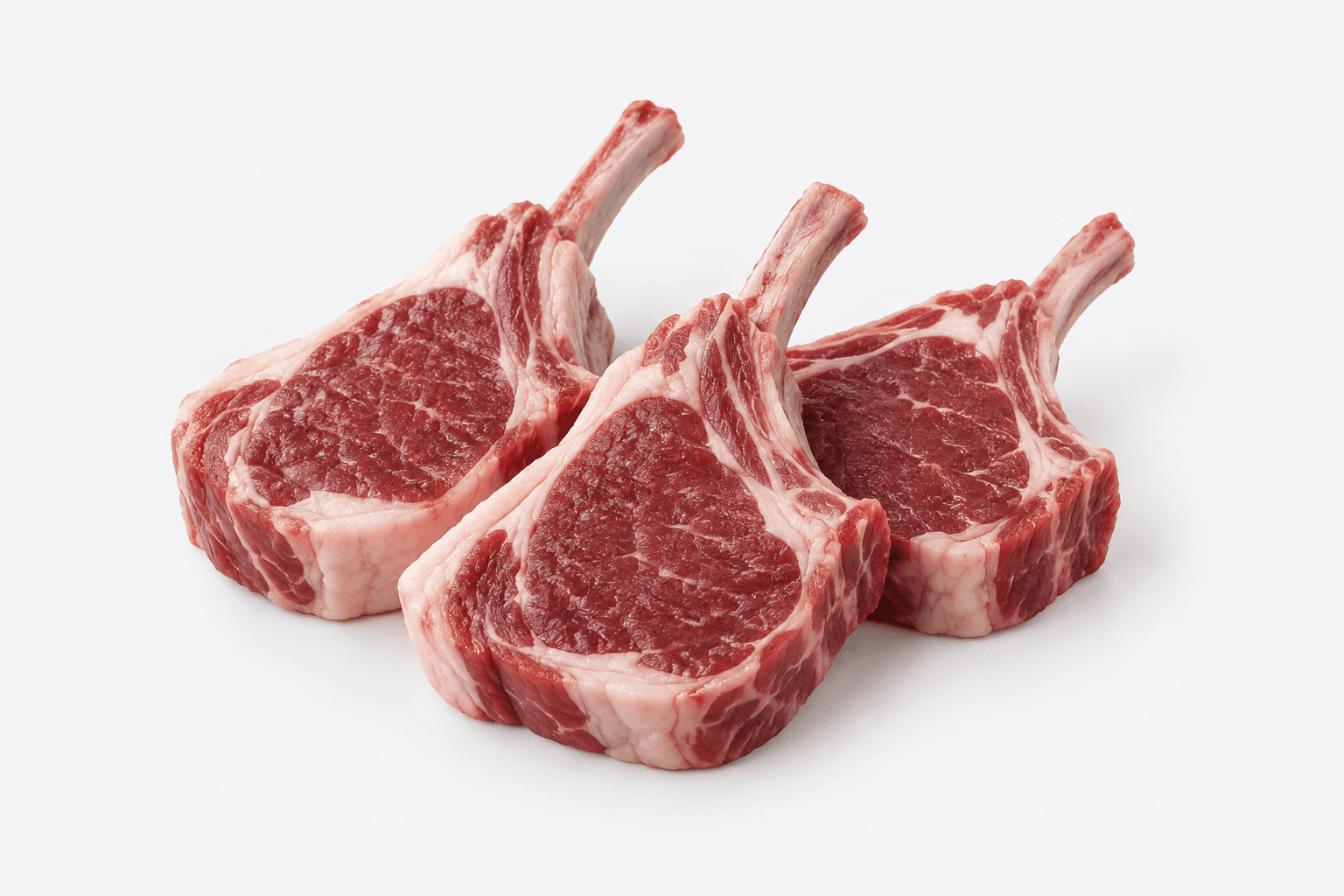
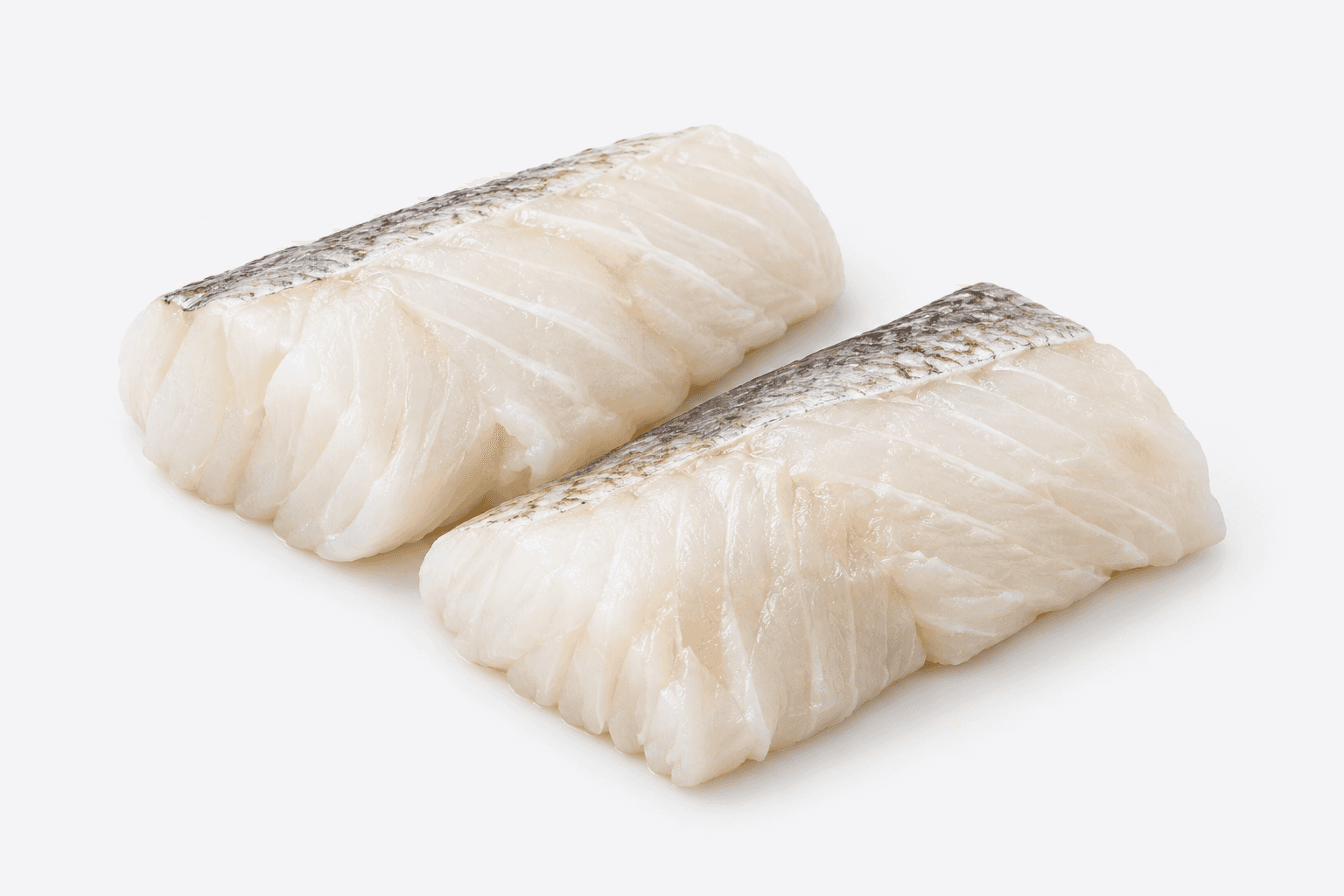
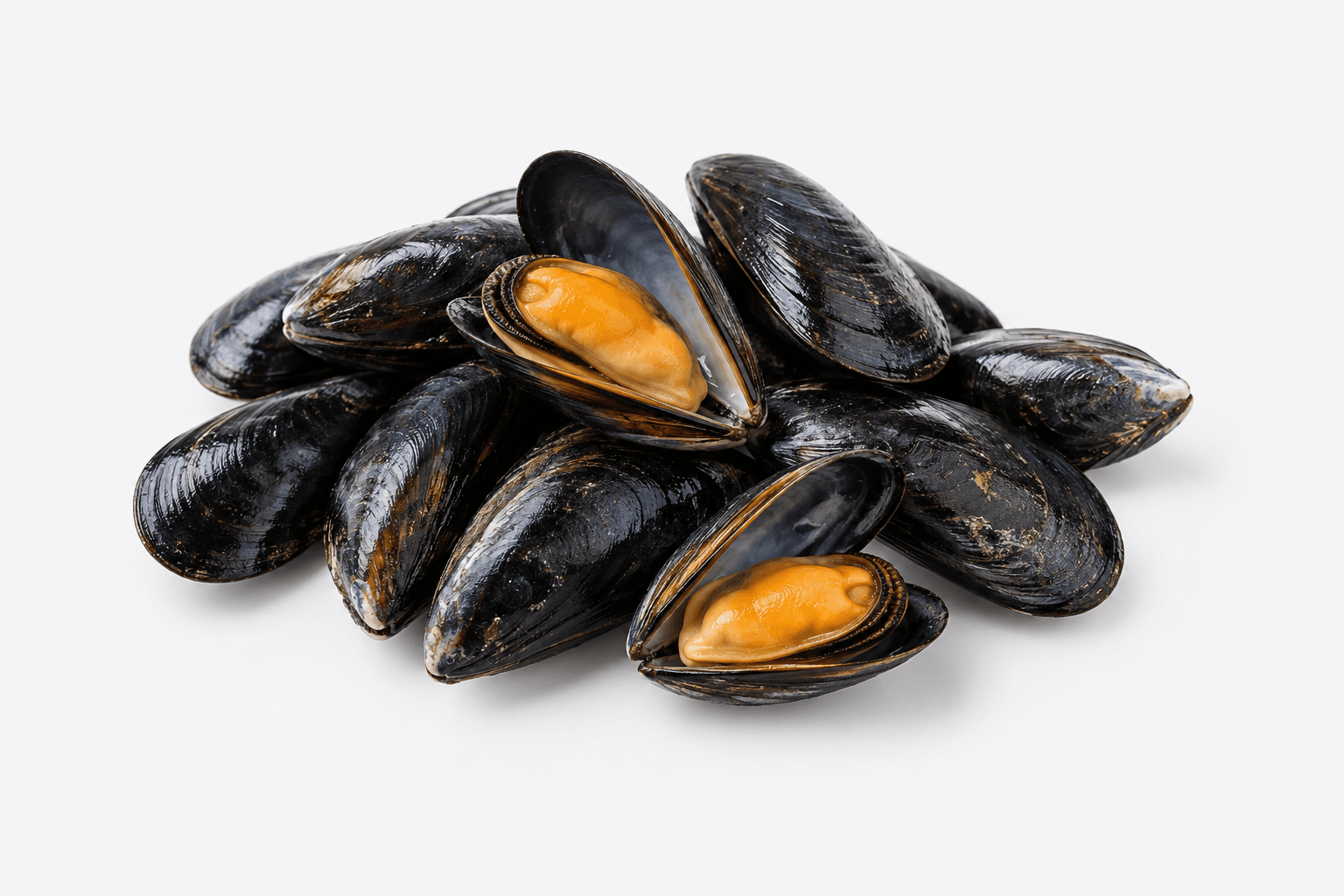
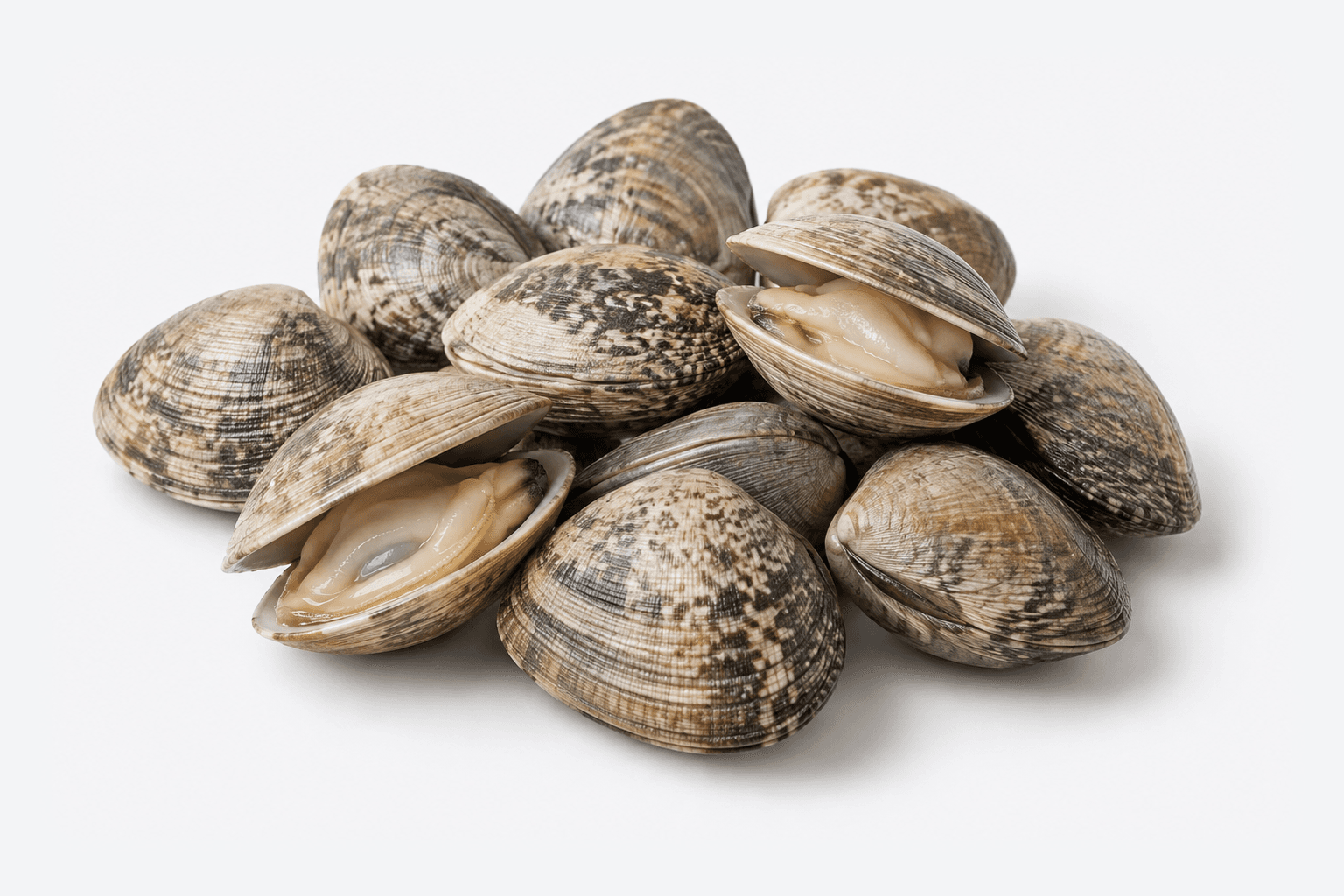
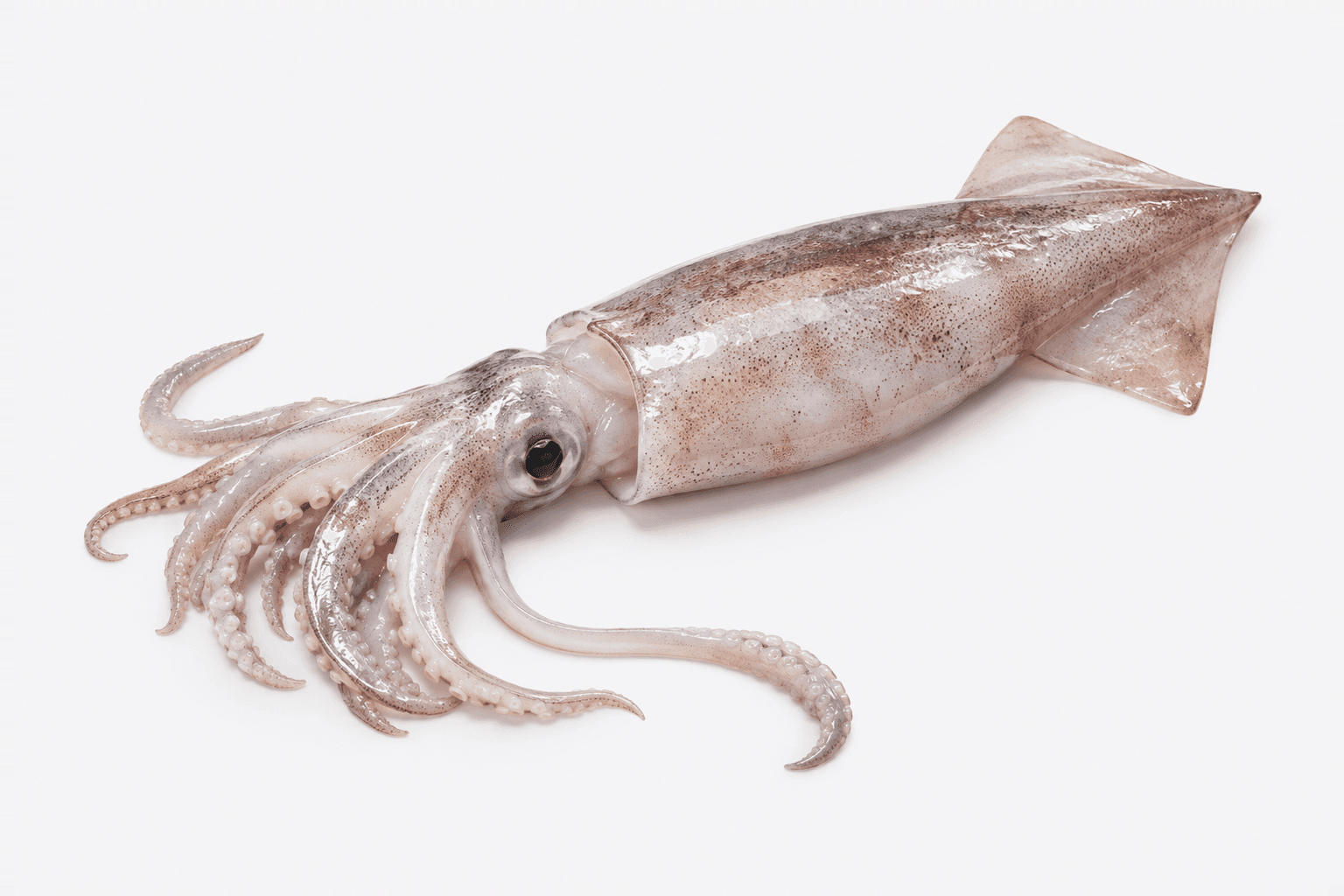
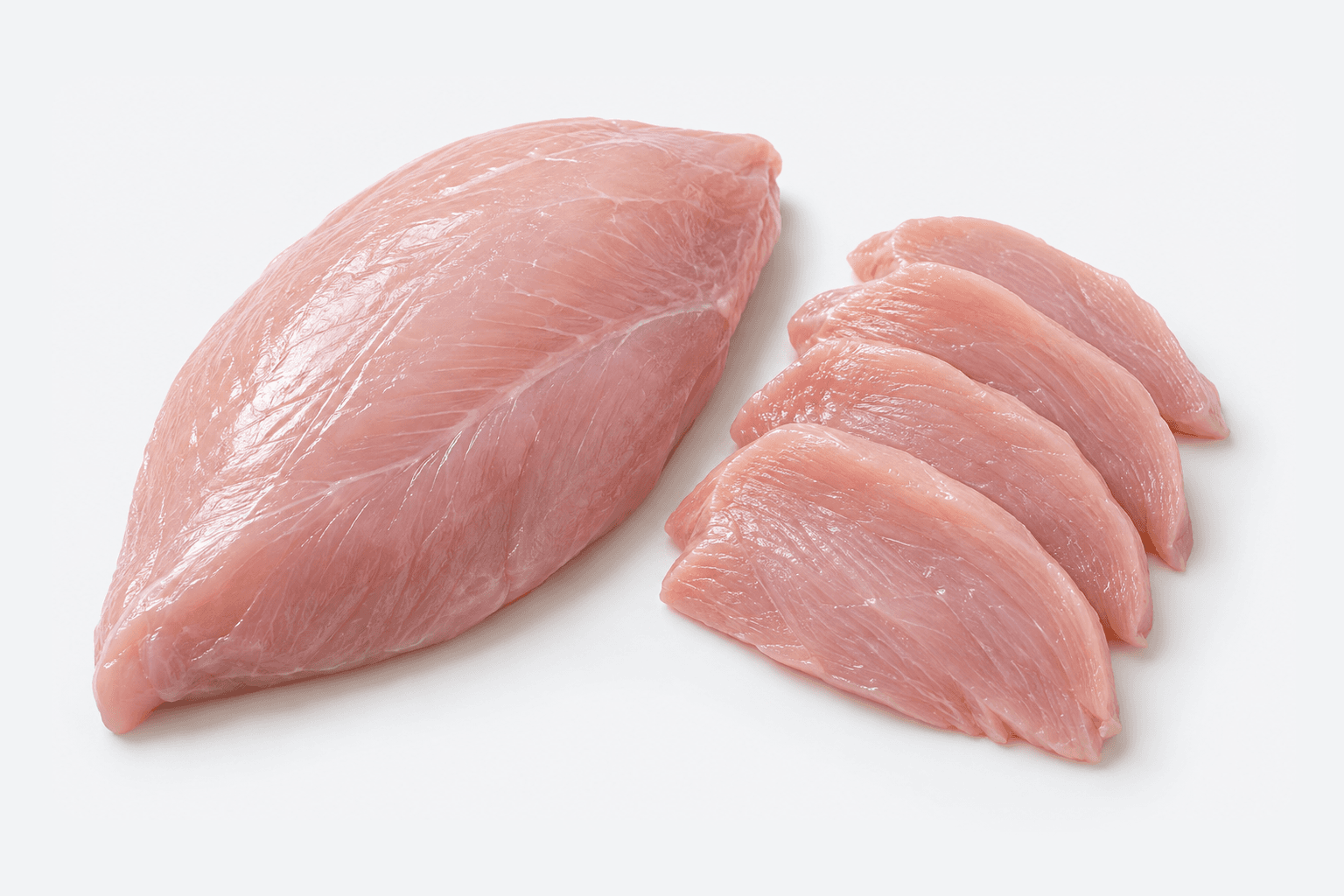
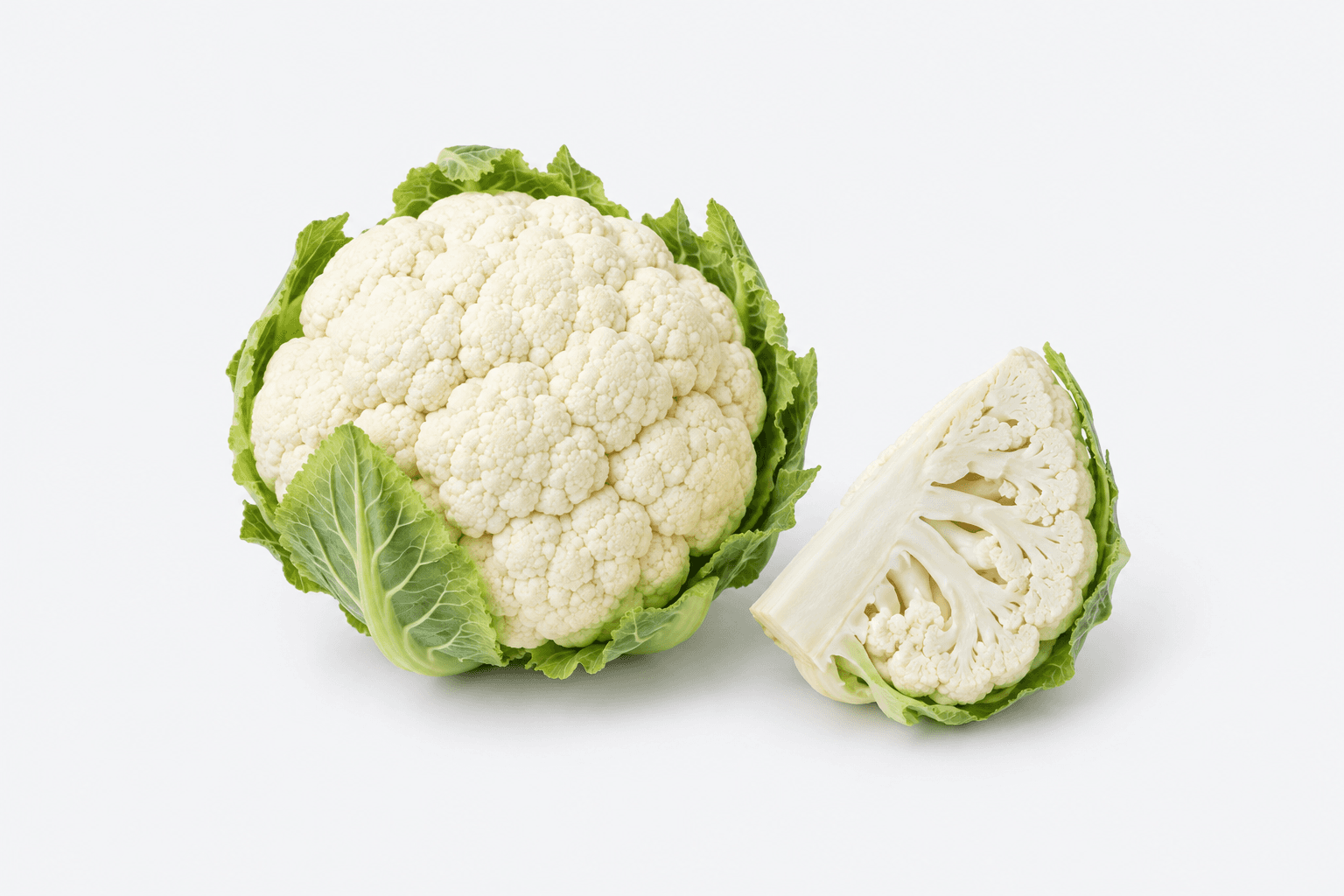
What it does
It is the raw material for phosphatidylcholine, the main phospholipid of cell membranes. It is also the raw material for acetylcholine, the neurotransmitter used in memory and muscle contraction. And because phosphatidylcholine is needed to package fat made in the liver into very-low-density lipoprotein for export, fat accumulates in the liver when choline is short. In the body it is also converted to betaine, which acts as a methyl donor, a role that interlocks with the folate and B12 pathways.
Recommended intake
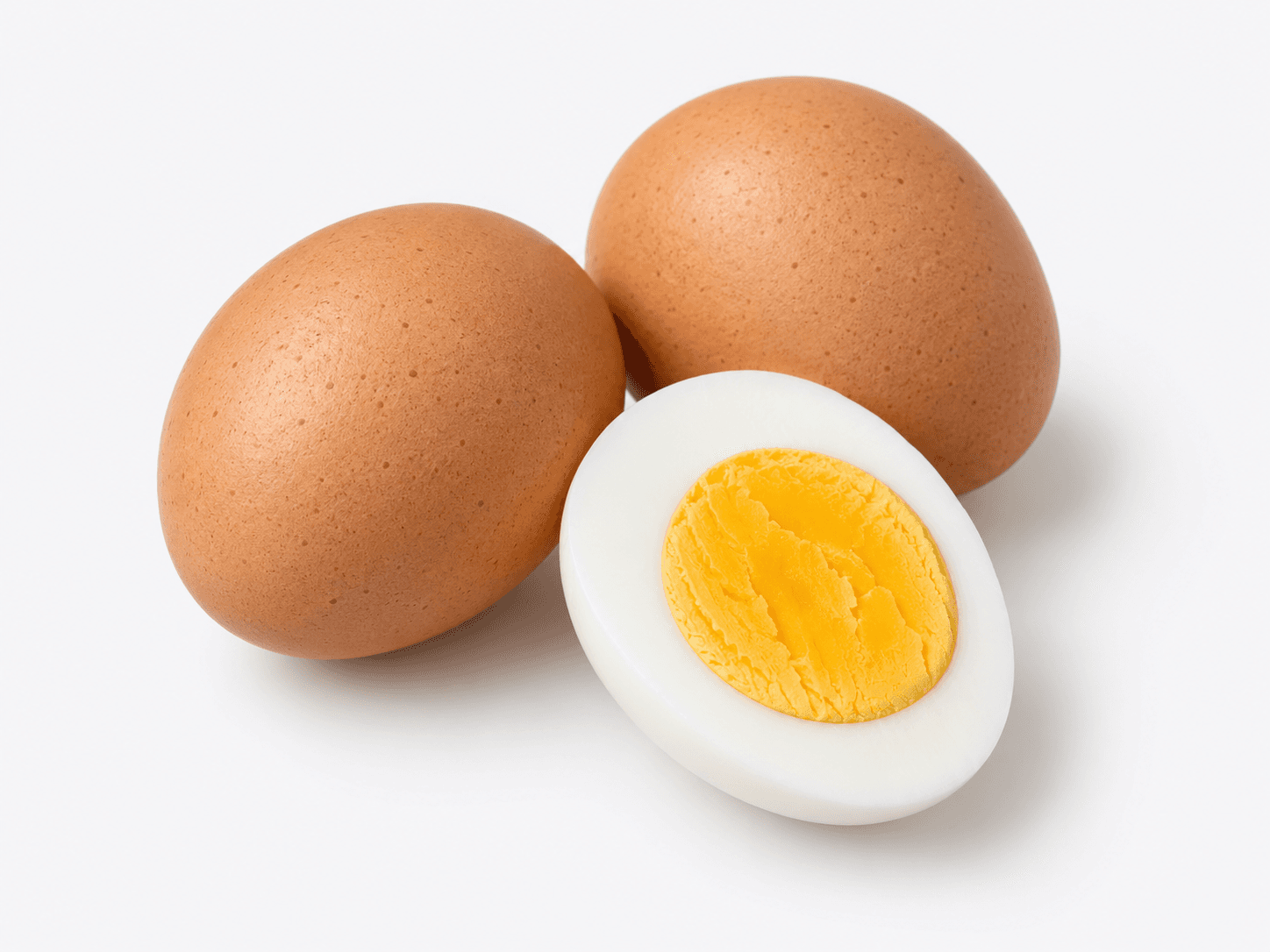
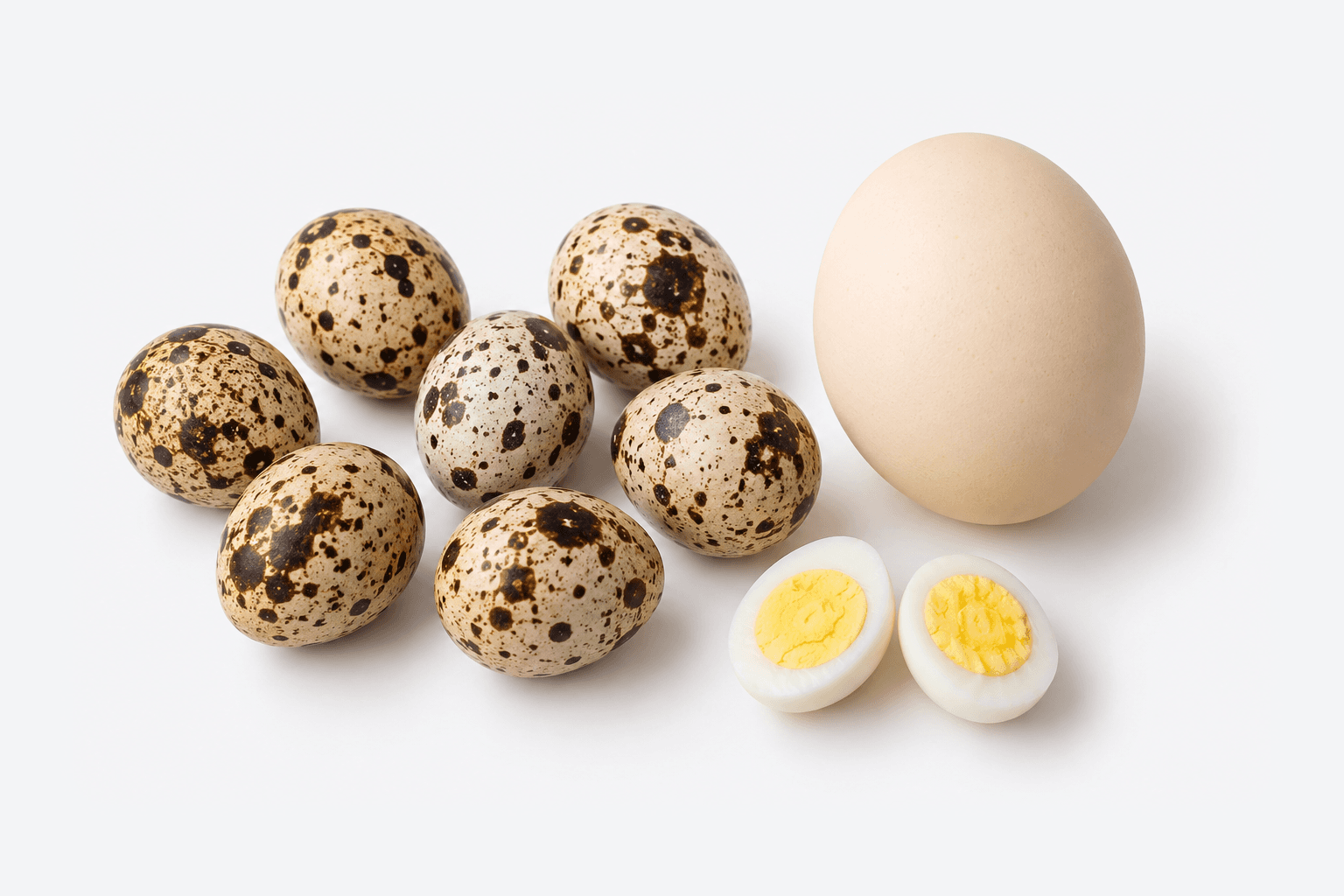
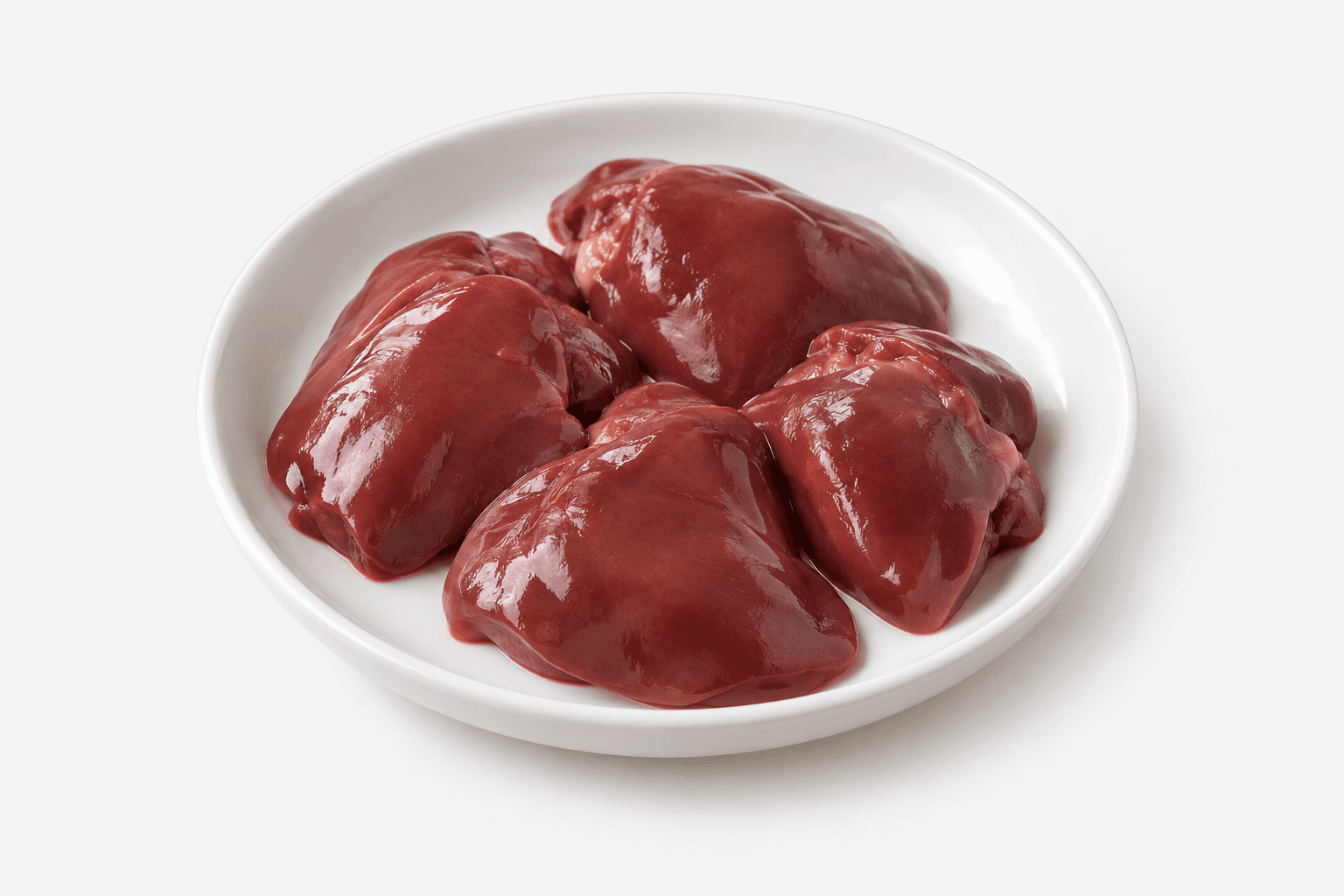
The US adequate intake is 550 mg a day for adult men and 425 mg for women, rising to 450 mg in pregnancy and 550 mg while breastfeeding. The upper limit is 3,500 mg. One egg carries about 147 mg, making eggs the most efficient food source; liver and meat, fish, soy and cruciferous vegetables also contribute. Surveys find most population groups below the adequate intake, yet few people show deficiency symptoms — the body makes some itself, and the figure was set on markers of liver fat rather than on frank deficiency.
What affects absorption
Most choline in food is present as phosphatidylcholine, digested in the small intestine before absorption. Free choline is absorbed faster but a larger share of it is broken down by gut bacteria. Oestrogen increases the body's own synthesis, so premenopausal women need relatively less and requirements rise after menopause. When folate intake is low, more of the methyl-donor load falls on choline and requirements go up. Large differences in requirement by genotype have been reported repeatedly.
What to watch out for
At very high intakes, low blood pressure, sweating and a fishy body odour have been reported, and the 3,500 mg upper limit rests mainly on that odour and the blood-pressure effect. One more thing belongs here. Gut bacteria convert choline and carnitine into trimethylamine, and the liver turns that into trimethylamine N-oxide (TMAO). Observational studies repeatedly report an association between higher blood TMAO and cardiovascular risk, but it has not been shown in trials that cutting choline intake lowers that risk. This site records the question as unsettled.
Sources
The databases and health authorities this article's nutrition figures and health statements draw on.