Mineral
Foods high in iodine — Korea is not a country that lacks it
In most of the world iodine is the nutrient people fall short of. Korea, where seaweed is everyday food, sits at the opposite end.
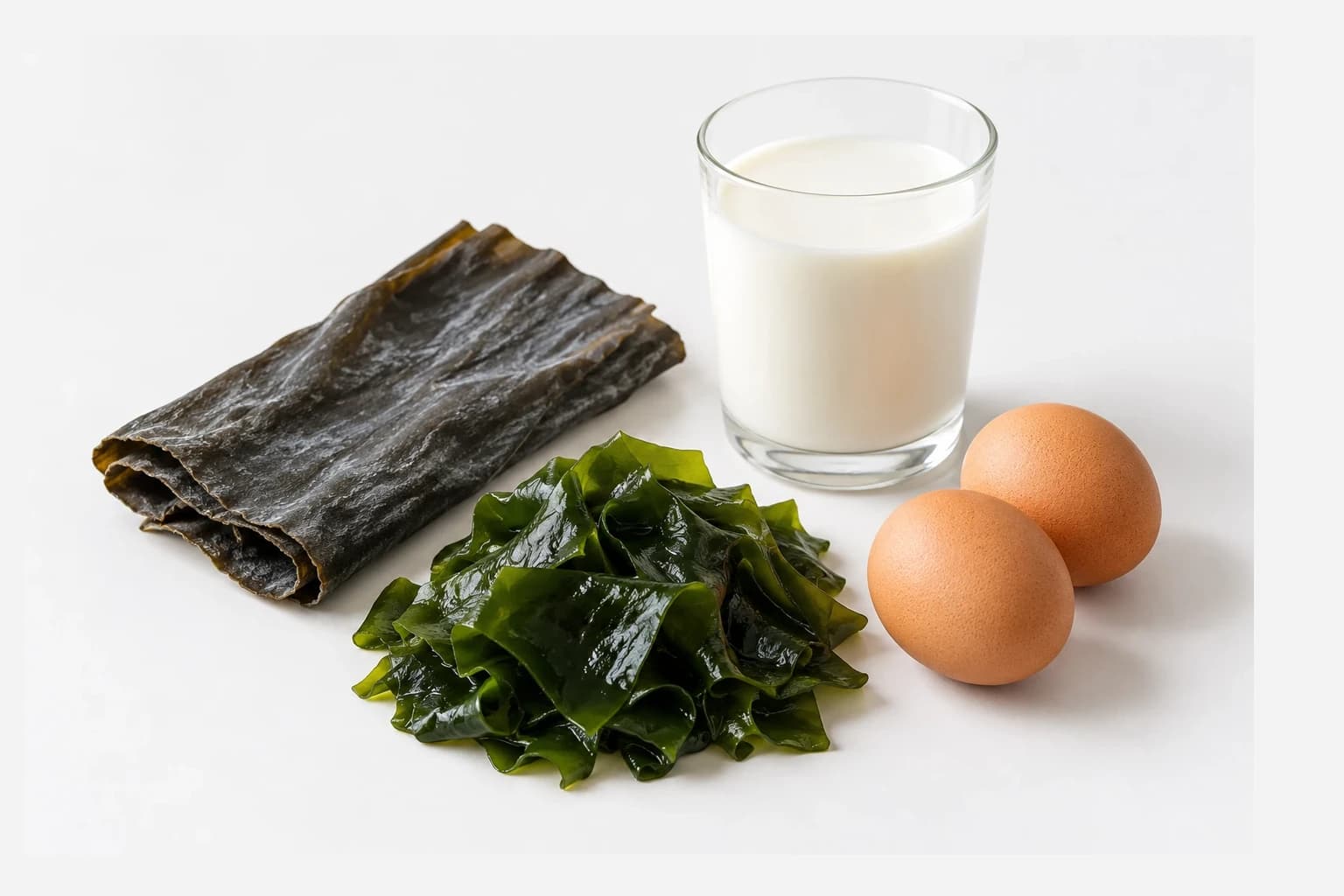
Highest sources
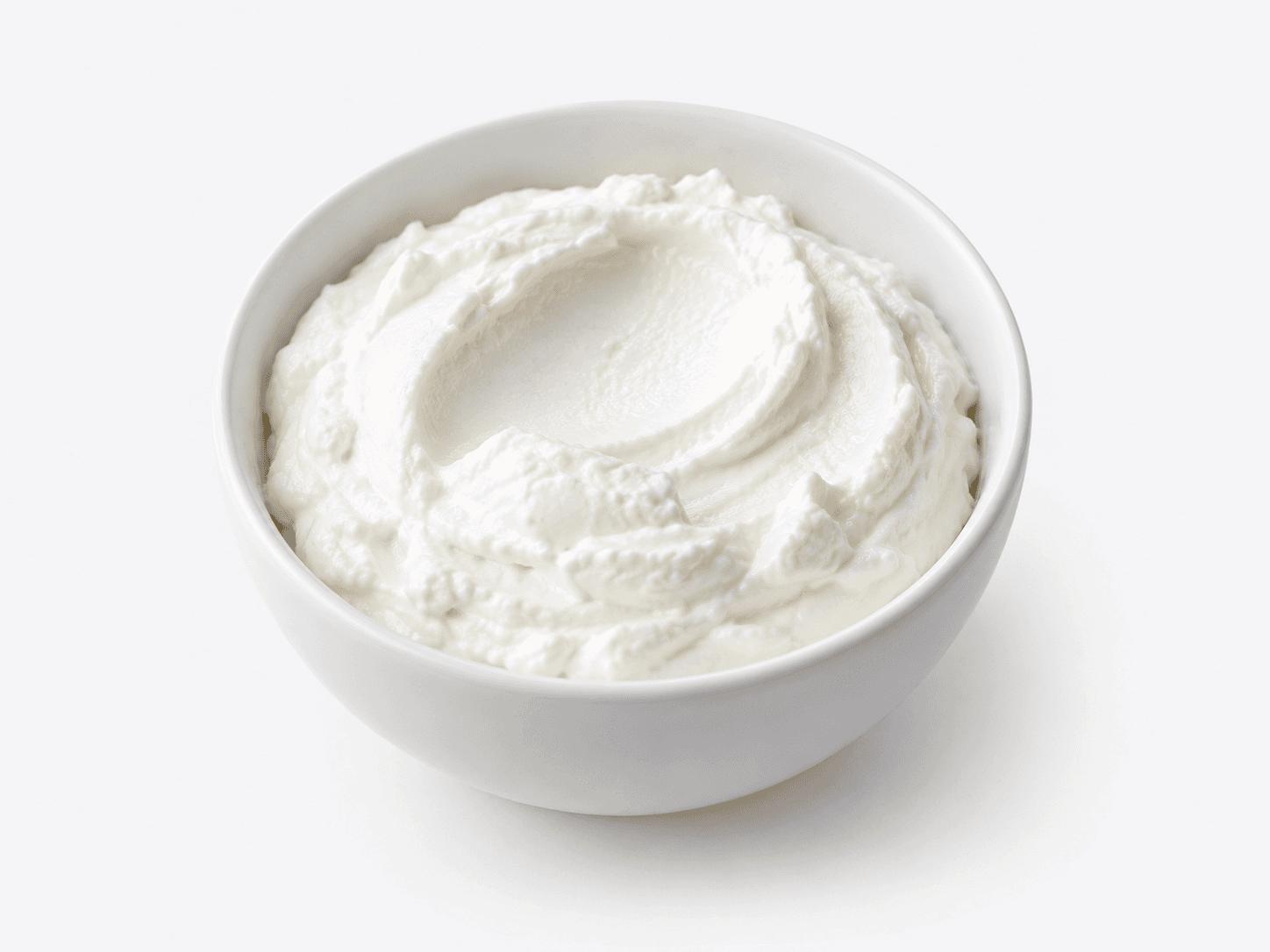
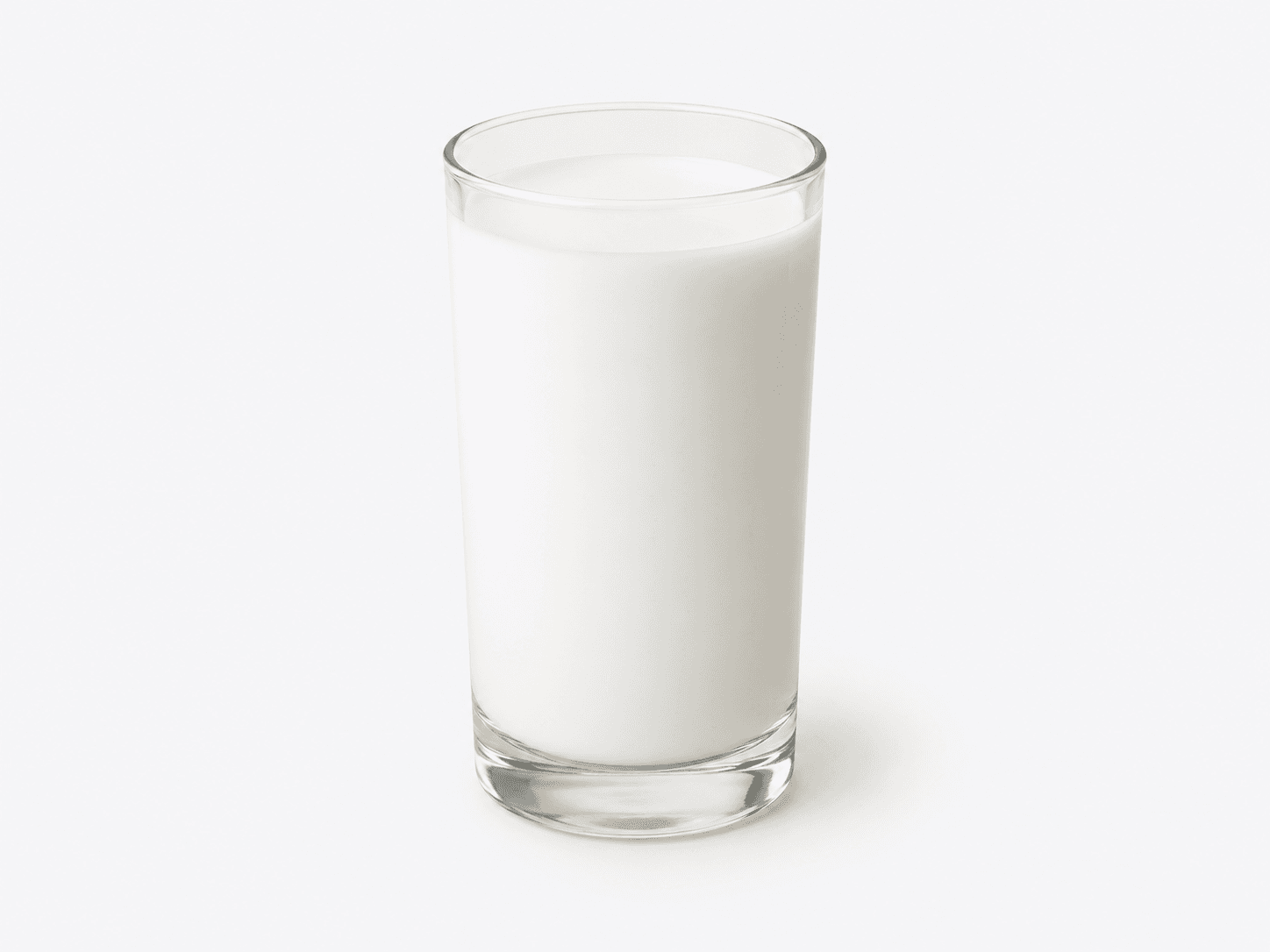
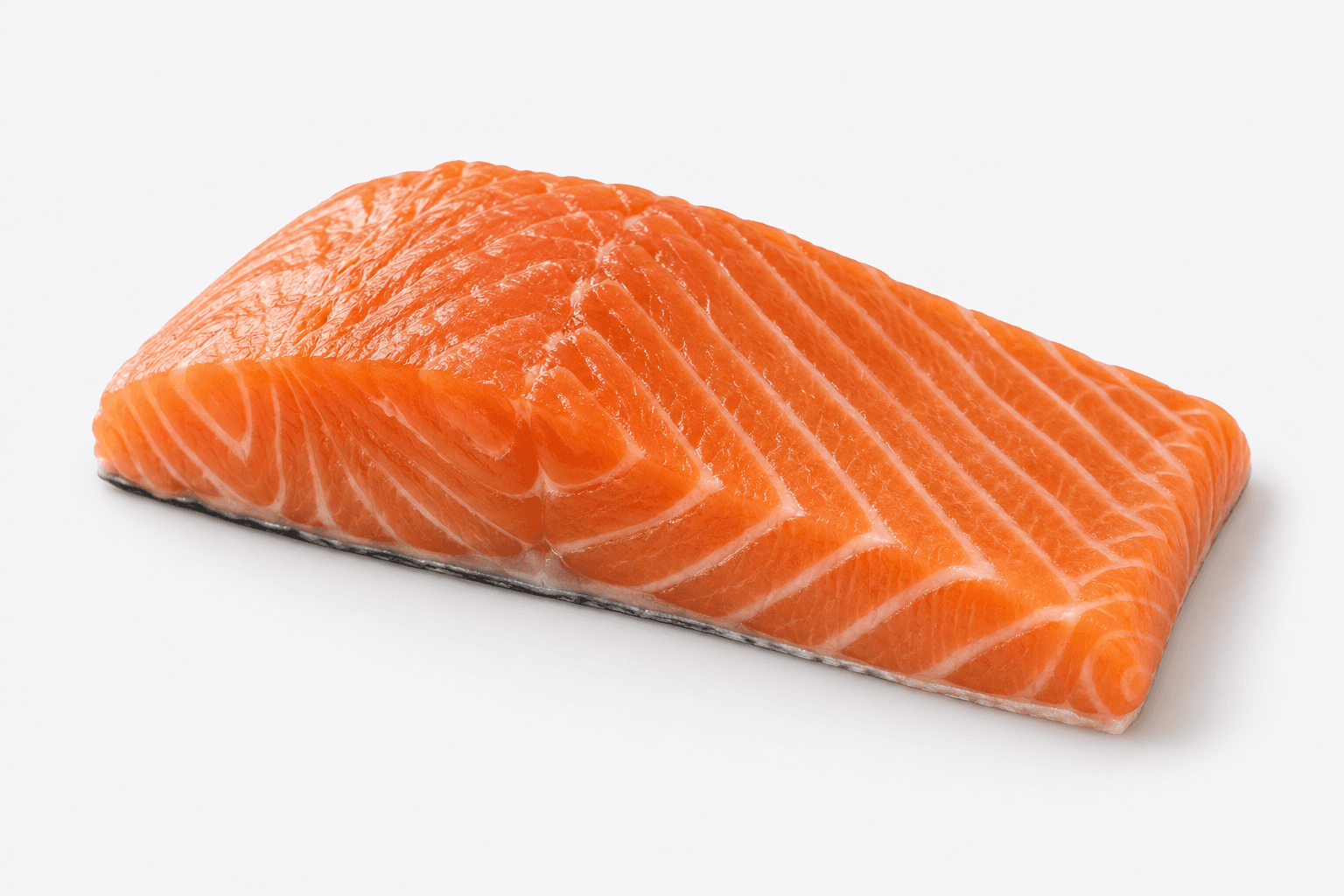
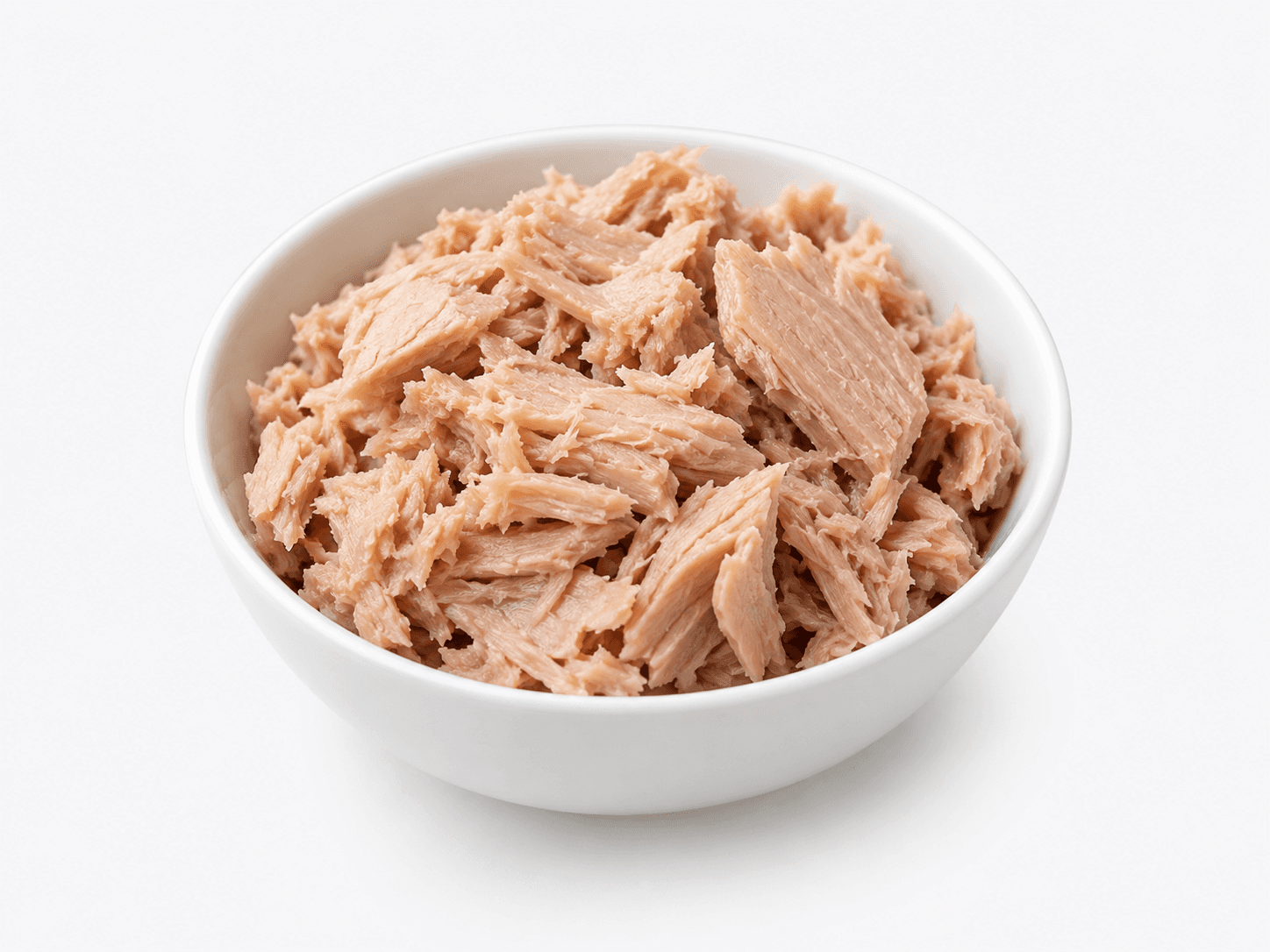
Ranked among the ingredients covered here. Reference amounts vary slightly between entries, so read this as a rough comparison rather than an exact order.
What it does
It is the raw material for the thyroid hormones T3 and T4. Those hormones set basal metabolic rate, body temperature, heart rate and the pace of protein synthesis, so a shortage of this one element slows the whole body down.
Before birth it acts directly on brain development. Worldwide, iodine deficiency remains the most common preventable cause of intellectual disability.
Recommended intake
The usual references are 150 µg a day for adults, 220 µg in pregnancy and 290 µg while breastfeeding. Upper limits differ by country: 1,100 µg in the United States, 2,400 µg in Korea — a gap that reflects a food culture built on seaweed.
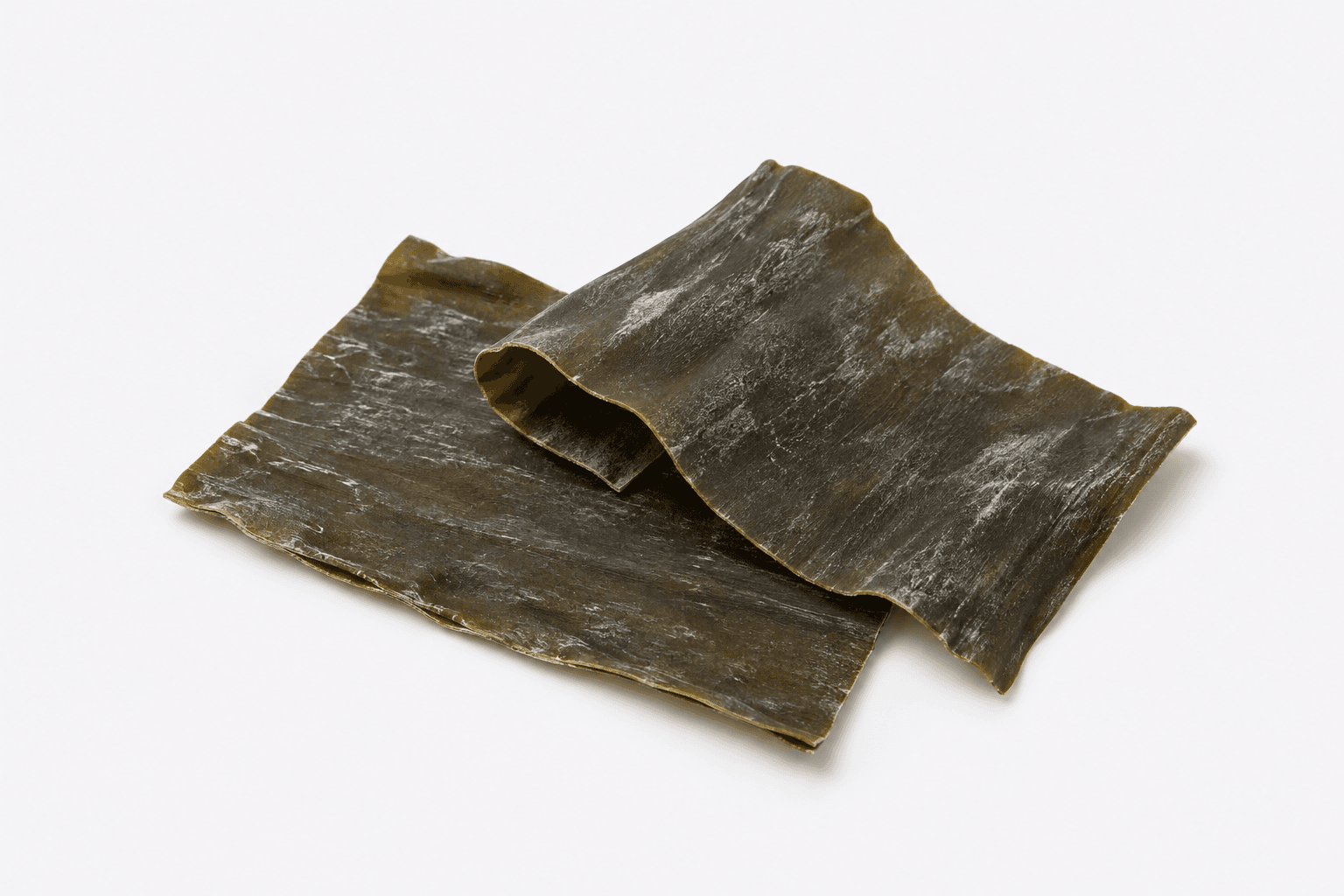
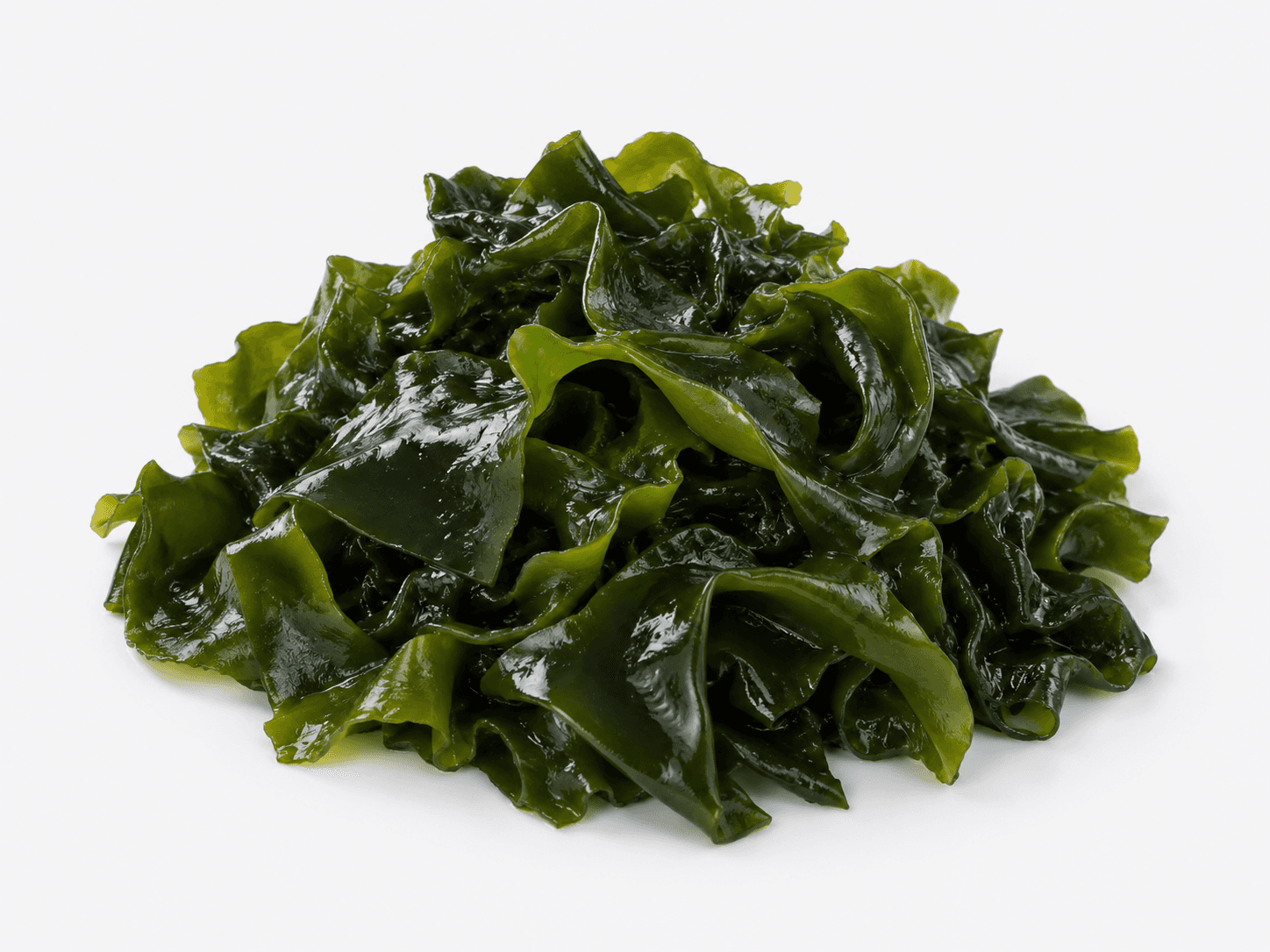
A survey of what Koreans actually eat makes the picture vivid. Brown seaweed alone supplies an average of 559 µg a day: 96 µg from sea mustard, 116 µg from kelp, and 348 µg from kelp broth by itself.
But in the same survey the median was zero — only 37.6 % of people had eaten any brown seaweed that day. The pattern is not a little every day; it is a lot on the days it appears.
What affects absorption
Iodine from food is almost completely absorbed. The difficulty is how much varies. The same sea mustard differs several-fold by origin and by how it was dried and cooked, and kelp runs about seven times higher than sea mustard.
Broth is the biggest variable. Lifting the kelp out does not remove the iodine, which has dissolved into the liquid. That is why kelp broth supplied three times more iodine than the kelp itself in that survey.
Cruciferous vegetables and soy contain compounds that interfere with thyroid hormone synthesis, but with adequate iodine they do not amount to a practical problem.
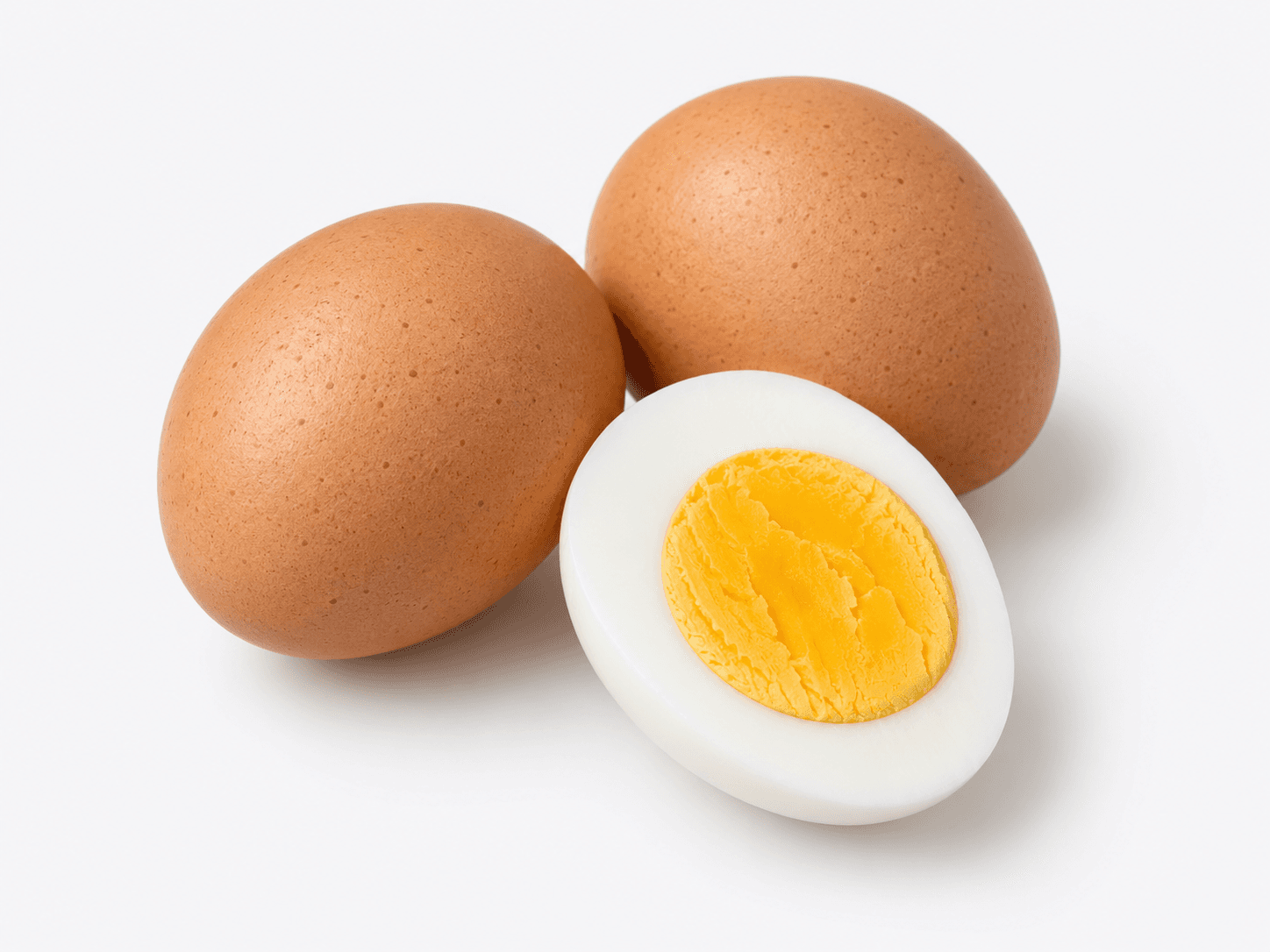
There is a reason the table above is short. Iodine is a nutrient food composition tables rarely measure. USDA has no iodine figure at all for most foods — including the ones you would most want to look up, like kelp, laver and oysters. The six entries here are all the verified values there are.
The dairy figures are given as ranges deliberately. Iodine in milk depends on cattle feed and on the iodine-based disinfectants used at milking, and it swings more than twofold by season and farm. Dairy is still the leading iodine source in several countries — not because any glass carries much, but because it is drunk every day.
What to watch out for
Too little and too much both impair thyroid function. Deficiency causes goitre and hypothyroidism; excess causes hypothyroidism too. In Korea, the side worth watching is usually excess.
For postpartum seaweed soup, watch the duration rather than the portion. Iodine passes into breast milk, and a newborn's thyroid is particularly sensitive to excess. If the custom means three bowls a day for weeks rather than days, it is worth a second look.
The link with thyroid cancer runs opposite to the common belief. In a Korean study, laver intake (OR 0.50, 95 % CI 0.30–0.83) and iodine intake (0.57, 0.35–0.95) were associated with lower thyroid cancer risk, while sea mustard and kelp showed no significant association. It is observational and cannot establish cause — but it does not support the idea that seaweed causes thyroid cancer.
If you are being treated for thyroid disease or are scheduled for a radioiodine study, discuss seaweed intake with your clinician first.
Sources
The databases and health authorities this article's nutrition figures and health statements draw on.
- 1USDA FoodData CentralFood composition database
- 2MFDS Food Composition Database · 식품안전나라Food composition database
- 3NIH Office of Dietary SupplementsHealth authority
- 4World Health Organization · Healthy dietHealth authority
- 5Iodine intake from brown seaweed and the related nutritional risk assessment in KoreansResearch literatureKwon SO, et al. Nutr Res Pract 2024PMID 38854470
- 6Seaweed and Iodine Intakes and SLC5A5 rs77277498 in Relation to Thyroid CancerResearch literatureHoang T, et al. Endocrinol Metab (Seoul) 2022PMID 35607818