Macronutrient
Foods high in protein and how much you need daily
Protein builds more than muscle: it is the material for enzymes, hormones and immune antibodies. What matters is not just the total but whether the essential amino acids are all there.
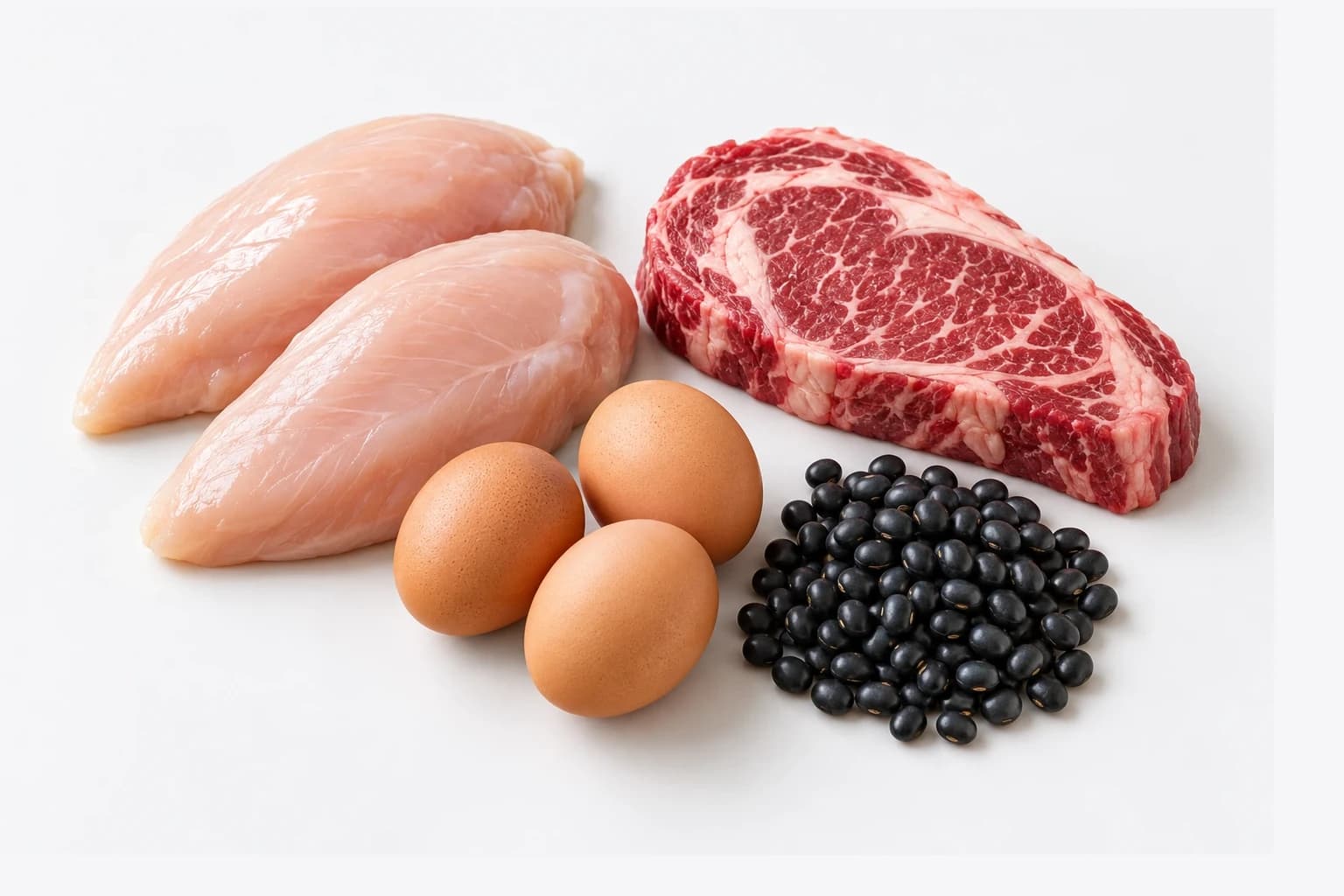
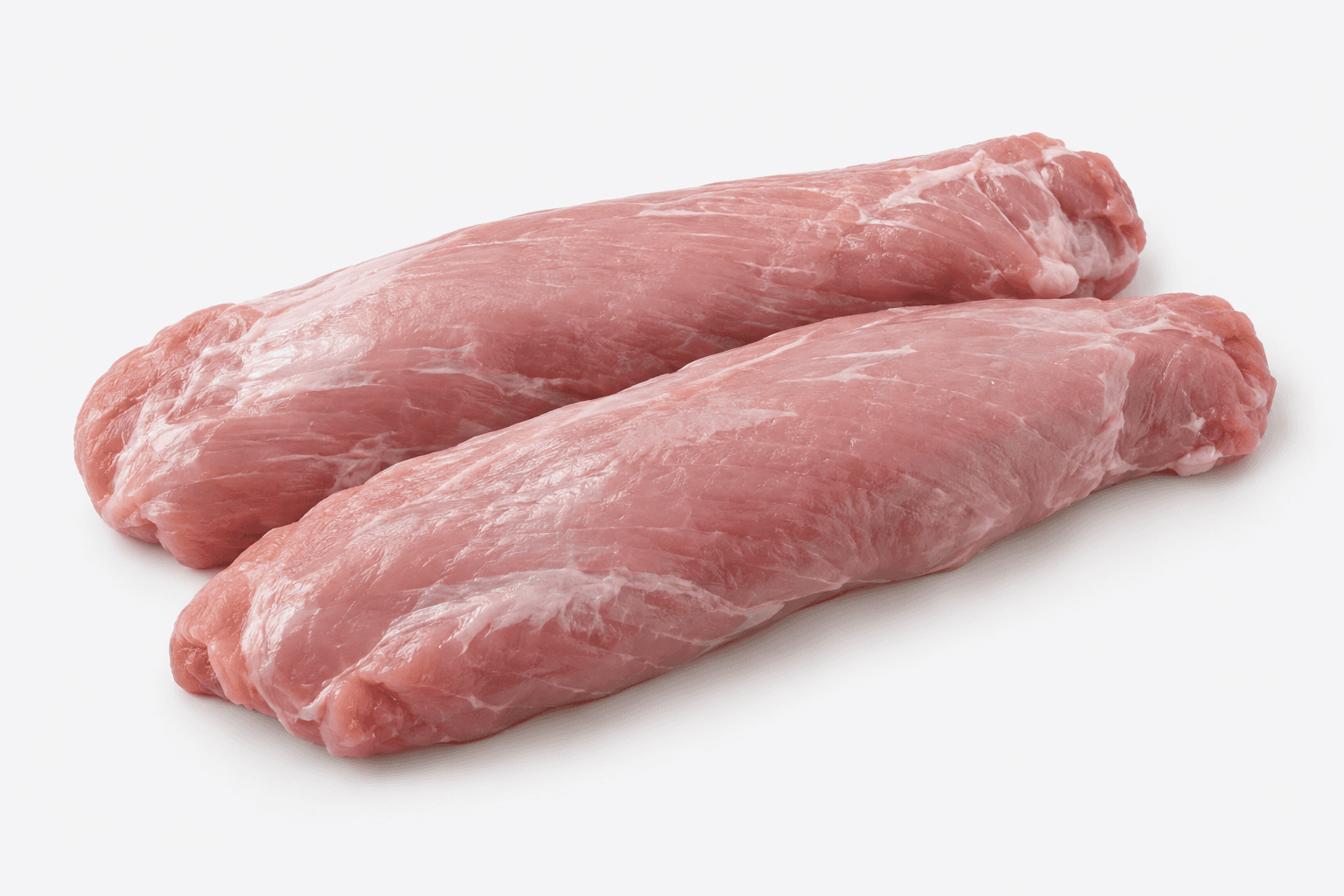
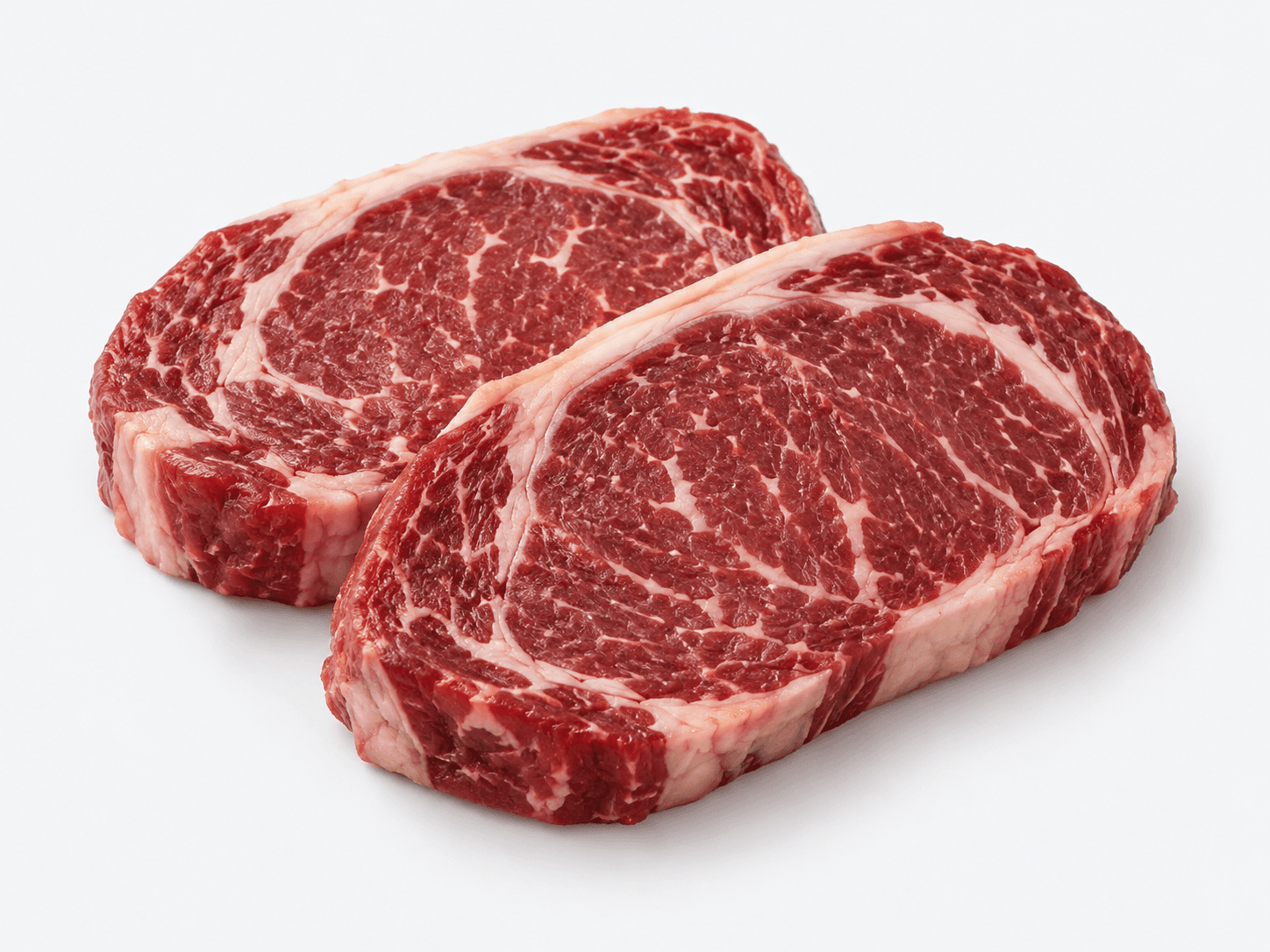
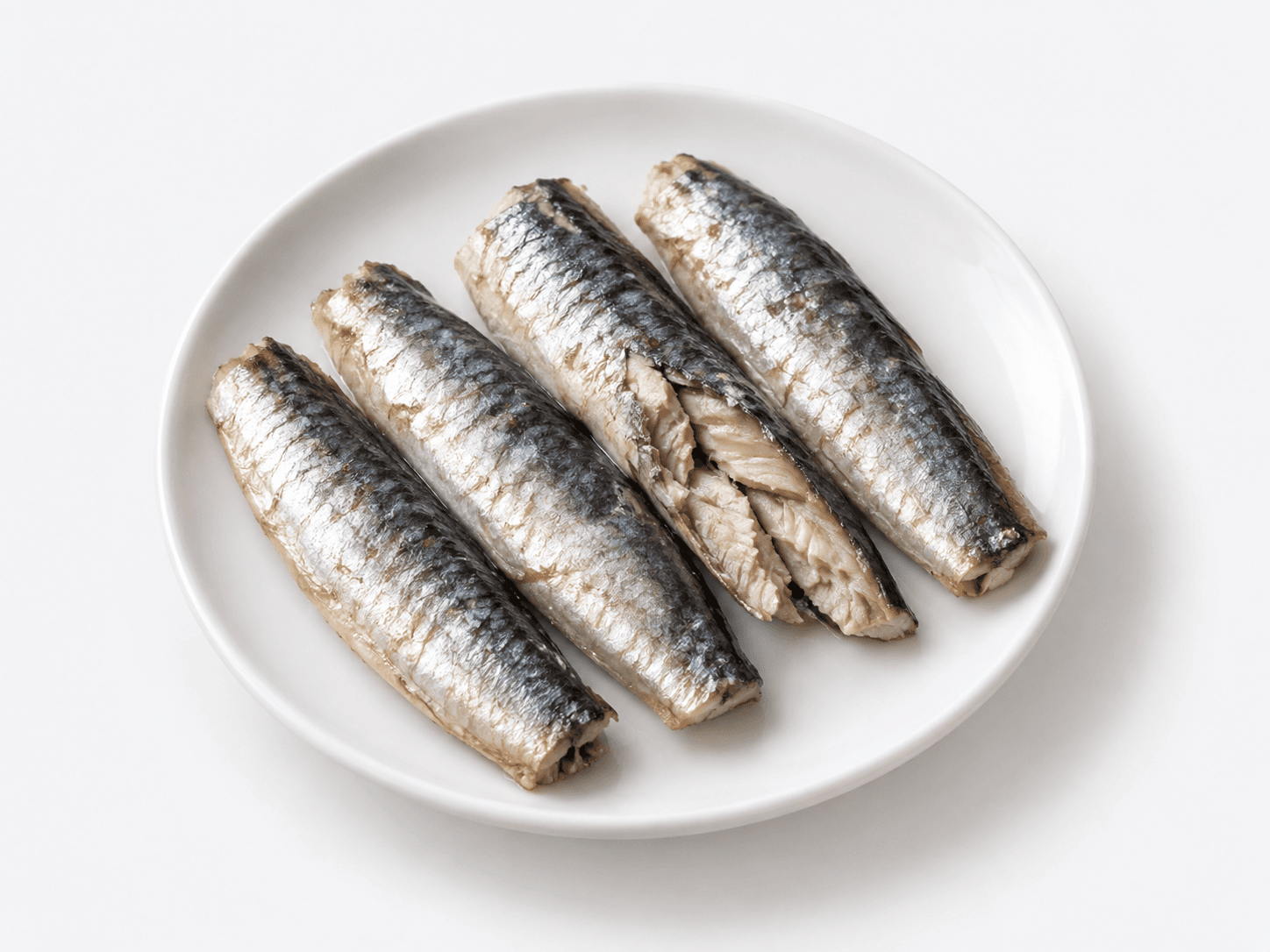
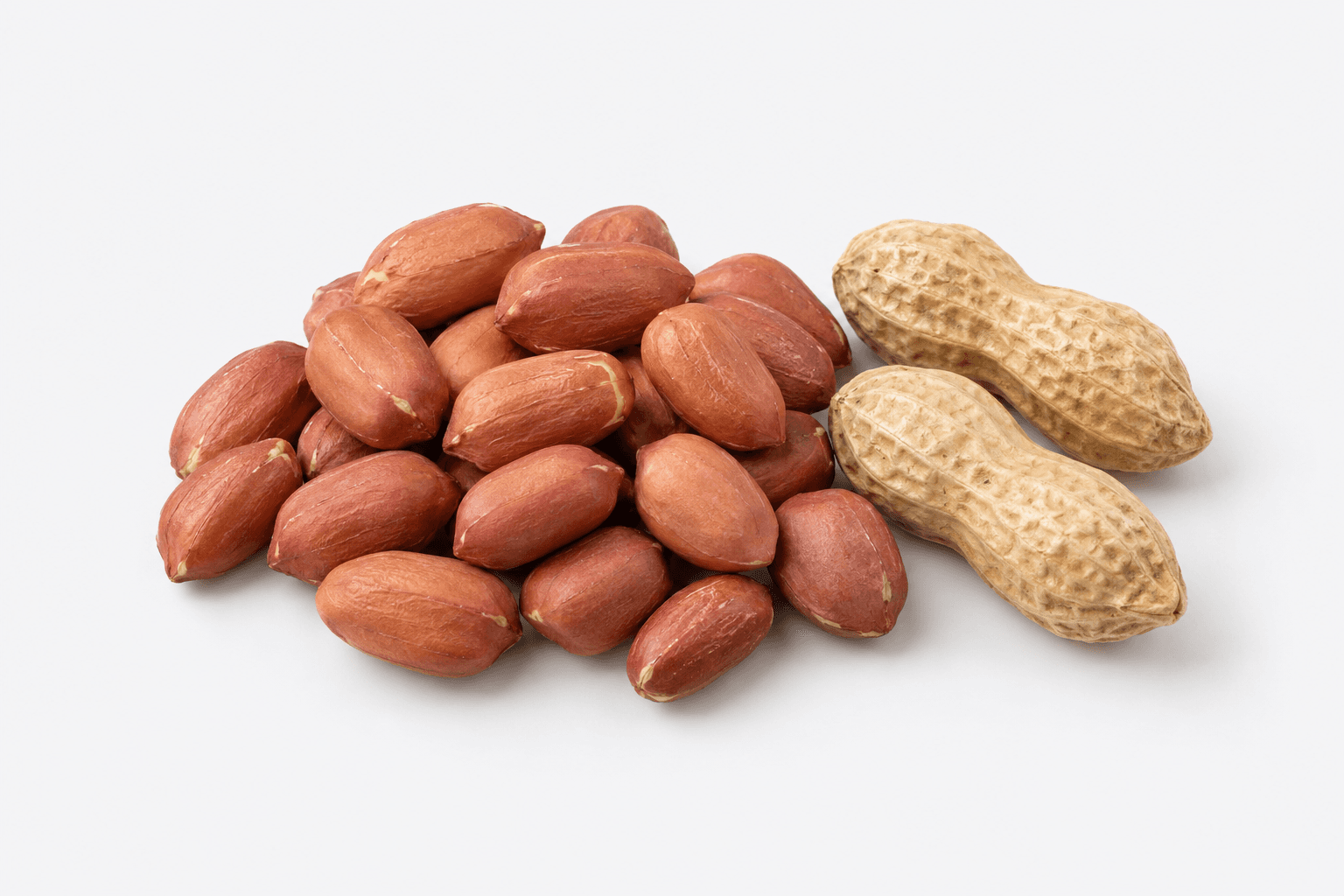
Highest sources
Ranked among the ingredients covered here. Reference amounts vary slightly between entries, so read this as a rough comparison rather than an exact order.
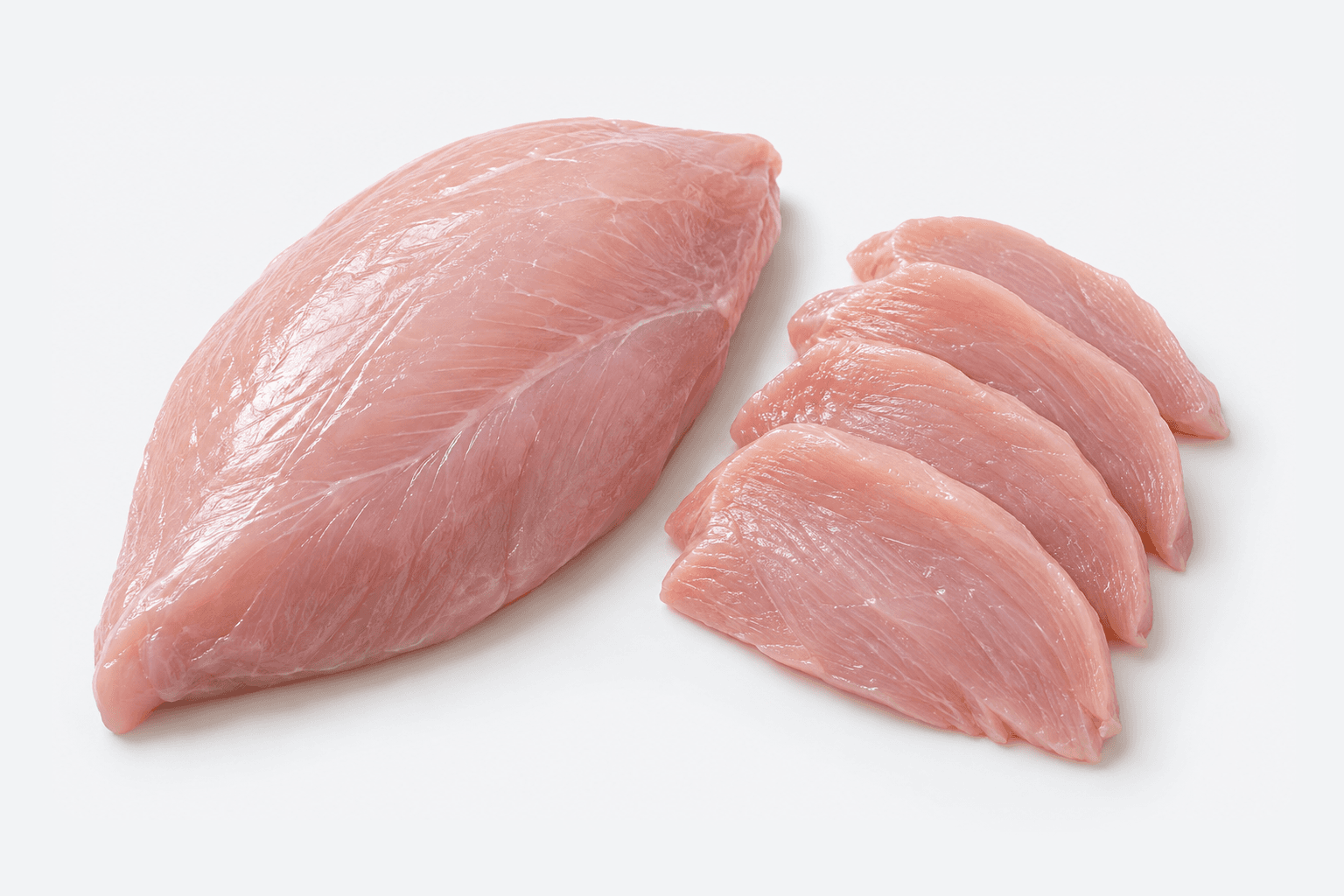
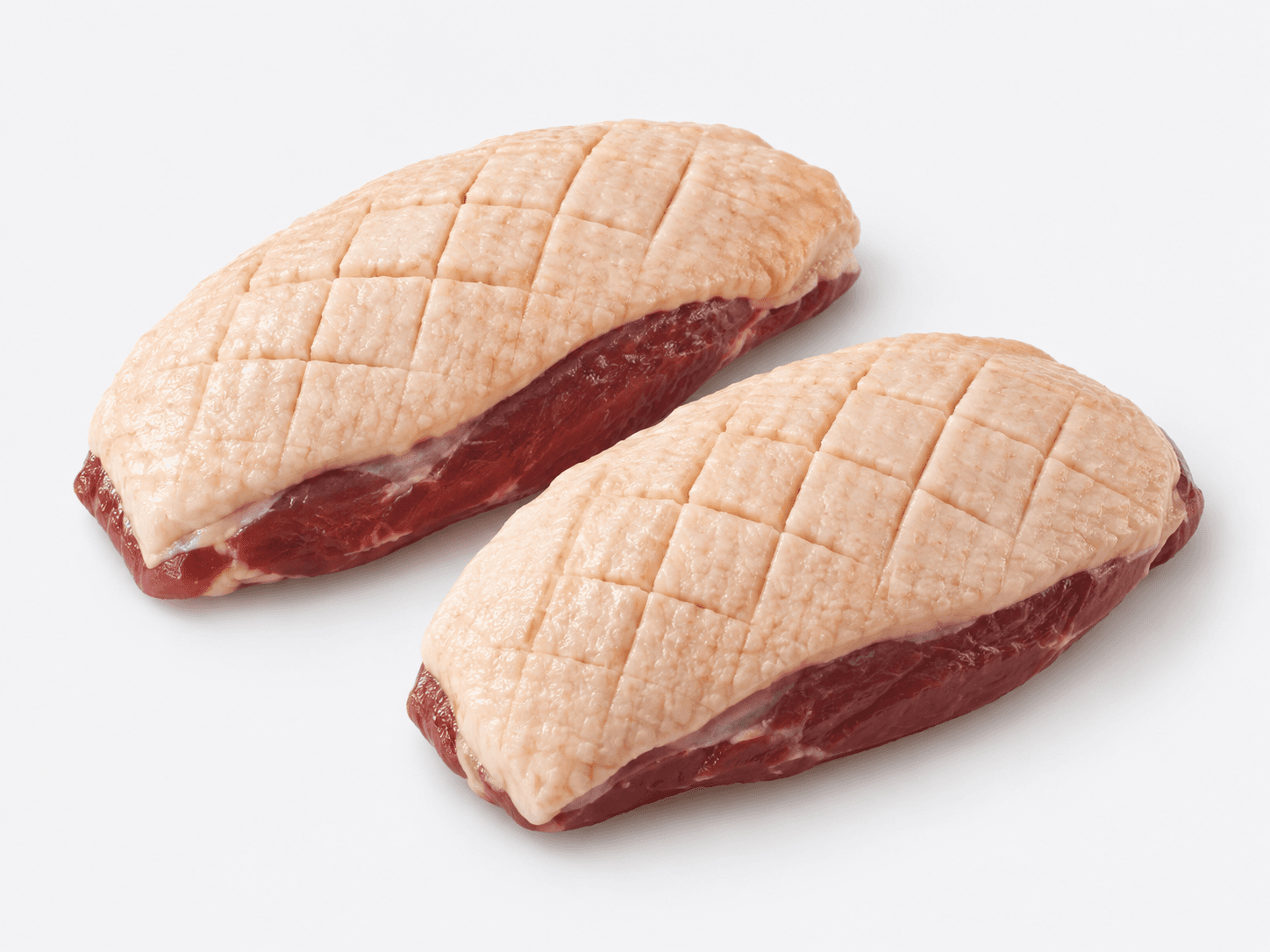
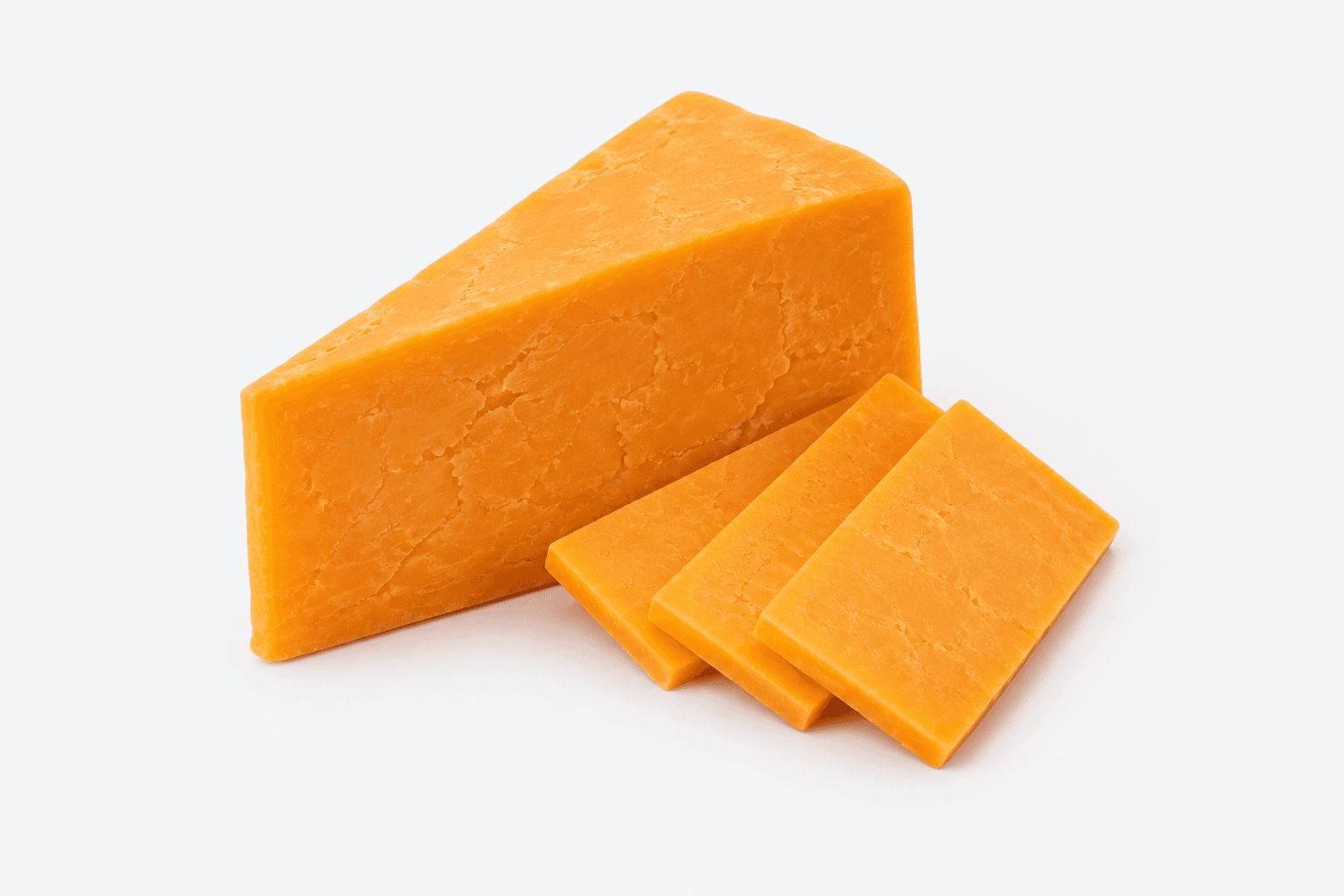
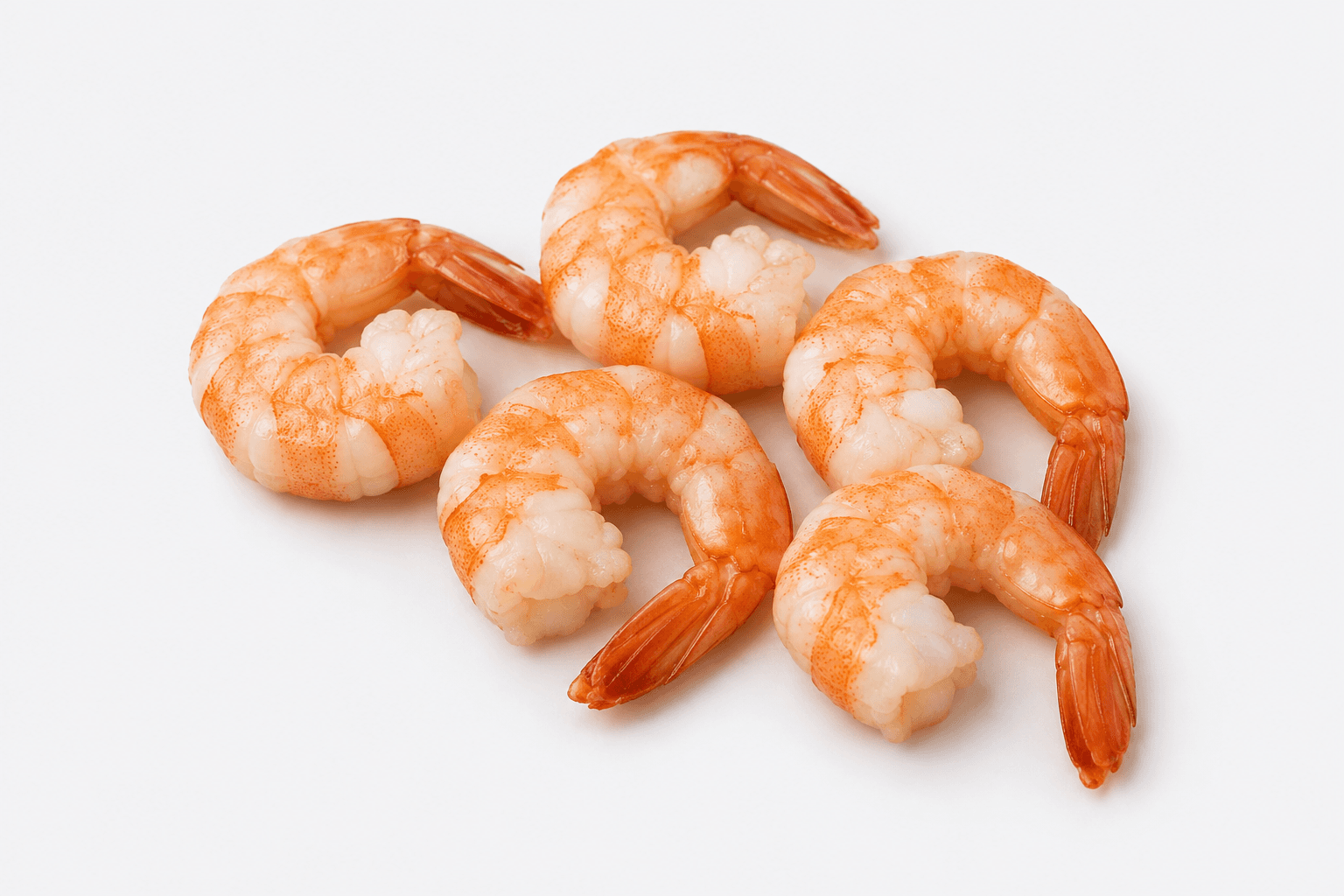
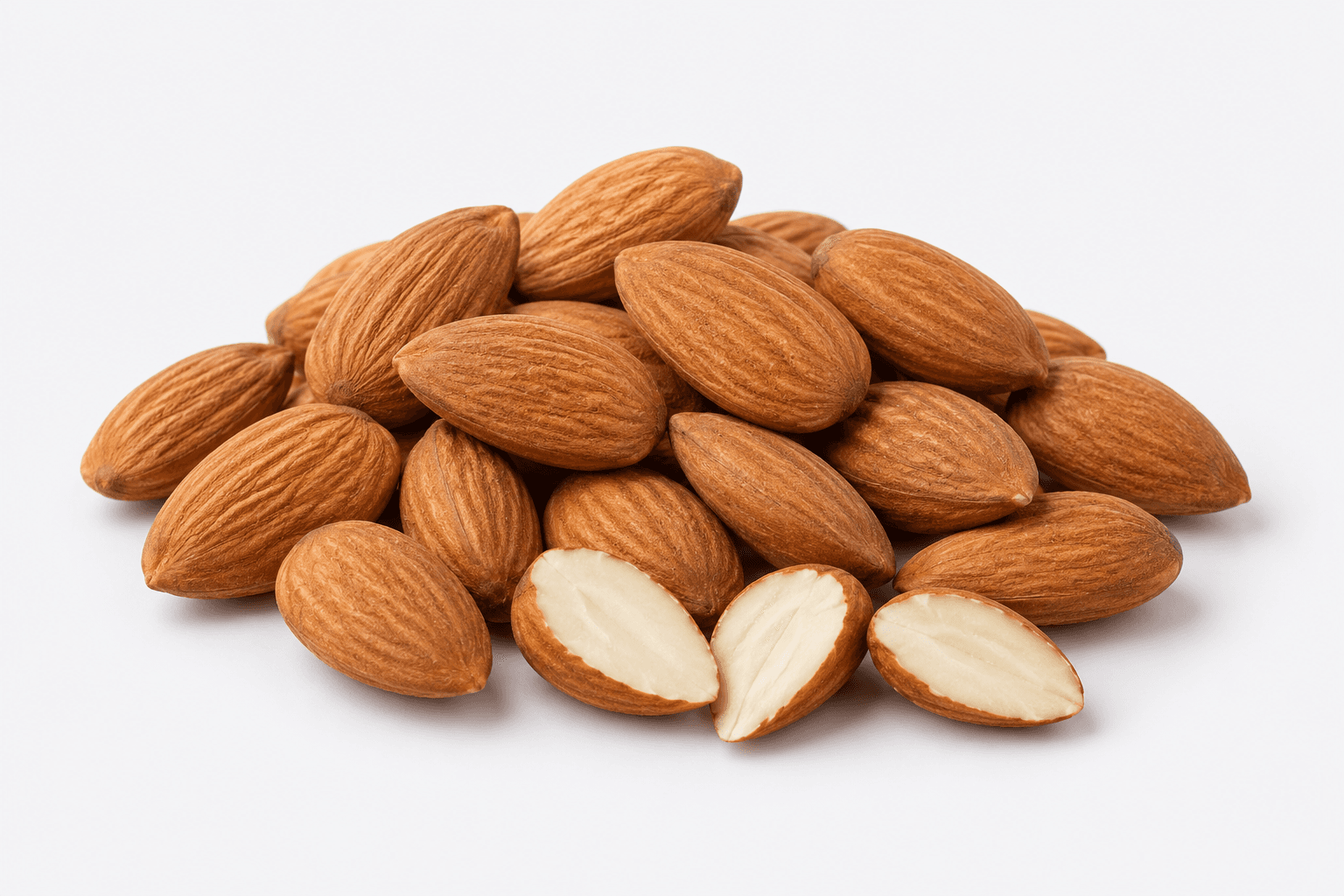
What it does
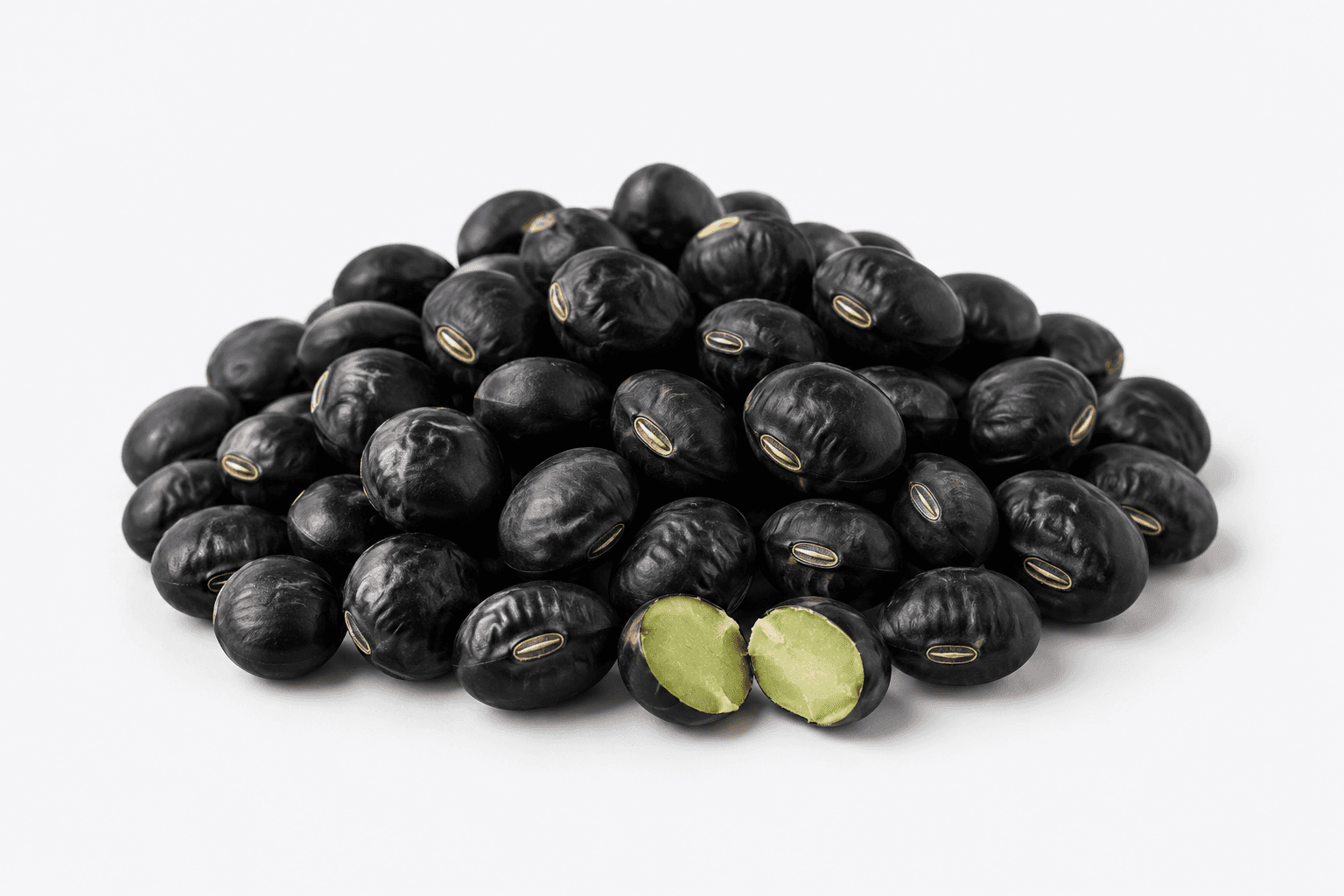
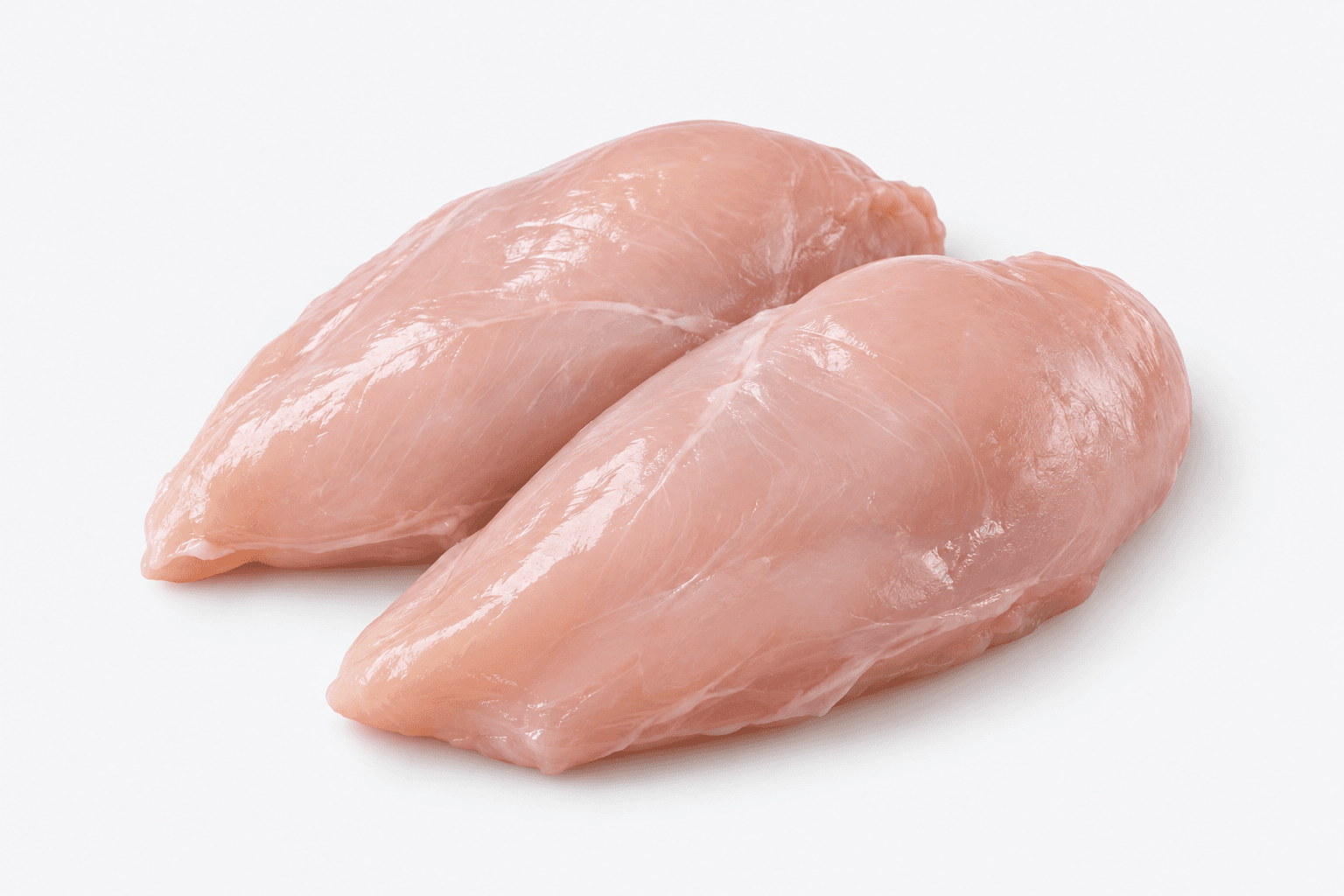
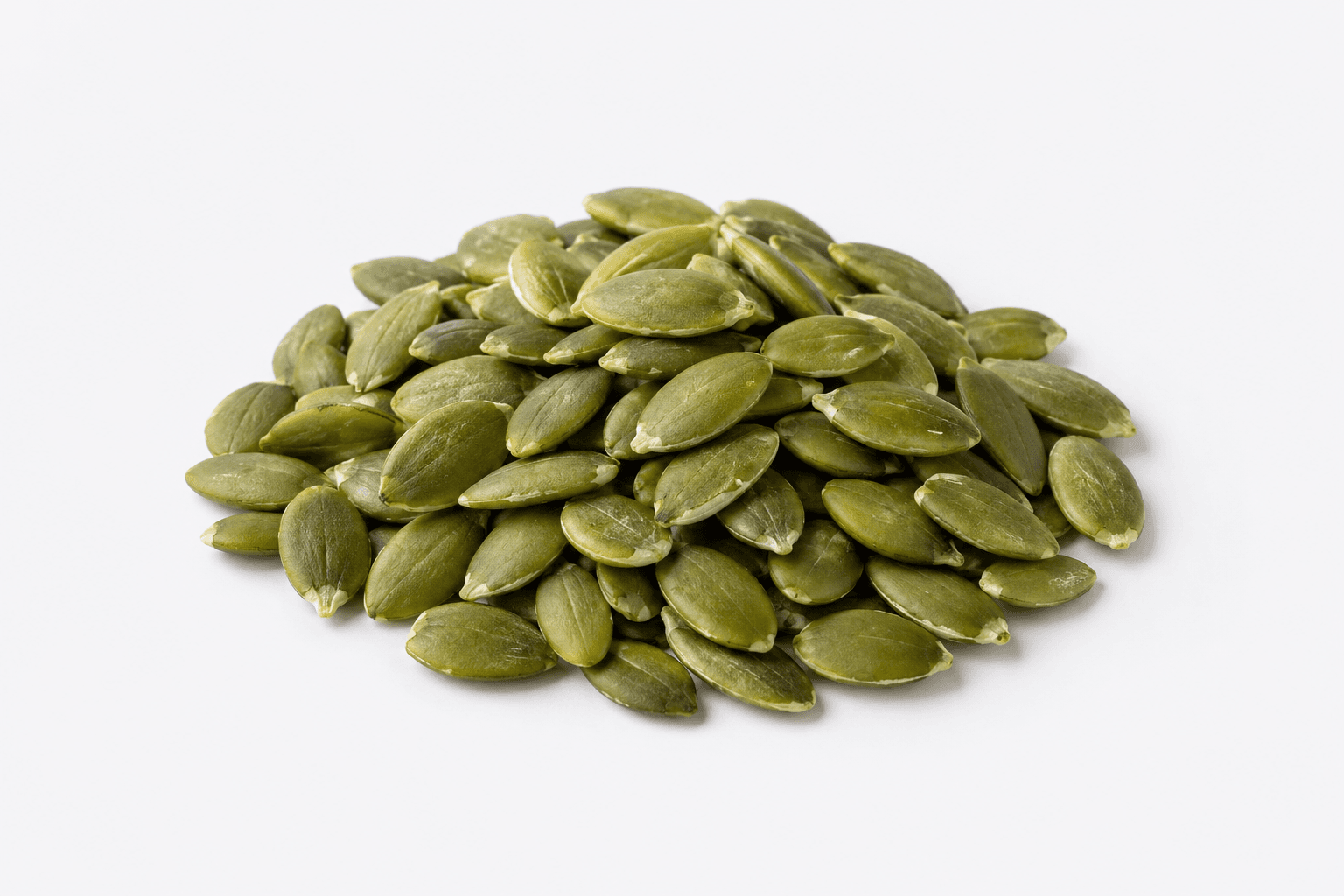
Structural proteins that hold the body together, enzymes that drive chemical reactions, hormones that carry signals and antibodies that catch pathogens are all protein. Nine essential amino acids cannot be made by the body and must come from food. Animal foods generally carry all nine in good proportions; plant foods are often short on one or two, which is why combining grains and legumes fills the gaps.
Recommended intake
The WHO reference is 0.83 g per kilogram of body weight a day for adults — about 50 g for someone weighing 60 kg. That figure is close to the minimum that prevents deficiency; guidelines aimed at maintaining muscle or preventing age-related loss often suggest 1.0–1.2 g. Heavy training raises it further.
What affects absorption
Spreading protein across meals supports muscle protein synthesis better than loading it into one sitting, with 20–30 g per meal a commonly cited target. Heat unfolds protein structure, which actually makes it easier to digest.
What to watch out for
If you restrict protein for kidney disease, set the amount with your clinician. In healthy people there is no evidence that ordinary intakes damage the kidneys. Raising protein alone tends to leave fibre short, which makes constipation likely.
Sources
The databases and health authorities this article's nutrition figures and health statements draw on.