Macronutrient
Foods high in carbohydrate, and the fact that fibre sits in that column
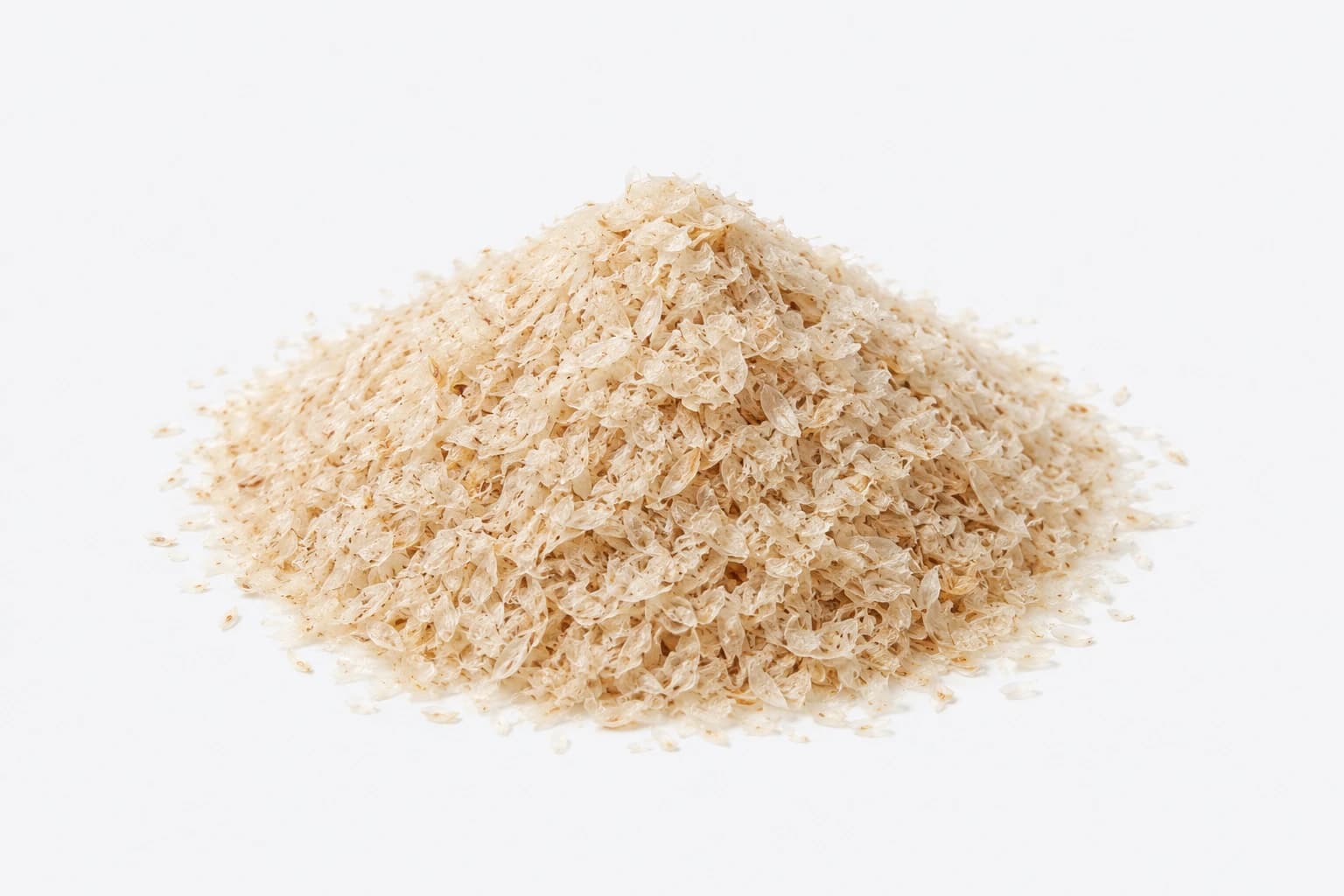
The carbohydrate column holds not just starch and sugar but dietary fibre too. That is why psyllium tops the ranking below — and most of its 88.9 g is never absorbed.
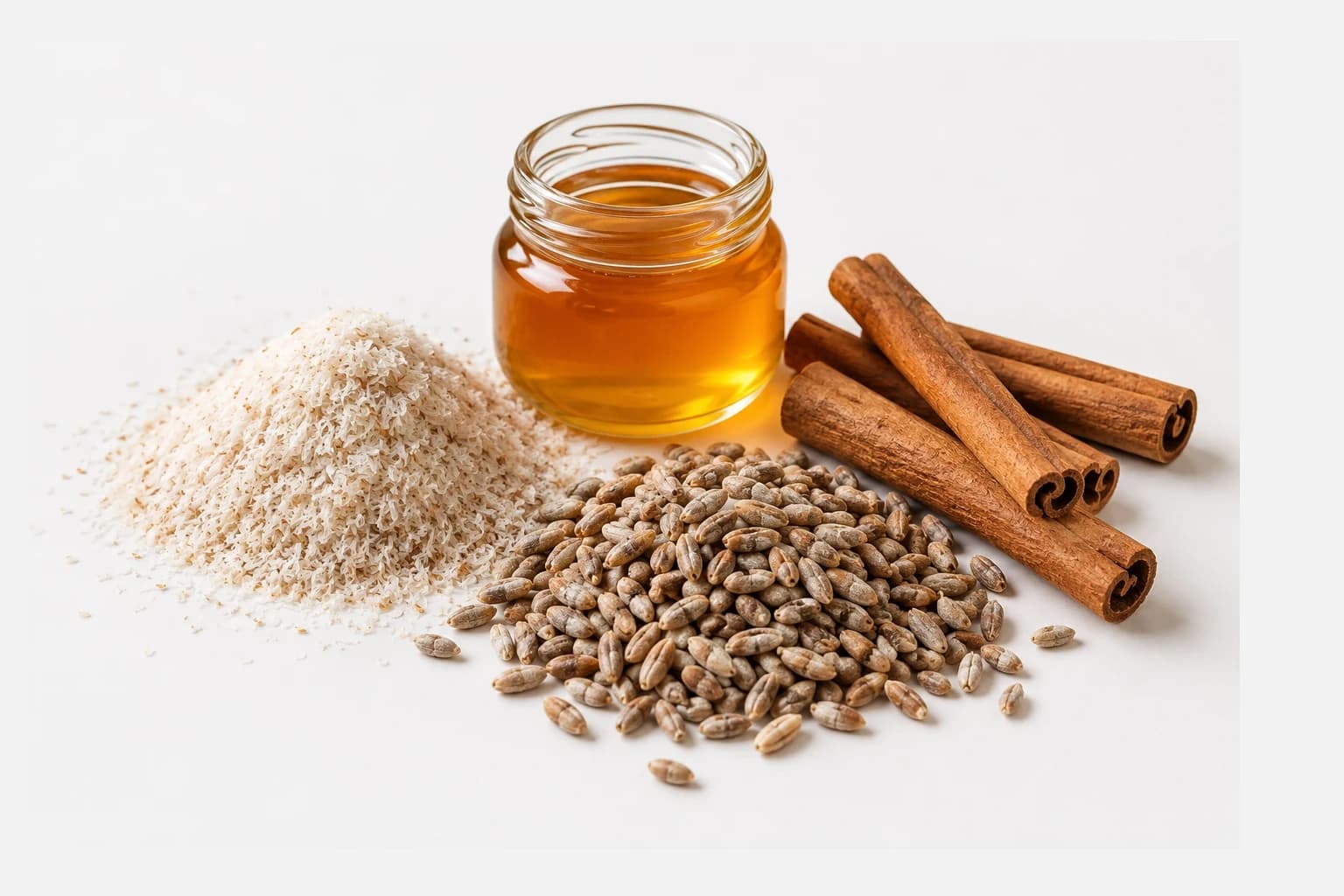
Highest sources
Ranked among the ingredients covered here. Reference amounts vary slightly between entries, so read this as a rough comparison rather than an exact order.
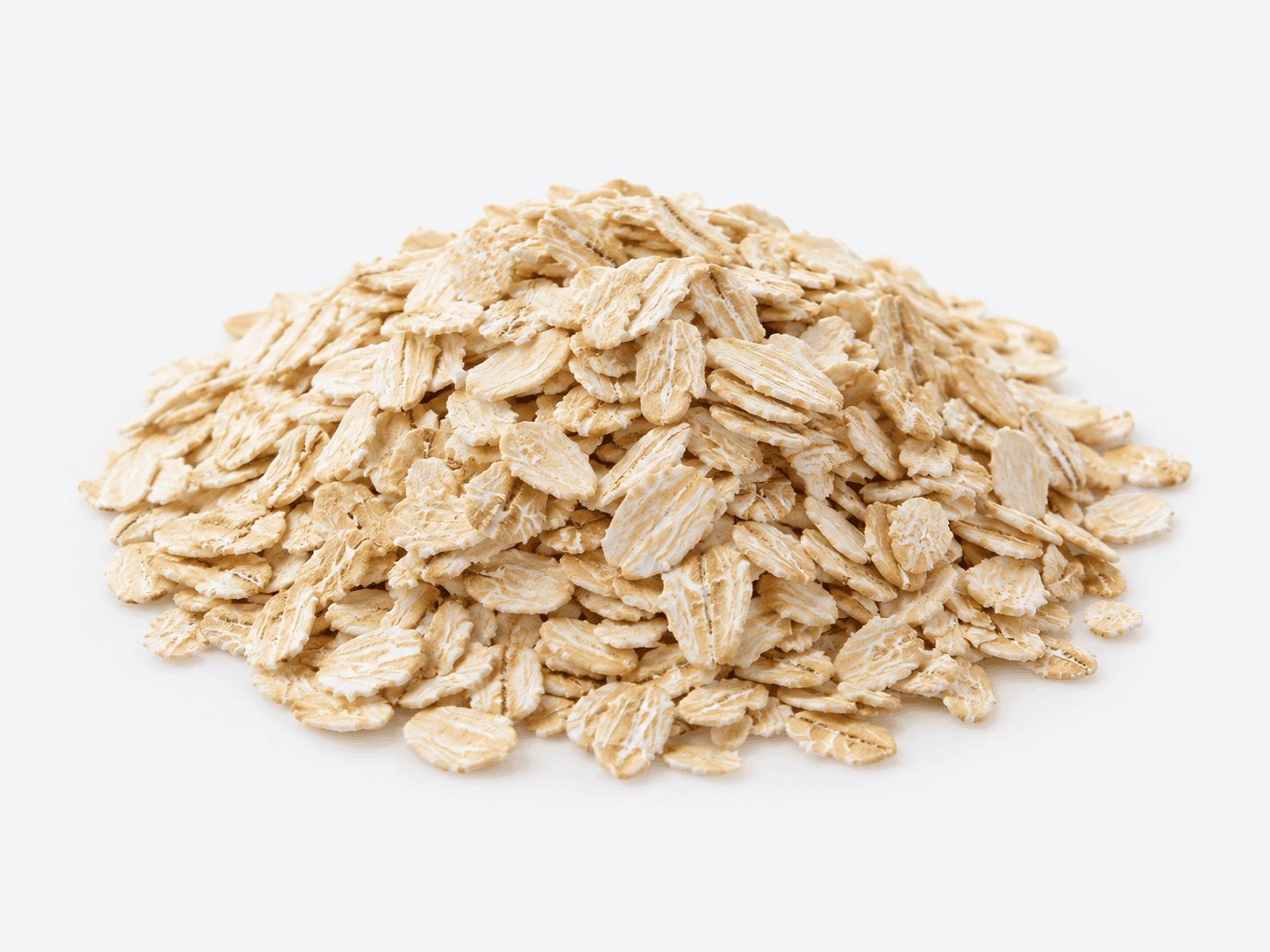
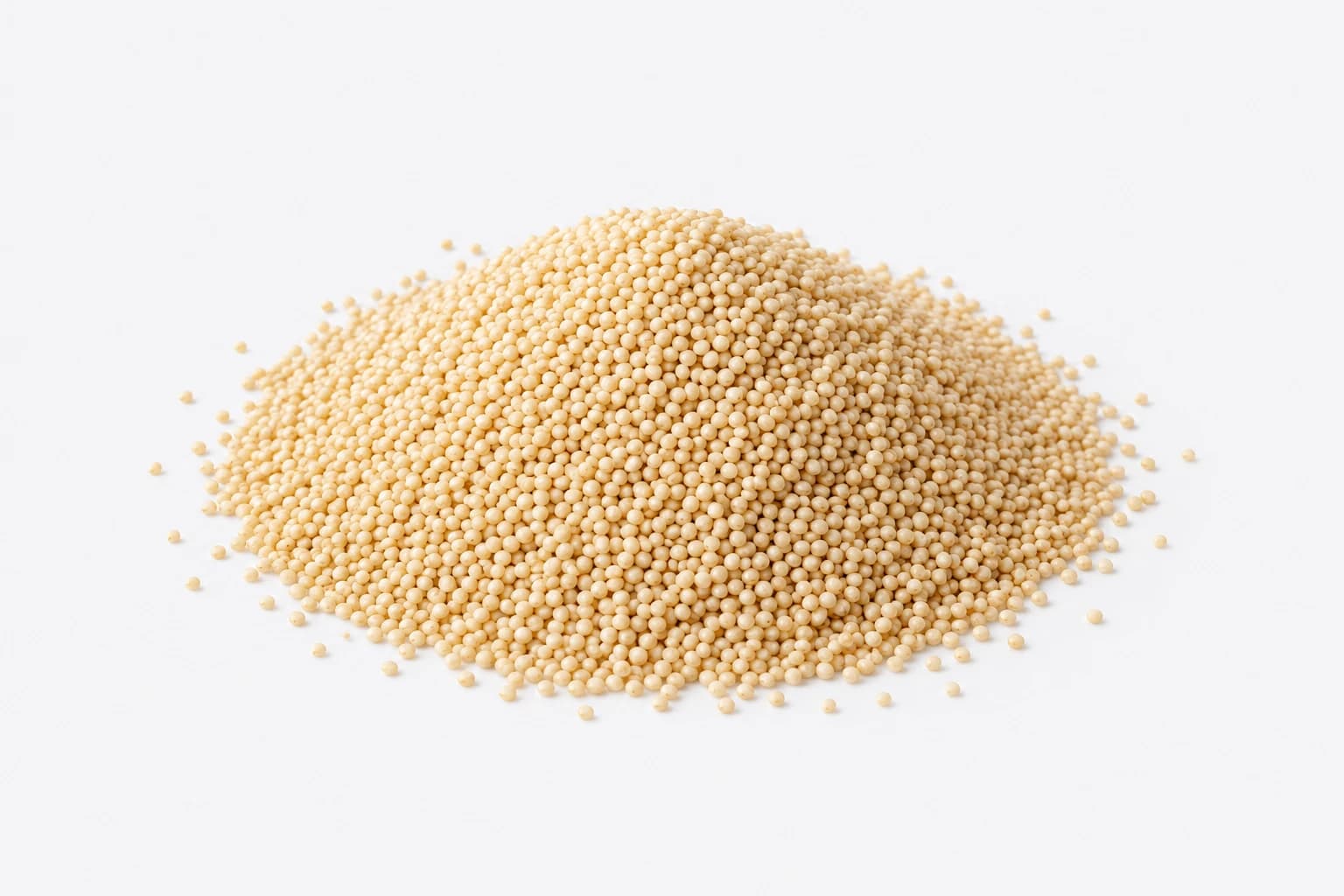
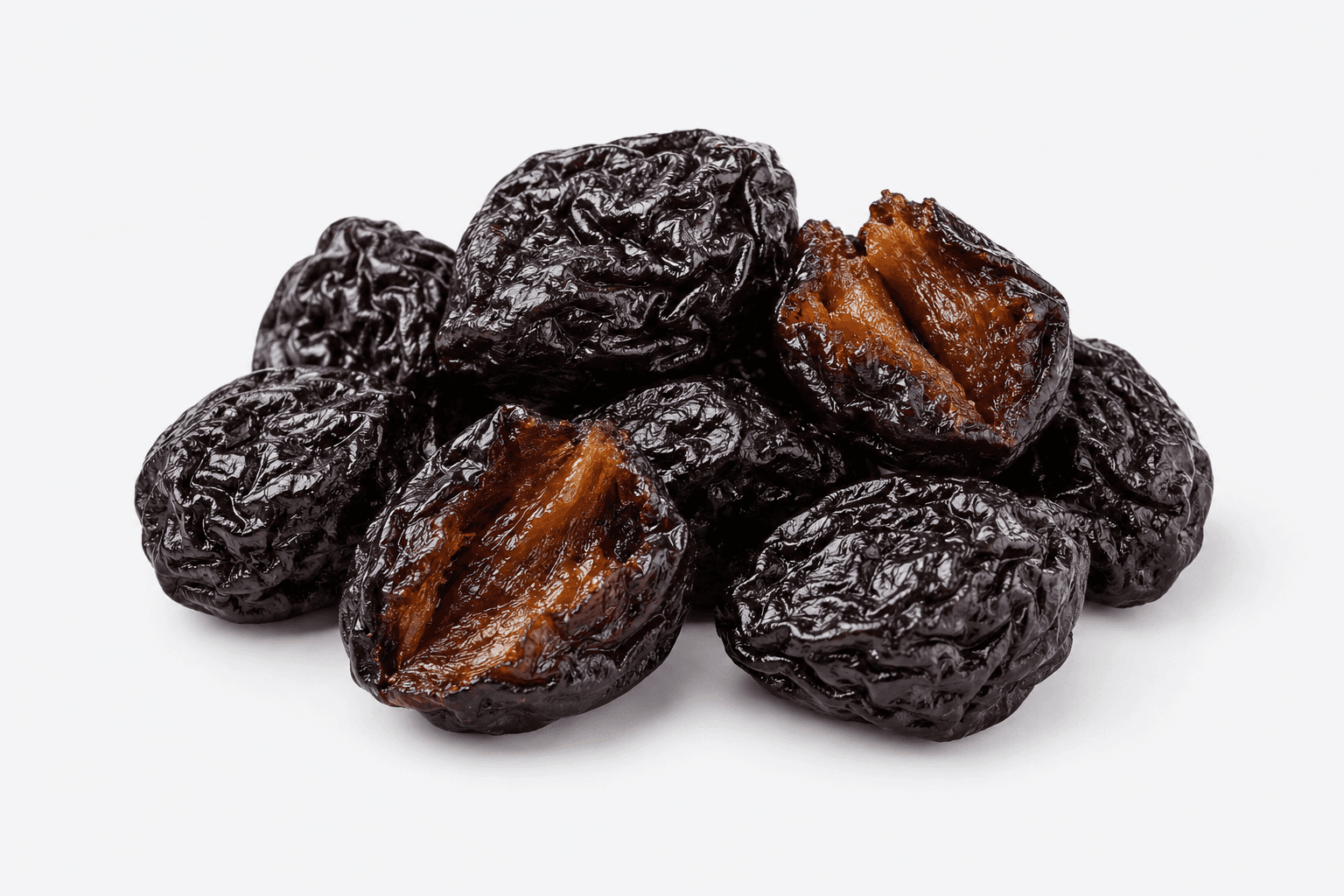
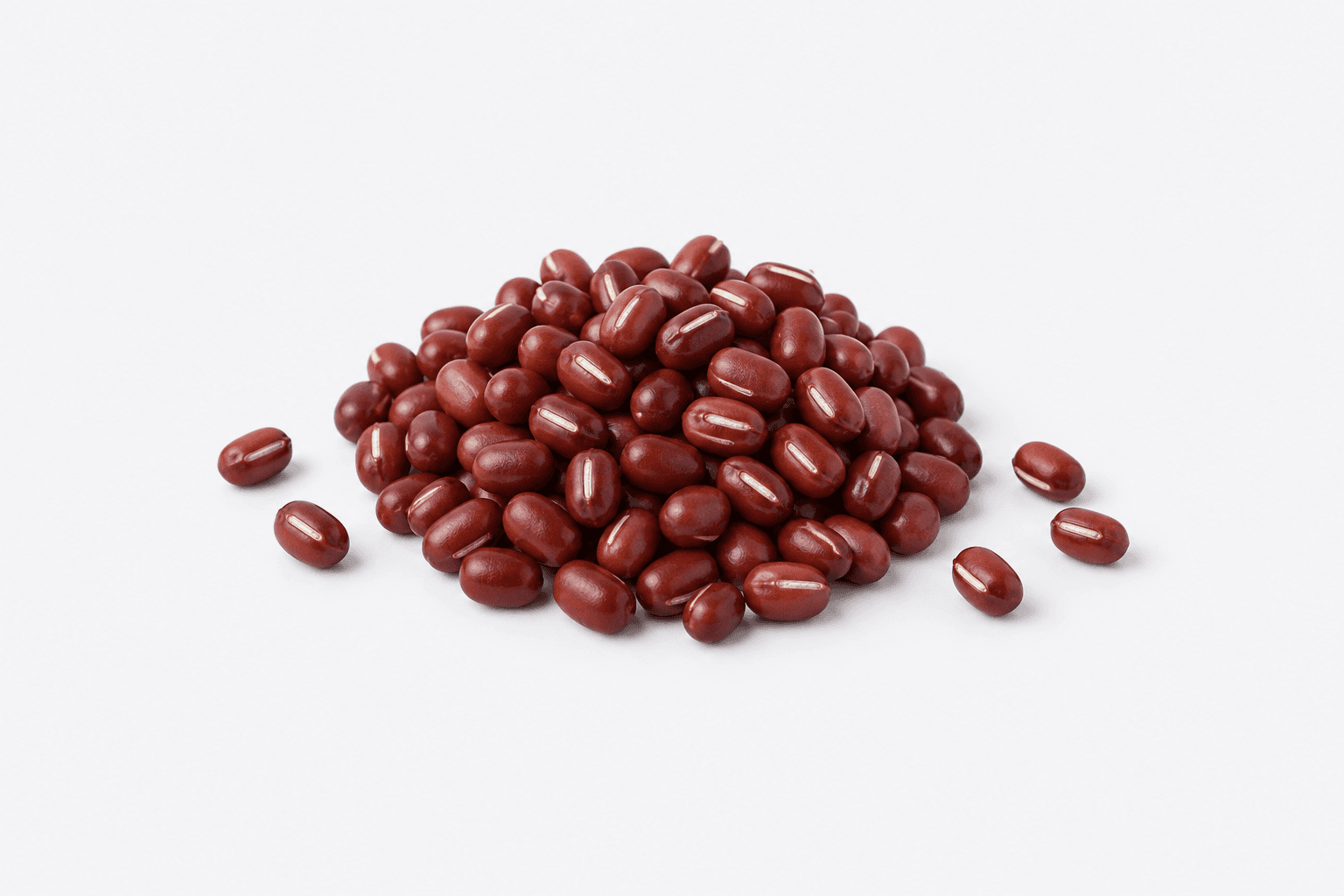
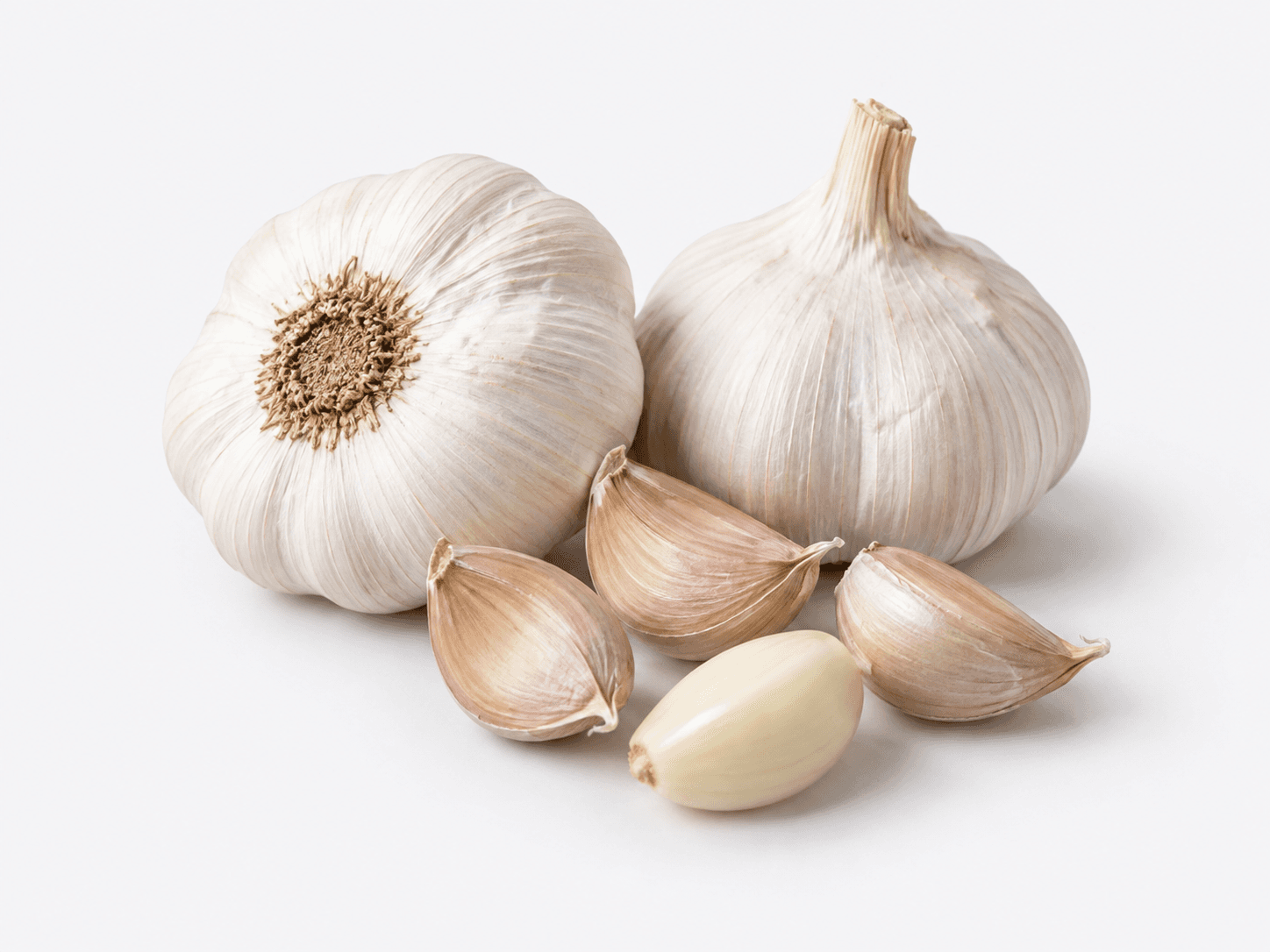
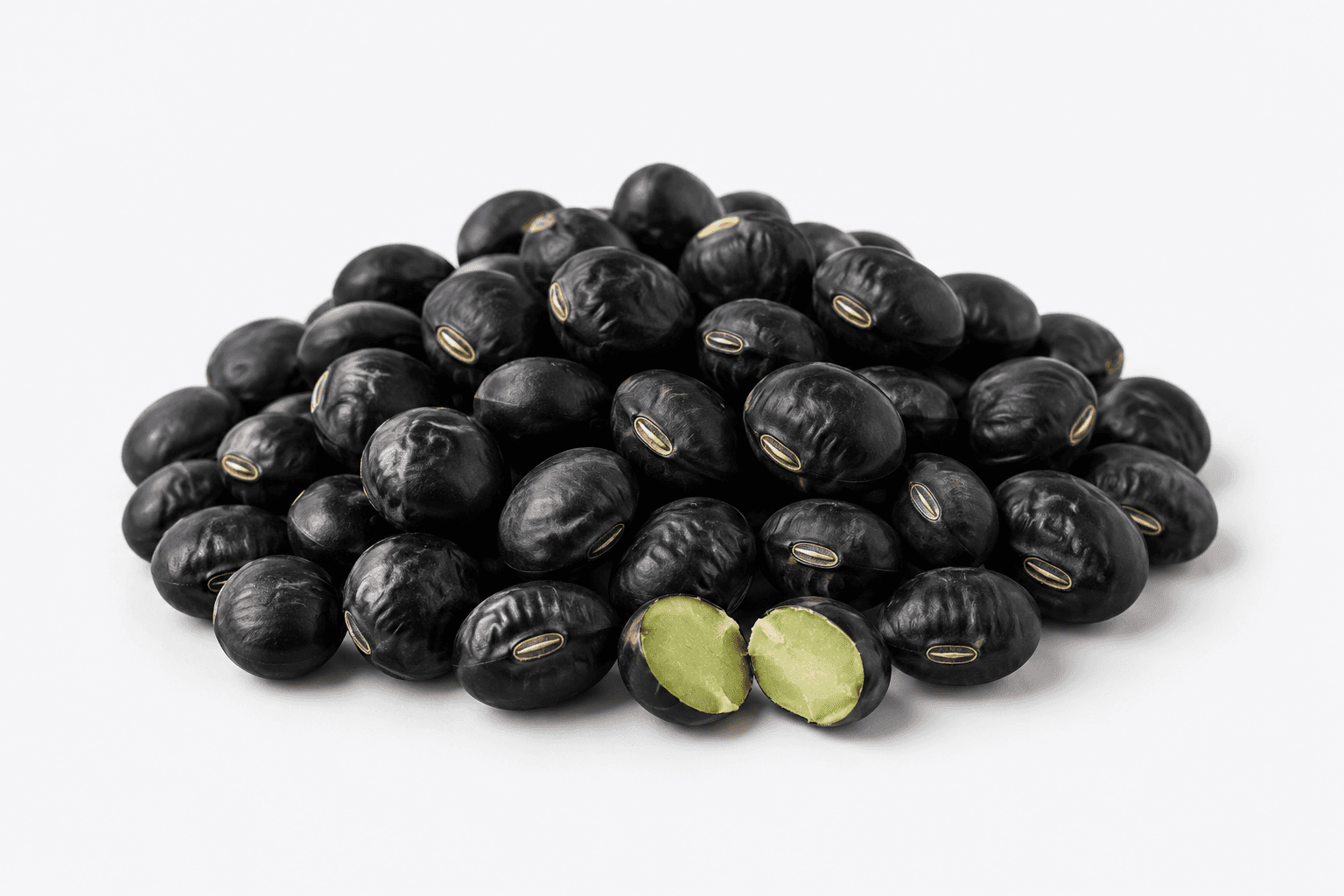
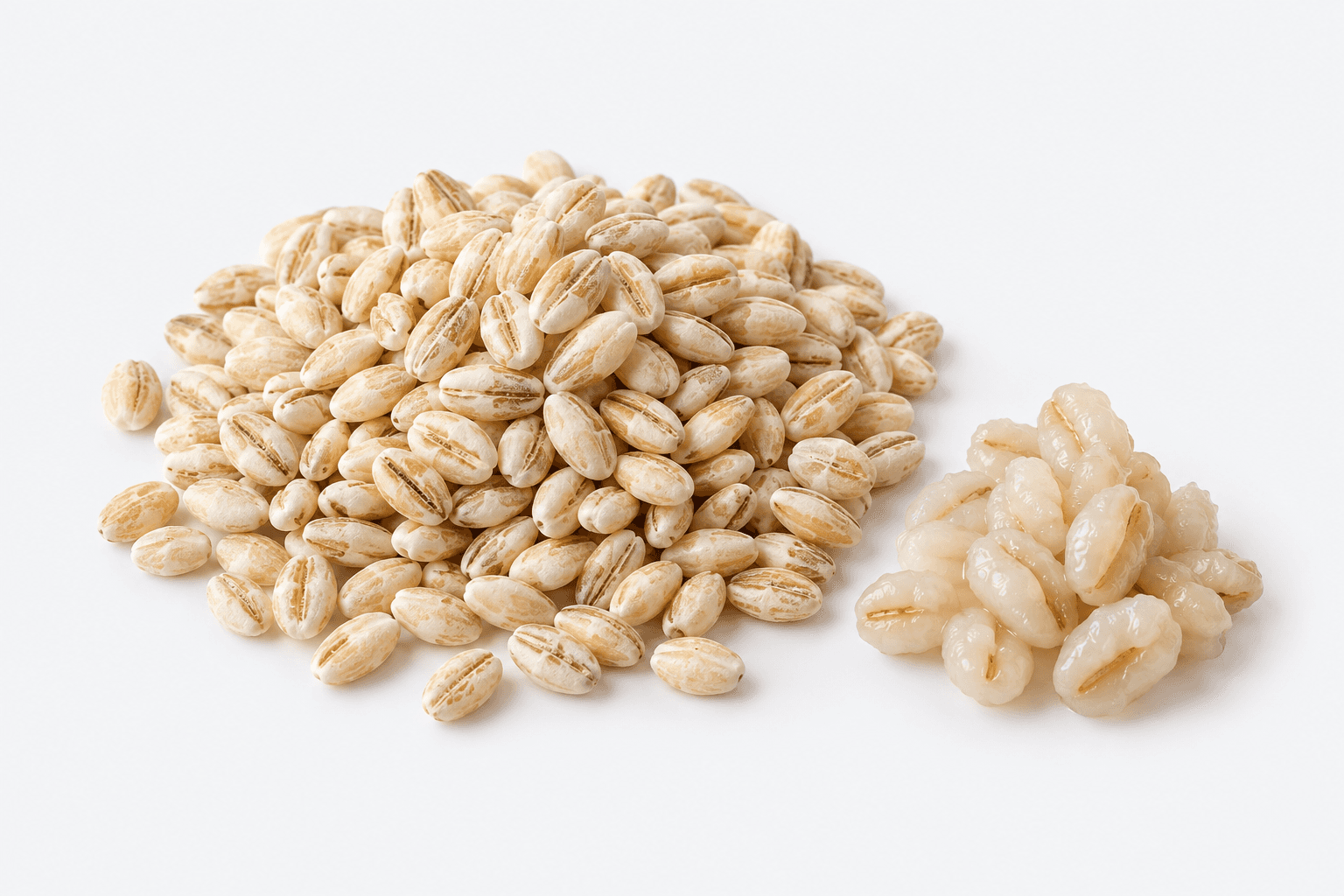
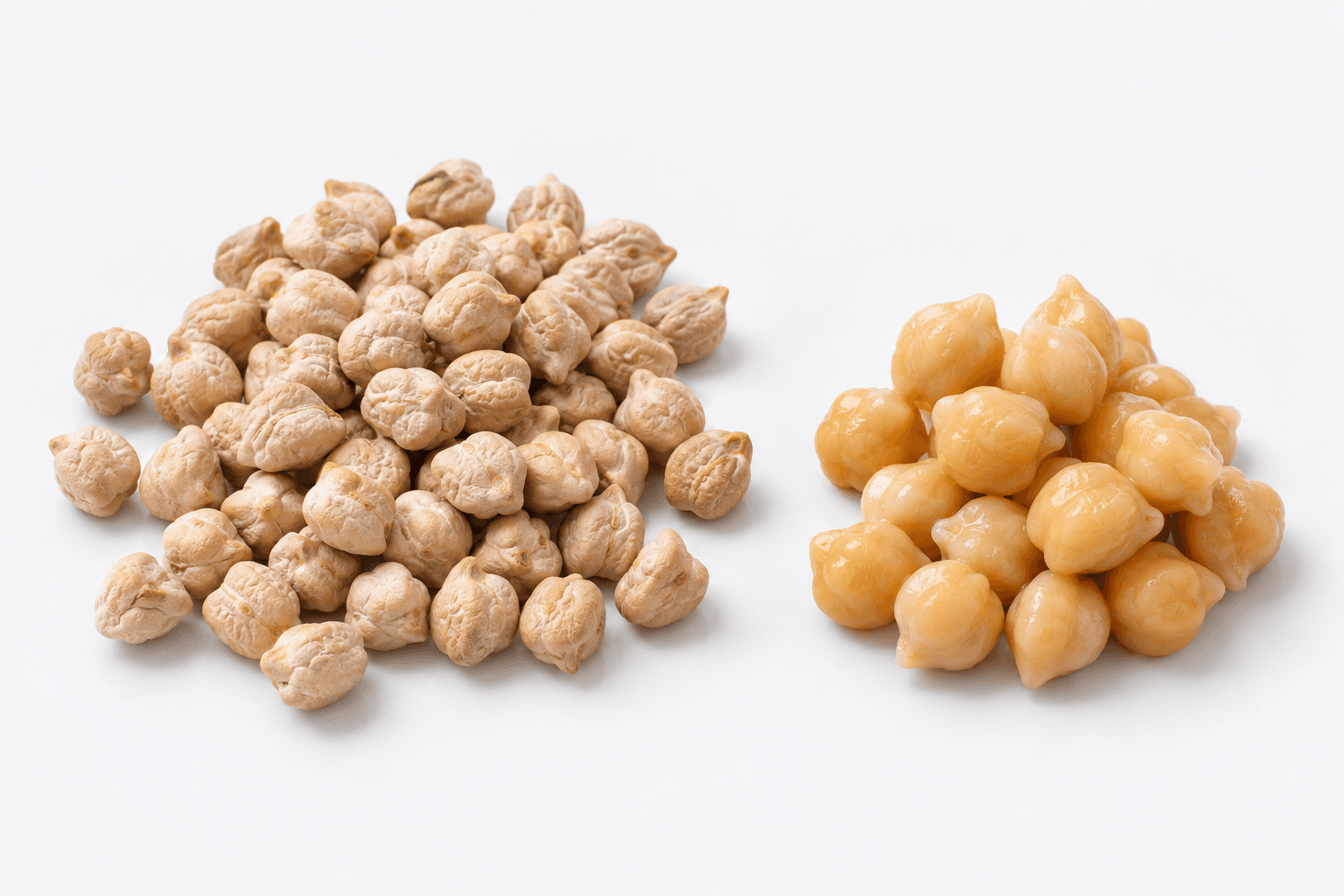
What it does
Carbohydrate is the body's main fuel. Starch and sugars break down to glucose for cells to use, and the brain in particular depends on glucose. Surplus is stored as glycogen in liver and muscle, and once those stores are full it converts to fat. But the carbohydrate column also holds something that is not digested — dietary fibre. Fibre never becomes glucose; it travels to the colon, where gut bacteria ferment some of it and the rest passes through.
Recommended intake
The US recommended intake for adults is 130 g a day. That is close to a floor set by the brain's glucose use, not a dietary target. The Daily Value used on labels is 275 g, and alongside it sits a recommendation to take 45 to 65% of total energy from carbohydrate. On 2,000 kcal that is 225 to 325 g. Remember that most of the foods at the top of the ranking below are dry — honey, cinnamon and dried grains hold more per 100 g simply because they hold no water.
What affects absorption
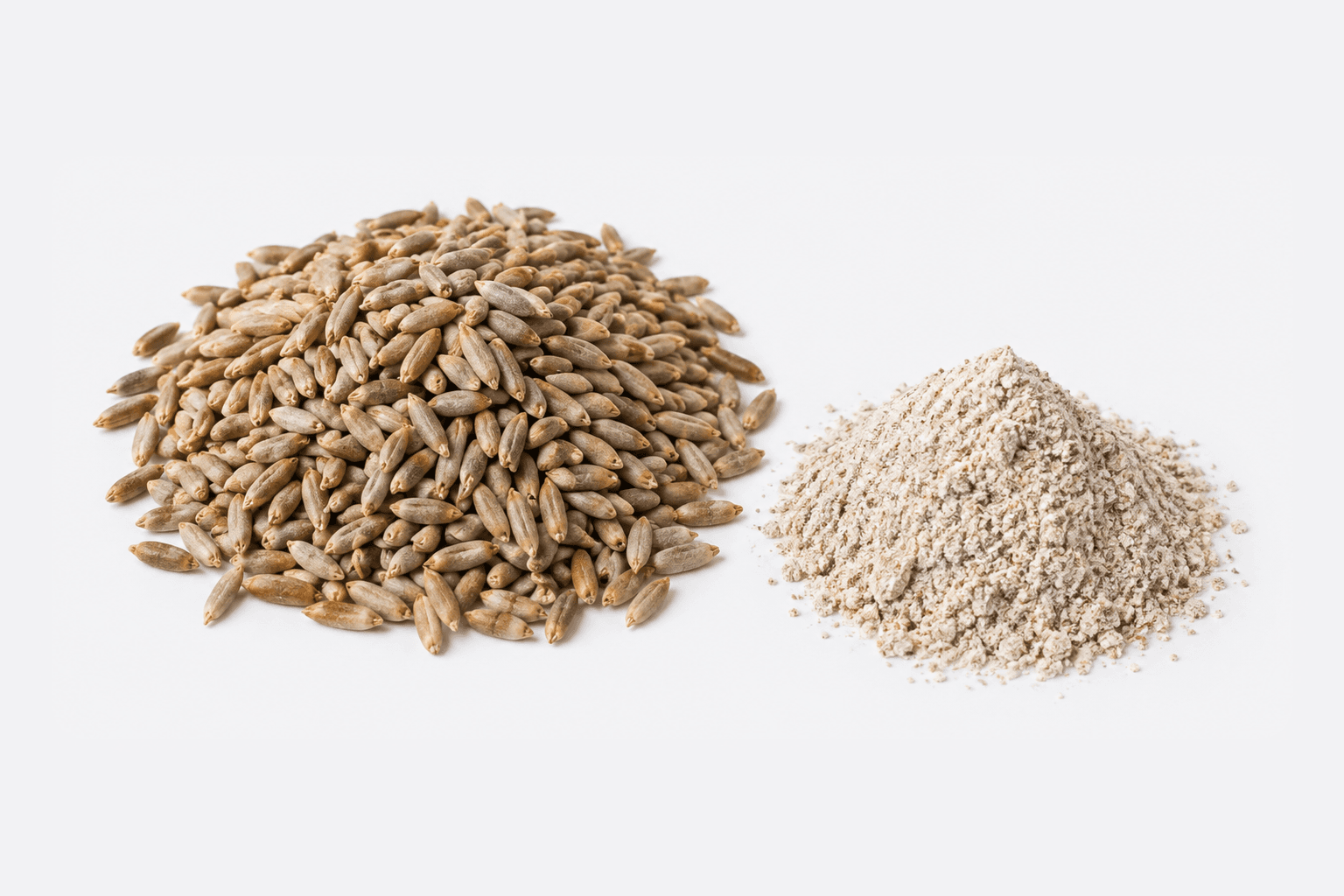
The same carbohydrate is absorbed at very different speeds. Starch bound up with fibre, as in whole grains, breaks down slowly; starch finely milled or cooked at length is absorbed fast. That is why wholemeal and white bread differ although both are wheat. Cooking and then cooling converts some starch to resistant starch, which behaves like fibre — cooled rice and potato do this. Eating carbohydrate with fat or protein slows gastric emptying and flattens the glucose rise.
What to watch out for
Do not read the ranking at face value. Psyllium, at the top, carries 88.9 g of carbohydrate of which 77.8 g is fibre. Almost all of it is the part that is not absorbed, and yet it sits in the carbohydrate column. When you read carbohydrate on a label, read the fibre and sugars lines directly beneath it, because what is left after subtracting those is closer to what actually becomes glucose. Diets that cut carbohydrate sharply are used for short-term weight loss, but fibre intake commonly falls with them. With diabetes, the form and the composition of the meal matter as much as the total, and that is a conversation for your clinician.
Sources
The databases and health authorities this article's nutrition figures and health statements draw on.