Vitamin
Foods high in vitamin D, and what the supplements actually did
The hardest nutrient to get from food alone. Deficiency is common — but in large trials, people who were not deficient gained almost nothing from taking more.
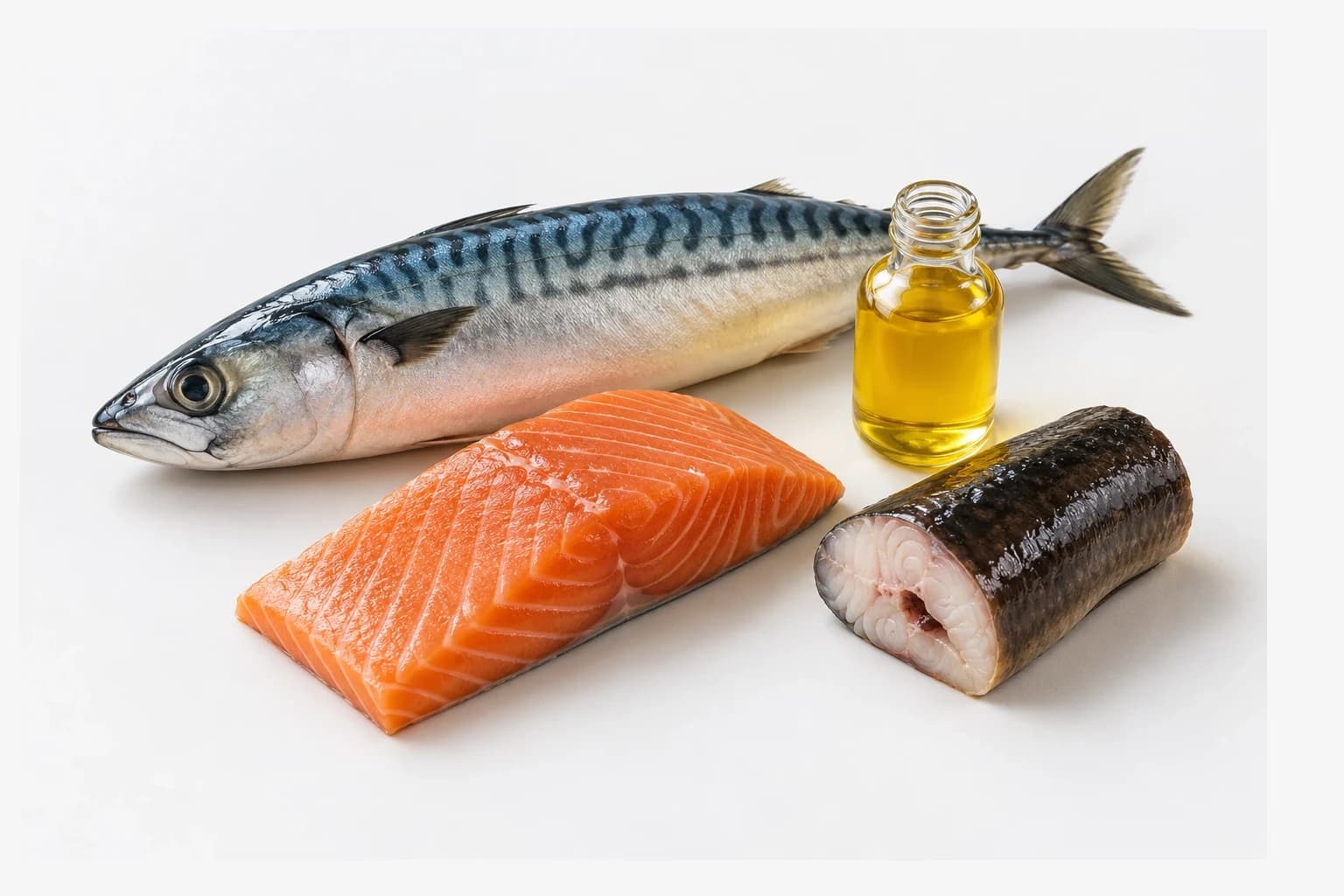
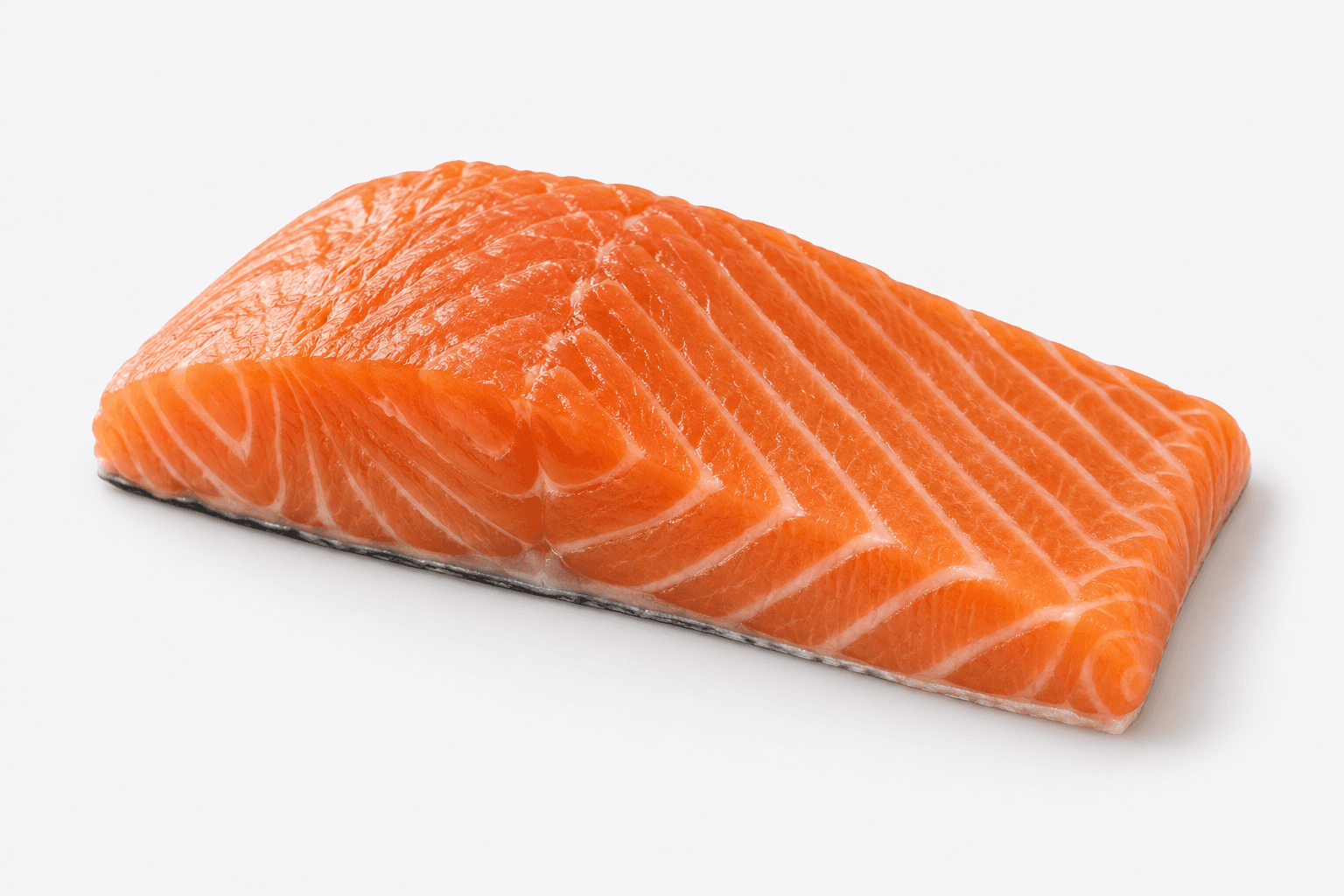
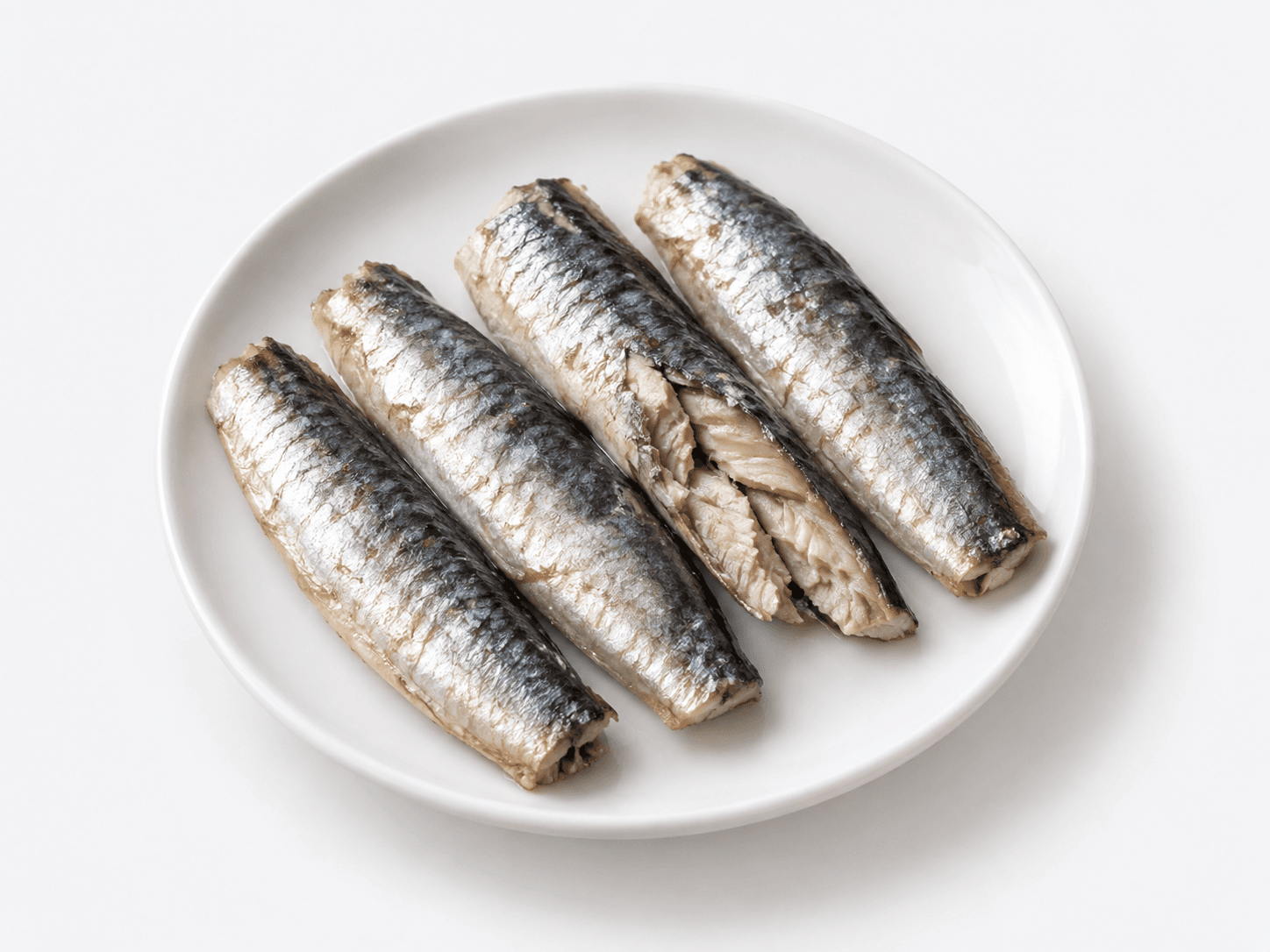
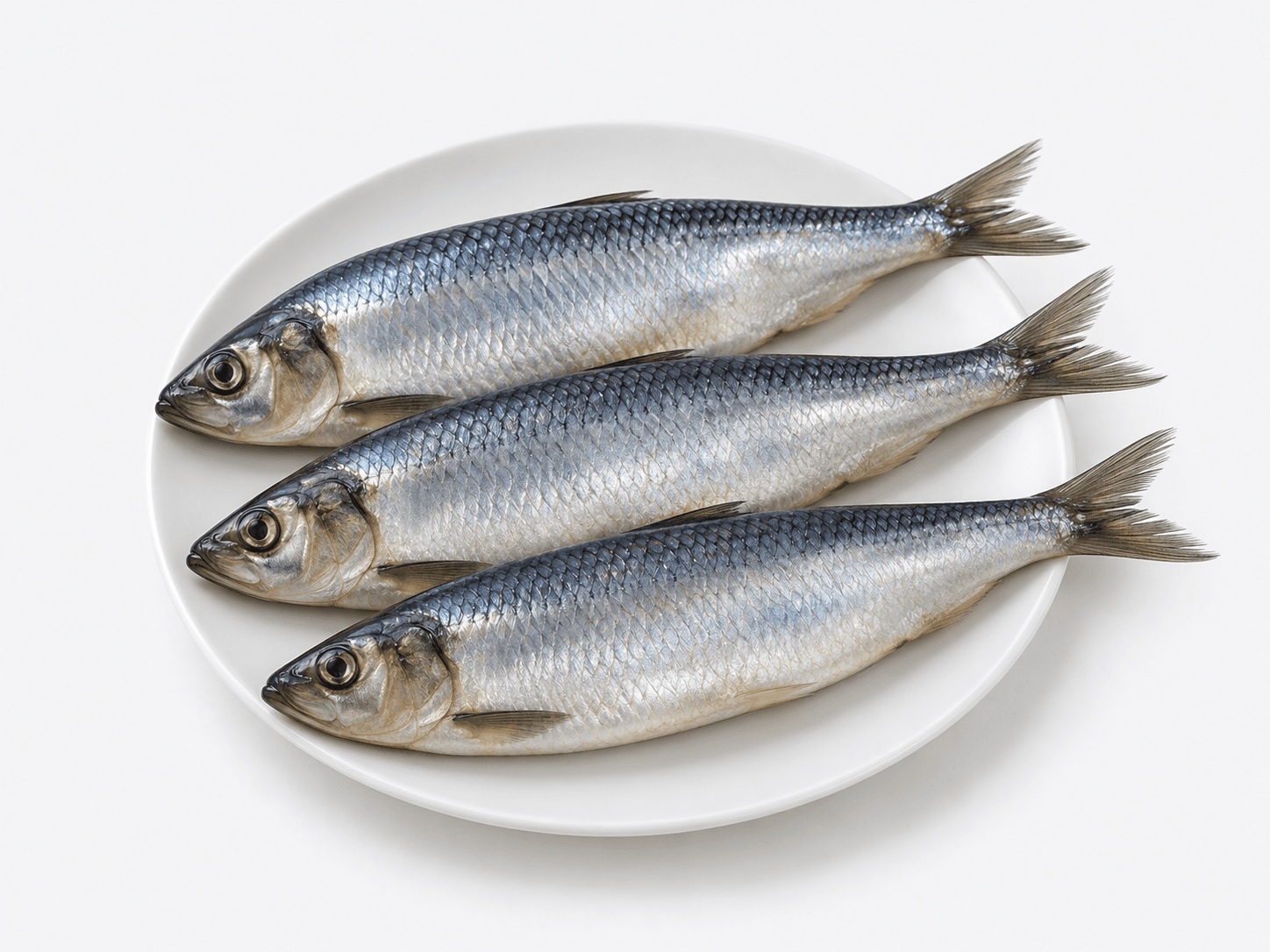
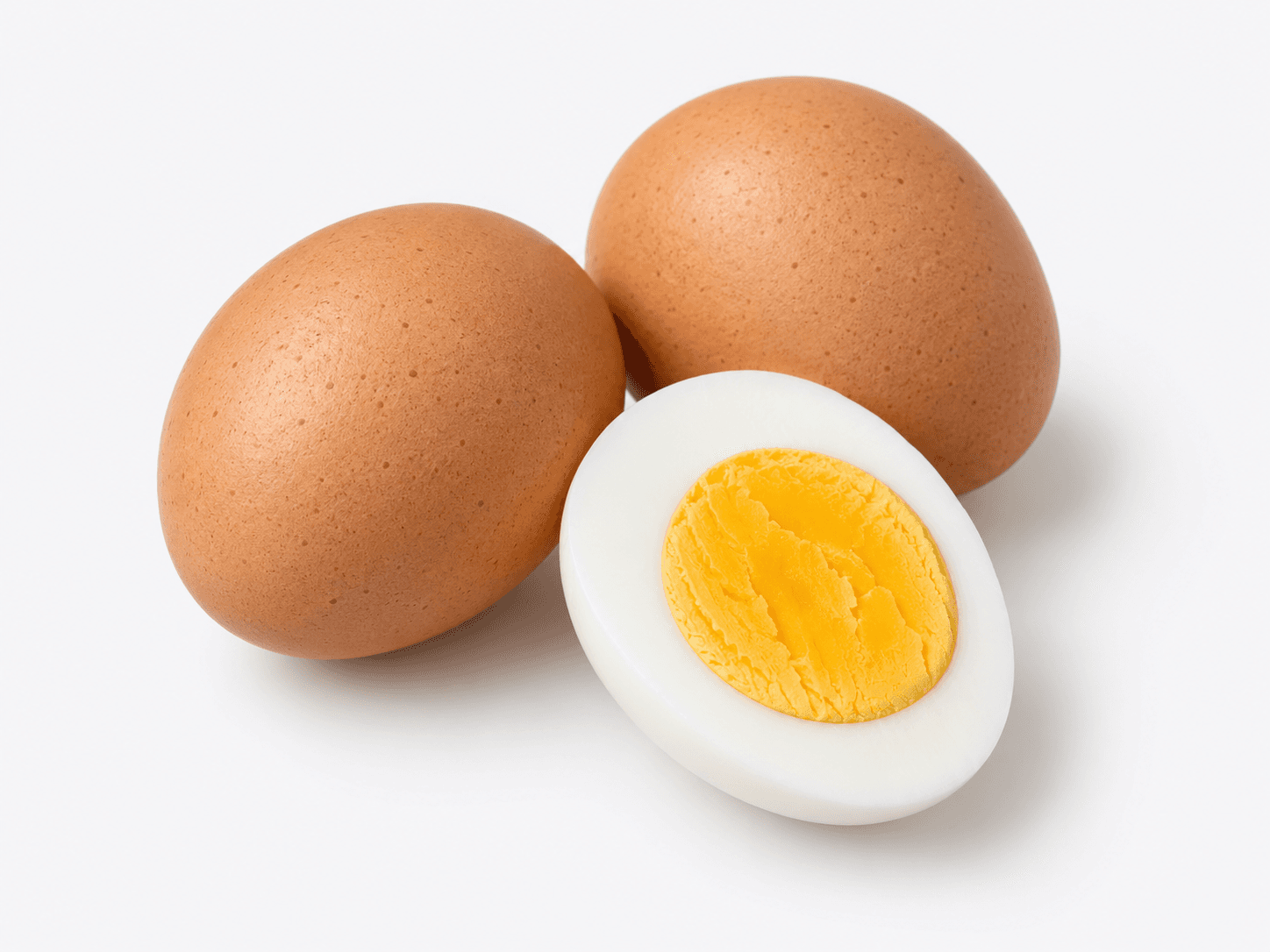
Highest sources
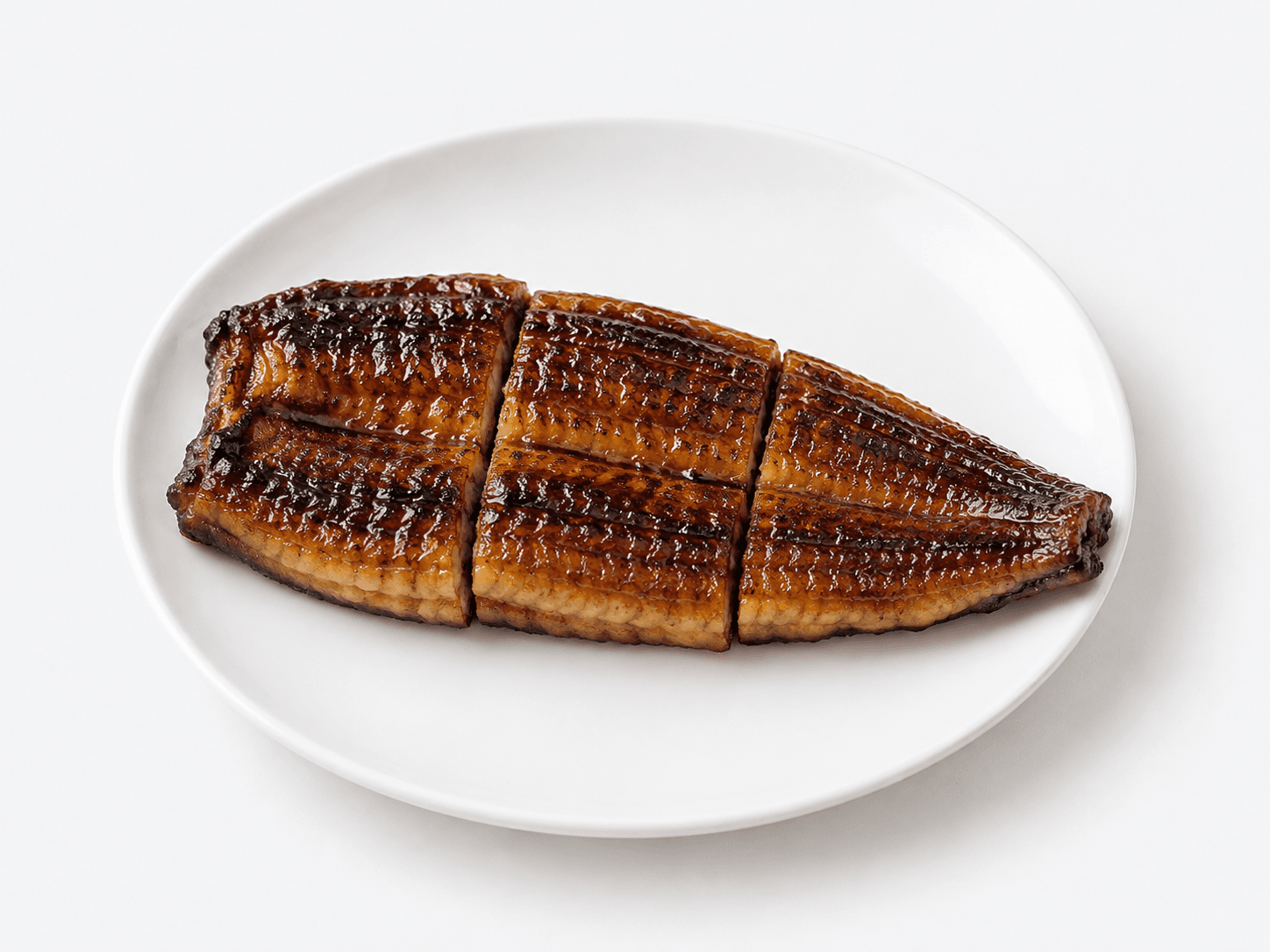
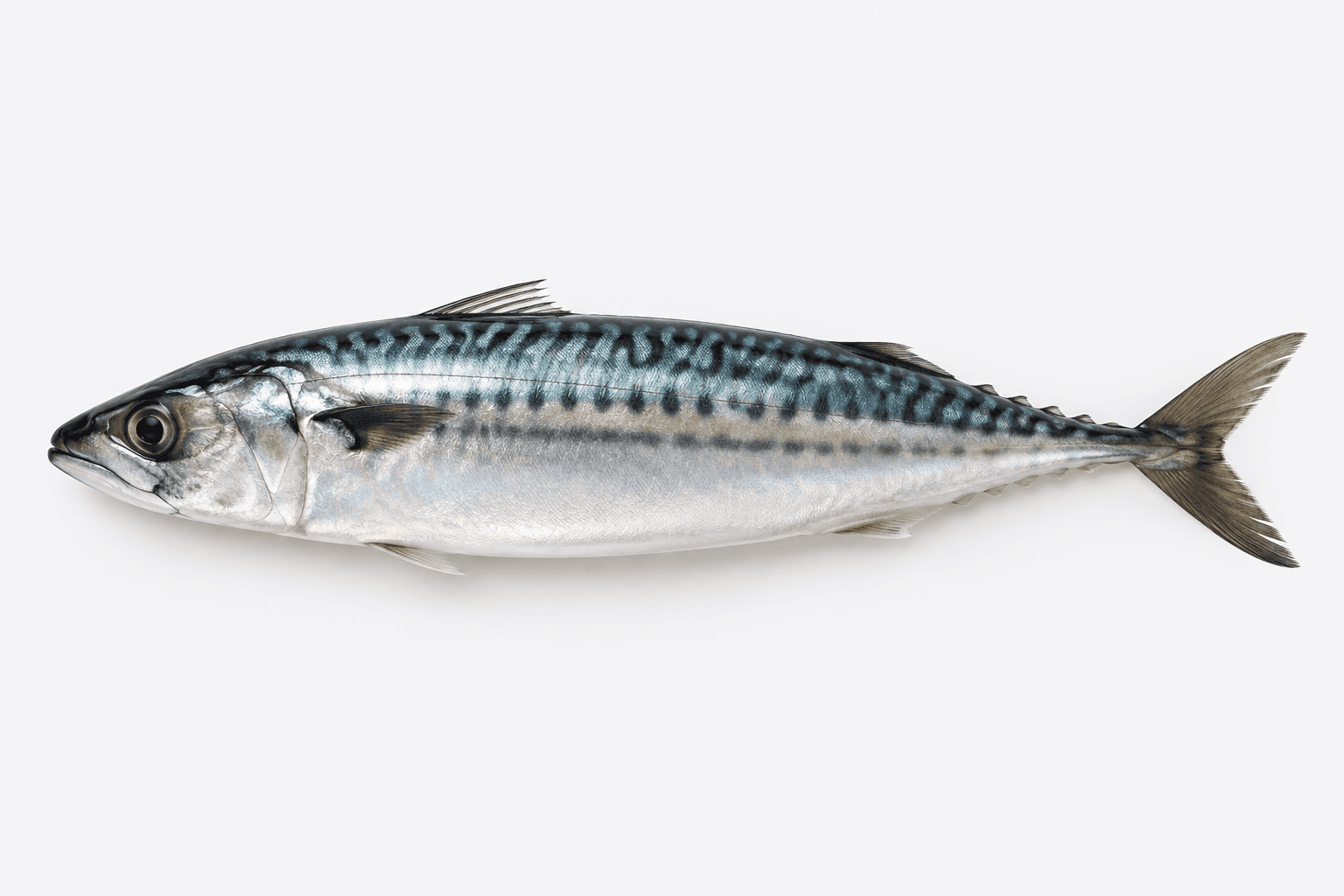
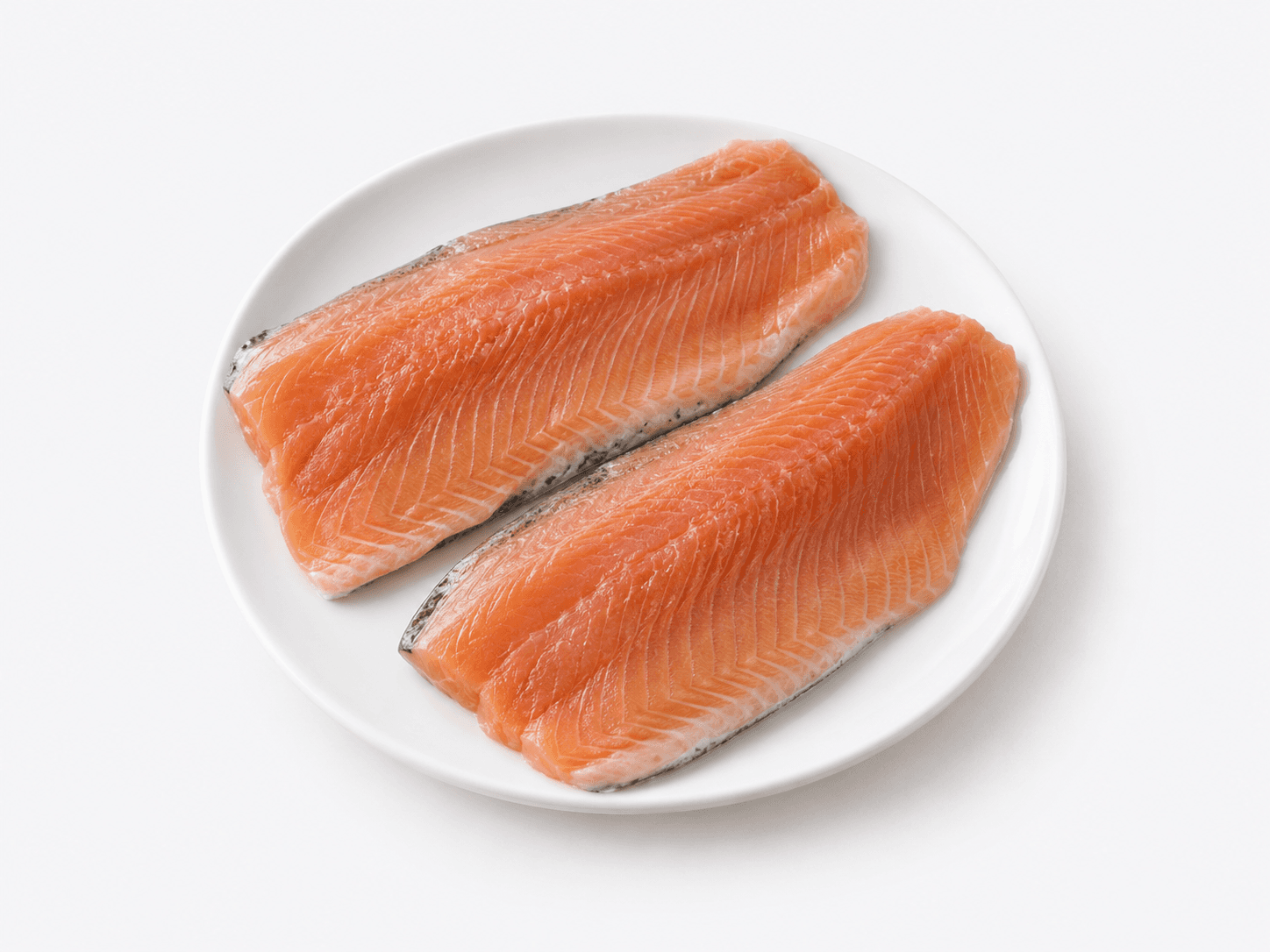
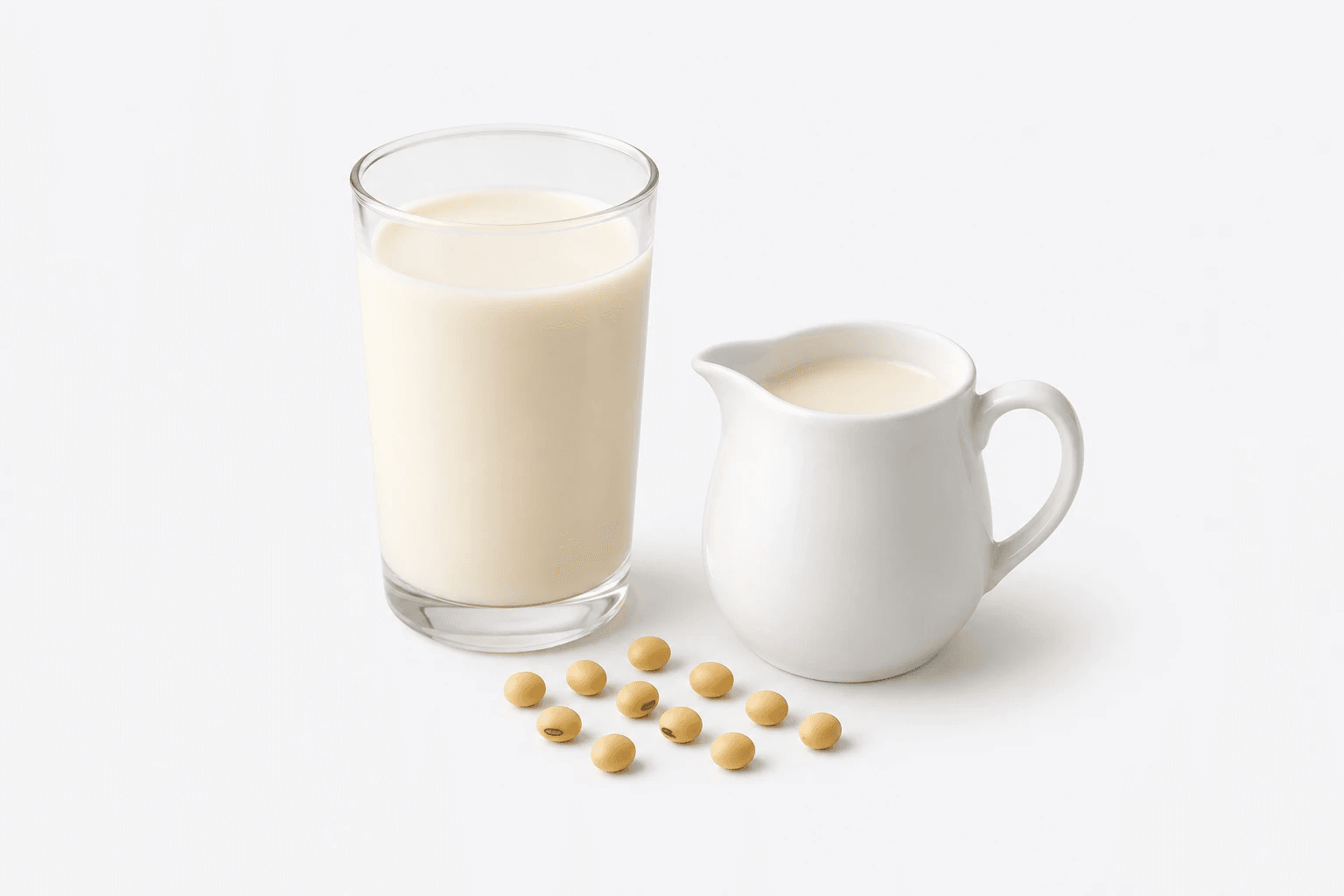
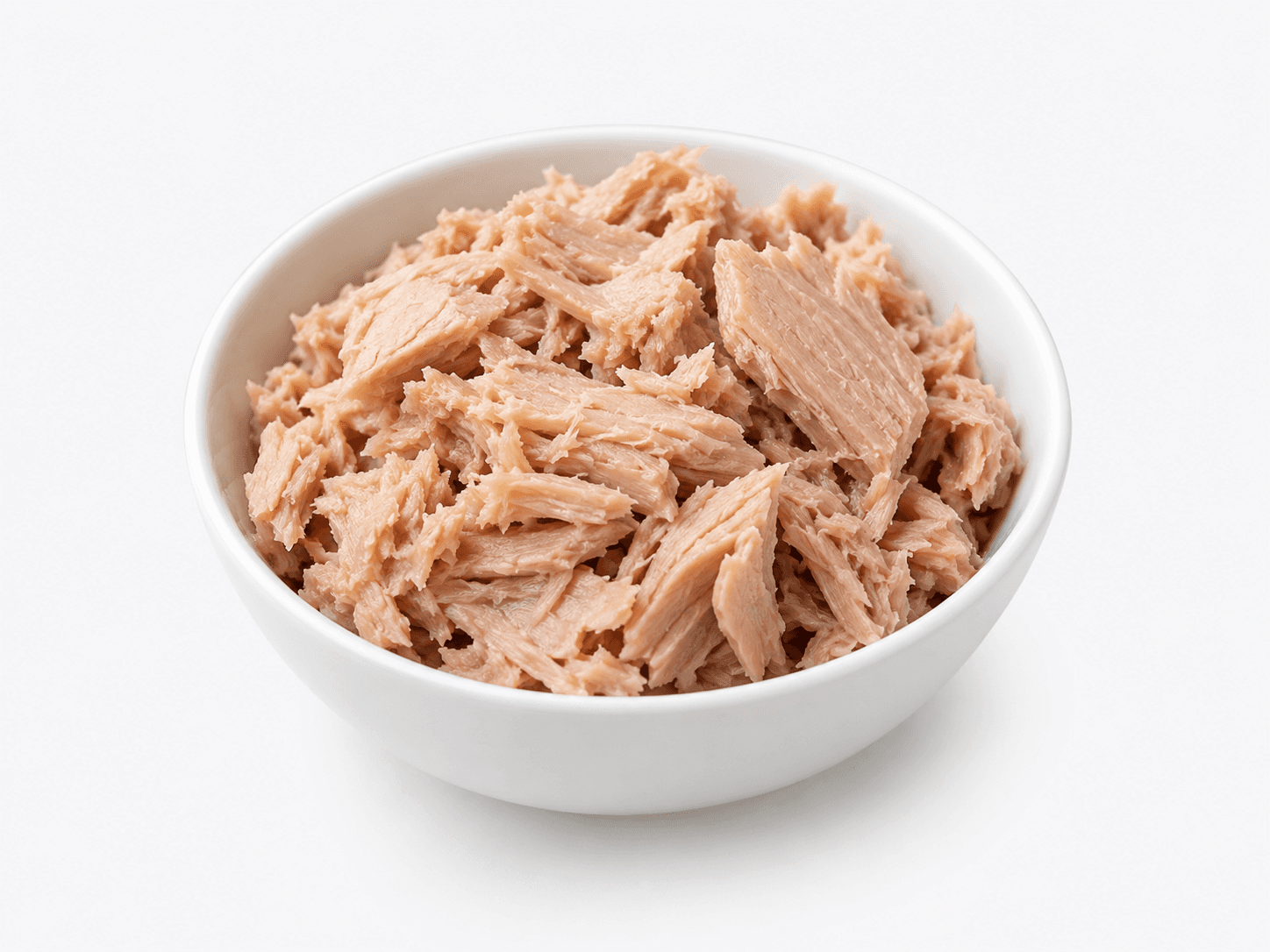
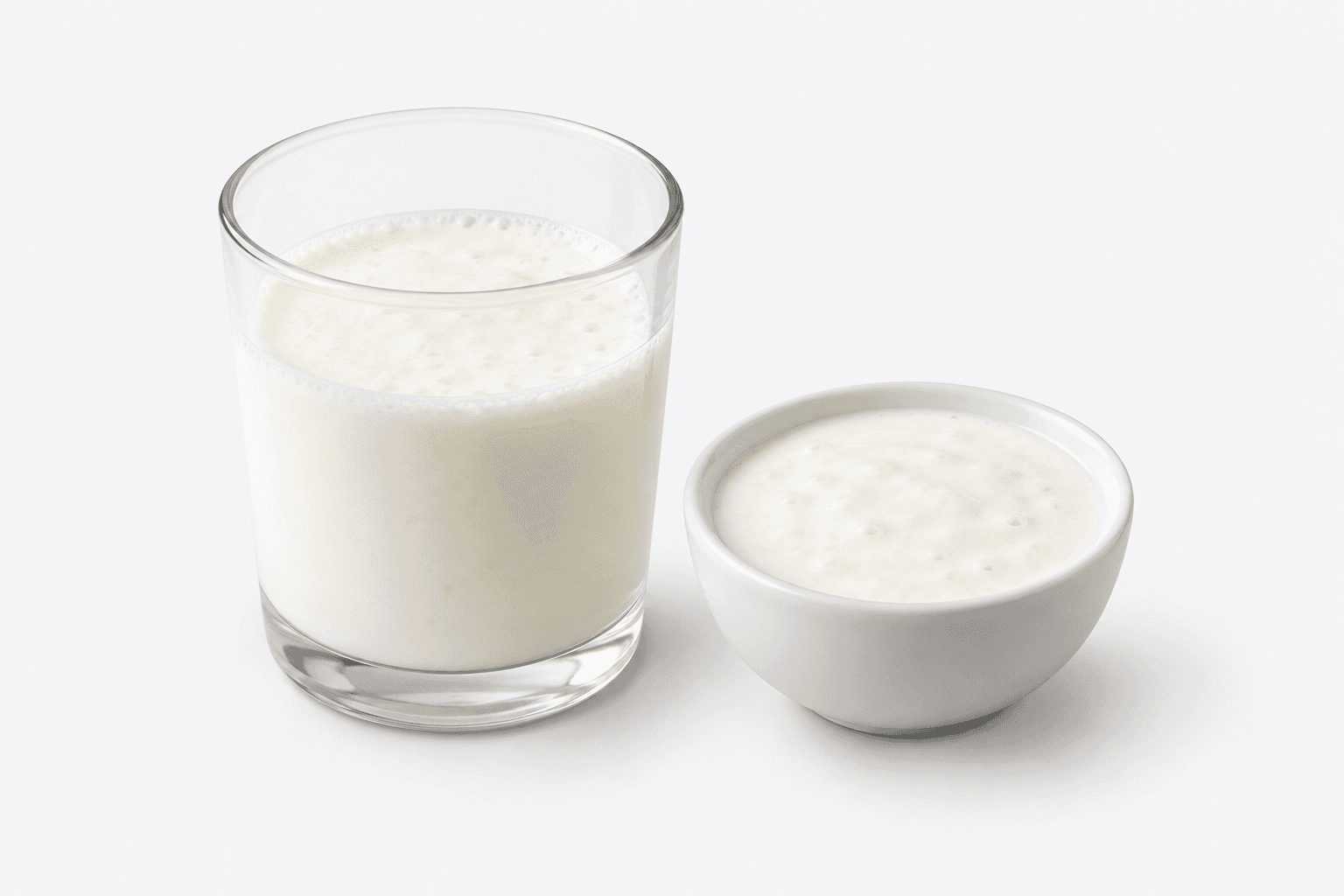
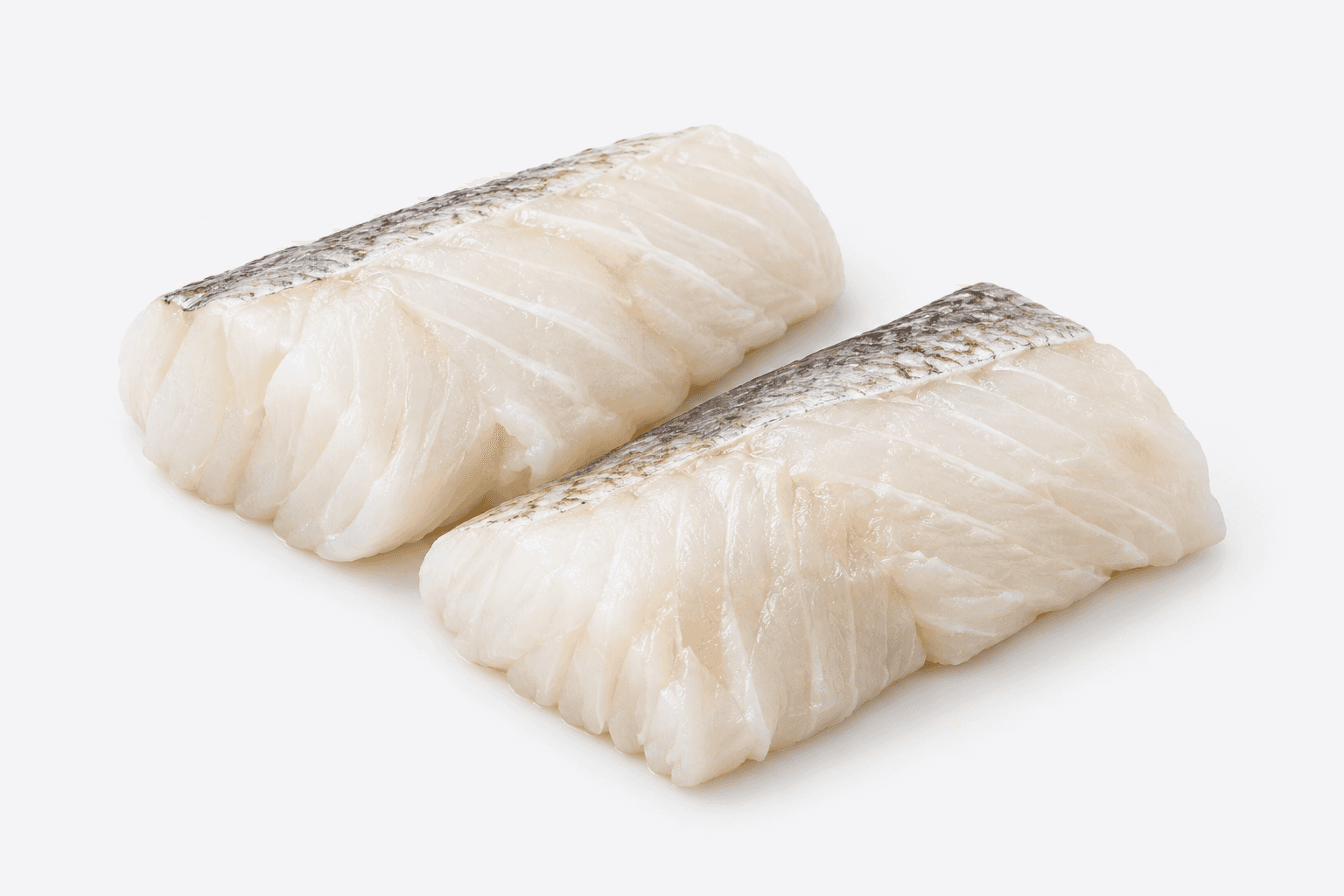
Ranked among the ingredients covered here. Reference amounts vary slightly between entries, so read this as a rough comparison rather than an exact order.

What it does
It drives calcium and phosphorus absorption in the gut and hardens bone. It also has roles in muscle function and immune regulation. Strictly speaking it is closer to a hormone than a vitamin: it is the only one the body can manufacture in the skin.
Recommended intake
The usual adult reference is 15 µg (600 IU) a day, rising to 20 µg (800 IU) past 70. The upper limit is 100 µg (4,000 IU). On a blood test, 25(OH)D at or above 50 nmol/L (20 ng/mL) is adequate for most people; below 30 nmol/L counts as deficient.
What affects absorption
Being fat-soluble, it absorbs better alongside fat. But the real variable is sunlight, not food. Skin synthesis depends on latitude, season, time of day, sunscreen and age — and at Korea's latitude of 33–38°N, essentially none is made from sunlight between late autumn and early spring. Window glass blocks almost all UVB, so indoor sun does not count.
What to watch out for
Large recent trials have deflated much of the hope invested in supplements. In a randomised trial following 25,871 adults for 5.3 years, vitamin D3 did not reduce fractures at all (hazard ratio 0.98, 95% CI 0.89–1.08), nor hip fractures (1.01, 0.70–1.47). The same trial found no reduction in cancer or cardiovascular disease.
But the trial did not select for deficiency. It means 'more does nothing for people who already have enough', not 'it does nothing for people who are deficient'. Test before deciding.
Excess causes hypercalcaemia, leading to nausea, kidney damage and vascular calcification. Do not use doses above the 4,000 IU limit without medical supervision.
Sources
The databases and health authorities this article's nutrition figures and health statements draw on.
- 1USDA FoodData CentralFood composition database
- 2NIH Office of Dietary SupplementsHealth authority
- 3European Food Safety Authority (EFSA)Health authority
- 4Supplemental Vitamin D and Incident Fractures in Midlife and Older AdultsClinical trialLeBoff MS, et al. N Engl J Med 2022PMID 35939577
- 5Vitamin D Supplements and Prevention of Cancer and Cardiovascular DiseaseClinical trialManson JE, et al. N Engl J Med 2019PMID 30415629
- 6Calcium, vitamin D, or combined supplementation to prevent fractures and falls: systematic review and meta-analysisMeta-analysisMassé O, et al. BMJ 2026PMID 42161415