Mineral
Foods high in iron and how to absorb more of it
With iron, the form matters more than the amount. Heme iron from meat absorbs at 15–35%; non-heme iron from plants at 2–20%.
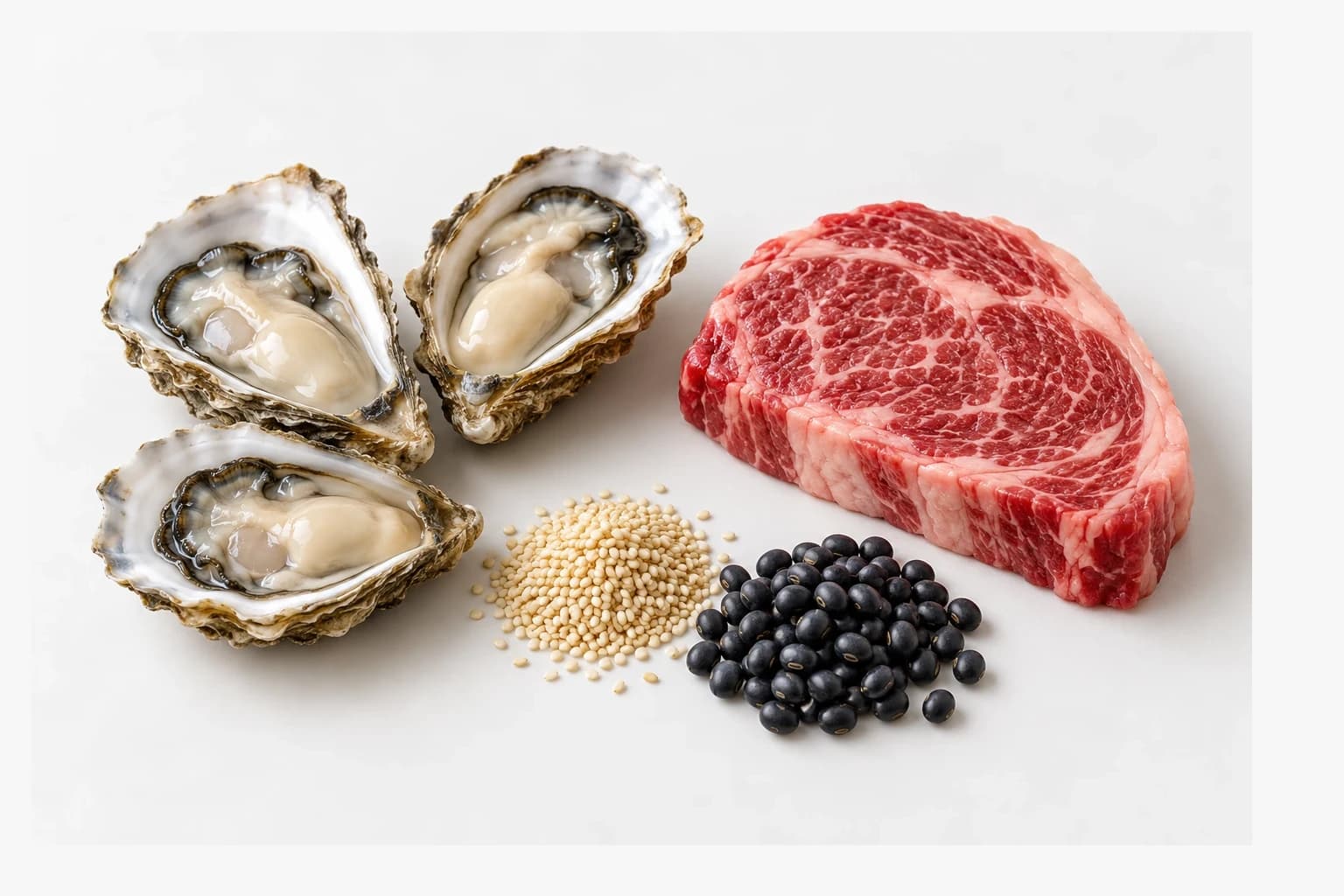
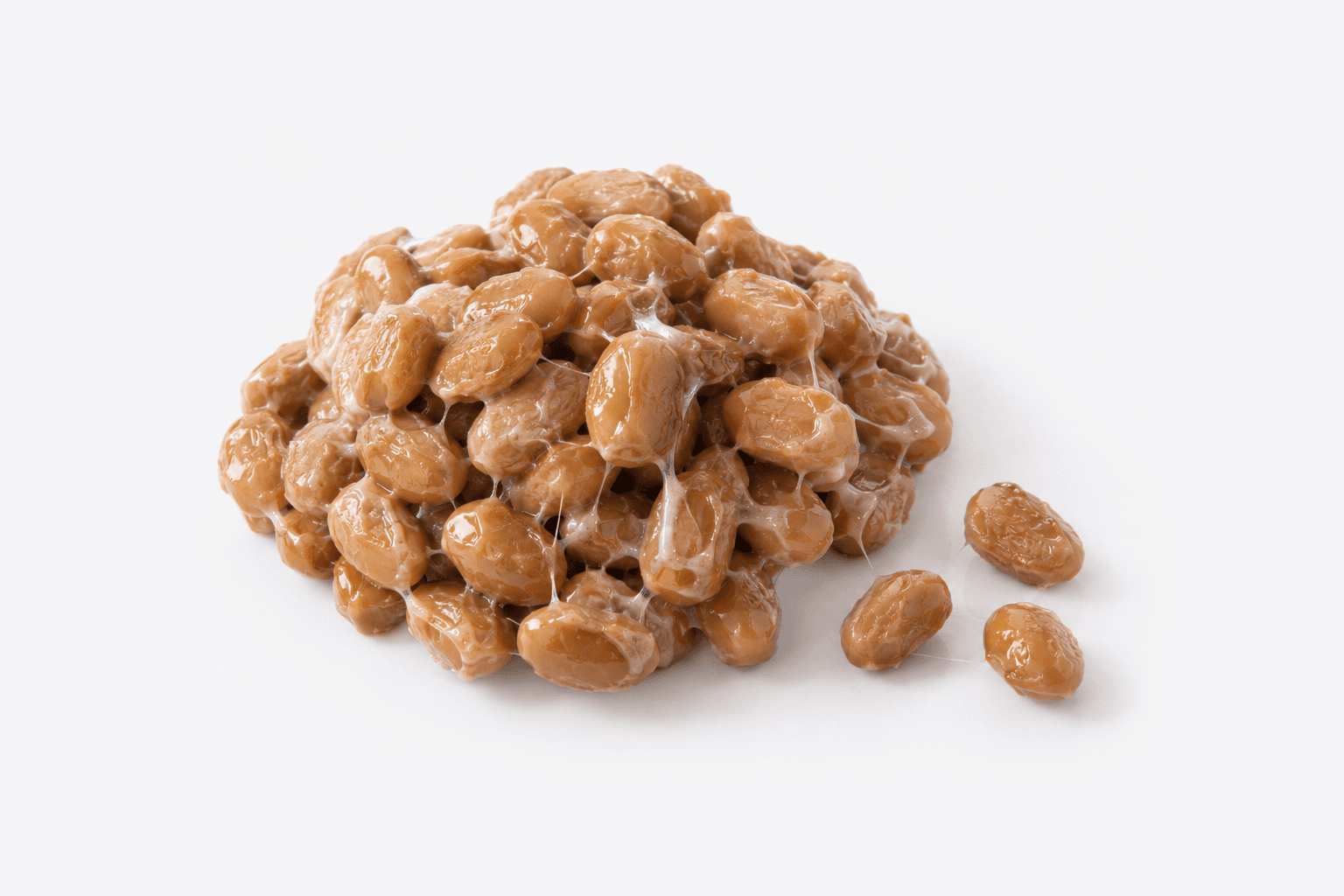
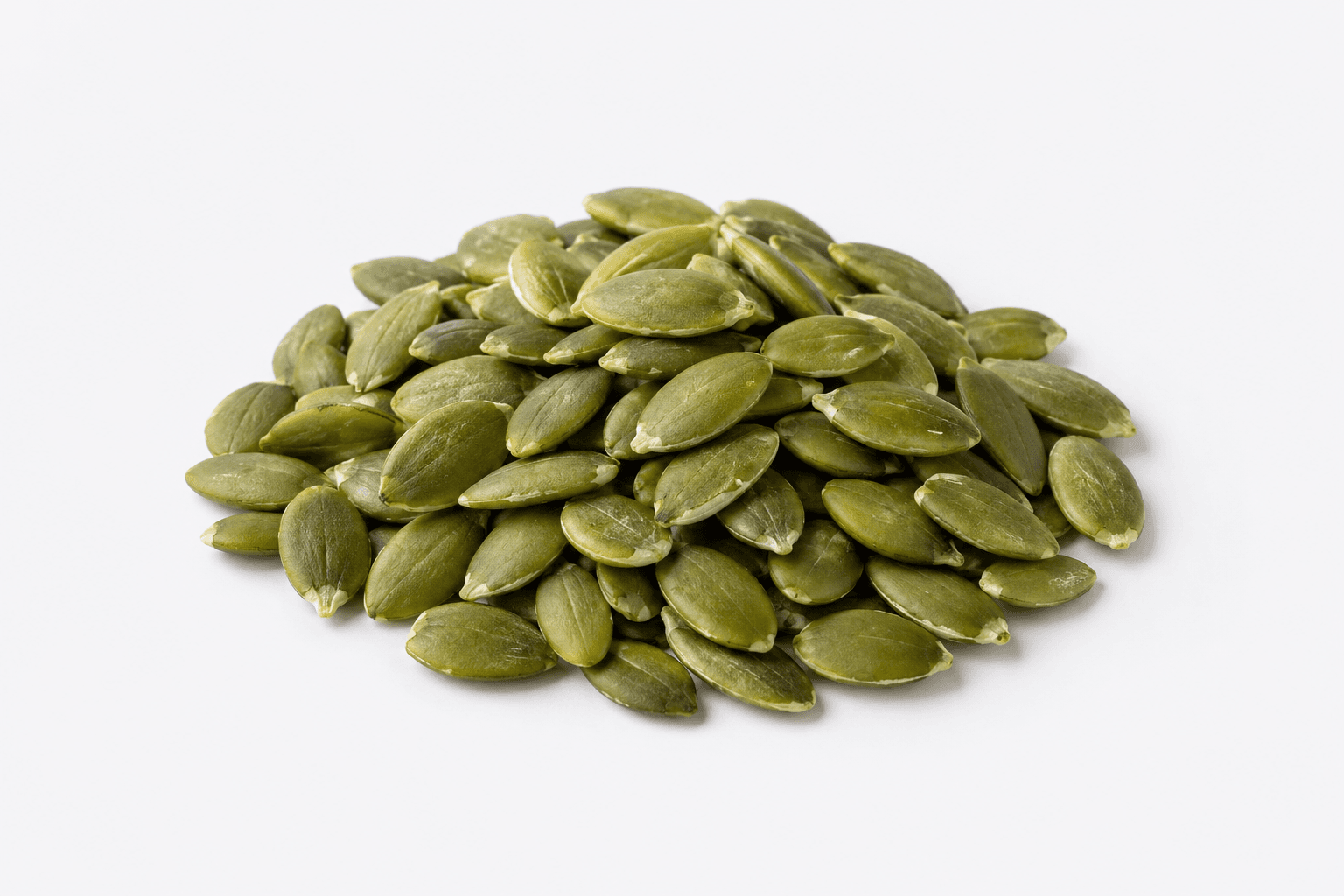
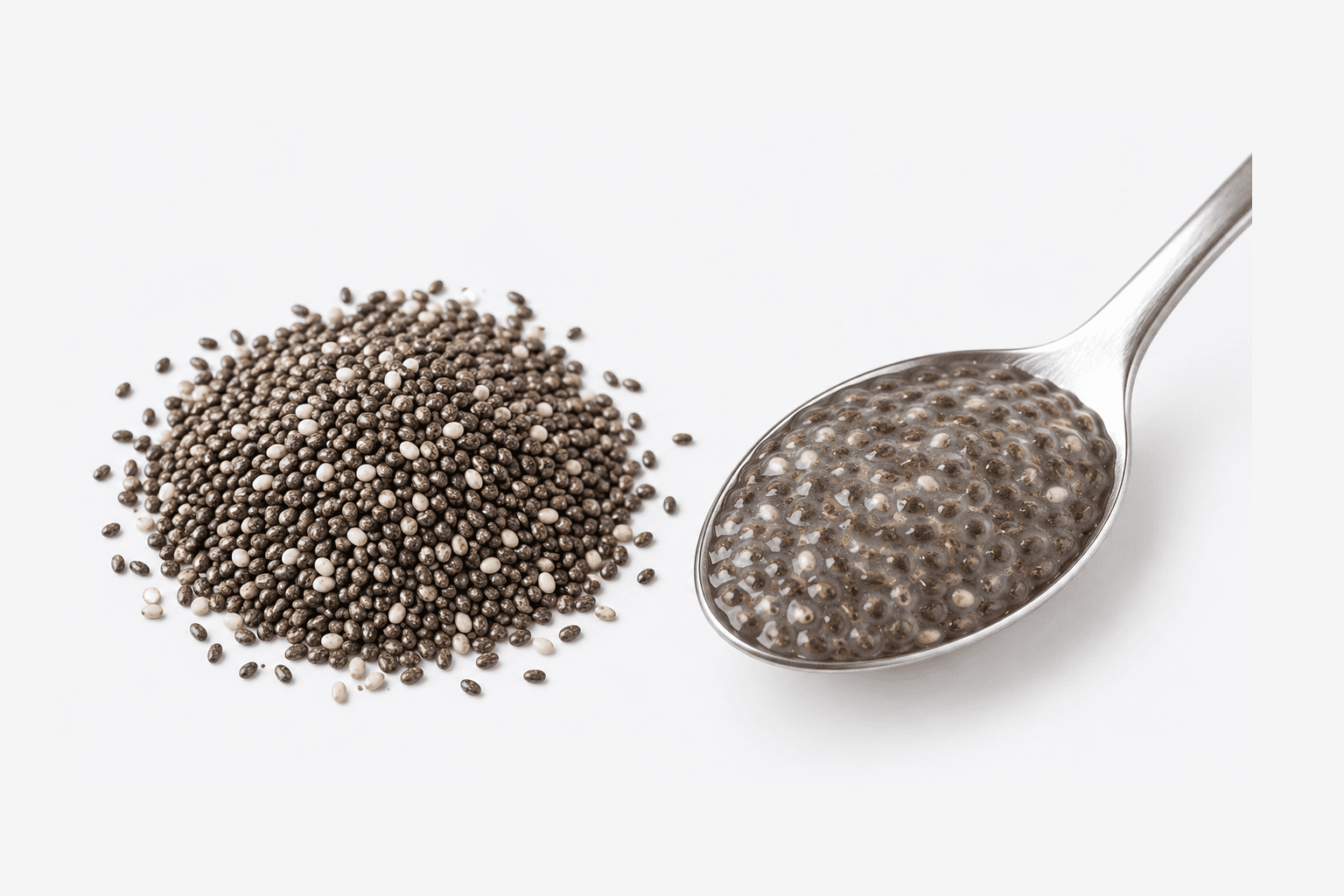
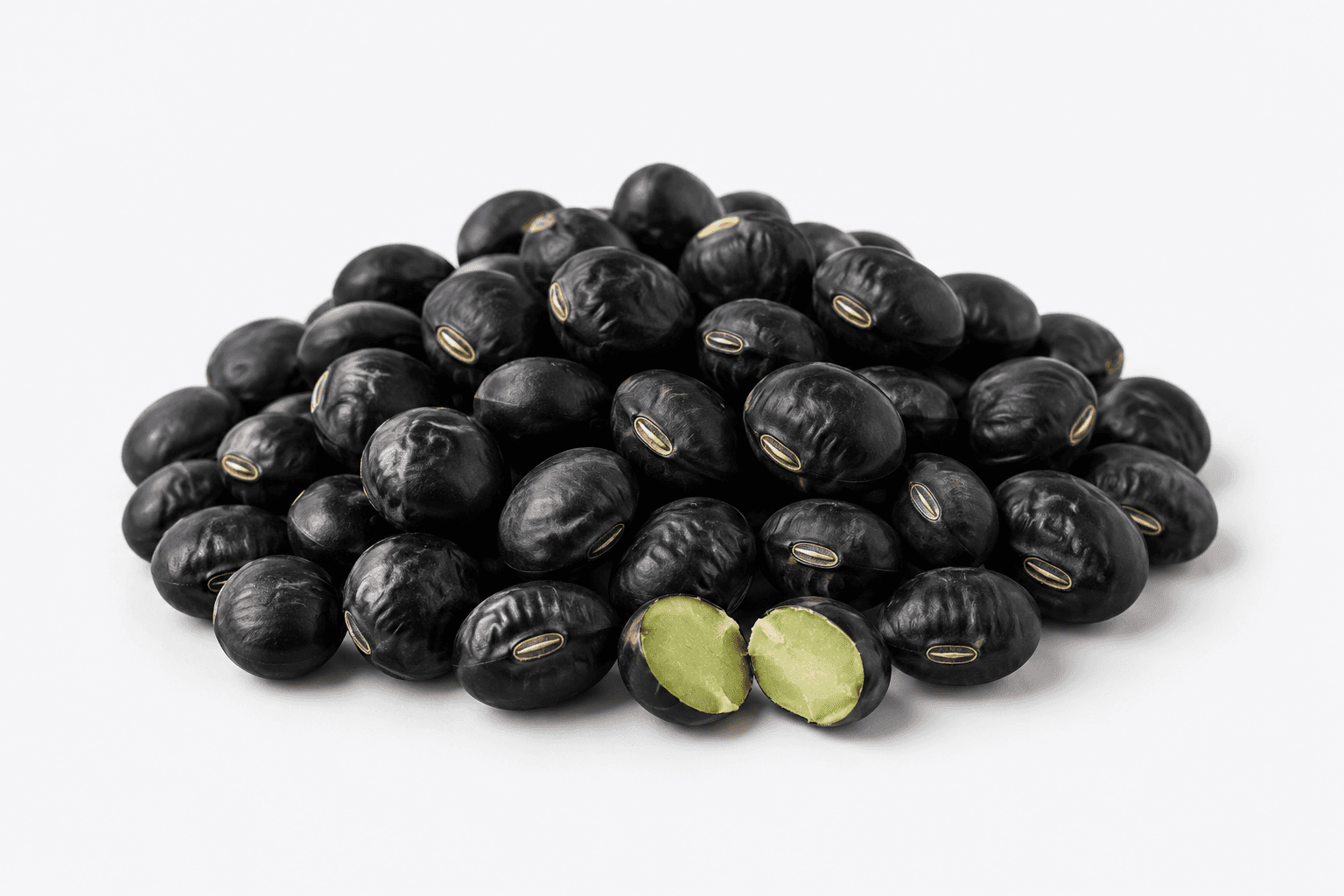
Highest sources
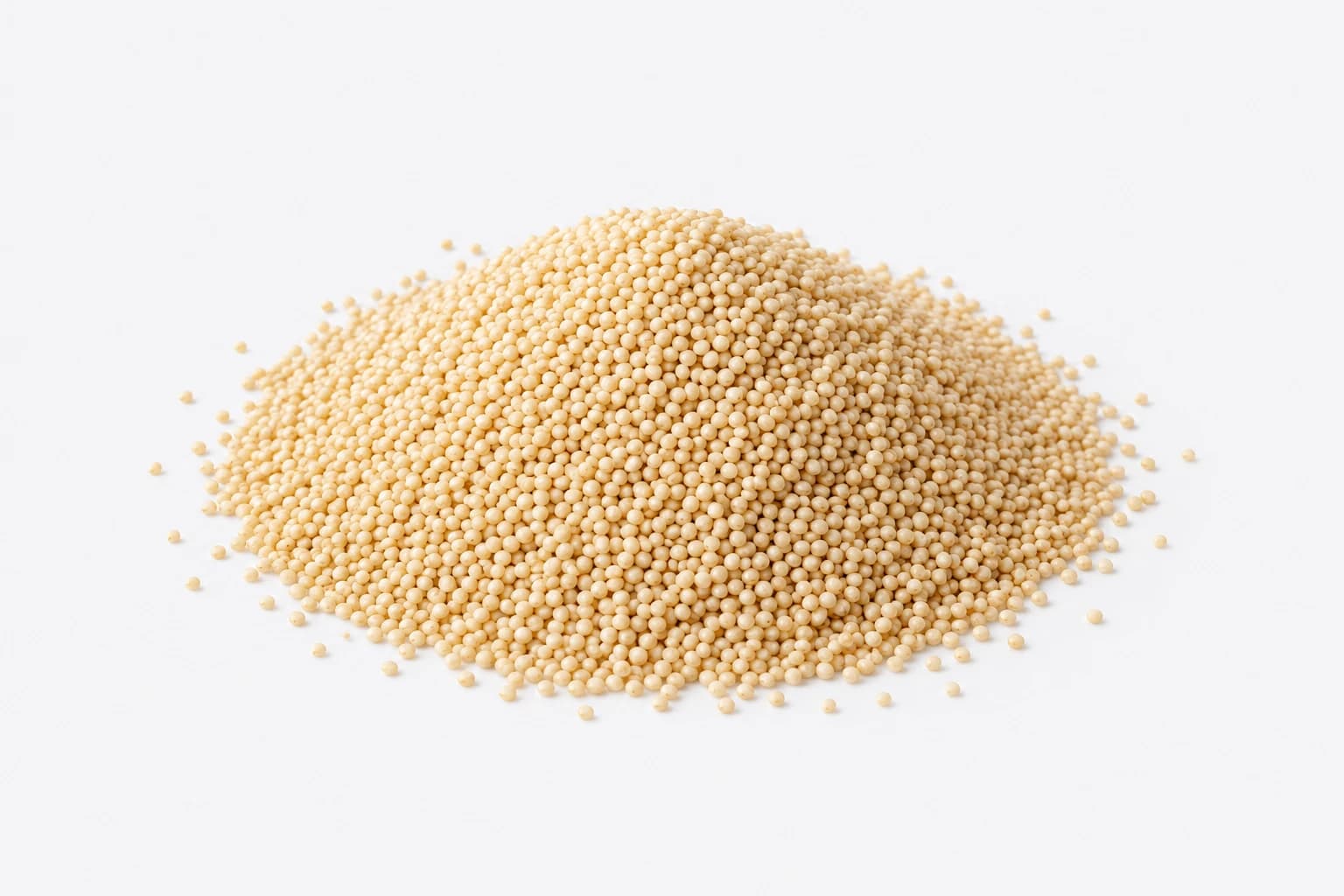
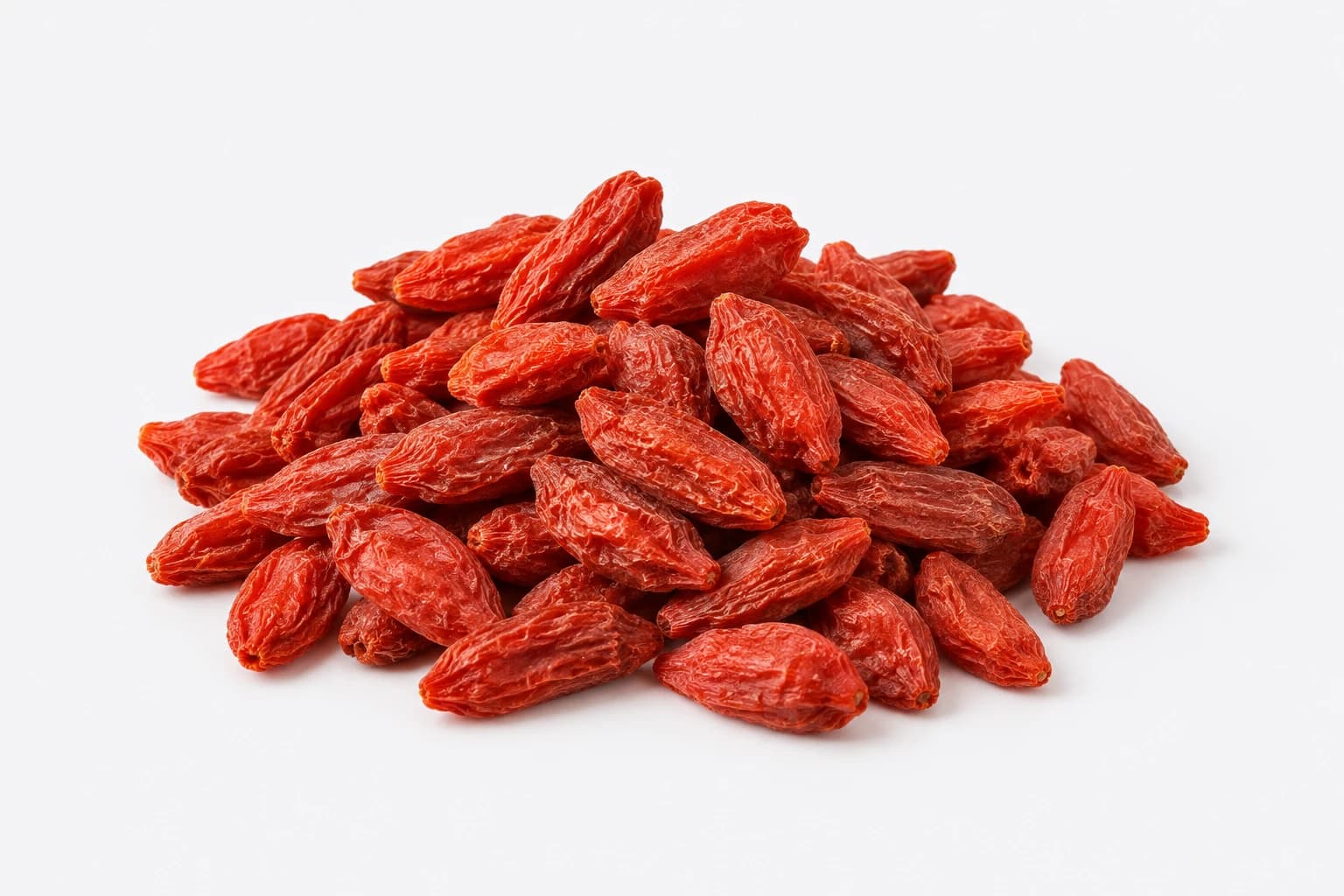
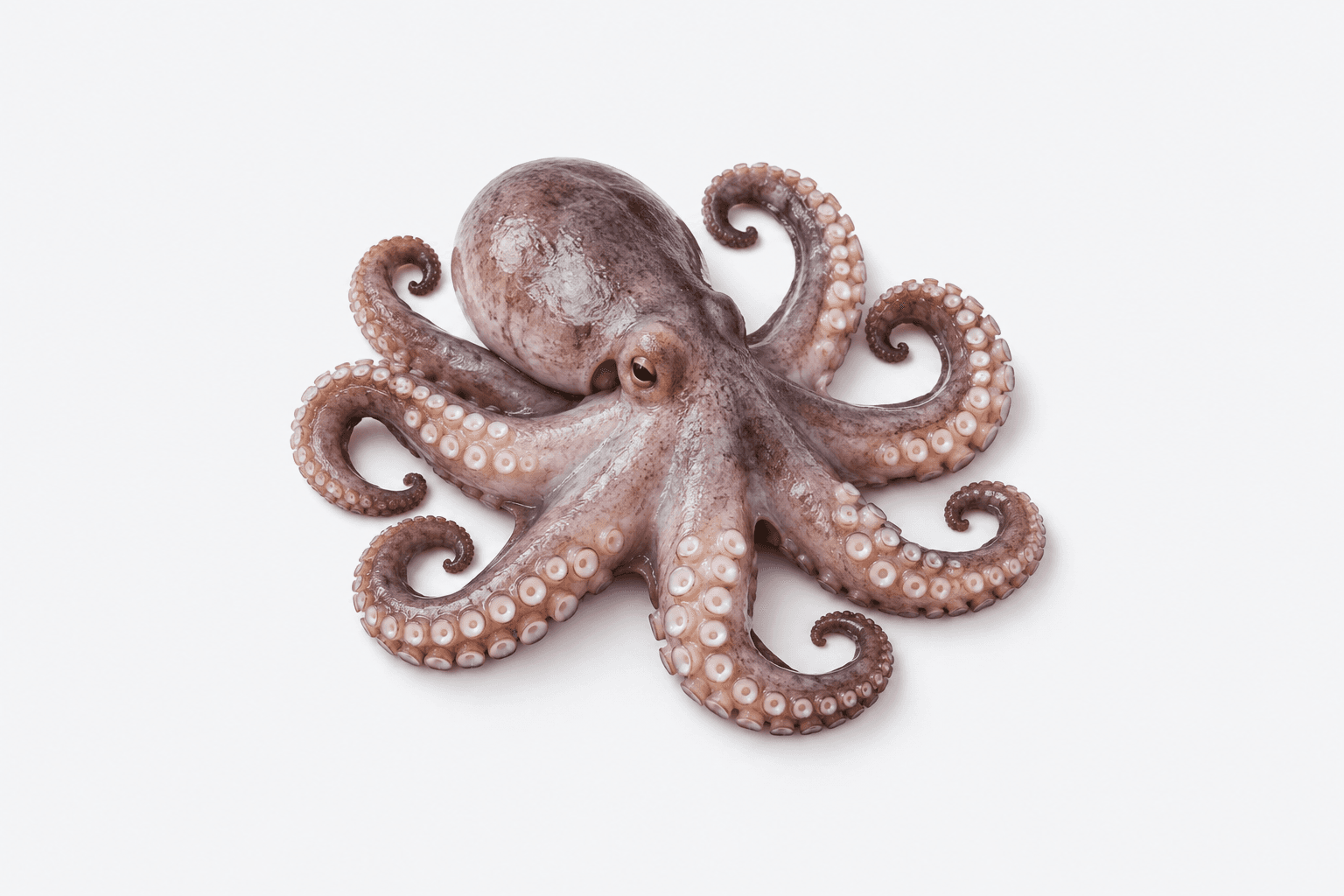
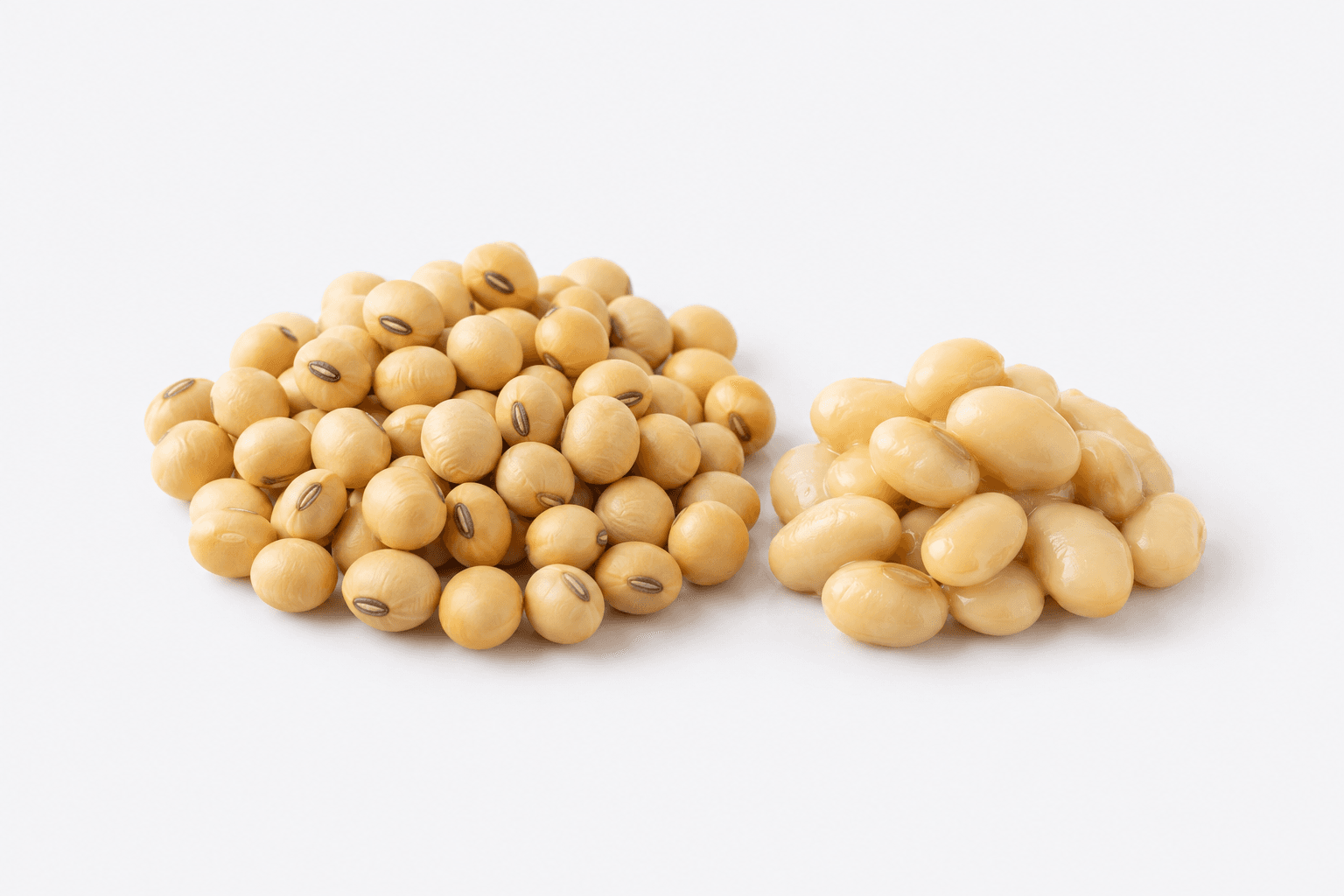
Ranked among the ingredients covered here. Reference amounts vary slightly between entries, so read this as a rough comparison rather than an exact order.
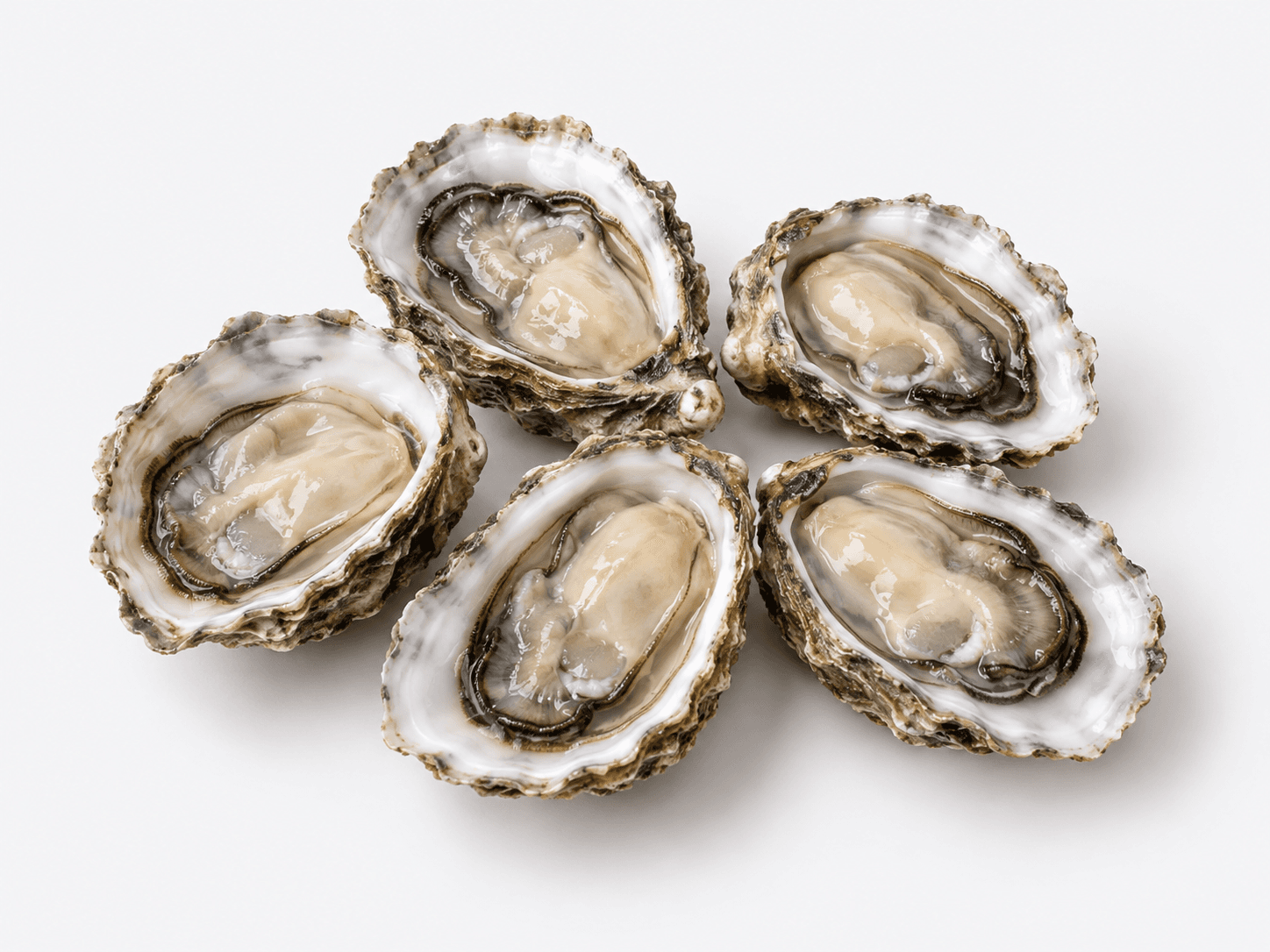
What it does
It forms haemoglobin in red blood cells, carrying oxygen around the body, and appears in muscle myoglobin and numerous enzymes. Shortage reduces oxygen delivery, showing up as fatigue, dizziness, pallor and feeling cold. It is the most common nutritional deficiency worldwide.
Recommended intake
US recommendations are 8 mg a day for adult men and 18 mg for premenopausal women, the gap reflecting menstrual losses. Pregnancy raises it to 27 mg. Because absorption is lower from plants, some guidelines advise 1.8 times these figures for vegetarian diets.
What affects absorption
Vitamin C multiplies non-heme iron absorption several-fold. Working against it are tannins in tea and coffee, phytate in grains and legumes, oxalate in spinach, and calcium supplements. Leaving about an hour between a meal and tea helps.
What to watch out for
The body has no active route to excrete iron, so excess accumulates. Long-term supplementation without a confirmed deficiency risks gastrointestinal upset and oxidative stress. It must be avoided entirely in haemochromatosis.
Sources
The databases and health authorities this article's nutrition figures and health statements draw on.