Macronutrient
Foods high in fat — the type matters more than the amount
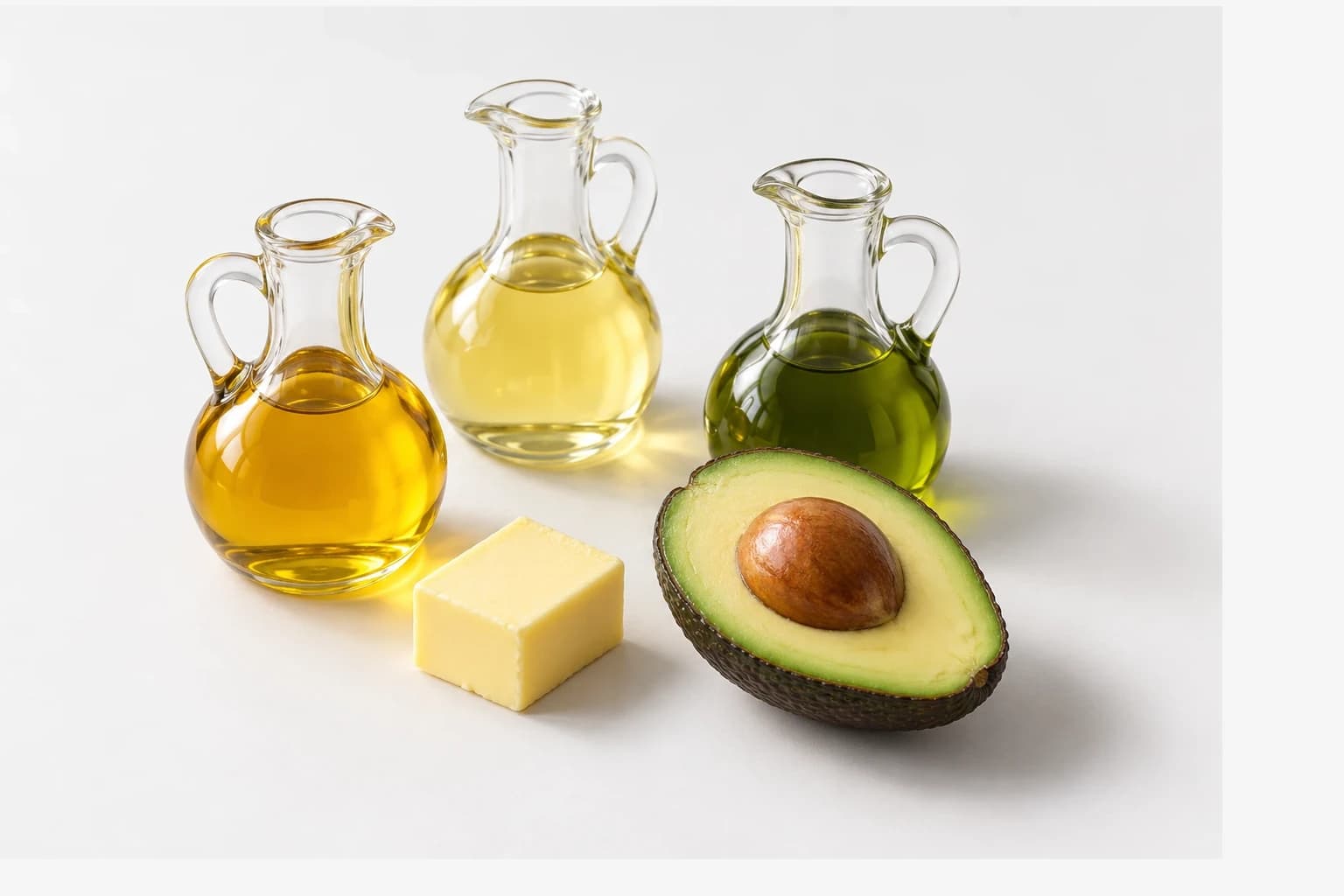
The top of the ranking below is oils. An oil is 100 g of fat per 100 g, so that is arithmetic — which means this table answers "how much", not "which kind".
Highest sources
Ranked among the ingredients covered here. Reference amounts vary slightly between entries, so read this as a rough comparison rather than an exact order.
What it does
Fat is the densest energy source at 9 kcal per gram, and it does more than that. Every cell membrane is built from phospholipids, and the sex and adrenal hormones are made from cholesterol. Vitamins A, D, E and K are fat-soluble and absorb poorly without it, as do carotenoids such as the beta-carotene in carrots or the lutein in green peas. And two fatty acids are essential, meaning the body cannot make them and they must come from food: linoleic acid in the omega-6 family and alpha-linolenic acid in the omega-3 family.
Recommended intake
The Daily Value on labels is 78 g. The recommendation used alongside it is to take 20 to 35% of total energy from fat, which on 2,000 kcal is 44 to 78 g. The guidance on type is more specific. The World Health Organization recommends keeping saturated fat below 10% of total energy and trans fat below 1%, and advises eliminating industrially produced trans fat from the food supply. The US Daily Value for saturated fat is 20 g; there is no Daily Value for trans fat, because the target is zero.
What affects absorption
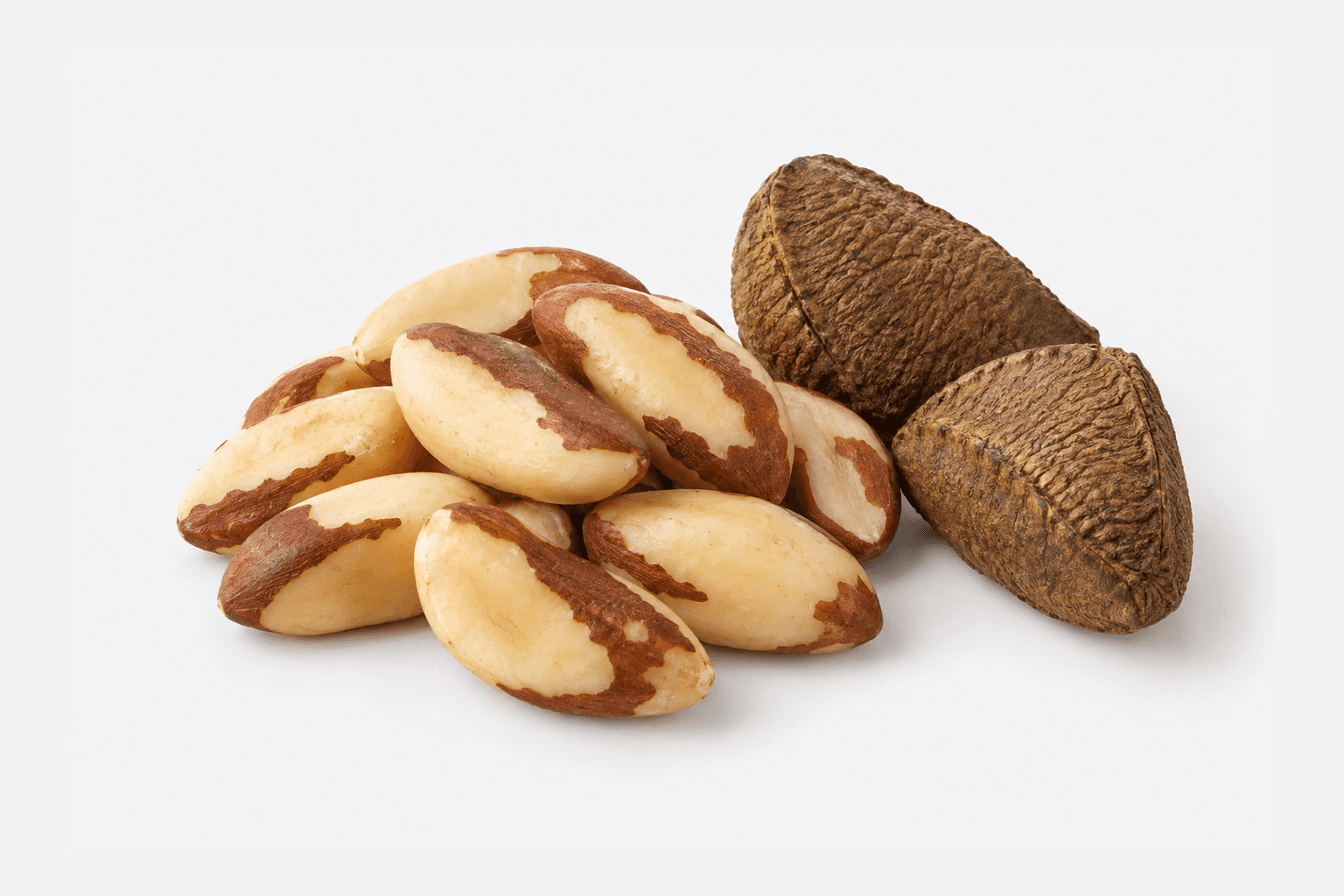
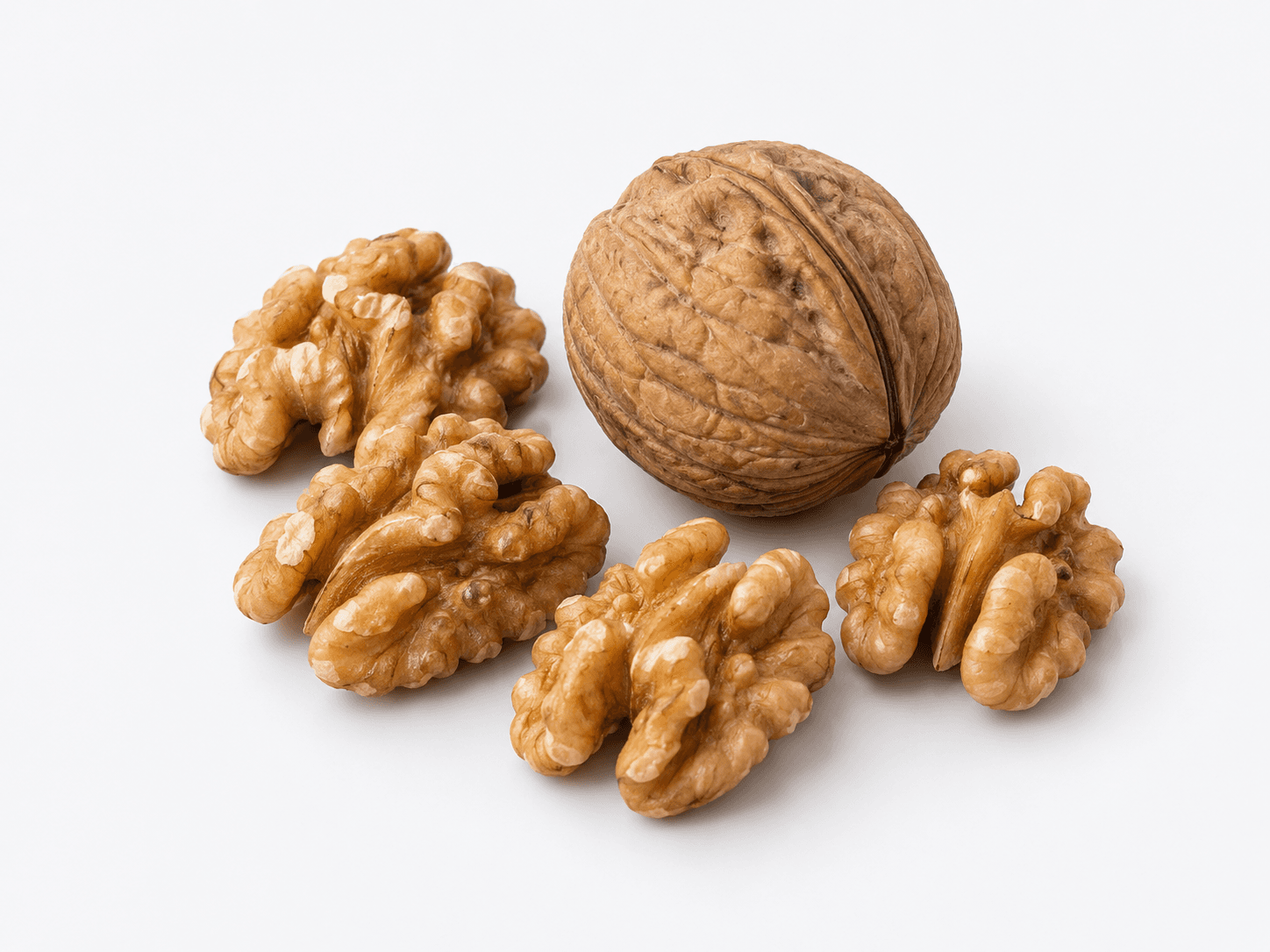
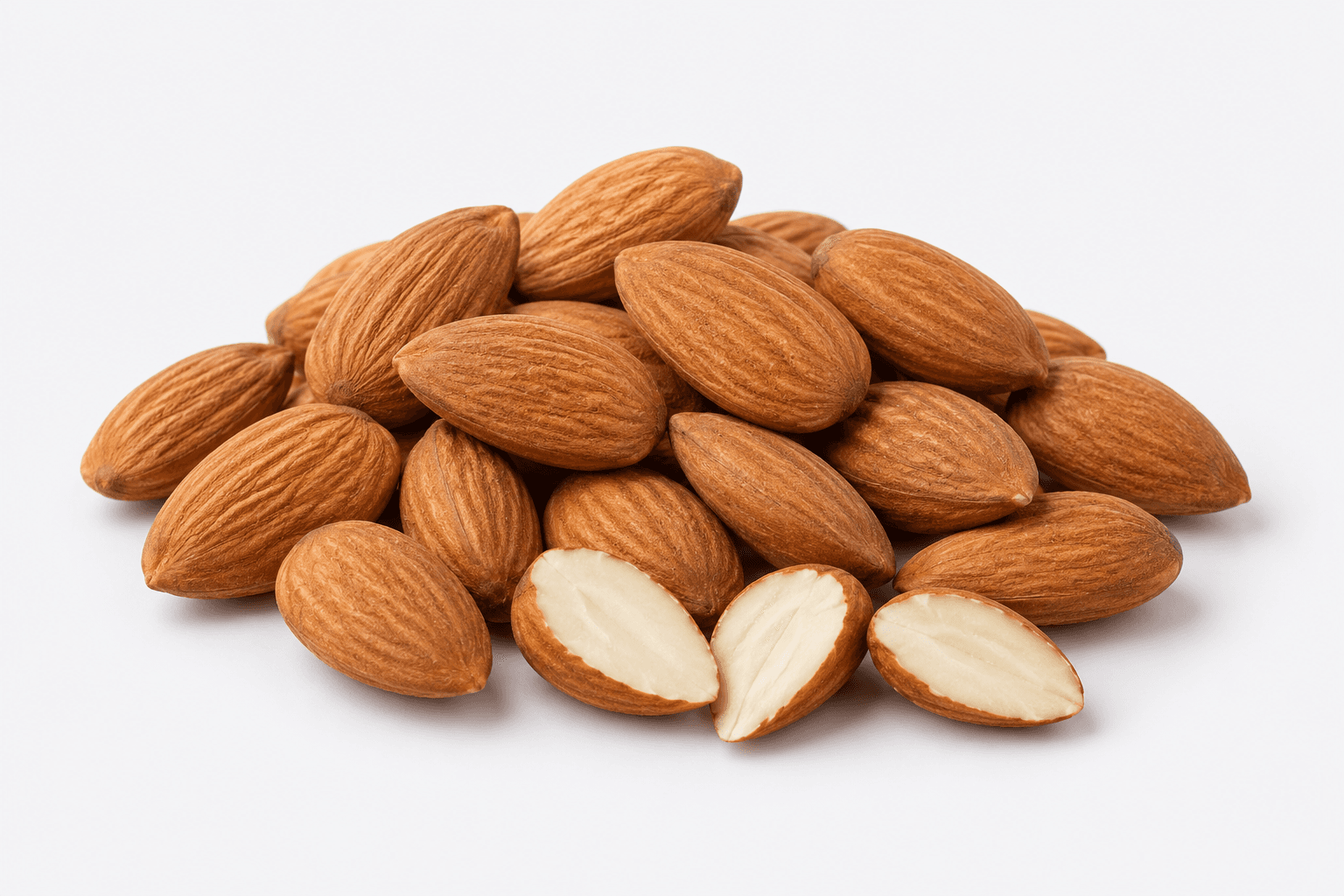
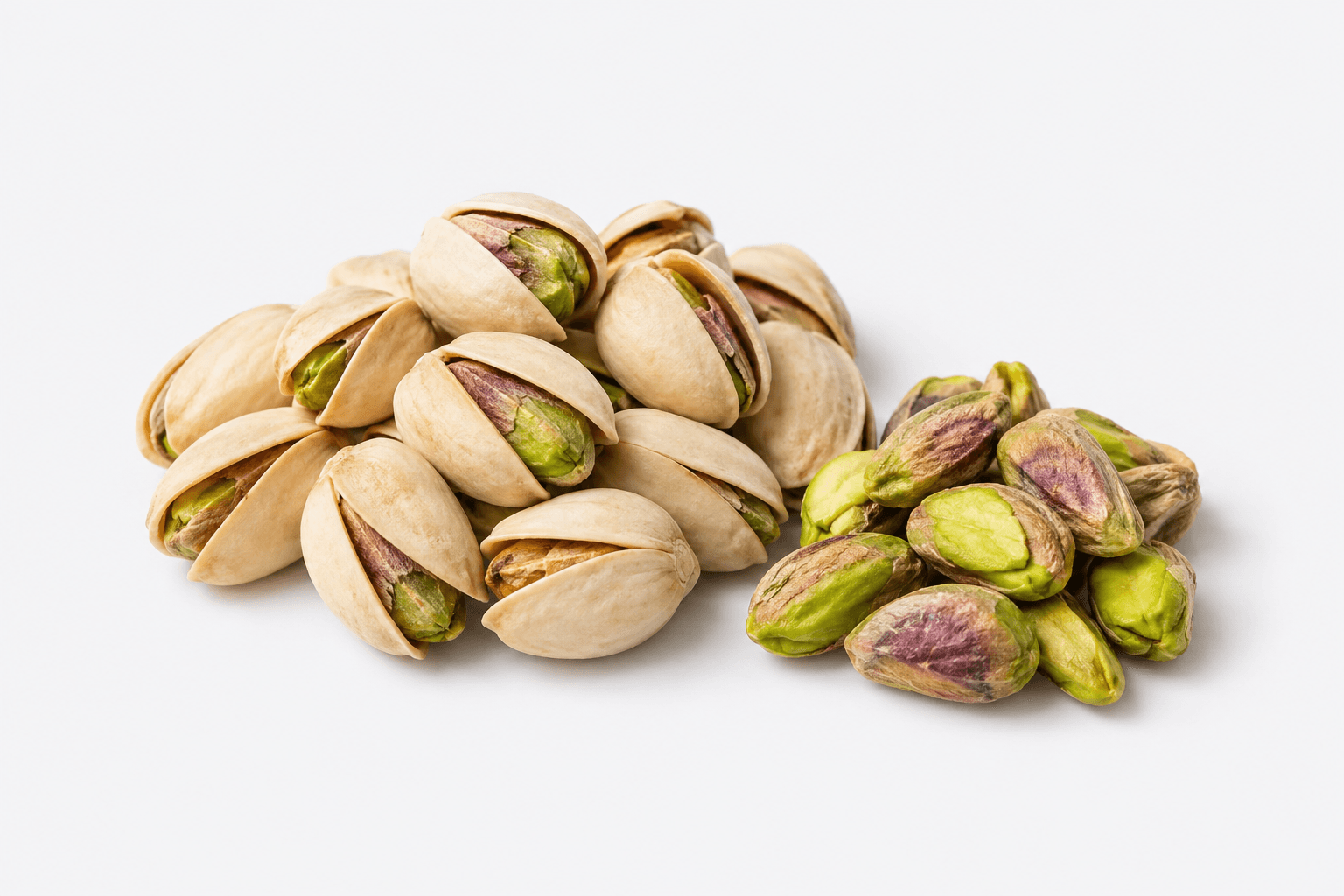
Bile emulsifies fat and pancreatic lipase breaks it down for absorption. The efficiency is high — over 95% — but food structure interferes. Fat in nuts stays trapped inside cell walls and a meaningful share passes through undigested, which is why measurements of almonds and pistachios put their real energy around 20% below the label. Oils, having no structure, are absorbed almost entirely. The same mechanism explains why fat-soluble vitamins and carotenoids absorb better alongside fat — dressing on a salad is not only about flavour.
What to watch out for
This ranking shows the amount of fat and says nothing about the kind. A hundred grams of fat from olive oil and from butter are different foods, and that difference is not in this table. Replacing saturated fat with unsaturated fat is a clearer recommendation for cardiovascular risk than cutting fat in general. Trans fat is not a matter of moderation but of avoidance; look for "partially hydrogenated oil" on a label. And oil is extremely energy-dense — one tablespoon is 14 g and 124 kcal — so even a healthy oil is worth counting as you pour. Cutting fat too far affects fat-soluble vitamin absorption and hormones.
Sources
The databases and health authorities this article's nutrition figures and health statements draw on.