Mineral
Foods high in sodium, and why to read this table backwards
Sodium is essential, and almost everyone eats more of it than they need. So the ranking below is not a list to seek out — it is a list for gauging how much is already arriving.
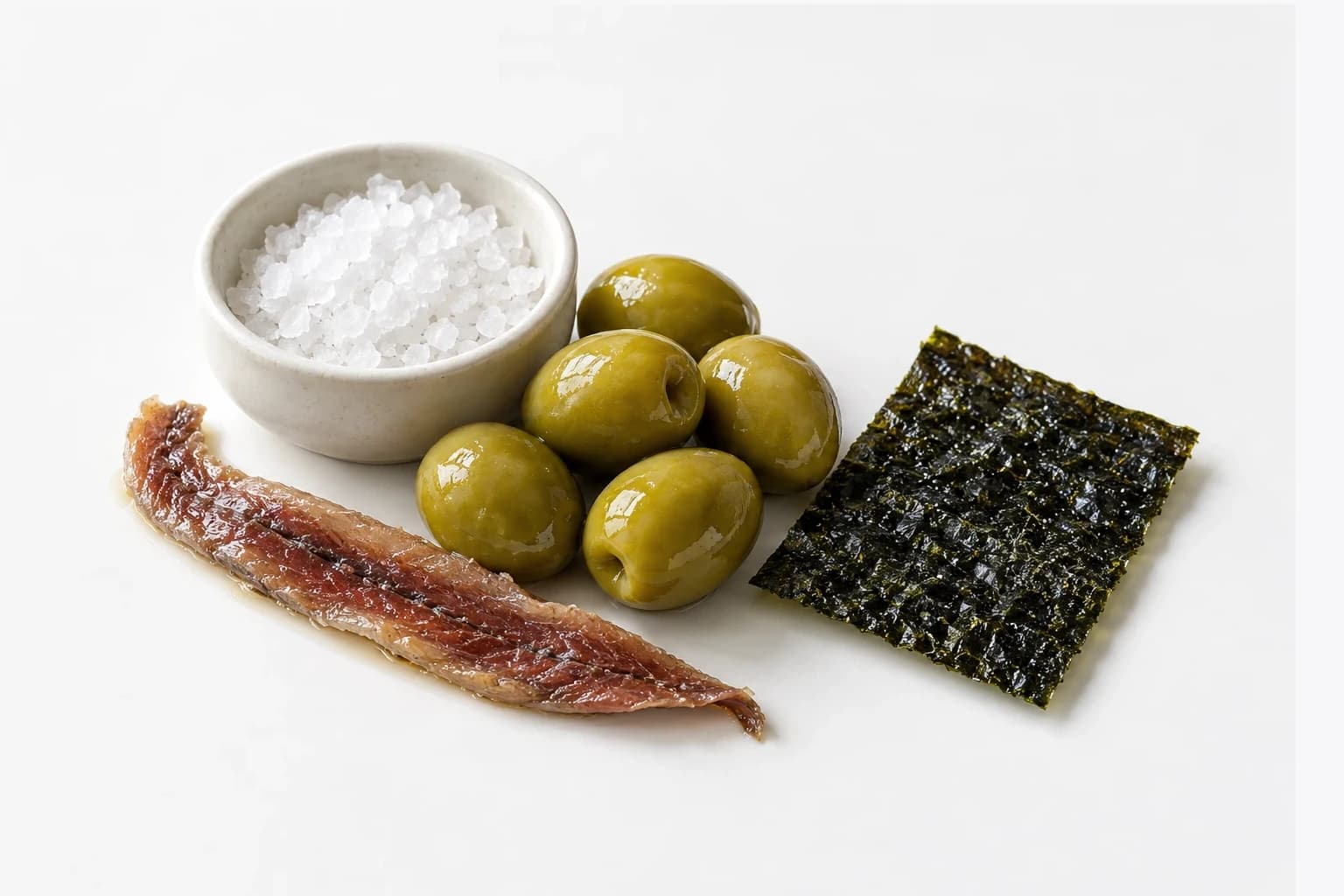
Highest sources
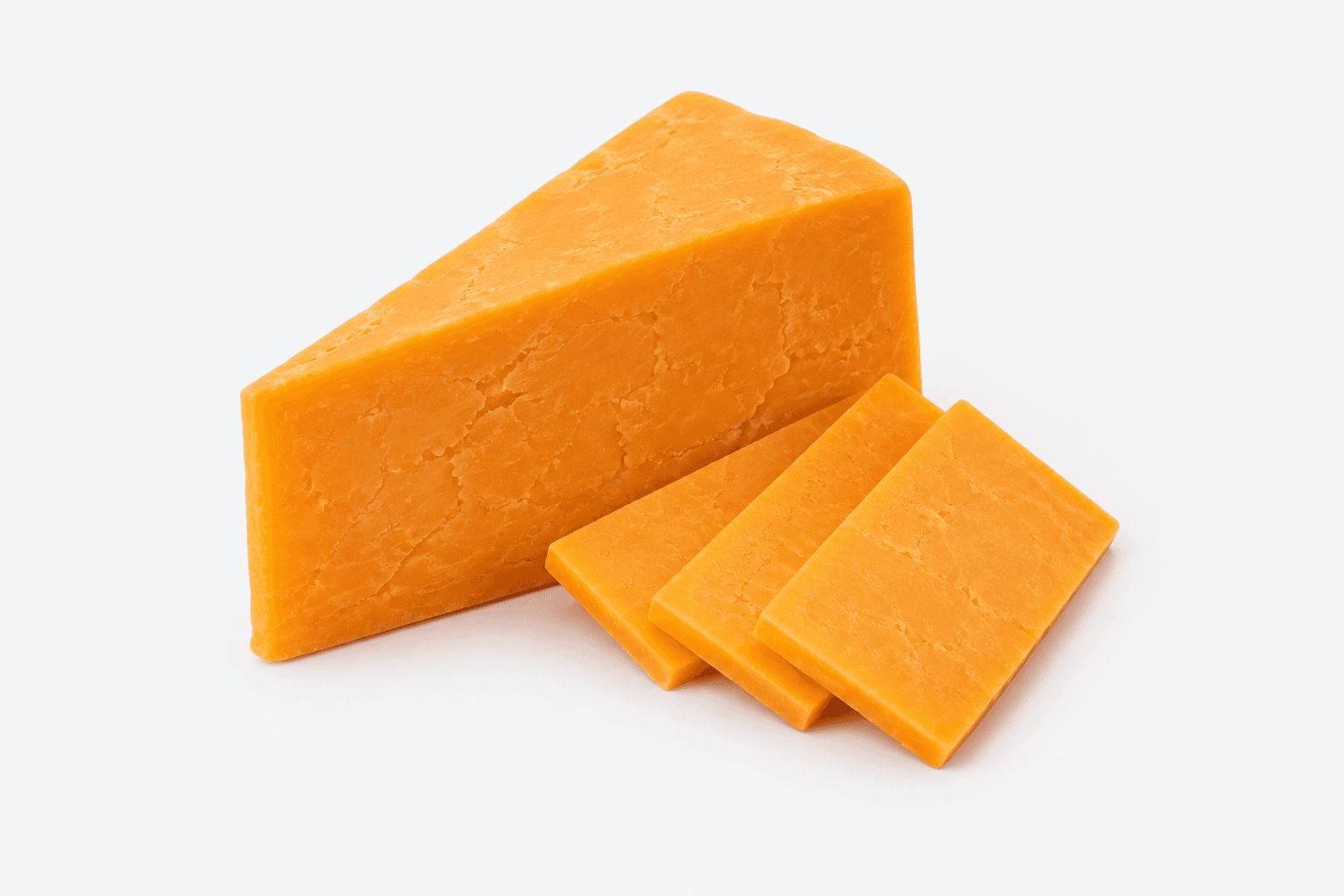
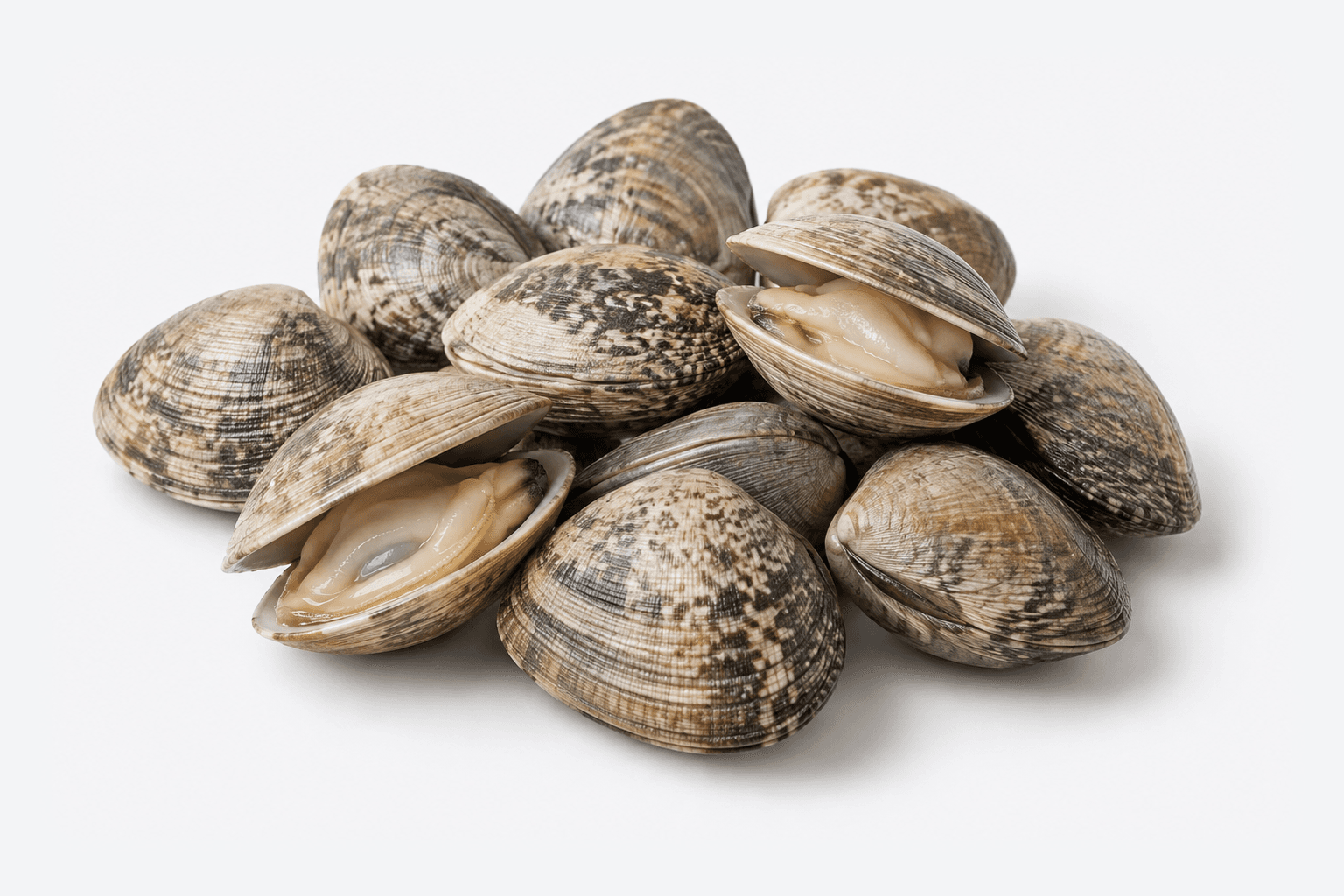
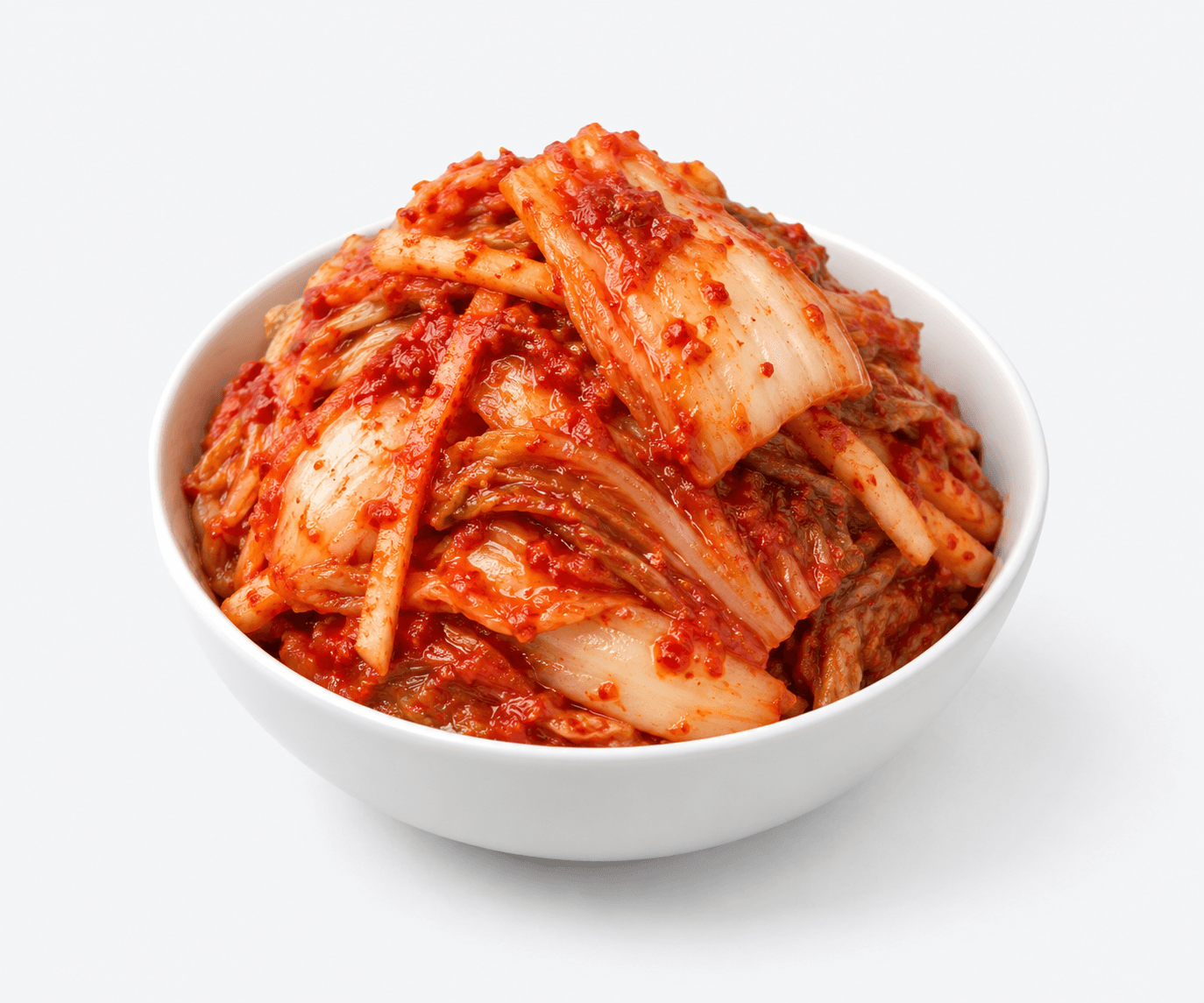
Ranked among the ingredients covered here. Reference amounts vary slightly between entries, so read this as a rough comparison rather than an exact order.
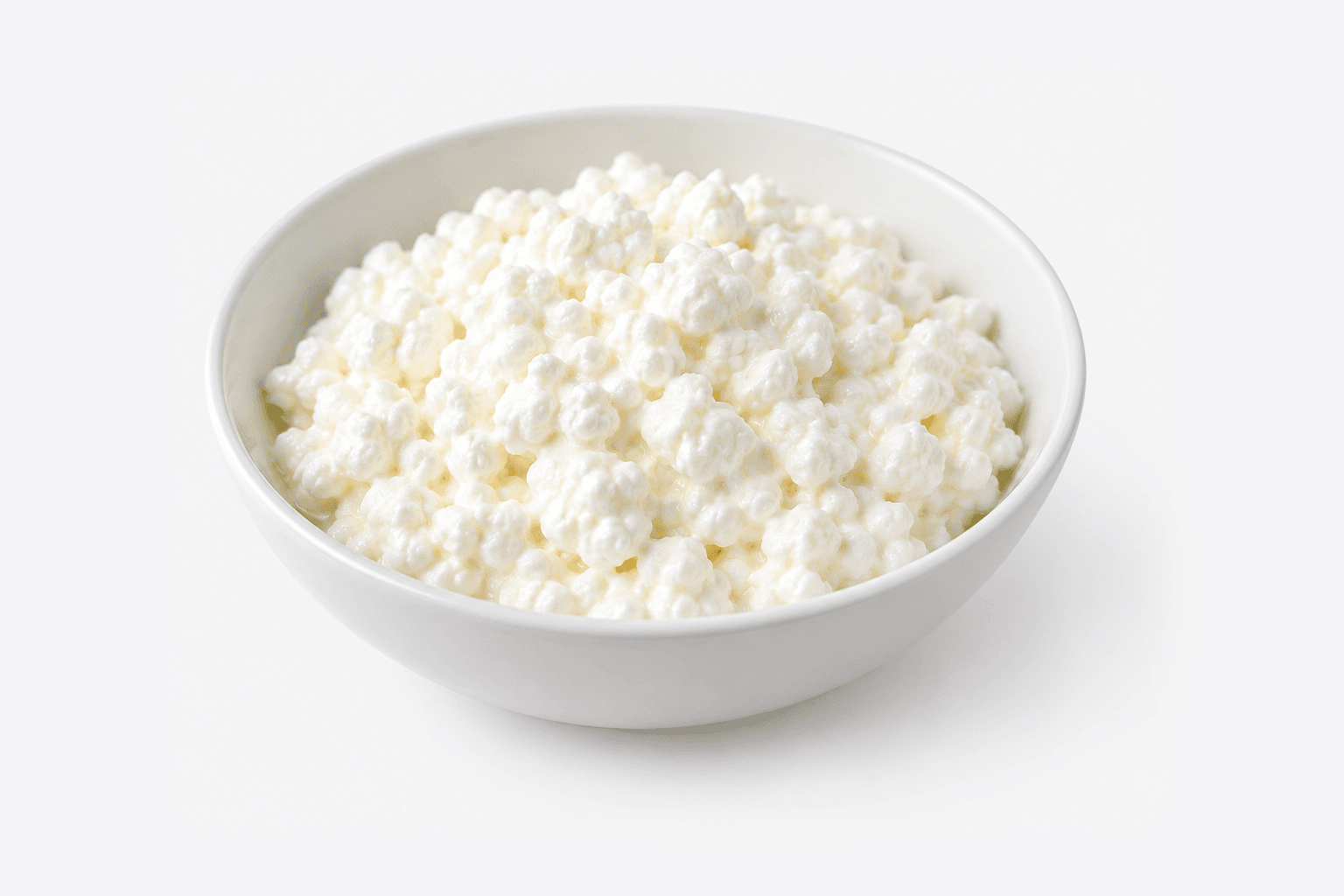
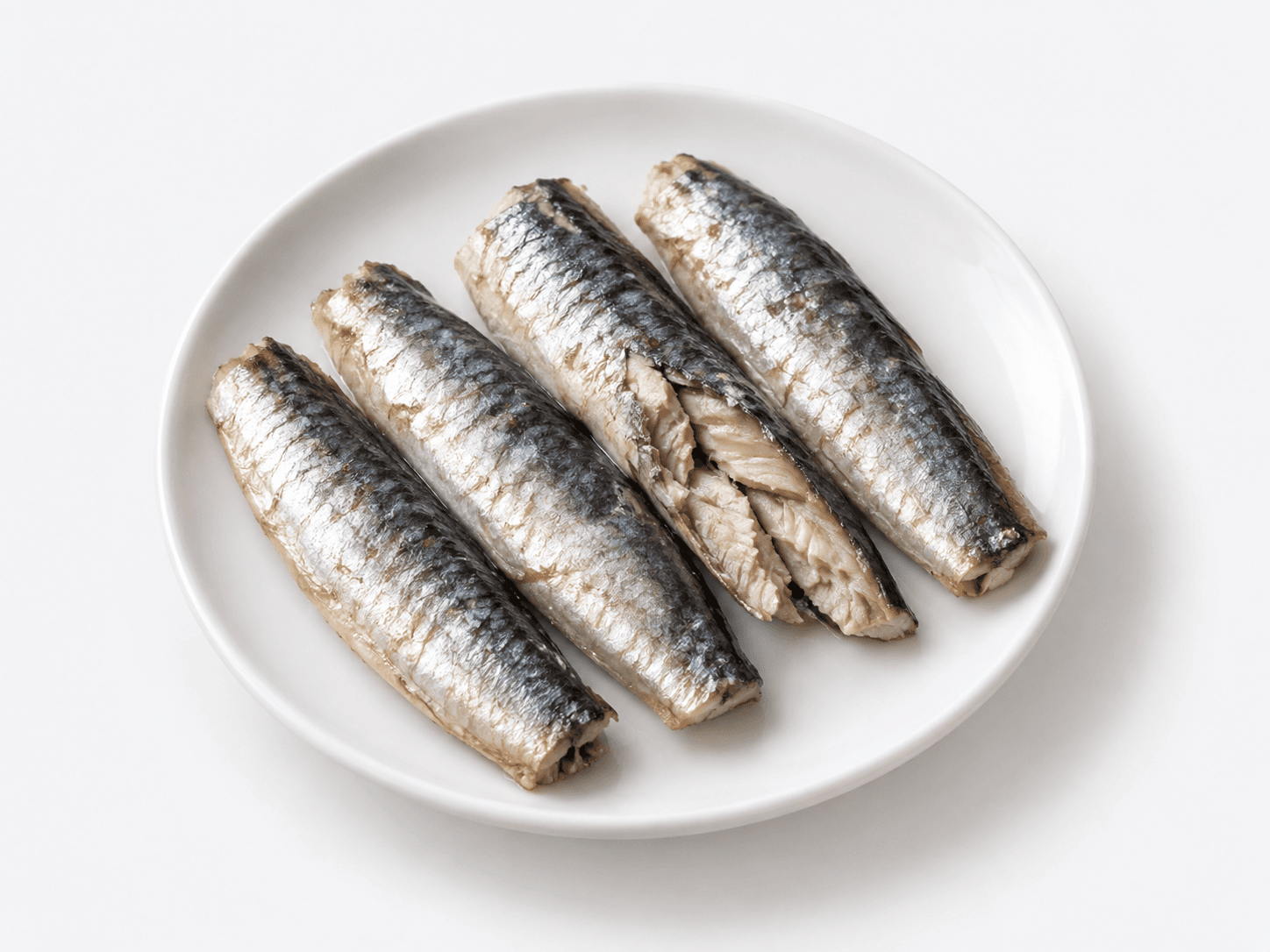
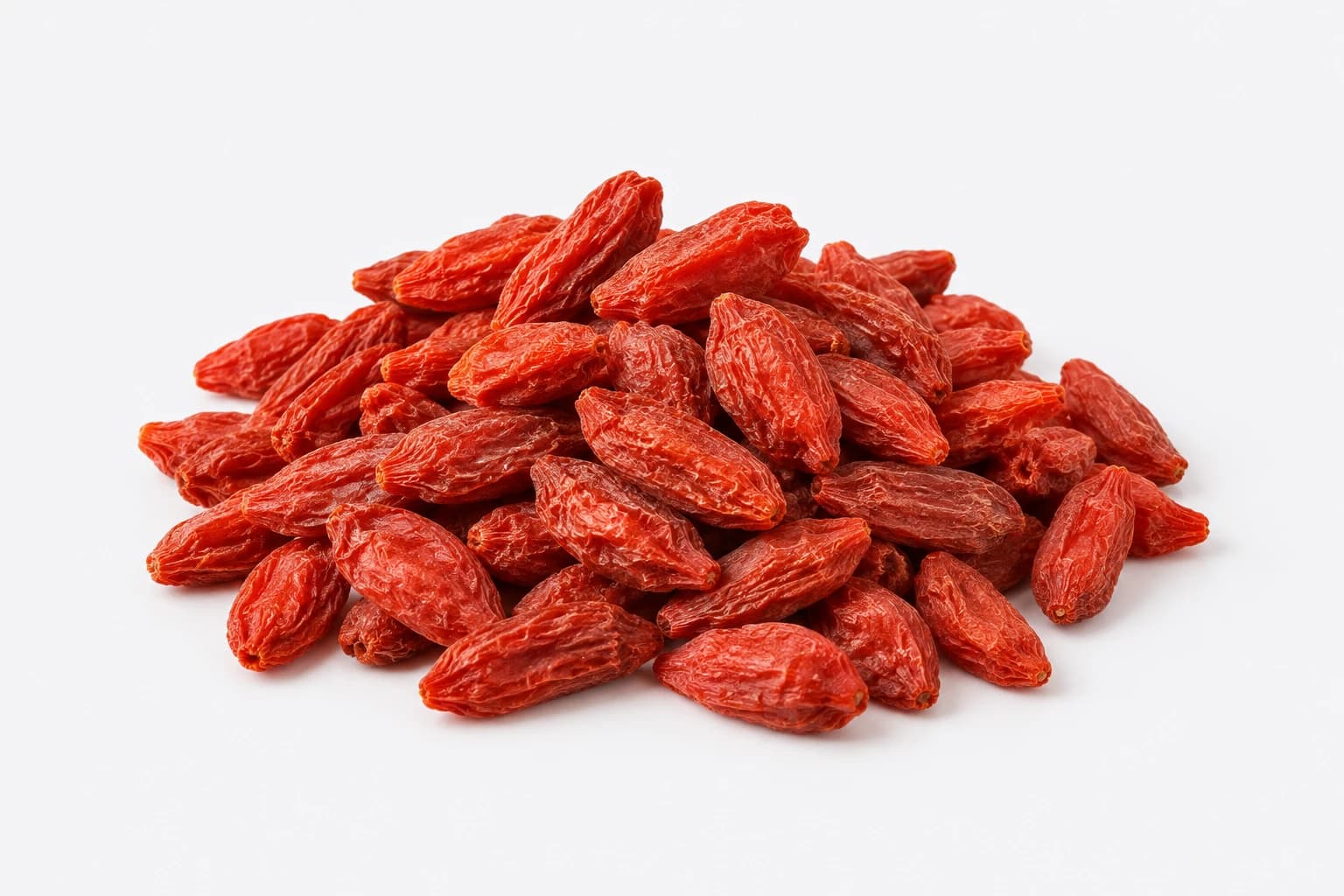
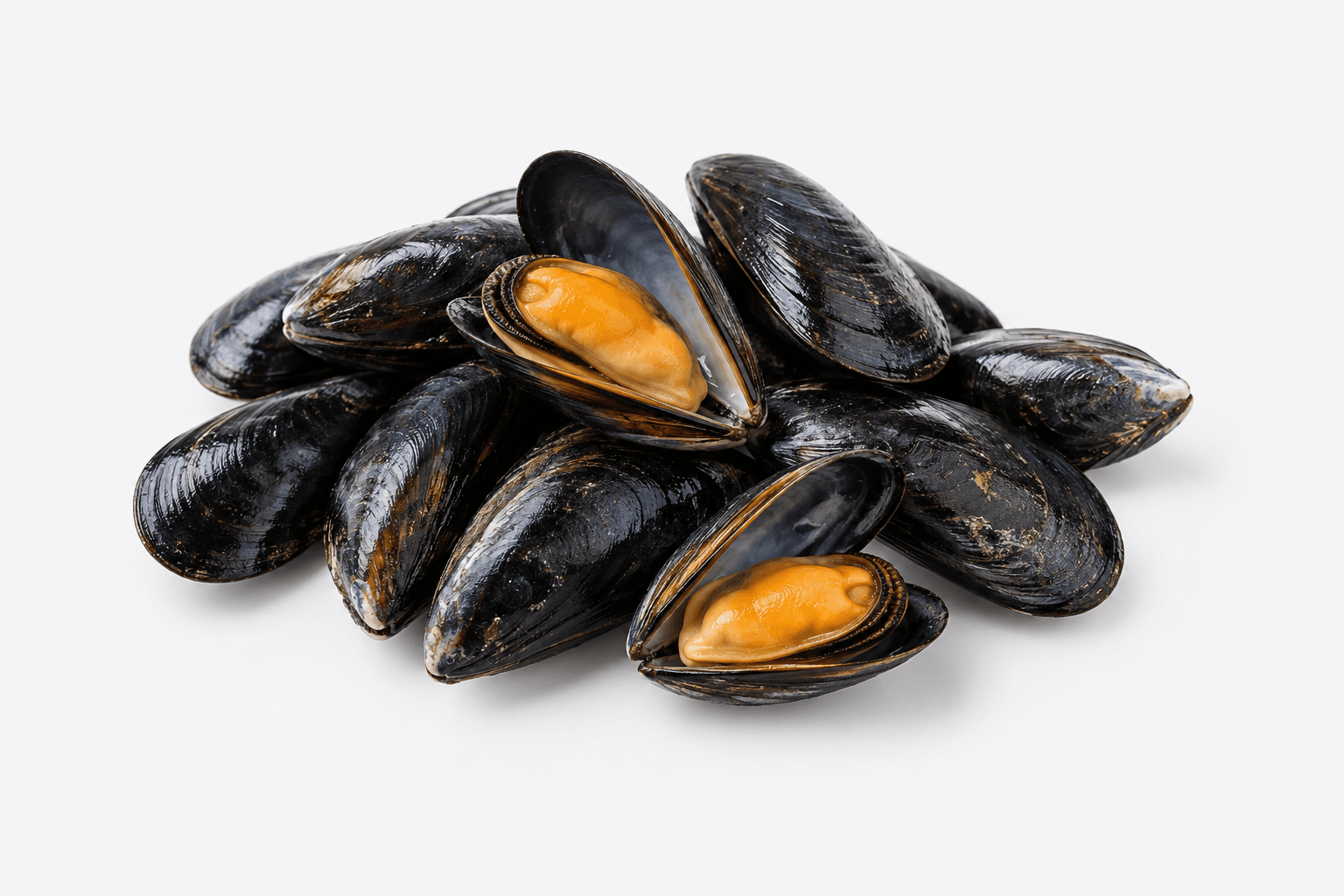
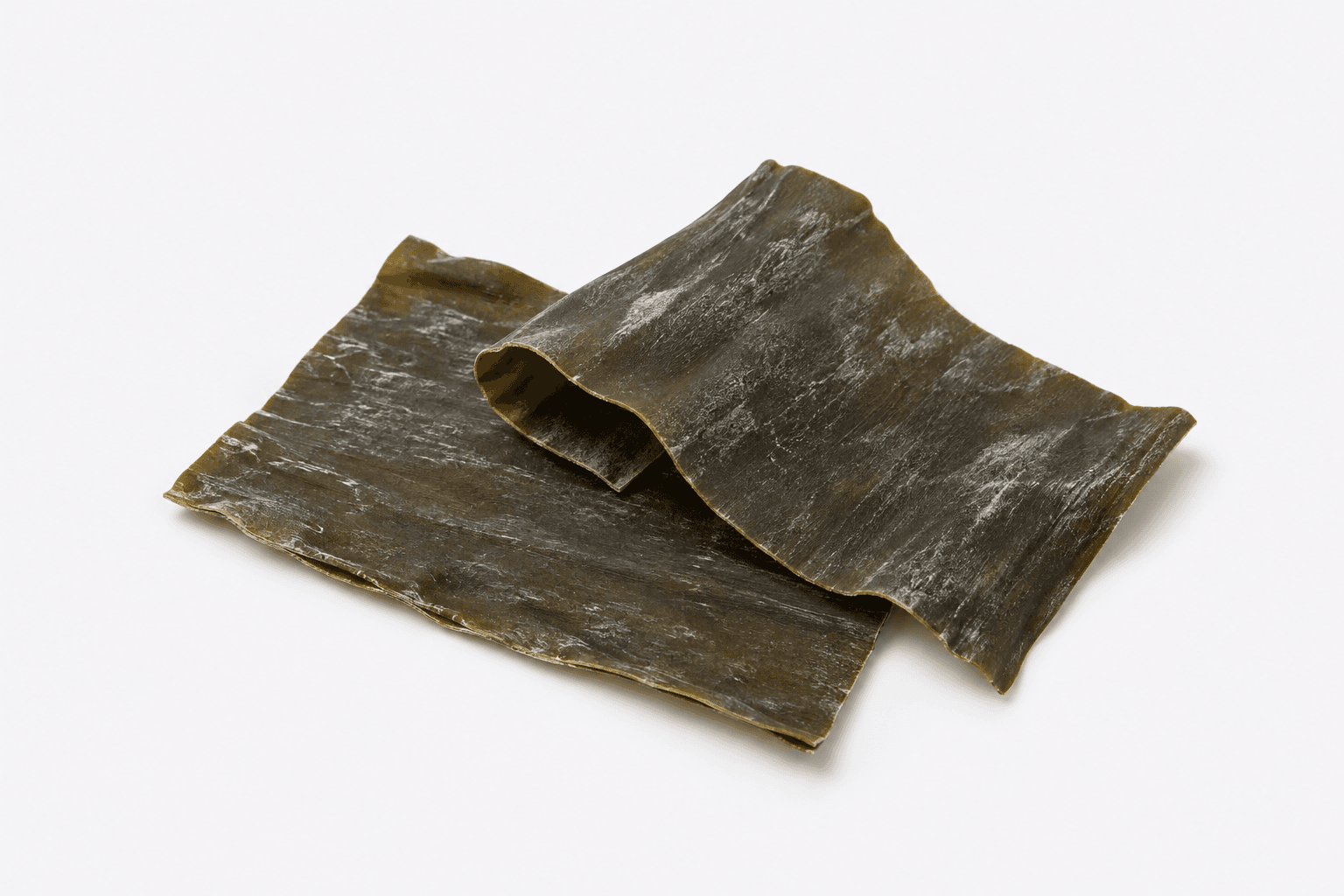
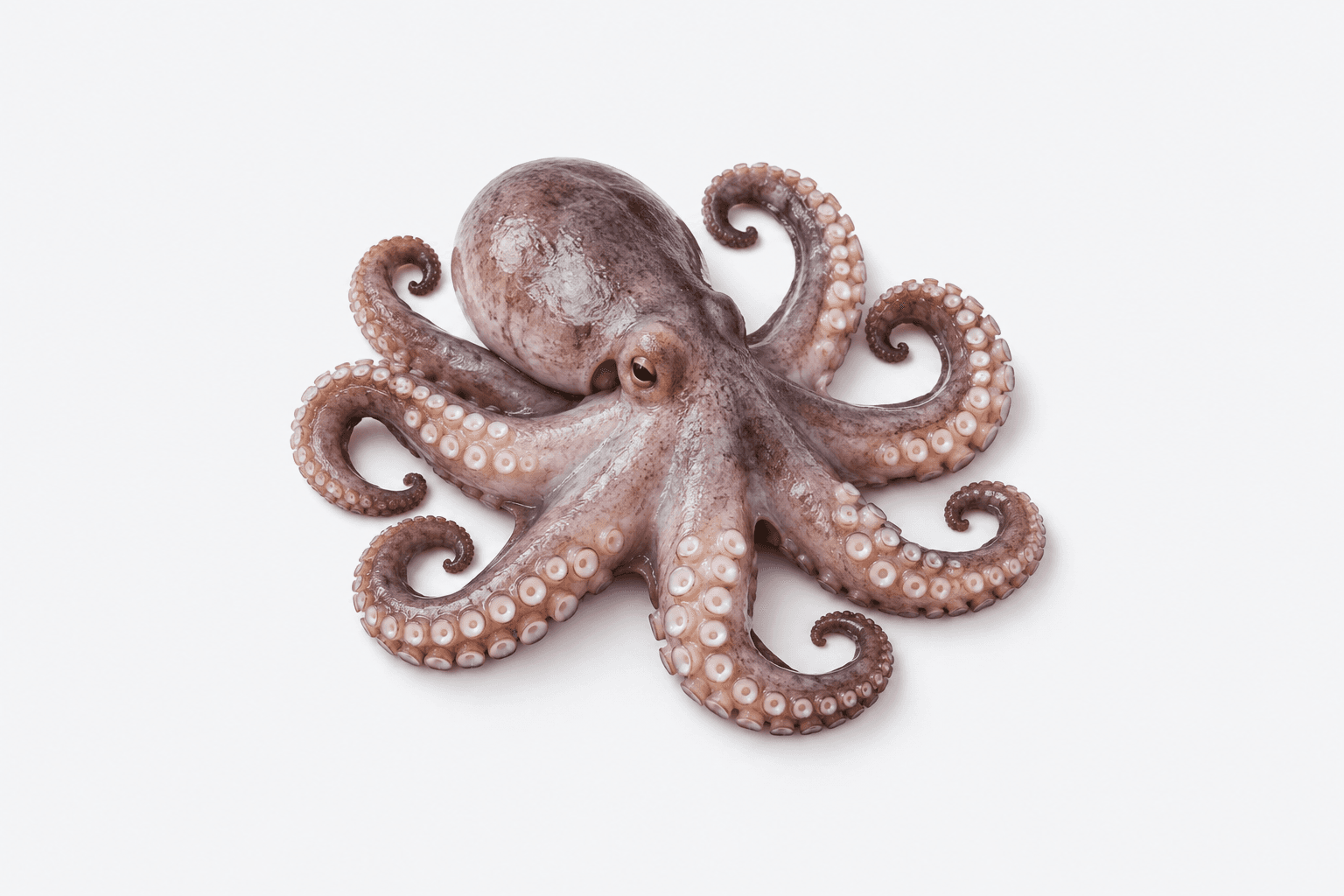
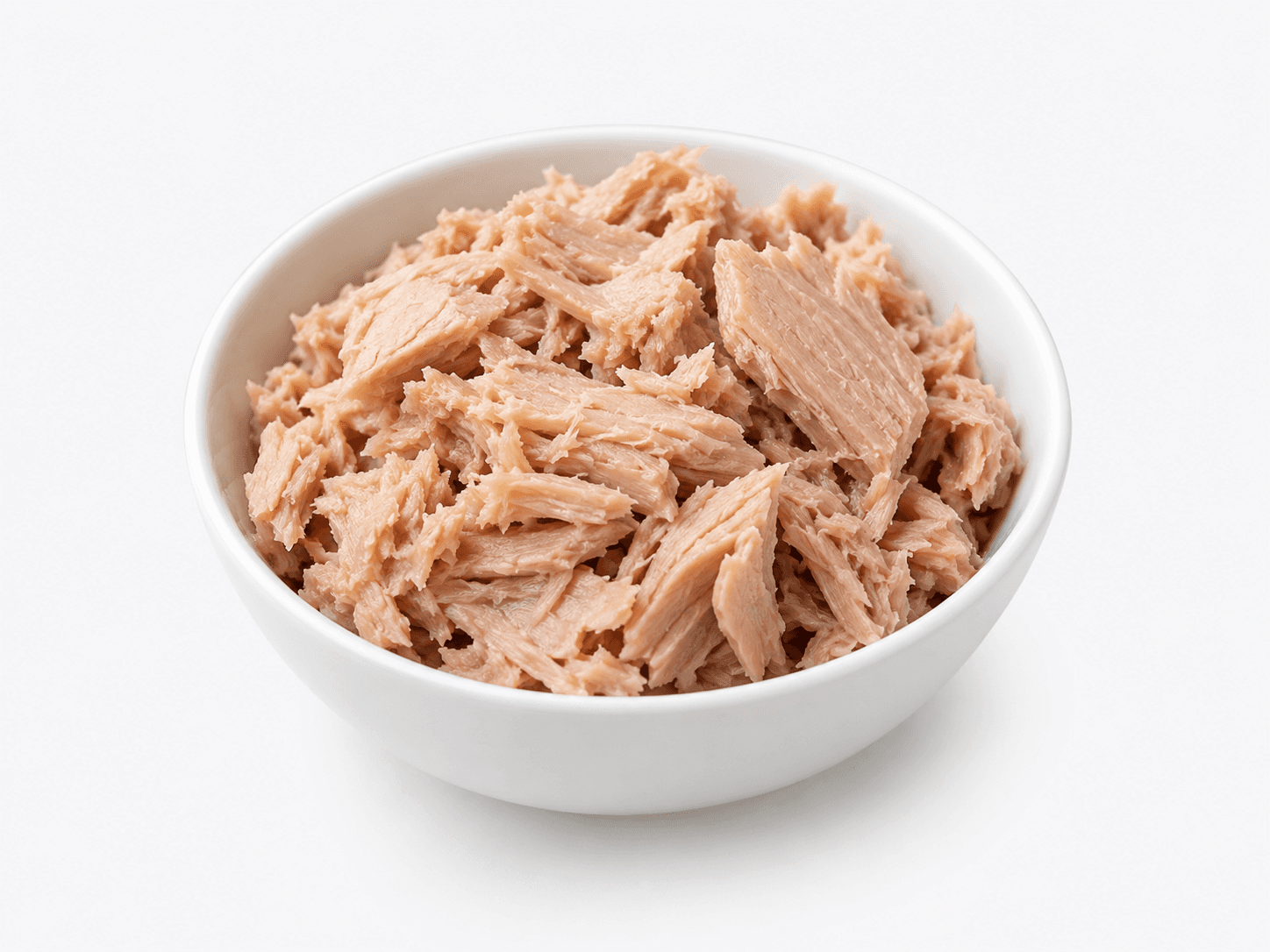
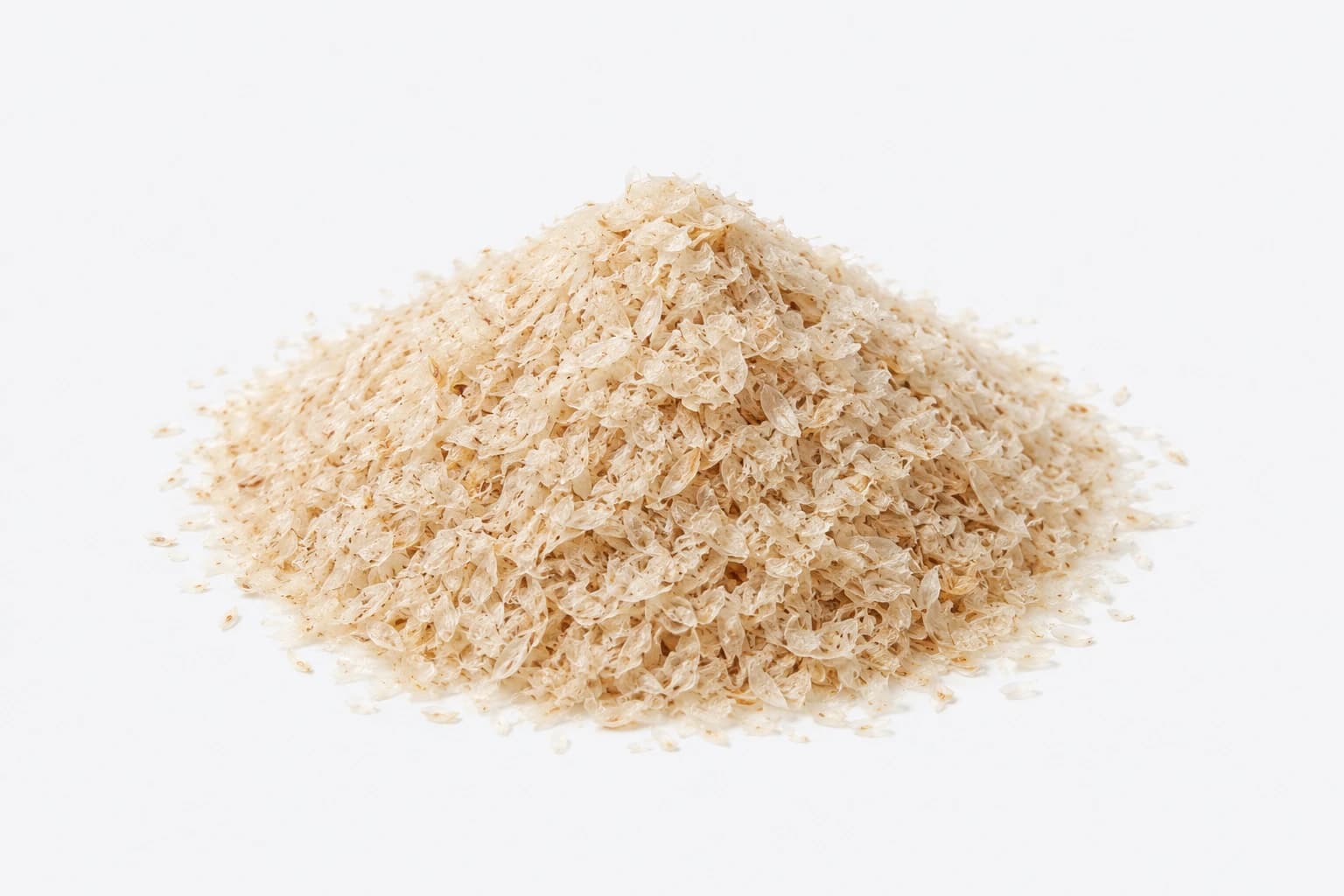
What it does
It is the main ion setting the volume of fluid outside cells, which puts blood volume and blood pressure directly on it. The gradient built by the sodium-potassium pump across cell membranes underlies nerve signalling and muscle contraction, and the transporters that pull glucose and amino acids into cells in the gut run on that same sodium gradient. This is why losing a lot of sodium through diarrhoea or heavy sweating is not fixed by drinking water alone.
Recommended intake
The US adequate intake for adults is 1,500 mg a day. The figure better known is 2,300 mg, and that is not an upper limit — in 2019 the US National Academy of Medicine declined to set a tolerable upper intake level for sodium and instead issued 2,300 mg as a separate Chronic Disease Risk Reduction intake. It is not a line above which toxicity appears, but a line above which reducing intake is expected to reduce chronic disease risk. The US Food and Drug Administration's Daily Value is also 2,300 mg. The World Health Organization recommends under 5 g of salt a day, which is under 2,000 mg of sodium. Actual intake in most countries runs well above these figures.
What affects absorption
Essentially all the sodium you eat is absorbed. There is no practical way to reduce absorption; regulation happens through how much the kidneys excrete. So managing sodium is a question of intake, not of absorption. Canned beans and vegetables give up a good share of the sodium on their surface and in the packing liquid if tipped into a sieve and rinsed. Adequate potassium intake is reported to blunt sodium's effect on blood pressure, so cutting sodium and raising potassium through vegetables and fruit are two halves of the same move.
What to watch out for
First, how to read the table. The ranking below covers whole foods that are high in sodium, and most actual intake is not there. Processed food, salt added in cooking, sauces and pastes, and eating out account for the bulk of it. So use this table not to pick what to eat more of, but to gauge which ingredients already bring sodium with them. Excess sodium raises blood pressure and, over time, is associated with cardiovascular disease, stroke, gastric cancer and kidney disease. Too little is also a problem — hyponatraemia can develop with excessive sweating or diarrhoea, with some medications, and when drinking very large amounts of water, and in severe cases it impairs consciousness. If you have kidney disease, heart failure or liver disease, or take diuretics, your target differs from the general figure and should be set with your clinician.
Sources
The databases and health authorities this article's nutrition figures and health statements draw on.