Macronutrient
Foods high in omega-3 — ALA and EPA/DHA are not the same thing
The omega-3 in perilla oil and the omega-3 in mackerel do different jobs in the body, because the conversion rate between them is low.
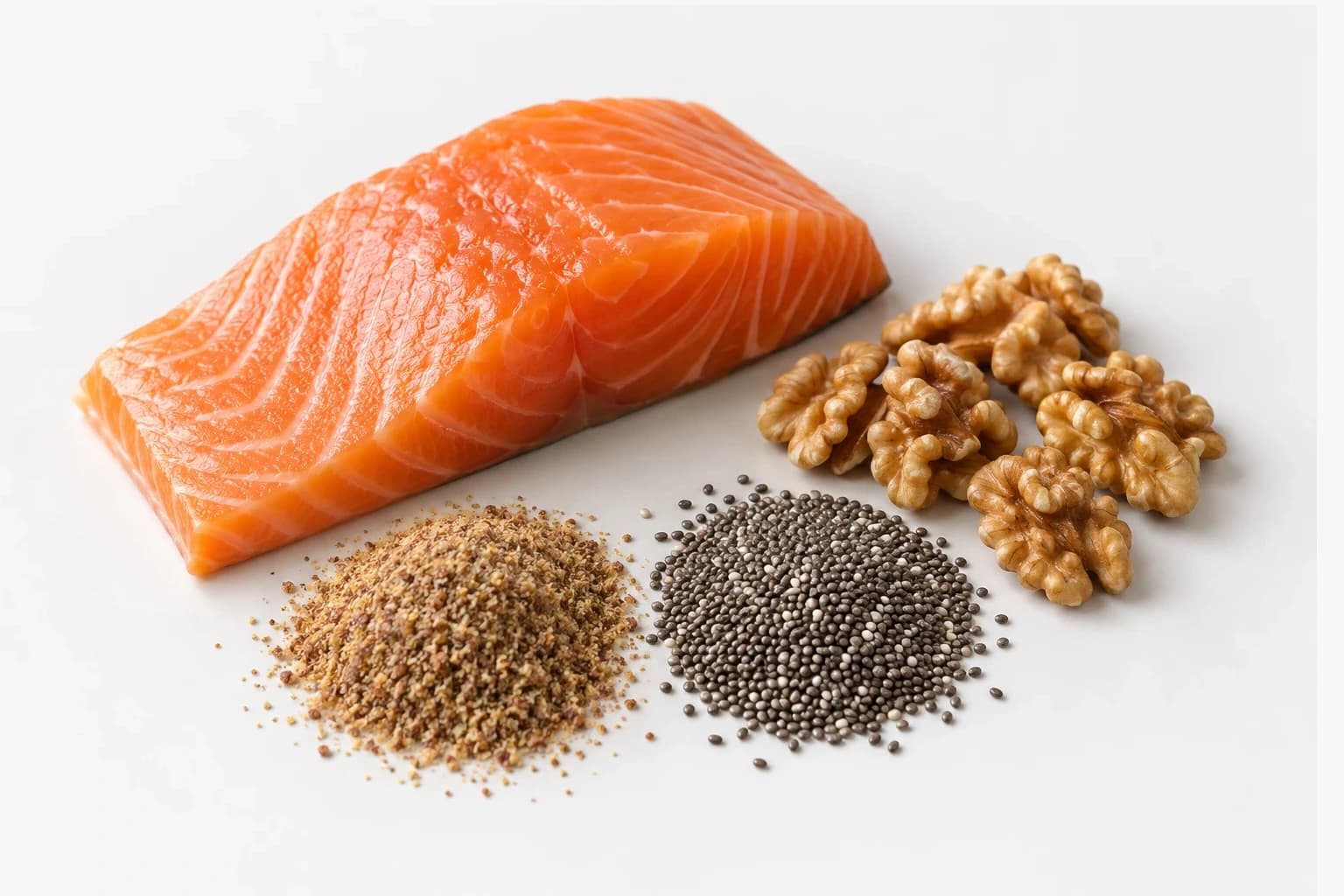
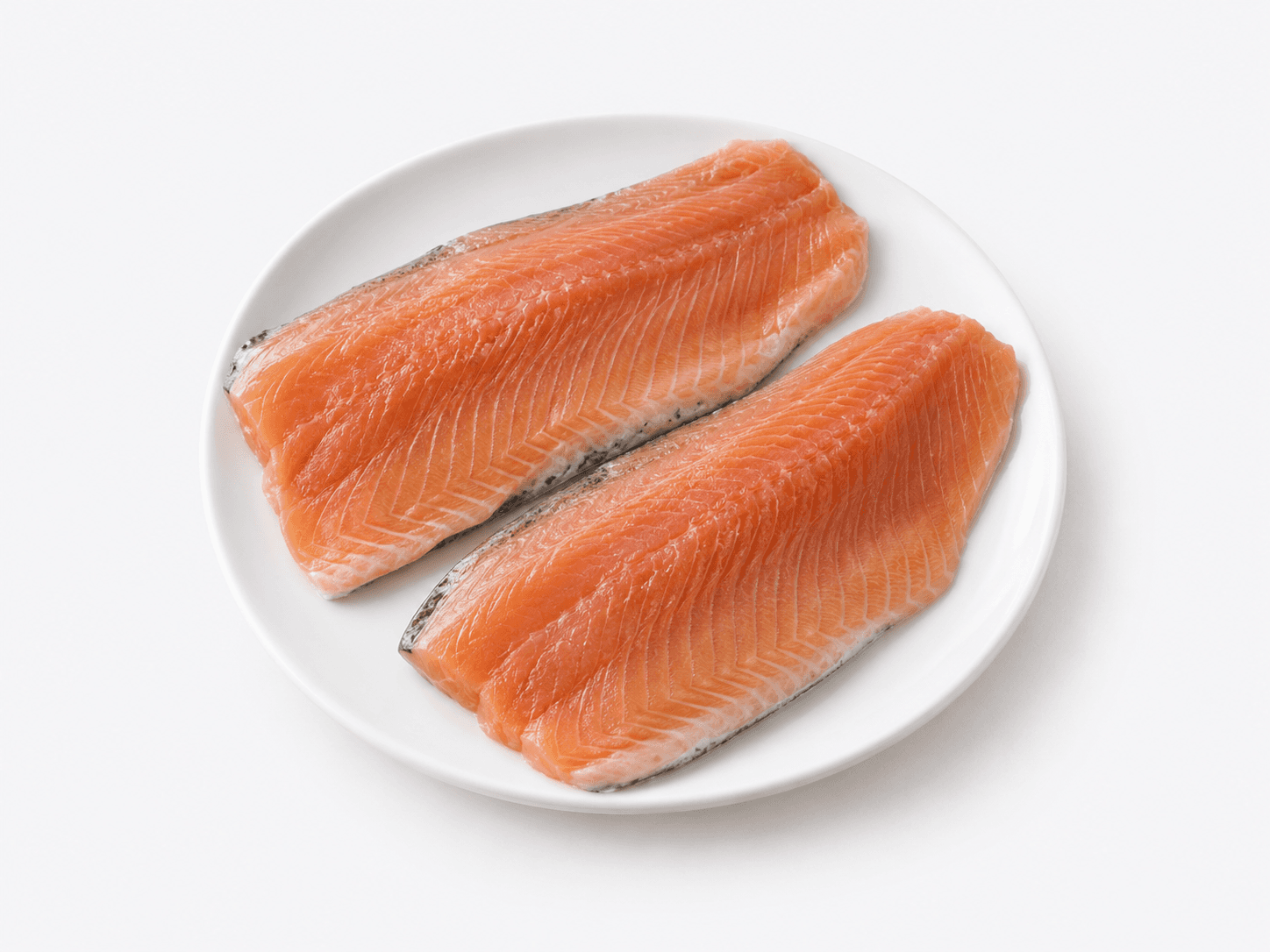
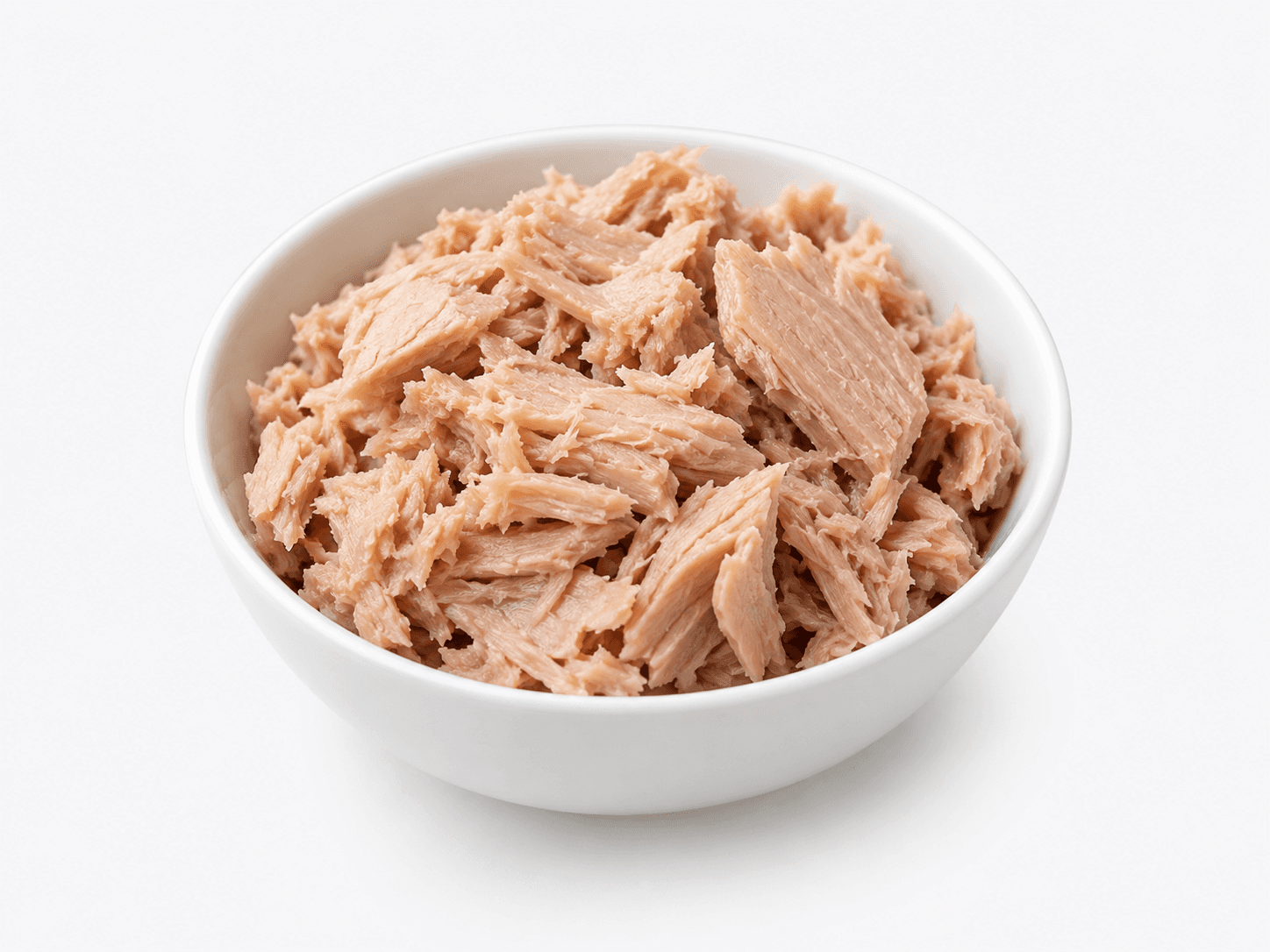
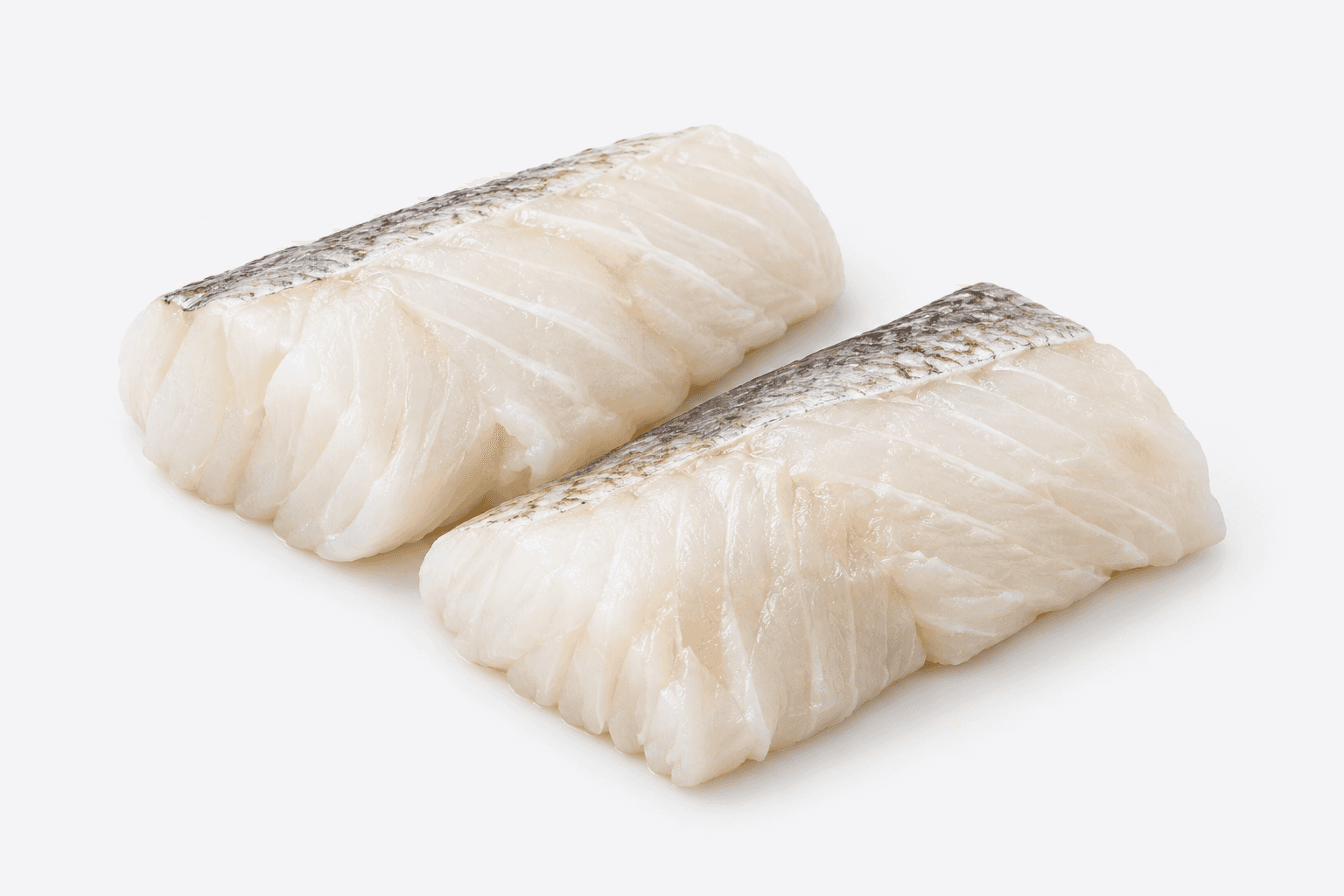
Highest sources
Ranked among the ingredients covered here. Reference amounts vary slightly between entries, so read this as a rough comparison rather than an exact order.

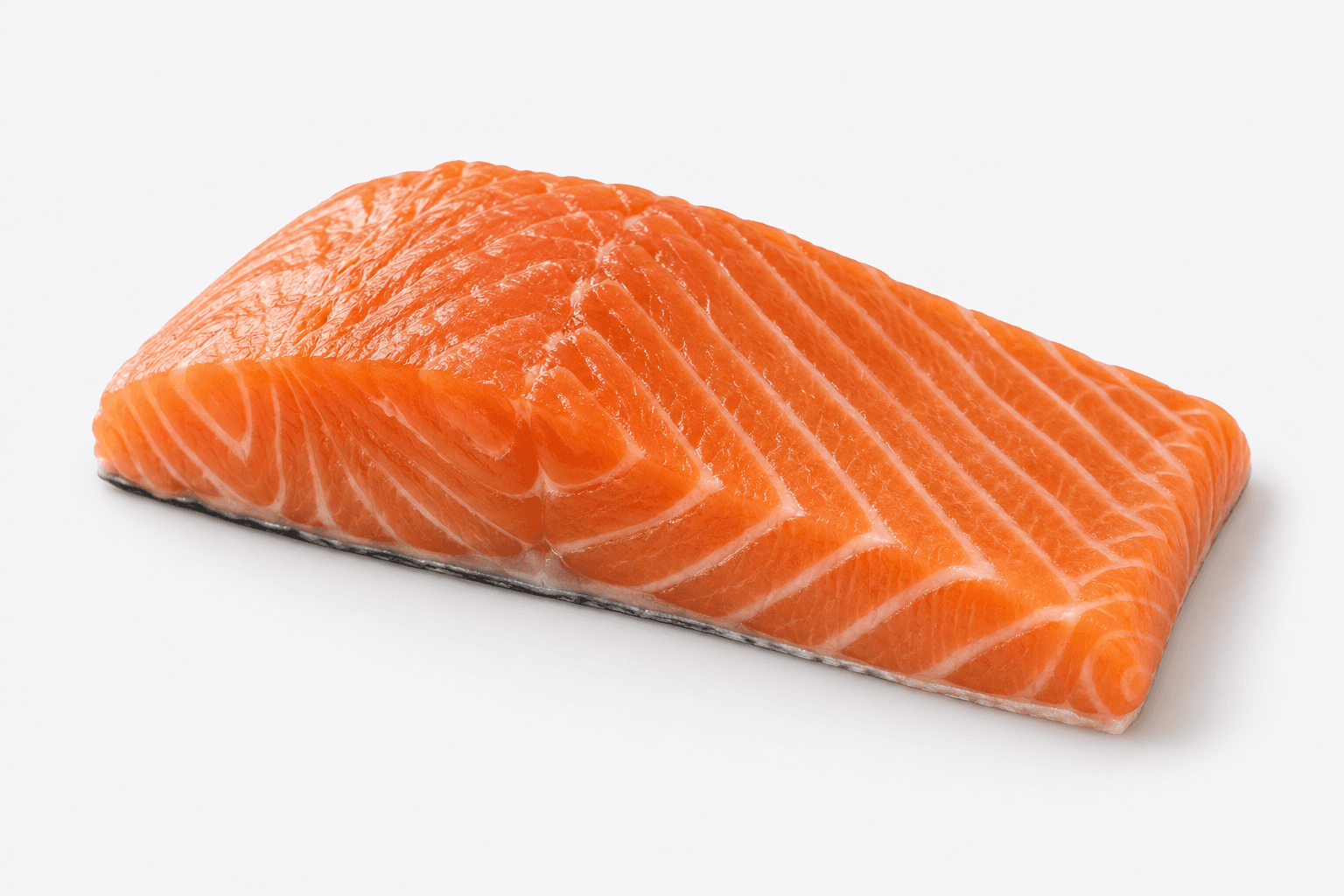
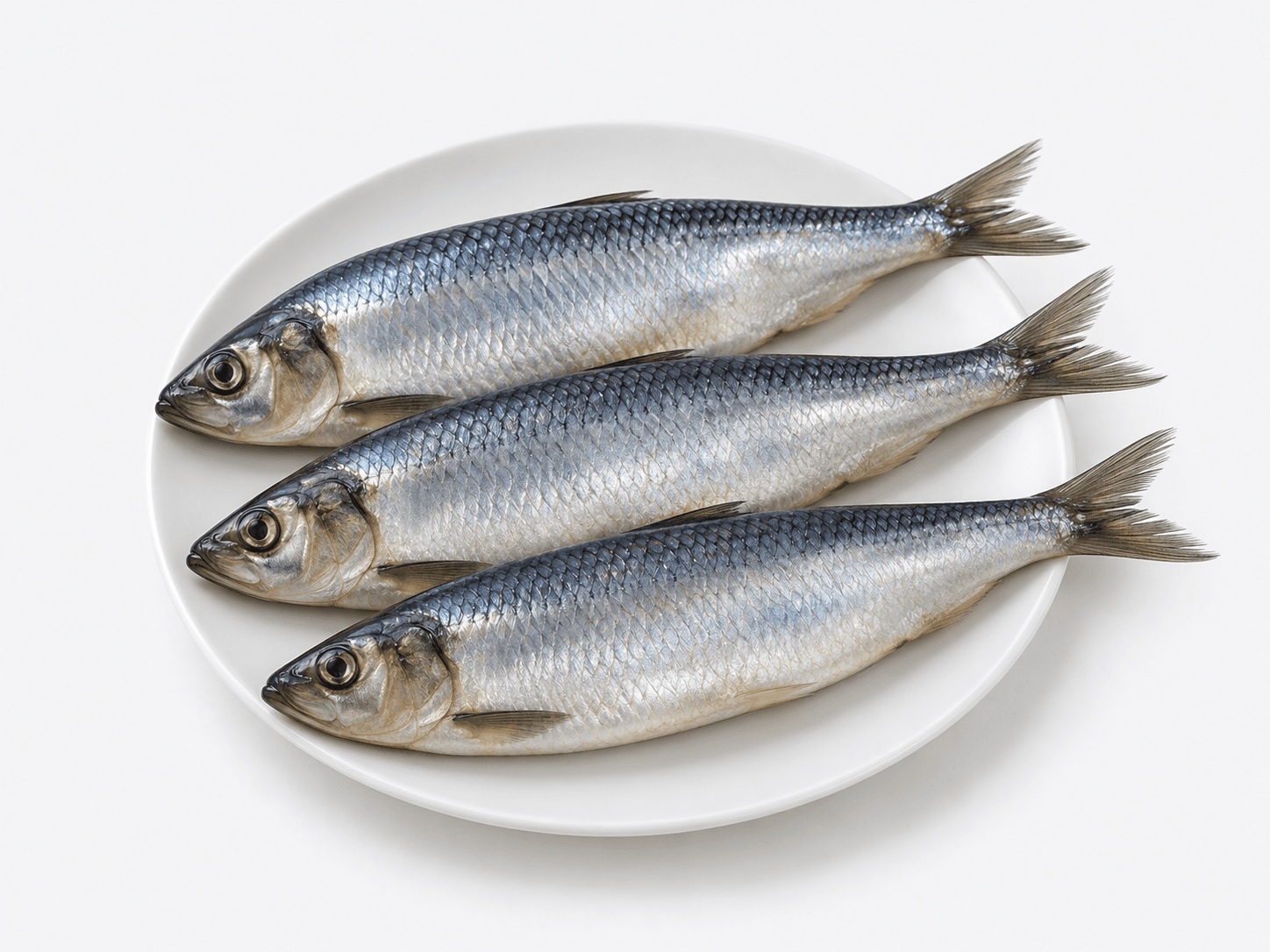
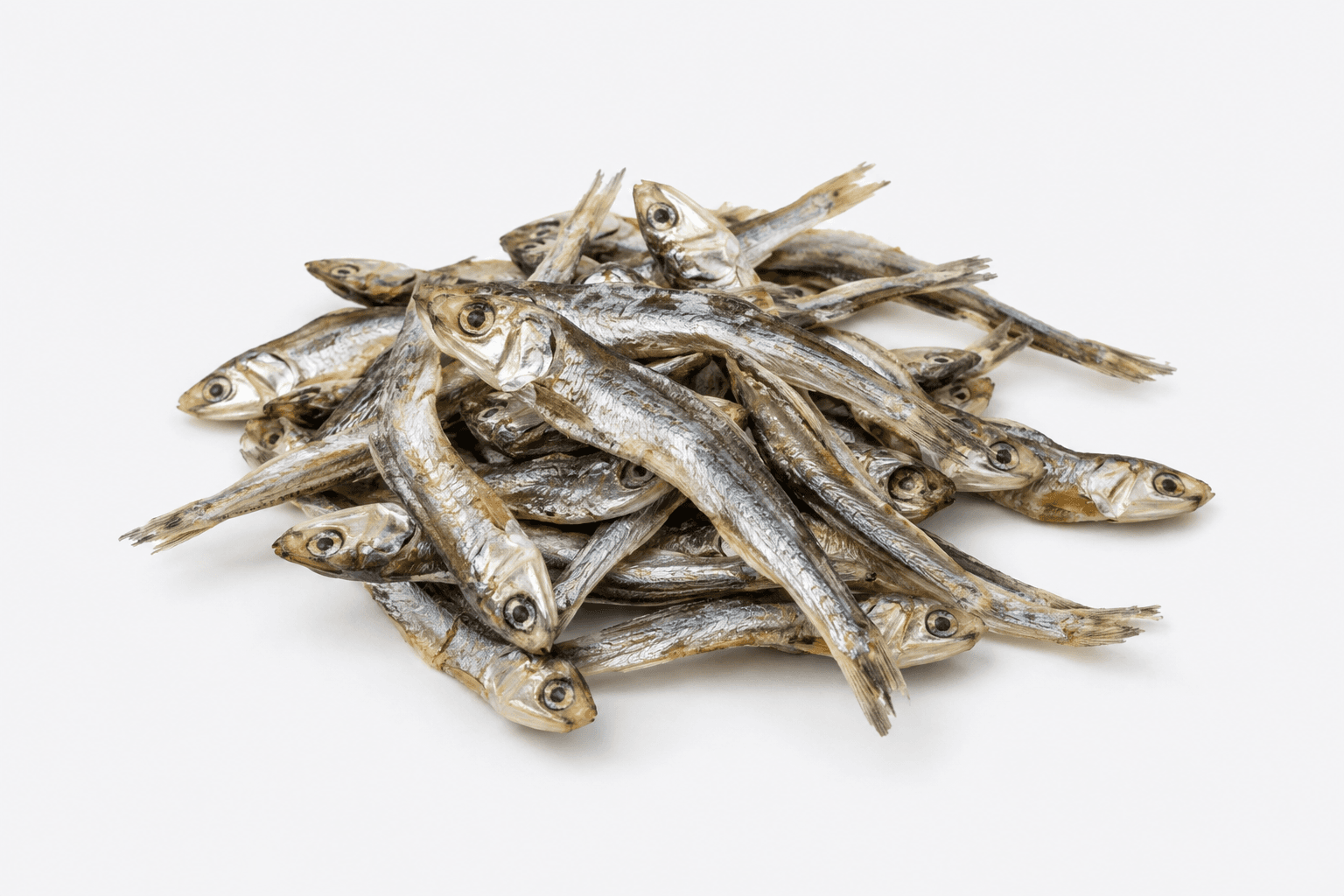
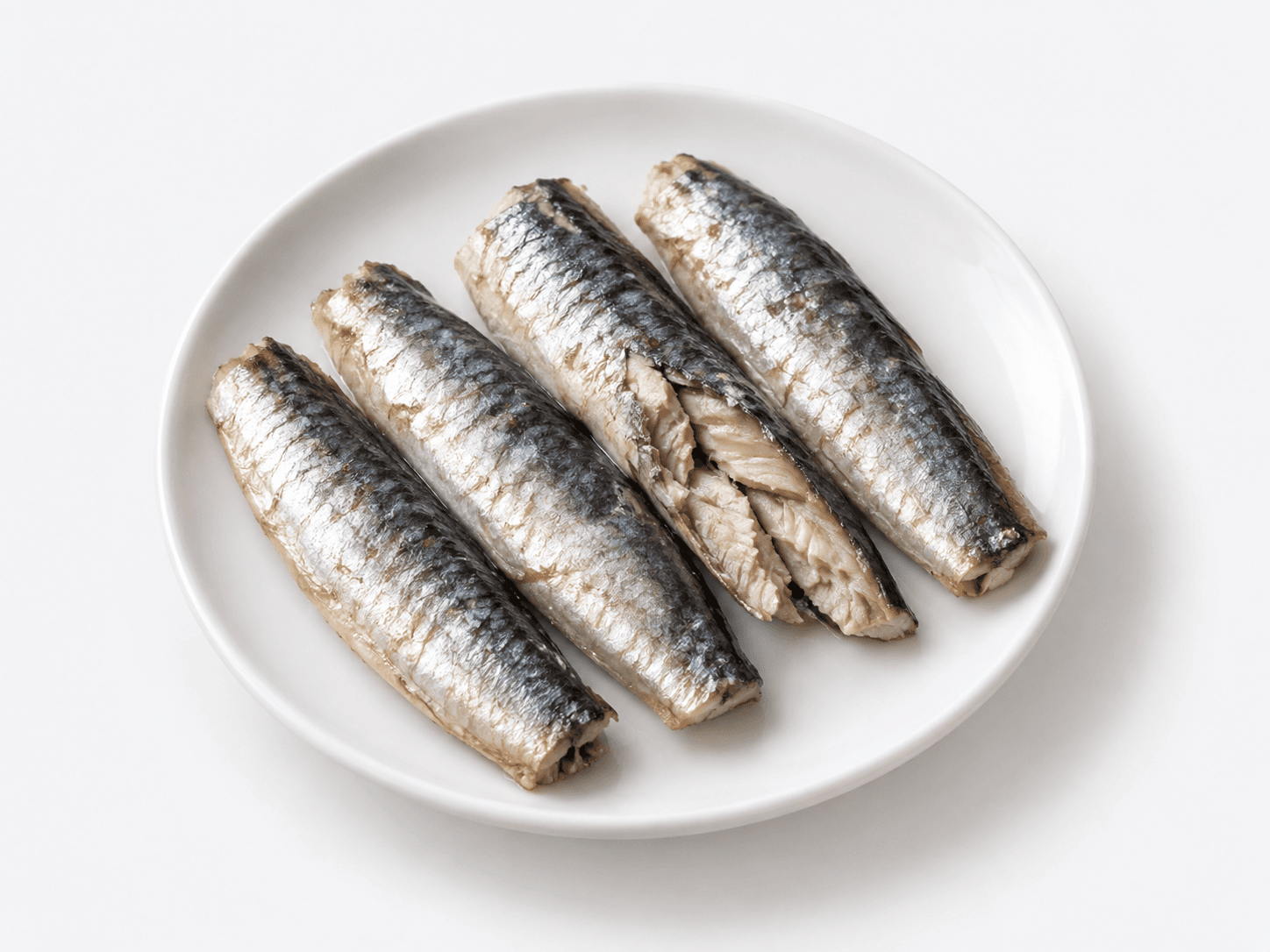

What it does
These are the fatty acids that build cell membranes. DHA in particular concentrates in the retina and the grey matter of the brain, which is why it matters for fetal and infant neurological development. EPA is the raw material for eicosanoids, the signalling molecules that regulate inflammation, and both reduce triglyceride production in the liver.
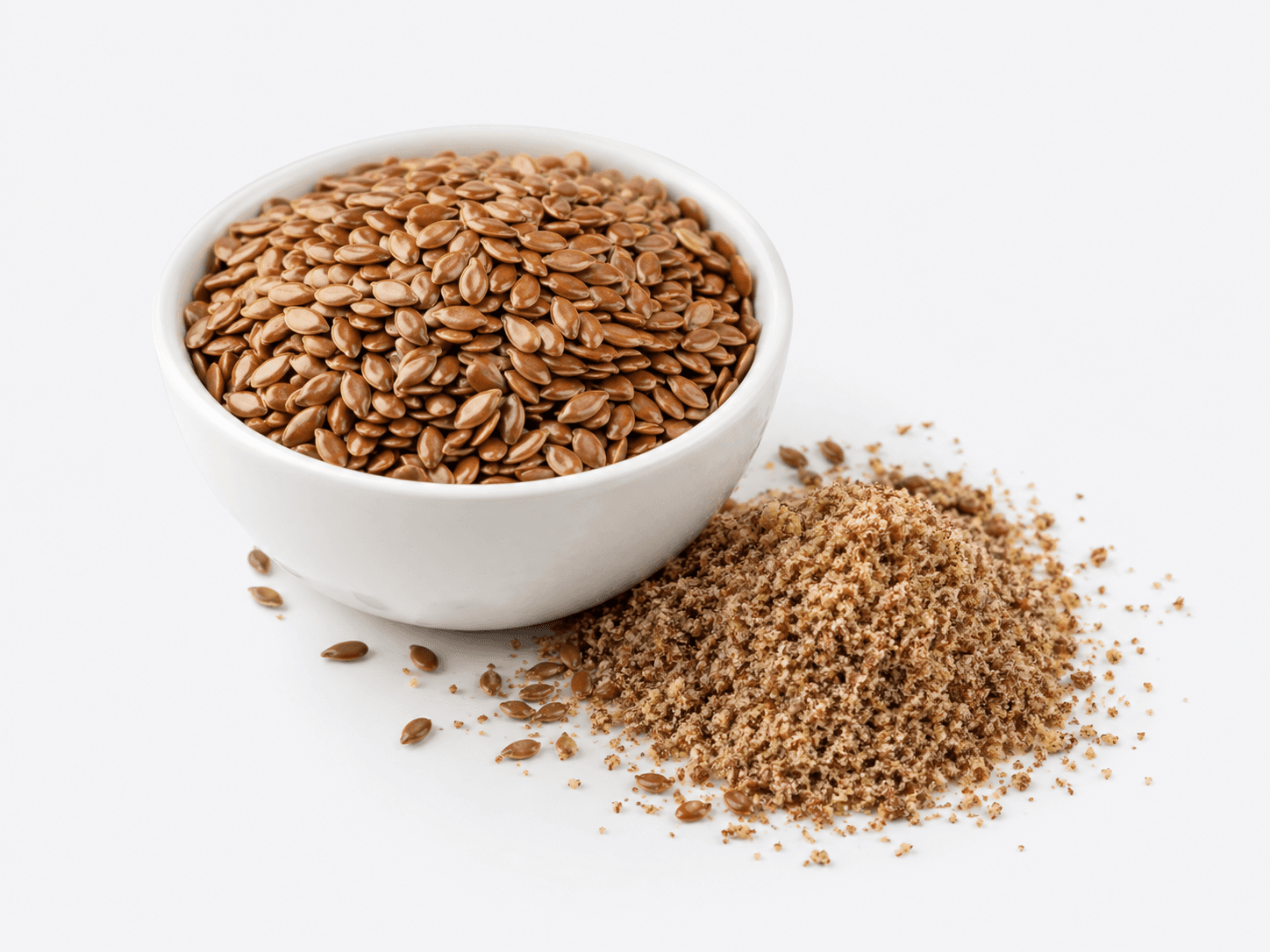
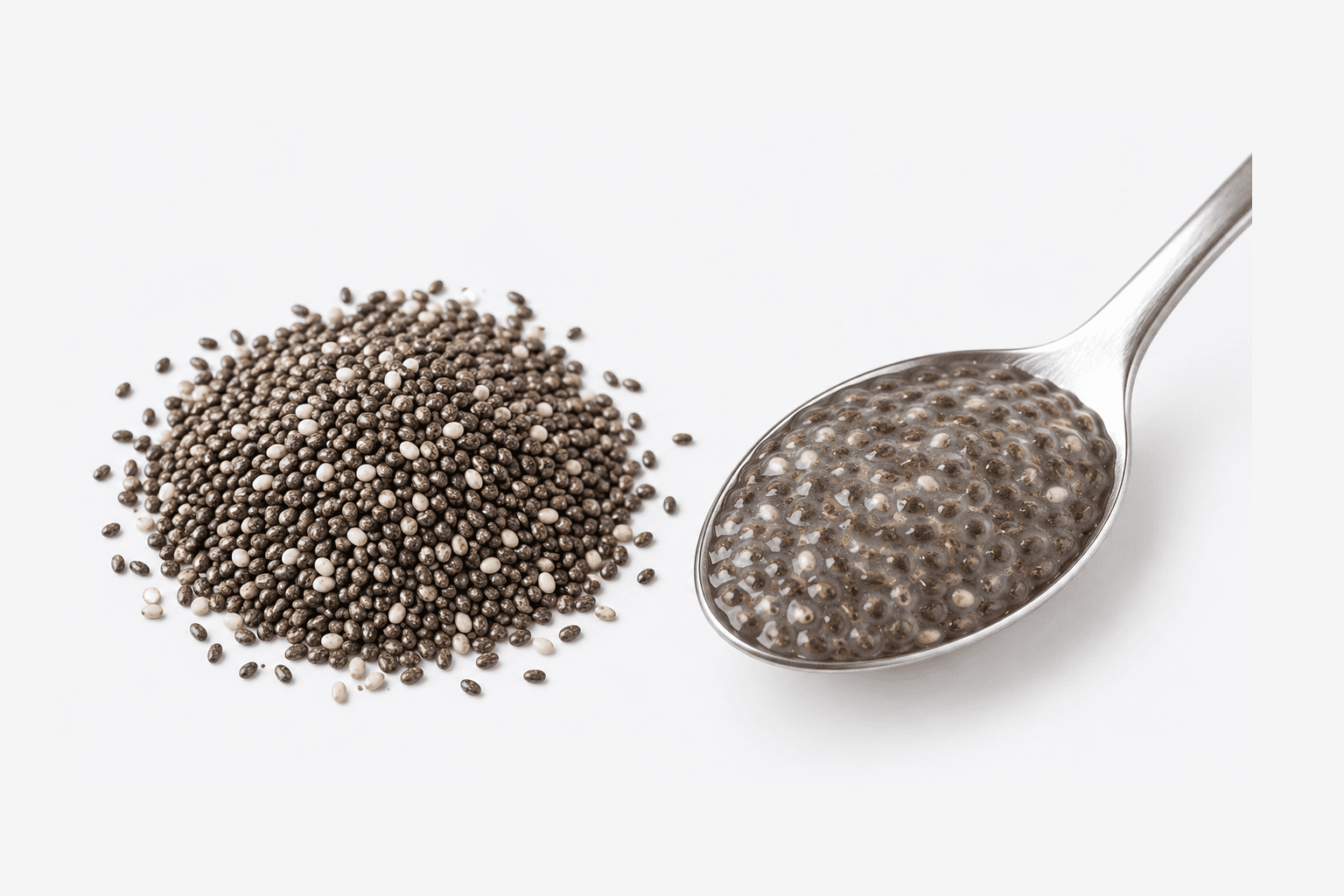
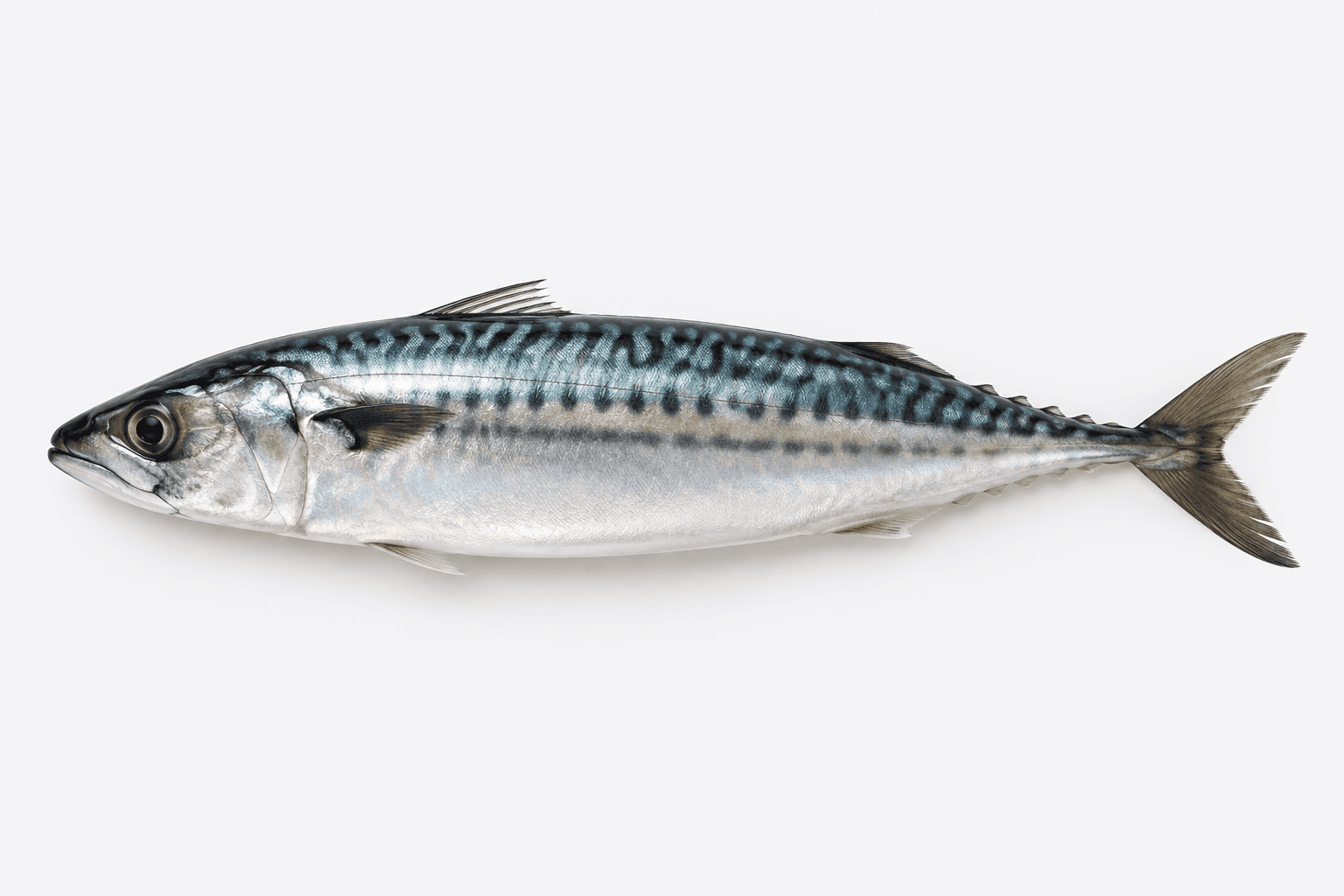
Omega-3 comes in three forms. ALA is found in plants — perilla, walnut, flaxseed. EPA and DHA come from oily fish and algae.
Recommended intake
For ALA, the adequate intake is 1.6 g a day for men and 1.1 g for women. There is no official requirement for EPA and DHA, but several bodies suggest 250–500 mg a day of the two combined. Eating fish twice a week generally lands in that range.
You cannot substitute ALA for EPA and DHA by eating more of it. Conversion runs at 5–8 % to EPA and under 1 % to DHA. On a plant-based diet, DHA from algal oil is the practical answer.
What affects absorption
Fat-soluble, so it absorbs best with a meal. It degrades with heat and oxygen — keep perilla oil refrigerated once opened and use it quickly. Rancid oil means the omega-3 is already damaged.
Fish loses more the longer and hotter it is cooked. Grilling or steaming beats deep-frying.
What to watch out for
Expectations of supplements run ahead of the evidence. A Cochrane review of 86 randomised trials (162,796 people) found omega-3 supplementation lowered triglycerides by about 15 % (high certainty) but made essentially no difference to all-cause mortality or cardiovascular events. The authors noted that the evidence comes largely from supplement trials, with little on eating fish.
Plant ALA shows a different picture in observational work. Pooling 41 cohorts (1,197,564 people), higher ALA intake came with 10 % lower all-cause mortality (0.90, 95 % CI 0.83–0.97), and each extra gram a day with 5 % lower risk. But in the same analysis cancer mortality was 6 % higher (1.06, 1.02–1.11). These are observational studies — do not read them as cause and effect.
High-dose supplements can increase bleeding tendency, so check with a clinician if you take anticoagulants. Large fish accumulate mercury; in pregnancy, watch both the species and the frequency.
Sources
The databases and health authorities this article's nutrition figures and health statements draw on.
- 1USDA FoodData CentralFood composition database
- 2NIH Office of Dietary SupplementsHealth authority
- 3European Food Safety Authority (EFSA)Health authority
- 4Cochrane LibrarySystematic reviews
- 5Omega-3 fatty acids for the primary and secondary prevention of cardiovascular diseaseMeta-analysisAbdelhamid AS, et al. Cochrane Database Syst Rev 2020PMID 32114706
- 6Dietary intake and biomarkers of alpha linolenic acid and risk of all cause, cardiovascular, and cancer mortality: systematic review and dose-response meta-analysis of cohort studiesMeta-analysisNaghshi S, et al. BMJ 2021PMID 34645650