Contents
What it is
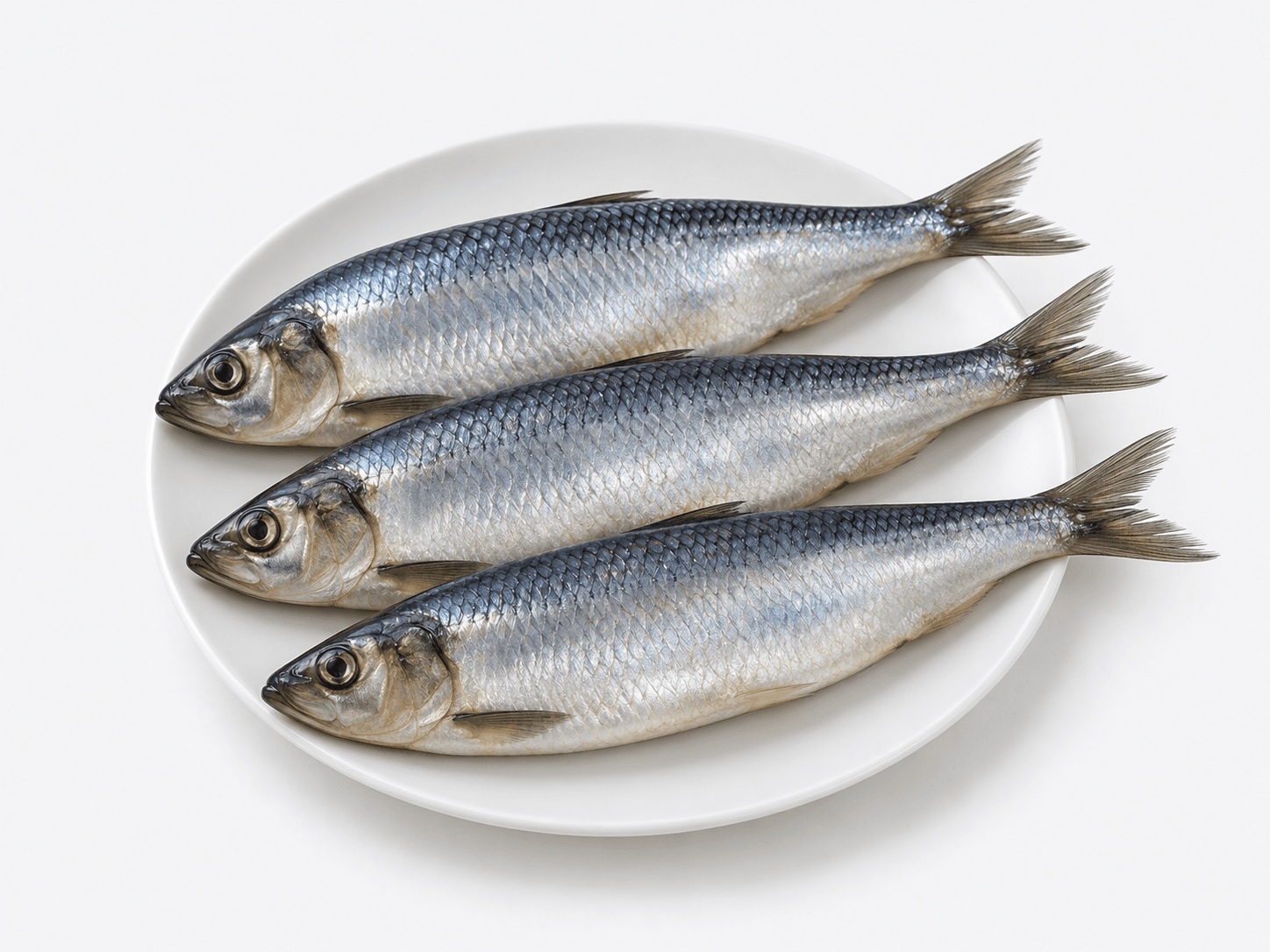
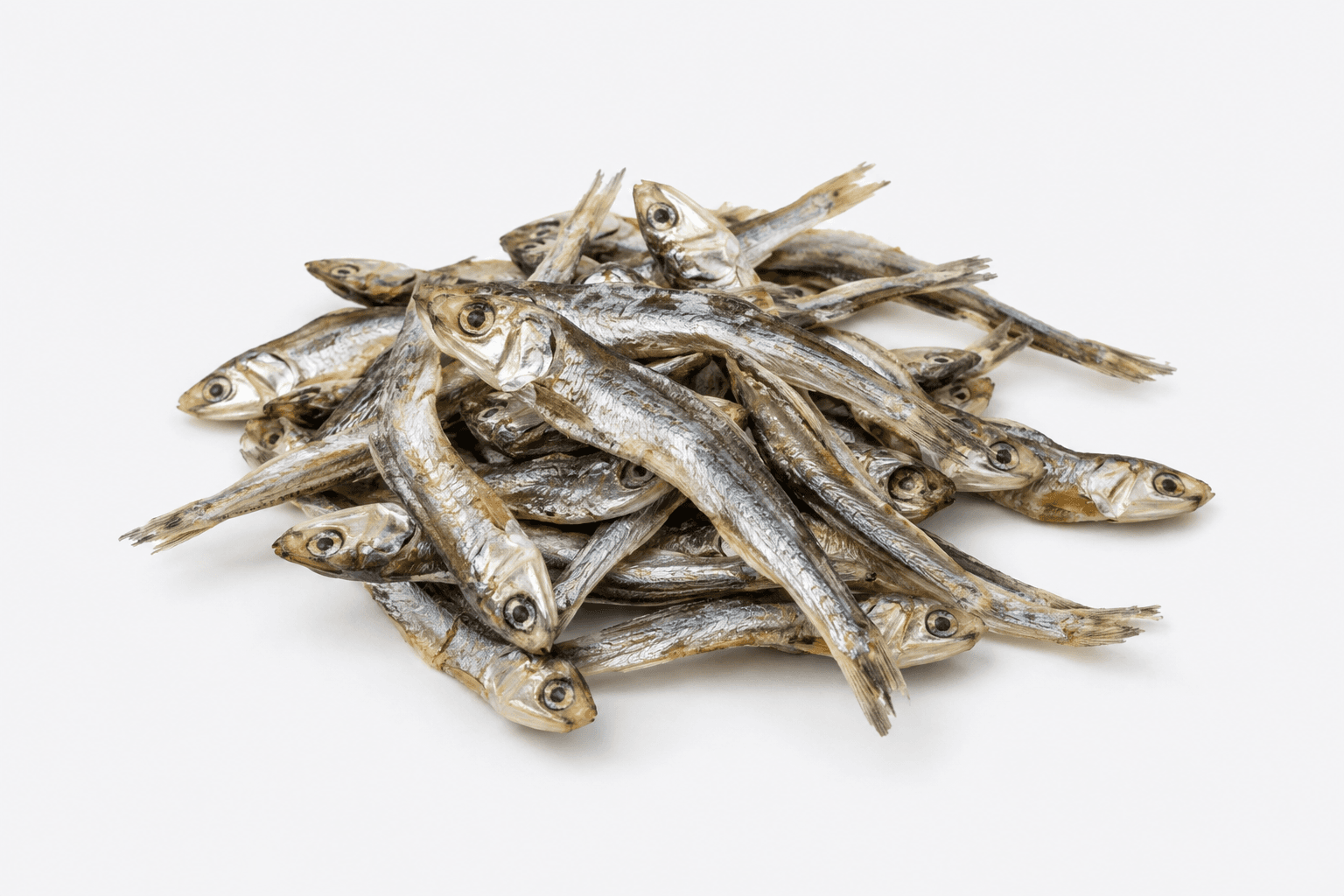
The anchovy is a small blue-backed fish that reaches only about 15cm. The species common in Korean waters is boiled as soon as it is landed and then dried, which is the form most households buy. Dried anchovies are sorted by size: the smallest are used in stir-fried side dishes, the largest for stock. What sets them apart from other fish is that they are eaten whole, bones and all. For stock the guts are pulled out first, otherwise the broth turns bitter.
Scientific name Engraulis japonicus
Anchovies run through Korean cooking as stock and as a stir-fried side. What is unusual about them nutritionally is that you eat the bones and the organs too.
With a salmon fillet you eat muscle. An anchovy goes in whole, and calcium and selenium come with it.
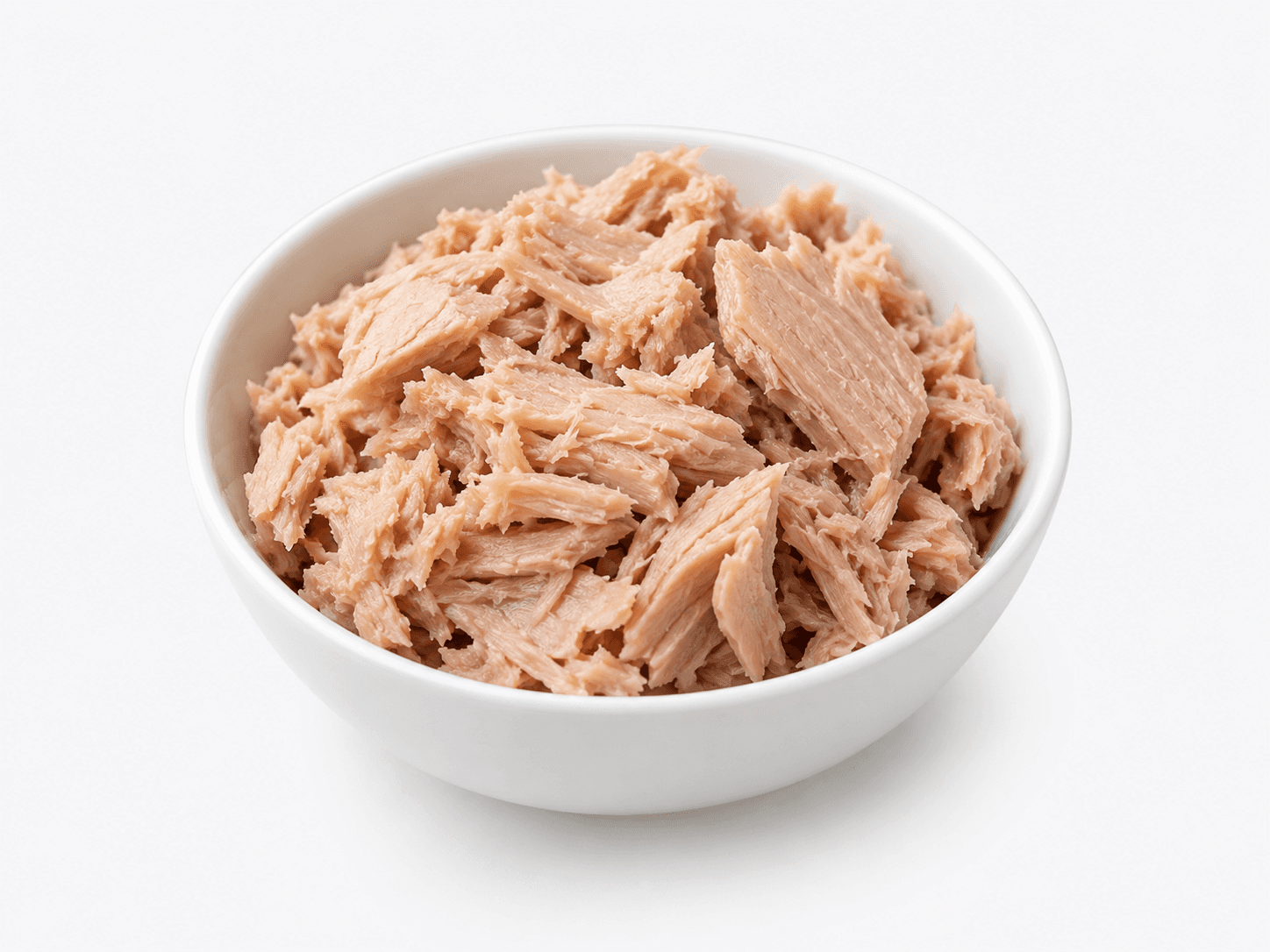
Omega-3 (EPA + DHA) is 1.45 g per 100 g raw — below mackerel (around 2.5 g) but far above canned tuna (0.22 g).
The figures below are for USDA European anchovy, raw. The dried anchovy common in Korean kitchens has lost its water, which changes every number per unit weight. If I find a reliable Korean composition-table value I will add it separately.
Key benefits
- Moderate evidence
Mortality among frequent small-fish eaters — in women only
[1]A Japanese multi-institutional cohort (J-MICC) followed 80,802 people aged 35–69 for a mean of nine years, grouped by how often they ate small fish — the kind eaten bones and all.
In women, compared with rare intake, total-mortality hazard ratios were 0.68 (95 % CI 0.55–0.85) at 1–3 times a month, 0.72 (0.57–0.90) at 1–2 times a week and 0.69 (0.54–0.88) at 3 or more. Cancer mortality followed a similar pattern.
In men there was no statistically significant association.
The authors could not explain the sex difference. This is observational, so causation is out of reach, and the honest thing is to leave the split in the data visible rather than smooth it over.
- Strong evidence
1.45 g of EPA and DHA — oily-fish territory
[2]Raw anchovy carries 0.54 g of EPA and 0.91 g of DHA per 100 g, 1.45 g together.
For comparison: canned tuna 0.22 g, salmon 2–2.5 g, mackerel around 2.5 g. For a small fish, the anchovy is not lean.
Large-scale evidence on omega-3 and cardiovascular outcomes rests mostly on supplement trials, where effects tend to be small or inconsistent. Eating fish itself, though, is recommended about twice a week in most dietary guidelines.
Selenium is 36.5 µg — two-thirds of the 55 µg daily requirement.
- Nutrition data
Calcium — a number that exists because you eat the bones
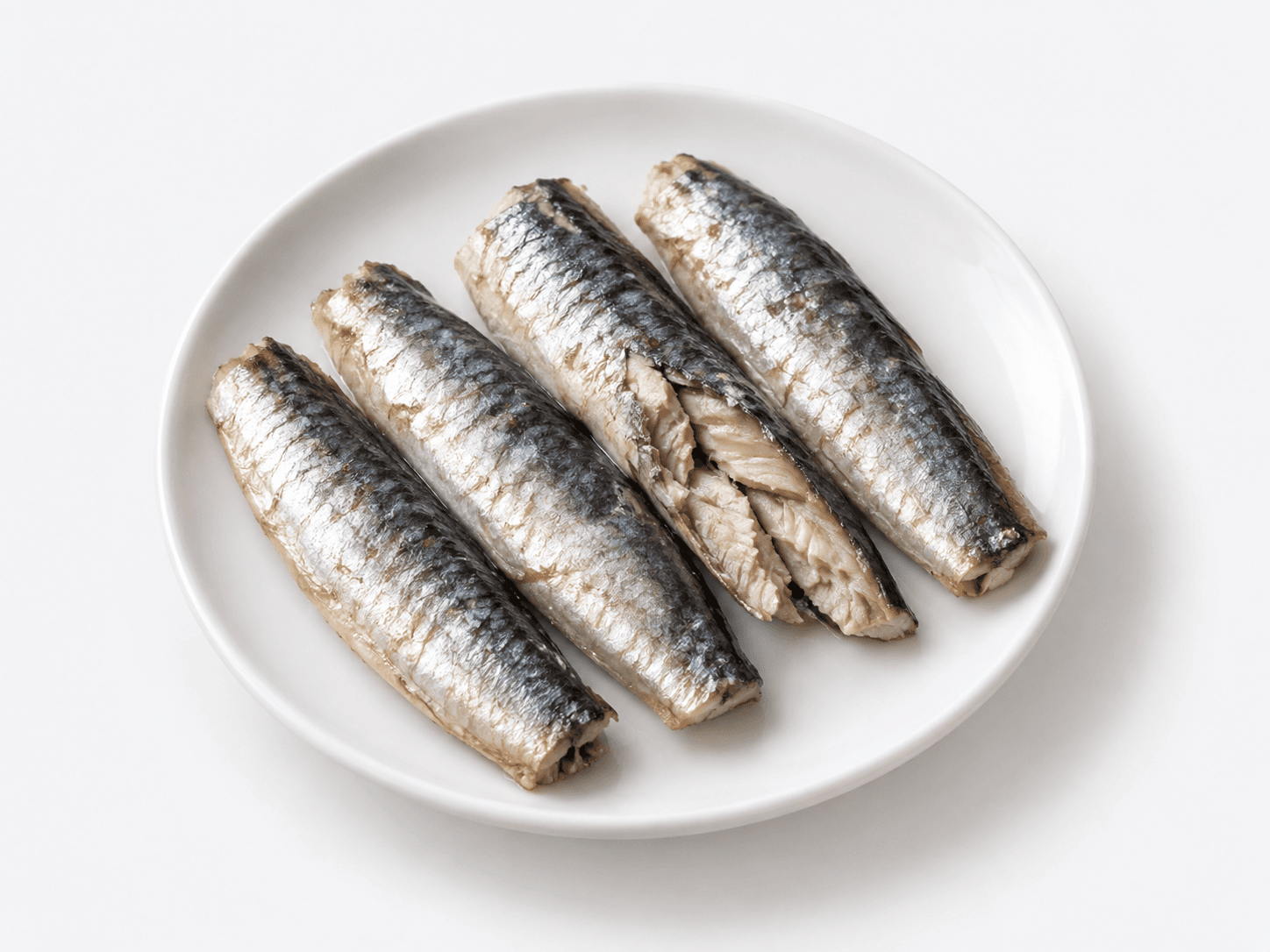
USDA gives raw anchovy 147 mg of calcium per 100 g. Canned in oil, bones included, it is 232 mg.
The same 100 g of salmon flesh is about 12 mg and tuna flesh about 8 mg. The difference is not the species. It is whether the bones go in.
Dried anchovy is higher per gram because the water is gone, but you also eat less of it at a sitting. And if you simmer stock anchovies and discard them, the calcium leaves with the fish, not into the broth. Stock is not a calcium source.
How to eat it well
- Stir-fries and braises — anything where the fish is eaten whole — are how you get the calcium. Straining them out of stock leaves you with umami, not minerals.
- Gutting the large stock anchovies cuts the bitterness. The small stir-fry ones go in as they are.
- A brief turn in a dry pan drives off the fishy smell. Add oil after that.
- Heavy soy and sugar in a braise raise sodium and sugar together. Stir-frying them with nuts makes lighter seasoning work.
- Keep them frozen. They are fatty and turn rancid quickly at room temperature.
How to read the grades
Each benefit carries a label showing how far research on people supports it. Grades differ between items even within the same ingredient.
- Nutrition data
- A fact verifiable from food composition databases or health authorities. This is a different kind of statement from a clinical effect.
- Strong evidence
- Consistently confirmed across randomised controlled trials or meta-analyses.
- Moderate evidence
- Human studies exist, but effect sizes are small or results are mixed.
- Early research
- Cell or animal work, or small preliminary studies.
- Not established
- Commonly claimed, but not confirmed in studies on people.
What to watch out for
- Sodium is the real issue. Dried anchovy, salted anchovy paste and oil-packed tins (3,670 mg per 100 g) are very high. It is easy to trade a calcium gain for a sodium load.
- With gout, be careful. Anchovies sit in the high-purine group.
- Fish allergy often does not respect species boundaries.
- Histamine. Badly stored oily fish accumulates histamine, which can cause flushing and hives. Keep the cold chain.
- The cohort above is observational, and it found no association in men.
Nutrition
Per 100 g of raw anchovy. The dried anchovies common in Korean cooking have had most of their water removed, so the same weight carries much higher figures and this table does not transfer to the dried fish used for stock and side dishes. Oil-packed canned anchovies are different again.
- Calories
- 131 kcal7%
- Protein
- 20.4 g41%
- Fat
- 4.8 g6%
- Omega-3
- 1.45 g
- Calcium
- 147 mg11%
- Selenium
- 36.5 µg66%
- Iron
- 3.3 mg18%
- Vitamin B3
- 14.0 mg88%
- Potassium
- 383 mg8%
- Phosphorus
- 174 mg14%
Percentages are of the US FDA Daily Value for adults and children 4 and over. National reference intakes differ by sex and age.
Calculate this alongside other ingredients →
Key nutrients
Dishes with this ingredient
Sources
The databases and health authorities this article's nutrition figures and health statements draw on.
- 1Association between consumption of small fish and all-cause mortality among Japanese: the Japan Multi-Institutional Collaborative Cohort StudySystematic reviewsKasahara C, et al. Public Health Nutr 2024PMID 38698584
- 2Omega-3 fatty acids for the primary and secondary prevention of cardiovascular diseaseMeta-analysisAbdelhamid AS, et al. Cochrane Database Syst Rev 2020PMID 32114706
- 3USDA FoodData CentralFood composition database
- 4NIH Office of Dietary SupplementsHealth authority
- 5World Health Organization · Healthy dietHealth authority
- 6PubMedResearch literature