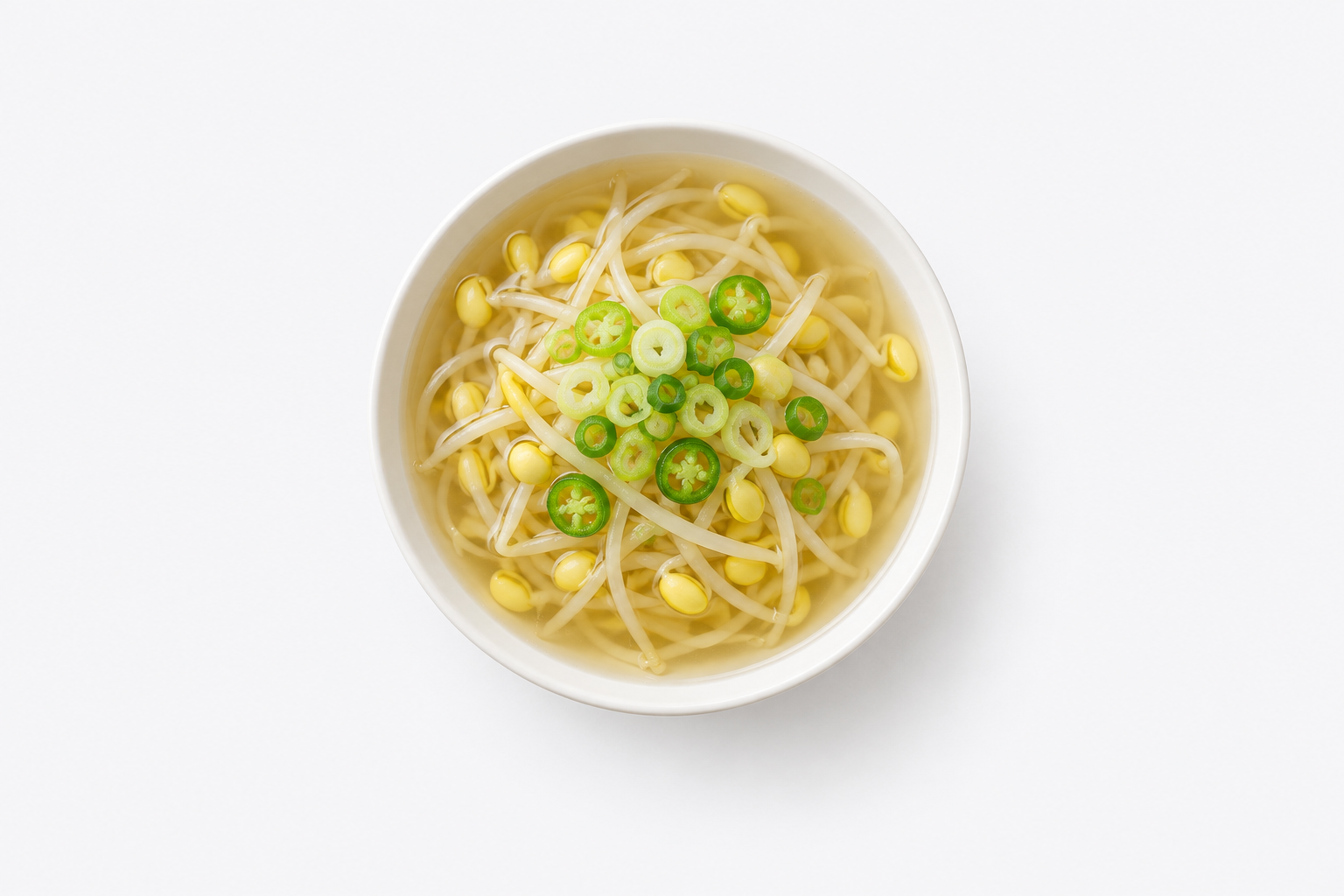
The lid rule is the whole soup.
Soybeans contain lipoxygenase, an enzyme that, when cells break and meet oxygen, degrades fats into the compounds responsible for that beany smell. Heat inactivates it.
- Lid on throughout — the temperature rises fast and the enzyme is inactivated early
- Lid off throughout — the volatiles that form escape
- Lifting it midway — oxygen reaches enzyme that is still active, and the resulting smell is sealed back in
Whether that has been tested in cooking experiments, this site could not confirm. But the mechanism is coherent, it does no harm, and it is widely used.
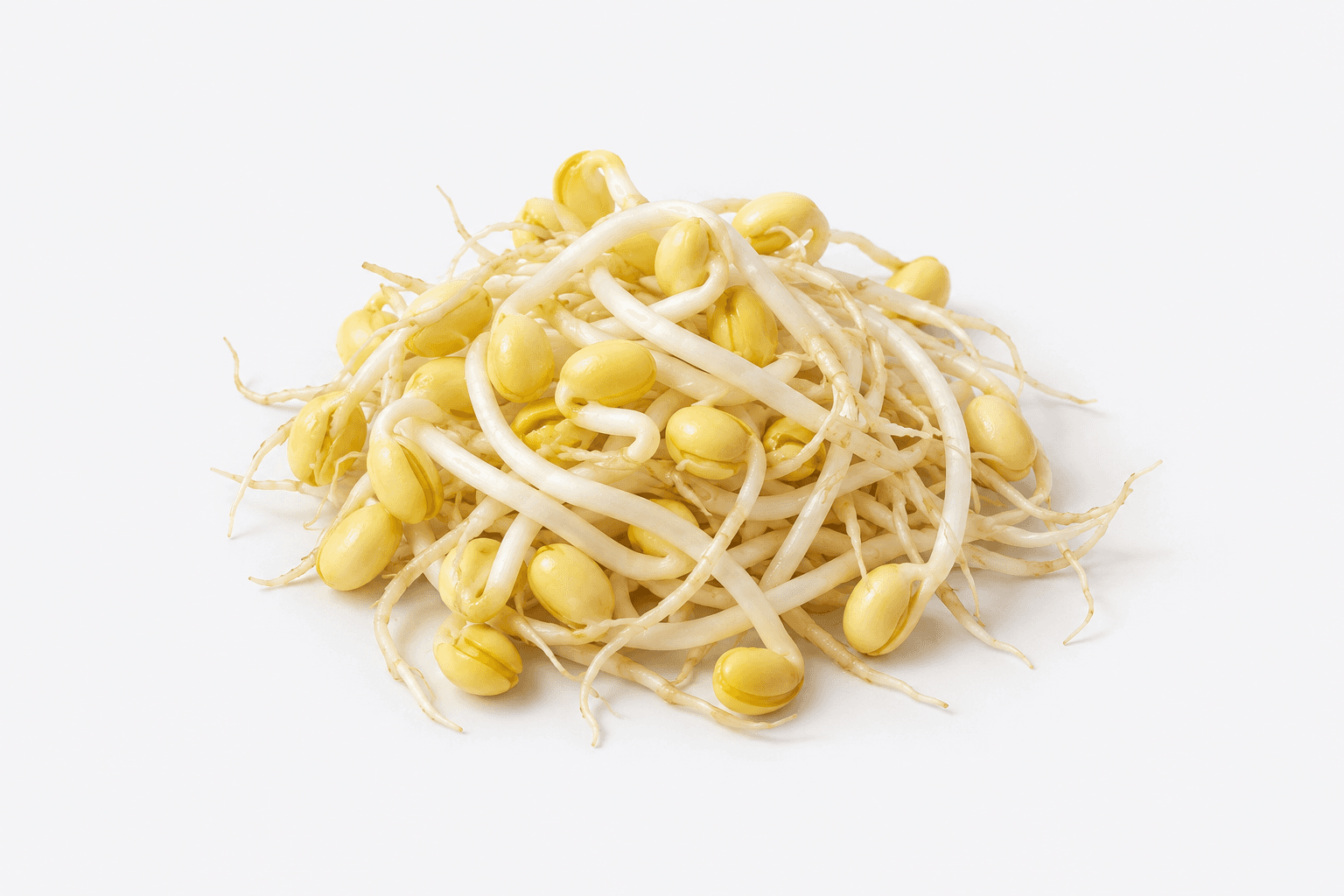
Do not remove the heads. Most of the sprouts' protein (13.1 g/100 g) and fat sit in the head, the cotyledon. People pull them off to avoid the beany taste and discard a large share of the nutrition.
Three or four minutes is enough. The vitamin C (15.3 mg/100 g) is heat-sensitive and water-soluble. A long boil loses it and the crisp texture with it. Though drinking the broth recovers what leached out.
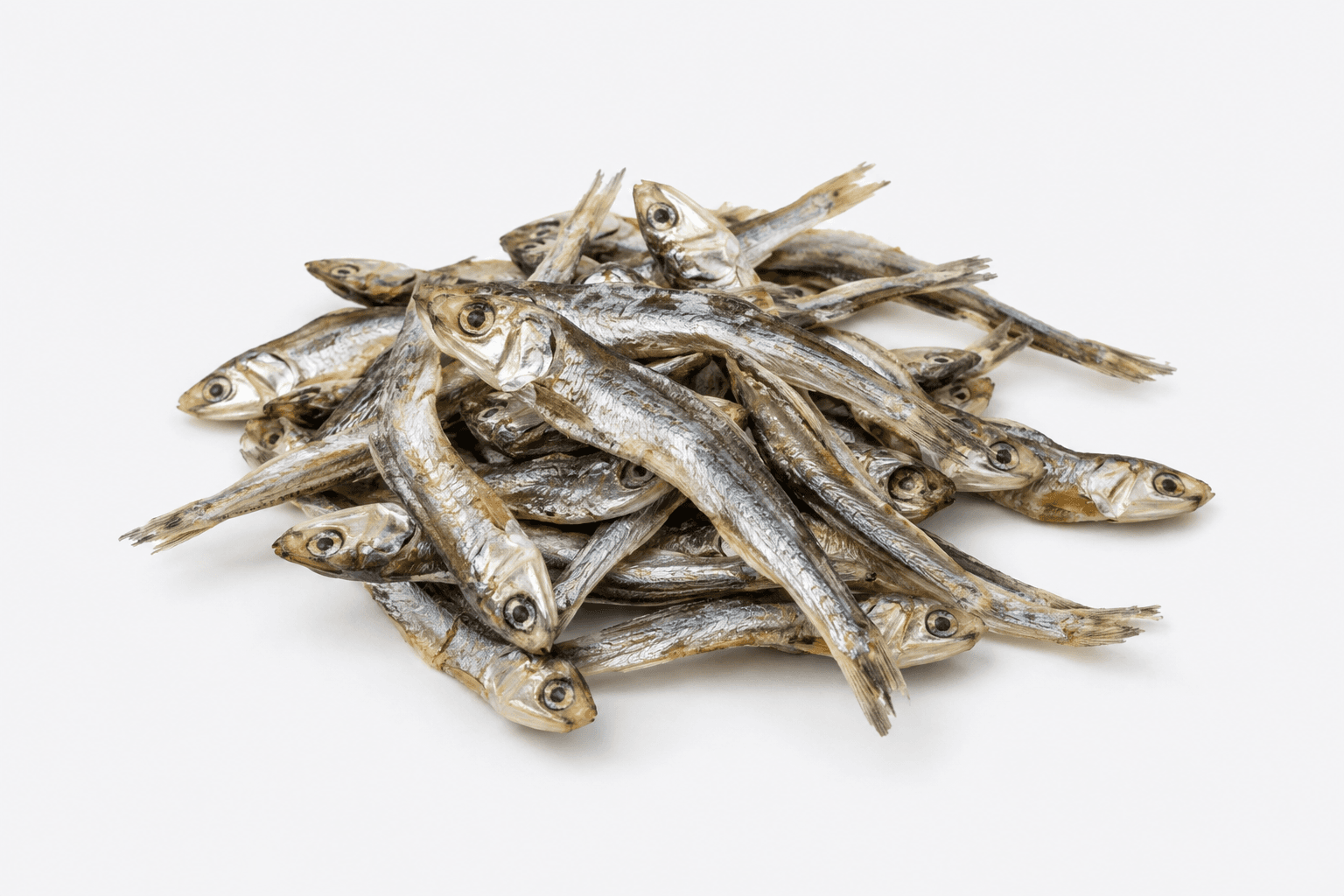
Toasting the anchovies dry is about the fishy note, which is largely volatile and leaves with heat. Heads and guts come off because of bitterness.
An honest word on the hangover claim.
The reason usually given for this soup is aspartic acid. But this site found no randomised trial in people where feeding soybean sprouts changed a hangover measure.
There are still reasons this soup helps the morning after — they just belong to the broth, not the sprouts.
- Water — alcohol is a diuretic and causes dehydration
- Sodium — replacing lost electrolytes
- Warmth — easy to eat when your stomach is unsettled
Dried pollack soup and seaweed soup do the same job. And the only reliable way to sober up is time.
If you count sodium, the tablespoon of soy sauce and the salt are almost all of it. Drink the whole bowl of broth and you take all of it in.