Contents
What it is
Tuna are large migratory fish in the mackerel family that never stop swimming, because they must keep moving to push water over their gills. Muscles working without pause means a great deal of myoglobin, which is why the flesh is red. Size and fat vary enormously by species: the belly of a bluefin is richly fatty while skipjack is lean. Canned tuna is mostly skipjack and yellowfin. Being near the top of the food chain they accumulate mercury, so during pregnancy it is wise to follow the published guidance on which kinds and how much.
Scientific name Thunnus
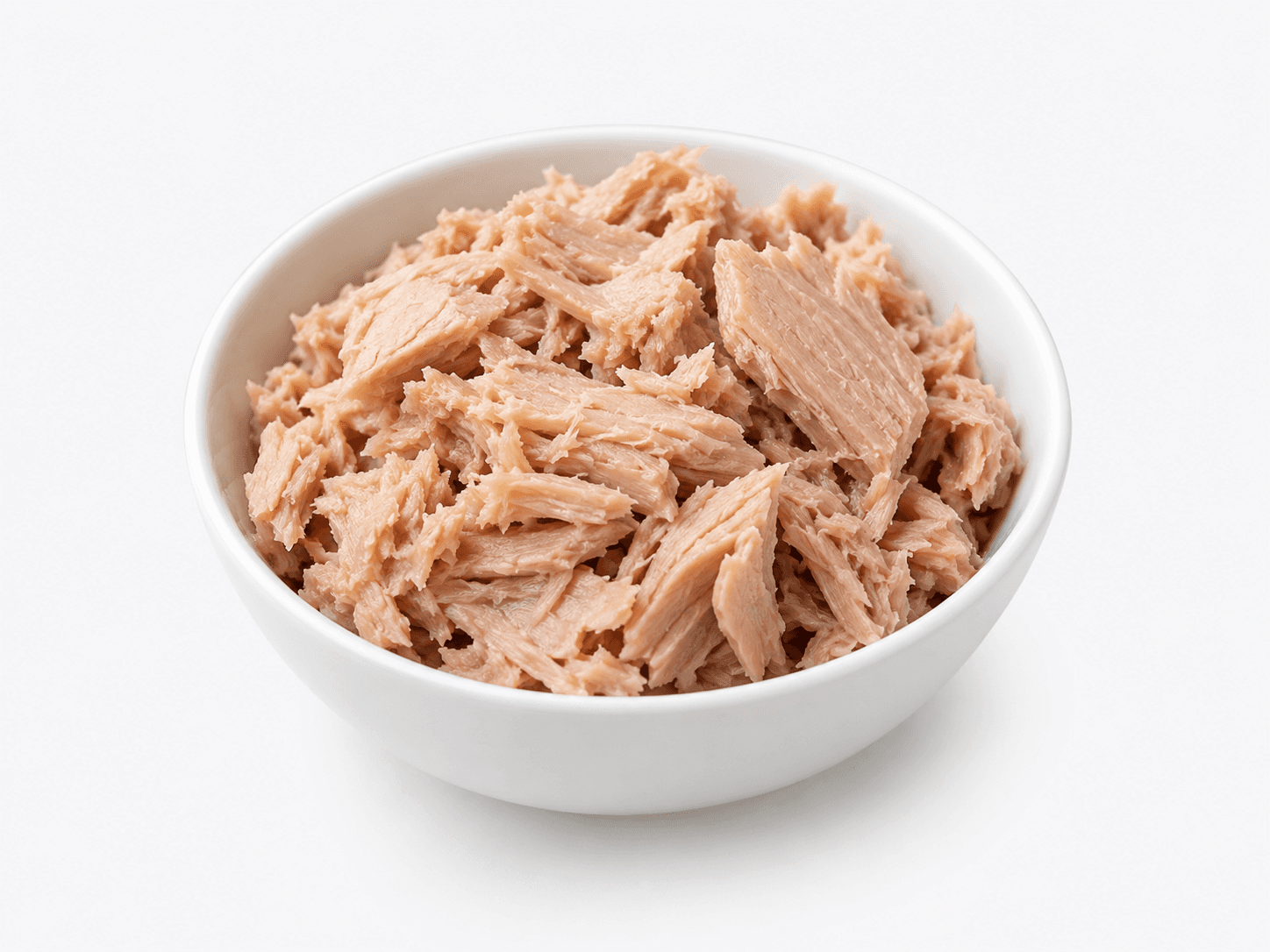
Canned tuna is the most-eaten processed fish in Korea, and it carries a matching load of misconceptions.
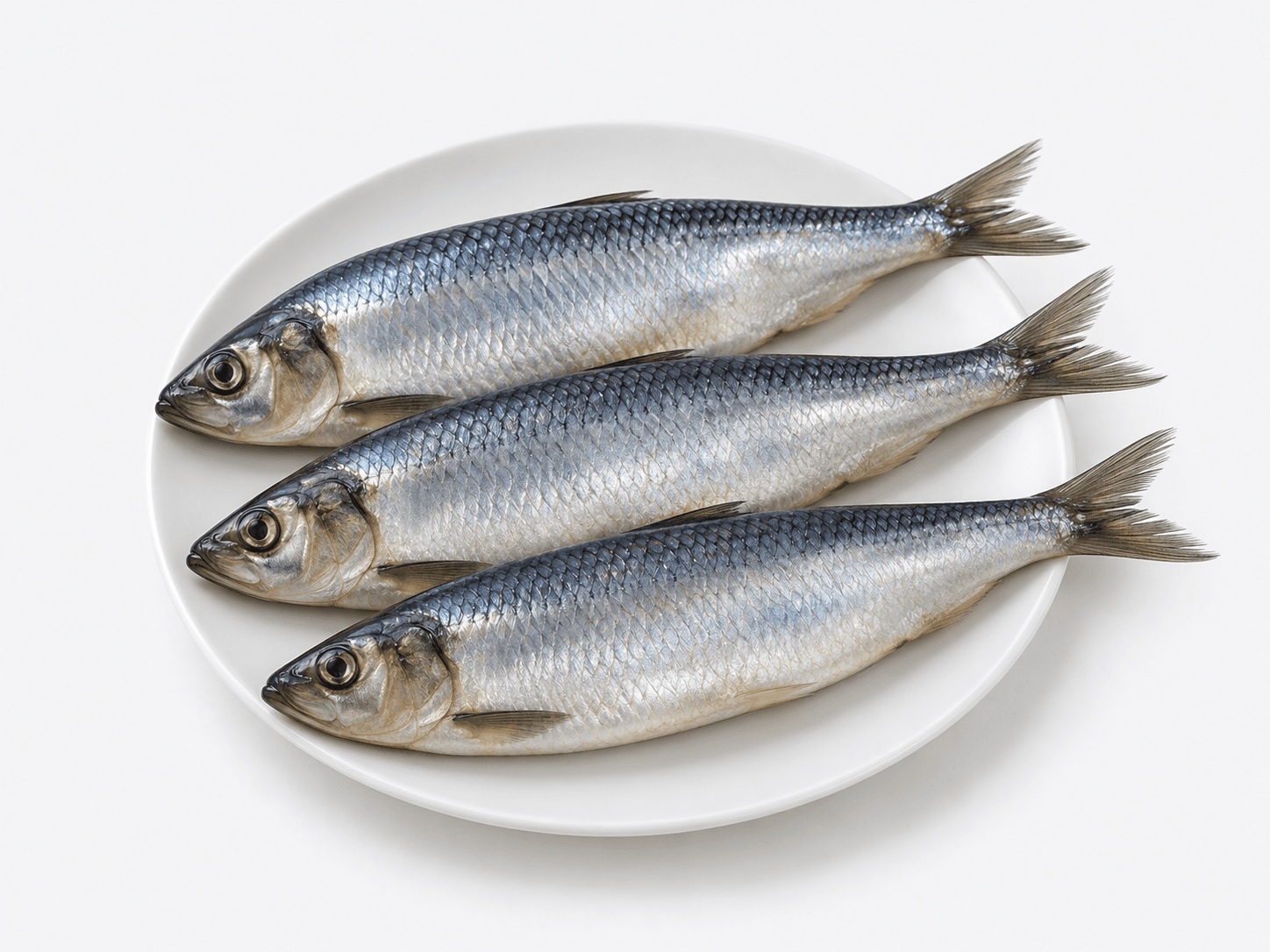
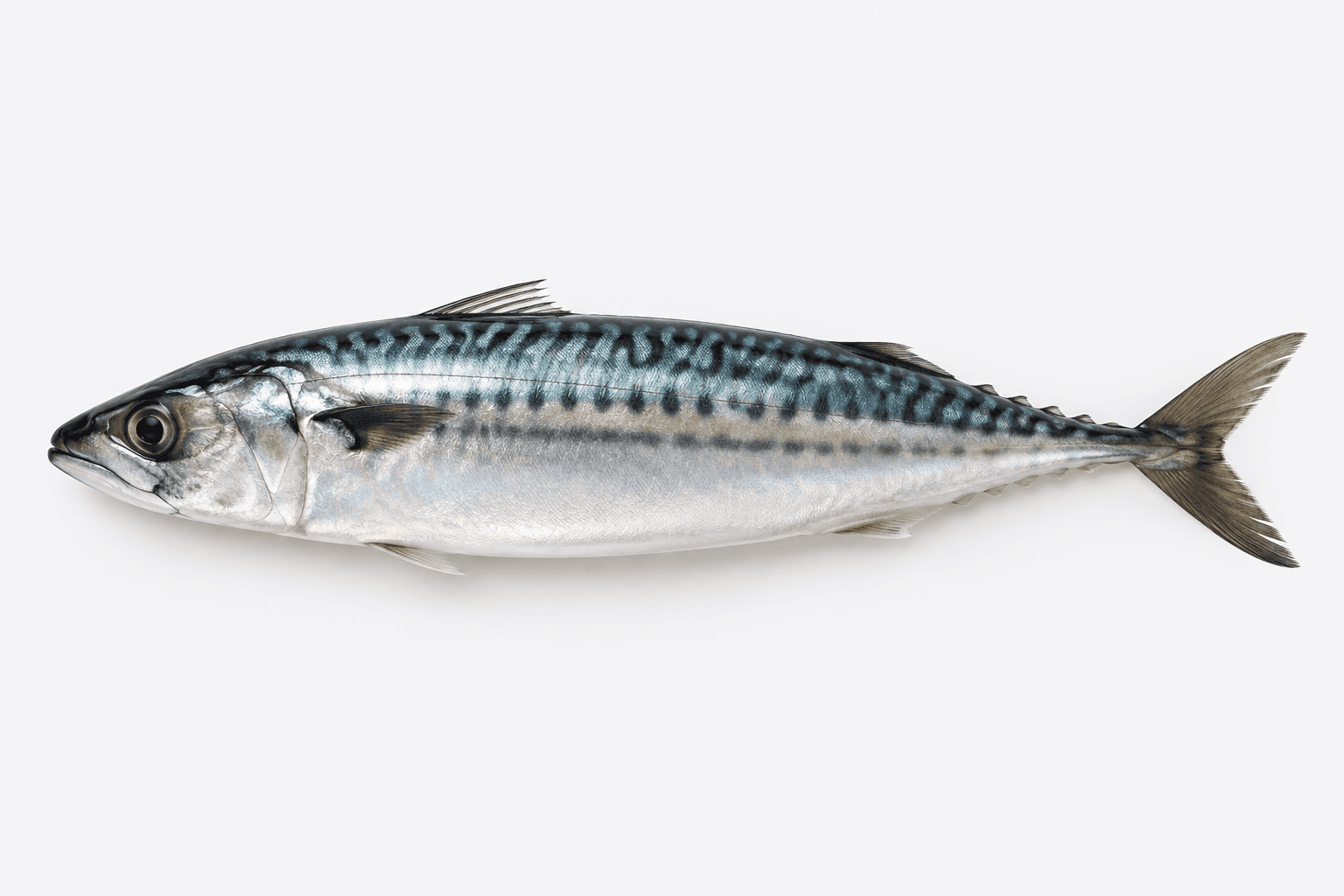
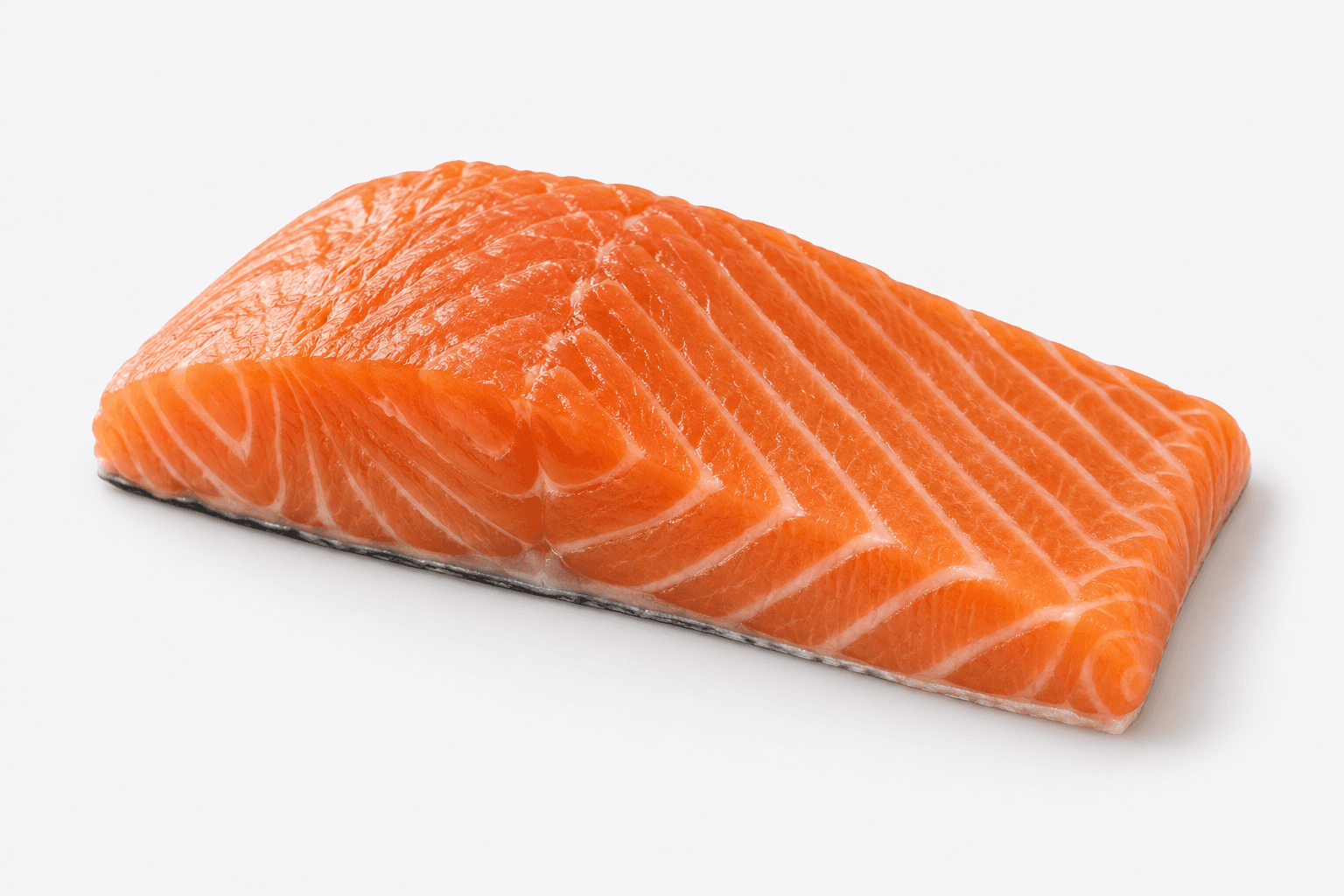
The commonest concerns omega-3. Tuna is an oily fish, so surely it is loaded — but light tuna canned in water holds 0.22 g of EPA and DHA per 100 g: a twelfth of salmon's 2.6 g, a tenth of mackerel's 2.2 g.
The reason is simple. Tins usually hold the lean flesh of skipjack — 'light' tuna — with just 0.9 g of fat per 100 g. Omega-3 lives in the fat. No fat, no omega-3.
That does not make it a poor food. Tuna is good at something else.
Key benefits
- Nutrition data
19 g of protein in 85 kcal — exceptionally dense
Canned tuna in water gives 19 g of protein for 85 kcal per 100 g, because there is only 0.9 g of fat in it.
That is roughly chicken breast territory, and easier, since it needs no cooking. There are not many complete protein sources you can eat straight from the container.
Oil-packed tins are a different proposition. Even drained, the energy stays higher, and the oil is usually sunflower or soybean — not the tuna's own fat.
- Nutrition data
One tin clears the daily selenium requirement
67.8 µg of selenium per 100 g, against an adult reference of 55 µg. A small tin does it.
Selenium builds antioxidant enzymes, and — interestingly — is known to offset some of the toxicity of mercury. That the two arrive together in fish is part of how mercury risk gets read.
Vitamin B12 is 2.6 µg and niacin 9.9 mg, both a good share of the daily reference. Vitamin D is 1.2 µg: notable among foods, but nowhere near salmon's 11 µg.
- Nutrition data
0.22 g of omega-3 — the most important number in this table
EPA and DHA together come to 0.22 g per 100 g.
If omega-3 is what you are after, canned tuna is the wrong purchase. For the same money, canned mackerel or sardines carry roughly ten times as much. Grilling salmon or mackerel is more certain still.
Think of canned tuna as a convenient way to hit a protein target. At that, it is very good.
How to eat it well
- Choose water-packed. Drained or not, oil-packed tins stay higher in energy, and the oil is not the tuna's.
- Pour off the liquid to cut sodium. Of the 219 mg per 100 g, a good share sits in it.
- Mayonnaise erases the 85 kcal instantly — a tablespoon is about 90 kcal. Yoghurt or mustard keeps the protein density intact.
- Serve it with vegetables. Tuna has no fibre and no vitamin C. Onion, peppers or lettuce fill that gap.
- Transfer an opened tin to a glass or plastic container for storage.
How to read the grades
Each benefit carries a label showing how far research on people supports it. Grades differ between items even within the same ingredient.
- Nutrition data
- A fact verifiable from food composition databases or health authorities. This is a different kind of statement from a clinical effect.
- Strong evidence
- Consistently confirmed across randomised controlled trials or meta-analyses.
- Moderate evidence
- Human studies exist, but effect sizes are small or results are mixed.
- Early research
- Cell or animal work, or small preliminary studies.
- Not established
- Commonly claimed, but not confirmed in studies on people.
What to watch out for
- In pregnancy, distinguish the types. Tuna sits high in the food chain and accumulates methylmercury. Skipjack ('light') is relatively low; albacore ('white') and bluefin are high. European and US advice generally caps white tuna at about once a week during pregnancy and breastfeeding, with more latitude for light canned tuna. The same applies to children.
- Several tins a day is not advisable. Mercury clears slowly and accumulates.
- Sodium is 219 mg per 100 g. On a low-salt diet, look for no-salt-added tins or drain thoroughly.
- Avoid it with a fish allergy, obviously.
- With gout, fish purines raise urate more than plant purines do. Watch the quantity.
Nutrition
Per 100 g of light canned tuna in water, drained. A small tin is usually 85–100 g.
- Calories
- 85 kcal4%
- Protein
- 19.0 g38%
- Fat
- 0.9 g1%
- Omega-3
- 0.22 g
- Selenium
- 67.8 µg123%
- Vitamin D
- 1.2 µg6%
- Vitamin B12
- 2.6 µg108%
- Vitamin B3
- 9.9 mg62%
- Iodine
- 0 µg0%
- Sodium
- 219 mg10%
Percentages are of the US FDA Daily Value for adults and children 4 and over. National reference intakes differ by sex and age.
Calculate this alongside other ingredients →
Key nutrients
Dishes with this ingredient
Compare with
Sources
The databases and health authorities this article's nutrition figures and health statements draw on.