Home
IngredientHealth Benefits

Seafood

Where omega-3 fats and high-quality protein come from.

19 ingredients

Search within this category

What this category is strong in

The nutrients most often listed as a key nutrient among these ingredients.

Cod

Seafood

Early research

Cod

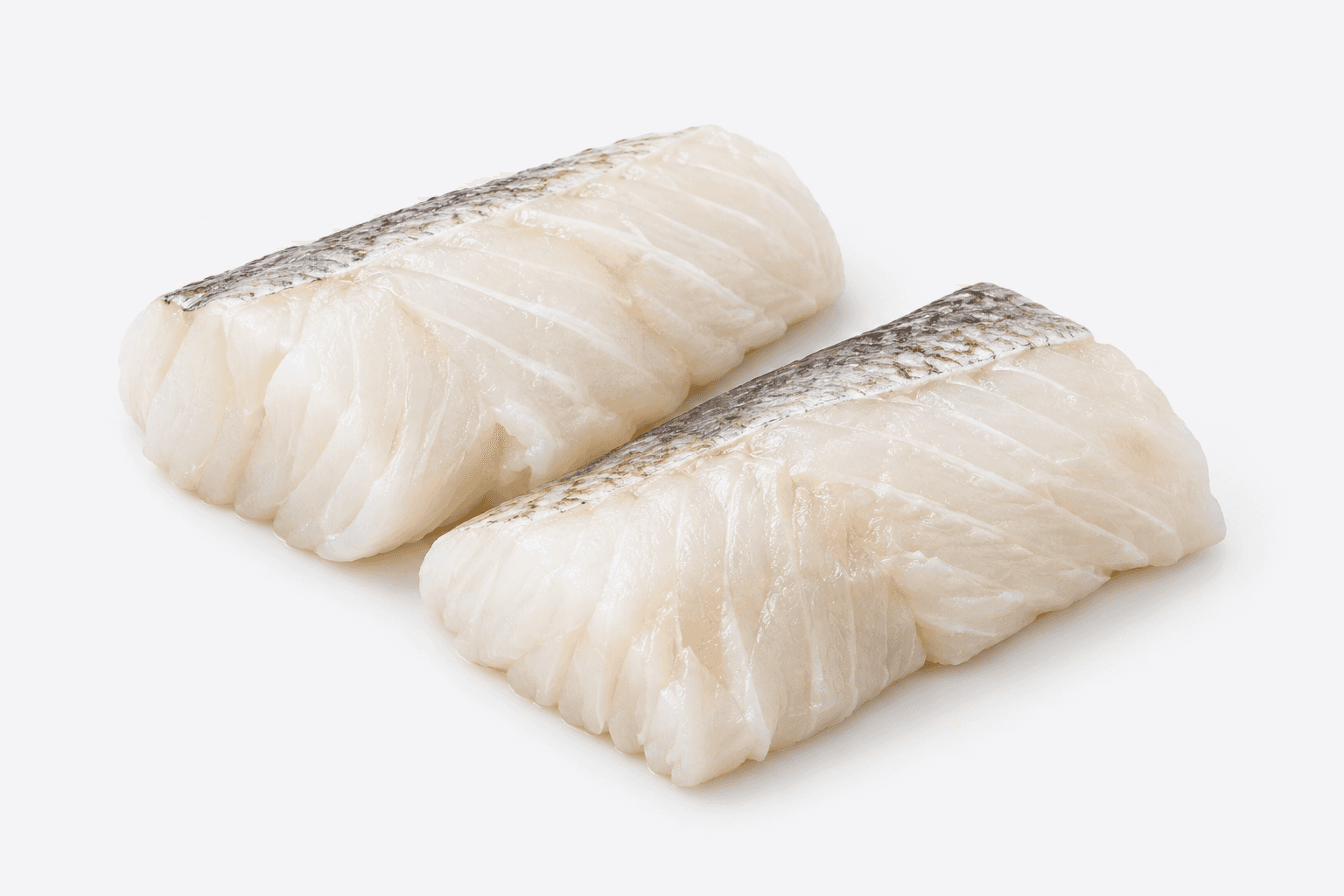
In a 2007 trial, cod protein improved insulin sensitivity compared with other animal proteins, measured by the gold-standard method. But it held 19 people, and a 2020 follow-up using a cod protein supplement moved nothing at all — not glucose, insulin, lipids or body composition.
Octopus

Seafood

Moderate evidence

Octopus

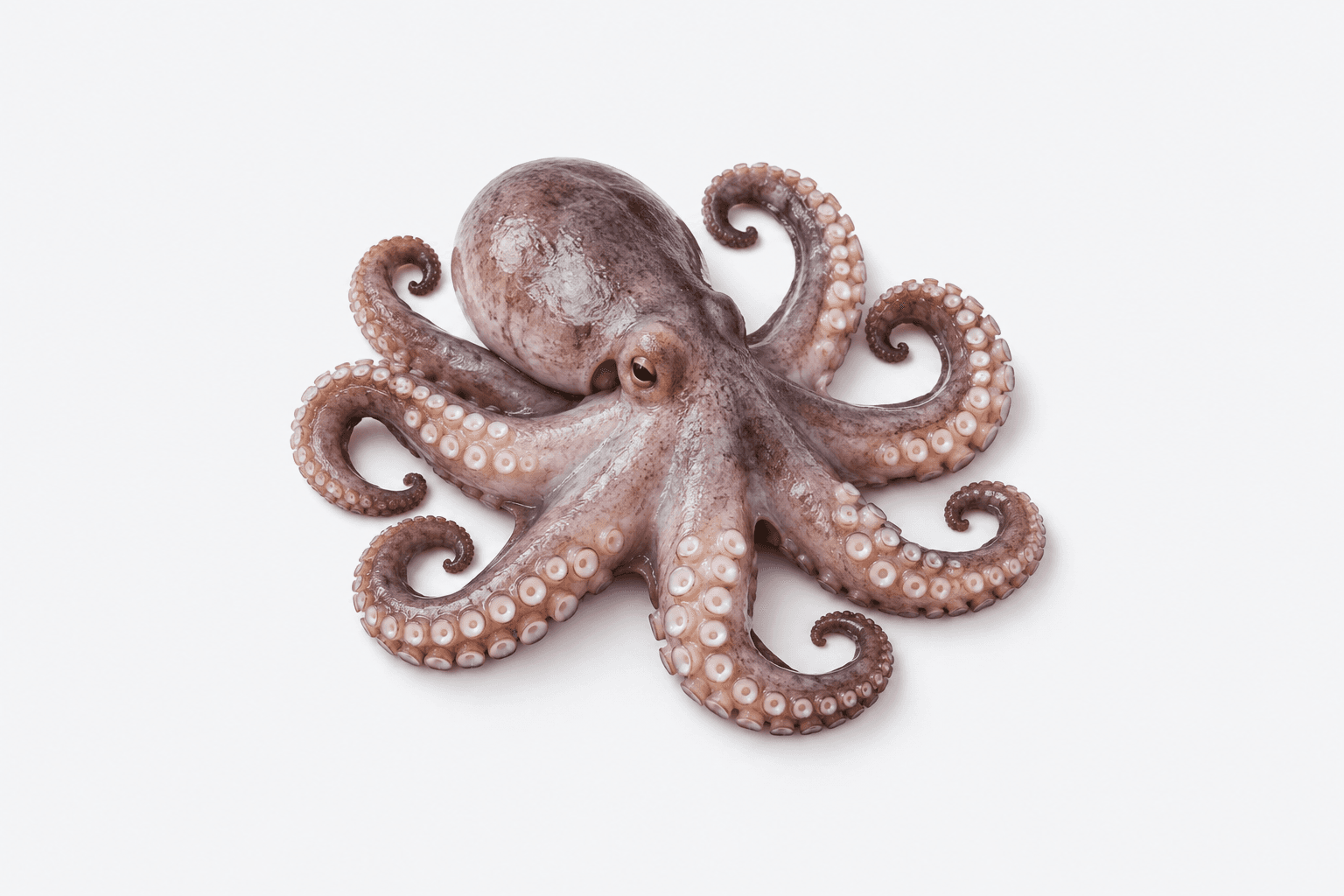
100 g holds 82 kcal, 14.9 g of protein and only 1.04 g of fat, with 20.0 µg of vitamin B12 (833% of the requirement), 44.8 µg of selenium and 5.3 mg of iron. The old warning about cholesterol does not survive contact with the randomised evidence on dietary cholesterol.

Spirulina

Seafood

Early research

Spirulina

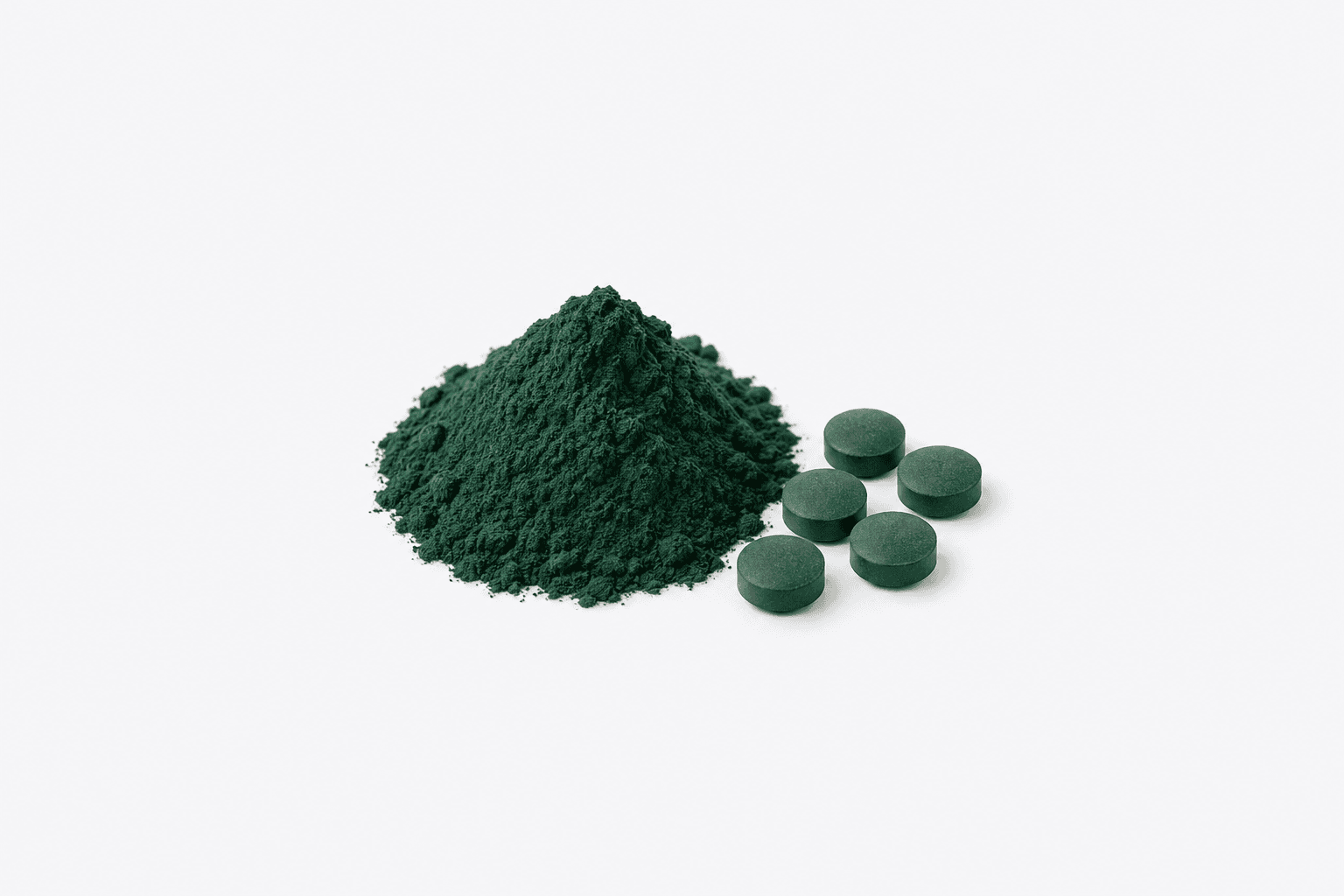
Two meta-analyses published the same year put diastolic blood pressure at −0.42 mmHg and −3.09 mmHg. One found no effect on lipids; the other reported total cholesterol down 11.5 mg/dL. And USDA lists its vitamin B12 as zero.

Mussels

Seafood

Early research

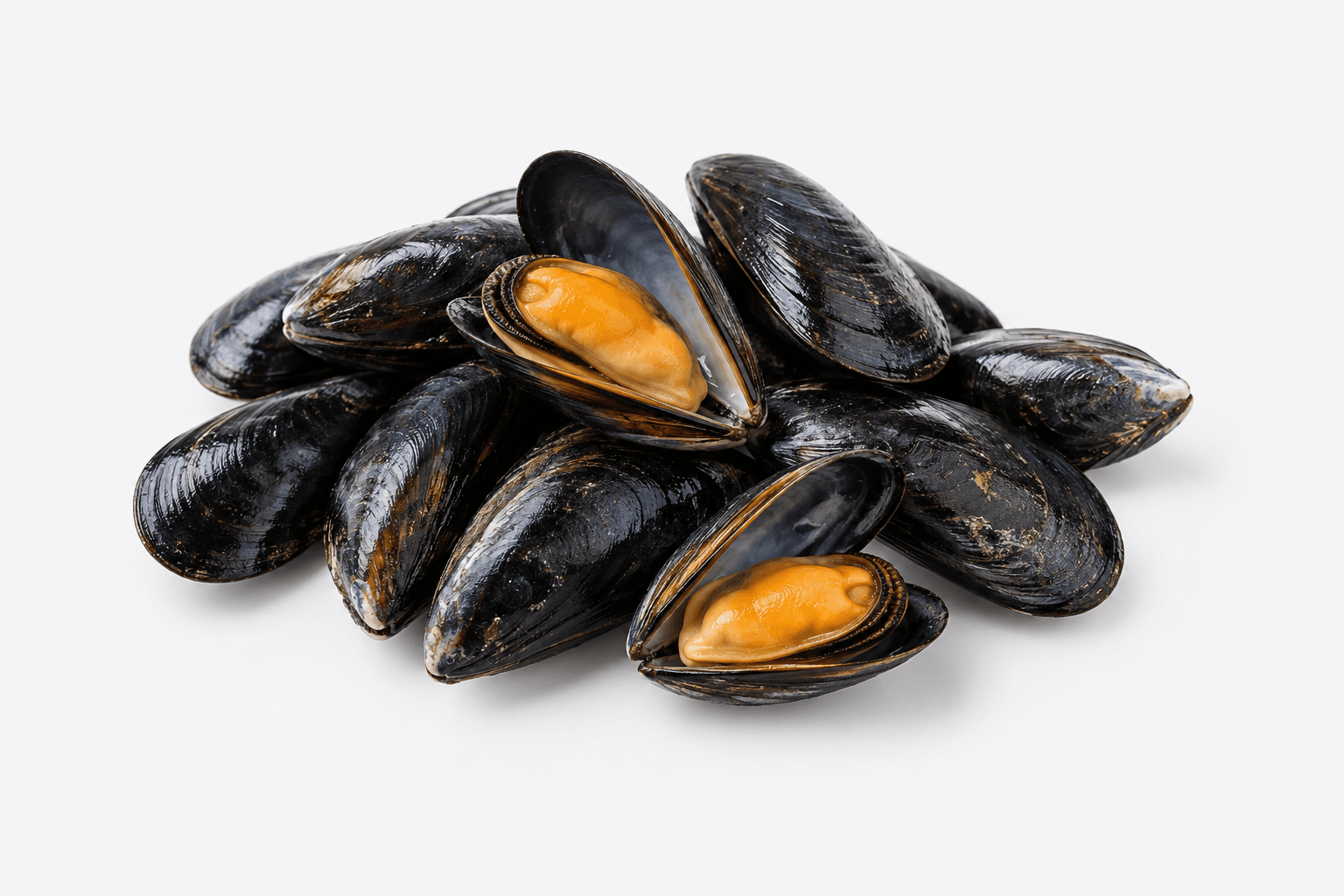
Mussels

100 g of raw mussel meat holds 12 µg of vitamin B12 — 500% of the requirement. The arthritis evidence belongs to New Zealand green-lipped mussel extract, not to mussels, and it held only at medium term.

Clams

Seafood

Nutrition data

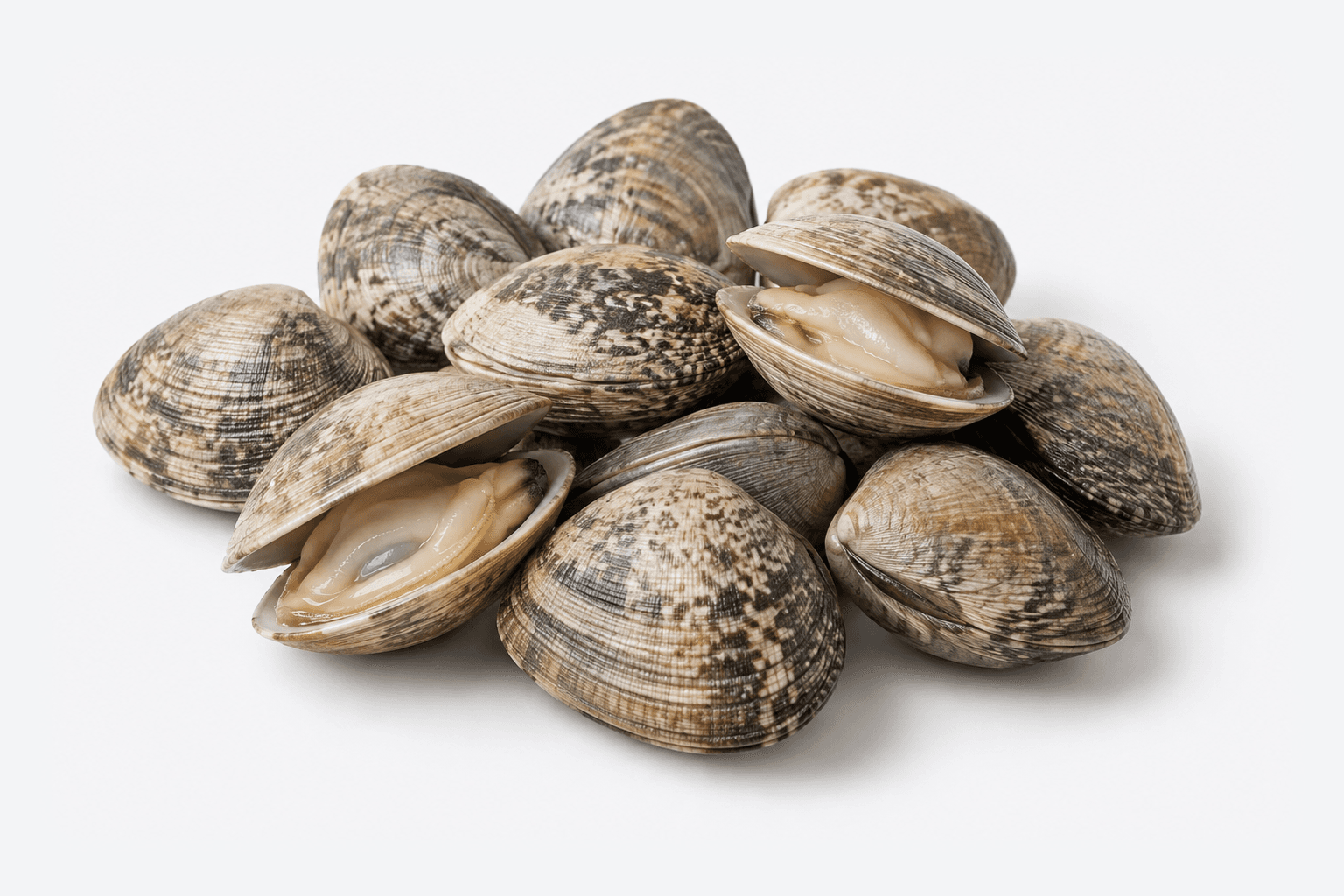
Clams

11.3 µg of vitamin B12 per 100 g — 471% of the requirement. Sodium is 601 mg, and most of that salt ends up in the broth.

Kelp

Seafood

Moderate evidence

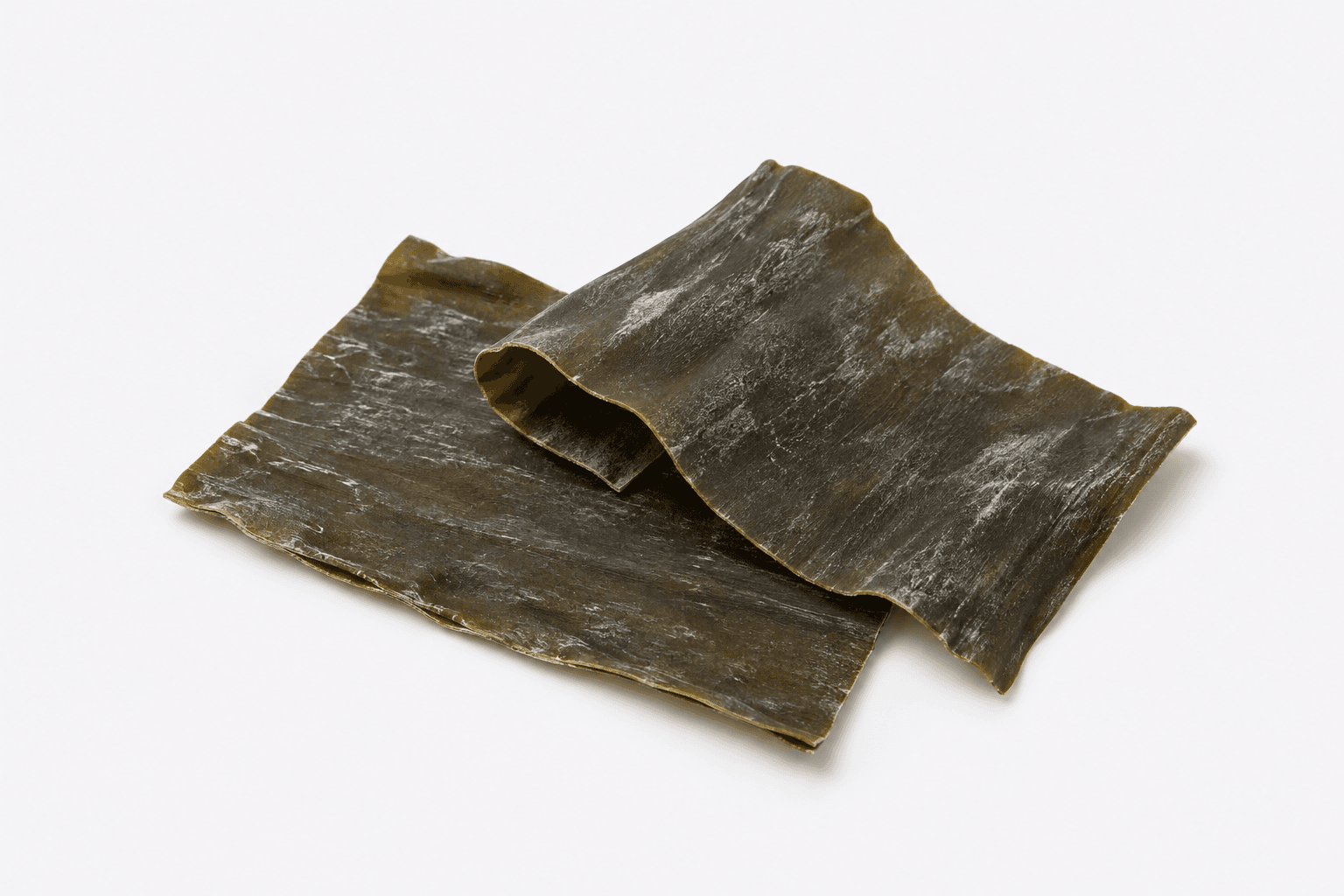
Kelp

Koreans take three times more iodine from kelp broth than from kelp itself: 348 µg a day against 116 µg. Fishing the kelp back out does not take the iodine with it.

Anchovy

Seafood

Strong evidence

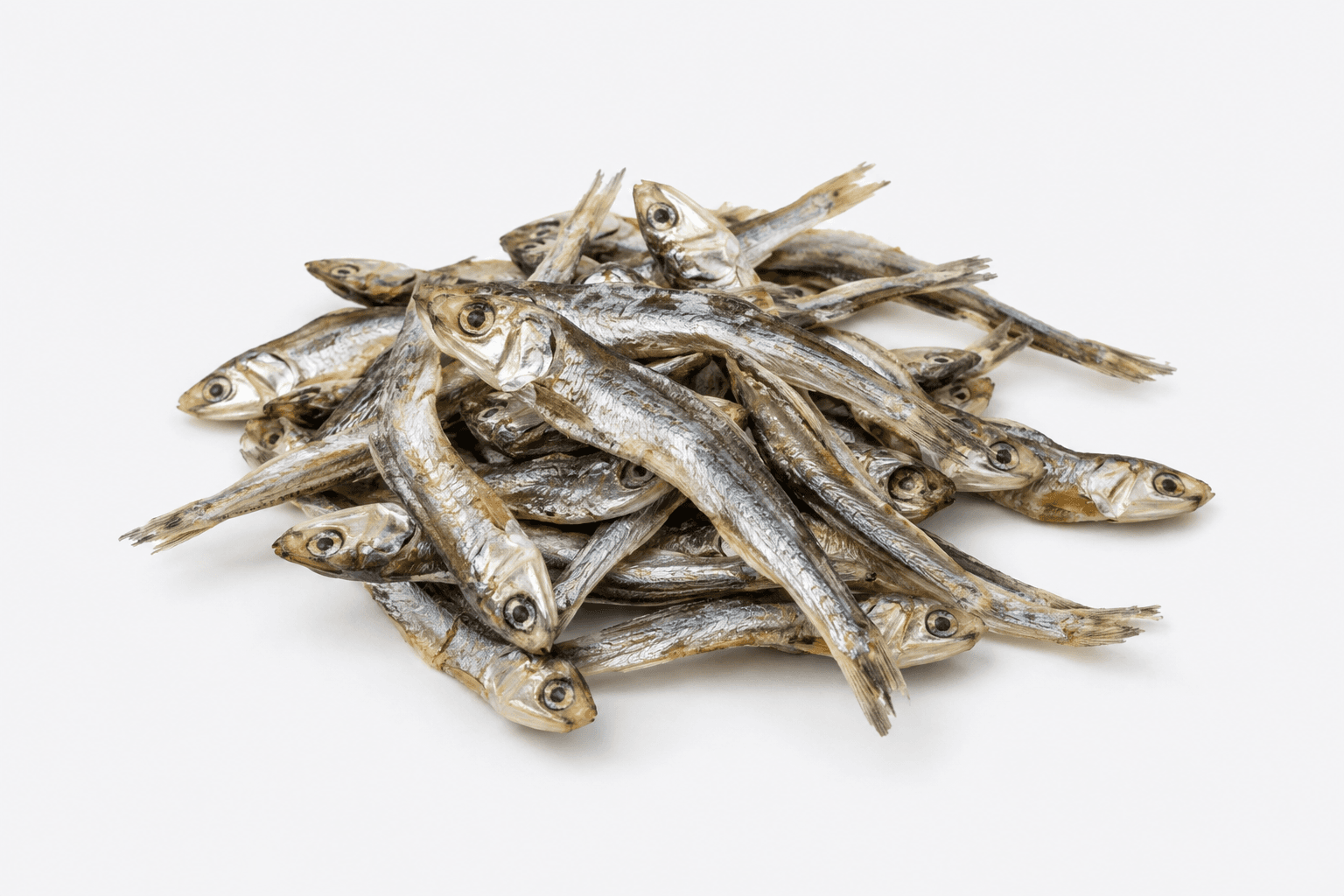
Anchovy

1.45 g of EPA and DHA per 100 g. A cohort links small-fish intake to lower mortality — but only in women.

Shrimp

Seafood

Moderate evidence

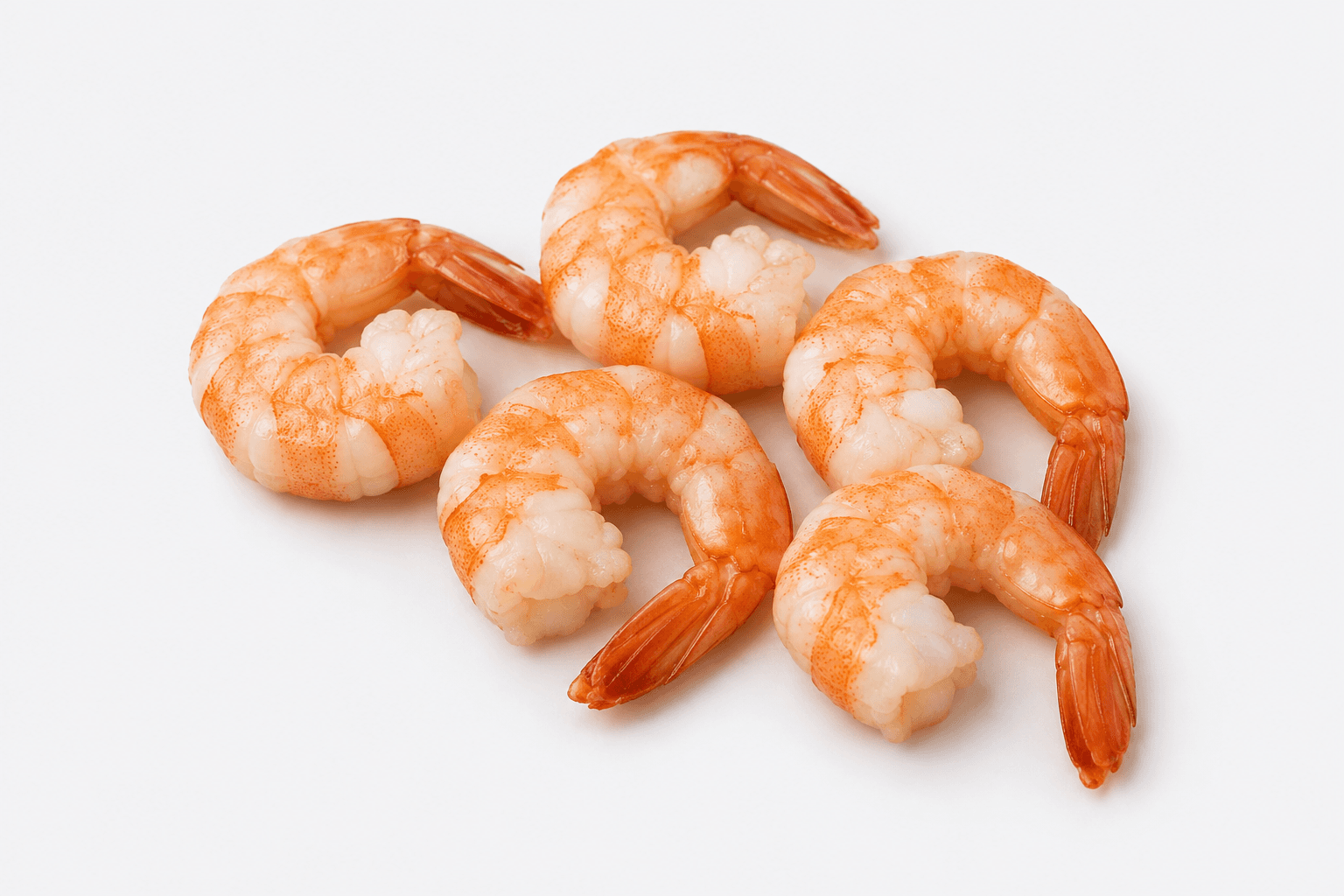
Shrimp

22.8 g of protein, 1.7 g of fat and 49.5 µg of selenium per 100 g. Even at 300 g a day, lipoprotein ratios did not worsen.

Squid

Seafood

Moderate evidence

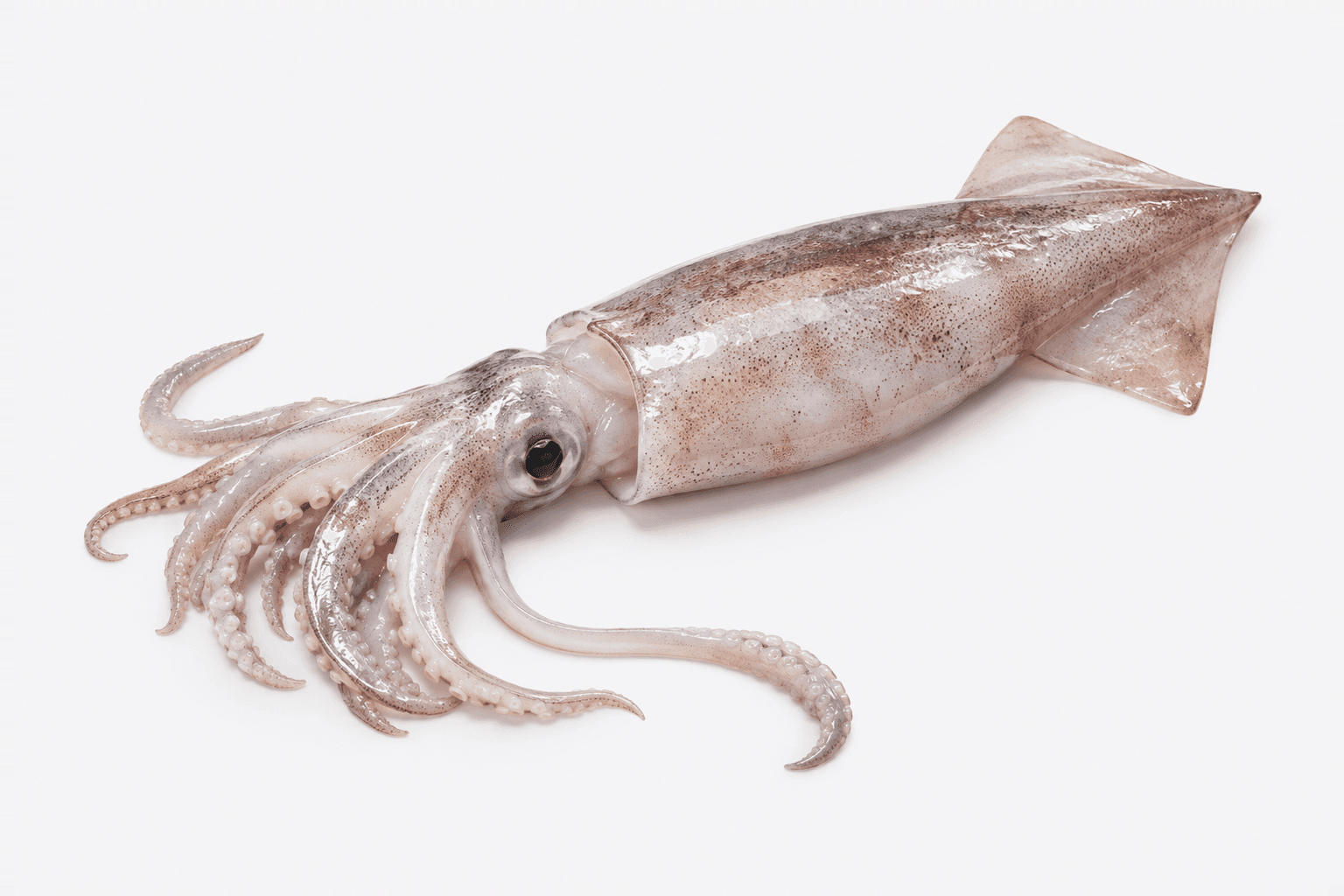
Squid

Per 100 g it carries 15.6 g of protein and only 1.38 g of fat. Cholesterol is high at 233 mg — but in a shrimp trial, what mattered more was the rest of the meal.

Eel

Seafood

Nutrition data

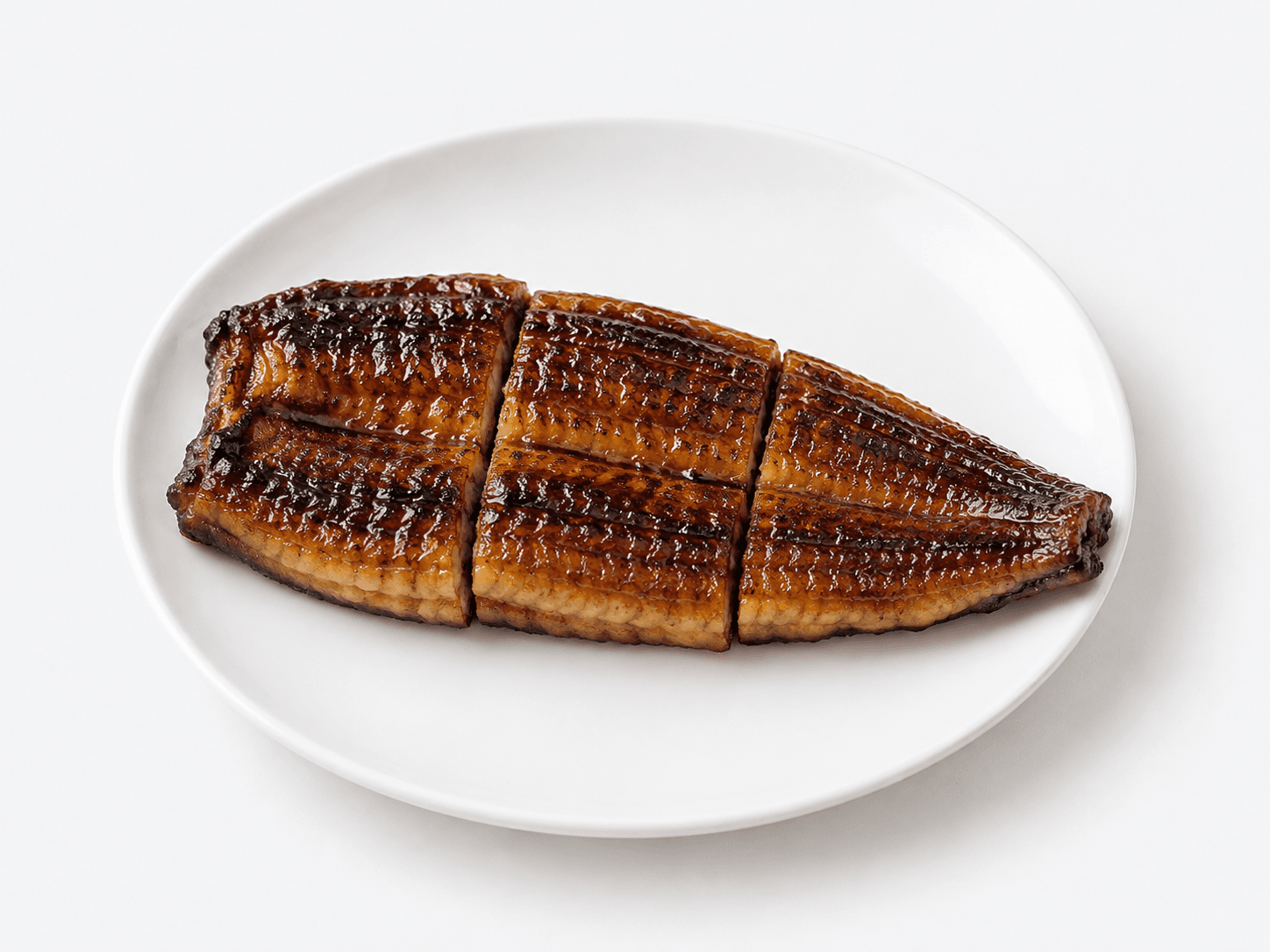
Eel

23.3 µg of vitamin D per 100 g, the highest on this site. But it also carries 1,043 µg of vitamin A, in the form that has an upper limit.

Gim (laver)

Seafood

Early research

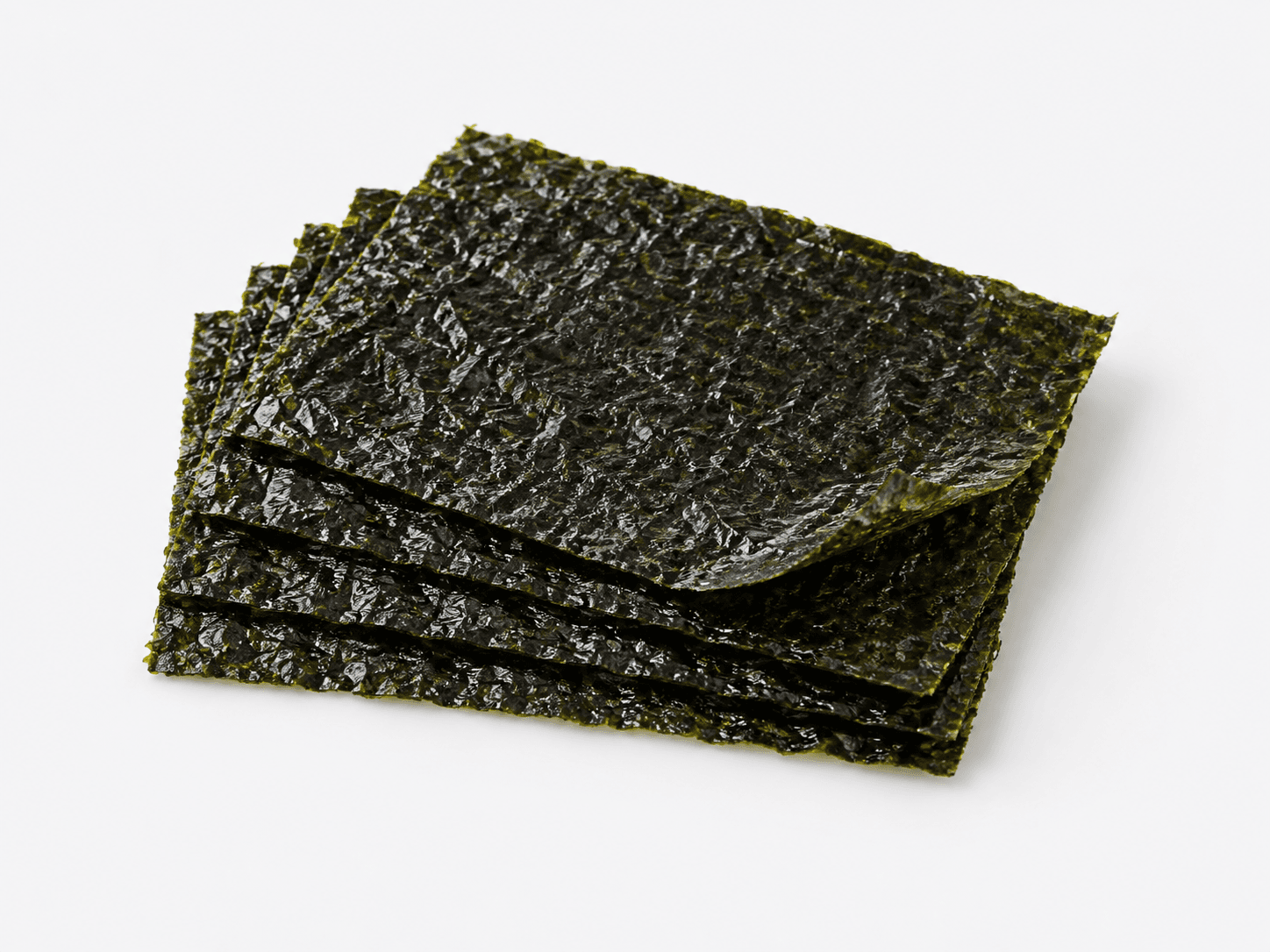
Gim (laver)

Seaweed's vitamin B12 was long dismissed as an unusable analogue. A 2024 randomised trial found otherwise.

Herring

Seafood

Moderate evidence

Herring

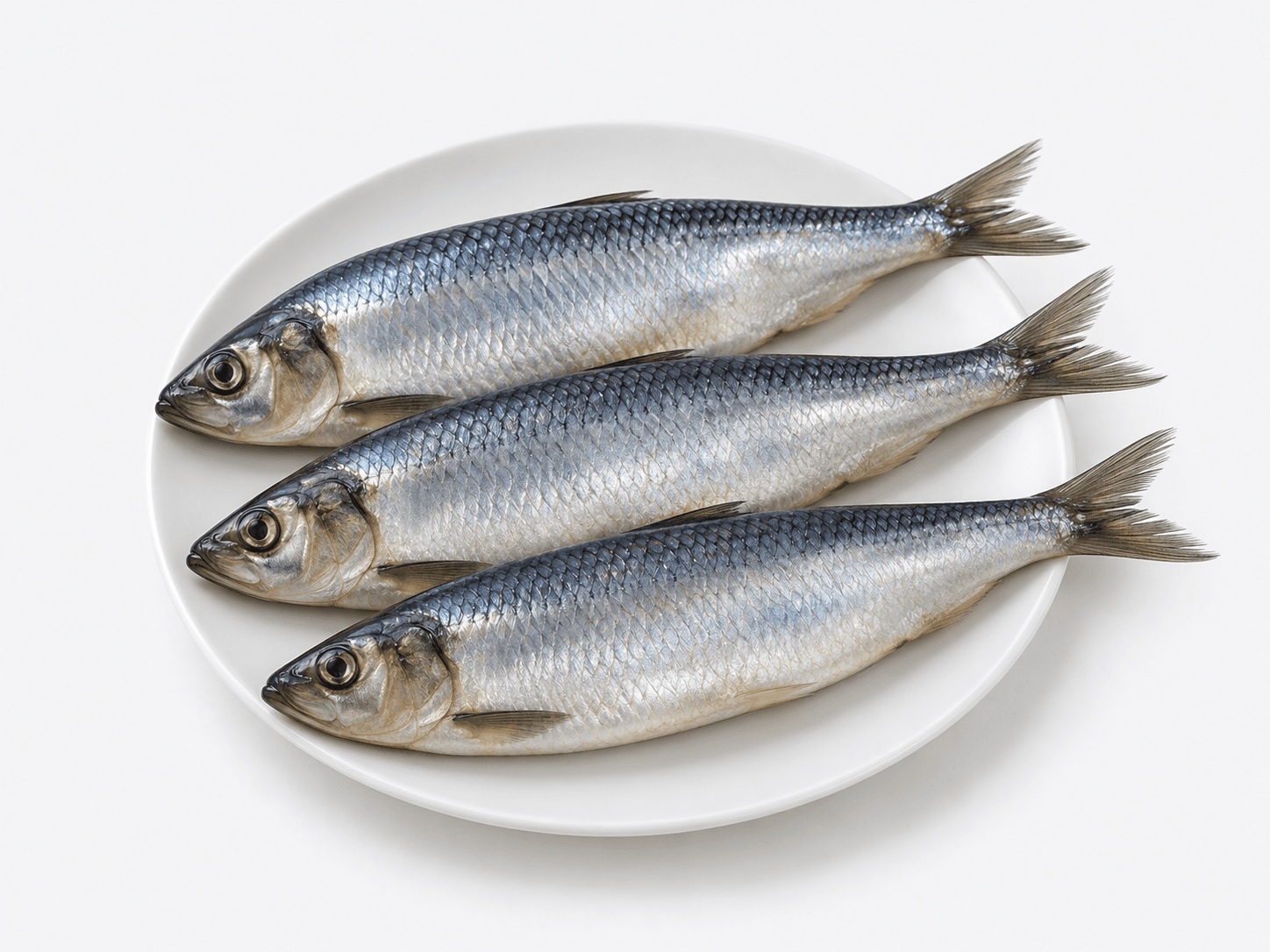
13.7 µg of vitamin B12 per 100 g — more than five times the daily reference. Omega-3 is 1.57 g, behind only salmon and mackerel.

Sardines

Seafood

Moderate evidence

Sardines

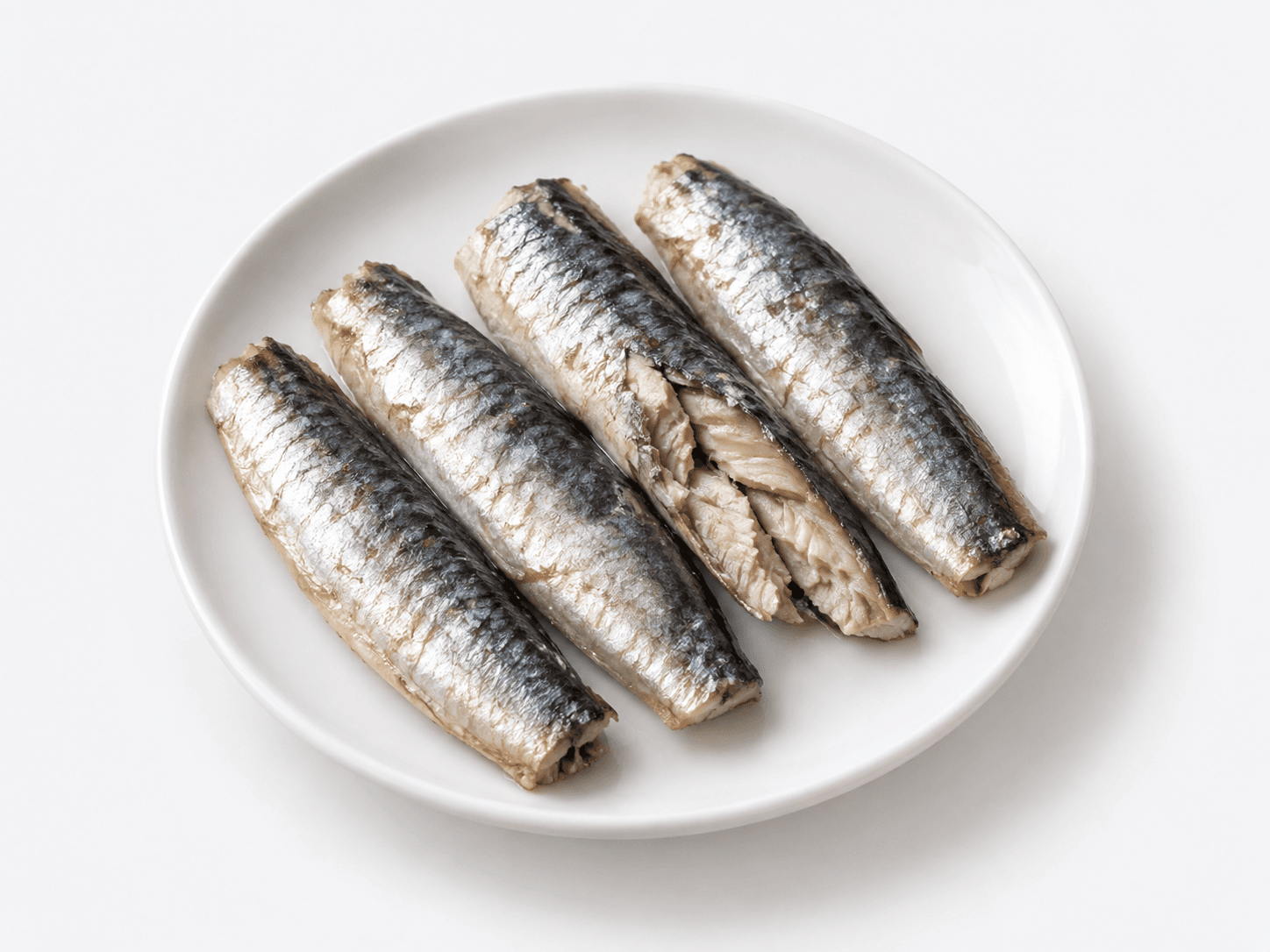
382 mg of calcium, 4.8 µg of vitamin D and 0.98 g of omega-3 per 100 g of tinned sardines. Being a small fish, it also carries little mercury.

Trout

Seafood

Moderate evidence

Trout

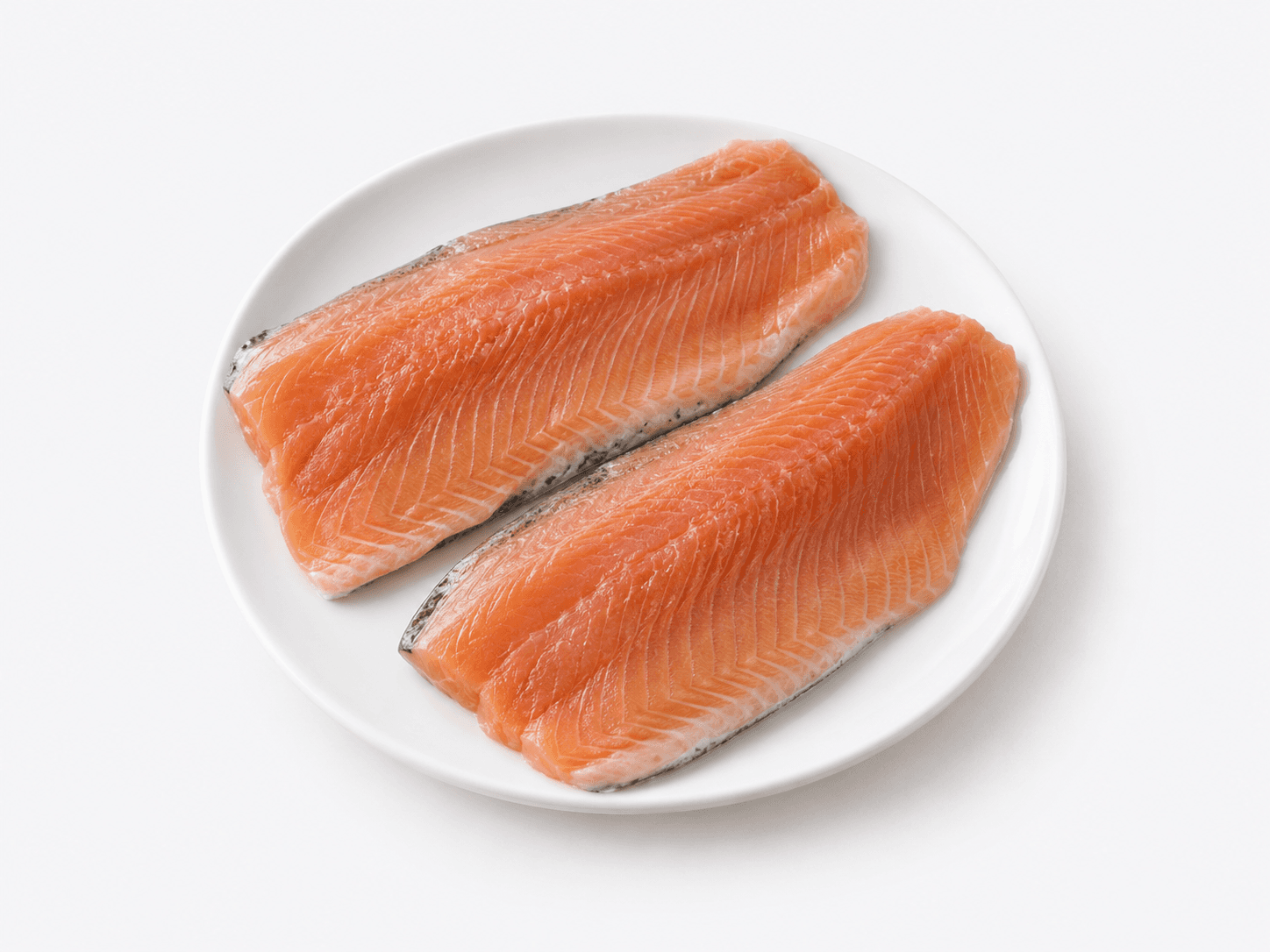
More vitamin D than salmon — 15.9 µg against 11 µg. But under a third of the omega-3.

Tuna

Seafood

Nutrition data

Tuna

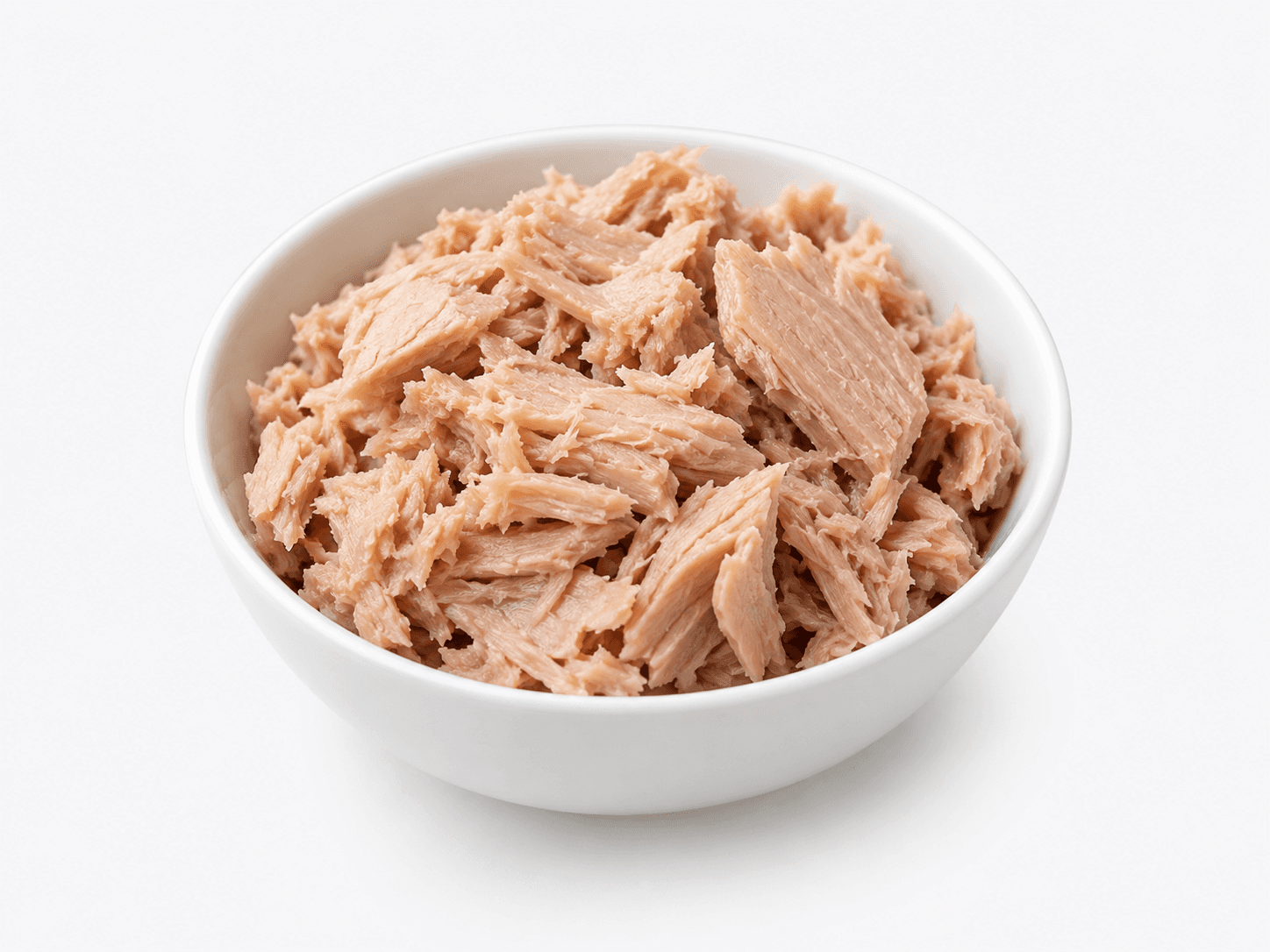
Canned tuna in water packs 19 g of protein into 85 kcal per 100 g. But its omega-3 is one-twelfth of salmon's.

Sea mustard (wakame)

Seafood

Nutrition data

Sea mustard (wakame)

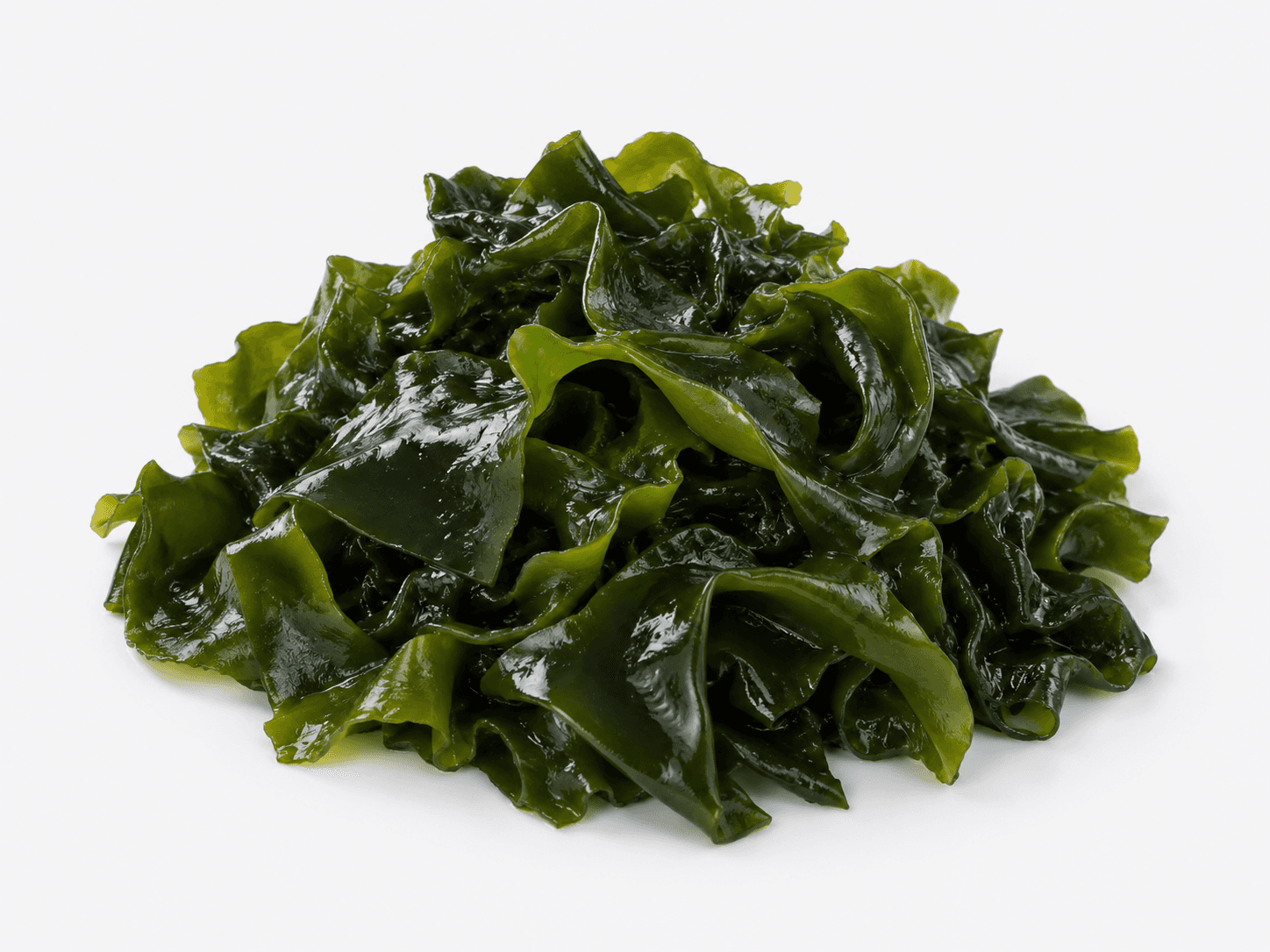
Its iodine and calcium made it a postpartum food. That same iodine is why thyroid conditions call for caution.

Mackerel

Seafood

Strong evidence

Mackerel

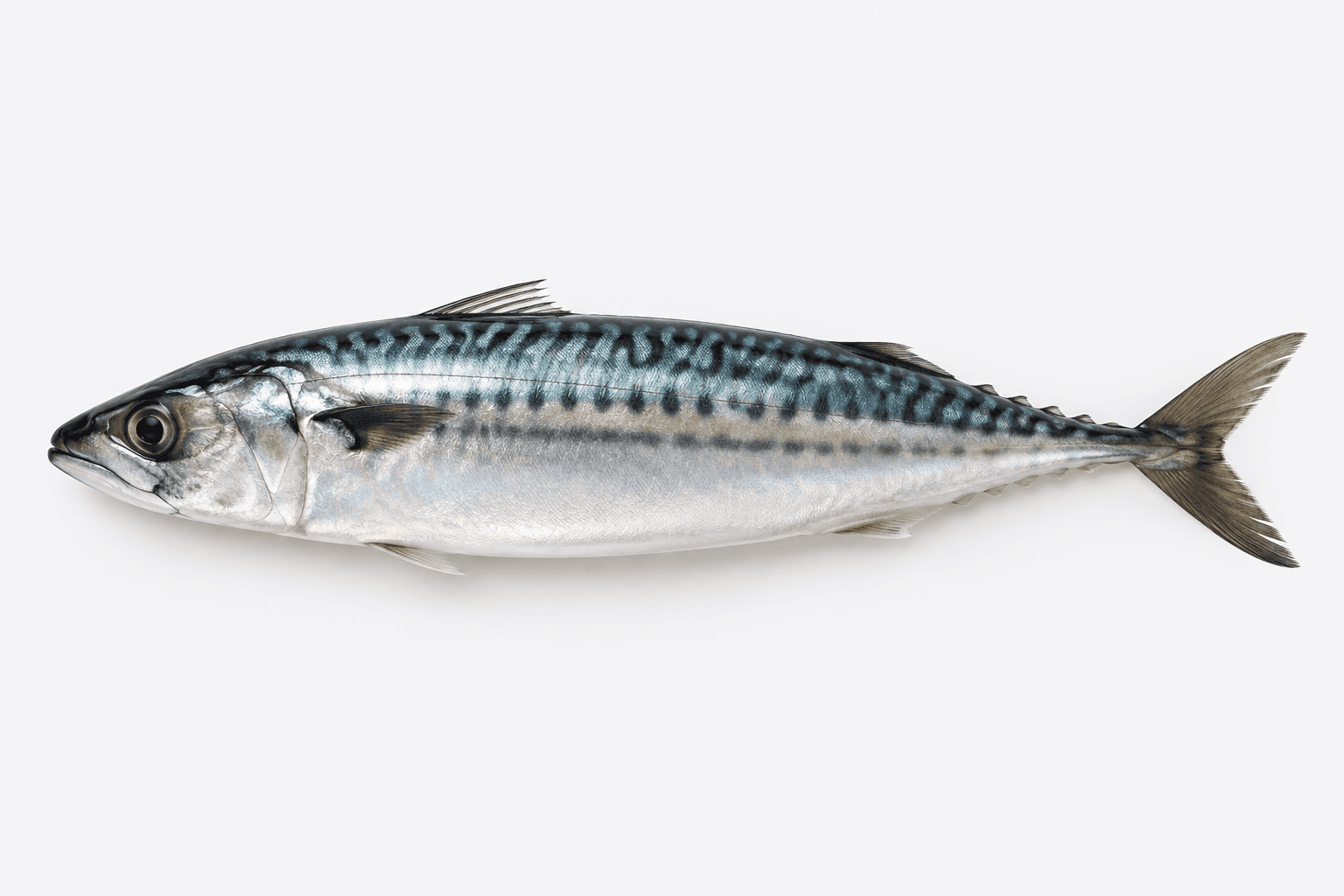
100 g of mackerel carries more EPA and DHA than salmon. Factor in the price and it is the best-value omega-3 fish there is.

Oyster

Seafood

Moderate evidence

Oyster

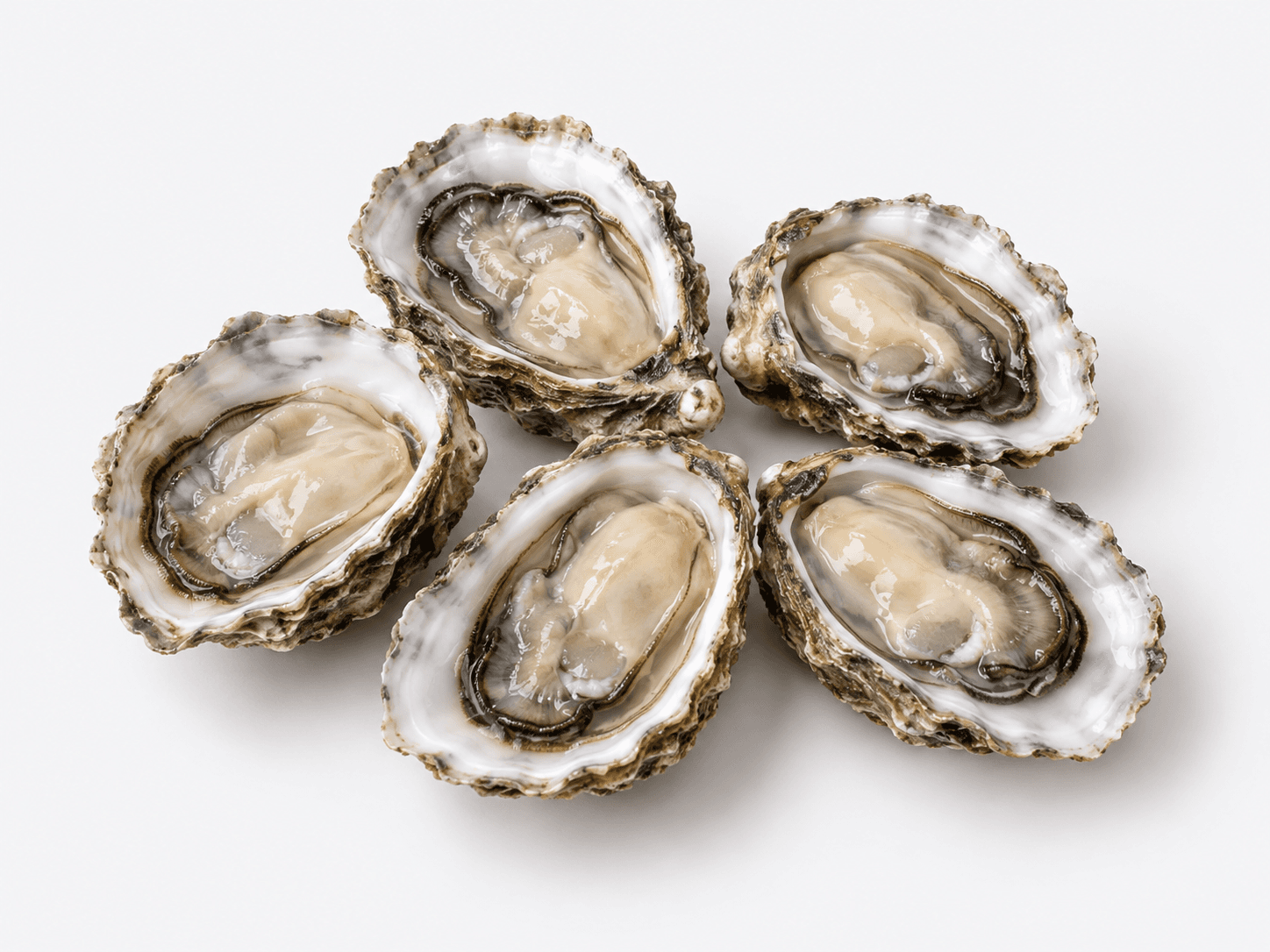
100 g of oysters carries 16.6 mg of zinc — one and a half times an adult's daily requirement. Almost no other natural food comes close.

Salmon

Seafood

Moderate evidence

Salmon

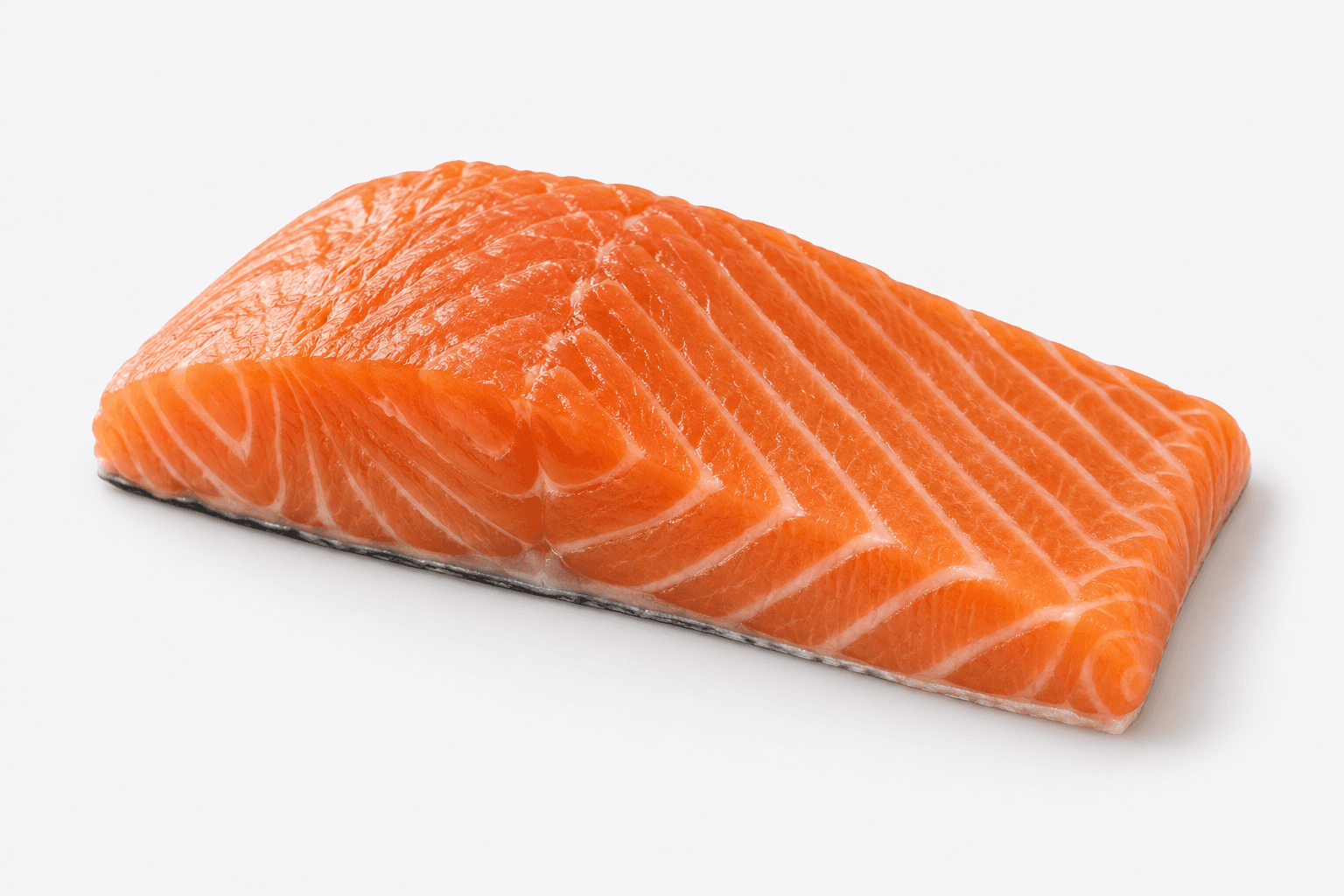
One portion covers a large share of your weekly omega-3 and delivers vitamin D — a nutrient almost no other food supplies in useful amounts.

Recipes

Compare

Send feedback