Seafood
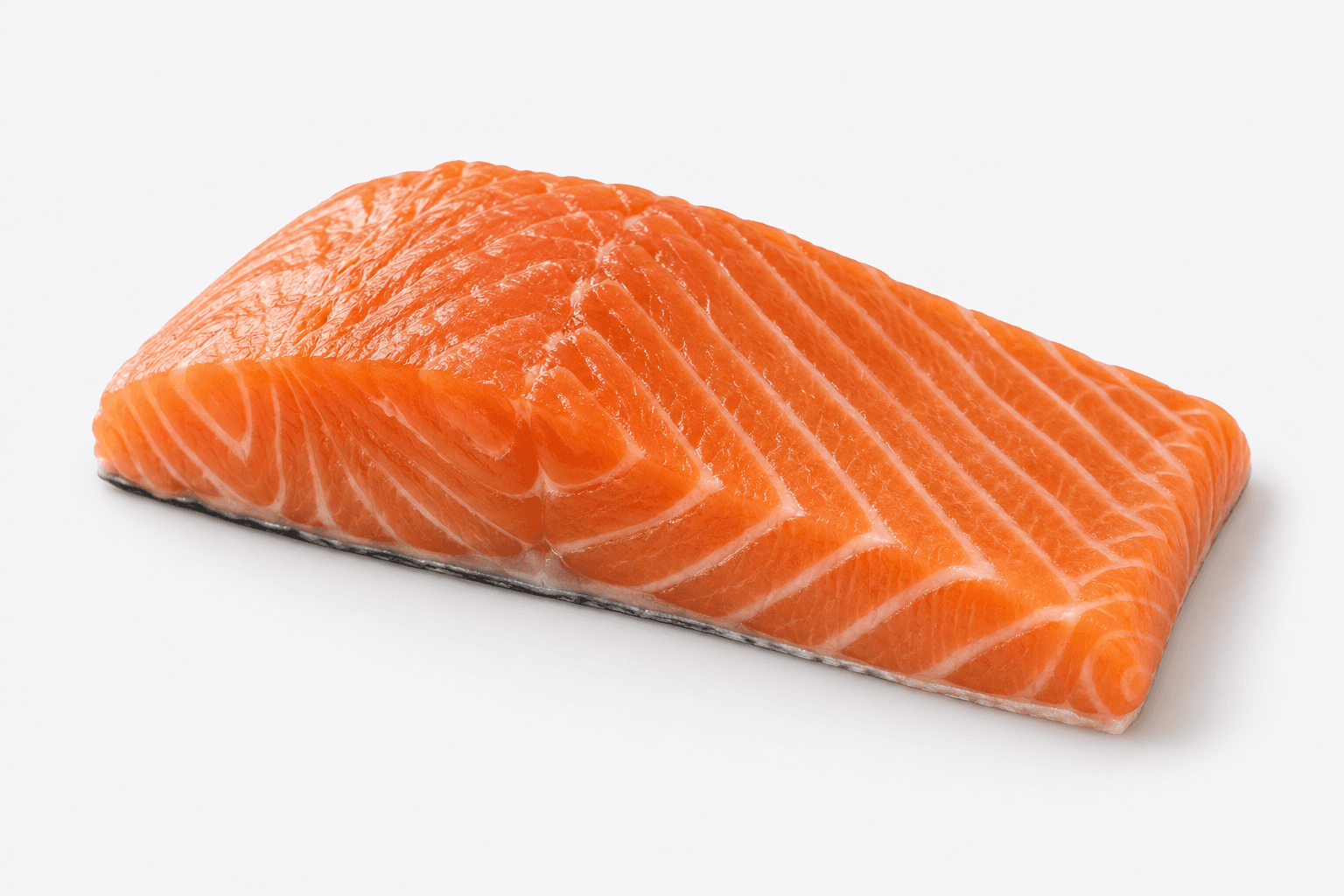
Salmon
One portion covers a large share of your weekly omega-3 and delivers vitamin D — a nutrient almost no other food supplies in useful amounts.
Mackerel beats salmon on both omega-3 and vitamin D. Factor in price and the gap widens further.
Seafood
One portion covers a large share of your weekly omega-3 and delivers vitamin D — a nutrient almost no other food supplies in useful amounts.
Seafood
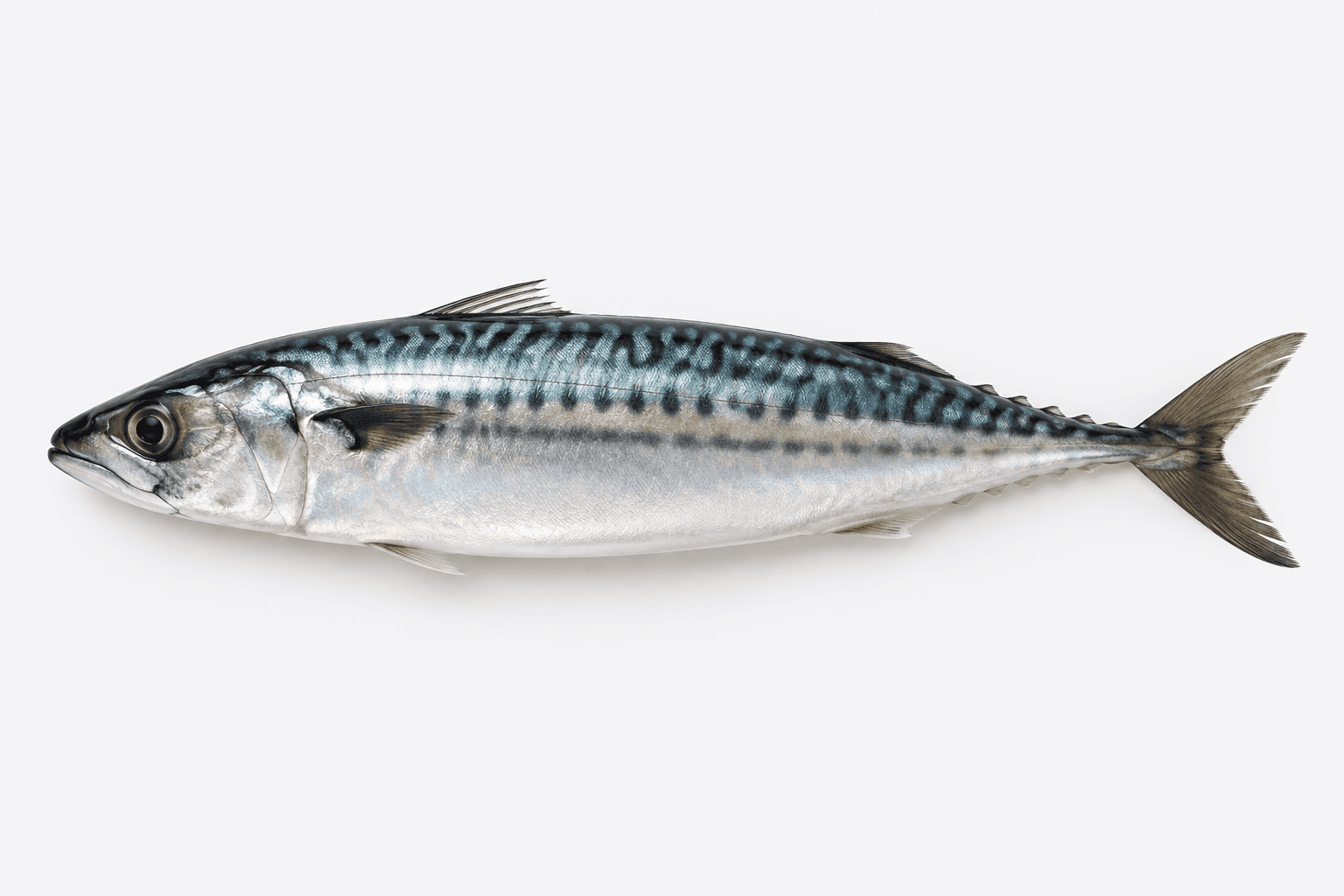
100 g of mackerel carries more EPA and DHA than salmon. Factor in the price and it is the best-value omega-3 fish there is.
Salmon — Leads on
Mackerel — Leads on
Per 100 g edible portion. Only rows where both have a figure are shown, and no winner is marked for items like calories or sugars where more is not better.
Basis for these figures
| Nutrition | Salmon | Mackerel |
|---|---|---|
| Calories | 208 kcal | 205 kcal |
| Protein | 20.4 g | 18.6 g |
| Fat | 13.4 g | 13.9 g |
| Omega-3 | 2.2 g | 2.6 g |
| Vitamin D | 11 µg | 16 µg |
| Vitamin B12 | 3.2 µg | 8.7 µg |
| Potassium | 363 mg | 314 mg |
| Selenium | 24 µg | 44 µg |
Omega-3 makes people think of salmon, but the numbers favour mackerel. EPA and DHA run 2.6 g per 100 g against salmon's 2.2 g, and vitamin D is 16 µg against 11 µg. Both are the reasons people buy salmon — and mackerel has more of each.
Add price and the gap grows. Almost no fish beats mackerel on omega-3 per unit of money.
Salmon's advantages lie elsewhere. It is milder, which widens what you can cook with it, it is easier to eat raw, and it forms histamine more slowly, so storage is less demanding. Mackerel left at room temperature develops histamine that cooking will not destroy, which makes freshness genuinely important.
On nutrition alone, mackerel. On ease of handling, salmon. If the goal is fish twice a week, alternating the two is the sensible answer.