Contents
What it is
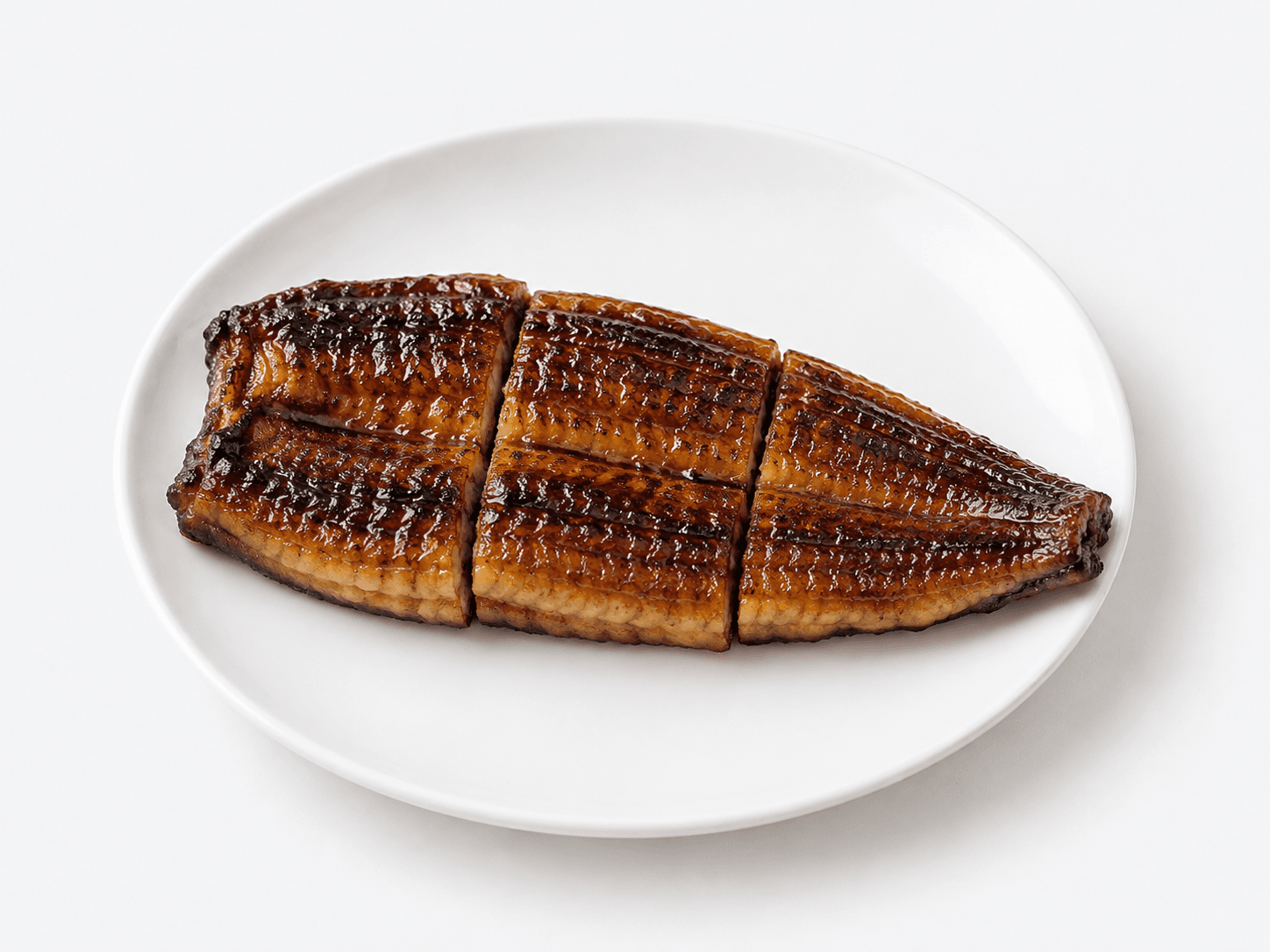
Eel is a long, snake-bodied fish that moves between fresh and salt water. The freshwater eel is born at sea, grows in rivers and returns to deep ocean to spawn, and that life cycle is why it still cannot be farmed from egg to adult; most farming starts from captured juveniles. The flesh is very fatty, so grilling drips oil and leaves the skin rich and sticky. Its blood contains a protein harmful to humans, so eel is always eaten cooked. In Korea it is most often grilled.
Scientific name Anguilla japonica
Eel is eaten in Korea as a summer restorative, but the composition table suggests a different reason than stamina.
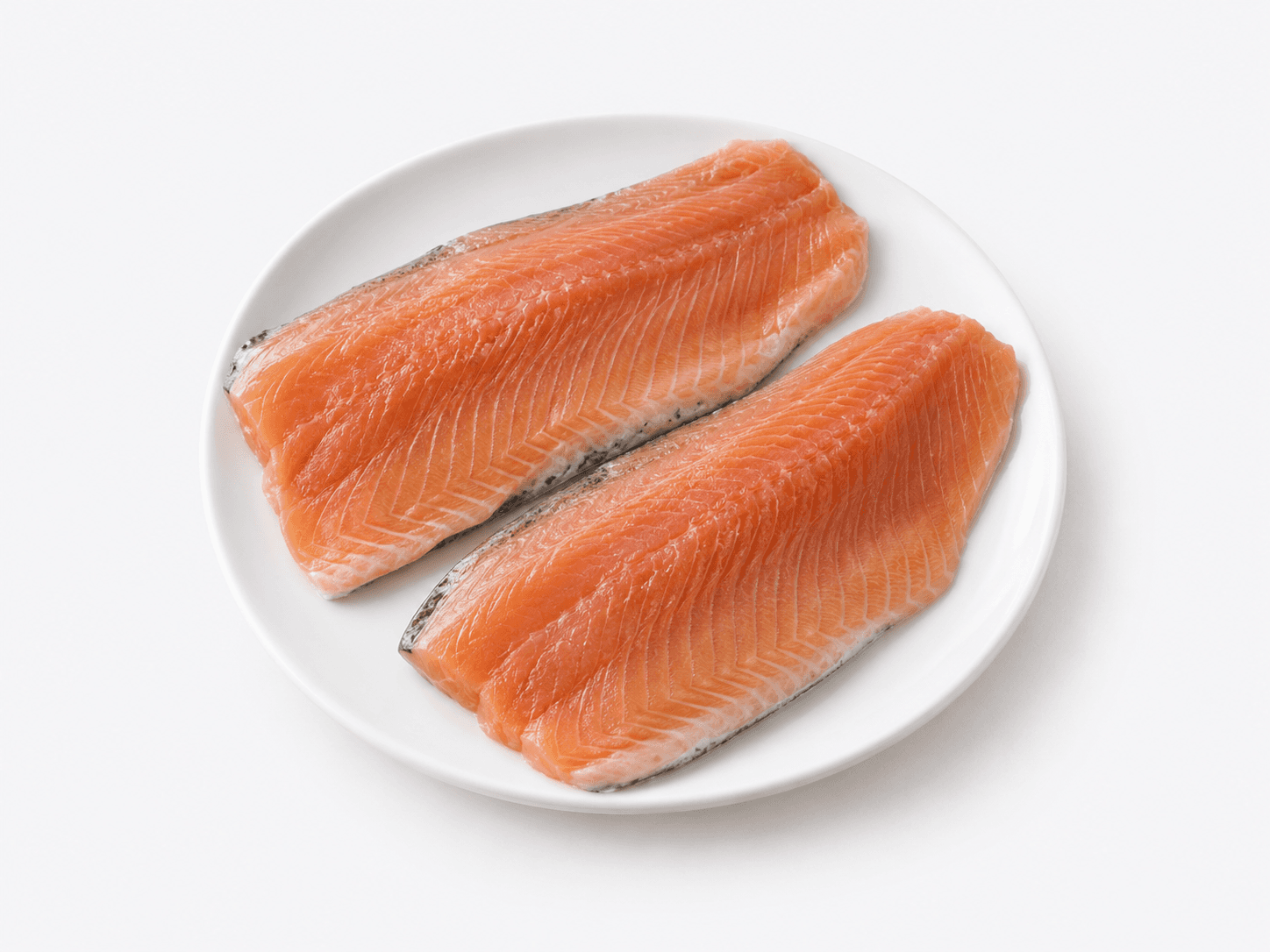
23.3 µg of vitamin D per 100 g — more than any other food on this site. Twice salmon's 11 µg, above mackerel's 16 µg. Given how few foods contain vitamin D at all, that stands out.
But the same table lists 1,043 µg RAE of vitamin A, more than a carrot's 835 µg. There is a reason that is not purely good news.
Key benefits
- Nutrition data
23.3 µg of vitamin D — among the highest of any food
23.3 µg per 100 g, which is 155 % of an adult's 15 µg daily reference. A grilled portion of about 150 g comes to 35 µg, more than double.
Vitamin D is unusually hard to get from food. The list of sources runs out quickly — oily fish and eggs, essentially — and at Korea's latitude of 33–38°N, almost none is made from sunlight between late autumn and early spring.
Read this separately from the hopes placed on supplements, though. In a randomised trial following 25,871 adults for 5.3 years, vitamin D3 supplementation did not reduce fractures at all. That trial did not select for deficiency, so it means 'more does nothing for people who already have enough'.
- Nutrition data
1,043 µg of vitamin A — the form with an upper limit
The vitamin A in carrots and spinach is beta-carotene. The body converts only what it needs, so there is no upper limit on it.
Eel's is different. Being animal-sourced, it is already-active retinol — and the 3,000 µg RAE upper limit applies only to this form.
At 1,043 µg per 100 g, a single serving clears an adult man's daily requirement of 900 µg outright. A 150 g portion is 1,565 µg. Eaten occasionally that leaves room below the limit, but this is not an everyday food.
Vitamin E is also high for a fish at 4.0 mg.
- Nutrition data
18.4 g of protein and 184 kcal per 100 g
Protein is 18.4 g and fat 11.7 g. That is fatty for a fish — and since both vitamin D and vitamin A are fat-soluble, they ride in on that fat.
But those 184 kcal are for raw eel. Grilled, it arrives glazed with a reduction of soy sauce, sugar and rice syrup, which raises the energy, sugar and sodium considerably. The gap between the composition table and what reaches the table is unusually wide for this ingredient.
Vitamin B12 is 3.0 µg and phosphorus 216 mg.
How to eat it well
- Always cook it. Eel blood contains a protein toxin that heat destroys. This is not a fish to eat raw.
- Less glaze keeps it closer to the table above. Salt-grilled is the simplest version.
- Vitamin D and A are both fat-soluble, so they do not wash out during cooking. Grilling or steaming makes little difference.
- Ginger alongside is not only for the smell — it also helps with digesting a fatty dish.
- Keep it occasional. Both the vitamin A and the glaze argue for that.
How to read the grades
Each benefit carries a label showing how far research on people supports it. Grades differ between items even within the same ingredient.
- Nutrition data
- A fact verifiable from food composition databases or health authorities. This is a different kind of statement from a clinical effect.
- Strong evidence
- Consistently confirmed across randomised controlled trials or meta-analyses.
- Moderate evidence
- Human studies exist, but effect sizes are small or results are mixed.
- Early research
- Cell or animal work, or small preliminary studies.
- Not established
- Commonly claimed, but not confirmed in studies on people.
What to watch out for
- In pregnancy, do not eat it often. Excess retinol is teratogenic, and 1,043 µg per 100 g is not a small amount. Beta-carotene from vegetables does not carry this risk.
- If you also take a vitamin A supplement, count them together. The limit is 3,000 µg RAE.
- Never eat eel raw. The serum toxin is removed only by heat.
- Grilling glazes add substantial sugar and sodium. With diabetes or hypertension, choose the salt-grilled version.
- Avoid with a fish allergy.
- On a phosphorus-restricted renal diet, it is 216 mg per 100 g.
Nutrition
Per 100 g of raw eel flesh. A grilled portion is usually 120–150 g.
- Calories
- 184 kcal9%
- Protein
- 18.4 g37%
- Fat
- 11.7 g15%
- Vitamin D
- 23.3 µg117%
- Vitamin A
- 1,043 µg116%
- Vitamin E
- 4.0 mg27%
- Vitamin B12
- 3.0 µg125%
- Phosphorus
- 216 mg17%
- Potassium
- 272 mg6%
Percentages are of the US FDA Daily Value for adults and children 4 and over. National reference intakes differ by sex and age.
Calculate this alongside other ingredients →
Key nutrients
Dishes with this ingredient
Sources
The databases and health authorities this article's nutrition figures and health statements draw on.