Contents
What it is
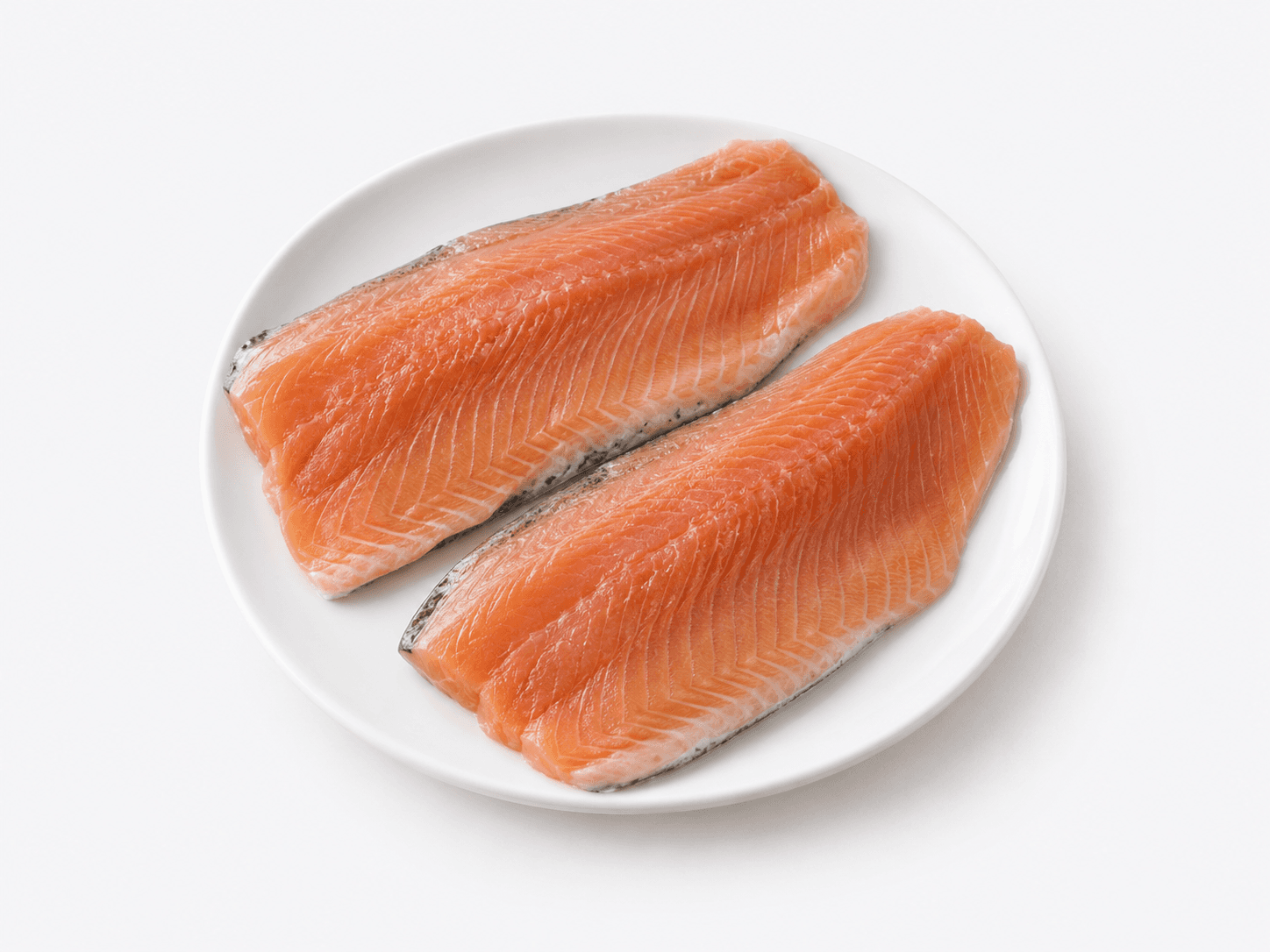
Trout are fish in the same family as salmon. The rainbow trout, native to western North America, is the most widely farmed in the world, and in Korea it is raised on cold stream water. Unlike salmon, many trout spend their whole lives in fresh water; those that do run to the sea turn silver. The flesh ranges from white to pink depending on diet, and in farming, as with salmon, pigment in the feed shapes that colour. Trout carries less fat than salmon and tastes correspondingly cleaner.
Scientific name Oncorhynchus mykiss
Trout and salmon are the same family. Similar flesh colour, overlapping recipes. So 'trout instead of salmon' comes up often.
By the composition table, that is half right.
Trout wins on vitamin D: 15.9 µg per 100 g against salmon's 11 µg. But its omega-3 is 0.73 g, under a third of salmon's 2.6 g.
The answer depends on what you are eating it for.
Key benefits
- Nutrition data
15.9 µg of vitamin D — more than salmon
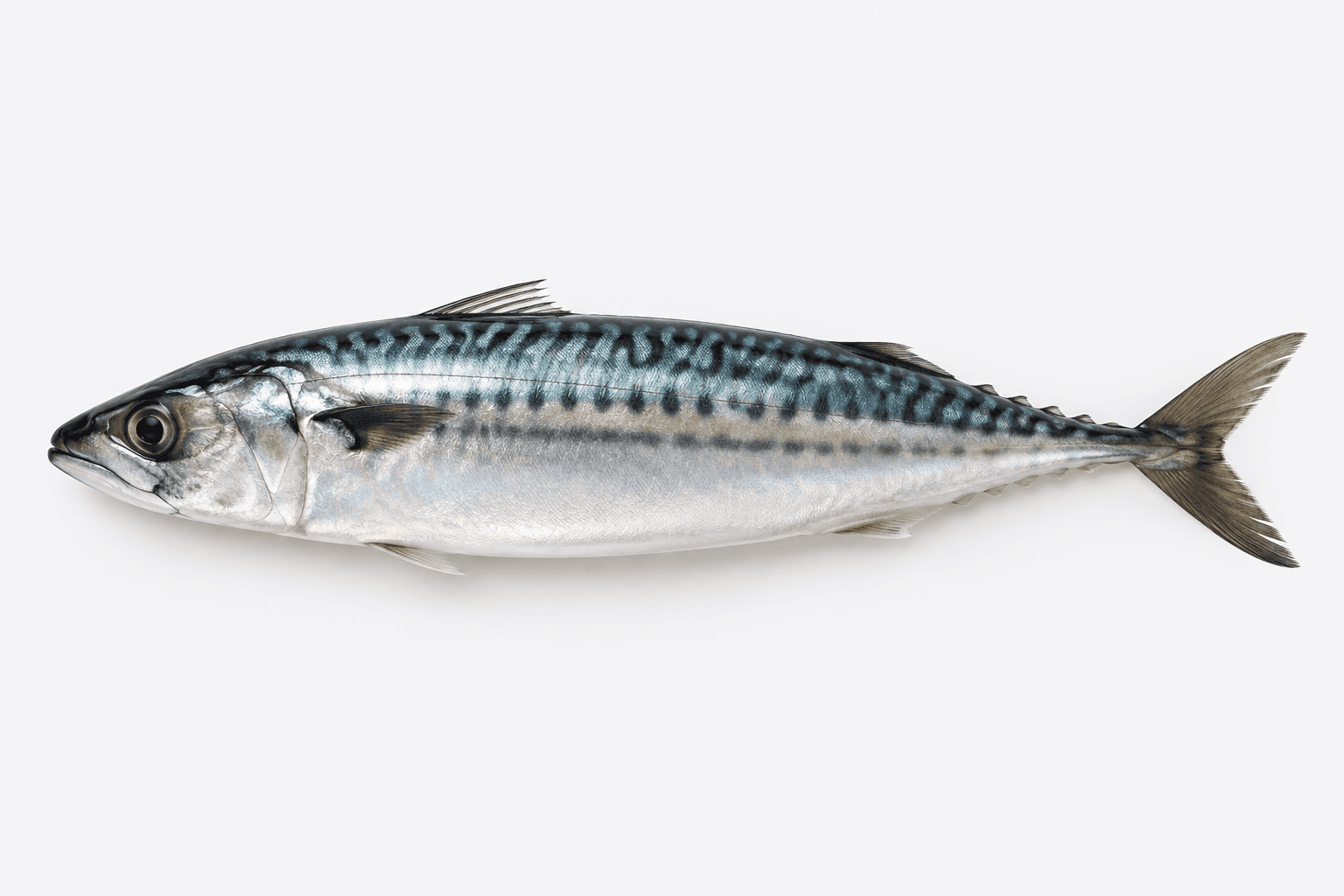
15.9 µg per 100 g clears an adult's 15 µg daily reference in one serving. More than salmon's 11 µg, and about level with mackerel's 16 µg.
Foods containing vitamin D can be counted on your fingers — oily fish and eggs, essentially — and at Korea's latitude of 33–38°N almost none is made from sunlight between late autumn and early spring. One more entry on that list is worth something.
Vitamin E is also high for a fish, at 2.34 mg.
- Moderate evidence
0.73 g of omega-3 — under a third of salmon's
[1]EPA and DHA together come to 0.73 g per 100 g. That is well behind salmon (2.6 g) and mackerel (2.2 g), though more than three times canned tuna's 0.22 g.
The expectation itself deserves adjusting. In a Cochrane review of 86 randomised trials (162,796 people), increasing omega-3 lowered triglycerides by about 15 % but made essentially no difference to all-cause mortality or cardiovascular events. The authors noted the evidence comes mostly from supplement trials, with little on eating fish.
Freshwater trout has a different fatty acid profile from sea fish, and it shifts with the feed — so one trout is not another.
- Nutrition data
19.9 g of protein in 141 kcal
Lighter than salmon (about 208 kcal) with similar protein, because fat is 6.2 g — a little over half salmon's. That is also why the omega-3 is lower.
Vitamin B12 is 4.3 µg, selenium 23.6 µg and potassium 377 mg.
As a freshwater fish it accumulates less mercury than large sea fish. Farmed trout more so again, being short-lived and raised on feed.
How to eat it well
- Do not grill it hard and long. Omega-3 degrades with heat and oxygen. Medium heat, a 180 °C oven or gentle poaching all treat it better.
- The fat sits toward the skin. Crisping it and eating it loses less.
- Cooking with lemon or herbs helps slow fat oxidation.
- Cook freshwater fish through. Served raw, it needs a documented freezing step because of parasite risk.
- It is usually cheaper than salmon, so as a vitamin D substitute it makes sense.
How to read the grades
Each benefit carries a label showing how far research on people supports it. Grades differ between items even within the same ingredient.
- Nutrition data
- A fact verifiable from food composition databases or health authorities. This is a different kind of statement from a clinical effect.
- Strong evidence
- Consistently confirmed across randomised controlled trials or meta-analyses.
- Moderate evidence
- Human studies exist, but effect sizes are small or results are mixed.
- Early research
- Cell or animal work, or small preliminary studies.
- Not established
- Commonly claimed, but not confirmed in studies on people.
What to watch out for
- Do not eat freshwater fish raw. There is a risk of parasites such as liver fluke. Served as sashimi, it requires proper freezing.
- Farming conditions change the composition. The fatty acid profile of the feed shows up directly in the flesh.
- Avoid with a fish allergy.
- With gout, fish purines raise urate more than plant purines do.
- On anticoagulants, discuss high-dose omega-3 supplements with a clinician. Eating fish itself is usually not a problem.
Nutrition
Per 100 g of raw farmed rainbow trout.
- Calories
- 141 kcal7%
- Protein
- 19.9 g40%
- Fat
- 6.2 g8%
- Vitamin D
- 15.9 µg80%
- Omega-3
- 0.73 g
- Vitamin B12
- 4.3 µg179%
- Vitamin E
- 2.34 mg16%
- Selenium
- 23.6 µg43%
- Potassium
- 377 mg8%
Percentages are of the US FDA Daily Value for adults and children 4 and over. National reference intakes differ by sex and age.
Calculate this alongside other ingredients →
Key nutrients
Dishes with this ingredient
Compare with
Sources
The databases and health authorities this article's nutrition figures and health statements draw on.
- 1Omega-3 fatty acids for the primary and secondary prevention of cardiovascular diseaseMeta-analysisAbdelhamid AS, et al. Cochrane Database Syst Rev 2020PMID 32114706
- 2USDA FoodData CentralFood composition database
- 3NIH Office of Dietary SupplementsHealth authority
- 4Cochrane LibrarySystematic reviews
- 5PubMedResearch literature