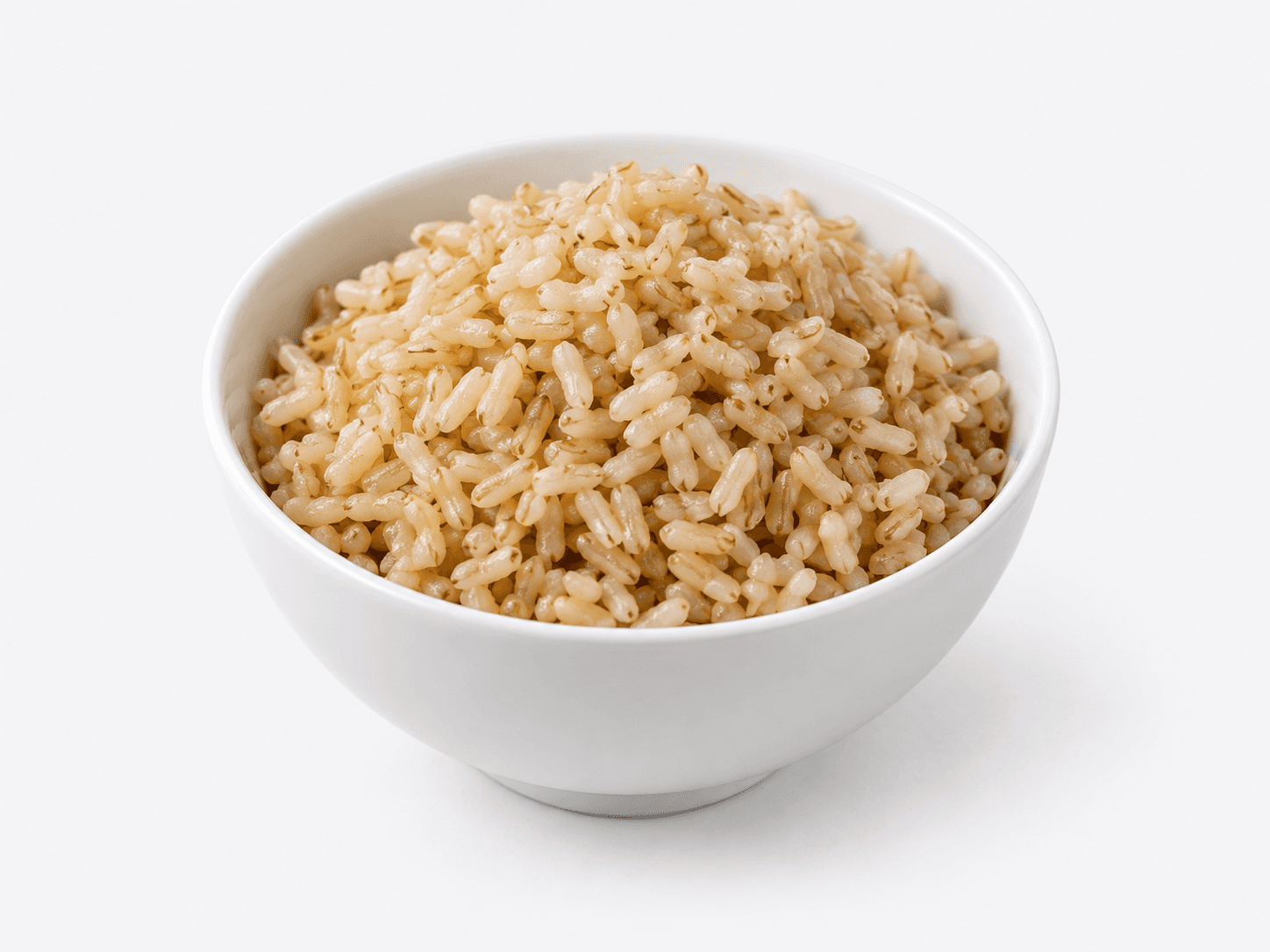
Grains & legumes
Moderate evidenceBrown rice
People who eat more whole grains consistently show less type 2 diabetes. In randomised trials, though, the glycaemic markers barely moved.
Cooking brown rice in excess water and draining it removes inorganic arsenic. Wrap the gim at the last moment or it goes soggy.
2 servings25 min
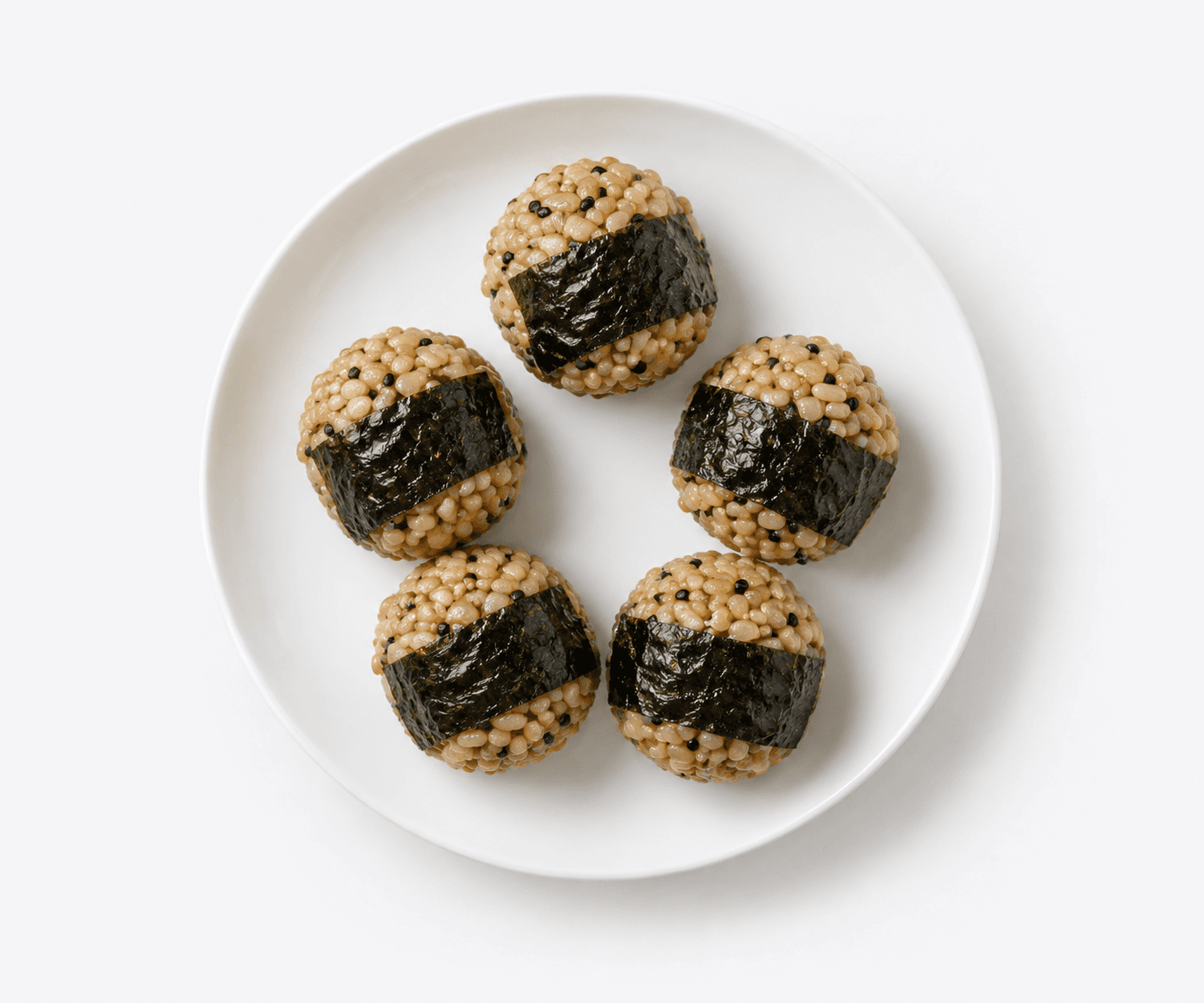
Soak the brown rice overnight, discard the soaking water and cook in fresh water.
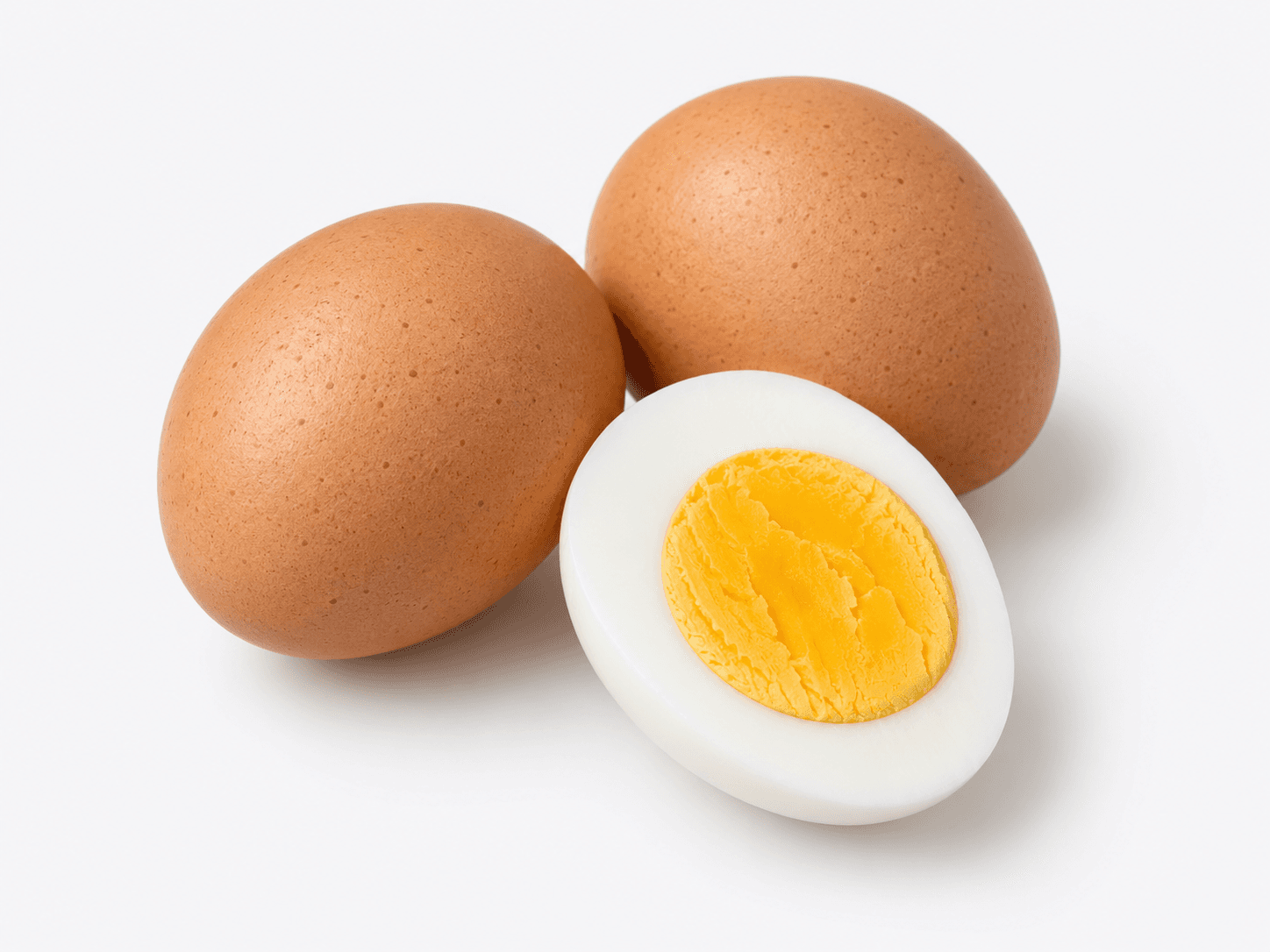
Hard-boil the eggs (ten minutes), peel and mash with a fork.
Mix the sesame oil and a very small pinch of salt into the warm rice. Cold rice will not hold together.
Fold the mashed egg and sesame seeds through the rice.
Wet your hands and shape bite-sized balls.
Wrap in gim just before eating. Wrapped ahead, the moisture from the rice turns it limp.
Cooking brown rice in plenty of water and draining it — as you would pasta — removes the most inorganic arsenic. Rice takes up arsenic as it grows and it concentrates toward the bran, which brown rice keeps and white rice does not. The trade-off is that water-soluble vitamins leave too, so the egg and sesame fill that gap. You do not need to do this daily; mixing your grains is the simpler answer.
Grains & legumes
Moderate evidencePeople who eat more whole grains consistently show less type 2 diabetes. In randomised trials, though, the glycaemic markers barely moved.
Seafood
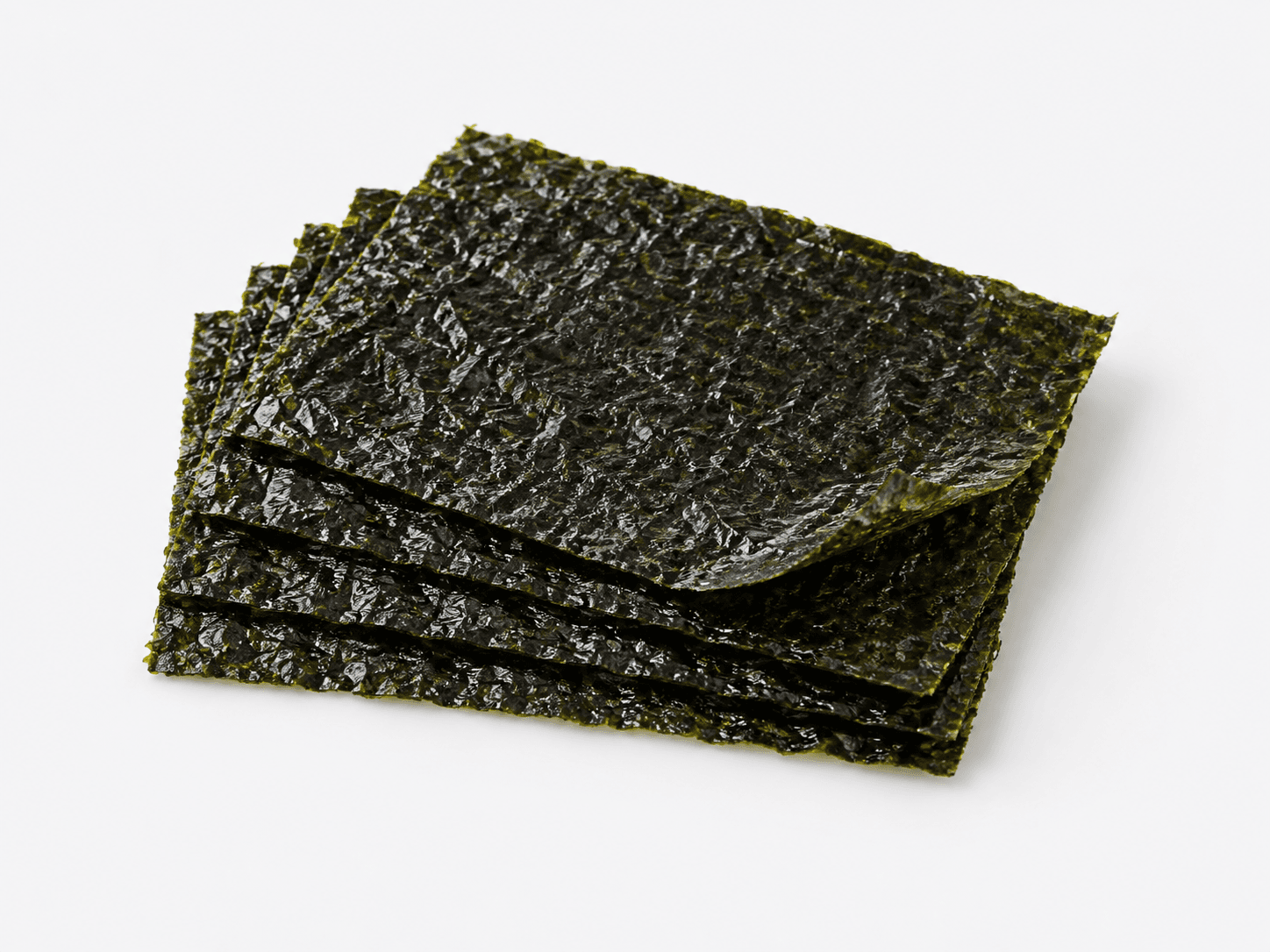
Early researchSeaweed's vitamin B12 was long dismissed as an unusable analogue. A 2024 randomised trial found otherwise.
Nuts & seeds
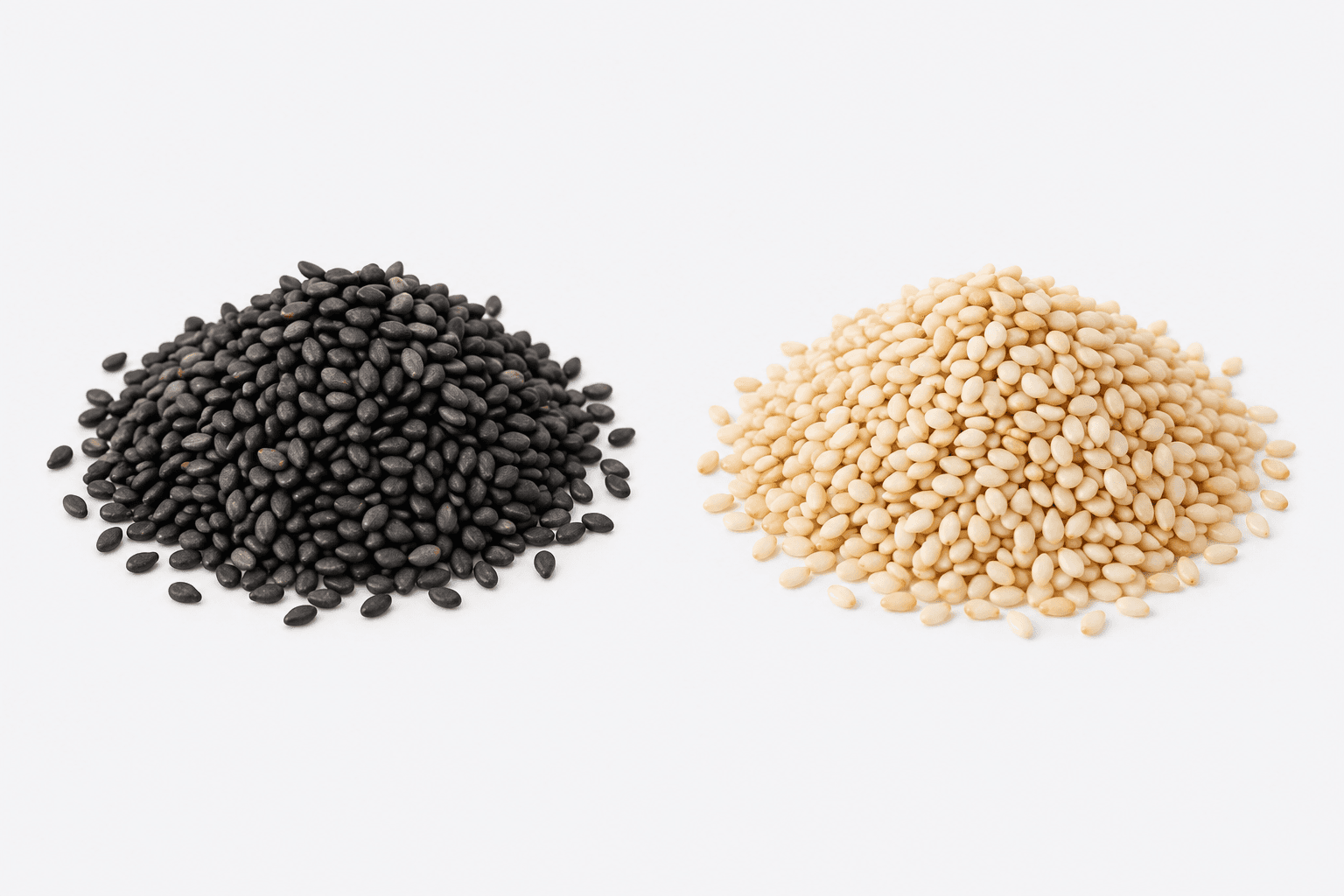
Nutrition dataWhole sesame carries 975 mg of calcium per 100 g, far ahead of milk. Hull it and the figure drops to around 60 mg.
Dairy & eggs
Nutrition dataThe advice to limit yolks because of their cholesterol has been overturned. What remains is choline, a nutrient far fewer people talk about.