Macronutrient
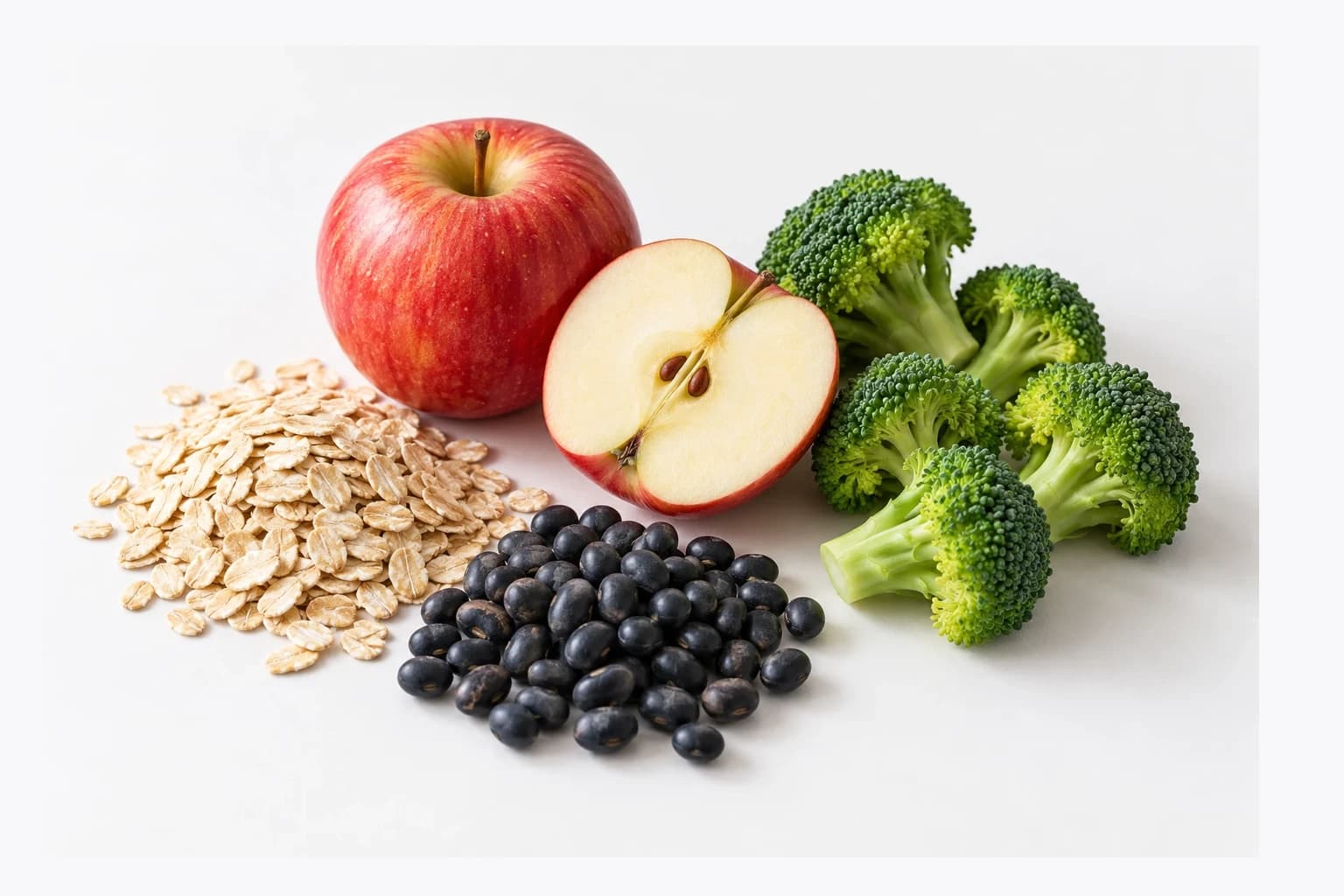
Foods high in fibre and how much you need
Fibre passes undigested to the colon, where it feeds gut bacteria. Soluble and insoluble fibre do different jobs.
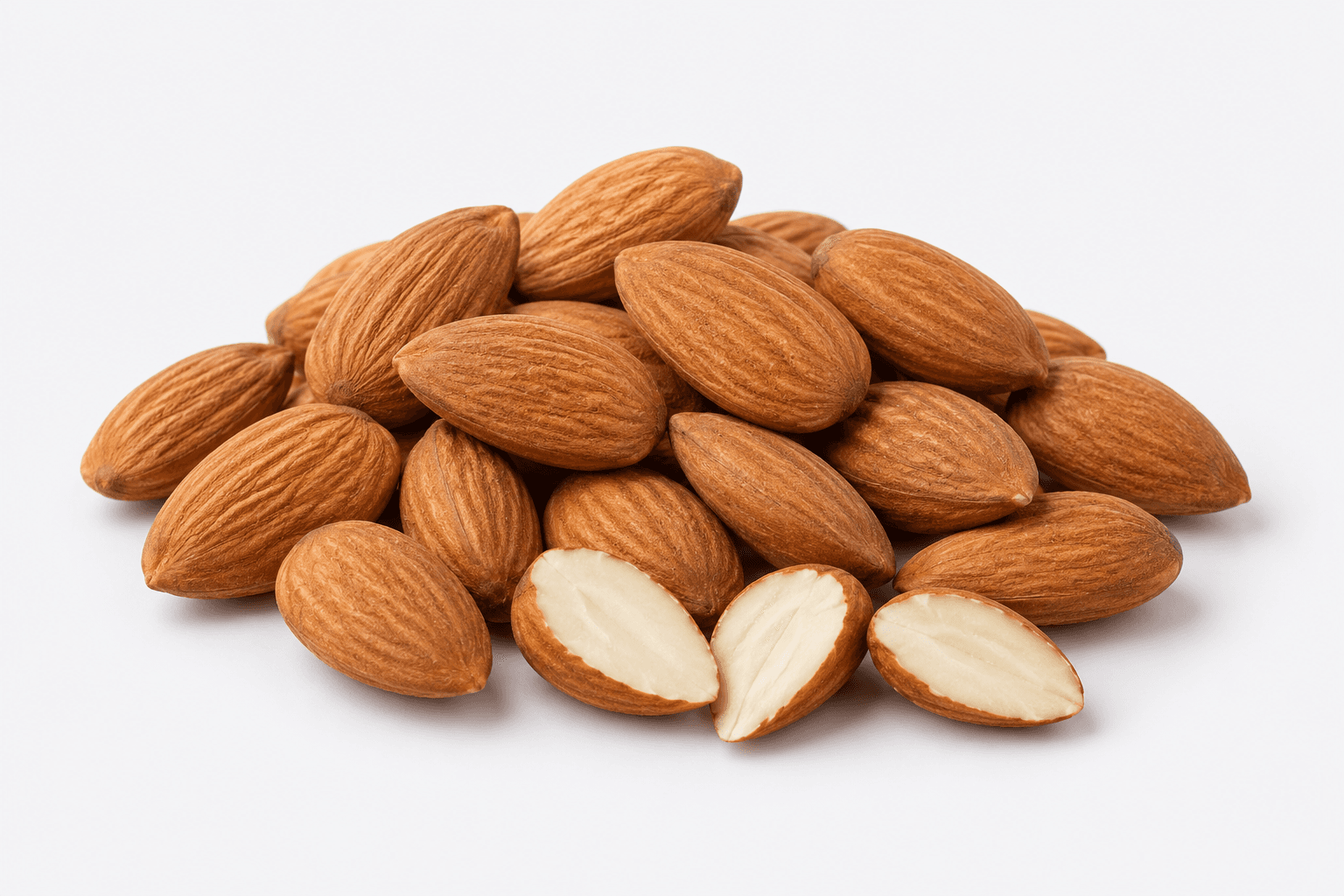
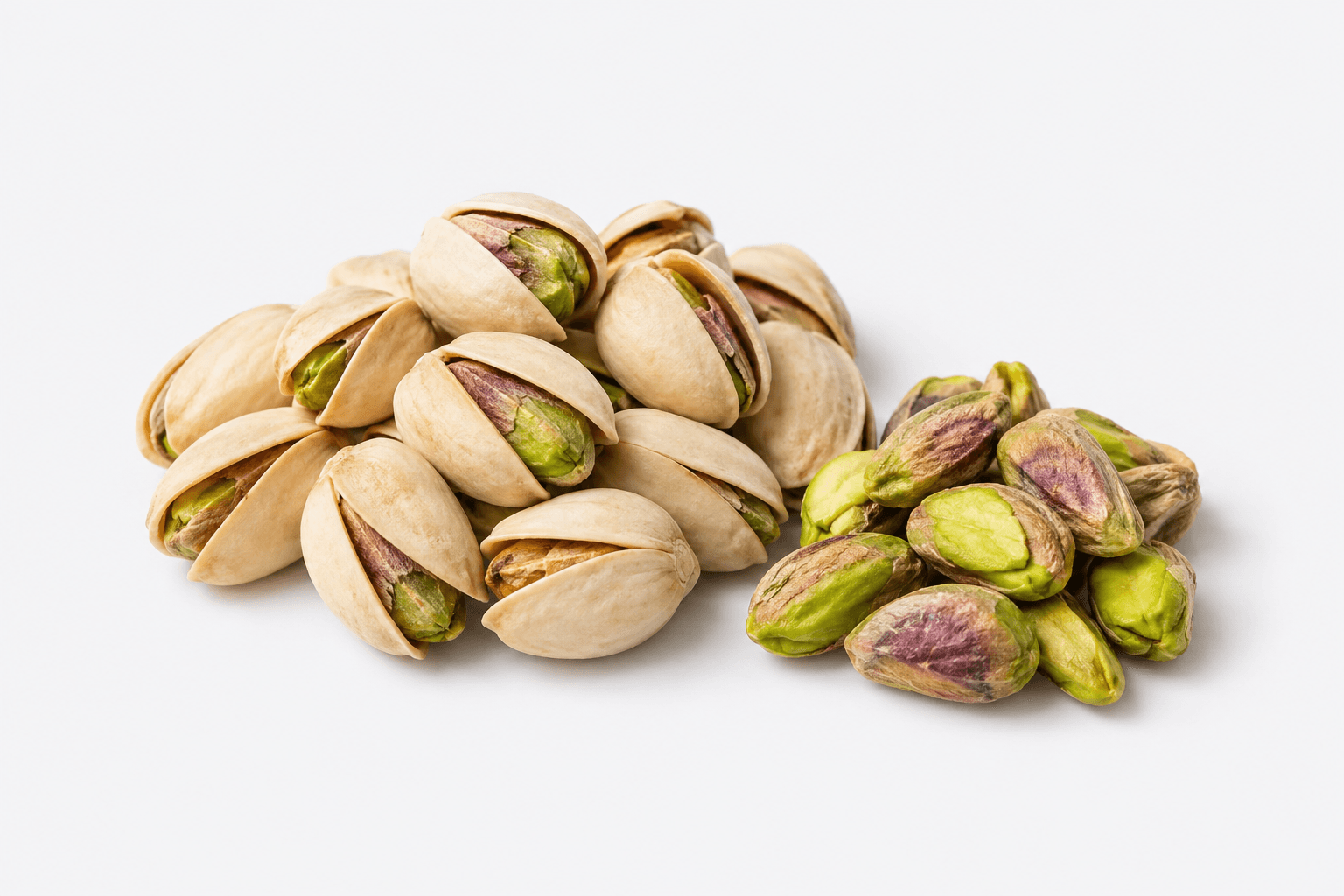
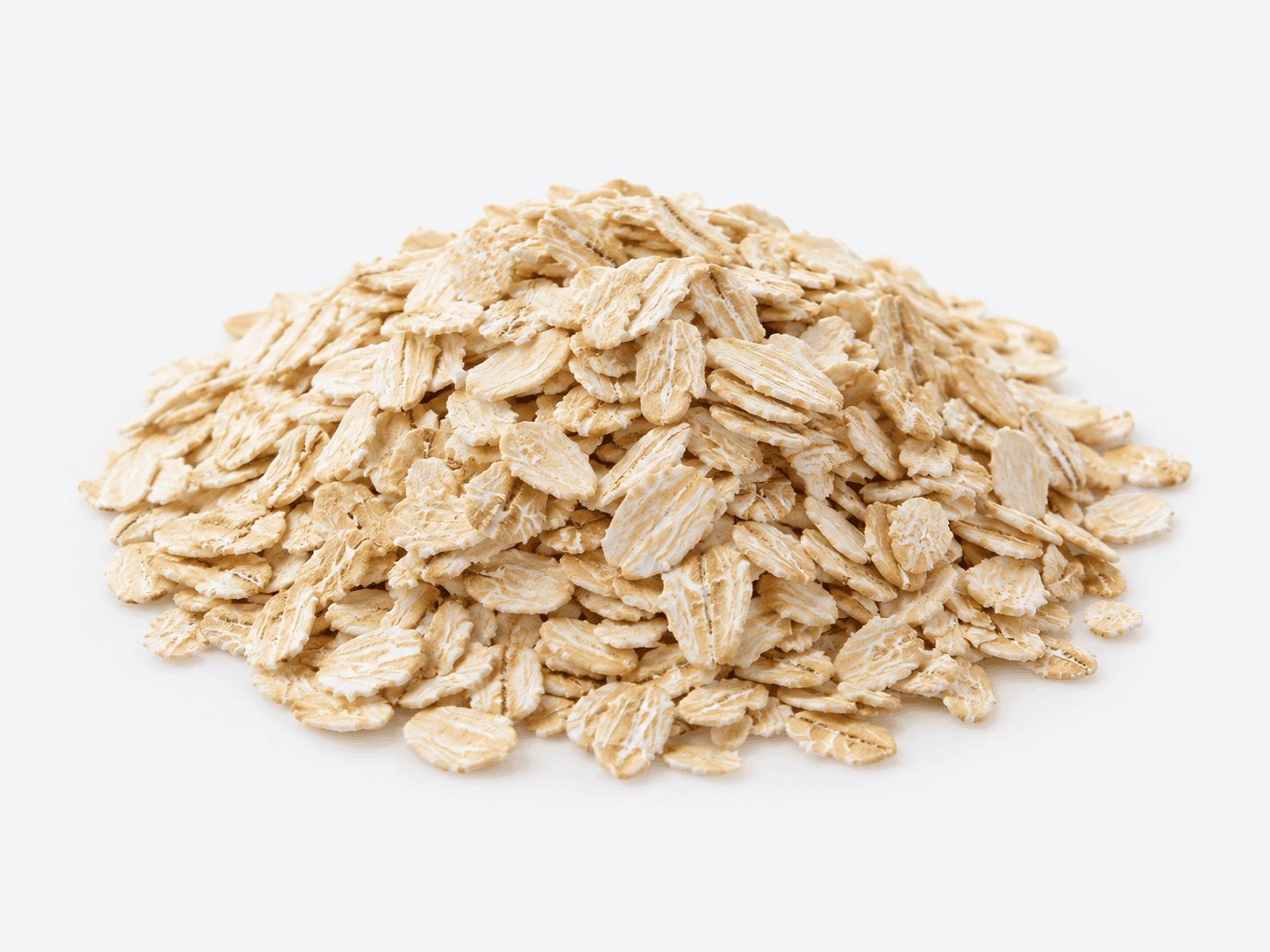
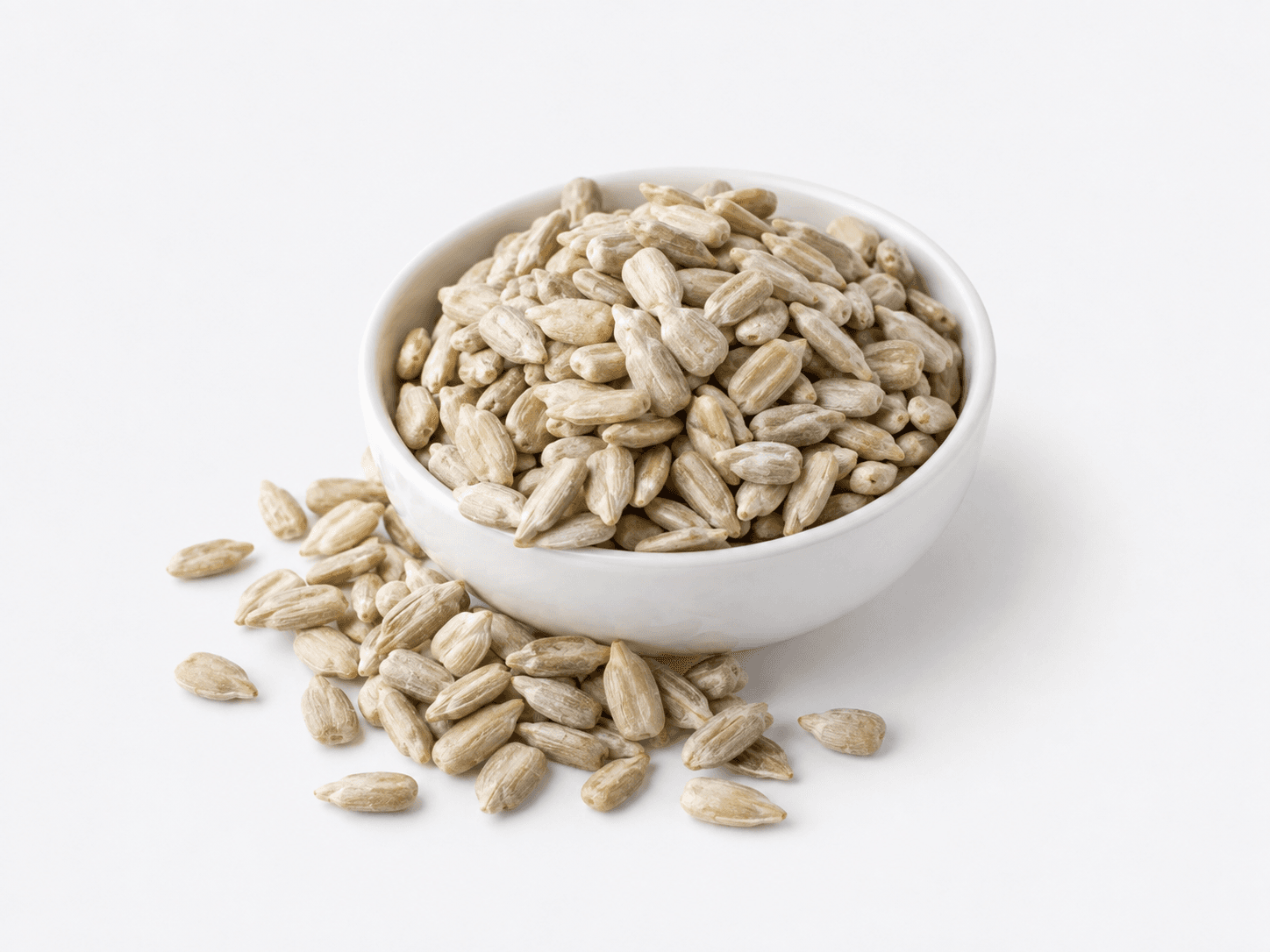
Highest sources
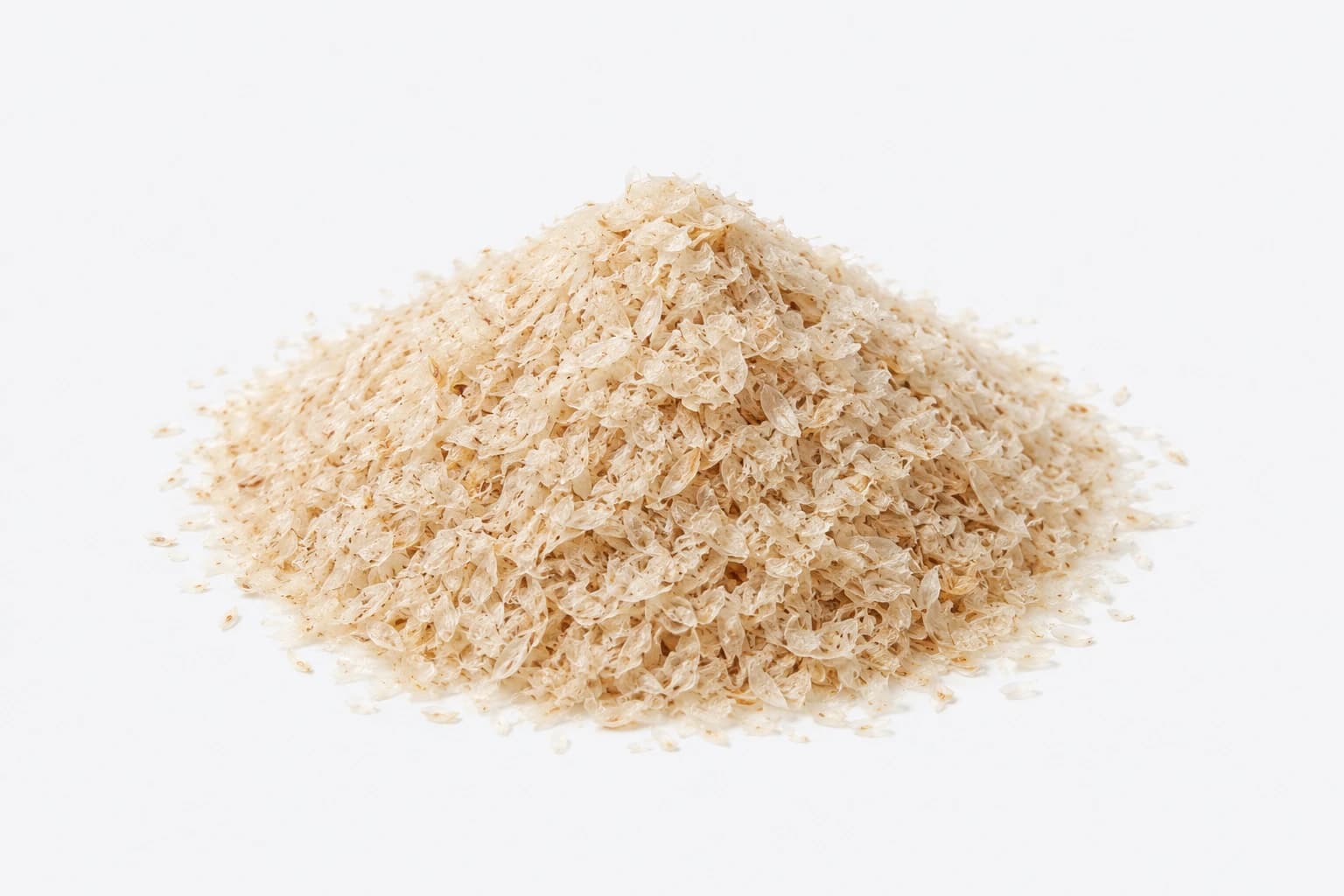
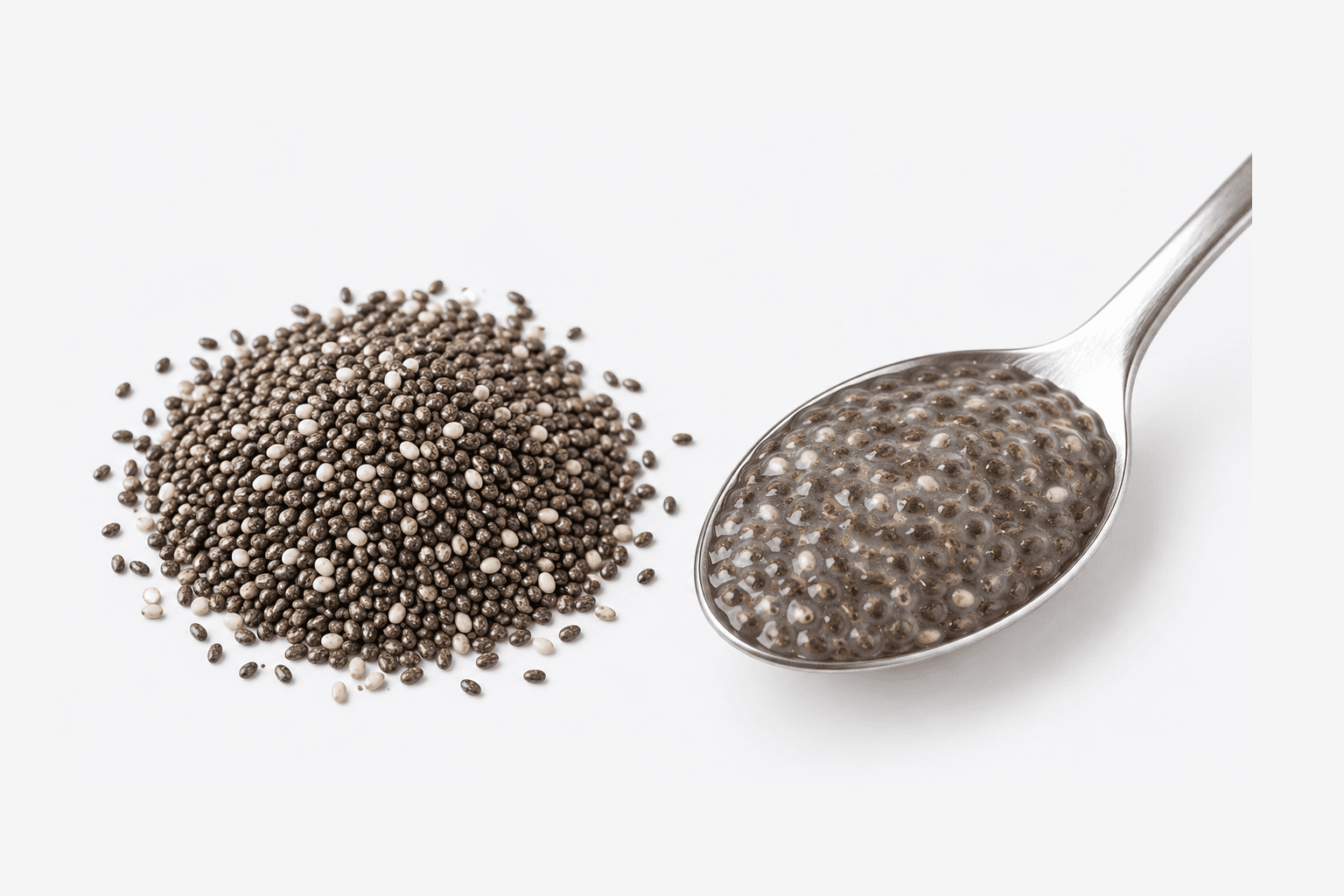
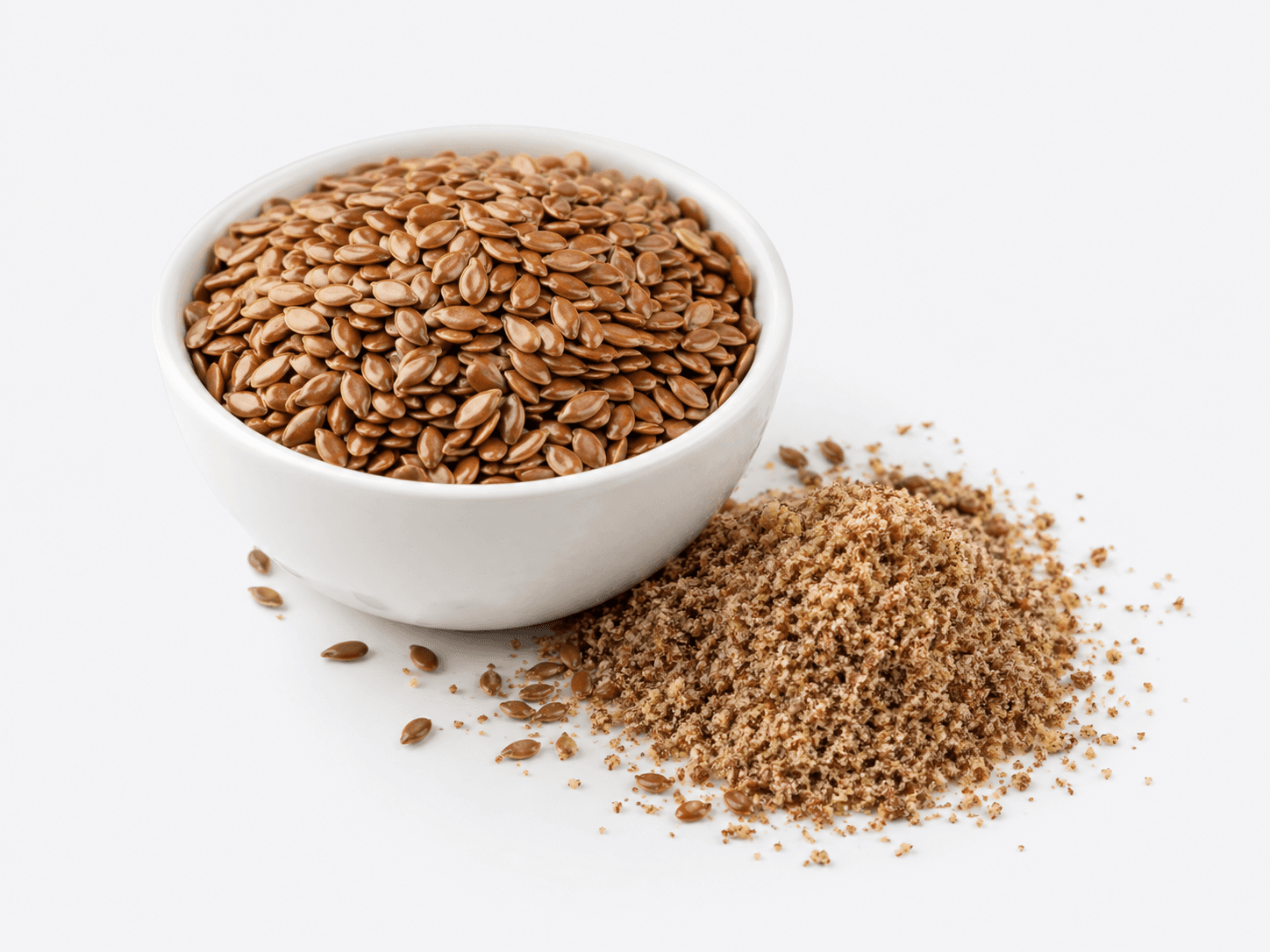
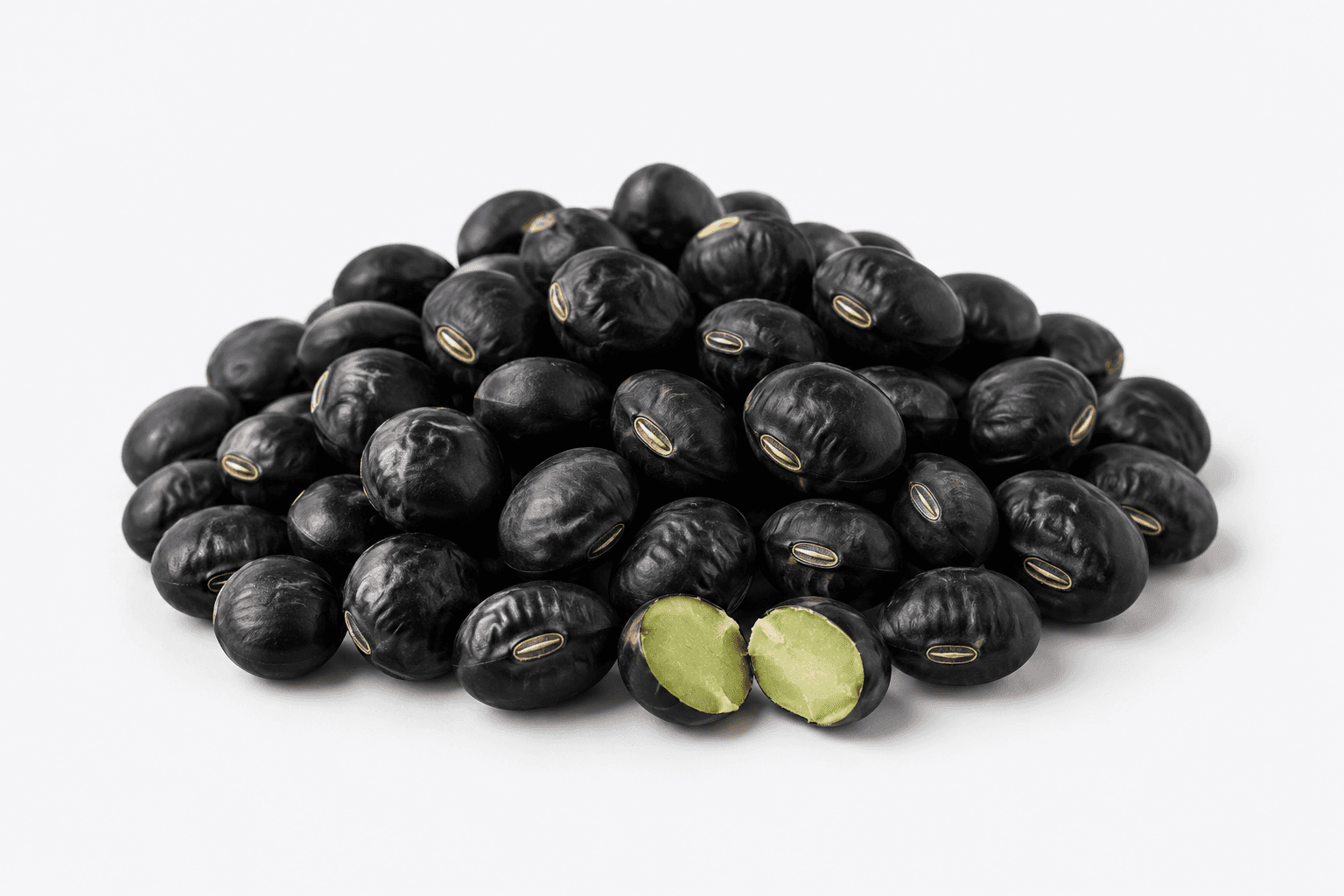
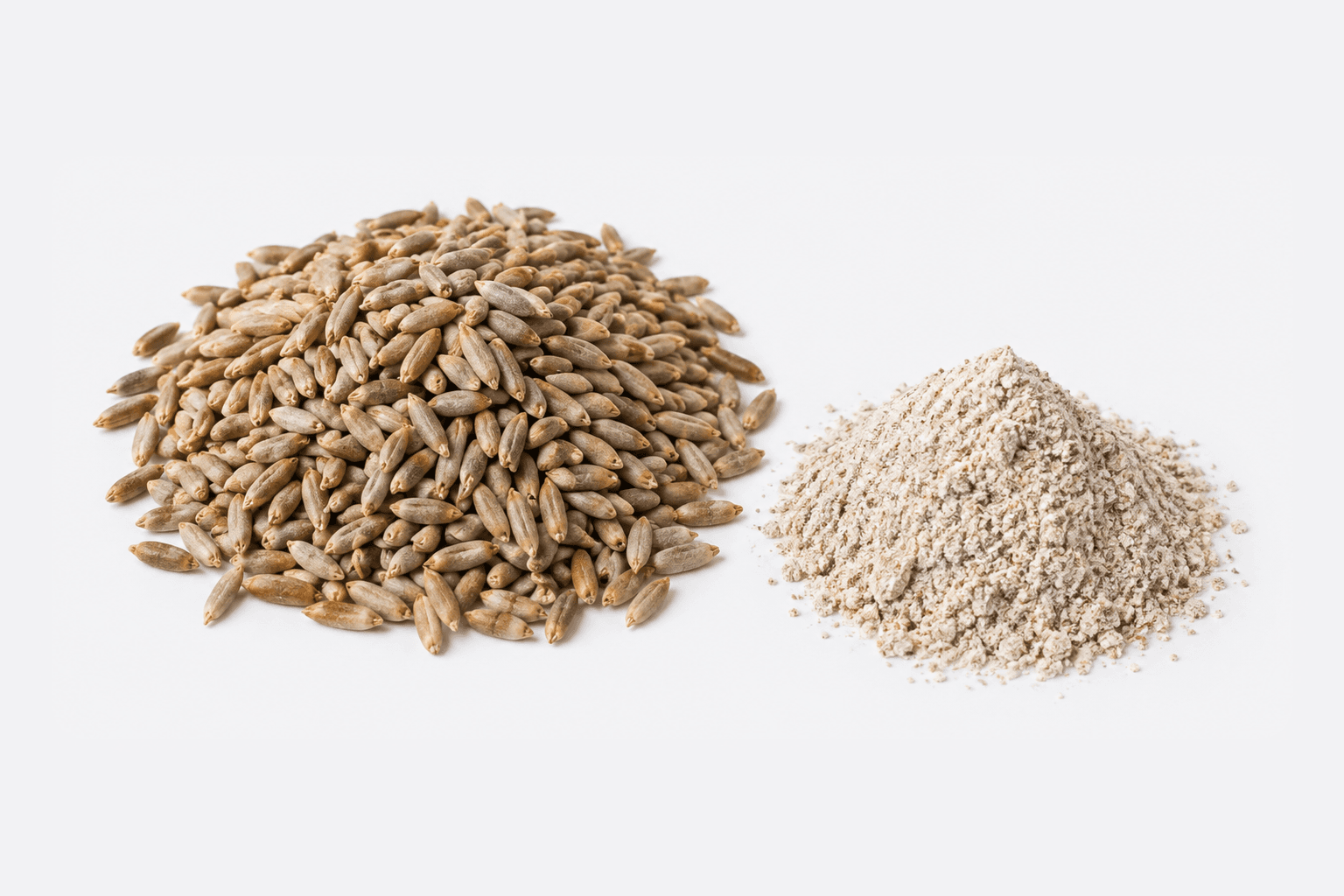
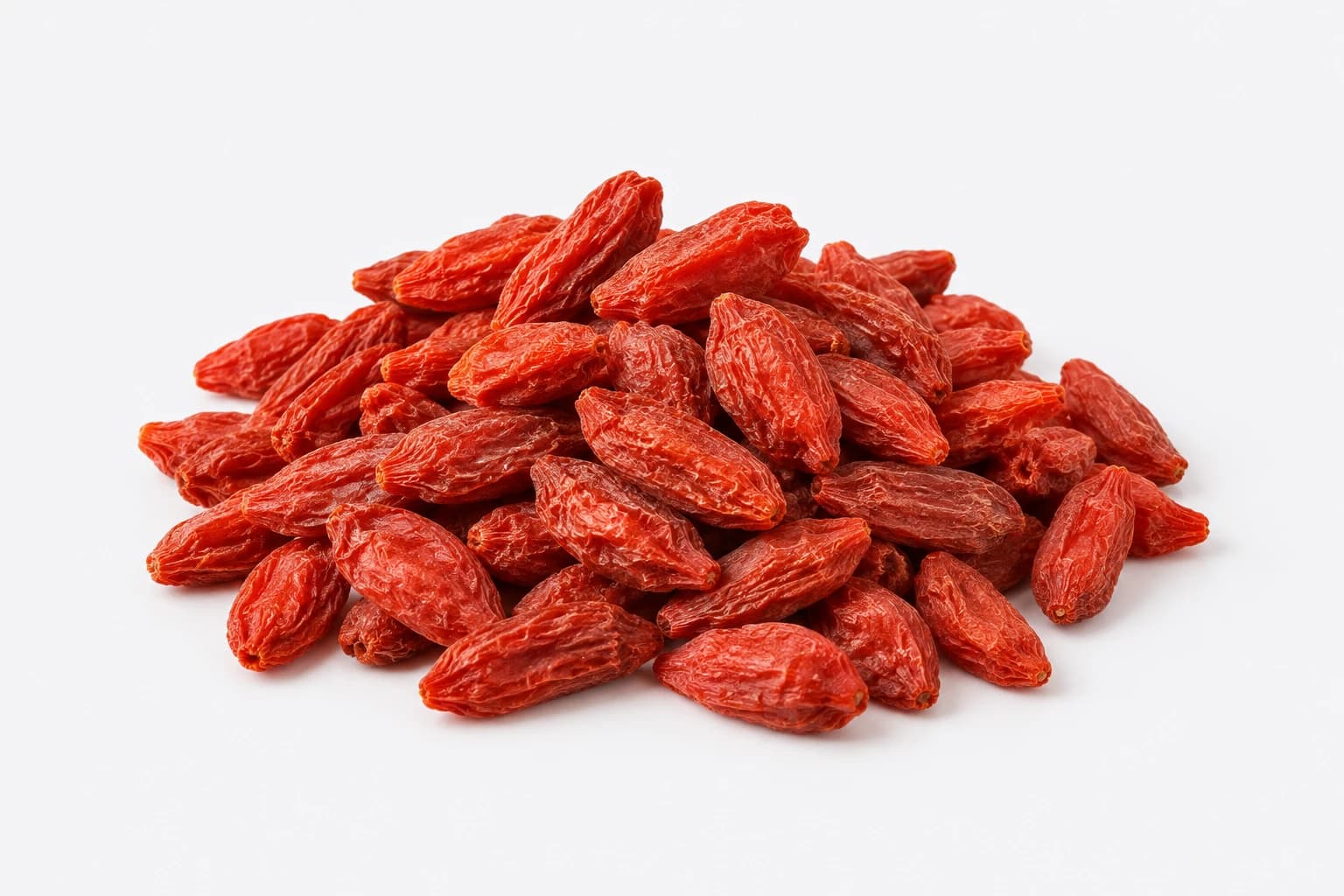
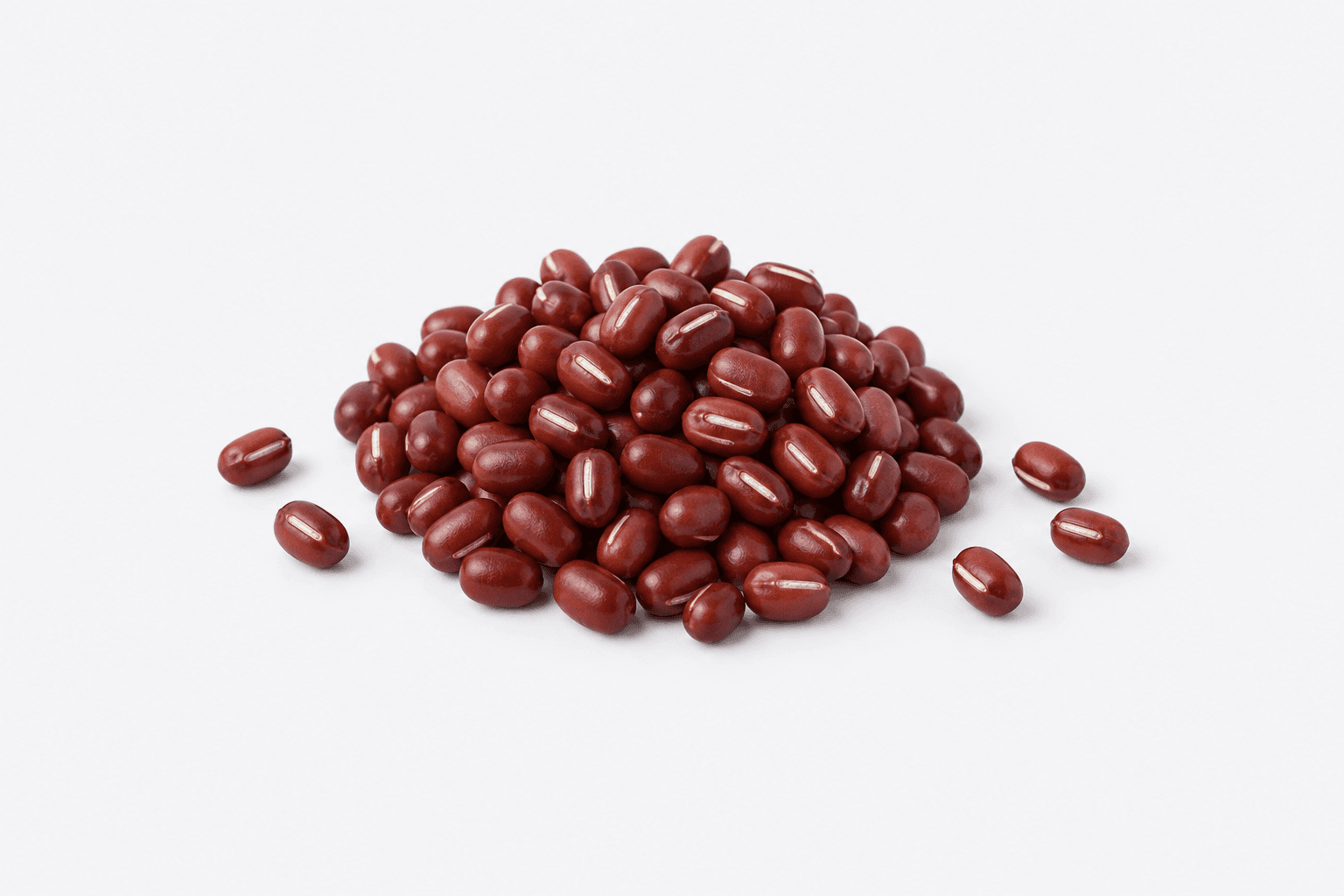
Ranked among the ingredients covered here. Reference amounts vary slightly between entries, so read this as a rough comparison rather than an exact order.
What it does
Soluble fibre forms a gel with water that slows absorption of sugars and fats and binds bile acids, pushing cholesterol down. Insoluble fibre adds bulk and shortens transit time. Both ferment in the colon into short-chain fatty acids such as butyrate, the main fuel for the cells lining the large intestine.
Recommended intake
EFSA sets 25 g a day for adults; US guidance is 38 g for men and 25 g for women. Actual intake falls short of these figures in most countries. Eating whole grains, legumes, vegetables and fruit across the day gets you there without counting.
What affects absorption
Increasing intake suddenly causes gas and bloating. Raise it over several weeks and drink enough water. Adding fibre while short on fluid can make constipation worse rather than better.
What to watch out for
With irritable bowel syndrome, high-FODMAP fibres such as inulin and fructans can worsen symptoms. Intestinal strictures or recent surgery may require restriction — follow your clinician's instructions.
Sources
The databases and health authorities this article's nutrition figures and health statements draw on.