Macronutrient
Foods high in sugar — but this table is not 'added sugar'
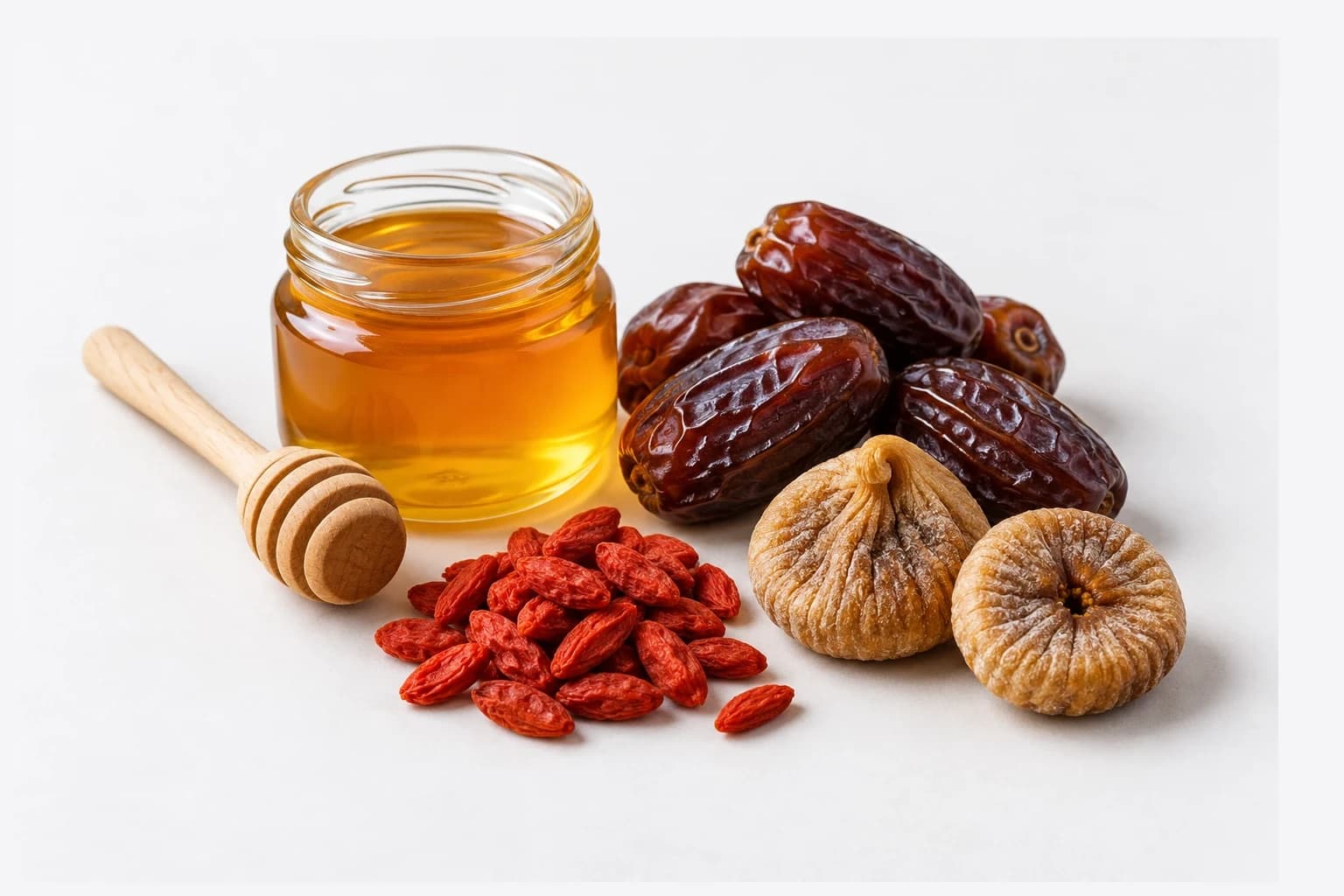
The top of the list below is honey, dates and goji berries: foods naturally high in sugar. Health guidance is about added sugar, and the two are not the same number.
Highest sources
Ranked among the ingredients covered here. Reference amounts vary slightly between entries, so read this as a rough comparison rather than an exact order.
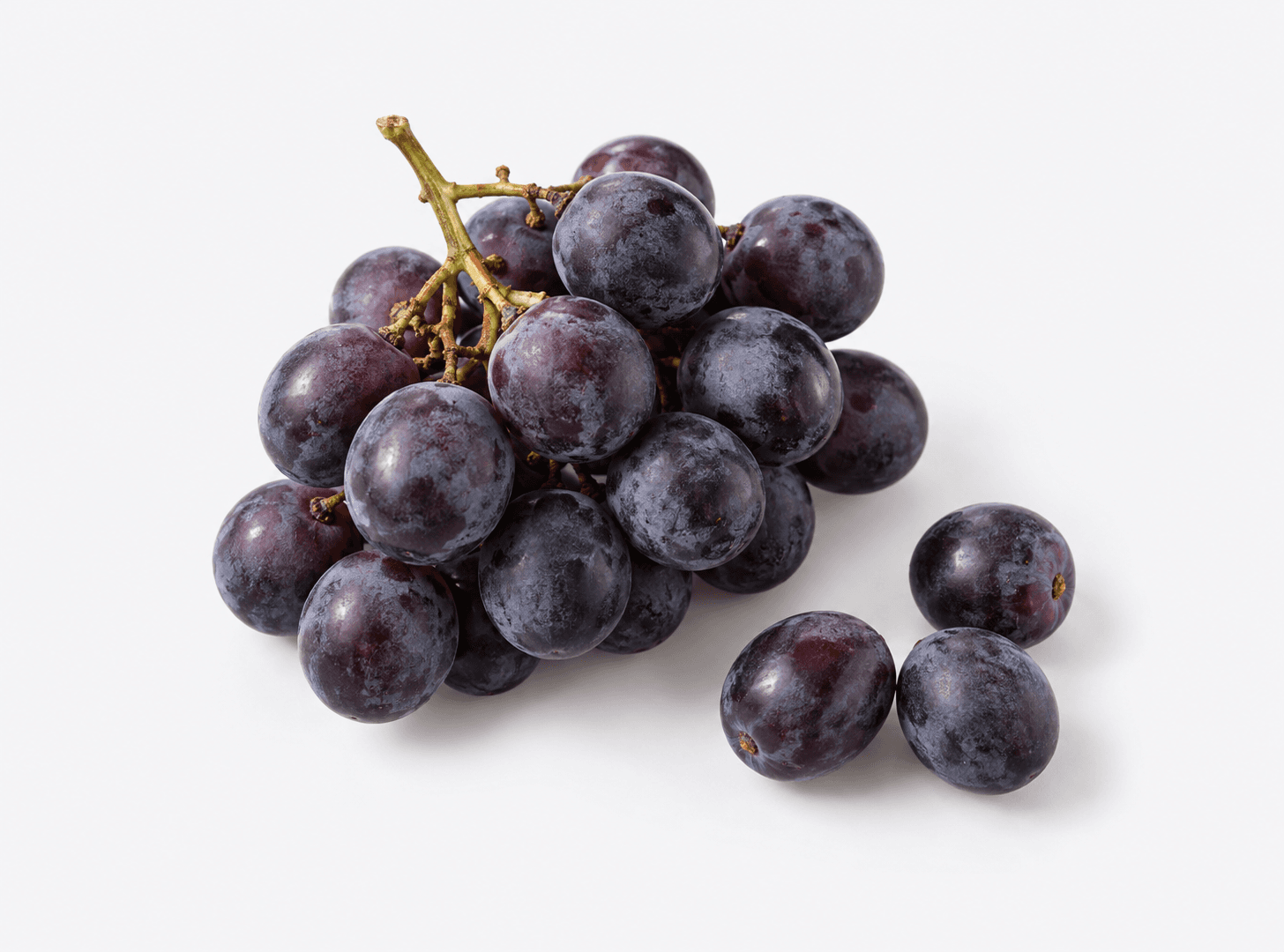
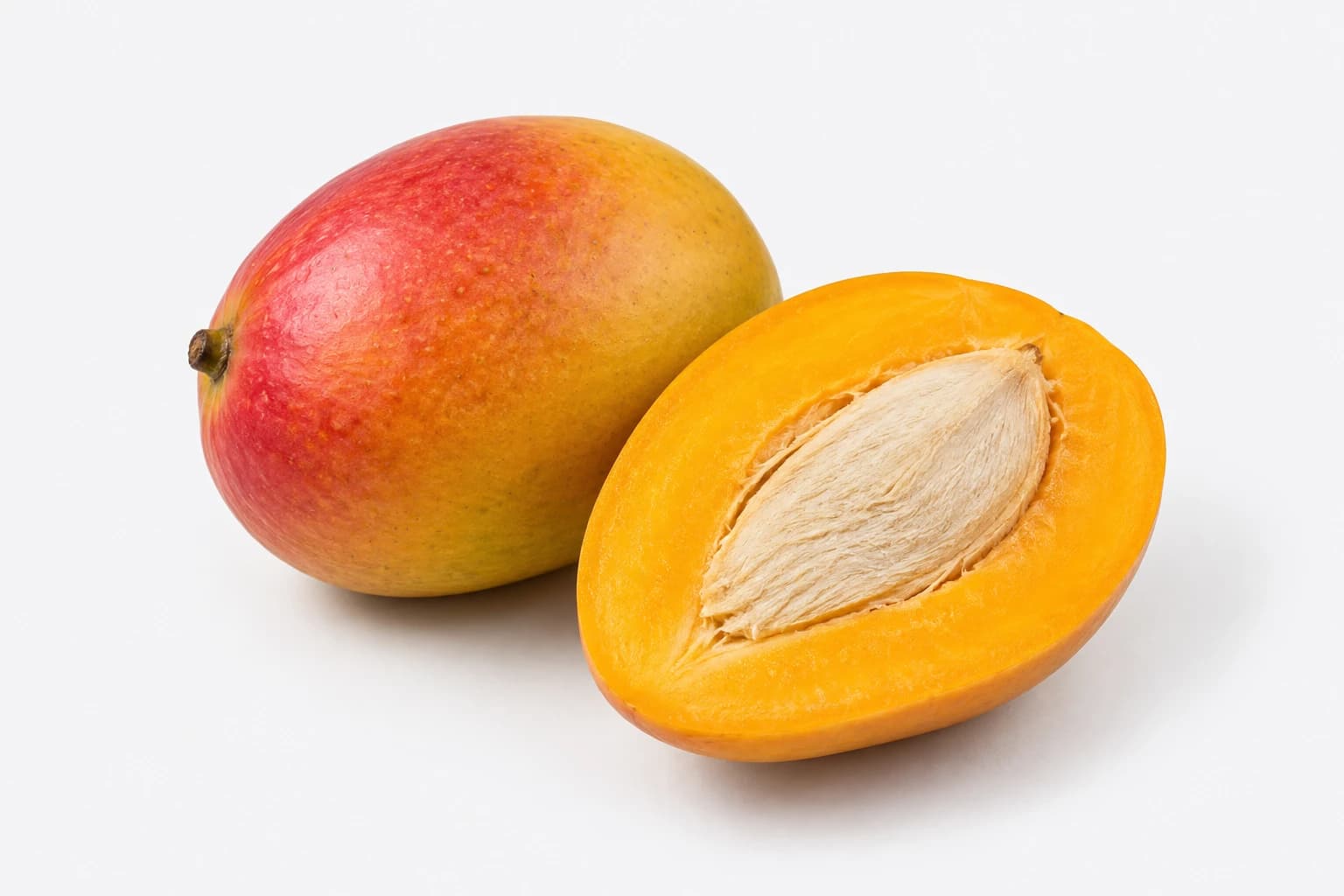
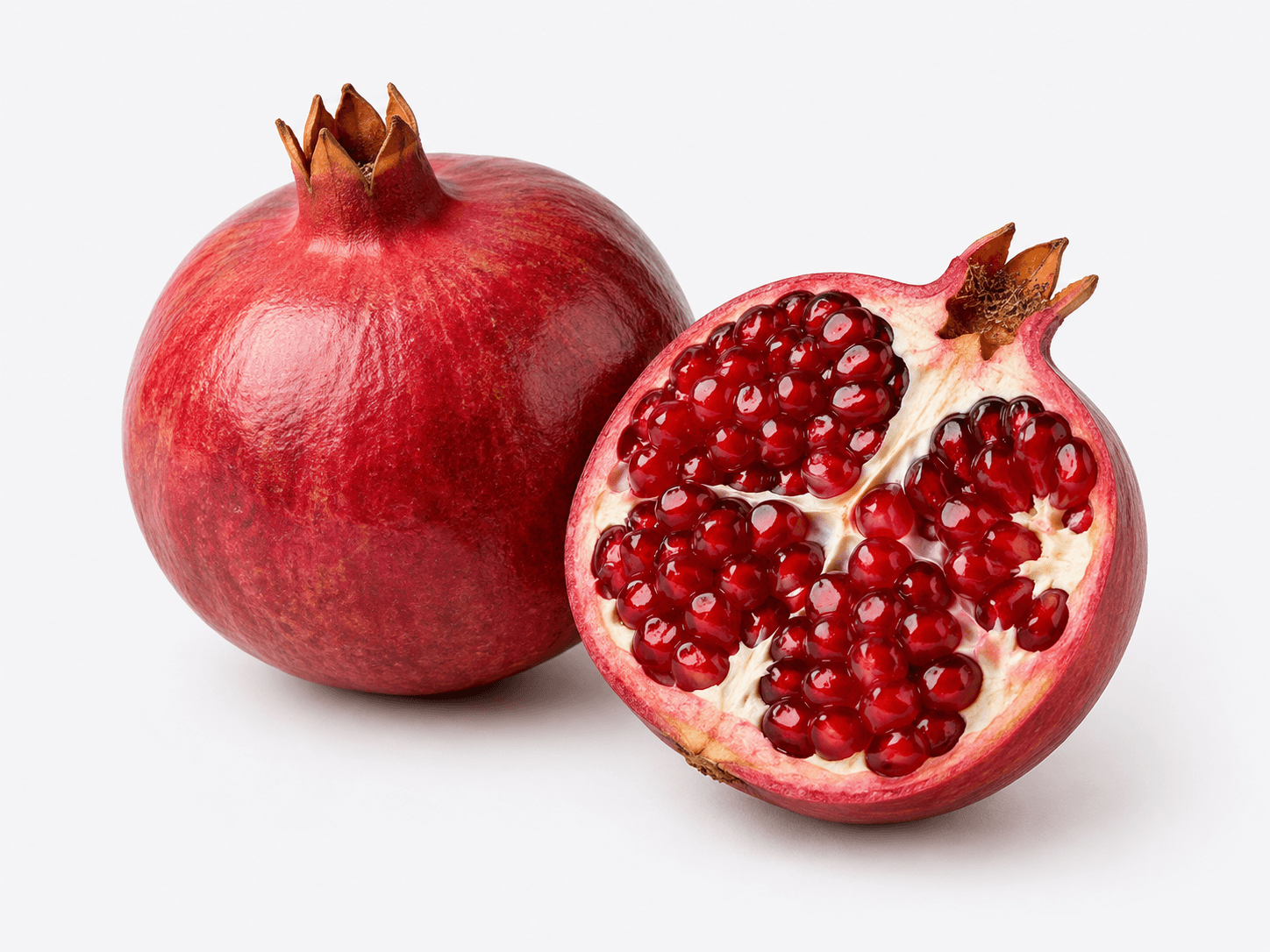
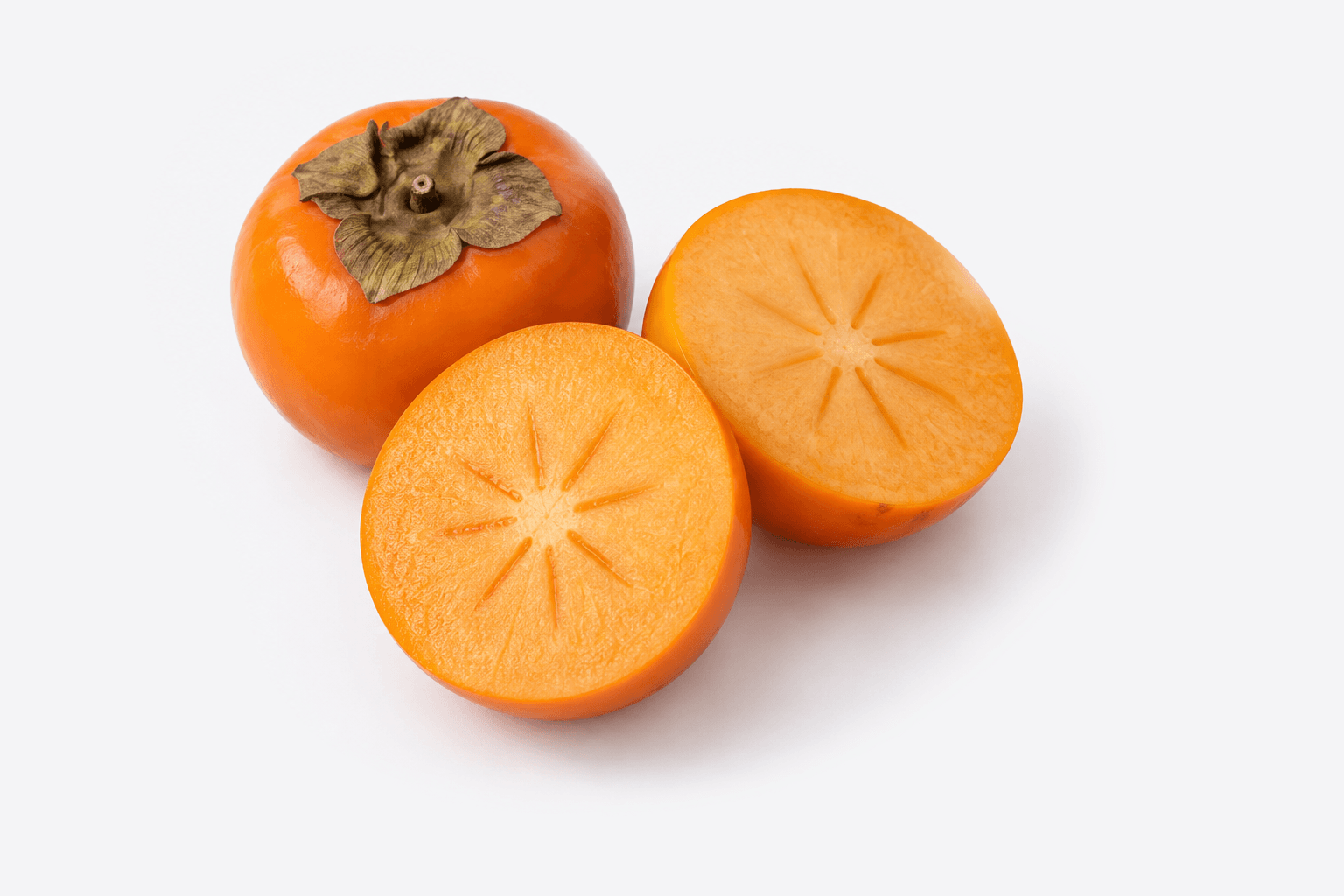
What it does
Sugars are carbohydrate in its smallest units: monosaccharides such as glucose and fructose, and disaccharides such as sucrose and lactose. The body absorbs them quickly and uses them for energy. The brain runs mainly on glucose, and during exercise fast sugar is genuinely useful. The problem is not sugar itself but the amount and the form.
Recommended intake
The World Health Organization recommends keeping added sugars below 10% of total energy, and below 5% if possible. On 2,000 kcal that is 50 g and 25 g respectively. The US Food and Drug Administration's Daily Value for added sugars is also 50 g. What matters is that all of this guidance concerns added sugars. The sugar naturally present in fruit and milk is not counted toward those targets, because it arrives with fibre, water and other nutrients.
What affects absorption
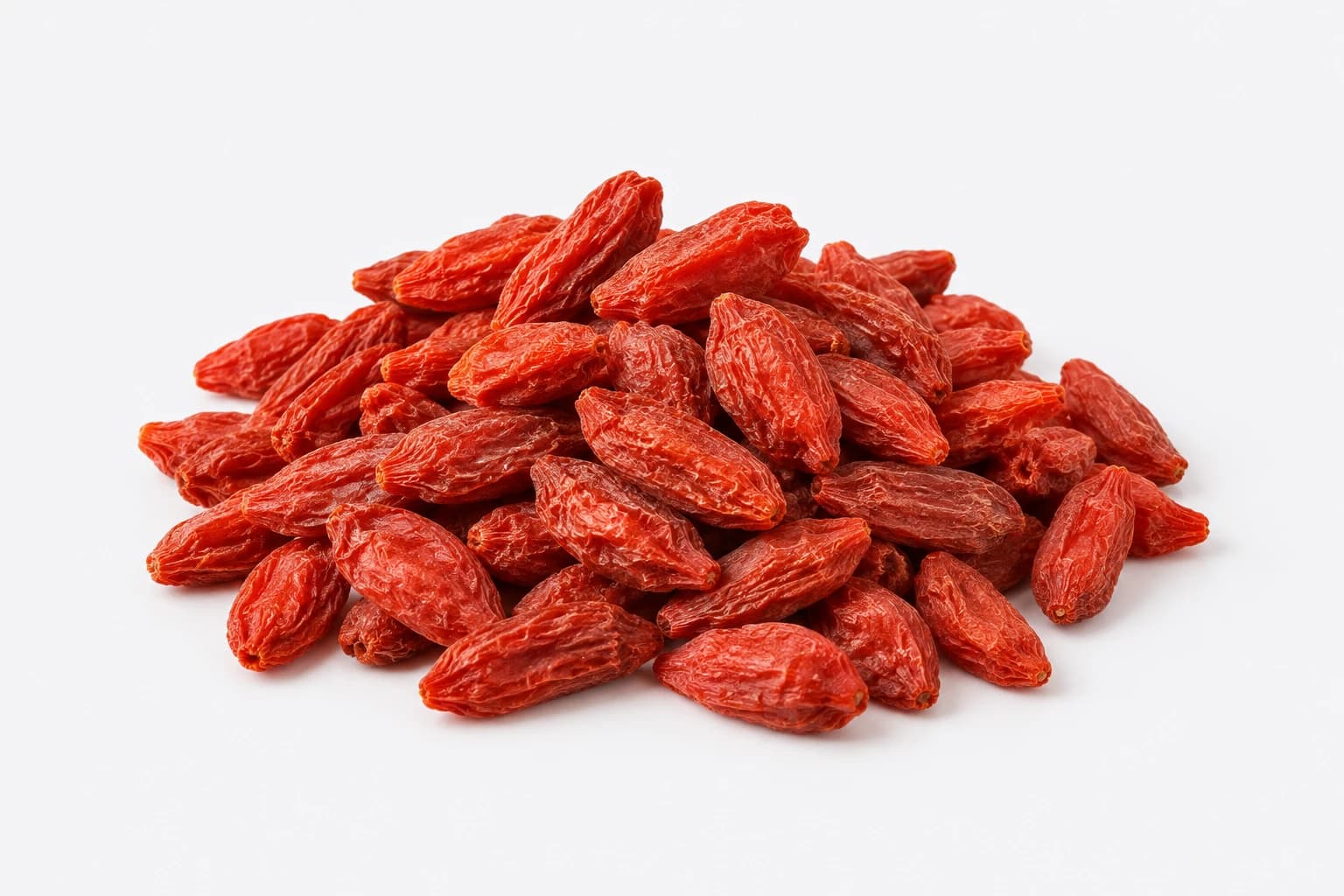
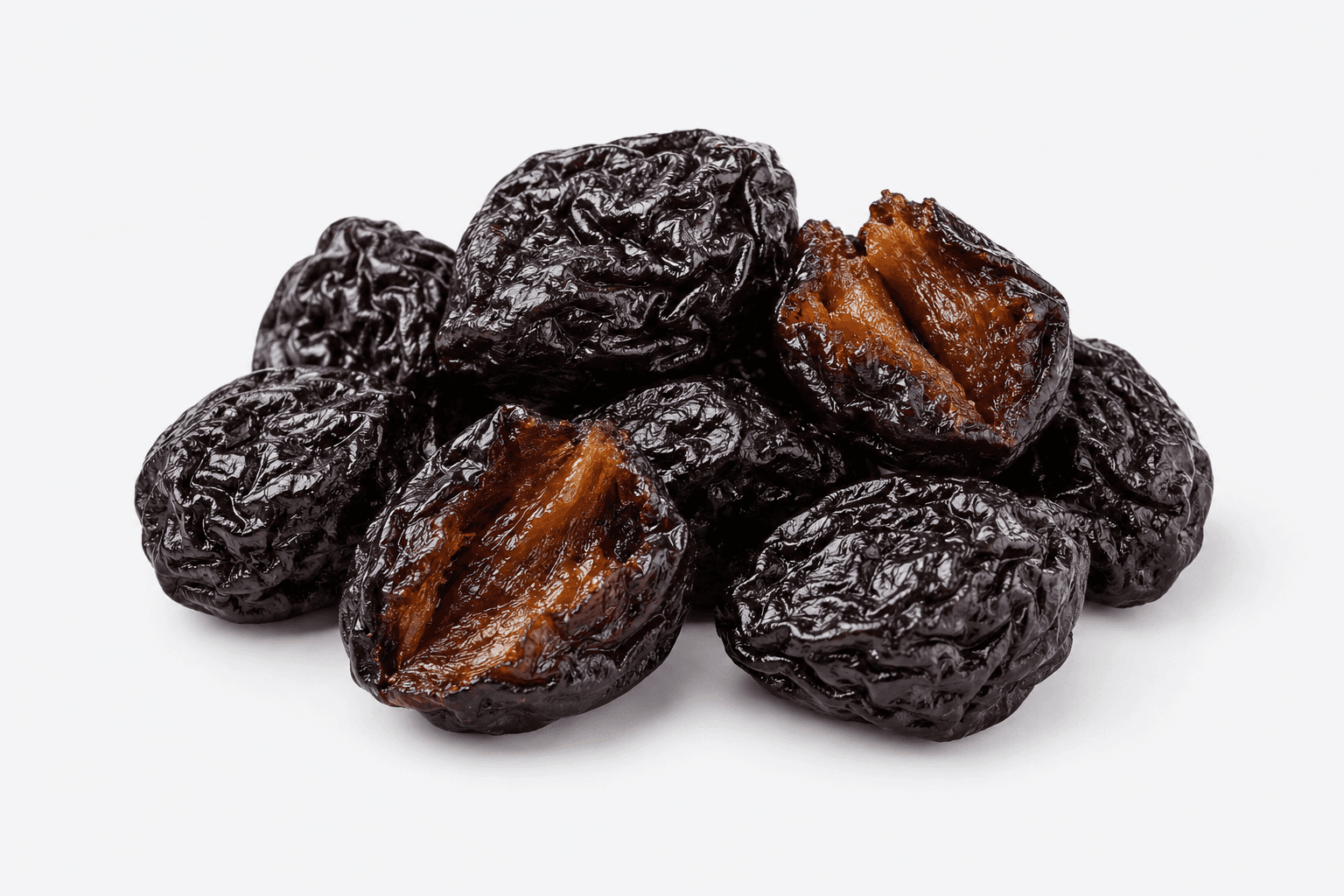
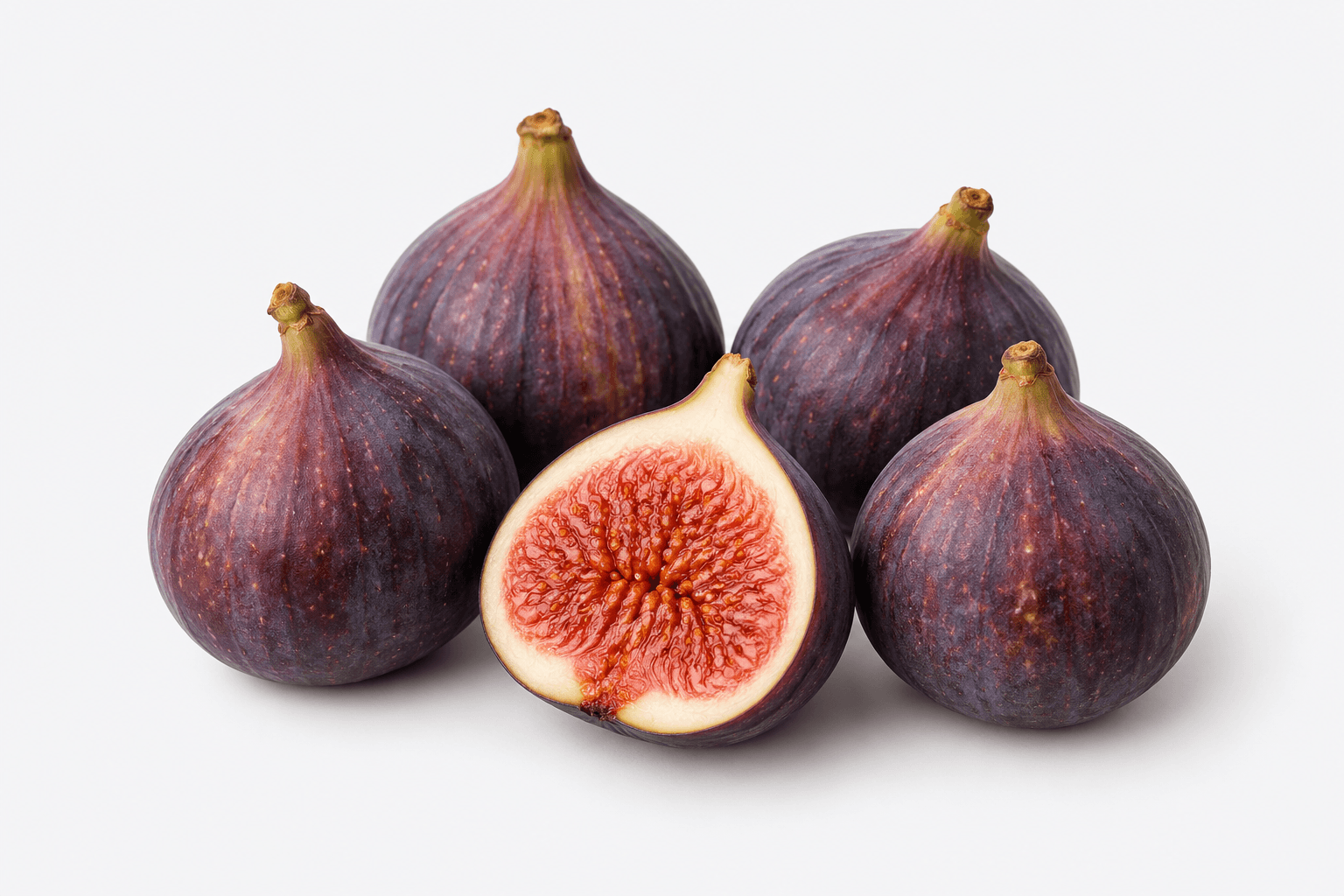
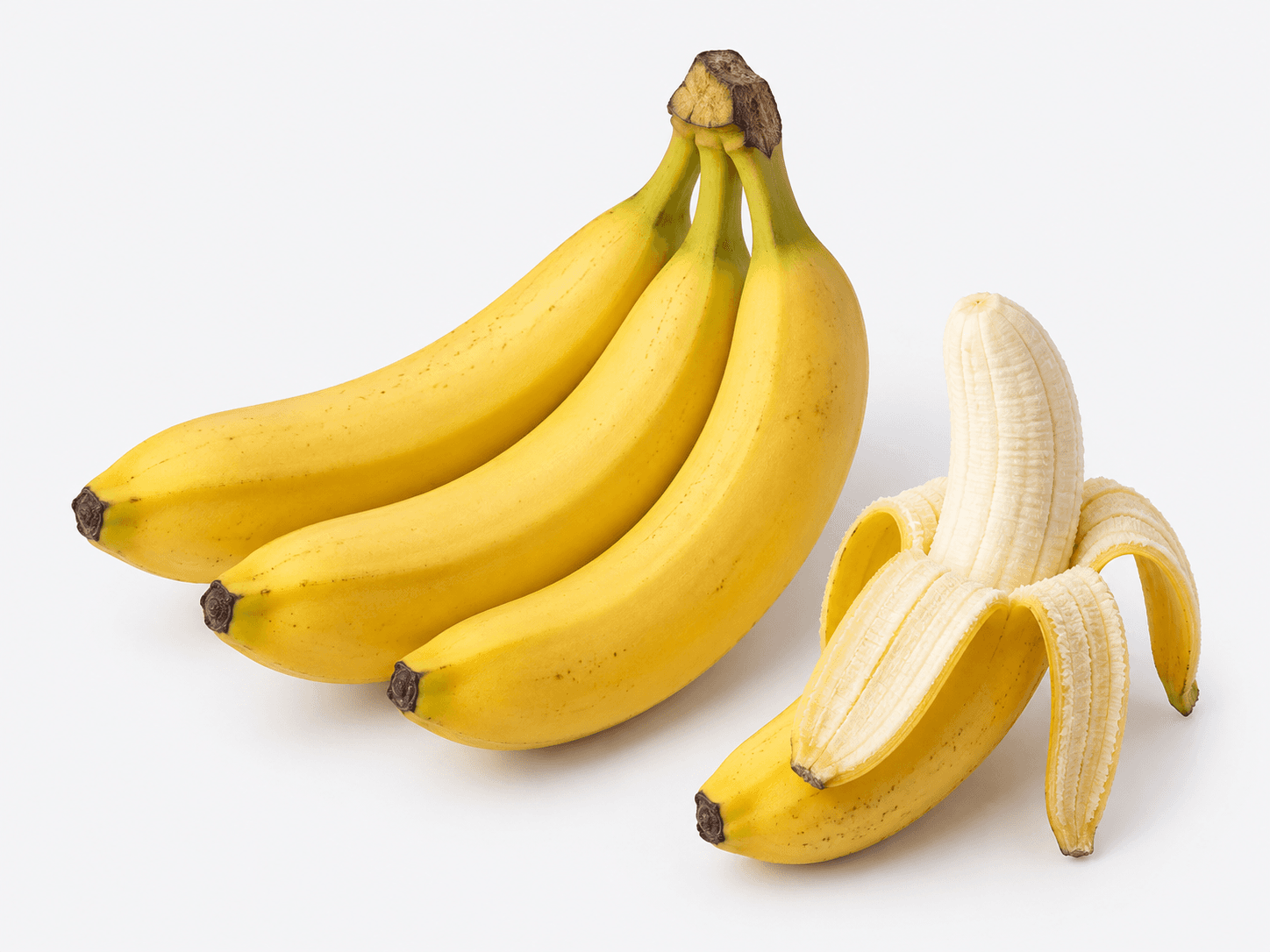
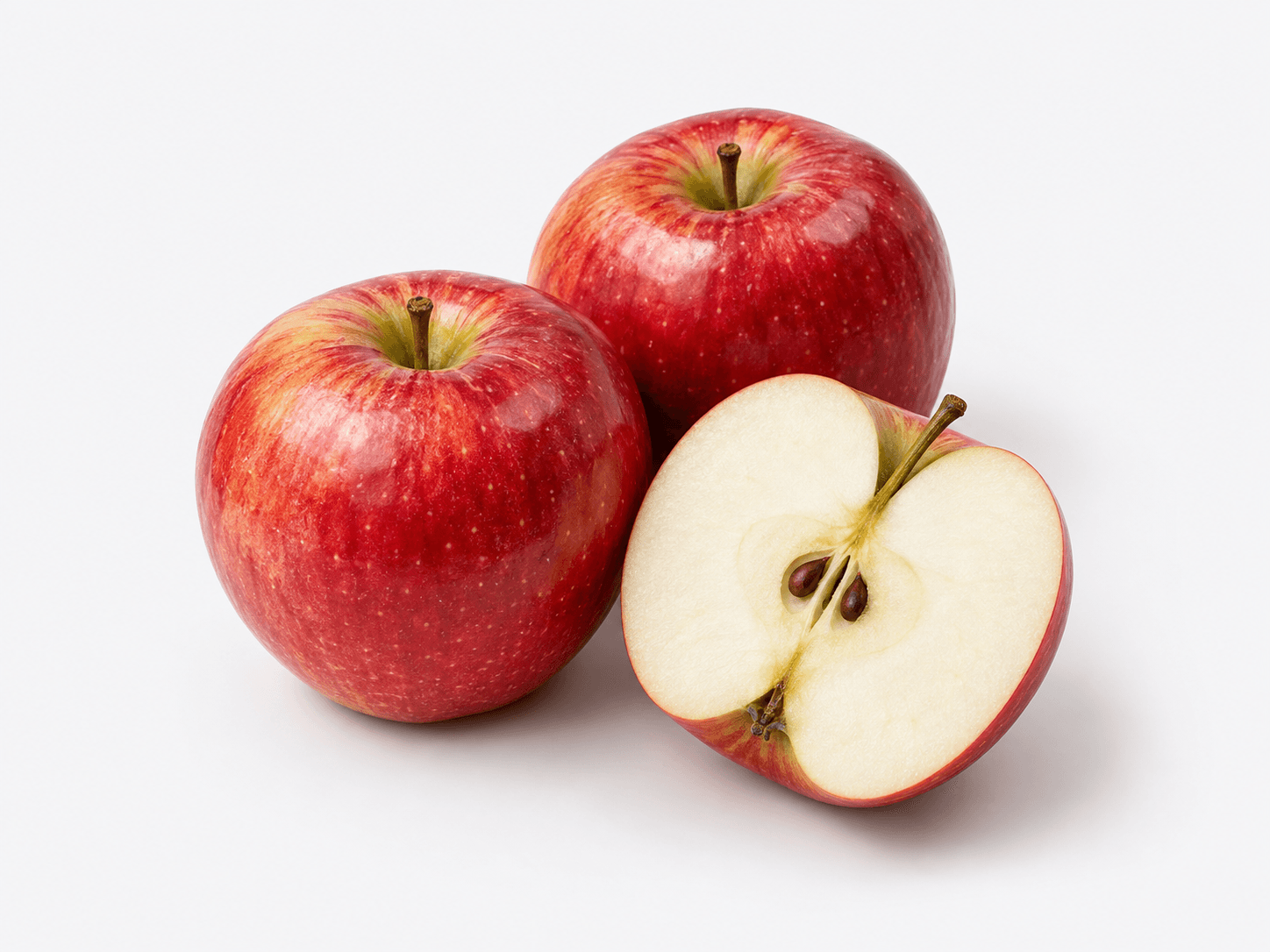
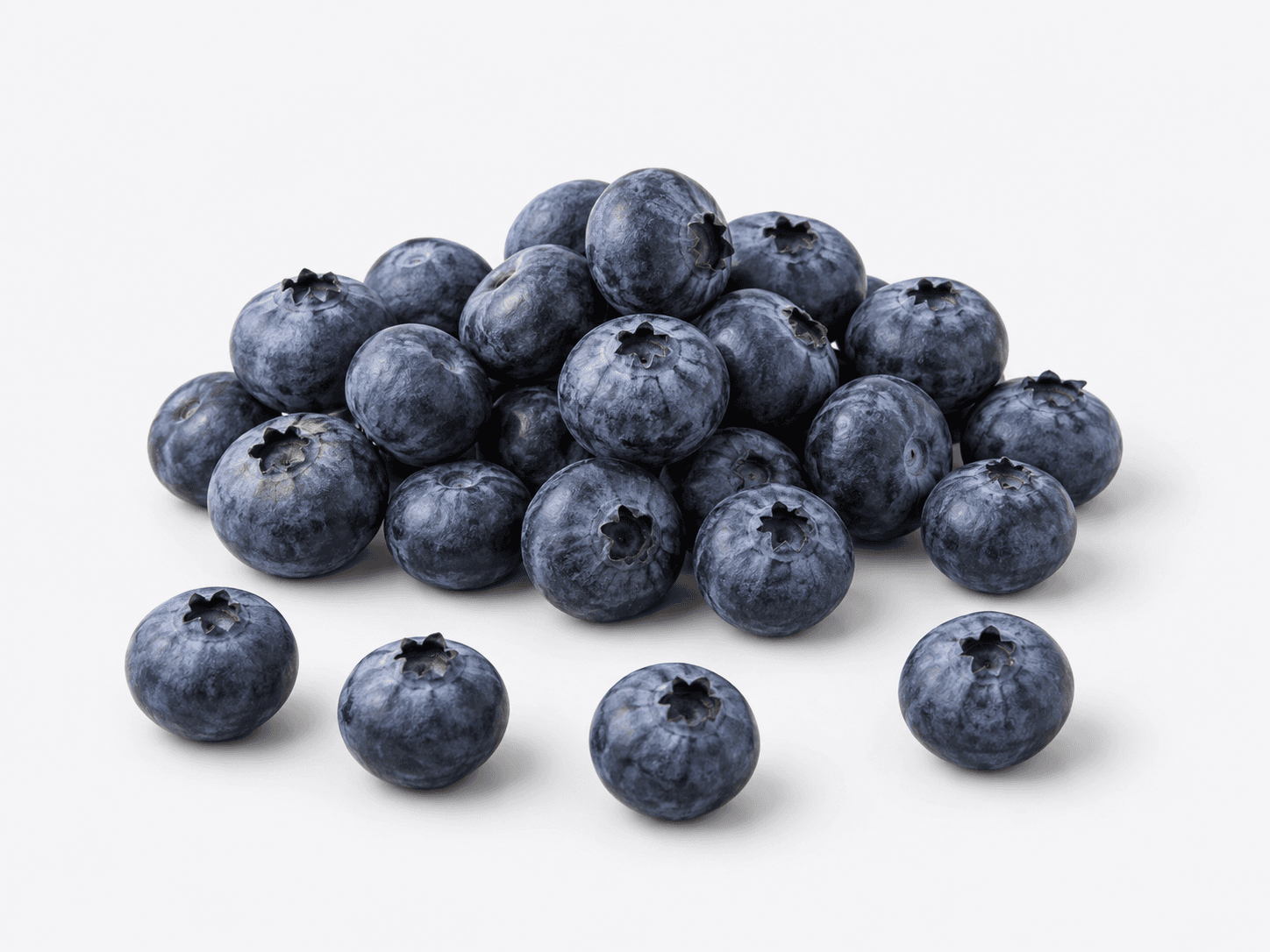
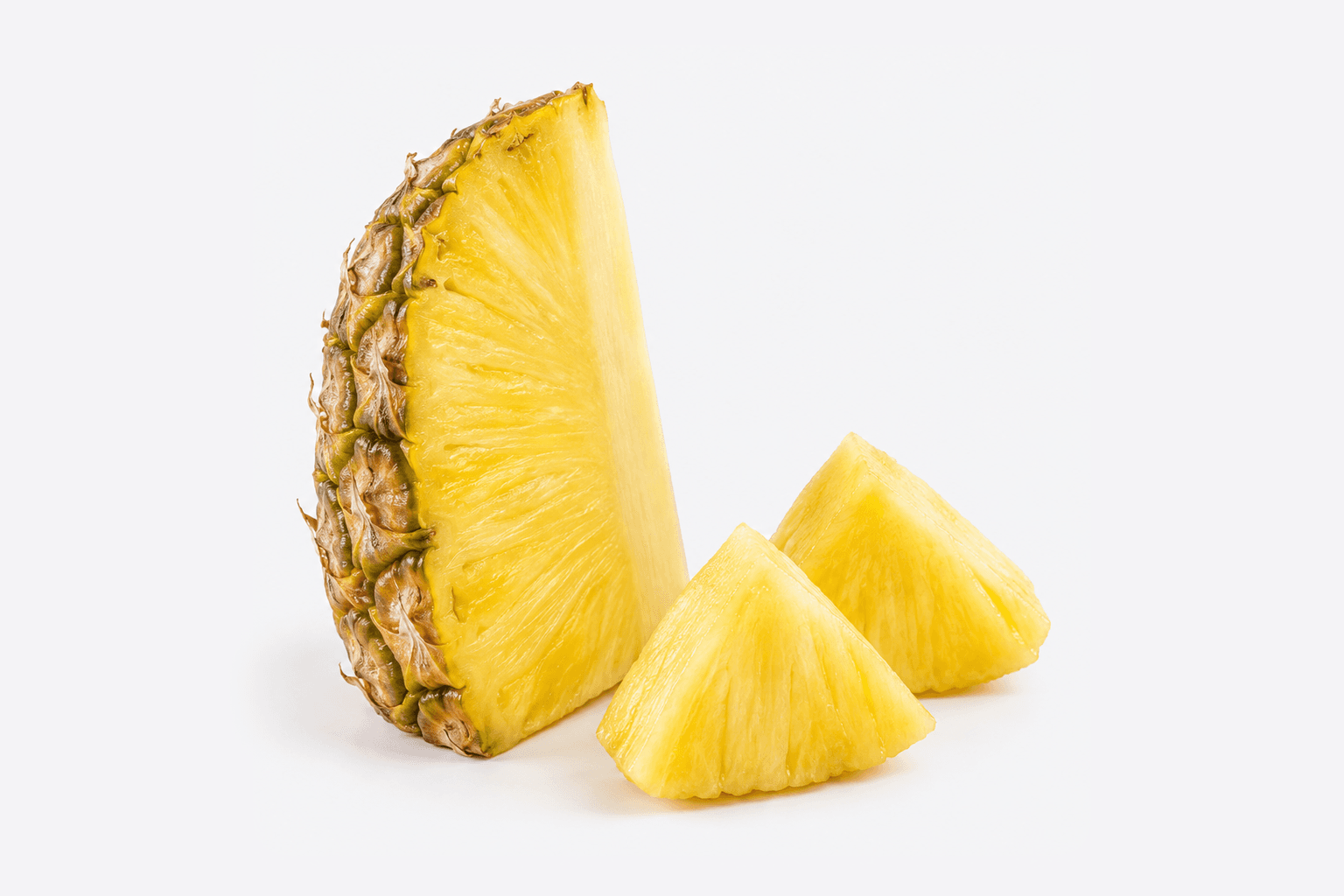
The same sugar moves blood glucose differently depending on the form it arrives in. Eat fruit whole and its fibre slows absorption; blend it into juice and that buffer disappears. An apple and a glass of apple juice can carry similar sugar while the body receives it at different speeds. Dried fruit works the same way — water leaves and sugar concentrates, so the same weight carries far more. That is why honey, dates and dried berries sit at the top of the ranking below.
What to watch out for
Read this table as a list of foods to avoid and you put fruit and honey in the same box as processed food. Do not read it that way. Most of the added sugar that actually causes problems comes not from the whole foods in this table but from sweetened drinks, confectionery and sauces. Sweetened drinks in particular deliver sugar without satiety and reach a day's target quickly. That said, dried fruit and honey deserve attention to quantity — naturally occurring sugar in a concentrated form still adds up. With diabetes, total amount and your own glucose response matter regardless of whether the sugar is naturally occurring, and that is a conversation for your clinician.
Sources
The databases and health authorities this article's nutrition figures and health statements draw on.