Vitamin
Foods high in vitamin K and what warfarin users should know
Vitamin K activates the proteins behind blood clotting and the delivery of calcium into bone. On anticoagulants, consistency matters more than quantity.
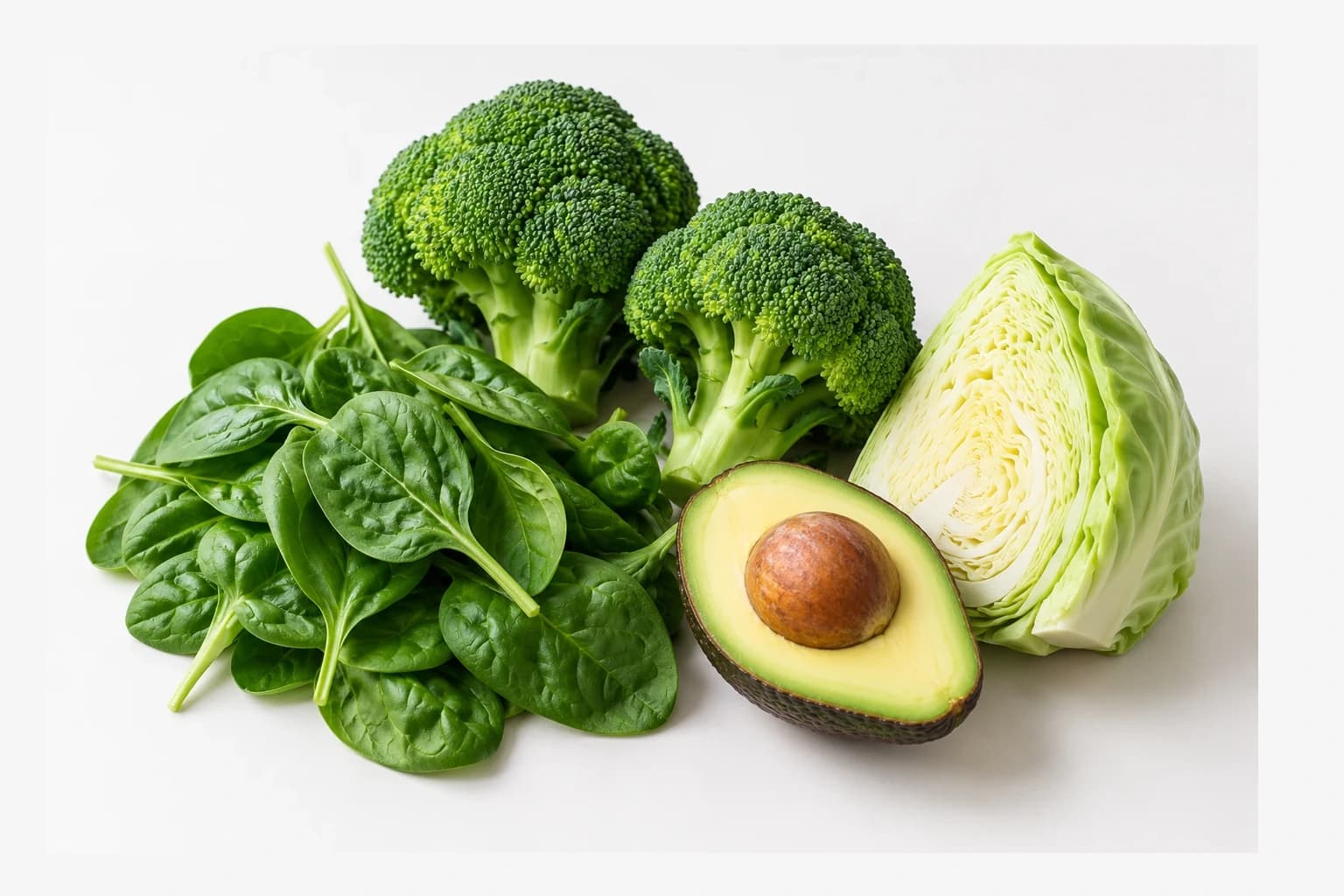
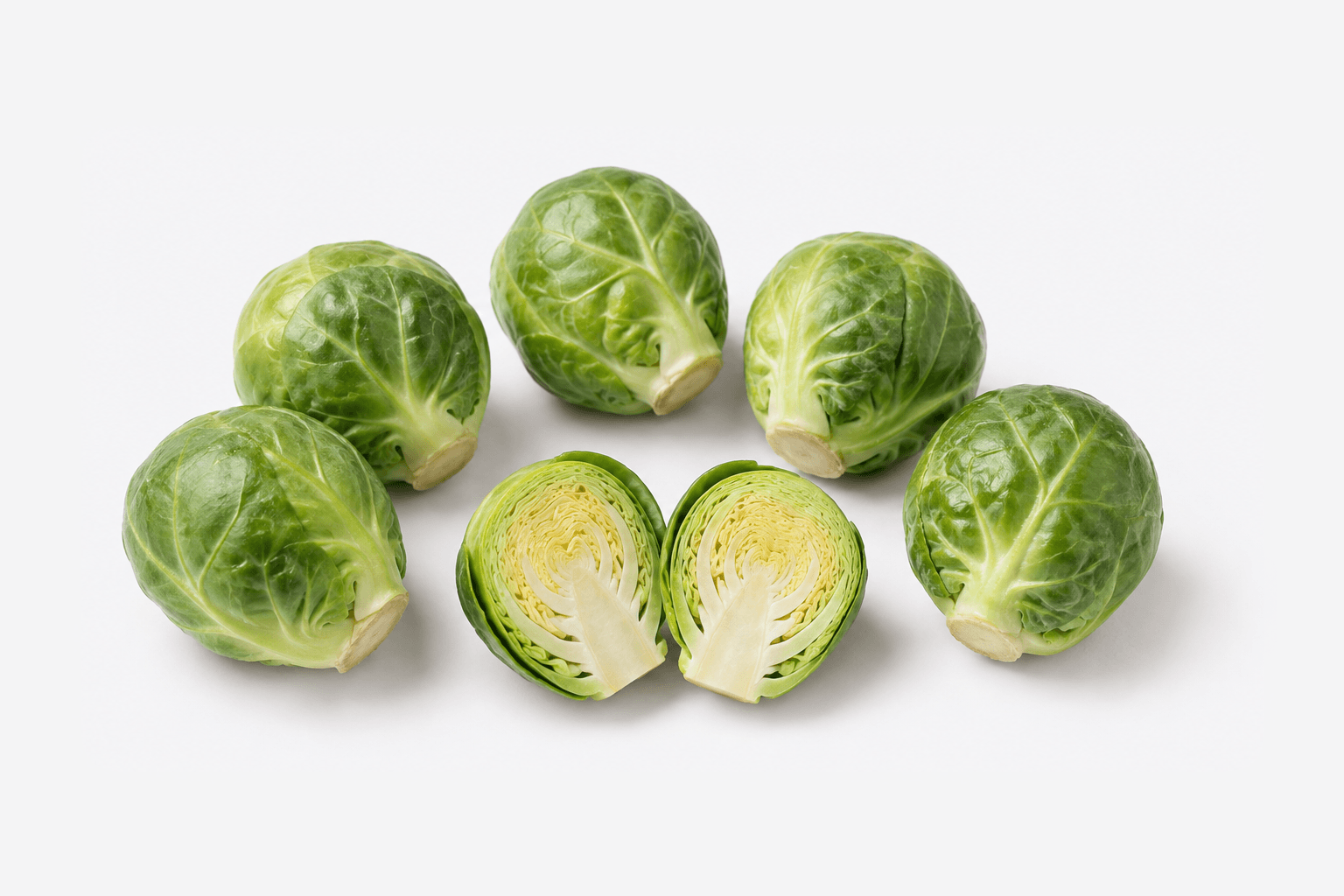
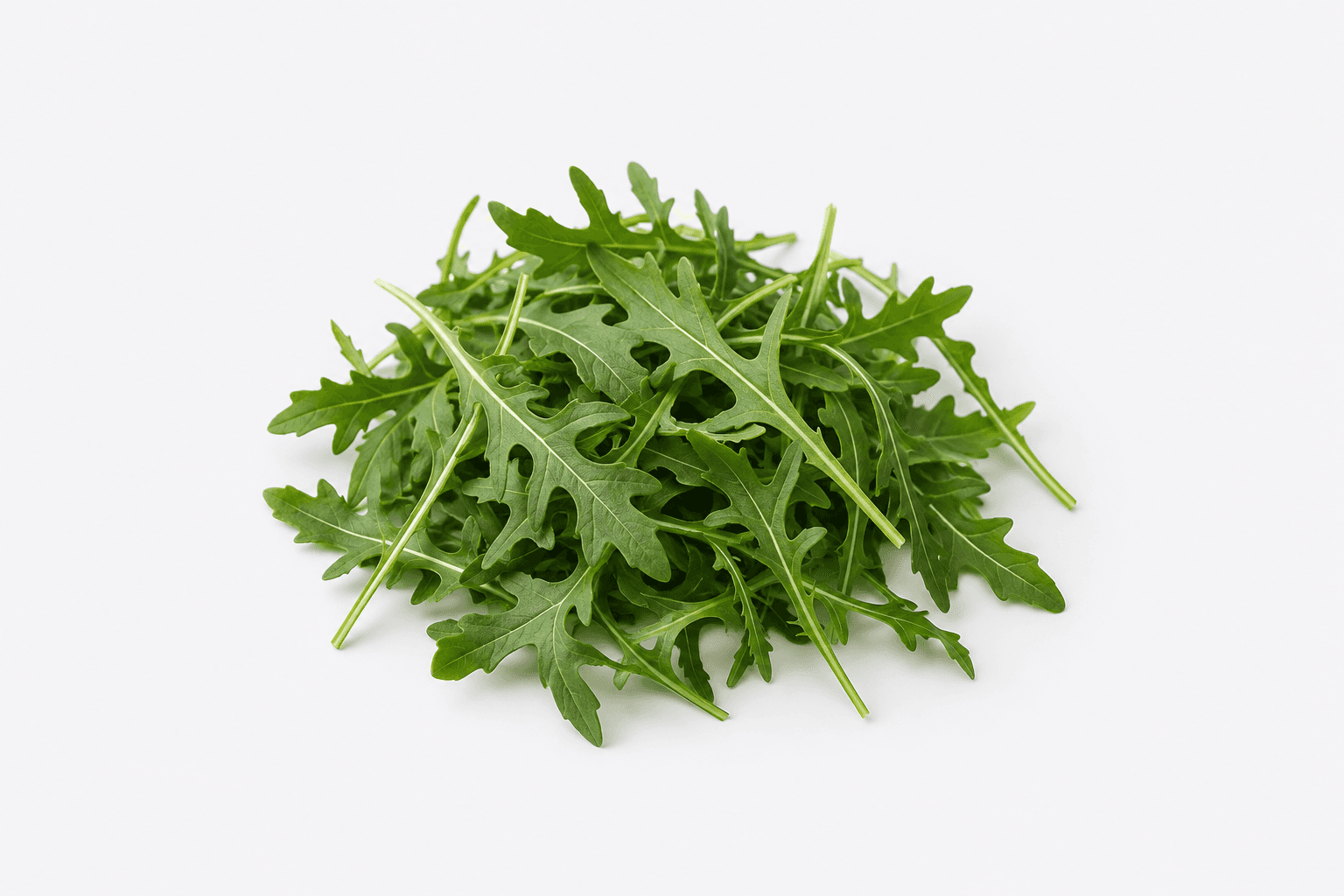
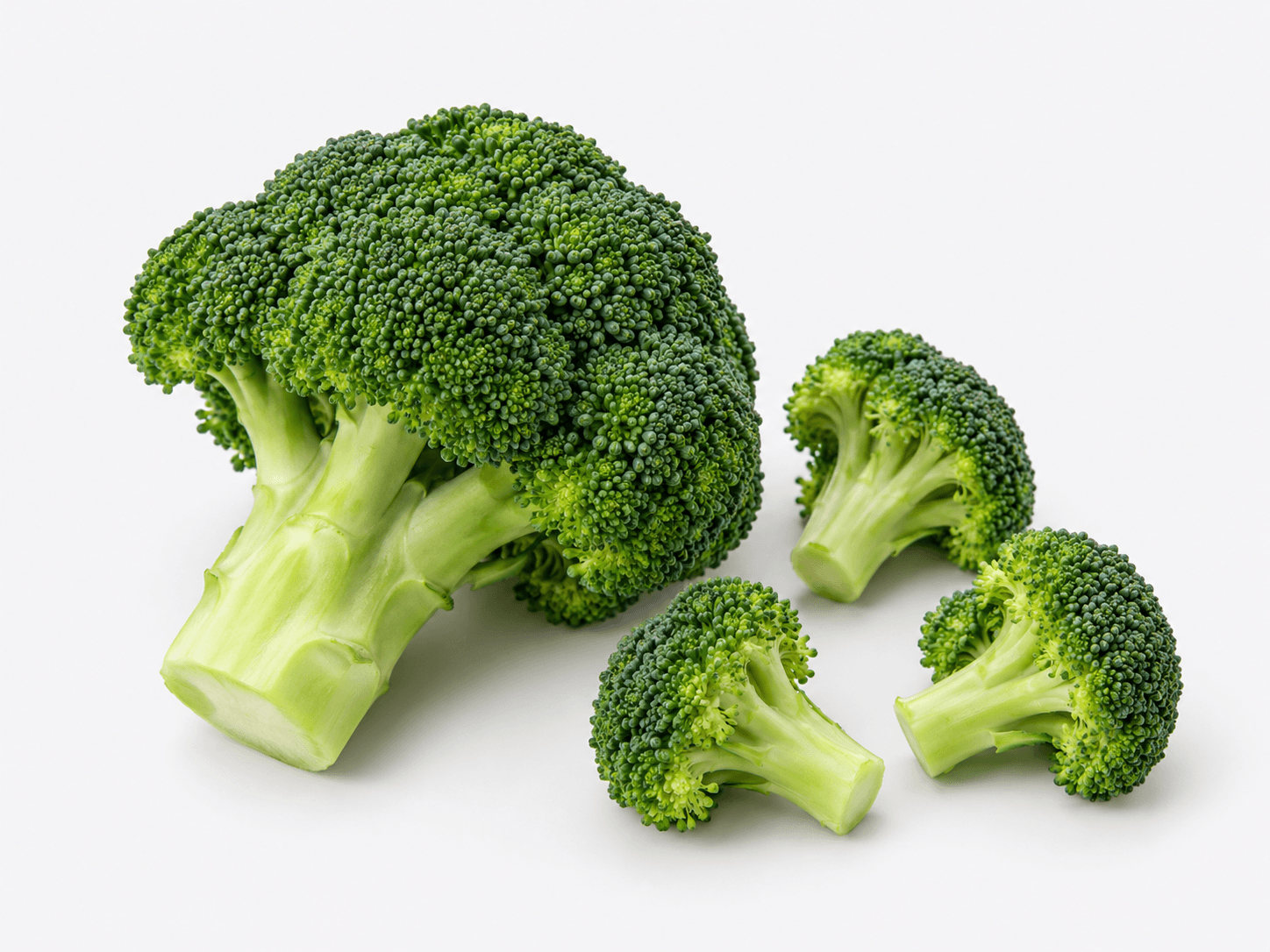
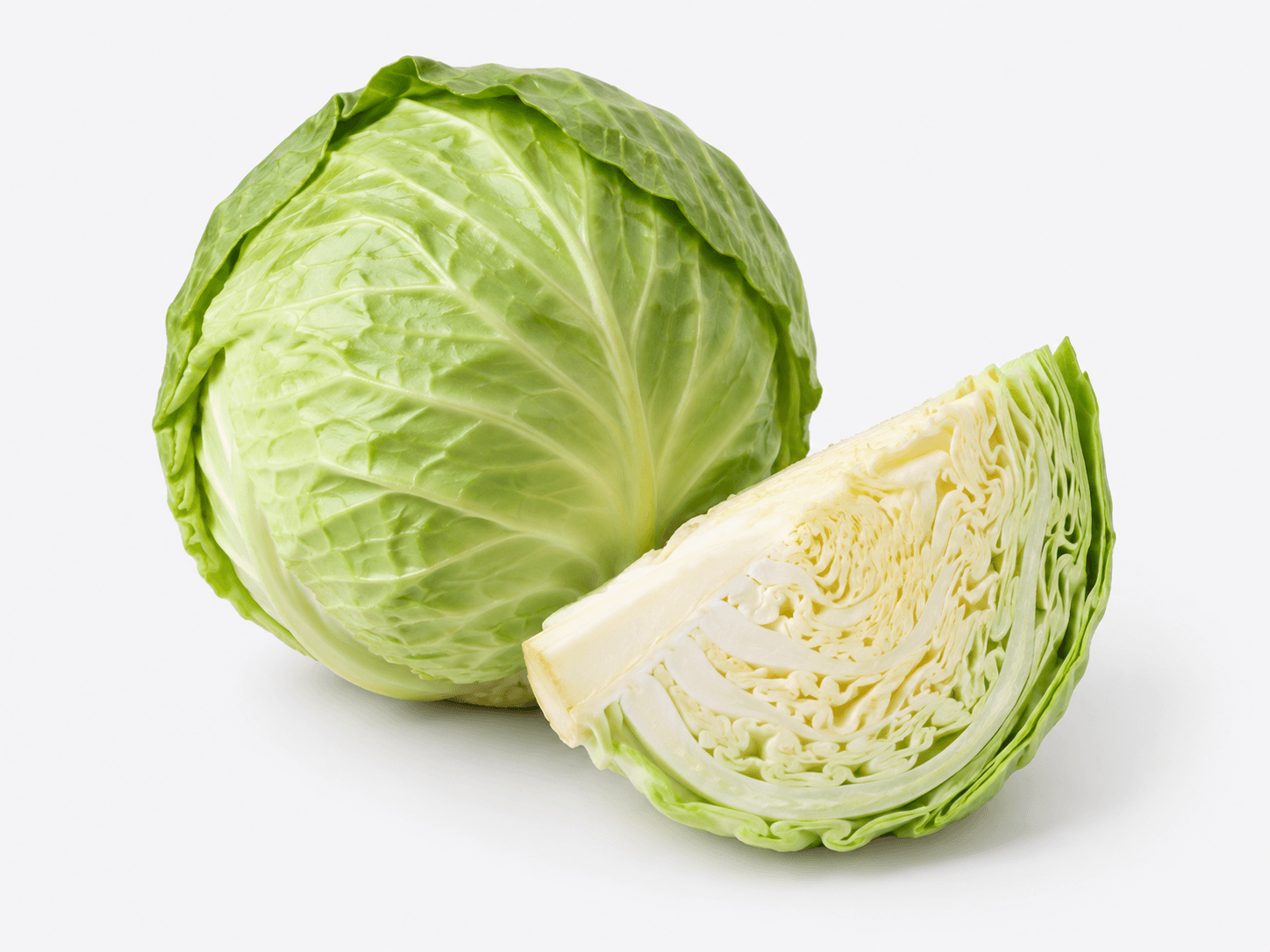
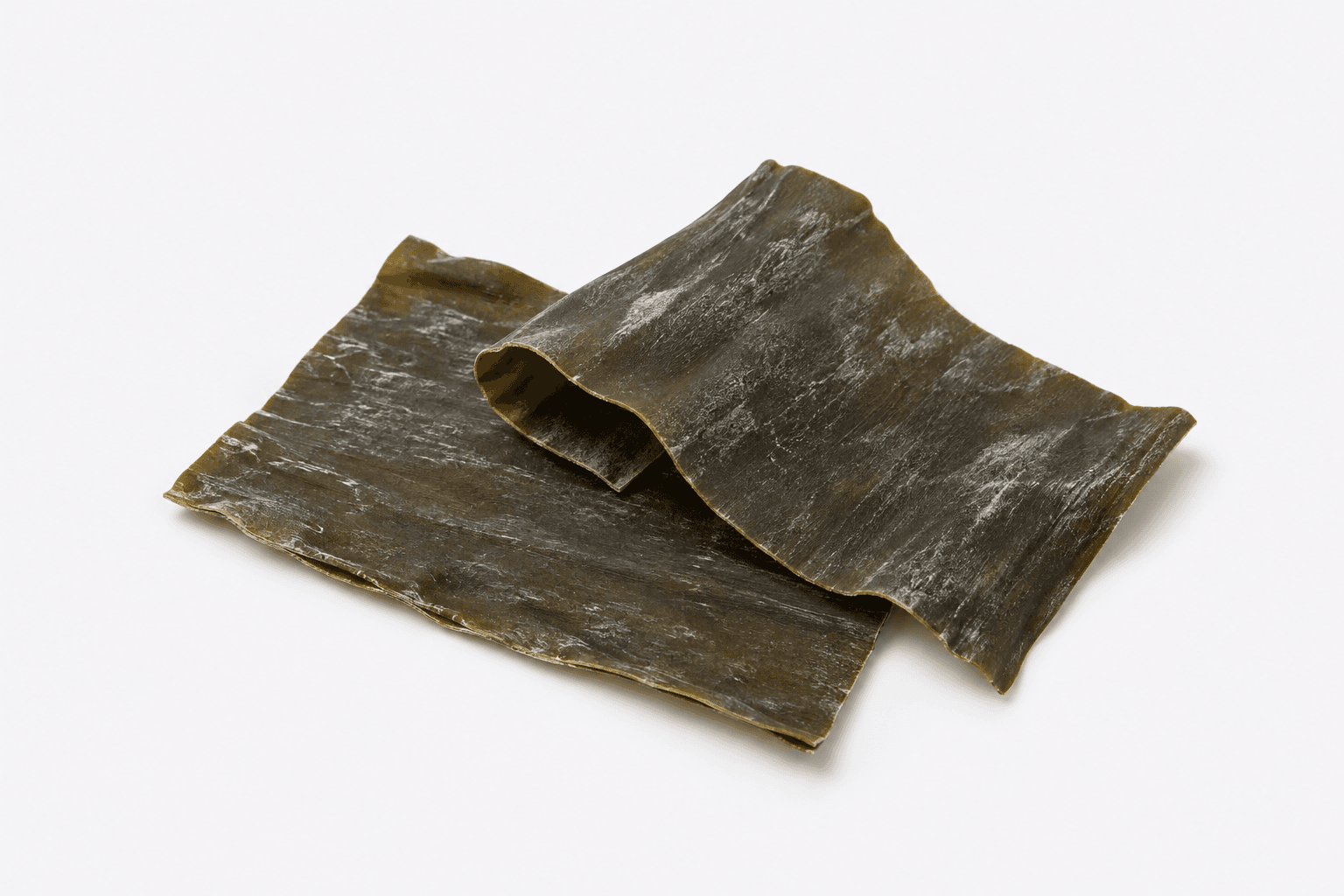
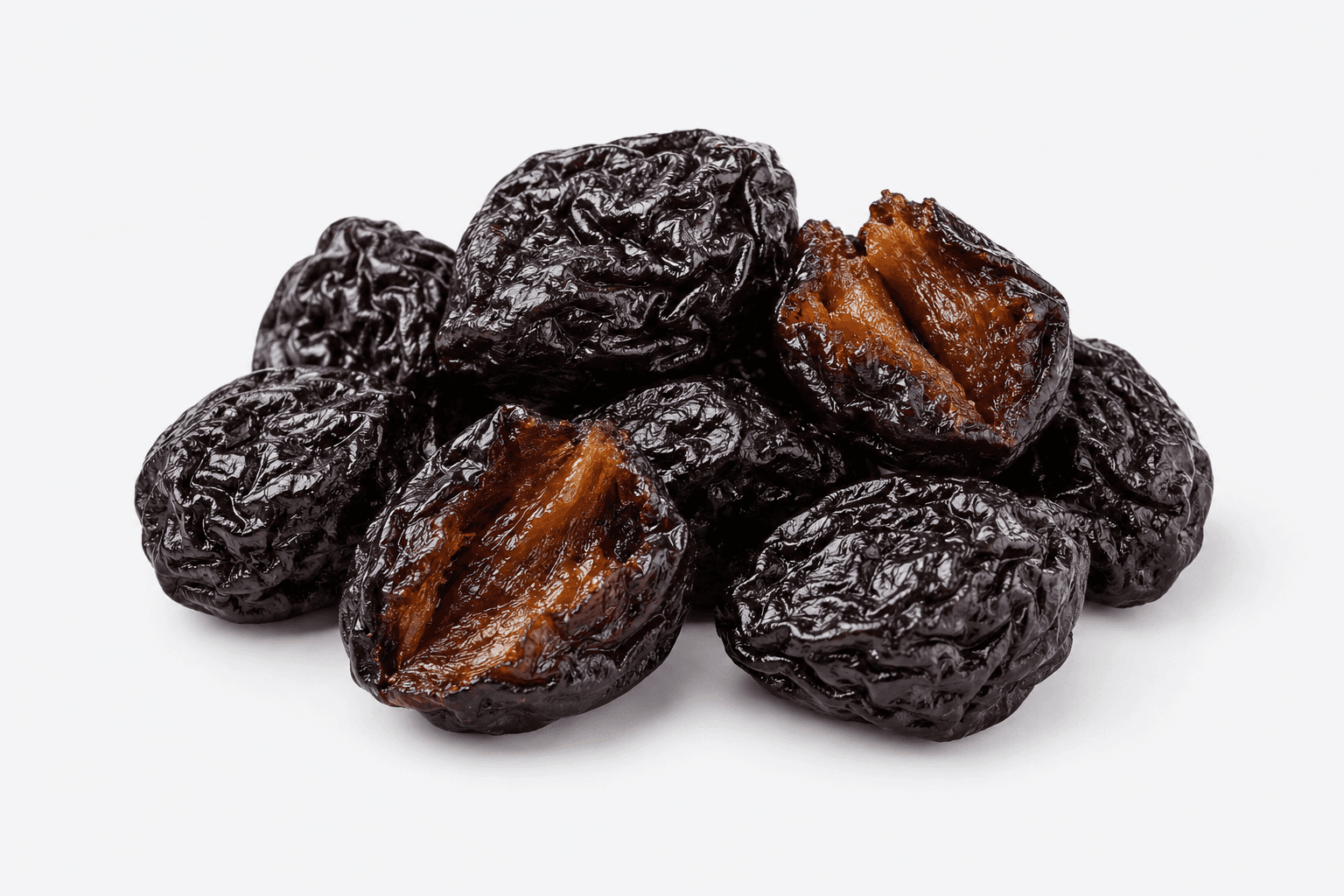
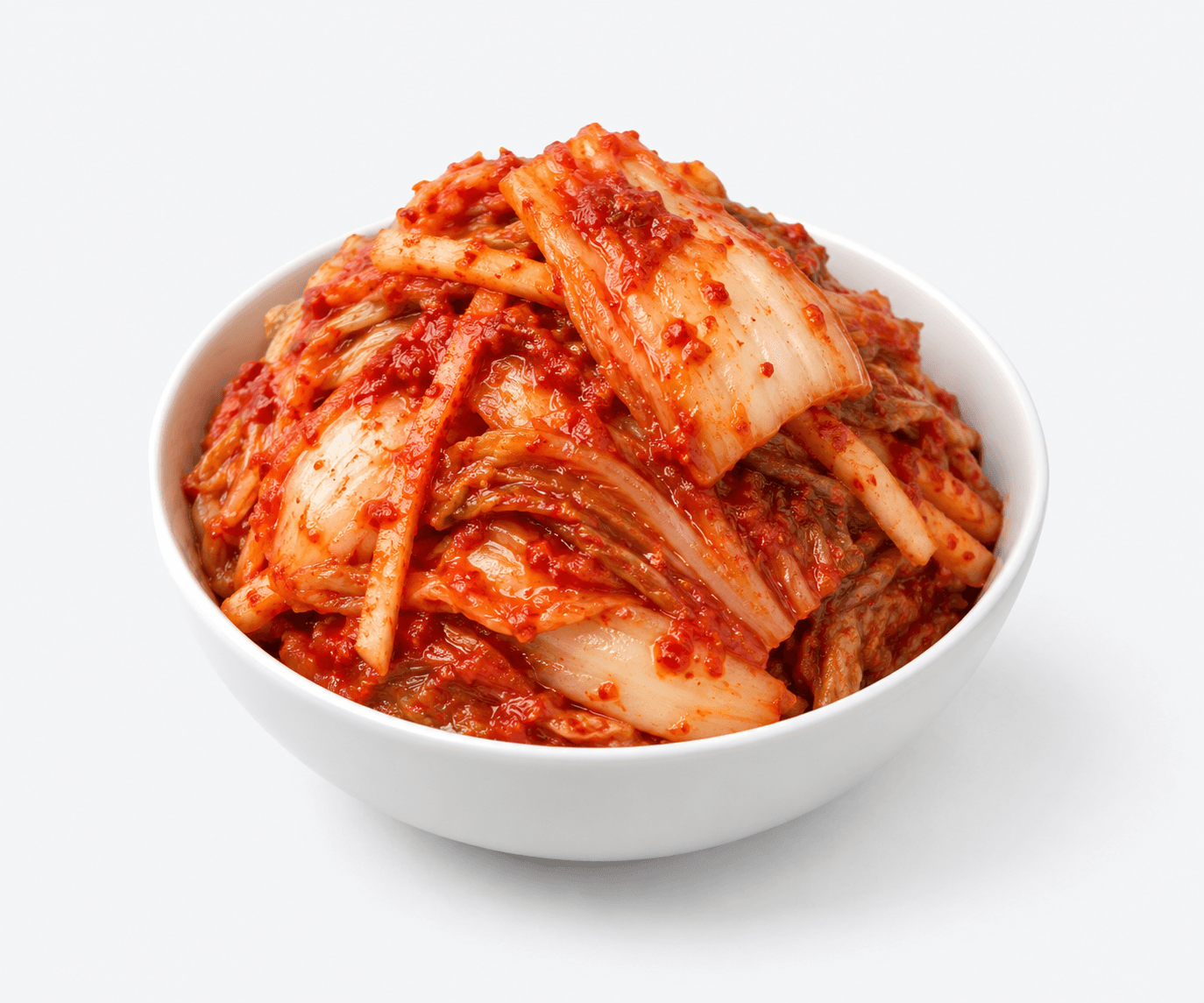
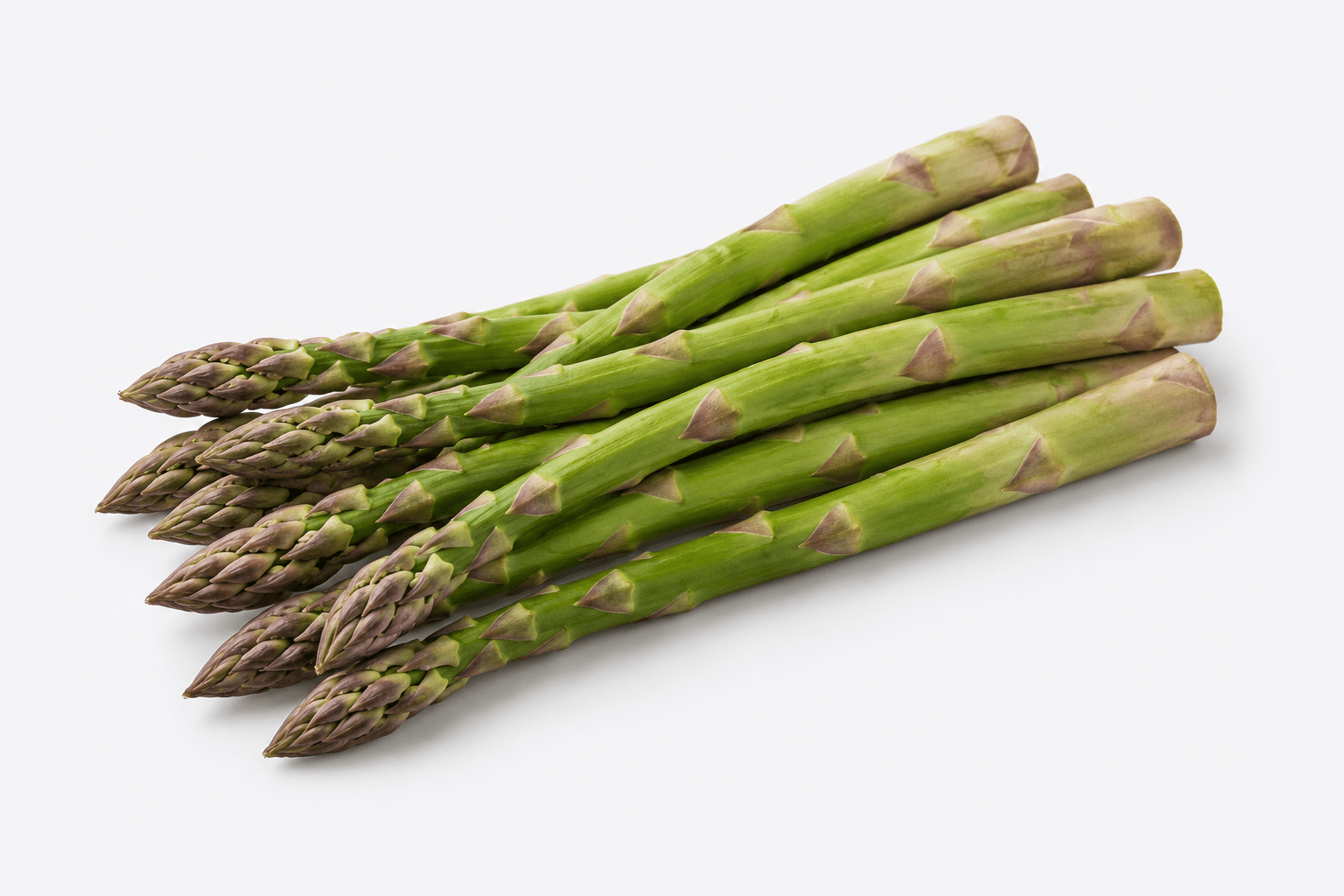
Highest sources
Ranked among the ingredients covered here. Reference amounts vary slightly between entries, so read this as a rough comparison rather than an exact order.
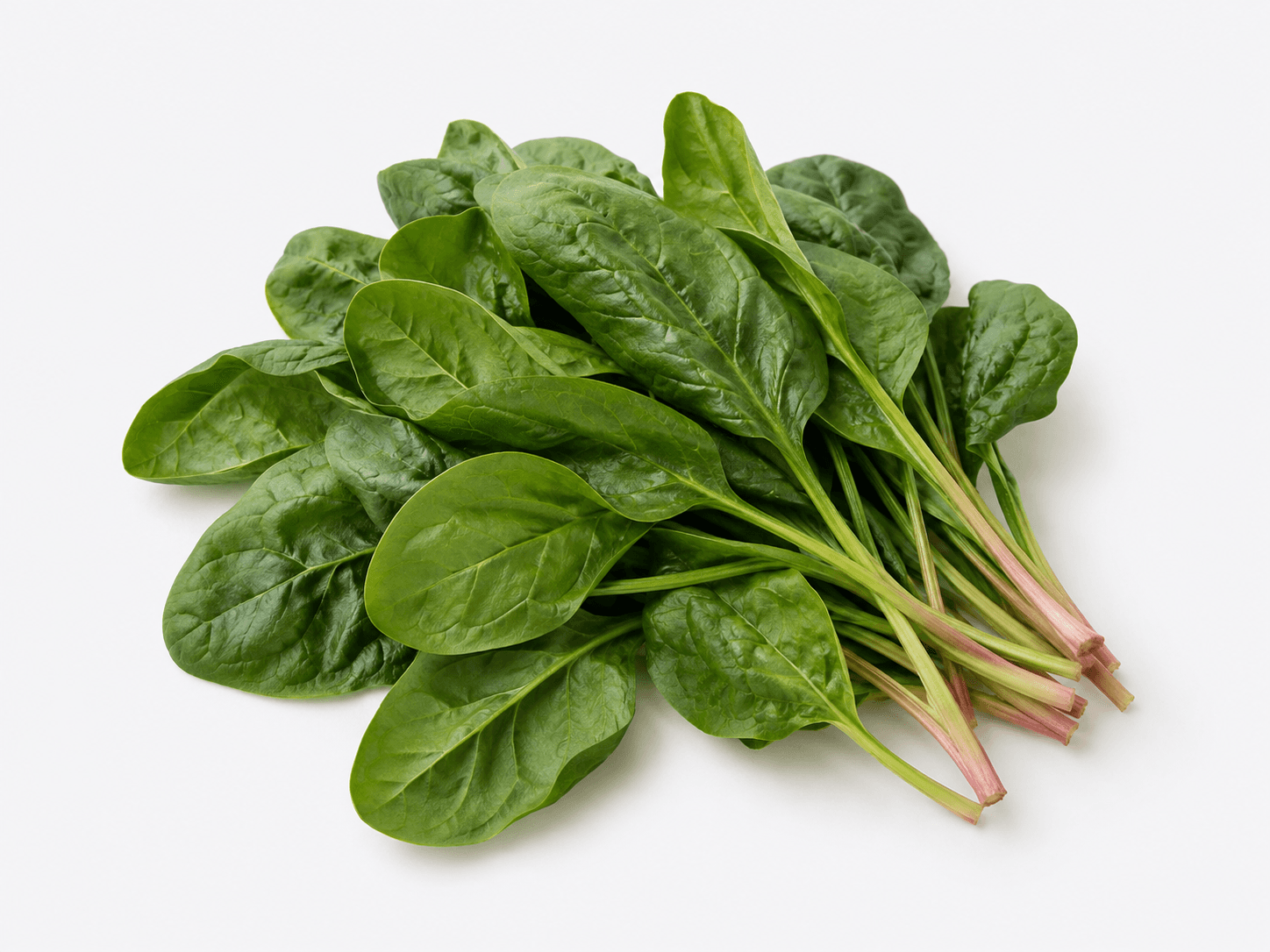
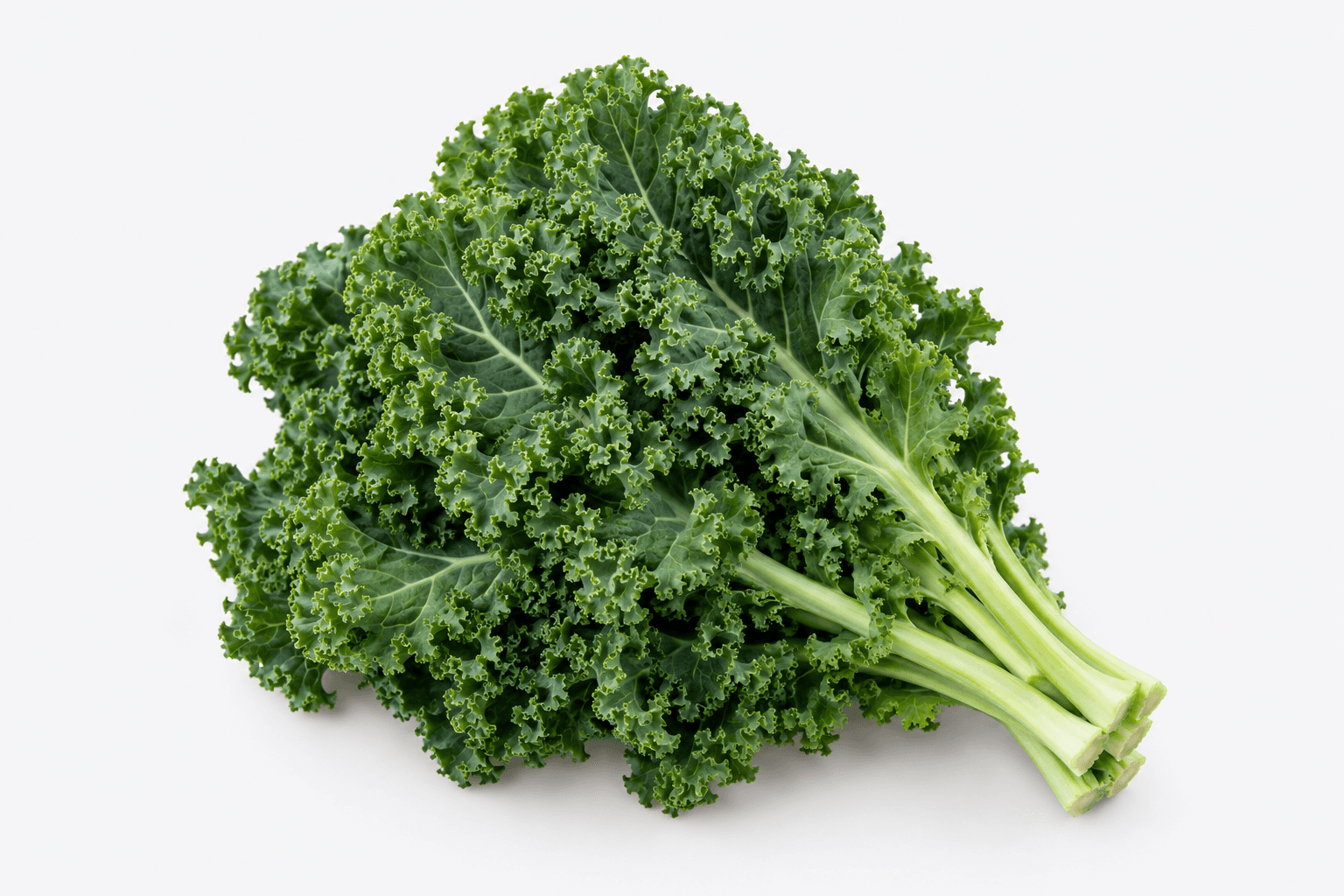
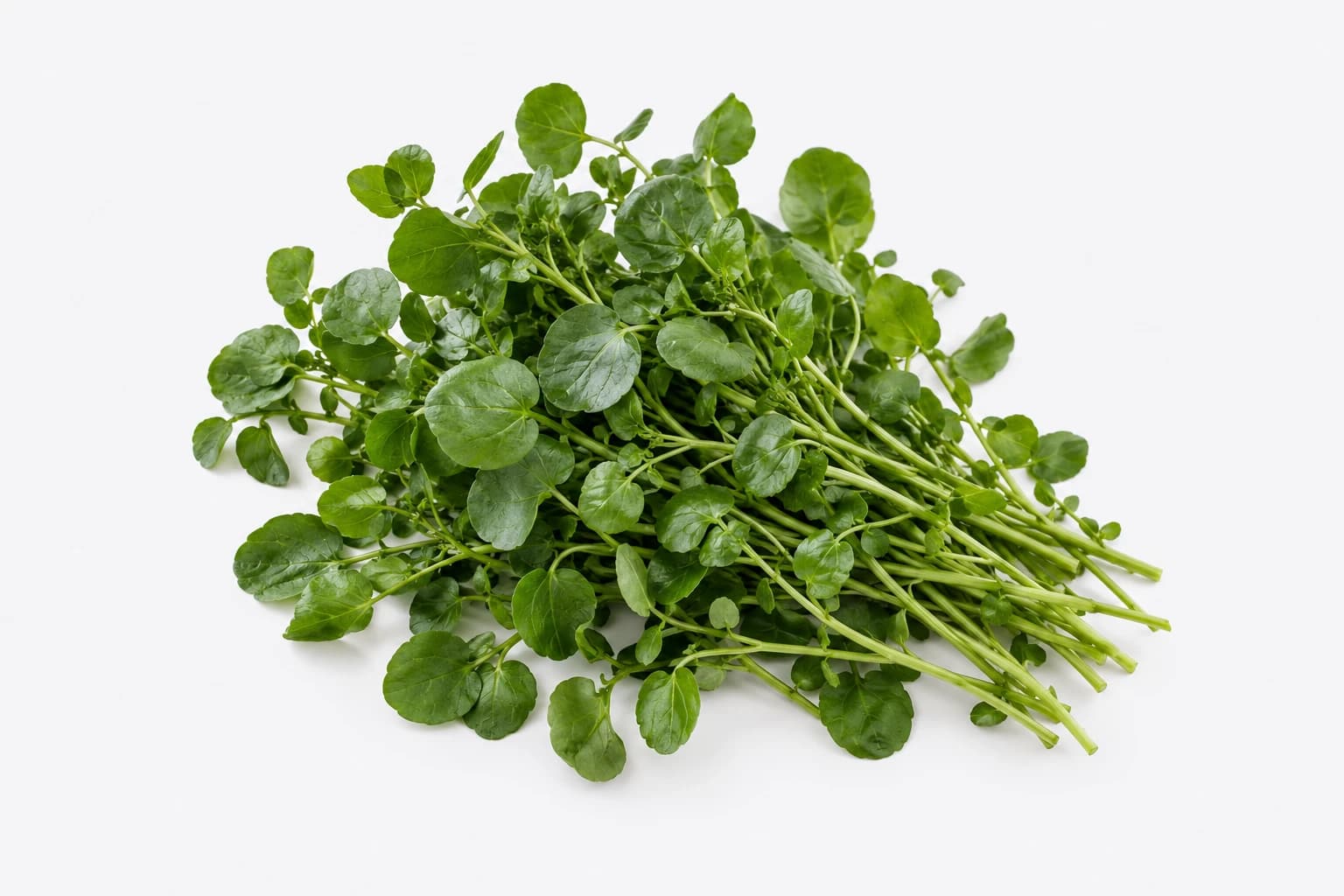
What it does
It activates clotting factors that stop bleeding. It also activates osteocalcin, which directs calcium into bone, and proteins that discourage calcium deposits in blood vessels. Leafy greens supply K1; fermented and animal foods supply K2.
Recommended intake
US adequate intake is 120 µg a day for adult men and 90 µg for women. A single decent serving of leafy greens covers that, so deficiency is rare on ordinary diets.
What affects absorption
Being fat-soluble, it absorbs far better with fat present. Dressing greens with sesame or olive oil makes sense for that reason. Gut bacteria also produce some.
What to watch out for
Warfarin works precisely by blocking vitamin K, so erratic intake makes the drug's effect swing. The goal is not to eat less of it but to eat a similar amount each day. Talk to your clinician before making large dietary changes.
Sources
The databases and health authorities this article's nutrition figures and health statements draw on.