Vitamin
Foods high in niacin (vitamin B3), and the story of the high-dose failure
Deficiency has all but vanished in wealthy countries. What collapsed instead was the hope that high-dose niacin protects the heart — in a trial of 25,673 people.
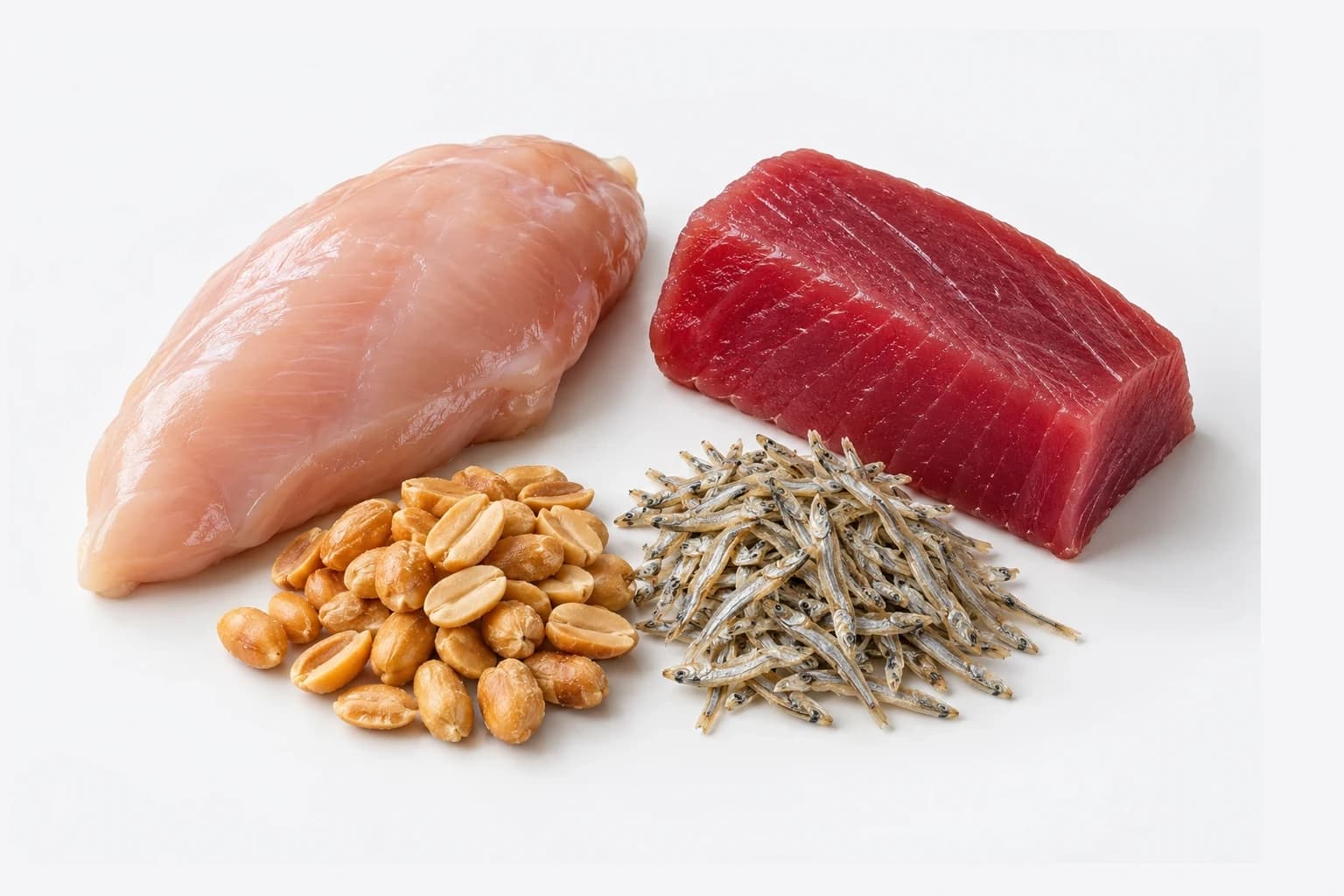
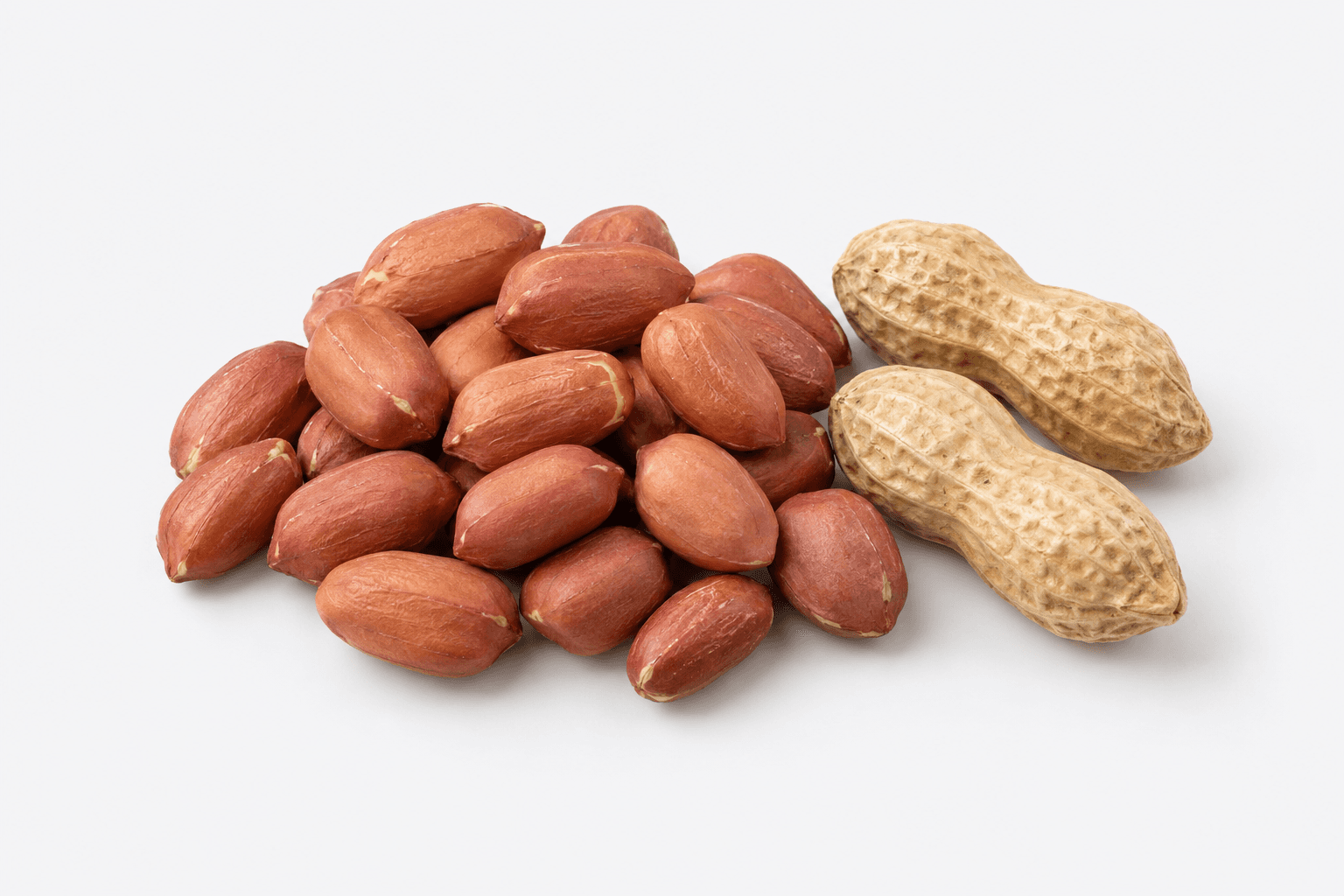
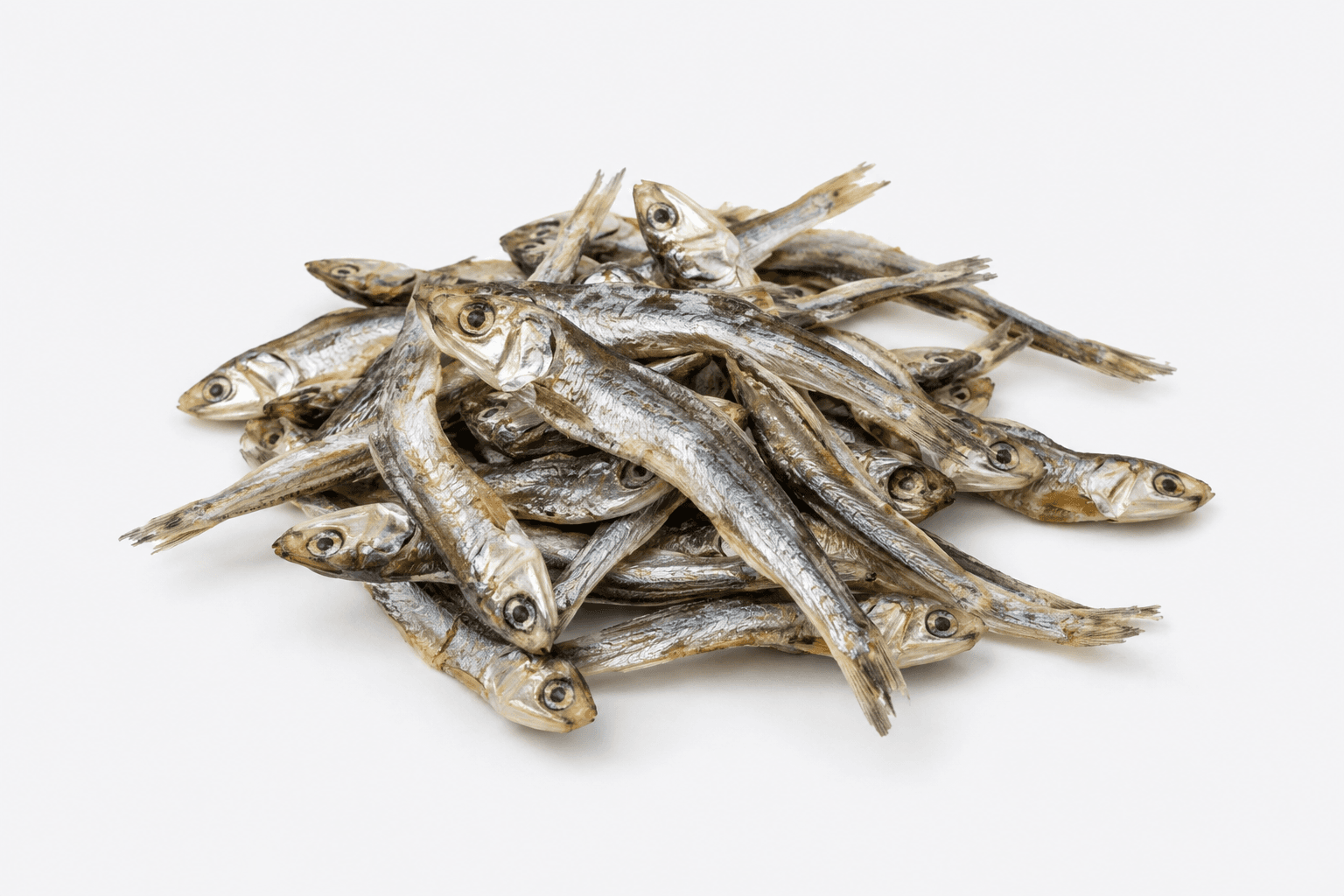
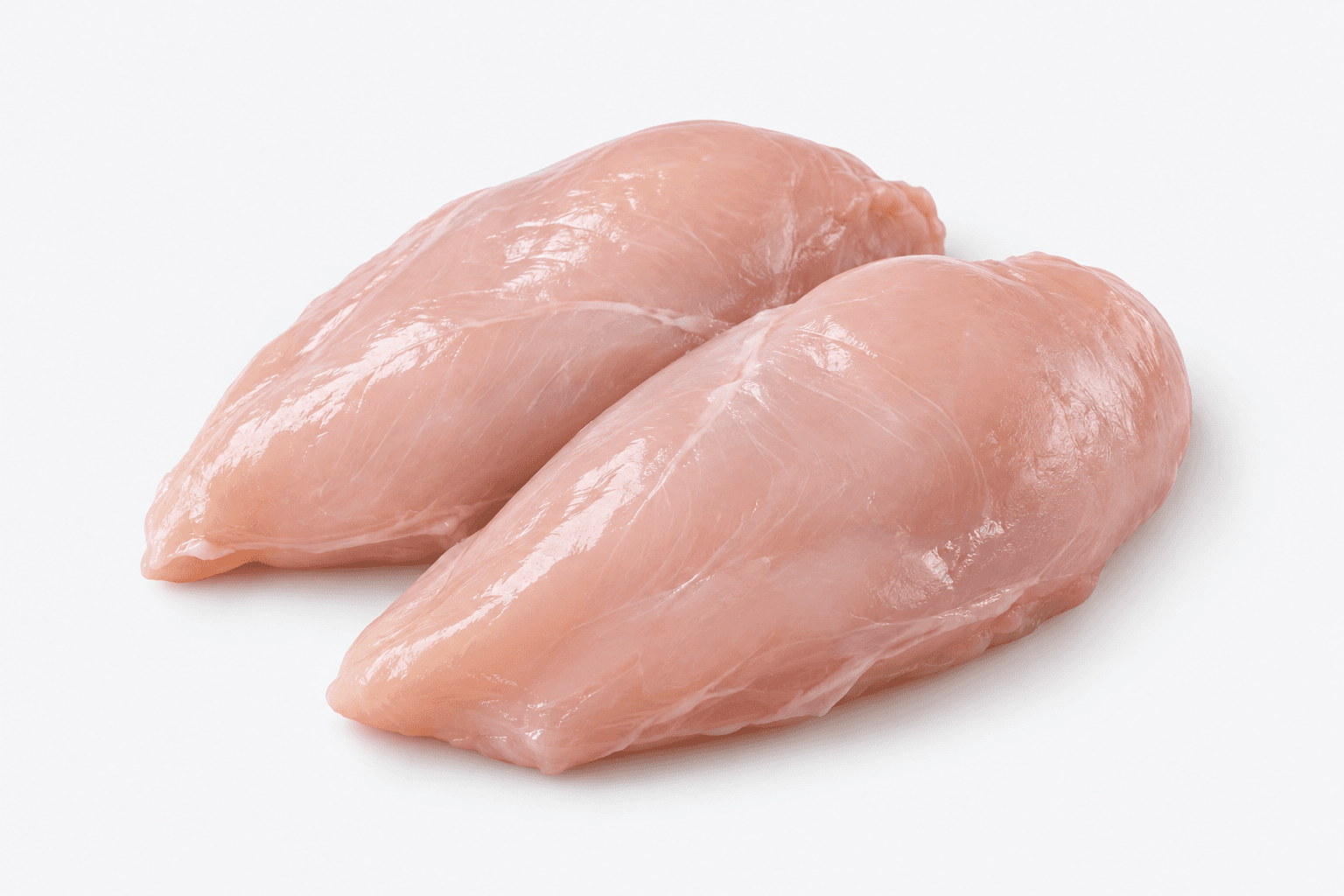
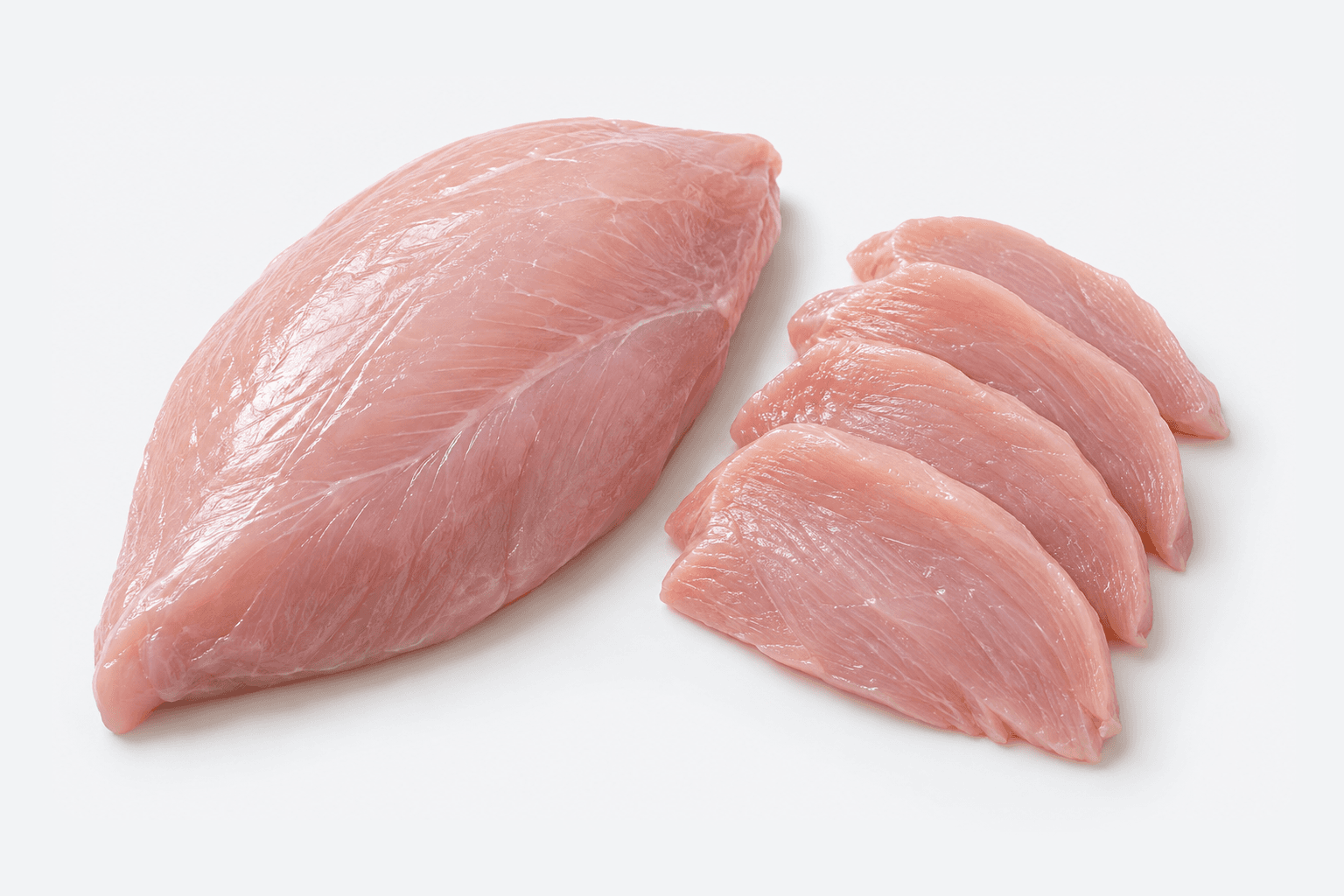
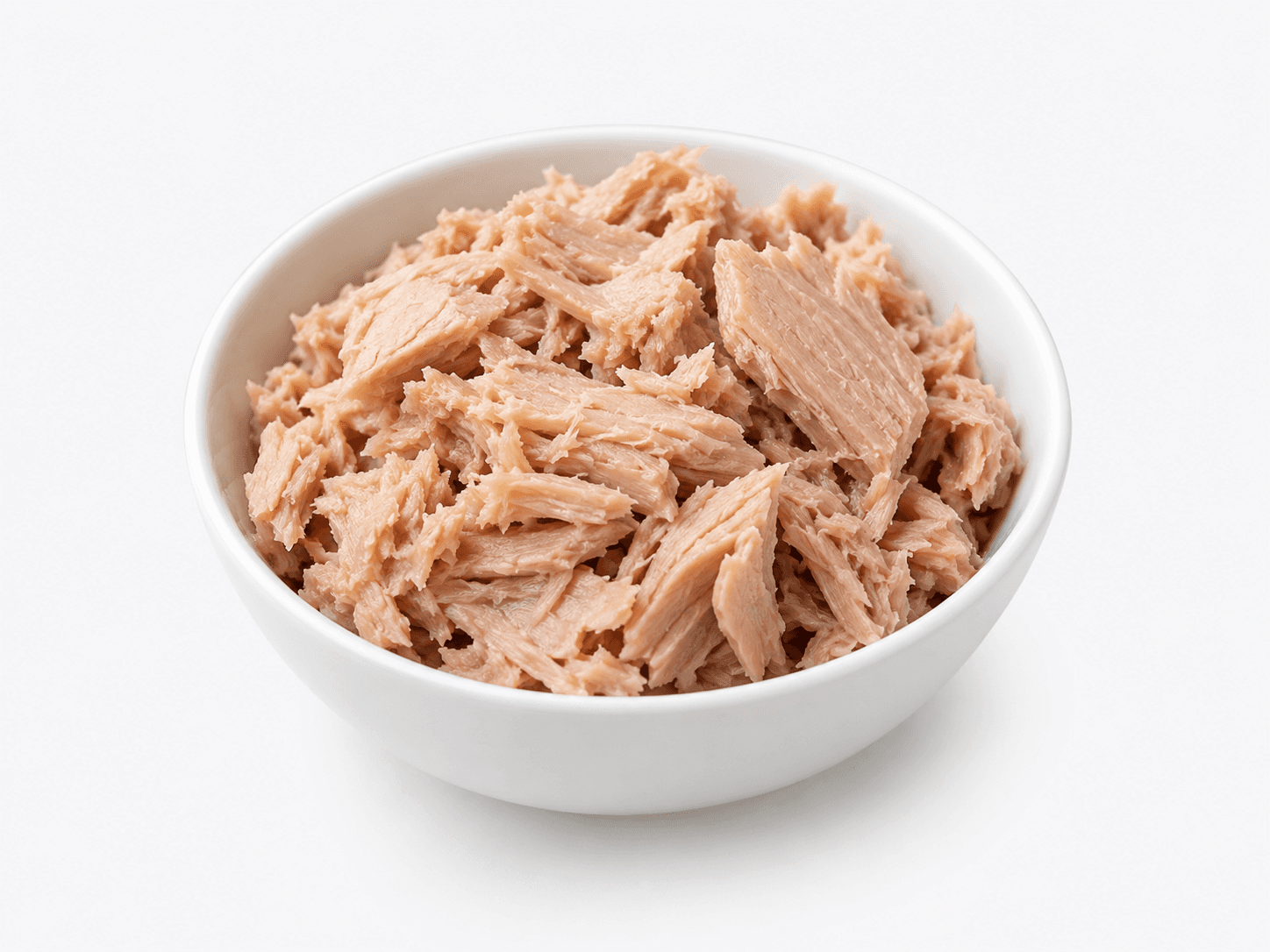
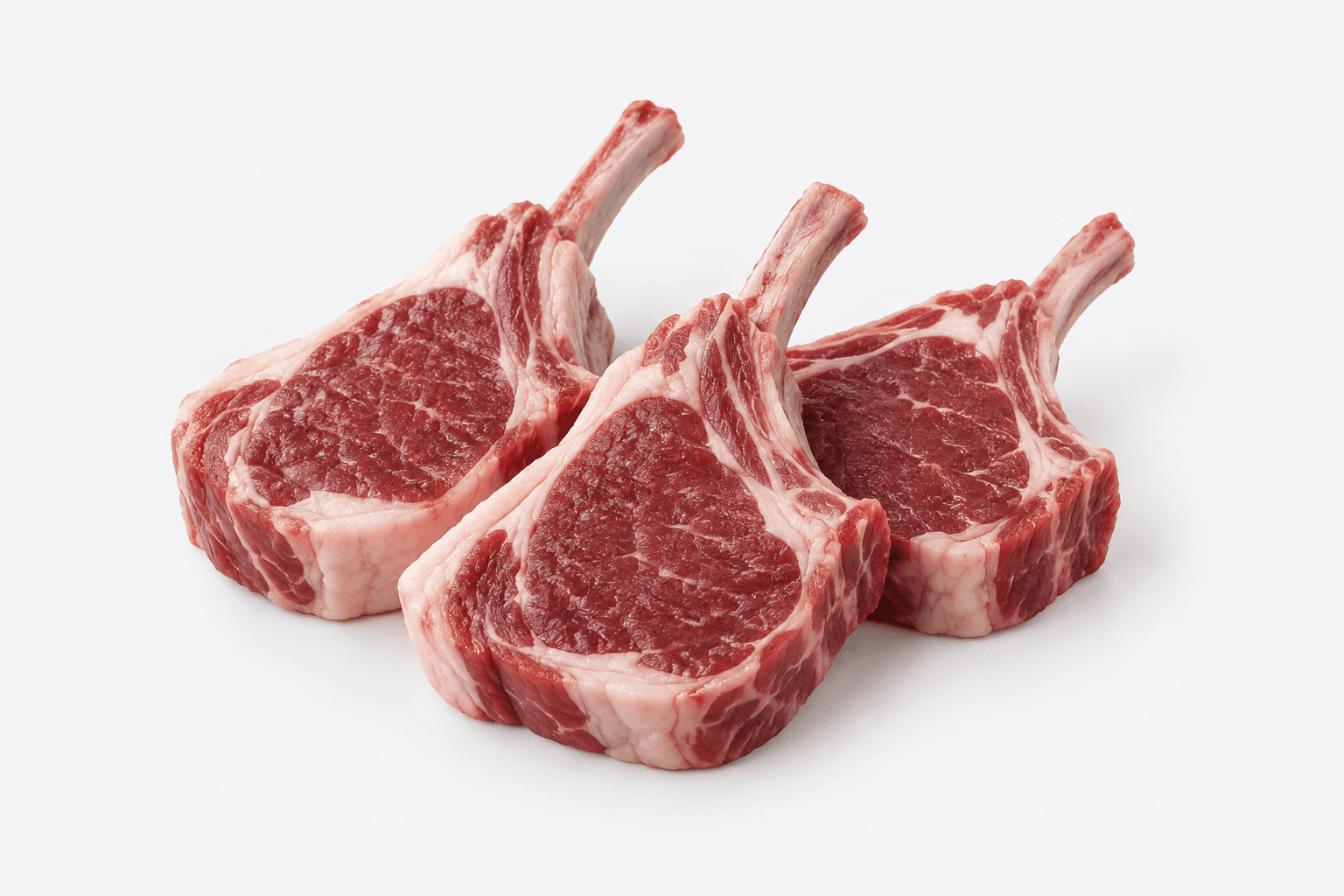
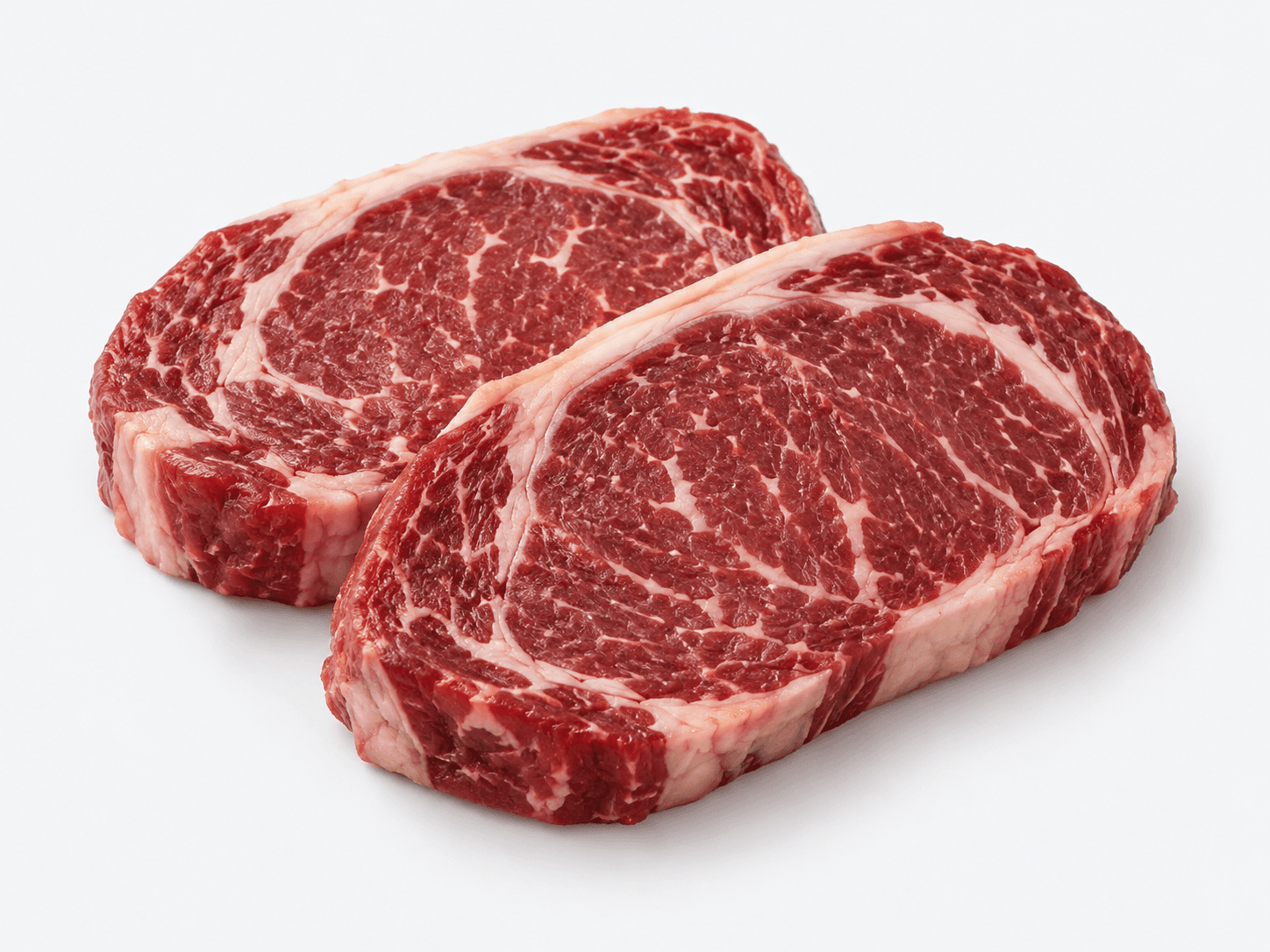
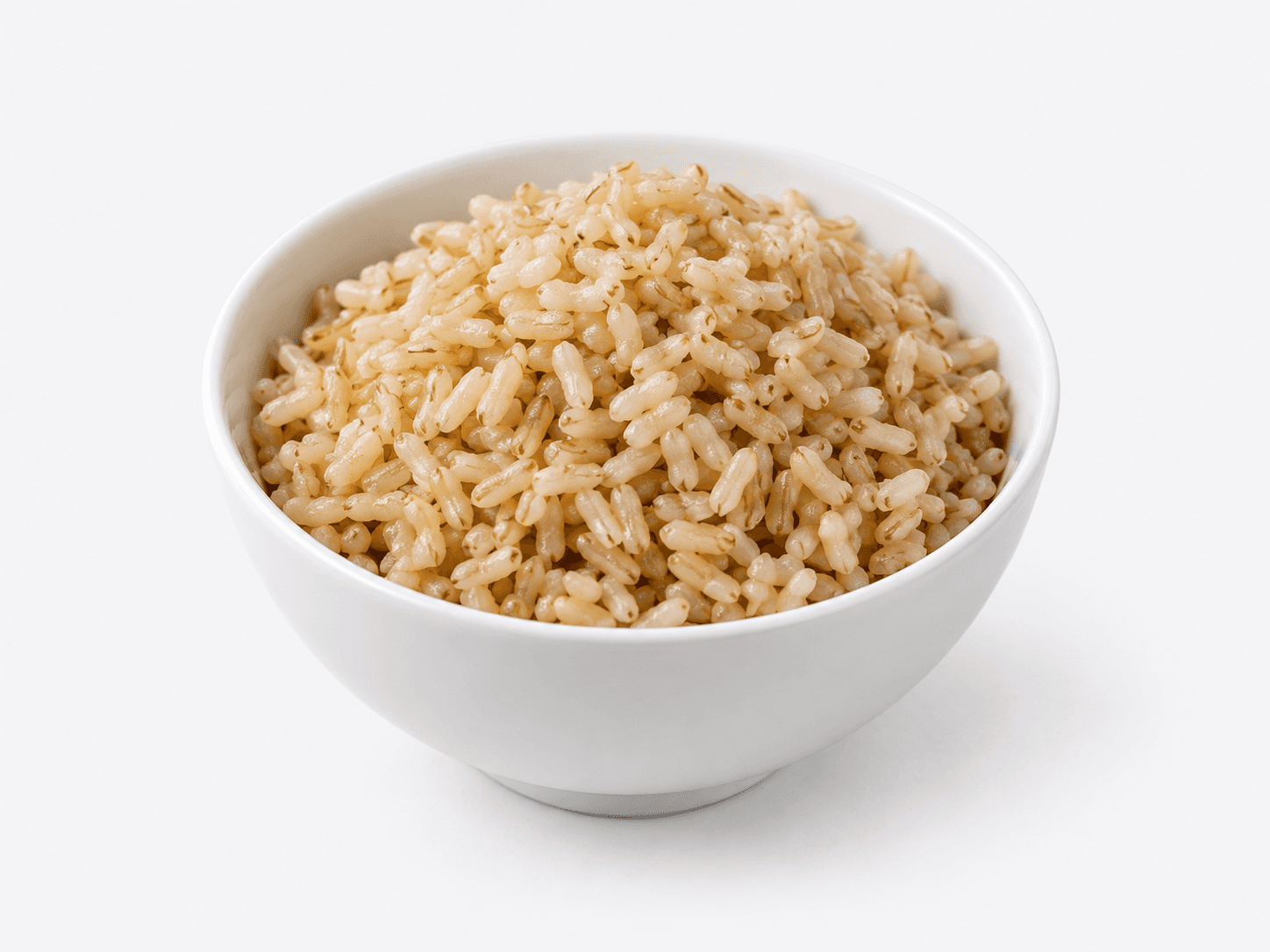
Highest sources
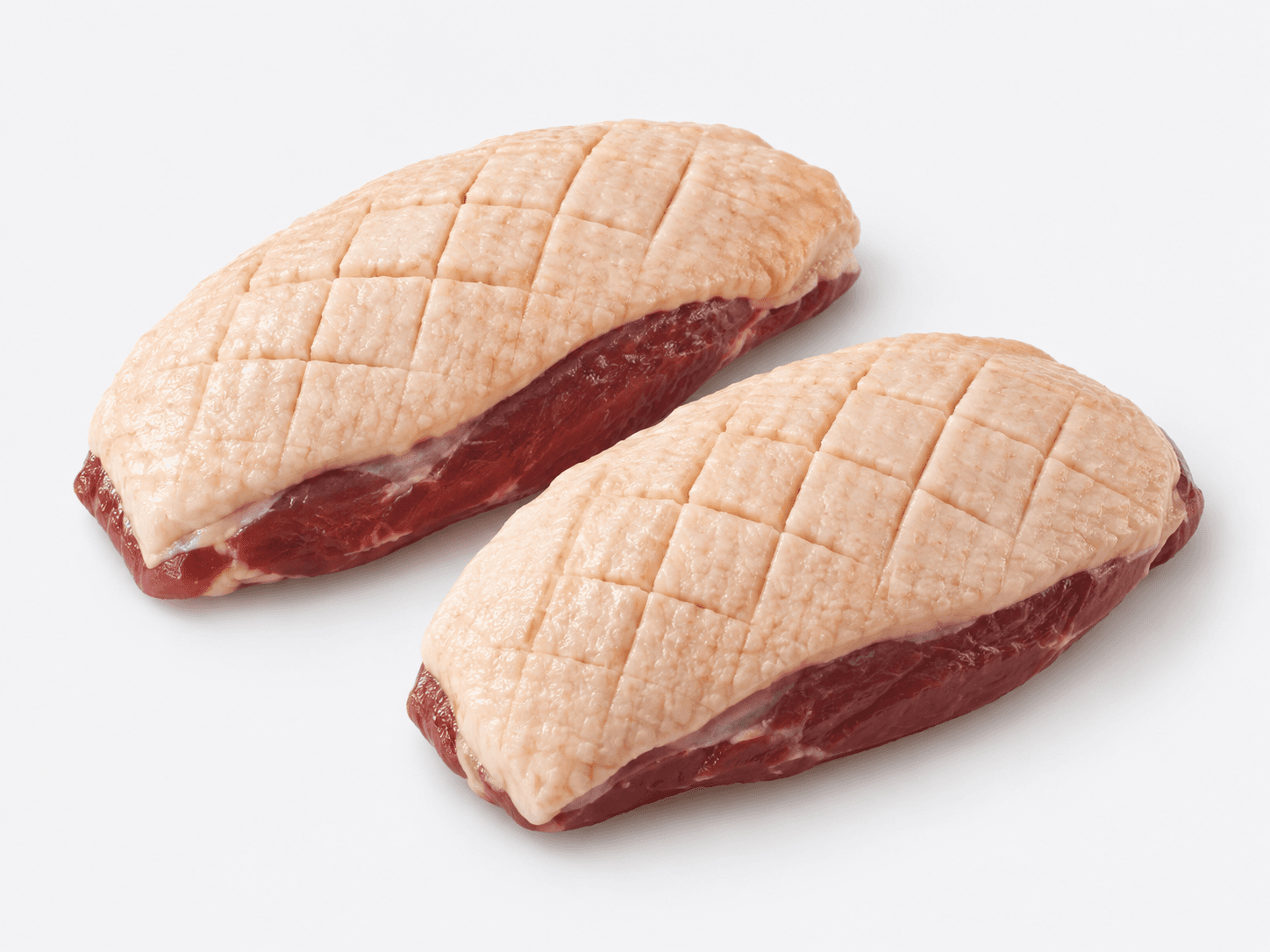
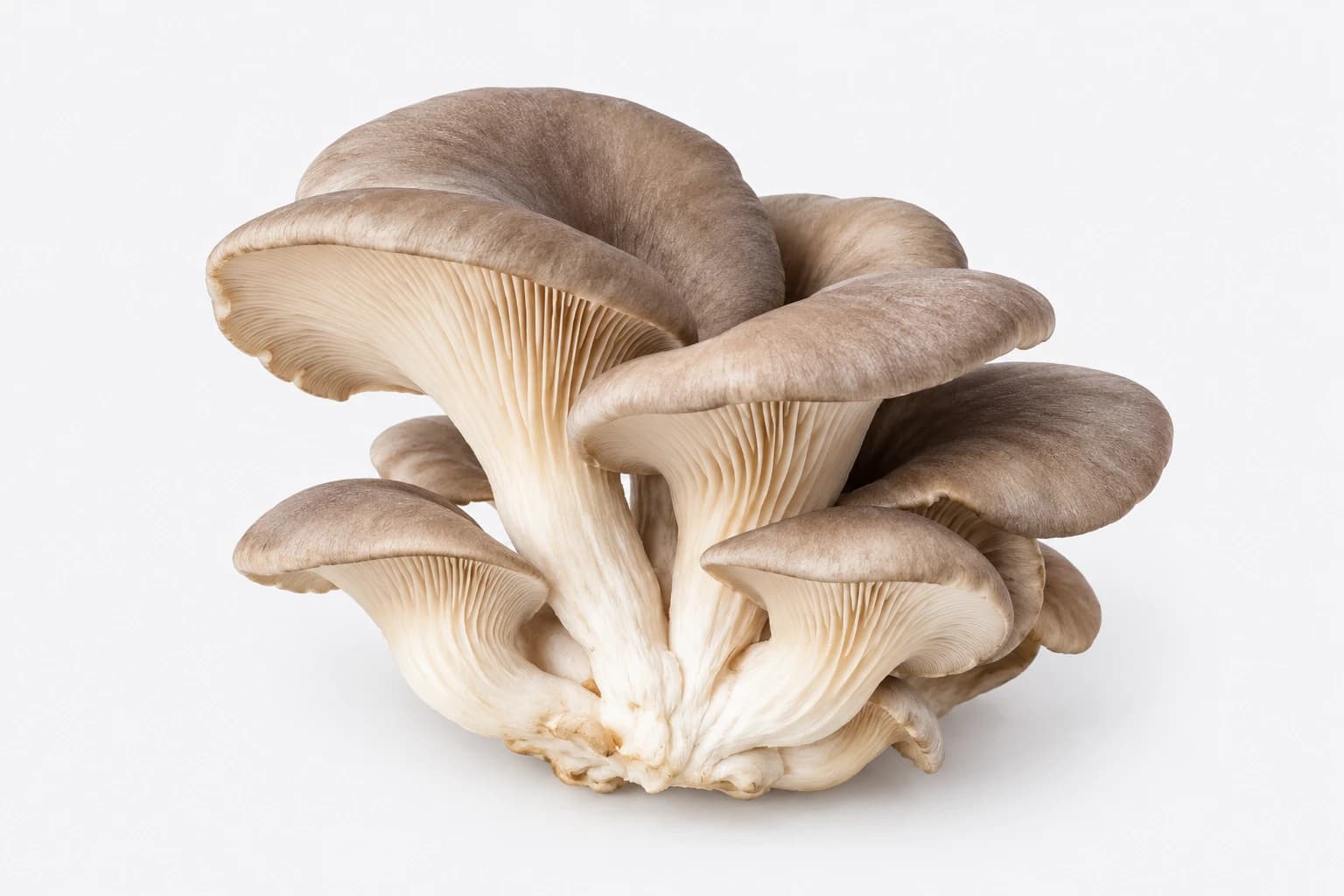
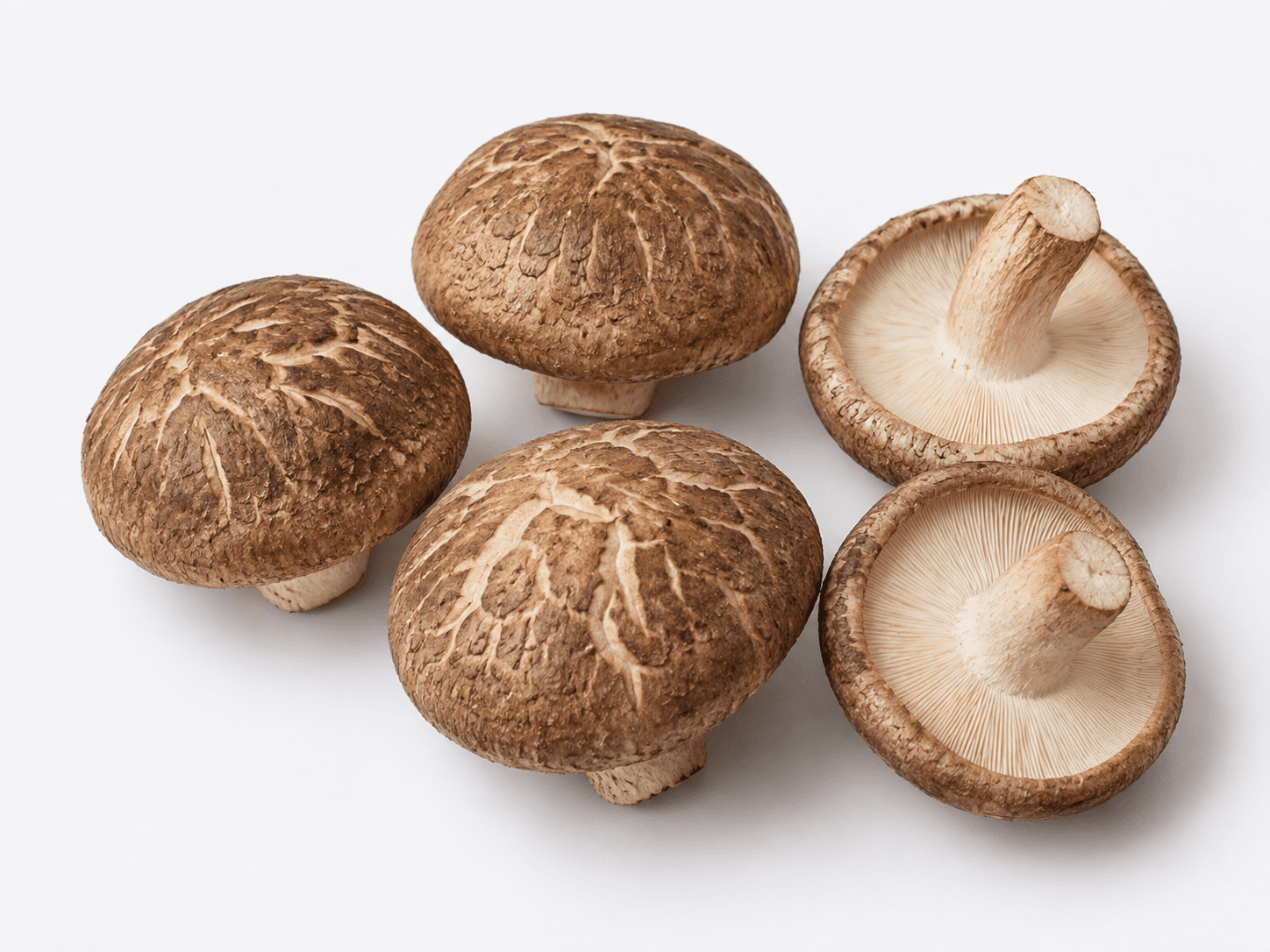
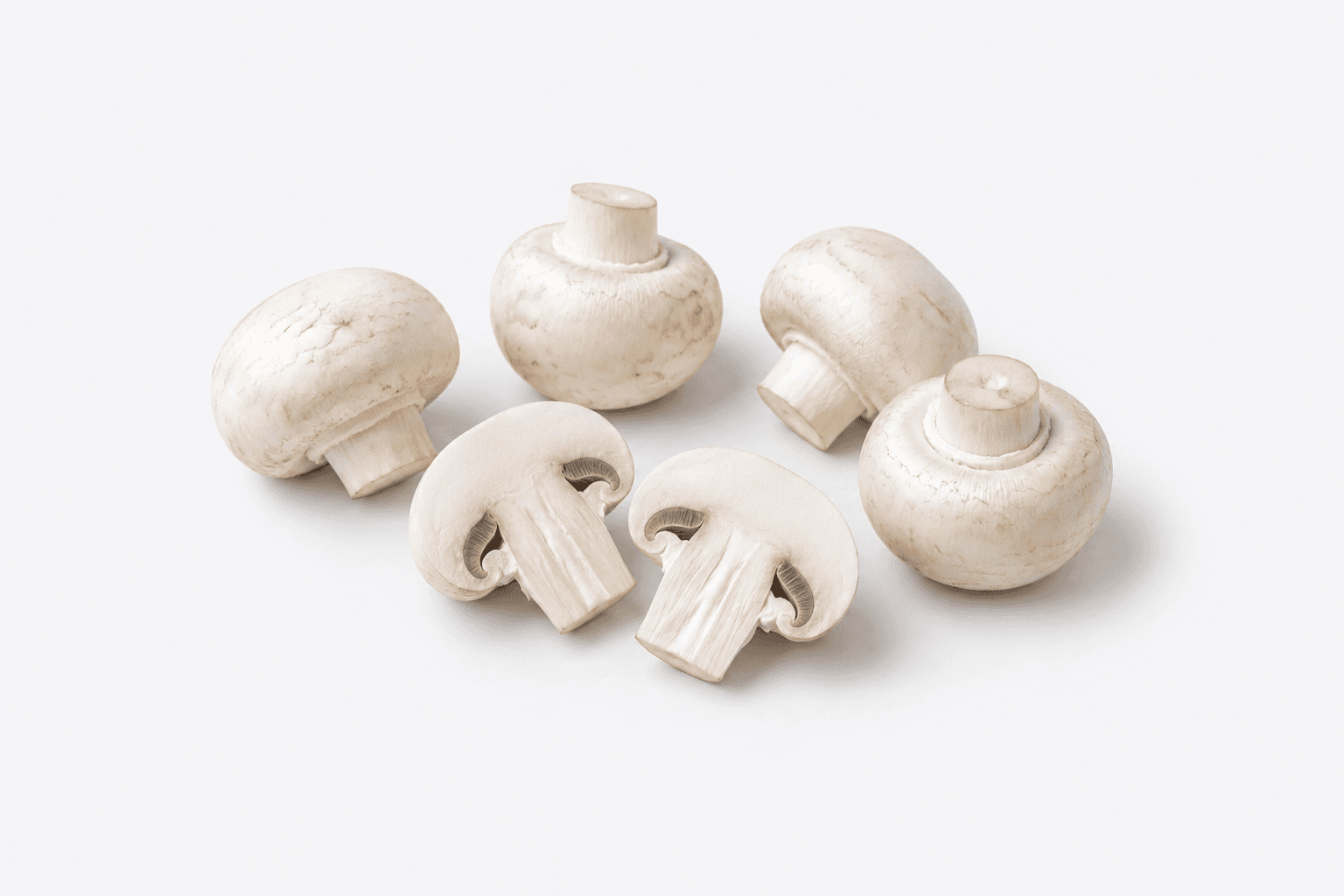
Ranked among the ingredients covered here. Reference amounts vary slightly between entries, so read this as a rough comparison rather than an exact order.
What it does
It is the raw material for NAD and NADP, two coenzymes involved in nearly every energy-releasing reaction, in DNA repair, and in the synthesis of fat and cholesterol. Calling them the busiest coenzymes in the body is not an exaggeration.
One thing sets niacin apart from other vitamins: the body can make it from tryptophan, an amino acid. The conversion is inefficient — roughly 60 mg of tryptophan per 1 mg of niacin — but with an adequate protein intake that route alone covers a large share of the requirement.
Recommended intake
The usual adult reference is 14–16 mg NE (niacin equivalents) a day. Anyone eating 60 g or more of protein daily approaches that figure from tryptophan alone.
The deficiency disease, pellagra, presents as dermatitis, diarrhoea and dementia. It swept regions that adopted maize as a staple without the traditional alkali treatment (nixtamalisation), because the niacin in maize is bound in a form the gut cannot release.
Grain fortification and protein intake have made deficiency uncommon. It still appears in chronic alcohol use, in malabsorption and in carcinoid syndrome.
What affects absorption
Niacin in ordinary foods absorbs well. Maize is the exception: it is bound and unavailable as eaten. Soaking maize in limewater, the traditional Mesoamerican method, is the step that frees it.
Coffee contains niacin too — roasting converts trigonelline into it — but at around 0.5 mg per 100 g of brewed coffee it is not a source in any meaningful sense.
Being water-soluble, it leaches into cooking water, though it is less heat-sensitive than vitamin C.
What to watch out for
The high-dose niacin story is one of the more instructive episodes in nutrition. Niacin raises HDL cholesterol and lowers triglycerides. Decades of observation showed that high HDL goes with low cardiovascular risk, so raising HDL with a drug was expected to reduce events.
AIM-HIGH added extended-release niacin, 1.5–2 g a day, to statin therapy in 3,414 patients. HDL rose from 35 to 42 mg/dL and triglycerides fell from 164 to 122. The trial was stopped early, after a mean of 3 years, for lack of efficacy.
HPS2-THRIVE tried again in 25,673 people. Over nearly four years, major vascular events occurred in 13.2 % versus 13.7 % — no difference (rate ratio 0.96, 95 % CI 0.90–1.03, P = 0.29) — while serious disturbances of diabetes control rose by an absolute 3.7 percentage points and new diabetes diagnoses by 1.3.
It is a clean demonstration that moving a number (HDL) does not mean moving the outcome (events).
At high doses, flushing is common, and liver injury and raised urate can occur. The upper limit is 35 mg a day from fortified foods and supplements. Food is not the problem.
Sources
The databases and health authorities this article's nutrition figures and health statements draw on.
- 1USDA FoodData CentralFood composition database
- 2NIH Office of Dietary SupplementsHealth authority
- 3European Food Safety Authority (EFSA)Health authority
- 4Effects of extended-release niacin with laropiprant in high-risk patientsClinical trialHPS2-THRIVE Collaborative Group N Engl J Med 2014PMID 25014686
- 5Niacin in patients with low HDL cholesterol levels receiving intensive statin therapyClinical trialAIM-HIGH Investigators N Engl J Med 2011PMID 22085343